The United States and China are considering tariff reductions on goods including American energy and agricultural products ahead of next week’s leaders’ summit, seeking to extend their trade truce.
Closer BRICS cooperation will give India wider access to critical minerals, energy resources, technology and capital while creating new manufacturing partnerships, FIEO President Subhash Chander Ralhan told TASS. He said India could expand opportunities across goods, pharmaceuticals, automobiles, electronics, renewable energy, healthcare and digital services, while joining the production and supply chains developing across BRICS economies.
A senior Nissan executive says the UK may need to impose trade tariffs on Chinese cars if it wants equal treatment under the European Union’s local-content rules.
Trade between Azerbaijan and Russia fell 27.9% year-on-year to $2.411 billion in January-August 2026, Azerbaijan’s State Customs Committee reported. Azerbaijani exports to Russia rose 2.6% to $840.096 million, while imports from Russia dropped 37.8% to $1.57 billion.
Kazakhstan is turning its reliance on imported processed goods into an opportunity for investors to build local enterprises, replace imports and broaden the country’s export basket.
BRICS Pay is a decentralised digital payment system designed to enable international transactions in local currencies rather than the dollar. BRICS leaders backed investment in cross-border payment systems at their New Delhi summit, but the project remains in pilot and phased rollout stages and is not yet globally operational for all members. It would connect national systems and support settlement through QR codes, digital wallets and mobile apps.
Russia’s Transport Ministry has proposed expanding regular shipping services with India to increase maritime cargo transport. Moscow also offered to share its autonomous-shipping expertise, identifying intelligent transport systems and highly automated maritime shipping as promising areas for cooperation.
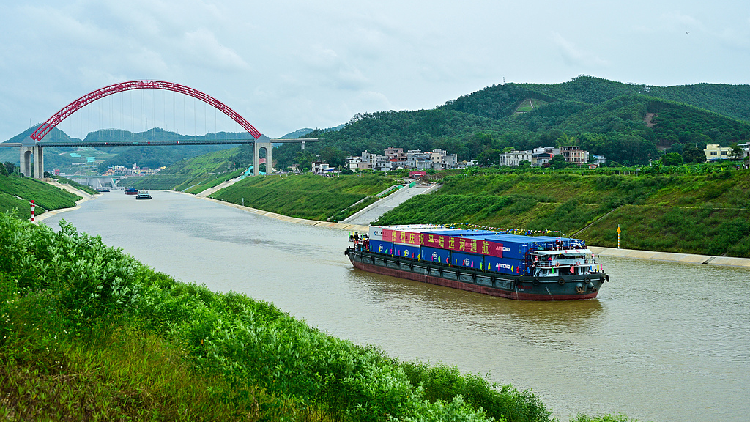
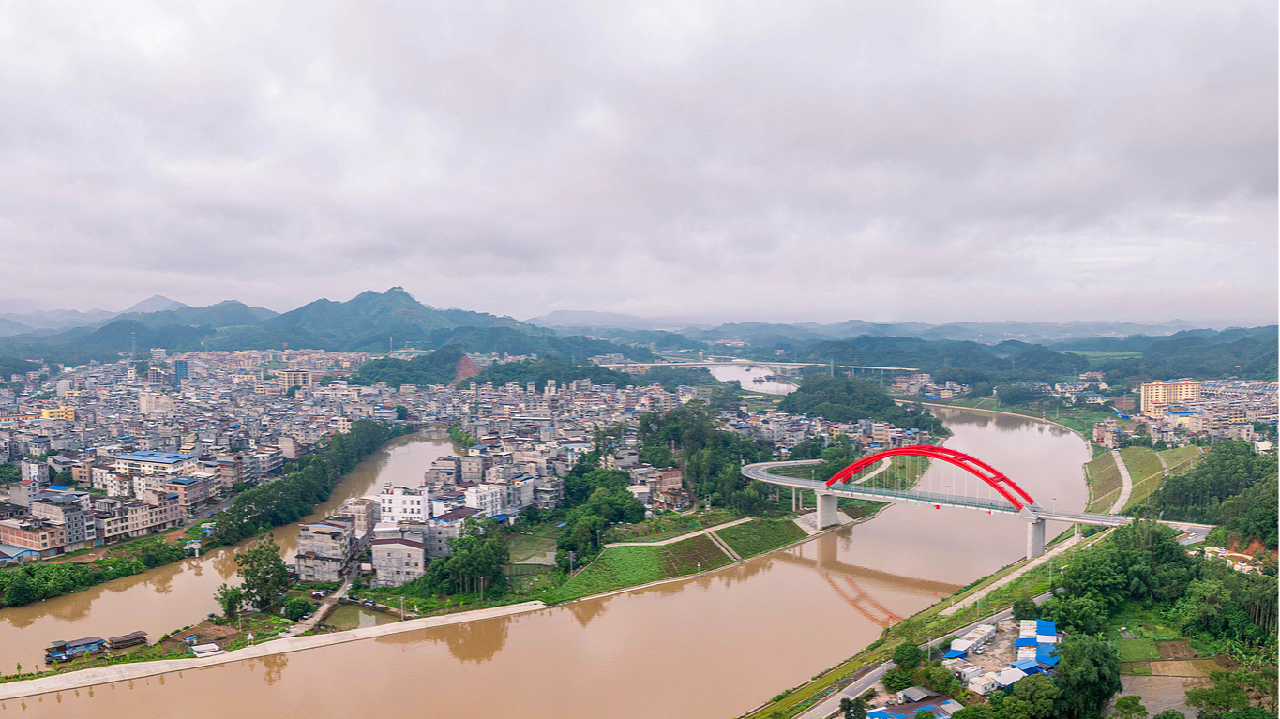
Chinese Vice Premier Ding Xuexiang called for greater opening of China’s western regions at a ceremony marking the start of navigation on the Pinglu Canal in Guangxi. The 134.2-kilometer, 72.7-billion-yuan canal links Nanning with the Beibu Gulf and serves as a backbone project of the New Western Land-Sea Corridor.
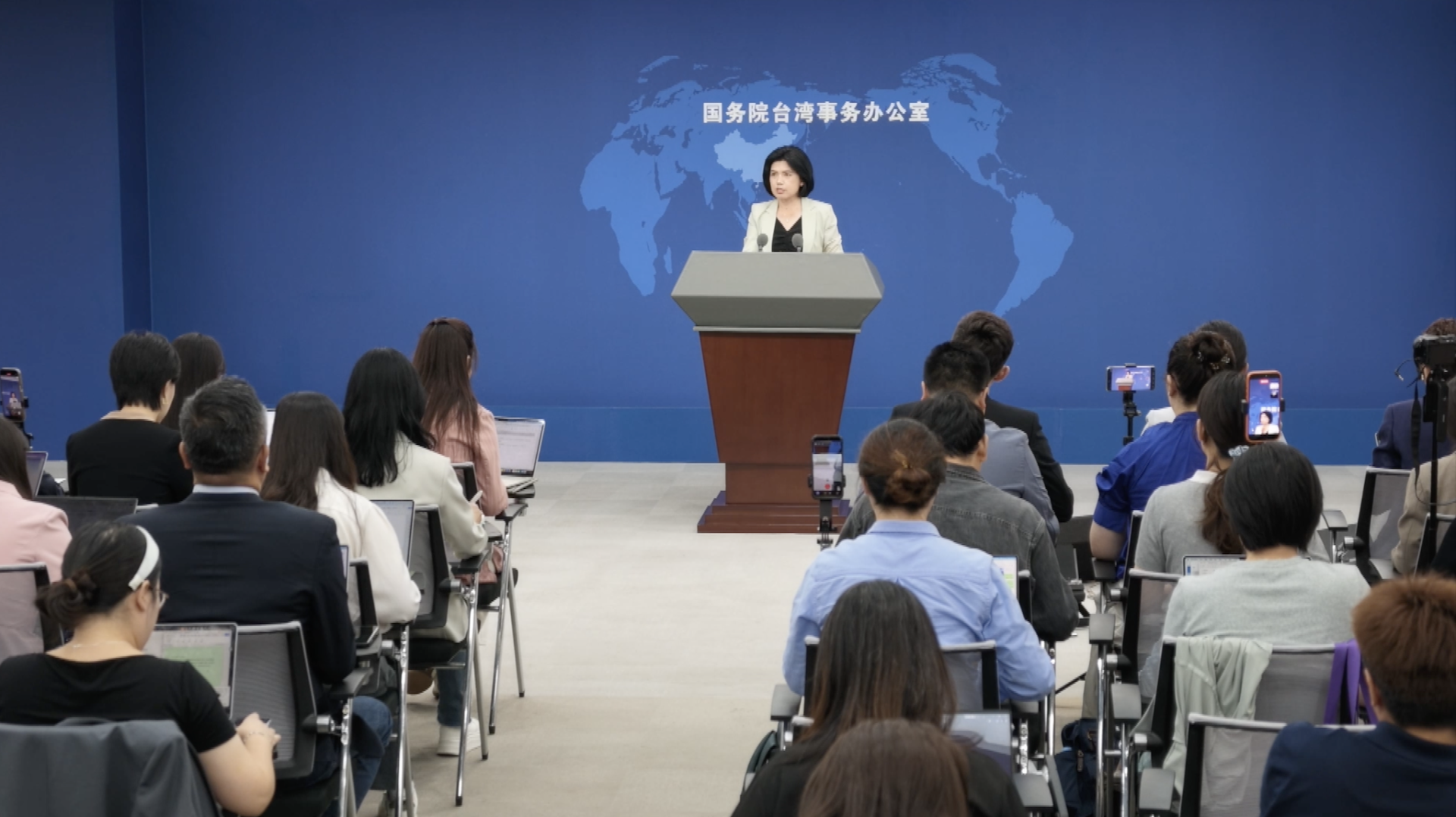
The Pinglu Canal, a backbone project of China’s New International Land-Sea Trade Corridor, opened to navigation on Wednesday. It will connect western inland goods to the sea, cutting shipping distance by more than 560 kilometers and logistics costs by up to 30%. A mainland spokesperson welcomed people from Taiwan to share the project’s opportunities.
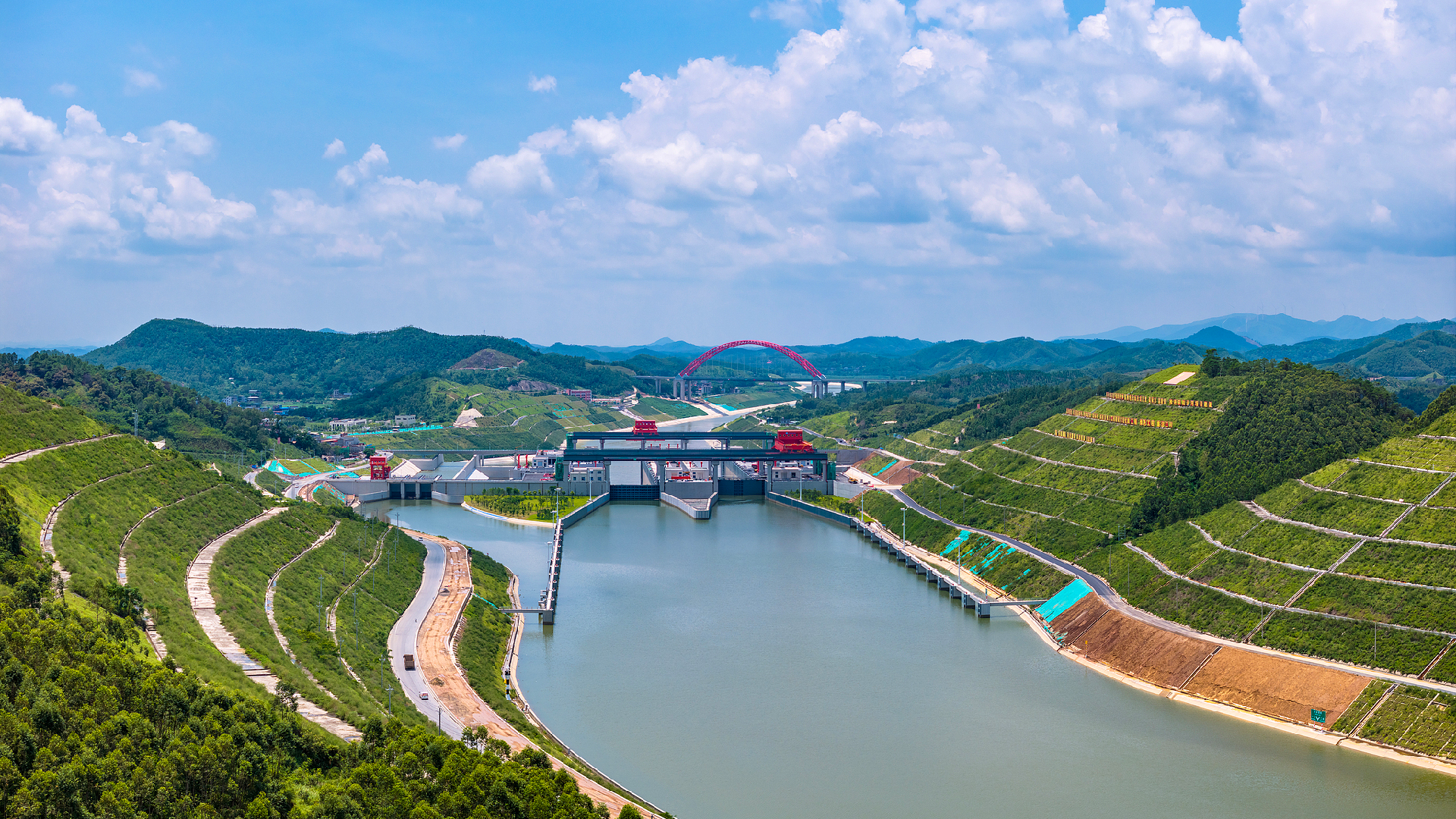
China’s Pinglu Canal opened to navigation on September 16 with multiple national and world records. Located in Guangxi, it links southwest China to the sea, accommodates vessels of up to 5,000 tonnes, shortens inland shipping routes and includes the world’s highest and largest inland water-saving ship locks.
Pinglu CanalGuangxitransport infrastructureworld records
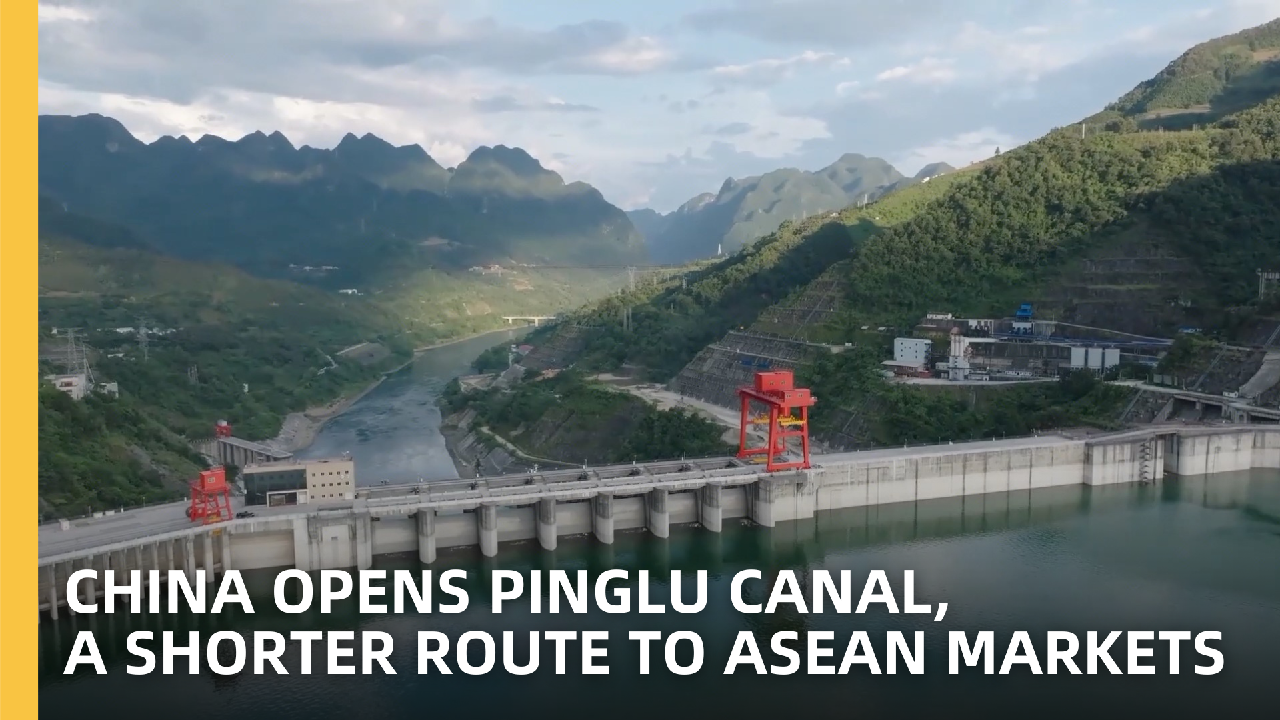
China opened the 134.2-kilometer Pinglu Canal on Wednesday. As a major part of the New International Land-Sea Trade Corridor, it offers inland Chinese regions a more direct route to the sea and onward to ASEAN markets.
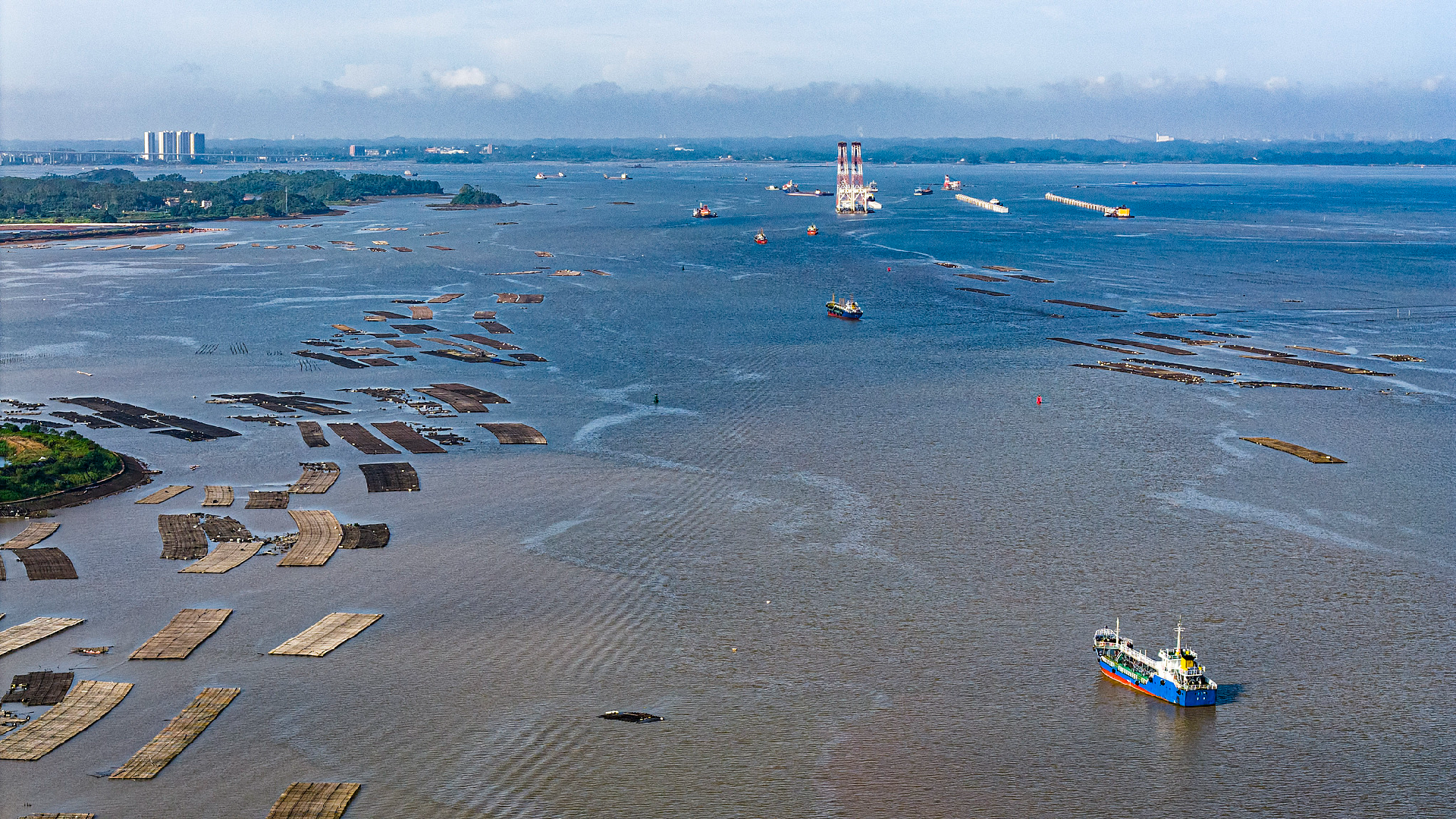
China opened the Pinglu Canal on Wednesday, creating a shorter route from its landlocked southwest to the coast and overseas markets, especially ASEAN, its largest trading partner. The 134.2-kilometer canal cost 72.7 billion yuan and links Nanning with the Beibu Gulf.
China’s Pinglu Canal in Guangxi is scheduled to open to navigation on September 16. The project will link inland waterways with the Beibu Gulf and expand the country’s inland shipping network. Construction began in August 2022, major works were completed in May 2026, and project acceptance finished in August.
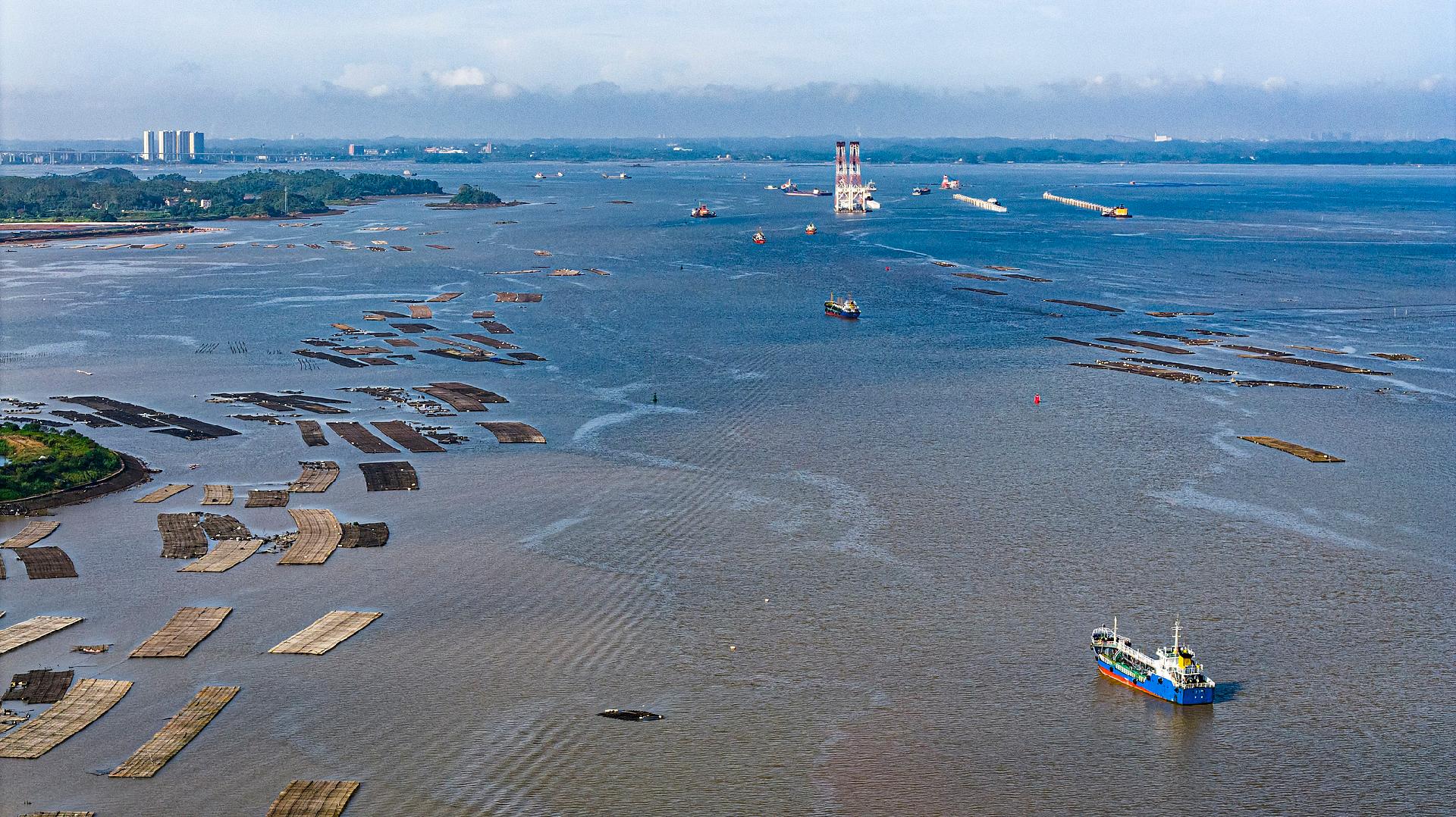
China’s 134.2-kilometer Pinglu Canal officially opened to navigation on Wednesday, linking the Xijiang River shipping network with the Beibu Gulf. Built at a cost of 72.7 billion yuan, it can handle vessels of up to 5,000 tonnes and is expected to cut the route from southwest China to the sea by about 560 kilometers. Mangrove restoration, a fish passage and a wildlife overpass were incorporated into the project.
China’s Pinglu Canal in Guangxi officially opened to commercial navigation on Wednesday. The 134.2-kilometer waterway links the Xijiang River corridor with the Beibu Gulf, shortening shipping routes from southwestern China to the sea by more than 560 kilometers and creating a more direct gateway to ASEAN. Fish passages and a wildlife bridge were built along the canal, while more than 98% of excavated material was reused.
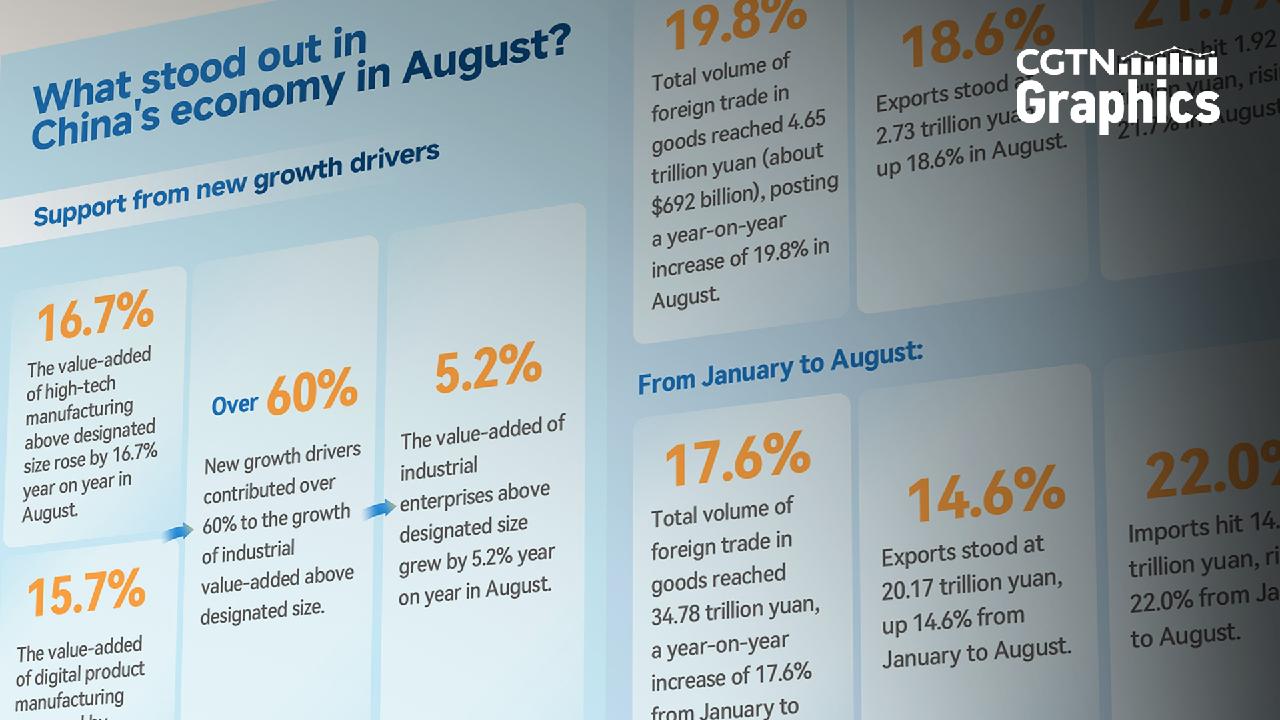
Official data showed that China’s August economy was driven by booming emerging industries and strong foreign trade. Value-added in high-tech and digital product manufacturing rose 16.7% and 15.7% year on year, while goods trade reached 4.65 trillion yuan, up 19.8%.
Russia’s government has decided to extend restrictions on diesel exports by fuel producers through the end of October, Vedomosti reported late Tuesday, citing two unidentified sources.
American Chamber of Commerce in Russia head Robert Agee said US companies are chiefly awaiting the removal of the ban on new investment in Russia imposed by Joe Biden’s administration. He said the restriction is costing them profits, market share and brand value, while businesses also hope for restored bank transfers and eased aviation and medical-technology export controls.
Trade between Japan and Russia increased 19.51% year on year in August 2026 to 110.3 billion yen, or about $959 million. Imports from Russia rose 24%, while Japanese exports grew 10.5%. LNG remained Japan’s leading Russian import, and cars and auto parts led exports to Russia.
China-ASEAN economic ties are deepening, with Guangxi's imports from ASEAN reaching 62.84 billion yuan in the first seven months of 2026, up 19 percent year on year. Cooperation is also expanding across investment, infrastructure, people-to-people exchanges and supply chains. The upcoming China-ASEAN Expo will spotlight AI, innovation and ASEAN market needs.
The outlook for extending the US-China trade truce is improving as both sides consider reducing tariffs on goods such as American energy and agricultural products before next week’s leaders’ summit.
China is opening the 134km Pinglu Canal in Guangxi, linking the Xijiang River with the Beibu Gulf. The waterway is designed to shorten shipping routes from southwest China to Southeast Asia by about 560km, lower logistics costs and stimulate trade and industry along the corridor.
Japan recorded its biggest rise in imports in nearly four years in August as higher oil prices increased energy costs. Exports grew for a 12th straight month, supported by resilient demand related to semiconductors, government data showed Wednesday.
Cross-border renminbi receipts and payments between China and ASEAN reached 9.436 trillion yuan in 2025, up 5.99% year on year, a report from the People's Bank of China’s Guangxi branch said. Goods-trade settlement totaled 2.591 trillion yuan, while CIPS added 41 participants. Six ASEAN countries now have RMB clearing banks.
The 4th Weifang International Food and Agricultural Products Expo opened Tuesday at the Lutai Convention and Exhibition Center in Shandong, attracting 516 exhibitors from 16 countries and regions and more than 2,000 buyers. Exhibitor, visitor and buyer numbers all reached records. The event features eight exhibition areas and nine related activities through Thursday.
New Zealand's parliament passed legislation on Wednesday to implement a free trade agreement with India. The deal would eliminate or substantially reduce tariffs on about 95% of New Zealand's exports to India.

BRICS leaders have called for using local currencies in trade among the bloc’s members to reduce dependence on the dollar, but the discussion has so far produced more talk than action.

Dr. Walaa-Eldeen Bakry of Westminster Business School says Carney is deliberately diversifying Canada’s trade policy. She argues that Canada could provide a more reliable route for energy exports to the EU, noting a significant rise in oil shipments to some European countries last year.
Anne Applebaum says the upheaval in US diplomacy and foreign policy goes beyond any single administration. She describes a wholesale shift in how Washington uses power—from leading a democratic alliance to transactional, mafia-style politics blending ideology, private economic interests, personal ties and geopolitical leverage.
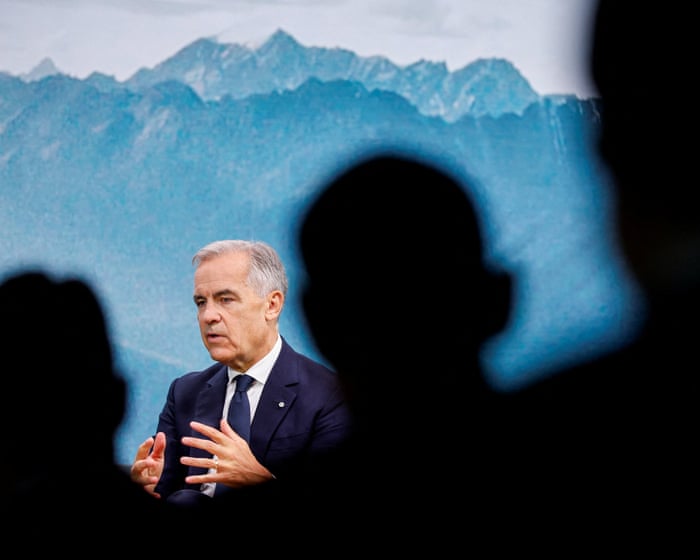
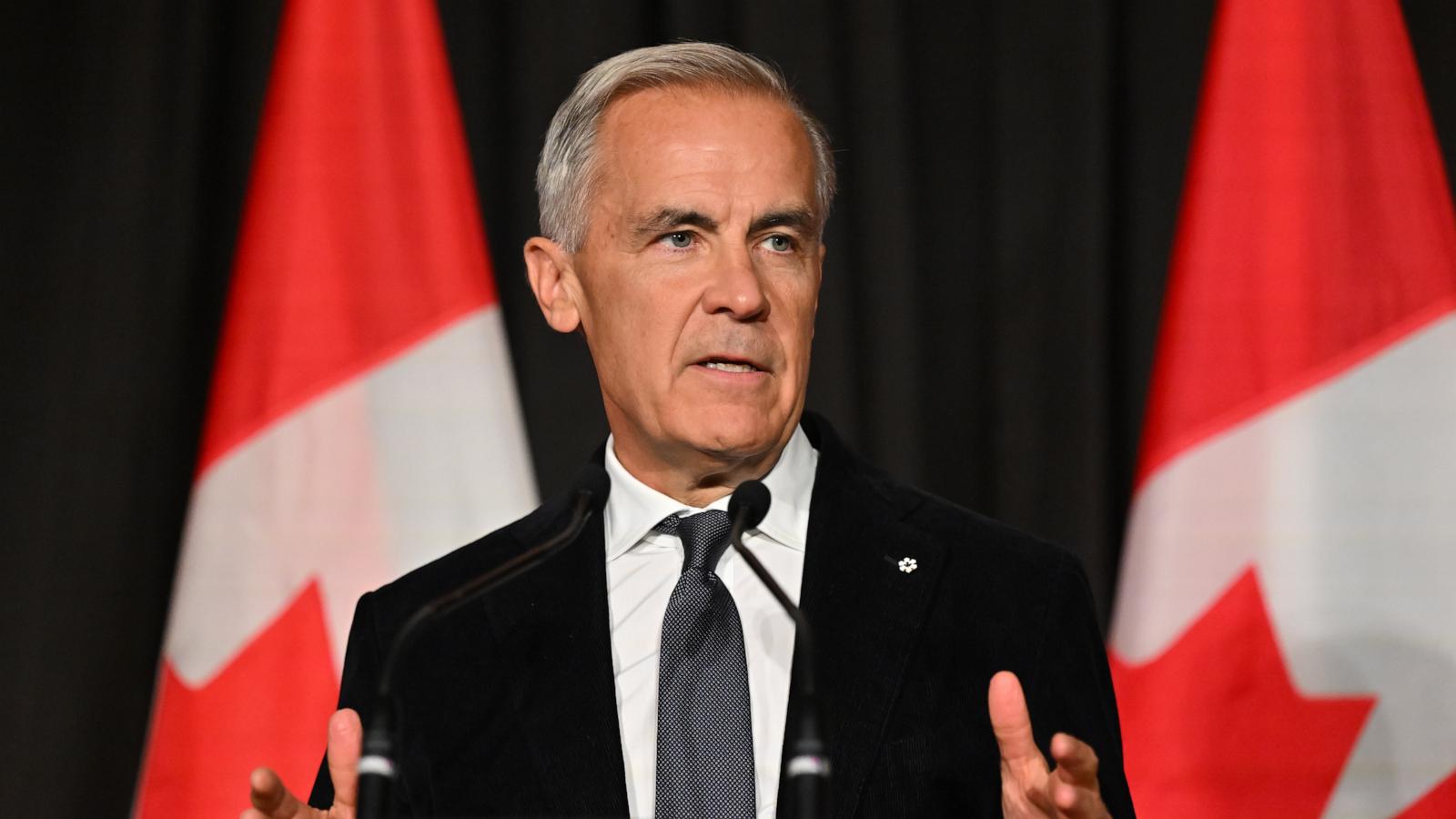
Mark Carney says Canada will seek a “unique security and economic alliance” with Europe, presenting the country as a safe destination for investment in a “new global economic order.” As relations with the US have fractured, Ottawa is working to reduce its trade dependence by deepening economic and political ties with the EU, though talks remain at an early stage.
Canadian Prime Minister Mark Carney is travelling to Europe amid a trade war with US President Donald Trump, pursuing a deeper relationship with the European Union that could give Canadians more freedom to work and study there.
Mark Carney is reportedly expected to use his European trip to pursue a new arrangement with the EU that could let Canadians live and work across the bloc without visa restrictions.
Canadian Prime Minister Mark Carney is visiting Strasbourg and Liverpool to pursue what he calls a “unique alliance” with the EU, seeking stronger trade, investment and security ties as relations with Washington deteriorate. Carney says Canada does not want EU membership, but Ottawa is exploring a deeper partnership, including visa-free living and work arrangements in Europe.
Prime Minister Mark Carney is presenting Canada as a “safe harbour” for major investors amid geopolitical uncertainty and an intensifying trade war with the US. At a Toronto investment summit, he pledged to attract C$1tn over five years and announced plans to allow private investment in operations at four major airports, drawing criticism from labour unions.
Romanian authorities are likely to seek a legal route to restart the Lukoil-owned Petrotel refinery without violating current US sanctions, political scientist Ilya Grashchenkov told TASS. The prolonged shutdown has become a domestic political challenge, with trade unions warning that about 460 companies could go bankrupt. The crisis threatens the wider industrial chain and leaves Bucharest balancing sanctions compliance against jobs, fuel prices and stability.
Russia’s pipeline gas supplies to Turkey fell 10.4% year on year to 11.4 billion cubic meters in January–July 2026, according to TASS calculations based on Turkish regulator data. July imports through TurkStream and Blue Stream totaled 948 million cubic meters.
The US and China are considering lower tariffs on selected goods, including American energy and agricultural shipments. The talks may signal that next week’s leaders’ summit could extend their one-year trade truce.
Thailand aims to settle the substance of a tariff agreement with the US before Prime Minister Anutin Charnvirakul meets President Donald Trump later this week, with Bangkok potentially seeking a slightly lower rate.
European Union lawmakers voted on Tuesday to remove a provision allowing the bloc to suspend its carbon border levy if it raises the cost of imported goods. The move sets up a clash with member states that support keeping the emergency brake.
Russian Energy Minister Sergey Tsivilyov said artificial, non-market and politically motivated restrictions on trade and technological cooperation worsen global energy imbalances. Speaking about Moscow’s proposals for the G20 energy meeting in Houston, he stressed the importance of open, predictable and affordable energy markets for security and economic stability.
Canada’s housing-market momentum stalled in August as home sales fell amid a breakdown in trade talks with the US and new tariffs imposed by both countries on each other’s goods.
US-Canada trade talks collapsed at the last minute late last month and were followed by what the article calls a temper tantrum. President Donald Trump announced tariffs that Prime Minister Mark Carney matched, then signed an order renaming Lake Ontario as Lake America. Transportation Secretary Sean Duffy had earlier issued a barely veiled threat toward Canada.
Maxim Oreshkin, deputy chief of staff of Russia’s presidential executive office, said the dollar and euro together accounted for 15% of the country’s international trade settlements in 2025. He said sanctions accelerated a shift toward the ruble and BRICS currencies, leaving Russia no longer dependent on Western financial-system instruments.
Kremlin official Maxim Oreshkin said G7 countries are gradually losing their positions in the global economy, while BRICS nations account for more than half of economic growth. He said China leads by a wide margin, India has risen to third, and Russia and Japan share fourth and fifth places.
Hungary’s purchases of Russian pipeline gas fell 12% in value terms in January-July 2026, but it remained the EU’s biggest buyer, according to Eurostat data and TASS calculations. The EU paid €3.4 billion for Russian pipeline gas during the period, while TurkStream remained the only active supply route to Europe.
EU purchases of Russian pipeline gas and liquefied natural gas totaled 8.6 billion euros in January-July 2026, down 2.6%, according to Eurostat data and TASS calculations. In July, EU countries paid 607 million euros for Russian LNG, led by France, Belgium and Spain.
Russia’s share of the European Union’s total gas import value fell from second place in June to fourth in July, at 14.1%, according to Eurostat data and TASS calculations. The EU bought €1.1 billion of Russian gas that month. Norway ranked first, followed by the United States and Algeria. From January to July, Russia accounted for 17% of EU gas imports, while purchases fell 2.6% to €8.6 billion.
Russia accounted for 18.6% of the value of the EU’s LNG supplies in July, ranking behind the United States, according to TASS calculations based on Eurostat data. EU purchases from Russia were worth about €607 million, down 12% year on year, while US supplies totaled €1.8 billion. Russia supplied €5.15 billion worth of LNG to Europe from January through July.
Researcher Anastasia Litvina says Finland’s tourism sector loses more than €330 million a year because Russian travelers are absent, while cross-border businesses in eastern provinces lose about €1 million daily. She says disrupted cooperation has fueled bankruptcies and pushed Finland toward longer, costlier trade and transport links through Sweden and Norway.
Russian Presidential Administration Deputy Chief of Staff Maxim Oreshkin said Russia’s foreign trade has stayed near its previous level of about $700 billion despite efforts to exclude the country from global trade and damage its economic development. He said sanctions and the withdrawal of international banks had not reduced the overall volume.
Russia accounted for 30.8% of Kazakhstan’s imports in the first seven months, maintaining its position as the country’s largest supplier, according to national statistics. China followed with 29.4%. Kazakhstan’s foreign trade turnover reached an estimated $87.7 billion, up 10.7% year on year.
China’s 134.2-kilometer Pinglu Canal in Guangxi is scheduled to open on September 16, linking the Xijiang River shipping network with the Beibu Gulf. It is expected to shorten routes from southwestern China to Southeast Asia by more than 560 kilometers, lower logistics costs and strengthen the New International Land-Sea Trade Corridor and regional supply chains.
Fertiliser exporters outside the Gulf are taking a larger share of the urea market as supplies moving through the Strait of Hormuz collapse, easing fears of a food crisis linked to the disruption.
A container train carrying footwear, home appliances and daily necessities has left Mudanjiang in Heilongjiang for Moscow, officially opening the freight rail service. The train crosses China through the Suifenhe border port, creating a direct logistics route expected to cut costs, stabilize supply chains and support several industries.
The World Trade Organization urged members on Tuesday to overhaul global trade rules, warning that failure to act could fragment the system, significantly cut economic output and hit poorer countries hardest.
Most Gulf stock markets declined in early Tuesday trading after a fresh Houthi assault on Saudi Arabia and a sharp fall in shipping through the Strait of Hormuz raised fears that the regional conflict could spread further.
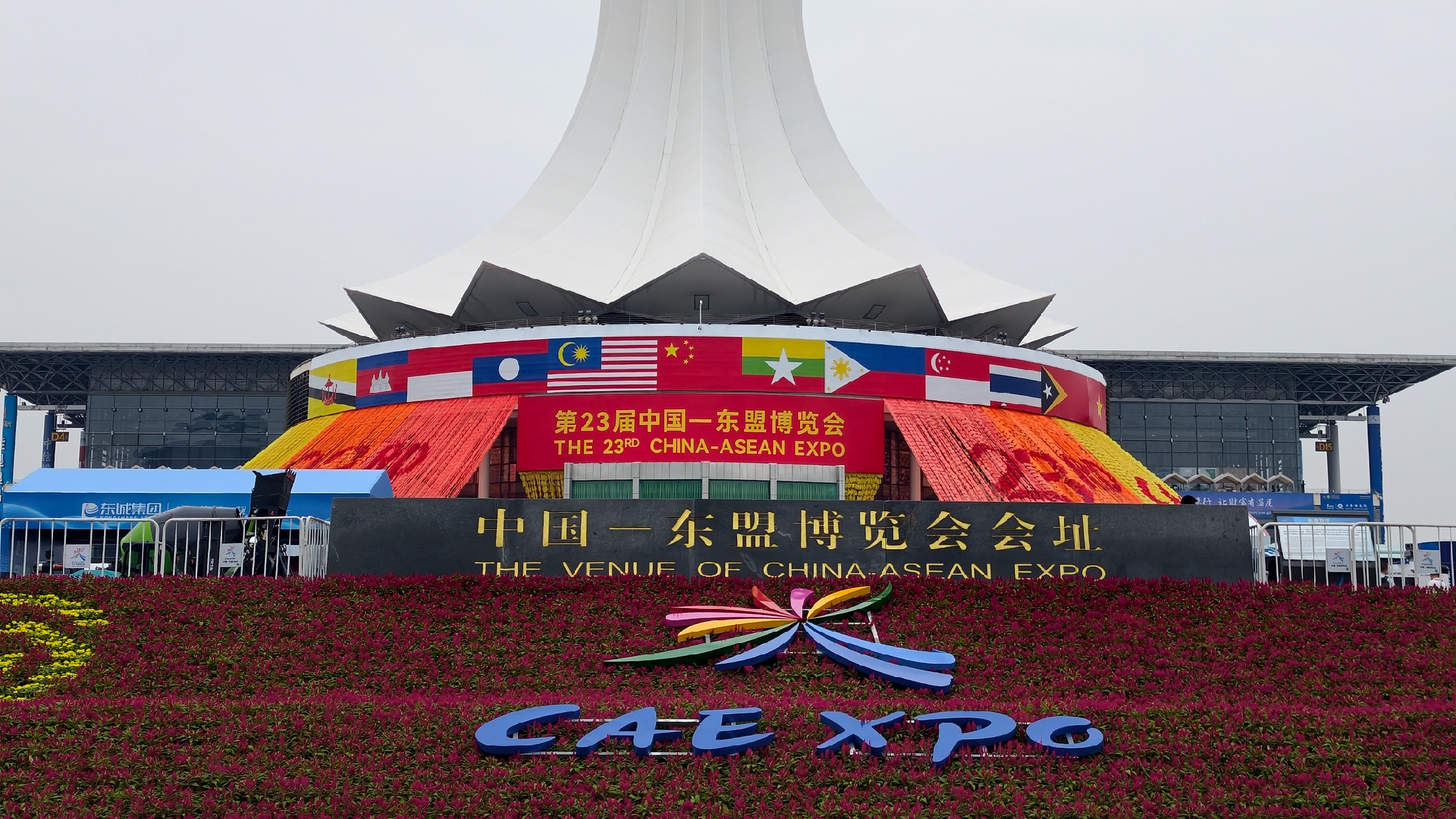
The 23rd China-ASEAN Expo is scheduled for September 17 to 21 in Nanning, the capital of China's Guangxi Zhuang Autonomous Region. CGTN invites readers to take part in a survey and share their views.
Chinese companies’ global expansion is moving from the periphery to the core of business, Goldman Sachs says. Their average share of export markets is projected to rise from 18 per cent this year to 31 per cent by 2035, while revenue could grow 3.6-fold; share prices have not yet fully reflected that expansion.
A new U.S. tariff round on Canadian goods began shortly after midnight Tuesday, imposing 50% duties on 110 products, including certain cheeses, motorboats, ATVs and furniture. Experts say the simultaneous removal of some tariffs indicates Washington is watching how much of the cost reaches American consumers.
Donald Trump’s war in Iran and tariffs are driving up input prices, while the AI boom is squeezing the availability of some components, adding to cost pressures on US manufacturers.
Clean ammonia and methanol could play a key role in cutting the shipping industry’s substantial vessel greenhouse gas emissions and making maritime transport greener.
The Pinglu Canal’s first cross-border river-sea freight route linking Laos and Vietnam with Guigang, Guangxi, has begun operations. Its inaugural shipment carries 3,012.66 metric tons of potassium chloride to a fertilizer company’s base in Guigang. The route cuts nearly 500 kilometers and five to seven days from the journey, while reducing handling, costs and cargo losses.
A Qinghai economic and trade delegation of 18 enterprises attended the fifth China (Macao) International High-Quality Consumption Exhibition for the first time last week. Its 150-square-meter Qinghai Pavilion showcased yak meat, organic goji berries, caterpillar fungus and highland vegetables to merchants and buyers from Macao, the Greater Bay Area and Portuguese-speaking countries.
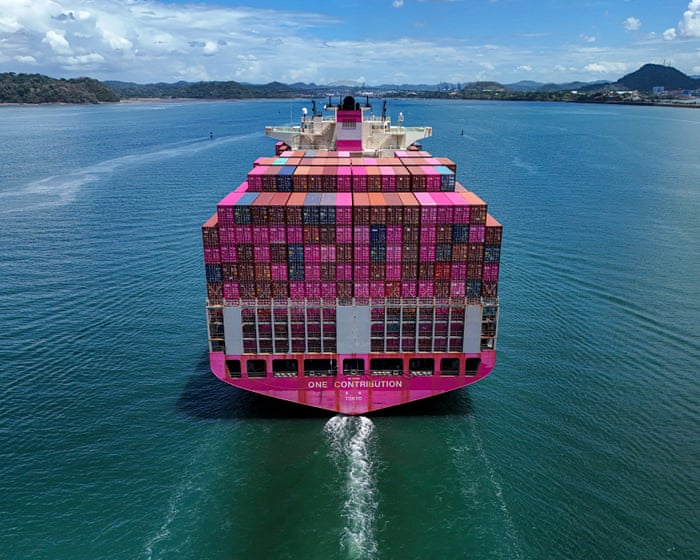
The Panama Canal plans to reduce daily ship transits again as drought linked to El Niño worsens. A draft plan would limit traffic to an average of 29.5 vessels a day from October, 18% below August levels. Congestion and bids to skip the queue have increased costs for shipping companies.
The United States imposed new sanctions on Russia’s VTB Bank on Sept. 14, accusing it of helping Iran evade sanctions through financial-sector operations, partnerships with sanctioned Iranian institutions and transfers of frozen Iranian assets. The measures block VTB-linked assets in the U.S. and expose violators to civil or criminal penalties.
The Trump administration targeted one of Russia’s largest banks on Monday over its alleged support for Iran, marking the latest step in its pressure campaign against Tehran.
The U.S. Treasury sanctioned Russia’s VTB Bank, accusing it of opening offices in Iran, processing transactions with sanctioned Iranian banks, and helping move billions in frozen Iranian assets. Former Treasury official Miad Maleki said the measure also aims to pressure Chinese banks to cut ties with VTB over fears of secondary sanctions.
The United States imposed Iran-related sanctions on Russia’s VTB Bank on Monday, accusing it of helping evade sanctions on Iran. The Treasury Department said the move comes as Washington seeks to increase economic pressure on Tehran.
The US Treasury Department has added Russia’s VTB Bank, already subject to Washington’s sanctions, to its Iran-related restrictions list. The United States first imposed sectoral sanctions on VTB in 2014.
Prime Minister Mark Carney is using Toronto’s Canada Investment Summit to urge hundreds of global investors to back Canada beyond its traditional access to the US market. Amid escalating tariffs with Washington, his government aims to catalyse $1 trillion in investment over five years across energy, critical minerals, ports, AI and advanced manufacturing.
Mark Carney, Canada’s prime minister, is trying to win over leading international investors to lessen the country’s economic reliance on the United States as a trade war with President Donald Trump grows more intense.
Canadian Prime Minister Mark Carney is hosting dozens of global investors in Toronto this week, seeking funding for more than 160 projects he says are vital to guiding Canada’s economy through its trade war with the United States.
Canadian Prime Minister Mark Carney is courting some of the world’s biggest investors as he seeks to reduce Canada’s economic dependence on the United States amid an escalating trade war with President Donald Trump.
Global markets faced pressure from growing concerns about the artificial intelligence sector and higher oil prices that are adding to inflation risks, the Wall Street Journal reported. Technology stocks fell worldwide and Nasdaq 100 futures dropped more than 1.5%. Brent crude neared $110 a barrel, while the 10-year US Treasury yield approached 5%.
Brent crude has climbed above $100 a barrel as the war in Iran disrupts shipping through the Strait of Hormuz. Houthi forces’ capture of Mayun Island is also raising concerns about the security of another major oil route through the Bab al-Mandeb.
oil pricesMiddle East tensionsStrait of Hormuzoil shipping
The article presents China’s 15th Five-Year Plan as both a domestic development blueprint and an opportunity framework for the world. At the BRICS summit, Xi Jinping outlined initiatives on inclusive open-source AI, trade and investment, digital industries, smart manufacturing, and science and technology talent, with a focus on helping Global South partners build lasting capabilities.
Russia’s current account surplus reached $33.9 billion in January-July 2026, up from $21.5 billion a year earlier, according to preliminary Central Bank estimates. July’s surplus rose to $1.7 billion from $1 billion, as goods exports grew faster than imports. The trade surplus also increased to $79 billion, supported by higher commodity prices.
The EU trade chief will visit Manila to help finalise a trade agreement with the Philippines. Manila and Brussels have completed six rounds of talks focused on reducing barriers across a wide range of sectors, as Brussels seeks to diversify its trade ties in the Asia-Pacific region.
Saudi Arabia suspended its 1,200km East-West oil pipeline after drones struck it near Riyadh and Medina. Carrying about 4–5 million barrels per day to the Red Sea port of Yanbu, the route bypasses the disrupted Strait of Hormuz. Its closure could affect up to 5 percent of global oil supply, with repairs potentially taking days or five to six weeks.
Asian refiners are preparing for a tighter supply of sour crude while waiting for Saudi Arabia to provide guidance on exports through the Red Sea following attacks on the East-West Pipeline, industry sources said on Monday.
Saudi Arabiacrude oil supplyRed Seaenergy infrastructure
Saudi equities suffered another setback on Monday after the previous trading session’s steep losses. Investor confidence took a hit as attacks affecting the kingdom’s energy facilities and maritime routes intensified; several other major Gulf bourses, by contrast, recorded modest gains.
Saudi stocksenergy infrastructureshipping routesGulf markets
China Gas Holdings will purchase 0.5 million metric tons of U.S. liquefied natural gas from Venture Global annually for 20 years beginning in 2030, the two companies said Monday.
The ban on Russian petroleum product exports remains in force and is primarily intended to ensure sufficient domestic supply, Kremlin spokesman Dmitry Peskov said. He said instability and renewed escalation in the Persian Gulf are rapidly worsening global oil markets. Russia’s temporary ban on gasoline, diesel and other fuel exports runs until January 31, 2027.
Russian Presidential Spokesman Dmitry Peskov said the removal of Russian petroleum products from international exports is affecting global markets. He said oil-market conditions are rapidly worsening amid Persian Gulf instability and a large volume of oil leaving supplies, while Russia’s export ban is intended to secure domestic supplies.
Brent crude has climbed to $107.82 a barrel despite President Donald Trump’s claim that the United States is helping reopen the Strait of Hormuz and escorting oil shipments. Attacks on shipping, damage to Saudi Arabia’s East-West pipeline and Houthi strikes have heightened supply fears, while tracking data shows traffic remains far below normal.
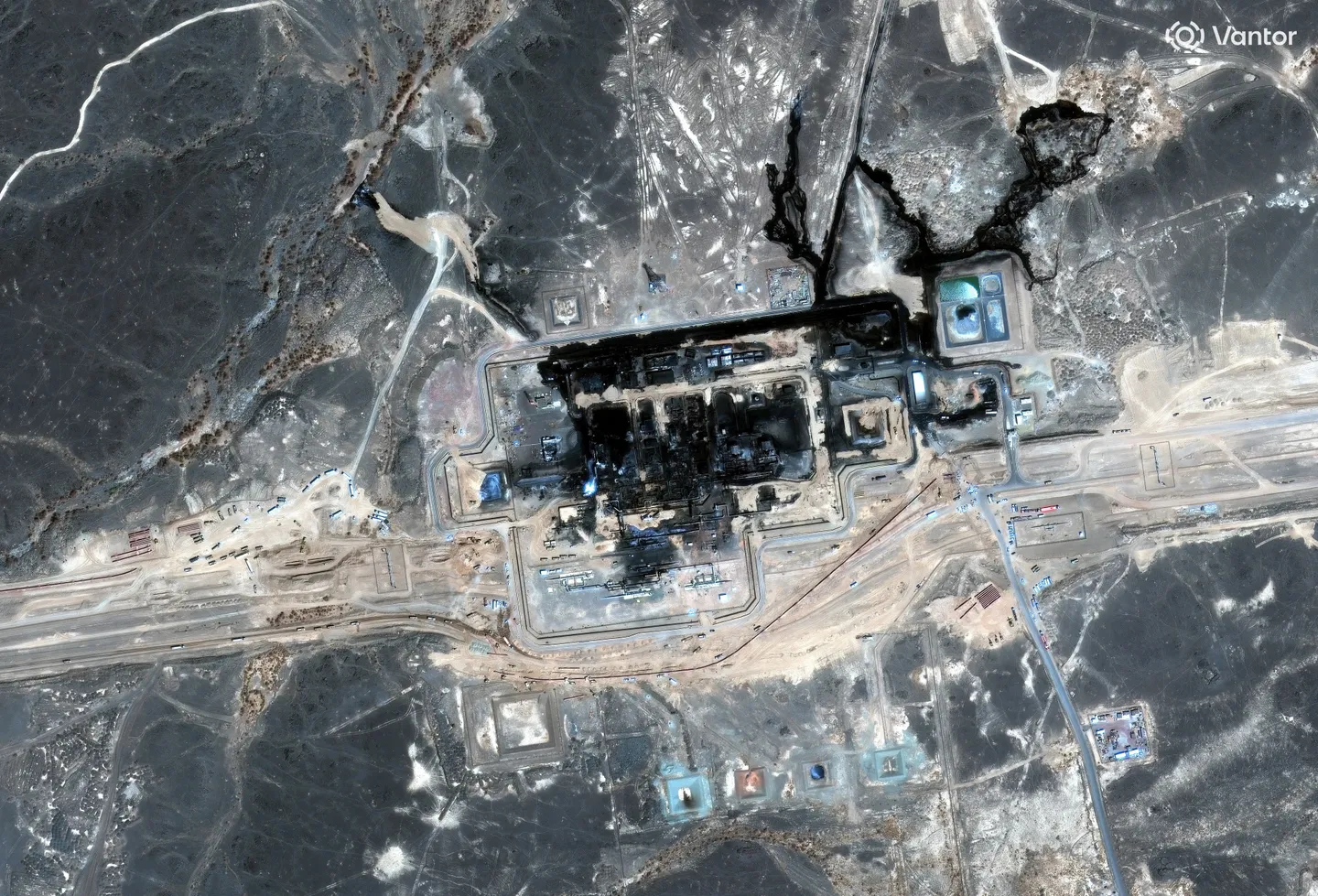
Oil prices continued to rise amid fears over Middle East supplies, while technology stocks led market losses. A file satellite image shows Saudi Arabia’s East-West pipeline after it was struck on September 11, 2026.
Oil prices jumped Monday after Saudi Arabia closed a critical pipeline and talks over the future of the Strait of Hormuz were postponed, pushing diesel prices to a new all-time high.
The shutdown of a Saudi oil pipeline threatens exports to Europe and Asia. Gulf oil shipments have already dropped sharply, while shipping routes face further risks; with no restart date, the effect on deliveries will depend on how long the disruption continues.
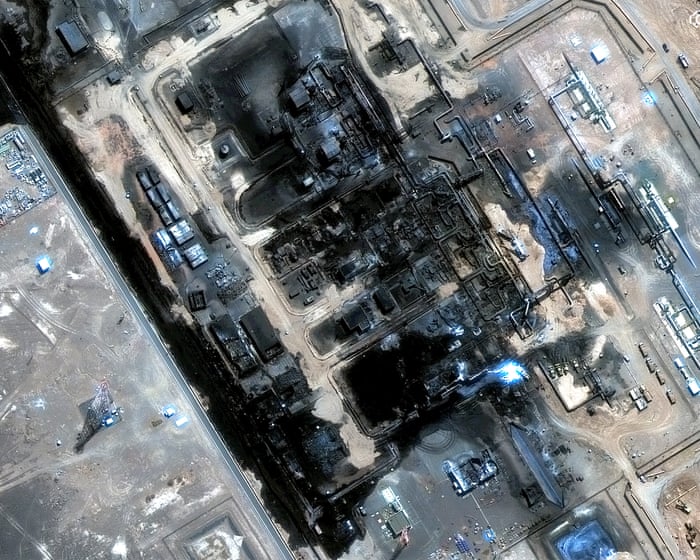
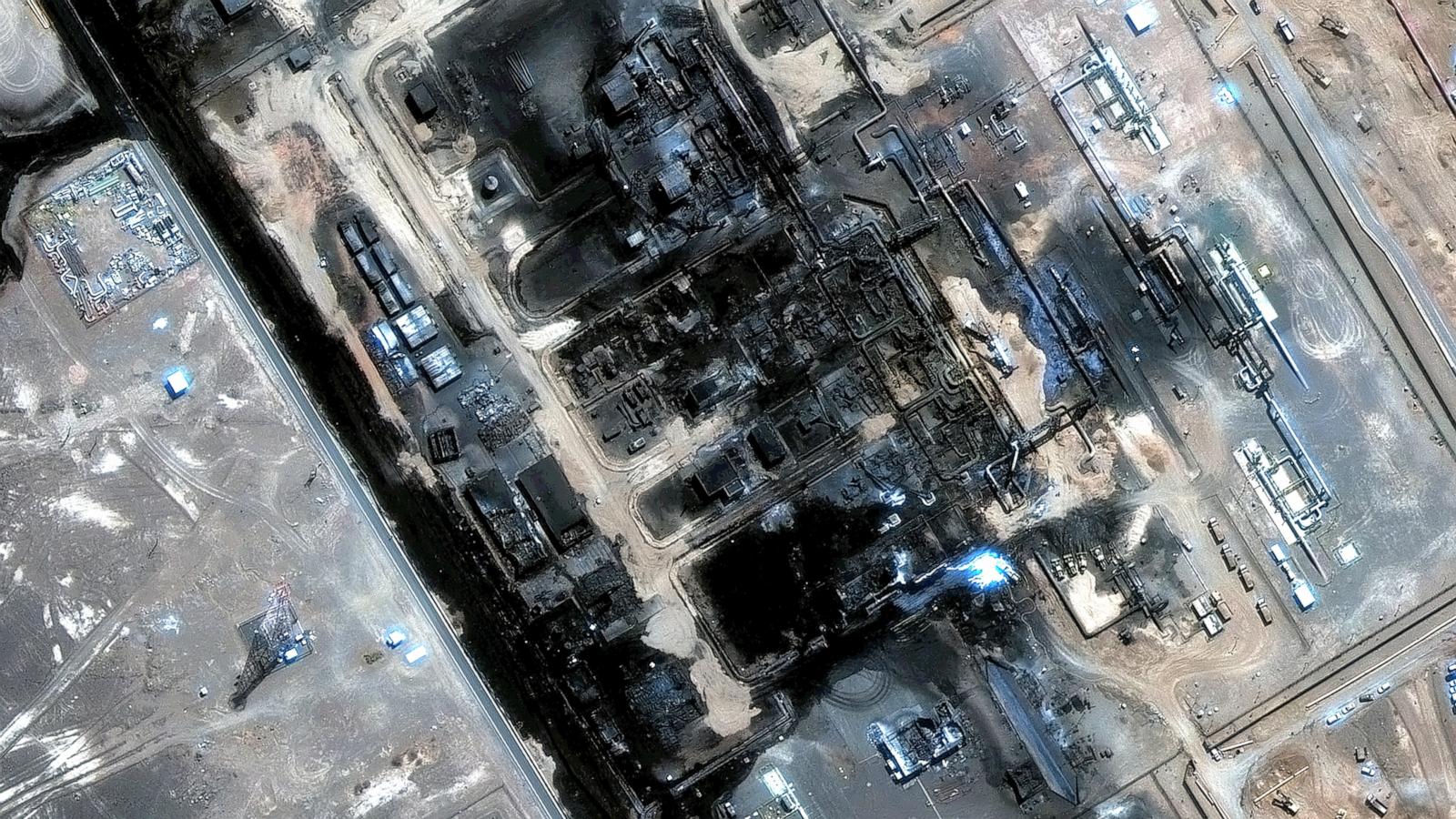
Saudi Arabia temporarily shut the roughly 750-mile pipeline after attacks threatened the key route that bypasses the Strait of Hormuz. Satellite imagery shows the extent of the damage.
Oil prices climbed above $107 a barrel after drone attacks forced Saudi Arabia to close its East-West crude pipeline. Yemen’s Iran-aligned Houthi forces also attacked Saudi infrastructure and captured Perim island in the Bab al-Mandab strait, intensifying concerns about disruption to energy and shipping routes.
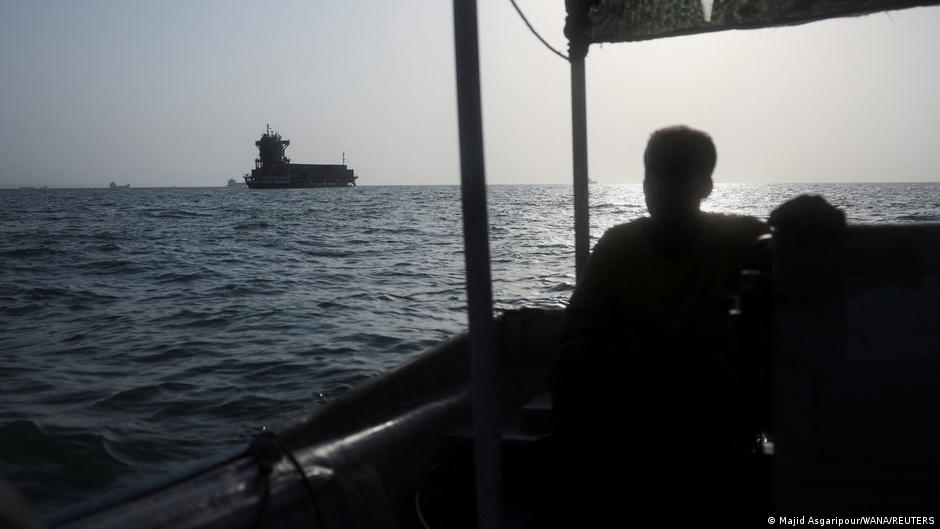
Brent crude rose above $107 a barrel on Monday morning after an attack on a merchant vessel in the Strait of Hormuz killed one crew member. Saudi Arabia also shut its main pipeline bypassing the waterway, reviving fears that Middle East supply routes are closing.
Oil prices rose after Saudi Arabia shut down a critical pipeline that bypasses the Strait of Hormuz. Saudi Arabia has faced escalating attacks from Iran-allied militant groups in recent days.
Elmet Group said one of its units was awarded a contract worth about $2 billion by the U.S. Defense Logistics Agency to help rebuild the National Defense Stockpile and strengthen the country's tungsten supply chain.
China’s foreign exchange regulator has told banks to encourage more corporate clients to hedge currency risks, according to people familiar with the matter, intensifying efforts to protect exporters from the yuan’s steady appreciation.
Maersk said four additional joint container services with Germany’s Hapag-Lloyd will resume using the Suez Canal, as the companies gradually return to the shorter route between Asia and Europe.
Walking away from trade talks with US President Donald Trump was politically popular for Canada’s leader Mark Carney. He now faces a more difficult economic reality as the consequences emerge.
Chevron is weighing investment in European LNG import capacity, but the head of its gas business says the company needs more clarity on the EU’s methane rules before making a long-term commitment.
Some companies moved production and sourcing out of China a year ago to avoid higher U.S. tariffs. They are now finding that China’s factory ecosystem is difficult to replicate and are bringing manufacturing back.
Trade data compiled by the Canada-China Business Council and the University of Alberta’s China Institute shows Canadian exports to China increased 30.1% to $21.74 billion in the first half of 2026. Imports from China fell 5.8% to $44.86 billion.
Iran is redirecting trade toward northern ports, railways and overland corridors as a US-led maritime blockade disrupts its southern shipping. Analysts say the routes could handle some grain, medicine and industrial goods, but limited capacity, infrastructure bottlenecks and much higher costs prevent them from replacing maritime trade.
Ethiopia once spent about $6 billion in foreign exchange each year on imported oil. Cooperation with Chinese companies on electric buses, heavy-duty trucks, oil-to-gas projects and technical training is helping the country use its hydropower resources and pursue greener industrial growth. The article argues that BRICS is becoming increasingly relevant to the Global South through expanding economic, infrastructure, digital and financial cooperation.
Ethiopia once spent about $6 billion a year in foreign exchange on imported oil. Cooperation with Chinese companies, including electric buses, heavy trucks, oil-to-gas projects and technical training, is helping it use hydropower and pursue greener industrial growth. The article says BRICS is giving the Global South more concrete tools for cooperation, financing and a larger role in global governance.
The Minutes Reader extension turns the original page into a focused reading view and translates articles and video subtitles on demand. It is in limited beta.