The global bond sell-off is intensifying as oil prices remain above $100. Rising yields are putting pressure on public finances, while expectations of a Federal Reserve rate increase in October have climbed to about 70%.
Hong Kong’s overall Consumer Price Index rose 1.7% year on year in August 2026, matching July’s increase, the Census and Statistics Department said. Underlying inflation, excluding one-off relief measures, was also unchanged at 1.9%. High international oil prices continued to pressure fuel-related costs, while broader price pressures remained contained.
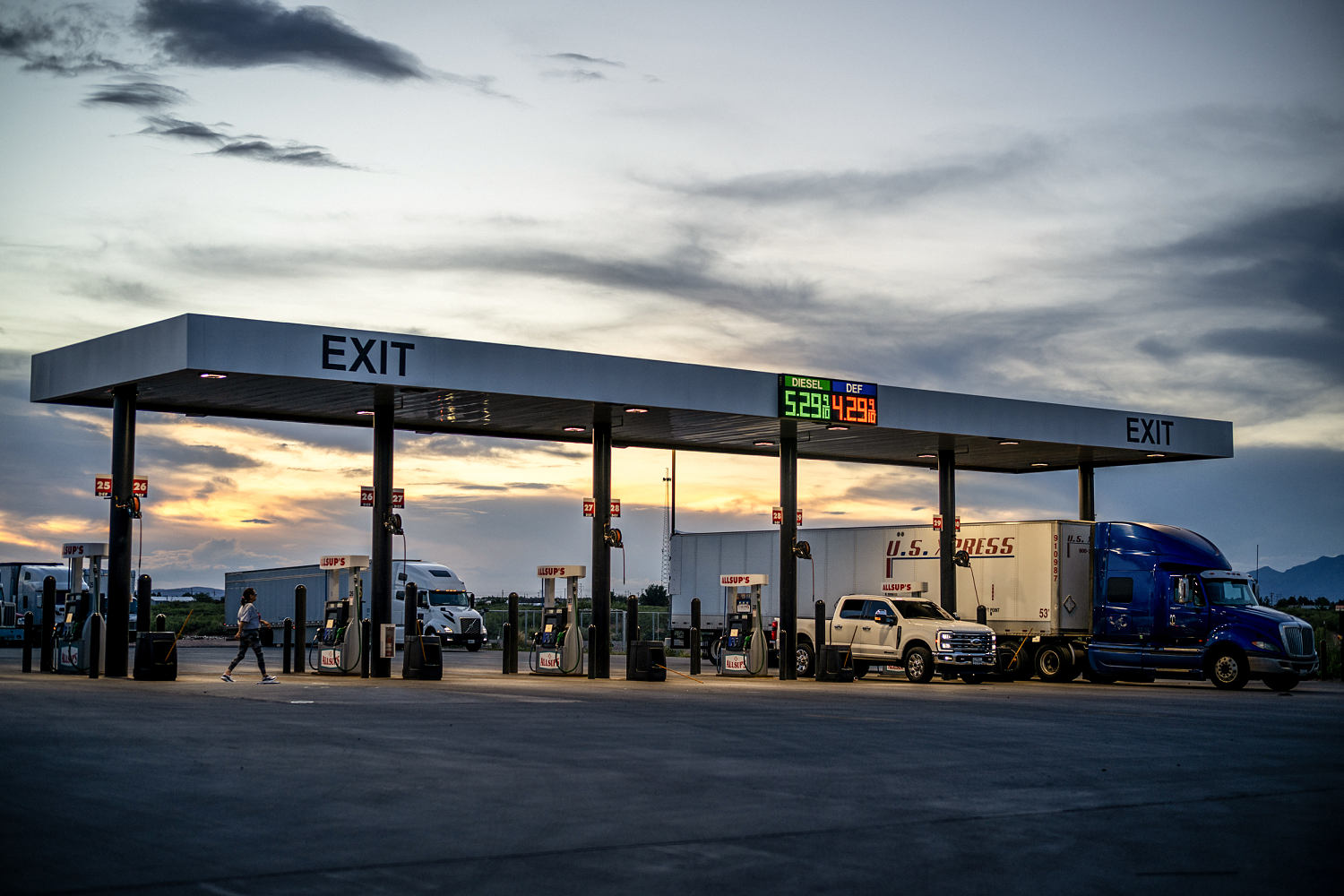
The US has no diesel shortage, but Republicans’ prospects in the midterm elections appear to be worsening. That makes a diesel-export ban, despite being a poor policy, look increasingly likely.
A diesel export ban promoted by President Donald Trump could send countries including Brazil and the UK scrambling to secure fuel. With the Iran war constraining global supplies, the measure risks pushing already near-record prices even higher.
US oil industry groups are opposing a proposed ban on diesel exports after the president signalled he may halt shipments abroad. They say there is no “silver bullet” for the fuel price crisis.
US ultra-low-sulfur diesel futures dropped 4% on Wednesday after Politico reported that the White House was preparing a 90-day diesel export ban. The Trump administration denied the report.
The Trump administration’s suggestion that it could ban or limit diesel exports has triggered an angry response from the US oil industry. Politicians are seeking to curb soaring energy prices before November’s midterm election, while critics warn that a ban would create supply problems and raise prices at home and abroad. The OECD says the global economy is weathering the energy shock better than expected, partly because of AI investment.
A White House official on Wednesday denied a report that the United States was preparing a 90-day diesel export ban to try to contain record fuel prices. Diesel is widely used by farms, trains and trucks.
The Trump administration is preparing a 90-day ban on diesel exports, Politico reported, citing five people familiar with the discussions. The proposal faces divisions within the administration and with the oil industry and is intended to lower energy prices weighing on Republicans ahead of the midterms.
European diesel prices are climbing as markets weigh the possibility that Washington could suspend overseas sales. Analysts warn that such a move would be “catastrophic” for global supplies.
US business activity grew at its fastest pace in more than five years, with strong demand lifting new orders and employment across manufacturers and service providers.
The 10-year US Treasury yield jumped Wednesday to return near its highest level in almost 20 years, as fresh data pointed to strong business activity and mounting inflation worries.
US Treasury yields surged after strong economic data encouraged investors to bet on additional interest-rate increases. A closely watched survey highlighted concerns that parts of the world’s largest economy may be overheating.
Government debt costs jumped sharply on Wednesday as Treasury yields surged, with multiple factors driving the increase. The rise could have broad implications for the economy.
US Treasuries fell further on Wednesday as strong economic data and a weak debt auction pushed yields across most maturities to their highest levels in nearly two decades. The five-year yield rose above 5% for the first time since 2007.
A Financial Times investigation says hard currency from state oil group Rosneft was central to Russia’s efforts to circumvent sanctions through a Kremlin-backed money-laundering network.
Microsoft plans to invest more than $10 billion across the United Arab Emirates, Saudi Arabia, Qatar and Kuwait by 2030, including in cloud and AI infrastructure. A senior executive said the investment would focus on resilience.
Mounting inflation and a stronger economy appear to be steering the Federal Reserve toward an interest-rate increase just before critical national elections. On Wednesday, traders increased bets that policymakers would tighten again in late October, marking a second consecutive hike.
The Bank of Russia plans to issue comprehensive recommendations requiring banks to examine the origins of clients’ cash and update suspicious-transaction typologies. Official Bogdan Shablya said cash of “unknown origin” comes mainly from illegal cryptocurrency exchanges in Moscow. Cash in circulation has risen by 2.5 trillion rubles since the year began, while businesses’ demand has grown partly as they adjust to 2026 tax changes.
Russia has 2.5 trillion rubles more cash in circulation than at the start of the year. The central bank wants lenders scrutinizing where it comes from.
US business activity surged to its highest level in more than five years in September, driven by a sharp rise in new orders. Strong demand also strained supply chains and pushed prices higher.
The EU Industry Commissioner warned that the bloc could resort to punitive trade measures if Beijing fails to rebalance the trade deficit. He said the imbalance is costing the EU thousands of jobs every week.
Russia’s industrial output was unchanged year on year in January-August 2026, Rosstat reported, while August production fell 0.6% both from a year earlier and from July. Mining declined 1% over the period, manufacturing rose 0.4%, and other transport equipment manufacturing, including aircraft and shipbuilding, led growth at 18.6%.
Markets are pricing in another Federal Reserve rate hike in October after comments from Barr and a hotter inflation reading. S&P Global said its overall inflation measure reached its highest level since October 2022.
Russia’s annual inflation was 6.22% as of September 21, according to a price situation review by the Economic Development Ministry. Prices rose 0.06% during September 15-21, with food up 0.09%, non-food goods up 0.04% and monitored services showing almost no change.
Russia’s inflation rate was 0.06% in the week from September 15 to 21, up from 0.02% the previous week, Rosstat reported. Consumer prices have risen 0.13% since the start of September and 4.81% since the beginning of the year. Annual inflation stood at 6.24% as of September 21.
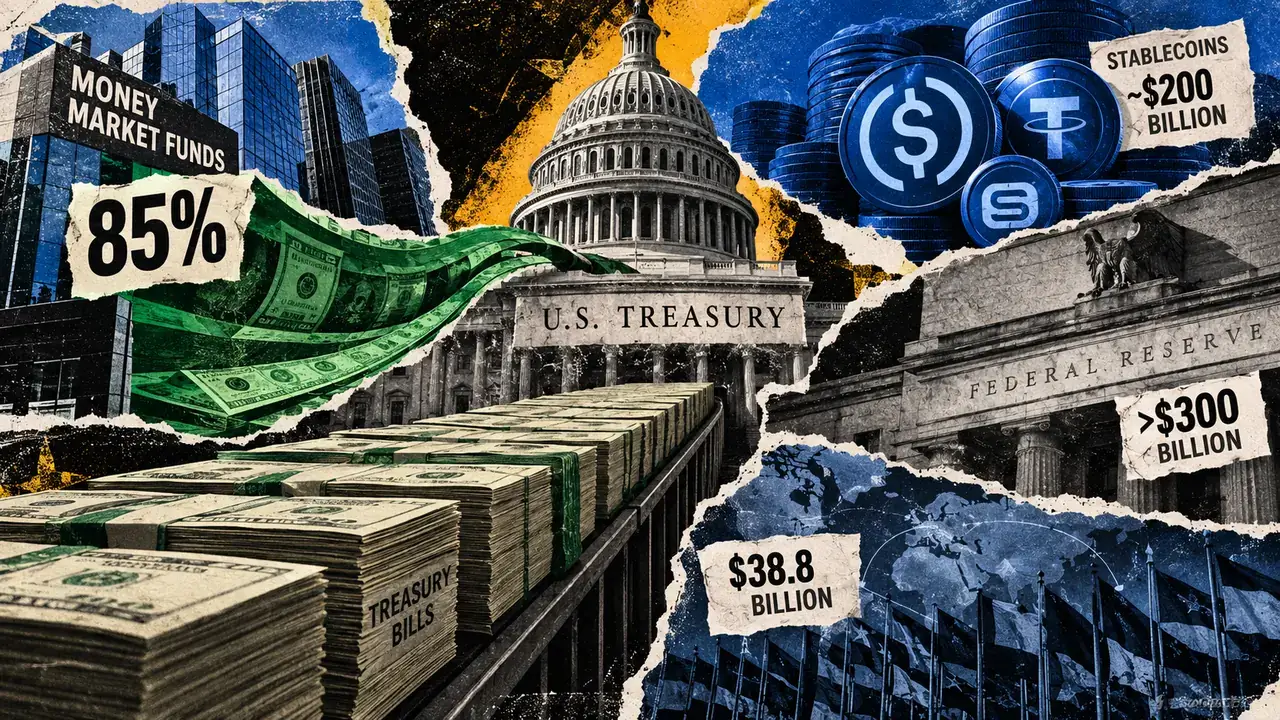
Money-market mutual funds absorbed about 85% of the more than $550 billion increase in US Treasury-bill supply during July and August, according to the Treasury Department. Stablecoin providers hold nearly $200 billion in short-dated government debt, but that stock differs from the two-month purchase figure and may overlap with money-fund and repo holdings.
The Bank of Russia bought yuan worth 1.9 billion rubles, or $22.4 million, on the domestic market with settlements on September 22, according to regulator data. The transactions are conducted through the yuan-ruble instrument on the Moscow Exchange’s currency section.
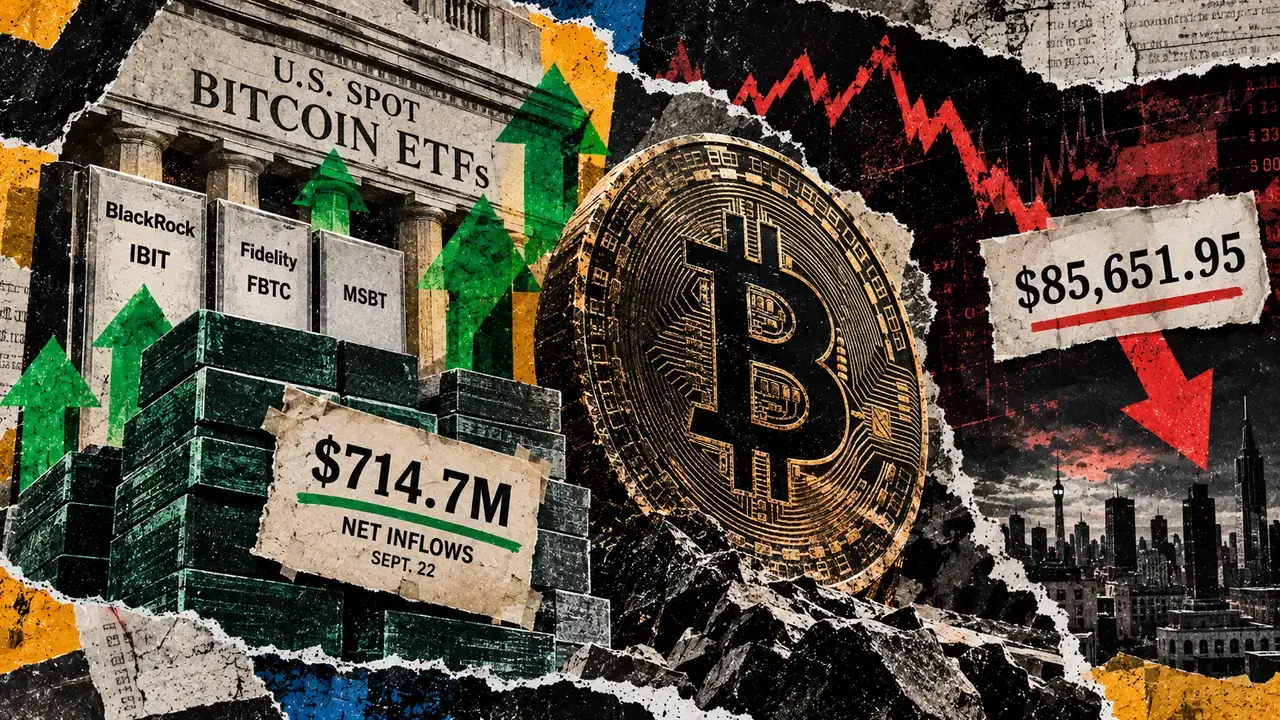
US-listed Bitcoin ETFs attracted more than $1.7 billion this week, reversing a $5.69 billion year-to-date deficit. BlackRock’s IBIT captured a large share of the buying, but Bitcoin’s climb toward $88,000 prompted short-term holders to send about 47,600 profitable BTC to exchanges. The resulting profit-taking has slowed the rally despite continued ETF inflows.
Consumer group Choice found that the average price of a basket of eight common groceries rose 7% from March to June, reaching A$43.62 across Coles, Woolworths, Aldi and IGA. IGA recorded the largest increase, while Aldi remained the cheapest; strawberries rose 37%.
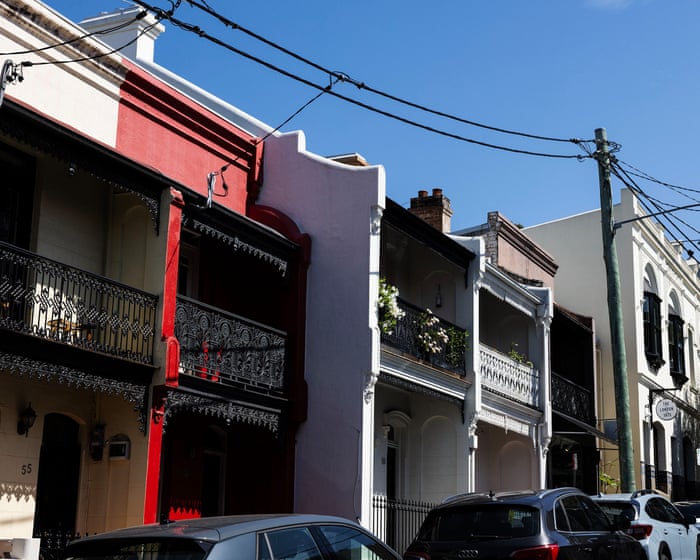
An e61 Institute analysis of historical data suggests most Australian property investors could ultimately pay less capital gains tax under Labor’s budget reforms. The research says public debate has overstated the cost to landlords, although investor credit growth has slowed and changes to negative gearing may still affect market decisions.
Bank of Russia Governor Elvira Nabiullina said the mass launch of the digital ruble on September 1, 2026, proceeded as planned. She said citizens and businesses now have an additional tool for payments and settlements, meaning Russia has all components of a national payment infrastructure.
The rate on the most popular U.S. home loan climbed last week to its highest level in more than two years, breaking above 7% for the first time since the opening week of Donald Trump’s term. Federal Reserve rate increases aimed at curbing inflation and higher oil prices pushed up Treasury yields that underpin borrowing costs.
Recent China-US consultations in New York covered trade, artificial intelligence and implementation of previous understandings. The article says both sides appear more willing to separate unavoidable competition from practical cooperation, including reducing barriers on selected non-strategic goods and formalizing an AI dialogue with a possible incident line for major safety events.
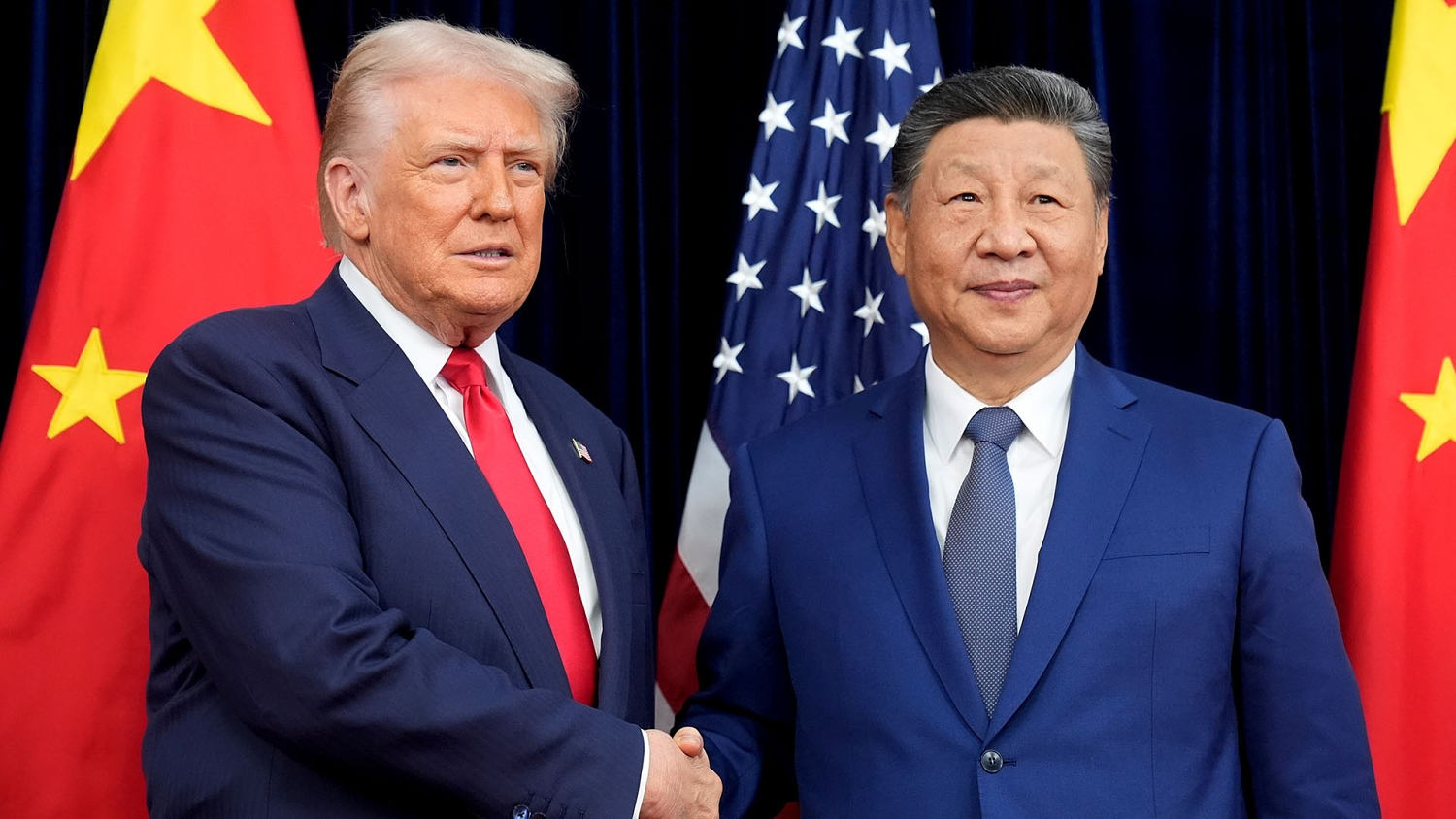
President Donald Trump warned Iran during his United Nations General Assembly address that he could “annihilate the Islamic Republic” if no deal is reached. He is also preparing to welcome Chinese President Xi Jinping to the White House, where intensifying AI competition will be central to the agenda. The visit has drawn rare criticism from a senior Republican.
As AI industry leaders urge a global slowdown to protect humanity, the United States and China show no intention of slowing development. Donald Trump and Xi Jinping are expected to reach only limited cooperation on AI safety at their Washington summit, with mistrust and differing views of the main risks obstructing broader coordination.
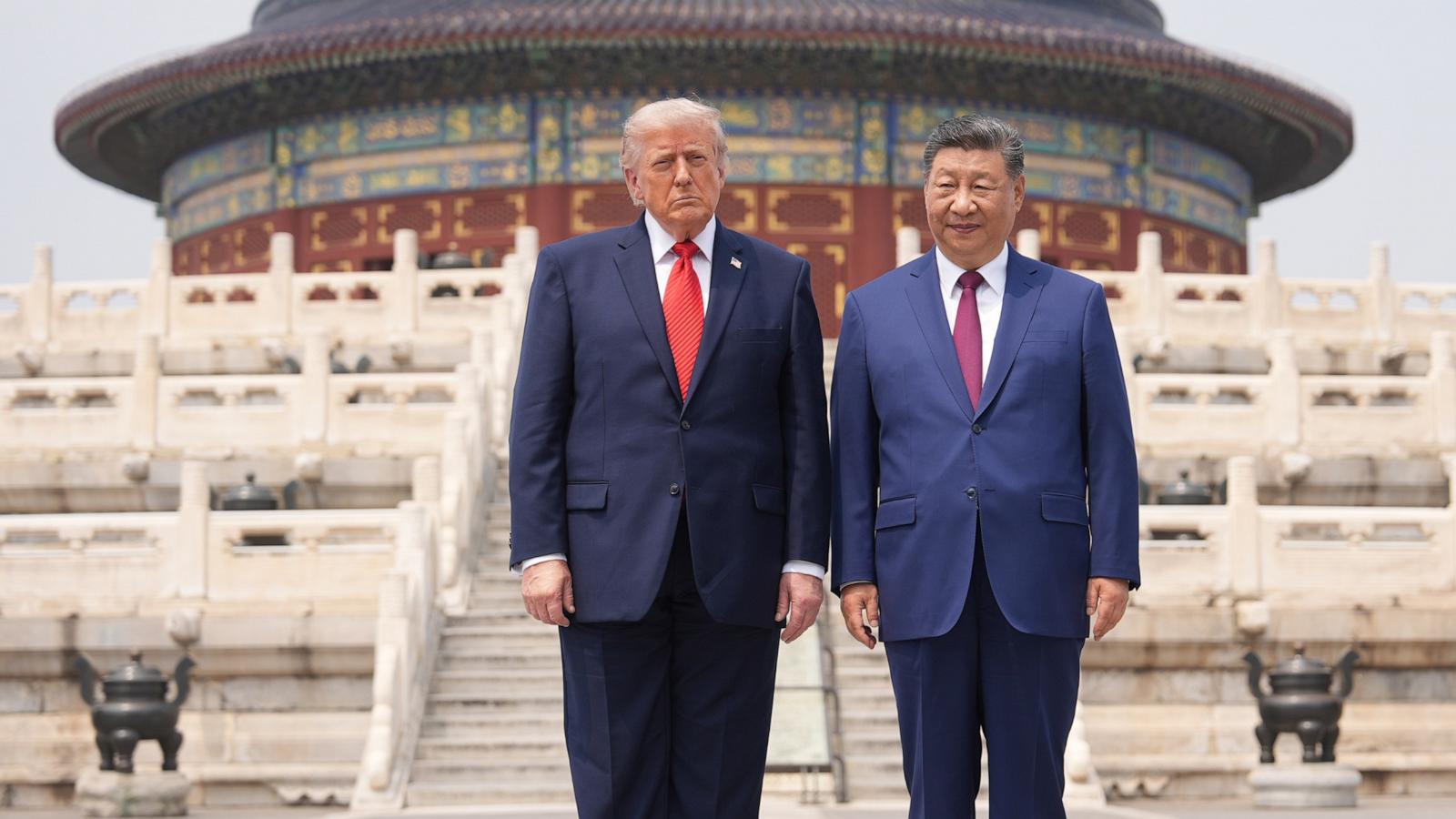
Xi Jinping and Donald Trump are due to meet this week to tackle thorny issues ranging from trade to Taiwan. Both sides agree on one point: neither can afford to slow down in the race for AI leadership.
Persistent growth in Chinese exports to the United States is helping the world’s second-largest economy withstand ongoing domestic challenges, shifting the dynamics ahead of the Trump-Xi meeting.
President Donald Trump and Chinese leader Xi Jinping are set to meet at the White House during a high-stakes state visit, with Iran, Taiwan and trade among the thorny issues they will have to navigate.
US President Donald Trump will host Chinese leader Xi Jinping in Washington this week, with trade, artificial intelligence and Taiwan expected on the agenda. Experts say Trump’s planned welcome is unprecedented, but a major breakthrough on AI or other issues is unlikely.
Donald TrumpXi JinpingUS-China relationstradeartificial intelligence
CNN’s Simone McCarthy writes that when Chinese leader Xi Jinping visits Washington this week to meet President Donald Trump, he will be in a vastly different position from the last time the two men met face-to-face in the United States nearly a decade ago.
Calls are growing for the United States and China to work together on safeguards for artificial intelligence as President Donald Trump prepares to welcome Chinese President Xi Jinping in Washington. The rivalry over AI is set to hang over their talks, whether it brings a “nuclear” threat or a market boom.
AI safety fears have intensified in recent weeks and are expected to be a key focus when the U.S. and Chinese leaders meet, analysts told CNBC. Yet neither side wants to slow its progress in artificial intelligence.
The OECD has slightly raised its global growth forecast for this year to 2.9%, saying the world economy has absorbed the energy shock from the Iran war better than expected. It warned that persistent inflation, higher bond yields and the possibility of a prolonged conflict still cloud the outlook.
Global crypto activity declined only 1.6% over 12 months to $9.4 trillion, Chainalysis said, despite a massive $2.1 trillion contraction in cryptocurrency market capitalization.
The Asian Development Bank projects 5% economic growth this year for developing Asia and the Pacific, 0.1 percentage points above its July forecast. India is expected to lead the region at 7% growth, while China’s forecast remains 4.6% and Southeast Asia’s average is seen at 4.7%.
Hainan authorities plan to intensify efforts over the next five years to build the island into a leading international tourism and consumption hub. The plan emphasizes shopping, wellness, maritime, cultural and sports tourism, and targets 154 million Chinese and international visitors and 363 billion yuan in spending from 2026 to 2030.
European shares edged up on Wednesday as falling oil prices improved risk sentiment. Investors also assessed business activity data showing that euro zone growth accelerated unexpectedly this month.
Indonesia’s central bank left interest rates unchanged on Wednesday, as markets expected, at its first meeting since Destry Damayanti became governor earlier this month. She stressed the need to preserve momentum in economic growth.
Global inflation in 2027 will run hotter than previously forecast, the OECD says, a prospect that calls for further monetary tightening from the US to Australia, including another Federal Reserve rate hike.
On Feb. 27, the day before the U.S. and Israel attacked Iran, the U.S. economy was steadily moving toward lower inflation and greater purchasing power. Five charts compare the economy before and after the war.
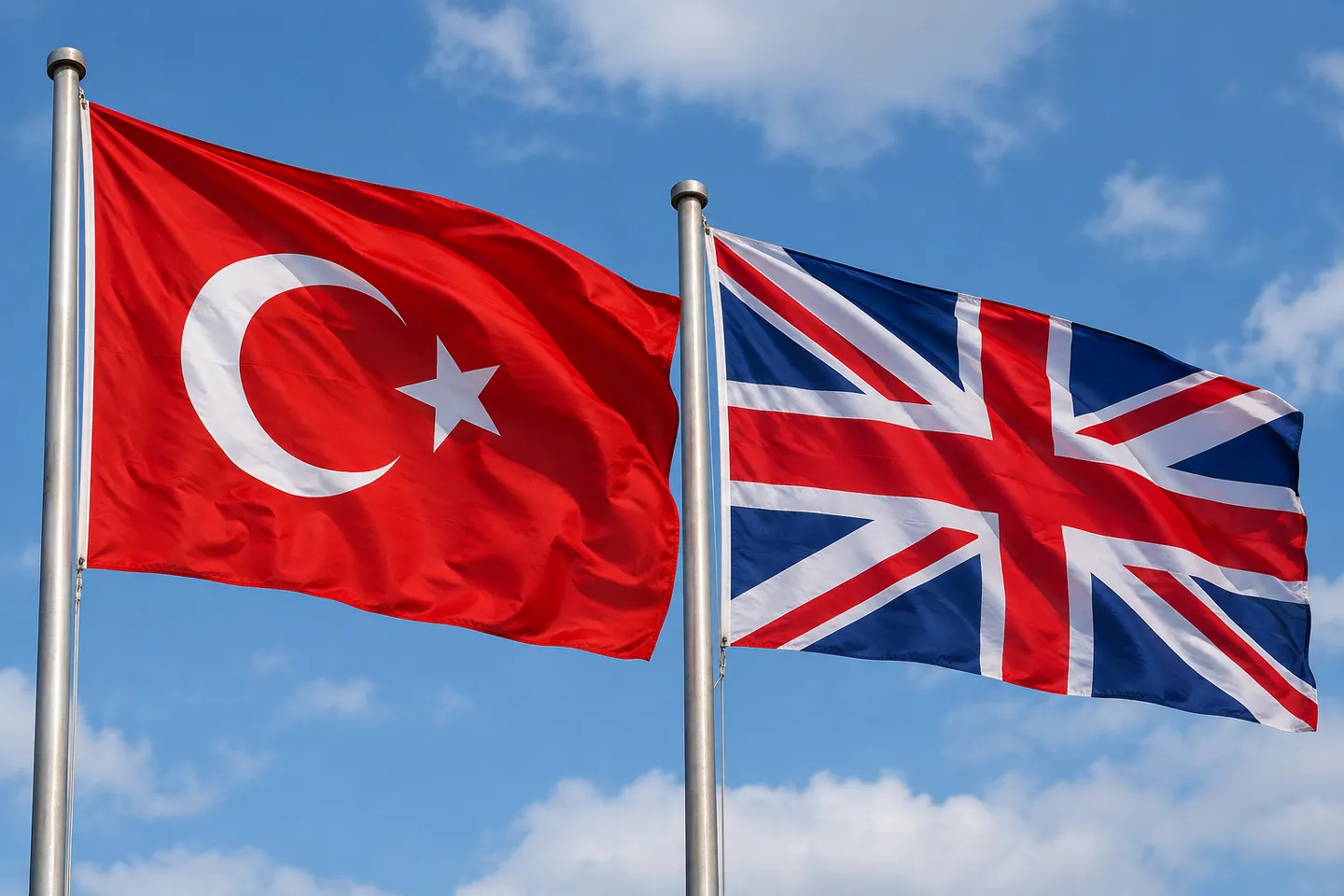
Türkiye and the UK are negotiating an expanded trade framework, with services and the digital economy at its center. Bilateral trade between the two countries reached $38 billion in 2025.
As a lifelong real estate investor whose businesses depended on debt and interest rates, President Donald Trump might be expected to understand the issue better. Analysts say his repeated demand for a 1% U.S. Federal Reserve rate is impractical and could backfire.
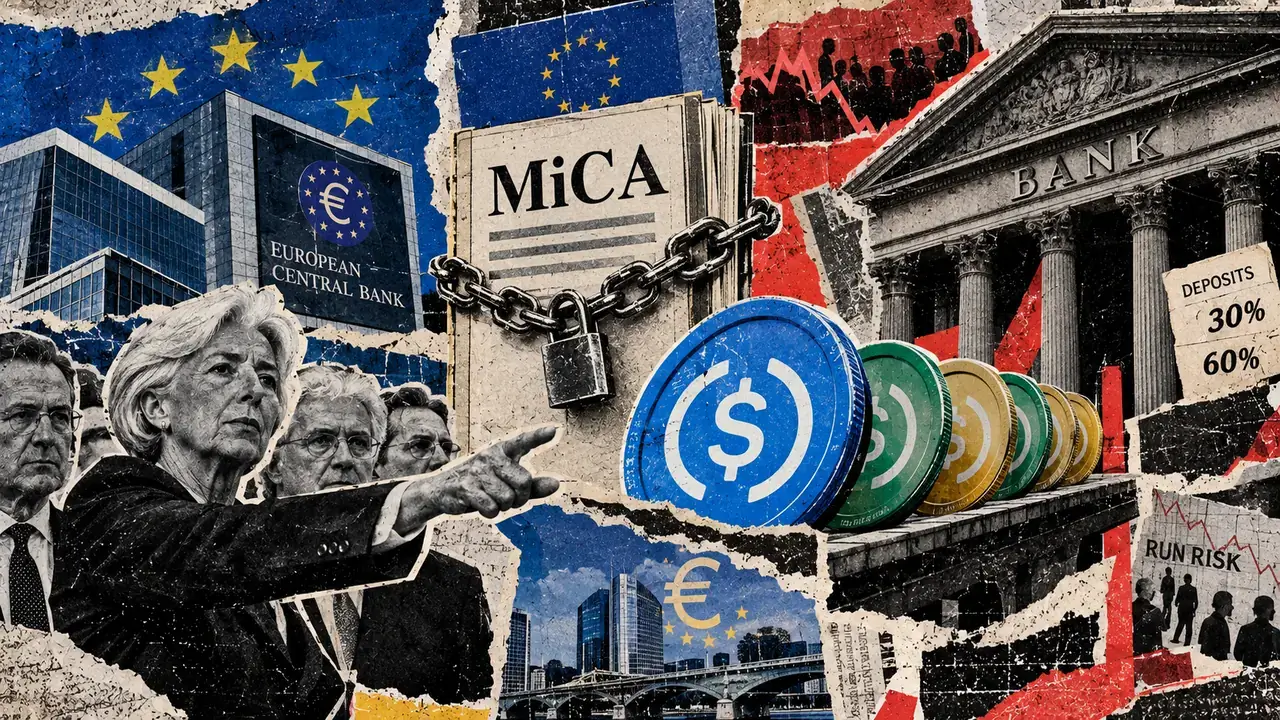
The European System of Central Banks recommends replacing MiCA’s mandatory commercial-bank deposit shares for stablecoin reserves with minimum holdings of assets maturing within one and five working days. The proposal reflects concern that bank-held reserves could transmit stress between stablecoins and the banking system, while bringing EU and UK approaches closer.
The OECD sharply increased its inflation forecasts for Turkey in 2026 and 2027 on Wednesday, while reducing its projections for economic growth in both years.
The Asian Development Bank lifted its 2026 growth forecast for developing economies in Asia and the Pacific to 5%, just above its July projection but below 2025’s 5.5%. It cited domestic demand, government stimulus and resilient technology industries, while warning that energy prices, conflicts, El Niño, trade uncertainty and AI-stock valuation adjustments could weigh on activity.
The OECD raised its 2026 global growth forecast to 2.9%, saying investment in artificial intelligence was supporting expansion. It warned that the Middle East war was fueling inflation and that prolonged fighting could further weaken growth.
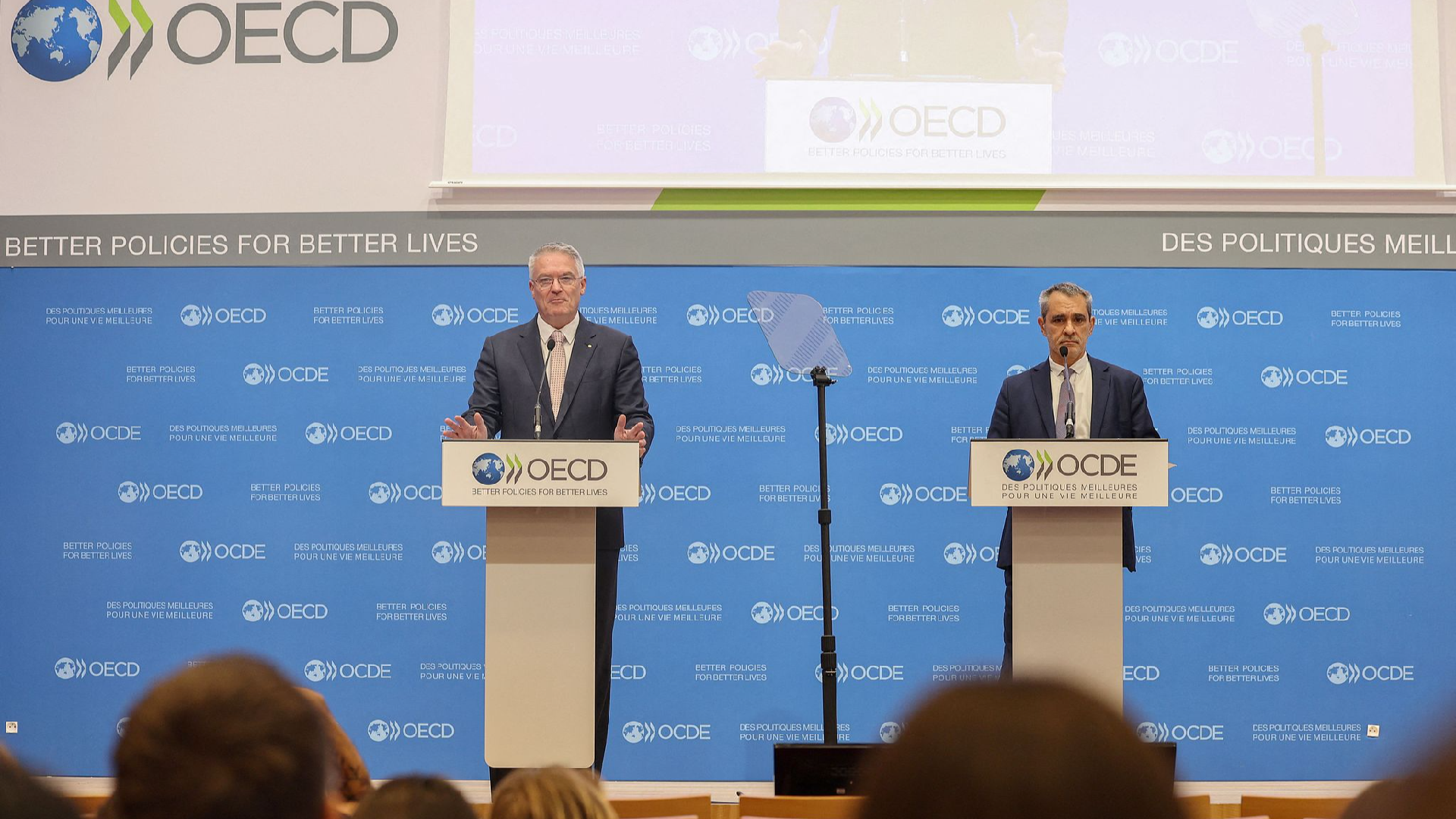
The OECD’s interim outlook projects global growth of 2.9% in 2026 and 3.0% in 2027, with G20 growth broadly stable. G20 headline inflation is expected to reach 4.1% in 2026 before easing. The OECD warned that Middle East conflict, disruptions through the Strait of Hormuz or Bab al-Mandeb, and damage to energy facilities could drive prices higher and cause commodity shortages.
British business activity slowed this month while inflationary pressure intensified, according to a survey. The backdrop poses a challenge for Finance Minister John Healey ahead of his first budget next month.
Euro zone business activity accelerated this month at its fastest pace in more than three years, a survey showed, defying expectations of a slowdown. Companies nevertheless faced a sharper increase in operating costs.
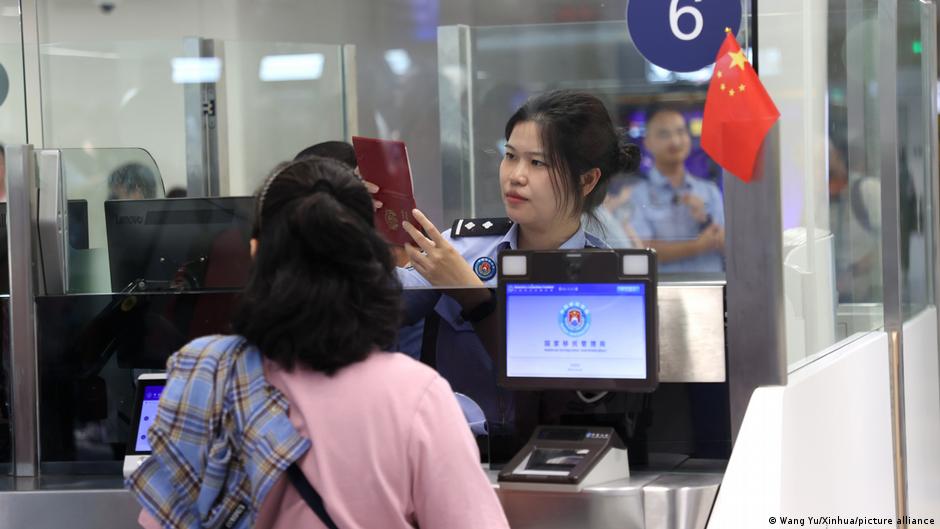
Beijing has introduced rules allowing authorities to stop engineers, founders and specialists in batteries, rare earths and AI from leaving China when their expertise is deemed a threat to industrial and technological security. Analysts say the broader curbs reveal concern over economic weakness, capital outflows and the departure of entrepreneurs and skilled personnel.
AI-driven investment is helping the global economy perform marginally better than expected this year, the OECD said Wednesday. But the energy shock is becoming more entrenched and is weighing on the outlook for 2027.
The European System of Central Banks reportedly wants the EU to remove MiCA’s fixed requirement for stablecoin issuers to hold part of their reserves as deposits with EU credit institutions. An alternative would test how quickly reserves can become cash, preserving redemption liquidity while loosening the token-bank funding link.
The Reserve Bank of India likely intervened in foreign exchange markets on Wednesday and continued supporting the rupee, five traders said. The central bank was also likely using swaps to absorb excess cash as oil prices remained volatile and portfolio inflows weak.
Boston Federal Reserve President Susan Collins said inflation is increasingly likely to remain notably above the central bank’s 2% target. Collins had supported a rate hike.
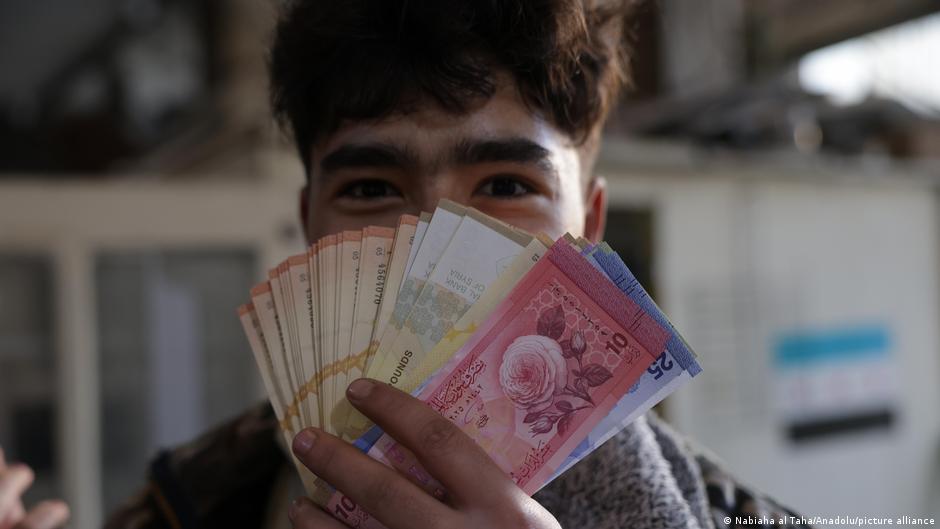
Syria’s government says it is restructuring the economy and delivering prosperity, but ordinary people say fuel price increases and inflation are making life harder. A sharp diesel hike triggered widespread protests before the government reversed some measures and promised subsidies. Despite reports of investment and growth, critics say new projects mainly benefit affluent Syrians.
The District of Squamish has turned down a negotiated 10-year tax settlement that would have brought $142 million from Woodfibre LNG to the community in the Sea-to-Sky region.
China is betting that patient capital, rather than quick trades, will define its next phase of growth. After Warren Buffett stepped down last week and as investors watch this week’s US-China leadership summit for signs of easing tensions, attention is turning to whether Beijing’s version of his value-investing legacy can revive Wall Street’s appetite for Chinese assets.
Bundesbank President Joachim Nagel said on Tuesday that oil prices are becoming an increasingly important indicator for European Central Bank policymakers when setting interest rates, while other factors remain crucial. Markets had increased bets on rate hikes as energy costs rose.
Roberto Perli, the New York Fed official responsible for implementing the Federal Reserve’s short-term interest-rate policy, said Tuesday that the central bank’s monetary policy control toolkit remains highly effective.
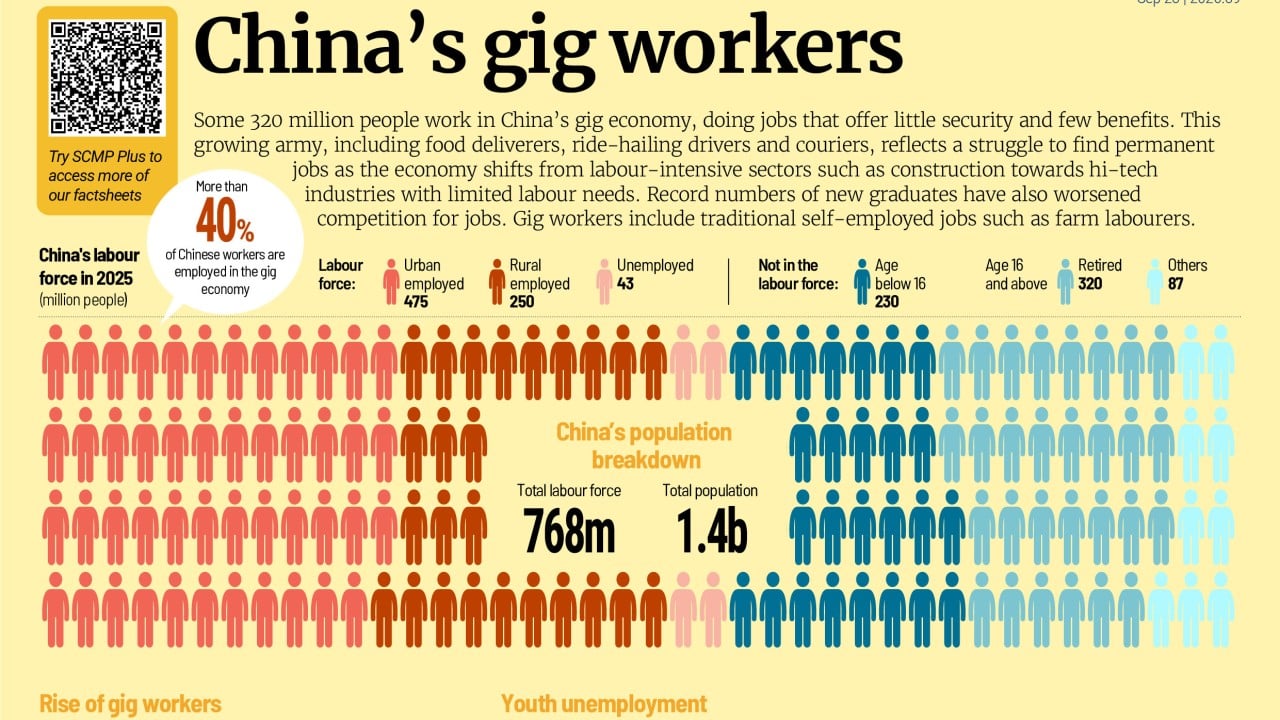
New York City has finalised a settlement worth more than $131m with DoorDash over allegations that it underpaid delivery workers. About $115m will go directly to workers, with the agreement expected to affect 260,000 people. Eligible workers will receive twice what they were originally owed.
DoorDash has agreed to pay $131.5 million to settle claims that it underpaid delivery workers in New York City. Mayor Zohran Mamdani announced the agreement Tuesday.
DoorDash said it agreed to a $131.5 million settlement with New York City to resolve an investigation into whether it complied with minimum-pay rules for couriers.
DoorDash said Tuesday it agreed to pay $131.5 million to settle a New York City government probe that found the food delivery company underpaid workers or delayed their payments.
DoorDashNew York Citydelivery workerspay settlement
The Bank of Russia set the official dollar exchange rate for September 23 at 84.0657 rubles, down 2.97 kopecks from the previous rate. The euro rate rose to 96.5915 rubles, while the yuan rate fell to 12.5291 rubles.
Russia’s banking sector posted 440 billion rubles ($5.22 billion) in net profit in August, down 0.7% from July, the Bank of Russia said. Corporate funds rose 1.9% to 66.9 trillion rubles, while household funds fell 0.2% to 68.5 trillion rubles, possibly reflecting vacation spending and back-to-school preparations.
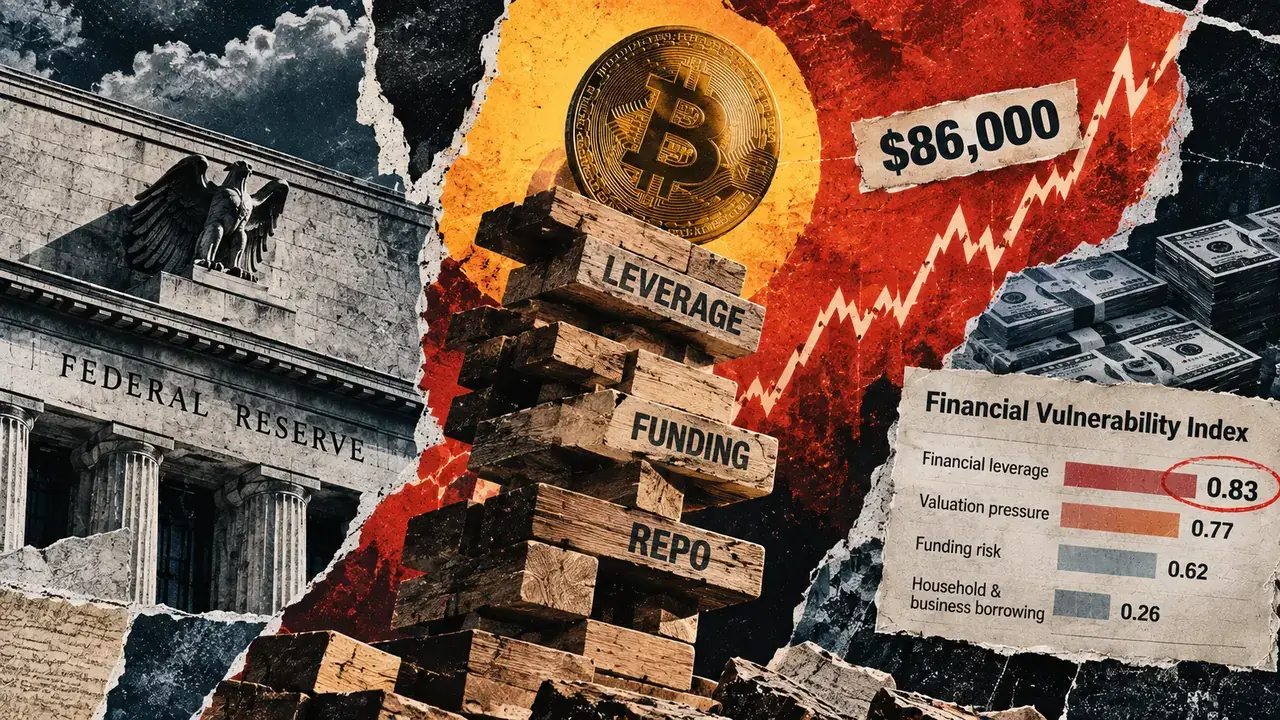
Bitcoin’s rally reflects current demand and positioning, while the Federal Reserve’s Financial Vulnerability Index tracks structural weaknesses that could amplify a future shock. Financial leverage was marked at 0.83 in the elevated band; the aggregate index stood at 0.65, valuation pressure at 0.77 and funding risk at 0.62, all notable. The measure suggests vulnerability can build during calm periods, while Bitcoin’s near-term path remains driven by flows, liquidity and positioning.
Automotive diesel prices in the Czech Republic rose 14.3% in August from July, the biggest increase among EU member states, compared with an EU average of 8.3%. Diesel averaged 49.13 korunas per liter at Czech filling stations. From October 1, the government will cap retailers’ margins and cut the diesel excise tax.
European central bankers are seeking to extend a ban on stablecoin yields to crypto lending and staking. They argue that indirect yield structures blur the distinction between electronic payment tokens and commercial bank deposits, distorting competition across the financial system.
The China-ASEAN Expo brings together coffee, snacks, handicrafts, cultural traditions and new technologies. ASEAN businesses are not only showcasing their offerings but also seeking products, technology, market opportunities and new partners in China.
Europe’s central banks are urging tighter EU crypto regulation, including a broader prohibition on stablecoin interest payments, new powers to restrict tokens linked to foreign currencies such as the US dollar, and EU-level oversight of crypto companies.
Projects in Sharjah and Uzbekistan are using improved sorting and new waste infrastructure to recover materials and produce energy, redirecting how rubbish is handled.
Macro & central bankscircular economywaste managementresource recoverySharjahUzbekistan
Simsek said Türkiye’s economy remains resilient despite global and regional challenges. Discussions also addressed price stability, fiscal discipline, and efforts to improve the country’s productivity and competitiveness.
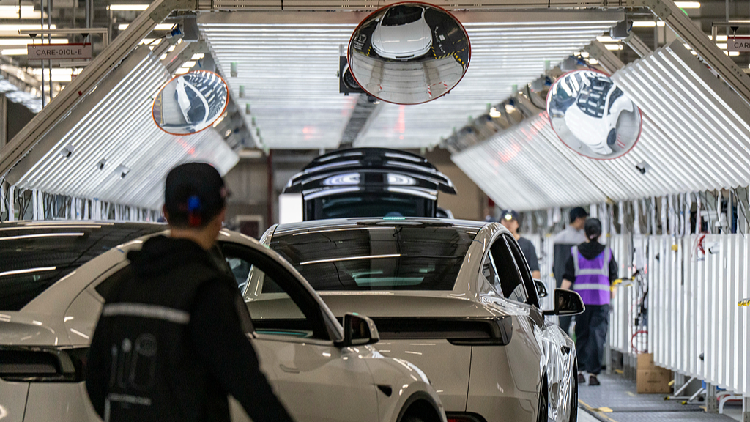
China’s industrial transformation is pushing European companies out of global markets, especially in machinery and transport equipment, with German firms among those suffering the biggest losses, the European Central Bank said Tuesday.
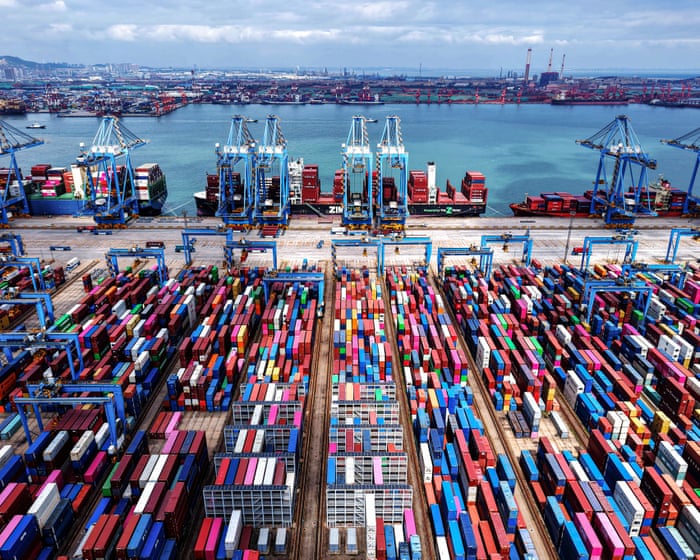
A study of Chinese customs data found the EU’s trade deficit with China reached €36.5bn in July, equivalent to €1.18bn a day. For every €1 of goods the bloc exported, it imported €3.10. The imbalance is expected to feature prominently in talks aimed at avoiding a trade war, while the EU considers quotas on some Chinese imports.
The Bank of Russia bought 2 billion rubles’ worth of yuan on the domestic market for settlement on September 21, 2026, regulator data showed. Purchases for September 18 settlement were also valued at 2 billion rubles. The operations use the yuan-ruble instrument on the Moscow Exchange’s foreign exchange section.
As France seeks billions of euros to repair its public finances, Oxfam is putting the Dutreil pact at the centre of the debate, arguing that the largest inheritances could generate billions in tax revenue.
The median monthly rent for a one-bedroom flat in Portugal is €1,128, according to property portal Idealista—123% more than the €505 cost of renting a room. Prices are highest in Lisbon, Faro and Madeira.
A one-bedroom flat in Portugal has a median monthly rent of €1,128, 123% above the €505 median cost of renting a room, according to property portal idealista. Lisbon, Faro and Madeira have the highest prices.
A one-bedroom flat in Portugal costs a median €1,128 per month to rent, according to property portal idealista—123% more than the €505 median for a room. Prices are highest in Lisbon, Faro and Madeira.
Under its 15th Five-Year Plan, China is strengthening market regulation, including oversight of competition, consumer protection, and food and drug safety. Authorities say they will curb destructive low-price competition and encourage companies to compete on quality instead of price.
PhonePe reported an initial green light from the United Arab Emirates' monetary authority for two permits. They relate to retail payments, card-network arrangements and services involving stored value.
Czechia will cap fuel retailers’ margins, cut diesel duty and tax refiners’ higher profits as governments across Europe seek to contain surging fuel costs.
U.S. Treasury yields eased as investors awaited new jobs data and comments from the Federal Reserve. Economic indicators, the Iran war and upcoming United Nations meetings are in focus.
Bloomberg reporters will answer questions about what comes next for the Bank of Japan after the country raised rates at its fastest pace since 1990. The Q&A is scheduled for Sept. 24 at 10 a.m. HKT, 11 a.m. JST, or Sept. 23 at 10 p.m. EDT.
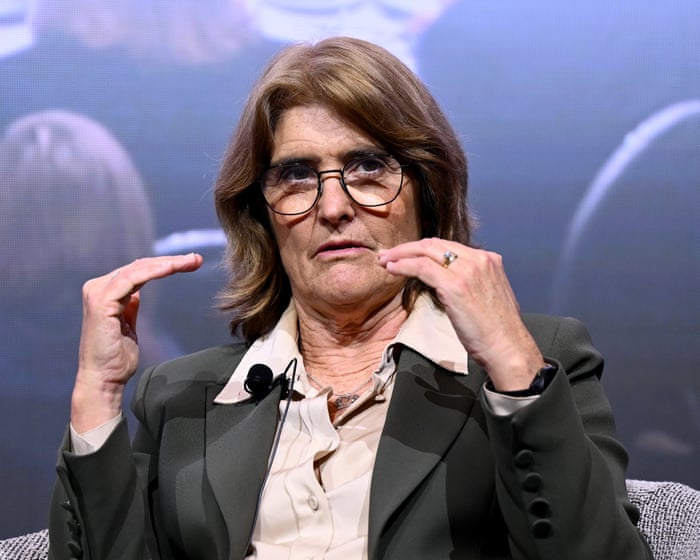
Reserve Bank of Australia governor Michele Bullock said AI could be a bubble, with no evidence yet that it is making the economy more efficient. She said rapid adoption and data-centre investment were adding to inflation rather than growth, and warned that a disorderly fall in tech valuations could hurt economic activity.
The Minutes Reader extension turns the original page into a focused reading view and translates articles and video subtitles on demand. It is in limited beta.