China spends record amount importing more than 1,000 tonnes of gold this year

China, the world’s second-largest economy, spent almost $160bn on bullion in the eight months to August, importing more than 1,000 tonnes of gold.
Global brokerage Bernstein said foreign investors had little reason to put money into India because its large businesses were struggling to reinvent themselves.

China’s new orders for offshore engineering equipment rose 160.8% year on year in the first eight months of 2026, a Ministry of Natural Resources official said. New orders for marine vessels increased 83.7% over the same period.

UK government borrowing surged to £18bn in August, a “dismal” figure as inflation pushed up government spending.
The yen came under pressure on Tuesday as traders bet that Japanese policymakers will struggle to match the hawkish shift among global central banks, leaving Japan with a wide interest-rate gap versus major peers.
China’s high-tech industry sales revenue rose 15.7% year on year from January to August 2026, while high-tech manufacturing grew 18.9%, the State Taxation Administration said. AI-related integrated circuit manufacturing and intelligent vehicle equipment posted increases of 67.7% and 38.8%. Officials said tax policies would continue supporting businesses and new growth drivers.

As Japan’s central bank tightens monetary policy, investors who borrowed in yen to pursue higher yields may be forced to sell their positions.
Across Europe, public authorities collect almost half of motorists’ petrol spending. The comparison identifies the 10 member states where gasoline faces the heaviest tax burden.
Asian markets rose on Tuesday as technology shares rallied and lower oil prices improved sentiment. Investors were hoping for US-Iran talks, while the dollar strengthened on bets that further rate hikes would be needed to contain inflation.
Artificial intelligence adoption could raise economic output in Latin America and the Caribbean by 5.1% after a decade, according to forthcoming Inter-American Development Bank research. The impact on wages will depend on whether workers can shift into expanding jobs, with wages potentially declining if they cannot.
The United States has proposed putting $5 billion into a fund to help Middle Eastern countries rebuild energy infrastructure, the Wall Street Journal reported. The plan would require eight regional partners to match the contribution, creating a $10 billion fund, while details and possible additional participants remain unsettled.
The Trump administration has proposed putting $5 billion into a new fund to help Middle Eastern countries rebuild energy infrastructure damaged in the Iran war and reduce their reliance on the Strait of Hormuz for oil and gas transport, the Wall Street Journal reported, citing U.S. and Middle Eastern officials and documents.
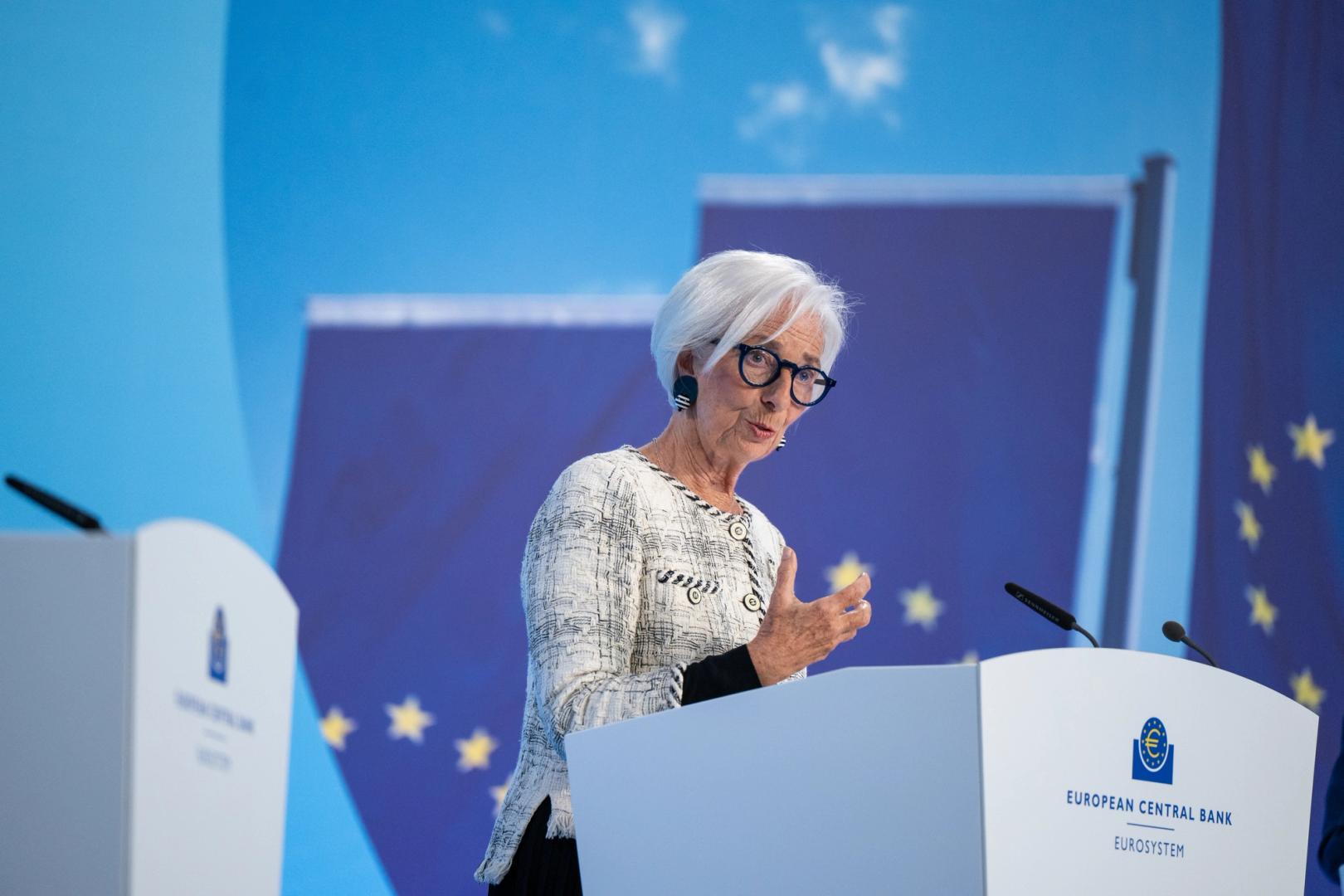
The Eurosystem has launched Pontes, giving banks a live route to settle tokenized assets in central-bank money. The ECB is also preparing to invest a small share of its own funds in euro-denominated tokenized securities, with purchases to settle through the new system. Pontes will expand over time, with full implementation targeted for 2028.


The European Central Bank has introduced a system linking its payment infrastructure with blockchain-based financial markets and plans to purchase tokenized bonds using its own funds.
Chicago Fed President Austan Goolsbee warned that the central bank cannot overlook recurring, persistent supply shocks. Responding to them could impose economic hardship as policymakers pursue 2% inflation.
St. Louis Fed President Alberto Musalem said on Monday that the Federal Reserve will probably need to raise interest rates further to bring down inflation driven by strong demand and a commodity-price shock that has spread beyond oil. He said acting sooner would be preferable to waiting.
Economist Vasily Koltashov says Western countries have entered an acute energy crisis and that the worst economic deterioration is still ahead. Automotive, petrochemical, metallurgy and fertilizer industries could be hit first. He argues that higher interest rates may restrain oil-price growth only by shrinking Western economies and manufacturing, while worsening the industrial downturn.
Economist Vasily Koltashov says access to energy supplies is allowing BRICS members, including Russia, to expand industrial production as Western economies weaken. China’s industrial output rose 5.2% year on year in August 2026, with equipment manufacturing up 12.1% and high-tech production 16.7%. He says today’s crisis differs from 1973–1985 because the West now faces fast-growing industrial and technological rivals with access to oil.
Gabon plans to raise 1.144 trillion CFA francs ($2.01 billion) from international markets in 2027 under a draft budget that projects faster economic growth and a recovery in oil output. Debt servicing and repayments are also expected to rise sharply.
The Bank of Russia set the official dollar rate for September 22 at 84.0954 rubles, down 10.21 kopecks from the previous rate. The euro rate fell to 96.3733 rubles and the yuan rate to 12.5448 rubles.
Canada’s main stock index was subdued on Monday as oil prices fell more than 3%, putting pressure on energy shares. Investors awaited remarks from Bank of Canada Governor Tiff Macklem for clues about the future policy path.
Pension and sovereign wealth funds with billions of dollars to invest are discovering that the diversification they once depended on may be an illusion.
The Bank of Canada says new U.S. tariffs could sharply reduce growth in the fourth quarter.
Deputy Finance Minister Alexey Sazanov says Russia is preparing tax-law changes to account for companies’ costs of protecting facilities and repairing sites damaged by drone attacks. The proposals, expected this fall, could affect many industries, though their details remain unspecified.
Finance Minister Anton Siluanov said Russia’s draft federal budget for the next three years will be challenging, with next year’s deficit set at about 2% of GDP but posing no risks. He said defense and security will be priorities in the 2027–2029 budget, while the country has developed immunity to US “sanctions from hell.” The ministry is building reserves and targeting the shadow economy.
Russia’s federal budget for 2027 will carry a deficit of about 2% of GDP, Finance Minister Anton Siluanov said, adding that it poses no risks. He said the Finance Ministry had prepared several fiscal consolidation measures. The deficit reached 5.79 trillion rubles, or 2.5% of GDP, in January-August 2026.
Chicago Fed President Austan Goolsbee said Monday that proposals for the Federal Reserve to lower borrowing costs to help the US government finance its debt and deficits underscore why the central bank must remain independent when setting monetary policy.
One in five companies in Germany is considering relocating investments, has taken steps to do so, or has already carried out such a move.

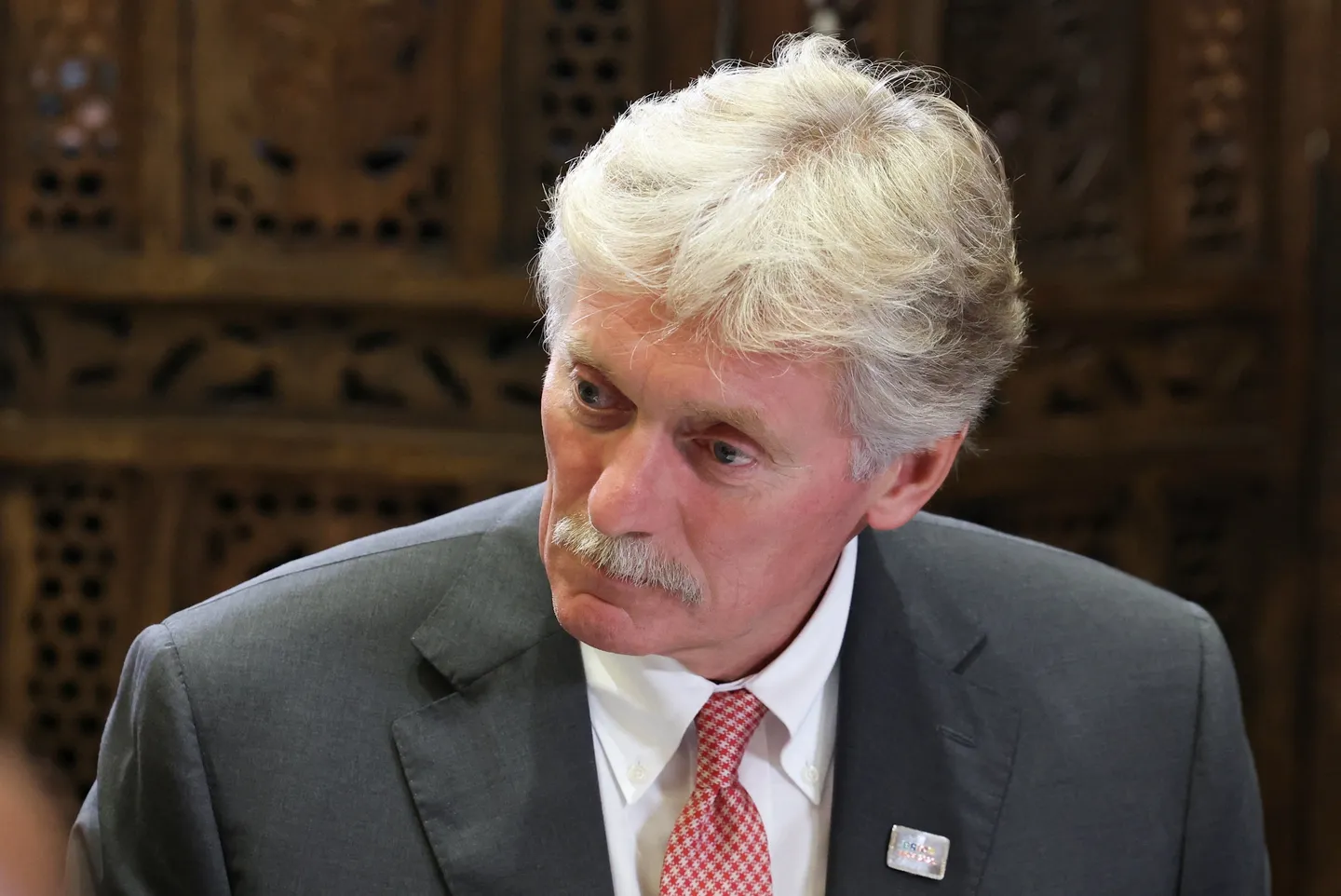
Kremlin spokesman Dmitry Peskov said the end of cheap Russian gas has damaged Germany’s economic competitiveness. He added that Germans are seeking an alternative to the current leadership to improve their situation.
Ukrainian lawmaker Olga Vasilevskaya-Smaglyuk says Kyiv is negotiating with the IMF over financing for another budget shortfall, while the fund again insists Ukraine mobilize domestic resources. Ukraine needs about $52.6 billion from Western partners next year, but only roughly $20 billion has been confirmed so far.
The Eurosystem has launched Pontes, a platform enabling banks to settle tokenised-asset trades with central bank money. The ECB says it will also invest some of its own funds in tokenised securities through the system, marking its first concrete steps toward adapting the euro to the digital age.
The Bank of Russia bought 2 billion rubles ($23.80 million) worth of yuan on the domestic market, with settlement on September 18, 2026. Purchases settled on September 17 also amounted to 2 billion rubles. The operations are conducted through the Moscow Exchange’s foreign-exchange section using the yuan-ruble instrument.
Iran warned Monday that it would deploy “new weapons with new capabilities” if the United States launched another assault. The warning came after President Donald Trump intensified his rhetoric against Tehran over the weekend while considering a meeting with Iran’s president.


The US invasions following 9/11 ended in disaster, yet the country is attempting regime change in Iran again.

Iran’s GDP fell 10.1 percent year-on-year in the first quarter of the Persian calendar, according to official data, as the US-Israel war hit the economy. Oil and gas activity contracted 26.4 percent, while US pressure and a naval blockade of the Strait of Hormuz sharply curtailed crude exports and trade.
The US and Iran are exchanging threats as concern grows that an all-out war could return. Iran’s Islamic Revolutionary Guard Corps said it was prepared for a “long-term war” with strategic weapons it has not yet used, while Donald Trump told Fox News he was considering options “if and when do I blow the entire nation up.”
Greece’s stock market entered FTSE Russell’s developed-market group on Monday, a move that could draw more international investment. Recent credit-rating upgrades also point to improving public finances.
The European Central Bank has launched Pontes, a wholesale platform linking distributed-ledger market infrastructure to its payment rails for settlement in central-bank money. It is separate from the retail digital euro pilot planned for 2027.

New participants with expanded powers could enter Russia’s crypto market by the end of the year, Bank of Russia First Deputy Governor Vladimir Chistyukhin said. A transition period runs until mid-2027. The law governing digital currencies took effect on September 1, while domestic crypto and stablecoin settlements are treated as illegal currency transactions and can incur fines of up to 40% of the transaction amount.
The digital euro has made its debut in wholesale financial markets. The European Central Bank hopes to launch a retail version by 2029.
Indian Oil Corp said on Monday that it will invest 24.49 billion rupees ($255.6 million) to build and operate a natural gas pipeline linking Kochi in Kerala with Thoothukudi in Tamil Nadu, southern India.
A look at the week starting Sept. 21, as cryptocurrencies enjoy a bullish bounce following the Federal Reserve’s rate hike.

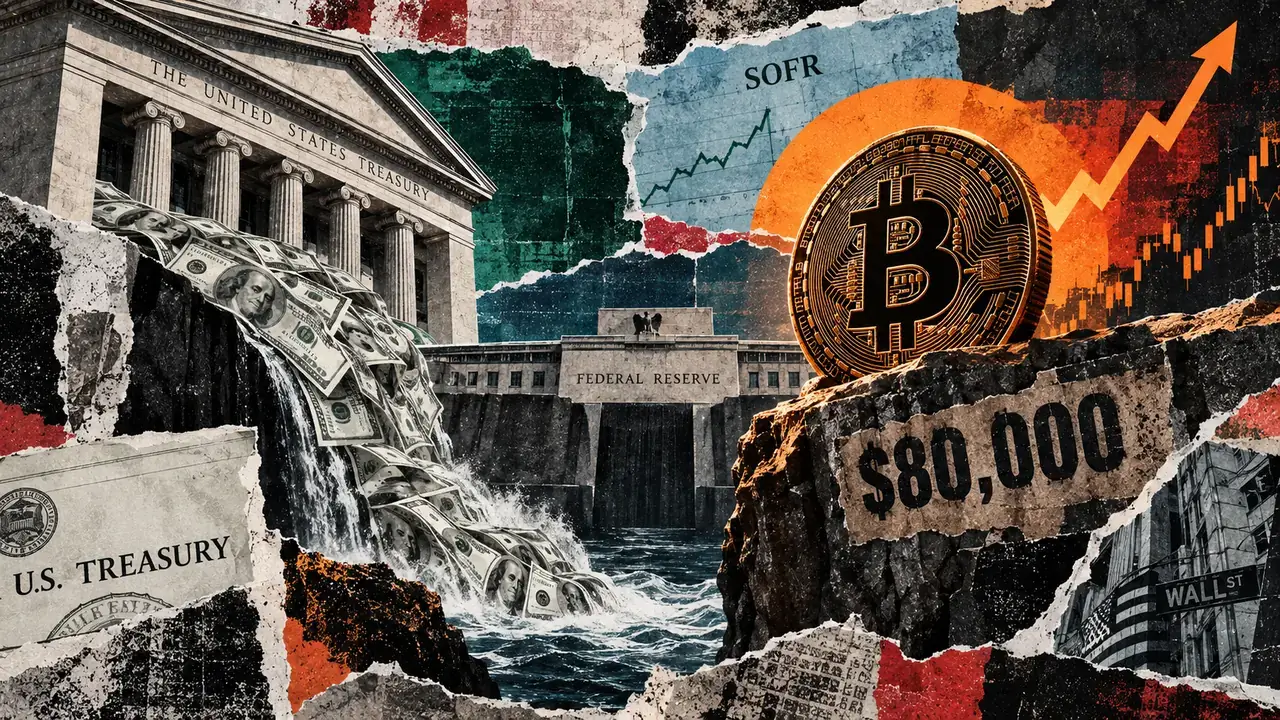
Bitcoin moved above $80,000 after a $148 billion increase in the US Treasury’s account failed to destabilize overnight funding markets. Repo trading stayed within the Federal Reserve’s operating range, suggesting the tax-date cash withdrawal caused no broad squeeze. Bitcoin later traded near $82,000 as spot ETF inflows and a technology-stock rally supported the rebound.

Nigerian billionaire Aliko Dangote says building his refinery was his toughest challenge, but he never thought of quitting. The facility has reduced Nigeria’s dependence on imported fuel, while demand for its jet fuel has risen amid disruptions to global energy supplies. Dangote plans to double its capacity and list the company on Nigeria’s stock exchange to create wealth, rejecting claims that he is building a monopoly.

A worsening inflation outlook is testing policymakers’ credibility, while rising bond yields should prompt central banks to tighten policy further.
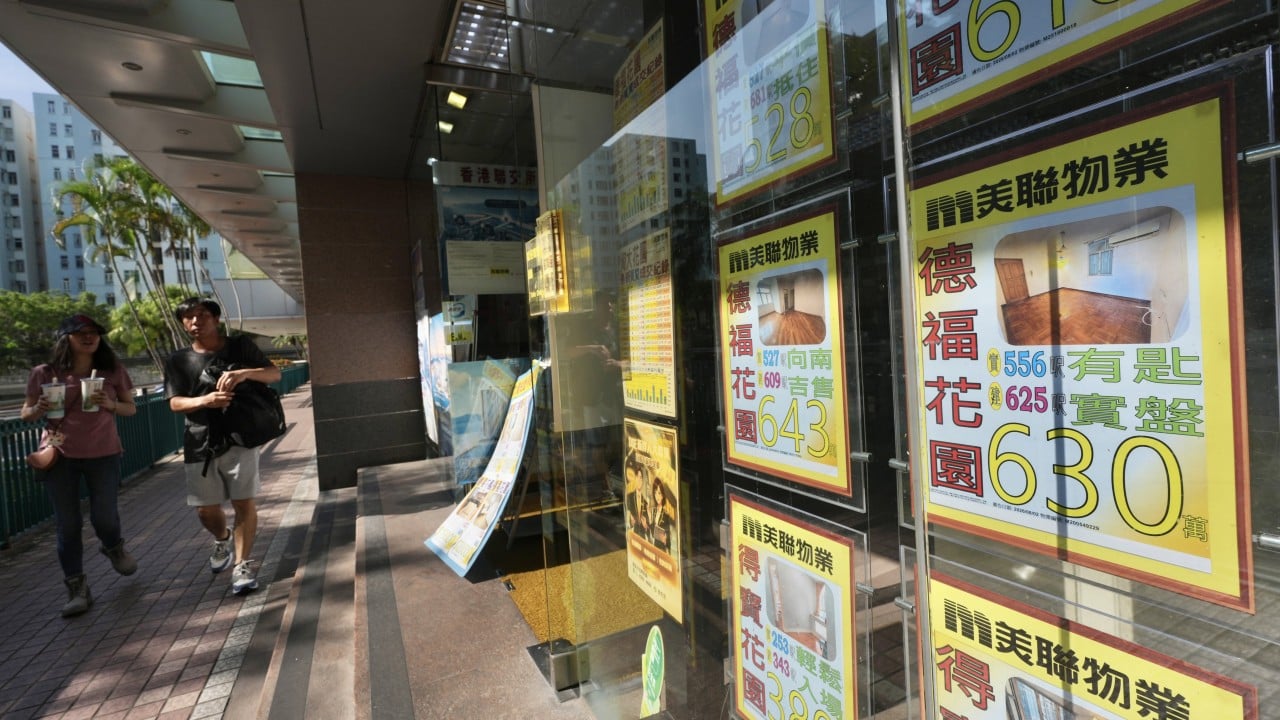
Hong Kong’s de facto central bank may have expected US rates to rise last week, but probably did not anticipate the Federal Reserve’s strongly hawkish shift. Its unanimous rate hike and clear signal of further increases are unlikely to derail the city’s property recovery.

OECD Secretary-General Mathias Cormann says AI presents a major opportunity to raise productivity, wages and living standards. He argues that Europe must move quickly to support adoption if it is to capture those gains and the potential fiscal dividend.
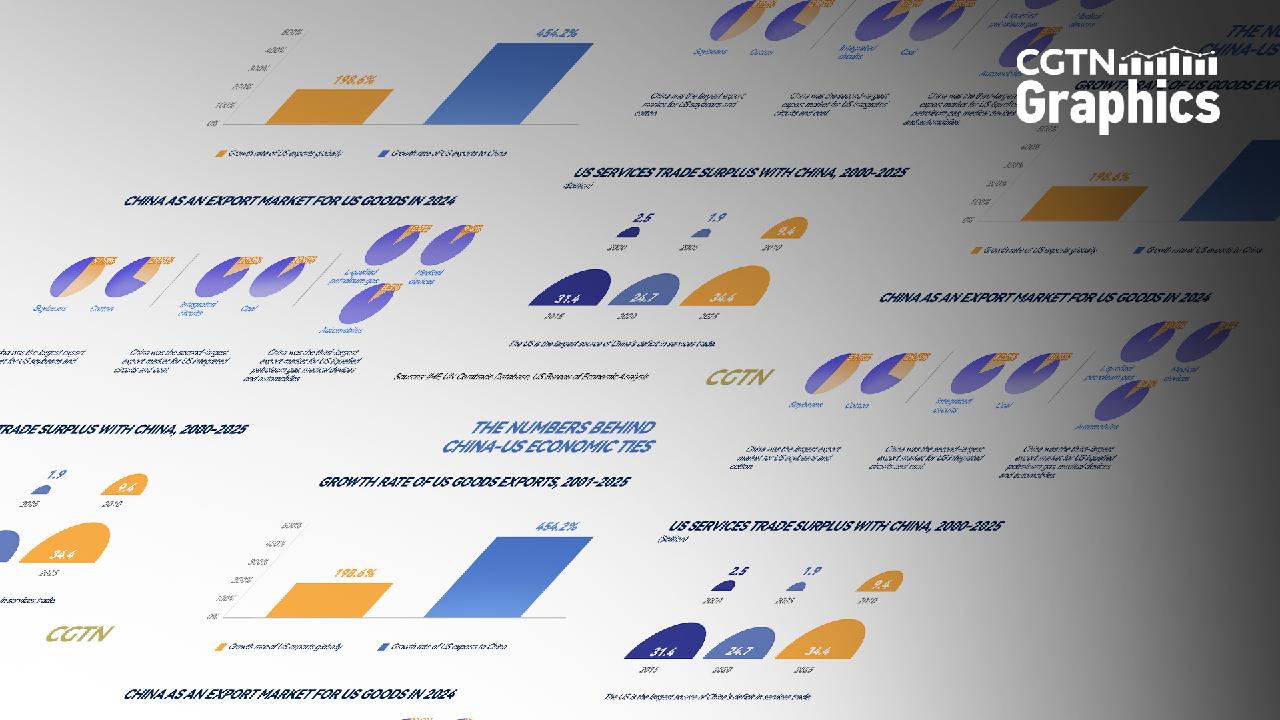
China is a vital US trading partner. Between 2001 and 2025, US goods exports to China rose 454.2%, compared with 198.6% growth in exports to the world. China was the top market for US soybeans and cotton, the second-largest for integrated circuits and coal, and the third-largest for medical devices, liquefied petroleum gas and automobiles. The US was the largest source of China’s services trade deficit. The figures point to mutually beneficial China-US economic cooperation, with overall gains broadly balanced.

Naftogaz Group has signed a memorandum with Hungarian energy company Mol to build oil products storage facilities near Ukraine’s border. Acting head Serhii Fedorenko said the project would help diversify supply routes and add capacity outside areas exposed to ongoing Russian attacks on fuel infrastructure as Ukraine prepares for possible winter strikes.

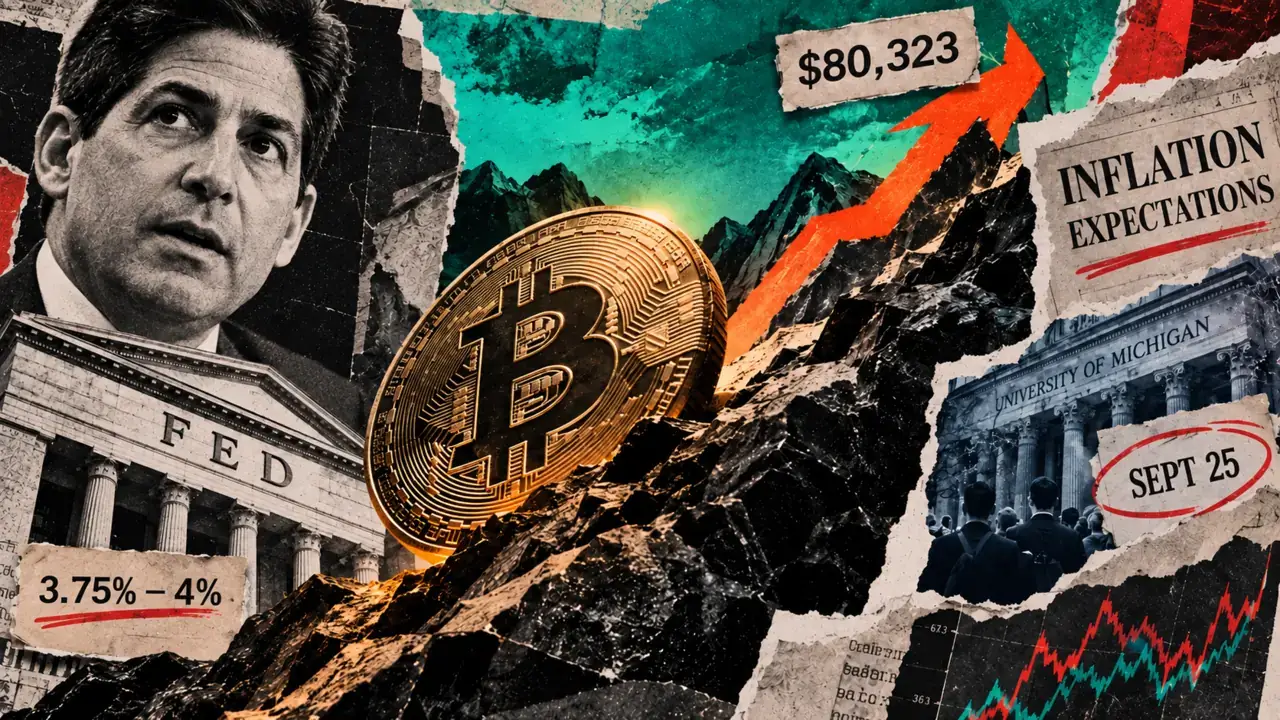
Bitcoin began the week above $80,000, but US inflation expectations and Japan’s higher interest-rate setting could test its rebound. CryptoSlate’s 90-day model gives a median December price of $95,157, while prediction markets allow for either a move into the mid-$80,000s or another decline. Alternating US Bitcoin ETF inflows and outflows leave the durability of demand unresolved.

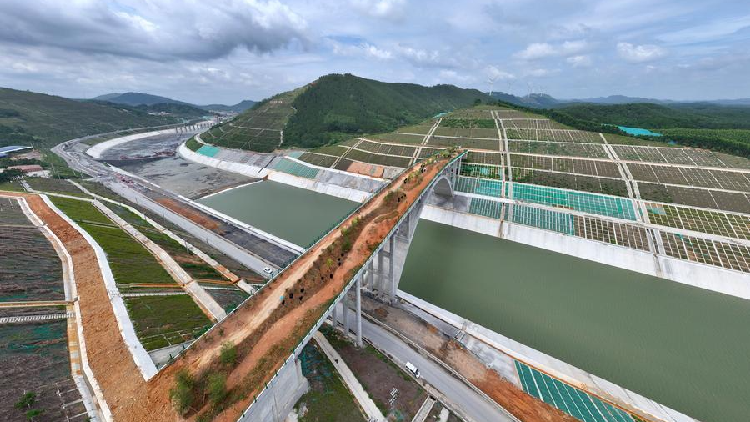
The 134.2-kilometer Pinglu Canal in Guangxi opened to navigation on September 16 after four years of construction. Linking Nanning with the Beibu Gulf and accommodating vessels of up to 5,000 tonnes, it cuts the route to the sea by more than 560 kilometers. Professor Cui Fan says the canal will strengthen China’s national inland-waterway network, ease pressure on the Pearl River and improve sea access for western inland regions.

Jersey’s low taxes and corporate secrecy have drawn global billionaires and multinational companies, making offshore finance central to its economy. But many islanders feel left behind and priced out, while the model has damaged the island’s reputation and faces growing competition. The government is pursuing a £31m plan to cut red tape, diversify and attract new business, including crypto assets.

The Federal Reserve and Bank of England are stepping up scrutiny of banks’ exposure to trading firms and intensifying questions for prime brokers after losses at Jane Street and the blow-up of AI-focused hedge fund Situational Awareness.
France is under mounting pressure to curb its public finances as it prepares a €54 billion package of spending cuts for next year, with debt expected to reach its highest level since 1978.
Bank of Japan Governor Kazuo Ueda raised rates as US Treasury Secretary Scott Bessent wanted, but he is also facing pressure from his own government, making the balancing act increasingly difficult.
Calculations based on documents accompanying Ukraine’s draft 2027 budget indicate that continued hostilities could cost the country up to 6.8% of GDP—more than $15 billion—and $5.15 billion in budget revenue. Finance Ministry officials warn of worsening energy shortages, export declines and labor losses. Even the most optimistic scenario foresees a 30% electricity deficit and a 20% export drop.
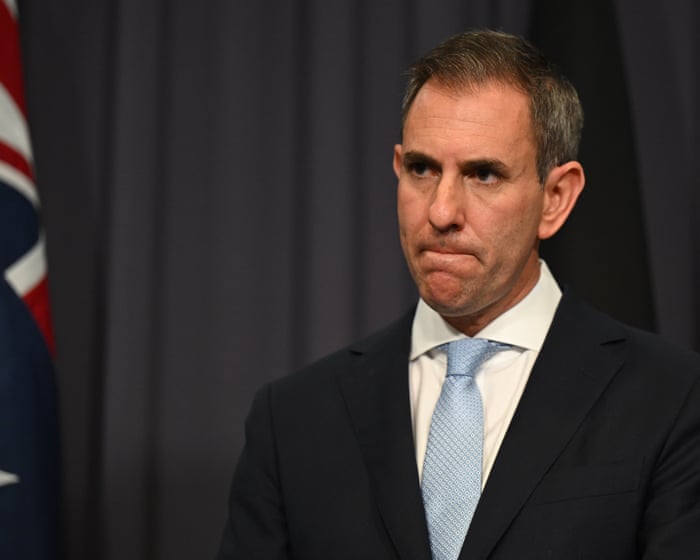
Australia’s seventh intergenerational report projects that deaths will outnumber births by the 2060s as fertility falls and the population ages. It forecasts slower economic growth over the next 40 years and says AI adoption will be pivotal to restoring productivity, while the government must regulate its risks without stifling innovation.

The World Gold Council says Chinese gold jewellery sellers are pursuing opportunities in the Middle East and India by using their advanced crafting technology as the industry struggles with volatile prices. Buyers from those regions made up most visitors at the latest Jewellery & Gem World Hong Kong fair.

President Donald Trump has renewed his attacks on the Federal Reserve after it raised its benchmark interest rate Wednesday. Economists say broader economic trends matter more than the Fed for determining longer-term borrowing costs.
Minneapolis Federal Reserve President Neel Kashkari said Sunday that inflation remains too high and is affecting every part of the US economy, rather than only oil prices.
Wall Street expects the US to issue about $1tn in short-term debt as borrowing costs climb. The growing reliance on Treasury bills comes as Scott Bessent seeks to contain the rise in long-term rates.
The Bank of Russia has proposed a 1% capital ceiling for banks’ crypto and foreign-digital-instrument exposure through ratios N31 and N32. Customer custody assets would count when the bank bears losses from seizure or restricted transactions, but could remain outside the ratios when it does not—while still receiving prudential treatment. The rules are still in draft form.

Stablecoins can move quickly between wallets, but workers may still need to convert them into local currency, transfer the funds to a bank account and pay fees before spending them. As companies introduce stablecoin payroll, conversion, withdrawal, exchange-rate and compliance costs may shift to employees. A $2,000 payment with 1% conversion and withdrawal costs would leave $1,980 available to spend.

Rising living costs are putting pressure on Chileans, affecting even affordable foods such as the completo, the country’s version of a hot dog.
A closely watched monthly survey by the Institute for Supply Management raised eyebrows earlier this month after several business leaders compared the current business climate with the pandemic period.
Property brokers in China’s major cities expect more activity as potential buyers respond to Beijing’s recent policy shift aimed at reviving the sluggish real estate market. Some say inquiries are overwhelming them and they are rushing to close deals, while others hope for additional government stimulus to sustain the momentum in confidence.

China left its benchmark lending rates unchanged on Sunday for the 16th consecutive month, matching market expectations.
The Federal Reserve raised its benchmark interest rate on Wednesday for the first time since 2023, seeking to contain stubbornly high inflation. The central bank also indicated that another increase could come later this year, while mortgage rates climbed to nearly 7%, intensifying affordability concerns.
US President Donald Trump’s talks with China’s Xi Jinping are poised to be the week’s pivotal event, with tariffs, technology and other crucial issues involving the world’s two largest economies on the agenda.
France’s finance ministry said Saturday that public debt is expected to reach a record 119.3% of economic output in 2026 and rise to 121.7% of GDP in 2027, offering the latest sign of worsening public finances.
Iran’s war, sanctions and economic crisis have pushed both imported and locally made cars beyond many households’ means. Domestic vehicle prices have risen sharply, while tyres, motor oil and other parts have at least doubled. Officials and state media have long described the industry as a “mafia” system that shifts costs onto families.

Artificial intelligence could raise European productivity by roughly 1% over five years, but an IMF paper warns it may also widen inequality, put more pressure on power networks and deepen reliance on foreign technology unless governments strengthen economic integration.
Goldman Sachs economist Joseph Briggs said broader pessimism in society may be weighing on consumer sentiment, even as the economy continues to perform solidly.

A central bank adviser said artificial intelligence could deepen and prolong China’s imbalance of strong supply and weak demand, renewing calls for policies to boost consumption and repair balance sheets across the economy.
Manitobans are asking why Canada and Manitoba are not moving ahead with a $3-billion expansion of the Port of Churchill and an upgraded railway, if a Hudson Bay shipping route is truly essential to Canadian sovereignty.
A report indicates that heating costs are expected to rise at twice the pace of inflation, intensifying pressure on prices.

Germany will cut gasoline and diesel taxes by about 17 cents per litre from October, the government said Friday. The measure is intended to provide motorists with temporary relief as fuel prices rise above €2 a litre and add to pressure on Chancellor Friedrich Merz.

BlackRock has emerged as the preferred manager for a portfolio of Dutch pension assets valued at just under €70 billion ($80 billion).
As interest rates rise, heavily indebted consumers could face a tipping point.
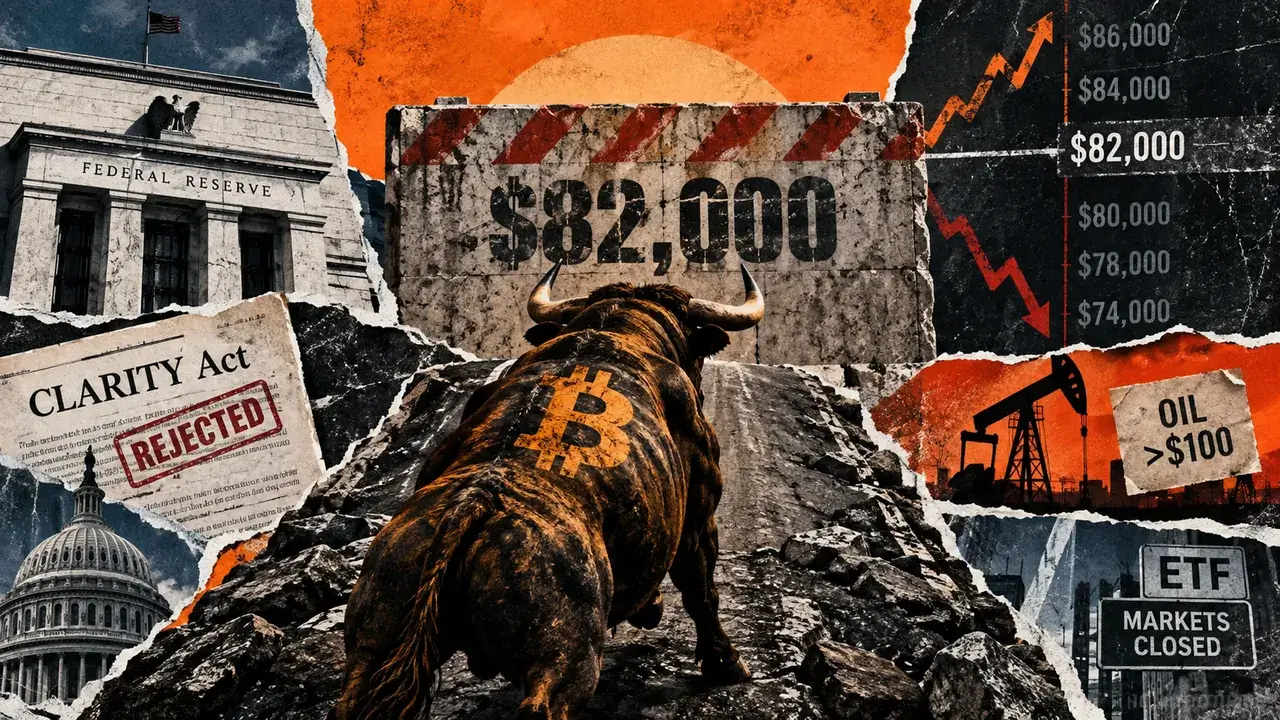
Bitcoin rose to an intraday high of $81,400 on Friday, nearing the $82,000–$82,200 resistance zone that has rejected recent recoveries. Because US spot Bitcoin ETFs stop trading over the weekend, any crypto-market breakout would need Monday’s ETF session to confirm it. A failure could send Bitcoin back toward $80,000 and lower support levels.

China recorded 3.32 billion railway passenger trips in the first eight months of 2026, up 3.9% year on year, China Railway said. Foreign passenger trips exceeded 16.68 million, helped by the transit visa-free policy, while cross-border travel on the China-Laos Railway and Guangzhou-Shenzhen-Hong Kong high-speed railway also grew.

A new report from S&P Global Ratings says the financial health of US public schools is continuing to deteriorate, with half reporting operating deficits.
EU petrol and diesel prices reached record highs this week, according to the European Commission. Refining margins, the cost of converting crude oil into fuel, are partly responsible, while ECB experts told Euronews that diesel margins are not expected to peak until October, meaning prices may stay elevated.
About $18 billion in loans linked to an Oracle-leased data center in New Mexico are under pressure, the Financial Times reported. Syndicate banks including Santander and Jefferies quoted the loans at 89 to 91 cents on the dollar.
The Minutes Reader extension turns the original page into a focused reading view and translates articles and video subtitles on demand. It is in limited beta.