What’s Inside the Bond Market’s ‘Toxic Stew’
Inflation, war, artificial intelligence and national debt are combining to push yields higher in the bond market’s “toxic stew.”
Kazakhstan has fulfilled its obligations and is prepared to provide additional transit of Russian gas to Uzbekistan, Deputy Energy Minister Kaiyrkhan Tutkyshbayev said. Uzbekistan and Russia are negotiating, while a final transit decision has yet to be made.
The World Bank has appointed Nobel laureate and University of Chicago professor Michael Kremer as its next chief economist. He will succeed Indermit Gill, who retired last month.
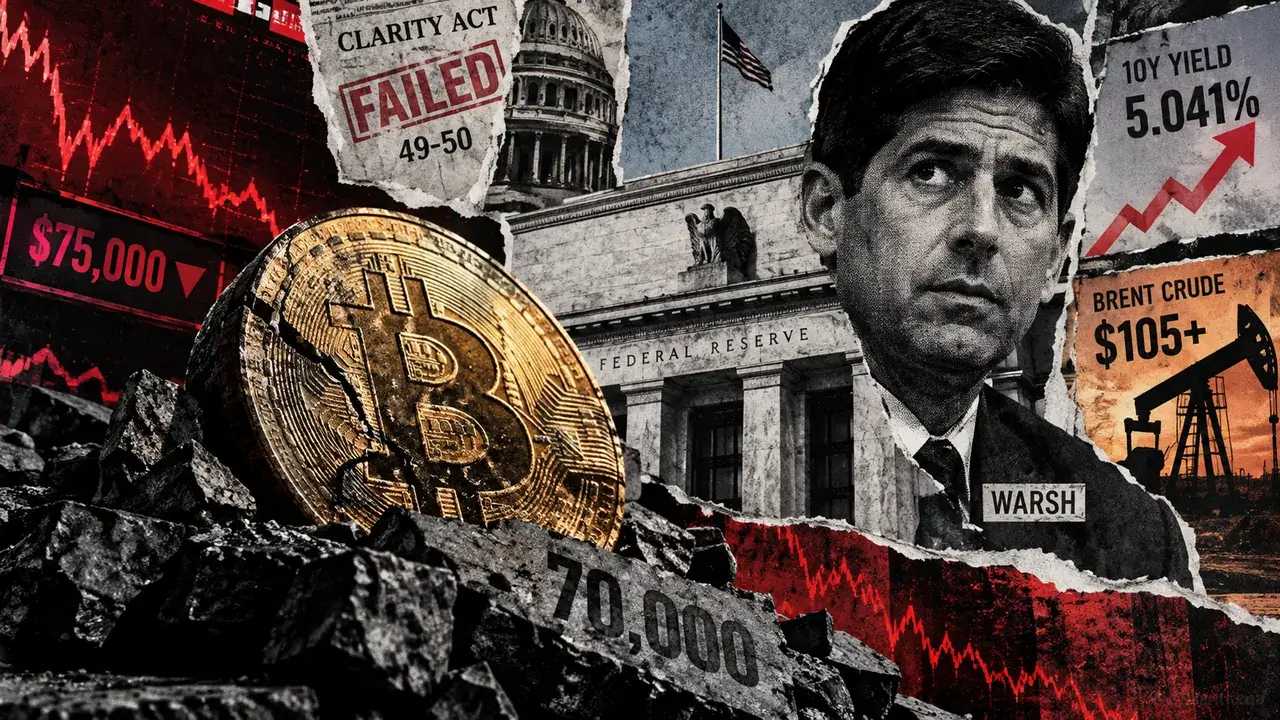
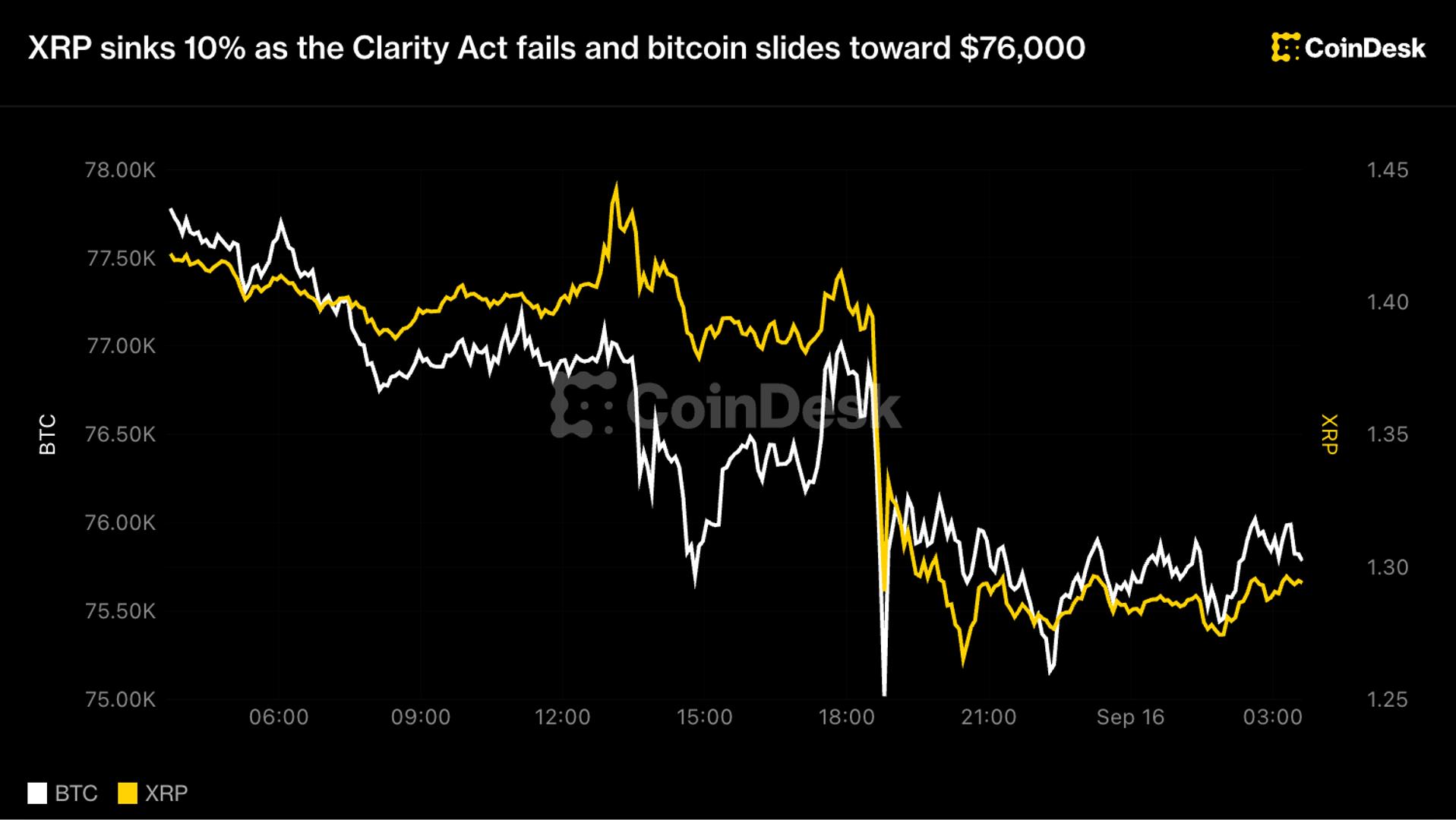
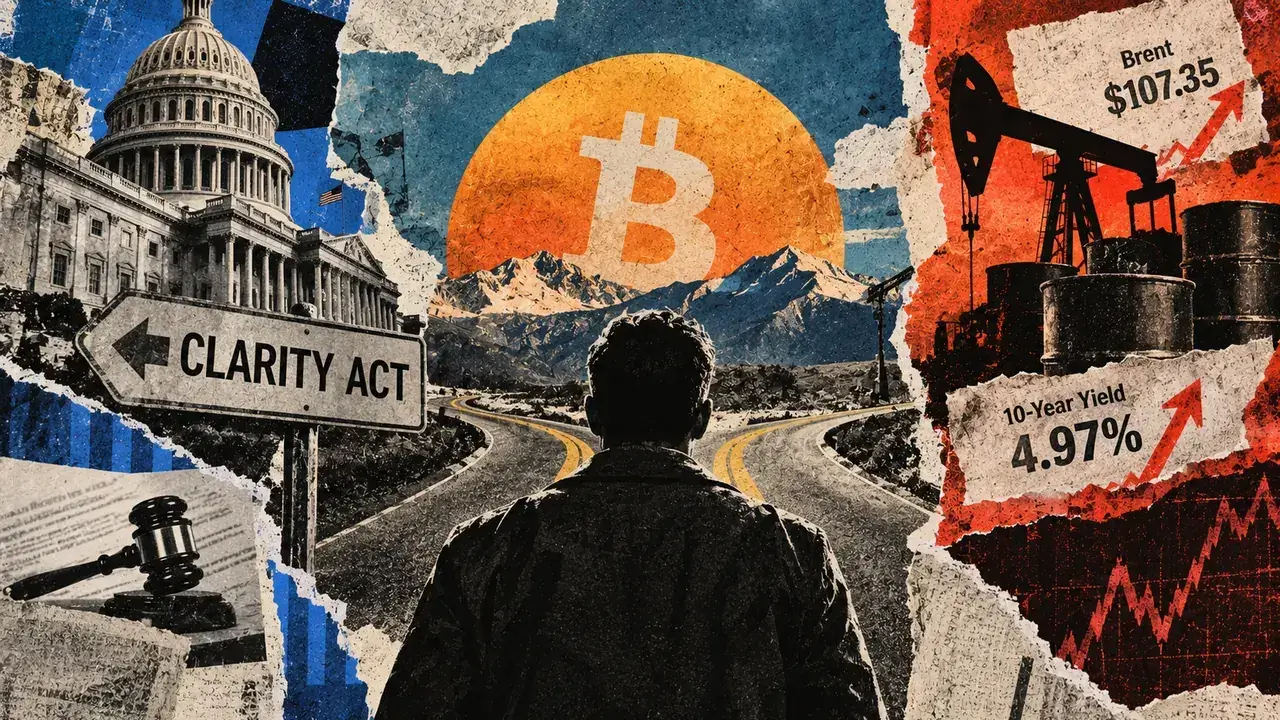
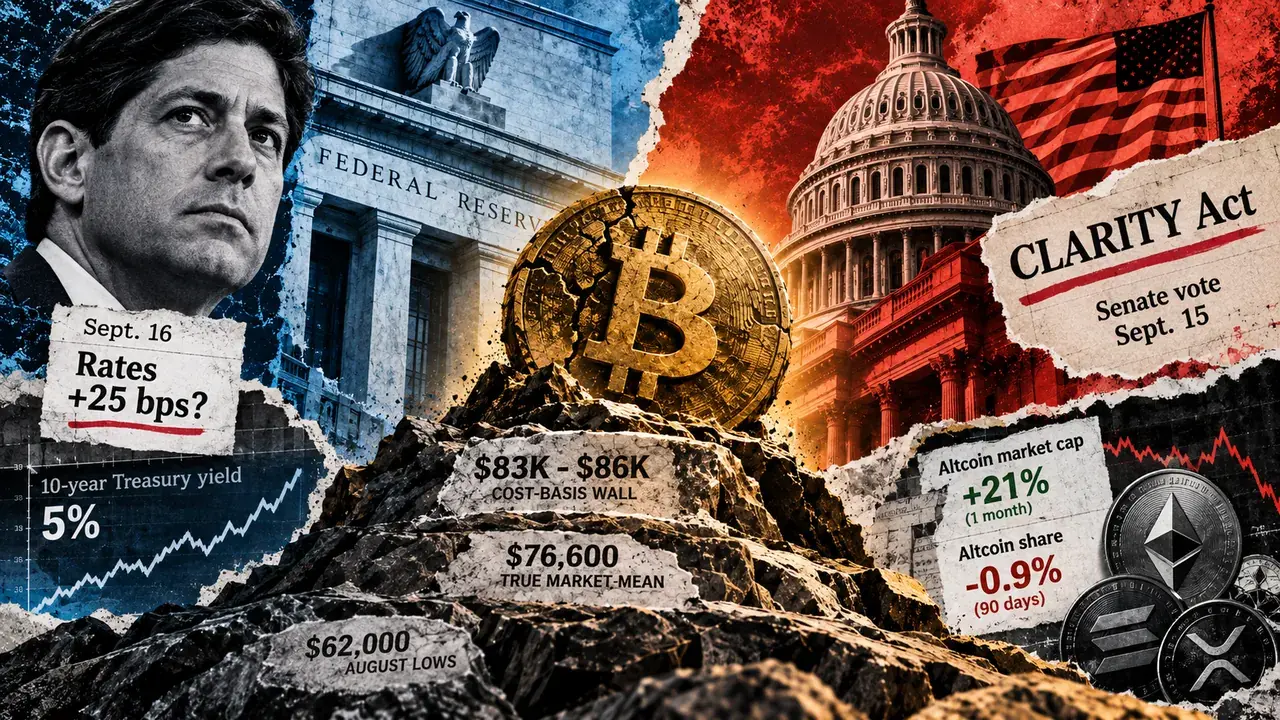
Bitcoin fell below $75,000 intraday on Sept. 15 after the Senate failed 49-50 to advance the CLARITY Act, removing near-term regulatory upside. With the 10-year Treasury yield at 5.041%, Brent above $105 and tighter rate expectations, Bitcoin now faces a key test near its $70,000 200-day moving average ahead of the Sept. 16 FOMC meeting.


Bitcoin’s performance is diverging from the Dollar Index and U.S. stocks as markets look ahead to the Federal Reserve. The item offers a day-ahead view for Sept. 16, 2026.
Surging U.S. government bond yields are driving up credit costs across the economy and could shape Federal Reserve deliberations on monetary policy. Analysts nevertheless expect the central bank to resist any explicit request from the Trump administration to bail out the market.

With inflation and consumer prices rising, Wednesday’s Federal Reserve meeting is being closely watched for signals about interest rates in the present and future. The Fed is expected to raise rates for the first time since 2023 and the first time under newly appointed Chair Kevin Warsh.
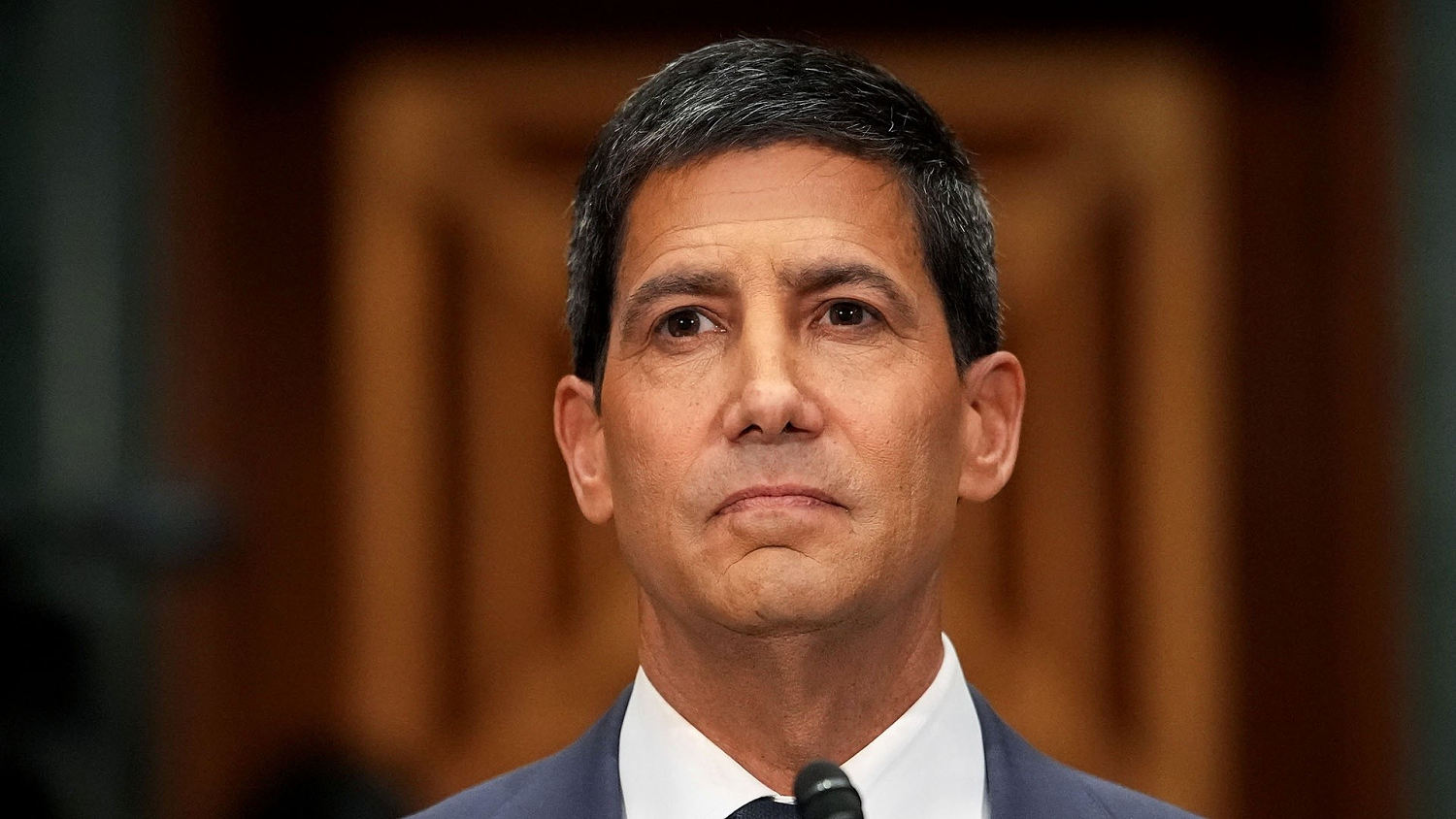
The Federal Reserve is expected to raise interest rates for the first time since 2023, as persistent inflation and rising borrowing costs worldwide drive the move. That will intensify scrutiny of how Kevin Warsh characterizes the first monetary-policy change under his watch.

Bitcoin is hovering near $80,000 as traders build stablecoin positions that could flow back into the market once uncertainty around the Federal Reserve clears. A surprise decision to hold rates could present a greater risk.
Global shares are rising as investors await the Federal Reserve’s interest rate decision, with expectations for a rate hike running high. U.S. stock futures have edged upward.

The Federal Reserve is expected to raise interest rates for the first time since 2023. The consequential move comes less than two months before the midterm elections.

The 10-year Treasury yield is hovering above 5% as investors await the Federal Reserve’s decision. The Fed is widely expected to raise interest rates on Wednesday.
The Federal Reserve is widely expected to raise borrowing costs for the first time in three years, despite Donald Trump’s calls for a cut. Persistent inflation is testing Chair Kevin Warsh’s commitment to price stability.
The Federal Reserve is expected to raise interest rates on Wednesday for the first time since 2023. Policymakers have grown less confident that inflation will cool enough without at least some push from the central bank.
The largest VIX options trade on the Cboe Tuesday was an unusual $6 million purchase of extremely deep in-the-money puts, making the volatility wager difficult to decipher before the Federal Reserve’s rate decision.

Higher oil prices and Treasury yields are raising energy and borrowing costs for U.S. households, prompting consumers to rely more heavily on savings. The estimated burden is $1,700 per household.

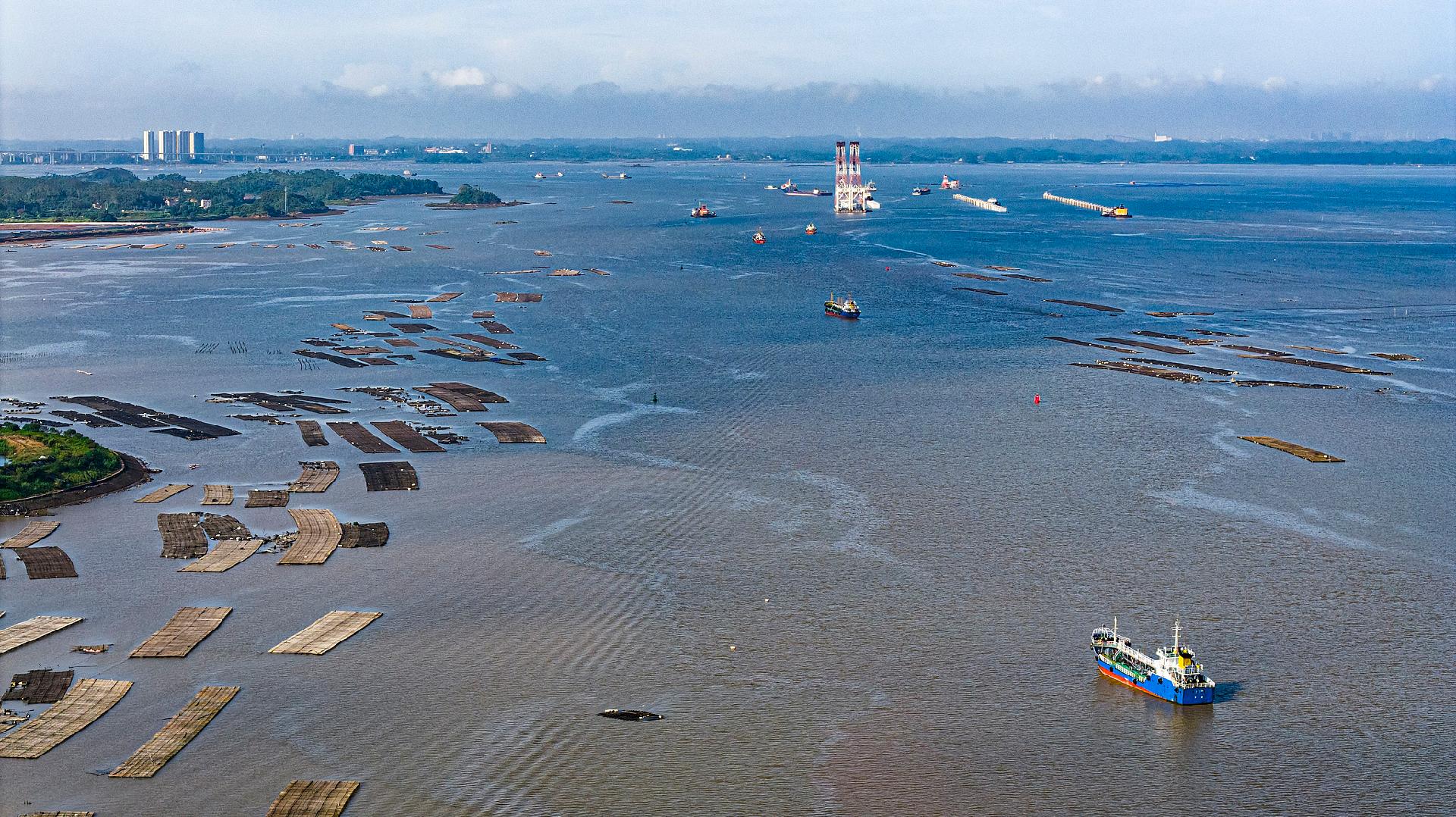
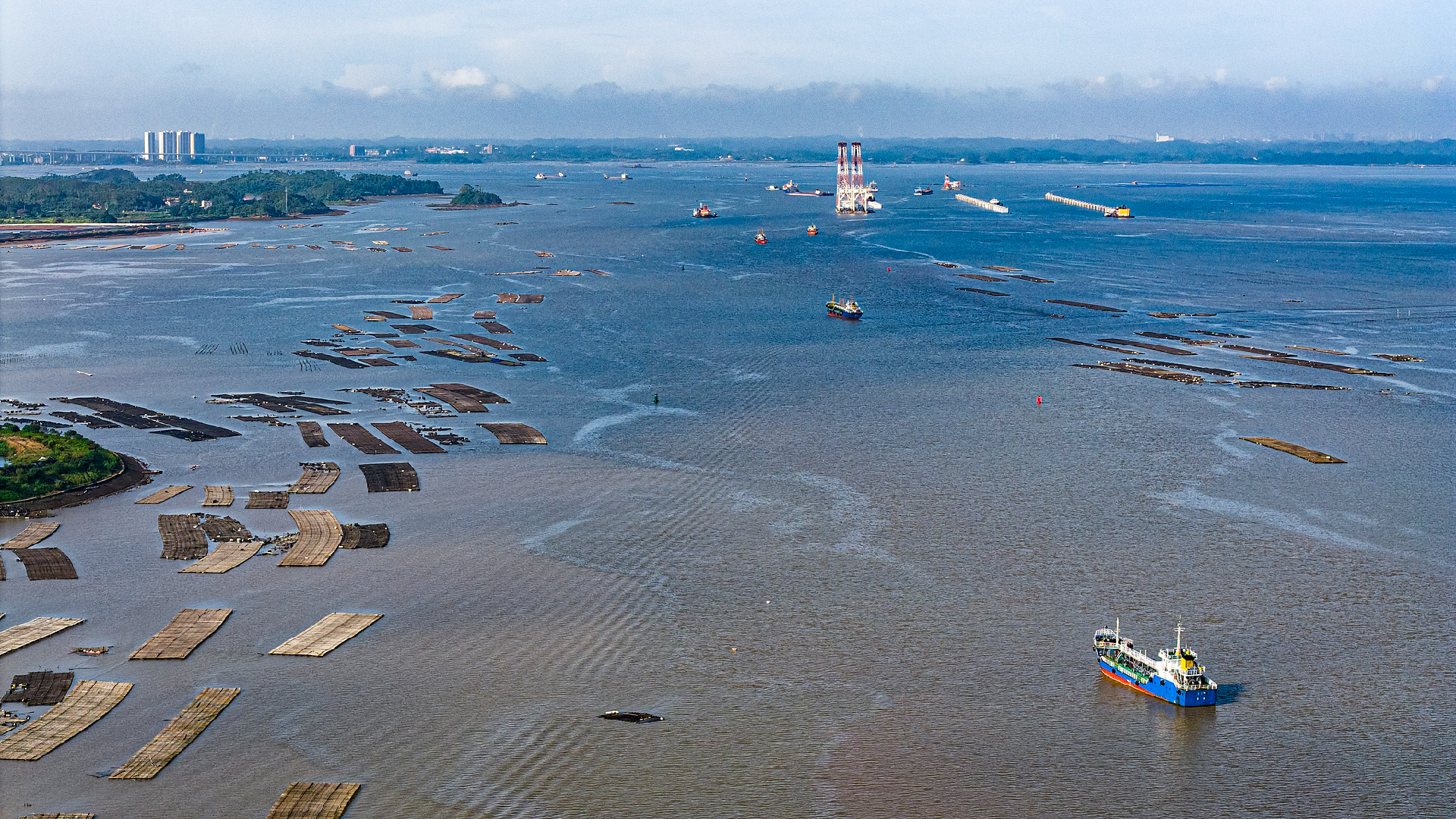
Chinese Vice Premier Ding Xuexiang called for greater opening of China’s western regions at a ceremony marking the start of navigation on the Pinglu Canal in Guangxi. The 134.2-kilometer, 72.7-billion-yuan canal links Nanning with the Beibu Gulf and serves as a backbone project of the New Western Land-Sea Corridor.


The Pinglu Canal, a backbone project of China’s New International Land-Sea Trade Corridor, opened to navigation on Wednesday. It will connect western inland goods to the sea, cutting shipping distance by more than 560 kilometers and logistics costs by up to 30%. A mainland spokesperson welcomed people from Taiwan to share the project’s opportunities.

China’s Pinglu Canal opened to navigation on September 16 with multiple national and world records. Located in Guangxi, it links southwest China to the sea, accommodates vessels of up to 5,000 tonnes, shortens inland shipping routes and includes the world’s highest and largest inland water-saving ship locks.

China opened the 134.2-kilometer Pinglu Canal on Wednesday. As a major part of the New International Land-Sea Trade Corridor, it offers inland Chinese regions a more direct route to the sea and onward to ASEAN markets.
China opened the Pinglu Canal on Wednesday, creating a shorter route from its landlocked southwest to the coast and overseas markets, especially ASEAN, its largest trading partner. The 134.2-kilometer canal cost 72.7 billion yuan and links Nanning with the Beibu Gulf.

China’s Pinglu Canal in Guangxi is scheduled to open to navigation on September 16. The project will link inland waterways with the Beibu Gulf and expand the country’s inland shipping network. Construction began in August 2022, major works were completed in May 2026, and project acceptance finished in August.

China’s 134.2-kilometer Pinglu Canal officially opened to navigation on Wednesday, linking the Xijiang River shipping network with the Beibu Gulf. Built at a cost of 72.7 billion yuan, it can handle vessels of up to 5,000 tonnes and is expected to cut the route from southwest China to the sea by about 560 kilometers. Mangrove restoration, a fish passage and a wildlife overpass were incorporated into the project.

China’s Pinglu Canal in Guangxi officially opened to commercial navigation on Wednesday. The 134.2-kilometer waterway links the Xijiang River corridor with the Beibu Gulf, shortening shipping routes from southwestern China to the sea by more than 560 kilometers and creating a more direct gateway to ASEAN. Fish passages and a wildlife bridge were built along the canal, while more than 98% of excavated material was reused.
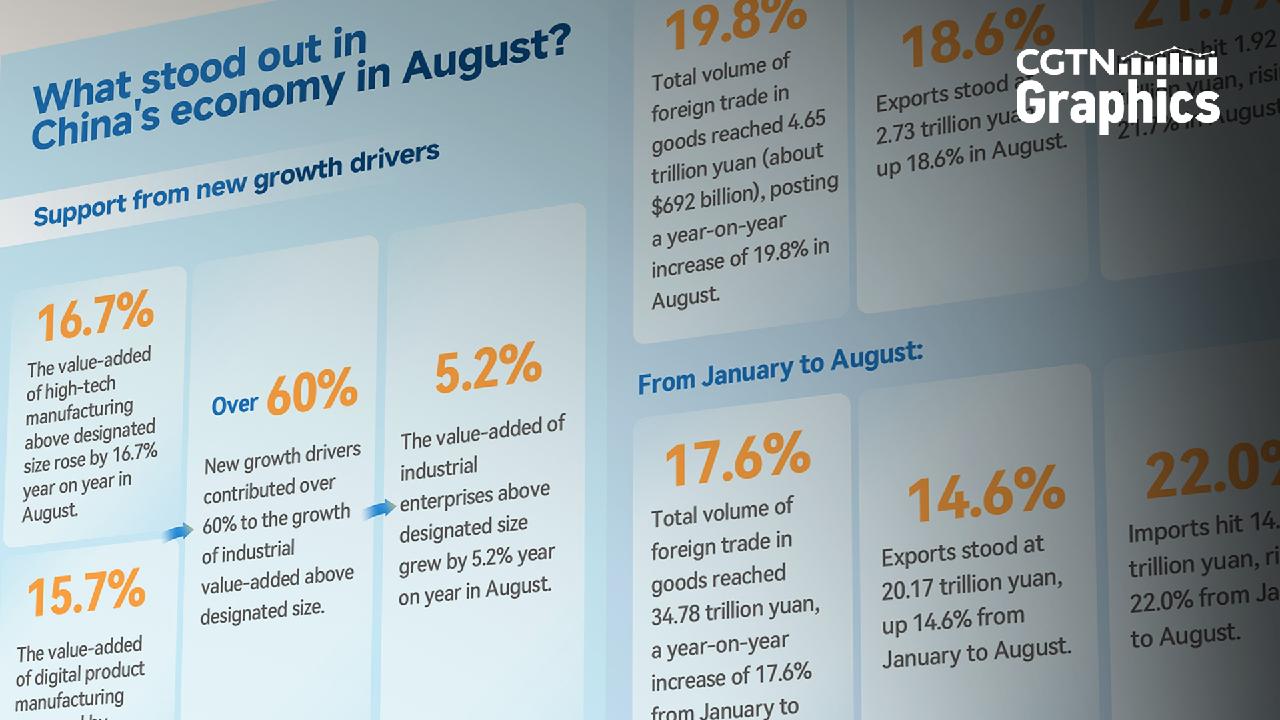
Official data showed that China’s August economy was driven by booming emerging industries and strong foreign trade. Value-added in high-tech and digital product manufacturing rose 16.7% and 15.7% year on year, while goods trade reached 4.65 trillion yuan, up 19.8%.

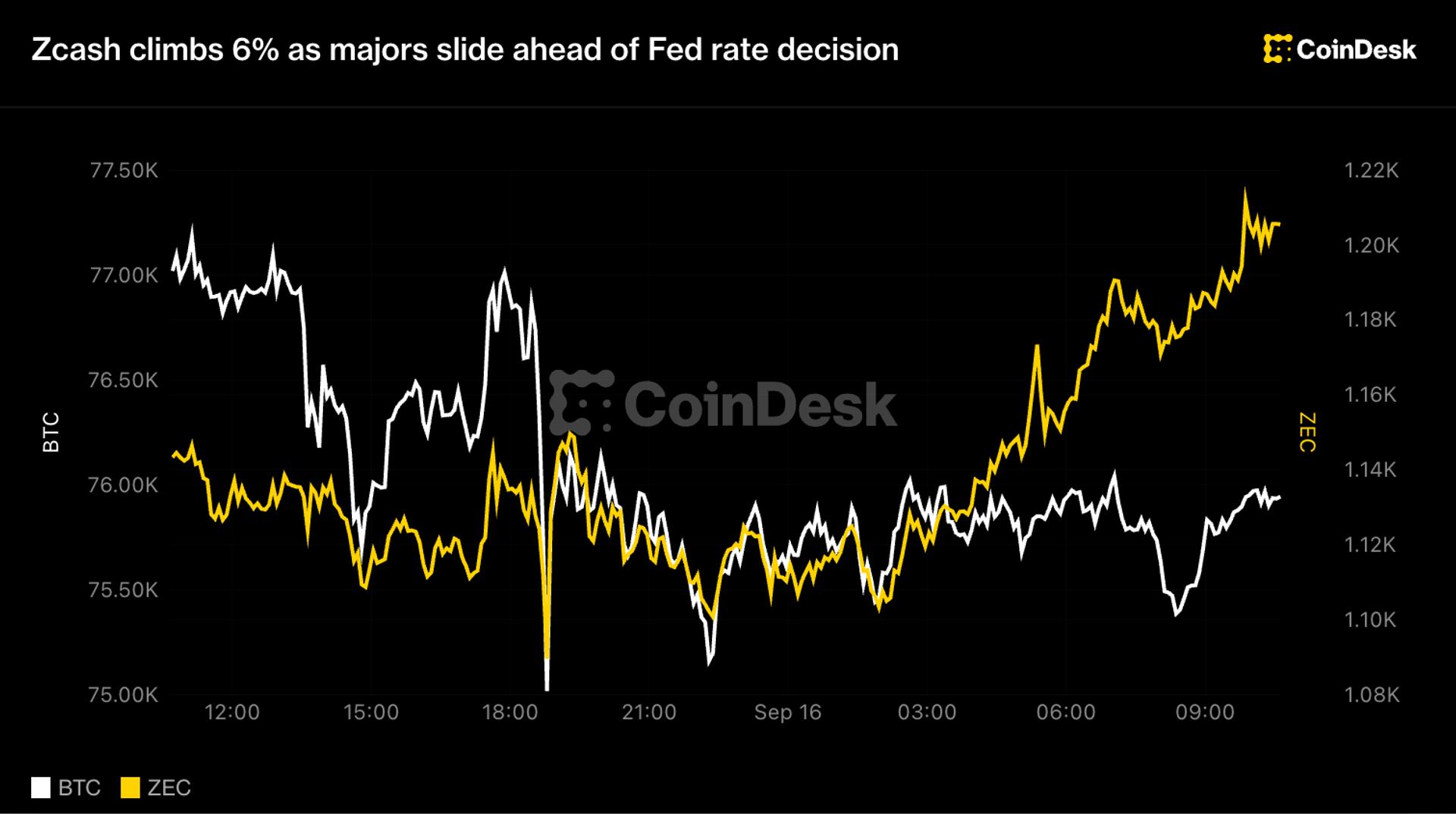
Zcash has risen 6% and is up 130% over the past 30 days, trading near its 2016 all-time highs. Bitcoin, meanwhile, has fallen to a three-and-a-half-week low below $76,000 as markets await the Federal Reserve’s rate decision.

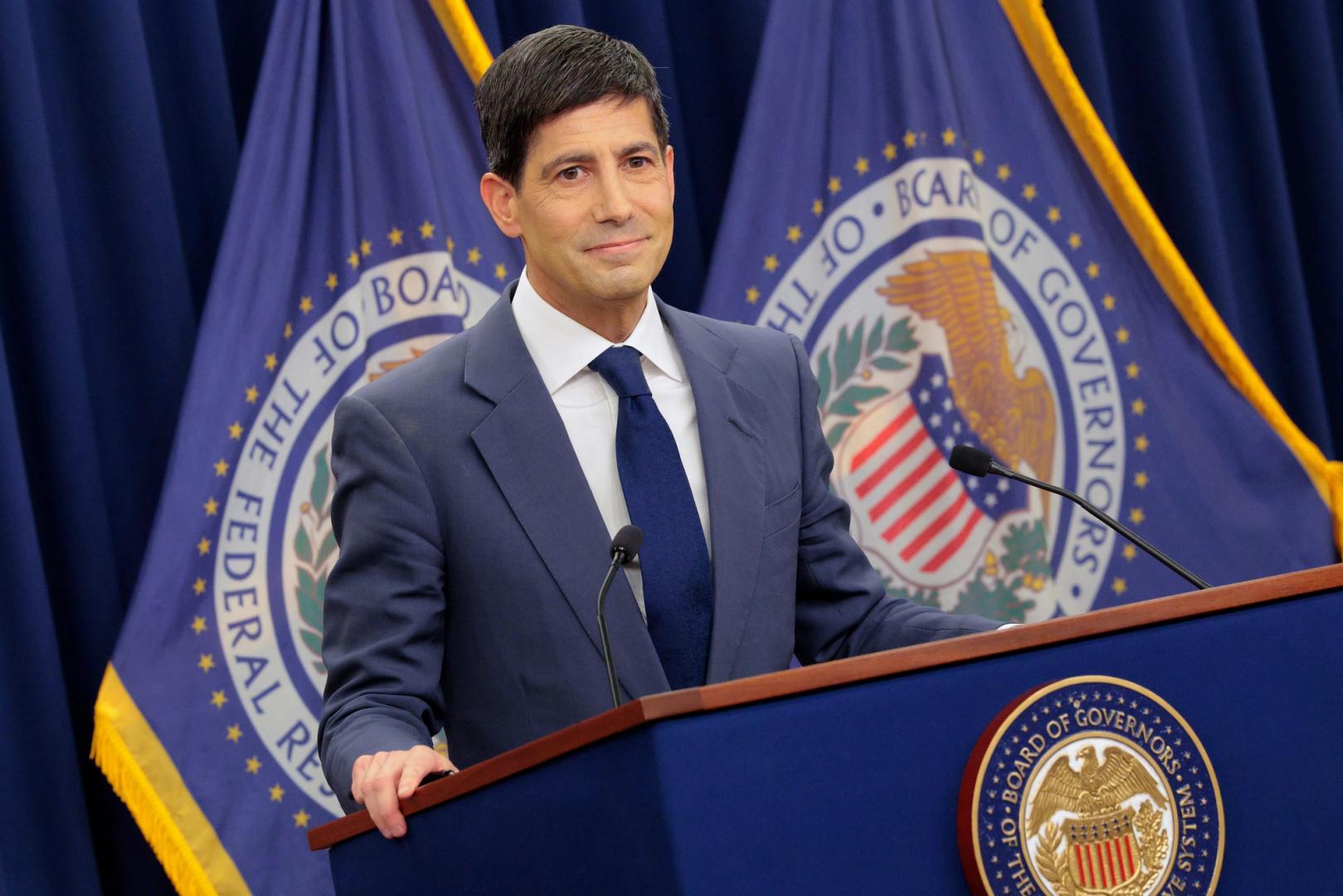
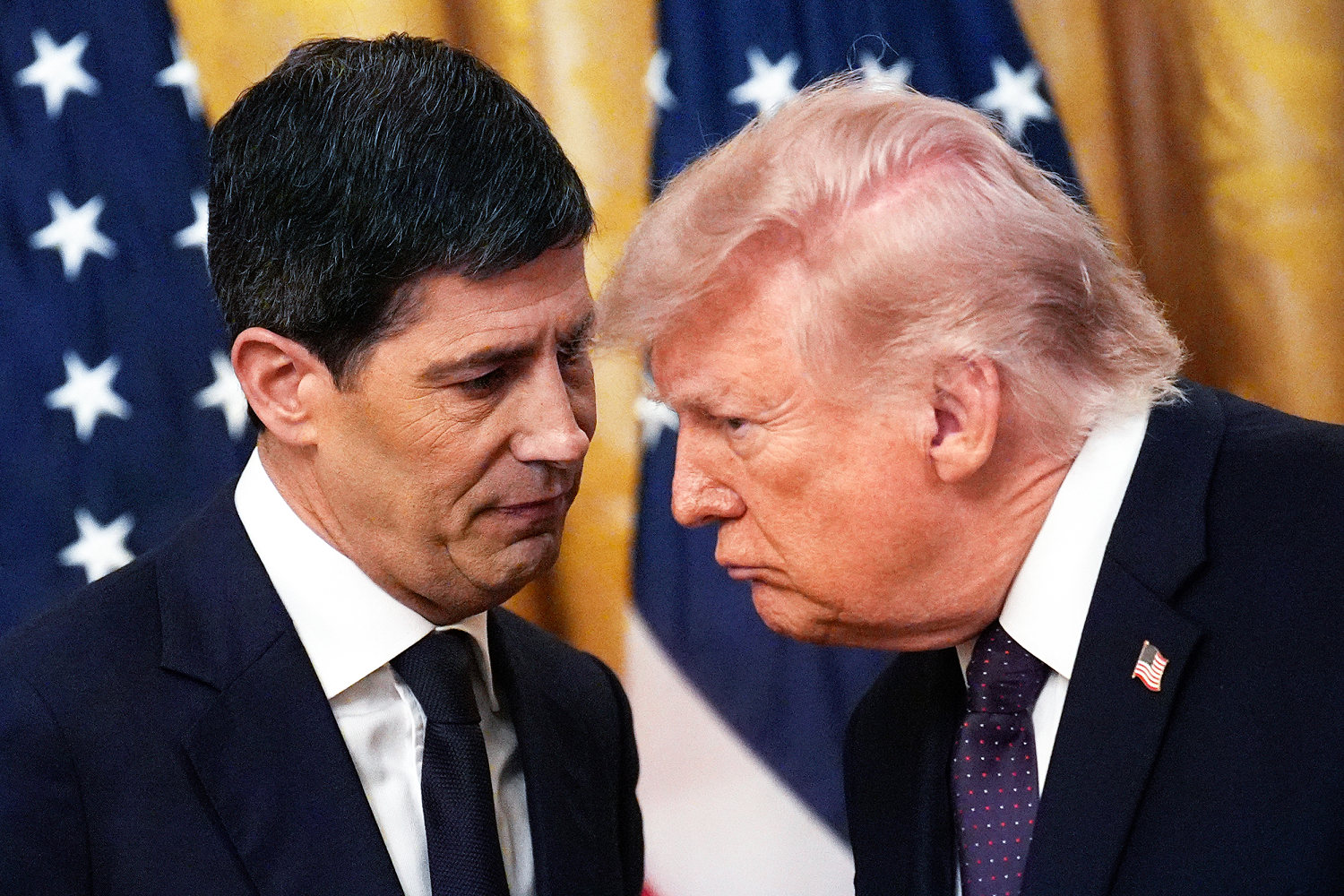
Federal Reserve Chair Kevin Warsh faces a rate-day decision with risks attached to any course of action, as he reckons with both financial markets and Donald Trump.
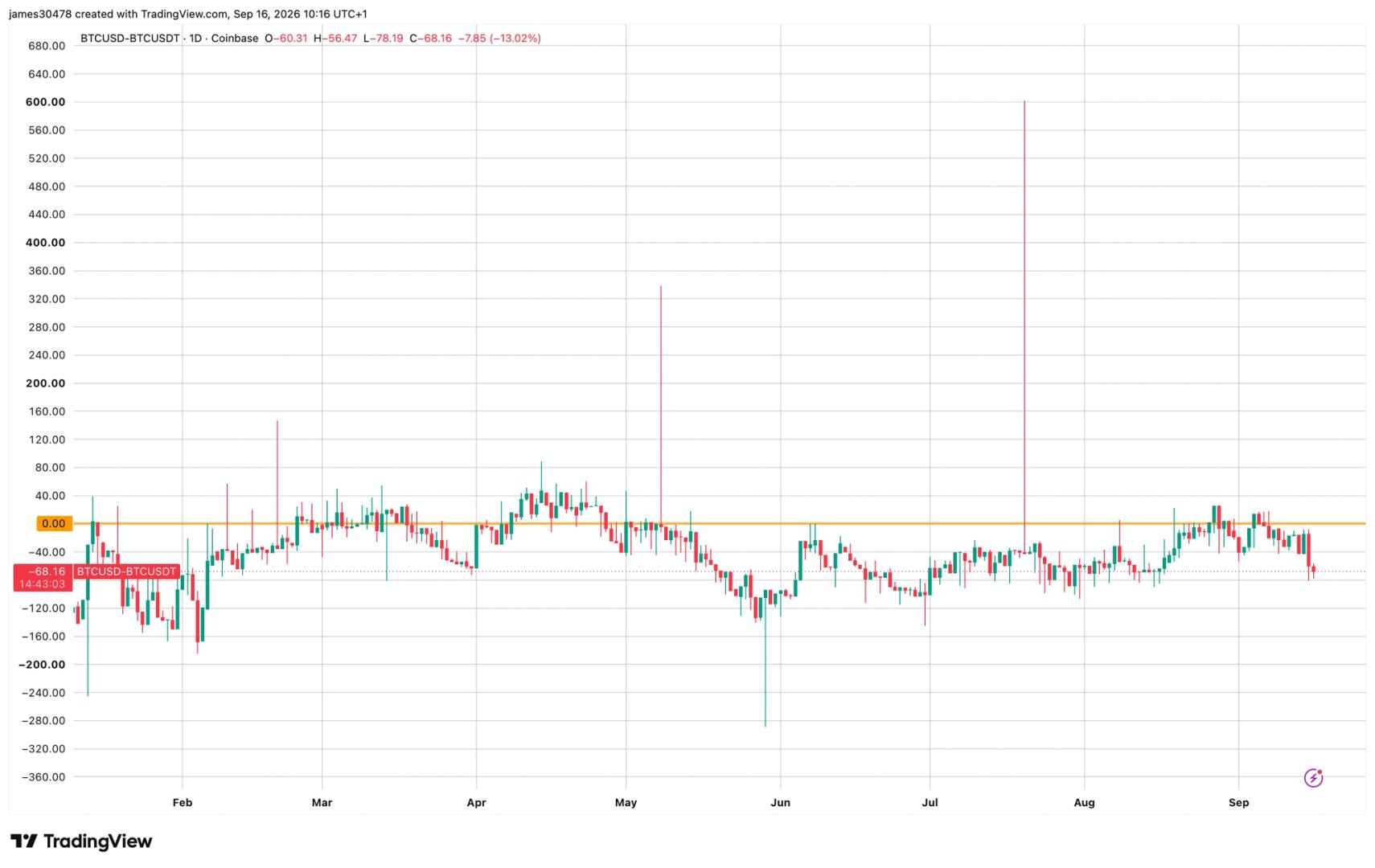
Bitcoin’s Coinbase premium has dropped to its lowest level in a month as weaker U.S. demand, a setback for the Clarity Act and expectations of a Federal Reserve rate hike weigh on the cryptocurrency.

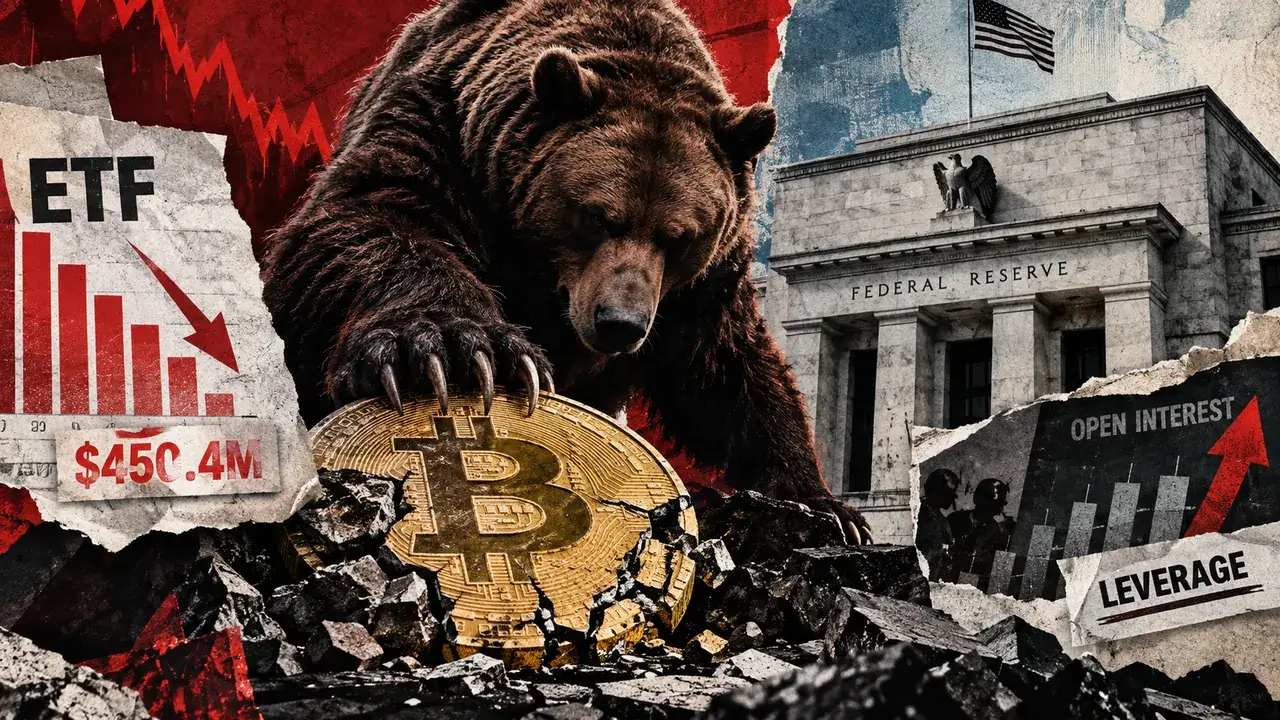
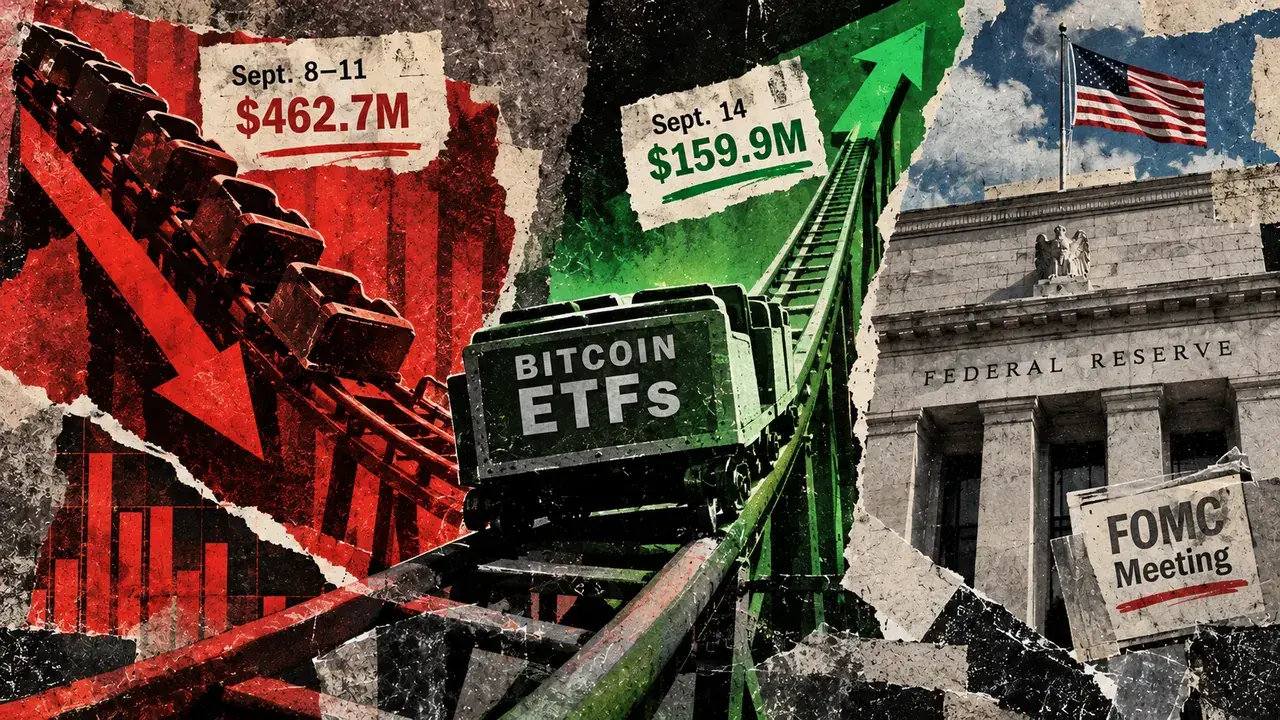
U.S. spot Bitcoin ETFs saw $450 million in net outflows on Sept. 15, more than reversing the previous session’s $159 million inflow and bringing withdrawals across six completed sessions since Sept. 8 to $753 million. Bitcoin traded near $75,900 as spot and perpetual sellers dominated, while the causal link between ETF redemptions and exchange selling remained unresolved.

Jilin has simplified departure tax refunds, driving a 277% year-on-year rise in transactions and a 170% increase in refund volume. The province has more than 81 tax-free shops and now offers multilingual digital shopping information. Measures include cross-region instant-refund recognition and extending claims to 28 days. Inbound tourist spending rose 41% in the first half of the year.
More than 130 billion yuan ($19.4 billion) had been secured for rural construction projects across China by the end of August, CCTV News reported. The country’s rural roads now span 4.7 million kilometers. In Zanhuang County, Hebei, over 40 million yuan was invested this year in roads and streetlights, while water, sanitation, waste treatment and elderly-care facilities also improved.
Ladbrokes owner Entain said on Wednesday that it could eliminate around 20% of its customer care positions. It also published a letter to British Prime Minister Andy Burnham warning about the effects of any further increases in gambling taxes.
European Commission President Ursula von der Leyen said the conflict around Iran and the situation in the Strait of Hormuz have cost the EU an additional €90 billion in imported fossil fuels without adding any energy supply. She urged the bloc to intensify efforts on affordable, homegrown clean energy and said doubling electricity’s share by 2040 could cut its annual fossil-fuel import bill by €260 billion.
The Congressional Budget Office says the Iran war has cost the United States more than $38 billion so far. Depending on how intense the fighting is, spending could rise by as much as $3 billion per month.
The US House has voted for a third time to end American involvement in the war with Iran.

The US House voted 220-204 to approve a war powers resolution for the third time, seeking to halt President Donald Trump’s ability to continue military action against Iran without congressional approval. Seven Republicans supported it, but none of the resolutions has reached the president, who would almost certainly veto it.
Reuters, citing analytics firm Kpler, reported that just two ships entered and two exited the Strait of Hormuz on Tuesday, the lowest level recorded. Analysts said none were oil supertankers or liquefied natural gas carriers. Before the conflict, roughly 125 large commercial vessels crossed the strait daily.
As the conflict continues, the U.S. House has voted for a third time to end the war in Iran. It approved a war powers resolution late Tuesday aimed at stopping President Donald Trump from continuing military action without congressional approval.
The US House voted 220-204 for a resolution urging President Donald Trump to end military operations against Iran. The nonbinding measure is only a recommendation. The report says the US and Israel began the war on February 28, while Washington resumed massive strikes on July 8, accusing Tehran of violating agreements concerning the Strait of Hormuz.
The House approved a measure requiring President Donald Trump to end his war with Iran. The vote delivered a potent political rebuke of the administration’s handling of the conflict just weeks before the midterm elections.

Drone experts warn that Iran is deliberately targeting U.S. naval drones in the Strait of Hormuz to study American surveillance capabilities and learn how to evade U.S. defenses. The warning followed an attempted IRGC seizure of a U.S. unmanned surface vessel, after which the U.S. military destroyed two Iranian small boats. Experts say even brief access to captured hardware could reveal sensors, tactics and battlefield vulnerabilities.

A Congressional Budget Office report says the six-month US war on Iran has cost $38bn and could add $3bn monthly. It projects a 0.5-percentage-point inflation increase in early 2027 and says replenishing depleted US munitions stockpiles could take up to five years.

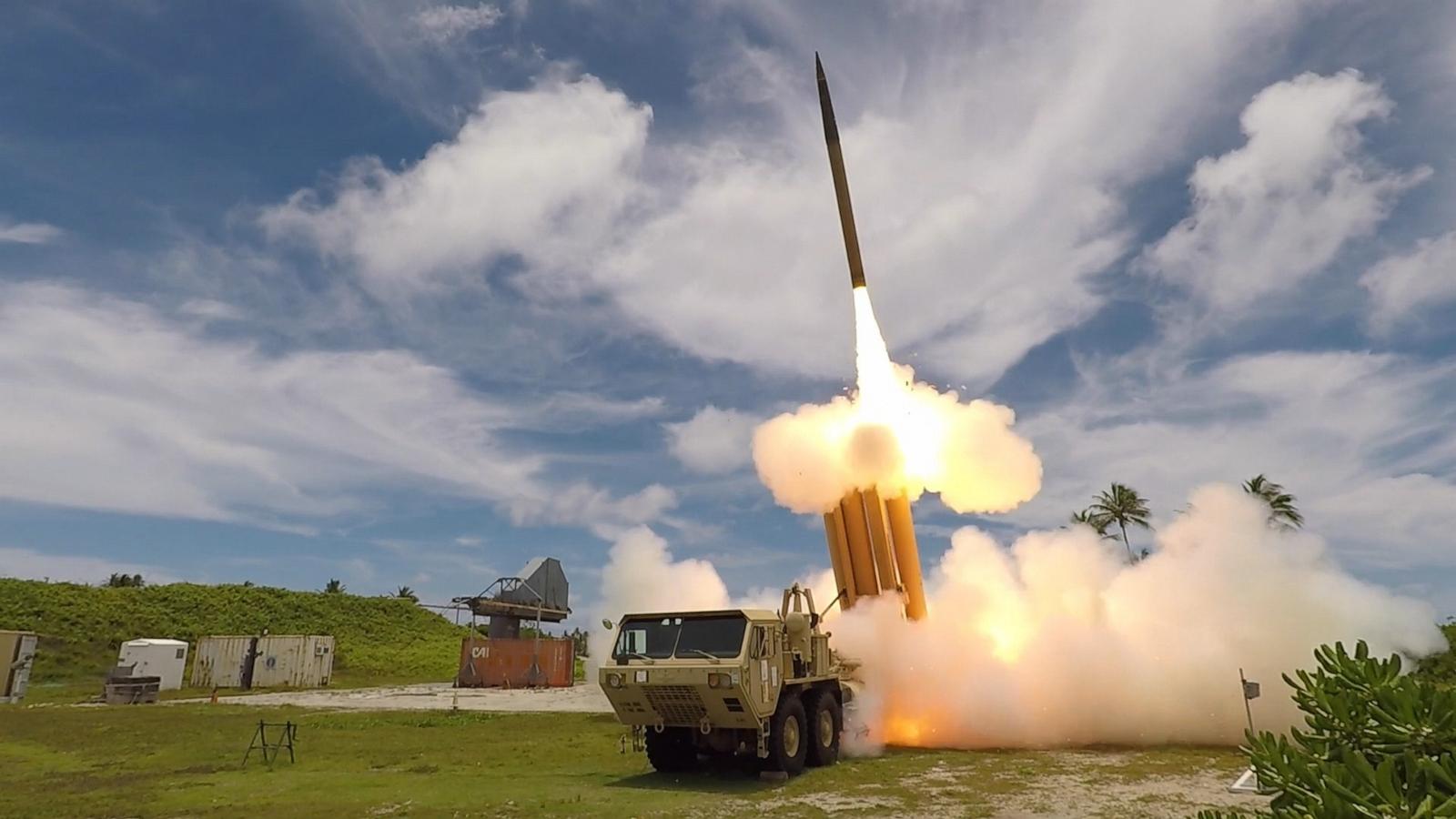
The Congressional Budget Office says the Iran war has cost the US at least $38bn and heavily depleted its Patriot, Thaad and Navy interceptor stockpiles, which could take at least five years to rebuild. The report estimates costs would rise by $3bn each additional month and inflation would remain higher.
US Vice President J.D. Vance said the conflict with Iran would enter a completely different phase within two months. He said Washington had completed the first stage, which he described as destroying Iran’s nuclear program and conventional military. Donald Trump has said the conflict could end after the November midterms, while allowing for an earlier settlement.
The Congressional Budget Office says the conflict with Iran has already cost US citizens $38 billion in its first five months, with monthly costs of $2-3 billion. It also confirmed that the war has depleted US weapons stocks, including critical interceptors used by air-defense systems.

A nonpartisan Congressional Budget Office assessment says the US war with Iran had cost at least $38 billion by the end of July and is expected to drive inflation higher still.

The Congressional Budget Office estimates that the war with Iran has caused more than one-third of this year’s increase in inflation and will push prices higher again in the first quarter of next year, according to a report released Tuesday.

The Congressional Budget Office says the war in Iran has cost the Pentagon $38 billion and depleted its missile stockpiles.
The six-month U.S. war against Iran has cost $38 billion so far, with spending projected to increase by $3 billion each month, according to the Congressional Budget Office. The Trump administration is seeking to end the conflict and reopen the vital Strait of Hormuz.
Official figures showed British inflation accelerated to a five-month high of 3.1% in August. Measures that exclude sharply rising energy prices remained stable, ahead of expectations that the Bank of England will leave interest rates unchanged the next day.

UK inflation has risen to 3.1% as energy costs soar. The reading comes only hours before the Bank of England is due to update its monetary policy.
China Water Environment Group, one of the country’s largest sewage-treatment companies, recently failed to repay an offshore loan, according to people familiar with the matter. It is the latest state-backed company to default.
Aggressive market expectations and the Fed’s strict reluctance to offer forward guidance have left Chair Warsh cornered. Failing to deliver a hawkish message could damage the central bank’s credibility in fighting inflation, while Bitcoin may still perform strongly.

China’s central bank governor, Pan Gongsheng, said slower loan growth is becoming the new normal as contraction in the property and local-government sectors weakens credit demand faster than emerging industries can make up the shortfall.
AI debt and Treasuries are, at best, imperfect substitutes.
China’s railway fixed-asset investment totaled 511.8 billion yuan ($76.3 billion) in the first eight months of 2026, up 1.5% year on year, China State Railway Group said. Major projects also progressed, including the August opening of the Wenling-Yuhuan section of the Hangzhou-Taizhou High-Speed Railway, cutting the fastest trip to 1 hour and 47 minutes.
Japan recorded its biggest rise in imports in nearly four years in August as higher oil prices increased energy costs. Exports grew for a 12th straight month, supported by resilient demand related to semiconductors, government data showed Wednesday.
The Bank of England faces three balance sheet problems involving its Issue Department.
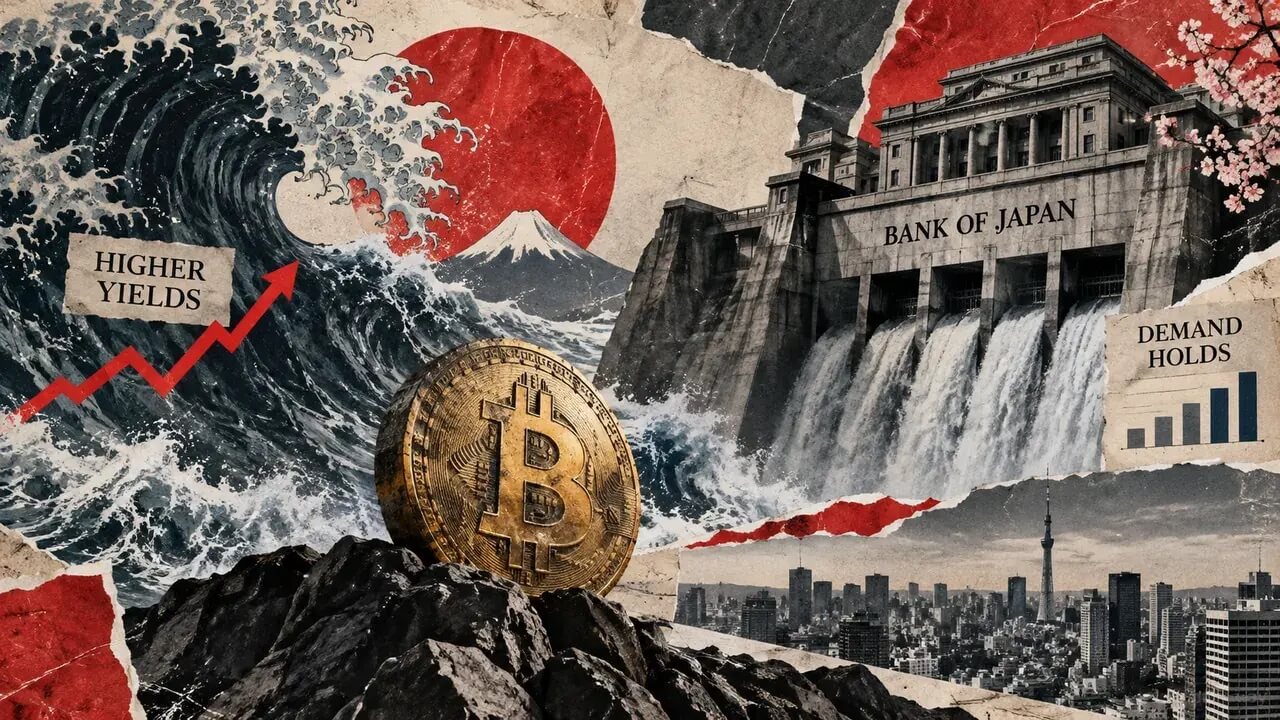
With a 25-basis-point Federal Reserve rate increase at Thursday’s meeting now seen as 92% likely, investors are weighing whether it would be a one-off move or the start of a new tightening cycle. They are also preparing for a highly likely increase in Japanese borrowing costs that could jolt capital flows.

Gold prices edged higher on Wednesday as oil prices eased and markets turned their attention to the U.S. Federal Reserve’s policy decision. A rate hike was largely priced in.
Crypto long positions worth $570 million were liquidated after the Clarity Act failed. Bullish futures bets worth millions of dollars were wiped out over 24 hours, with bitcoin and ether longs suffering the largest losses.


A 49-50 procedural vote in the Senate left the crypto market structure bill 11 votes short of the threshold needed to advance. The setback sent every major token lower, with bitcoin moving toward $76,000 and XRP falling 10%.

Analysts told The Block that the defeat of the Clarity Act is not a truly structural setback for crypto. They said the market will continue to move with interest rates and the broader monetary environment, as bitcoin and major crypto stocks dipped.
Rising borrowing costs mean developing economies will need new financing instruments to deal with climate change.
Jilin Province has upgraded tax refund services for overseas travelers as inbound spending gathers pace. The province now has more than 81 tax refund stores; average monthly transactions rose 277% year on year and refund values climbed 170%. A multilingual digital map and expanded cross-regional instant-refund arrangements are also being introduced.
SK Hynix’s South Korean union has approved a tentative wage agreement with management, according to a source familiar with the matter. The decision ends weeks of uncertainty after workers narrowly rejected an earlier deal.
Asian stocks posted tentative gains early Wednesday as rising global bond yields and oil prices prompted investors to pause ahead of the Federal Reserve’s policy decision later in the day.
Nazara was sworn in as finance minister hours after Purbaya was dismissed. He previously served seven years as deputy finance minister and led the ministry’s fiscal policy agency from 2015 to 2019.

President Donald Trump spent years berating Jerome Powell while trying to pressure the then-Federal Reserve chair to lower interest rates.

A CNBC survey shows the Bank of Japan is expected to raise interest rates by 25 basis points, taking them to a new three-decade high.

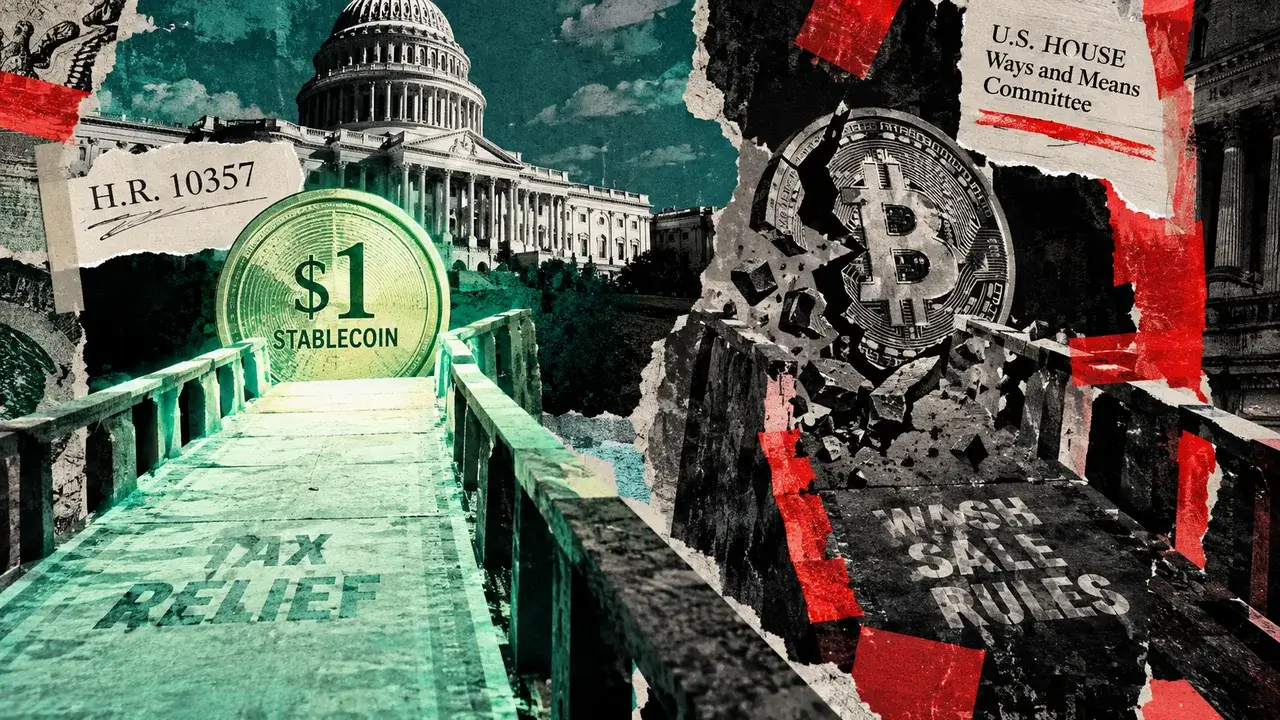
The House Ways and Means Committee is set to consider the Digital Asset Tax Certainty Act, a broad rewrite of crypto taxation. The bill would ease tax treatment for qualifying stablecoin transactions and fees of up to $10, while extending wash-sale limits and mark-to-market rules to parts of the digital-asset market. The Joint Committee on Taxation estimates a net $500 million increase in federal receipts from fiscal 2027 through 2036.

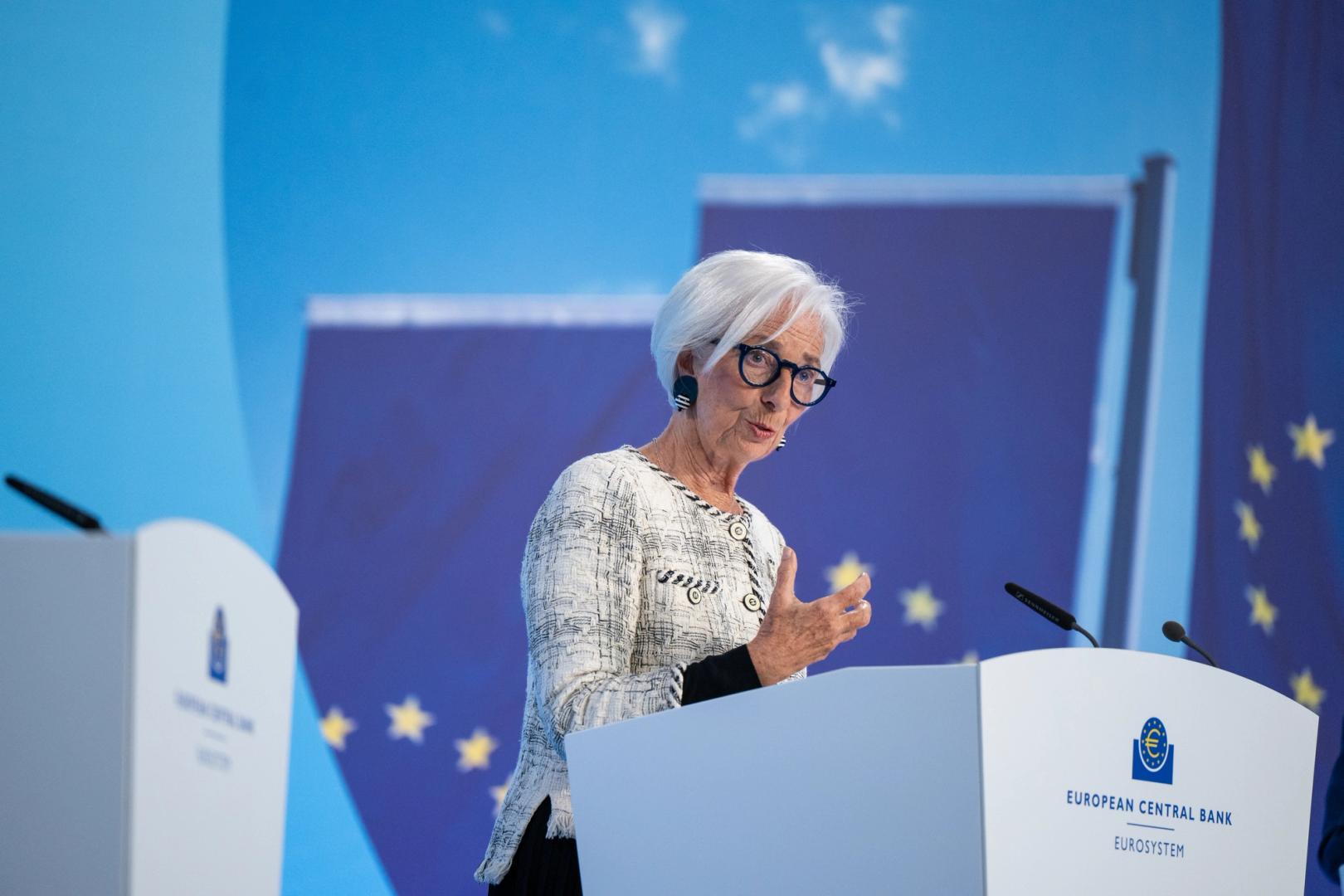
France would support Dutchman Klaas Knot to replace Christine Lagarde as European Central Bank president if the institution’s powerful chief economist position went to a French candidate, people familiar with the matter told Reuters.
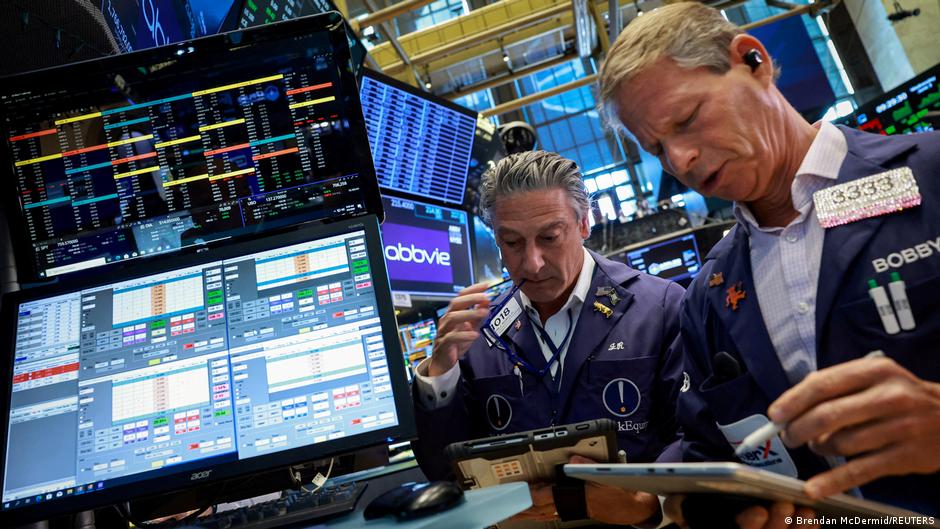
Bond traders have amassed bearish positions ahead of Wednesday’s Federal Reserve meeting, wagering that the Treasury selloff that has pushed yields to their highest level in more than a decade will continue.
Angola’s central bank lowered its key lending rate by 100 basis points on Tuesday, marking a third consecutive cut after inflation dropped to single digits for the first time in more than a decade.
An analysis by the Congressional Budget Office says the US war with Iran is expected to increase inflation in the first quarter of 2027, raising costs as Americans become more concerned about the economy.
The Census Bureau says Americans’ incomes increased and poverty declined in 2025. The figures come as the Federal Reserve considers raising interest rates, a move that could slow economic growth.

DeFi TVL rose 21.38% on Ethereum and 22.94% on Solana over 30 days through Sept. 15, while stablecoin market caps grew only 0.68% and 5.51%. ETH and SOL prices climbed 32.80% and 34.67%, respectively, making asset repricing the strongest explanation for the TVL rebound; the shares from fresh deposits and capital reuse remain unproven.

A sell-off in the bond market is raising the stakes for the Federal Reserve’s monetary policy meeting this week and focusing attention on the central bank’s commitment to bringing inflation under control.

The 10-year US Treasury yield rose to 5.02 percent, its highest level since the 2007 global financial crisis, as traders bet on a Federal Reserve rate hike after oil prices climbed again. Benchmark yields in Germany and Japan also reached multi-year highs amid inflation and debt concerns.
Sovereign yields climbed further on Tuesday, led by the 10-year U.S. Treasury yield, which reached a nearly two-decade high. Signs of mounting discomfort among borrowers and global investors also deepened.
The benchmark 10-year US Treasury yield briefly reached 5.011% on Monday, its highest level since October 2023, before moving lower as the global bond sell-off intensified.
The 10-year US Treasury yield climbed to its highest level in nearly two decades, marking the latest stage of a painful global bond selloff fueled by surging energy prices, rising debt and inflation.

The benchmark yield for 10-year U.S. government debt reached a peak Tuesday that had not been seen since 2007. The Treasury selloff worsened with the Federal Reserve’s rate decision looming.
The US 10-year Treasury yield moved above 5% on Monday for the first time since 2023. Rising anxiety over inflation coincided with growing borrowing needs from the government and corporations.
Sen. Elizabeth Warren says she remains determined to have a cryptocurrency bill become law, even though she does not support the current Clarity Act.


Bitcoin is caught between possible progress on U.S. crypto rules and pressure from costly energy and elevated bond yields. It traded near $76,000 on September 15, down 3.22% in 24 hours but up 20.43% over 30 days. The Senate’s coming CLARITY Act procedural step and the Federal Reserve’s September meeting could determine whether regulatory optimism meets relief in financing costs, renewed selling or months of volatile consolidation.
Japan’s latest 20-year government bond auction showed higher long-term borrowing costs, not collapsing demand. The average accepted yield rose to 3.856%, while bid coverage improved slightly and the yield tail narrowed, indicating orderly absorption. The auction alone does not show that a carry unwind has begun, but leveraged positions could face pressure if higher borrowing costs or a stronger yen coincide with weaker equities and crypto. The next test is the BOJ’s Sept. 17–18 meeting.

U.S. Treasury Secretary Scott Bessent said on Tuesday that rising bond yields were driven by “global issues,” without providing further detail on the specific causes.
ECB staff are voicing concerns that rumours of Christine Lagarde leaving early could expose weaknesses in the institution’s stability. Worries are growing that Europe’s central macroeconomic institution may not be ready for a change at its highest level.
Median household income in the United States increased 2.6% to $87,460 in 2025, according to Census Bureau data released Tuesday. The year marked the start of Donald Trump’s second presidential term.
The Central Bank says the ruble’s inflation-adjusted real effective exchange rate against the currencies of Russia’s main trading partners fell 7.1% month on month in August 2026 and was down 5.1% from the start of the year. Its rate against the dollar declined 6.7% in August and against the euro 8.1%.
US spot Bitcoin ETFs drew a net $159.9 million on Sept. 14, ending four straight sessions of withdrawals. The rebound was concentrated in BlackRock’s IBIT and Fidelity’s FBTC, while ARKB lost assets and most other funds were flat. The Federal Reserve’s Sept. 15–16 meeting will test whether demand can keep recovering.

The Bank of Russia set the official dollar rate at 84.2362 rubles for September 16, down 10.01 kopecks from the previous figure. The euro rate fell 46.14 kopecks to 97.3012 rubles, while the yuan rose 1.85 kopecks to 12.5538 rubles.
Kremlin official Maxim Oreshkin said G7 countries are gradually losing their positions in the global economy, while BRICS nations account for more than half of economic growth. He said China leads by a wide margin, India has risen to third, and Russia and Japan share fourth and fifth places.
The European Central Bank is urging merchants to take part in a 12-month pilot of the digital euro. A beta version of the central bank currency will be tested through online, mobile, in-store and peer-to-peer payments.

Kazakhstan’s draft Tax Code amendments say the Eurasian Economic Union’s common market for oil and petroleum products has been delayed until 2030. The mineral extraction tax equalization coefficient, previously planned for 2027, would also be introduced in 2030 because the price-balancing mechanism is not currently needed.
US debt has surpassed $40 trillion as investors grow more wary of the country’s borrowing trajectory. Norway’s sovereign wealth fund reportedly plans to cut its US bond holdings by about $80 billion, while the 30-year Treasury yield has approached 5.4%. Economists say investors still have no immediate alternative to US markets, but financing and interest costs are mounting.

Morgan Stanley has joined other major Wall Street banks in taking a more hawkish view of interest rates. It expects the Federal Reserve to raise rates twice and the European Central Bank to make another increase later this year as inflationary pressures persist.
Minutes released by the Bank of Korea on Tuesday showed that its decision to raise rates in consecutive meetings in August was more contentious than the headline vote indicated. The divisions could slow the pace of future tightening.
The Bank of Russia bought 1.9 billion rubles ($22.53 million) worth of yuan on the domestic market, with settlement on September 14, 2026. Purchases settled on September 11 were the same size. The central bank conducts the transactions through the Moscow Exchange’s yuan-ruble instrument.
A House committee has released a broad cryptocurrency tax bill ahead of a Wednesday markup. The proposal includes a $10 exception for certain fees paid in crypto and provisions covering stablecoins, mining and staking.

The ECB’s continent-wide ballot on how forthcoming euro notes should look remains open until 21 September.
A CNBC survey finds respondents expect the Federal Reserve to raise rates at least twice over the next year. Higher oil prices are cited as a main reason for the shift, but about three-quarters say inflation extends beyond energy costs.

The morning roundup examines what slowing the advance of artificial intelligence could mean for the U.S. economy and reports that the Supreme Court blocked Donald Trump from restricting mail-in voting.

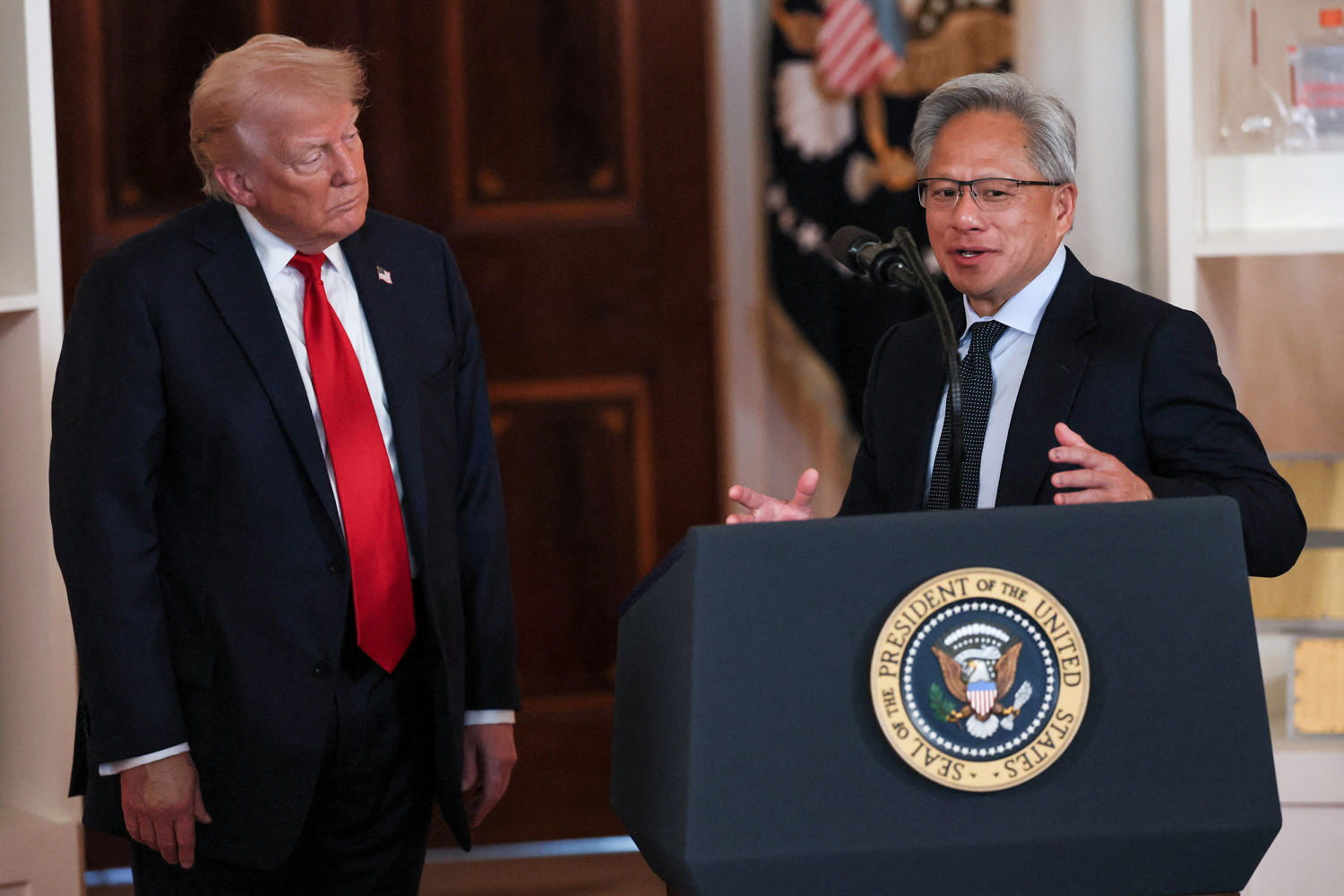
Anthropic’s Dario Amodei warns that AI could wipe out humanity, while Nvidia’s Jensen Huang dismisses the idea as nonsense. The report profiles the main figures shaping the world’s fiercest technology debate.
London-based payments infrastructure firm Velocity has expanded its Series A funding to $48 million and reached a $200 million valuation with backing from Visa, Circle and Ripple, CEO Eric Queathem said.

Greece now borrows at a lower cost than France despite carrying more debt. Athens rebuilt market trust, while Paris lost fiscal credibility.
Glassnode says altcoin market capitalization rose 21% in a month, yet its share of the combined Bitcoin-and-altcoin market fell 0.9 percentage points over 90 days. Capital lifted the crypto market broadly, but Bitcoin captured most of the gains. This week’s Federal Reserve decision and a Senate vote on the CLARITY Act could test whether altcoins can catch up.

Saudi Arabia’s annual inflation rate stayed at 1.8% in August, marking the fourth straight month at that level, according to government data released on Tuesday.
China’s retail sales rose just 0.4% in August, their slowest growth since the recovery began and the second monthly slowdown in a row. The figures highlight Beijing’s limited progress in reviving consumer spending even as factory output accelerates.
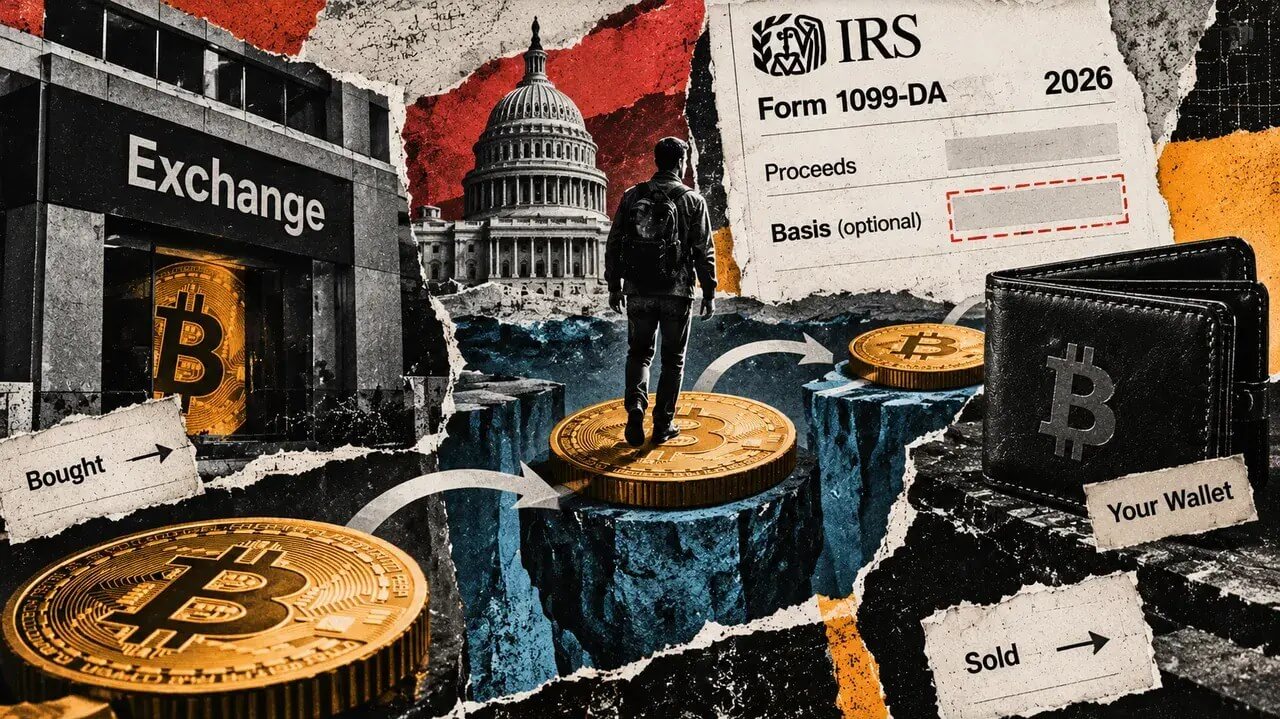
For the 2026 US reporting year, moving Bitcoin from an exchange to a personally owned wallet and back can leave the asset noncovered for mandatory cost-basis reporting when sold. Brokers may still report proceeds, but basis reporting can be voluntary. The transfer itself is generally nontaxable, while investors must retain records to calculate gains.

The Minutes Reader extension turns the original page into a focused reading view and translates articles and video subtitles on demand. It is in limited beta.