OPEC: Russia cut oil production by 6,000 bpd in July
Russia reduced its oil output by 6,000 barrels per day in July, according to OPEC. The organization said Russian production is currently constrained by the OPEC+ agreement.
The International Energy Agency says global oil supply is set to decline by 4.3 million barrels per day this year, equivalent to roughly 4%. In its monthly oil market report issued on Wednesday, the agency linked the forecast to renewed hostilities in the Middle East. It warned that the conflict could push the world deeper into an oil-market deficit. The reopening of the Strait of Hormuz remains out of reach.
The International Energy Agency expects global oil supply to fall by 4.3 million barrels per day in 2026. Its estimates show that worldwide supply increased by 2.4 million barrels per day in July, reaching 101.5 million barrels per day. Gulf countries continued restoring oil production, contributing to the monthly rise.

The International Energy Agency lowered its 2026 global oil demand forecast, citing the continued closure of the Strait of Hormuz and high fuel prices. It now expects demand to fall by 1.6 million barrels per day, while oil supply is projected to drop by 4.3 million barrels per day as hostilities and maritime disruptions hinder recovery.
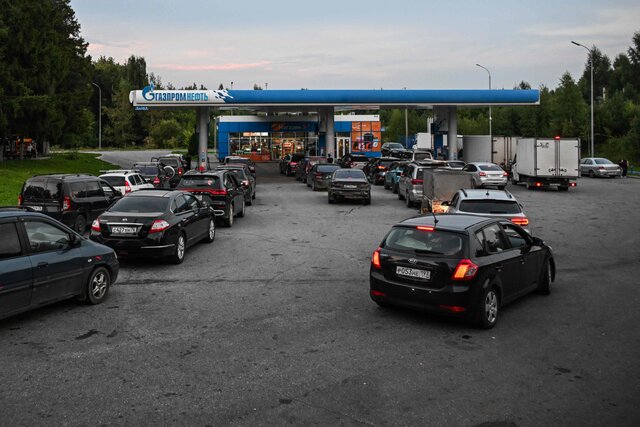
A new wave of Russia’s fuel crisis emerged in early August, according to reports from the regions. Ukrainian strikes on oil refineries were followed by gasoline lines in areas stretching from the south to the Far East. Orenburg Region and Sochi have brought back limits on how much fuel one person can purchase at a time. Sochi’s city administration also urged residents and tourists not to use personal vehicles. The report examines which regions continue to face fuel shortages.
Seven OPEC+ countries increased their oil production in July by 1.424 million barrels per day. The group’s members had previously extended the deadline for making up past overproduction. That deadline now runs until the end of 2026. The development concerns the alliance’s output adjustment and compensation arrangements.
The International Energy Agency says OPEC+ increased its June oil output by 1.15 million barrels per day in July. Despite the rise, the group failed to meet its planned quota. IEA data put the production shortfall against that quota at approximately 6.02 million barrels per day. The figures highlight a substantial gap between the planned level and reported production.
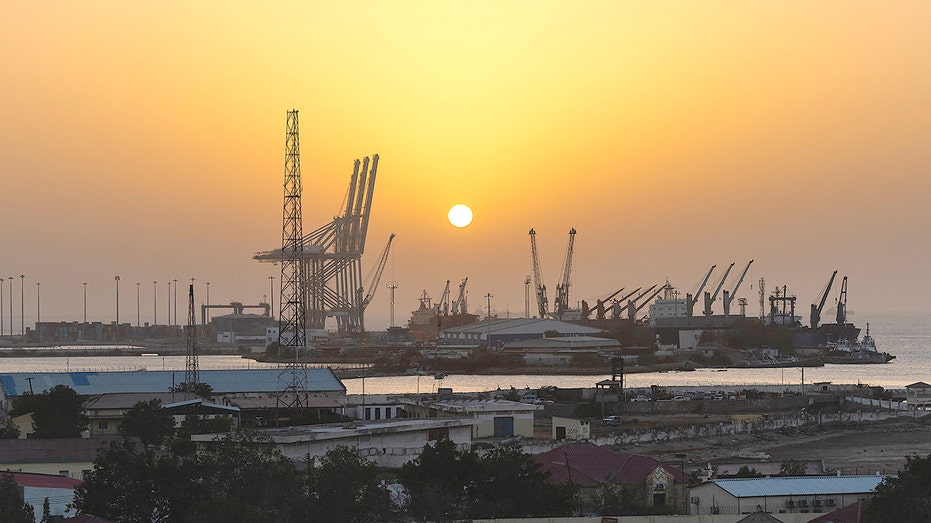
Analysts say Houthi attacks on shipping in the Red Sea could encourage the United States to build closer ties with Somaliland. The possibility comes as concerns increase about Djibouti’s reliability. Analysts also point to China’s expanding presence in the area as another factor that could influence a significant change in US policy.

President Donald Trump said the United States had “total control” of the Strait of Hormuz. His claim came as Washington and Tehran took tougher positions in negotiations over the critical waterway. The talks remain deadlocked, with neither side appearing to soften its stance. The development highlights the widening impasse between the US and Iran over Hormuz.

Iran has rejected Donald Trump’s claim that the Strait of Hormuz is under control. Tehran says the waterway will remain closed until the United States meets its demands and changes what it calls Washington’s “behaviour”. The statement comes as global energy prices rise, adding pressure to the talks between the two sides.
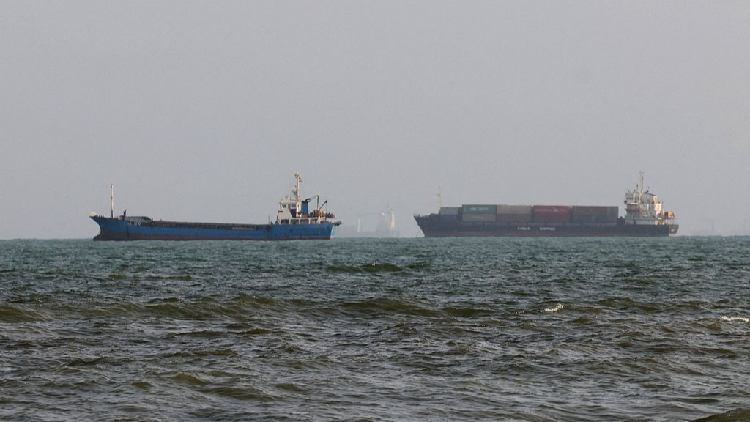
Only eight vessels were tracked in the Strait of Hormuz on Tuesday, the lowest count in a week, according to shipping data. Owners have been avoiding the vital waterway as hostilities continue in the Middle East. The reduced traffic reflects the disruption caused by the ongoing regional tensions.

Brent crude prices have climbed after renewed attacks weakened expectations that the Strait of Hormuz would reopen. The violence has also reduced hopes that energy markets will return to stability. Market sentiment remains focused on the strategic waterway and the risks its disruption poses to energy flows.

Iranian Supreme National Security Council Secretary Rezaei reiterated on the 11th that the Strait of Hormuz would not be opened unless the United States ended its maritime blockade and fighting. The US side has presented a different position. Washington and Tehran continue to make opposing claims over the strait, while the standoff remains unresolved.

The US military said on Tuesday that it had struck a Panama-flagged vessel attempting to approach an Iranian port. Washington said the ship was violating its blockade of Iranian ports. President Donald Trump again claimed that the United States had “total control” of the Strait of Hormuz. The latest developments in the Middle East are being followed through a continuing live update.

The United States and Yemen’s Iran-aligned Houthis reported separate attacks on shipping as hopes for ending the months-old Iran war weakened. Iran said the Strait of Hormuz would stay closed unless Washington accepted its conditions. Four crew members and two Yemeni rescuers were reportedly killed in a suspected Houthi attack, while the US said it fired missiles to disable a Panama-flagged cargo ship accused of violating a blockade on Iranian ports.

Iran’s top security official says the Strait of Hormuz will remain closed unless the United States meets Iran’s conditions. The statement came as Pakistan’s Naqvi visited Tehran. Iran is therefore maintaining its position that reopening the strategic waterway depends on US compliance with its demands.
US President Donald Trump said the Strait of Hormuz is under complete US control. He warned that the United States would strike Iran if Tehran attempted to alter that situation.
US consumer prices rose as expected in July. The data could weaken the case for the Federal Reserve to raise interest rates next month.

The United States released its consumer price index on the 12th. Prices rose 3.4% last month from the same month a year earlier. Although the increase remains high, the rate of growth was 0.1 percentage point lower than in the previous month. The slowdown may reduce expectations of an early interest-rate hike and could affect exchange rates and stock prices.

Annual inflation in the United States fell to 3.4% in July. The slowdown in food costs helped pull overall price growth lower. Housing expenses continued to keep prices somewhat higher, however. Inflation therefore eased without fully losing the upward pressure from housing.
India’s smaller steel companies may be able to lower their electricity expenses by moving to renewable energy. The switch could also reduce carbon emissions by millions of tons. Renewable power is therefore presented as a way to address both operating costs and emissions in the sector.
Ukraine’s government is seeking to sell thousands of state-owned assets. Most are described as unprofitable, inefficient, nonoperational, or some combination of all three. Yet the effort faces a major obstacle: offering low prices has not been enough to draw the foreign investors Ukraine is hoping to attract.

Goldman Sachs Group Inc. plans to acquire Neos Investments for as much as $2.25 billion. The purchase will broaden the reach of Goldman’s asset-management business in the actively managed exchange-traded fund market.
U.S. inflation slowed last month, while a measure of underlying price pressures also eased. The figures suggest that higher oil and gas prices linked to the Iran war are having only a limited effect on broader costs across the economy. Even so, overall costs remain elevated, leaving price pressures at a high level.
US inflation eased for a second consecutive month, with gas prices putting less pressure on consumers. Despite that moderation, concerns about the cost of living have not disappeared. Some household expenses continue to weigh on people as inflation cools. The report presents the slowdown alongside persistent affordability worries.
OPEC has once again lowered its forecast for global oil demand growth in 2026. Demand is now projected to rise by 0.6 million barrels per day.

OPEC now expects global oil demand to rise by 600,000 barrels per day year-on-year in 2026, down from its July estimate of 800,000 bpd. Its forecast for 2027 was raised to about 2.2 million bpd from 1.9 million bpd.
A Manhattan skyscraper anchored by Ken Griffin’s Citadel is moving forward. The developers have formed a joint venture to build the project, which is valued at roughly $6.2 billion. The deal marks progress for the planned New York tower and brings the parties together to advance its construction.
Switzerland opened a public consultation on Wednesday over tougher banking regulations. The proposed measures would impose stricter bonus rules on UBS. Authorities are seeking to strengthen financial stability. The initiative follows the collapse of Credit Suisse in 2023.
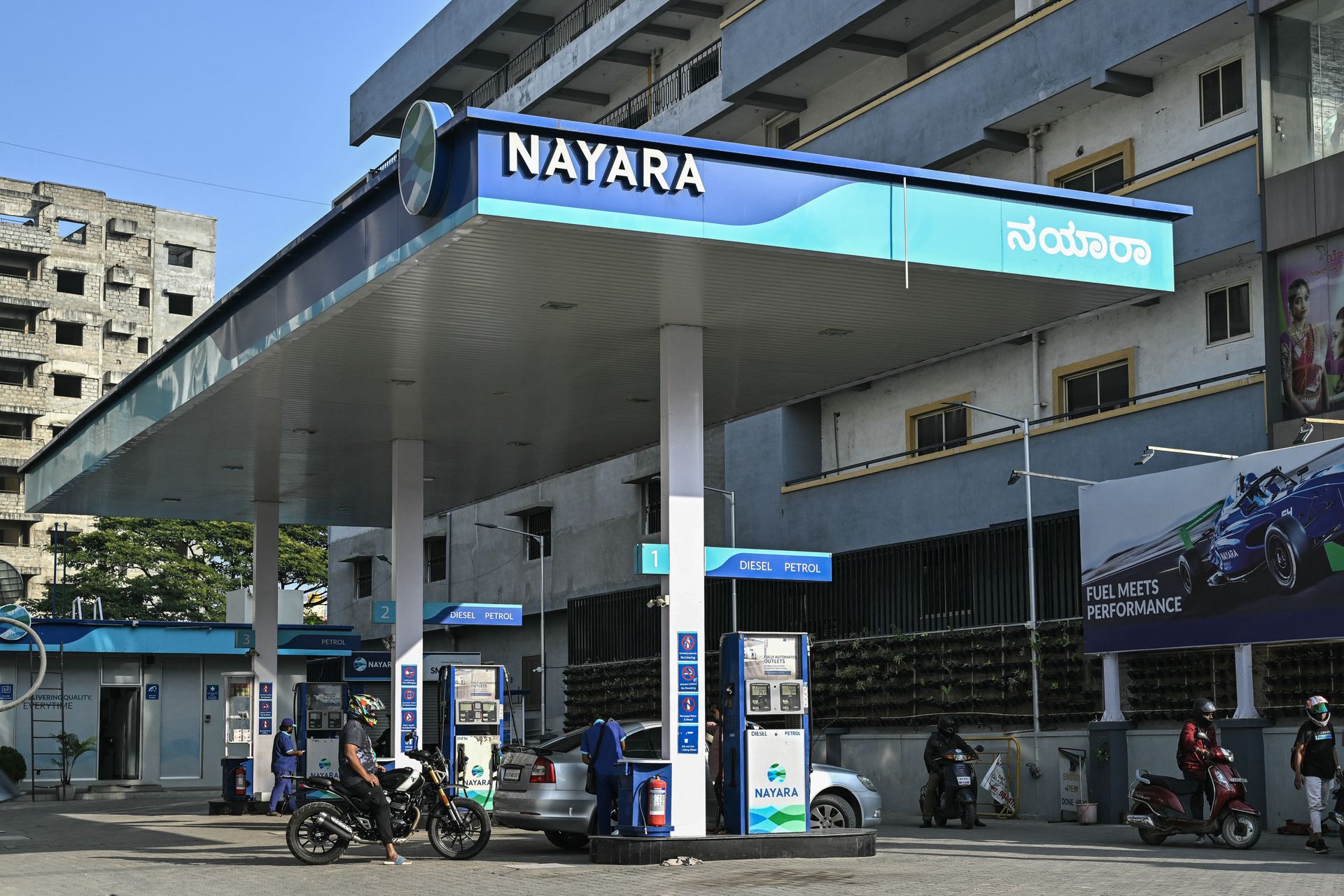
Russia has imported gasoline from India for the first time as Ukrainian attacks target refineries. Bloomberg reported that Nayara Energy Ltd., an Indian refining company backed by Russia’s largest oil producer, Rosneft, supplied the fuel. The shipment traveled aboard tankers linked to Russia. The vessels passed through Egypt before the fuel reached Russia.

Russia has received its first shipment of gasoline from India as the country faces fuel shortages. Bloomberg reported the delivery, citing data from the Kpler service. The shipment marks the start of gasoline supplies from India to Russia. No details were provided on the size of the shipment or any future deliveries.
Pakistan is set to hold free trade negotiations with the Eurasian Economic Union in January 2027, according to envoy Faisal Niaz Tirmizi. He said finalizing the project is expected to take approximately six months or longer. The timetable places the talks at the start of 2027, while the broader process may continue beyond that point.
The International Energy Agency has lowered its forecast for global oil demand. It expects demand to fall by 1.6 million barrels per day in 2026. The report says global demand could return to growth by November if conditions continue to normalize. This outlook links the projected decline to an assumption of further normalization.
Indian electric bike rental startup Yulu said on Wednesday that it had secured $93 million through equity and debt financing. The company plans to use the funds to grow its fleet and move into additional cities. Yulu also aims to reach net profitability next year.
The International Energy Agency says Russia’s oil exports fell to 6.97 million barrels per day in July. Oil export revenues for the month declined to $13.76 billion. Compared with July 2025, Russia earned $720 million less from oil exports in July 2026. The figures indicate a year-on-year drop in both export volume and revenue.
The Reserve Bank of India likely stepped into the foreign-exchange market on Wednesday, according to six traders cited by Reuters. Continuing anxiety linked to the Iran war has kept oil prices high. That pressure has weighed on the South Asian currency, prompting expectations that the central bank acted to support the rupee.
Taiwanese equities are attracting more interest from global investors than South Korean stocks after the sharp artificial-intelligence-related market selloff in July. Both markets are major AI indicators and are seeking to recover from that decline. The preference for Taiwan reflects expectations of steadier earnings compared with Korea. Investors are consequently reassessing their exposure to the two markets.
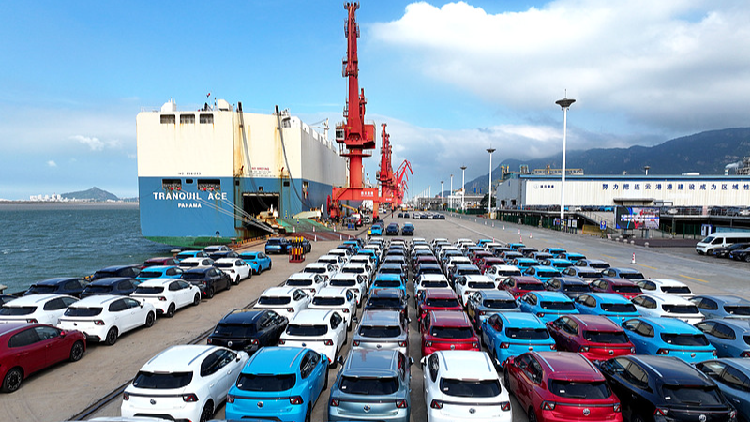
China exported 1.043 million vehicles in July, exceeding one million for a second straight month and rising 81.3% year on year. NEV shipments reached 553,000, up 145.5% and accounting for more than half of exports. The China Association of Automobile Manufacturers says China’s integrated supply chain, cost and capacity advantages, and smart features are helping attract overseas buyers.

Chinese automaker Chery has bought a Nissan plant in Africa. Chinese carmakers are increasingly moving beyond exporting vehicles to the continent and are beginning to assemble them locally. They are targeting Africa’s rapidly growing population, expanding middle class and rising demand for affordable electric vehicles. The shift points to EV production reaching new markets.
Air Canada lowered its full-year earnings outlook on Tuesday. The airline is contending with a sharp increase in jet fuel prices. The surge followed the Iran war. Higher fuel expenses have made the company’s view of its annual earnings less optimistic.
Russian press coverage on Wednesday highlights two economic developments. The European Union is preparing for a possible shortage of fuel during the winter. Gold prices, meanwhile, are expected to recover. The items are presented as leading stories in the Russian media review.
Tui, Europe’s largest travel company, says holidaymakers are delaying bookings and arranging trips at the last minute amid uncertainty over the continuing Iran war and the cost of living crisis. The company estimates that the war has cost it €60m so far. In the weeks after the conflict began at the end of February, demand from customers seeking holidays in Cyprus or Turkey temporarily declined. Tui described the period as a “volatile market”.

Crypto asset manager Bitwise Asset Management has dismissed about 14% of its workforce. The job cuts come as digital-asset prices remain in a prolonged slump, underscoring the pressure facing the cryptocurrency industry.
Iran will soon join the BRICS New Development Bank, according to Central Bank Governor Abdolnasser Hemmati. He described the bank’s creation as the most important result of cooperation among BRICS member states. His remarks highlighted the institution as a central outcome of that cooperation.
The European Union has introduced new measures aimed at cutting packaging waste and addressing “forever chemicals.” The rules will be phased in over several years rather than taking effect all at once. Even so, some small sellers have already stopped shipments because of the extra paperwork and procedures. The added red tape is prompting concern among smaller businesses.

New analysis suggests that thousands of white-collar jobs based in London will relocate to other parts of the UK over the next five years. The report focuses on which roles are expected to move and where those positions are headed. The shift would redistribute some professional employment away from the capital.
Blackstone Inc. and a group of Canadian pension funds are set to purchase a 25% interest in Air Canada’s Aeroplan loyalty program. The transaction is valued at C$2.5 billion, equivalent to about $1.8 billion. It gives the investors a substantial minority stake in the airline’s loyalty business.
The 29th Chengdu International Motor Show is scheduled to take place from Aug. 21 through Aug. 30. The event will be hosted at the Western China International Expo. Its organizing committee said on Wednesday that nearly 120 automobile brands will participate.
Organizers said the 29th Chengdu International Automobile Exhibition will take place from Aug. 21 to 30. Also known as the Chengdu Motor Show, the event will be held at Western China International Expo City in Sichuan Province. Nearly 120 automobile brands are expected to participate in the exhibition.
Tata Group chairman N Chandrasekaran says he will not seek another term when his tenure ends in February. He attributes the decision to a lack of support from the Tata Sons board. His departure will bring his period as chairman to an end at the close of his current term.

N. Chandrasekaran, chairman of India’s Tata Sons, said on Wednesday that he had resigned. He cited the board’s failure to approve his reappointment as the reason for his departure. The resignation comes amid tensions with the charity arm that controls the Tata Group, whose businesses range from salt to aviation.
Shares of Tata Group companies extended their decline on Wednesday, falling as much as 4%. The selling followed the resignation of N. Chandrasekaran as chairman of Tata Sons. His departure sparked a selloff across the conglomerate’s listed companies, sending their stocks lower. The market reaction spread beyond the parent company to other publicly traded Tata businesses.
India’s Tata Sons Chairman N. Chandrasekaran has stepped down, according to a source directly familiar with the matter. The source said he will nevertheless remain in place until his current term ends. No reason for the resignation or details about a successor were provided.
Nigeria is weighing changes to the rules governing crude allocation and pricing. The country’s oil refiners’ association says the proposed adjustments would improve access to feedstock for refiners, including Dangote Refinery. The potential reforms focus on how crude is supplied and priced for local processing operations.
Nigeria approved tax waivers for nearly 4,000 electric vehicles during the first half of this year, according to government data. Authorities are seeking to speed up adoption of the country’s nascent electric-vehicle market. Chronic shortages in electricity supply, however, pose a serious practical challenge to those ambitions.
A senior adviser to Greek Prime Minister Kyriakos Mitsotakis says wildfires and heatwaves are becoming a greater medium- and long-term fiscal risk for Greece and the wider region. The government is increasing investment to strengthen an economy that depends heavily on tourism.
South Korea expects to put more than 1 trillion won, or $707 million, of fresh capital into a new sovereign wealth fund next year. The fund will target artificial intelligence and other strategic industries. The move places the country alongside governments worldwide seeking to mobilize investment and gain an advantage in high-tech sectors.
China exported 1.043 million vehicles in July, according to the China Association of Automobile Manufacturers. The figure was 81.3% higher than a year earlier. It marked the second consecutive month in which China’s vehicle exports surpassed one million units.
Russian stock indices declined when trading opened on the Moscow Exchange. The yuan-to-ruble exchange rate also fell by 3.1 kopecks from the previous session’s close, reaching 12,213 rubles.
Advertising activity on Wildberries has declined noticeably after Ukrainian drone attacks targeted the marketplace’s warehouses, Kommersant reports. The Russian business daily cited sources at major advertising agencies for the assessment. The report links the pullback in advertising to the strikes, without specifying which advertisers reduced spending or by how much.
Foxconn, the world’s largest contract electronics maker, reports that its profit rose 35%. The company links the increase to demand for artificial intelligence. It forecasts strong growth in 2026 as the AI boom continues to drive its business.

The Pinglu Canal began live-ship trials on Wednesday. It is China’s first major river-to-sea canal to be included in a national development plan. The trials represent the final major test before the waterway begins carrying traffic. The canal is scheduled to open in September.
Hong Kong formally opened its Economic and Trade Office in Kuala Lumpur on Tuesday. The new office is intended to deepen connections with Malaysia and strengthen ties with the wider ASEAN region. The opening expands Hong Kong’s economic and trade presence in Southeast Asia.
China’s imports grew 22% year on year during the first seven months of 2026, according to data from the General Administration of Customs. Import growth exceeded export growth by 8 percentage points over the same period. The figures point to a stronger expansion of inbound trade. They also frame China’s shift from a manufacturing-centered role toward a larger role as a market.
Pakistan says the United States and Iran are close to reaching an agreement concerning the Strait of Hormuz. Oil prices nevertheless held their gains after rising for a sixth consecutive day. Investors remain skeptical that a deal would quickly restore energy flows through the strategic waterway. The uncertainty around the potential arrangement continues to shape energy-market expectations.
U.S. consumer prices were likely to rise moderately in July as gasoline prices softened. The expected increase could further weaken financial-market expectations that the Federal Reserve will raise interest rates this year. The reading points to easing pressure from fuel costs, while markets continue to assess the outlook for monetary policy.
Chinese officials are working urgently to address a longstanding problem hanging over the property sector. The issue is linked to leases coming to an end and is described as a $148 billion threat. Efforts are now focused on finding a way to resolve the risk facing the industry.
The fast expansion of artificial intelligence is creating a fresh surge in electricity demand. That pressure is bringing nuclear power back into the spotlight. China is therefore turning to nuclear energy as a possible way to support the power needs of the AI era.
Guangdong’s electricity demand reached a new record during a prolonged heatwave. The provincial power load climbed to 175.7 million kilowatts at 1:47 p.m. on Tuesday. Guangdong Power Grid, part of China Southern Power Grid, said this marked the fourth time the provincial grid has set a new high this year.
China’s pharmaceutical sector is rising, drawing growing interest from drugmakers around the world. The report examines why global companies are moving into China’s pharma market. It focuses on the factors behind this international investment. No specific deal or company is identified in the headline.

Water levels on the Rhine River are continuing to fall, with no relief currently in sight. Companies that depend on the waterway are being pushed to respond quickly. Their adjustments are aimed at keeping goods moving despite the worsening conditions. The situation is placing immediate operational pressure on industries tied to Rhine shipping.
An APEC-related service in Shenzhen offers shoppers a faster tax-refund process. Visitors can complete the refund procedure within five minutes after making a purchase.

Japan has turned back mango shipments, China has blocked rice, and European inspectors have flagged spices. These actions are prompting Indian growers to ask what is going wrong with the country’s agricultural exports. The developments point to mounting concerns across several overseas markets about Indian farm products.

European and global markets face a new trading day with attention fixed on several hot spots. Investors are also looking ahead to the release of consumer price data. The market outlook weighs geopolitical tensions alongside the approaching CPI report.
Australia’s prime minister, Anthony Albanese, and New South Wales premier Chris Minns are preparing a major bailout for the country’s largest aluminium smelter. The proposed deal could be worth up to $2.5bn. Rio Tinto, which operates the Tomago aluminium smelter in New South Wales, said in December that it was considering ending operations when its current electricity supply contract expires. The package is expected to be announced by the two leaders.

Repeated debilitating heatwaves during the summer may have cost the UK economy more than £4bn in lost output by the end of July, according to new analysis. Green thinktank Verdant previously estimated that June’s unusually hot weather had cost £2.36bn. After incorporating last month’s high temperatures, it now puts the loss at £4.4bn. Verdant says the annual cost could exceed £25bn by 2030, and calls for a maximum working temperature and urban redesign aimed at cooling cities.

The 2026 Amazon Global Selling North China Seller Conference was held Tuesday in Qingdao, Shandong Province. More than 1,000 cross-border sellers, service providers and corporate representatives from northern China attended the gathering. The conference presented a plan aimed at helping local industrial belts expand further into overseas markets.
Investors worried that the memory-chip boom will eventually cool are turning their attention to Samsung and SK Hynix. The manufacturers may have identified a new way to defend against that downturn by returning more cash to shareholders. The approach puts capital distributions at the center of the debate over how chipmakers can weather an inevitable slowdown.
The China (Inner Mongolia) Pilot Free Trade Zone established a new Cattle and Sheep International Sourcing and Sales Alliance on Tuesday. The alliance brings together activity focused on international sourcing and sales in the cattle and sheep trade under the pilot zone. Its launch adds an organized platform for related trade cooperation in Inner Mongolia.
A village has discovered a path to prosperity through green development. The story highlights the economic gains associated with this approach. It presents green development as the basis for the village’s newfound wealth.

Yunnan Province exported 1,857.1 metric tons of fresh edible fungi during the first seven months of the year. Kunming Customs said the shipments went to 26 countries and regions, including Japan, Germany and Vietnam. Export volume increased 24.7% from the same period a year earlier.
Oil and gold prices moved higher on Wednesday as geopolitical tensions intensified. Regional share markets also edged up, though trading remained nervous. Investors were looking ahead to the release of key U.S. inflation data. The market moves reflected heightened concern before the CPI figures. No further details were provided on the specific geopolitical developments driving the tension.
A senior strategist at Bank of New York Mellon has devised a new way to gauge the yen through the price of a Japanese fast-food staple. The so-called Katsu Curry Index is intended to provide a more accurate picture of the currency’s weakness. Its use comes as the effects of recent intervention begin to fade.
China’s export structure is undergoing a shift toward more advanced mechanical and electrical products. Economists and exporters say high-tech, green and high-value goods are becoming fresh drivers of growth as global trade barriers increase and supply chains remain uncertain.
Gen Z visitors are exploring how Guizhou is connecting its local industries with consumers around the world. In Jiangkou County in Tongren, local authorities describe a matcha refining facility as the world’s largest single-site operation of its kind. Its fully automated production lines process finely ground green tea for domestic and overseas consumers. The facility presents matcha production as part of the region’s route into global markets.
Currency traders are increasing bullish options positions on the Taiwan dollar. The move points to a change in market sentiment after the currency endured its weakest July since 2015. Investors are positioning for the Taiwan dollar to recover from that recent decline. The options activity signals growing confidence in a rebound.
Global youth unemployment rose in 2025, the International Labour Organization said. Slower economic growth, geopolitical tensions and weak job creation made it more difficult for young people to secure work. The agency warned that artificial intelligence could add to growing pressures on labour markets.
Norway’s $2.3 trillion wealth fund has disclosed for the first time that it held a 0.05% stake in SpaceX. The holding was valued at $1.22 billion as of June 30. The fund, the world’s largest, included the investment in an updated list of holdings released on Tuesday.
The US Department of Energy has lifted its outlook for the 2026 Brent oil price to $86.81. The authority expects most production to recover by early 2027.
Bond traders reduced measures of credit risk tied to Nvidia after the company clarified its role in a $500 billion financing plan. Nvidia said it would cap its exposure to the arrangement. The plan is intended to fund artificial-intelligence investments that are boosting demand for the company’s computer chips.

African-focused startups are on course for their strongest fundraising year on record. A new report says investment jumped sharply during the first six months of the year. Healthcare and electric-vehicle companies are helping drive the increase. The surge points to renewed investor appetite for technology businesses across the continent.
The Minutes Reader extension turns the original page into a focused reading view and translates articles and video subtitles on demand. It is in limited beta.