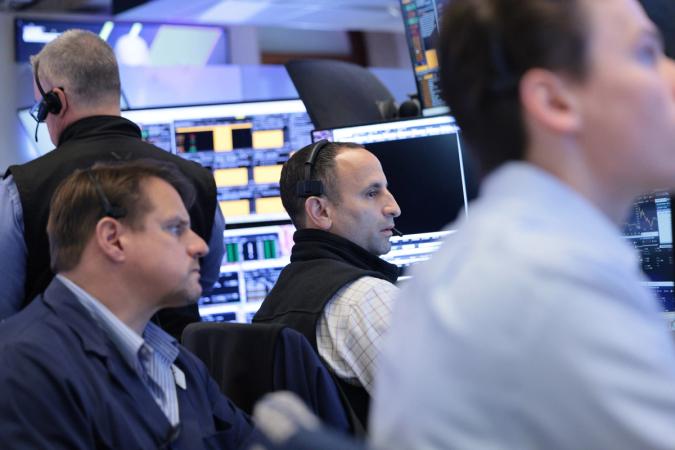
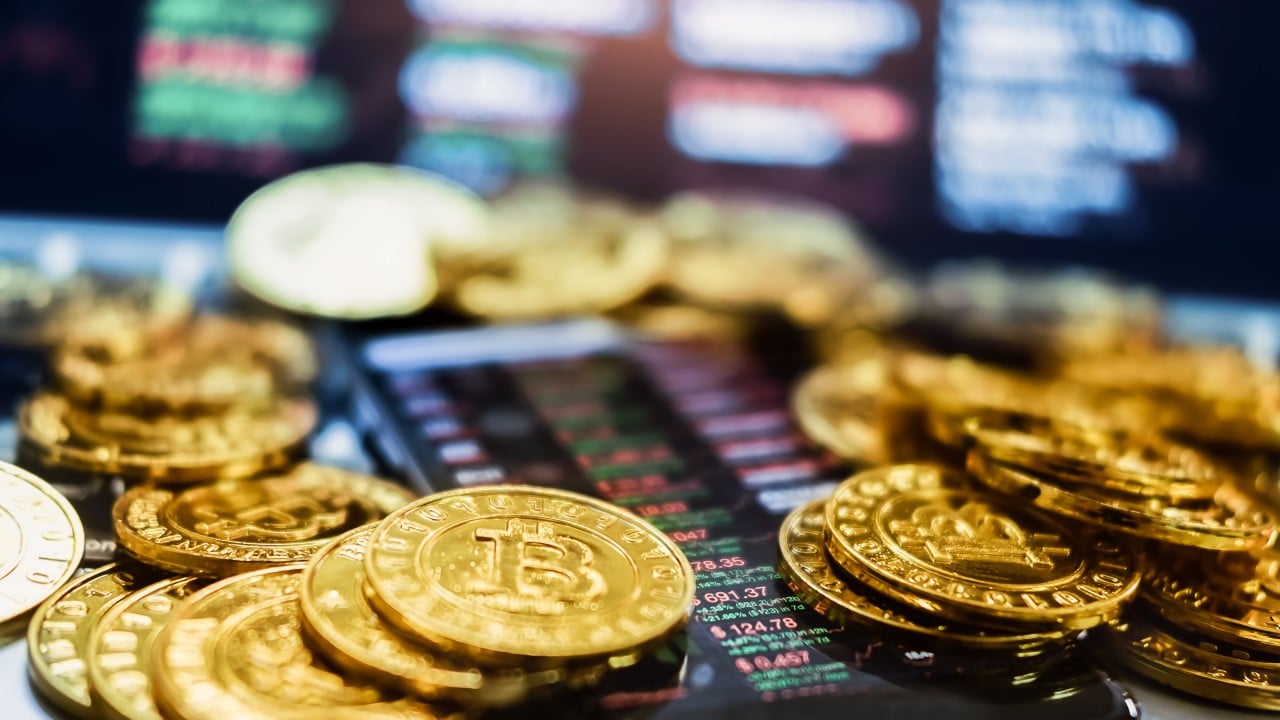
Investors are positioning ahead of bank earnings due today and U.S. inflation data scheduled for Wednesday. Bitcoin and ether slipped before rebounding, while South Korean stocks fell amid concerns related to AI.
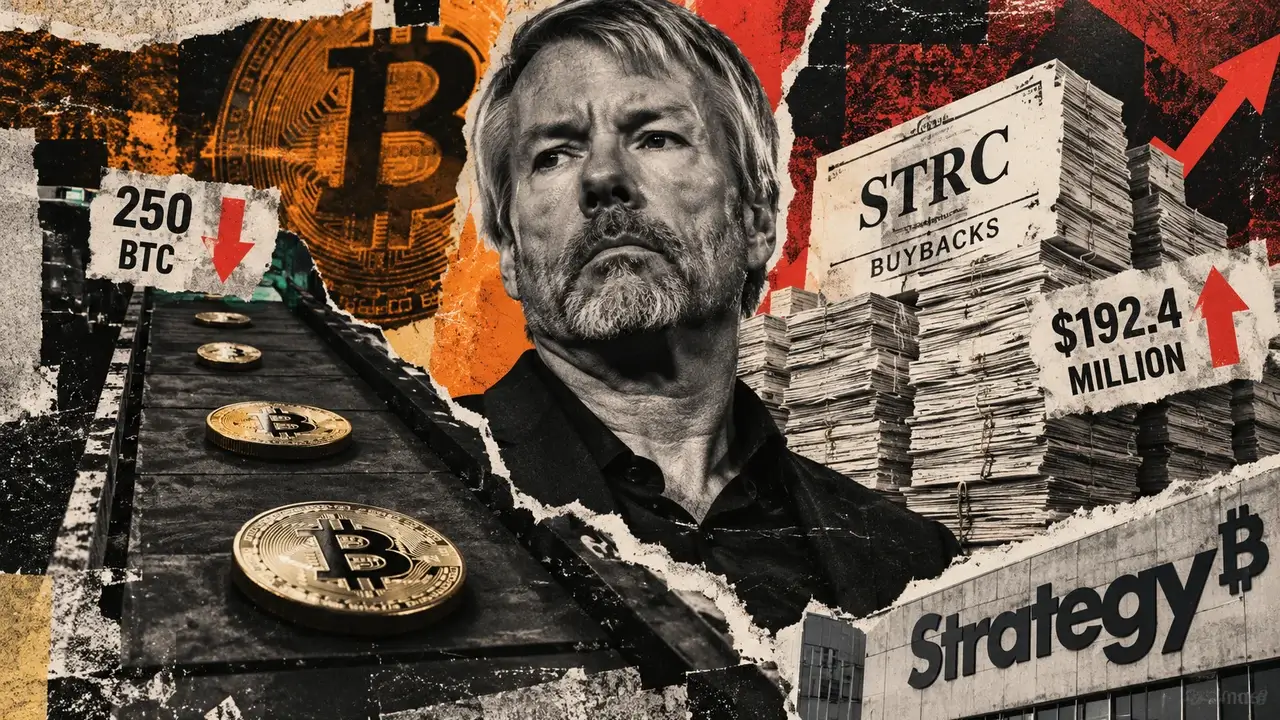
Strategy bought 250 Bitcoin for about $21.5 million last week, while spending $192.4 million to repurchase STRC preferred shares—nearly nine times as much. The buybacks are drawing on capital that could otherwise support Bitcoin accumulation and other treasury needs.
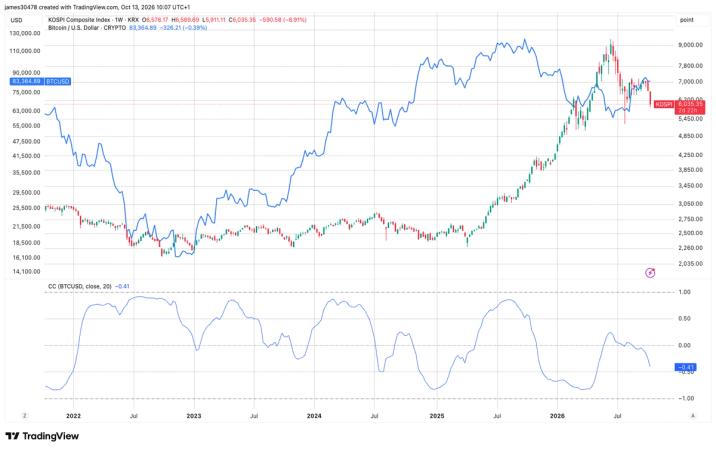
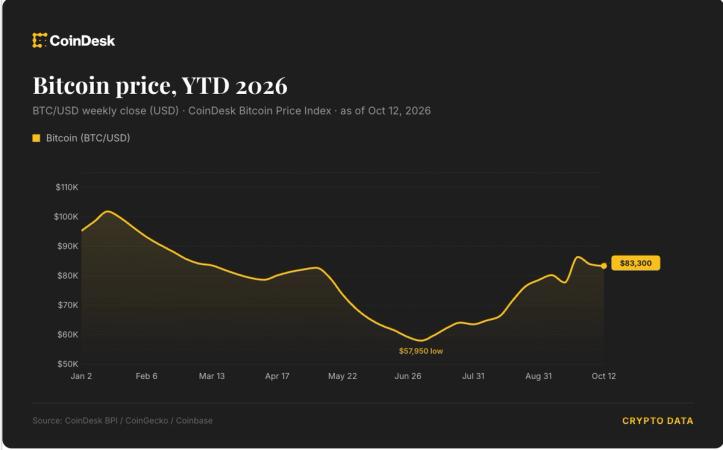
South Korean chipmakers led another steep market decline as worries about AI spending and Chinese competition grew. Bitcoin, meanwhile, remained well above its summer lows.
South Korea’s Supreme Court issued Rule 3280 to standardize how courts freeze, transfer and liquidate cryptocurrency to satisfy civil debts. Effective Nov. 1, it applies to assets held on exchanges and in private wallets. Courts may require custodians to disclose holdings and authorize transfers or sales; debtors can appeal those decisions.
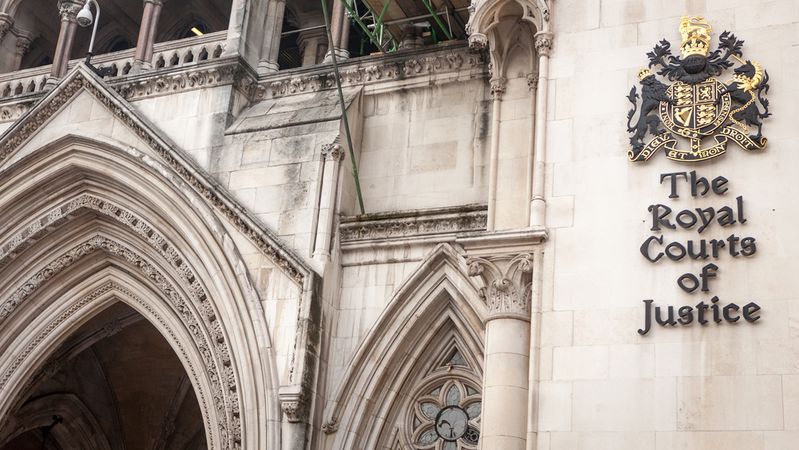
The ruling concerns 61,000 BTC seized by the Metropolitan Police during an investigation into Zhimin Qian, who pleaded guilty to defrauding thousands of people in China.
The IMF found that more than half of sampled tokenized US stock trading took place outside regular market hours, and about 80% of transactions involved less than one share. Tokenized equities had roughly 50% higher realized volatility than traditional counterparts, while fragmented venues offered weaker liquidity.
Onchain data shows a Bitcoin wallet moved BTC worth $378 million after six years of dormancy. It first received 4,582 BTC in March 2020, when the holdings were valued at about $40.8 million.
The executive said deeper markets, round-the-clock trading and weekend price discovery have made arbitrage opportunities on crypto venues more relevant to hedge funds.
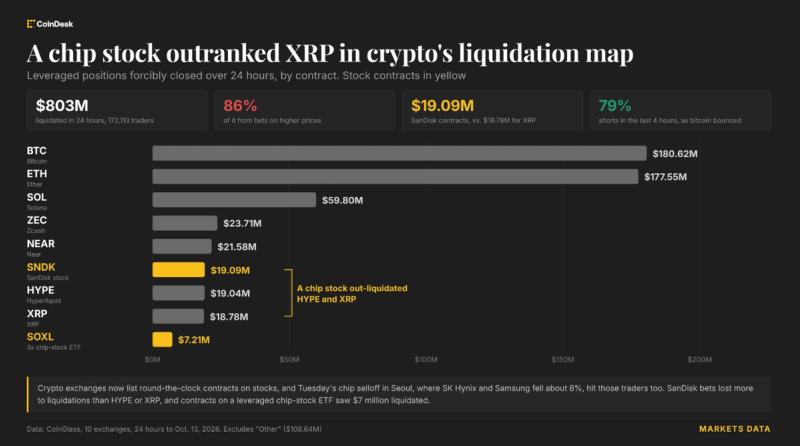
About $800 million in leveraged positions were liquidated over 24 hours, with 86% of them bullish. Chip-stock contracts on crypto exchanges accounted for part of the losses.
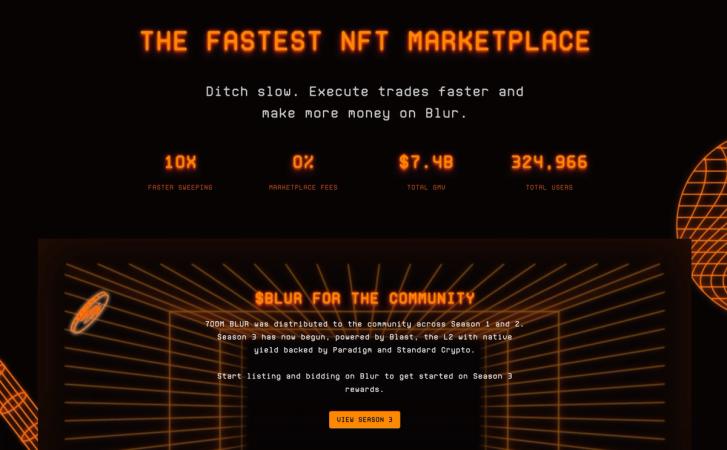
Blur will close its website on Nov. 12 after monthly trading dropped from about $1.43 billion at its 2023 peak to less than $7 million. Its sister project Blast announced its own shutdown ten days earlier.
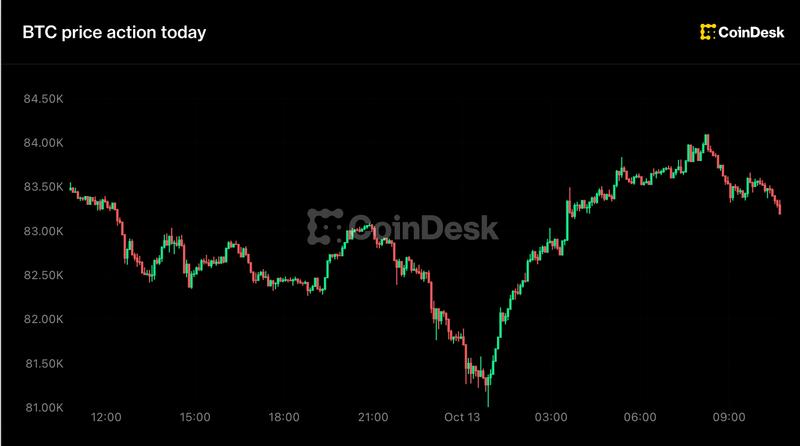
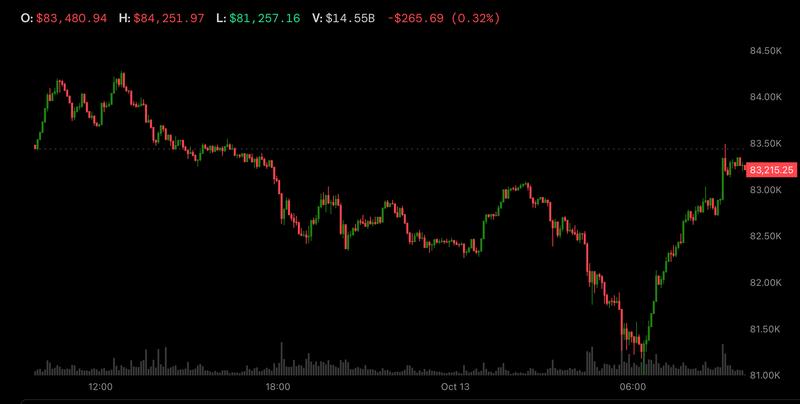
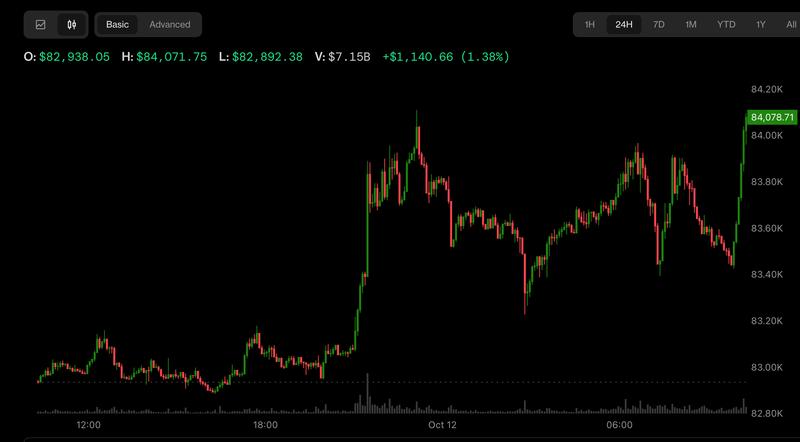
Bitcoin recovered to above $83,000 after an early dip, moving independently of a sharp fall in Korean chip stocks and weakness in Nasdaq futures ahead of Thursday’s US CPI report.
CryptoMarketsBitcoincryptocurrencySouth Korean stocksNasdaq futures
A London judge ruled that Chinese victims of a massive crypto fraud cannot use English law to seek compensation, increasing the UK’s chances of keeping a £3.8bn bitcoin haul.
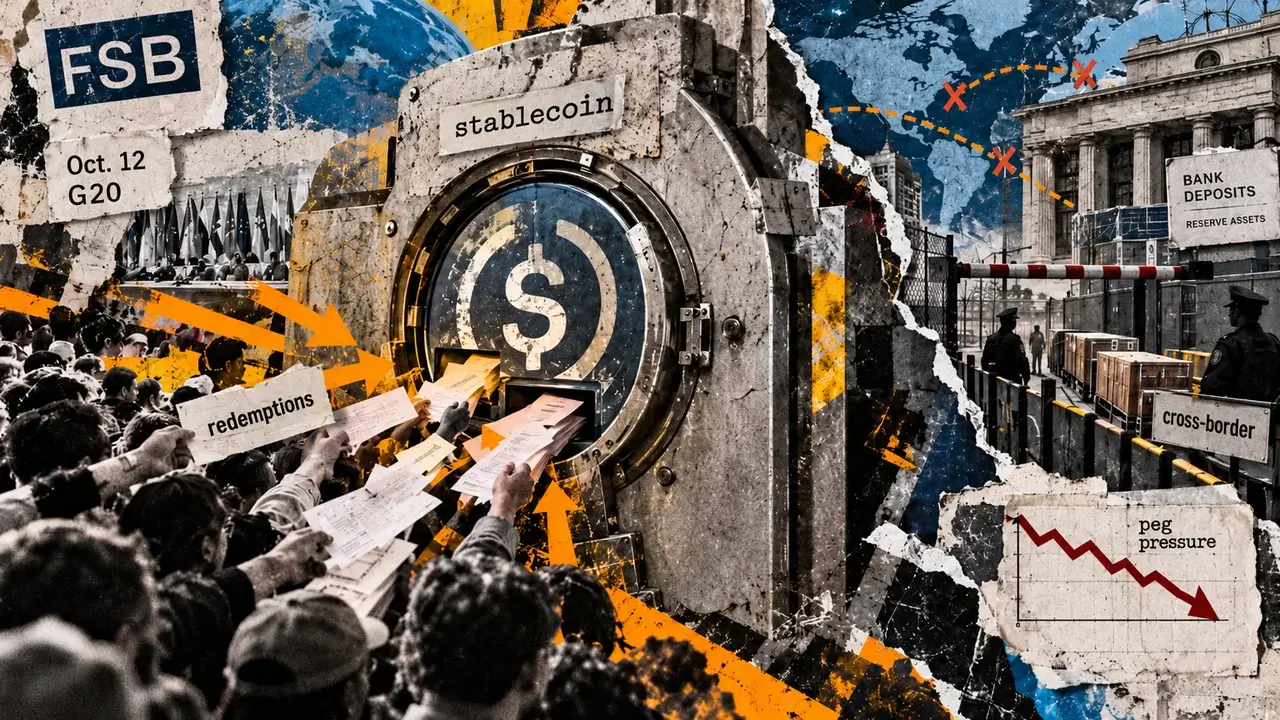
The Financial Stability Board warned that stablecoins could face redemption crises if reserve assets cannot be moved across borders during market stress. It said affiliated issuers operating in different countries may struggle to meet concentrated withdrawals, potentially weakening dollar pegs and spilling into traditional finance. Circle’s policy includes contingency measures for reserve rebalancing stress, but the article says these are not evidence of an existing liquidity failure.
Amsterdam-listed SWI Group announced an €800 million capital increase to expand AI and high-performance computing infrastructure in Europe and the United States, including repurposing Genesis Digital Assets, which it controls. The Bitcoin miner was once a major investment of FTX affiliate Alameda Research.
Standard Chartered says eligible institutional clients can now custody Ripple-issued RLUSD on the XRP Ledger through its Dubai International Financial Centre branch. The arrangement is intended to let clients use the stablecoin as collateral for LMAX trading without transferring tokens to the venue, though integration still awaits documentation, testing, regulatory requirements and internal approvals. RLUSD’s market capitalization rose by $765.3 million in the third quarter.
Standard Chartered will offer custody for RLUSD in Dubai and plans a collateral link with LMAX. Ripple previously provided LMAX with $150 million in financing to integrate RLUSD into its institutional infrastructure.
Standard Chartered is working with Ripple and LMAX Group to provide custody for RLUSD on the XRP Ledger. Under its collateral mirroring model, RLUSD will be accepted as collateral for certain LMAX products.
Binance has made its free generative-UI trading interface, Binance AI, available to all English-language users after about 150,000 people tested it in beta.
Bitcoin puts expiring Friday are concentrated at $76,000, $78,000 and $80,000, while short-term volatility expectations have eased ahead of Wednesday’s US inflation report. Deribit data puts the put-to-call ratio at 1.43, with positioning reflecting concern about downside risks.
Bitmine chairman Tom Lee expects younger investors to drive demand for digital assets. The ether treasury company is continuing to buy, moving closer to holding 5% of the total supply.
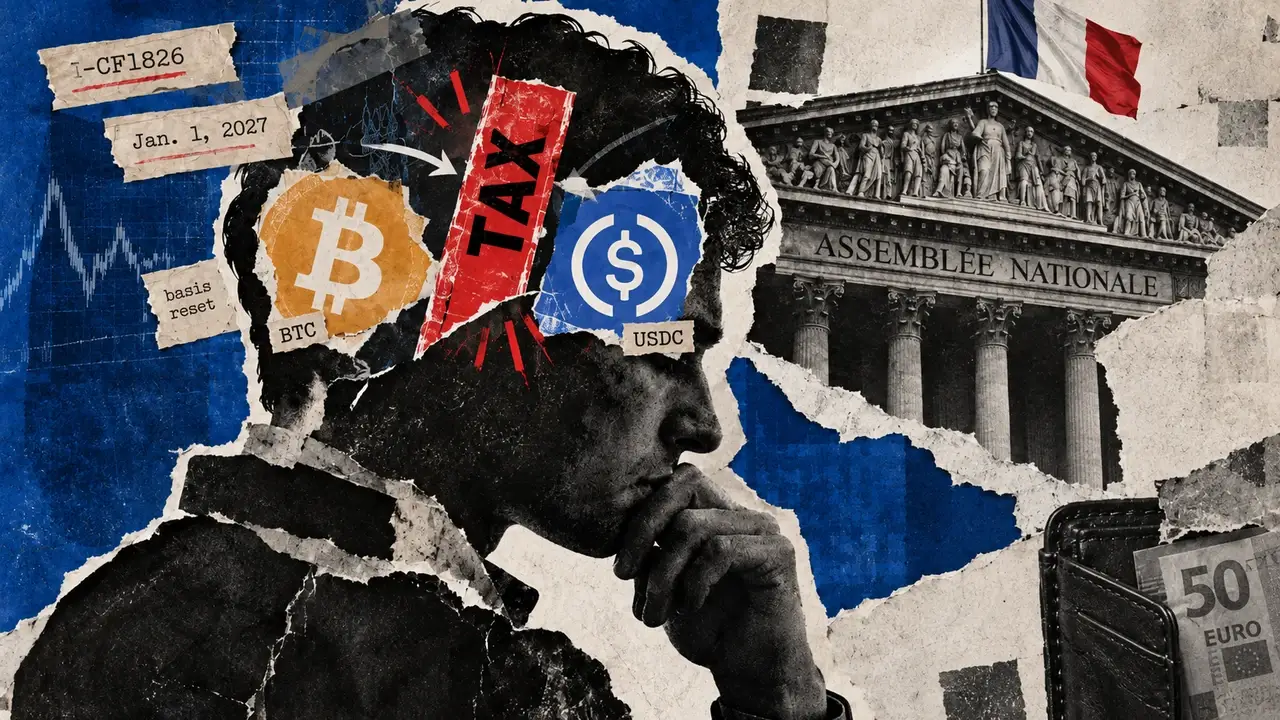
France’s National Assembly Finance Committee adopted an amendment that would end tax deferral for crypto swaps into certain stablecoins. If enacted, it would apply from Jan. 1, 2027, potentially requiring investors to report gains before converting their holdings to cash.
DeFi Development added 22,070 SOL last week, bringing its holdings to 2.59 million SOL. Its CHAD preferred stock reached record highs despite a selloff.
Bitcoin and Ethereum extended their weekend rebound, but on-chain data and derivatives positioning suggest obstacles remain. Bitcoin briefly topped $84,000, nearing the $84,000–$85,000 cost-basis cluster that could bring selling pressure. Ethereum rose above $2,500, while large traders appeared to trim bullish exposure despite substantial outstanding derivatives positions, leaving prices vulnerable to sharp moves if volatility returns.
Bitmine added 12,532 ETH last week, bringing its Ethereum treasury to 6.03 million tokens, equal to 4.9% of supply. The company has staked 84% of its holdings, while Tom Lee pointed to the possibility of the biggest crypto bull market ever.
EU finance ministers agreed to give ESMA direct oversight of the bloc’s largest crypto-asset providers, changing MiCA’s supervision model. The new thresholds are expected to cover only 10 to 15 of roughly 360 providers. The agreement sets the Council’s negotiating position and must still be discussed with the European Parliament; it does not change the law immediately.
Michael Saylor’s Strategy bought another 250 bitcoin for $21.5 million, bringing its holdings to 848,250 BTC. The total represents about 4% of bitcoin’s 21 million supply cap and is worth roughly $71 billion.
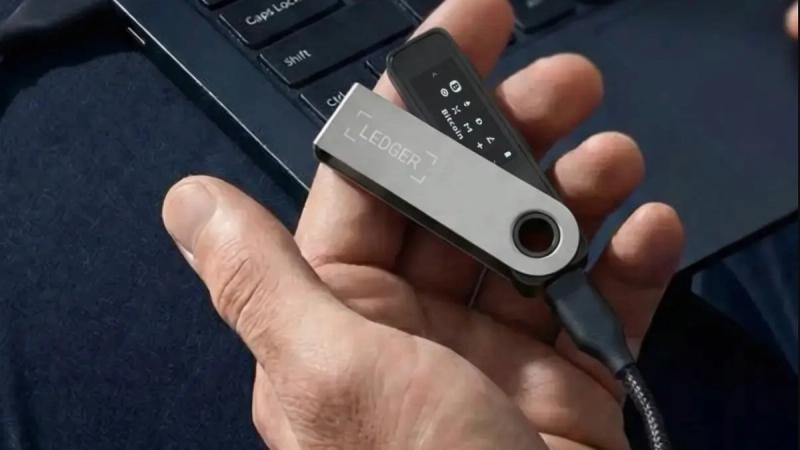
Ledger said all confirmed cases involve devices sold by Southeast Asian reseller CryptoBilis. Critics argue the hardware-wallet maker must answer for the authorized sales channel.
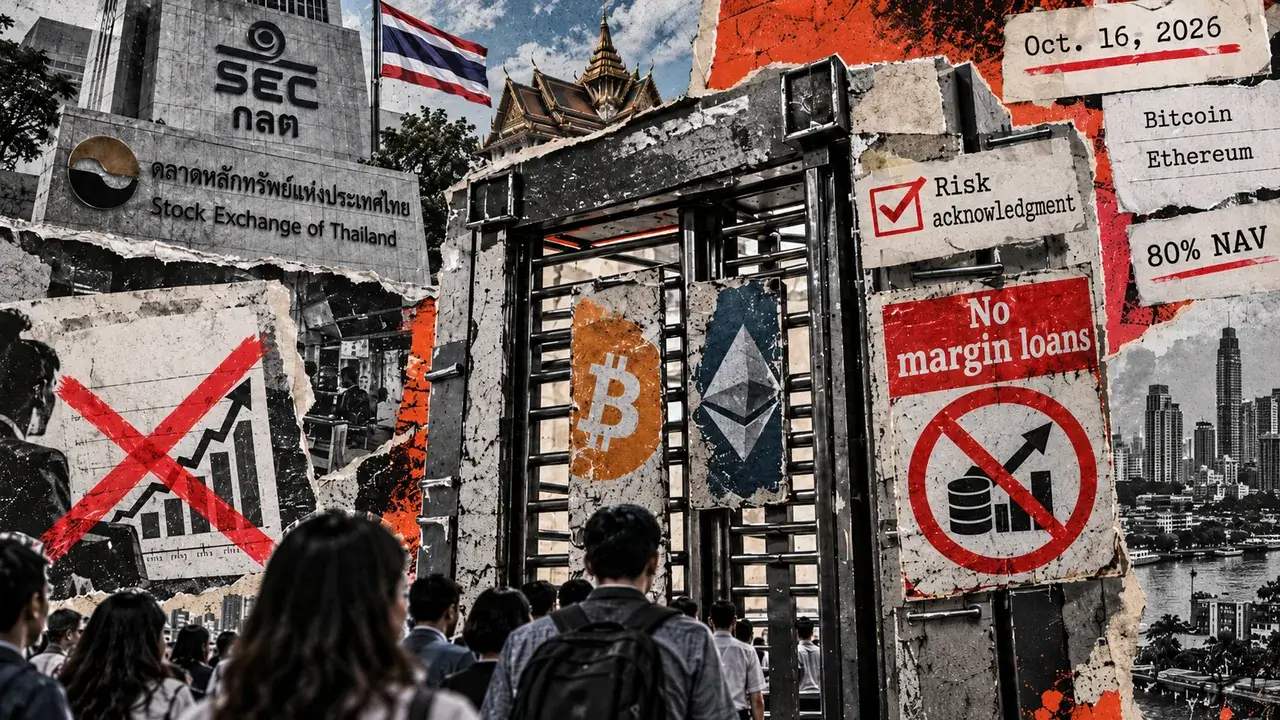
Thailand has finalized rules for Bitcoin and Ethereum ETFs listed on its domestic stock exchange, while restricting retail investors’ access to specified overseas crypto investment products and brokerage services. The framework sets fund, custody and investor-protection requirements and bars securities firms from providing margin loans for ETF purchases.
Bitcoin and gold were steady as a firm dollar and rising bond yields weighed on sentiment. Separately, IREN secured a multiyear cloud services deal with Anthropic.
French MPs want to tax the paper gains of wealthy crypto investors who leave the country. A related amendment was backed in committee last week, alongside fines of up to €10,000 for undeclared self-custody wallets; all measures must be voted on again.
A global financial watchdog is calling for stronger cross-border information sharing to prepare for a stablecoin crisis. Coins jointly issued by several companies could leave reserves in one jurisdiction while redemption demands arise in another, making crisis response across borders more difficult.
South Korea has introduced its first traditional bank loans backed by bitcoin. The loans use third-party custodians to hold the bitcoin and rely on court-ordered sales if borrowers default.
SWI Group said it will use proceeds from an €800 million ($894 million) fundraise to convert Genesis Digital Assets, acquired from the FTX bankruptcy, from a bitcoin miner into an AI-focused data center.
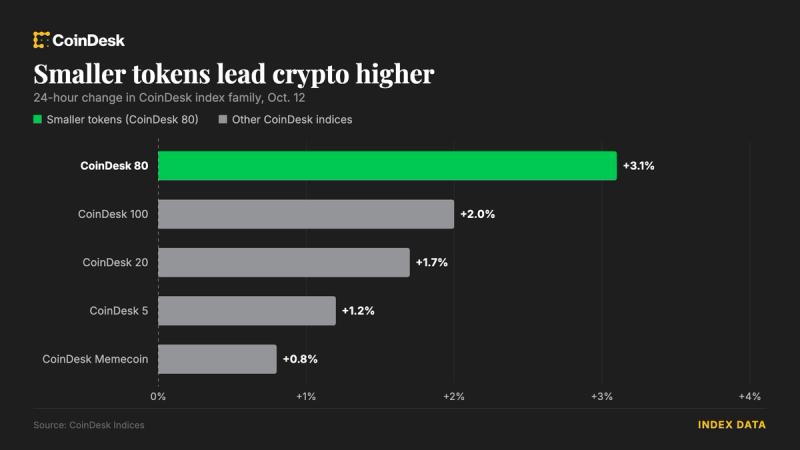
With trading subdued, the CoinDesk 80 climbed about 3% over 24 hours, more than twice the CoinDesk 5’s gain, while bitcoin remained below $83,500. Spot bitcoin ETFs saw $681 million in outflows last week.
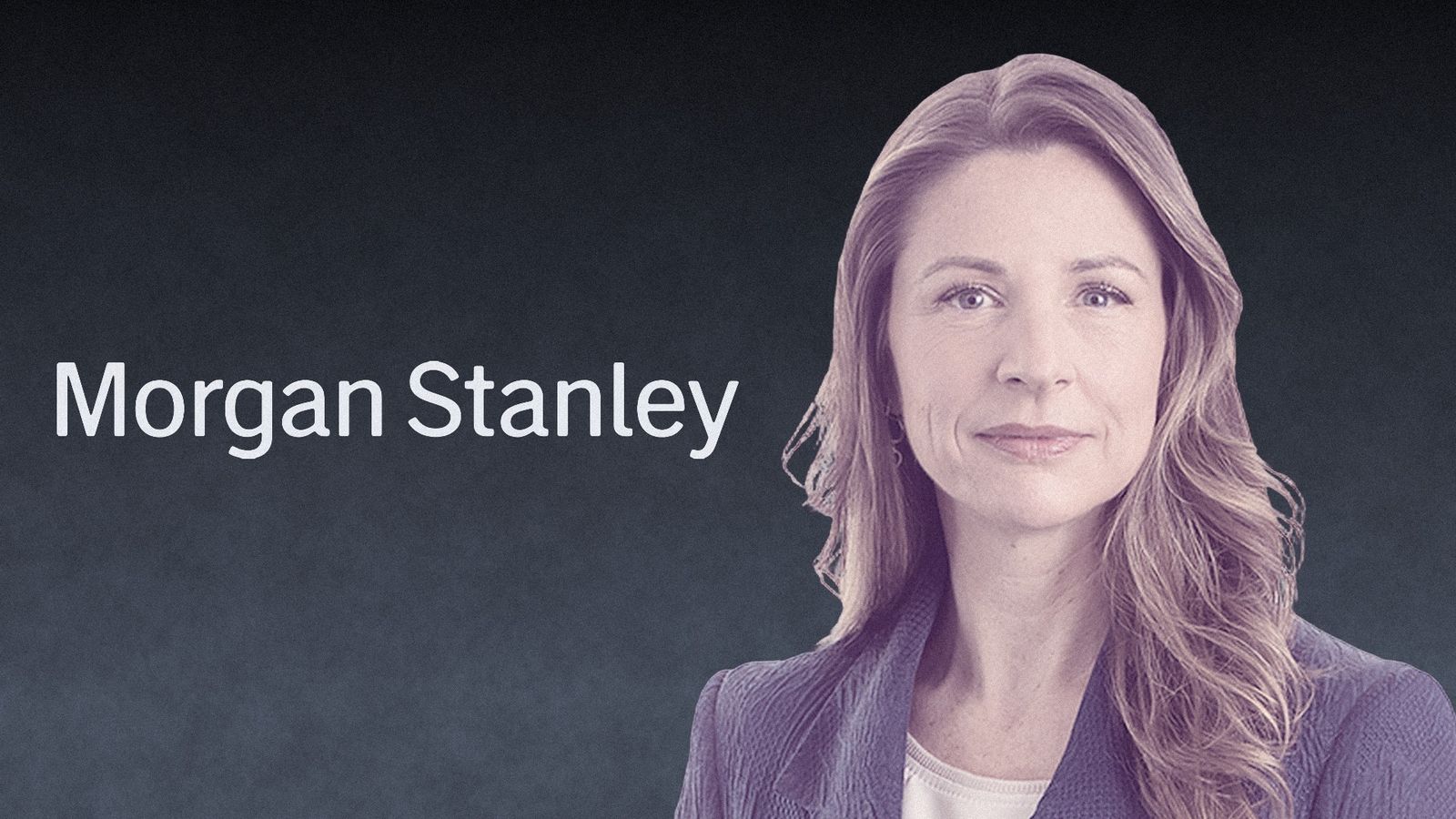
Morgan Stanley’s digital asset strategy head says the firm is actively building infrastructure for tokenized equities and monitoring industry developments, with support expected in the first quarter of 2027.
The UK placed crypto payment brands Cryptomus and Heleket under one sanctions designation on Oct. 8, 2026, naming Xeltox Enterprises Ltd. The notice lists both brands and Certa Payments Ltd. as names associated with Xeltox and sets out measures including asset freezes and payment-processing restrictions. Whether a transfer or withdrawal is allowed depends on the transaction, jurisdiction and any applicable exception or license.
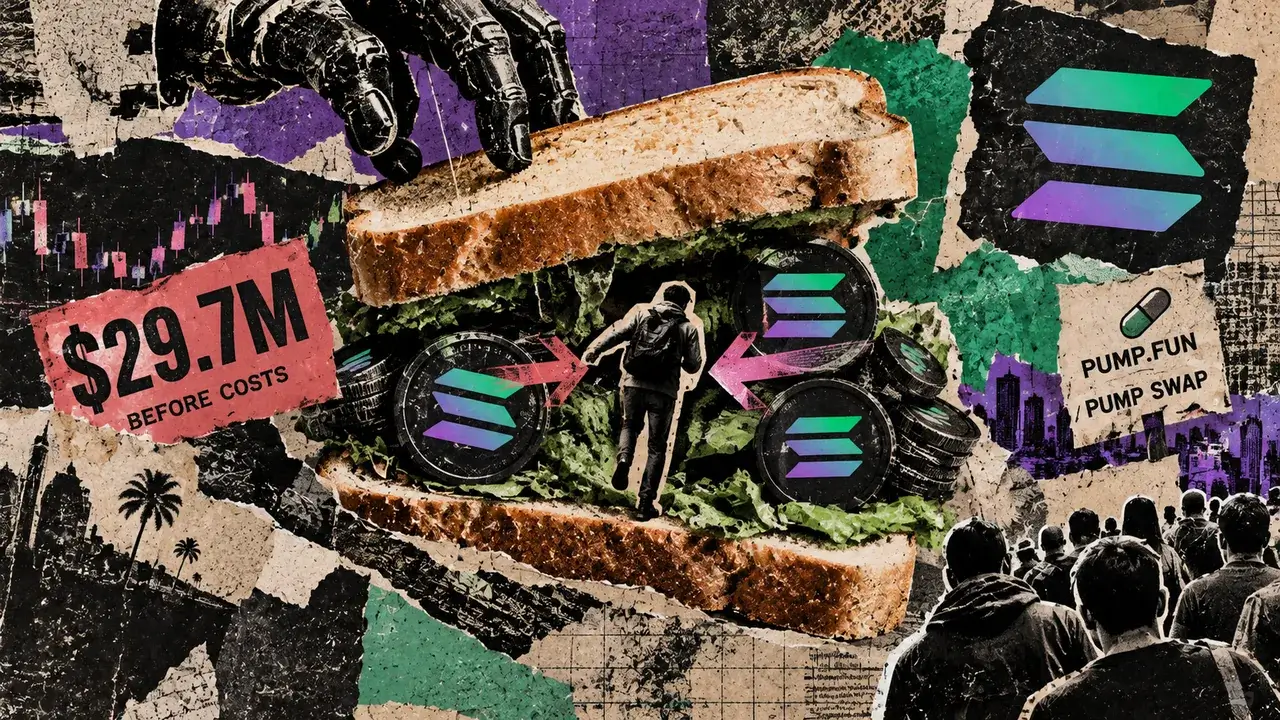
Blockchain data provider Bitquery estimates Solana sandwich bots extracted about $29.7 million before costs over 11 months, with 96% of detected attacks targeting Pump.fun’s launch curve and PumpSwap. The estimate is not net profit, and the report notes gaps in data coverage and fee recording.
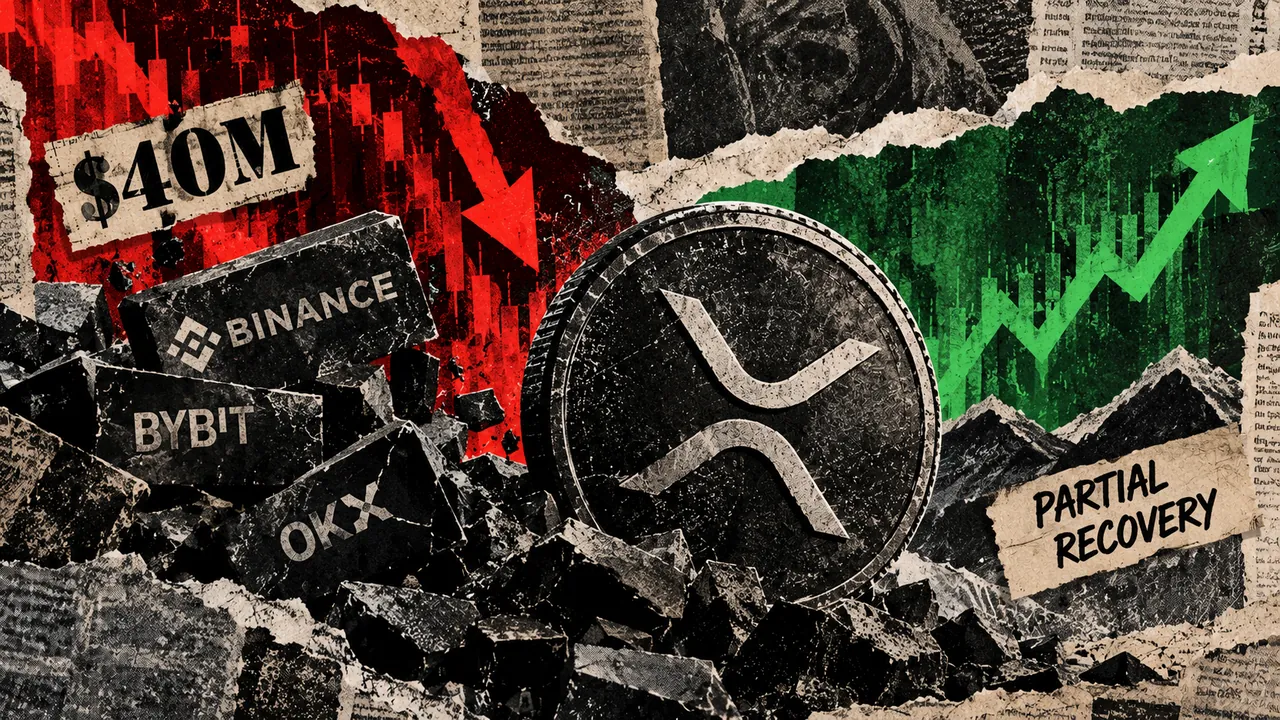
XRPL.to recorded $40.70 million in XRP long liquidations across Binance, Bybit and OKX on October 7–8. Futures exposure later began to recover but remained below October 8 levels as of October 11, when XRP traded near $1.40. Binance spot trading slowed during the rebound, offering no clear sign of sustained buying on the exchange.
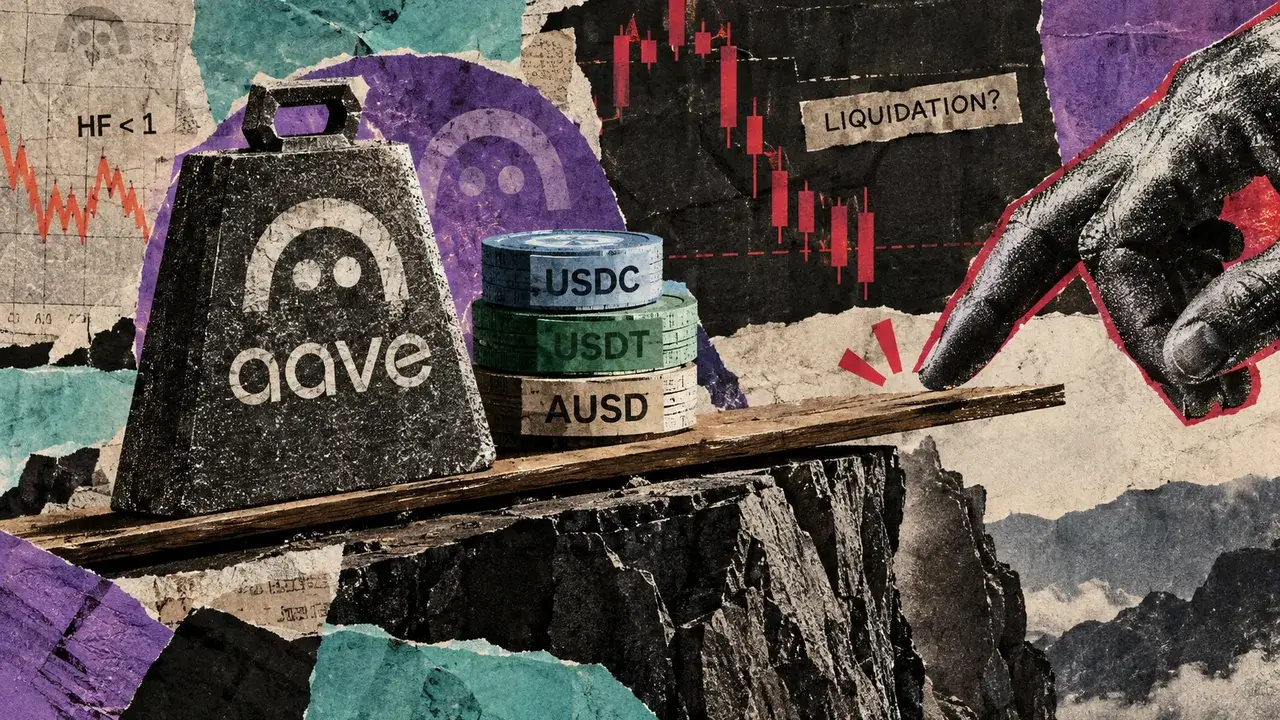
Aave’s proposed USDG rollover would move borrowers’ stablecoin debt into a new fixed-yield USDG position, but the replacement collateral’s on-chain yield is below three quoted borrowing rates. The plan involves Pendle principal tokens on X Layer; leverage and separately administered rewards affect whether extending the trade makes financial sense.
STRK more than doubled in seven days as Starknet said it was considering becoming an independent Layer 1, targeting 2027 for what it calls the first fully quantum-resistant network. The move would end its reliance on Ethereum’s security infrastructure, but no migration timetable has been approved. The rally came ahead of an Oct. 15 token unlock.
A trader made $1.28 million on the new 1,000x exchange Papertrade by moving Hyperliquid’s ETH prices. The same wallet later lost $450,000 when 30 short positions were liquidated on Saturday night after remaining open for more than three hours.
Prediction markets let users trade on topics ranging from Federal Reserve decisions to pop culture. This football season is highlighting how much their growth depends on a subject more familiar to bettors: sports.
LlamaRisk’s Oct. 9 snapshots found narrow liquidation buffers in some Aave loans backed by yield-bearing assets. Every top PT-AUSD supplier on Monad had debt, while two syrupUSDC positions made up about 97% of supply on Arc. Liquidators may need to sell collateral or wait hours for Ethereum redemption; reviews recommended raising the markets’ caps.
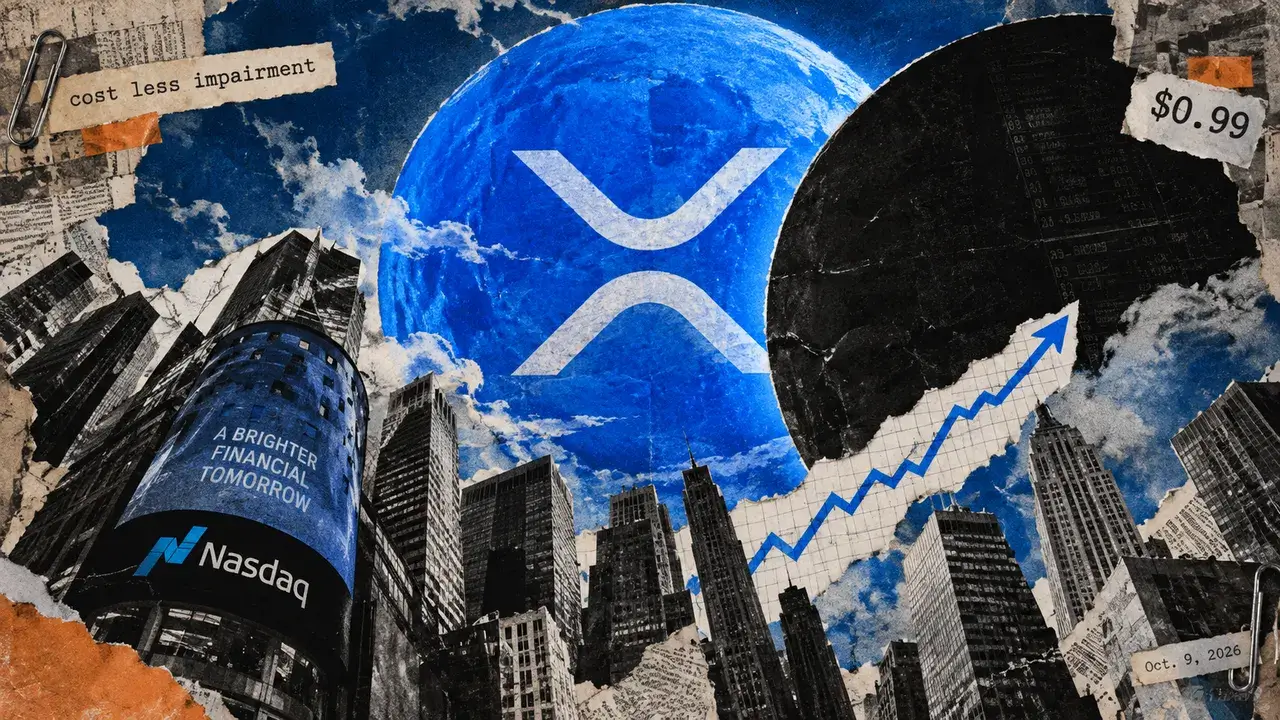
Evernorth plans to begin trading on Nasdaq on Monday under ticker XRPN, bringing about 473 million XRP into a publicly traded treasury company. After completing its merger with Armada Acquisition Corp. II, it reported roughly $300 million in gross cash proceeds before expenses. The company plans to deploy capital across the XRP ecosystem, but says its Ripple relationship means its XRP holdings will be recorded at historical cost less accumulated impairment, rather than fair value.
The U.S. Supreme Court has not said whether it will hear cases involving prediction markets. Several amicus briefs, an interim final rule and a proposed rule are now in play.
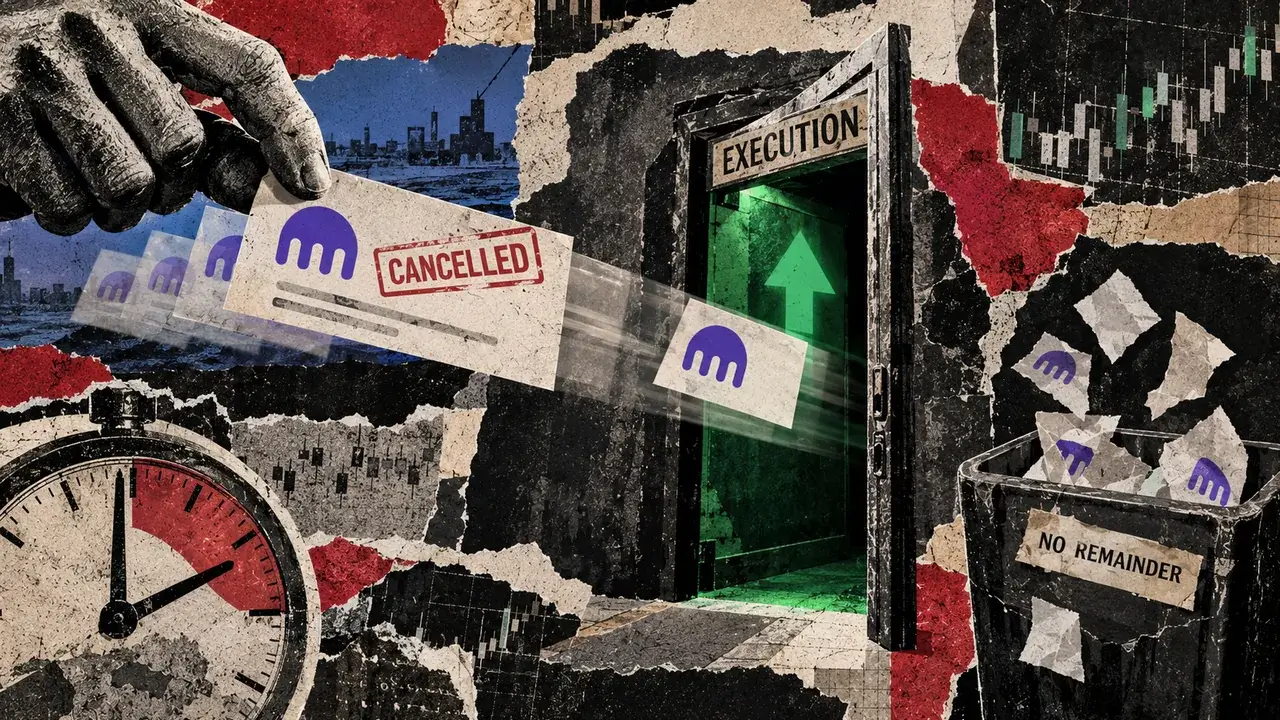
Some Kraken futures limit orders may execute even after a cancellation is acknowledged as successful if the request arrives during the Maker Protection hold window. Expanded to more contracts on Oct. 8, the rule converts a held order to immediate-or-cancel: it may fill when released, while any remainder is discarded. Traders must check execution results as well as the cancel acknowledgment.
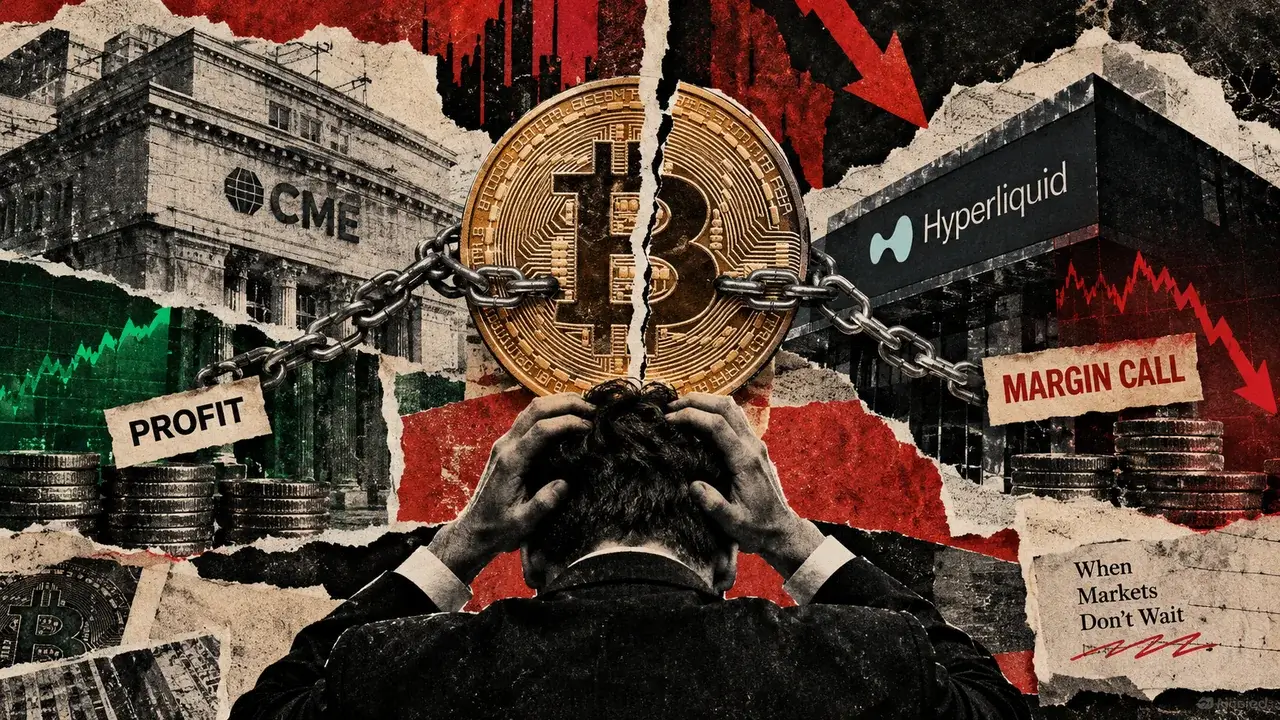
The article uses hypothetical cases to show how a fund with offsetting Bitcoin positions on separate platforms can face liquidation when profits in one account cannot cover losses in another. Delayed transfers may leave the fund exposed after one side is closed, while borrowing and derivatives can magnify the risk.
Executives see potential for tokenization, DeFi and dealmaking if the Clarity effort fails. Lawyers caution that agency action would still leave oversight of spot markets and durable regulatory certainty unsettled.
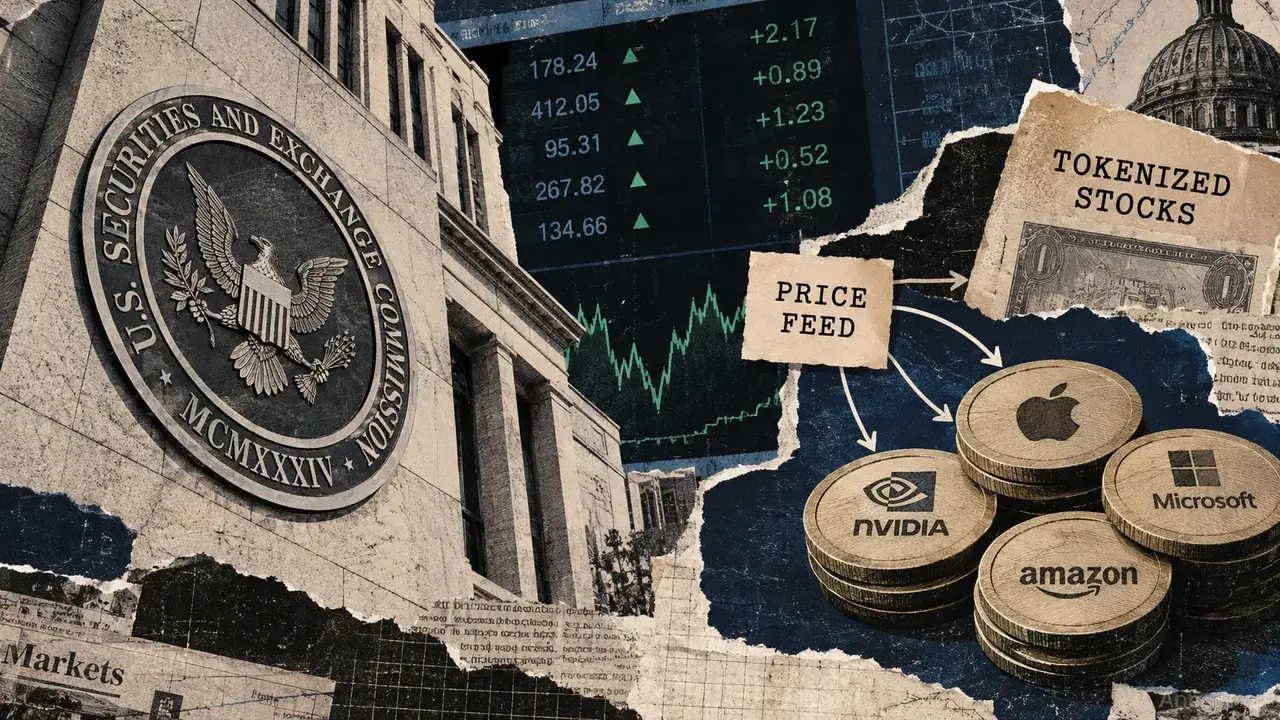
Tokenized stocks covered by the SEC’s September exemption must provide shareholder rights equivalent to traditional shares, but their trading venues may fall outside key Regulation NMS protections. Douro Labs has asked SEC staff for provider-neutral principles to assess external price feeds. The exemption requires venue disclosures and safeguards, while FINRA-member brokers retain applicable best-execution duties for covered customer trades.
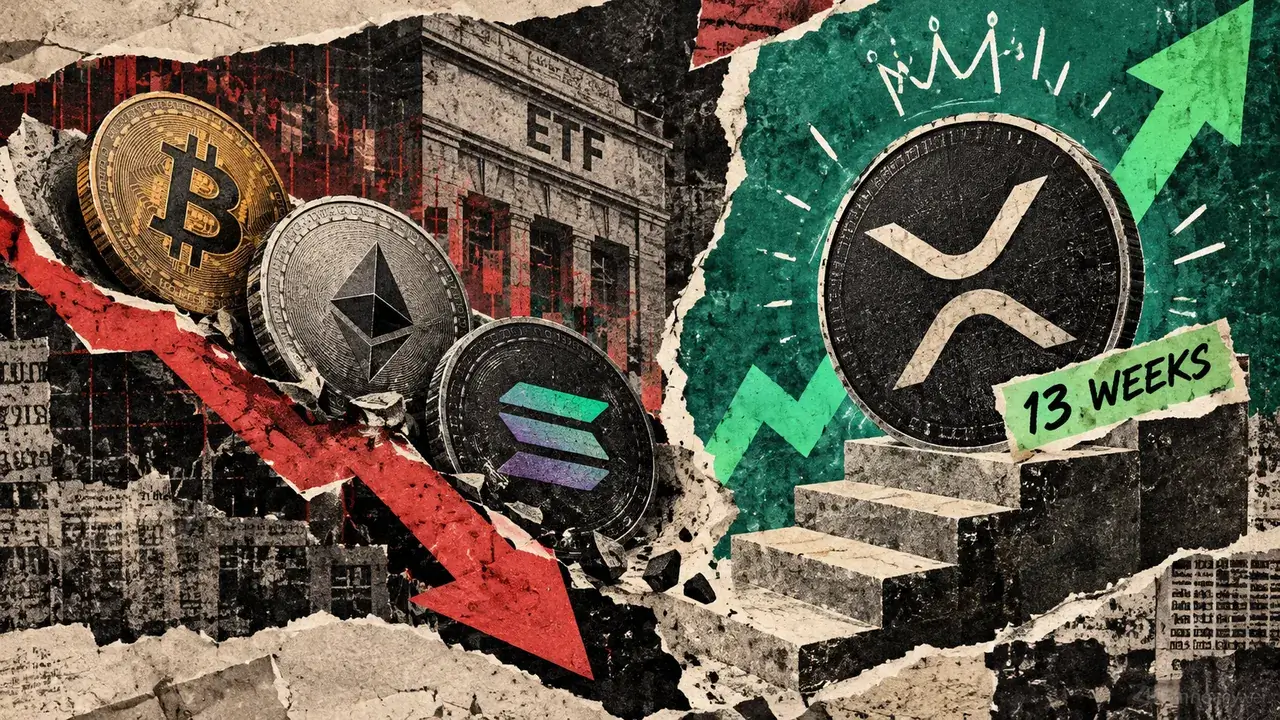
US-listed XRP ETFs recorded inflows for a 13th consecutive week, adding $11.31 million in the week ended Oct. 9. Bitcoin, Ethereum and Solana funds saw combined net withdrawals of about $1.25 billion: $681.1 million, $542.07 million and $24.81 million, respectively. Ethereum’s outflow was its largest weekly decline since January.
Blockchain-recorded shares are attracting interest for small-value trades and transactions outside regular sessions. The IMF portrays the market as prone to swings and thinly traded, with legal frameworks and settlement infrastructure still lagging.
Crypto platforms are extending stock trading beyond regular US market hours. Paragon launched a perpetual contract tracking a US semiconductor index on Hyperliquid, using Pyth data for an extended-hours index. The article warns that when underlying markets are closed, traders are betting on estimates rather than executable share prices, and thin liquidity or leverage can magnify discrepancies.
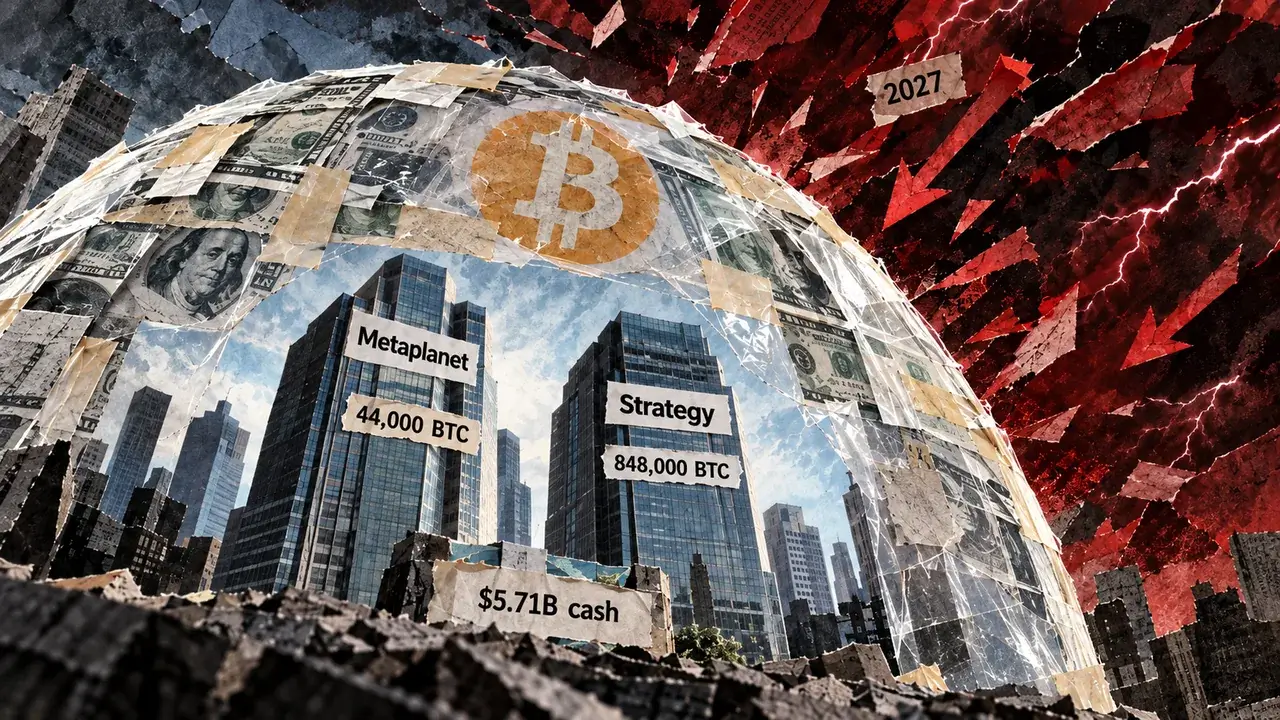
Metaplanet sold 10,000 BTC and later bought 11,000 back at a higher average price, demonstrating its willingness to sell Bitcoin as it sought a credit rating and improved financing access. The costly transaction left it with 44,000 BTC at September’s end. The article highlights the tension between shareholders willing to wait for gains and lenders who require repayment on set dates.
Kalshi is reviewing a handful of small bets that accurately predicted Katie Zacharia would become the next White House press secretary, a person familiar with the matter said.
Kalshi is investigating bets placed before the announcement of Donald Trump’s press secretary pick, the Wall Street Journal reported. Three bets totaling about $173 were made before outlets reported Zacharia’s selection and are expected to pay roughly $9,600 combined.
A year ago, crypto was buoyed by White House backing, Wall Street enthusiasm and hopes for a new golden age. October’s historic crash then erased a record $19 billion in leveraged bets in one day, prompting an industry-wide pullback and revealing the fragility of a market structure thought to be maturing.
A Bitcoin recovery could vindicate an investor’s thesis while a 3x leveraged fund remains in the red because it resets exposure daily. VS Trust’s proposed Bitcoin and Ethereum funds target three times each day’s benchmark return, not three times the return over a longer holding period. They use futures, and filings list fees and estimated break-even returns.
The CFTC proposed classifying sports and other event contracts as swaps, while issuing an interim final rule that excludes sportsbook and casino wagers. The proposal is open to public comments; the exclusion takes effect once published in the Federal Register. A court ruling also found that federal regulation does not necessarily displace state gambling laws.
Spot bitcoin, solana and ether ETFs all recorded weekly outflows after last week's trading. Ether ETFs' outflow streak reached nine days, while Solana funds ended a record 14-week run of inflows, a notable shift for some funds.
Luxor reported a 6%–13% annualized Bitcoin financing spread in its September review. The potential return comes from miners accepting a discount for upfront funding, paired with a non-deliverable forward hedge. Actual results depend on delivery, settlement, costs and committed capital; a delivery failure could leave hedge payments without matching mining income.
The Texas Business Court dismissed Gary Guillaume’s derivative suit against Coinbase on October 2 because he had not first demanded that the company act. It did not decide whether the alleged misconduct occurred. The court said Texas’s demand rule governed his authority to sue, even while assuming without deciding that Delaware law applied to the underlying claims.
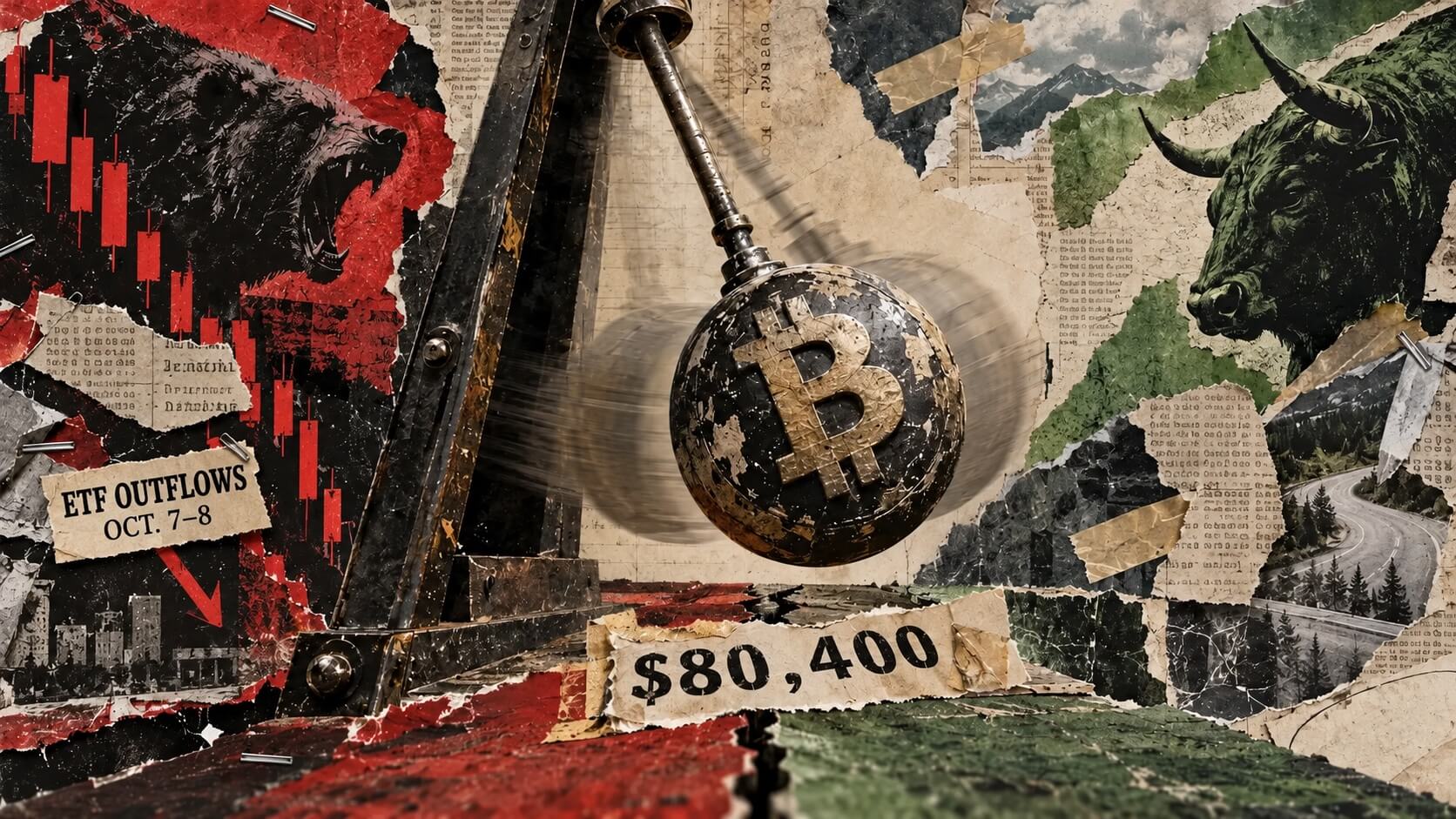
Bitcoin traded near $82,900 in PerpFinder’s Oct. 10 snapshot, as traders assessed whether the weekend rebound reflected renewed leverage or position unwinding. Sunday’s Deribit options book was put-heavy. US spot Bitcoin ETFs saw nearly $730 million in outflows on Oct. 7 and 8, followed by a modest $21.1 million inflow on Oct. 9. The article says the rebound’s durability depends on futures positioning and spot demand, with $80,400 a key downside level.
North Korean hackers stole about $1.5 billion from Bybit in February 2025. Blockchain investigator ZachXBT posed as a customer, committing 349,700 USDC to access a Chinese laundering network. He traced more than $12 million in Bybit-linked funds and says his investigation helped prompt Tether to freeze 442,000 USDT. The article argues that converting stolen crypto into real purchasing power is the harder part of the crime.
CryptocryptocurrencyBybitmoney launderingNorth Korean hackers
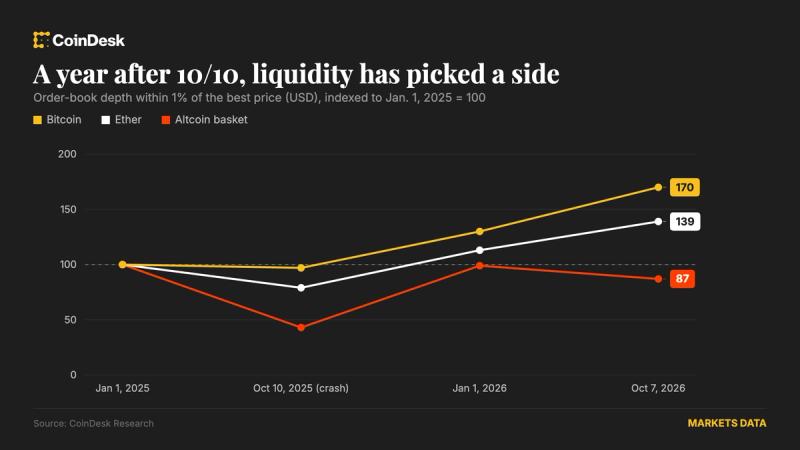
Bitcoin and Ether order books are deeper than before the crash, but liquidity for altcoins continues to decline. Spot trading remains far below its October 2025 peak.
Executives at Paxos Labs, Theo and Energy Substantiation see growth in putting physical assets to work. Precious metals are leading, while energy poses a tougher challenge.
A flash crash a year ago erased billions of dollars in leveraged crypto bets. Traders now have better tools to identify risks, but the forces behind the selloff remain.
Cryptocurrency’s promise of financial freedom comes with a growing risk: wealthier holders are becoming more attractive targets for violent criminals. Treating their physical safety as a personal matter is inadequate; the industry should design products and services for situations in which people may be threatened into surrendering assets.
The Minutes Reader extension turns the original page into a focused reading view and translates articles and video subtitles on demand. It is in limited beta.
 CoinDeskOriginal★★☆☆☆2026-10-13 11:26