Lyft has agreed to pay $272.5 million to resolve claims brought by California and three of its largest cities. The claims allege that the company wrongly classified drivers as independent contractors instead of employees to reduce costs.
The International Monetary Fund said discussions with Argentina will continue over the coming weeks, aiming to reach a staff-level agreement on the third review of the country’s Extended Fund Facility program.
President Donald Trump said Federal Reserve Chairman Kevin Warsh should have opposed the central bank’s decision to raise interest rates last month, while saying he did not blame Warsh for the move.
US manufacturing activity changed little in September, while input prices surged amid strong demand, indicating that inflation pressures remain persistent.
Government borrowing costs from the United States to Germany and Japan have reached fresh multi-decade highs as worries about inflation and rising interest rates intensify, alongside persistent anxiety over countries’ debt burdens.
Russia’s draft federal budget for 2027-2029 says measures to ease inflationary pressure have been effective. The 2026 deficit is projected at 3.2% of GDP, or 7.335 trillion rubles ($87.79 billion), while total public debt is forecast to rise through 2029. The plan includes domestic and foreign-currency bond issuance, replenishment of the National Wealth Fund, and allocations for education and healthcare.
Russia accounts for more than 22% of Tajikistan’s foreign trade and remains its leading economic partner, Prime Minister Kokhir Rasulzoda said. Bilateral trade reached a record $2.5 billion in 2025, while trade exceeded $1.7 billion in the first eight months of this year and Tajik exports to Russia rose another 45%.
Russian Deputy Prime Minister Marat Khusnullin said conditions are in place for trade between Russia and Tajikistan to grow 2.5-fold by 2030, urging both governments to work harder toward that goal. Russia accounts for about 23% of Tajikistan’s foreign trade, while bilateral turnover reached nearly $1.68 billion in January-August, up 16.4% year on year.
The International Monetary Fund said on Thursday it is looking to establish an office in Venezuela, while noting that the country’s government has not requested an IMF programme or any other funding at this stage.
Canada’s manufacturing sector continued to expand in September, but at its slowest pace in six months. Trade frictions and elevated energy prices weighed on activity, while confidence in the outlook fell to a nine-month low.
More than 60 million children have been automatically enrolled in Trump Accounts, according to an announcement from the Treasury Department provided exclusively to CNBC.
Economic Development Minister Maksim Reshetnikov said Russia has kept its economy open despite Western sanctions and other restrictions, restructured foreign economic ties and found new trading partners. He said common rules are needed to support global growth and help least-developed countries shape markets.
A new report from Canada’s Parliamentary Budget Officer says building the proposed high-speed rail line between Toronto and Quebec City could cost between $75 billion and $113 billion, exceeding the government’s initial estimates.
Russia’s windfall tax on mining and metals companies is projected to raise 200 billion rubles ($2.4 billion) annually in 2027-2029. The rate will be 20% for gold and 30% for other commodities, with the tax applying when the 2026 average price is at least 10% above 2025 levels.
France unveiled its 2027 budget bill on Thursday, seeking unpopular belt-tightening measures to reduce the deficit and reassure increasingly nervous bond investors before next year’s presidential election. The bill faces a difficult path through a deeply divided parliament as political factions position themselves for a consequential vote.
France presented its 2027 budget bill on Thursday, seeking to introduce unpopular austerity measures. The national government is targeting 5.4 billion euros in savings from local and municipal budgets, which rely largely on central funding. Mayors across the country are trying to reduce spending while maintaining essential services.
Russia’s international reserves fell by $5.5 billion, or 0.7%, over the week to $742.7 billion as of the close of business on September 25, the Central Bank said. It attributed the decline largely to negative revaluation. Reserves stood at $748.2 billion on September 18.
Germany’s manufacturing sector maintained its recovery in September, with production and new orders again recording strong growth despite renewed inflationary pressure from global energy markets, a business survey found.
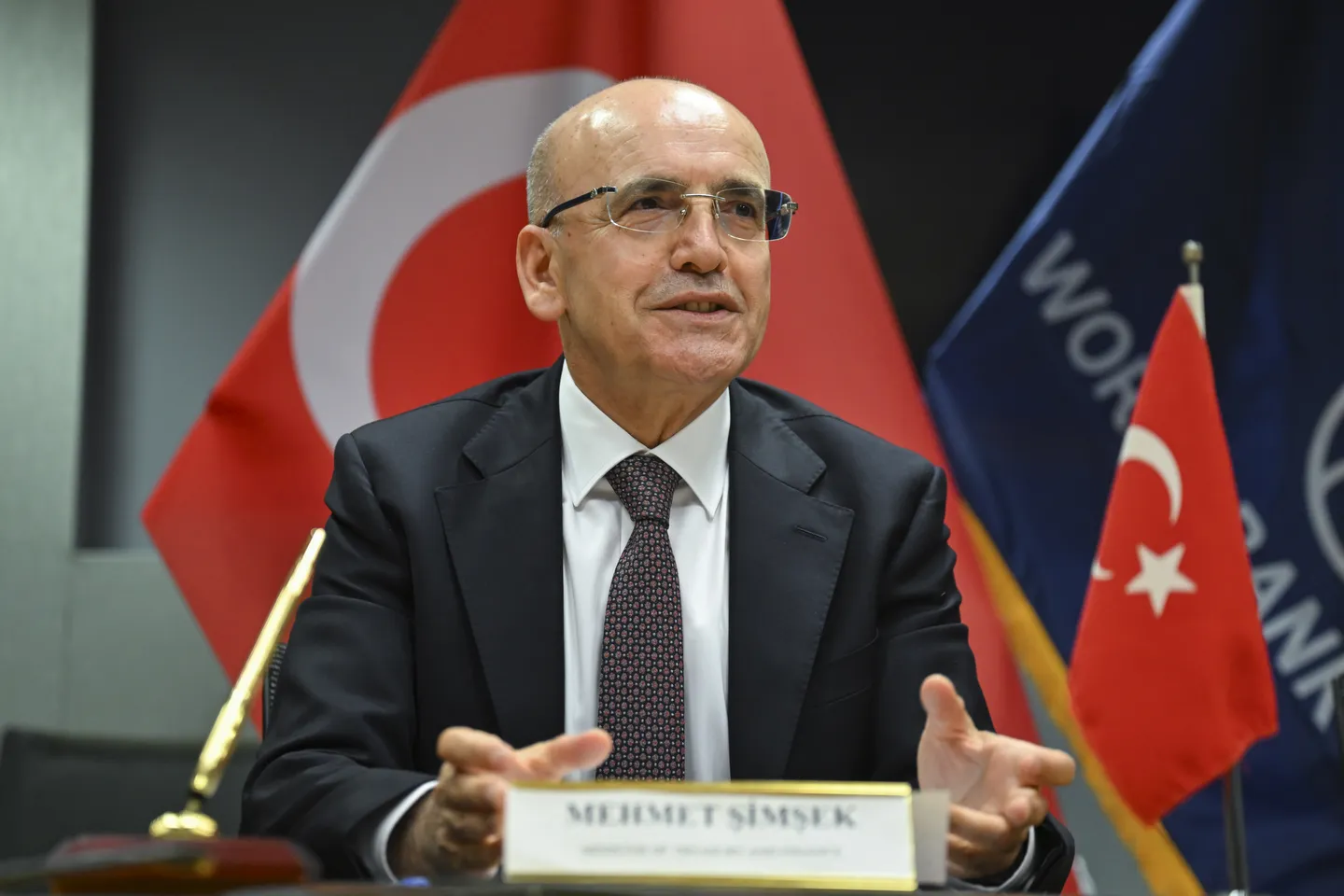
Mehmet Simsek said Türkiye was moving to speed up payments to investors from affected funds. He said the country remained resilient despite difficult global conditions and wars, while inflation continued to decline.
Russia and the Republic of the Congo signed a comprehensive plan for trade and economic cooperation covering 2026-2028. Discussions focused on energy infrastructure, exploration and digital development, along with cooperation in industry, transport, agriculture, science, education and culture.
U.S. applications for unemployment benefits fell to 197,000 last week, the lowest level since mid-July. Layoffs remain low, while most American workers continue to enjoy job security.
As Botswana marks 60 years of independence, the former protectorate is presented as a striking postcolonial development success. Diamond revenues helped expand infrastructure, education and healthcare, reduce poverty and support stable democracy, including a peaceful change of government in 2024. The country also manages its mineral wealth through state ownership of Debswana and the Pula Fund.
Soaring student loan bills are adding to the affordability squeeze facing voters. More than 9 million Americans are at least a year behind on their payments.
Sen. Steve Daines’ ADAPT Act would treat purchases made with qualifying US-dollar stablecoins as nonrecognition events, so users would not calculate gains or losses on the tokens. Bitcoin payments would remain taxable dispositions. A separate exemption would cover up to $10 in digital-asset transaction fees, with both provisions starting Jan. 1, 2027.
India’s rainfall this year has been the weakest in more than a decade, putting harvests and economic growth at risk and leaving farmers and shopowners to absorb the costs.
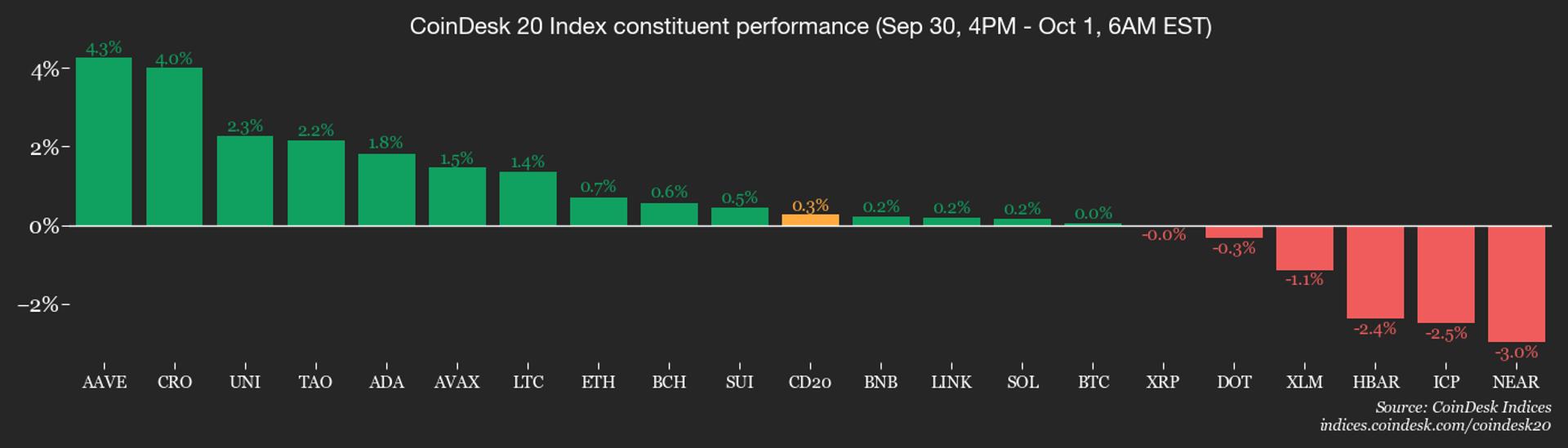
Bitcoin is holding near $84,000 after an overnight rise and has just closed its strongest quarter since 2024. Interest rates are easing ahead of tomorrow’s key U.S. employment report.
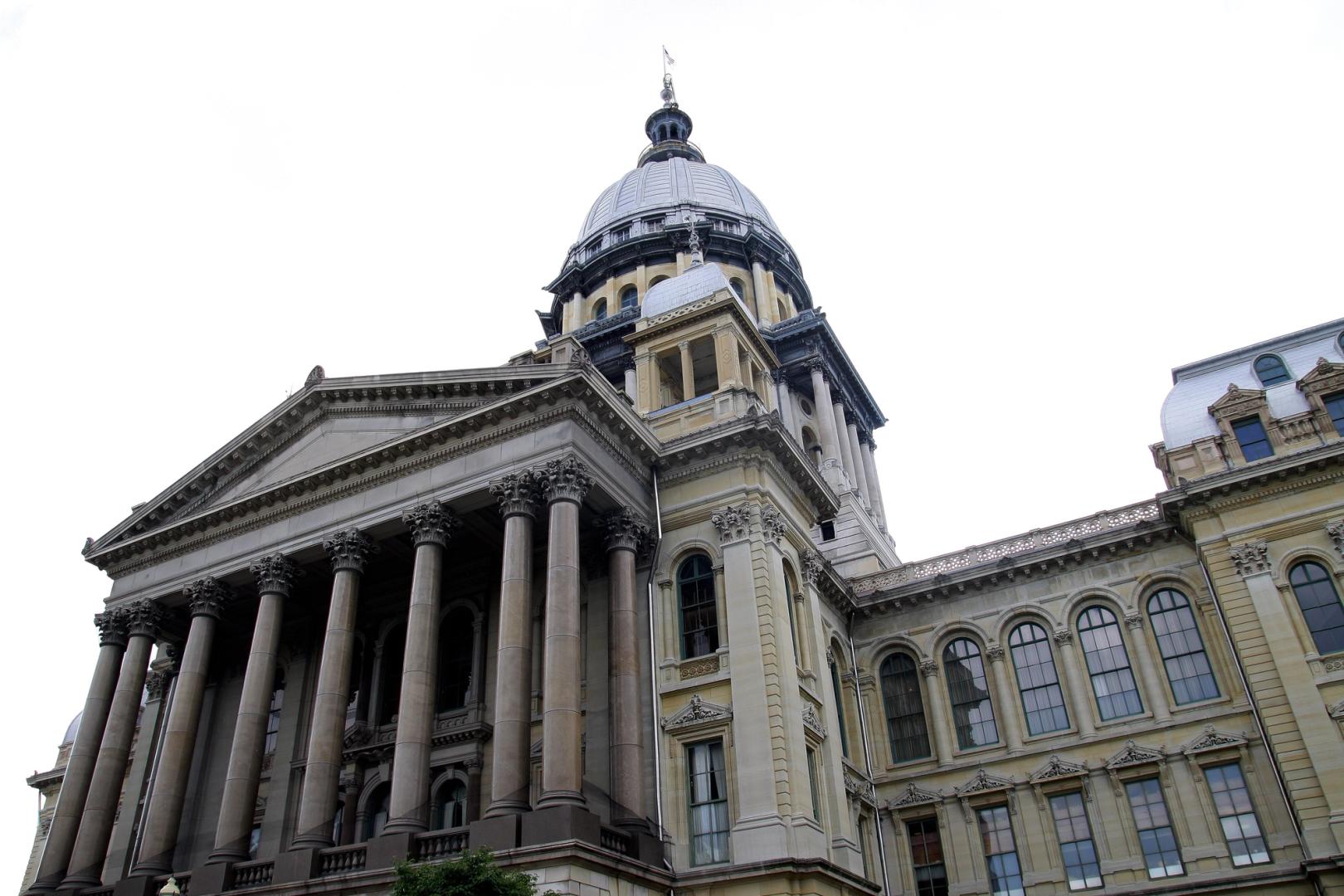
Illinois and the crypto industry agreed to delay the 0.2% tax until July 1, subject to court approval. The arrangement would allow both sides to focus on their ongoing legal dispute.
Japan’s prime minister said government policies will strengthen confidence in the yen after earlier efforts to support the currency produced underwhelming results.
Japanese Prime Minister Sanae Takaichi said efforts to strengthen the country’s economic competitiveness would help sustain market confidence in the yen, in a recorded interview aired by Nippon Television on Thursday.
India is considering reducing import tariffs on several types of pulses to increase supplies and contain food inflation, according to two government sources and an industry source. An uneven monsoon has raised concerns about domestic production.
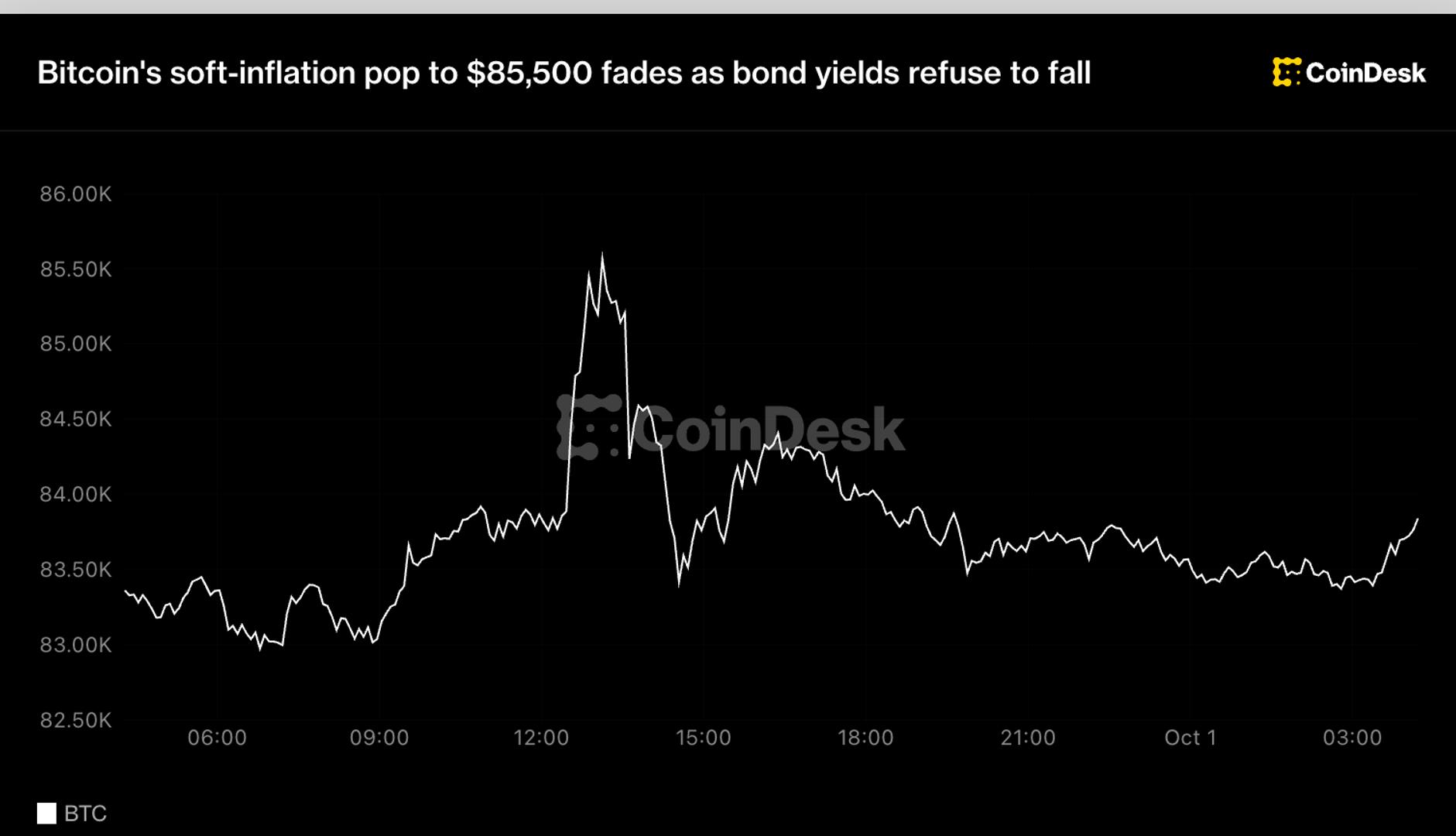
Bitcoin briefly rose above $85,000 on Wednesday after weaker-than-expected U.S. inflation reduced bets on Federal Reserve rate hikes. The rally failed to hold, and spot ETFs provided no help.
Russia plans to allocate more than 4 trillion rubles, or $48.05 billion, to national security and law enforcement in 2027, according to an explanatory note accompanying the draft federal budget. The spending covers the armed forces, security and law enforcement agencies, troops and other military formations, as well as salaries for regional prosecutors and Investigative Committee staff.
Turkey’s manufacturing purchasing managers’ index fell to 47.9 in September from 48.1 in August, S&P Global said. Firms cited the war in the Middle East as weighing on new orders and output.
S&P Global said Russia’s manufacturing PMI rose from 48.8 in August to 49.8 in September 2026, remaining below the 50-point threshold associated with growth. Demand stayed weak, with new orders falling for a second month, export orders posting their sharpest decline since May 2022, and output contracting again.
Mark Carney is asking the world to invest in Canada. But who already owns Canada, and what would greater foreign investment mean for the country's sovereignty?
Russia’s Finance Ministry forecasts budget revenues from dividends of 838.4 billion rubles ($10 billion) in 2027, rising to 914 billion rubles in 2028 and 986 billion rubles in 2029. This year’s revenues are projected at 807.6 billion rubles ($9.7 billion), compared with 1.004 trillion rubles in 2025.
Russia’s federal budget is projected to receive 7 trillion rubles ($83.7 billion) in oil and gas revenues in 2027, rising to 7.6 trillion rubles in 2028 and 7.7 trillion rubles in 2029. The explanatory note to the draft budget puts the shares at 2.8%, 2.9% and 2.7% of GDP, respectively.
French Prime Minister Sébastien Lecornu is expected to unveil the government’s 2027 austerity budget on Thursday. Planned savings are set to include freezing public-sector wages and most pensions, apart from the lowest, alongside a series of targeted tax measures.
El Niño is striking the world’s biggest sugar producers, exposing the crop’s acute vulnerability to the climate phenomenon. It also offers an early view of broader threats to farmers and global food inflation.
Treasury yields moved higher on Thursday ahead of jobs data, with the 10-year yield reaching its highest level since 2002 as a global bond sell-off intensified.
US Treasury yields reached two-decade highs for a seventh consecutive session on Thursday before falling oil prices helped steady a bond market coming off its worst quarter this century. Investors are preparing for higher interest rates.
Ukraine’s public debt rose 4.5-fold during Vladimir Zelensky’s tenure, according to TASS calculations based on Ukrainian Finance Ministry data. The debt stood at $47.1 billion at the end of May 2019 and reached $215.55 billion by the end of August 2026, calculated using the National Bank of Ukraine’s current dollar exchange rate.
Nest, Britain’s largest workplace pension scheme, has transferred its entire £3.5 billion emerging-market equity portfolio to US active manager Wellington Management. An executive said the move ends its focus on index investing and is intended to better manage sustainability risks.
In Bulgaria, buying 50 litres of diesel uses 15.4% of the gross monthly minimum wage; the comparable share in Luxembourg is 3.8%. Fuel prices have risen since the Iran war started.
A resurgence of the El Niño pattern could intensify a selloff in Southeast Asian bonds, strategists say, potentially driving yields higher as rising US Treasury rates and oil prices put additional pressure on regional debt.
Oil prices moved lower as a rebound in Middle East exports eased concerns about supply disruptions, offsetting worries that talks between the United States and Iran had stalled.
Japan’s manufacturing sector continued to expand in September, but at its slowest pace in six months, with growth in output and new orders easing, a business survey released on Thursday showed.
South Korea’s factory activity grew at its fastest pace in four months in September, a survey showed on Thursday. Export demand rose at its quickest rate in 15-1/2 years, led by the chip and auto sectors.
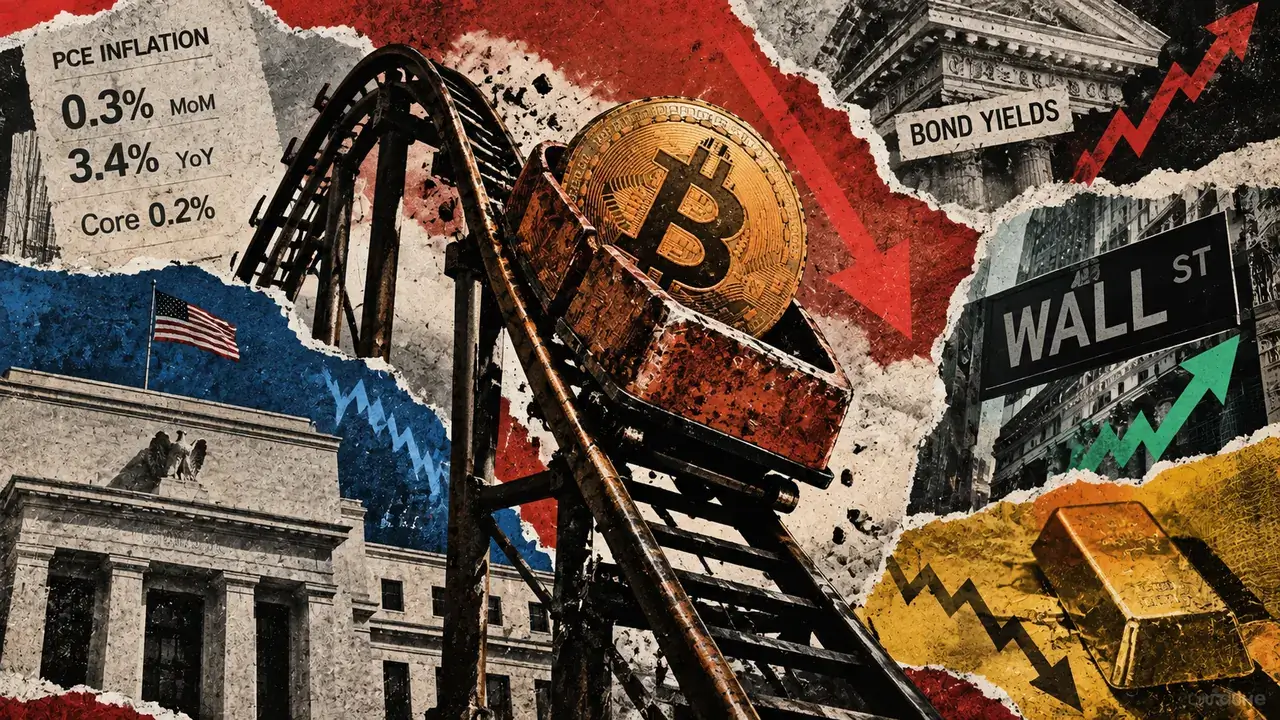
A cooler-than-expected PCE report briefly pushed bitcoin above $85,000 on Wednesday, but Treasury yields remained near their highest level since 2002 and the cryptocurrency’s gains faded.
The dollar stayed close to a two-month high on Thursday as US Treasury yields extended their rise. The increase was partly driven by concerns that the war in the Middle East is sustaining global price pressures.
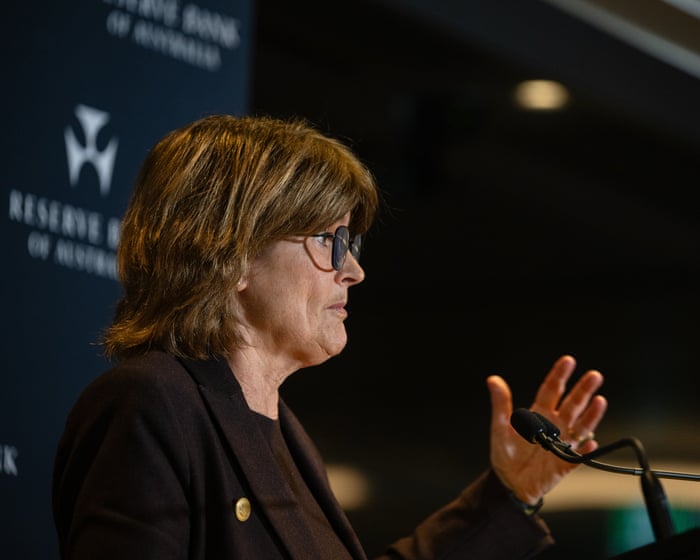
The Reserve Bank of Australia says households are generally well placed to withstand higher interest rates and falling property prices, but warns the country would not be immune to a sudden collapse in the global AI investment boom. It says threats to financial stability are mounting, including disorderly asset corrections, bond sell-offs and cyber-attacks.
Private surveys showed that factory activity across Asia expanded in September, supported by the global AI boom. The results offered some relief to policymakers worried about persistent cost pressures linked to the US-Israeli war on Iran.
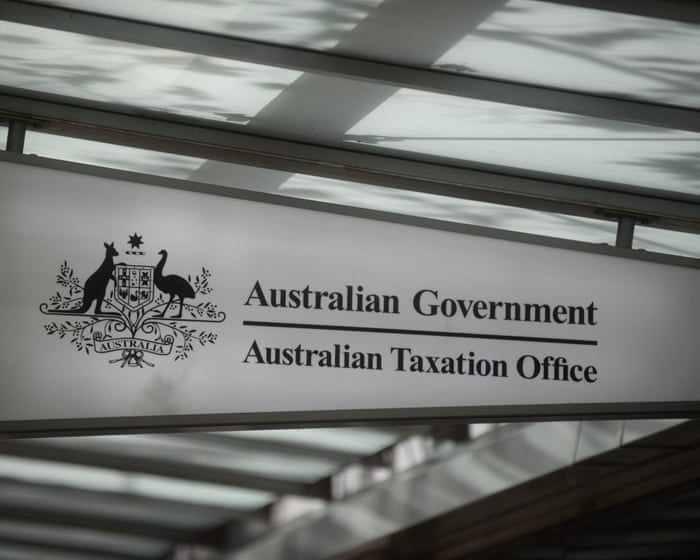
Australia’s Taxation Office says more than a quarter of large companies paid little or no corporate tax in 2024-25. Microsoft’s datacentre business reported A$2.3bn in Australian revenue but no taxable income, while Singtel, JBS Global Meat Holdings and others also paid no tax. The agency noted that losses, deductions and offsets can provide legitimate explanations, but is scrutinising digital businesses and profit shifting.
Asian stocks were subdued on Thursday while global bonds stayed under pressure after a turbulent September. Investors assessed a slower-than-expected rise in U.S. inflation in August, which reduces the likelihood of a rate hike later this month.
Japanese business confidence improved in the three months through September, a quarterly Bank of Japan survey showed on Thursday. The result suggests the economy is weathering the impact of the Middle East conflict and strengthens the case for further rate hikes.
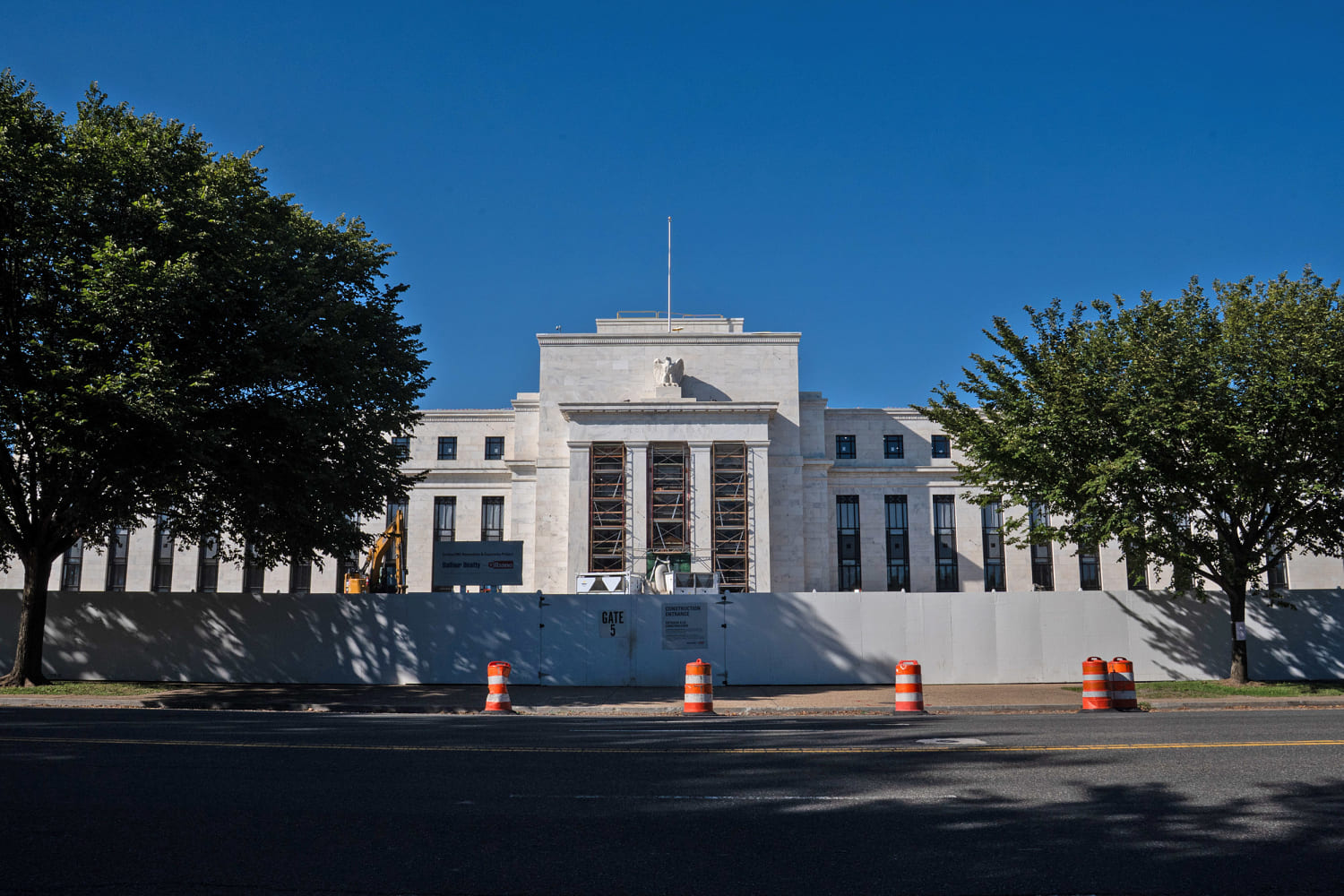
The Federal Reserve’s watchdog said Wednesday that the roughly $1 billion cost overrun on renovations to the central bank’s Washington buildings did not warrant a criminal referral, while criticizing oversight of the project. President Donald Trump then renewed his call for former Fed chief Jerome Powell to resign.
The Federal Reserve’s inspector general found no basis for a criminal referral or administrative misconduct over the renovation of two Washington buildings. The project is about $1bn over budget at an estimated $2.4bn, though the report identified major management shortcomings. Trump had used the costs to pressure Jerome Powell over interest rates.
Federal Reserverenovation costsJerome PowellDonald Trump
President Donald Trump began publicly attacking Jerome Powell and privately considering firing him just months after elevating Powell to lead the U.S. central bank in 2018. Trump was dissatisfied that Powell did not deliver the interest-rate cuts the president believed were warranted.
Federal ReserveDonald TrumpJerome Powellinterest rates
The Federal Reserve’s inspector general said on Wednesday that it found deficiencies in a renovation project but no basis for a criminal referral or administrative misconduct finding. The project had drawn criticism from President Donald Trump and prompted scrutiny of former Fed chief Jerome Powell.
Federal ReserveJerome Powellrenovation projectoversight
A long-awaited report from the Fed’s inspector general found failures in the renovation project but said there were no reasonable grounds to believe federal criminal law had been violated.
The Federal Reserve’s internal watchdog found no evidence of criminal wrongdoing in the $2.4 billion renovation of its Washington headquarters. The project became a flashpoint between the Fed and the Trump administration as the president pressed for lower interest rates last year.
Federal Reserveheadquarters renovationinterest rates
Bank of America’s Merrill Lynch unit will pay $39 million to resolve a class action alleging that brokerage customers received near-zero interest on idle cash in retirement accounts instead of market rates.
President Donald Trump said former Federal Reserve Chair Jerome Powell should resign from the central bank’s Board of Governors after findings that the Fed mismanaged renovations to its headquarters.
Federal Reserve official Neel Kashkari says inflation remains too high even after personal consumption expenditures data came in softer than expected. He will speak exclusively with CNBC’s Steve Liesman on Wednesday night.
A sell-off in US government debt has sent 10-year Treasury yields soaring by half a percentage point, marking their worst month in four years and triggering what has been described as a “vicious loop” of further selling.
Federal Reserve Governor Lisa Cook said on Wednesday that she is committed to lowering inflation without damaging the labor market. Her remarks touched only briefly on monetary policy and did not address the latest inflation data.
The Australian Taxation Office says about 27% of entities in its 2024–25 corporate transparency report paid no income tax, with companies mainly citing accounting losses. The report covers 4,299 entities earning at least A$100bn in total income, which paid A$87.5bn in tax. Meanwhile, the Thriving Kids early-intervention program for children under nine with mild developmental delays or autism has begun, gradually replacing NDIS support. Queensland has declined to join.
The Russian government has submitted a 2027–2029 federal budget draft to the State Duma. It forecasts deficits of 5.5 trillion rubles in 2027, 5.1 trillion in 2028, and 5.3 trillion in 2029, or about 2% of GDP annually. Priorities include welfare, support for participants in the “special military operation,” defense and security, health care, education, and technology. The draft also proposes higher taxes on passive income and a 22% VAT on cross-border e-commerce purchases. Reuters reported that 2027 military spending would reach a record 17.1 trillion rubles.
The Russian government has sent the draft federal budget for 2027 and the 2028-2029 planning period to the State Duma for consideration. The government said Prime Minister Mikhail Mishustin signed the resolution on its presentation, while drafts for extra-budgetary funds and other key state-finance documents were also submitted.
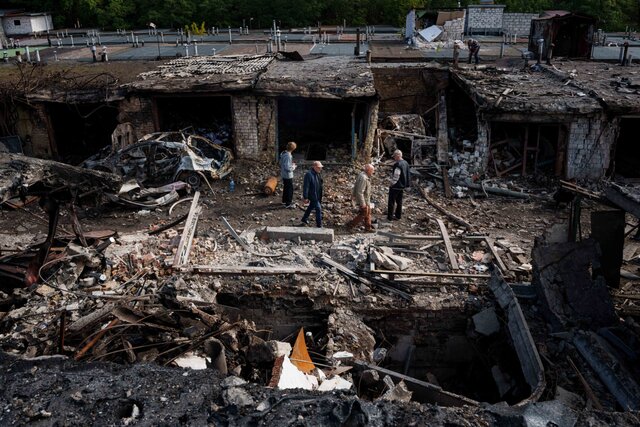
Ukraine’s Economy and Environment Minister Oleksandr Kravchenko estimates that Russian air-raid alerts cost the country about $45 million an hour and can last up to 10 hours a day. A new red-and-yellow alert system aims to limit disruptions, but attacks on civilian infrastructure have caused roughly $10 billion in damage and deepened budget pressures.
Russia’s inflation rate was 0.12% from September 22 to 28, according to the Federal Statistics Service, up from 0.06% the previous week. Consumer prices rose 0.25% from the start of September and 4.93% year to date, while annual inflation reached 6.24% as of September 28, 2026.
ECB board member Isabel Schnabel said on Wednesday that the central bank should closely assess three domestic and global factors that could either intensify or ease price pressures before deciding whether further interest-rate hikes are needed.
Oil and gas production in Texas, Louisiana and New Mexico increased in the third quarter of 2026, a Dallas Fed survey said Wednesday. Producers remain concerned about whether exceptionally high oil prices can last.
Bitcoin briefly moved above $85,000 on Sept. 30 before falling back below $84,000 after the release of August US PCE inflation data. Headline PCE rose 3.4% year over year and core PCE 3.0%, while US and UK government bond yields rebounded as stocks and oil recovered, leaving Bitcoin unable to sustain its initial rally.
The Bank of Russia set the official dollar rate for October 1 at 83.5588 rubles, down 86.95 kopecks from the previous indicator. The euro rate fell by 1.1815 rubles to 94.881, while the yuan rate was set at 12.4732 rubles, down 10.32 kopecks.
The Asian Infrastructure Investment Bank’s 11th annual meeting in Doha brings together policymakers, investors and business leaders to examine how technology, sustainability, connectivity and investment are reshaping the development of cities and economies.
France is preparing to present its latest budget while public debt stands at a record level and continues to rise daily. The debt is now nearly €3.6 trillion, with almost €60 billion added over the past three months.
The Bank of Russia’s revised estimate puts the country’s current account surplus at $16.9 billion in the second quarter of 2026, up from $2.1 billion a year earlier. The trade surplus reached $39.4 billion, mainly reflecting higher international prices, while the services deficit was $13.1 billion as overseas travel and other services spending increased.
A Dallas Fed survey found that energy executives expect high fuel costs to persist. The US oil industry warns diesel prices will not return to normal for another year.
The Minutes Reader extension turns the original page into a focused reading view and translates articles and video subtitles on demand. It is in limited beta.