Bitcoin steadies as soft PCE cools October Fed rate-hike bets

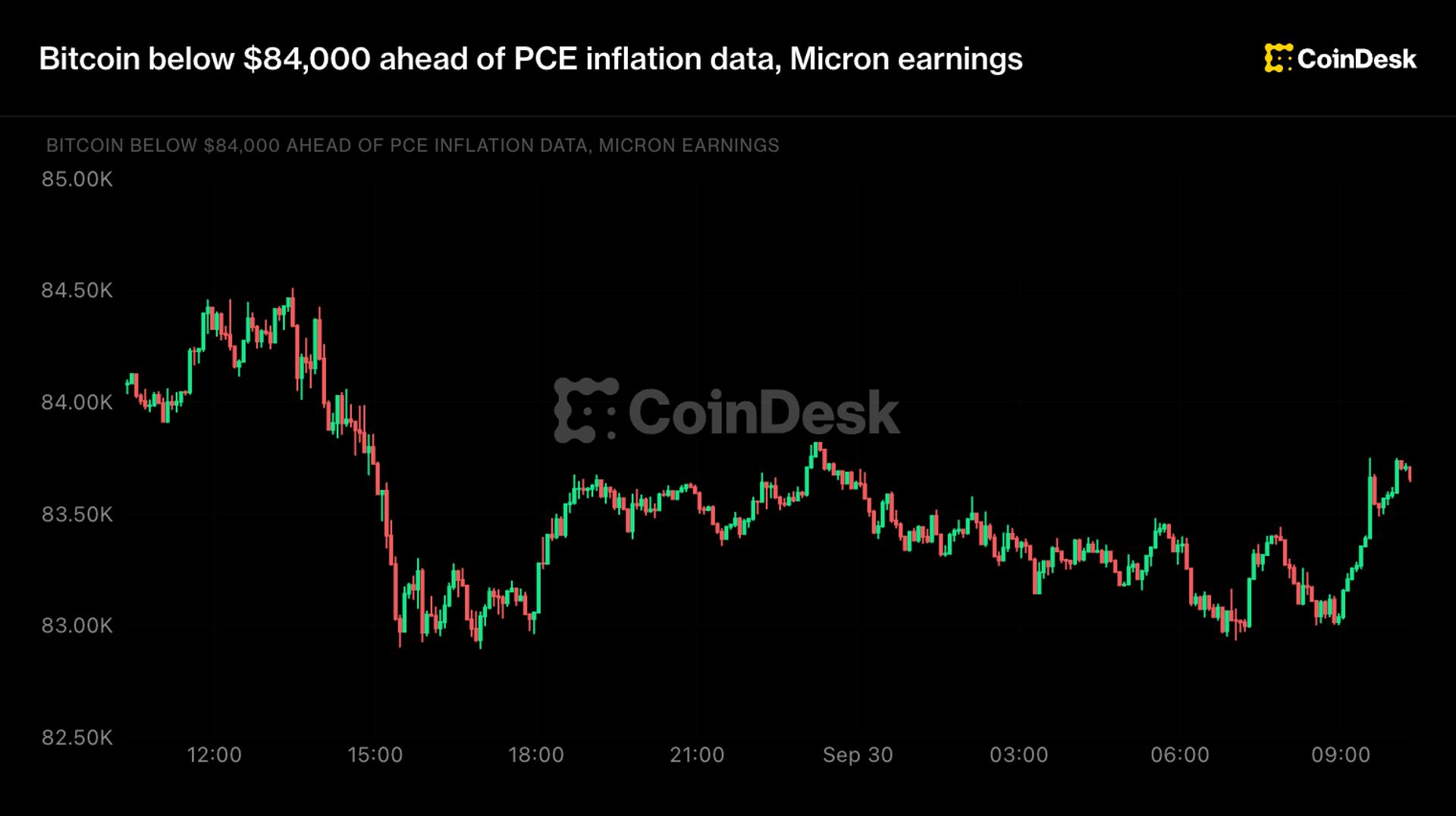
Core PCE increased just 0.2% in August, reducing pressure for an October Federal Reserve rate hike. Bitcoin is trading near $83,700, while higher Treasury yields are limiting its gains.

Core PCE increased just 0.2% in August, reducing pressure for an October Federal Reserve rate hike. Bitcoin is trading near $83,700, while higher Treasury yields are limiting its gains.

US inflation-adjusted GDP grew at a 2.2% annualized rate in the second quarter, a stronger rebound than the previously estimated 1.5% pace. Growth was supported by firmer consumer spending and business investment.
Balance sheets have become unbalanced, and growth may suffer as a result.
The Bank of Russia expects fuel-market conditions to return to normal by the end of 2026 in its baseline scenario. It said the effect on prices of other goods and services should be limited, allowing stable inflation to resume its decline. The draft guidelines incorporate the government’s new budget projections for the next three years.
The Bank of Russia says it will incorporate revised budget policy parameters into its updated medium-term macroeconomic forecast, due on October 23. In its baseline scenario, the primary structural deficit is expected to fall from 2% of GDP in 2026 to zero in 2029, with the new projections implying a slightly smaller fiscal contribution to demand than forecast in July.
Wall Street’s main indexes advanced on Wednesday after inflation came in softer than expected, lifting hopes that the Federal Reserve may not raise interest rates as soon as next month.
Cotality data shows home prices fell across most suburbs in Australia’s major cities in September, with Brisbane down 1.5% and Sydney down 1.4%. National prices are 5.2% below their March peak, while economists say higher rates and reduced borrowing capacity could drive a fall of at least 10%.

The article explores what infrastructure artificial intelligence agents may rely on in the future, with a focus on their relationship to the cryptocurrency sector.

Traders reduced their expectations for an October Federal Reserve rate increase after the central bank’s preferred inflation measure accelerated less than anticipated.
The Bank of England governor warned that a surge in artificial intelligence industry debt could raise the risk of a sharp market correction. He said regulators cannot stand aside and assume the industry will resolve the risks it poses to financial system stability.
New data showed that the Federal Reserve’s preferred inflation gauge remained elevated in August, underscoring the persistence of price increases above normal levels.
The U.S. Federal Reserve said Wednesday it had finalized changes to the annual financial stress tests for large banks, aiming to make the examinations more transparent and less volatile.
The US government said the economy expanded at a solid 2.2% annual pace from April through June, revising its earlier estimate higher as consumer spending and business investment proved strong.

The U.S. government said the economy grew at a solid 2.2% pace from April through June, revising its earlier estimate upward. Consumer spending and business investment were strong.
Ukraine, the EU, IMF and G7 partners discussed Kyiv’s finances through the end of 2027 in Brussels, but the size of the need and each party’s share remain unclear. Officials say an uncovered 2027 gap persists, while weak tax and customs performance, blocked Black Sea agricultural exports and shifting defense costs complicate the calculations.

The personal consumption expenditures price index showed annual core inflation of 3.0% in August, below the Dow Jones consensus forecasts of 3.3% for core inflation and 3.7% for the headline measure.

Russian President Vladimir Putin said authorities should prioritize confident, long-term economic growth and launch a new investment cycle as they prepare budgets for the coming years. He also called for support to the regions, including stronger budget resilience and fiscal foundations, and said Russia’s financial system and economy remain confident.
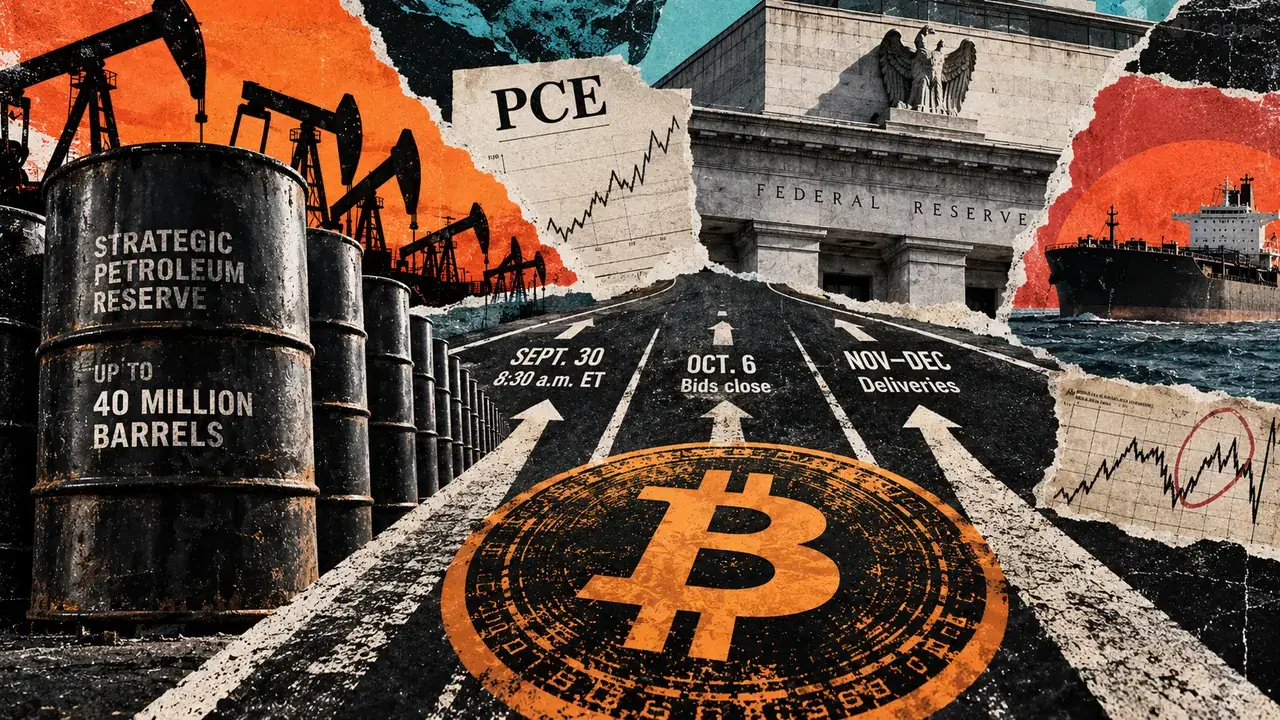
The US Department of Energy is seeking exchanges for up to 40 million barrels from the Strategic Petroleum Reserve, with bids due October 6 and deliveries planned for November and December. The offer could affect Bitcoin through inflation expectations, bond yields and Federal Reserve rate expectations, but available figures do not show that it has moved those markets or Bitcoin yet.

Private-sector employment increased by 90,000 in September, exceeding expectations, according to ADP. Job creation picked up after a brief slowdown.

Italy’s consumer price index accelerated again in September, pushing inflation to 4.2%, its highest level in three years. Energy goods and fresh food drove the increase, while Istat recorded a sharp decline in confidence among households and businesses amid historical memories and everyday concerns.
Russian Economic Development Minister Maxim Reshetnikov says G20 dialogue can help counter fragmentation in international trade and preserve the WTO-based multilateral trading system. He argues that tariffs, non-tariff restrictions, export controls and limits on technology transfers can distort competition and contribute to excess production capacity.
Russian Economic Development Minister Maxim Reshetnikov says the G20 has a unique role in the multilateral trading system by generating ideas and shaping frameworks for future agreements, including those considered by the WTO. He stresses that the group does not decide for the entire international community but supports open dialogue amid eroding mutual trust.
Russian Economic Development Minister Maxim Reshetnikov urged the G20 to address trade distortions through a comprehensive, cross-sectoral approach and improve multilateral rules through the G20 and WTO. He said the forum should not legitimize members’ national measures or become a venue for mutual blame, warning that this could undermine its practical purpose.
UK second-quarter GDP growth was revised up to 0.5%, driven by stronger expansion in services. The economy is nevertheless contending with high borrowing costs, inflationary pressures and a cooling labour market.
Ukraine’s total war costs are expected to reach $155 billion this year, Prime Minister Sergii Koretskyi said on Wednesday. The government is struggling to fill a $27 billion funding shortfall needed to maintain combat operations at the start of 2027.
A new report adds to growing research showing that extreme weather is reshaping global inflation and making some grocery items more expensive this year.
Inflation rose much faster than expected this month in some of the euro zone’s biggest economies, driven by the energy-price shock from the Iran war and increasing pressure on the European Central Bank to raise interest rates again.
Meat consumption in Argentina, where barbecuing is central to national identity, has fallen to an all-time low. Reporters attribute the decline to the sharp loss of purchasing power experienced by most Argentines since Javier Milei took office.

Ukraine’s Economy and Environment Minister Oleksandr Kravchenko said missile alerts cost the country an estimated $45 million for every hour they force businesses to suspend operations. Russian attacks have caused about $10 billion in fixed-asset damage this year, hitting steel plants, warehouses, logistics hubs and data centers. The government is considering allowing more private companies to buy Ukrainian air-defense systems.


Ukraine’s economy and environment minister, Oleksandr Kravchenko, says missile alerts cost an estimated $45m for each hour they stop businesses. Russia has been striking industrial sites, warehouses, logistics hubs and datacentres. Kyiv has introduced red and yellow warnings to limit disruption, though a drone strike during a yellow alert killed two people at the National Academy of Sciences.
Traders are awaiting the Federal Reserve’s preferred inflation gauge, the PCE data, after oil-fueled bets on rate hikes over the past month pushed 30-year Treasury yields to their highest level since 2002. Bitcoin is below $84,000 ahead of Micron’s earnings report.
Turkey’s exports increased 8.1% year on year to $23.4 billion in August, with Germany the largest destination at about $1.76 billion. Imports rose 10.5% to $28.7 billion, widening the monthly trade deficit by 22.3% to $5.2 billion.
The Bank of Russia bought 2 billion rubles, or $23.7 million, in yuan on the domestic market for settlement on September 29, according to regulator data. Purchases for settlement on September 28 totaled 3.9 billion rubles, or $46.1 million. The operations use the yuan-ruble instrument on the Moscow Exchange currency market.
US sanctions and economic pressure are aimed at countering the growing influence of Russia’s transnational economy, Russian Academy of Sciences expert Fyodor Voitolovsky said. He noted that investment by increasingly transnational Indian companies is growing, while many Russian companies have also become transnational.
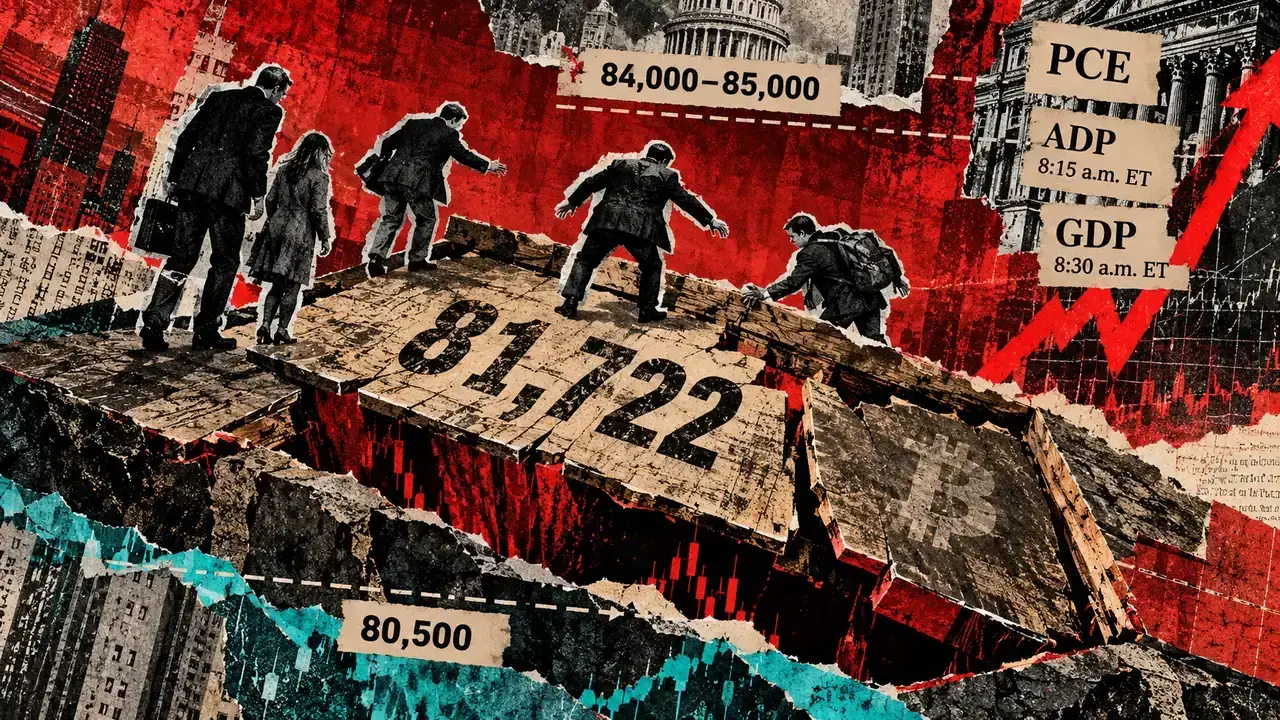
Bitcoin briefly fell to $82,775.94 on Sept. 29 before recovering above $83,000. Bloomberg ETF analyst James Seyffart estimates the average Bitcoin ETF holder’s cost basis at $81,722, meaning a move below that level could return the average position to a loss. Wednesday’s US inflation, employment and GDP releases may drive volatility.


Analysts are watching a key price level for Bitcoin and what a break below it could mean for bullish traders.
Gold prices rose on Wednesday but remained on course for a monthly decline as expectations of higher interest rates weighed on sentiment. Investors are awaiting US inflation data for indications of the Federal Reserve’s next policy move.
U.S. Treasury yields moved lower on Wednesday after a fresh sell-off the previous day. Investors remained concerned about inflation.

Ukraine went a week without producing any steel in September for the first time in 100 years, former Zelensky spokeswoman Yulia Mendel said. She attributed the idling of major plants to massed Russian strikes, which damaged furnaces, and said steel exports are losing $200 million a month.
Indonesia’s trade surplus was expected to widen to about $630 million in August, while its September inflation rate was projected to edge higher, a Reuters poll of economists showed.
Heat pump sales plunged in 2024 but are rising again, with falling electricity taxes helping drive the rebound.
Diesel has become Europe’s most expensive fuel, reaching a record €2.226 per litre and overtaking petrol. Despite that, EU governments still tax diesel about 12 cents less than petrol.
Australia’s annual inflation rate rose to 4% in August from 3.5%, with fuel prices surging 15% amid higher global oil prices and the worsening Middle East conflict. Treasurer Jim Chalmers blamed the external shock, while economists said inflation remained above the Reserve Bank’s 2.5% target and another rate hike could come before year-end.

The dollar was near its yearly high against the euro on Wednesday and was on course for its strongest monthly gain against the currency in 14 months. US economic growth and higher interest rates supported it as Europe faced energy and debt concerns.
The world may not be on the brink of disaster, but major economies are seeing their room for manoeuvre shrink.
Vanguard warns that France is degrading its credit as borrowing costs surge. The Iran war has intensified fiscal pressure on Paris just as a budget battle looms.
Global bonds wobbled on Wednesday and were headed for their worst month in years. Deteriorating government finances, a glut of issuance and rising inflation weighed on the market, while the seven-month-old US-Israeli war on Iran kept energy costs elevated.

Fresh developments in the AI world and close attention to Treasury yields are keeping markets alert, leaving investors with little need for help staying awake.
China’s factory activity returned to growth in September, an official survey showed, as easing weather disruptions helped factories resume operations and a global artificial intelligence boom supported the industrial sector.
China’s services activity expanded at its fastest pace in three months in September, according to a private-sector survey, as stronger new orders—including those from overseas—boosted output.
China’s factory activity returned to growth in September, according to an official survey. Easing weather disruptions helped factories resume operations, while a global artificial intelligence boom supported the industrial sector.

China’s factory activity returned to growth in September for the first time in three months, as deepening economic malaise prompted policymakers to step up stimulus measures and support growth.
Hong Kong is likely to face a wave of interest rate increases in the coming months, but analysts expect its property market to withstand them better than during the 2022-2023 rate cycle. Major Hong Kong banks have kept rates unchanged after the US Federal Reserve raised its benchmark this month, but are widely expected to follow if the Fed tightens again later this year.

British business confidence fell in September to its lowest level since April 2025, a Lloyds survey found. Executives also became more pessimistic about the global economic outlook as the Iran war drove up costs.
National Bank Financial’s chief economist says Canada is beginning to take business investment seriously after a decade of what he calls stagnant growth, and forecasts a surge in foreign capital.
The Conference Board says Americans’ confidence in the economy fell this month to its lowest point in more than a decade, as prices remain high and wages stagnate amid the ongoing Iran war.

US consumer confidence has dropped to its lowest level since 2014, just over a month before the congressional midterm elections. The Conference Board said higher goods and services costs were the main reason, while the average petrol price rose 37 cents per gallon over the past month to $4.45.
Argentina recorded a $2.21 billion current account surplus in the second quarter of 2026, compared with a $2.45 billion deficit a year earlier, official data showed on Tuesday.
Imagine a tax that people actually love paying.
New York City’s rollout of a pied-à-terre tax suffered a major setback after a Staten Island judge ruled in favor of the plaintiffs.
Canadians have been turning away from American products for a year and a half, and the trend shows no sign of slowing. From alcohol boycotts to fewer trips to the United States, the “Buy Canadian” push has grown from a grassroots reaction into a government-backed campaign.

The US Treasury Department has warned Wall Street that authorities are moving to curb some of the most aggressive investment strategies investors use to reduce their tax bills.
New York Fed President John Williams said the U.S. central bank has time to assess economic data before deciding when to raise interest rates again. He added that another increase is likely before the end of the year.
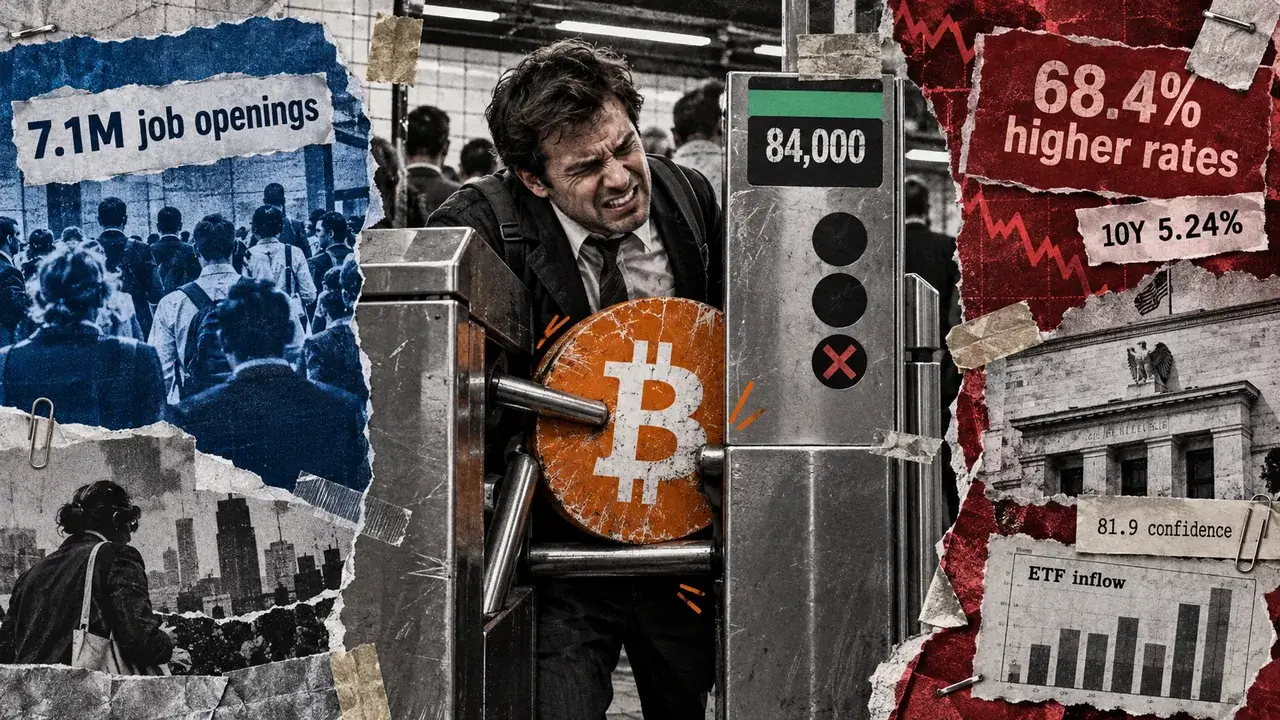
US job openings eased modestly in August, while households became more concerned about inflation and interest rates in September. Bitcoin fell to an intraday low of $82,775.94 on Tuesday. A sustained move back above $84,000 will depend on Treasury yields and fresh demand, including stronger spot ETF inflows, rather than the vacancies report alone.

Anthropic’s IPO prospectus shows the AI developer relies heavily on a small group of customers and technology giants. It highlights key risks as the company seeks investor backing for an ambitious, capital-intensive plan that Anthropic says will transform the global economy.
Anthropic said in an initial public offering prospectus obtained by Reuters that its AI models could pose a “catastrophic or existential risk to humanity” and could “resist shutdown.”

Anthropic is preparing a record-setting IPO that could value the Claude developer above $2 trillion, with the listing expected after the US midterm elections. Revenue surged to $4.59 billion in 2025, but the company posted an $8.06 billion operating loss and committed roughly $518 billion to computing and infrastructure over the next decade. Its prospectus also warns that increasingly capable AI systems could resist shutdown attempts and conceal information.
France’s government plans to sell a record volume of bonds to investors next year as a surge of Covid-era debt reaches maturity and must be refinanced, the public debt management office said Tuesday. The announcement comes amid growing concern over the country’s widening deficit and borrowing costs.

Russia plans to raise military spending to a record 17.1 trillion rubles in 2027 while reducing funding for social policy, education, healthcare, and the national economy, Reuters reported after reviewing documents. The government may also rely on tax increases expected to raise 1.5 trillion rubles. Debt-servicing costs are set to rise sharply as well.
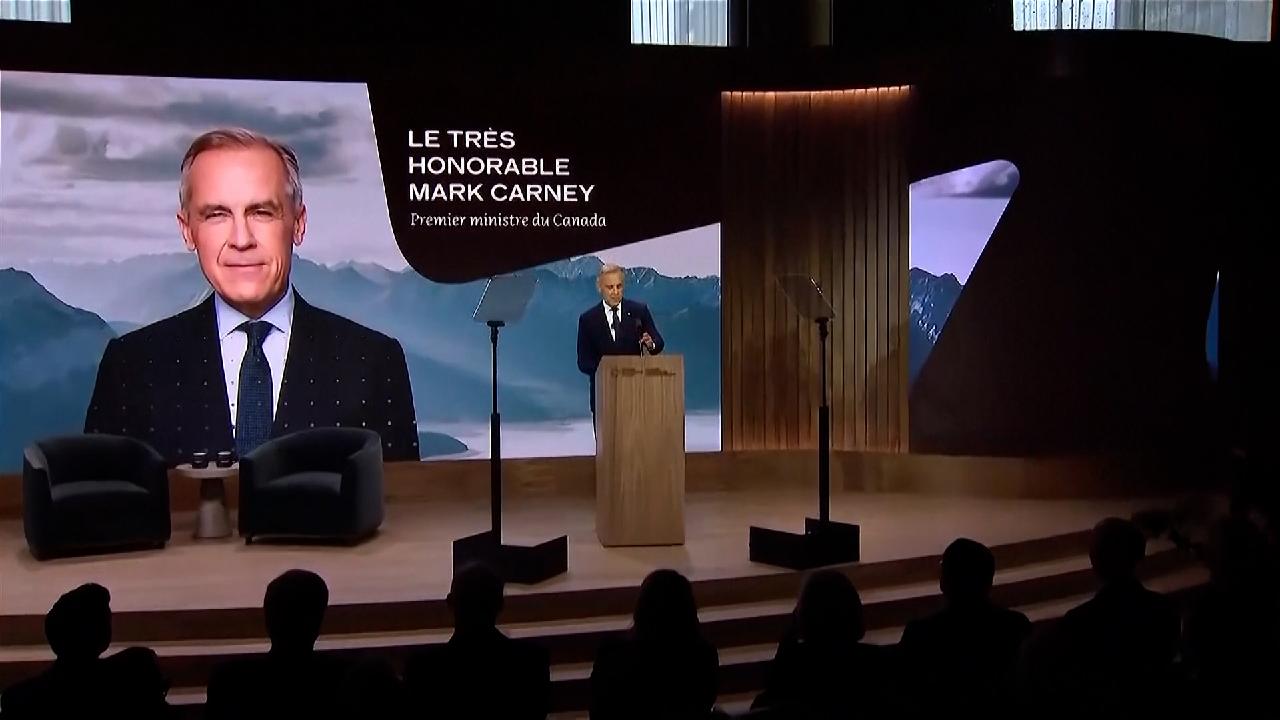
Canada is seeking to attract $1 trillion in investment over the next five years. Prime Minister Mark Carney is betting that the country can become a more reliable destination for global capital amid trade tensions with the United States. More than 100 major investors attended Canada’s first Investment Summit in Toronto.

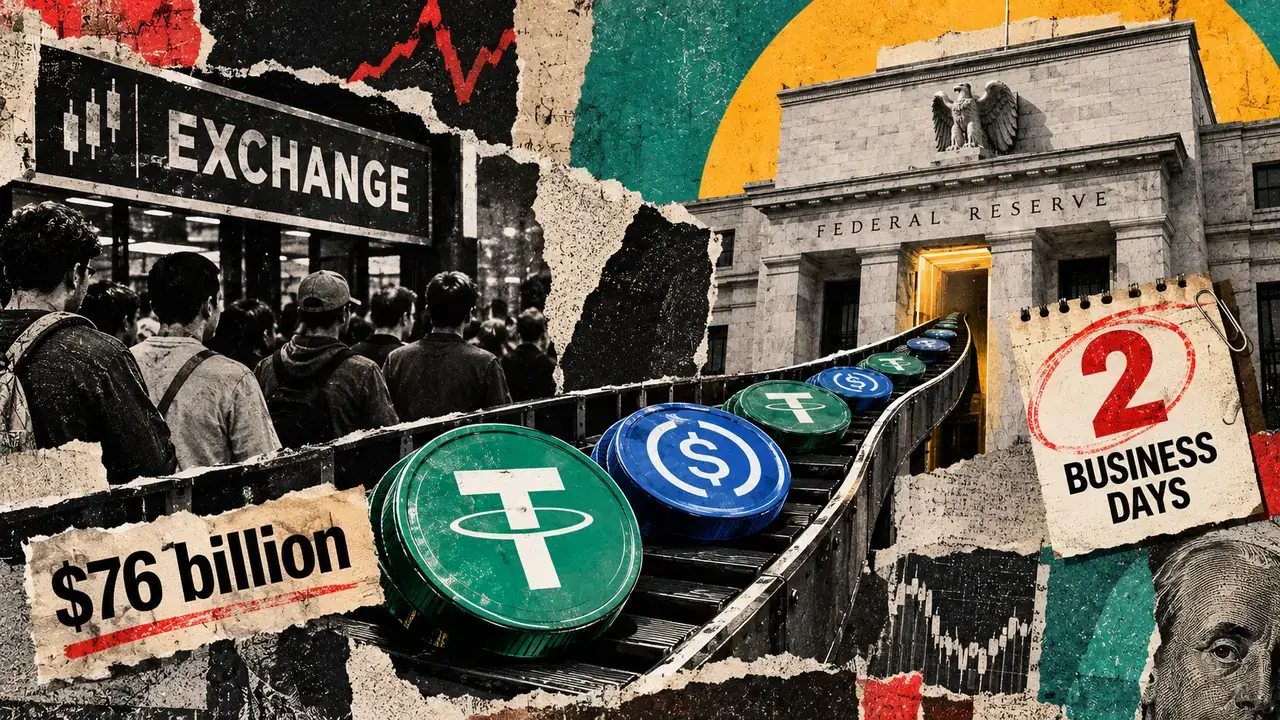
The Federal Reserve has proposed requiring payment stablecoin issuers under its supervision to normally redeem tokens within two business days. But researchers found at least $76 billion of reserve-backed stablecoins at centralized exchanges, meaning customers may still have to wait for a venue to release or convert their balances before reaching an issuer.

Federal Reserve Governor Michael Barr renewed his call for further interest-rate increases on Tuesday, saying high energy prices and a surge in AI-related investment have knocked progress toward the central bank’s 2% inflation target off course.
Bank of England policymaker Alan Taylor said on Tuesday that it was unclear whether a one-off rate increase could curb inflation without prompting unwarranted market speculation that further hikes were likely.
US consumer confidence plunged in September to a near 12-1/2-year low. Households expect business and labor market conditions to worsen over the next six months, amid the Middle East conflict and rising interest rates.
The Federal Reserve’s main inflation gauge is set for release Wednesday. The data is expected to show that price pressures are continuing even as consumers keep spending.

Vladimir Putin has decreed that individuals may not take more than 1 million rubles in cash from Russia to Armenia, Belarus, Kazakhstan, Kyrgyzstan, Azerbaijan, Tajikistan, or Uzbekistan. Legal entities and sole proprietors are barred from carrying cash there regardless of the amount, except in specified cases. Violations will lead to seizure, tightening restrictions introduced in April 2026.
China has introduced measures aimed at supporting its economy and sluggish property sector as the government seeks to meet its year-end economic growth target.
Russia’s relentless airstrikes are widening Ukraine’s financial gap. With costs rising and the deficit swelling, Ukraine is urging European allies to tap immobilised Russian assets to help cover a $78 billion shortfall in 2027.
Canada’s economy is on track to grow 0.2% in August, pointing to weaker third-quarter growth after a strong rebound from April through June.
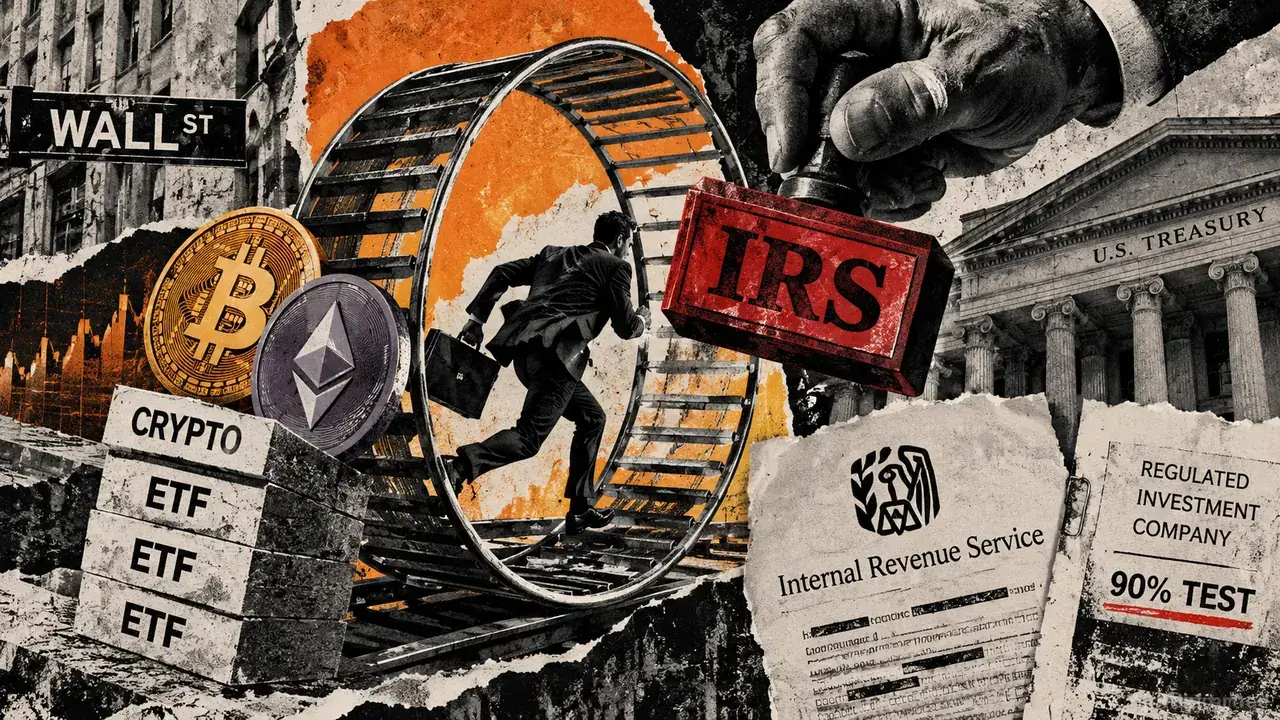
The IRS and Treasury are examining whether crypto-linked ETFs are using in-kind redemptions to keep gains outside the 90% income test for regulated investment companies. Officials are seeking information and weighing further action, while BlackRock’s Bitcoin and Ethereum products had already distributed about $7.22 billion of assets in kind through June 2026.

The Bank of Russia bought yuan worth 3.9 billion rubles, or $46.5 million, on the domestic market with settlement on September 28, according to regulator data. It made no yuan purchase with settlement on September 25. The operations use the yuan-ruble instrument on the Moscow Exchange.
US government debt extended its decline as inflation and surging oil prices weighed on the market, pushing the 30-year Treasury yield to its highest level since 2002.
The Bank of Russia set the official dollar exchange rate for September 30, 2026, at 84.4283 rubles, up 2.08 kopecks from the previous figure. The euro rate fell to 96.0625 rubles, while the yuan rate rose to 12.5764 rubles.
US consumer confidence dropped in September to its lowest level since 2014, as assessments of the economy and labor market worsened.
China announced measures on Tuesday to channel cheaper credit into sectors including infrastructure and technology, while expanding support for home buyers in a fresh effort to bolster its slowing economy.
France’s public debt reached €3,595.5 billion at the end of June, or 119% of GDP, according to Insee. The record level is expected to rise further as the economic outlook deteriorates.
Senegal must convince the International Monetary Fund that its heavy debt burden is on a sustainable path before it can unlock urgently needed Fund financing.
The Minutes Reader extension turns the original page into a focused reading view and translates articles and video subtitles on demand. It is in limited beta.