China’s E-Truck Boom Advances Emissions Cuts and Green Industry Dominance

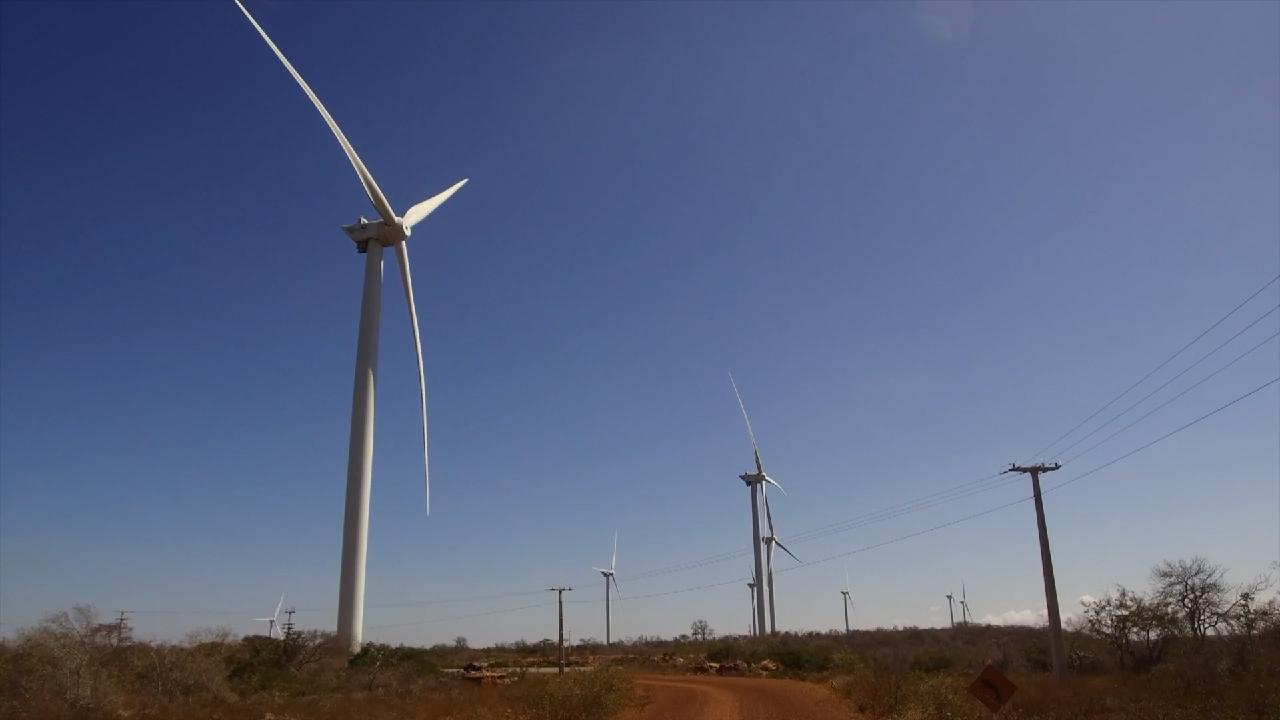
Electric trucks are booming in China, helping the country cut emissions, improve energy security and take the lead in another sector of the green transition.
The multinational owners of Canada’s first large-scale liquefied natural gas export terminal have agreed to spend C$33 billion on an expansion in British Columbia that would double its capacity.
A possible US ban on diesel exports after storage facilities are filled could force refineries to reduce operations, cutting gasoline and jet-fuel output and raising prices, expert Oleg Nikolayev says. He estimates that up to 30% of US diesel production is exported and warns the measure could hurt producers and backfire on Washington.
December Brent crude futures fell below $96 per barrel on the London ICE exchange for the first time since September 7. At 3:00 a.m. Moscow time, Brent was down 0.48% at $95.7 before recovering to $95.88, while November WTI futures dropped 3.71% to $89.16.
US states are pursuing a range of measures to contain diesel and gasoline prices, which have surged in recent months amid supply disruptions linked to the US war on Iran, Ukrainian strikes on Russian refineries and shrinking global inventories.
President Donald Trump is expected to unveil South Korea’s plan to invest about $200 billion in the US, including $54 billion for a long-stalled Alaska natural-gas export venture. The project has been championed by a Republican senator facing a tight reelection contest.
President Donald Trump could announce as soon as Wednesday that his administration plans to use South Korea’s strategic investment fund for several major US projects, including about $54 billion for Alaska LNG, according to two people familiar with the discussions.
The Conference Board says Americans’ confidence in the economy fell this month to its lowest point in more than a decade, as prices remain high and wages stagnate amid the ongoing Iran war.

US consumer confidence has dropped to its lowest level since 2014, just over a month before the congressional midterm elections. The Conference Board said higher goods and services costs were the main reason, while the average petrol price rose 37 cents per gallon over the past month to $4.45.
Clients are reportedly continuing to work with Morgan Stanley despite the leak of its deal pipeline. The disclosure may not necessarily lead to lost mandates.

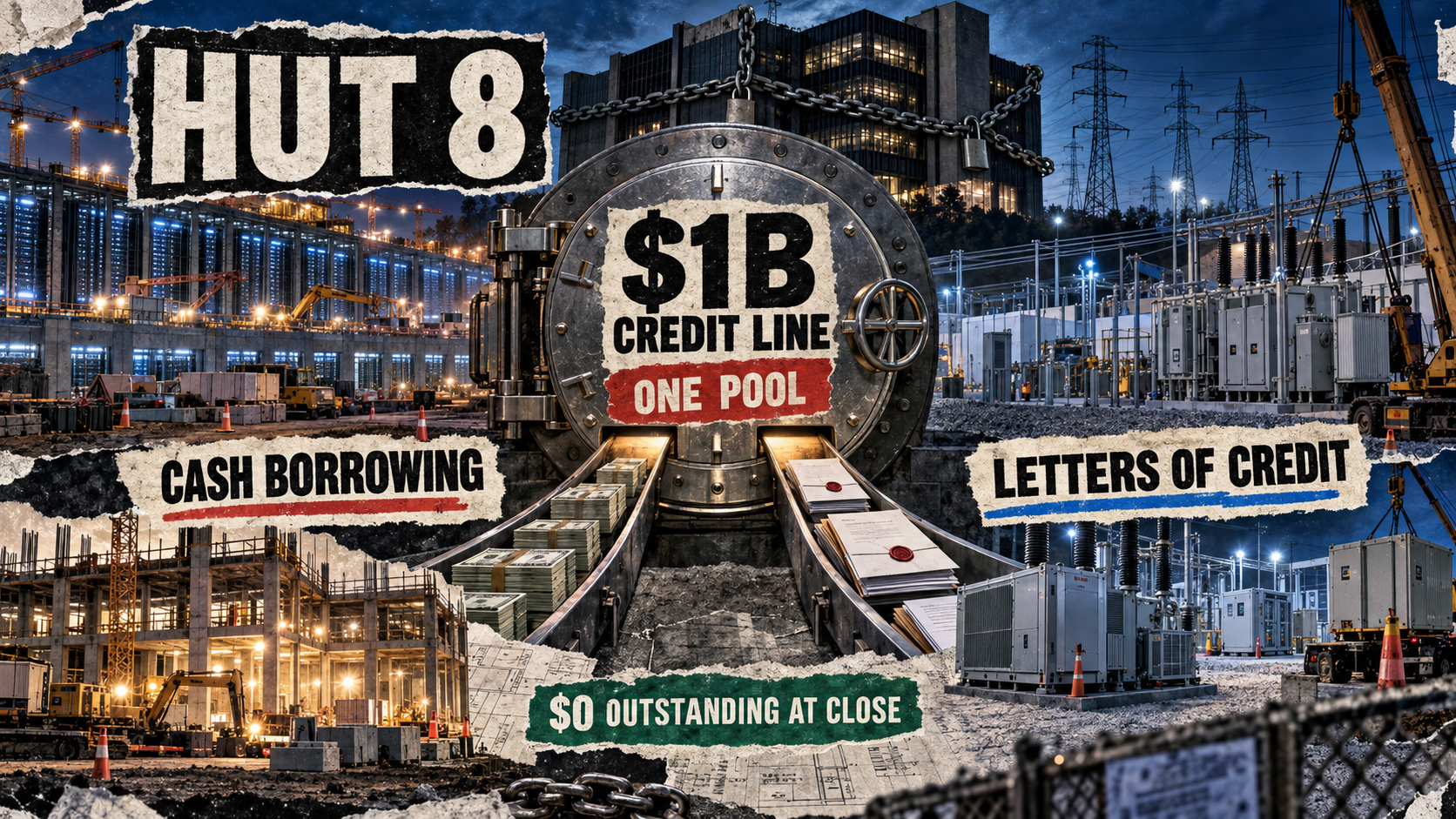
Bitcoin miner Hut 8 has closed a four-year, $1 billion senior secured credit facility that can fund site development or support construction obligations through letters of credit. No amount was outstanding at closing. The agreement requires minimum liquidity equal to 40% of commitments before a defined stabilization date and 25% afterward.

The two main unions at Antofagasta Minerals’ Centinela copper mine in Chile said on Tuesday they were prepared to strike. They said a walkout could still be avoided if the company reaches an agreement during mandatory government-mediated talks.
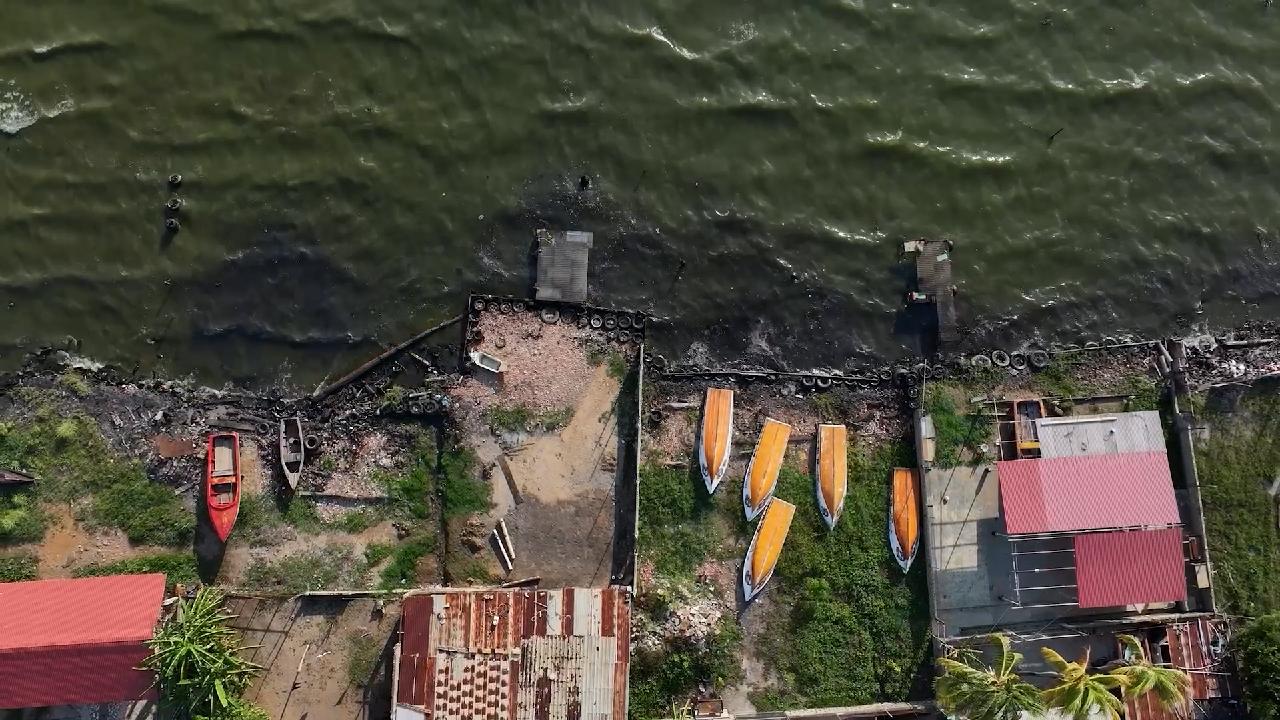
Venezuela and the United States signed a broad oil agreement in late August aimed at raising production nationwide. Around Lake Maracaibo, however, hundreds of abandoned wells continue leaking crude. Fishermen and residents say the pollution is harming their livelihoods and health, and that cleaning it up should come before expanding output.

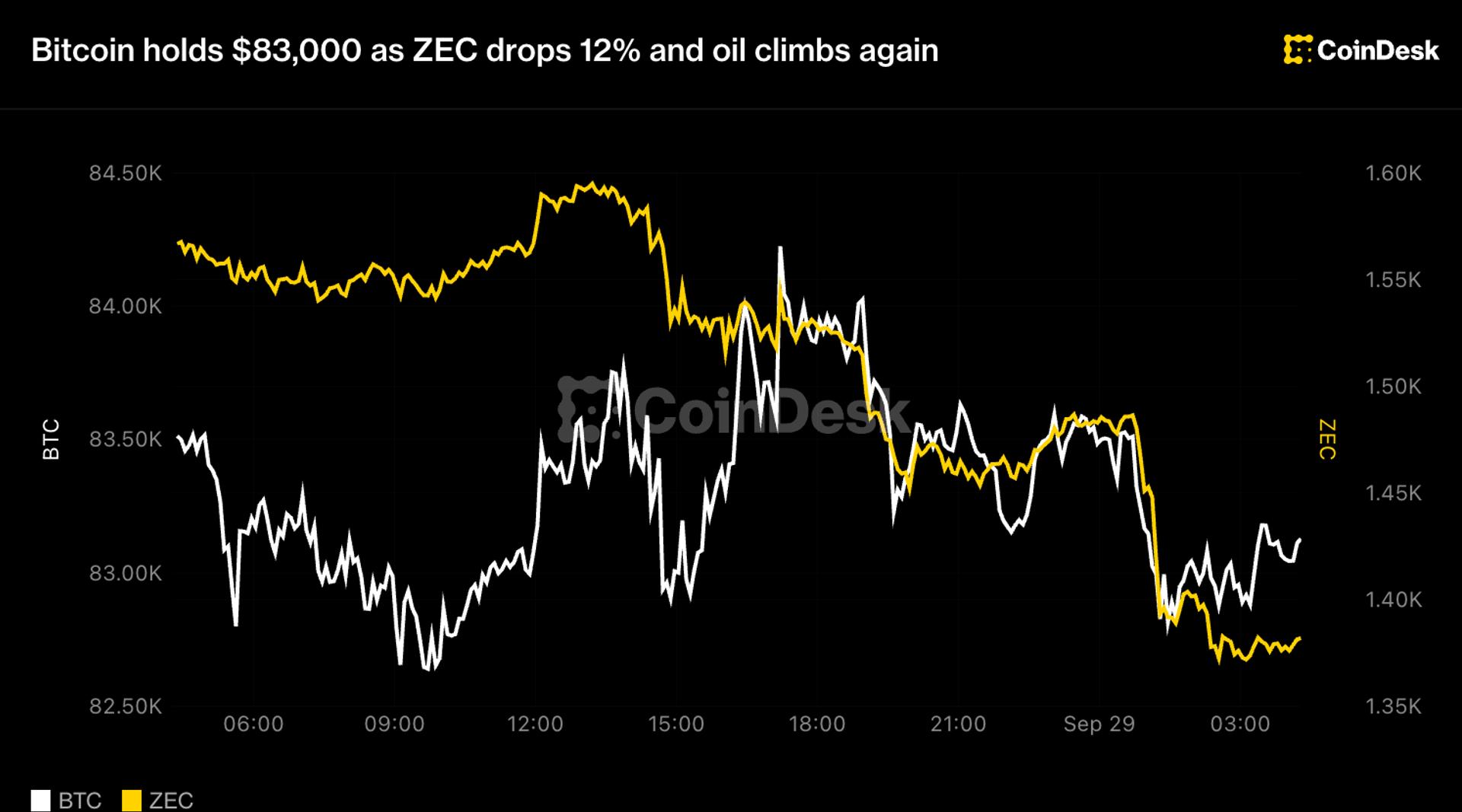
US job openings eased modestly in August, while households became more concerned about inflation and interest rates in September. Bitcoin fell to an intraday low of $82,775.94 on Tuesday. A sustained move back above $84,000 will depend on Treasury yields and fresh demand, including stronger spot ETF inflows, rather than the vacancies report alone.

The US government said Tuesday it will offer energy companies loans of up to 40 million barrels of crude from the Strategic Petroleum Reserve. The oil represents the final US batch under a global agreement to release reserves after the war on Iran.
Iraqi fuel trucks are loading gasoline at a Syrian port to meet surging global energy demand while the critical Strait of Hormuz remains closed. Mediators are working with Iran and the United States to end the war.
Brazil is co-chairing a new coalition with China and the European Union to make national carbon markets work together. At its second meeting in Wuhan this month, members approved a work plan through 2030, while Brasília negotiates a carbon-market agreement with Beijing.

A group of U.S. lawmakers, including Senator Elizabeth Warren, urged federal energy regulators to reject AES’s more than $33 billion sale. In a letter seen by Reuters, they said the deal could raise electricity bills and favor data centers over utility customers.
Saskatchewan says it aims to have a large nuclear reactor operating by 2042. It has also selected the Rafferty site near Estevan for further study of where to build Small Modular Reactors.
BP said Tuesday it has proposed a six-year labor contract for workers at its 440,000-barrel-per-day Whiting refinery in Indiana, as negotiations with United Steelworkers Local 7-1 continue.
US investment firm Cove Capital is looking beyond Kazakhstan’s tungsten resources to opportunities across Central Asia and the Caucasus as President Donald Trump’s administration seeks to reduce dependence on critical minerals from China.
Kazakhstan’s Agriculture Ministry forecasts a 2026 grain harvest of about 23 million tons, below the more than 27 million tons gathered in 2025 but above the long-term average. About 20 million tons, or 83% of the projected total, has already been harvested.
Shuttle services through the Strait of Hormuz have lifted Middle Eastern oil shipments to more than 80% of their prewar daily average, the highest level since the Iran war began.
A senior EU energy leader warns that Europe faces a painful winter despite having no energy shortage. The bloc must shield consumers from another energy price shock while reducing fossil fuels’ role in the economy. Emergency steps may ease the immediate impact, but Brussels cautions governments against letting short-term subsidies or tax choices undermine the green transition.
Gas withdrawals from European underground storage facilities fell to their lowest September level since 2015, according to TASS calculations based on Gas Infrastructure Europe data, while injections neared a month-end high. Facilities were 71.16% full on September 27, holding about 77.9 billion cubic meters of gas.
Colombian oil and gas producer GeoPark plans to invest $7 billion in Venezuela’s large Bare oilfield, aiming to raise crude production from 11,000 barrels per day to about 90,000 bpd by 2038, CEO Felipe Bayon said Tuesday.
Saudi Arabia has restarted oil loading operations at Yanbu after the East-West Pipeline resumed service.

A key delivery route has reopened several days after Houthi drones targeted the capital, putting Saudi Arabia’s oil pipeline network to the test.
Saudi Arabia has restarted oil loadings at its Red Sea port of Yanbu after operations resumed on the East-West Pipeline, trade sources and shipping data show, improving the outlook for Middle East oil exports.
US special envoy for Belarus John Coale said potential arrangements for Belarusian potash fertilizer shipments to the United States may require consultations with Russia. European countries have not agreed to ease sanctions on Belarus or allow the fertilizer to transit their territory, so shipments would likely move east through Russia.
Alaska Air Group is making its strongest push yet into premium travel, adding lie-flat seats, premium-economy cabins and new airport lounges. The airline aims to earn more from passengers willing to pay for comfort as high jet-fuel prices pressure profits.
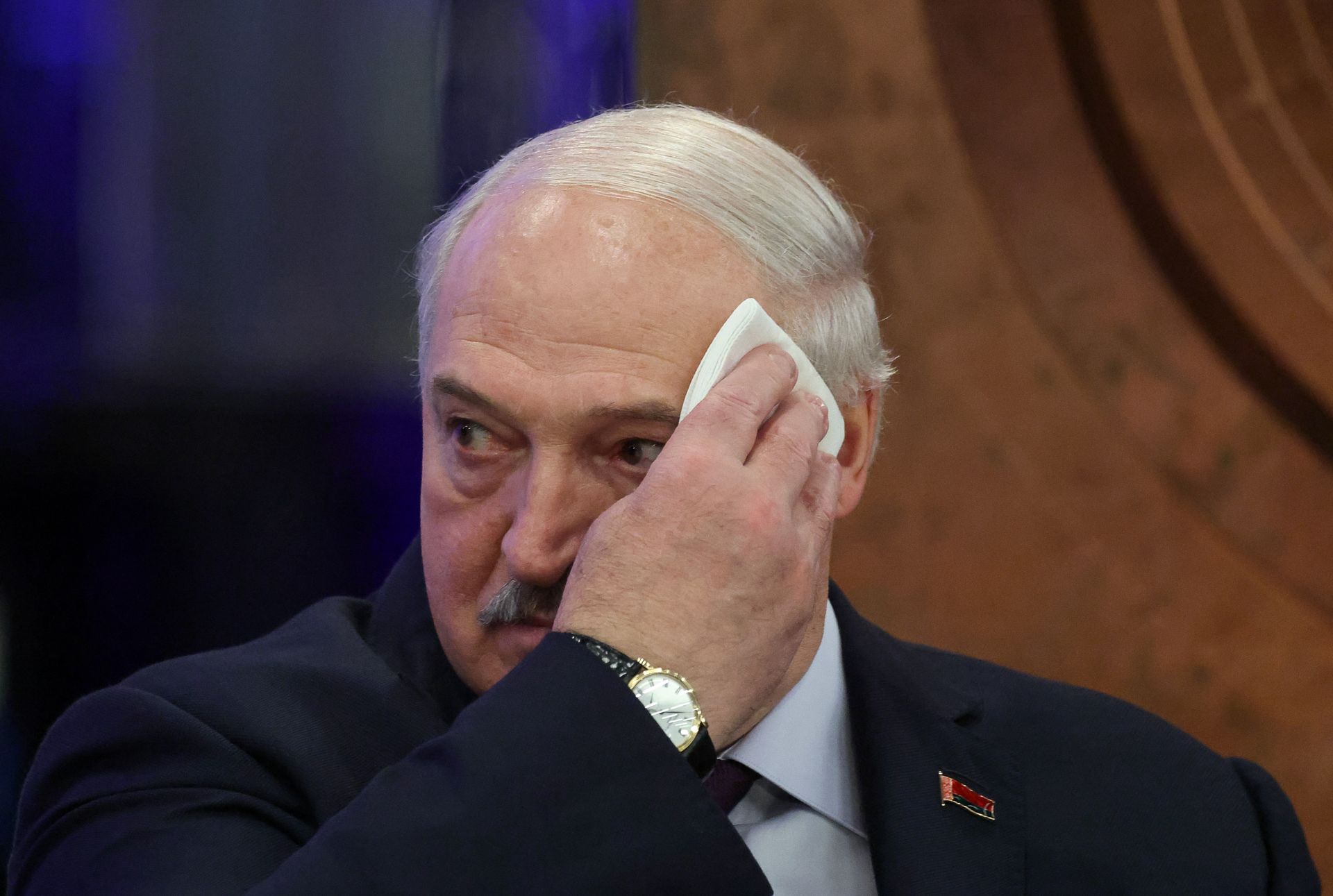
Belarusian leader Alexander Lukashenko proposed that the United States join a nitrogen fertilizer plant project in Belarus with Russia’s Gazprom, using US technology. He said Belarus would otherwise build the plant with Russia and sell the finished product, adding that he and Vladimir Putin had selected a construction site.

US government debt extended its decline as inflation and surging oil prices weighed on the market, pushing the 30-year Treasury yield to its highest level since 2002.
The International Energy Agency says it could consider releasing more emergency oil stocks if supply disruptions worsen, though another release is not currently its top priority. Europe is heading into a difficult winter after spending more than €100 billion extra on energy imports since the Iran war began.
SPIMEX expects sales in its petrochemical and gas-chemical segment to fall to about 500,000 metric tons in 2026 because of unscheduled plant turnarounds, senior vice president Anton Karpov said. Trading in the products during January-August was still 38% above the full-year 2021 figure.
Nigerian billionaire Aliko Dangote said on Tuesday that the initial public offering of shares in the Dangote Lagos refinery had drawn “enormous” demand from investors.
Rosatom CEO Alexey Likhachev said the Russian state corporation had made Armenia a specific proposal to build a VVER-1000 nuclear power unit with capacity of at least 1,000 megawatts. Rosatom is also continuing VVER construction in India and Iran, he said.
Rosatom plans to develop a lithium mine in Mali through Uranium One Group. Exploration at the Bougoula deposit indicated potential for industrial-scale spodumene concentrate production. A feasibility study is planned for 2027, with construction of a mining and processing facility scheduled to begin in 2028.
Rosatom CEO Alexey Likhachev said keeping Armenia’s nuclear power plant operating until 2046 is theoretically possible, but its economic feasibility must be assessed. The extension would require hundreds of millions of dollars for safety, automation, reactor-vessel and spent-fuel facilities, potentially doubling electricity prices.
Rosatom CEO Alexey Likhachev met Armenian Prime Minister Nikol Pashinyan and Deputy Prime Minister Mger Grigoryan to discuss extending the Armenian nuclear power plant’s service life again, until 2036. The project’s first stage is complete, and the plant was cleared to continue operating its generating unit. They also discussed prospects for new nuclear facilities in Armenia.
Rosatom is discussing the construction of new small- and large-capacity nuclear power plants with Iran, CEO Alexey Likhachev said. Eighty people are already working directly on the second and third units at the Bushehr plant, with staffing expected to grow as the project resumes and expands.
The grid operator responsible for keeping the lights on in Philadelphia, Chicago and Washington, DC has declared a record number of energy emergencies this year. California and Texas, once notorious for massive outages, have recorded none.
A potential US diesel export ban would force the European Union to use mandatory strategic reserves, sharply reducing its winter safety margin and hurting trucking, agriculture and other industries, economist Nikolay Novik said. Donald Trump said Washington was seriously considering the measure; European diesel futures rose 7% in one day after his remarks.
European Energy and Housing Commissioner Dan Jorgensen said the European Commission has urged the United States not to restrict diesel supplies to Europe. He said keeping energy flows as free as possible serves both sides’ interests. Donald Trump earlier said he was seriously considering a diesel export ban because prices were rising in the US.
From plans on paper to batteries in operation, Italy’s energy market is being reshaped as energy storage becomes increasingly valuable.
Italy’s energy-storage sector is moving from paper projects to batteries now in operation, as the global energy market changes and the value of storage soars.
The US Strategic Petroleum Reserve has fallen to 283.8 million barrels, its lowest level in 44 years, after emergency crude releases intended to stabilize the market. The Department of Energy says about 70 million barrels are needed for operational safety, while Brent futures rose above $107 a barrel amid the continuing Middle East deadlock.
The average UK diesel price is expected to pass £2 per litre within days, breaching the “psychological price point” for the first time as a US export threat and disruption to Middle Eastern and Russian supplies weigh on fuel availability.
Spain’s inflation rate rose 0.6 percentage points to 4.9% in September, driven by more expensive fuel, lubricants and package holidays. Core inflation increased 0.2 points to 3.1%.
Sales of small gas turbines are surging as data center builders prioritize speed, a trend that could raise long-term power costs and emissions.
A Kenyan court has paused Dangote’s $16bn oil refinery project over a land dispute. The major industrial venture aims to reduce dependence on imported fuel.
Nigeria’s Dangote Group said a Kenyan court ruling over a land-rights claim would not stop Wednesday’s groundbreaking ceremony for its planned 700,000-barrel-per-day refinery in Lamu, though some activities at the site could be affected.
Global shares were mixed after Wall Street losses, while U.S. Treasury yields held near levels not seen in roughly two decades. U.S. stock futures edged lower as oil prices stabilized.
Major Gulf markets traded mixed in early Tuesday trading as investors assessed renewed diplomatic efforts aimed at ending the conflict between the United States and Iran.
Qatari Foreign Ministry spokesman Majed bin Mohammed Al-Ansari said the prolonged US-Iran armed conflict and regional instability could have grave consequences for the international economy. He noted that the Middle East supplies energy as well as urea, helium, petrochemicals and aluminum, warning that winter could make the effects more dangerous. The crisis has already reduced yields in vulnerable countries and prompted some regions to return to coal.
Irish Climate, Energy and Environment Minister and Transport Minister Darragh O’Brien said the United States was unlikely to restrict diesel exports. He warned that such a ban could affect the US itself and other fuels, while urging Brussels not to be complacent about energy-security risks. Energy security and supply are expected to feature prominently at the October Council.
Bitcoin is outperforming gold, with a move toward $100,000 now in focus.

Shell Energy Canada says the multibillion-dollar Phase 2 expansion of LNG Canada in Kitimat, B.C., will proceed. The project could double liquefied natural gas exports from the northern coastal facility to overseas markets.
Pakistan is continuing work with Russia on what its ambassador in Moscow, Faisal Niaz Tirmizi, called unique gas projects aimed at integrating regional economies. He said the energy crisis linked to the closure of the Strait of Hormuz had warned several countries. Islamabad also plans to increase Russian oil imports and is discussing the Pakistan Stream pipeline, direct Russian LNG supplies and upgrades to its oil and gas infrastructure.
A day after China announced tariff reductions on a range of US agricultural products, crop traders are still assessing whether the move will lift demand for major grains and how quickly any increase might emerge.
A recent deal illustrates the complexities of building non-Chinese supply chains for metals used in aerospace and military supply chains.
Shell is backing a $23 billion expansion of LNG Canada, supporting Carney’s push to make Canada an “energy superpower.” The investment puts the country on track to become a leading LNG exporter as global supply disruptions intensify attention on energy security.

A consortium led by Shell is backing a $23bn expansion of the LNG Canada project, which would double the flagship liquefied natural gas facility’s production capacity.
Shell has approved the second phase of LNG Canada, which will double the Kitimat, British Columbia facility’s annual capacity from 14 million to 28 million tonnes. The expansion will add two liquefaction trains, scheduled to start operating in the early 2030s.
PetroChina Southwest Oil & Gasfield has exceeded 30 million metric tons of oil and gas equivalent output in 2026, a record for the same period in its history. New wells, revived mature fields and an ultra-deep shale gas pilot helped drive the result, while the company expects another annual record.
International Energy Agency member states may discuss releasing more strategic oil reserves onto the market in the future if necessary, IEA chief Fatih Birol said on Tuesday.
Shanghai Electric has won the contract for Unit 3 of the Samalaju combined-cycle gas turbine project in Sarawak, Malaysia, the first overseas deployment of a heavy-duty gas turbine made by the Chinese company. It will supply the main equipment for a 500-megawatt-class plant and provide EPC and long-term lifecycle services, marking a step toward commercial validation of China’s technology abroad.
Spain, Portugal and Luxembourg are urging the European Union to establish a renewable-energy target for 2040 as the bloc works to reduce its reliance on imported fuel.
Lufthansa CEO Carsten Spohr said the airline’s additional jet fuel costs this year will exceed the €1.5 billion forecast it gave in August, as the Iran war continues and oil prices surge.
Italy’s government is extending its fuel decree, keeping the 25-cent discount in place until 1 May instead of ending it on 7 April. Economy Minister Giorgetti said the measure will cost €500 million, while tax credits for agricultural businesses will also be extended.
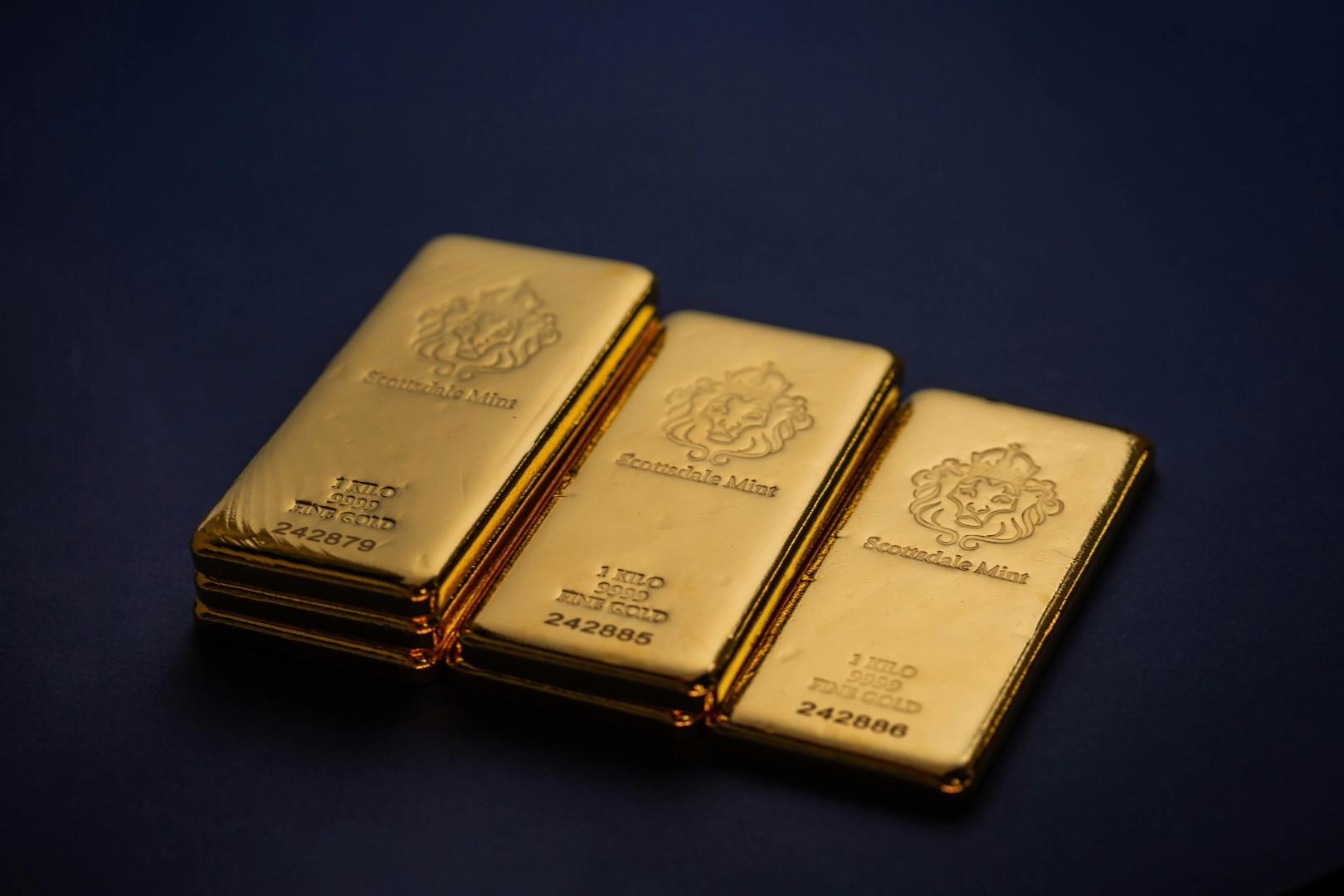
Gold rose on Tuesday after falling to a more than seven-week low in the previous session. Investors were weighing developments in the Middle East and awaiting a series of US economic reports for greater clarity on the Federal Reserve’s policy path.
The South African rand extended losses from the previous session in early Tuesday trading. Higher oil prices weighed on sentiment as investors awaited domestic economic data for clues about the health of Africa’s largest economy.
Thousands of informal public transport drivers in the Philippines began a two-day strike over soaring fuel prices. The Piston union blamed the US-Israel war on Iran for the increases, while the government deployed police and buses and offered free rides to stranded commuters.


Thousands of public transport drivers in Manila have begun a three-day strike over soaring fuel prices. They say rising costs and taxes have pushed their incomes below what is needed for a living wage.
Burkina Faso has opened its first gold refinery as Ibrahim Traoré’s military-led government seeks to process more mineral wealth domestically and strengthen state control over the industry. The facility can initially refine 164 tonnes a year and cost more than 11bn CFA francs, according to the presidency.

Ukraine’s Minister of Agrarian Policy and Food, Taras Vysotskyi, says the situation in the Black Sea is “critical” and warns that the grain crisis could have far-reaching effects on global food prices, potentially costing the world $60 billion.
Australian households, already global leaders in solar-panel installations, are adding new systems at their fastest rate in five years. The pace is defying forecasts of a slowdown as the electricity grid rapidly shifts toward renewables.
The euro is trading close to its lowest level of the year against the dollar as its prospects come under pressure from a global energy shock and rising political risks in Europe.
Crude extended its gains Tuesday as uncertainty around US-Iran discussions heightened anxiety about inflation. A sell-off in government debt pushed yields to multi-year peaks, leaving equities under pressure.
The world’s largest sovereign bond markets are on track for their worst month in years. Rising energy costs are fuelling inflation while the AI boom supports economic growth, prompting investors to prepare for a period of higher interest rates lasting longer.
Environmental experts from 10 countries visited Linfen in Shanxi last week to see how the former coal-and-steel hub is shifting toward new energy, ecological restoration and green industries. Official figures show coal use fell by nearly 3.5 million tonnes during the previous Five-Year Plan period, PM2.5 levels dropped 46.5% from 2020, and clean-energy capacity is expected to exceed 62%. GDP still grew 7% in 2025.

A potential US ban on diesel exports could drive European prices to unprecedented levels, Argus Media said, noting that the United States has supplied about half of Europe’s diesel imports in recent months. No measures are in place, and most European oil traders doubt Washington will act because a ban would seriously challenge US oil companies. Donald Trump said last week that his administration was considering it.
A diesel export ban being considered by President Donald Trump to tackle high prices could backfire and push up gasoline costs, according to the chief executive of French oil major TotalEnergies SE.
Global stocks fell to a one-week low as Brent crude rose for a second day. Ahead of Wednesday’s PCE inflation data, traders increased bets on further Federal Reserve rate hikes. Bitcoin held near $83,000 while ZEC dropped 12%.

Bond investors are watching the Iran conflict and crude prices for clues about the direction of government borrowing costs.
Oil prices rose for a second straight session on Tuesday as persistent fears that the U.S.-Iran conflict could disrupt Middle East supplies outweighed signs that crude exports from the region were recovering.

Oil prices rose as concerns about Middle East supplies continued, following reports that Iranian officials were pessimistic about reaching a deal before the U.S. midterm elections.
The Minutes Reader extension turns the original page into a focused reading view and translates articles and video subtitles on demand. It is in limited beta.