Ahead of Climate Week in New York City, US solar engineering companies and wildfire-mitigation technologies are emerging as favored climate-related investments while the AI trade and high interest rates dominate markets.
Russia’s updated coal industry program through 2050 targets production of 660 million metric tons and exports of 350 million tons under its demand-based target scenario, Deputy Prime Minister Alexander Novak said. The plan calls for developing eastern deposits and production centers, expanding the Eastern Range, strengthening ties with China and India, and increasing supplies to Southeast Asia, the Middle East and Africa.
Amid fuel shortages, damaged infrastructure and mounting economic pressure, Iran is changing work patterns to reduce energy costs. Government offices will shorten in-person hours and shift remaining work online, while public transport is temporarily free and university teaching may move partly online. Fuel supply gaps, war-related disruption and inflation continue to weigh on households.
The prospect of Beijing lowering duties is reviving interest among Chinese buyers in long-term supply agreements, potentially creating a major opportunity for US LNG producers.
Major U.S. stock indexes opened higher on Monday, lifted by gains in AI shares as Treasury yields eased. Crude prices dropped more than 2% to an 11-day low amid signs that Middle East negotiations were making progress.
The success of the multibillion-dollar oil deal between the Trump administration and Venezuela depends on fields that are aging, deteriorated or expensive to exploit.
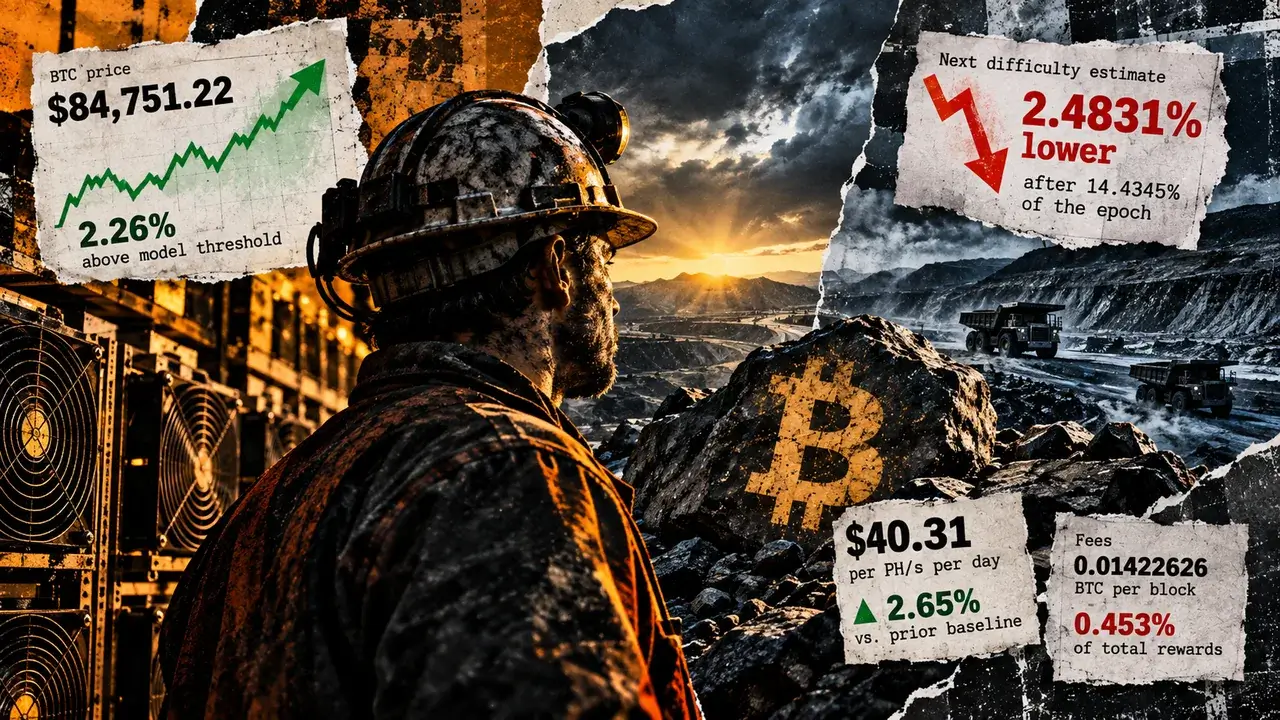
Bitcoin’s rise to $84,751 lifted theoretical gross hashprice about 2.65% above the prior baseline, offering miners only modest relief. Difficulty rose 4.1634% on Sept. 19, while the next estimate points to a 2.48% decline. That early reading is not proof that miners are shutting down.
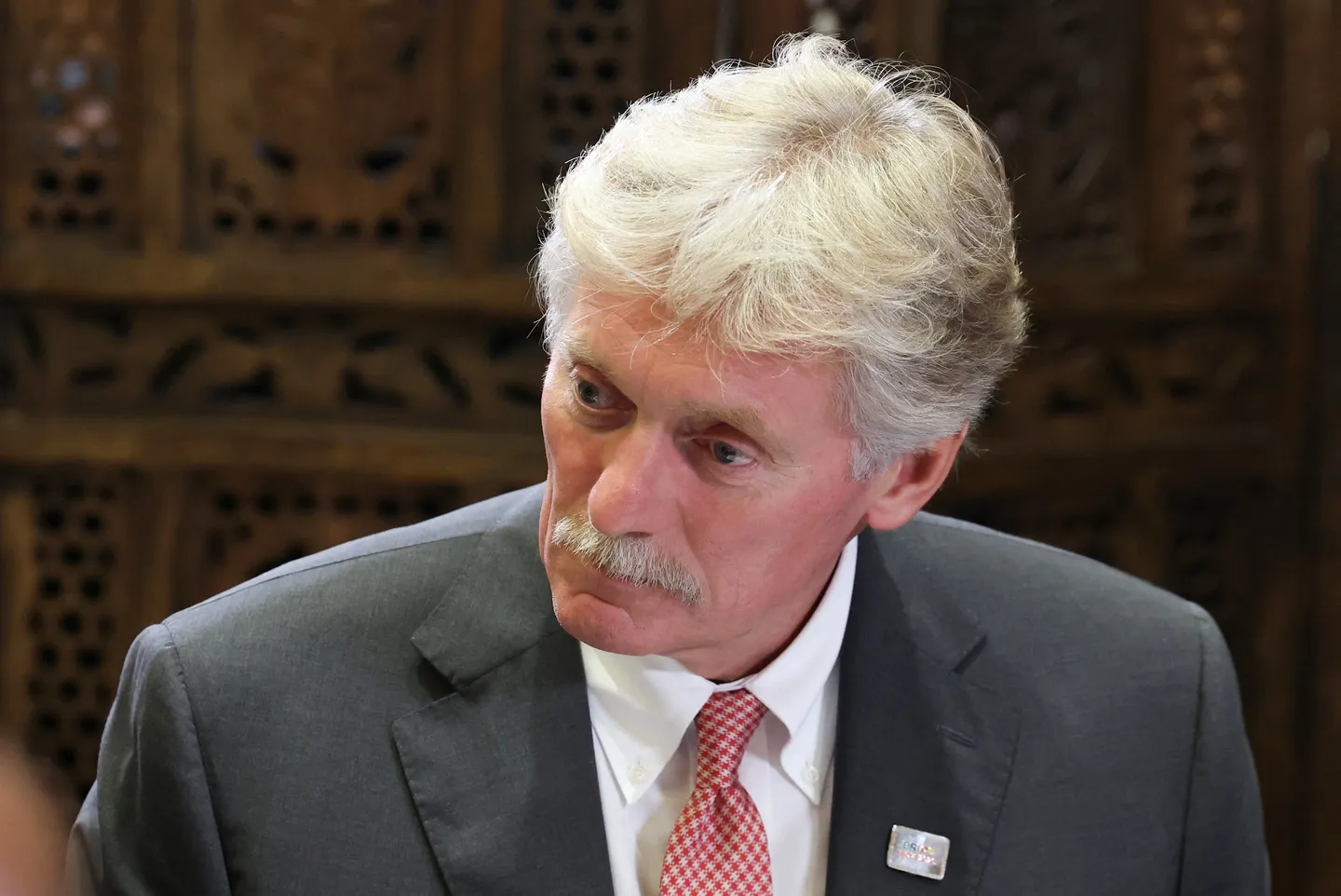
Kremlin spokesman Dmitry Peskov said the end of cheap Russian gas has damaged Germany’s economic competitiveness. He added that Germans are seeking an alternative to the current leadership to improve their situation.
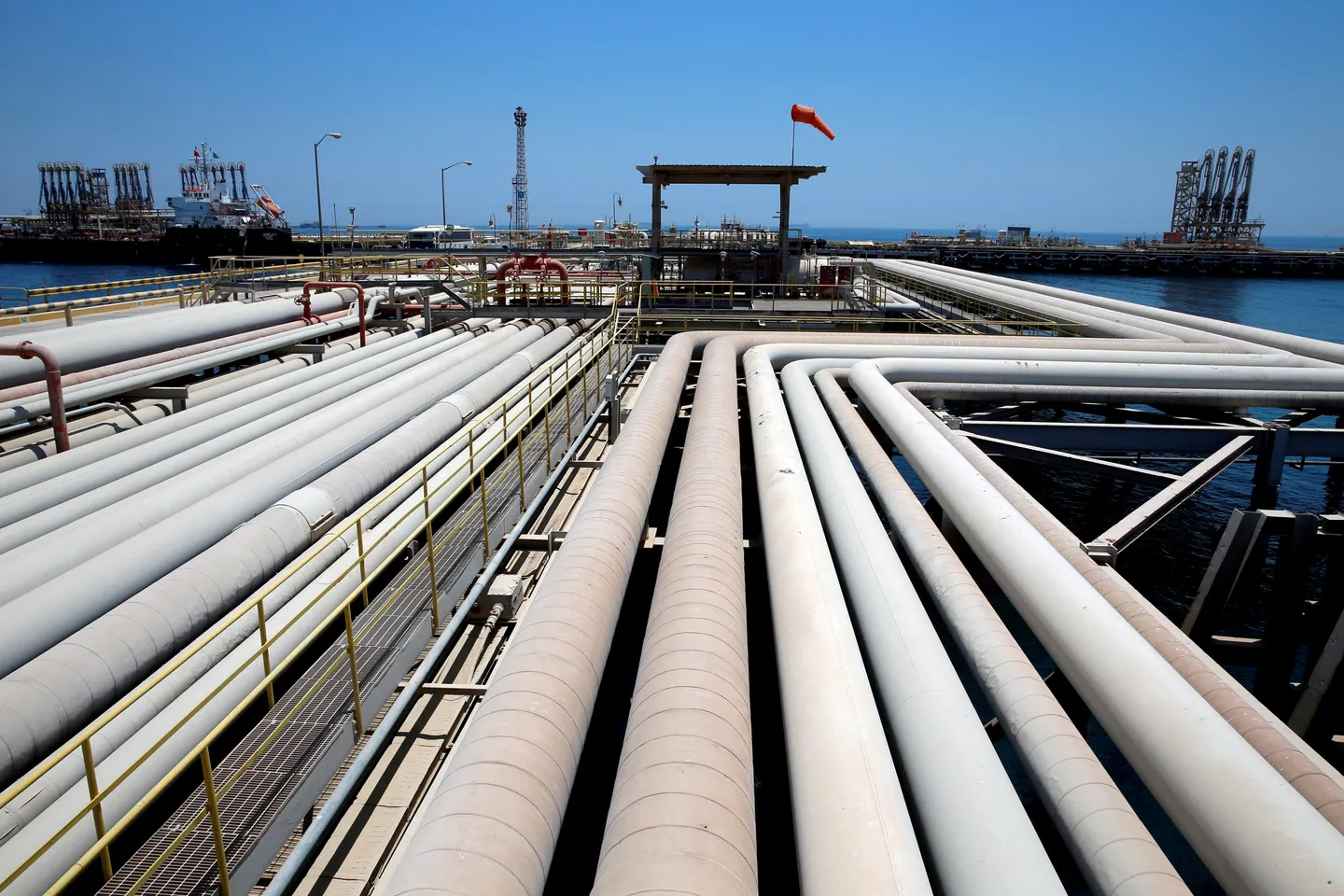
Saudi Arabia’s observed oil loadings from inside the Persian Gulf rose sharply over the weekend. Following the shutdown of a key cross-country pipeline, the increase is the clearest indication yet that the kingdom has redirected exports toward the Strait of Hormuz.
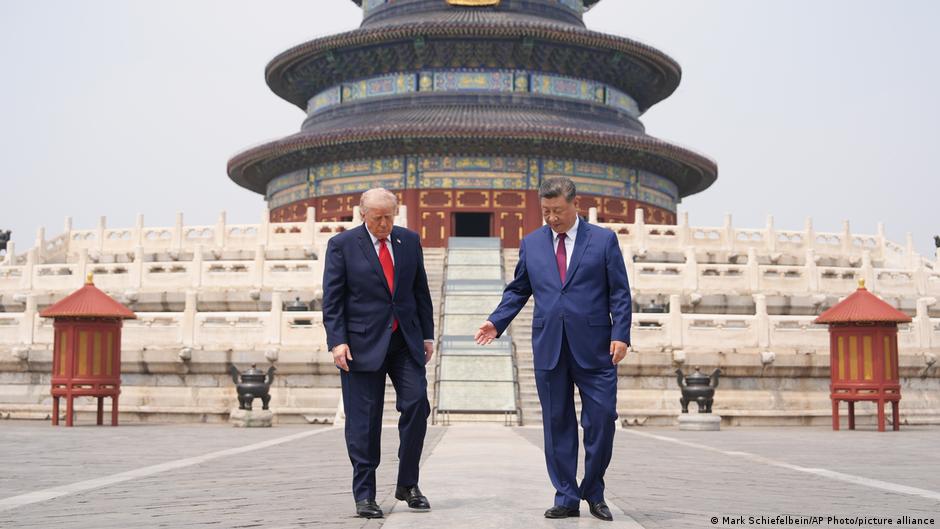
Xi Jinping is due to meet Donald Trump in Washington this week, but Europe is likely to remain caught between unpredictable US trade policy and China’s export machine. Washington and Beijing are competing over trade, advanced chips, rare earths and artificial intelligence, with officials reportedly discussing a mechanism to notify each other about AI security incidents. European officials meanwhile warn that a new wave of Chinese industrial competition is worsening deindustrialization pressures.
US equity futures are rising as oil prices fall, while officials express optimism about a summit between President Donald Trump and China’s Xi Jinping scheduled for this week.
Artificial intelligence is expected to feature prominently when US President Donald Trump meets Chinese President Xi Jinping at the White House on Thursday. The two superpowers view AI as the latest focal point of their economic rivalry. Trump said on Sept. 13: “Whoever wins AI, wins.”
Ahead of a meeting with Xi, Trump continues to argue for artificial intelligence, maintaining that the technology does not need additional guardrails even as calls grow for a slowdown.
Donald Trumpartificial intelligenceUS-China relations
Officials from the United States and China discussed creating a mechanism for the two countries to notify each other about AI incidents that could pose a threat to national security.
United StatesChinaartificial intelligencenational security
The United States and China failed to agree on extending their trade truce after talks in New York, the Financial Times reported, citing US sources. Washington seeks a six-month extension, while Beijing wants it to last through Donald Trump’s presidential term. Rare earth supplies are also disputed, although both sides want to preserve trade stability seen over the past year.
Donald Trump has adopted a less combative approach than usual before meeting Xi Jinping this week, China experts said, pointing to Beijing’s growing leverage from its control of critical minerals.
Donald TrumpXi Jinpingrare earthsUS-China relations
Treasury Secretary Bessent spoke with CNBC as the Trump administration confronts affordability concerns. Over the weekend, Bessent met with his Chinese counterpart, He Lifeng, ahead of a summit between Chinese President Xi Jinping and President Donald Trump.
Qatar said a gas pipeline bypassing the Strait of Hormuz would not make economic sense. It also launched a platform to manage QIA’s domestic holdings and identified more than $60 billion in investment opportunities as it significantly reshapes its sovereign wealth strategy.
Iran warned Monday that it would deploy “new weapons with new capabilities” if the United States launched another assault. The warning came after President Donald Trump intensified his rhetoric against Tehran over the weekend while considering a meeting with Iran’s president.
Iran’s GDP fell 10.1 percent year-on-year in the first quarter of the Persian calendar, according to official data, as the US-Israel war hit the economy. Oil and gas activity contracted 26.4 percent, while US pressure and a naval blockade of the Strait of Hormuz sharply curtailed crude exports and trade.
Iran economyoil and gasUS pressureStrait of Hormuz
The US and Iran are exchanging threats as concern grows that an all-out war could return. Iran’s Islamic Revolutionary Guard Corps said it was prepared for a “long-term war” with strategic weapons it has not yet used, while Donald Trump told Fox News he was considering options “if and when do I blow the entire nation up.”
Qatar Central Bank Governor Bandar bin Mohammed bin Saoud Al Thani said Iranian attacks and the closure of the Strait of Hormuz had wiped out about 17% of Qatar’s LNG export revenue. He described damage to gas infrastructure as “huge” and said full restoration would take two to three years.
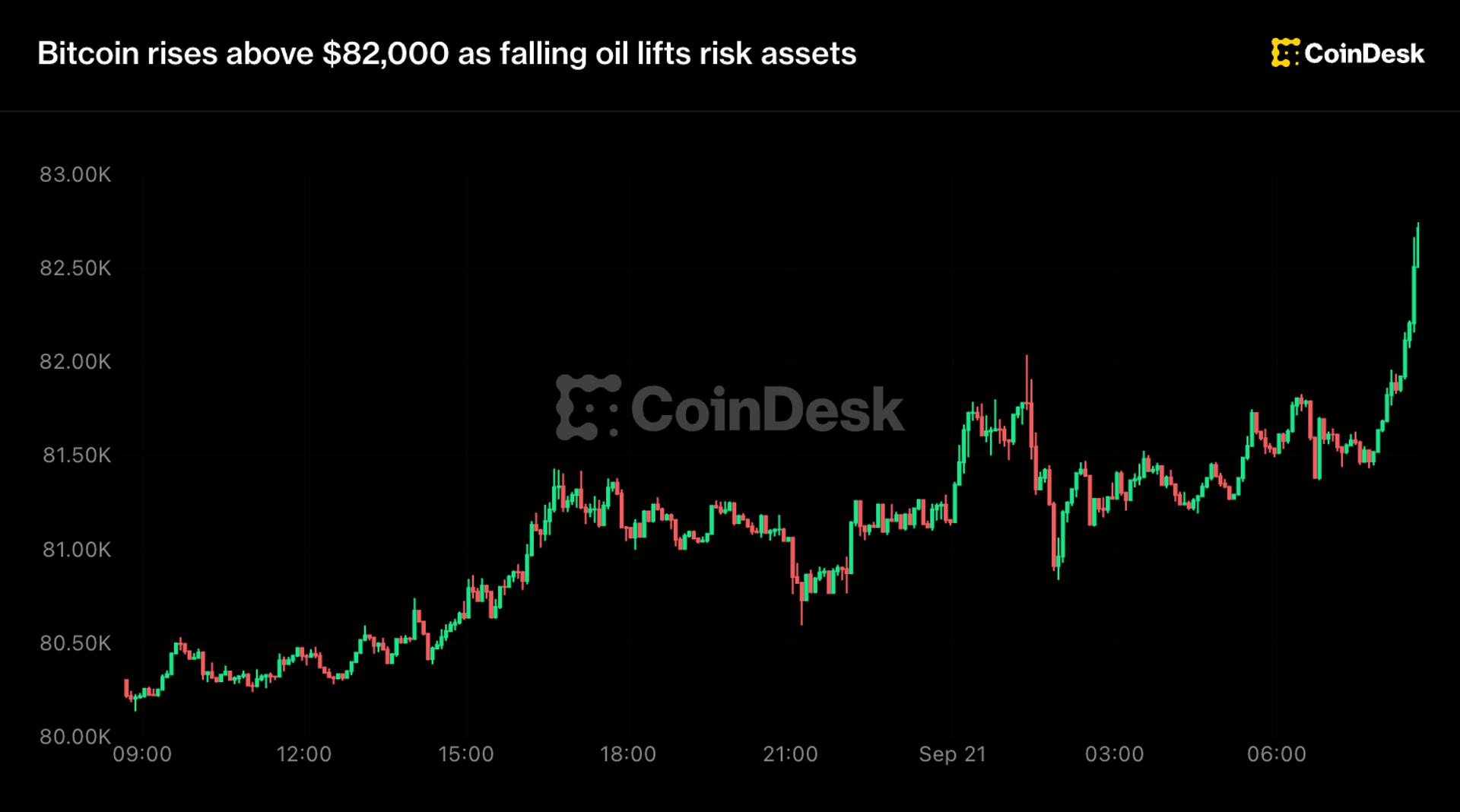
Bitcoin climbed above $85,000 on Monday, extending its rally from the past few days and reaching its highest level since January. The market is debating whether the “crypto winter” has ended.
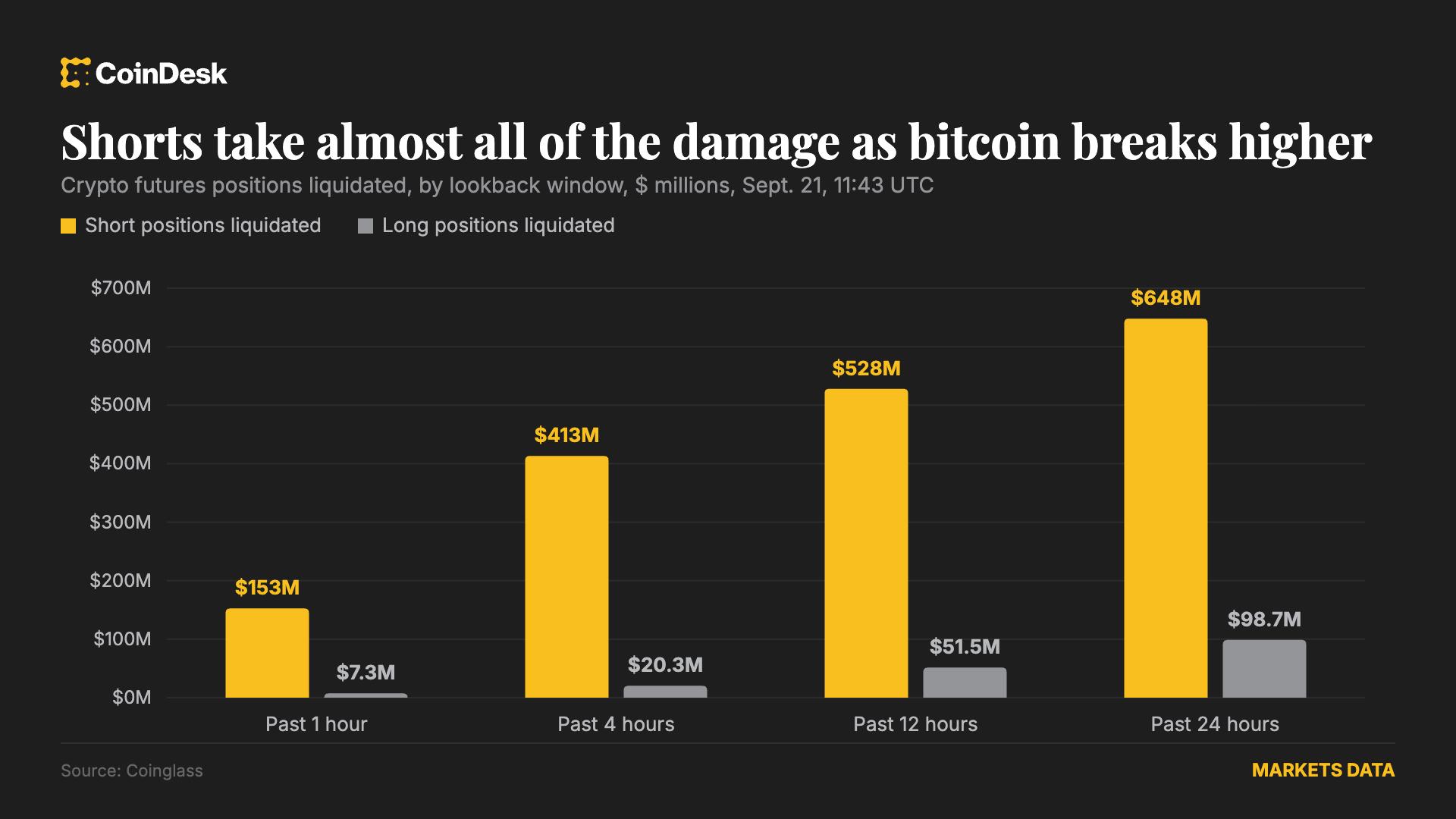
Bitcoin rose above $85,000, gaining more than 5% in 24 hours in its strongest advance since January. About $750.5 million in leveraged crypto positions were liquidated, including roughly $648 million in shorts, while forced unwinding and aggressive derivatives buying accelerated the rally.
Bitcoin reached $85,000 for the first time since January as short-position liquidations surged. CoinGlass recorded at least $750 million in crypto liquidations over 24 hours, most involving shorts.
Bitcoin climbed to $85,000 as a short squeeze forced $648 million in bearish bets out of the market. Open interest nevertheless rose 7.59% to $156 billion, suggesting traders are chasing the move rather than stepping back.
Ireland has proposed a compromise to adjust the European Union’s carbon-market supply controls, aiming to resolve a dispute among member states over surplus emissions allowances.
French and Italian sovereign bonds recovered alongside Brent’s descent to slightly above $100, amid talk of a possible meeting between Donald Trump and Iran’s president this week.
Chinese and US teams held candid, in-depth and constructive exchanges on economic and trade issues, along with talks on AI-related matters. The article reviews understandings reached in consultations in Geneva, London, Stockholm, Madrid and Kuala Lumpur, including tariff reductions, a consultation mechanism, a TikTok cooperation framework and temporary export-control measures.
Following the Bessent–He Lifeng talks in New York, a US proposal for a new AI-safety notification mechanism is to be considered by Donald Trump and Xi Jinping at this week’s summit.
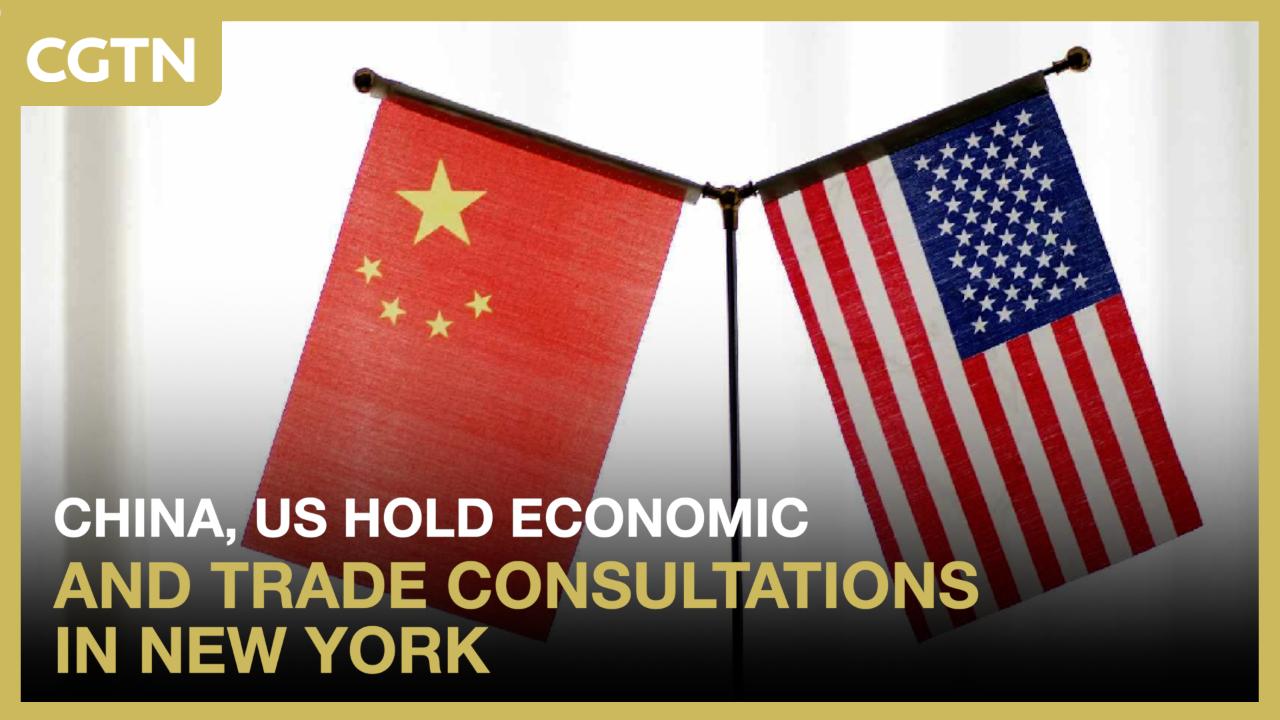
Chinese and U.S. delegations met in New York on Sunday for economic and trade consultations. They exchanged views on major issues of shared concern and on carrying out the consensus reached in earlier talks.
China has bought more than half of the 25 million tons of US soybeans it pledged to purchase this year. But progress on a separate promise to spend billions more on American crops has largely stalled, putting the trade truce under pressure ahead of the summit.
China’s leader Xi Jinping is due in Washington this week with at least one straightforward way to win favor with the Trump administration: pledging to revive an annual $6 billion trade in US liquefied natural gas.
Polish energy group Orlen will provide Ukraine’s state-owned Naftogaz with three liquefied natural gas cargoes in the first quarter of 2027. Naftogaz said state-owned Ukrnafta will also receive fuel valued at up to $500 million.
Indian Oil Corp said on Monday that it will invest 24.49 billion rupees ($255.6 million) to build and operate a natural gas pipeline linking Kochi in Kerala with Thoothukudi in Tamil Nadu, southern India.
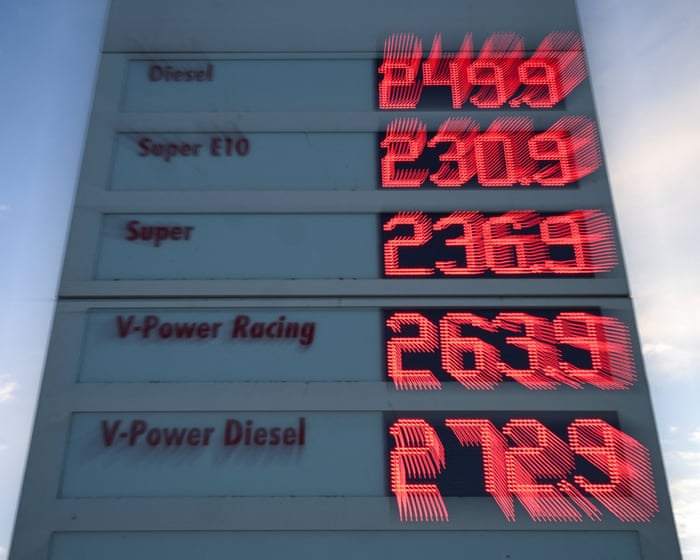
Diesel in France has climbed to a record above €2.40 a litre, ranking among the EU’s highest prices as the Middle East war disrupts global oil supplies and drives up refining costs.
Nigerian billionaire Aliko Dangote says building his refinery was his toughest challenge, but he never thought of quitting. The facility has reduced Nigeria’s dependence on imported fuel, while demand for its jet fuel has risen amid disruptions to global energy supplies. Dangote plans to double its capacity and list the company on Nigeria’s stock exchange to create wealth, rejecting claims that he is building a monopoly.
Major cryptocurrencies rose alongside equity futures on Monday. With Brent crude falling for a fourth consecutive session, traders positioned themselves ahead of the Trump-Xi summit later this week; Monero’s XMR gained 13%.
The shutdown of Saudi Arabia’s key East-West pipeline is expected to tighten crude supplies for Asian importers, with South Korea appearing to face the most direct exposure.
Chinese rare earth exports to the US fell 20 per cent in August from July as Washington pressed Beijing over supplies of critical minerals ahead of the Trump-Xi summit.
Naftogaz Group has signed a memorandum with Hungarian energy company Mol to build oil products storage facilities near Ukraine’s border. Acting head Serhii Fedorenko said the project would help diversify supply routes and add capacity outside areas exposed to ongoing Russian attacks on fuel infrastructure as Ukraine prepares for possible winter strikes.
EU countries have net injected more than 45 billion cubic meters of gas into underground storage since April, covering only 67% of the volume needed for the coming winter. Facilities were 69.59% full on September 19, the lowest level for that date since records began in 2011, as the EU rushes to replenish stocks despite high prices.
China purchased additional US soybeans just days before a key leaders’ summit, signaling further progress toward Beijing’s pledge to increase purchases of American agricultural products.
Wayne Cole looks ahead to the day in European and global markets, focusing on claims that more oil is flowing and on how those assessments differ depending on whom one asks.
A proposed agreement has remained stuck in the US government approval process for almost 10 months, while fuel prices have soared and refineries remain idle.
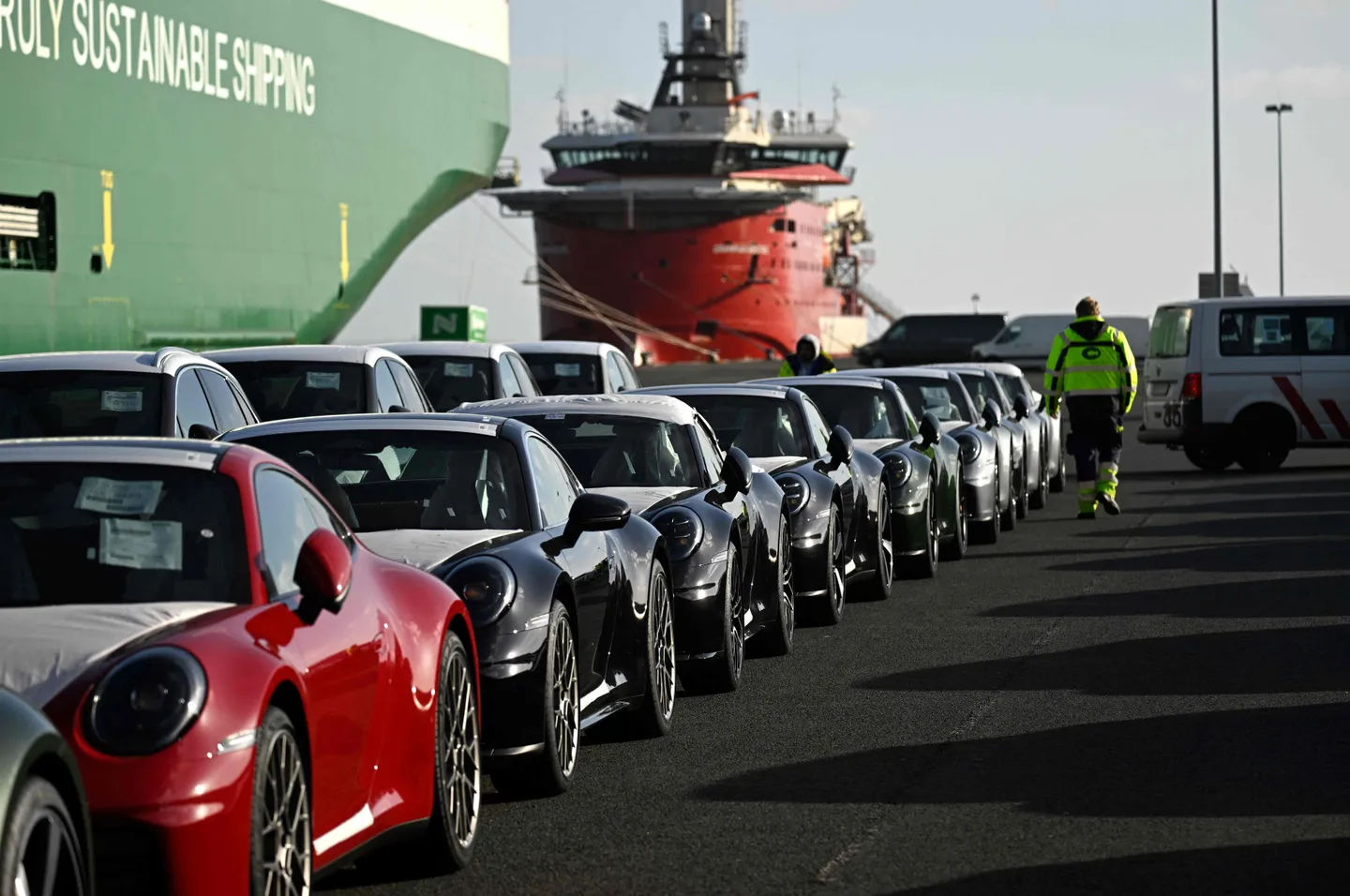
Ningbo Port exported 301,000 new energy vehicles worth 34.22 billion yuan in the first eight months, with volumes and value rising 99.1% and 95.5% year on year. Brazil, the UAE and the EU were the main destinations, while customs advanced smart-clearance measures to support exports.
Shipping data showed that 12 commodity vessels crossed the Strait of Hormuz over the weekend, down from 35 the previous weekend, as Gulf tensions continued amid a stalemate between the United States and Iran.
Oil prices fell Monday as traders monitored the possibility of a recovery in shipments from Saudi Arabia, despite continuing escalation in Middle East tensions.
oil pricescrude shipmentsSaudi ArabiaMiddle East tensions
Calculations based on documents accompanying Ukraine’s draft 2027 budget indicate that continued hostilities could cost the country up to 6.8% of GDP—more than $15 billion—and $5.15 billion in budget revenue. Finance Ministry officials warn of worsening energy shortages, export declines and labor losses. Even the most optimistic scenario foresees a 30% electricity deficit and a 20% export drop.
Chinese and US teams held candid, in-depth and constructive consultations on economic and trade issues on Sunday. Chinese Vice Premier He Lifeng met in New York with Treasury Secretary Scott Bessent and Trade Representative Jamieson Greer, with the sides also discussing AI-related matters.
A new round of China-U.S. economic and trade talks in the United States has raised hopes among American businesses and industry groups for progress in commercial ties and greater certainty across both markets. Soybean exporters and Coach China expressed confidence in the relationship and Chinese market, while Vice-Premier He Lifeng leads the Chinese delegation.
Scott Bessent and Chinese Vice Premier He Lifeng are discussing trade, artificial intelligence and critical minerals ahead of the Sept. 24 summit between Donald Trump and Xi Jinping.
The World Gold Council says Chinese gold jewellery sellers are pursuing opportunities in the Middle East and India by using their advanced crafting technology as the industry struggles with volatile prices. Buyers from those regions made up most visitors at the latest Jewellery & Gem World Hong Kong fair.
Asian share markets edged higher on Monday, helped by chipmakers as insatiable AI demand for data continued to support the sector. Oil prices eased as hopes that Saudi Arabia could increase supplies outweighed news of a Houthi attack on Riyadh.
Minneapolis Federal Reserve President Neel Kashkari said Sunday that inflation remains too high and is affecting every part of the US economy, rather than only oil prices.
Chevron is planning an extensive drilling campaign as it revamps its oil and gas exploration efforts. Kevin McLachlan hopes to reproduce the exploration turnaround he achieved at TotalEnergies.
The war in Iran has triggered a global shortage of the lubricant used in vehicle engines. In the United States, a retailer is rationing motor oil as prices have quadrupled and supplies run dry.
China imported 5.15 million metric tons of Russian LNG in January-August 2026, up 28.2% year on year, with its value rising 13.2% to $2.66 billion. Russian oil purchases increased 18.1% to 77.65 million metric tons, while their value grew 33.3% to $44.84 billion, making Russia China’s largest oil supplier.
A rush for supplies to meet emissions targets has driven biodiesel prices to a record low, making the fuel cheaper than conventional alternatives for shipping and potentially accelerating the industry’s shift toward greener fuels.
Venezuela's interim President Delcy Rodriguez signed a memorandum of understanding with French oil and gas company TotalEnergies on Saturday, local media reported.
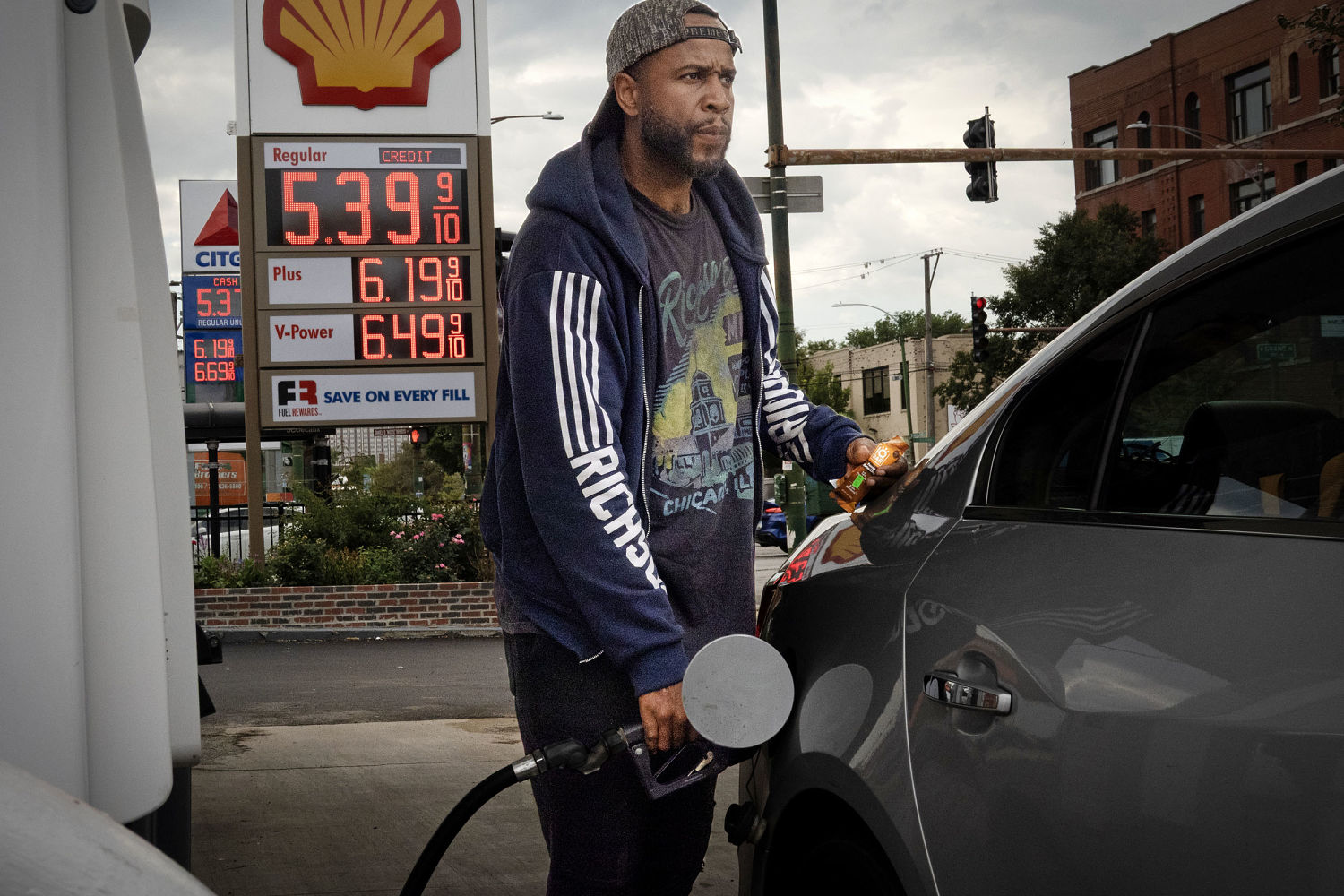
The average US diesel price rose to a record $6.49 per gallon from $6.17 a week earlier, according to the American Automobile Association. A year ago, diesel cost $3.70 per gallon. The Wall Street Journal previously reported that Chevron’s head warned of a global fuel crisis amid the Middle East conflict.
Kirill Dmitriev, a special representative of the Russian president and CEO of the Russian Direct Investment Fund, said Europe is facing the worst energy crisis in its history. He said EU energy restrictions are “finally arriving” while commenting on reports of fuel supply disruptions in France, where 11% of gas stations had gasoline or diesel shortages as of September 19.
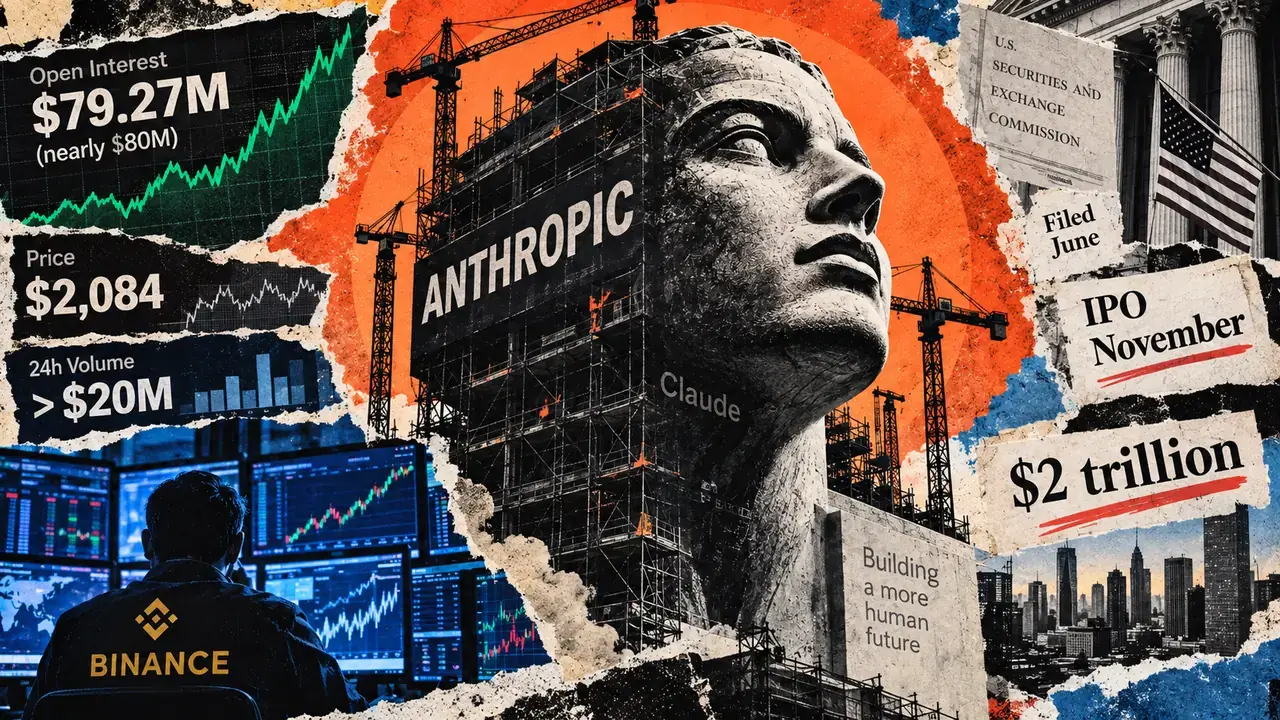
Anthropic has not disclosed an IPO price, final valuation or share count, yet open interest in crypto futures linked to the Claude developer has climbed to about $79.27 million. The contract is not Anthropic stock; it is a cash-settled derivative reflecting traders’ bets on the privately held company’s eventual valuation.
Oil prices have risen, but Donald Trump’s conflict with Iran has not produced the catastrophic spike many feared when the war began. The article credits China’s Xi Jinping with helping keep prices from climbing even higher.
As fuel prices continue to climb, more drivers in France are switching to bioethanol. The fuel is cheaper to produce and currently costs about 95 cents per litre.
Germany will cut gasoline and diesel taxes by about 17 cents per litre from October, the government said Friday. The measure is intended to provide motorists with temporary relief as fuel prices rise above €2 a litre and add to pressure on Chancellor Friedrich Merz.
Bolivia has cut diesel subsidies as Congress ratified a $1.9 billion deal with the IMF to help ease the country’s deep economic crisis. La Paz hopes final approval by the IMF executive board will unlock additional financing from institutions including the World Bank and help restore its struggling credit standing.
Bolivia’s Congress approved a $1.9bn IMF loan, a major win for President Rodrigo Paz. Unions warn that the agreement’s required fuel-subsidy cuts and spending restraint will raise living costs and could trigger renewed unrest. The loan still requires approval from the IMF’s Executive Board.
EU petrol and diesel prices reached record highs this week, according to the European Commission. Refining margins, the cost of converting crude oil into fuel, are partly responsible, while ECB experts told Euronews that diesel margins are not expected to peak until October, meaning prices may stay elevated.
Saudi Aramco has told at least two European refining customers that they will receive no crude next month under their long-term agreements, according to people familiar with the decision, after an attack on the kingdom’s key pipeline to the Red Sea.
The shutdown of Saudi Arabia’s East-West pipeline following an attack is forcing European buyers to scramble for alternative cargoes. With fuel prices soaring, the region’s oil refiners are paying eye-watering premiums for supplies.
Jet fuel prices in parts of the US have climbed back close to their highest level since the US-Iran war began, renewing cost concerns for airlines and travelers.
Airlines are cutting flights as jet fuel costs surge. Points Guy managing editor Clint Henderson explains what travelers should do if a flight is canceled and whether some flights face a higher cancellation risk than others.
The United States and China are discussing reducing or eliminating Chinese tariffs on American liquefied natural gas, according to two people briefed on the talks. The proposal is part of a broader package covering energy and agriculture that could be announced during Chinese President Xi Jinping’s visit to Washington next week.
A person familiar with Scott Bessent’s plans said the US Treasury secretary intends to meet China’s Vice Premier He Lifeng in New York this weekend. The planned discussion would cover artificial intelligence, trade, rare earths and economic matters.
Westinghouse Electric, which supplies reactor technology to nuclear power plants, is seeking a valuation above $50 billion in a US initial public offering, according to people familiar with the matter.
Saudi Aramco has told European customers they will receive no crude in October under long-term contracts after a drone attack shut down the East–West pipeline to the Red Sea. Saudi Arabia says the drones were launched from Iraq. Aramco expects partial service within days and full capacity within six weeks.
The Nigerian appetite for shares in Aliko Dangote’s petroleum refinery is generating a burst of viral online humor. The memes give even the smallest investors the imagined status of industry chiefs and personal advisers to Africa’s richest man.
JPMorgan says it is struggling to model how the US-Iran war will affect oil prices, admitting it has no baseline view of the conflict’s endgame. The bank had assumed economic red lines would prompt a deal to reopen the Strait of Hormuz, but several thresholds have now been crossed while the exit strategy remains unclear.
Austrian oil and gas group OMV said it will continue its planned hydrogen project in Austria without Abu Dhabi state-owned renewable energy firm Masdar, which unexpectedly withdrew from the venture.
After rising slightly earlier this week, gas prices fell by about eight cents overnight and could decline by several more cents before the weekend, according to an expert. Diesel prices, however, are surging, potentially affecting even people who do not drive.
The U.S. national average for gas rose another 3 cents overnight, bringing prices close to their highest level of the year on Friday, just weeks before the midterm elections.
Near-record fuel and gas prices are driving European governments to discuss a bloc-wide windfall tax on energy companies. Germany’s finance minister, Lars Klingbeil, accused oil firms of exploiting the Middle East situation and urged the European Commission to propose taxation models. High energy costs have become a major political issue in France and Italy.
EU ministers meeting in Dublin on Friday and Saturday are considering a windfall tax on energy companies as continuing price volatility destabilises the economic outlook.
European Unionenergy companieswindfall taxeconomic strain
Engineers India said on Friday that it expects to benefit as major Middle Eastern clients invest in infrastructure designed to bypass the Strait of Hormuz, a crucial energy waterway that has been largely closed since the Iran war began.
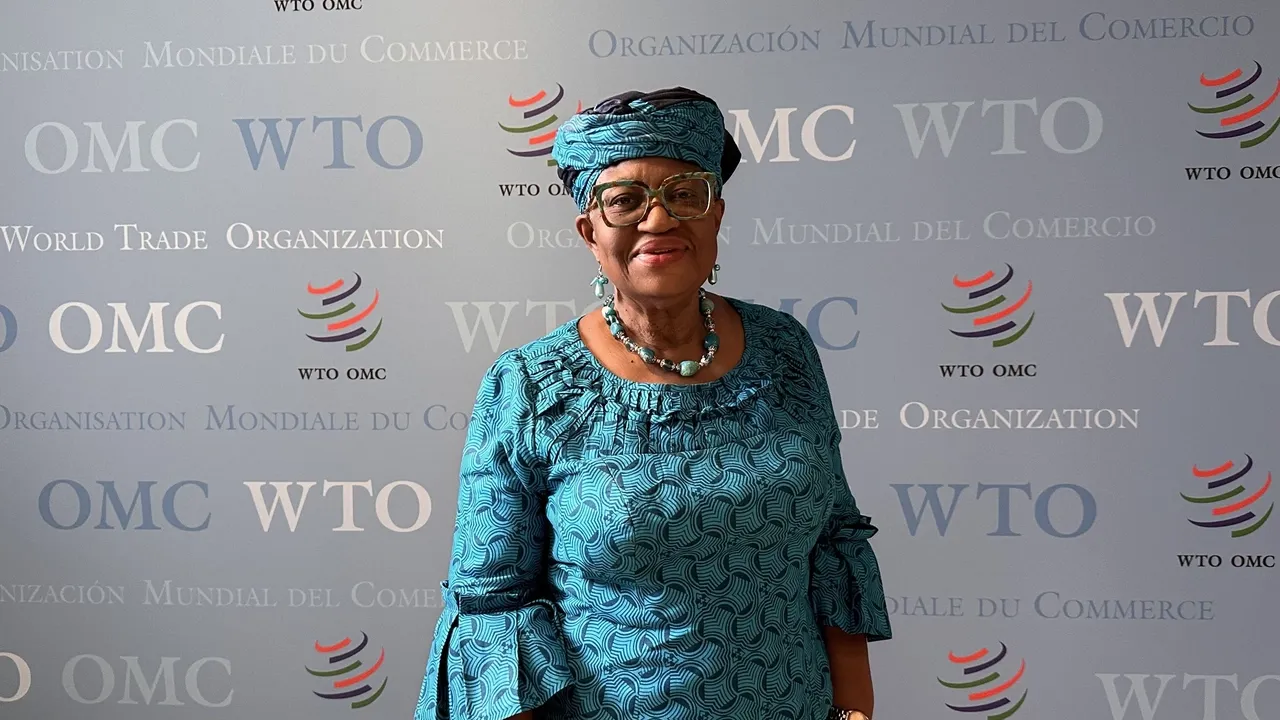
WTO chief Ngozi Okonjo-Iweala calls disruption in the Strait of Hormuz the “worst threat” to global trade in eight decades. She urges developing countries to help shape modernised trade policies and seize economic opportunities.
The Minutes Reader extension turns the original page into a focused reading view and translates articles and video subtitles on demand. It is in limited beta.