Delegates at a major industry meeting said soaring fuel and borrowing costs have replaced aircraft shortages as the top concern for jet financiers, signaling a shift in sentiment after years of supply-led disruption.

Gold rose to a one-week high on Friday and was poised for its first weekly gain in four weeks. Falling oil prices reduced concerns over persistent inflationary pressure, although a stronger dollar capped the advance.
China is showing early signs of increasing crude imports after months of subdued buying during the US-Israel war on Iran, potentially weakening a buffer that has limited the rise in global oil prices. Analysts do not expect a rapid return to pre-war levels, as high crude prices could squeeze refinery margins and existing stockpiles remain sufficient for several months.
EU ministers meeting in Dublin on Friday and Saturday are considering a windfall tax on energy companies as continuing price volatility destabilises the economic outlook.
State-owned China Rare Earth Group is negotiating to acquire Shenghe Resources, according to two people familiar with the matter. The deal would strengthen Beijing’s control of the sector and give the group a stake in one of Washington’s rare-earth companies.
Three years after China restricted exports of two niche metals crucial to chipmaking, clean energy and defense, Western countries are still absorbing higher prices and waiting for domestic production to come to the rescue.
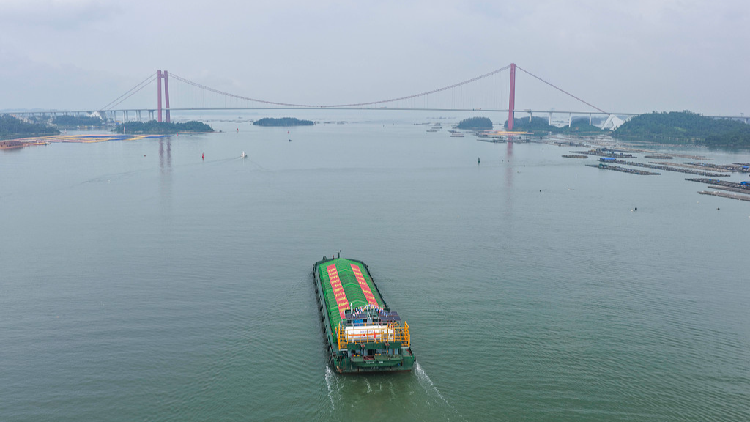
The Pinglu Canal in Guangxi officially opened to commercial navigation on Wednesday. It is the first major river-to-sea canal project planned and coordinated at the national level in China since 1949.
An 8,000-metric-ton shipment of imported thermal coal reached Guigang, Guangxi, through the Pinglu Canal on Thursday, formally opening a new river-sea transport channel for power generation. The route from Qinzhou Port bypasses the Pearl River Delta and shortens the journey by 280 kilometers, improving supply-chain resilience and vessel turnover.
Pinglu Canalcoal transportGuigangriver-sea transport
The Pinglu Canal began operations on Wednesday, with Nanning Customs supervising 1,679.8 metric tons of import and export cargo on its first day. Customs prepared clearance plans and declaration guidance for key companies while supporting trials of rail-sea-water multimodal transport through the New International Land-Sea Trade Corridor.
Pinglu Canalimport-export cargoNanning CustomsNew International Land-Sea Trade Corridor
Record diesel prices in the United States are squeezing farmers and could push food prices higher. In northeast Missouri, corn, soybean and cattle farmer Addie Yoder uses two combines, three semi-trucks and several tractors to harvest and transport crops from mid-September through late October.
ECB President Christine Lagarde said on Friday that European Central Bank interest rates do not move in lockstep with oil and gas prices, countering market expectations of aggressive hikes as energy costs surge.
Hungary’s new government, led by Peter Magyar, plans to be ready to phase out Russian gas by the EU’s October 2027 deadline, Economy and Energy Minister Istvan Kapitany said. Budapest is negotiating with neighboring countries, including Romania, and LNG suppliers; he said existing cross-border infrastructure and diversified sources can ensure supplies.
Russia’s ESPO Blend crude rose above $120 a barrel for the first time since April, according to three traders and Reuters calculations. Demand from Chinese refiners helped lift prices as the U.S.-Israeli war on Iran disrupted Middle Eastern supplies.
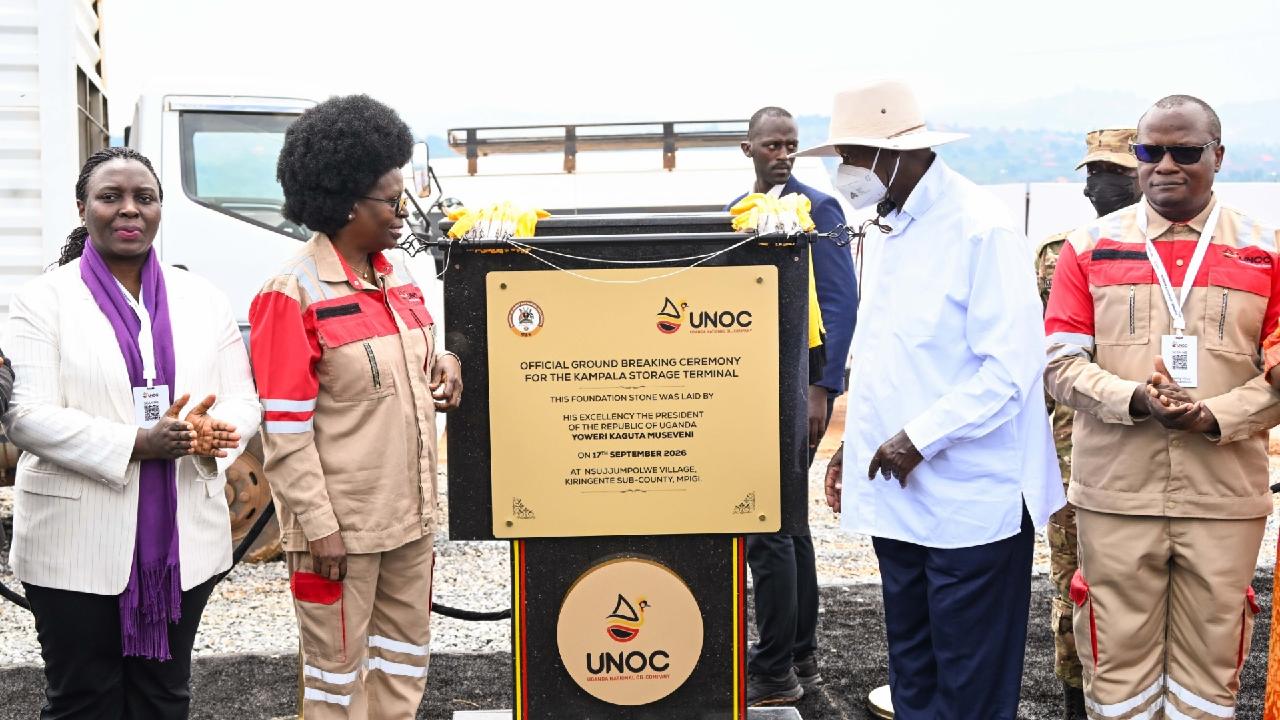
Uganda has started building a 320-million-liter petroleum storage terminal in Mpigi. President Yoweri Museveni attended the groundbreaking for the more than $300-million Kampala Storage Terminal, developed by state-owned Uganda National Oil Company. The project is expected to more than double current storage capacity and be completed within 24 months.
Banks including JPMorgan Chase and Banco Santander are arranging more than £1 billion in debt financing to support Drax Group’s acquisition of renewable-energy company Bluefield Solar Income Fund.
Hungary’s new government, led by Peter Magyar, plans to significantly reduce its reliance on Russian oil in the coming years by sourcing supplies from other countries, Economy and Energy Minister Istvan Kapitany said. Budapest is negotiating with Croatia to make full use of the Adria oil pipeline, with the shift to happen in stages.
EDF aims to build 10 small modular reactors in Europe by 2035 to produce nuclear energy, the company’s senior vice president said on Friday. The project will involve its Edison unit and could be worth tens of billions of euros.
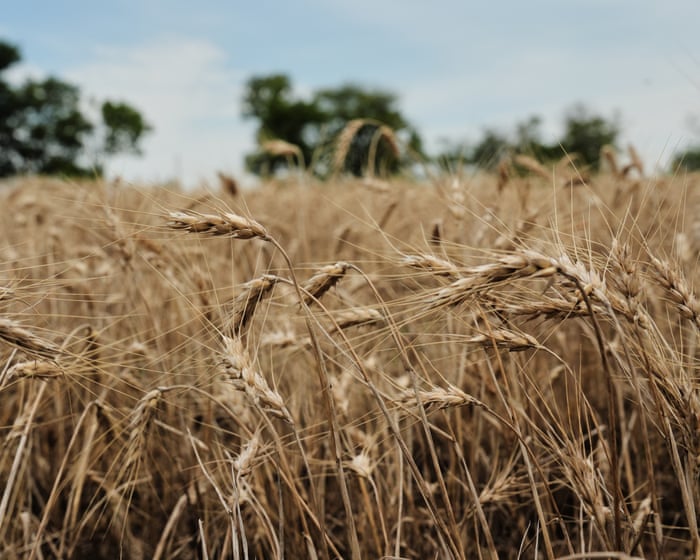
Wheat prices have reached a three-year high, but Kansas farmer Merrill Nielsen is unsure higher prices will offset record diesel costs, erratic weather and drought that destroyed his spring crop. Drought is shrinking harvests in the US and Europe, while attacks on Black Sea port facilities have disrupted shipments, raising fears that global food prices could climb further.
Renewable energy company Ningbo Green Light Energy plans to go public within weeks through a backdoor listing, in what would be Pakistan’s first transaction involving a blank-check company.
Germany’s rapid shift to electric vehicles is reducing revenue from gasoline and diesel energy taxes. As EV sales grow, policymakers face pressure to find new funding for roads and transport infrastructure. An expert warned that without tax changes, the road system could cost the federal government billions of euros.
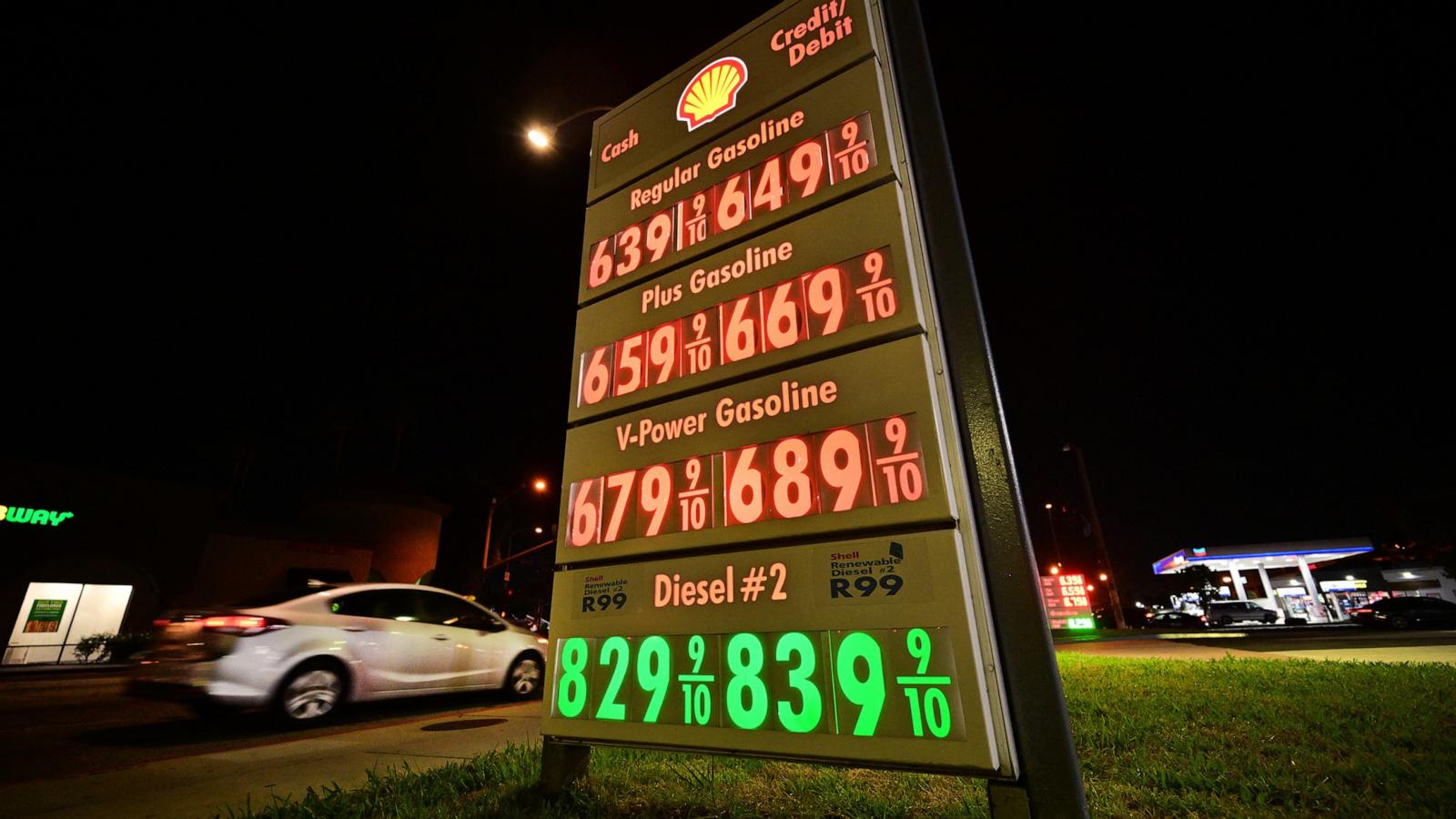
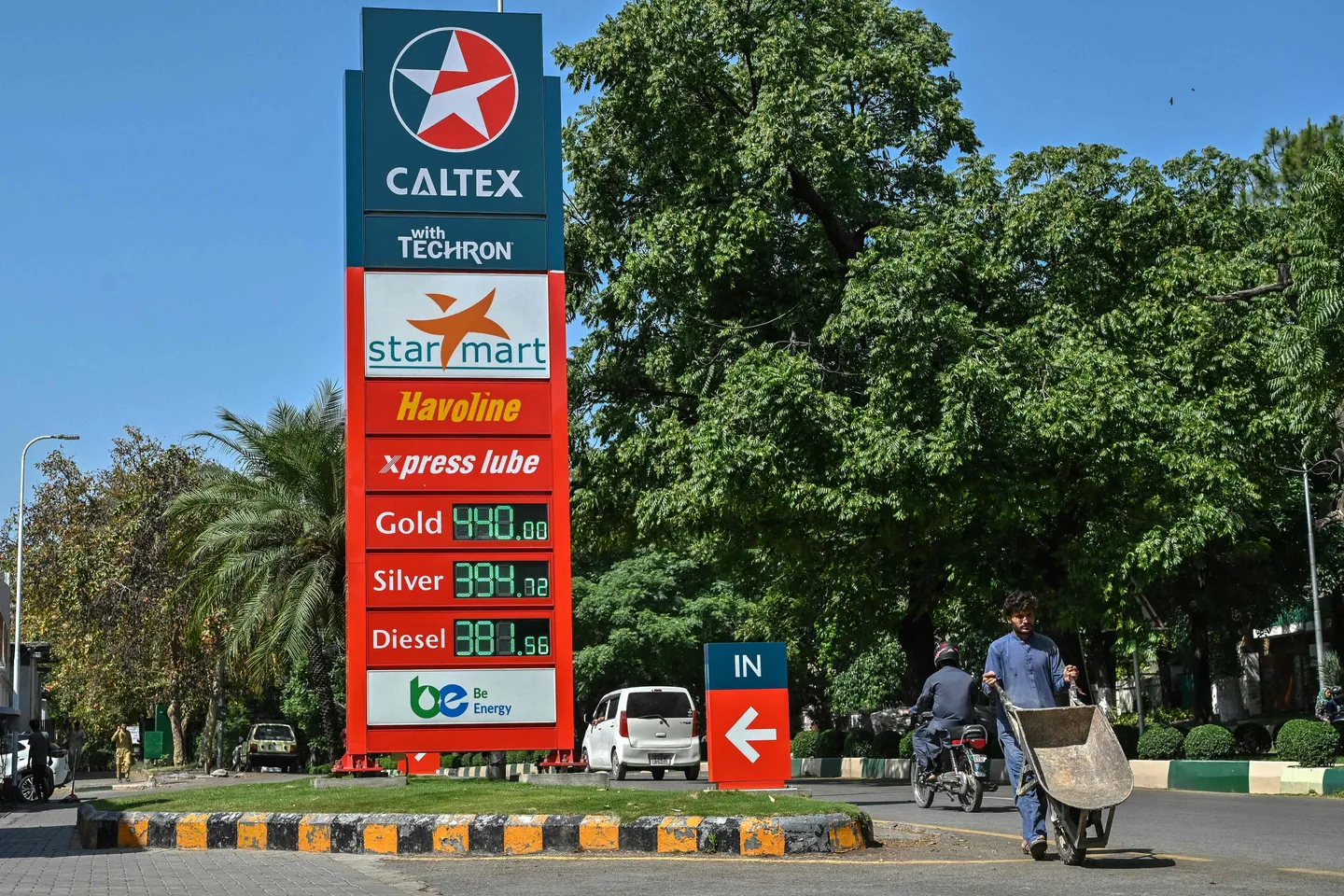
The average US diesel price remained near a record $6.43 per gallon on Friday morning, according to the latest GasBuddy data, amid disruption in the Strait of Hormuz and the Russia-Ukraine war.
The prolonged and expanding Middle East war is driving up living costs for nearly two billion people in India, Pakistan, Bangladesh and Nepal as energy routes become increasingly constrained. Although their reliance on Gulf supplies varies, poorer and economically vulnerable families are bearing the brunt, with one Pakistani mother forced to stop paying her children’s school fees.
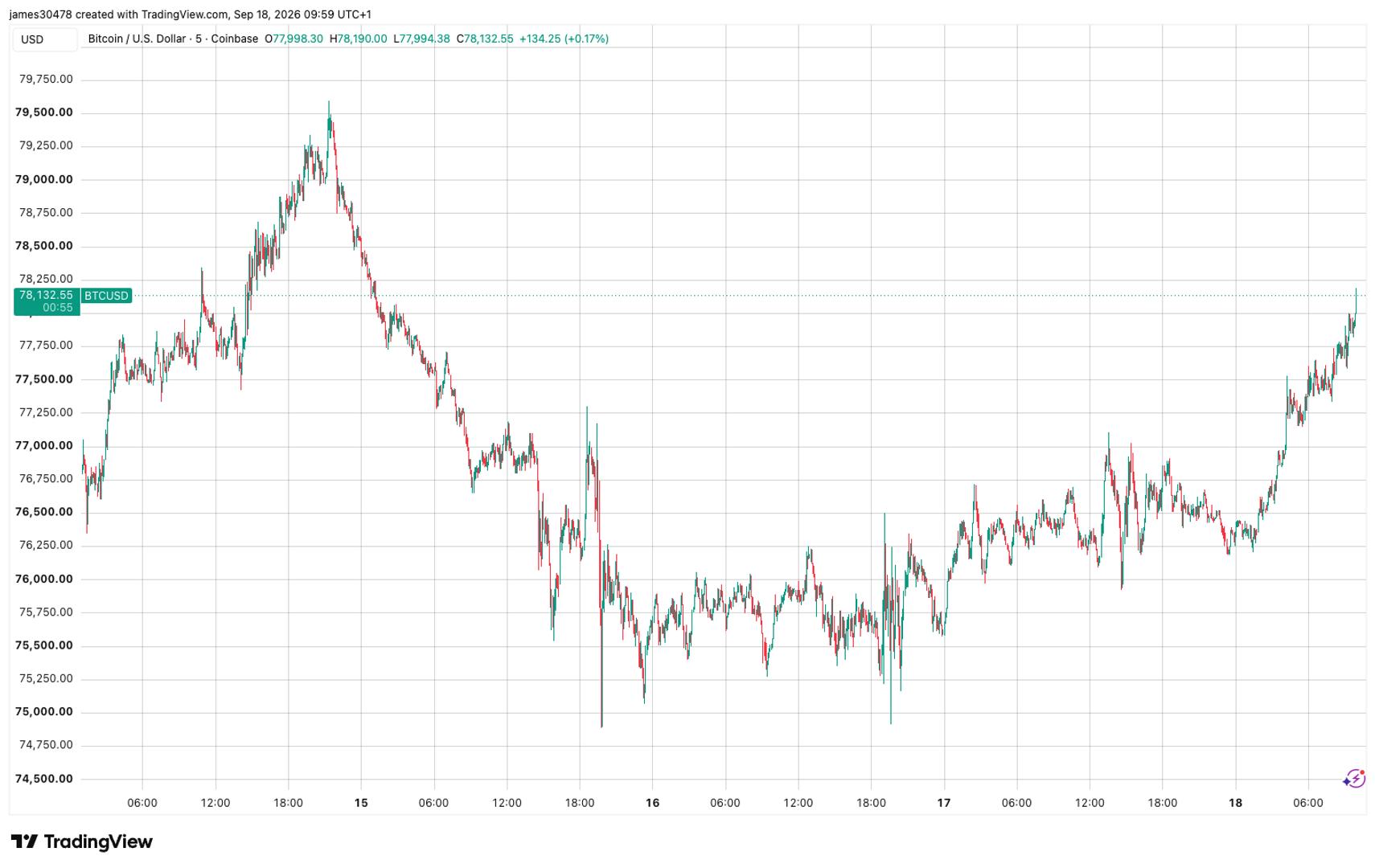
Bitcoin has fallen only 1.5% during its historically weakest month and remains on course for its first quarterly gain in a year, despite higher rates, surging oil prices and a stronger dollar.
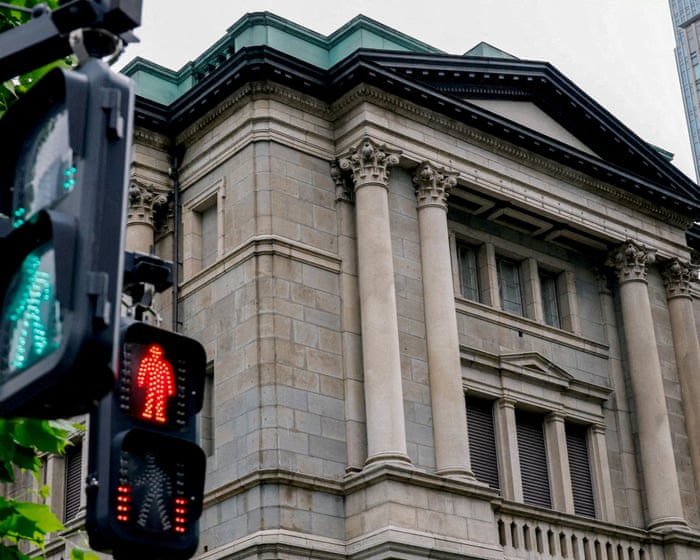
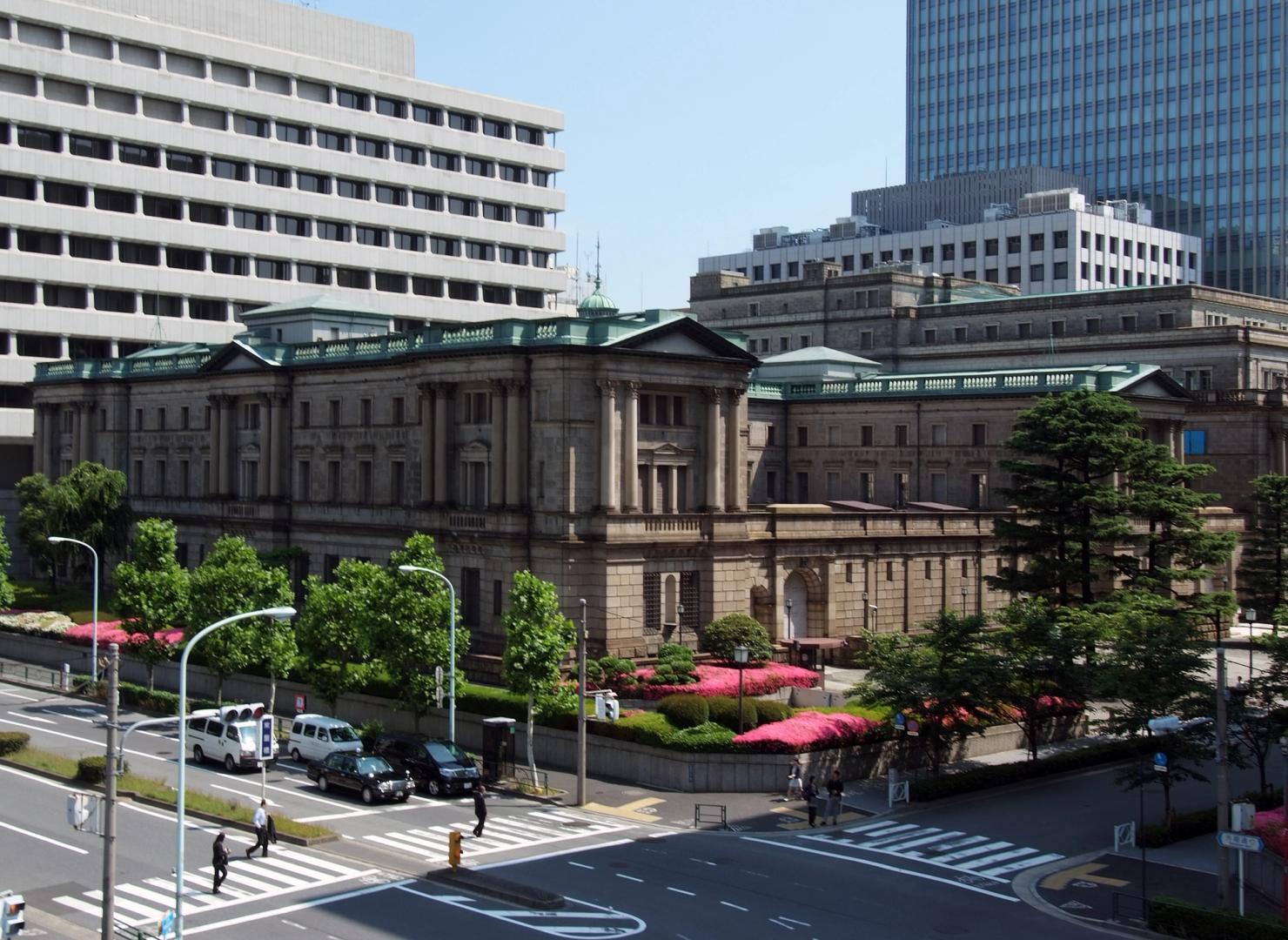
The Bank of Japan raised interest rates to their highest level in 31 years on Friday and signalled it was prepared to keep increasing borrowing costs as major central banks confront persistent inflation pressure fueled by surging oil prices.

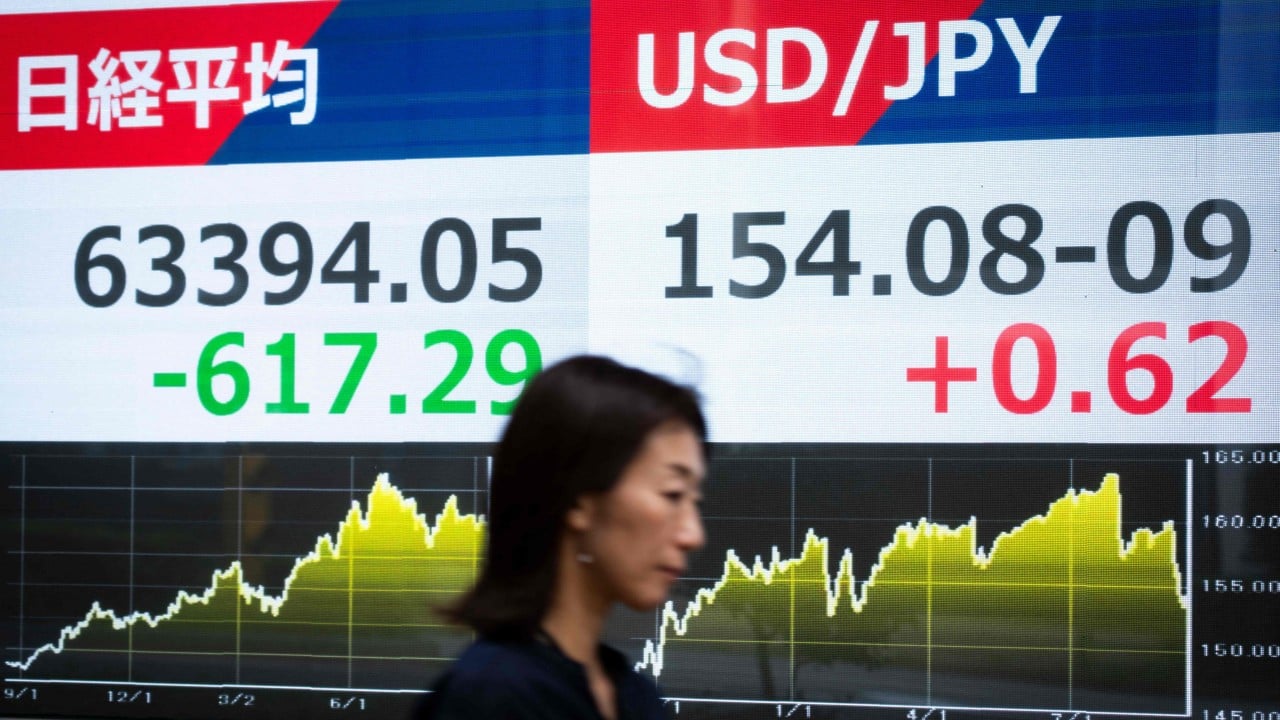
After the rate hike, the yen weakened beyond 157 against the dollar and the 10-year Japanese government bond yield declined, while the Nikkei 225 climbed 1.5%.
The Bank of Japan raised its main interest rate from 1% to 1.25%, its highest level since 1995. It was the sixth increase since 2024, as Japan contends with a weak yen, rising prices and a shrinking workforce, while the Iran war drives up energy costs and inflation pressure.
The Bank of Japan raised its target rate from 1% to 1.25%, the highest since 1995, seeking to limit inflationary pressure linked to the war in Iran. Two board members opposed the move. The yen fell about 0.7% against the dollar, helping the Nikkei rise nearly 2%.
The Bank of Japan lifted interest rates to 1.25%, the highest level in 31 years, in a widely anticipated move aimed at limiting the risk that inflation would overshoot its 2% target.
The yen fell against major currencies in Asian trading on Friday after the Bank of Japan delivered a widely expected rate hike that failed to stop the currency’s decline.
Japan’s central bank lifted its benchmark interest rate from 1.0% to 1.25%, the highest level in 31 years. The increase, announced Friday after a two-day monetary policy board meeting, had been widely expected and was already reflected in recent global markets.
The Bank of Japan lifted its benchmark rate by 0.25 percentage points to 1.25%, taking borrowing costs to their highest level in 31 years. The move comes amid rising inflation and wages, with pressure from Washington also weighing on policymakers.
The Bank of Japan raised interest rates to their highest level in 31 years and signaled concern about inflation. The decision passed 7-2, with board members Toichiro Asada and Ayano Sato dissenting from the increase.
Asian stocks climbed on Friday while the dollar held steady. Falling oil prices lifted sentiment as investors weighed stronger global efforts to curb inflation ahead of an expected Bank of Japan rate increase.
A potential Japanese rate increase is adding uncertainty to global markets, with concerns that it could trigger renewed bond-market turmoil and reduce demand for risk assets. Tokyo’s push for higher defence spending is raising questions about fiscal discipline. Japan’s 10-year bond yield reached 3.03 per cent this week, its highest level in three decades, while the 30-year yield approached a 30-year high at 4.1 per cent.
Japan rate hikeglobal marketsbond yieldscapital flows
SSouth China Morning Post★★★★☆2026-09-18 01:00Original
The Bank of Japan is expected to lift interest rates to their highest level in 31 years on Friday and promise further action to address inflation risks. Those risks could intensify if the start of a U.S. rate-hike cycle weakens the yen against the dollar.
China’s refined oil product exports rose 12.7% year on year in August amid the Iran war, while jet fuel shipments reached a record high, according to customs data released Friday. Overall exports exceeded levels recorded before the war.
Wine production in occupied Crimea fell 24.7% year-on-year from January through August 2026, while sparkling wine output dropped 38%, according to data cited by Kommersant. Producers face delayed deliveries of bottles and corks, higher transport and packaging costs, power outages, fuel shortages, a poor white-grape harvest, and fewer tourists. After Ukraine intensified attacks on the R-280 highway, carriers began refusing trips and fuel deliveries declined.
Japan’s oil refiners have secured enough crude supplies to last through November, the Petroleum Association of Japan said on Friday, despite concerns that renewed fighting between Saudi Arabia and Yemen’s Houthis could deepen tensions in the Middle East.
Saudi Arabia has sold about 60 million barrels of crude from its Gulf port of Ras Tanura, with shipments planned for this month and next through ship-to-ship transfers at Oman’s Sohar port, multiple trade sources said on Friday.
The US Treasury sanctioned Tehran-based exchange BitBank, alleging it transferred hundreds of millions of dollars in bitcoin to Iran’s Revolutionary Guards and processed payments from ships buying passage through the Strait of Hormuz.
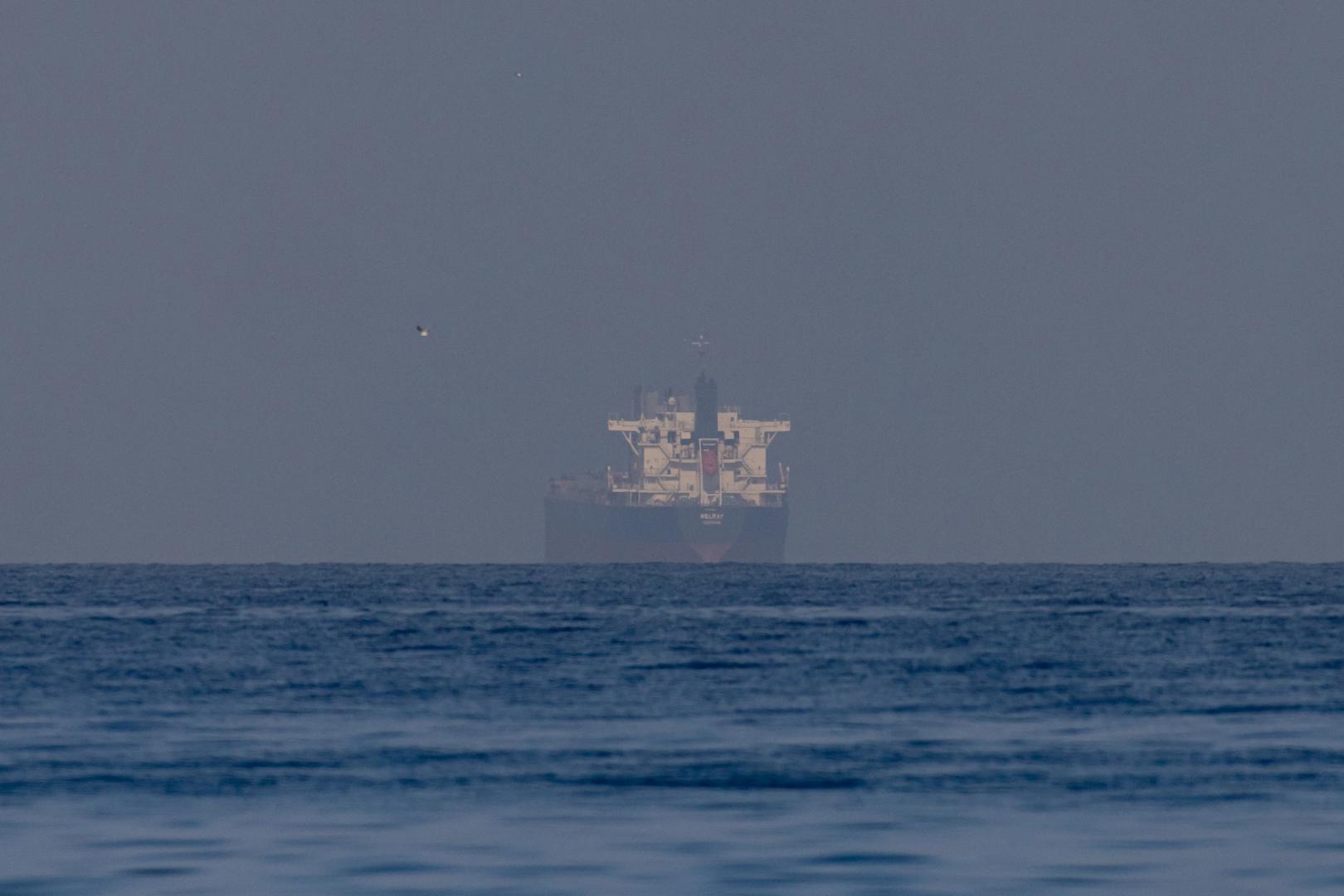
Oman’s Sohar port is emerging as a favored location for ship-to-ship oil transfers while the Strait of Hormuz remains blocked. After Iran closed the strait, Houthis controlled Bab al-Mandeb and attacks disrupted Saudi Arabia’s East-West pipeline, Riyadh began moving crude to Sohar for transfer to other tankers. The operation requires careful coordination but carries spill, collision, insurance and tanker-availability risks.
Strait of Hormuzoil exportsship-to-ship transfersOman
Preliminary shipping data showed that four commodity vessels passed through the Strait of Hormuz in the Gulf on Thursday, down from six the previous day and below the roughly 16-vessel 10-day average.
Donald Trump’s naval campaign is deepening Tehran’s reliance on trade routes through land neighbours such as Turkey, as Iran turns from ships to trucks to evade the US blockade.
Yemen’s Houthi authorities have raised petrol prices by about 10 percent, the first increase in four years in areas under their control. Families in Sanaa fear higher fuel and transport costs will make food less affordable, while renewed fighting is forcing goods to take longer, costlier routes across the country.
Eurozone finance ministers are meeting amid mounting economic pressures, while EU ambassadors make another effort to break the deadlock over sanctions on Russia.
Australian farm groups say a crackdown on immigration could create labor shortages across agriculture and threaten the coming wheat harvest. Their warning joins concerns from business groups that tighter migration rules could damage the economy.
Venezuela is nearing an agreement to move its $4bn gold reserve to New York. The deal would give Delcy Rodríguez’s interim government access to funding.
Europe’s storage facilities are 69 per cent full, compared with more than 80 per cent at the same point last year, raising the question of whether El Niño could come to the energy market’s rescue.
More than six months into the Iran war, JPMorgan’s oil analysts say the timing of its end—and the resulting path for oil—is becoming increasingly impossible to predict, echoing what many traders have privately argued for some time.
SB Energy’s planned initial public offering will test investor appetite for Masayoshi Son’s bet on artificial intelligence, with OpenAI’s delayed listing raising the stakes for SoftBank’s $50bn data-centre IPO.
Agriculture, energy and rare earths have become key bargaining chips in the U.S.-China trade war and are expected to feature again when President Donald Trump hosts Chinese President Xi Jinping in Washington next week.
A senior Glencore executive who oversaw the company’s relationship with embattled iron ore trader Radiant World has been suspended while Glencore reviews its dealings with the firm, according to a person familiar with the matter.
Off-contract ocean container rates from China to the U.S. East Coast have climbed back to levels reached after COVID-19 disrupted global trade. Analysts say they could set new records as the U.S.-Israeli war on Iran raises fuel costs.
Many Nigerians bought shares for the first time in Aliko Dangote’s oil refinery after more than four billion shares went on sale. The IPO sparked intense enthusiasm, crashed investment apps and inspired the “Yangote” slogan, though analysts warned that refinery and market risks could cause investors to lose some or all of their money.
Rising yields are weighing on bond portfolios, but financial advisers say investors have several ways to shield themselves from the turmoil and potentially turn it to their advantage.
German chemicals group Wacker Chemie said the U.S. framework intended to support domestic polysilicon production was failing to meet its goal. The company said it remains in talks with Washington about possible changes.
French fishermen have agreed to lift blockades at fuel depots and ports, including Nice, after talks with the government on financial aid. They say surging fuel prices since the war with Iran began are pushing them to the brink. The segment also reports that India could face new US tariffs if it continues buying Russian oil.
China’s oil prices climbed to about $130 a barrel this week, a record high driven by global supply disruptions. Al Jazeera’s Katrina Yu examines whether the world’s biggest oil importer is at risk of running out of oil.
HighPeak Energy is considering a sale after attracting acquisition interest, according to three people familiar with the matter. The U.S. oil and gas exploration and production company, focused on the Permian Basin, is weighing its options.
Partners in Shell-led LNG Canada could make a final investment decision on the project’s Phase 2 expansion as early as next month, according to three people familiar with the matter.
General Motors is retaining diesel engines for its next-generation pickup trucks to maximize fuel efficiency, setting its strategy apart from rivals that are offering hybrid models.
India warned Washington that new US measures targeting buyers of Russian oil with tariffs could harm bilateral ties. The warning came after the US House passed a sweeping sanctions and tariff bill aimed at increasing economic pressure on Russia over its invasion of Ukraine.
The US Congress has passed legislation giving President Donald Trump broad authority to sanction Russia’s crude exports and impose tariffs of up to 100 percent on major buyers of Russian energy. China and India, Moscow’s largest energy customers, are likely to face the greatest pressure. India says it will protect its trade and economic interests, while China rejects extraterritorial jurisdiction lacking a basis in international law.
The US House has passed legislation allowing Donald Trump to impose tariffs of up to 100% on countries buying Russian oil and gas. India, a major Russian crude customer, could face higher costs if it switches suppliers, while the threat may also affect Indian exports to the US, the rupee, refinery margins and the trade balance.

President Vladimir Putin said Russia’s federal budget deficit is expected to reach about 2%, based on a highly conservative oil-price estimate. He said the gap remains manageable under current macroeconomic assumptions.
The Middle East war is driving up energy prices and global borrowing costs, pushing economies and markets closer to a potentially damaging period marked by high inflation and slow growth.
Record diesel prices are already battering the transportation sector. If energy costs remain high, the economic fallout will spread beyond trucking and rail, which are only the beginning of the impact.
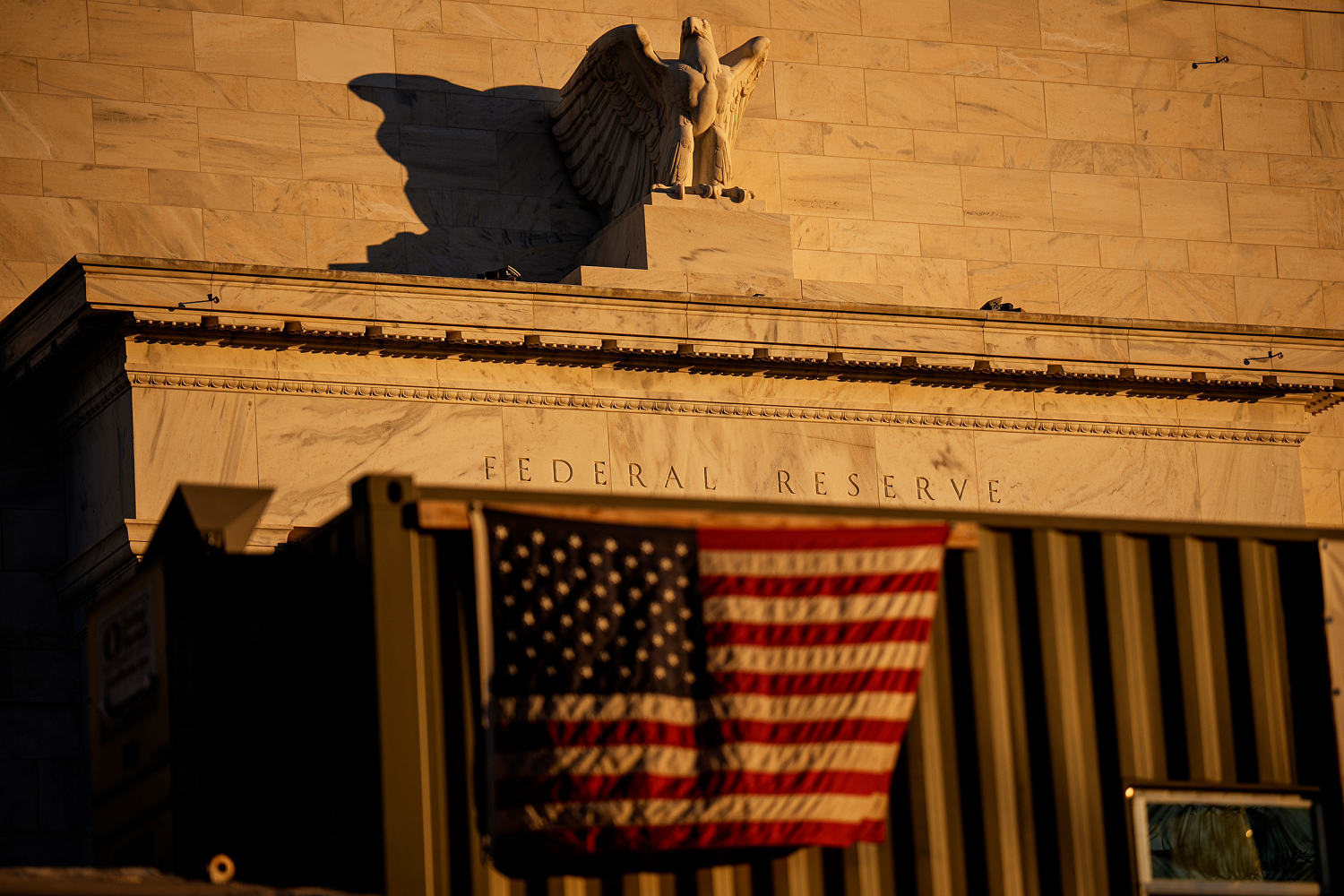
Major central banks are moving toward tighter policy as energy prices surge. The Federal Reserve recalibrated its stance to be more restrictive on Wednesday, while traders continued to price in a stronger response than indicated by the Fed’s dot plot.
China is drawing on large reserves and seeking alternative crude as disruptions to Middle Eastern exports intensify. The closure of a key Saudi pipeline, restrictions around the Strait of Hormuz and complications affecting Russian and Iranian oil are forcing Chinese refiners to look farther afield, adding pressure to oil prices in China and globally.
Russia’s electricity exports edged lower in January–August 2026 compared with the same period last year, Inter RAO board member Alexandra Panina said. In the first half, Inter RAO raised exports 4% to 3.2 billion kWh and cut imports 5.3% to 1.2 billion kWh. Exports to Kazakhstan rose 20.3%, while deliveries to Mongolia fell 6%.
Pakistan said on Thursday it will cut fuel allocations for official vehicles and bar state vehicle purchases, officials’ foreign trips and official dinners. The measures aim to conserve energy as the Gulf conflict drives fuel prices higher.
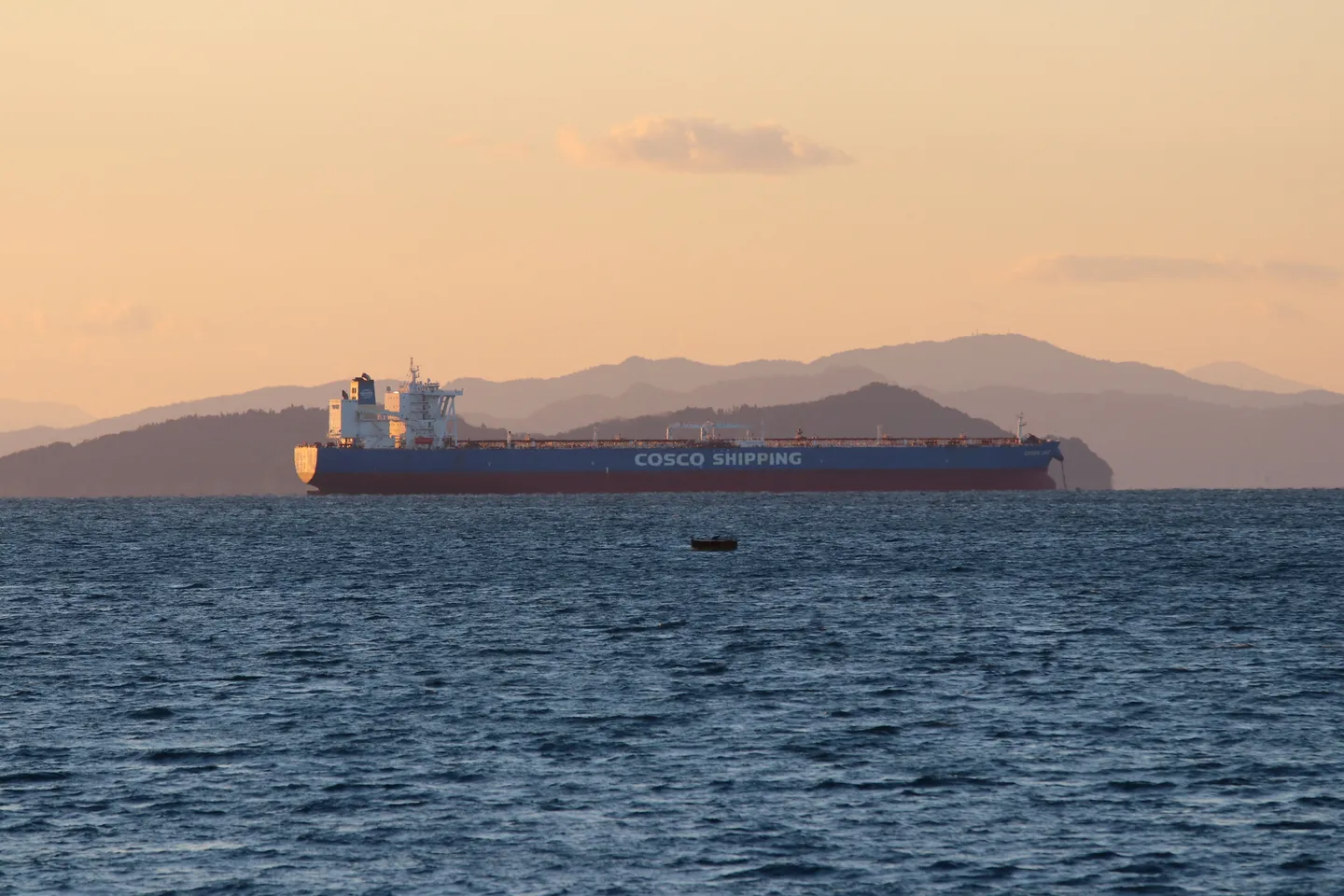
Shipowners have ordered more than twice as many supertankers this year as during all of 2025, in a buying spree worth over $20 billion and the largest in at least 25 years. The US-Iran war is reshaping trade routes and increasing demand for long-haul crude shipments.
U.S. stock indexes climbed sharply Thursday morning after the Federal Reserve raised interest rates to curb rising inflation. Falling oil prices also helped lift stocks and bonds.
U.S. stock futures are rising as Wall Street seeks to recover from a lower close after the Federal Reserve delivered its first interest-rate increase in three years and adopted a tougher stance on inflation.
Oil prices fell sharply as concerns over supply eased. Gold rose 1.1% to $4,308.80 an ounce at 0950GMT, recovering from losses in the previous session, while silver also rebounded.
November Brent crude futures fell below $102 per barrel on London’s ICE for the first time since September 10. At 3:09 p.m. Moscow time, the contract was down 3.7% at $101.91, before trimming its loss to 3.31% and reaching $102.33 by 3:17 p.m. WTI October futures fell 2.59% to $99.78.
November 2026 Brent crude futures on London’s ICE fell below $103 per barrel for the first time since September 10. The contract was down 2.78% at $102.89 before narrowing its loss to 2.54% at $103.14, while October WTI futures fell 1.86% to $100.52.
Zcash miner Fortitude has appointed former Hut 8 chief Jaime Leverton as CEO. The DCG-owned company is pursuing a public listing through its proposed merger with HeartSciences.
The Bank of England kept interest rates unchanged while signalling that policy tightening could lie ahead. It also announced a multiyear plan to fully unwind its asset purchase facility.
The Bank of England kept its main interest rate at 3.75% in a 6-3 vote. Three of its nine policymakers backed a rate increase, revealing a split committee as the Iran war’s energy shock lifted inflation to a five-month high of 3.1%.
Bank of Englandinterest ratesinflationenergy shock
The Bank of England has left the U.K.’s main interest rate at 3.75% even as inflation reached a five-month high. The continuing fallout from the Iran war is driving fuel prices higher. Isolated economic decision with national significance.
Thailand is using the oil shock caused by the Iran war to speed its move toward electrification and energy sourced domestically, seeking to turn a supply crisis into a drive for greater security.
A report acknowledges that advanced and developing countries hold different perspectives on the energy transition, suggesting that no single solution can suit them all.
Higher energy prices are pushing inflation up again and prompting major central banks to raise interest rates. Oil passed $100 a barrel last week, while the Iran war has disrupted the Strait of Hormuz for six months and Houthi advances threaten Saudi supplies. Rising energy costs are reaching household and business bills, forcing policymakers to rethink the usual response to oil shocks.
A succession of heat waves and prolonged drought has battered Europe’s water-hungry potato crop, putting the region on course for one of its smallest harvests ever. The resulting scarcity is expected to mean higher prices and shorter fries.

Europe’s delayed replenishment of natural-gas reserves, alongside near-record prices for diesel and other refined oil products, is adding to the strain on governments seeking to contain public discontent and the rise of the far right.
Moeve has started building the Andalusian Green Hydrogen Valley in Huelva. Its first phase will include 300 MW of electrolysis and require more than €1 billion in investment, with over 8,000 jobs expected during development.
Drone attacks have partly shut Saudi Arabia’s East-West pipeline, removing an estimated 4–5 million barrels per day from global supply. With the Strait of Hormuz largely closed and the Red Sea’s southern route hostile, Saudi Arabia is rerouting crude through Gulf terminals, dark shipments and ship-to-ship transfers off Oman, though exports remain far below pre-crisis levels.
Germany’s renewable-energy developers are entering a shakeout after years of rapid expansion, as worsening project economics push a growing number into financial distress.
The term “Yak Revolution” refers to Tibetan and Qiang communities’ support for the Red Army across the grasslands of what is now Aba. Today, Hongyuan County’s Maiwa yak industry is an economic pillar, with about 475,000 yaks, 638 family pastures and a livestock market described as the largest in the Sichuan-Gansu-Qinghai region.
The South African rand strengthened in early Thursday trading, supported by steady commodity prices after the U.S. Federal Reserve raised interest rates and signalled that further monetary tightening could follow.
The Minutes Reader extension turns the original page into a focused reading view and translates articles and video subtitles on demand. It is in limited beta.