More foreign governments and companies should consider using cheaper yuan-denominated debt to finance energy-transition projects, former People’s Bank of China official Ma Jun says.
The Indian rupee is expected to open little changed on Tuesday as higher oil prices, corporate demand for dollars to hedge foreign-exchange exposure and the Reserve Bank of India’s continued market presence pull it in different directions.
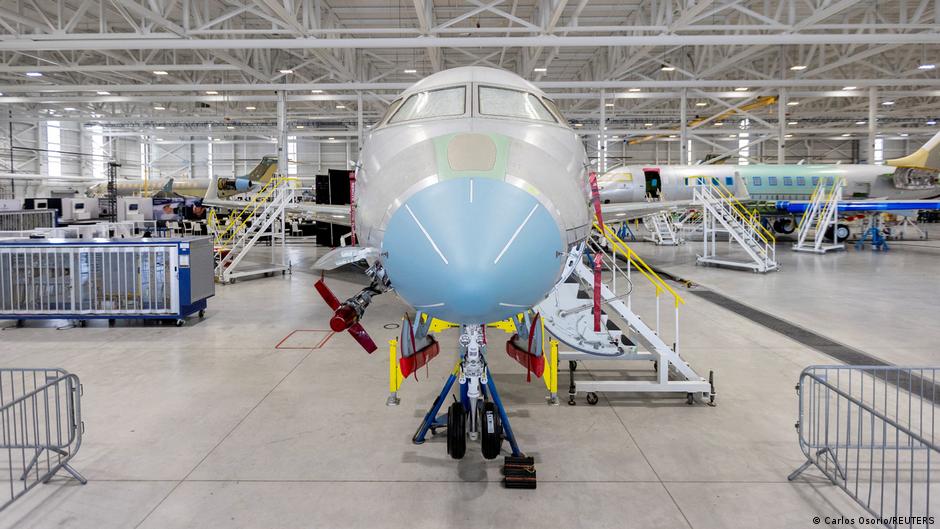
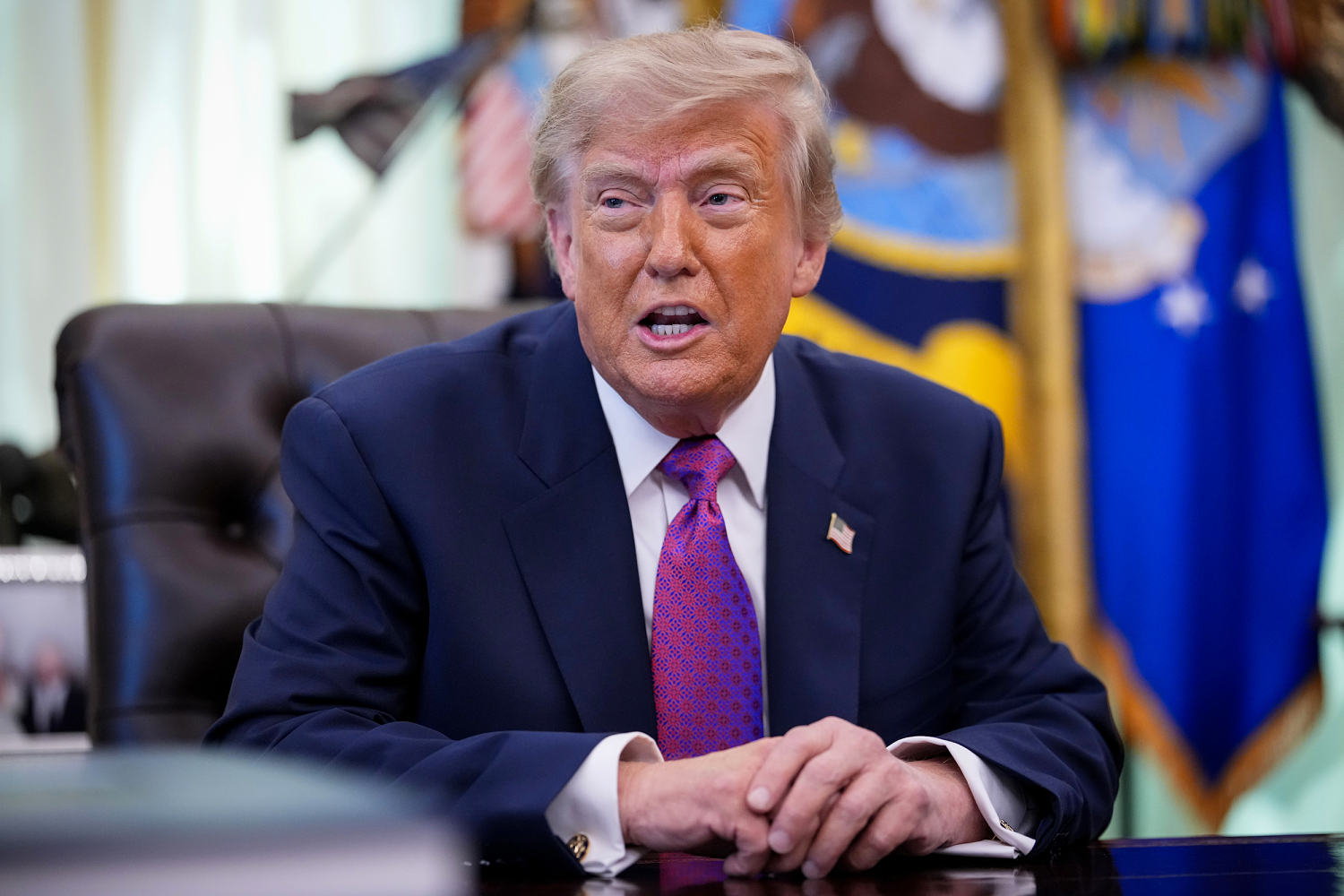
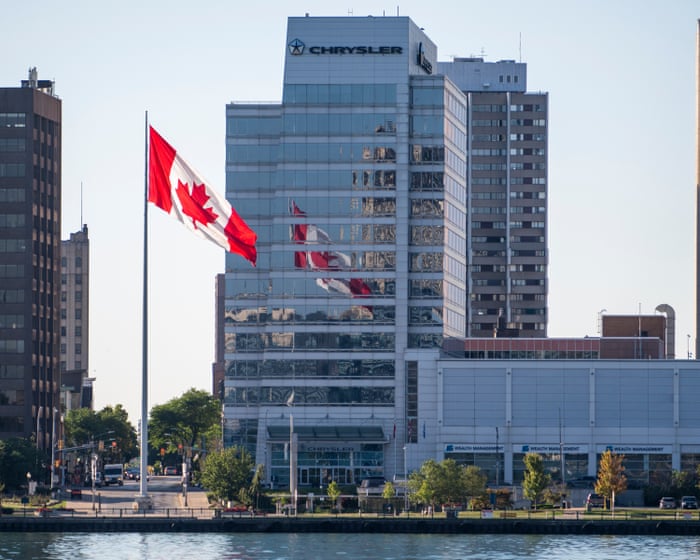
President Donald Trump threatened to stop Bombardier from selling aircraft in the United States unless the Canadian manufacturer builds them domestically. His warning came as Canada’s retaliatory tariffs of up to 50% on $20 billion in US imports took effect, escalating the trade dispute.
President Donald Trump threatened to prohibit sales of Canadian Bombardier jets unless they are built in the United States, shortly before Canada advanced $20 billion in retaliatory tariffs on US goods. The tariffs took effect at 12:01 a.m. ET Tuesday.
President Donald Trump said Monday that Canadian aerospace company Bombardier should no longer be permitted to sell its planes in the United States. The move opens a new front in his trade war with Canada and has drawn opposition from a Republican senator.
US President Donald Trump threatened on Monday to block Canadian aircraft maker Bombardier from selling in the United States unless it builds planes there. Trump accused Canada of “unjust and unfair” trade practices but gave no explanation of how a ban would work, escalating tensions ahead of Canadian retaliatory tariffs.
President Donald Trump said Monday that Canadian aircraft maker Bombardier must build its products in the United States to continue selling them in the American market.
Donald Trump has warned Canadian aircraft maker Bombardier that it will no longer be allowed to sell jets in the US unless it moves manufacturing there. The threat comes as the Canada-US trade war intensifies, with Ottawa preparing retaliatory tariffs on $20bn of US goods.
Donald Trump has threatened to block Canadian aircraft maker Bombardier from selling in the United States. In January, he also threatened to decertify Bombardier aircraft while accusing Canada of refusing to certify certain US-made Gulfstream planes.
Donald TrumpBombardierCanadaaircraft certification
US President Donald Trump says Canada-based aircraft maker Bombardier will no longer be able to sell planes in the United States unless it begins manufacturing them there. He accuses Canada of unfair practices as tensions rise again amid a series of US tariffs and Canadian retaliation.
Donald Trump said Canadian aerospace giant Bombardier will not be able to sell in the United States unless it builds there. The announcement came just before Canada’s retaliatory tariffs on $20 billion of U.S. goods were due to take effect Tuesday.
President Donald Trump said Canada-based aircraft maker Bombardier would no longer be allowed to sell in the United States unless it began manufacturing there.
Renault’s low-cost brand Dacia is seeking to expand its presence in the electric vehicle market with a larger new version of its popular Spring model. Unlike the current approach of importing it from China, the new version will be produced in Europe.
China’s car exports stayed strong in August, with automakers led by BYD shipping a record number of vehicles overseas. That contrasted with a sluggish domestic market, where sales fell for an 11th consecutive month.
Oil prices extended their gains on Tuesday as the prospect of a prolonged Middle East conflict increased. Iran’s threat to retaliate against any new U.S. attacks on its assets heightened concerns that supplies could be disrupted.
Seven vessels transited the Strait of Hormuz on Monday, down from eight on Sunday, Reuters reported, citing Kpler. Traffic fell after Iran threatened to retaliate against any new US attacks, while cargo traffic through Bab el-Mandeb rose to 29 vessels from 17.
A planned change in the Democratic Republic of Congo would place the geological information behind billions of dollars in mineral prospecting under firmer government oversight. It could also give the state a stronger hand in developing mineral finds made in the future.
Energy & commoditiesDemocratic Republic of Congomininggeological datastate control
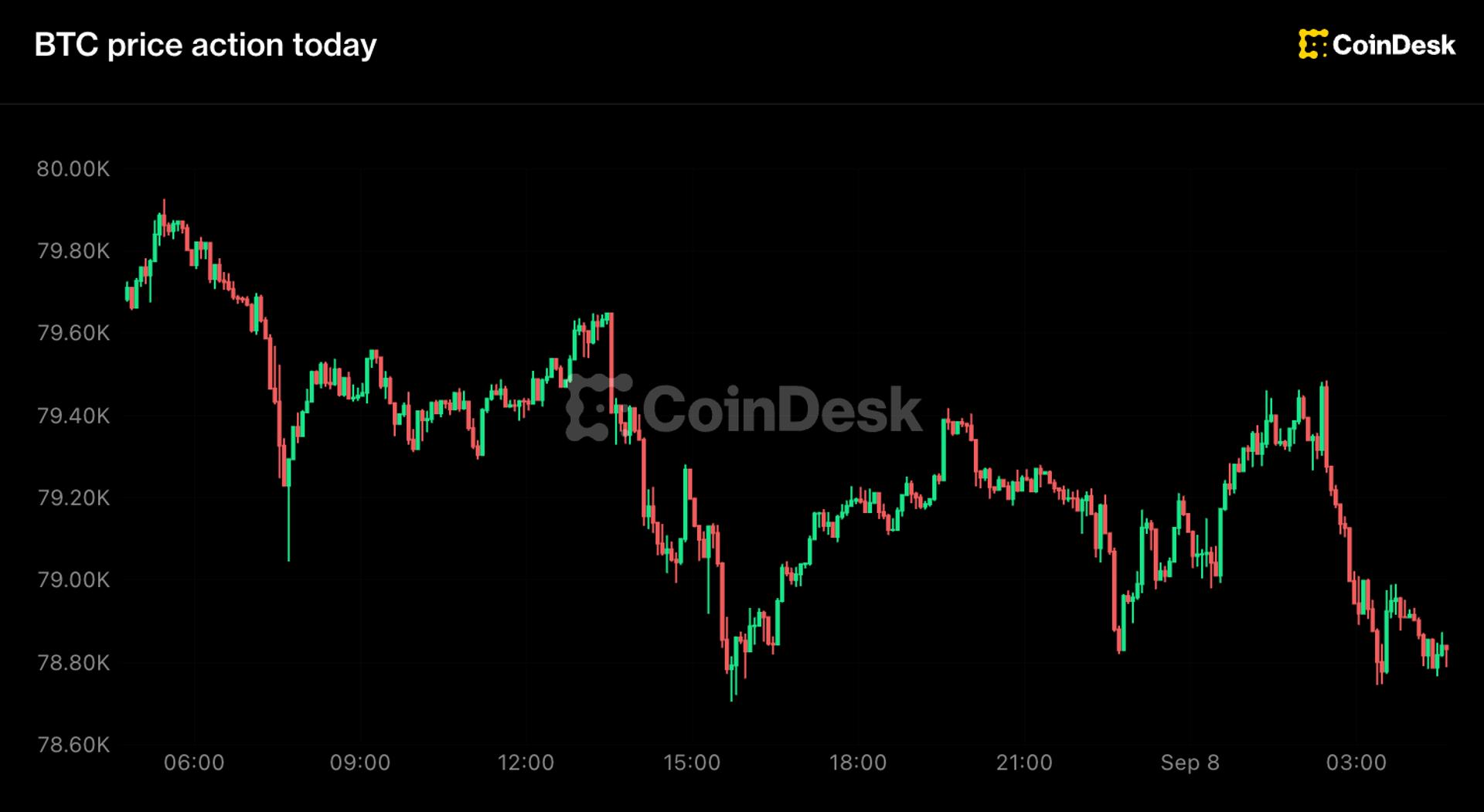
All major tokens fell on Tuesday, although most remained up for the week. Traders are pricing in a 60% chance of a Federal Reserve rate hike next week, while Zcash posted the steepest losses.
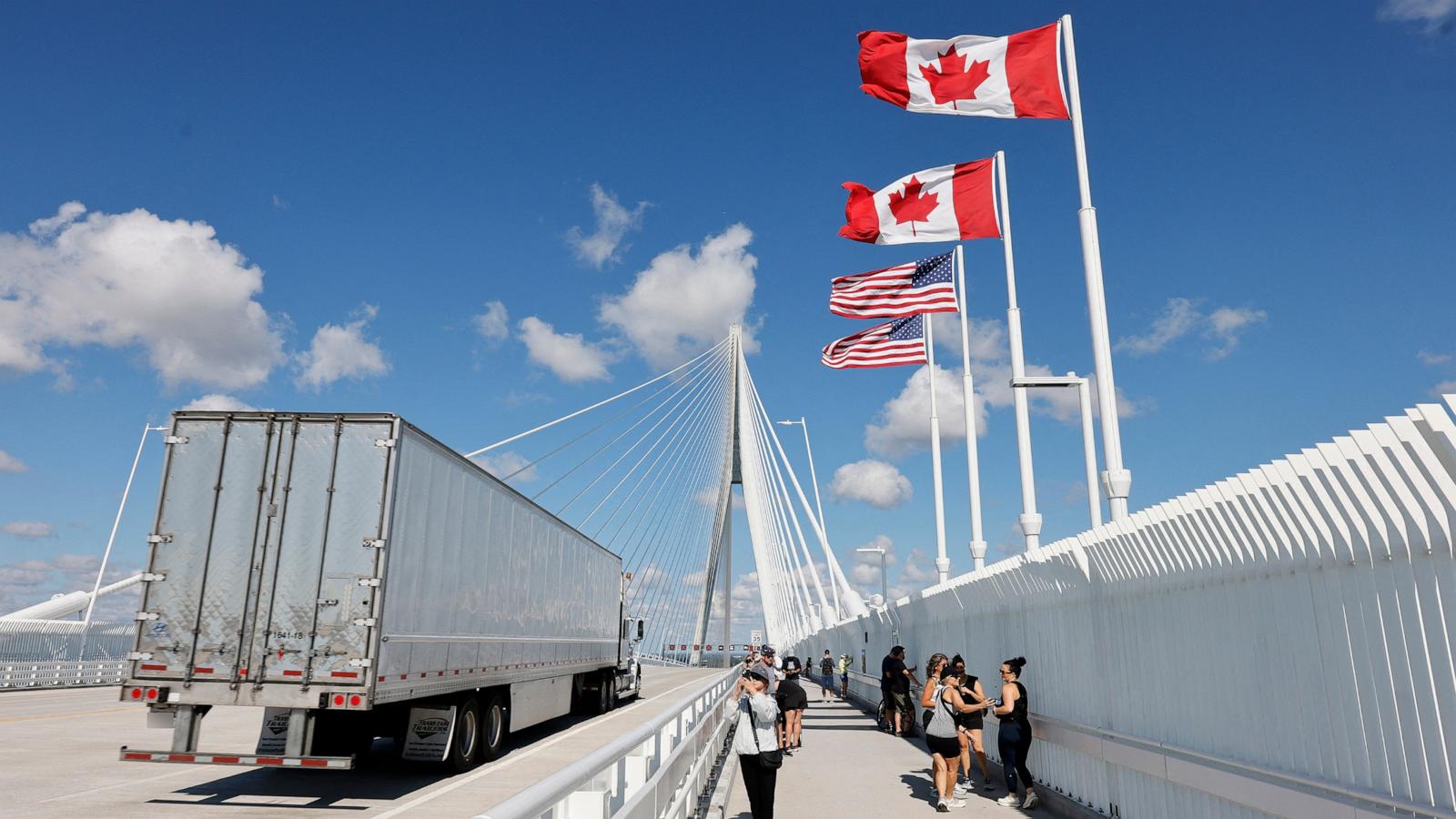
Canada’s retaliatory tariffs on nearly C$28bn worth of US goods, including steel, furniture and clothing, took effect on Tuesday, with rates reaching 50%. Talks remain stalled, while officials on both sides say they want a deal. The US has warned it could respond with further measures, as businesses prepare for a prolonged dispute.
Canada’s retaliatory tariffs on roughly $20 billion in U.S. goods take effect Tuesday, turning its escalating trade war with President Donald Trump into a test watched well beyond North America: Can a country much smaller than the United States stand up to Trump and succeed?
Canada’s retaliatory tariffs on billions of dollars’ worth of US products took effect Tuesday as the trade war between the two North American neighbours intensifies.
Canada has begun imposing 15% to 50% retaliatory tariffs on nearly $20bn of US imports, covering more than 700 products including steel, appliances, farm equipment and dairy. The measures match Washington’s levies dollar-for-dollar and further escalate the trade dispute.
Canada will impose 15% to 50% tariffs on C$27.6bn of US imports from early Tuesday, targeting sectors including steel, dairy, appliances, agricultural equipment, pulp and paper, and electronics. The counter-measures follow Donald Trump’s 50% tariffs on Canadian goods and come as tensions between Trump and Mark Carney intensify.
Trade negotiations collapsed last month, triggering tit-for-tat tariff threats. Canada’s retaliatory duties are now set to target US products, while Trump warns the dispute could escalate.
Canada is poised to levy 15% to 50% tariffs on hundreds of US products on Tuesday. Prime Minister Mark Carney is betting that confronting President Donald Trump will ultimately strengthen Ottawa’s negotiating position with its largest trading partner.
China’s export growth accelerated last month, driven by strong overseas demand for high-tech and AI-related products. The increase provided vital support to an economy weighed down by weak domestic demand.
China exportshigh-techartificial intelligenceeconomic growth
China said its exports accelerated in August, rising 25% from a year earlier as demand for automobiles and high-tech goods remained strong, according to the customs agency.
China’s exports and imports gained momentum in August, but imports fell short of estimates. Export growth accelerated as the world’s second-largest economy faced mounting pressure to rebalance trade.
Canada’s retaliatory tariffs on U.S. goods took effect shortly after midnight Tuesday. Prime Minister Mark Carney raised economic pressure on the country’s biggest trading partner after talks collapsed last month, intensifying an 18-month-old trade war.
Gold prices rose on Tuesday as the U.S. dollar weakened. Investors are watching upcoming inflation data that could influence expectations for the Federal Reserve’s next policy move.
Research shows that Apollo’s reputation for treating creditors harshly adds about one percentage point to the borrowing costs of companies in its portfolio.
Bankers for Anthropic and OpenAI are pushing for the AI labs to secure top-tier credit ratings after going public. An investment-grade designation would allow the labs and their infrastructure partners to borrow more cheaply.
Bloomberg News Now’s audio report highlights the day’s top stories, including Canada’s expected tariff action and Iran and Oman nearing a pact on the Strait of Hormuz, alongside other global business news.
Turkish President Recep Tayyip Erdogan said the conflict involving the US, Israel and Iran has global repercussions, with inflation, oil and diesel prices rising in Turkey and elsewhere. He warned that oil costs may keep climbing until the Strait of Hormuz situation is resolved, while Central Bank data puts the conflict’s inflationary impact at about 7 percentage points.
Iran crisisglobal economyoil pricesStrait of Hormuz
Bloomberg’s audio news update highlights reports that an Iran deal involving the Strait of Hormuz could be reached within days, alongside Canada’s planned response to Donald Trump’s tariffs and other global business stories.
Copper climbed for a second consecutive session to a record high, supported by tight near-term supplies and expectations that the US will impose tariffs on imports of refined metal.
China’s foreign exchange reserves reached $3.4383 trillion at the end of August, up $19.5 billion, or 0.57%, from July, data from the State Administration of Foreign Exchange showed. A weaker U.S. dollar index and mixed asset-price movements contributed to the increase, while the administration said China’s resilient economy helped keep reserves broadly stable.
MarketsChina forex reservesUS dollar indexmacroeconomy
Shipping through the Strait of Hormuz slowed at the beginning of the week after Iran warned on Monday that it would retaliate against any new U.S. attacks.
Asian shares lacked a firm direction in Tuesday’s session, even as the yen strengthened sharply. Regional indicators delivered mixed signals, while new Iranian warnings tied to the Persian Gulf lifted both oil and bond yields.
Brent crude, the global oil benchmark, has risen this month but remains below $100 a barrel even after a recent escalation in the U.S.-Iran conflict disrupted Gulf exports through the Strait of Hormuz and the Red Sea.
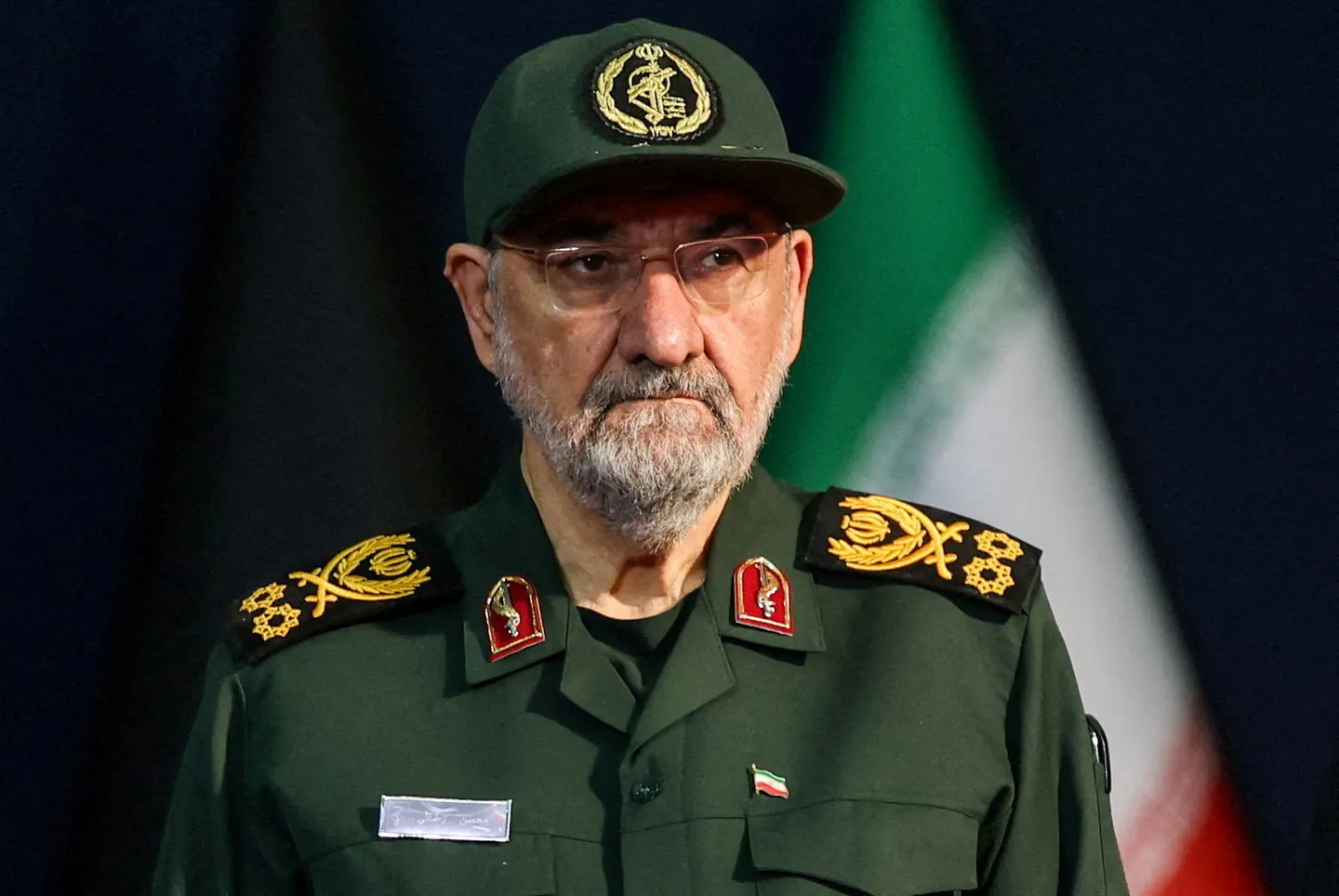
Iran threatened the United States with “economic warfare” on Tuesday and said it had fired an advanced missile at U.S. warships. The claims highlighted the risk of further escalation just days after the two sides exchanged fire again.
Oil prices continued to rise Tuesday as concerns grew that escalating tensions in the Middle East could develop into a prolonged conflict after the U.S. and Iran exchanged strikes over the weekend.
The eighth China Grain Trading Conference ended Monday in Changsha, Hunan Province, with transactions and intended deals worth 87.87 billion yuan, or about $12.96 billion. The three-day event covered trade in 29.2 million metric tons of grain and oil products and 2,111 grain-machinery units, drawing more than 3,100 companies and 20,000 industry professionals.
China’s central bank bought gold for a 22nd consecutive month in August, lifting holdings by 650,000 ounces to 76.73 million ounces. It was the largest monthly increase since purchases resumed in November 2024. An analyst said concerns over U.S. fiscal risks and the dollar’s credibility may have accelerated the buying, as China seeks to optimize its reserve structure.
China will introduce provisional anti-dumping measures on dichlorosilane imported from Japan starting Sept. 8. The Commerce Ministry said a preliminary probe found dumping had caused material injury to China’s domestic industry, requiring importers to post customs deposits of 80.8% to 99.2% depending on the supplier.
UK retail sales growth slowed to a four-month low in August as the surge driven by record-hot weather earlier in the summer faded, according to figures from the British Retail Consortium.
With Canada’s new counter-tariffs on the United States due to take effect Tuesday, Quebec has announced measures it says will diversify the economy while protecting local businesses and jobs.
While officials in major economies largely stick to controlling inflation and supporting employment, Thailand central bank chief Vitai Ratanakorn is prepared to address wider challenges. Success will require luck and tolerance from the politicians who appointed him.
China’s deeper opening of its services sector is expected to strengthen the global competitiveness of Chinese providers and create new opportunities for businesses worldwide. Broader market access and regulatory liberalization could expand both services imports and exports, with digital and technology-intensive services emerging as key growth drivers. The 2026 China International Fair for Trade in Services will be held in Beijing with participation from about 90 countries, regions and international organizations. Services trade totaled nearly 4.45 trillion yuan in the first seven months of 2026, up 8.3% year on year.
Government bonds are generally seen as relatively safe investments because a government issuer is considered unlikely to go bankrupt. Japan’s $7.5 trillion bond market has been regarded for decades as one of the most stable among major government debt markets, but its yields are now surging.
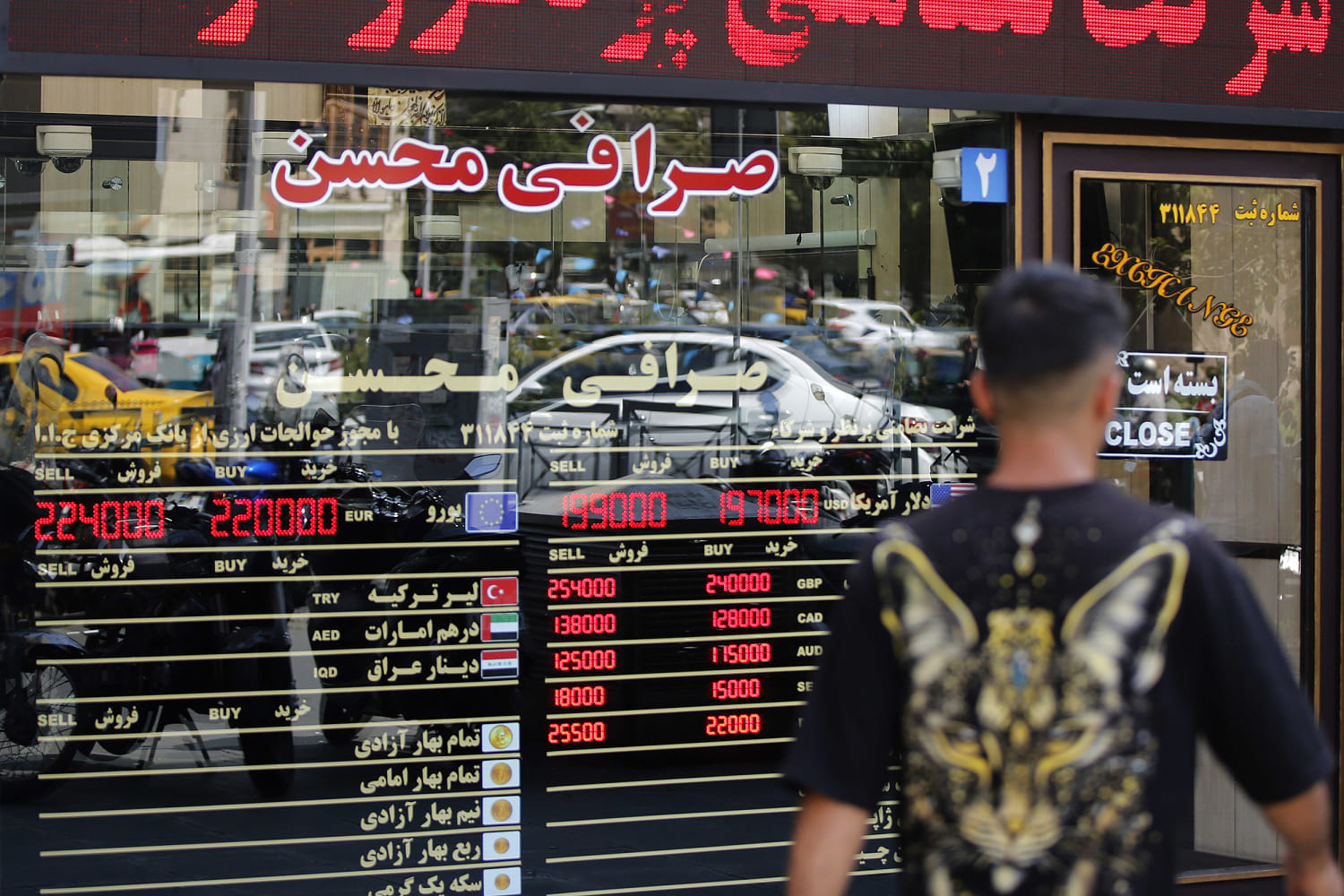
Iran introduced higher gasoline prices for its heaviest users early Tuesday, state media reported, adding to the economic pressure caused by months of war.
Japan’s real wages increased 2.4% year on year in July, the largest rise since May 2021 and the seventh straight monthly gain, government data showed. The figures suggest pay trends are gradually recovering.
Colombia’s consumer prices rose 0.39% in August, lifting annual price growth to 6.24%, the DANE statistics agency said on Monday. The increase was stronger than expected.
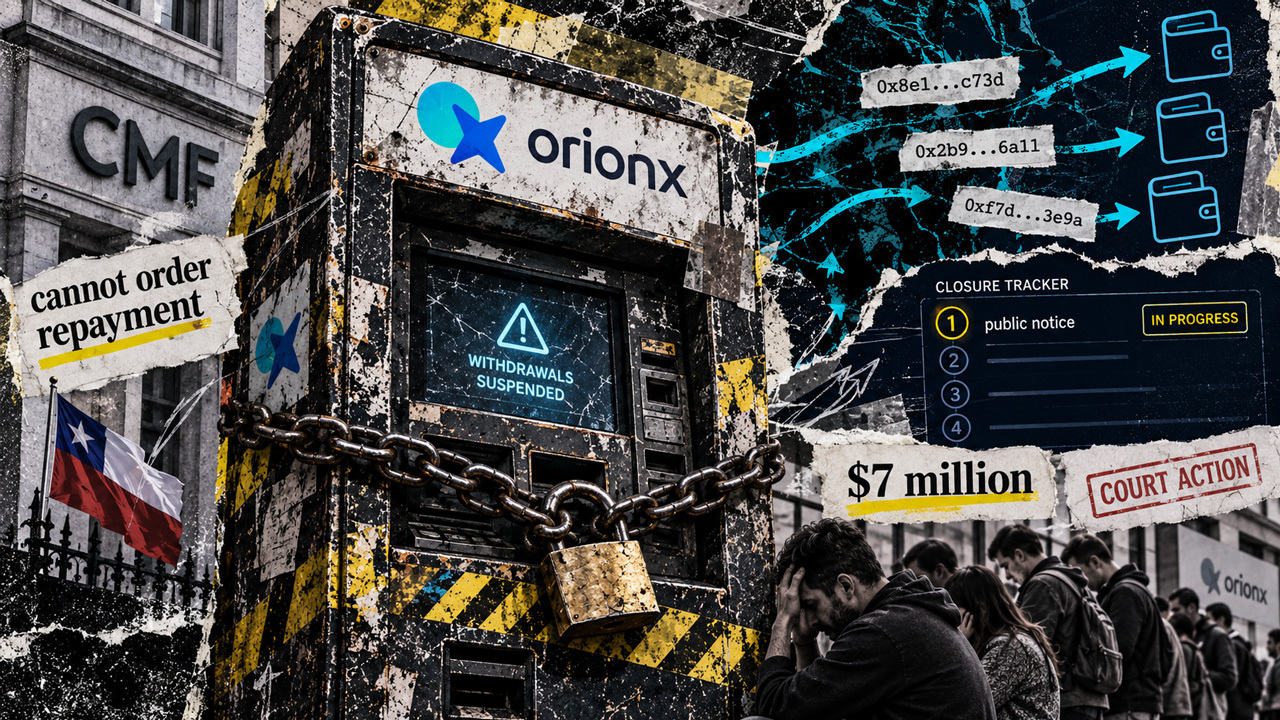
Chilean crypto exchange Orionx is shutting down and has frozen withdrawals after an audit found customer assets transferred to wallets outside its control. It notified prosecutors and filed a criminal complaint against former executives, but the recoverable amount and repayment date remain unknown. Chile’s financial regulator says it cannot compel restitution.
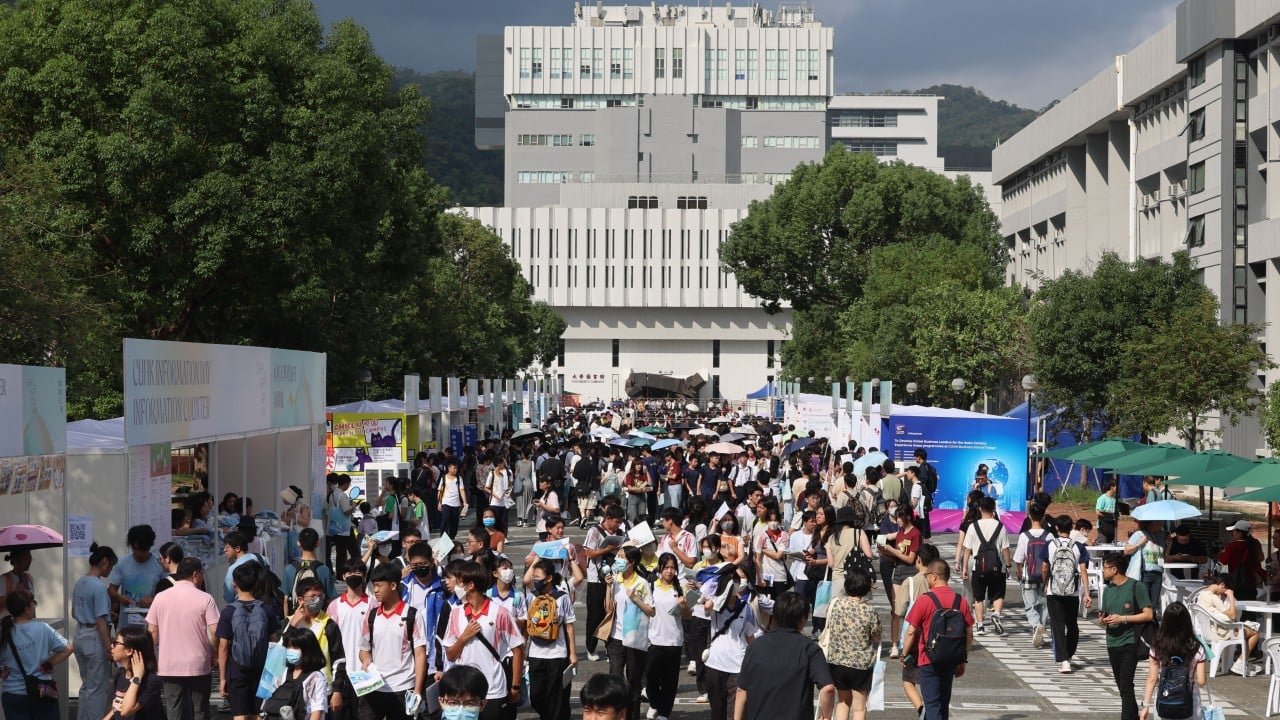
Hong Kong’s push to become a global education hub could make the sector a sustainable source of property demand, CBRE says. The city may have about 200,000 non-local students by 2035, while international schools could need 40 to 50 new campuses and up to 1.11 million square metres of additional real estate to accommodate 30,000 to 40,000 of them.
Real EstateHong Kongnon-local studentseducationproperty
SSouth China Morning PostOriginal★★☆☆☆2026-09-08 00:00
Foreign and mainland students flock to Hong Kong, driving property demand in education
Izzy Englander’s hedge fund firm has delivered double-digit returns almost every year since it was founded and is set to close on $22 billion in new commitments next month, bringing it close to $100 billion in size.
Analysis says Washington has abandoned talks with Iran in favor of an aggressive economic pressure campaign. A cornered Tehran is now threatening military escalation and a wider war in an effort to force negotiators back to the table.
United StatesIraneconomic pressuremilitary escalation
Oil prices have climbed to nearly six-week highs as escalating US-Iran strikes disrupt traffic through the Strait of Hormuz, a key oil route. Brent crude is near $97 a barrel, while US petrol and diesel costs rise, increasing household expenses and economic pressure ahead of the midterm elections.
oil pricesStrait of HormuzUS-Iran conflictenergy markets
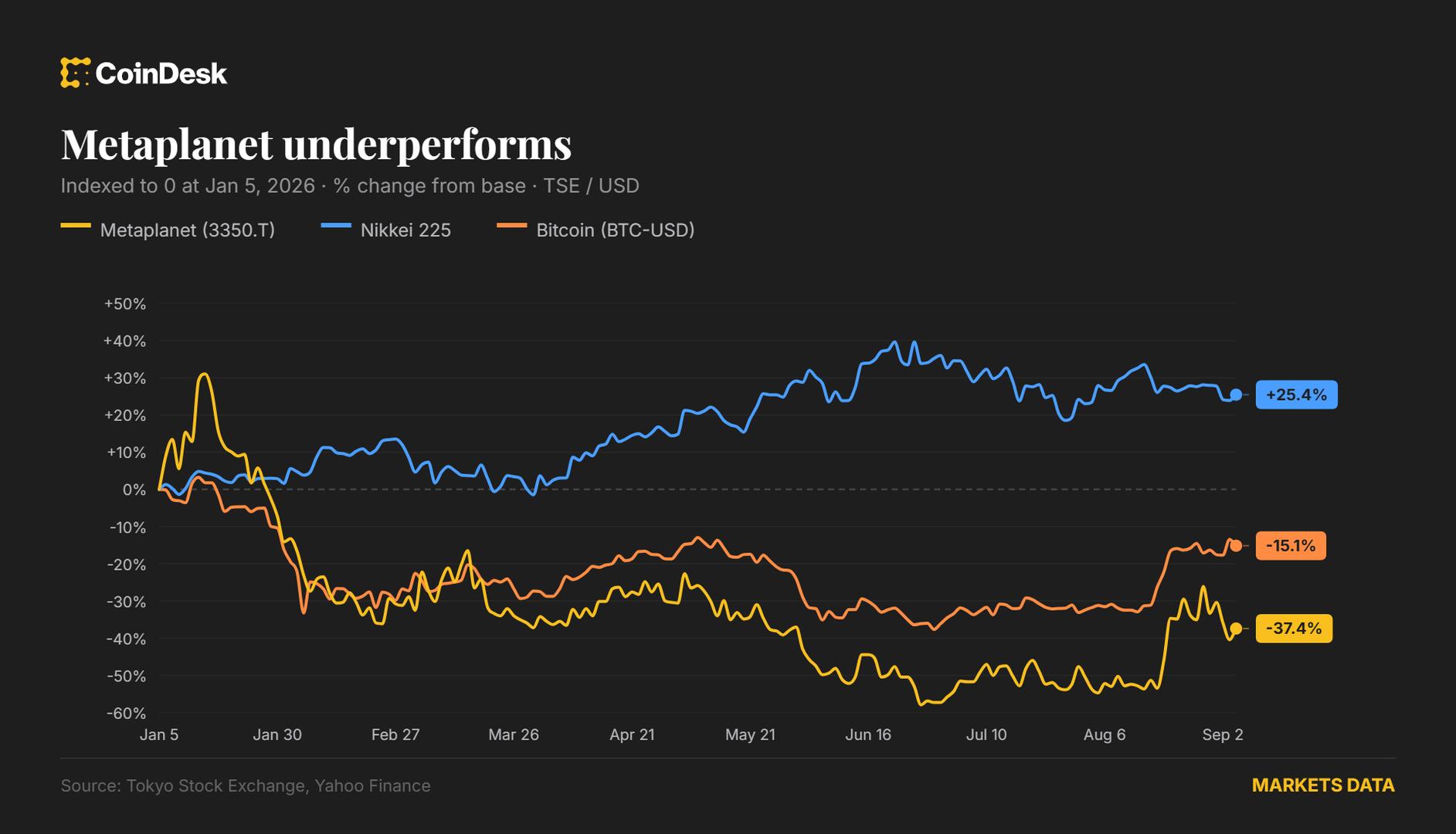
Metaplanet CEO Simon Gerovich said the company had not adequately explained the structure and denied involvement in MMXX Ventures’ trading decisions. Shareholders said the central questions still had not been answered.
Chinese collectible-toy maker Pop Mart International is continuing its global retail expansion despite slowing overseas sales. The company plans to open its first European flagship on Paris’ Boulevard Haussmann, near Galeries Lafayette and Printemps. Founder and CEO Wang Ning visited Paris last week and met LVMH chairman and CEO Bernard Arnault.
A Group of 20 finance meeting in the U.S. this month has brought greater attention to the debate over whether Chinese exports have cost people in other countries their jobs.
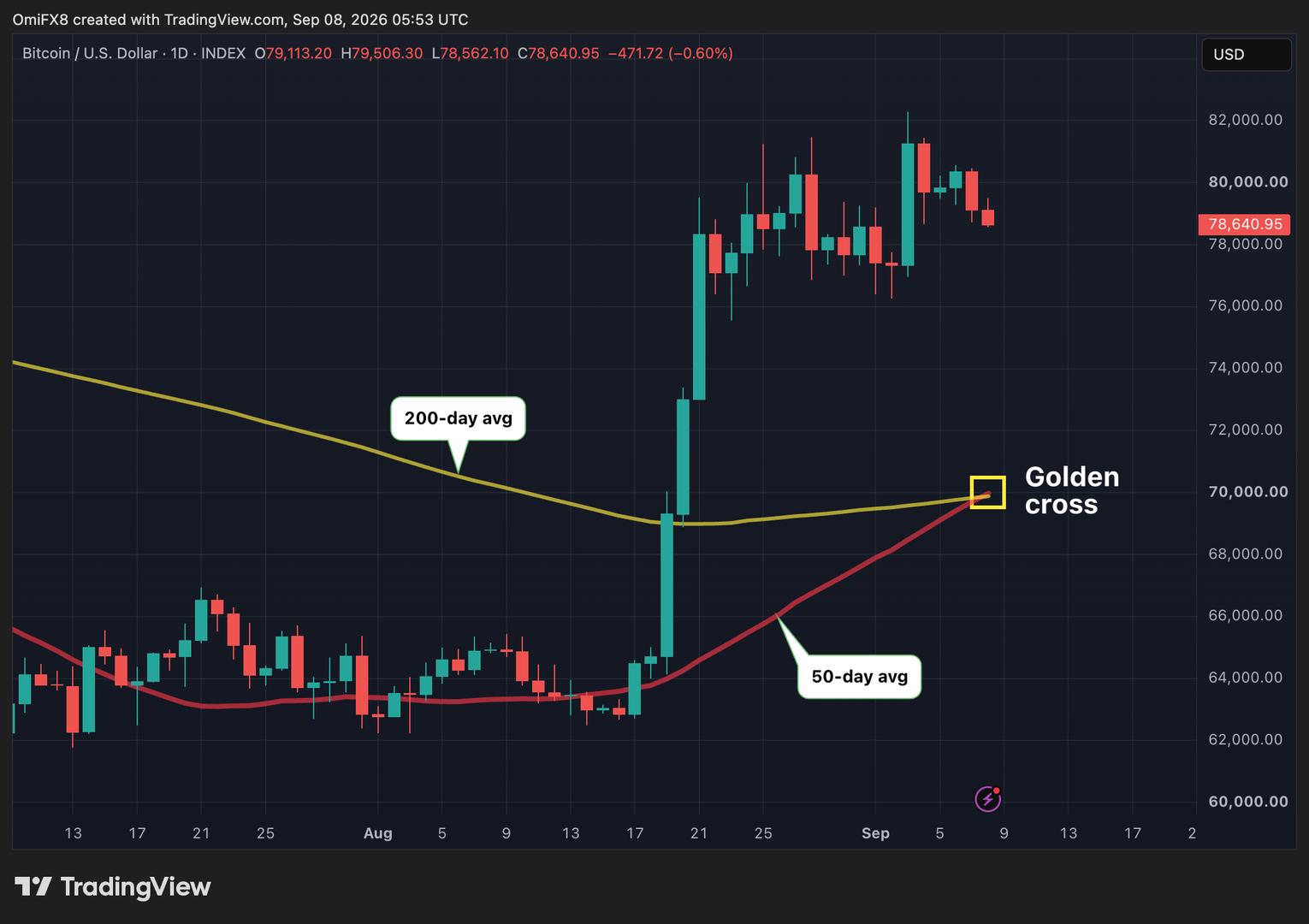
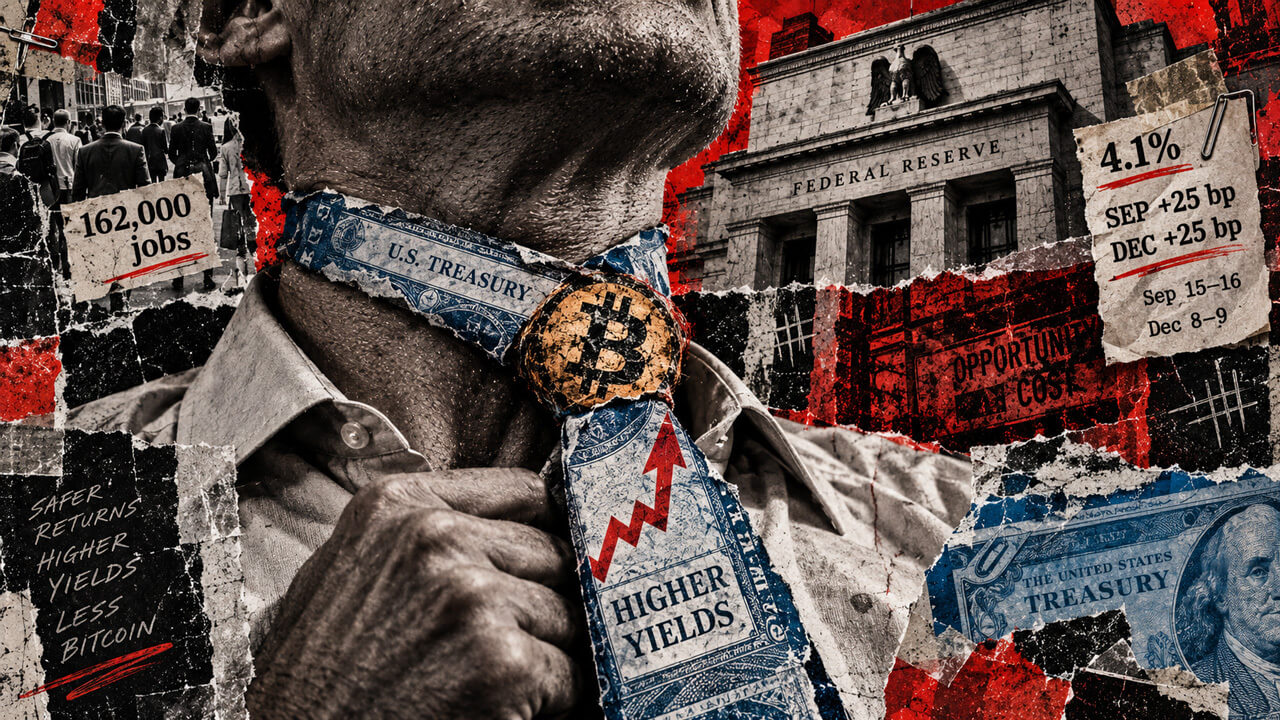
UBS now expects the Federal Reserve to raise rates by 25 basis points in both September and December, reversing its earlier call for no hikes this year. The shift, driven by resilient August employment, hawkish Fed signals and inflation risks, could keep yields and dollar assets attractive while raising the opportunity cost of holding non-yielding Bitcoin.
UBS expects the Federal Reserve to raise rates by 25 basis points in both September and December 2026, after a stronger-than-expected U.S. jobs report reinforced expectations of a resilient labor market.
Oil prices are approaching $100 as the prospect of another supply crunch emerges. The newsletter also highlights a leadership vacuum at India’s biggest private bank and China’s $53bn injection into banks and insurers.
Sapporo Breweries is moving some production from Canada to the US in response to 50% tariffs on beer exports from Canada, as it seeks to revive its North American operations.
Crisis-hit Volkswagen has reached a preliminary agreement to sell its Osnabrück plant in Lower Saxony to the state government and Israeli investor Aurelius Capital. From mid-2027, the factory is expected to produce equipment for Rafael Advanced Defence Systems, the maker of the Iron Dome missile defence system. The report also examines Germany’s economy after the far-right AfD’s historic win in Saxony-Anhalt.
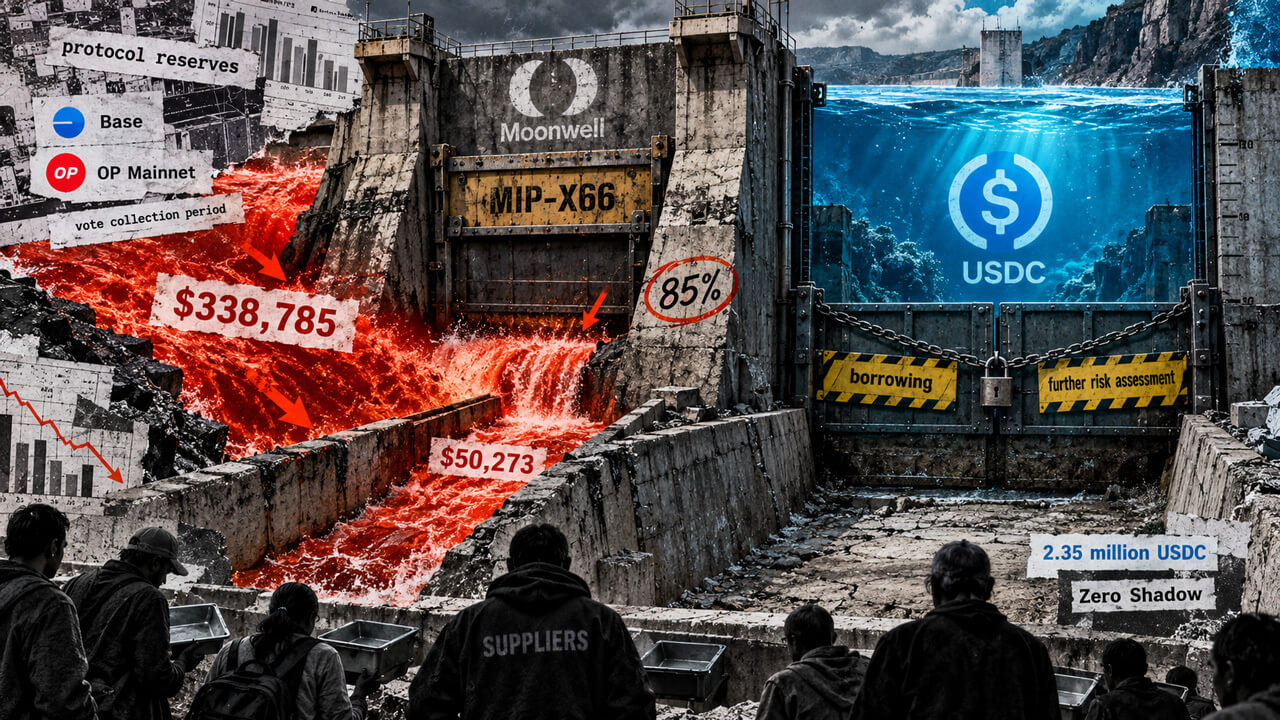
Moonwell’s MIP-X66 governance proposal would change risk settings and interest models and use protocol reserves to recapitalize its USDC market. A projection suggests monthly interest accruing on bad debt across seven Base markets could fall by about 85%, but supplier repayments and a restart of Base borrowing remain unresolved.
Airbus jet deliveries increased 9% in the first eight months of 2026, keeping the European planemaker broadly on course to meet its annual target. The company still needs to catch up on A330 deliveries after a production snag.
Modernization of the Baikal-Amur Mainline and the Trans-Siberian Railway is planned to raise their combined carrying capacity to 210 million tonnes by the end of 2030 and 270 million tonnes by the end of 2032, according to a draft development strategy for Russia’s Far Eastern Federal District.
Russia’s development strategy for the Far Eastern Federal District through 2030 calls for serial production of domestic short- and long-haul aircraft in the region. The plan includes locally supplied components for regional planes, new assembly lines for a domestic long-haul aircraft and fleet renewal with SJ-100, Il-114-300, Baikal and Mi-171A3 models.
Nornickel President Vladimir Potanin and BELAZ General Director Sergey Lesin signed an agreement to establish a joint venture. The companies will cooperate on next-generation underground mining equipment, unmanned mining technologies and other innovations, while creating a full-service repair and maintenance hub. Initial machinery is being tested at Norilsk mines.
Russia plans to make the Far East more attractive to domestic and foreign tourists by simplifying visa procedures, adapting services for overseas visitors and upgrading airports, flight networks, roads and ports for cruise tourism. A draft strategy says tourist traffic in 2024 was 36% higher than in 2022.
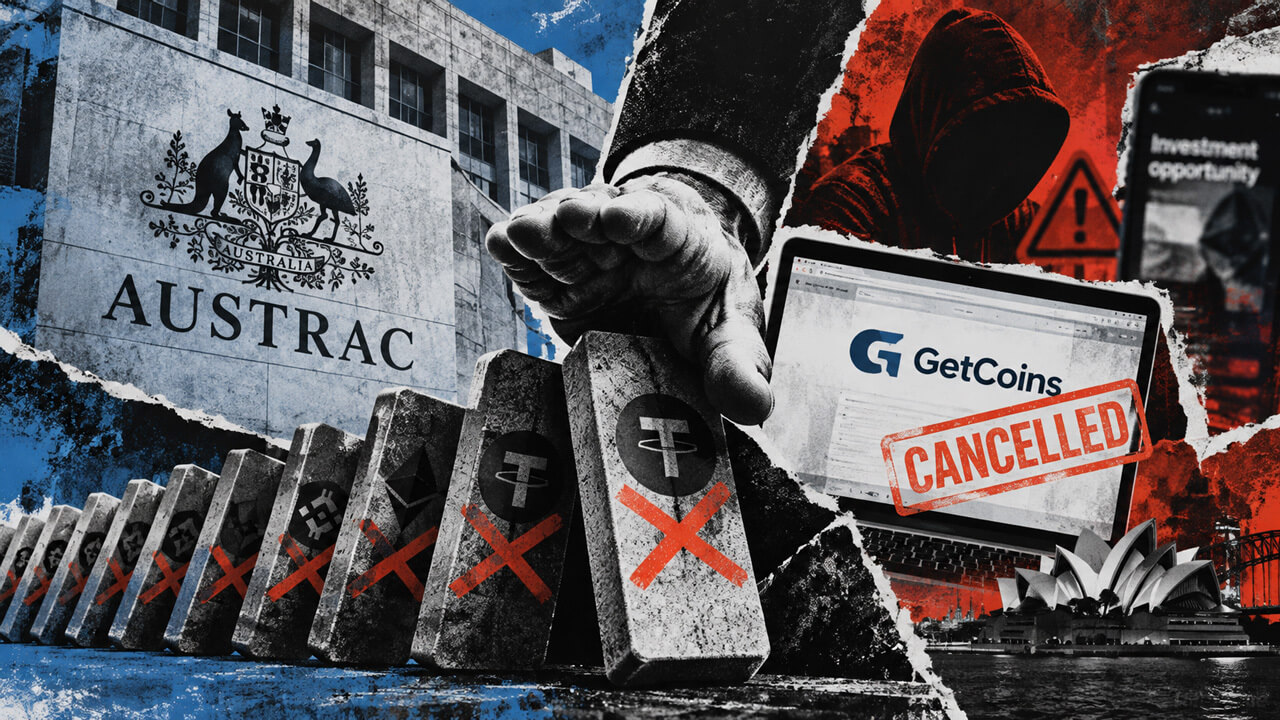
Australia’s financial intelligence regulator AUSTRAC said it canceled, suspended or refused to renew 45 remittance and virtual asset registrations over the past year. After customer complaints and work with the National Anti-Scam Centre, it canceled the registration of GetCoins operator BA Digital Ventures, saying the action helped disrupt alleged organized cryptocurrency investment scams without alleging that GetCoins organized them.
Hockey families in the United States are already struggling with sharply rising equipment costs. Kelly Rand, whose teenage sons play in Minnesota, says gear prices have skyrocketed, and the US tariff on Canadian imports could drive them up further.
The MOEX Index rose 0.69% to 2,269.05 points by the close of the main session, while the dollar-denominated RTS Index gained 1.16% to 829.32. Rosneft and Rosseti led the advances; Eurotrans fell 5.1% after its chairman and several executives were arrested. Analysts expect MOEX to trade between 2,200 and 2,300 points on Tuesday.
Russia’s stock market turned positive during the main trading session. By 2:00 p.m. Moscow time, the MOEX Index had gained 0.2% to 2,257.82 points and the RTS Index was up 0.2% at 821.46, after both benchmarks opened down 0.71%.
Russian stocks declined at the start of Monday’s main trading session, with the MOEX and RTS indices each down 0.71% at 2,237.42 and 814.03 points. Losses later narrowed to 0.56%, while the MOEX index under the additional IMOEX2 ticker fell 0.99% in morning trading.
The MOEX Index fell 0.99% to 2,231.21 points when Monday’s morning session opened on the Moscow Exchange. By 7:10 a.m. Moscow time, the decline had narrowed to 0.69%, leaving the index at 2,237.97 points.
Premium German automaker Audi has unveiled a new compact electric vehicle to strengthen its position in the smaller European market, where Chinese rivals are offering more affordable models, and to help revive global sales.
Petrol and diesel prices rose again to record levels, prompting a go-slow convoy and mass horn-blaring in Portugal. Fuel prices also reached record highs elsewhere across Europe.
A slow-moving convoy and the sound of car horns marked protests in Portugal as petrol and diesel prices climbed again to record levels. Fuel prices also reached unprecedented highs elsewhere across Europe.
The Minutes Reader extension turns the original page into a focused reading view and translates articles and video subtitles on demand. It is in limited beta.
 Bloomberg NewsOriginal★★☆☆☆2026-09-08 06:00