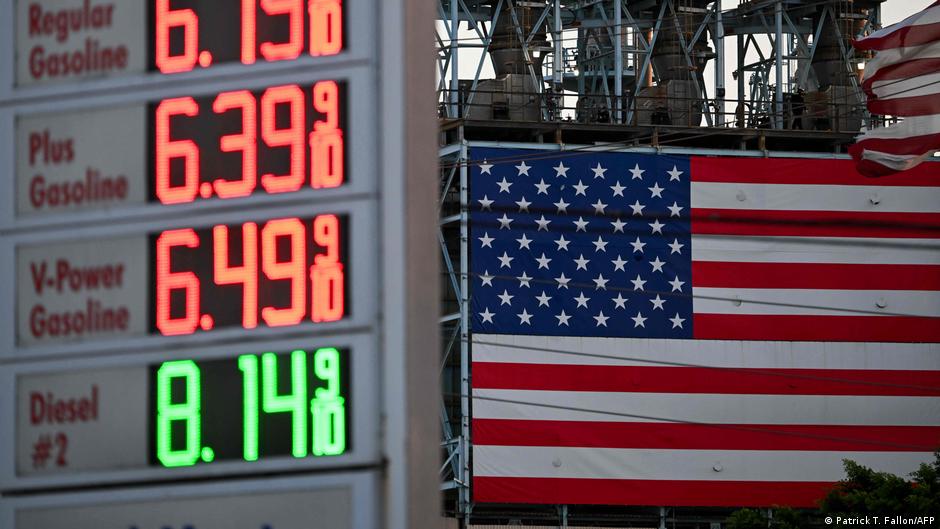
The oil supertanker Esteem Explorer is due to sail from the United States to Japan in late November carrying about 2 million barrels of crude. The voyage will cost $81 million, compared with an average of $9.1 million for the same trip last year.
China indicated that it will continue supplying rare earths to the EU even if its trade deal with the United States expires. European trade commissioner Maroš Sefčovič met Chinese Commerce Minister Wang Wentao in Beijing last week.
Russian oil companies are ready to supply diesel to global markets immediately, Deputy Prime Minister Alexander Novak said. He said commercial terms are being negotiated and confirmed that shipments have not yet begun.
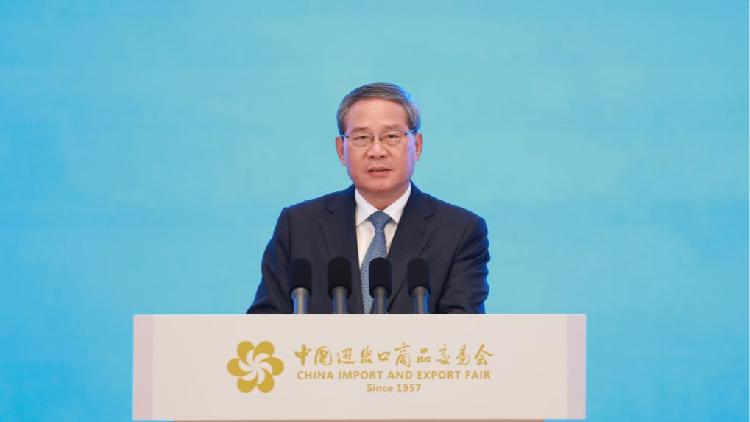
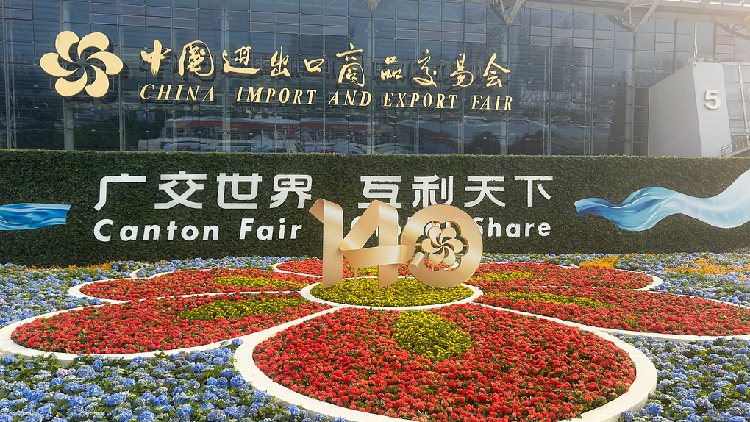
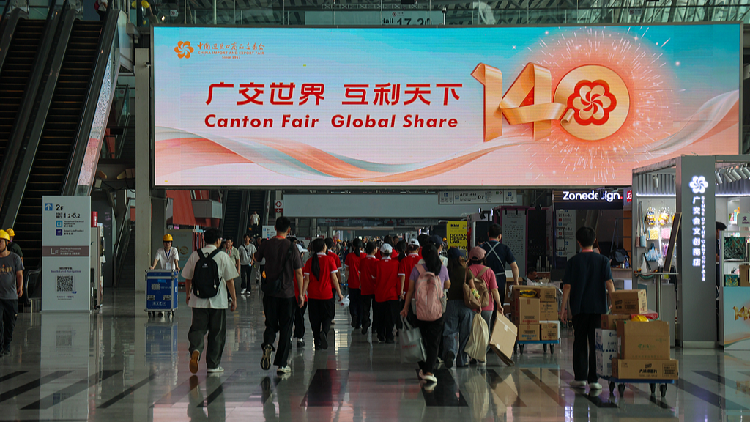
Chinese Premier Li Qiang gave a keynote speech on Wednesday at the opening ceremony of the 140th China Import and Export Fair, also known as the Canton Fair, in Guangzhou.
China is prepared to keep facilitating reviews and approvals of rare-earth export licenses to Europe, Ministry of Commerce spokesperson He Yadong said. He said China hopes Europe will help resolve key licensing cases involving Chinese entities, and that both sides will continue using their export-control dialogue mechanism to grow trade in dual-use items.
Lufthansa said on Thursday it had increased fuel carried by flights to Frankfurt as a precaution, with supplies tightening at Germany’s largest air hub because of reduced pipeline capacity. Airport operator Fraport said routine pipeline maintenance was under way and had been factored into operations.
China's foreign investment stock reached 26.8 trillion yuan ($4 trillion) in 2025, ranking second worldwide and extending its growth streak to six years, the Ministry of Commerce said Thursday. A total of 461,000 foreign-invested firms filed annual reports, up 5.7% year on year.
The Trump administration is discussing a partial easing of sanctions on tankers in the “shadow fleet,” Reuters reports. The White House says the move could bring down record-high freight rates and allow more oil and products to leave the Persian Gulf. Use of the vessels to carry “legal oil” would still require U.S. Treasury permission. Experts doubt rates will fall, citing EU and U.K. insurance rules that are unlikely to change.
The US is considering easing sanctions on so-called shadow fleet vessels that have carried oil and petroleum products from Russia, Iran and Venezuela, Reuters reported, citing a US official. The move aims to bring down record-high global freight rates. Companies using the vessels would need a permit from the US Treasury Department.
China's trade with RCEP members increased steadily in the first nine months of 2026, customs data showed. Trade with ASEAN rose 22.7% to 6.84 trillion yuan, while trade with Japan, South Korea, Australia and New Zealand also grew. An expert cited proximity, better transport links, complementary industries and RCEP's tariff and customs benefits.
Xiong’an New Area sent off its first shipment using the bonded-plus-TIR model on Tuesday. The truck carries goods worth 300,000 yuan and will travel via Manzhouli Port to Vladivostok. TIR is expected to cut transport time by about 40% and costs by 30%, with the trip taking 10–12 days.
Russian business ombudsman Alexander Shokhin said the Russia-US diesel supply deal could offer a precedent for suspending or lifting sanctions if Washington sees economic and political benefits. He said EU automakers are surviving only by making weapons and suggested the Trump administration’s pragmatism could spread.
Kenya raised maximum retail prices for petrol and diesel on Wednesday, with the energy regulator citing higher import costs linked to the conflict in the Middle East.
Hundreds marched through Bangkok on Thursday, 15 October, opposing the annual meetings of the International Monetary Fund and World Bank taking place in the Thai capital.
BangkokprotestsInternational Monetary FundWorld Bank
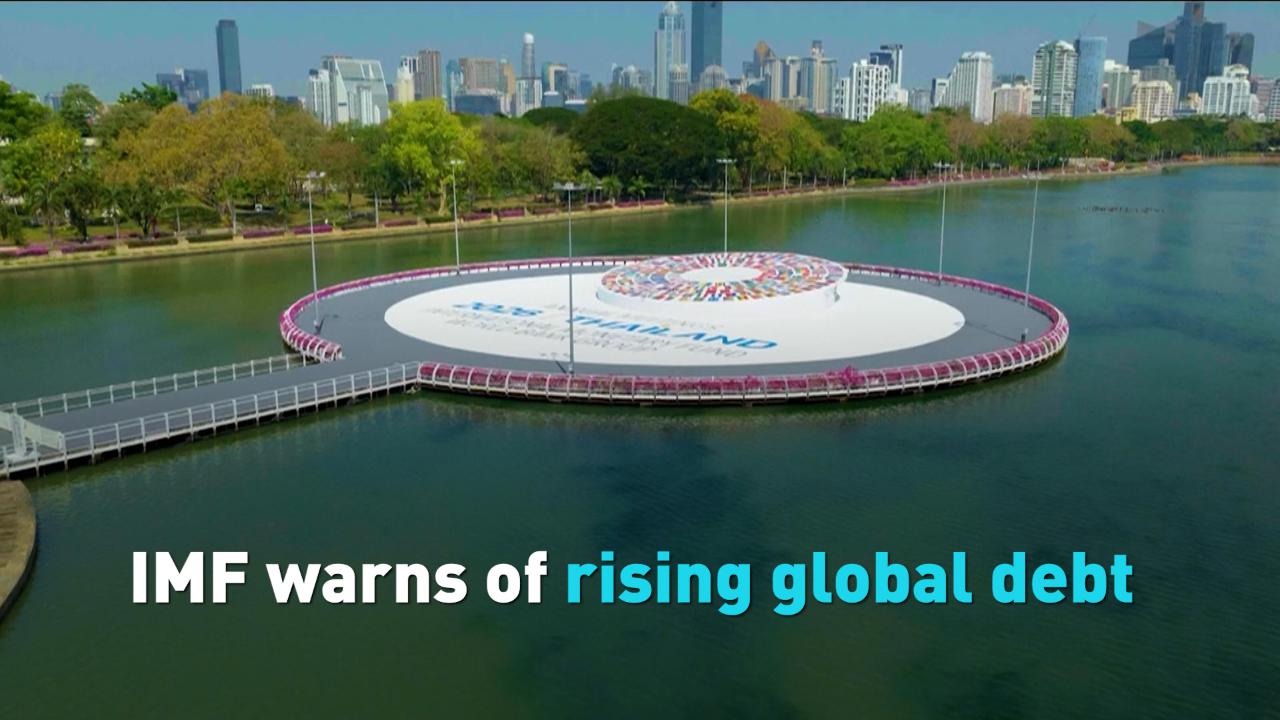
IMF Managing Director Kristalina Georgieva urged the world’s largest economies to tackle growing fiscal and trade imbalances. At the IMF and World Bank annual meetings in Bangkok, she warned that a new IMF report highlights the risks of postponing action on mounting debt and called for urgent policy reforms.
global debtInternational Monetary Fundfiscal policytrade imbalances
For much of Sanae Takaichi’s first year as Japan’s prime minister, investors broadly favored buying stocks and selling bonds. That trade is now being reconsidered.
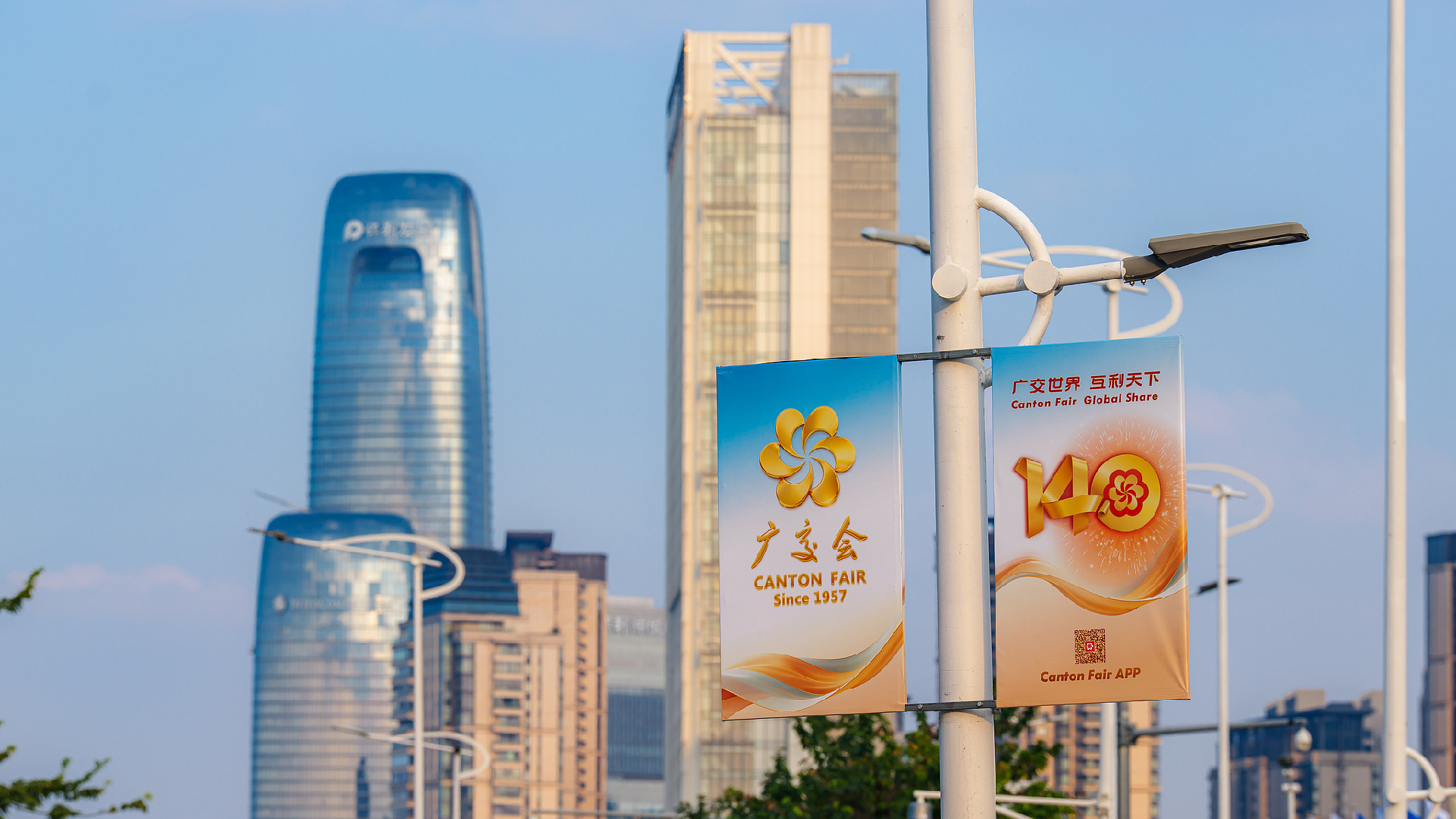
The 140th Canton Fair opened in Guangzhou, marking the event’s 70th anniversary and drawing 310,000 buyers from more than 220 countries and regions. The fair features innovation, green development and intelligent technology, including advanced chips and brain-computer interfaces. The report describes its expanding role in global industrial cooperation beyond trade transactions.
The 140th China Import and Export Fair opened in Guangzhou, marking the event’s 70th anniversary. Covering 1.55 million square meters, it will run in three phases through Nov. 4, highlighting innovation, green technology and smart manufacturing.
Canton Fairtrade fairgreen technologysmart manufacturing
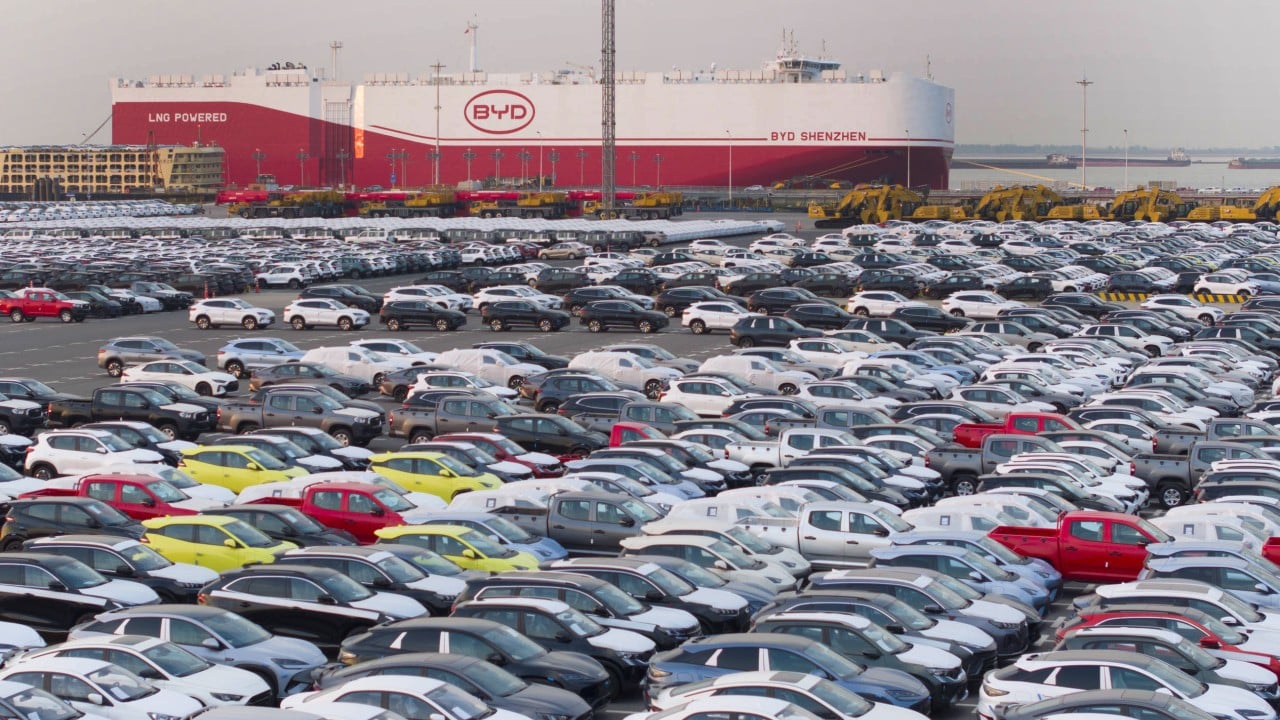
After China accepted limits on car exports, the EU is considering follow-up action in other industries, setting the stage for another trade clash between them.
China’s Foreign Ministry says this year’s China International Import Expo is expected to host about 32,000 businesses, more than 11,000 of them with specialized technologies or leading positions in their fields. Spokesperson Mao Ning said free stands for least developed countries will continue, alongside an upgraded Asia-Africa Products Zone.
China has opened its first international road freight route from Shandong to Georgia under the TIR system. The route connects a trade cooperation zone in Qingdao with Georgia. Two trucks carrying clothing have departed, and the journey is expected to take about 18 days, compared with the previous 30 to 45 days.
SK Hynix is seeking Washington’s approval to export US chipmaking equipment to China to raise production there, making that approval a condition for building a factory in the United States, two people familiar with the matter said Wednesday.
Asian markets opened lower on Thursday after US consumer-price inflation rose faster than expected, lifting expectations that the Federal Reserve may act later this year and weighing on stocks.
The total tax rate on Canadian softwood lumber exports has been set at nearly 35% following a U.S. review. The B.C. Lumber Trade Council says that is down from the combined 45% rate announced in August last year.
A train departing Shijiazhuang International Dry Port for Kashgar on Tuesday inaugurated the Beijing-Tianjin-Hebei region’s first international rail-road service using an integrated “one document” logistics model. Cargo will transfer to trucks in Kashgar for delivery to cities including Bishkek and Dushanbe. The system cuts transport and customs-clearance time by more than 30%. A separate Shijiazhuang-Tacheng service also launched Tuesday and is set to run regularly.
Trade & sanctionsrail-road intermodalCentral Asia tradeShijiazhuanglogistics
Doug Ford, Ontario’s premier, said Canada should build its plans around the risk that US trade protectionism will persist past Donald Trump’s administration.
Most toys sold in the US are made in China. The report follows a toy from production at a factory in Dongguan, Guangdong, to a port and on to US retailers, and describes the factory’s share of the retail price and its production process.
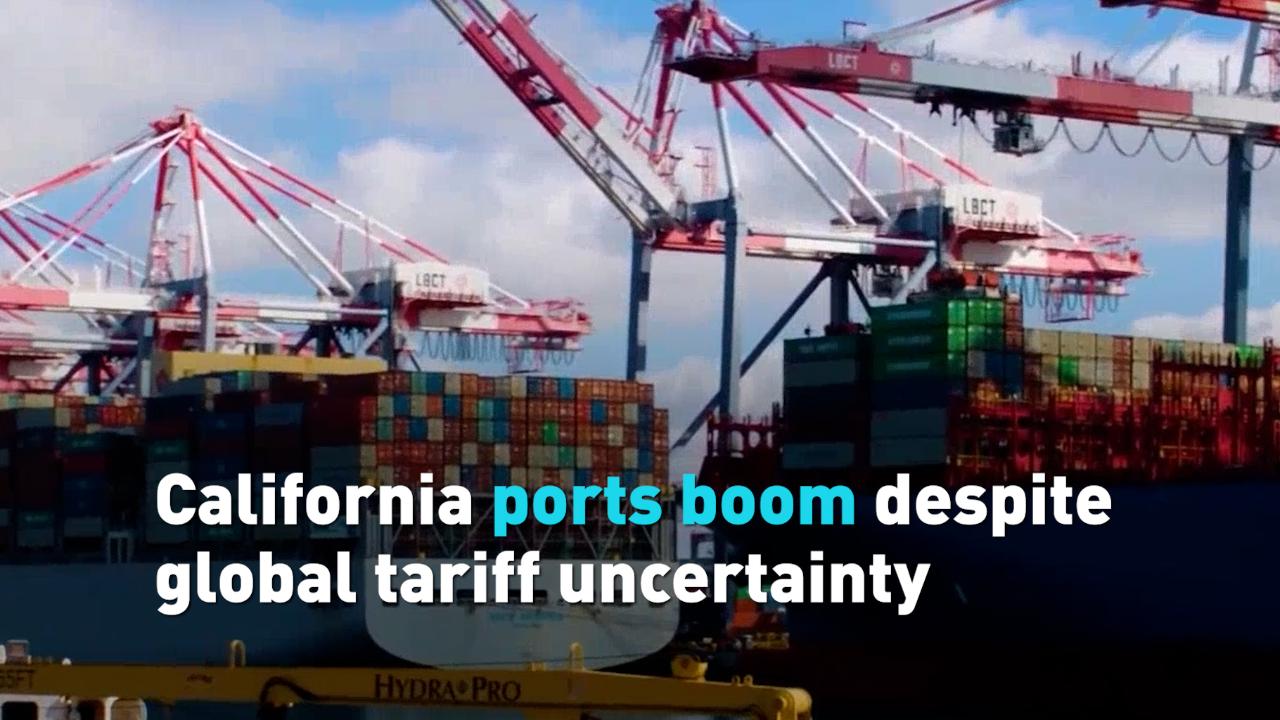
The ports of Los Angeles and Long Beach are handling record cargo volumes ahead of the holiday shopping season despite steep U.S. tariffs on Chinese imports. After a recent meeting between Xi Jinping and Donald Trump, proposed tariff cuts on toys and other consumer goods have raised hopes of lower prices for U.S. businesses and shoppers.
Zelensky told an interviewer he felt the Trump administration had betrayed him, pointing to President Donald Trump's announcement last week of a fresh deal to purchase Russian fuel from Moscow.
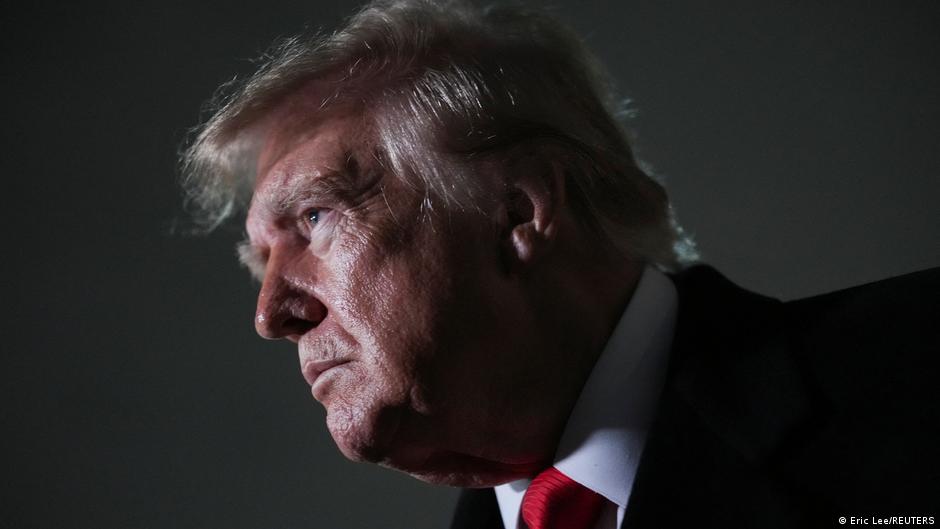
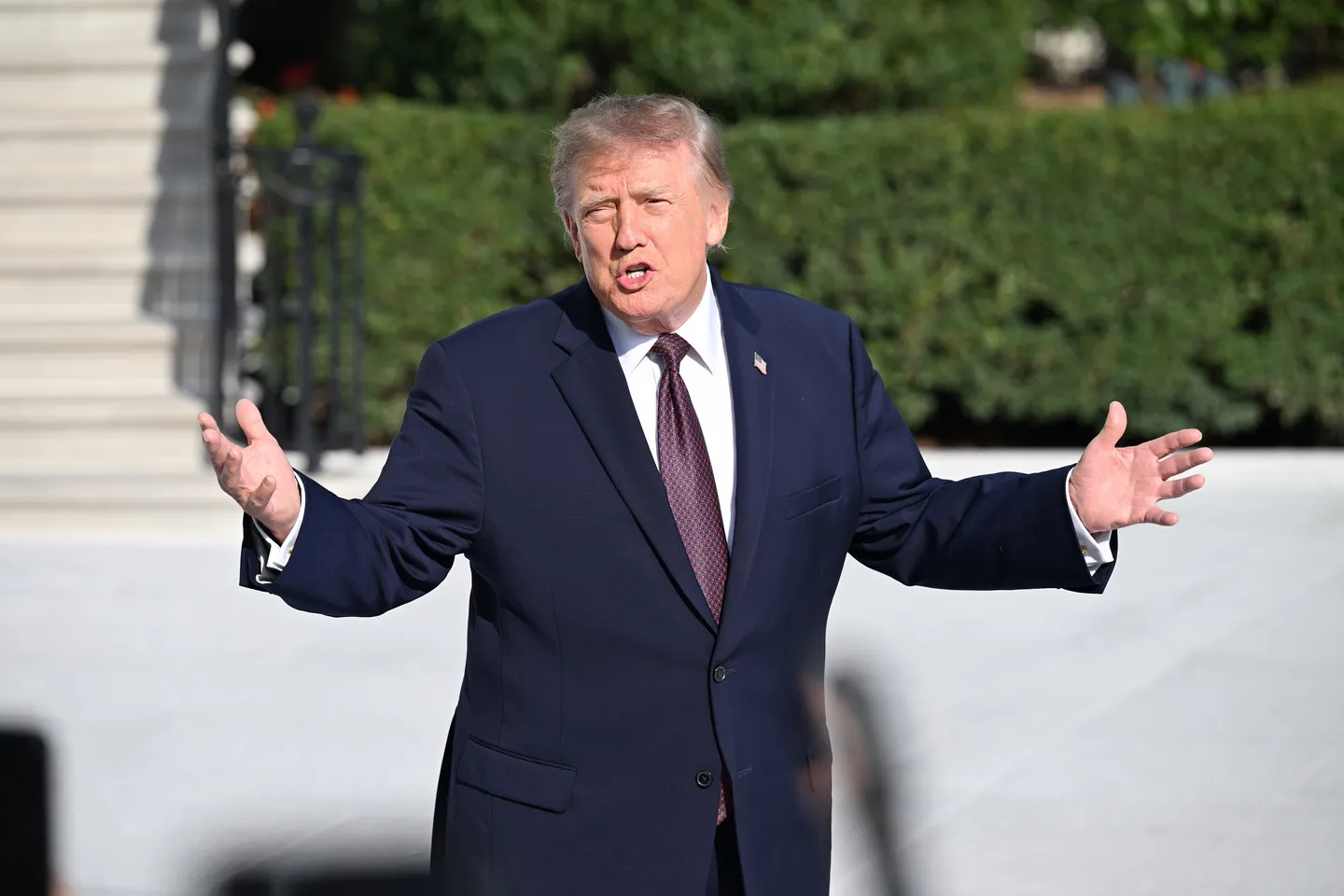
Trump announced a deal to buy Russian diesel, temporarily easing US sanctions on Moscow and alarming Ukraine and its allies. Experts say the shipments are too small to affect US fuel prices, suggesting Trump mainly wants to show voters he is addressing the issue. Kyiv and EU countries fear Russia will use the revenue to fund its war against Ukraine.
Italian Prime Minister Giorgia Meloni called the U.S. deal to buy Russian diesel “very risky,” saying it legitimizes Moscow and generates revenue for its war while Russian bombs continue to fall on Ukrainian cities. She said fuel-price increases stem mainly from the war in Iran, not the Ukraine conflict. Volodymyr Zelensky thanked her for her clear stance.
Russia is in close contact with the United States on diesel fuel supply contracts, which may be signed in the coming days, Russian envoy Kirill Dmitriev said. He said discussions were moving quickly as the sides work through logistical issues.
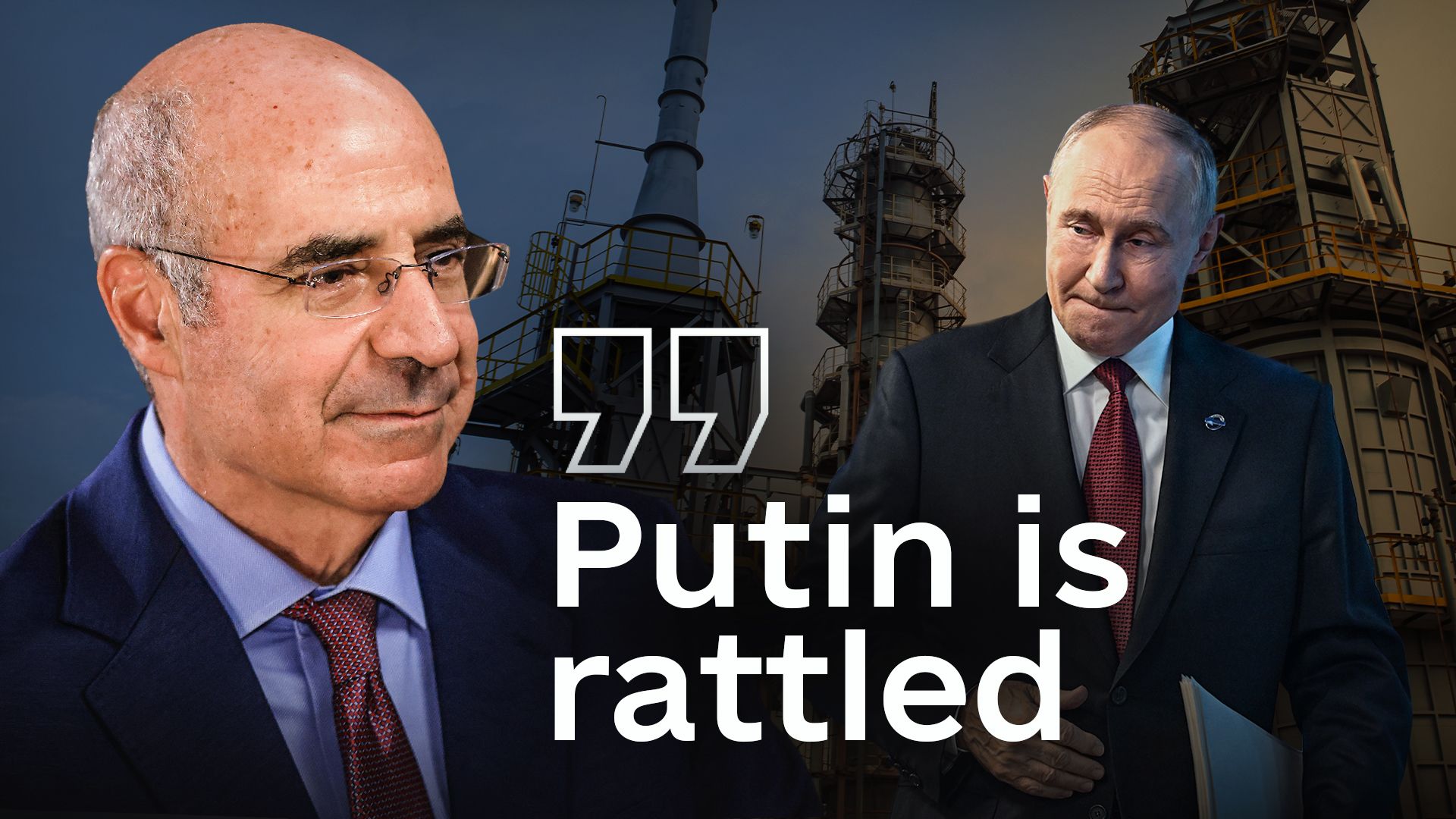
The Kyiv Independent’s Tim Zadorozhnyy speaks with Browder about Trump’s deal allowing Russian diesel supplies to the US, its implications for Ukraine and Western policy, and whether sanctions can compel Russia to negotiate.
Experts say the US-Russia diesel supply agreement is unlikely to bring a significant near-term drop in global prices. Disruptions to shipping through the Strait of Hormuz and the Bab al-Mandeb, refinery damage and costly transport and insurance are constraining supply. Trump has promised rapid price relief, but experts say the deal cannot readily overcome those bottlenecks.
Deputy Prime Minister Alexander Novak said Russian companies are discussing diesel supply contracts with US counterparts. He said Russia could raise diesel exports to 3.5 million metric tons per month by year-end.
Russian Deputy Prime Minister Alexander Novak said Russia’s Energy Ministry and the US Department of Energy are negotiating contracts for Russian diesel supplies and will find a mechanism to support deliveries.
Kirill Dmitriev, head of the Russian Direct Investment Fund, said many of Russia’s opponents are trying to derail its diesel deal with the United States, though he argued it benefits all parties, including Russia, the US and global markets. He also cited European purchases of $320 billion in Russian energy resources.
The US Federal Maritime Commission proposed on Wednesday a $200,000 charge for Spanish-flagged vessels calling at US ports, along with restrictions on Spanish imports such as olive oil, the country’s top seller.
Iowa and Michigan, where Senate races are competitive, appear to have been among the states hardest hit by President Donald Trump’s tariff agenda. Exports in both states have fallen compared with before his second term began.
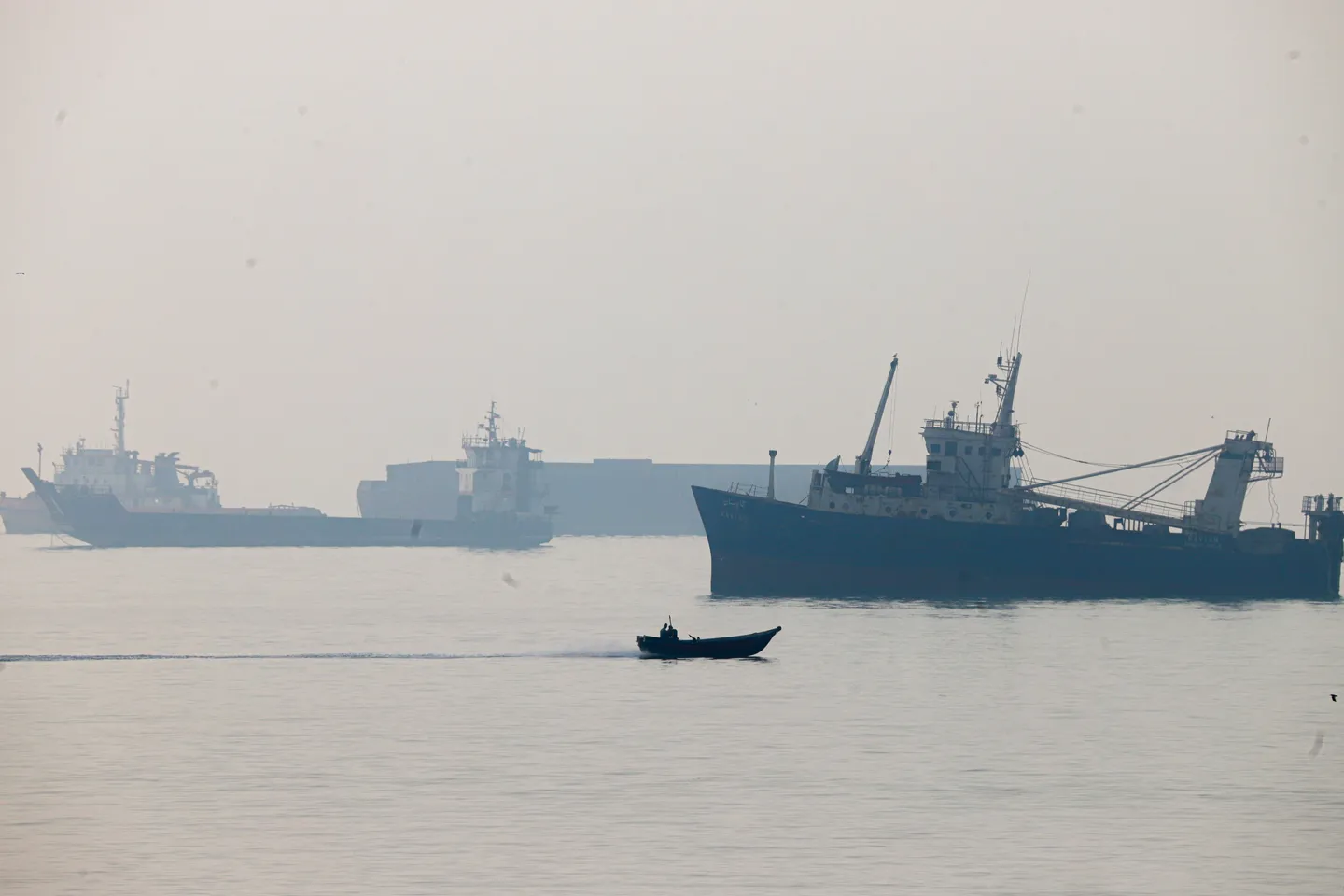
Iran’s military says it has deployed new units to monitor the Strait of Hormuz and target ships. The waterway is seeing its worst spate of attacks since the US-Israel war on Iran began, while tanker strikes have increased and crude flows have fallen again.
The US is preparing to receive its first Belarusian potash shipment in four years, with the cargo expected at the Port of New Orleans. Trump is seeking cheaper fertiliser for farmers, but constraints on Belarusian shipping routes could erode its price advantage, and it remains unclear whether supplies can grow enough to alter the market.
Xi Jinping sent a congratulatory letter on Wednesday for the 140th China Import and Export Fair, known as the Canton Fair. He said it had promoted trade ties over seven decades and that China was ready to work with other countries to uphold multilateral trade, stabilize global supply chains and broaden mutually beneficial cooperation. The fair opened in Guangzhou that day.
Russian Deputy Prime Minister Alexander Novak said diesel exports would support increased domestic refining and output, raise budget tax revenues, and create opportunities for social spending and investment. He called it an overall positive signal for Russia’s economy.
Russia’s oil and petroleum product exports fell by 10,000 barrels per day in September to 6.52 million bpd, according to the IEA. Monthly revenues rose by $3.6 billion to $17.67 billion as oil prices surged. Crude shipments rose by 60,000 bpd, while petroleum product exports declined by 80,000 bpd.
Kirill Dmitriev, Russia’s special representative for investment and economic cooperation and head of the Russian Direct Investment Fund, said Moscow would keep pursuing economic and investment projects with the United States. He said the efforts would include explaining, with concrete examples, that US sanctions primarily harm Americans and US farmers, and noted that cooperation goes beyond the diesel deal.
Ola Källenius, Mercedes-Benz chief and president of the European Automobile Manufacturers’ Association, said excluding the UK from the proposed Industrial Accelerator Act would weaken car industries on both sides and undermine EU competitiveness. The measure is intended to counter non-EU competition, and leaders are seeking agreement on its terms.
As Belgium’s King Philippe and Queen Mathilde make their first state visit to Kazakhstan, the country is seeking closer cooperation with Belgium on the Middle Corridor, including a potential partnership between the Port of Antwerp-Bruges and Caspian ports Aktau and Kuryk.
EU Economy Commissioner Valdis Dombrovskis said on Wednesday that a deal to halve Chinese hybrid car imports into Europe must be followed by trade rebalancing in other sectors and better access for the EU to China’s market.
Bank of America fell short of third-quarter profit estimates on weakness in its capital markets business. It also disclosed a $1.2 billion charge related to a regulatory penalty for failures to detect potential money laundering.
US authorities fined Bank of America $1.2 billion (€1.07 billion) over failures to combat money laundering. The bank also settled allegations of sanctions violations involving Iran and Russia.
Bank of Americamoney launderingsanctions violations
The US Treasury fined Bank of America $1.2bn for failing to detect potential money laundering and other illegal activity. The bank did not report more than $5bn in suspicious activity, including $1bn posing national security and illicit-finance risks. Under the settlement, it admitted willfully violating the Bank Secrecy Act.
The US Treasury imposed more than $1.21bn in penalties on Bank of America for violating anti-money laundering and sanctions laws. FinCEN’s $1.2bn penalty covers failures including not reporting more than $5bn in suspicious transactions on time. The OCC also imposed a record $750m fine, while OFAC reached an $11.6m settlement over apparent sanctions violations.
Bank of Americaanti-money launderingsanctionsbank regulation
US regulators fined Bank of America more than $1.21 billion for money-laundering and sanctions violations. They said the bank effectively outsourced a key compliance function as it sought to protect revenue.
The US imposed a $1.2 billion fine on Bank of America, saying it violated money laundering and sanctions laws. The penalty is the third-largest in Treasury Department history.
The US Treasury Department announced a fine of more than $1.2 billion for Bank of America, accusing the bank of violating anti-money laundering and sanctions laws.
Bank of AmericaUS Treasury Departmentanti-money launderingsanctions
Bank of America was fined $1.2bn after failing to flag $5bn in suspicious transactions linked to suspected illicit finance from China and the southern US border.
Russian Deputy Prime Minister Alexander Novak said any further easing of sanctions on Russia’s fuel and energy sector would depend on current market conditions and relations with the United States.
Iran’s central bank governor said on Wednesday at an International Monetary Fund meeting in Bangkok that US claims of an economic collapse in Iran were an illusion. Tehran faces a US naval blockade intended to reduce its oil exports to zero and drain state coffers.
German Finance Minister Lars Klingbeil said in Berlin on Wednesday that trade conflicts, tariff disputes and competition distortions create major instability and cost prosperity around the world.
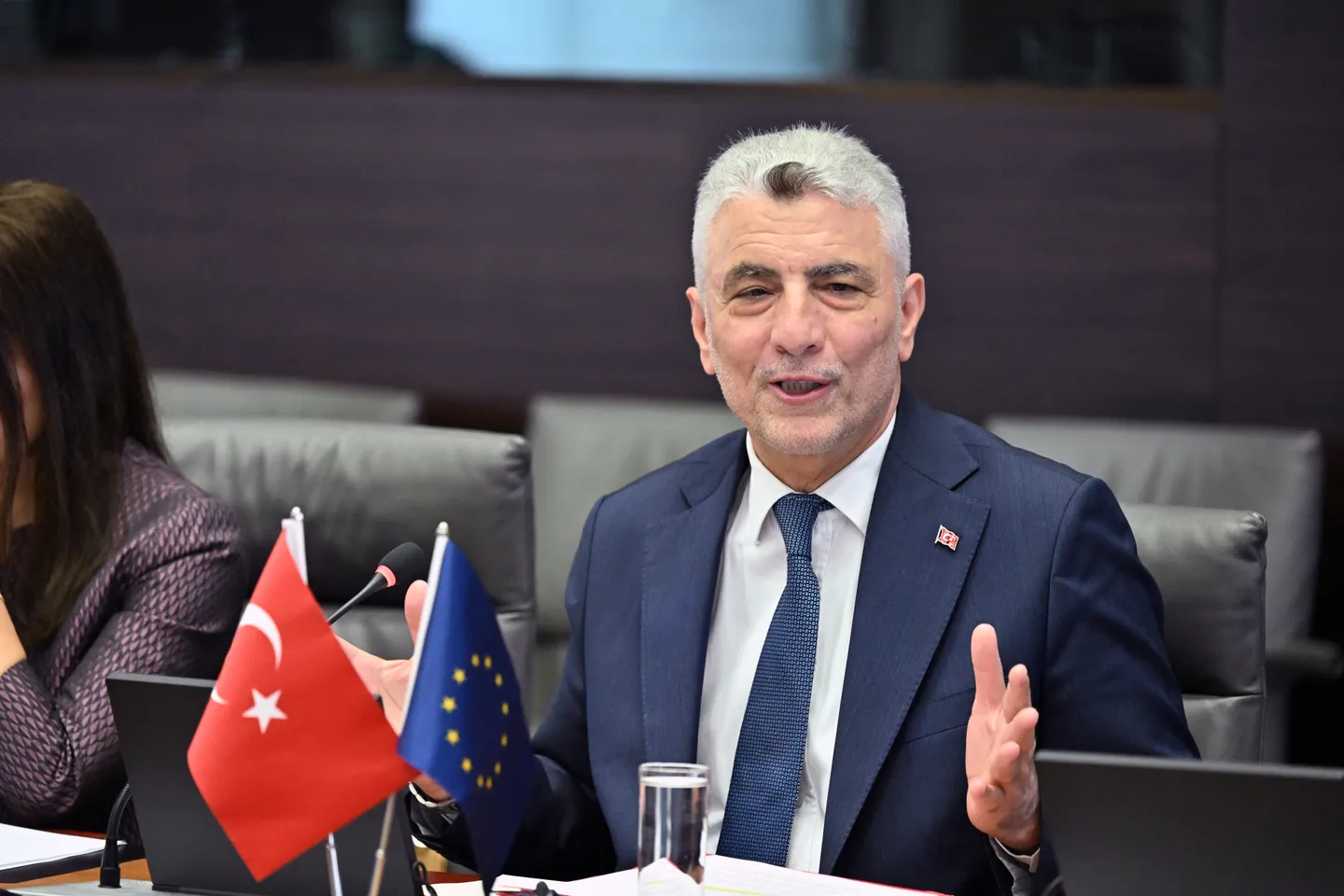
Trade between Türkiye and the EU has reached a record $233 billion as talks advance on modernising their Customs Union. Trade Minister Omer Bolat said he had made three official visits to Brussels in the past three months.
Chinese Premier Li Qiang said at the opening of the 140th Canton Fair that the event, now in its 70th year, showcases China's economic vitality, social progress and growing ties with the world. He said China is willing to import more and deepen market integration, while calling for cooperation to safeguard international trade. WTO Director-General Ngozi Okonjo-Iweala urged reform of the organization and support for an open, rules-based trading system. More than 30,000 companies and about 340,000 overseas buyers are expected at this edition.
Xi Jinping sent a congratulatory letter on Wednesday to the 140th Canton Fair, scheduled to take place in Guangzhou from October 15 to November 4. He said the fair has promoted trade between China and other countries for 70 years, and that China is willing to work with countries worldwide to protect the multilateral trading system and expand mutually beneficial cooperation.
China’s exports rose 36.3 percent year on year in September to $447.18bn, the largest monthly increase since 2021. Semiconductor exports climbed more than 108 percent, while imports rose 31 percent. China recorded a $938.1bn trade surplus in the first three quarters.
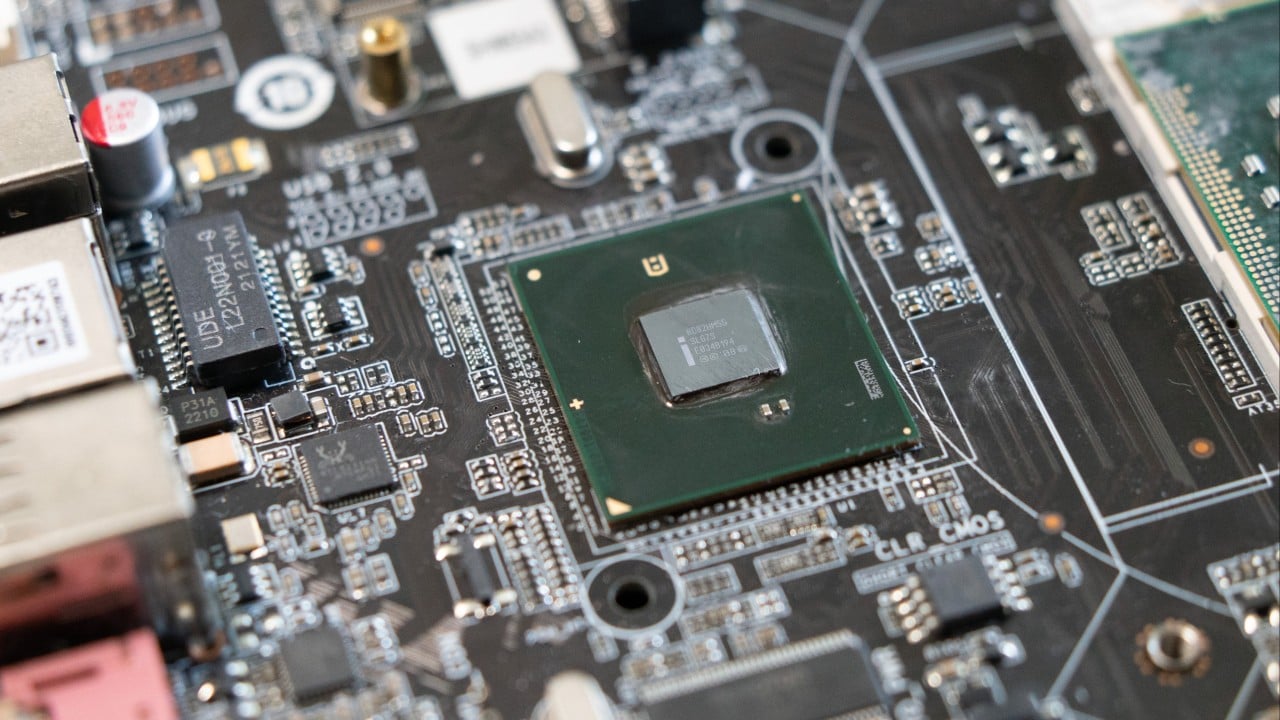
China’s integrated-circuit exports rose 136% year on year to US$45 billion in September, faster than the 108% growth recorded in the first nine months of the year. Export volume increased just 1% to 32.7 billion units, with higher prices driving the value surge, according to customs data.
Reuters was told on Wednesday by three trade sources that Chinese state buyers had acquired U.S. soybeans in volumes covering 8 to 10 Panamax cargoes this week. The latest buying marks the first comparable transactions after Trump and Xi’s September summit in Washington.
Officials said this week that the European Free Trade Association and Vietnam are set to sign a free trade deal on Sunday. Talks, stalled for a long period, resumed last year amid global tensions over US tariffs.
Decades of sanctions have restricted Iran’s access to global finance, pushing individuals and businesses toward currency brokers, intermediaries, private arrangements and crypto for overseas payments. These workarounds carry fees, delays and risks of fraud or lost funds, while war disruptions, internet outages and US sanctions make them less dependable.
Fresh fruit and vegetables from across China are being shipped abroad through Manzhouli, the country’s largest land port. The border inspection station reported 242,000 inbound and outbound freight-vehicle trips this year, up 32.7%, while fruit and vegetable exports totaled 217,500 metric tons worth more than 1.5 billion yuan from January to August.
Measures introduced by Beijing and Brussels will affect Chinese EV makers’ exports, prompting analysts to lower earnings forecasts for the sector. Industry officials say the steps, alongside falling domestic sales, could put some of China’s roughly 50 EV makers at a “do-or-die moment” and increase financial pressure.
A roundup of coverage on electric and new energy vehicles from the past two weeks includes a report that Chinese automotive groups are on track to exceed expectations, with global sales reaching a record 12 million in 2026 as EV demand surges.
China has retained the world’s largest installed wind power capacity for 16 consecutive years, while turbine exports continue to rise, the Chinese Wind Energy Association said. China added 53.26 gigawatts of grid-connected capacity in the first eight months, taking the total to 692.72 gigawatts by August’s end, up 19.64% year on year. Its turbines have reached 60 countries across six inhabited continents. Last year, China exported 1,175 turbines with a combined capacity of 7.75 gigawatts, nearly 50% more than a year earlier.
China's foreign trade with Belt and Road Initiative partners reached 20.37 trillion yuan in the first three quarters, up 17.1% year on year, the General Administration of Customs said. Exports rose 16.6% and imports 17.9%. The trade accounted for 51% of China's total foreign trade and 47.1% of its growth.
Official data showed China's yuan-denominated foreign trade rose 18.8% year on year to 39.94 trillion yuan ($5.9 trillion) in the first three quarters of 2026. Exports increased 16.4% to 23.2 trillion yuan and imports grew 22.3% to 16.74 trillion yuan. Quarterly growth accelerated from 15.3% in the first quarter to 22.3% in the third.
Trade between Russia and China grew 30.6% year on year to $214.3 billion in January-September, according to China’s customs administration. China’s exports to Russia rose 33.1%, while imports from Russia increased 28.6%. Russia’s trade surplus with China reached $18.16 billion, up 10.1%.
Oil prices rose on Wednesday after two vessels were hit in the Strait of Hormuz. Iranian officials told Reuters that Iran was deploying new tactics to target ships, as Tehran seeks to keep oil prices high and influence the US midterm elections.
The EU is looking to secure more critical minerals from Vietnam to lessen its dependence on China, amid concerns that current supplies could be at risk, according to internal EU documents seen by Reuters.
European leaders are due to meet in Brussels on Thursday to consider the future of trade ties with China. Its fast-growing exports of cars and other manufactured goods threaten local industries and could trigger mass layoffs across Europe.
China is ready to work with the European Union to bring greater stability and positive momentum to economic and trade ties, Vice Premier He Lifeng told French diplomat Emmanuel Bonne in Beijing, Xinhua reported Wednesday.
Vietnamese Deputy Prime Minister Pham Gia Tuc said on Wednesday at an event in Hanoi that negotiations with the United States on a trade deal were nearly complete, although US officials appeared more cautious.
U.S. President Donald Trump said at a rally in Alaska on Tuesday that Taiwan had agreed to buy 30% of the natural gas from a pipeline project there. The terms of the deal were not immediately clear.
Donald Trump said Taiwan had agreed to purchase 30% of the gas from an Alaska liquefied natural gas pipeline project over the next 20 years. He promoted the initiative ahead of the midterm elections.
The China Association of Automobile Manufacturers said the consensus reached by China and the European Union on trade in hybrid and electric vehicles has helped steady industry expectations and keep industry and supply chains running smoothly.
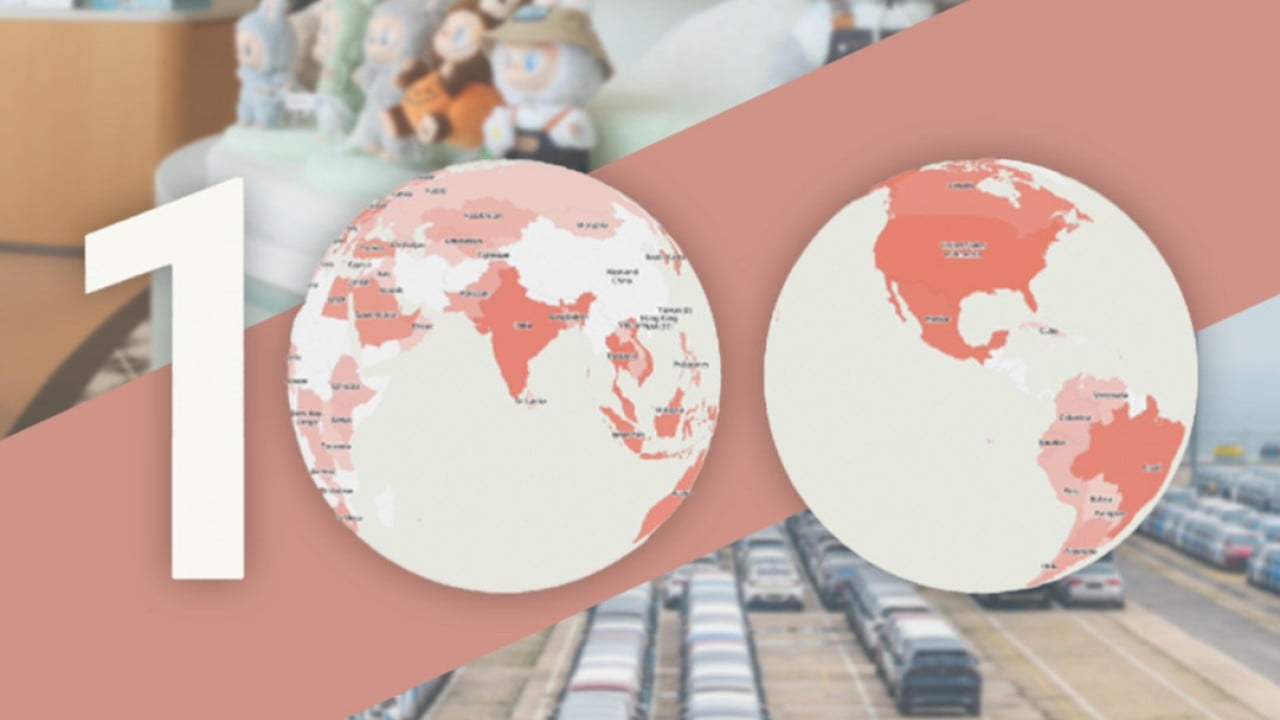
Chinese companies are expanding abroad, drawing on strong supply chains and technological capabilities to pursue sales in higher-margin markets beyond the saturated domestic market. ByteDance, Shein and BYD are among those establishing overseas factories, sales centres and research hubs. The SCMP Plus 2026 Going Global 100 follows leading companies in this overseas push and examines their strategies.
China’s customs agency says exports surged 36.3% year over year in September. Pressure from trading partners, including the European Union, is growing for China to rebalance trade.
Britain plans to require online marketplaces such as Amazon, eBay and Temu to collect taxes owed by retailers selling through their platforms, The Times reported on Tuesday.
Hong Kong Exchanges and Clearing has completed the first cross-border green-product trades under two separate pilot programmes with exchanges in Guangzhou and Shenzhen, an executive said. Its Core Climate platform enabled 15 companies to buy Green Electricity Certificates through the Guangzhou Power Exchange Centre.
French energy group Engie said on Tuesday it plans to develop a biomethane production facility in northern France with shipping company CMA CGM, helping the carrier shift to lower-emission fuels.
China is moving beyond exporting cars by building out full automotive industry ecosystems in Europe, expanding production capacity and partnerships with local companies. Arthur D. Little automotive expert Philipp Seidel tells France 24 that tariffs and quotas may buy time, but EU automakers need to become more competitive and avoid overreliance on Chinese suppliers. The programme first looks at the IMF’s latest global growth forecast and its warning about rising debt.
The Minutes Reader extension turns the original page into a focused reading view and translates articles and video subtitles on demand. It is in limited beta.