Will bank earnings growth become a thing of the past?

The article questions whether banks can sustain earnings growth and warns against underestimating the threat AI poses to Wall Street’s biggest firms.
Despite the Magnificent Seven hitting record highs, the AI trade is showing signs of strain, potentially creating an opportunity for traders.

MNX is offering a new way to trade the future valuations of private AI companies, including OpenAI, Anthropic and DeepSeek.

The IMF modestly upgraded its outlook for the global economy, while cautioning that an AI-related market correction, technology-driven job losses and government debt remain risks. The report came as economic and financial leaders met in Bangkok for the IMF and World Bank’s fall meetings.
The International Monetary Fund warned on Tuesday that the end of the AI investment boom, rising debt and a prolonged Middle East conflict could pose significant risks to growth and financial stability.
New pools of capital are flowing into the US, but through unfamiliar channels.
The S&P 500 was expected to open little changed on Tuesday as investors assessed quarterly results from major U.S. banks, launching earnings season. Weak chip stocks weighed on Nasdaq futures.
The IMF has slightly increased its 2026 global growth forecast to 3.1%, pointing to resilience in advanced economies and investment in AI despite energy prices rising amid the US-Iran war. It warned that low-income countries are especially exposed to the crisis.


The IMF forecasts that global output will grow more slowly, at 3.1% this year, despite geopolitical disruptions. It warns that elevated inflation and AI share valuations could threaten financial stability. The edition also reports Russia’s claim that it has exported $320 billion in oil and gas to Europe since Russia’s 2022 full-scale invasion of Ukraine, and says Dangote refinery has extended its IPO deadline by two weeks to draw more retail investors.

The International Monetary Fund said Tuesday that global growth in 2026 is expected to slow less than previously forecast, citing advanced economies’ resilience to war-driven energy prices. It cautioned that low-income countries remain vulnerable to the supply shock.

The IMF raised its 2026 global growth forecast by 0.1 percentage point to 3.1%. It expects growth to ease from 3.5% in 2025, then recover to 3.4% in 2027. Global headline inflation is projected to rise to 4.7% in 2026 before declining to 4.1% in 2027.
The IMF raised its 2026 global growth forecast to 3.1%, pointing to resilient economies and AI investment. High energy prices tied to conflicts are expected to weigh on growth, while the eurozone is forecast to expand by 1.1%.
Strong AI investment is expected to offset the energy shock from the war in the Middle East, allowing global real GDP growth to exceed 3% this year, the IMF said Tuesday. But downside risks are rising, and more countries are being left behind and exposed to mounting debt.

The Fund's revised outlook puts global growth at 3.1% for 2026; it attributes the stronger projection in part to AI investment counterbalancing the war-related energy shock.

The IMF warns that emergency oil stocks are dwindling and strained public finances could leave governments with little room to shield consumers from another price surge. Its outlook says global growth weathered the Middle East conflict better than feared, but further shocks could raise energy and food prices. It nudged its 2026 global growth forecast up to 3.1% and raised the UK forecast to 1.3%.
Germany could forgo €155 billion ($173.43 billion) in additional annual value added if access to data used to train AI becomes more restricted, the influential German economic research institute ifo said on Tuesday.
China’s leading memory chipmaker CXMT has reportedly made progress on new designs, triggering a global stock rout.

Surging demand from hyperscalers is increasing the value of new transmission infrastructure. More proactive cooperation among power networks could help keep costs for customers down.
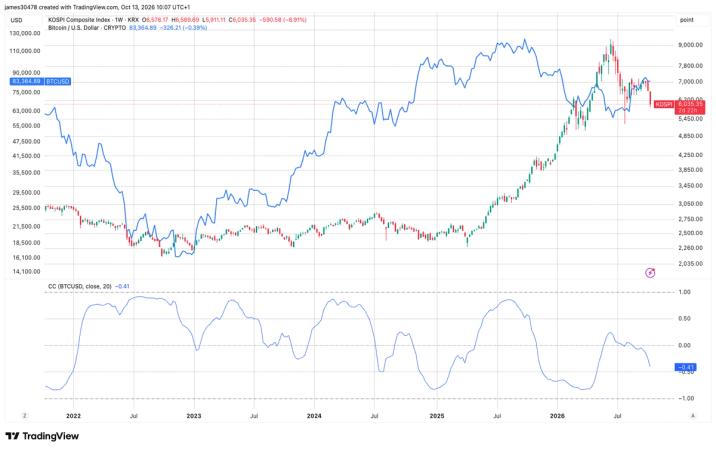
Investors are positioning ahead of bank earnings due today and U.S. inflation data scheduled for Wednesday. Bitcoin and ether slipped before rebounding, while South Korean stocks fell amid concerns related to AI.
South Korean chipmakers led another steep market decline as worries about AI spending and Chinese competition grew. Bitcoin, meanwhile, remained well above its summer lows.

South Korea’s benchmark Kospi fell more than 7% on Tuesday amid a sell-off in chip shares. Most Asian markets declined after U.S. stocks closed mixed.
The newsletter also reports that tech stocks were hit by talk of them being a “casino,” while CNN plans to expand its streaming service overseas.
Billionaire investor James Packer criticized Australia’s treatment of entrepreneurs after data centre operator Firmus abandoned plans to raise $5bn in Sydney.
A Tuesday selloff in shares of AI suppliers is the clearest sign yet that sentiment toward the decade’s hot trade is shifting. Investors are increasingly concerned that higher interest rates could derail a spending boom larger than America’s historic railroad expansion.
Yandex Pay has restored transfers and payments for some users, fintech division head Dmitry Pirogov said, while warning that the service remains unstable and some features are unavailable. Ukraine recently struck three Yandex data centers in the Ryazan region, Kaluga, and Vladimir, disrupting services operated by Yandex and its clients. The company says engineers are rebuilding its infrastructure as access is restored gradually.
The 26th China International Industry Fair opened in Shanghai with more than 3,200 companies from 24 countries and regions and nearly 300 technology and product debuts. Shanghai also unveiled an industrial map, a supply-chain initiative and a smart manufacturing plan with targets for 2028.

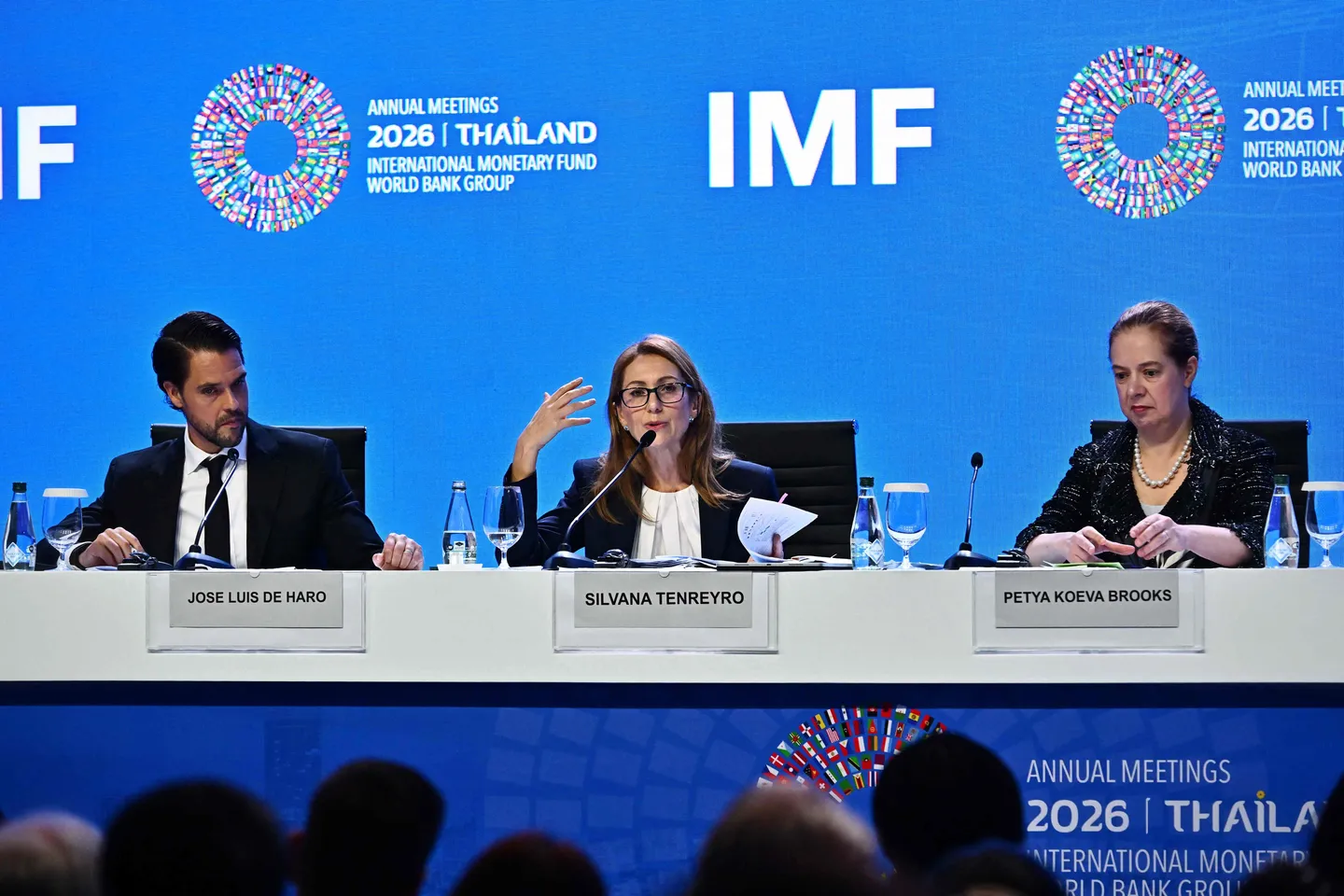
The IMF says a pullback in AI markets, alongside cyberattacks, could put global financial stability at risk. Chief economist Silvana Tenreyro addressed a briefing in Bangkok, Thailand.

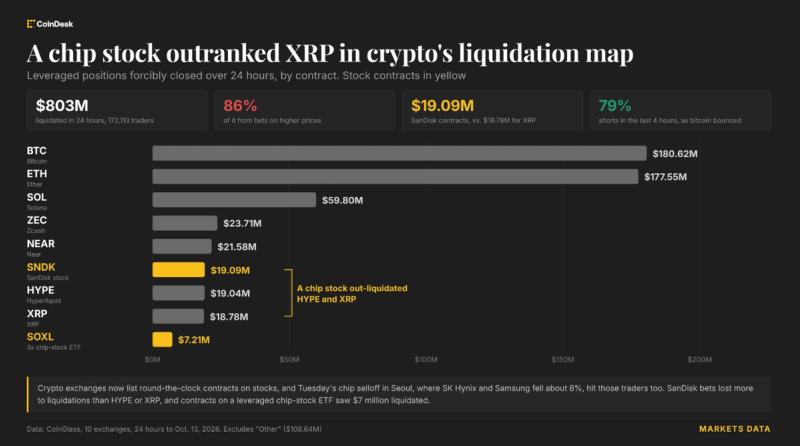
About $800 million in leveraged positions were liquidated over 24 hours, with 86% of them bullish. Chip-stock contracts on crypto exchanges accounted for part of the losses.

Ankur Banerjee previews the day ahead in European and global markets, focusing on the fragile AI trade.
Asian stocks tumbled on Tuesday as investors questioned whether the AI-share rally could last and worried about intensifying competition. The widening Middle East conflict also weakened risk sentiment ahead of the US earnings season.
The International Monetary Fund lowered its growth forecasts for Latin America and the Caribbean for this year and next. It said most of the region has gained little from the AI boom that has helped other economies absorb the energy shock from the Middle East war.
The International Monetary Fund warned on Tuesday against complacency in global financial markets, pointing to an AI-driven selloff, rising government bond yields and cyberattacks as potential threats to markets that have remained resilient.
Despite its extraordinary rally, Bank of America analysts upgraded Soitec SA to Buy, saying the stock could rise a further 90%.
Strong AI demand has helped drive growth in China, India and other Asian countries, outpacing overall global trade growth, IMF chief economist Silvana Tenreyro said Tuesday.
Comments by Broadcom’s chief likening investment to a “casino” helped drive sharp declines in Samsung and SK Hynix shares in Seoul.
Asian technology stocks fell sharply Tuesday as a sell-off in U.S. semiconductor shares spread to regional markets.

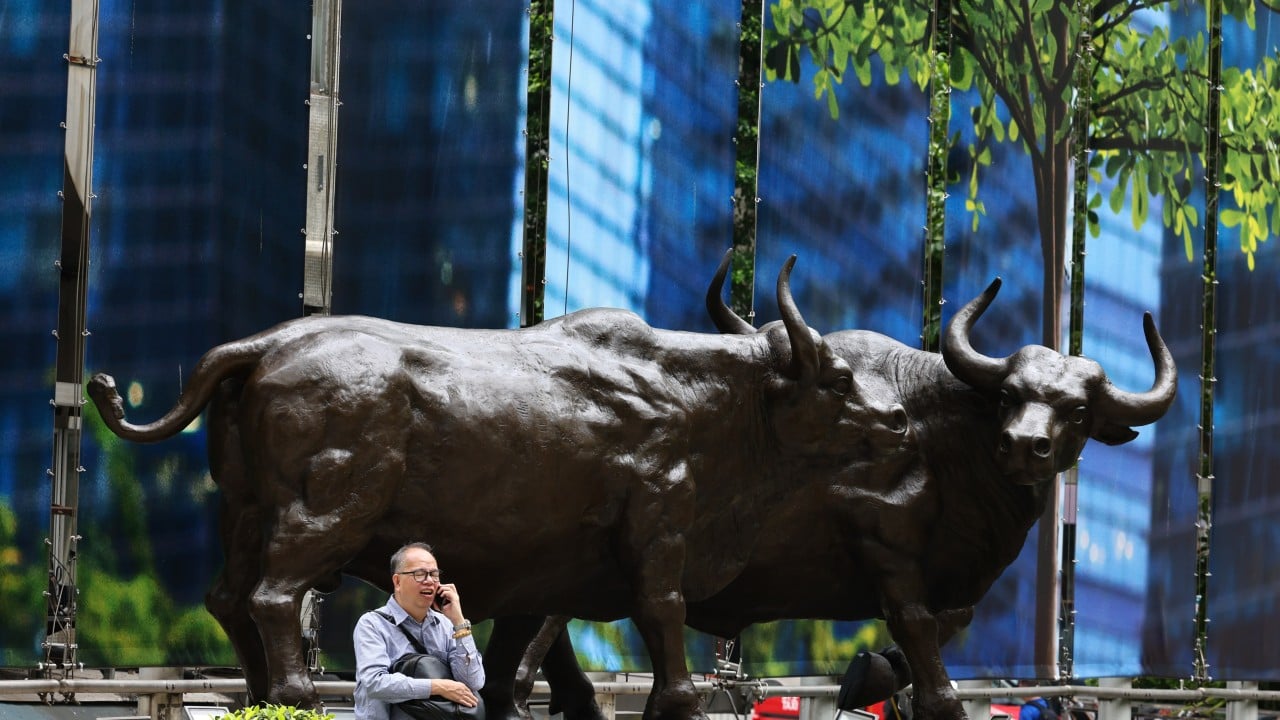
Mainland investors were net buyers of Hong Kong shares for a fourth straight month in September. They invested HK$60.8 billion through Stock Connect, up from HK$10.4 billion in August, bringing third-quarter net purchases to HK$134.1 billion despite high US Treasury yields and oil prices.

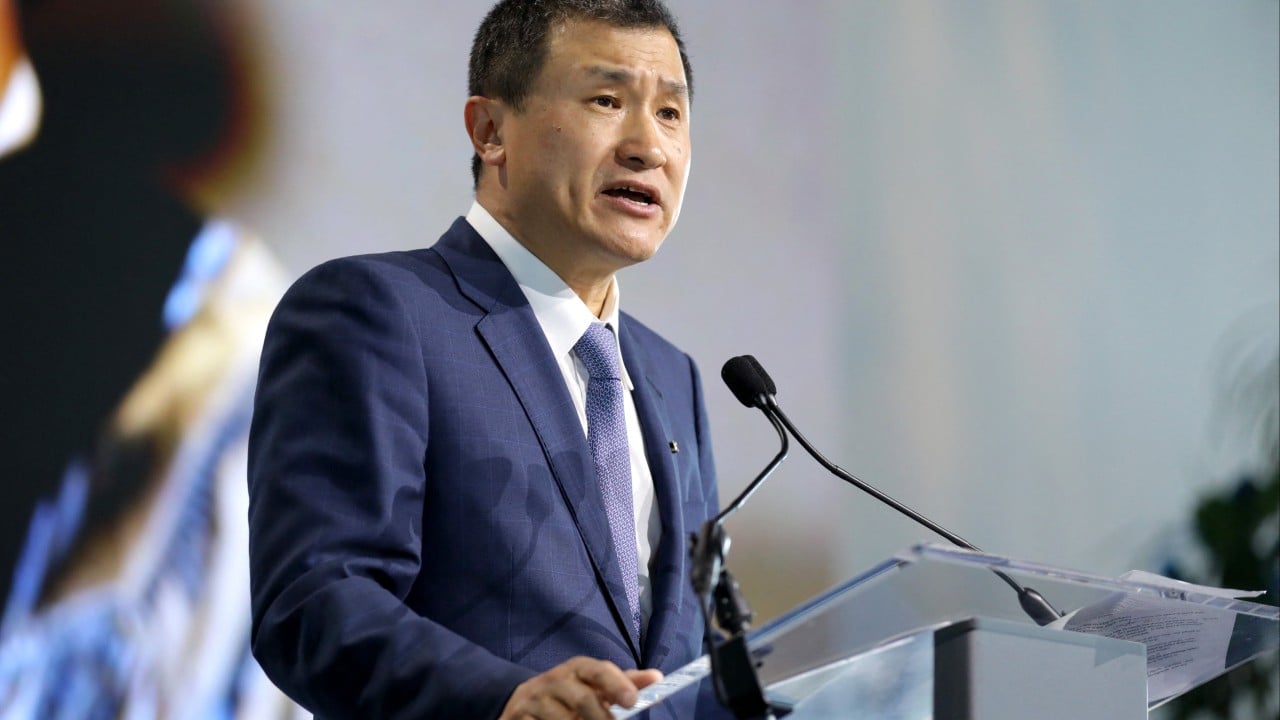
Li Lu, the Chinese-American founder and chairman of Himalaya Capital, said shares in Chinese companies offer better opportunities now than at other times. His rare comments on the world’s second-largest economy came amid US-China tensions and the ongoing AI race.

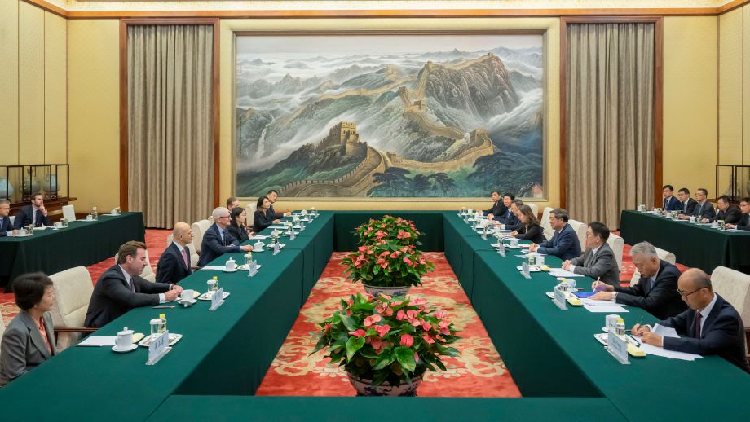
Chinese Vice Premier He Lifeng met Apple executive chairman Tim Cook in Beijing. He said a constructive, stable strategic relationship between China and the United States would support economic stability and provide businesses with a sound environment, and welcomed deeper cooperation with Apple. Cook said Apple was confident in its long-term prospects in China and would help foster stable US-China economic and trade ties.

For years, the biggest US technology companies have raced to develop advanced AI while supplying computing power to a growing startup sector. To pursue both aims, Alphabet’s Google, Meta and other giants have shifted from relying on strong revenues and rising share prices to borrowing heavily to build the infrastructure behind chatbots.
Kroger plans to eliminate roughly one-third of its corporate positions over the next three years as CEO Greg Foran pushes to integrate AI into the grocer’s workflows, Bloomberg News reported, citing a memo.
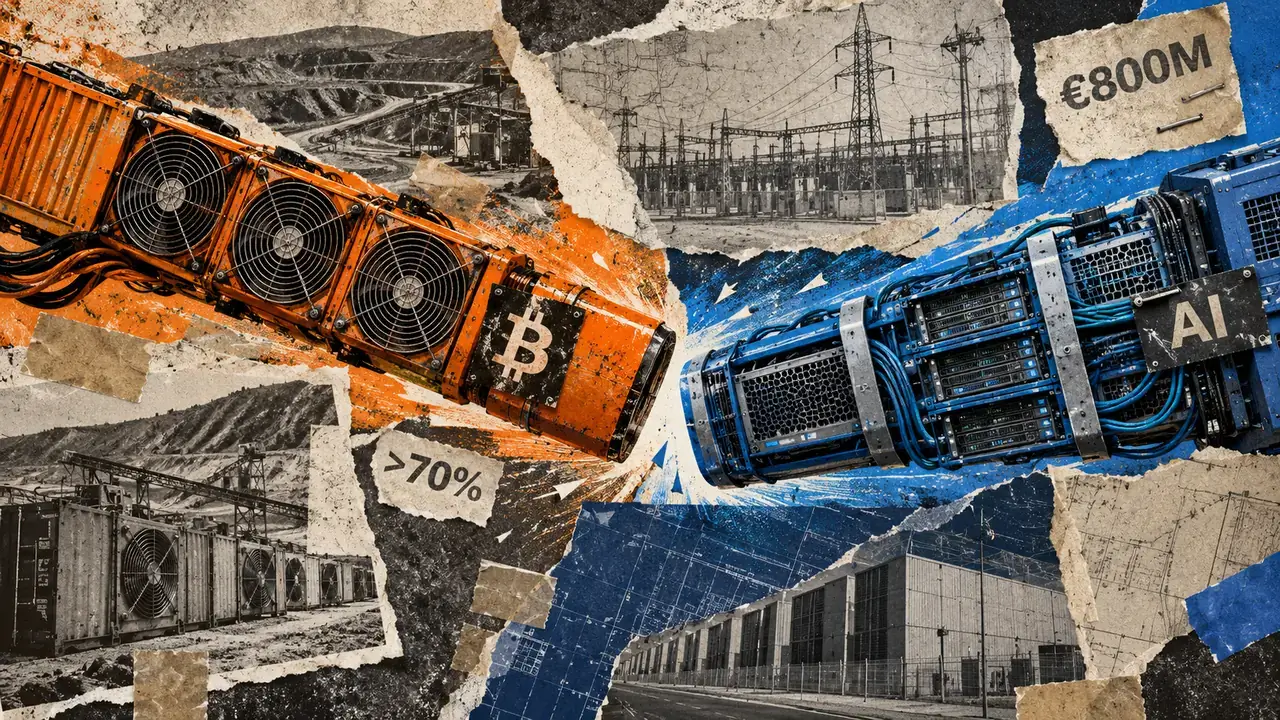
Amsterdam-listed SWI Group announced an €800 million capital increase to expand AI and high-performance computing infrastructure in Europe and the United States, including repurposing Genesis Digital Assets, which it controls. The Bitcoin miner was once a major investment of FTX affiliate Alameda Research.

Epic Games told the team working on an upcoming shooter that the project will be delayed and production will now be “AI first.”
US energy regulators said PJM Interconnection, the country’s largest power grid, can begin developing a database to track data centers on Monday. Their rapid expansion has raised prices and threatened reliability across a grid serving 67 million people. Regulators rejected a proposal to curtail power to the centers.
Binance has made its free generative-UI trading interface, Binance AI, available to all English-language users after about 150,000 people tested it in beta.

Global smartphone shipments dropped 20% year on year to their lowest third-quarter level since 2012, preliminary estimates from Counterpoint Research showed Monday. Rising memory-chip costs and shortages squeezed manufacturers and pushed prices higher.
IT market sources told Kommersant that replacing equipment destroyed in Ukrainian strikes on Yandex data centers could take up to six months. Yandex may seek supplies through multiple channels, including abroad; hardware prices are expected to rise in the short term, with the added costs eventually pushing up cloud-service prices. Ukrainian drones struck three of Yandex’s six known data centers in recent days, disrupting services for users in Russia and elsewhere.
The S&P 500 has gained 14% this year and reached record highs, but more than 4 in 10 index stocks are lower in 2026. Gains have been concentrated in a handful of chipmakers and other AI-related heavyweights.
Artificial intelligence could help make up for Asia’s shrinking workforce as populations age in some countries, the International Monetary Fund said on Monday. The IMF said adoption should spread evenly across the region rather than deepen existing disparities.
IMF Managing Director Kristalina Georgieva spoke at a forum during the IMF and World Bank annual meetings in Bangkok.

SWI Group said it will use proceeds from an €800 million ($894 million) fundraise to convert Genesis Digital Assets, acquired from the FTX bankruptcy, from a bitcoin miner into an AI-focused data center.

A survey suggests that investment firms serving ultra-wealthy families are also feeling FOMO, with some being drawn into technology investments.

Former HSBC executive Trista Sun has launched Equora, an AI-driven wealth management start-up aiming for a billion-dollar valuation. She said the platform will use AI agents to help investors manage their finances proactively.

IMF chief Kristalina Georgieva warned that AI is affecting the global labor market like a “slow-moving tsunami,” with young people entering the workforce most exposed.

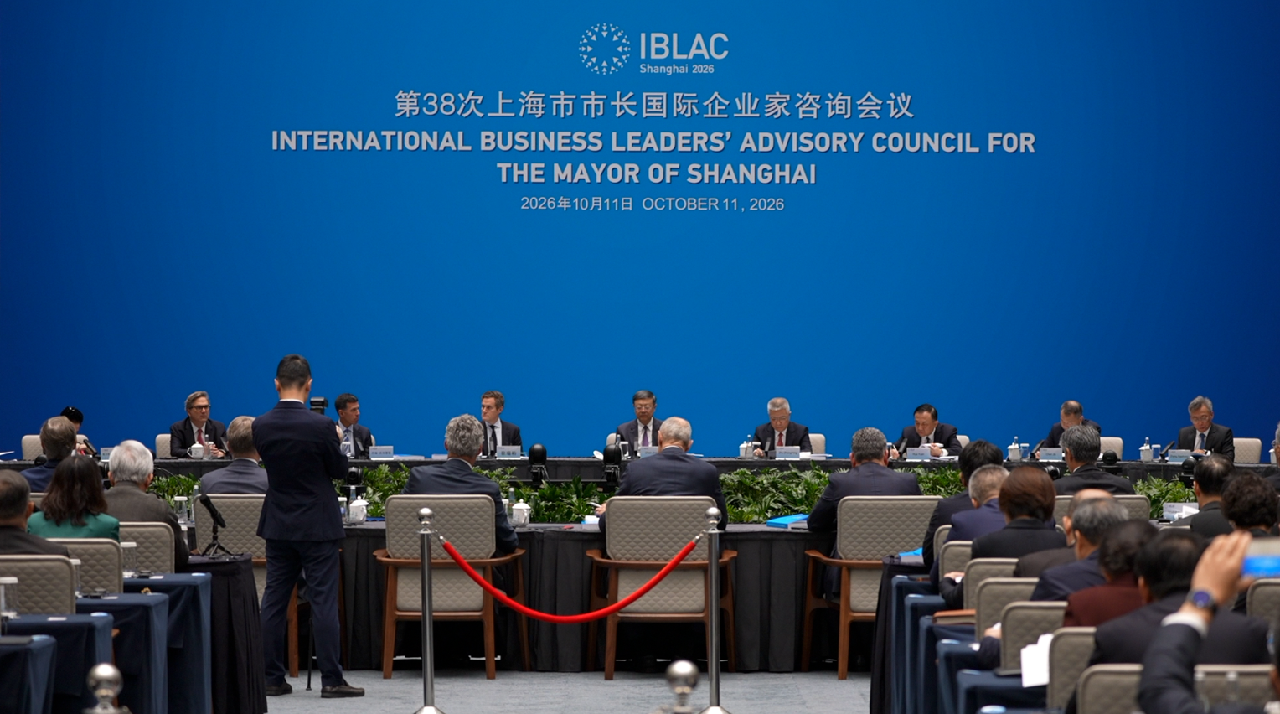
More than 40 CEOs from leading global companies met in Shanghai for the annual gathering of the International Business Leaders' Advisory Council for the Mayor of Shanghai. Discussions centered on the service economy and artificial intelligence, while senior city officials also heard executives' recommendations on Shanghai's future development.

TSMC, the world’s largest maker of advanced AI chips, is expected to deliver a sixth consecutive quarter of record earnings, driven by surging infrastructure spending across the tech sector.
International Monetary Fund Managing Director Kristalina Georgieva said strong investment in AI infrastructure is keeping global growth around 3%. Asian economies that supply hardware, including Thailand, are seeing major benefits.
More than half of surveyed working adults in Hong Kong expect AI-driven disruption to make their retirement path less predictable than that of previous generations, while just one in five feel financially ready. The T. Rowe Price survey covered 1,004 residents aged 30 or older earning at least HK$15,000 a month.

As equity investors look to promising futures, creditors are scrutinising liabilities at AI hyperscalers, including data-centre leases.
Executives at Chinese AI startup Moonshot are negotiating to resolve a legal dispute with a shareholder seeking compensation for their alleged wrongdoing, people familiar with the matter said. The talks precede the company’s planned Hong Kong listing.
STRK more than doubled in seven days as Starknet said it was considering becoming an independent Layer 1, targeting 2027 for what it calls the first fully quantum-resistant network. The move would end its reliance on Ethereum’s security infrastructure, but no migration timetable has been approved. The rally came ahead of an Oct. 15 token unlock.

Amazon is discussing a potential acquisition of AI startup Decart in a deal that could be worth around $7 billion, the Wall Street Journal reported Sunday, citing people familiar with the matter.
Apple executive chairman Tim Cook has started his third China visit this year after the iPhone 18 Pro line and the company’s first foldable device, iPhone Duo, launched in the major market. He met Guangdong governor Meng Fanli on Sunday and said Apple was open to expanding there, including in smart manufacturing and sales channels.

Crypto platforms are extending stock trading beyond regular US market hours. Paragon launched a perpetual contract tracking a US semiconductor index on Hyperliquid, using Pyth data for an extended-hours index. The article warns that when underlying markets are closed, traders are betting on estimates rather than executable share prices, and thin liquidity or leverage can magnify discrepancies.

Retailers are using AI tools to streamline operations, while experts warn that gathering more detailed consumer data raises the risk of personalized pricing.

Sumitomo Bakelite plans to boost production of advanced chip-packaging materials in China and Singapore, its second announcement involving Chinese operations in less than four months. The Japanese company said it will add lines for mould underfill materials and compression-moulding granules at its Suzhou facilities as AI lifts demand for more sophisticated semiconductors.

Nvidia is discussing a larger investment in open-source startup Reflection AI or a possible acquisition, the Financial Times reported Saturday, citing people with direct knowledge of the matter.
A data center is moving into the former Chicago options exchange building, bringing in higher rents than regular offices can generate.
Walmart is selling Apple AirPods 4 for $79, down from $130 and below the price during Amazon’s Prime Big Deal Days.

After months of record bond issuance, investors’ appetite for financing the infrastructure boom is being tested.
Investor portfolios have become alarmingly dependent on a single bet: building out a technology whose prospects remain uncertain.
Some deals may still get over the line, but rising yields and jitters over AI have dampened appetite for risk.
Investors trying to gauge the race between AI leaders OpenAI and Anthropic PBC face a problem: the two private companies calculate a closely watched revenue metric differently.
Bloomberg News reported Friday, citing sources with knowledge of the discussions, that GTCR and activist investor Elliott Investment Management are pursuing a potential purchase of software company CCC Intelligent Solutions. The negotiations are at an advanced stage.
Firmus Grid Ltd. went from a rising star in the artificial intelligence data-center boom to one of the biggest deal flops in recent memory in just 48 hours.
Wall Street firms are taking AI data center investments to public markets, even as political, liquidity and project risks increase.

Investment in European tech startups is recovering after a slow summer, but remains unevenly distributed, with the UK receiving nearly half of all funding, according to tech.eu figures.
A lawsuit brought by Qualcomm against chip technology supplier Arm Holdings is due to go to a jury on Friday. Jurors will decide whether Arm violated licensing agreements and deliberately undermined some of Qualcomm’s dealings with Meta Platforms.
Technology stocks have shown resilience, puzzling investors. Options traders are more prepared for a tech pullback than at any point since early summer.

Investors who wanted to own stocks once had no way to avoid the fallout from an AI bust. That is no longer the case.
US tech futures rebounded on Friday after a report the previous day said OpenAI’s annualised revenue was $20 billion (€17.8 billion) below earlier estimates. The report helped push the Nasdaq down 1.25% and hit chipmakers and cloud giants.
Ferrari Chairman John Elkann played down fears of an AI bubble while acknowledging that investment in the technology could grow faster than the revenue it generates.

Indonesia’s sovereign fund Danantara said it could enter the local stock market during periods of stress if investments made sense. Executives said it is cautiously building AI exposure and may not need to remit returns to the government immediately.
Trump has long treated the stock market as a gauge of his performance. Though the S&P 500 closed at a record this week, gains rested on a small group of AI-focused companies, obscuring growing vulnerabilities in the economy and financial markets. With midterms less than a month away, what Trump sees as a Republican asset could instead be a liability.
Bitcoin miner MARA transferred $81.1 million in bitcoin to Galaxy Digital, though the move does not confirm a sale. Its treasury declined from 53,822 BTC in February to 35,577 BTC in August as the company pivots toward AI.

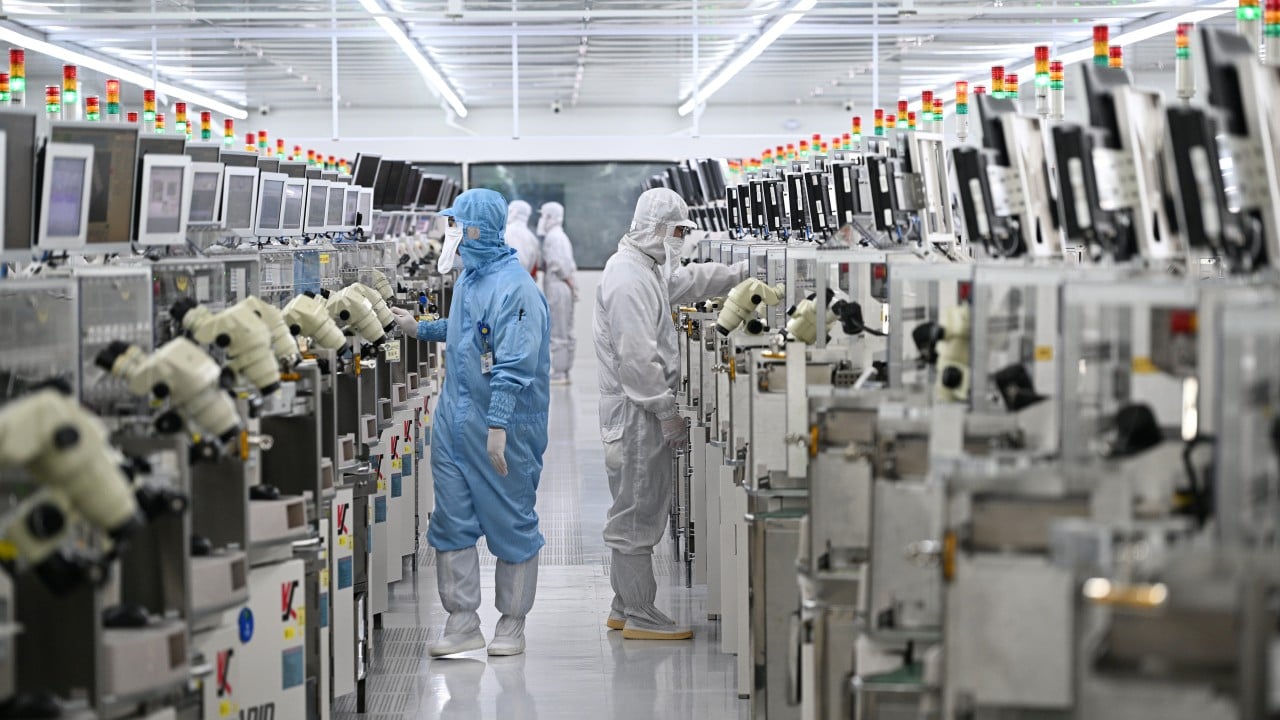
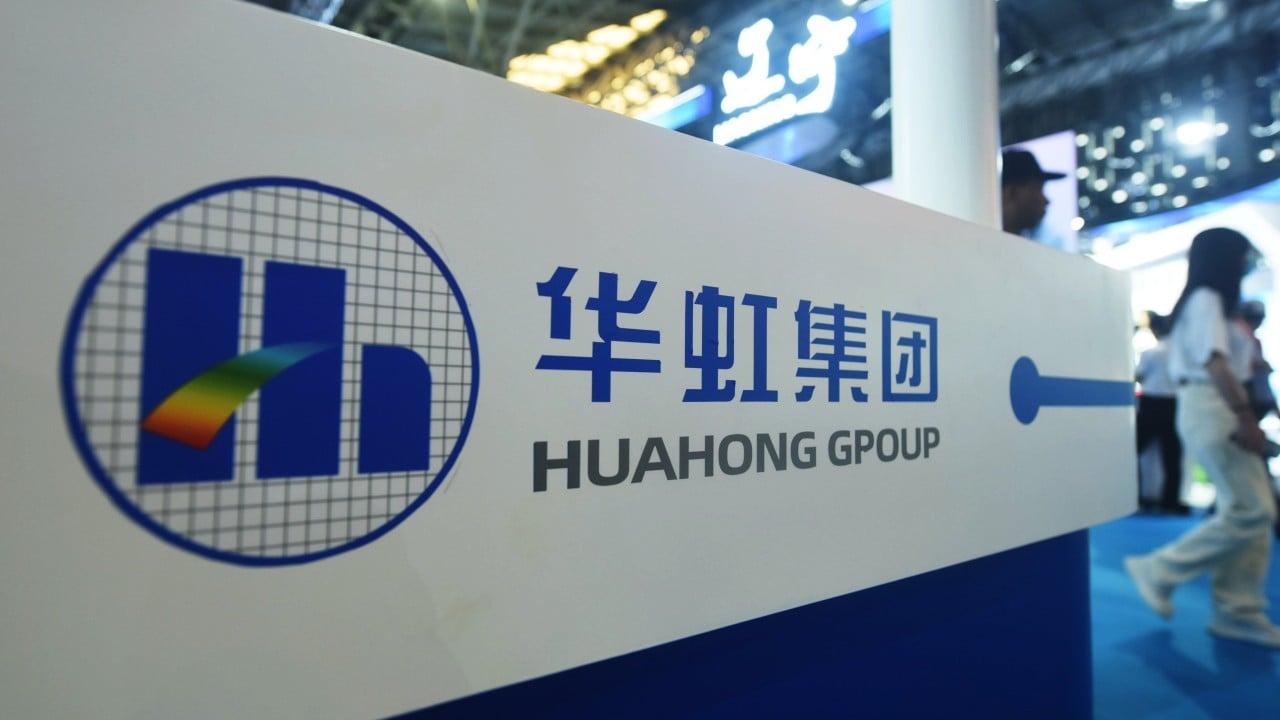
Chinese state funds are pouring billions of yuan into the parent of Hua Hong Grace Semiconductor and a new Wuxi manufacturing plant, backing Beijing’s drive for self-reliance in mature-node chips. The investment highlights government-coordinated support for domestic foundries as Washington tightens technology restrictions.

The Minutes Reader extension turns the original page into a focused reading view and translates articles and video subtitles on demand. It is in limited beta.