What’s next for the U.S. SEC? Chief crypto counsel outlines custody path
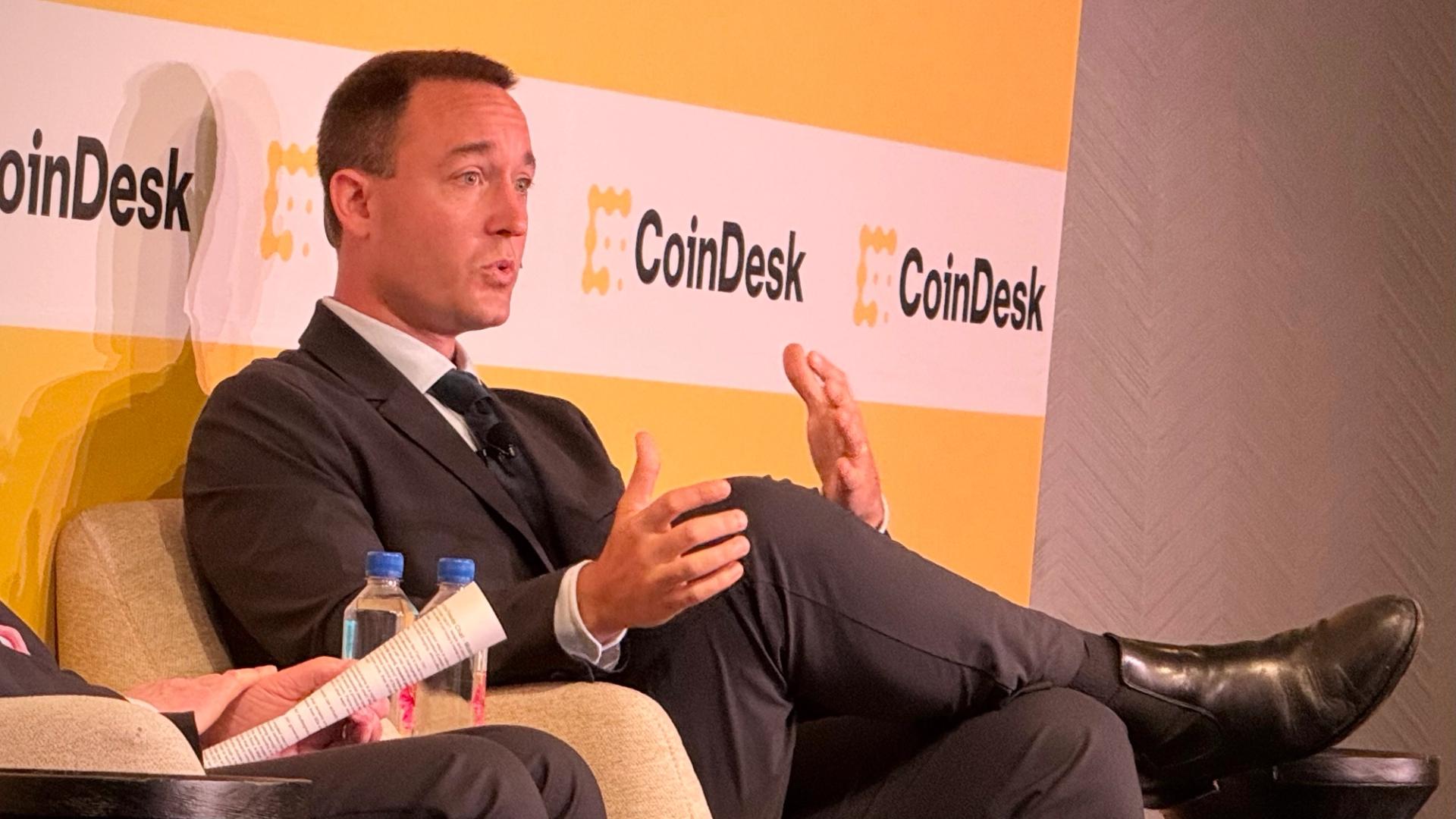
Taylor Lindman, the top lawyer at the SEC’s Crypto Task Force, says the agency is working to help firms become comfortable with blockchain technology and crypto assets.

Taylor Lindman, the top lawyer at the SEC’s Crypto Task Force, says the agency is working to help firms become comfortable with blockchain technology and crypto assets.

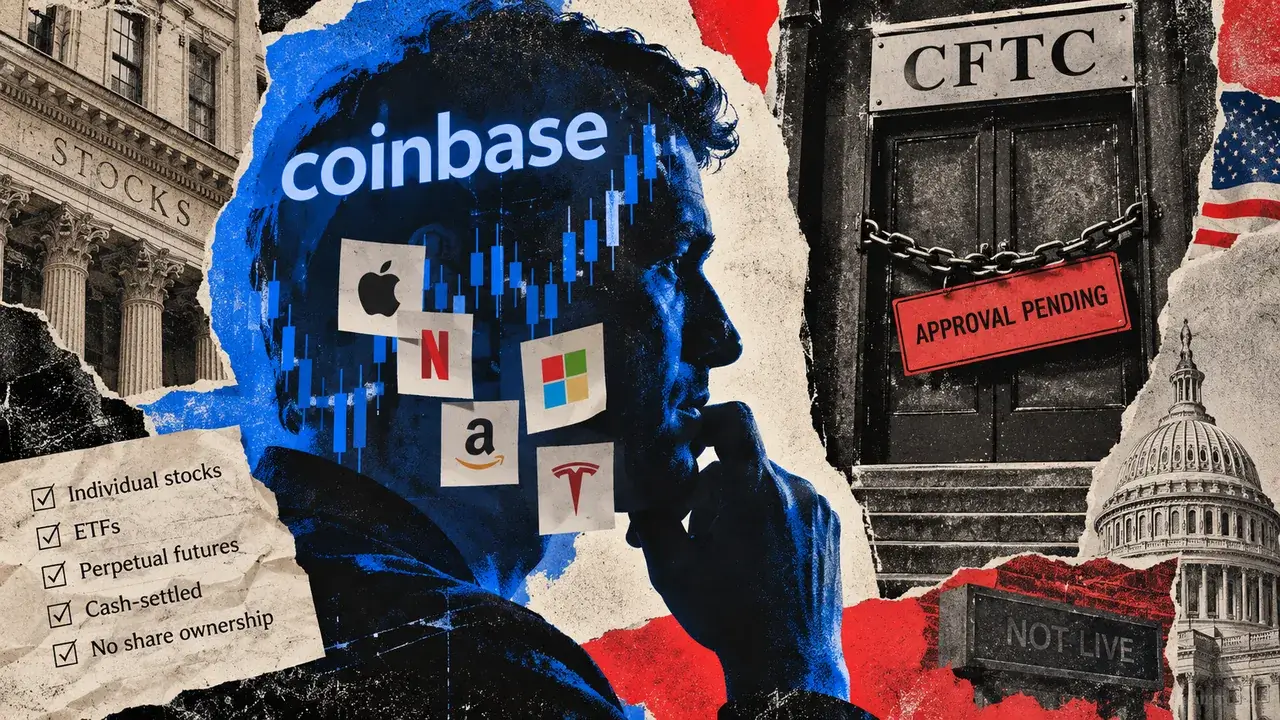
Coinbase Derivatives has proposed perpetual futures linked to individual U.S. stocks and ETFs, but the contracts still require regulatory approval. The CFTC register lists them as approval pending, meaning the filing is only a public proposal and the products are not yet available to traders.

European central bankers are seeking to extend a ban on stablecoin yields to crypto lending and staking. They argue that indirect yield structures blur the distinction between electronic payment tokens and commercial bank deposits, distorting competition across the financial system.

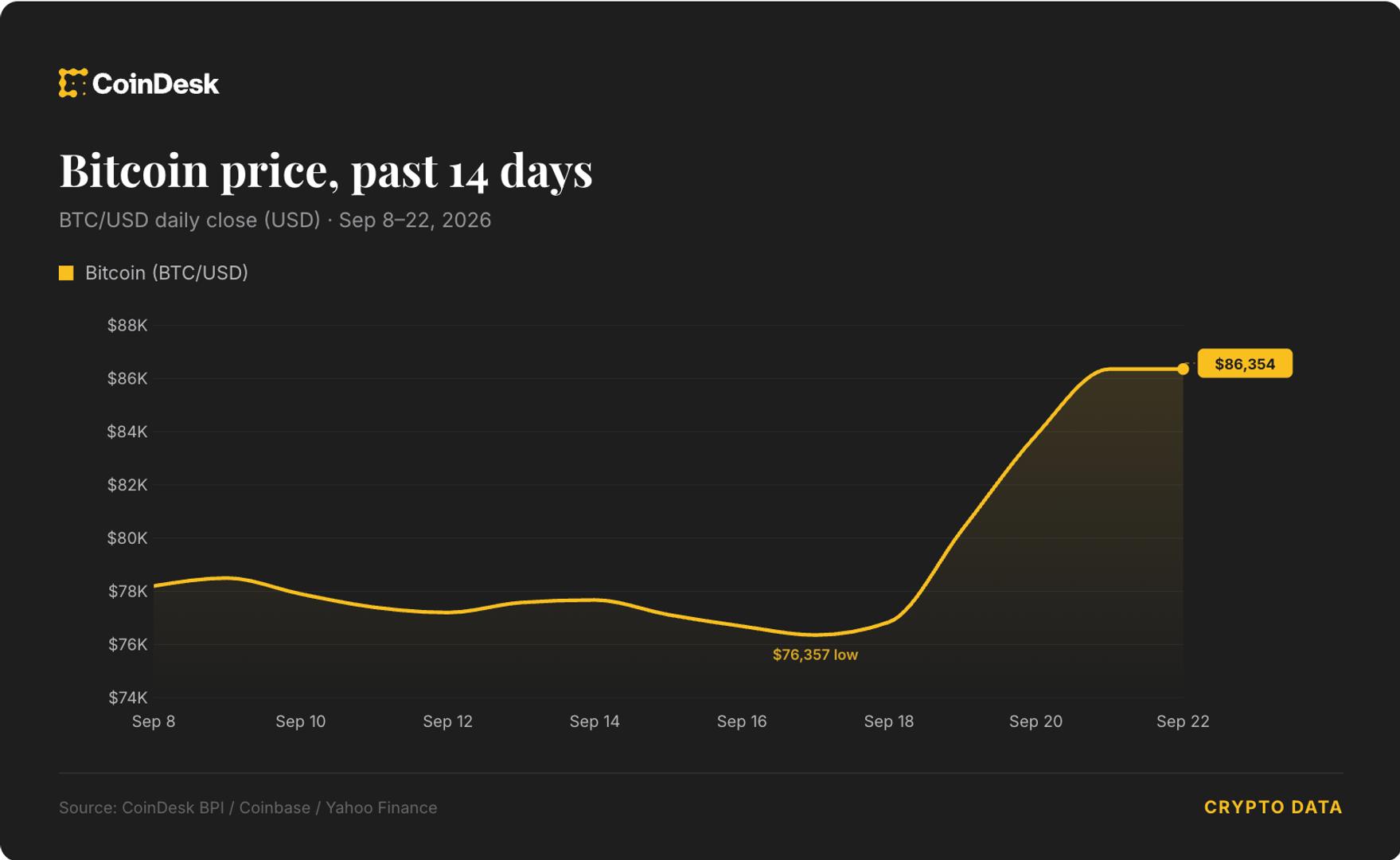
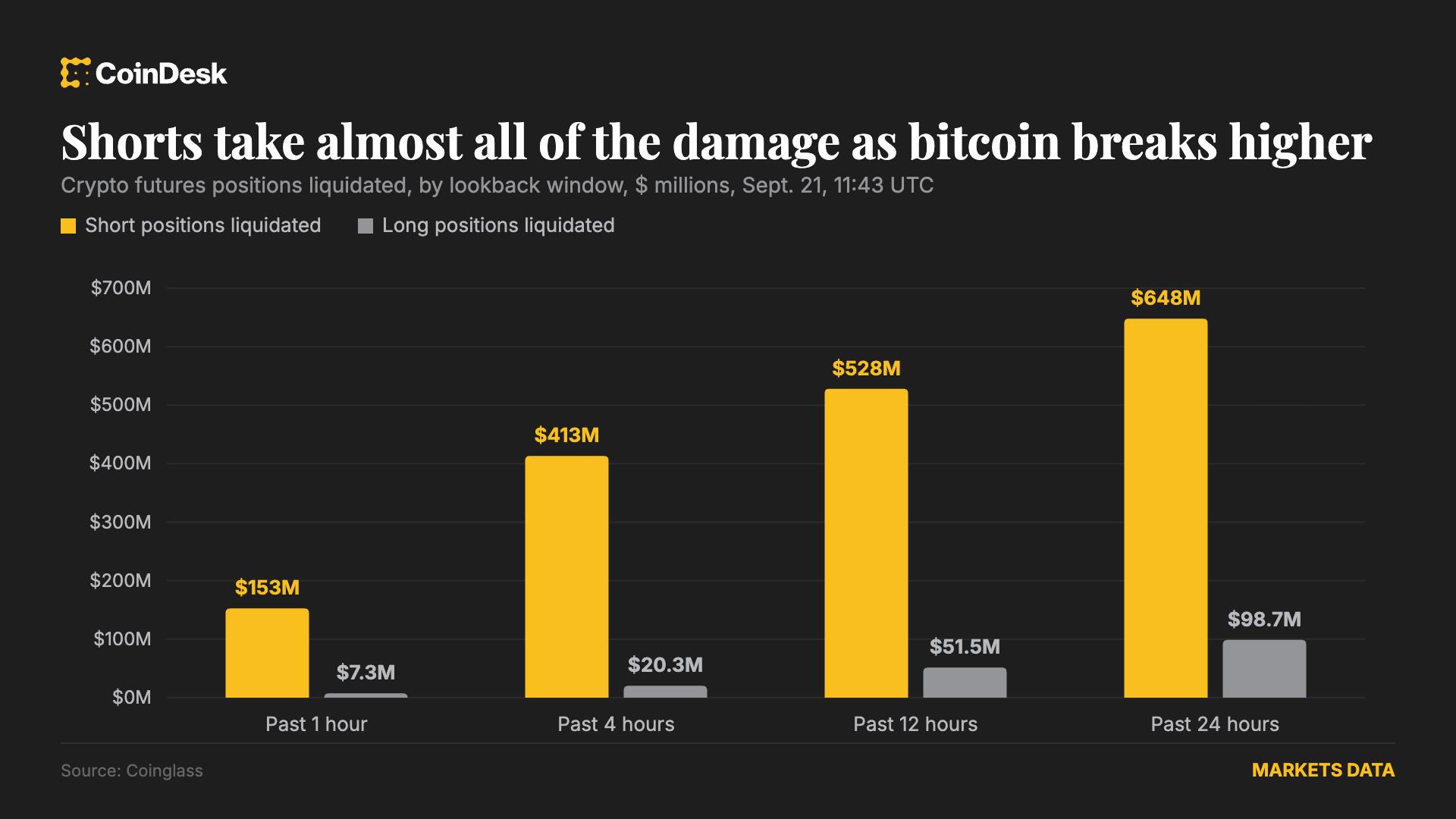
Bitcoin’s 11.65% weekly rebound showed stronger spot and on-chain participation, with the price reaching about $86,000. Glassnode said spot taker flow turned from net selling to net buying, but futures open interest, funding and profit-taking were elevated. More than $648 million in crypto short positions had previously been liquidated, leaving the rally exposed to leverage risks.


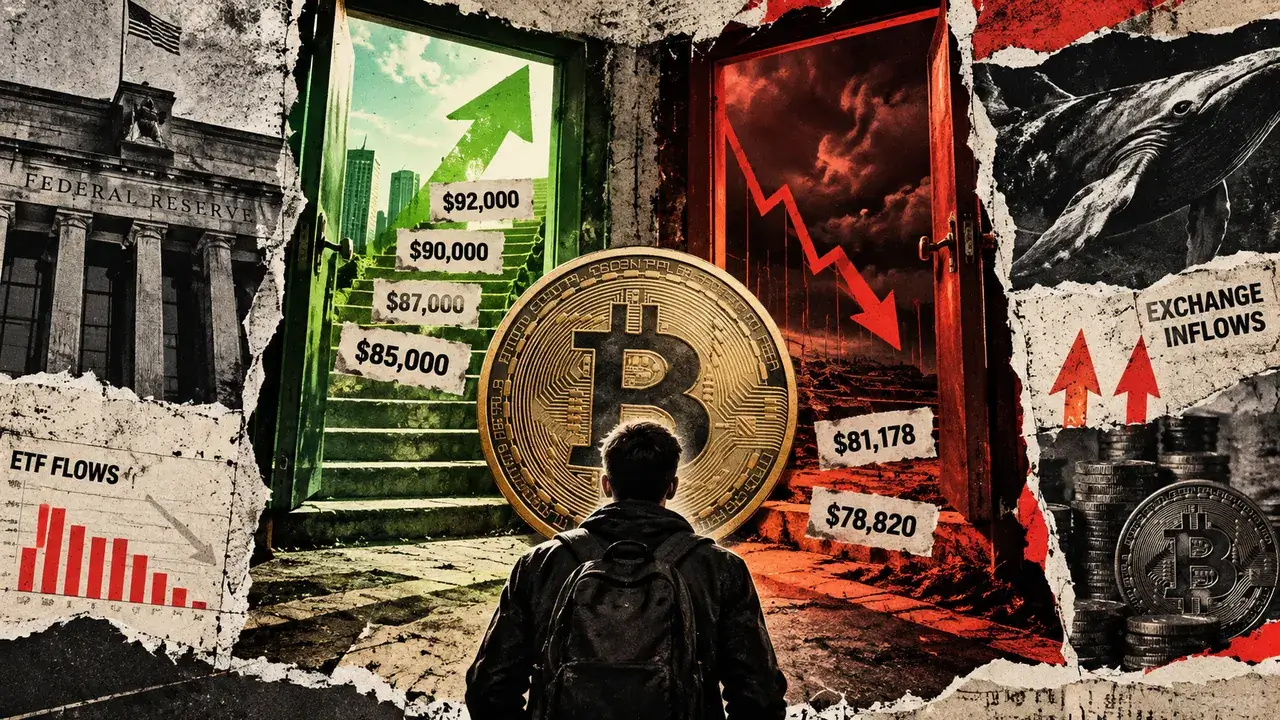
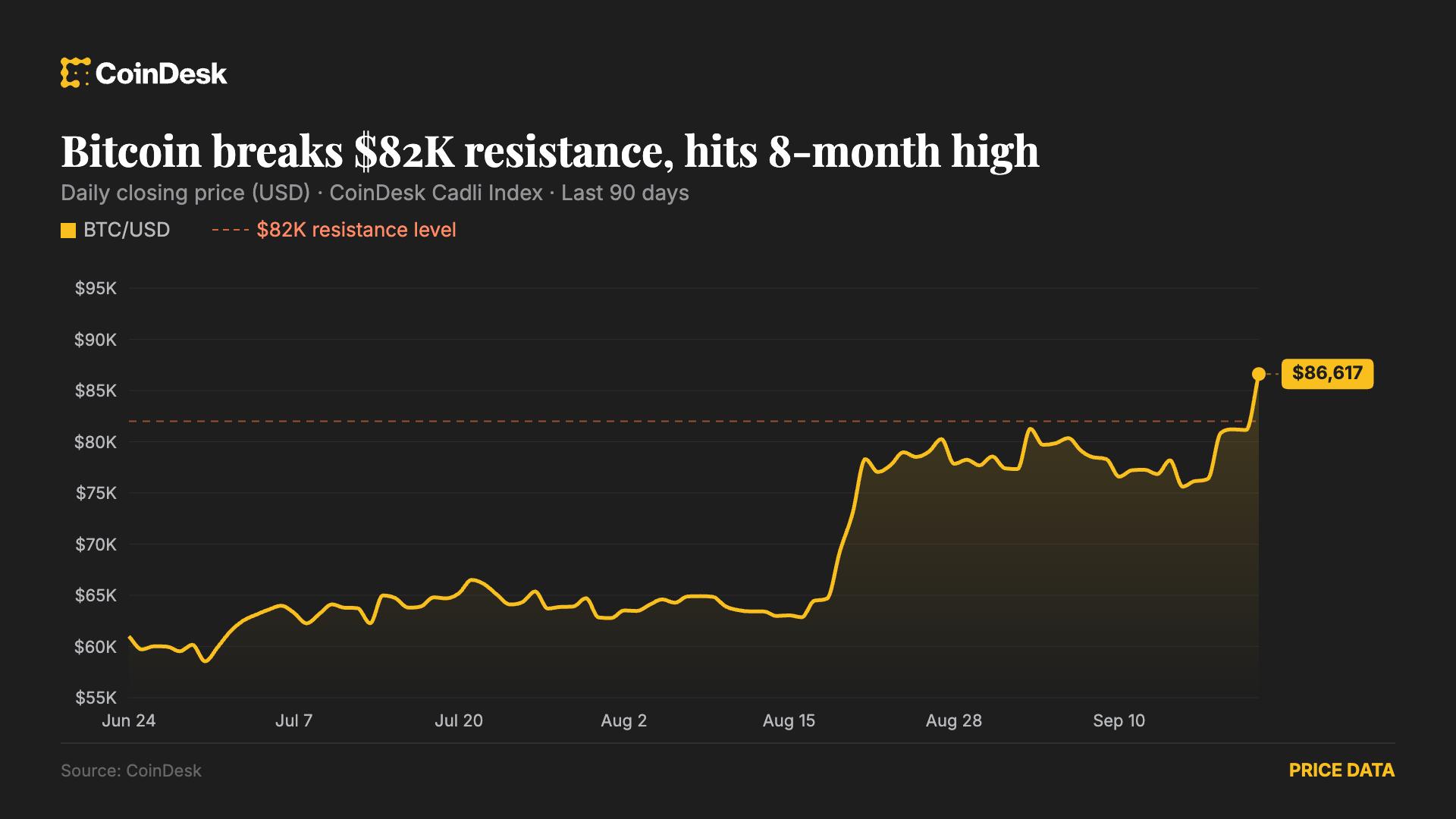
Bitcoin closed the week at $81,178, reclaiming its 50-week moving average for the first time since November 2025, before trading above $87,000. Galaxy Research found most past reclaims held, but warned that the sample is limited. Analysts said the move may reflect renewed ETF demand and a major short squeeze, with sustained spot buying and positive ETF inflows needed to support the rally.
Coinbase has added fixed-rate loans through Morpho Midnight, allowing users to borrow USDC using bitcoin as collateral.

CME is adding Bitcoin Cash and Uniswap futures as the push into crypto derivatives expands. The exchange will offer standard and Micro contracts covering 250 and 25 BCH, and 10,000 and 1,000 UNI, respectively.

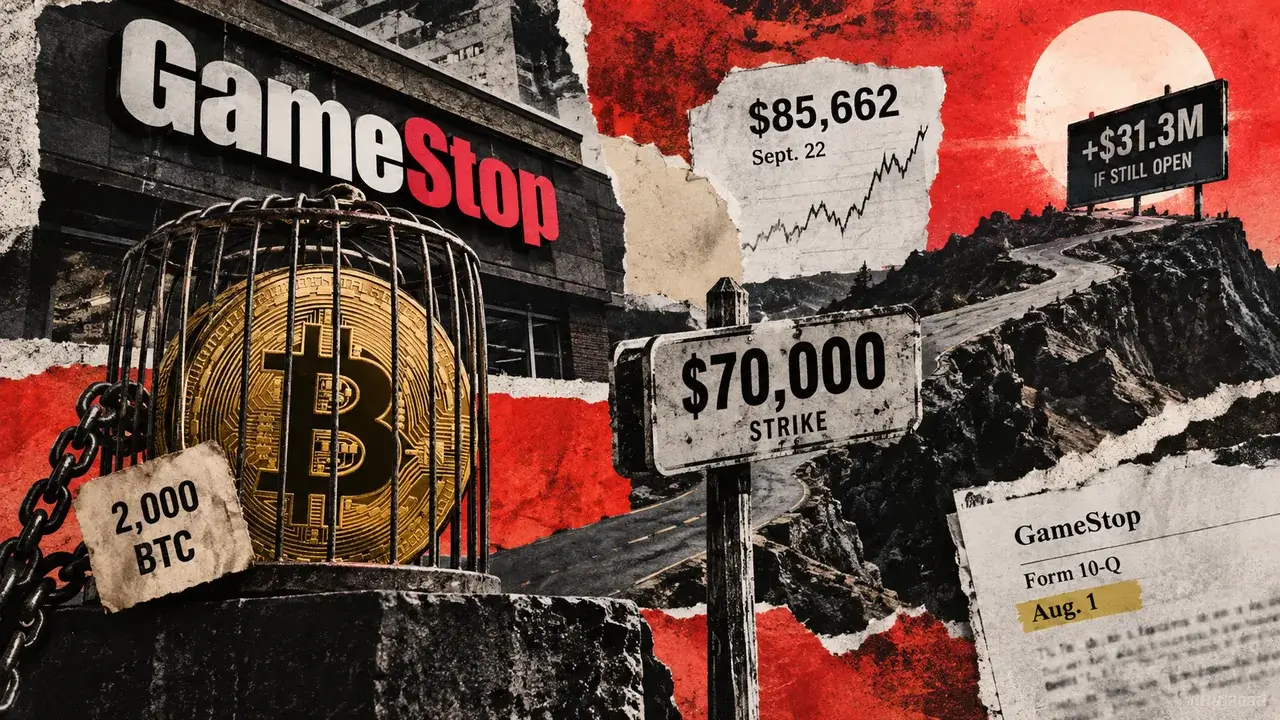
GameStop’s covered calls linked to roughly 2,000 BTC face a key expiration as Bitcoin trades well above the $70,000 strike. If the contracts remain open, the company may have exchanged about $31.3 million in potential upside for option income, though it has not disclosed whether the positions were closed or rolled.

Europe’s central banks are urging tighter EU crypto regulation, including a broader prohibition on stablecoin interest payments, new powers to restrict tokens linked to foreign currencies such as the US dollar, and EU-level oversight of crypto companies.
Binance is investing $100 million in Circle while expanding its USDC partnership. Under a five-year arrangement, the exchange will promote USDC on its platform.


Circle sold 1.24 million shares at $80.84 apiece in a transaction giving Binance a stake worth about $100 million. Circle will also pay Binance a monthly fee linked to the amount of USDC held through its wallet infrastructure.
CoinDesk found that a single $5,499 trade size represented 57% of sampled ether-perpetual volume. Repeated $2,500 and $5,000 trades accounted for 54% of sampled bitcoin-perpetual volume.

Moscow Exchange is launching perpetual futures linked to Bitcoin, Ethereum, Solana, XRP and Tron for qualified investors. The contracts track dollar-denominated crypto indexes, settle profits and losses in rubles, and roll over daily, providing price exposure without ownership of the underlying assets. MOEX says trading in its digital-asset futures has surpassed 600 billion rubles in cumulative turnover.

Kalshi has asked the CFTC to permit margin trading on its platform, allowing users to buy contracts with borrowed funds. The move is the latest effort by Kalshi and other event-contract exchanges to attract greater participation from institutional traders.

Payward-backed Reap is preparing to launch a Mexican peso stablecoin and is considering Hong Kong dollar, euro, won and yen tokens to support foreign-exchange settlement outside banking hours.

SoFi has launched live settlement using its SoFiUSD stablecoin on Mastercard’s network. The company’s card program is targeting annualized volume of more than $25 billion.

A $3.2 million bitcoin butterfly options trade is betting that bitcoin will reach $95,000 by the end of October.

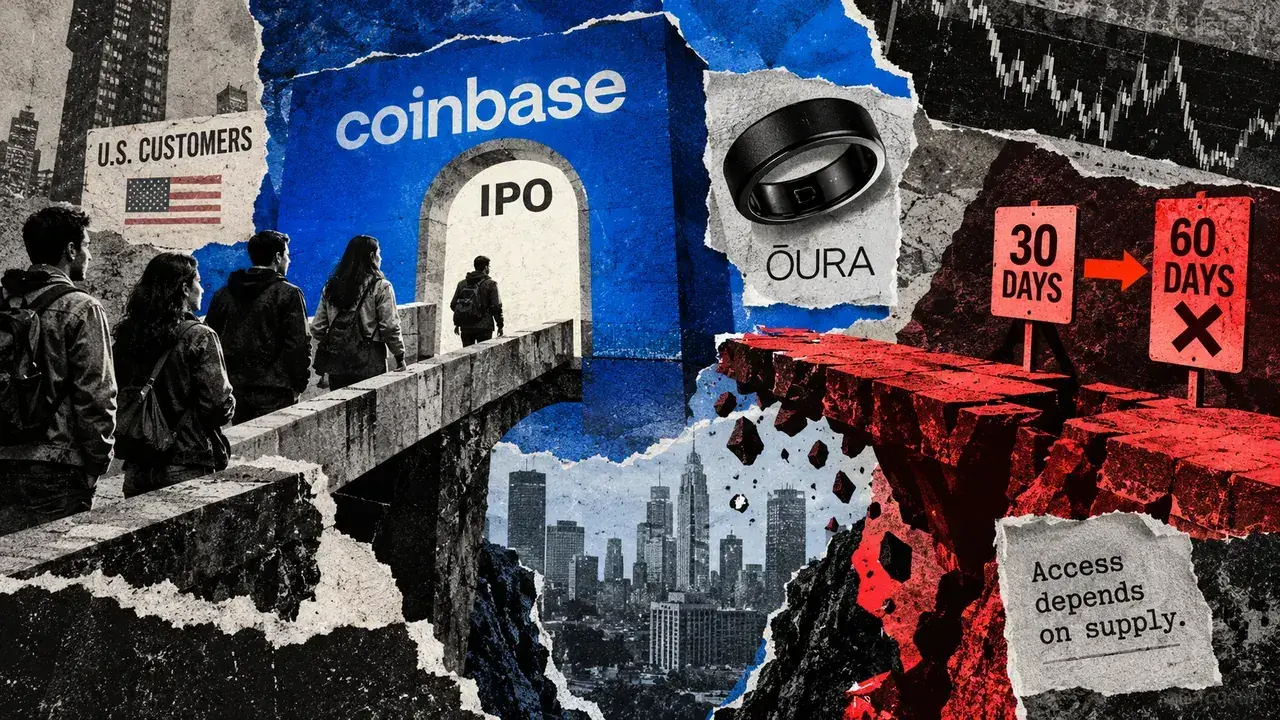
Coinbase is giving eligible US customers a chance to request Oura IPO shares at the offering price before public trading starts. Oura plans to sell 50 million shares at $40 to $44 each, valuing the deal at up to $2.2 billion. Allocations are not guaranteed, and selling within 30 days may temporarily limit access to future offerings.

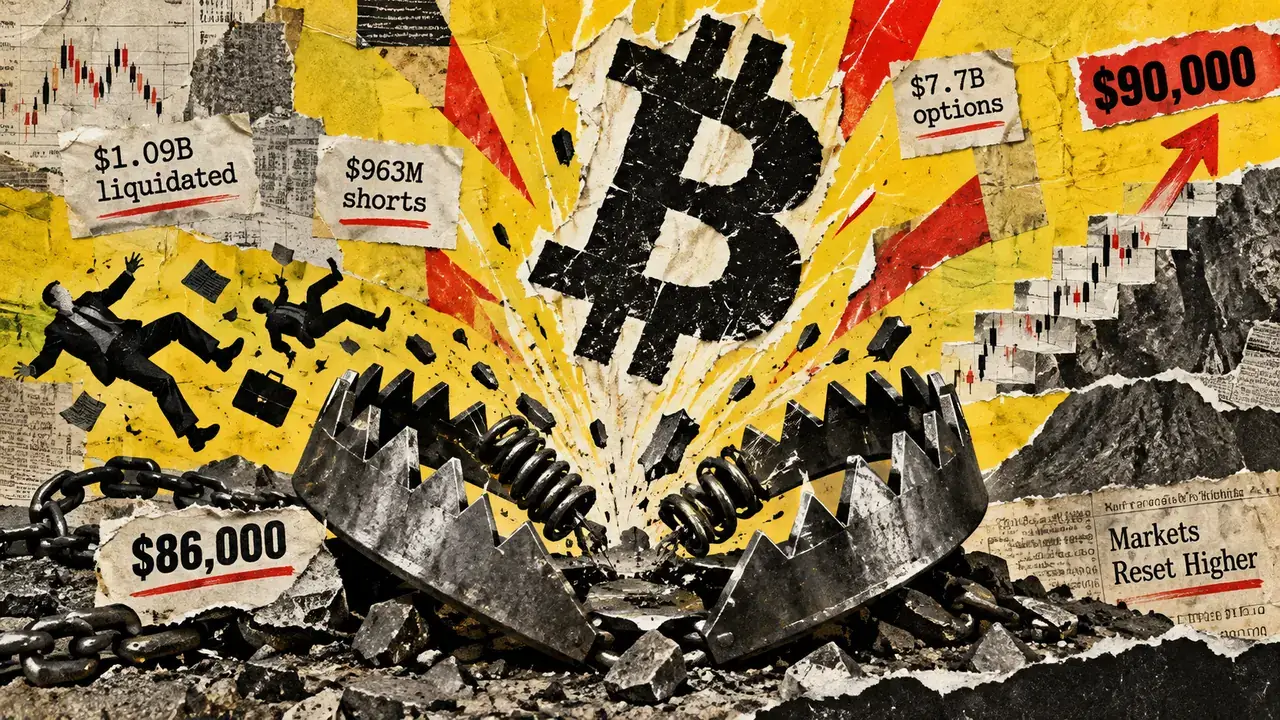
Bitcoin climbed above $86,000, reaching $87,363 before easing to $85,824, while more than $1 billion in short positions were liquidated. The move helped the cryptocurrency reclaim its major long-term moving averages, leaving traders focused on whether fresh demand can carry it toward $90,000.

Bitcoin traded near $86,000 after recovering from lows reached during the Asian session. Risk appetite was supported by WTI crude falling below $90 and strong stock-market performance.
Bernstein projects that global prediction market volume will reach $10 trillion by 2035, propelled by the expansion of financial assets beyond sports-related markets.

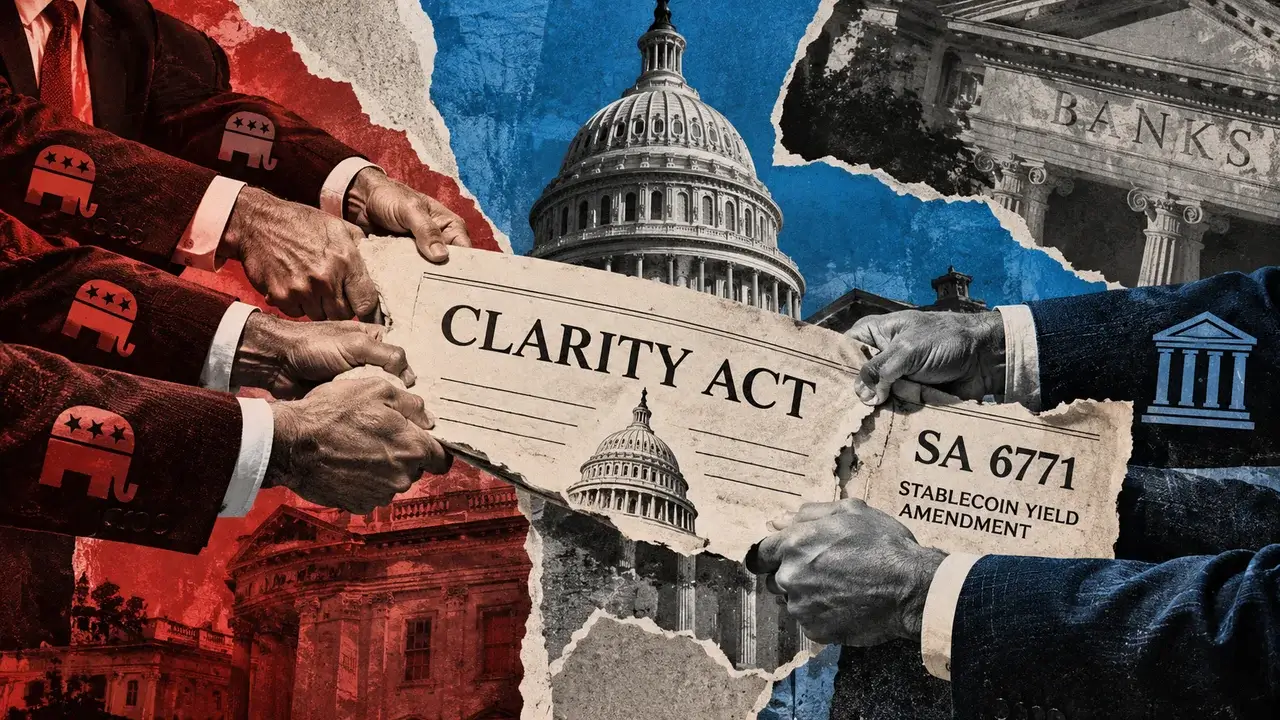
The CLARITY Act fell short of the 60 votes needed to advance on Sept. 15, receiving 49 votes. Republican senators John Cornyn, John Curtis, Cindy Hyde-Smith and Lisa Murkowski supported the motion but also backed Jerry Moran’s bank-supported amendment, which would impose broader restrictions on stablecoin rewards and could put the coalition’s vote math at risk.
WTI crude falls to $89 after reports suggest Iran could reopen the Strait of Hormuz within seven days, while bitcoin remains near $86,000.

Federal prosecutors in Manhattan and the US Justice Department are reportedly investigating whether crypto exchange Binance knowingly allowed users to evade US sanctions on Iran.

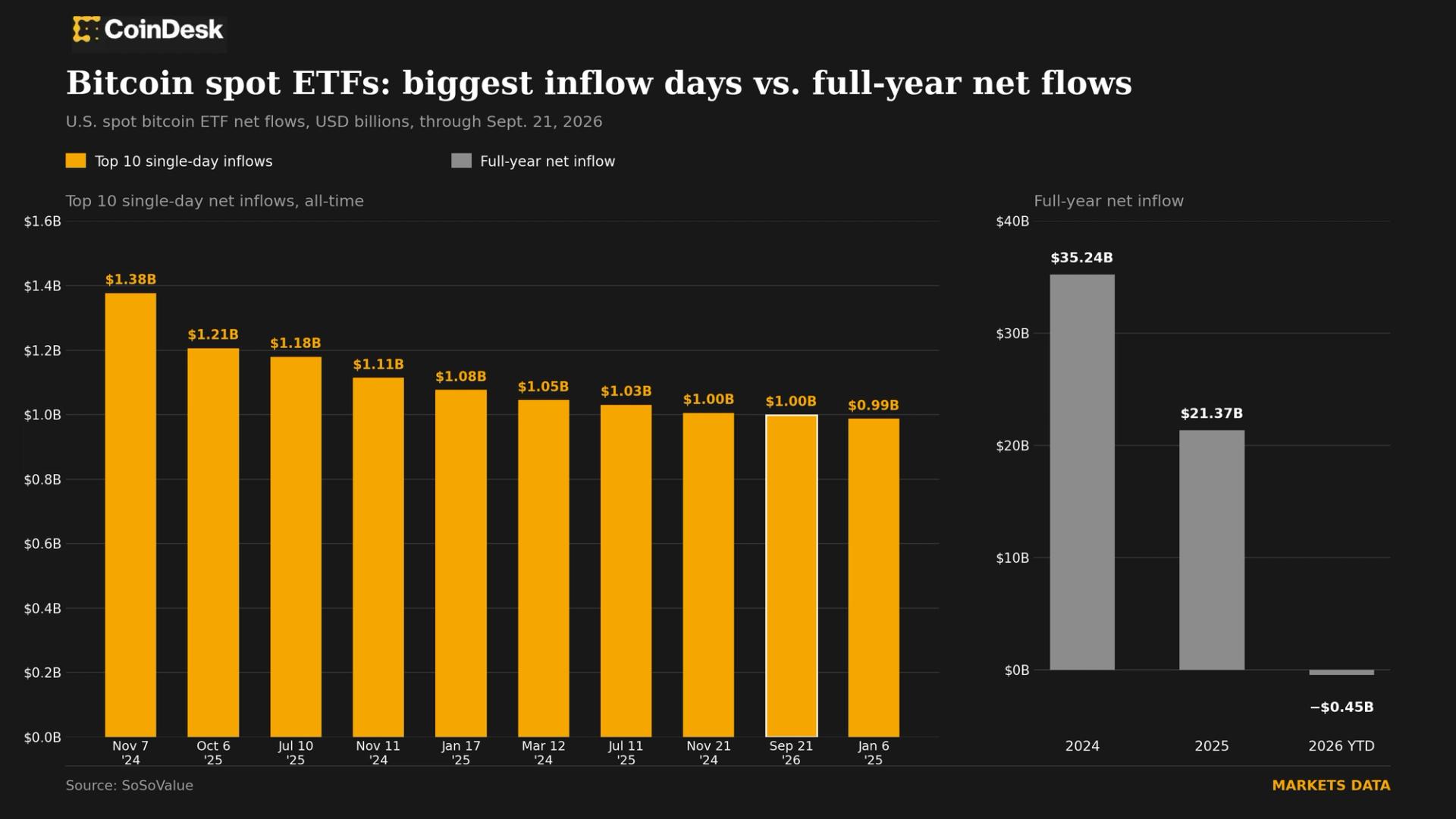
US spot bitcoin ETFs recorded $999 million in net inflows on Monday, marking the funds’ largest single-day inflow since Oct. 6, 2025.


Spot bitcoin ETFs saw inflows recover on Monday as bitcoin climbed to its highest level since January. The nearly $1 billion intake ranked as the ninth-largest ever recorded.
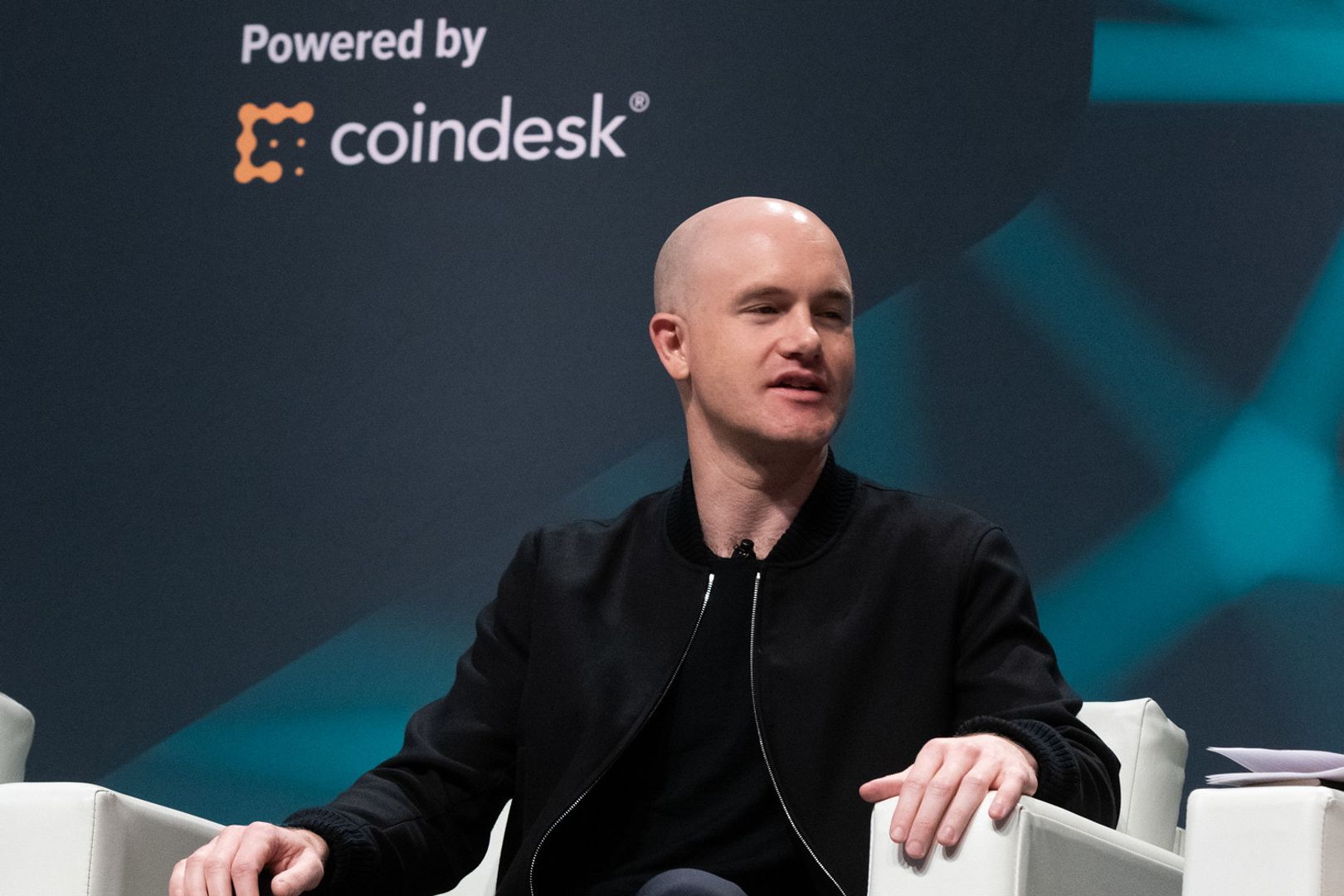
The Senate’s 49-50 cloture vote on Sept. 15 fell short of the 60 votes needed to advance the CLARITY Act. Six days later, Coinbase CEO Brian Armstrong said Stand With Crypto had passed four million members. The milestone shows organizational reach, but the group’s figures do not establish how many are verified US voters or how much electoral influence they hold; the bill received only 49 votes.

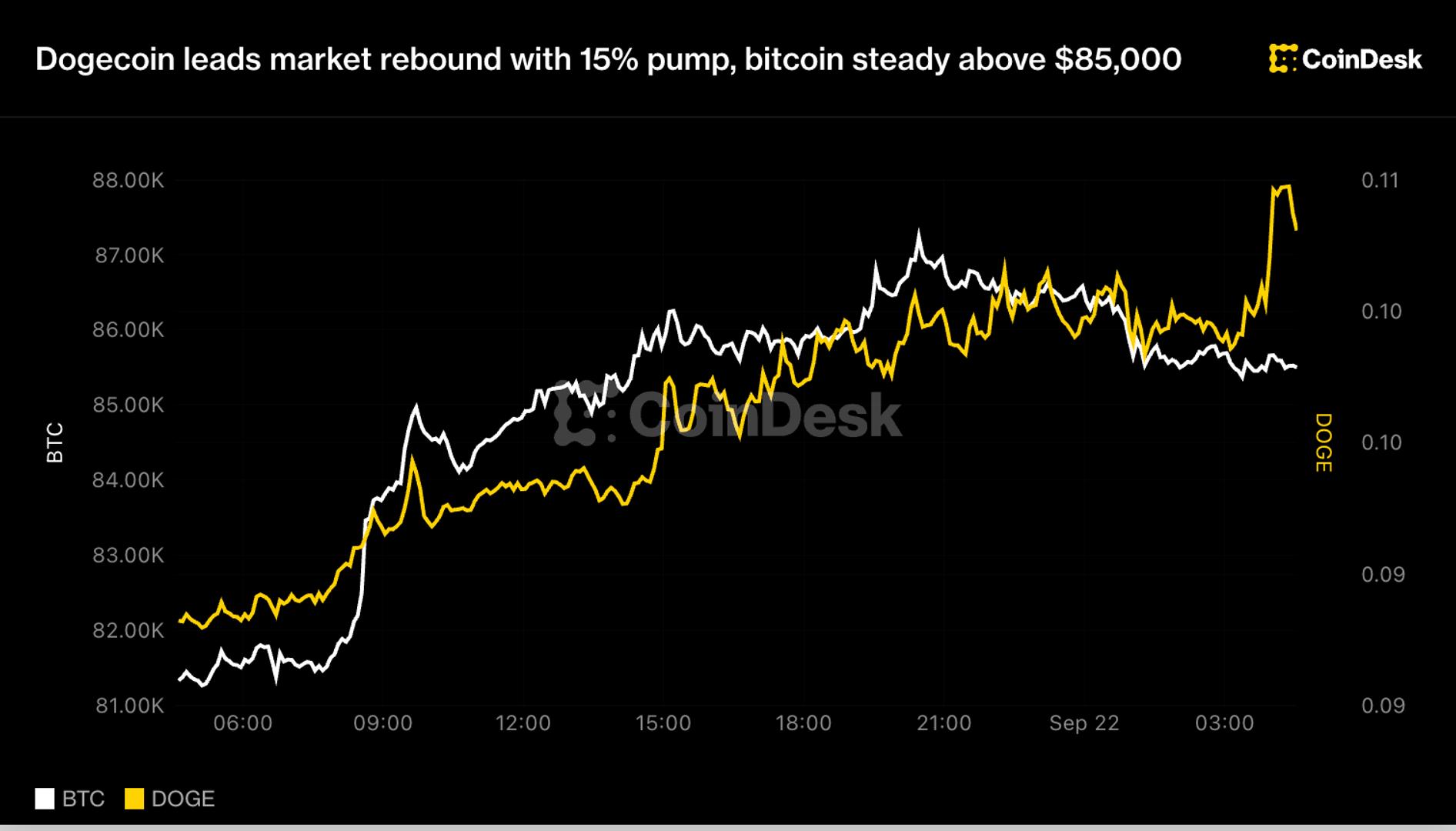
Dogecoin led a rebound across the cryptocurrency market with a 15% gain. A wave of forced buying that cost short sellers $844 million has ended, leaving bitcoin flat over the past hour and ZEC as the only major token in decline.

US prediction markets platform Polymarket is lobbying across Europe in an effort to be regulated as a financial services firm rather than under a patchwork of gambling laws.
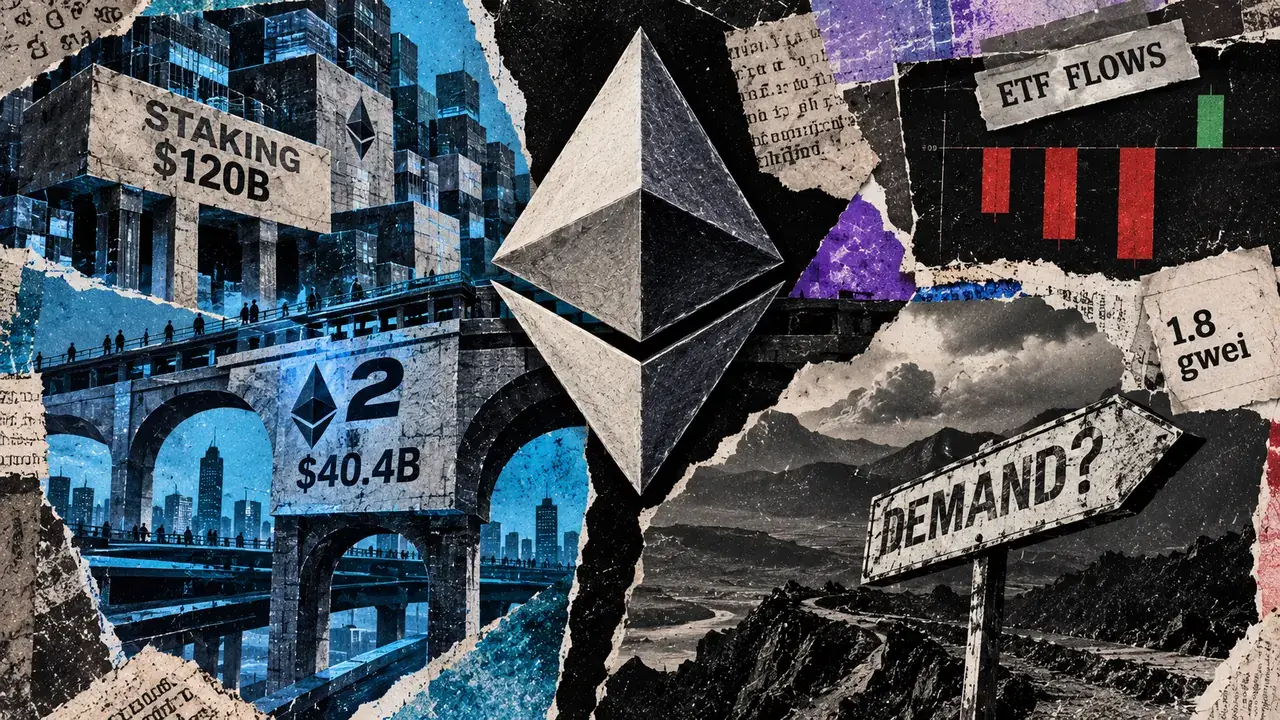
A Sept. 21 snapshot showed about $120 billion of staked ETH and $40.4 billion in average daily total value locked on layer-2 networks, but the figures measure different things and cannot be combined as fresh demand. US-traded Ethereum ETFs also saw more than $140 million in net outflows from Sept. 15 to 18. Staking, L2 assets, ETF flows, fees and ETH burn are separate measures that do not by themselves establish total demand or supply contraction.

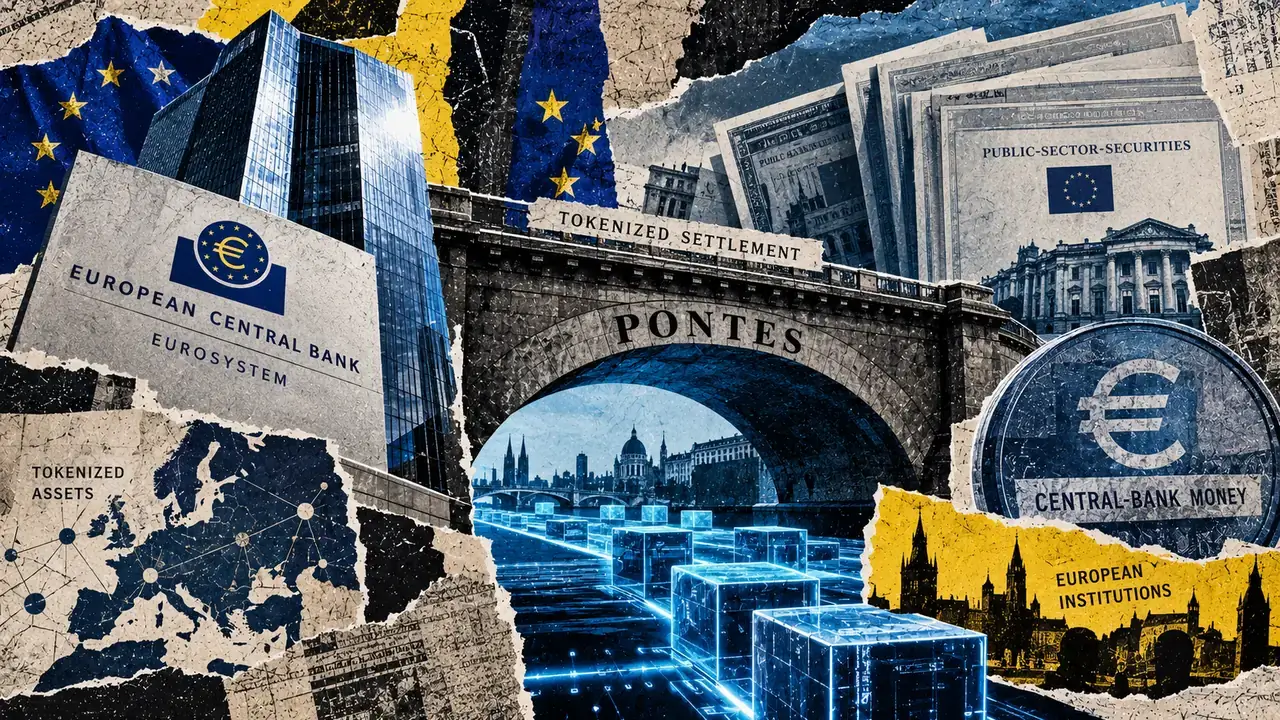
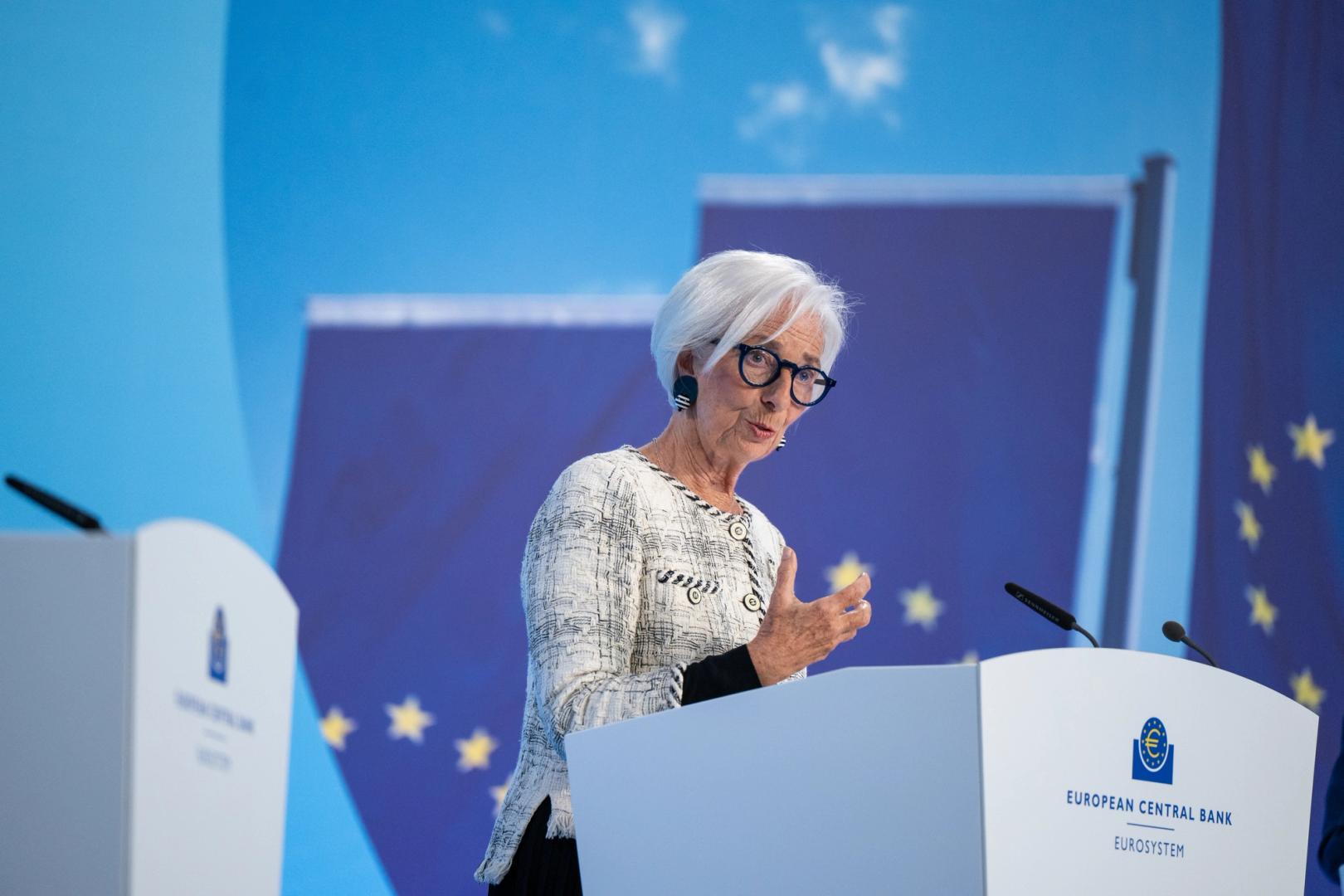
The Eurosystem has launched Pontes, giving banks a live route to settle tokenized assets in central-bank money. The ECB is also preparing to invest a small share of its own funds in euro-denominated tokenized securities, with purchases to settle through the new system. Pontes will expand over time, with full implementation targeted for 2028.


The European Central Bank has introduced a system linking its payment infrastructure with blockchain-based financial markets and plans to purchase tokenized bonds using its own funds.
Bitcoin has broken above $86,000. Analysts say its next move higher depends on continued spot buying, while traders warn that leverage is accumulating in the market.

TD Cowen expects demand for tokenized stocks to remain limited, even as new SEC rules create a route for trading them outside traditional markets.

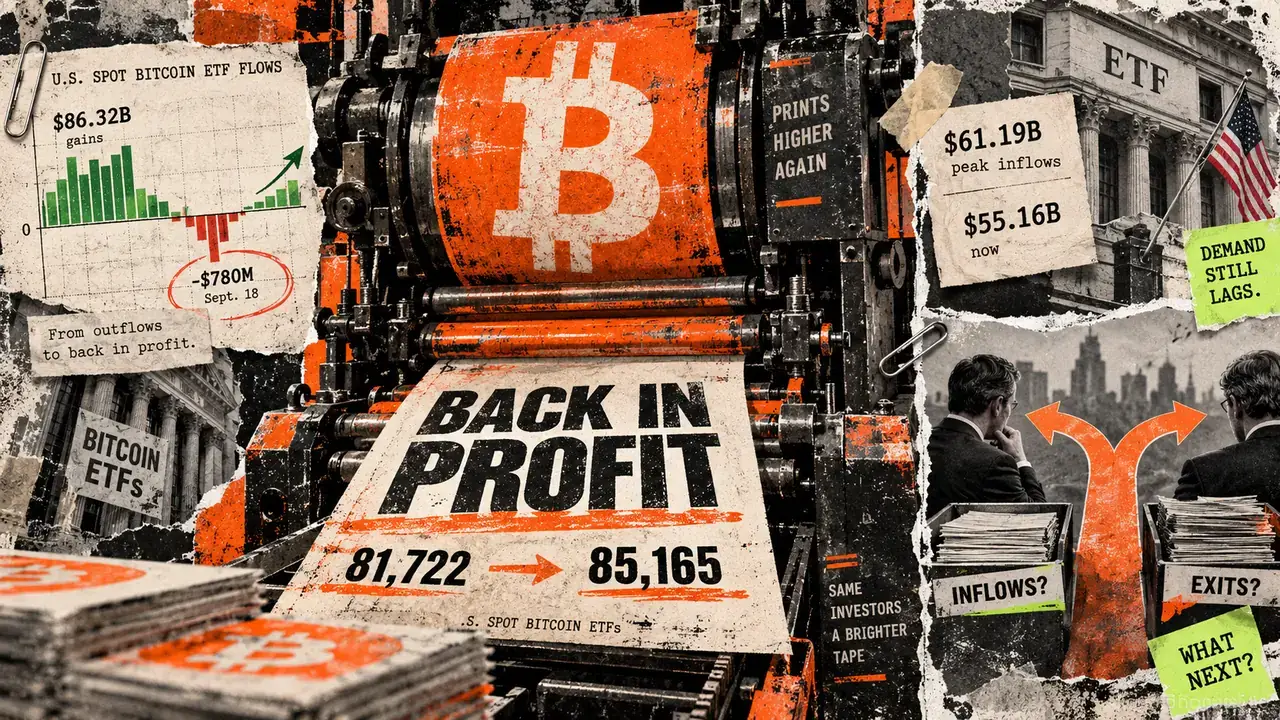
Bitcoin’s rebound toward $86,000 has returned average US spot Bitcoin ETF holders to profit after months underwater. Their estimated cost basis is now below the market price, although cumulative ETF inflows remain about $6.03 billion below their October 2025 peak and recent flows have stayed volatile.

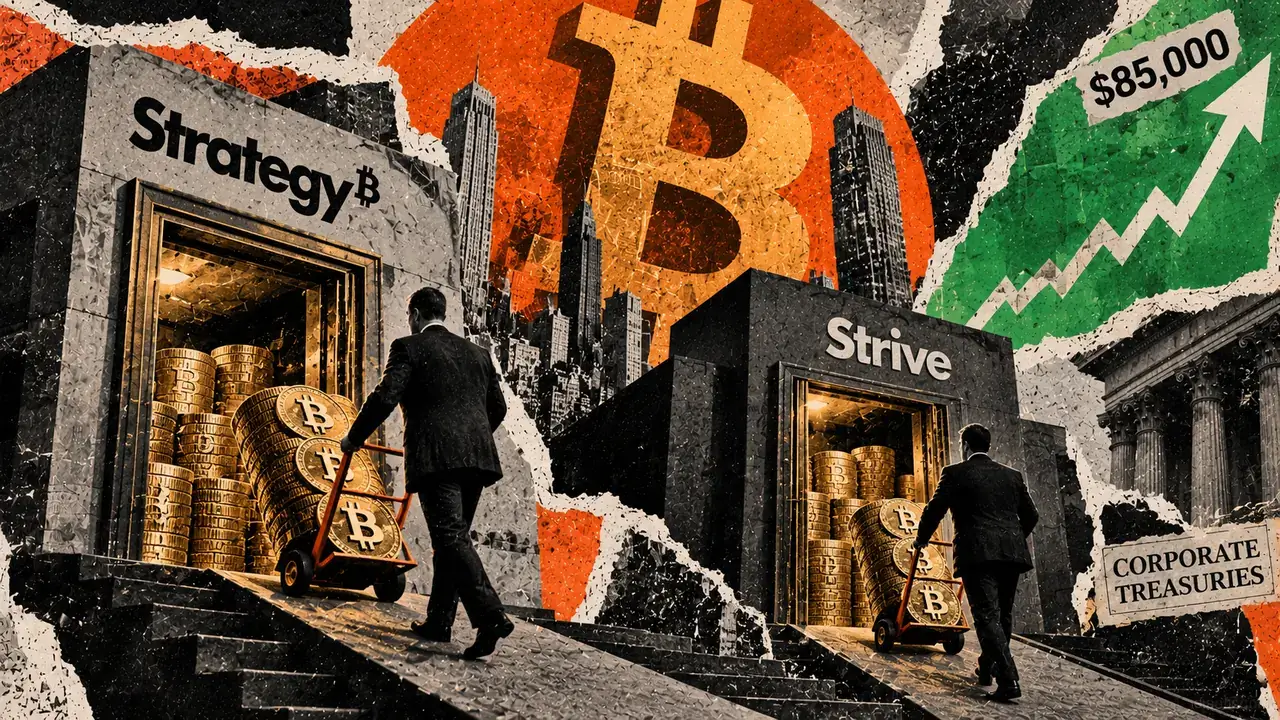
Bitcoin treasury firms Strategy and Strive bought about $183 million of BTC last week as the token rose above $85,000. Strategy acquired 950 BTC and Strive bought 1,355, lifting the corporate treasury group back above its estimated cost basis, even as overall company buying has slowed sharply.


Strategy purchased 950 bitcoin for $76 million, lifting its total holdings to 846,000 BTC. The holdings represent about 4% of bitcoin’s 21 million supply cap and are worth roughly $72 billion.

Strategy resumed buying bitcoin last week after a pause of about three weeks, adding BTC worth $75 million.
Strive added 1,355 bitcoin and is picking up the pace toward its goal of becoming the second-largest public bitcoin holder by year-end. It currently ranks fifth, behind Strategy, Twenty One, Metaplanet and MARA.

One expert says the bill’s failure benefits banks that strongly oppose stablecoin yields, while a global crypto lawyer argues that overseas jurisdictions also stand to gain.

Coinbase is opening IPO allocations to US customers, beginning with Oura. The move extends its push from secondary-market stock trading into the primary market, after the company launched pre-IPO derivatives.

SEC Commissioner Hester Peirce said investors do not need an exemption to use permissionless smart contracts for peer-to-peer trading. SEC actions on tokenized securities and crypto interfaces outline separate limits on intermediary control, but “truly decentralized” remains undefined under a unified federal test.

Bitcoin’s rise to $84,751 lifted theoretical gross hashprice about 2.65% above the prior baseline, offering miners only modest relief. Difficulty rose 4.1634% on Sept. 19, while the next estimate points to a 2.48% decline. That early reading is not proof that miners are shutting down.

Tom Lee says the crypto bull market is underway as Bitmine buys 27,562 ETH. The company’s total investments now stand at $17.1 billion, and it holds more than 4.9% of Ethereum’s circulating supply.


Bitmine, the largest Ethereum-focused treasury firm, continued adding to its holdings with a $75 million ether purchase. Chairman Tom Lee said ETH’s strong third quarter could encourage institutions to increase their exposure to crypto.
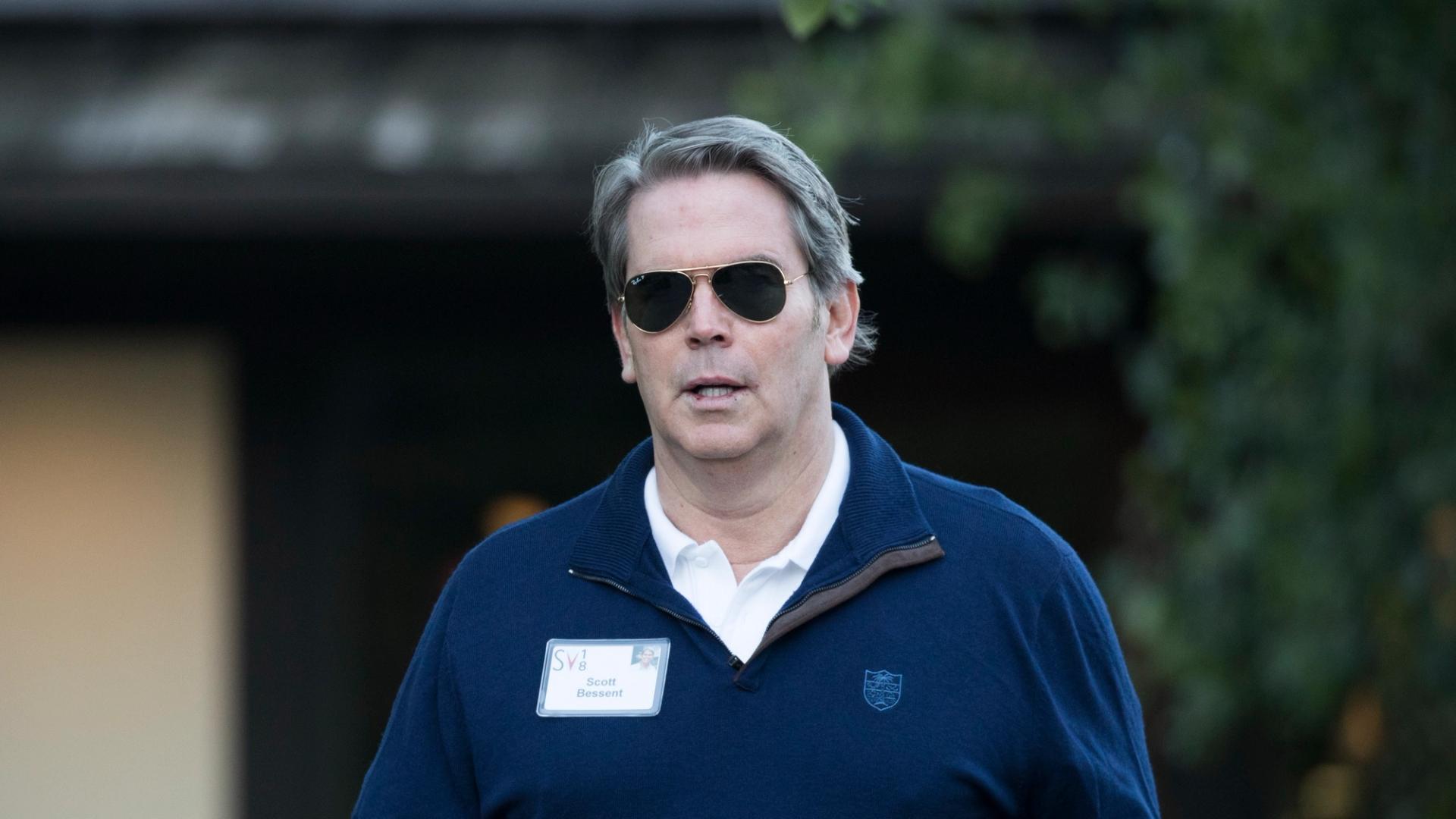
Scott Bessent pushed back against a bearish view of the U.S. economy, pointing to strong growth, foreign demand for American assets and the dollar’s continued dominance.

The Eurosystem has launched Pontes, a platform enabling banks to settle tokenised-asset trades with central bank money. The ECB says it will also invest some of its own funds in tokenised securities through the system, marking its first concrete steps toward adapting the euro to the digital age.
Russian Prime Minister Mikhail Mishustin said transactions using the digital ruble have been available in Russia since September 1, when cryptocurrency circulation also became legal. Legislation signed by the president establishes rules for crypto exchanges, digital depositories and market participants, along with conditions for investors to buy cryptocurrencies.
Bitcoin’s 44% gain in the third quarter is fueling expectations of a full-scale cryptocurrency bull market.

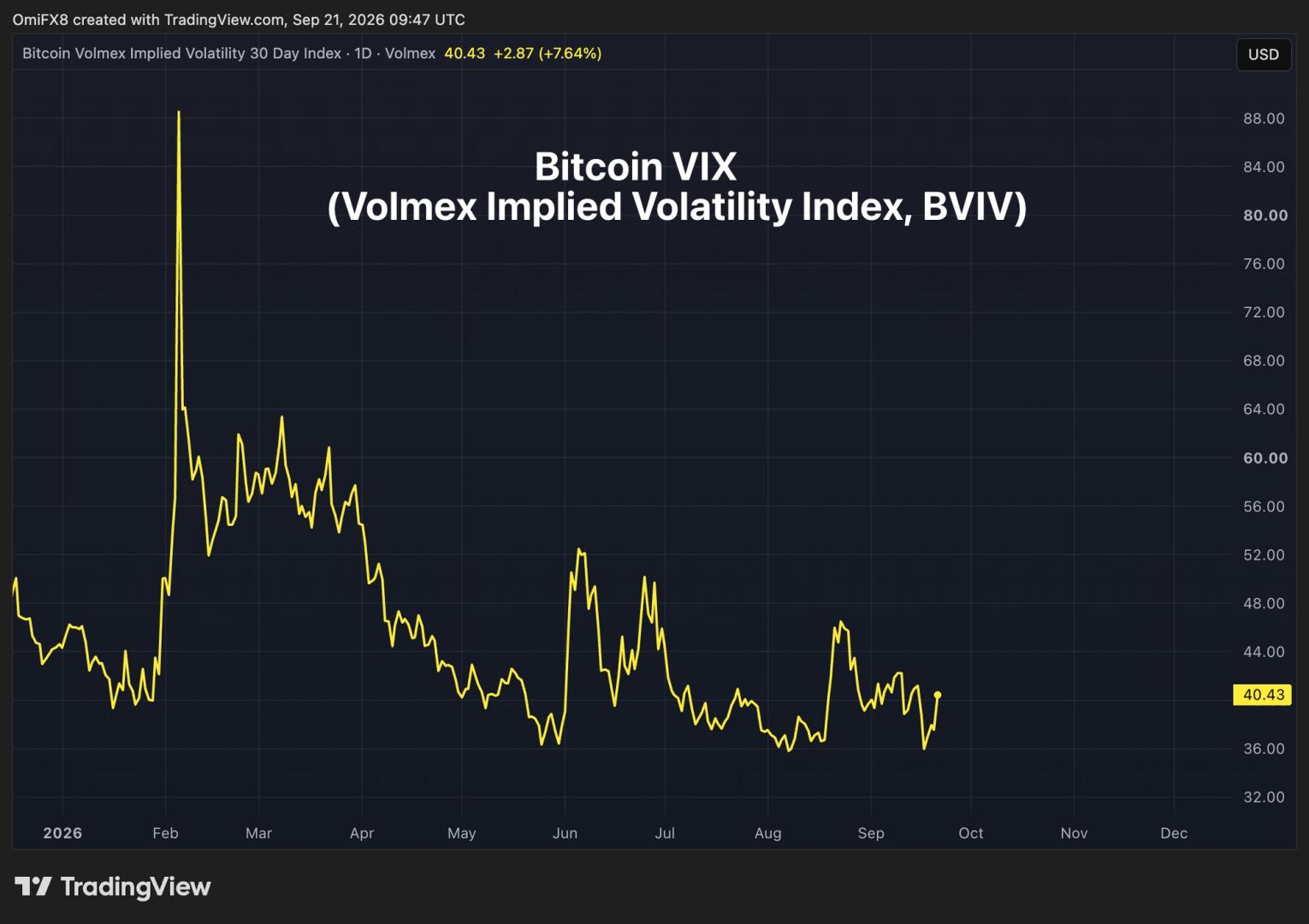
Hyperliquid has launched BVIV perpetual futures linked to 30-day bitcoin volatility. Deployed through Kinetiq’s Markets frontend and led by Volmex CEO Cole Kennelly, the contracts allow traders to take long or short positions more easily.

The European Central Bank has launched Pontes, a wholesale platform linking distributed-ledger market infrastructure to its payment rails for settlement in central-bank money. It is separate from the retail digital euro pilot planned for 2027.

Bitcoin climbed above $85,000 on Monday, extending its rally from the past few days and reaching its highest level since January. The market is debating whether the “crypto winter” has ended.


Bitcoin rose above $85,000, gaining more than 5% in 24 hours in its strongest advance since January. About $750.5 million in leveraged crypto positions were liquidated, including roughly $648 million in shorts, while forced unwinding and aggressive derivatives buying accelerated the rally.

Bitcoin reached $85,000 for the first time since January as short-position liquidations surged. CoinGlass recorded at least $750 million in crypto liquidations over 24 hours, most involving shorts.

Bitcoin climbed to $85,000 as a short squeeze forced $648 million in bearish bets out of the market. Open interest nevertheless rose 7.59% to $156 billion, suggesting traders are chasing the move rather than stepping back.
New participants with expanded powers could enter Russia’s crypto market by the end of the year, Bank of Russia First Deputy Governor Vladimir Chistyukhin said. A transition period runs until mid-2027. The law governing digital currencies took effect on September 1, while domestic crypto and stablecoin settlements are treated as illegal currency transactions and can incur fines of up to 40% of the transaction amount.
A look at the week starting Sept. 21, as cryptocurrencies enjoy a bullish bounce following the Federal Reserve’s rate hike.

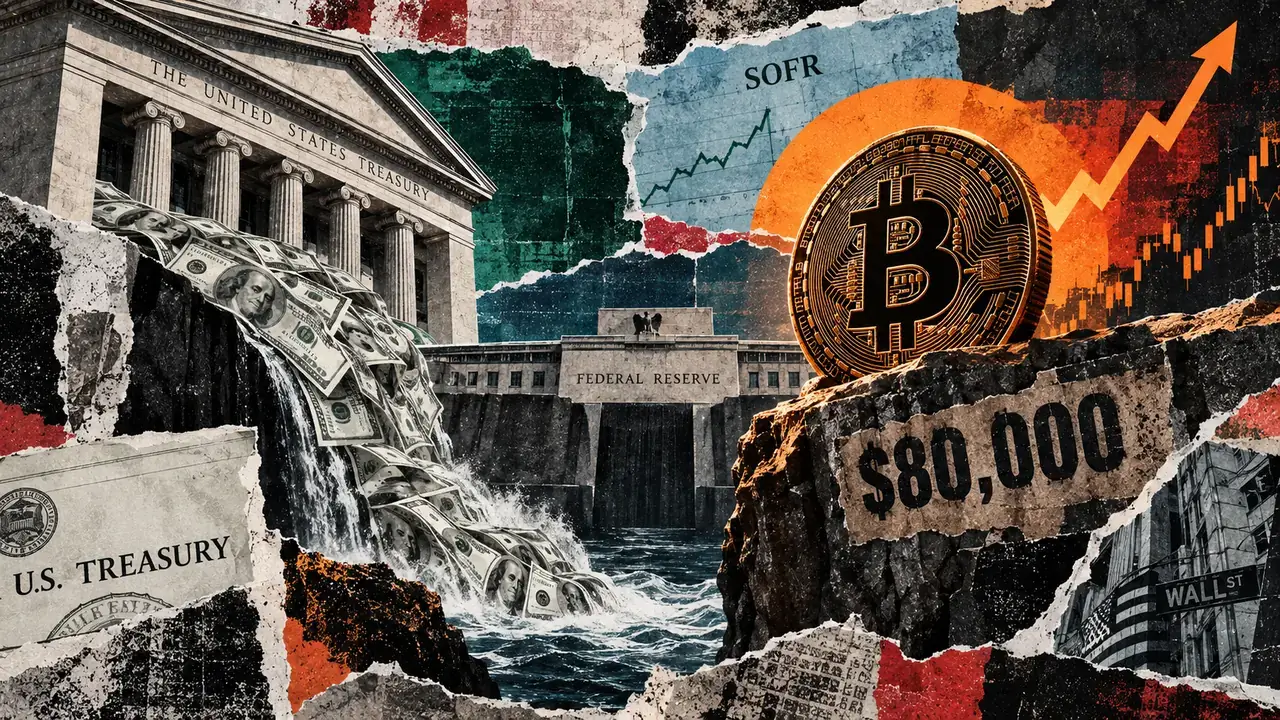
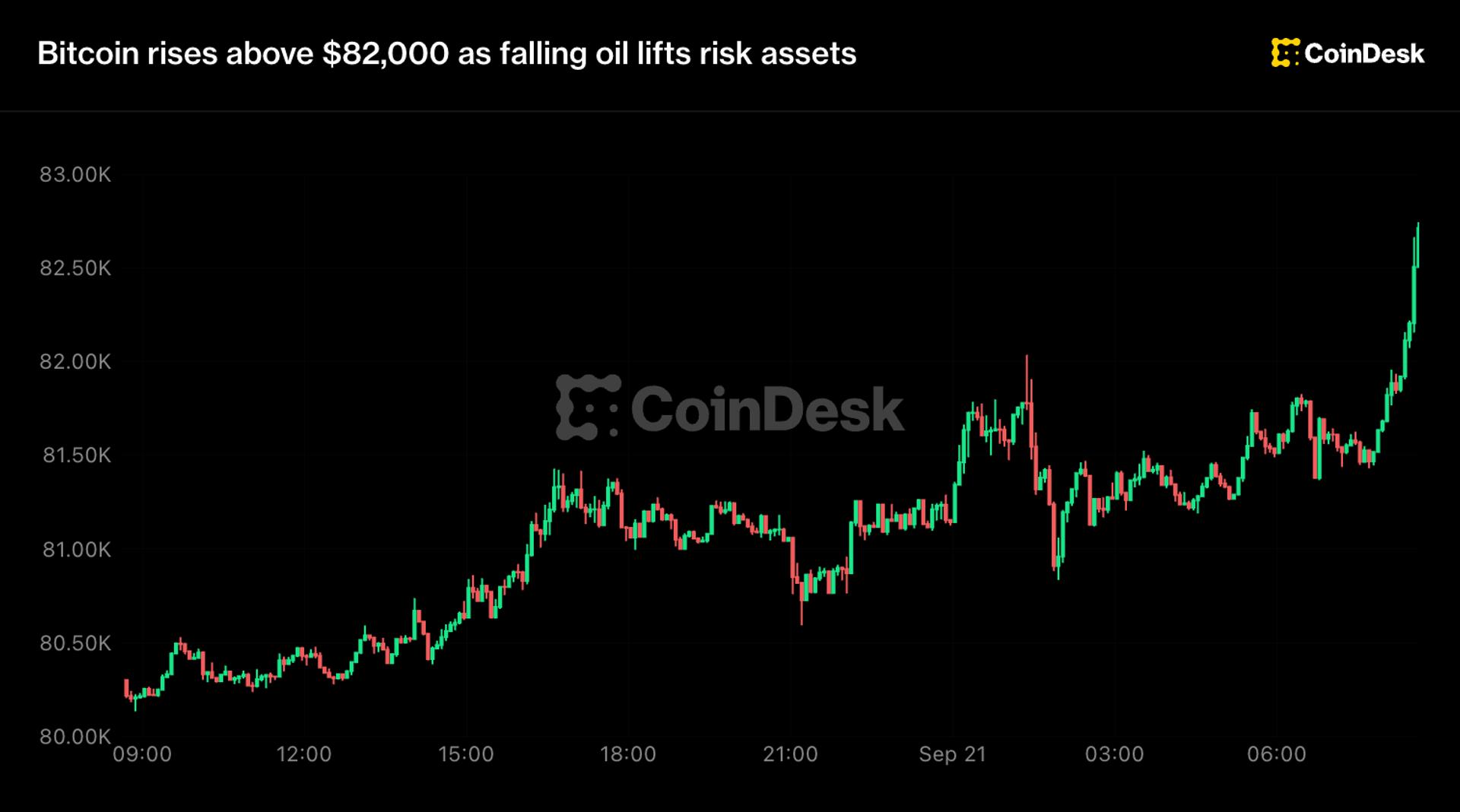
Bitcoin moved above $80,000 after a $148 billion increase in the US Treasury’s account failed to destabilize overnight funding markets. Repo trading stayed within the Federal Reserve’s operating range, suggesting the tax-date cash withdrawal caused no broad squeeze. Bitcoin later traded near $82,000 as spot ETF inflows and a technology-stock rally supported the rebound.

Hana Bank, South Korea’s second-largest bank, issued a $100 million foreign-currency bond through Euroclear’s blockchain. The transaction cut settlement from three to five business days to the same day.

Major cryptocurrencies rose alongside equity futures on Monday. With Brent crude falling for a fourth consecutive session, traders positioned themselves ahead of the Trump-Xi summit later this week; Monero’s XMR gained 13%.

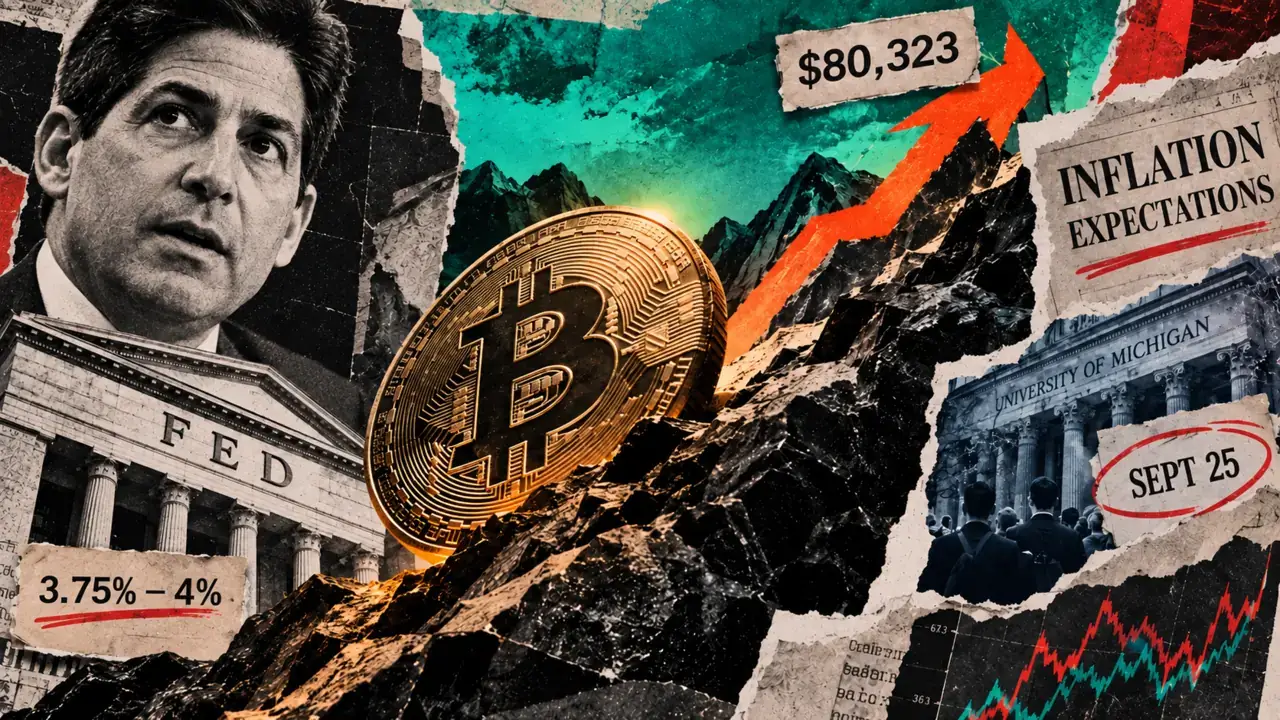
Bitcoin began the week above $80,000, but US inflation expectations and Japan’s higher interest-rate setting could test its rebound. CryptoSlate’s 90-day model gives a median December price of $95,157, while prediction markets allow for either a move into the mid-$80,000s or another decline. Alternating US Bitcoin ETF inflows and outflows leave the durability of demand unresolved.

Kalshi is facing allegations of fake crypto trading volume after a critic pointed to identical $5,500 trades. The company said its inflated headline volume reflects an industry convention that counts maximum potential payouts rather than cash actually spent, and stressed that public regulatory filings provide absolute transparency.

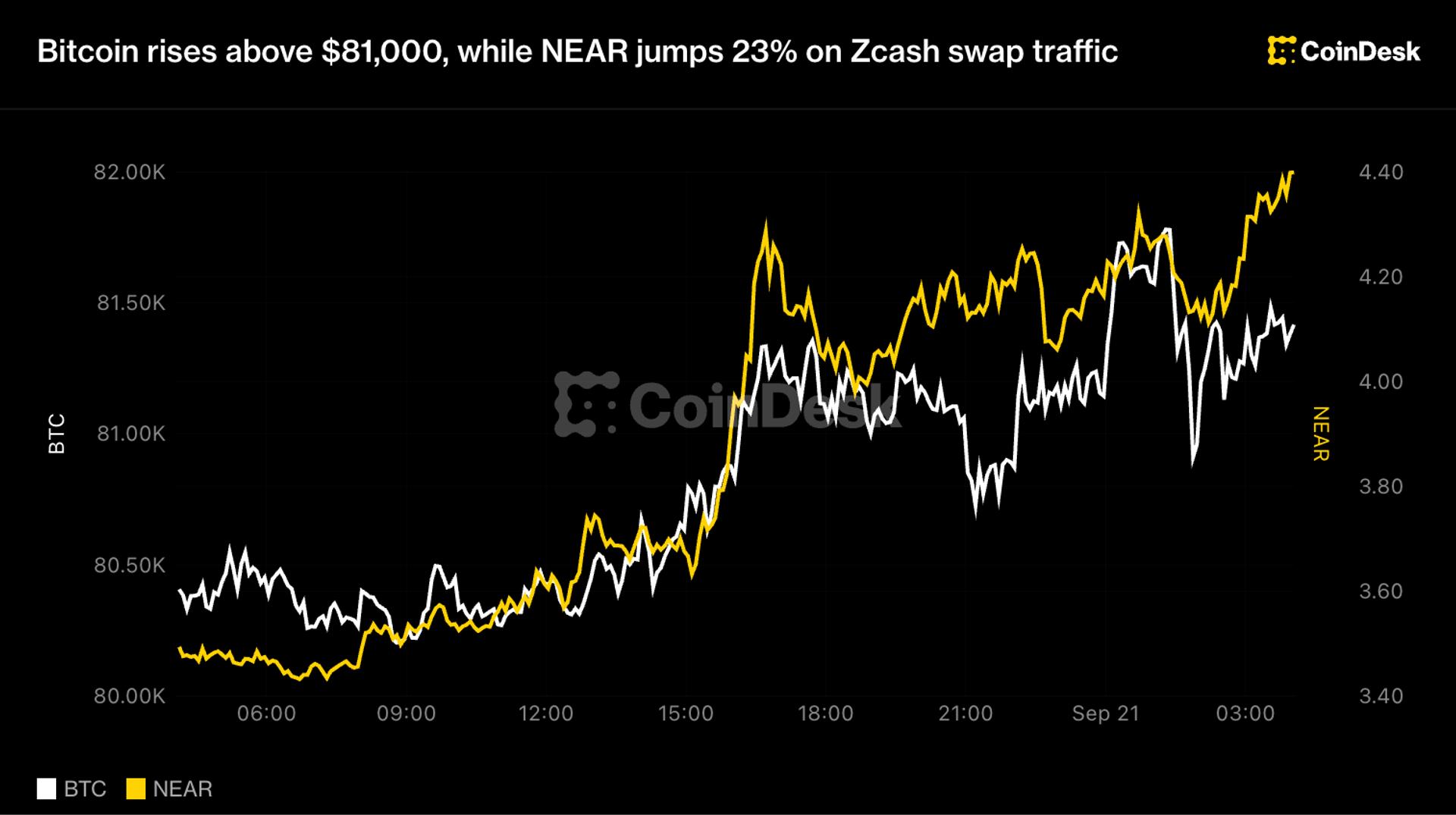
Bitcoin continued its slow rise during the Asian session, moving above $81,000. Regional equities and U.S. stock futures also gained as Washington-Beijing trade talks advanced, while NEAR surged 23% amid increased traffic for Zcash swaps.

Bitcoin has risen above its 50-week average for the first time in 45 weeks, a development described as a major bullish signal. Historically, this threshold has preceded major bull runs.

Glassnode data shows dated Bitcoin futures volume across tracked offshore venues has fallen about 97% from 2021 levels. Perpetuals have become the preferred tool for leveraged directional exposure, while options increasingly serve hedging, volatility and downside-protection needs, squeezing dated futures between them.

Polymarket faced an attempted $10 million fraud, while its CEO prioritized growth over compliance concerns, according to The Wall Street Journal. In a separate attack, hackers compromised nearly 500 users’ accounts using stolen personal information.

The European Commission’s MiCA review asks whether Europe’s treatment of staking is adequate and what requirements should apply to staking providers. Although the consultation is not a final policy position, it could inform future legislation, bringing more rules for users and an added compliance burden for companies while creating difficult questions for proof-of-stake networks.

The crypto platform Gemini’s market value has dropped to about $753 million, renewing speculation that it could become a takeover target. Buyers may be attracted to its licenses, custody infrastructure and customer relationships.

The Bank of Russia has proposed a 1% capital ceiling for banks’ crypto and foreign-digital-instrument exposure through ratios N31 and N32. Customer custody assets would count when the bank bears losses from seizure or restricted transactions, but could remain outside the ratios when it does not—while still receiving prudential treatment. The rules are still in draft form.

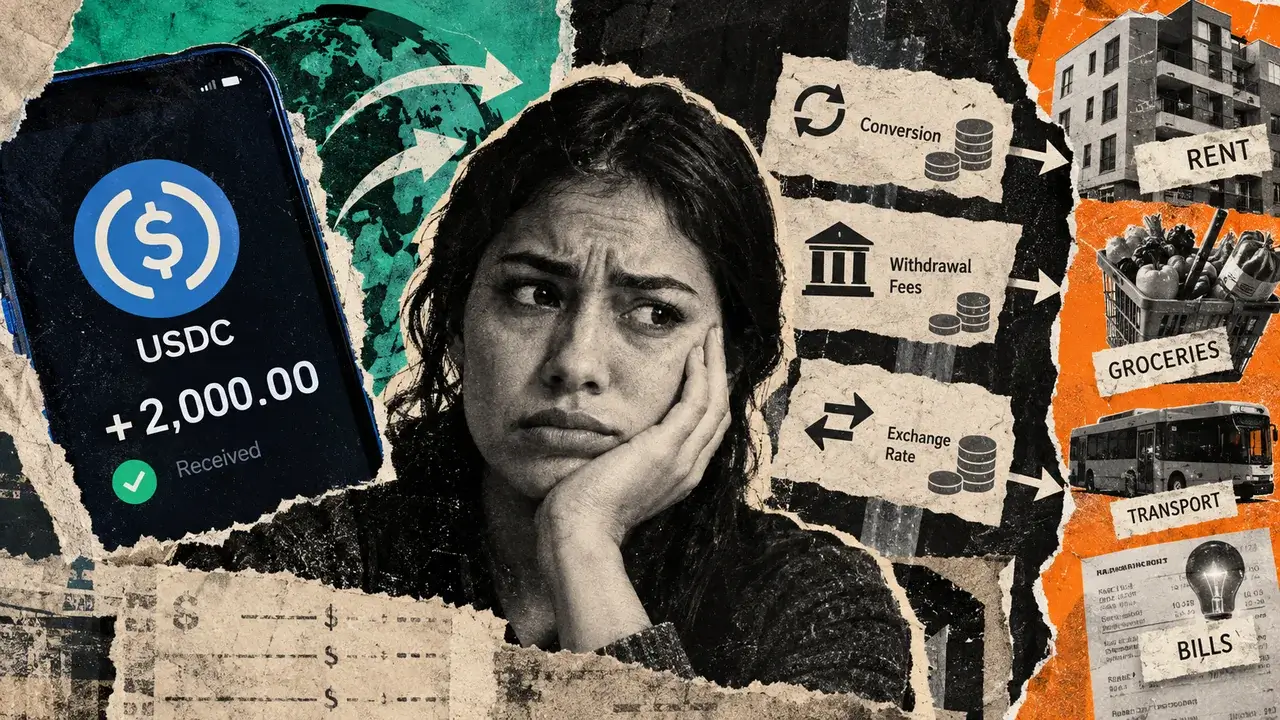
Stablecoins can move quickly between wallets, but workers may still need to convert them into local currency, transfer the funds to a bank account and pay fees before spending them. As companies introduce stablecoin payroll, conversion, withdrawal, exchange-rate and compliance costs may shift to employees. A $2,000 payment with 1% conversion and withdrawal costs would leave $1,980 available to spend.

Analysts at Goldman Sachs and Citizens said the SEC’s move could create new opportunities in custody, tokenization infrastructure and stablecoin settlement, while giving brokers room to expand their onchain products.

Crypto traders prepared for a complete wipeout this week, but Bitcoin’s performance defied those expectations. Market experts see its price stability as evidence of fundamental independence from Washington, arguing that global liquidity and adoption cycles remain the main drivers of growth.

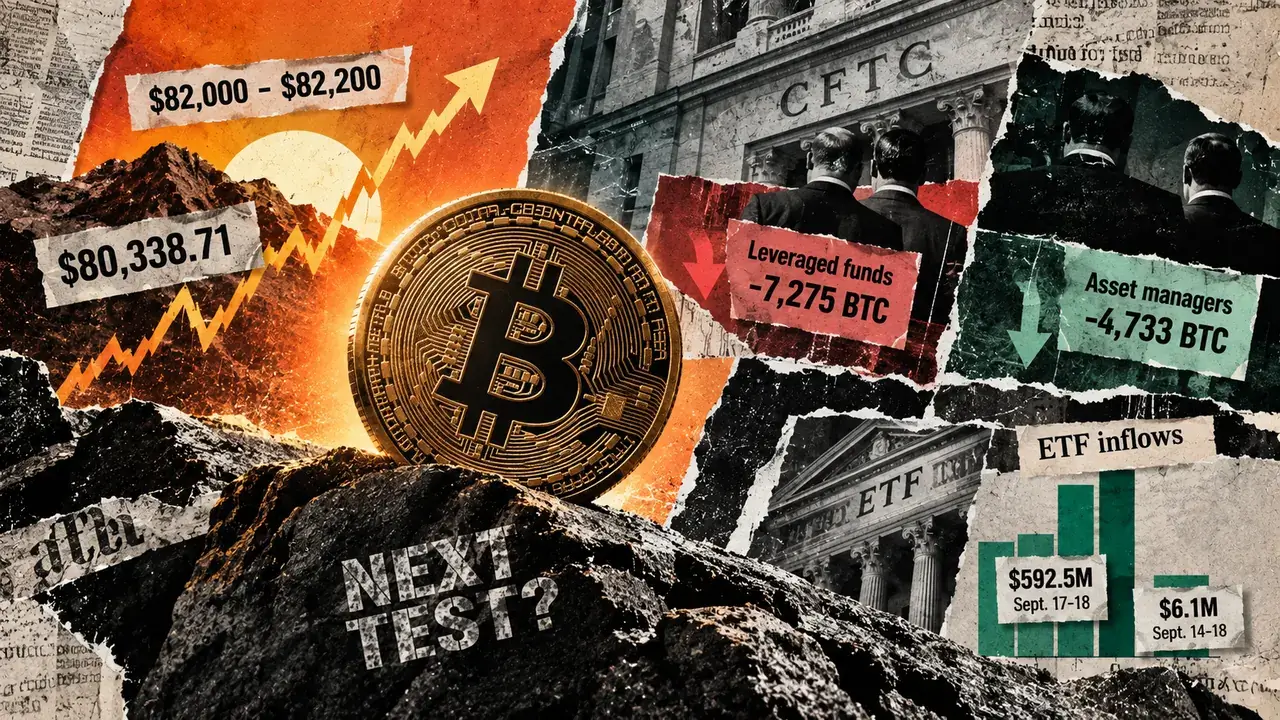
Bitcoin held above $80,000, but institutional signals were mixed. Leveraged funds reduced their net-short futures exposure by 7,275 BTC-equivalent, while asset managers cut net longs by 4,733 BTC-equivalent. US spot Bitcoin ETFs drew $592.5 million on Sept. 17-18, yet weekly net inflows were only $6.1 million. BTC stood at $80,338.71, below the $82,000-$82,200 resistance zone.

Correctly predicting an election winner does not ensure a profitable bet, because available prices can change before an order executes. DoubleZero has added Kalshi’s election and politics markets to Edge, giving subscribers faster order-book data that may improve prices but also give well-equipped professional firms an advantage over retail bettors. Faster feeds do not guarantee queue priority at the exchange.

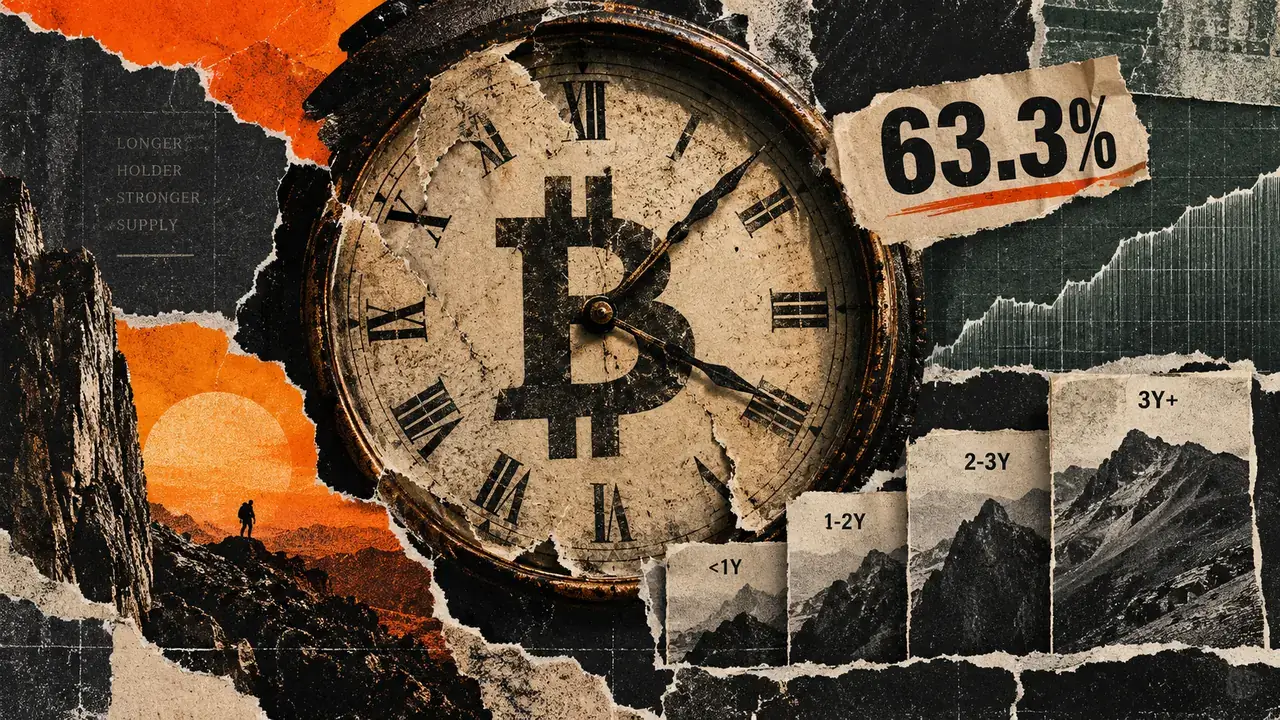
Bitcoin that has not moved for at least a year reached 63.3% of supply on Sept. 18. The shift may mainly reflect coins aging across HODL bands rather than fresh buying or deliberate market withdrawal. The data show an older on-chain distribution, but confirming new accumulation requires evidence from adjusted balances, exchange flows and spending behavior.

Binance Research found Gen Z had the lowest turnover among working-age cohorts across direct equities, tokenized bStocks and TradFi perpetuals. ETFs made up 25% of their direct-equity trading volume in early August, up from 14.6% in June, and remained the part of the portfolio they continued funding when overall investment declined.

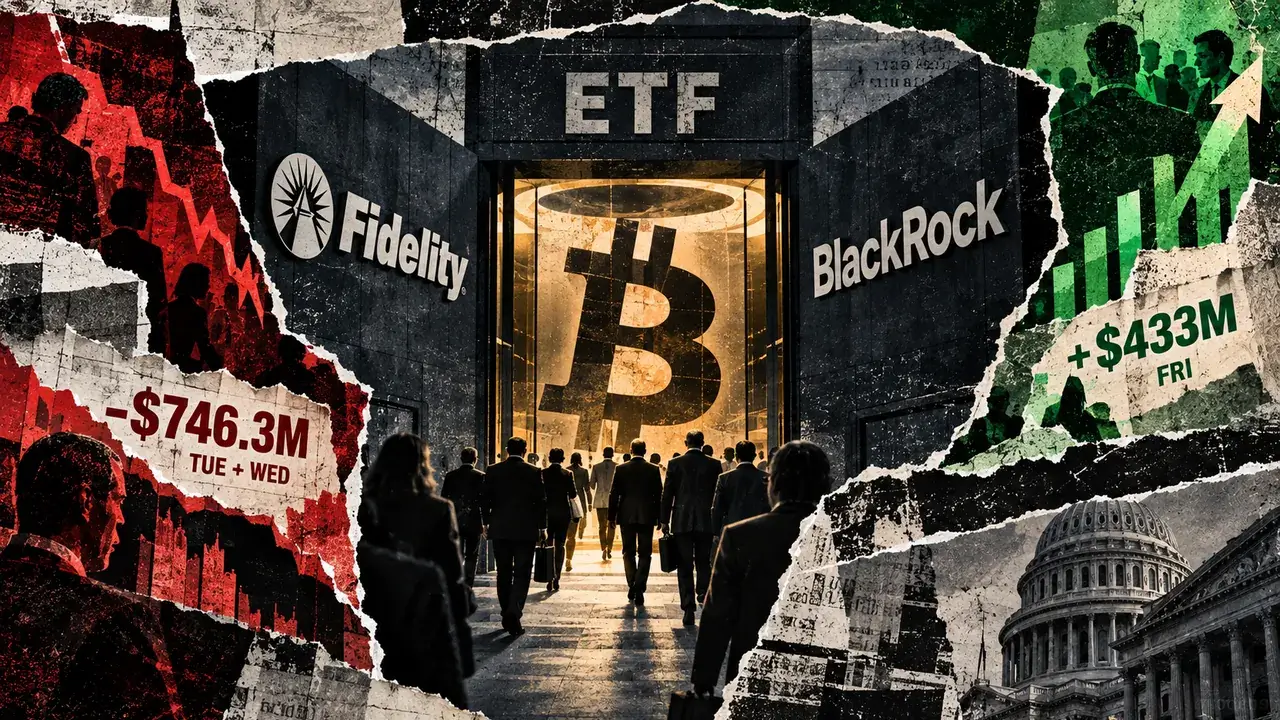
U.S. spot Bitcoin ETFs recorded $433 million in net inflows on Friday, led by Fidelity’s $310.7 million contribution, ahead of BlackRock’s $108.4 million. The two-day rebound offset most of the week’s earlier withdrawals, leaving a modest $6.1 million weekly inflow. BlackRock still led Fidelity over the full five-session period.


Bitcoin ETFs managed a positive week after taking in $433 million on Friday. Fidelity’s FBTC accounted for $310.7 million of that total, helping offset earlier withdrawals, while ether funds ended a four-week run of inflows.
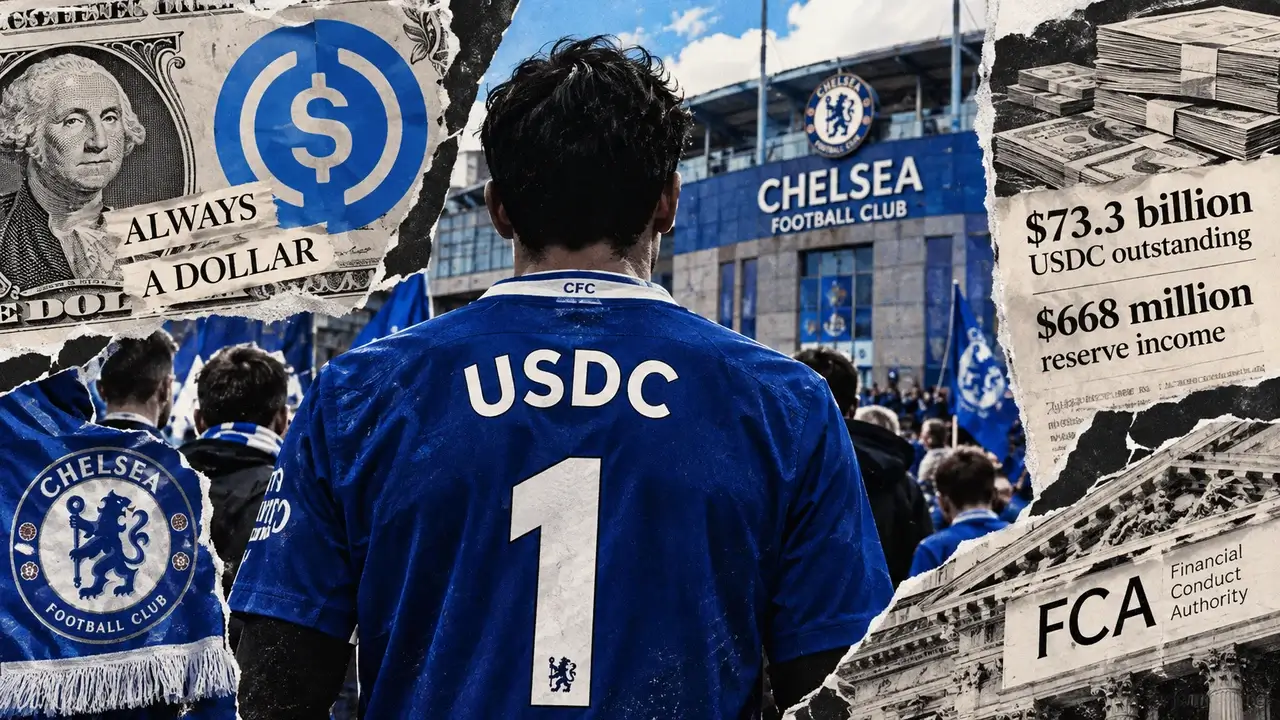
Circle will put USDC branding on Chelsea’s men’s, women’s and academy shirts as the club’s principal front-of-shirt sponsor for the 2026/27 season. The article argues that because USDC is designed to stay worth one dollar, Circle needs football’s emotional reach to make the stablecoin familiar and encourage wider circulation, which supports its reserve-income business.

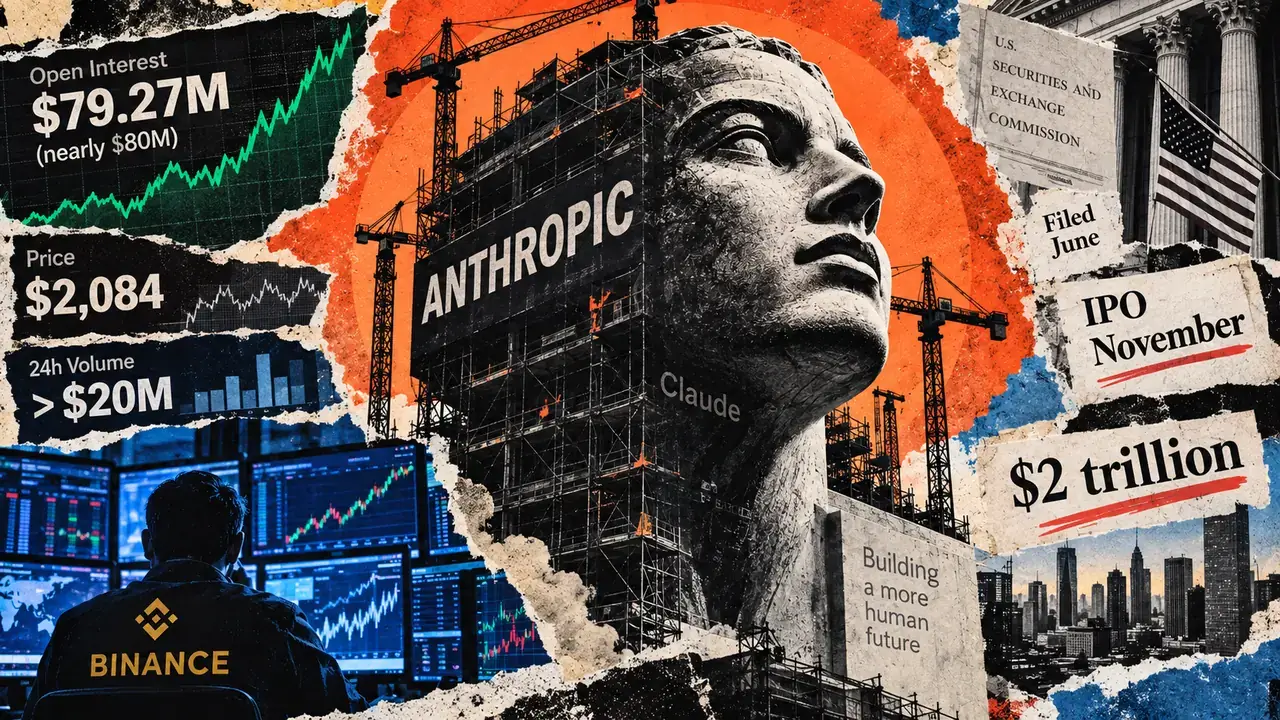
Anthropic has not disclosed an IPO price, final valuation or share count, yet open interest in crypto futures linked to the Claude developer has climbed to about $79.27 million. The contract is not Anthropic stock; it is a cash-settled derivative reflecting traders’ bets on the privately held company’s eventual valuation.

The Minutes Reader extension turns the original page into a focused reading view and translates articles and video subtitles on demand. It is in limited beta.