Private equity turns to financial engineering to lure insurance billions

Structured financing is helping secondaries funds grow by making their investments more appealing to risk-averse investors, including insurers.
As geopolitical tensions and market uncertainty persist, executives are increasingly considering the yuan for international trade settlements, fundraising, liquidity management and investment allocation. By the end of 2025, the People’s Bank of China had bilateral currency-swap agreements with more than 30 countries and regions, worth over 4.3 trillion yuan (US$641 billion).

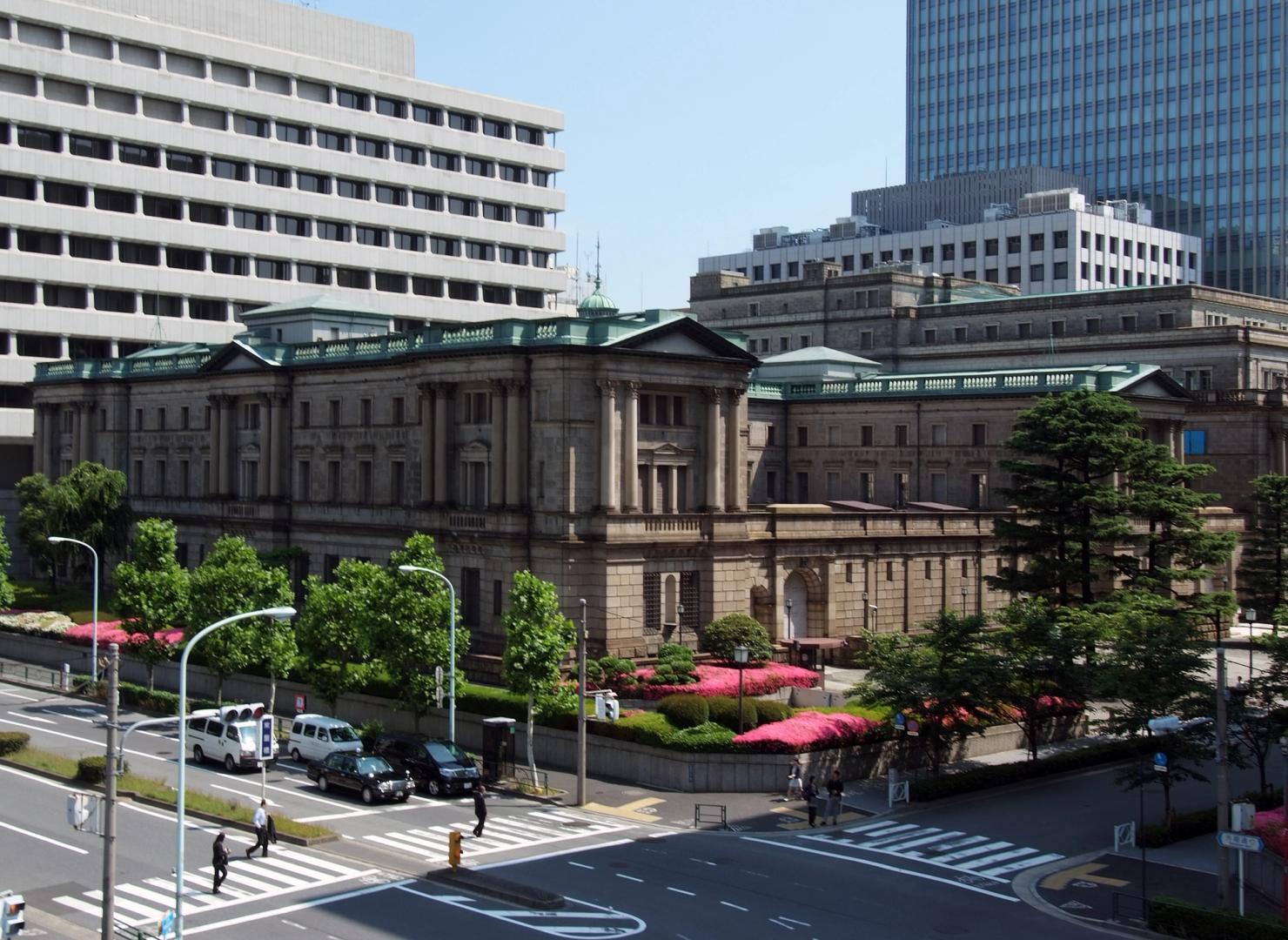
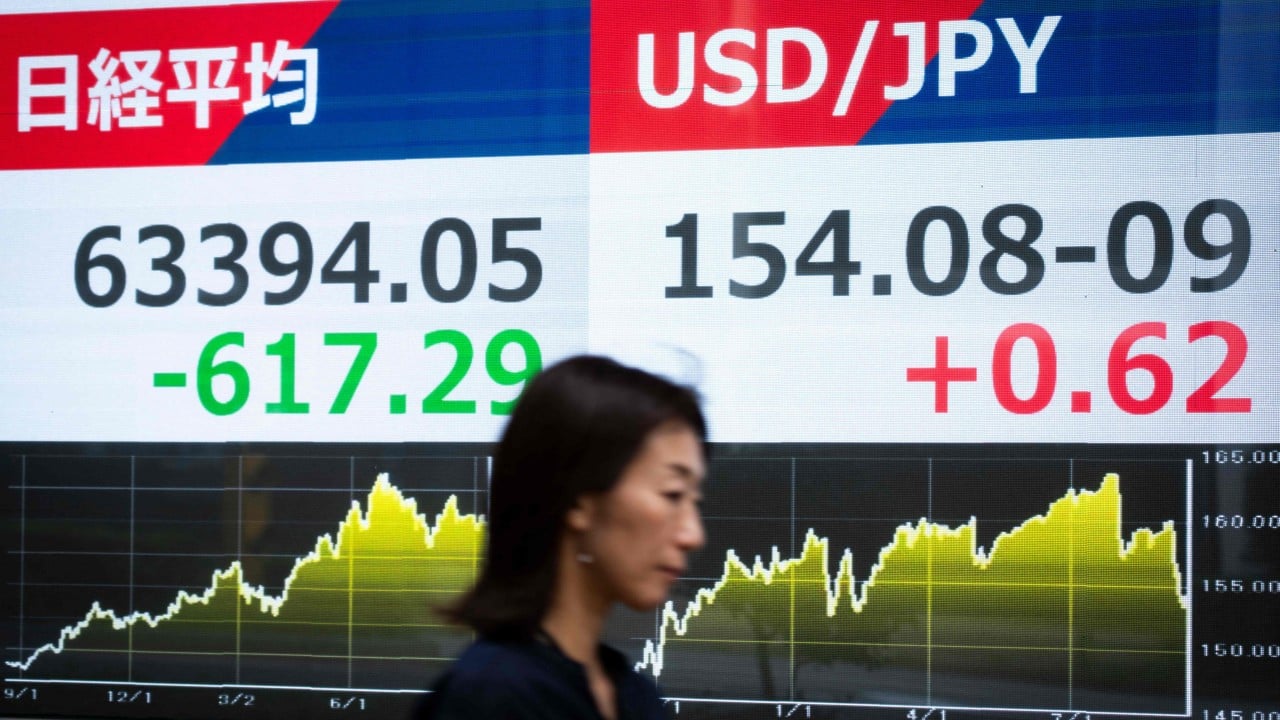
Japan’s central bank lifted its benchmark interest rate from 1.0% to 1.25%, the highest level in 31 years. The increase, announced Friday after a two-day monetary policy board meeting, had been widely expected and was already reflected in recent global markets.

The Bank of Japan lifted its benchmark rate by 0.25 percentage points to 1.25%, taking borrowing costs to their highest level in 31 years. The move comes amid rising inflation and wages, with pressure from Washington also weighing on policymakers.

The Bank of Japan raised interest rates to their highest level in 31 years and signaled concern about inflation. The decision passed 7-2, with board members Toichiro Asada and Ayano Sato dissenting from the increase.

The Bank of Japan raised interest rates by 25 basis points to their highest level in 31 years. The yen declined, while Bitcoin rose against it.
The Bank of Japan raised interest rates by 0.25 percentage points to 1.25%, the highest level since 1995.
The Bank of Japan is poised for a pivotal rate hike following pressure from Bessent.
Asian stocks climbed on Friday while the dollar held steady. Falling oil prices lifted sentiment as investors weighed stronger global efforts to curb inflation ahead of an expected Bank of Japan rate increase.

A potential Japanese rate increase is adding uncertainty to global markets, with concerns that it could trigger renewed bond-market turmoil and reduce demand for risk assets. Tokyo’s push for higher defence spending is raising questions about fiscal discipline. Japan’s 10-year bond yield reached 3.03 per cent this week, its highest level in three decades, while the 30-year yield approached a 30-year high at 4.1 per cent.
The Bank of Japan is expected to lift interest rates to their highest level in 31 years on Friday and promise further action to address inflation risks. Those risks could intensify if the start of a U.S. rate-hike cycle weakens the yen against the dollar.
Experts at a coffee industry conference in Kunming said Asia is becoming a major engine of global coffee consumption, with China among the fastest-growing markets. China’s coffee market exceeds 200 billion yuan annually and grows about 20% a year, while Yunnan’s planting area and exports have also surged. The province established a coffee standards committee and released new varieties and technologies.
More than 30 business leaders and investors from mainland China and Hong Kong gathered in Shanghai for a South China Morning Post C-Suite roundtable held alongside BioShanghai Week 2026. The discussion examined the healthcare sector’s capital lifecycle from seed funding through post-listing, with support from IHH Healthcare North Asia and appearances by Nisa Leung and Dr Kenneth Tsang.

Indonesia's new finance minister, Suahasil Nazara, said at a Friday press conference that taxpayers who had overpaid would receive refunds in line with regulations.
More than six months into the Iran war, JPMorgan’s oil analysts say the timing of its end—and the resulting path for oil—is becoming increasingly impossible to predict, echoing what many traders have privately argued for some time.
SB Energy’s planned initial public offering will test investor appetite for Masayoshi Son’s bet on artificial intelligence, with OpenAI’s delayed listing raising the stakes for SoftBank’s $50bn data-centre IPO.
Agriculture, energy and rare earths have become key bargaining chips in the U.S.-China trade war and are expected to feature again when President Donald Trump hosts Chinese President Xi Jinping in Washington next week.
Six key green industry projects worth more than 2.9 billion yuan, or about $400 million, were signed in Tianjin under the China-SCO Green Industry Development Cooperation Zone. The event also produced a coordination framework, released nine reports and launched an information network for green industry cooperation.
The US is expected to wait until at least after next week’s planned summit between Xi Jinping and Donald Trump before announcing new tariffs tied to allegations that trading partners have excess manufacturing capacity, people familiar with the matter said.
Washington will not impose new tariffs on China before or during Xi Jinping’s expected visit to the United States next week, Bloomberg reports, citing sources. Publication of a trade investigation recommending an additional 7.5% duty on Chinese goods has been delayed for an unknown reason, while the final tariff level remains unclear. Donald Trump expects Xi to arrive in Washington on September 24.
Washington’s leverage is clearest on tariffs, where Congress has just handed Trump a new weapon aimed at Beijing and New Delhi.

The 23rd China-ASEAN Expo and China-ASEAN Business and Investment Summit opened in Nanning on Thursday under the theme “CAFTA 3.0 Opportunities, Better Life.”
Oil prices fell on Friday as hopes for additional Saudi crude supplies eased fears of disruption, outweighing the impact of fresh Houthi strikes.

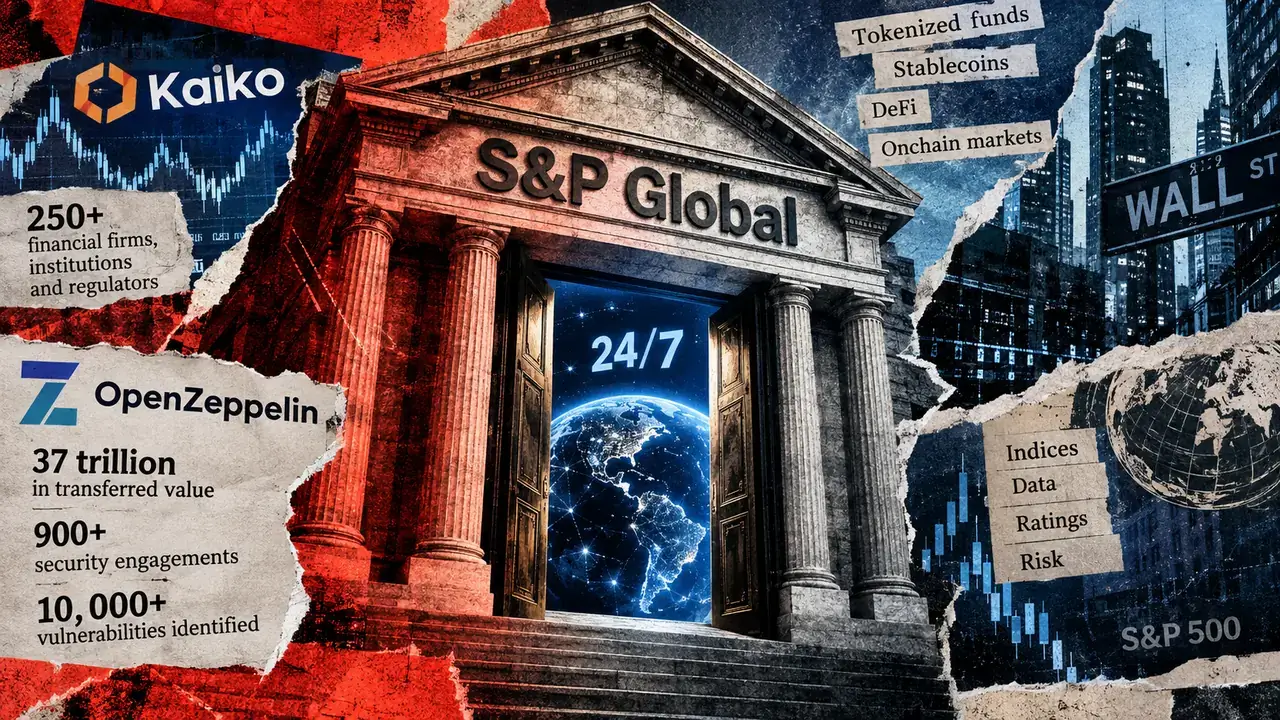
S&P Global has agreed to acquire smart-contract security firm OpenZeppelin, extending its digital-asset business into the security infrastructure behind stablecoins, tokenized funds and decentralized finance. OpenZeppelin will remain a separate unit under its own name, with CEO Demian Brener staying on. Financial terms were not disclosed, and closing conditions remain.

Estimates of the private credit default rate range from barely any defaults to a serious problem, with the result depending on who is doing the counting.
A senior Glencore executive who oversaw the company’s relationship with embattled iron ore trader Radiant World has been suspended while Glencore reviews its dealings with the firm, according to a person familiar with the matter.
Apollo Global Management is in talks with SoftBank Group about increasing a loan to $9 billion from $5.4 billion, helping the Japanese company finance its investment in artificial-intelligence giant OpenAI.
The Federal Aviation Administration said Thursday it approved a waiver from aircraft emissions rules, allowing Boeing to sell 35 additional 777F freighters after 2028.
JPMorgan said Thursday that, for the first time since the U.S.-Israeli war on Iran began, it has no clear baseline view for the oil market.
Off-contract ocean container rates from China to the U.S. East Coast have climbed back to levels reached after COVID-19 disrupted global trade. Analysts say they could set new records as the U.S.-Israeli war on Iran raises fuel costs.
Turkish officials are using liquidations and bans in an effort to keep turmoil at some of the country’s most prominent asset managers from spreading through the broader financial industry.
Many Nigerians bought shares for the first time in Aliko Dangote’s oil refinery after more than four billion shares went on sale. The IPO sparked intense enthusiasm, crashed investment apps and inspired the “Yangote” slogan, though analysts warned that refinery and market risks could cause investors to lose some or all of their money.

The US Development Finance Corp has approved up to $414m in financing for Canadian miner Global Atomic’s Dasa uranium project in Niger. The deal could improve US access to a strategic energy resource and offer a rare boost to strained US-Canada ties, but the project faces serious security and political risks.

The U.S. government has approved up to $414 million in financing for a uranium project in Niger, the developer says. Sources described the deal as a win for Washington two years after Niger expelled all U.S. forces.
When Japanese Finance Minister Satsuki Katayama called U.S. Treasury Secretary Scott Bessent in June for help supporting the plunging yen, he delivered a familiar message: Tokyo would need to put its fiscal house in order if it wanted assistance.
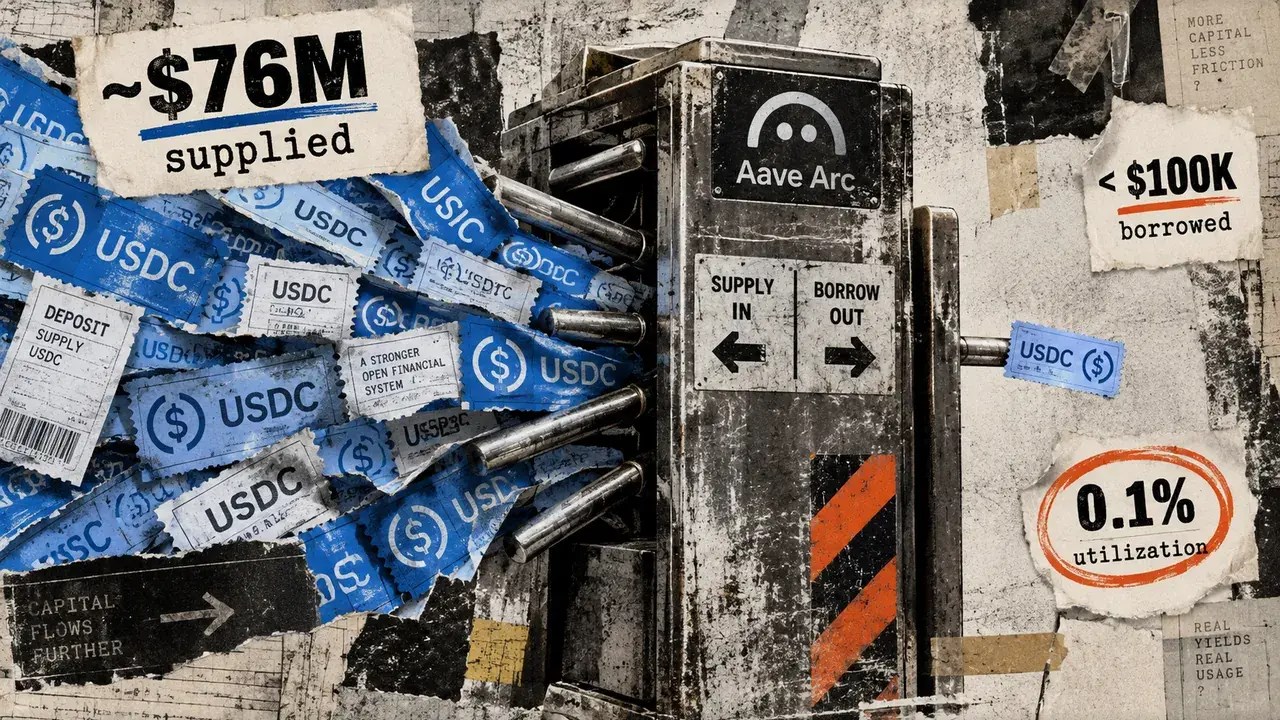
Aave V4’s Arc Layer-1 market attracted about $76 million in supplied USDC by Sept. 17, while less than $100,000 had been borrowed, leaving utilization near 0.1%. LlamaRisk proposed raising the Main Spoke’s supply-side add cap from 56 million to 150 million USDC, but sustained borrowing demand will determine whether the market becomes an active credit venue.

Hong Kong shopping mall operators are extending a strategy used during this year’s Fifa World Cup into the Asian Games, using major sporting events to attract visitors and support tenant sales as retailers face competition from Shenzhen, overseas shopping and online spending. Sino Group expects foot traffic at four malls to rise during its campaign.

A UN official says the US-Iran war erased $150 billion from Arab economies in a single month. Al-Mashat called for efforts to contain the conflict’s cross-border economic, social and humanitarian effects.
Jeep parent Stellantis told employees at a Toronto-area factory that it sees no long-term business case for building vehicles there and is considering selling the facility, raising the prospect of a work stoppage.
Rising yields are weighing on bond portfolios, but financial advisers say investors have several ways to shield themselves from the turmoil and potentially turn it to their advantage.
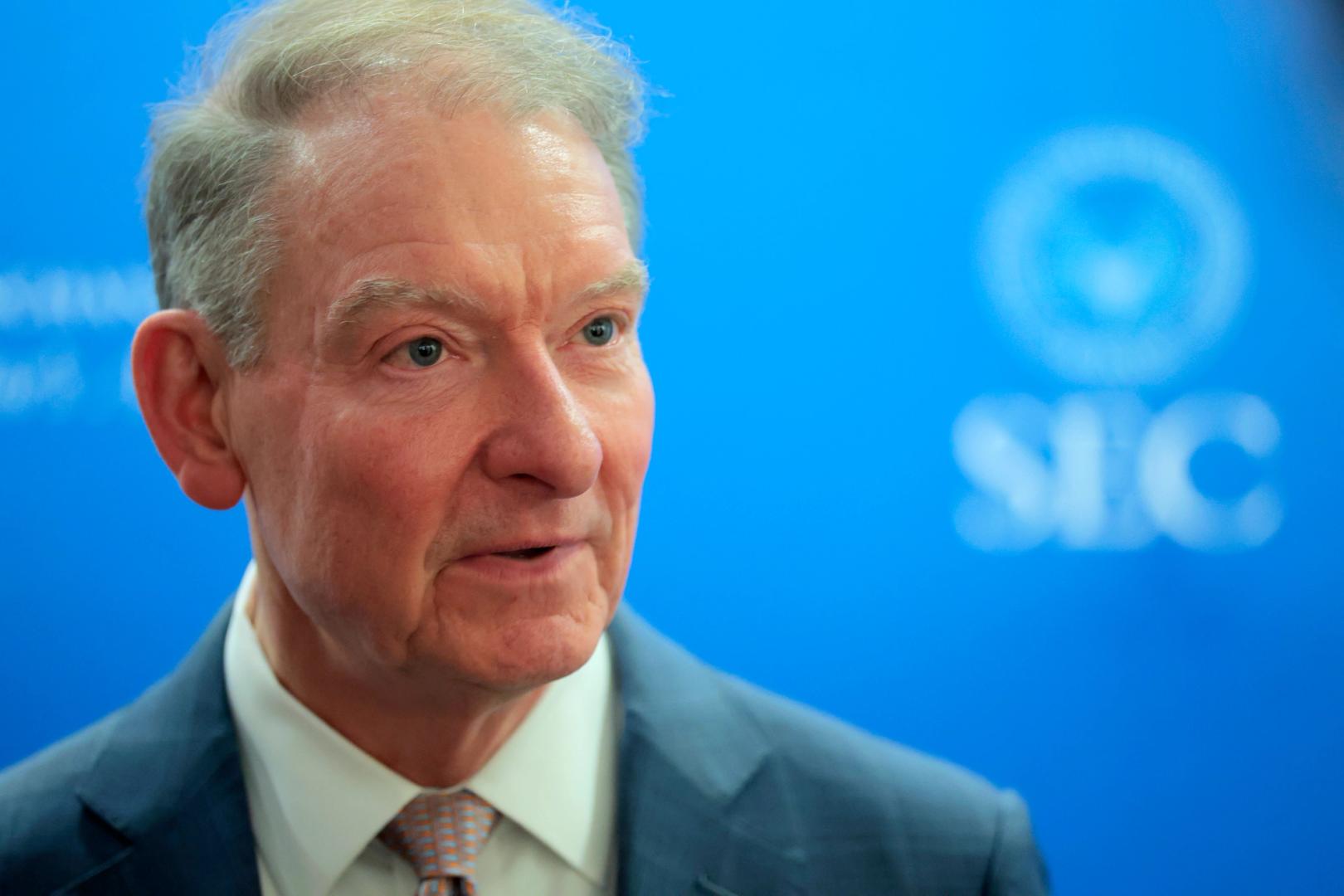
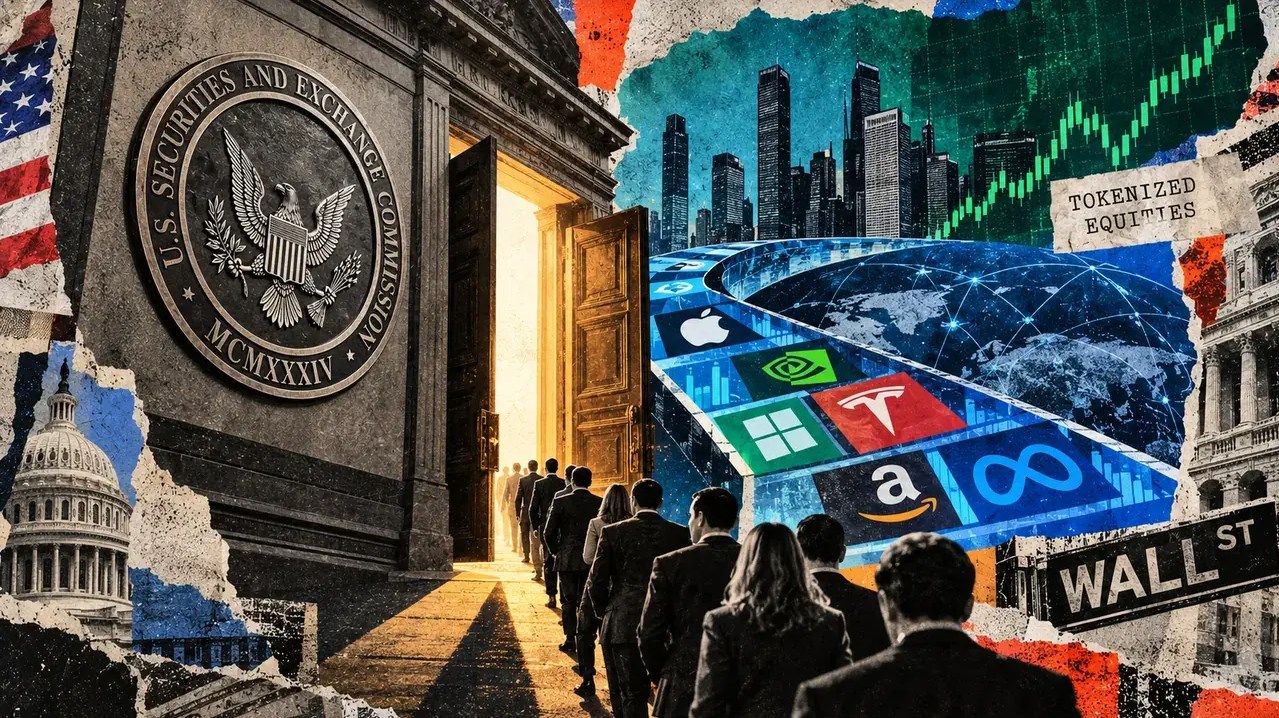
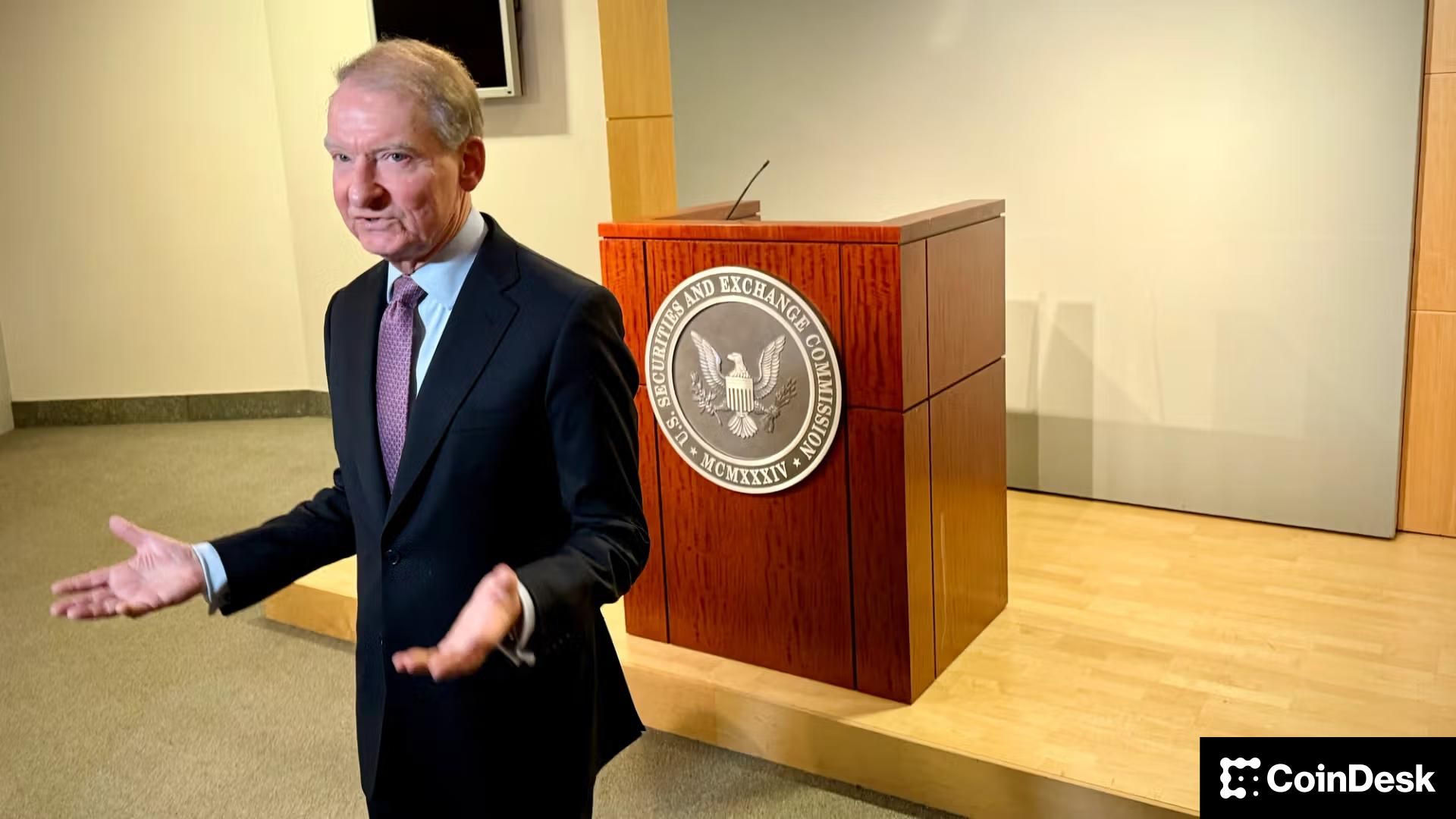
The SEC is creating a regulated U.S. route for tokenized stocks, while keeping trading volumes, access and issuers’ rights under tight control.


The SEC has created a five-year pathway for regulated US stocks to trade on blockchain-native venues, following the Senate’s failure to advance the CLARITY Act. The exemption gives qualifying tokenized-securities venues temporary relief from some exchange and dealer-registration rules, while imposing limits on symbols and volume plus transparency, recordkeeping and technology safeguards.

The SEC’s five-year experiment creates a new U.S. route for DeFi-style trading venues, tokenization companies and liquidity providers. Synthetic stock tokens, however, remain outside the framework.
A US regulator is opening a pathway for tokenised stock trading. Blockchain-based representations of traditional equities can trade around the clock and be used more readily as collateral.
The U.S. Securities and Exchange Commission unveiled a long-awaited five-year exemption allowing companies to offer blockchain-based, or “tokenized,” stocks and other securities for trading. The move could bring digital assets more deeply into traditional markets.

The SEC has opened a route for tokenized stock trading, moving markets closer to round-the-clock operations. The long-awaited Innovation Exemption came two days after the Senate voted to stop the CLARITY Act crypto market structure bill from advancing.
The estranged daughter of 77-year-old Kathleen Allman has asked a Hawaiian court to establish a limited conservatorship. She says the measure is needed to safeguard her parents’ share of her brother’s stake in Ondo, while alleging dementia, alcoholism and reckless spending by Allman.

Fabian Zuleeg, chief economist at the European Policy Center, describes the Canada-EU partnership as a “classic win-win situation.” He says Canada offers resources and economic strengths the EU lacks, while the EU brings a very large market and is an important trading partner.


Fabian Zuleeg, chief economist at the European Policy Center, describes the Canada-EU partnership as a “classic win-win situation.” He says Canada brings resources and economic strengths the EU lacks, while the EU offers a very large market and is an important trading partner.
German chemicals group Wacker Chemie said the U.S. framework intended to support domestic polysilicon production was failing to meet its goal. The company said it remains in talks with Washington about possible changes.
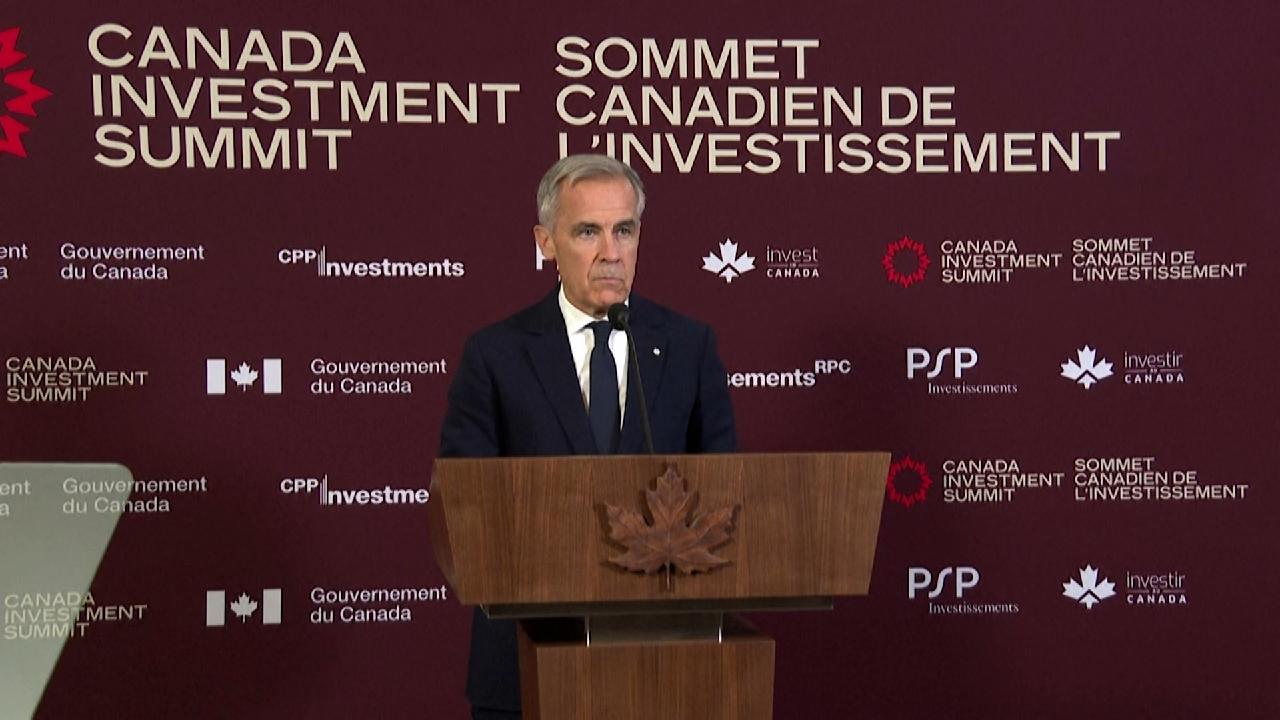
The Canadian government says nearly $500 billion in new investment will enter the country following the first Canada Investment Summit in Toronto. Investors from nearly 30 countries, overseeing more than $100 trillion in assets, attended the two-day event, where about 167 projects were discussed and major investments went to energy, critical minerals and AI. The summit also drew criticism over the climate crisis.

Shapoorji Pallonji Group, the second-largest shareholder in India’s Tata Sons, has proposed selling part of its holding in the parent company, valued at 250 billion rupees ($2.61 billion), Tata Trusts said in a statement on Thursday.
French fishermen have agreed to lift blockades at fuel depots and ports, including Nice, after talks with the government on financial aid. They say surging fuel prices since the war with Iran began are pushing them to the brink. The segment also reports that India could face new US tariffs if it continues buying Russian oil.

China’s oil prices climbed to about $130 a barrel this week, a record high driven by global supply disruptions. Al Jazeera’s Katrina Yu examines whether the world’s biggest oil importer is at risk of running out of oil.
The US Treasury sanctioned Iranian cryptocurrency exchange BitBank, alleging that it was used by the previously sanctioned Hormuz Safe platform to transfer payments collected since June to the Islamic Revolutionary Guard Corps.

HighPeak Energy is considering a sale after attracting acquisition interest, according to three people familiar with the matter. The U.S. oil and gas exploration and production company, focused on the Permian Basin, is weighing its options.
Partners in Shell-led LNG Canada could make a final investment decision on the project’s Phase 2 expansion as early as next month, according to three people familiar with the matter.
A discussion focuses on how business schools and MBA students are responding to rapid advances in AI and policies from the Trump administration.
Government borrowing costs are rising worldwide as investors seek greater compensation for holding longer-term debt. In the US, higher yields led Treasury Secretary Scott Bessent to announce expanded buybacks of long-dated government bonds, but the move failed to keep 10-year Treasury yields below 5%, their highest level in nearly two decades.
Touchscreens and self-checkout machines were meant to make shopping and dining easier. Now restaurants and retailers are abandoning them to make stores feel more human and to attract workers.
General Motors is retaining diesel engines for its next-generation pickup trucks to maximize fuel efficiency, setting its strategy apart from rivals that are offering hybrid models.
India warned Washington that new US measures targeting buyers of Russian oil with tariffs could harm bilateral ties. The warning came after the US House passed a sweeping sanctions and tariff bill aimed at increasing economic pressure on Russia over its invasion of Ukraine.


The US Congress has passed legislation giving President Donald Trump broad authority to sanction Russia’s crude exports and impose tariffs of up to 100 percent on major buyers of Russian energy. China and India, Moscow’s largest energy customers, are likely to face the greatest pressure. India says it will protect its trade and economic interests, while China rejects extraterritorial jurisdiction lacking a basis in international law.

The US House has passed legislation allowing Donald Trump to impose tariffs of up to 100% on countries buying Russian oil and gas. India, a major Russian crude customer, could face higher costs if it switches suppliers, while the threat may also affect Indian exports to the US, the rupee, refinery margins and the trade balance.
Credit Acceptance Corp agreed to pay $710 million to settle allegations brought by 40 U.S. states and Washington, D.C. The company was accused of steering thousands of low-income borrowers with poor credit into predatory car loans it knew they could not afford.
Shark Tank investor Kevin O’Leary says Congress will face pressure to revive crypto market structure legislation next year as a bill establishing tax rules for digital assets moves forward.

President Vladimir Putin said Russia’s annual inflation had slowed to 6.2% by September 14 and was generally under control, with Central Bank and government measures producing results. He projected GDP growth of about 1%, an annual federal budget deficit near 2% based on a $50 oil-price estimate, and cited a 606 billion-ruble surplus in August.
President Vladimir Putin says Russia’s annual inflation rate fell to 6.2% by September 14, significantly below last year’s level. He said consumer-price growth has been slowing since the second quarter of last year, after reaching 10.3% at the end of the first quarter of 2025.
President Vladimir Putin said joint efforts by Russia’s Central Bank and government to curb inflation are producing results, with consumer price growth under control and slowing. Annual inflation fell to 6.2% as of September 14, a significant decline from the same period last year.
President Vladimir Putin said Russia’s federal budget deficit is expected to reach about 2%, based on a highly conservative oil-price estimate. He said the gap remains manageable under current macroeconomic assumptions.
Russian President Vladimir Putin has extended a 2014 embargo on agricultural products from Western countries through December 31, 2028. Introduced in response to what Russia called the West’s “unfriendly actions,” the measure covers goods from the US, EU, Australia, Norway and Canada, and was later expanded to other European countries and Ukraine.
The Middle East war is driving up energy prices and global borrowing costs, pushing economies and markets closer to a potentially damaging period marked by high inflation and slow growth.
A decree signed by Vladimir Putin places the Russian subsidiaries of France’s Auchan and Switzerland’s Nestlé under temporary management by L.E.V. Management. It also covers Adeo’s 0.007% stake in Leroy Merlin’s Russian entity. Neither Auchan nor Nestlé left Russia after the 2022 invasion, though Nestlé reduced its operations.
Shares in Raiffeisen Bank International fell 9% after Grizzly Research accused it of helping Russia evade sanctions. The bank called the report misleading and factually wrong, while saying it has spent years trying to sell its Russian business and leave the country. Bloomberg Intelligence analysts said the report may overstate the sanctions risks.
US regulators are seeking interviews with Guggenheim Partners employees as they look for evidence of potential wrongdoing across Chief Executive Officer Mark Walter’s business empire.
U.S. mortgage rates rose for a fourth straight week, pushing the average long-term home loan rate to just under 7%, the highest level in more than 19 months and a fresh challenge for homebuyers and the market.
The Bank of England followed advice from FTAV, although correlation may not amount to causation.
JPMorgan analysts say bitcoin could receive stronger support than gold if investors reduce their hedging of ETFs.

New US applications for unemployment benefits fell unexpectedly last week, although the Labor Day holiday may have overstated the decline. The underlying trend still suggests a stable labor market, while rising mortgage rates are weighing on the housing sector.
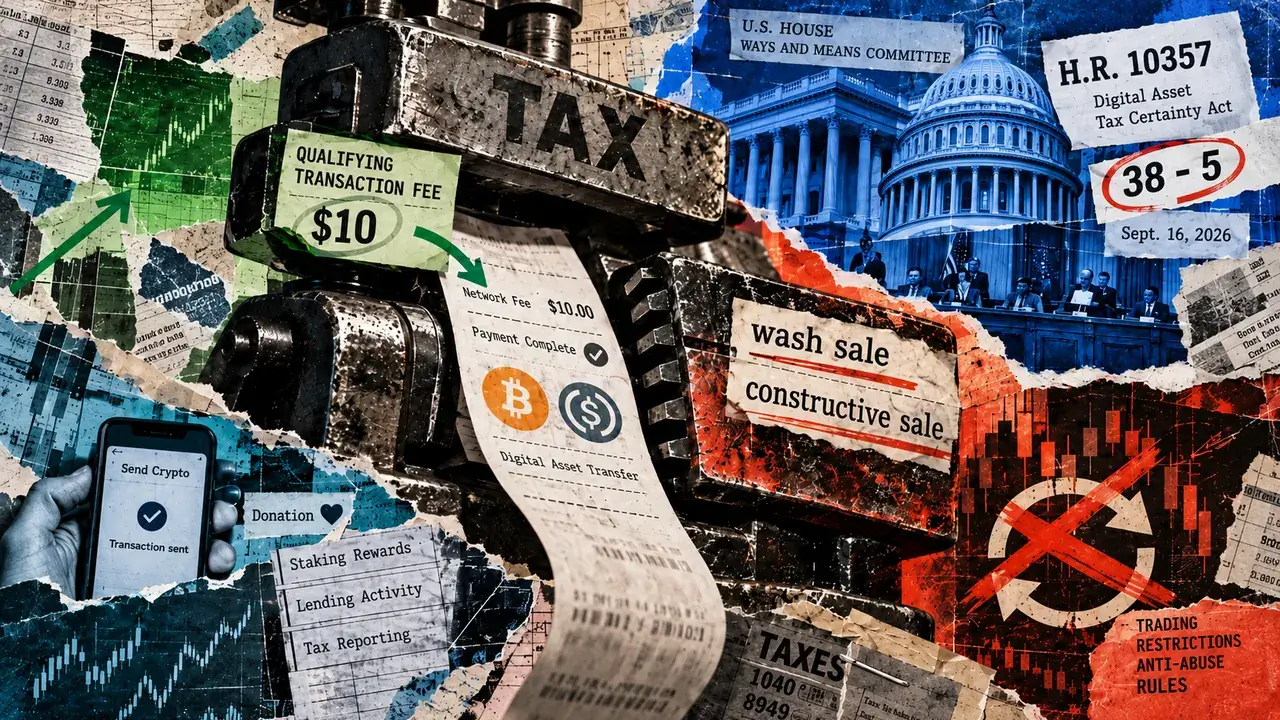
The House Ways and Means Committee advanced the Digital Asset Tax Certainty Act by 38-5, sending a package covering crypto payments, stablecoins, trading, lending, staking and mining toward the full House. Industry groups welcomed the move but want broader relief for everyday transactions and delayed income recognition for staking and mining rewards.

Dragonfly’s Haseeb Qureshi said the surge in real-world asset trading on Hyperliquid reflects crypto’s broader maturation toward tokenized stocks, bonds and other real-world assets, while making the case for a multichain future.

Russia’s stock market ended lower on Thursday, with the MOEX Index down 1.57% at 2,248.87 points and the RTS Index off 1.97% at 838.3. An analyst said profit-taking continued, while Lenta fell 5.6% ahead of its removal from the MOEX basket.
Airlines are reducing more flights this year as high fuel prices put pressure on their operations, including cheaper flight options.
A union is urging Stellantis not to close or sell its plant in Brampton, Ont., after the automaker signalled that a sale may be considered.
The Minutes Reader extension turns the original page into a focused reading view and translates articles and video subtitles on demand. It is in limited beta.