Trump and the Federal Reserve are on a collision course over interest rates
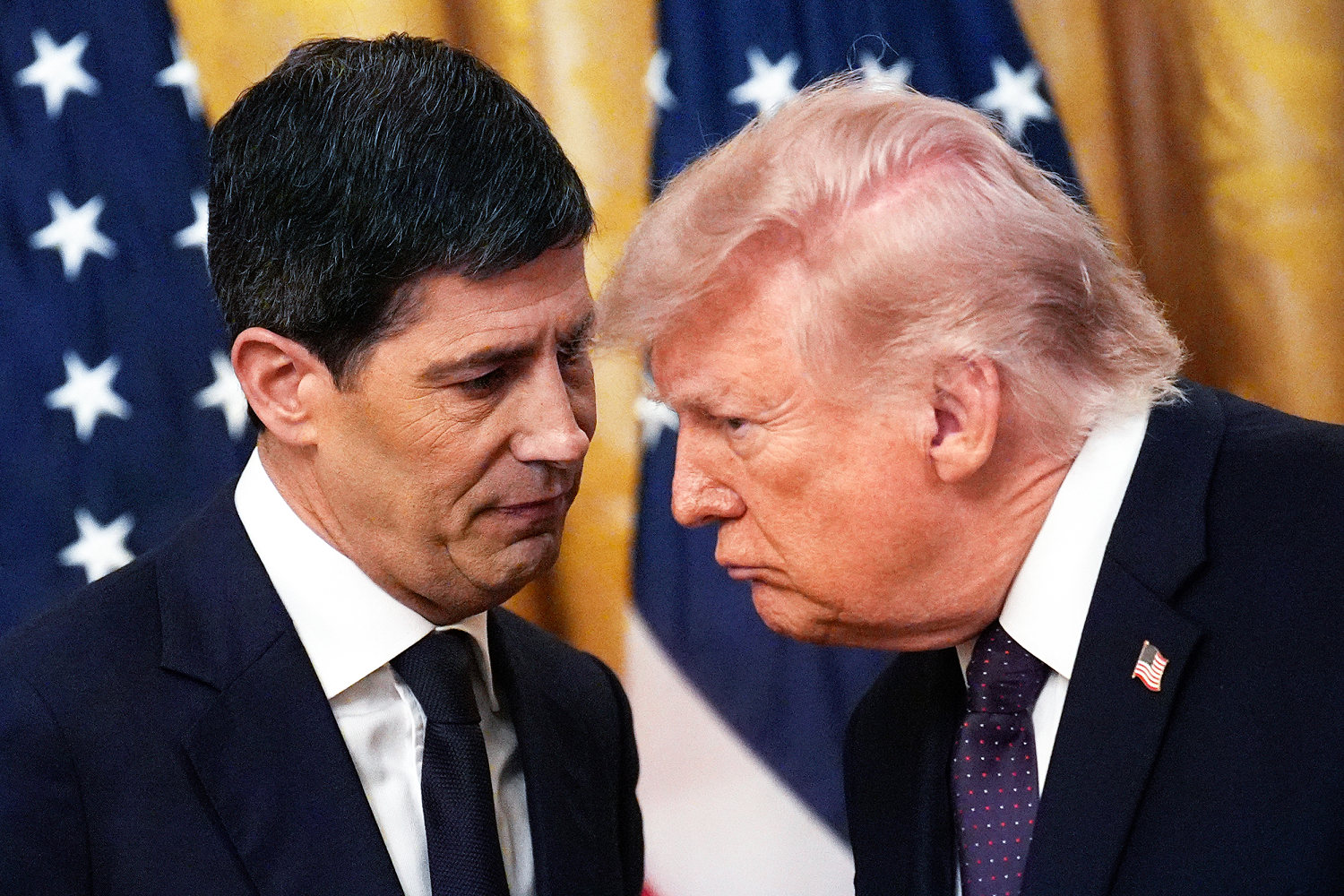
President Donald Trump spent years berating Jerome Powell while trying to pressure the then-Federal Reserve chair to lower interest rates.

President Donald Trump spent years berating Jerome Powell while trying to pressure the then-Federal Reserve chair to lower interest rates.

Drone experts warn that Iran is deliberately targeting U.S. naval drones in the Strait of Hormuz to study American surveillance capabilities and learn how to evade U.S. defenses. The warning followed an attempted IRGC seizure of a U.S. unmanned surface vessel, after which the U.S. military destroyed two Iranian small boats. Experts say even brief access to captured hardware could reveal sensors, tactics and battlefield vulnerabilities.


A Congressional Budget Office report says the six-month US war on Iran has cost $38bn and could add $3bn monthly. It projects a 0.5-percentage-point inflation increase in early 2027 and says replenishing depleted US munitions stockpiles could take up to five years.

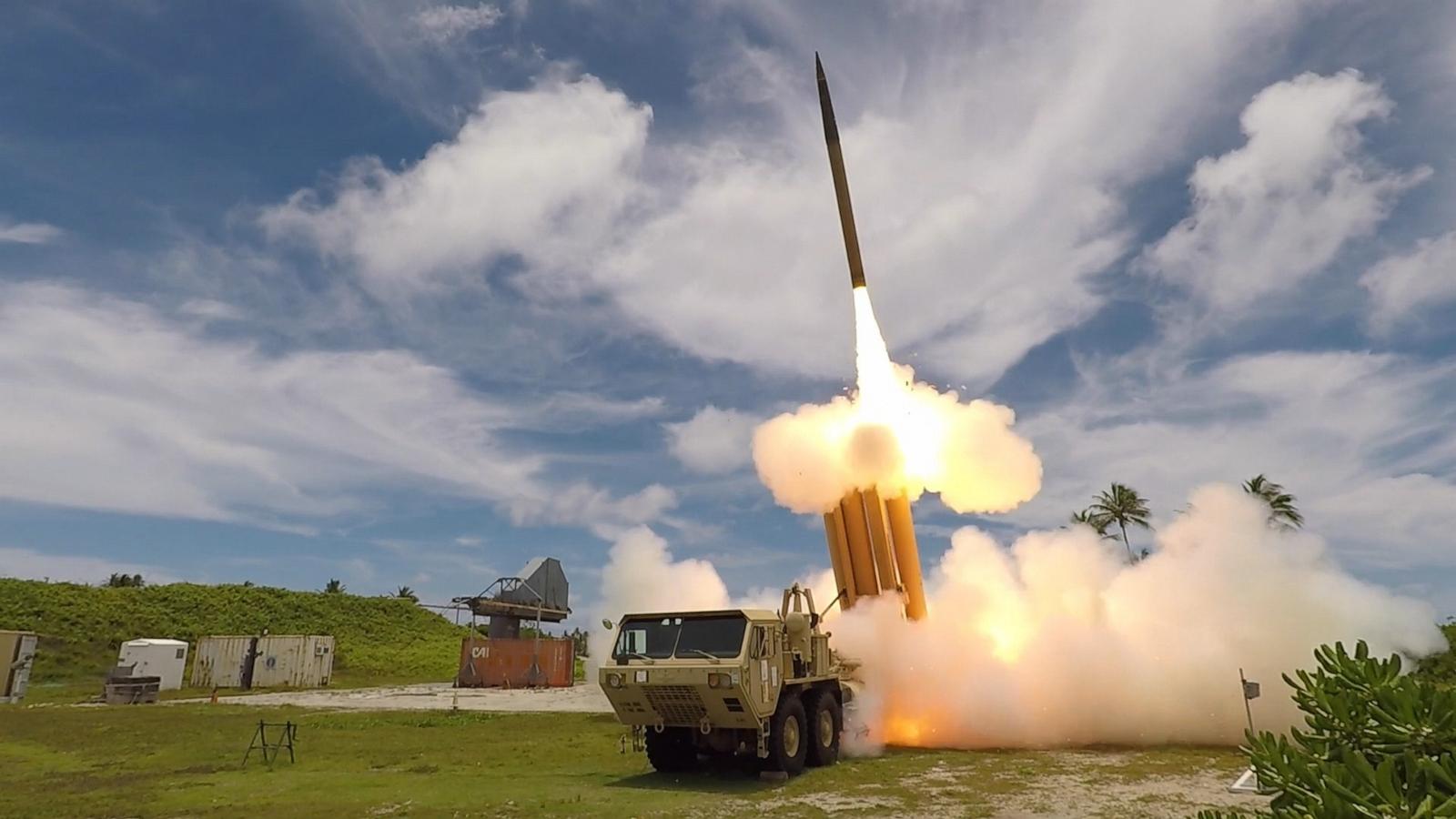
The Congressional Budget Office says the Iran war has cost the US at least $38bn and heavily depleted its Patriot, Thaad and Navy interceptor stockpiles, which could take at least five years to rebuild. The report estimates costs would rise by $3bn each additional month and inflation would remain higher.
US Vice President J.D. Vance said the conflict with Iran would enter a completely different phase within two months. He said Washington had completed the first stage, which he described as destroying Iran’s nuclear program and conventional military. Donald Trump has said the conflict could end after the November midterms, while allowing for an earlier settlement.
The Congressional Budget Office says the conflict with Iran has already cost US citizens $38 billion in its first five months, with monthly costs of $2-3 billion. It also confirmed that the war has depleted US weapons stocks, including critical interceptors used by air-defense systems.

A nonpartisan Congressional Budget Office assessment says the US war with Iran had cost at least $38 billion by the end of July and is expected to drive inflation higher still.

The Congressional Budget Office estimates that the war with Iran has caused more than one-third of this year’s increase in inflation and will push prices higher again in the first quarter of next year, according to a report released Tuesday.

The Congressional Budget Office says the war in Iran has cost the Pentagon $38 billion and depleted its missile stockpiles.
The six-month U.S. war against Iran has cost $38 billion so far, with spending projected to increase by $3 billion each month, according to the Congressional Budget Office. The Trump administration is seeking to end the conflict and reopen the vital Strait of Hormuz.
A CNBC survey shows the Bank of Japan is expected to raise interest rates by 25 basis points, taking them to a new three-decade high.

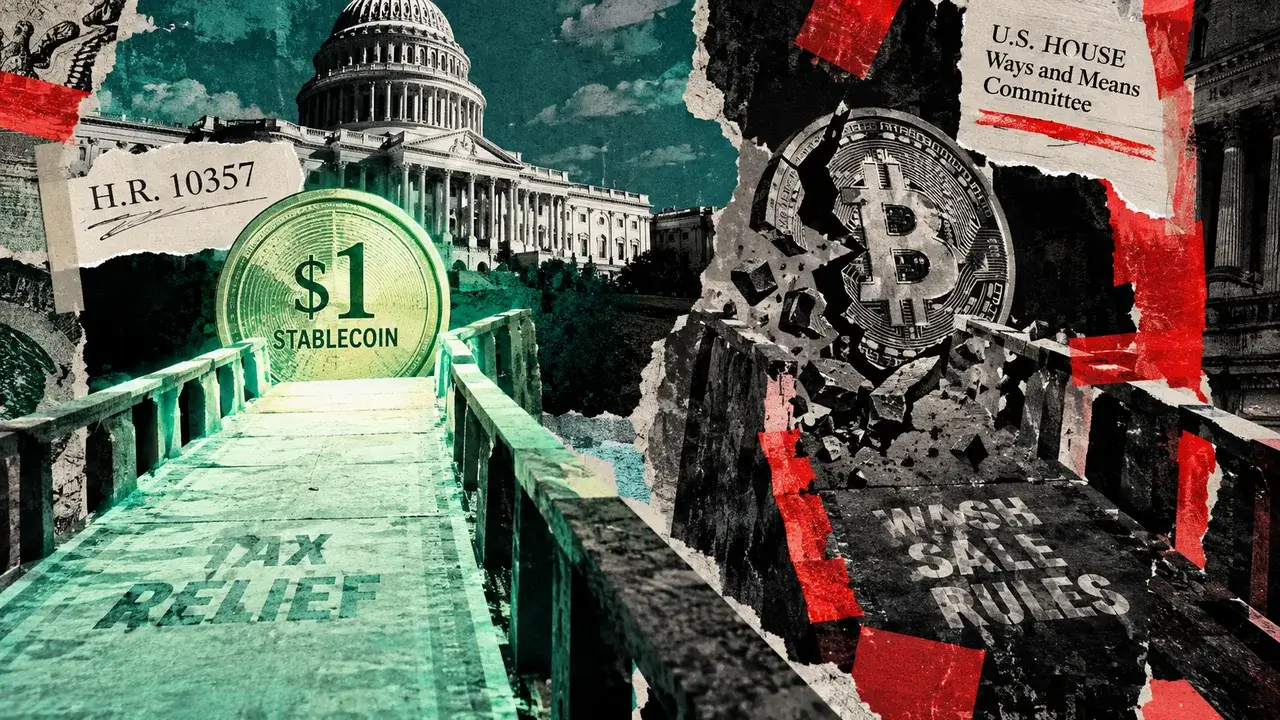
The House Ways and Means Committee is set to consider the Digital Asset Tax Certainty Act, a broad rewrite of crypto taxation. The bill would ease tax treatment for qualifying stablecoin transactions and fees of up to $10, while extending wash-sale limits and mark-to-market rules to parts of the digital-asset market. The Joint Committee on Taxation estimates a net $500 million increase in federal receipts from fiscal 2027 through 2036.

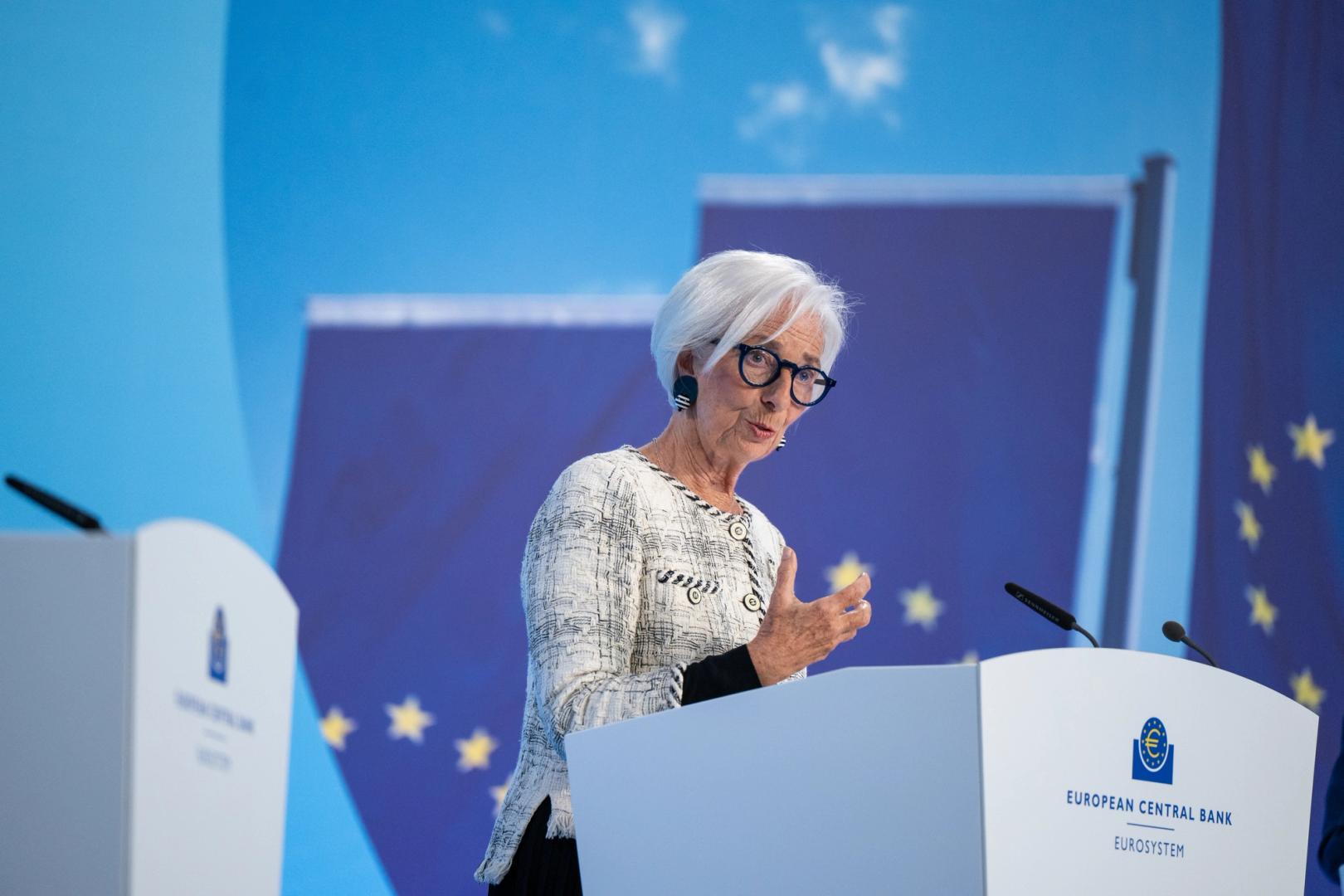
France would support Dutchman Klaas Knot to replace Christine Lagarde as European Central Bank president if the institution’s powerful chief economist position went to a French candidate, people familiar with the matter told Reuters.
Bond traders have amassed bearish positions ahead of Wednesday’s Federal Reserve meeting, wagering that the Treasury selloff that has pushed yields to their highest level in more than a decade will continue.
Angola’s central bank lowered its key lending rate by 100 basis points on Tuesday, marking a third consecutive cut after inflation dropped to single digits for the first time in more than a decade.
An analysis by the Congressional Budget Office says the US war with Iran is expected to increase inflation in the first quarter of 2027, raising costs as Americans become more concerned about the economy.
The Census Bureau says Americans’ incomes increased and poverty declined in 2025. The figures come as the Federal Reserve considers raising interest rates, a move that could slow economic growth.

DeFi TVL rose 21.38% on Ethereum and 22.94% on Solana over 30 days through Sept. 15, while stablecoin market caps grew only 0.68% and 5.51%. ETH and SOL prices climbed 32.80% and 34.67%, respectively, making asset repricing the strongest explanation for the TVL rebound; the shares from fresh deposits and capital reuse remain unproven.

A sell-off in the bond market is raising the stakes for the Federal Reserve’s monetary policy meeting this week and focusing attention on the central bank’s commitment to bringing inflation under control.

The 10-year US Treasury yield rose to 5.02 percent, its highest level since the 2007 global financial crisis, as traders bet on a Federal Reserve rate hike after oil prices climbed again. Benchmark yields in Germany and Japan also reached multi-year highs amid inflation and debt concerns.
Sovereign yields climbed further on Tuesday, led by the 10-year U.S. Treasury yield, which reached a nearly two-decade high. Signs of mounting discomfort among borrowers and global investors also deepened.
The benchmark 10-year US Treasury yield briefly reached 5.011% on Monday, its highest level since October 2023, before moving lower as the global bond sell-off intensified.
The 10-year US Treasury yield climbed to its highest level in nearly two decades, marking the latest stage of a painful global bond selloff fueled by surging energy prices, rising debt and inflation.

The benchmark yield for 10-year U.S. government debt reached a peak Tuesday that had not been seen since 2007. The Treasury selloff worsened with the Federal Reserve’s rate decision looming.
The US 10-year Treasury yield moved above 5% on Monday for the first time since 2023. Rising anxiety over inflation coincided with growing borrowing needs from the government and corporations.
Sen. Elizabeth Warren says she remains determined to have a cryptocurrency bill become law, even though she does not support the current Clarity Act.


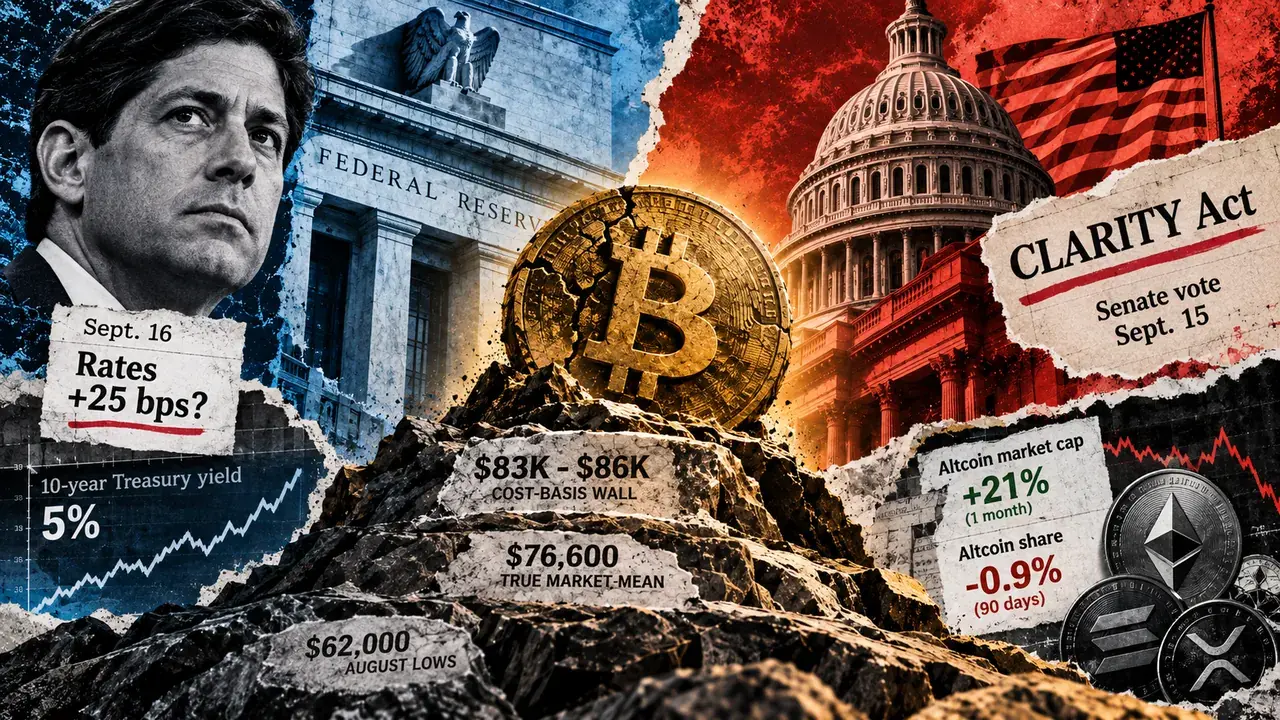
Bitcoin is caught between possible progress on U.S. crypto rules and pressure from costly energy and elevated bond yields. It traded near $76,000 on September 15, down 3.22% in 24 hours but up 20.43% over 30 days. The Senate’s coming CLARITY Act procedural step and the Federal Reserve’s September meeting could determine whether regulatory optimism meets relief in financing costs, renewed selling or months of volatile consolidation.
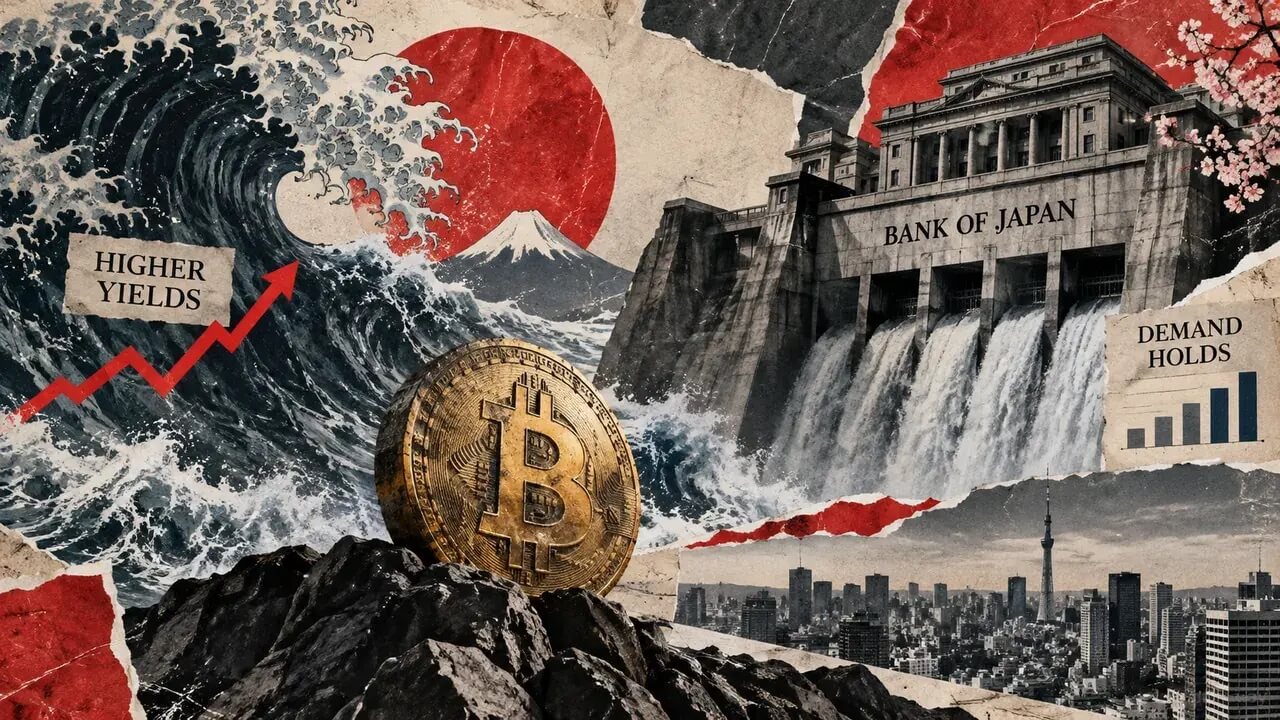
Japan’s latest 20-year government bond auction showed higher long-term borrowing costs, not collapsing demand. The average accepted yield rose to 3.856%, while bid coverage improved slightly and the yield tail narrowed, indicating orderly absorption. The auction alone does not show that a carry unwind has begun, but leveraged positions could face pressure if higher borrowing costs or a stronger yen coincide with weaker equities and crypto. The next test is the BOJ’s Sept. 17–18 meeting.

U.S. Treasury Secretary Scott Bessent said on Tuesday that rising bond yields were driven by “global issues,” without providing further detail on the specific causes.
ECB staff are voicing concerns that rumours of Christine Lagarde leaving early could expose weaknesses in the institution’s stability. Worries are growing that Europe’s central macroeconomic institution may not be ready for a change at its highest level.
Median household income in the United States increased 2.6% to $87,460 in 2025, according to Census Bureau data released Tuesday. The year marked the start of Donald Trump’s second presidential term.
The Central Bank says the ruble’s inflation-adjusted real effective exchange rate against the currencies of Russia’s main trading partners fell 7.1% month on month in August 2026 and was down 5.1% from the start of the year. Its rate against the dollar declined 6.7% in August and against the euro 8.1%.
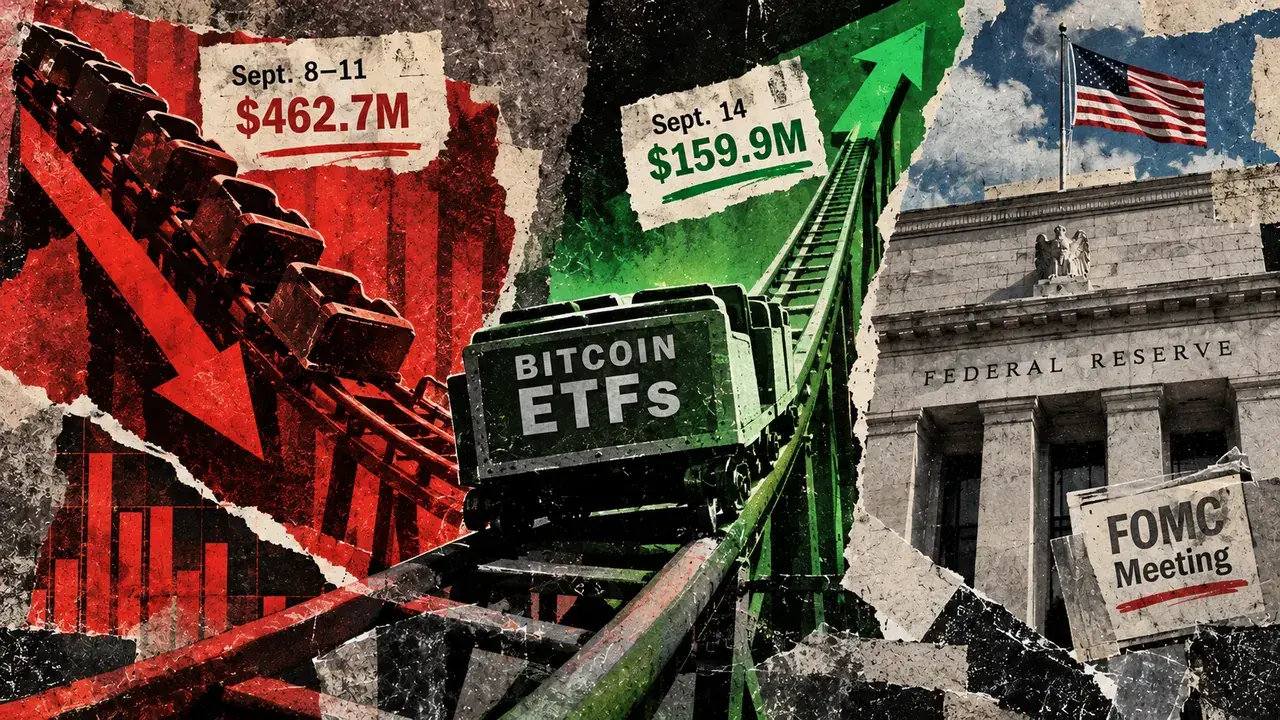
US spot Bitcoin ETFs drew a net $159.9 million on Sept. 14, ending four straight sessions of withdrawals. The rebound was concentrated in BlackRock’s IBIT and Fidelity’s FBTC, while ARKB lost assets and most other funds were flat. The Federal Reserve’s Sept. 15–16 meeting will test whether demand can keep recovering.

The Bank of Russia set the official dollar rate at 84.2362 rubles for September 16, down 10.01 kopecks from the previous figure. The euro rate fell 46.14 kopecks to 97.3012 rubles, while the yuan rose 1.85 kopecks to 12.5538 rubles.
Kremlin official Maxim Oreshkin said G7 countries are gradually losing their positions in the global economy, while BRICS nations account for more than half of economic growth. He said China leads by a wide margin, India has risen to third, and Russia and Japan share fourth and fifth places.
The European Central Bank is urging merchants to take part in a 12-month pilot of the digital euro. A beta version of the central bank currency will be tested through online, mobile, in-store and peer-to-peer payments.

Kazakhstan’s draft Tax Code amendments say the Eurasian Economic Union’s common market for oil and petroleum products has been delayed until 2030. The mineral extraction tax equalization coefficient, previously planned for 2027, would also be introduced in 2030 because the price-balancing mechanism is not currently needed.
US debt has surpassed $40 trillion as investors grow more wary of the country’s borrowing trajectory. Norway’s sovereign wealth fund reportedly plans to cut its US bond holdings by about $80 billion, while the 30-year Treasury yield has approached 5.4%. Economists say investors still have no immediate alternative to US markets, but financing and interest costs are mounting.

Morgan Stanley has joined other major Wall Street banks in taking a more hawkish view of interest rates. It expects the Federal Reserve to raise rates twice and the European Central Bank to make another increase later this year as inflationary pressures persist.

Minutes released by the Bank of Korea on Tuesday showed that its decision to raise rates in consecutive meetings in August was more contentious than the headline vote indicated. The divisions could slow the pace of future tightening.
The Bank of Russia bought 1.9 billion rubles ($22.53 million) worth of yuan on the domestic market, with settlement on September 14, 2026. Purchases settled on September 11 were the same size. The central bank conducts the transactions through the Moscow Exchange’s yuan-ruble instrument.
A House committee has released a broad cryptocurrency tax bill ahead of a Wednesday markup. The proposal includes a $10 exception for certain fees paid in crypto and provisions covering stablecoins, mining and staking.

The ECB’s continent-wide ballot on how forthcoming euro notes should look remains open until 21 September.
A CNBC survey finds respondents expect the Federal Reserve to raise rates at least twice over the next year. Higher oil prices are cited as a main reason for the shift, but about three-quarters say inflation extends beyond energy costs.
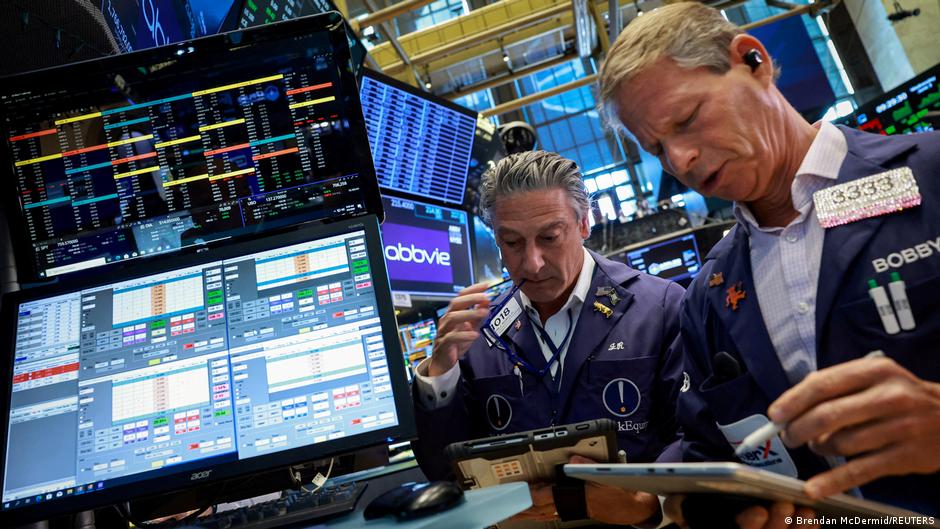
The morning roundup examines what slowing the advance of artificial intelligence could mean for the U.S. economy and reports that the Supreme Court blocked Donald Trump from restricting mail-in voting.

Anthropic’s Dario Amodei warns that AI could wipe out humanity, while Nvidia’s Jensen Huang dismisses the idea as nonsense. The report profiles the main figures shaping the world’s fiercest technology debate.
London-based payments infrastructure firm Velocity has expanded its Series A funding to $48 million and reached a $200 million valuation with backing from Visa, Circle and Ripple, CEO Eric Queathem said.

Greece now borrows at a lower cost than France despite carrying more debt. Athens rebuilt market trust, while Paris lost fiscal credibility.
Glassnode says altcoin market capitalization rose 21% in a month, yet its share of the combined Bitcoin-and-altcoin market fell 0.9 percentage points over 90 days. Capital lifted the crypto market broadly, but Bitcoin captured most of the gains. This week’s Federal Reserve decision and a Senate vote on the CLARITY Act could test whether altcoins can catch up.

Saudi Arabia’s annual inflation rate stayed at 1.8% in August, marking the fourth straight month at that level, according to government data released on Tuesday.
China’s retail sales rose just 0.4% in August, their slowest growth since the recovery began and the second monthly slowdown in a row. The figures highlight Beijing’s limited progress in reviving consumer spending even as factory output accelerates.
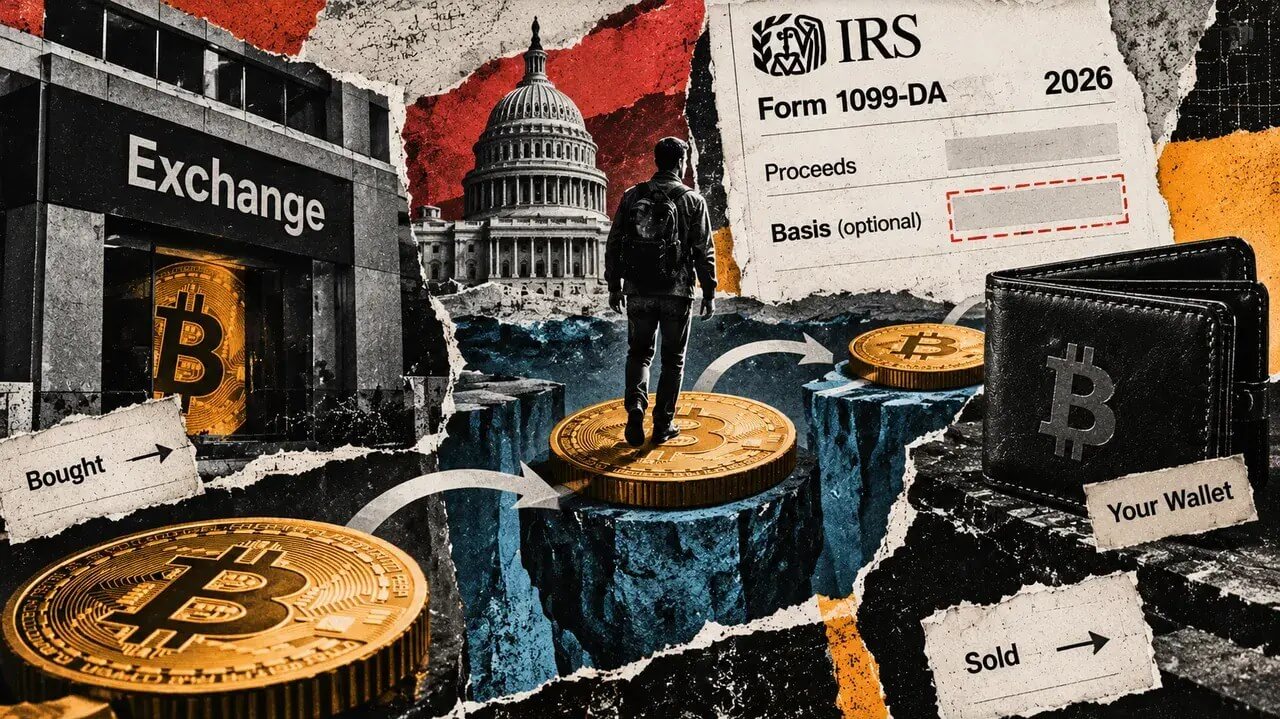
For the 2026 US reporting year, moving Bitcoin from an exchange to a personally owned wallet and back can leave the asset noncovered for mandatory cost-basis reporting when sold. Brokers may still report proceeds, but basis reporting can be voluntary. The transfer itself is generally nontaxable, while investors must retain records to calculate gains.

China’s central bank strengthened the yuan’s reference rate for a fifth consecutive day, seeking to offset recent dollar gains ahead of President Xi Jinping’s summit with US President Donald Trump later this month.
Gold prices edged lower on Tuesday as rising crude oil prices intensified inflation concerns and strengthened expectations for U.S. interest-rate hikes ahead of a Federal Reserve policy meeting.
The traditional thali is taking an increasingly larger share of household budgets, pointing to rising food-inflation risks in India.
Britain’s labour market remains weak, with job vacancies at a four-year low while pay growth is steady, official data showed. The figures come days before the Bank of England is due to announce its interest-rate decision.
A series of price dislocations has set the Federal Reserve up for a difficult decision day as it tries to satisfy both financial markets and President Donald Trump.

Pressure on the Indian rupee is expected to continue this week as oil prices remain above $100 a barrel and growing expectations of a U.S. Federal Reserve rate hike also weigh on government bonds.
Oil prices rose on Tuesday as supply-disruption concerns persisted after attacks on Saudi energy infrastructure shut the kingdom’s East-West pipeline. The outage also cast doubt on efforts to reduce shipping risks in the Gulf.
A Revolut study says Europeans lose an average of €294 in purchasing power for every €10,000 held in the bank. It found €6.3 trillion in low-yield deposits across 20 EU countries as Brussels seeks to channel more of that money into capital markets.
Donald Trump’s war in Iran and tariffs are driving up input prices, while the AI boom is squeezing the availability of some components, adding to cost pressures on US manufacturers.
International inflows into US equities have surpassed those into government debt for the first time this century, apart from the pandemic and its aftermath and the global financial crisis.
Official data showed that China’s new-home prices continued to decline in August, highlighting how the country’s prolonged property downturn remains a drag on the economy.
China’s industrial output rose 5.2% year on year in August, accelerating from July’s 4.5% increase, data from the National Bureau of Statistics showed on Tuesday. Retail sales growth slowed during the month.
China’s industrial output grew faster in August, but weak consumption and a worsening investment slump intensified concerns about deepening imbalances in the economy.

China’s investment downturn worsened in August, while retail sales growth slowed further. Industrial output exceeded forecasts by a wide margin as Beijing warned of an imbalance between supply and demand, adding to pressure on policymakers.
The House Ways and Means Committee published a crypto tax bill ahead of a hearing later this week. It addresses de minimis transactions, staking and other areas where the industry has pressed for policy guidance.

A Qinghai economic and trade delegation of 18 enterprises attended the fifth China (Macao) International High-Quality Consumption Exhibition for the first time last week. Its 150-square-meter Qinghai Pavilion showcased yak meat, organic goji berries, caterpillar fungus and highland vegetables to merchants and buyers from Macao, the Greater Bay Area and Portuguese-speaking countries.
Asian shares traded unevenly on Tuesday as investors assessed Middle East tensions and industry calls to slow AI development. Rising oil prices and bond yields also tempered sentiment ahead of key meetings by the U.S. Federal Reserve and Bank of Japan.
Colombia's Congress approved the government's 634.9 trillion peso ($206.6 billion) spending budget for 2027 on Monday, as public finances deteriorate sharply and the fiscal deficit is expected to reach a record high next year.
Beijing’s new rules for offshore trusts have reached New York City, home to one of the largest concentrations of mainland Chinese wealth outside Asia, after also affecting Hong Kong and Singapore. Effective July 24, the rules impose a 20 per cent tax on realised gains and an annual income tax on mainland tax residents who transfer assets into offshore trusts or receive distributions.

President Volodymyr Zelensky and Prime Minister Serhii Koretskyi warned that Ukraine’s state finances are approaching a crisis. If parliament misses deadlines for legislation tied to international support, the country could lose a “significant portion” of $29.5 billion in planned funding. Koretskyi also announced the dismissal of acting State Tax Service head Lesia Karnaukh.

Ukrainian Prime Minister Sergey Koretsky says public finances are nearing a critical point and urges lawmakers to quickly pass bills tied to international financial assistance. He warns Ukraine could lose a significant share of the allocated $29.5 billion if voting deadlines are missed. The deadline has been moved from November 1 to October 15.
As Venezuela seeks stability after years of inflation and turmoil, proposals to formally dollarize the economy have entered the political mainstream.
Euler analyst Andrey Polishchuk says sustained peak utilization at US refineries will not make up for the global diesel supply deficit. Falling diesel exports from Russia, the US and Saudi Arabia are expected to widen crack spreads. Higher Chinese refinery use and product exports may boost supply, but also accelerate the drawdown of global inventories.
Traders were pricing in more than a 92% probability of an interest-rate increase and over a 75% chance of another hike in December, setting up a difficult battle for Warsh.

With inflation still above target and no clear prospect of lower oil prices or stable tariffs, Fed Chair Kevin Warsh faces this week the same test that confronted his predecessors.

Global markets faced pressure from growing concerns about the artificial intelligence sector and higher oil prices that are adding to inflation risks, the Wall Street Journal reported. Technology stocks fell worldwide and Nasdaq 100 futures dropped more than 1.5%. Brent crude neared $110 a barrel, while the 10-year US Treasury yield approached 5%.

Brent crude has climbed above $100 a barrel as the war in Iran disrupts shipping through the Strait of Hormuz. Houthi forces’ capture of Mayun Island is also raising concerns about the security of another major oil route through the Bab al-Mandeb.
Ukraine will soon receive $841 million in budget support from the World Bank, backed by Canadian guarantees, Prime Minister Serhii Koretskyi said. The funding comes through the PEACE project and will reimburse pension payments from the state budget as Ukraine faces its most difficult budget situation since Russia’s full-scale war began in 2022.

US Energy Secretary Chris Wright said the global energy market is being strained mainly by shortages of diesel and other refined petroleum products rather than crude oil supply. He linked the tightness to the global impact of Ukrainian strikes on Russian fuel and energy infrastructure and said Russia is currently exporting no diesel.
The Bank of Russia has submitted a draft outlining financial market development priorities for 2027-2029 to the president and government. The plan focuses on capital markets, market confidence, investor and consumer protection, digital and payment infrastructure, foreign-trade settlements and systemic-risk mitigation.
Russia’s current account surplus reached $33.9 billion in January-July 2026, up from $21.5 billion a year earlier, according to preliminary Central Bank estimates. July’s surplus rose to $1.7 billion from $1 billion, as goods exports grew faster than imports. The trade surplus also increased to $79 billion, supported by higher commodity prices.
JPMorgan plans to introduce its long-awaited frontier-market local-currency government bond index by the end of September. The new benchmark will cover nearly $330 billion in debt across some of the world’s fastest-growing economies.
A Peterson Institute for International Economics analysis says the economic strain caused by the US-Israel war on Iran could lead Saudi Arabia, Qatar and the UAE to favor domestic investment over nearly $4 trillion in US commitments announced under Donald Trump’s “America First” agenda. The conflict has increased pressure to spend on defence, energy infrastructure and trade while weakening the countries’ fiscal positions and economic prospects.

Canada’s annual inflation rate remained at 3% in August, unchanged from the previous month. Firm crude prices continued to affect gasoline costs, while food-price growth eased only moderately, according to data released Monday.
Canada’s annual inflation rate remained at 3% in August, Statistics Canada reported.
A key benchmark for borrowing costs across the US economy has reached 5%, a move that could soon make buying a home or financing a car more expensive.
The US 10-year Treasury yield has reached 5% for the first time since 2023. The rise in US borrowing costs follows an inflation shock sparked by the Iran war.
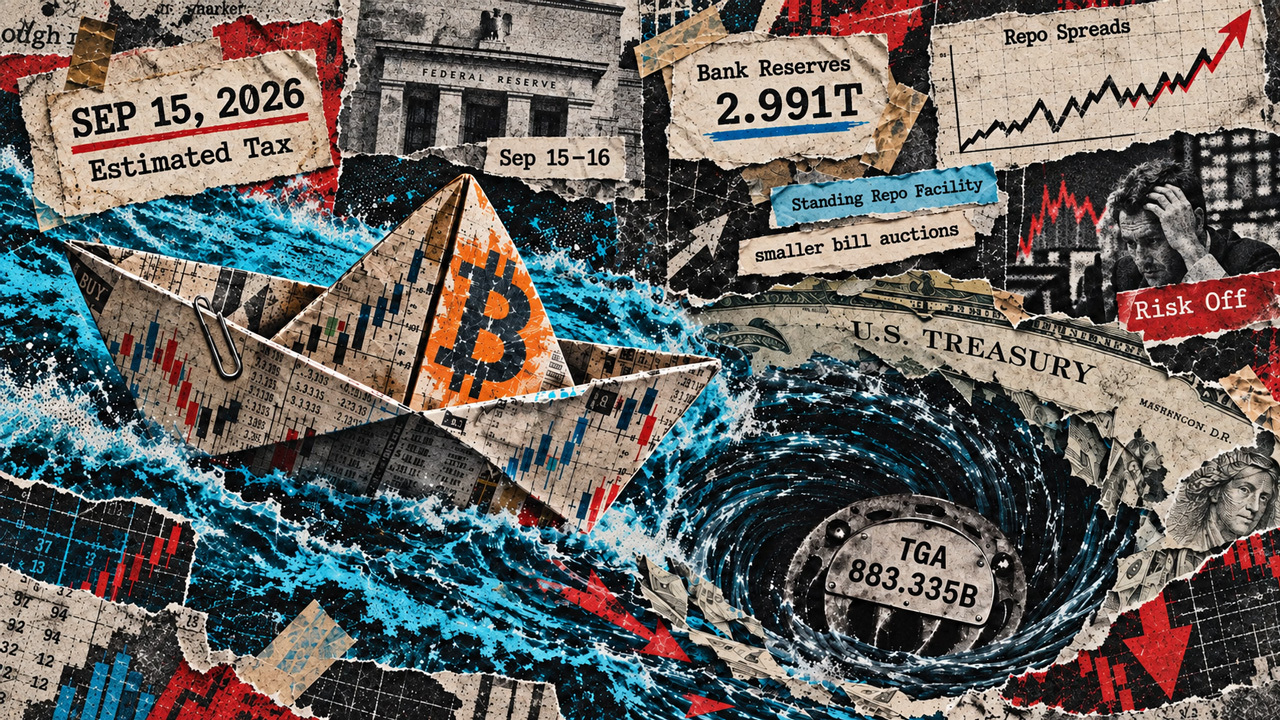
The September 15 US estimated-tax deadline will move cash into the Treasury’s account as the Federal Reserve begins its meeting. That could tighten dollar funding and curb risk-taking, though bill issuance, government spending and Fed liquidity tools may offset the pressure. Short-term funding spreads will indicate whether conditions tighten.

The global bond market is already in turmoil. A Federal Reserve rate hike this week could raise borrowing costs and slow the economy, but many investors caution that leaving rates unchanged may create bigger problems later.
Saudi Arabia suspended its 1,200km East-West oil pipeline after drones struck it near Riyadh and Medina. Carrying about 4–5 million barrels per day to the Red Sea port of Yanbu, the route bypasses the disrupted Strait of Hormuz. Its closure could affect up to 5 percent of global oil supply, with repairs potentially taking days or five to six weeks.

Asian refiners are preparing for a tighter supply of sour crude while waiting for Saudi Arabia to provide guidance on exports through the Red Sea following attacks on the East-West Pipeline, industry sources said on Monday.
A spreading war is threatening Donald Trump and Mohammed bin Salman as Saudi energy supplies are hit just as Europe and the US head into winter.
Saudi equities suffered another setback on Monday after the previous trading session’s steep losses. Investor confidence took a hit as attacks affecting the kingdom’s energy facilities and maritime routes intensified; several other major Gulf bourses, by contrast, recorded modest gains.
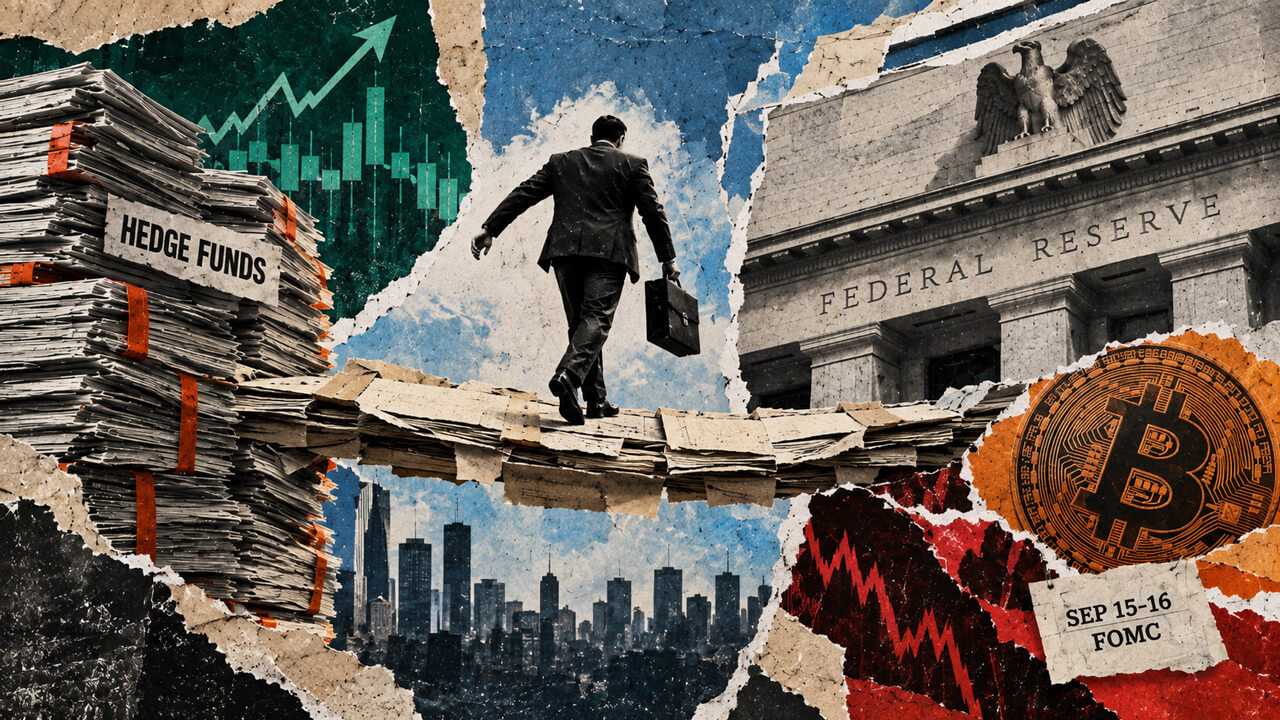
New Federal Reserve data show U.S. domestic hedge funds expanded their gross balance sheets from $2.7857 trillion to $3.1859 trillion in the second quarter. A surprise in September’s rate decision or policy outlook could increase funding and collateral demands, forcing cash-raising in liquid markets. For now, the figures indicate potential amplification capacity, not an actual Bitcoin selloff.

The Minutes Reader extension turns the original page into a focused reading view and translates articles and video subtitles on demand. It is in limited beta.