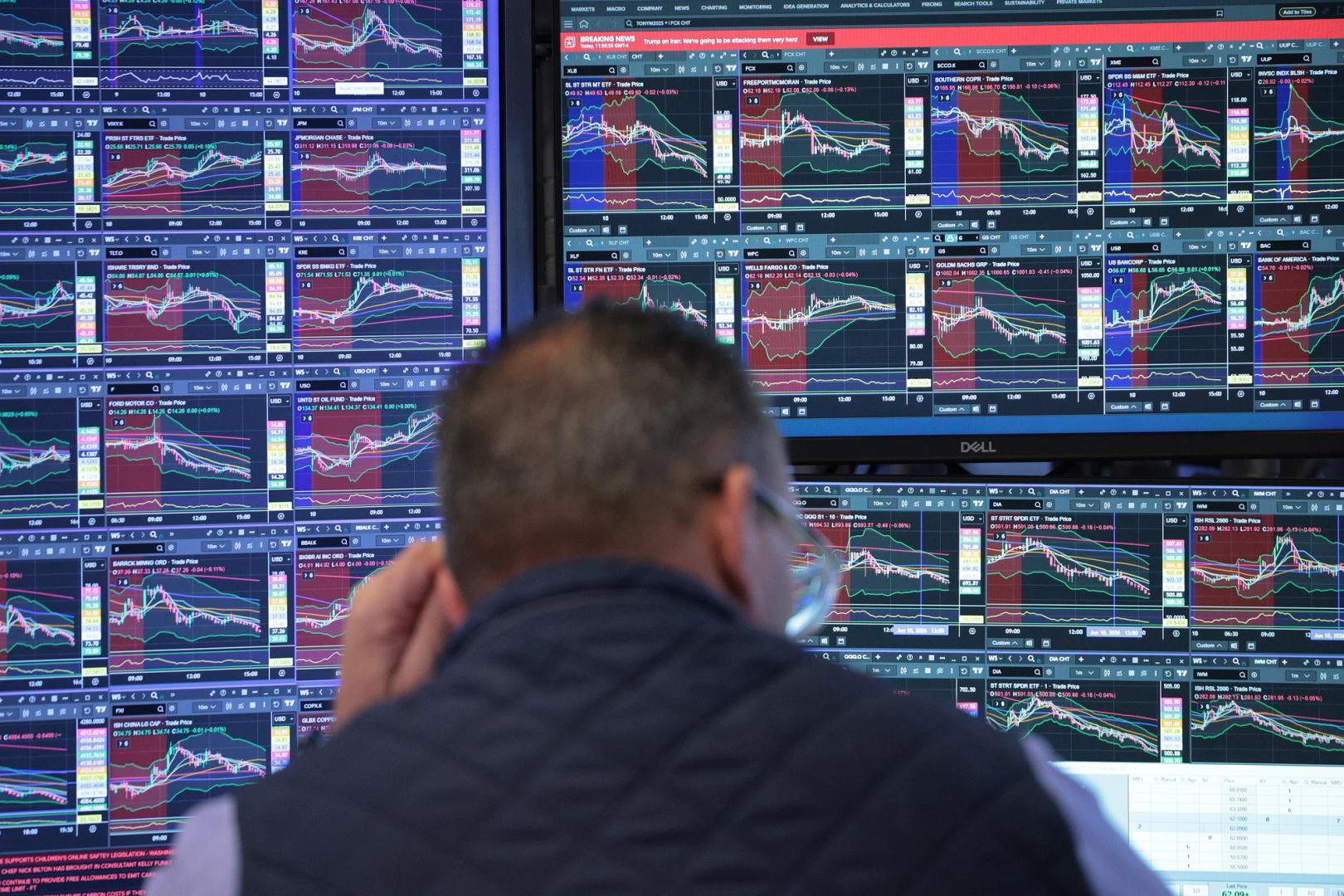
Bond traders have amassed bearish positions ahead of Wednesday’s Federal Reserve meeting, wagering that the Treasury selloff that has pushed yields to their highest level in more than a decade will continue.
Behind-the-scenes disputes in the final stretch produced a dismal outcome for the market-structure legislation on which the crypto industry had placed its greatest hopes.

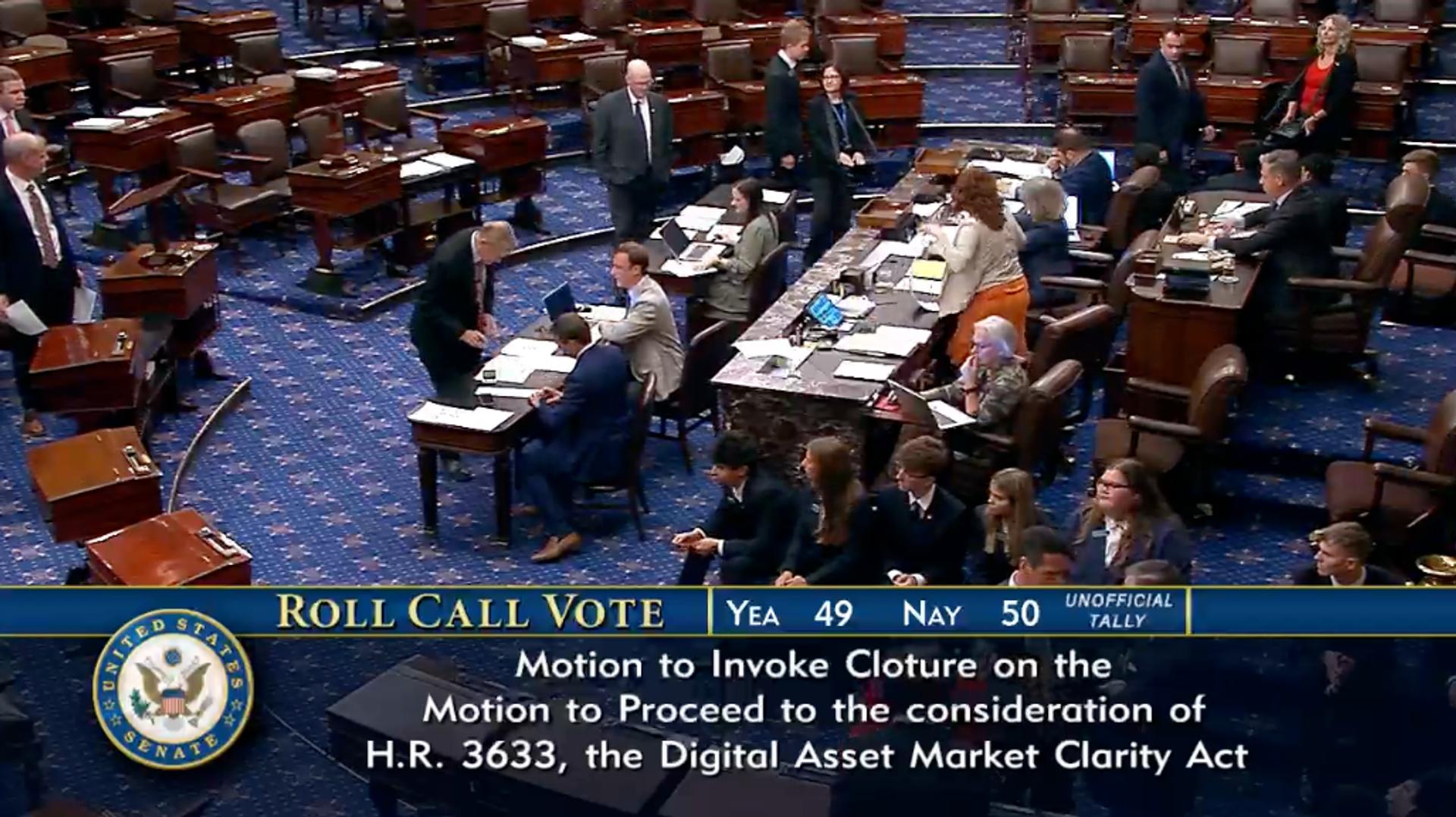
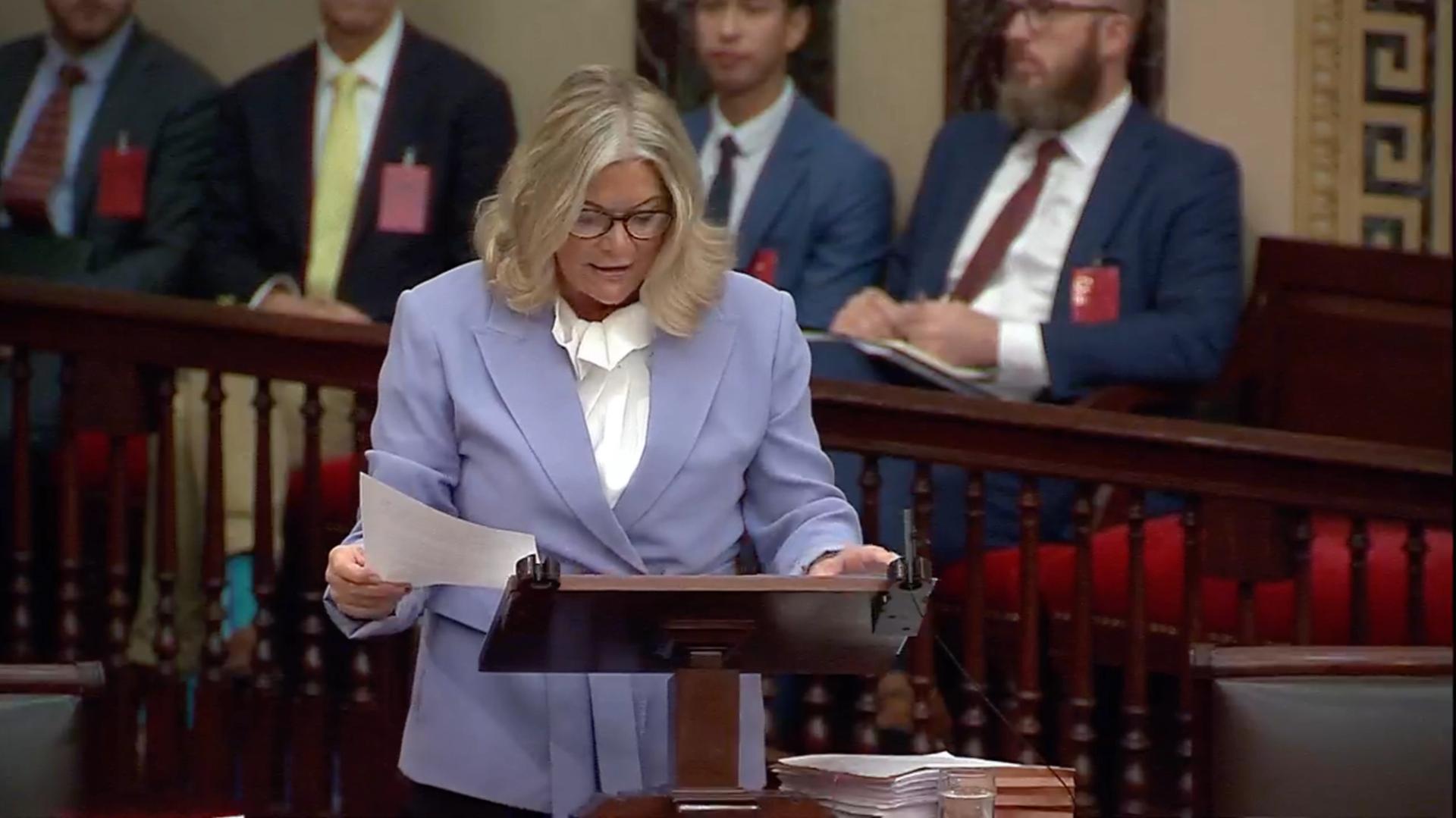
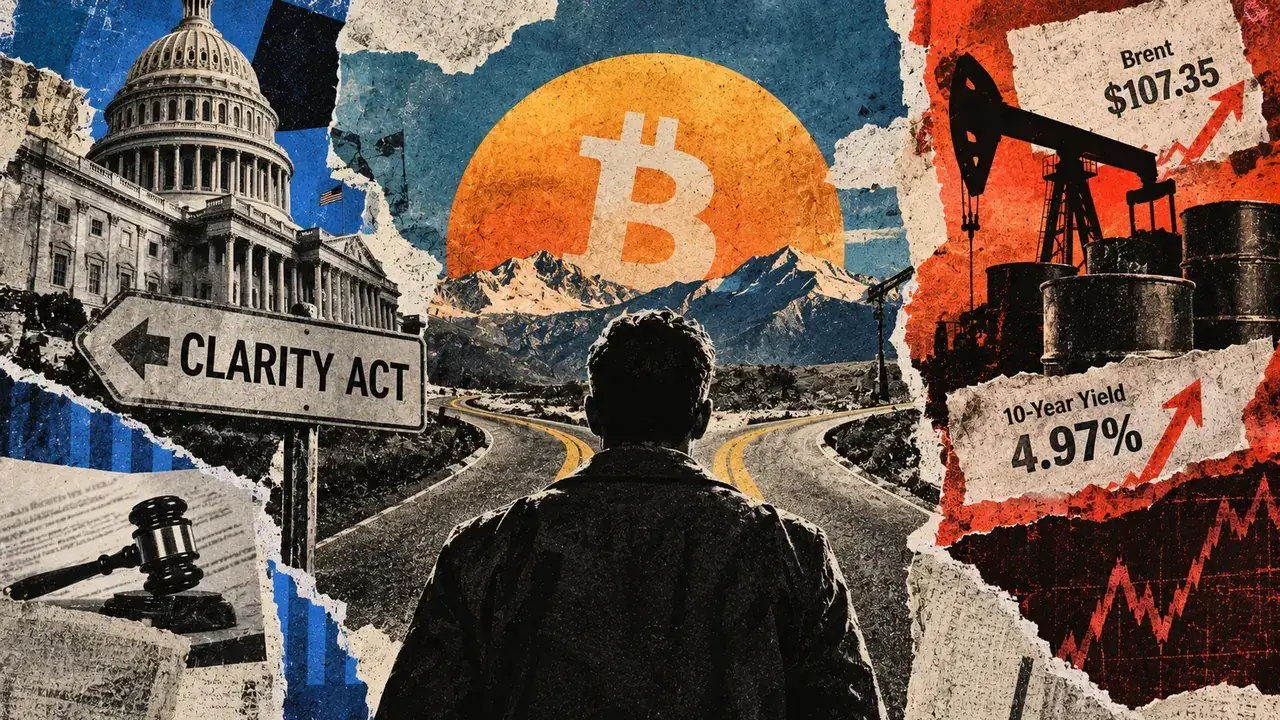
The US Senate failed to advance the Digital Asset Market Clarity Act, backed by President Donald Trump, after it received 50 votes in favour and 49 against—short of the 60 needed. Concerns over Trump’s crypto interests, stablecoin rewards and the impact on community banks blocked progress, sending bitcoin and crypto-related shares lower.
US Senatecryptocurrencydigital asset regulationDonald Trump
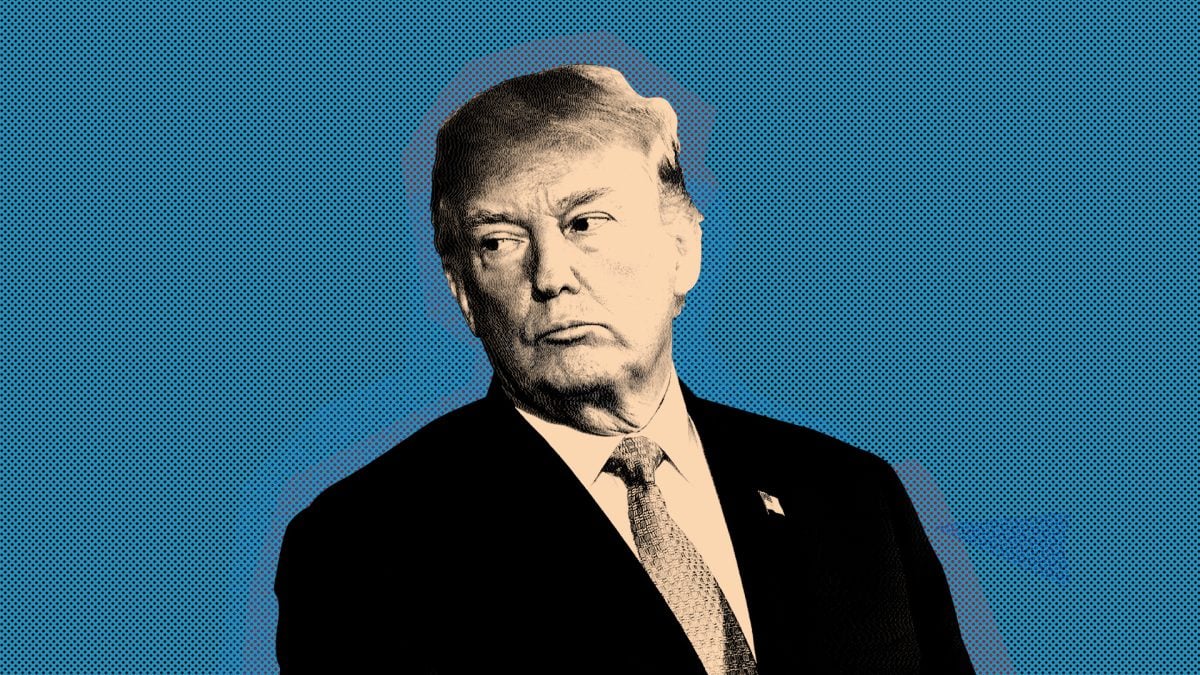
A landmark US cryptocurrency bill failed after senators divided over concerns about Donald Trump’s ethics. The defeat is a major setback for an industry that has spent record sums lobbying for a favourable market structure.
A procedural vote on Tuesday to advance landmark digital-asset legislation failed spectacularly, leaving the cryptocurrency industry crushed and raising doubts about whether its biggest regulatory push is now dead.
Crypto stocks broadly sold off after the U.S. Senate failed to advance the long-awaited market structure bill, with Coinbase, Circle and Galaxy leading the decline.
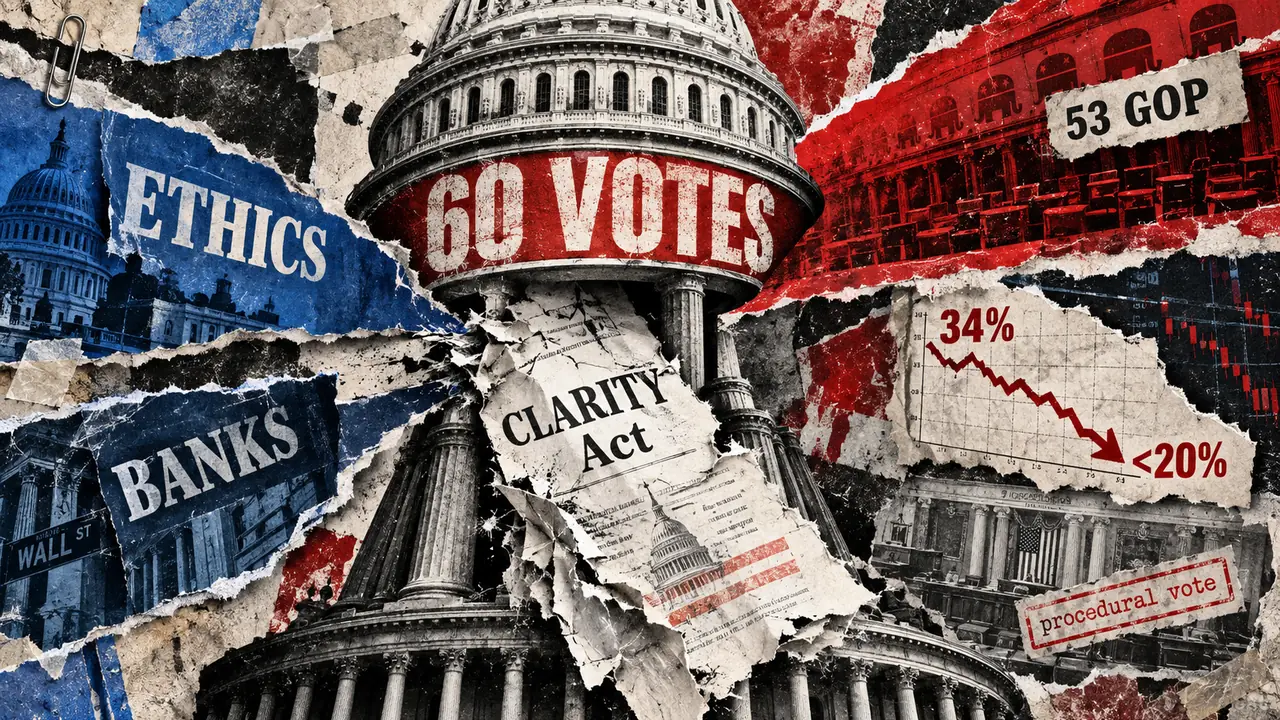
The CLARITY Act failed to win the 60 votes needed to advance in the Senate after final bipartisan negotiations over ethics rules collapsed. Several Democrats who helped shape the bill opposed moving forward, saying restrictions on crypto interests held by Trump, his family and officials were too weak. The setback keeps the major crypto market-structure proposal off the Senate floor.
The U.S. Senate voted Tuesday to stop the Clarity Act from moving forward, dealing a setback to the crypto industry’s effort to secure a comprehensive framework for market regulation.
One of the most consequential U.S. regulations for crypto markets failed to secure enough support to clear the Senate’s final 60-vote hurdle, prompting reactions across the industry.
Prediction markets sharply cut the near-term chances of the crypto market structure bill passing, as negotiations remained deadlocked just hours before a key Senate vote.
The CLARITY Act is approaching a critical Senate vote without a clear coalition for the 60 votes required to advance it. Polymarket odds of enactment fell below 20% from about 34% in the prior 24 hours as Republican leaders struggled to secure their conference and Democrats sought further concessions. Banking concerns and ethics rules tied to Donald Trump’s crypto interests remain key obstacles.
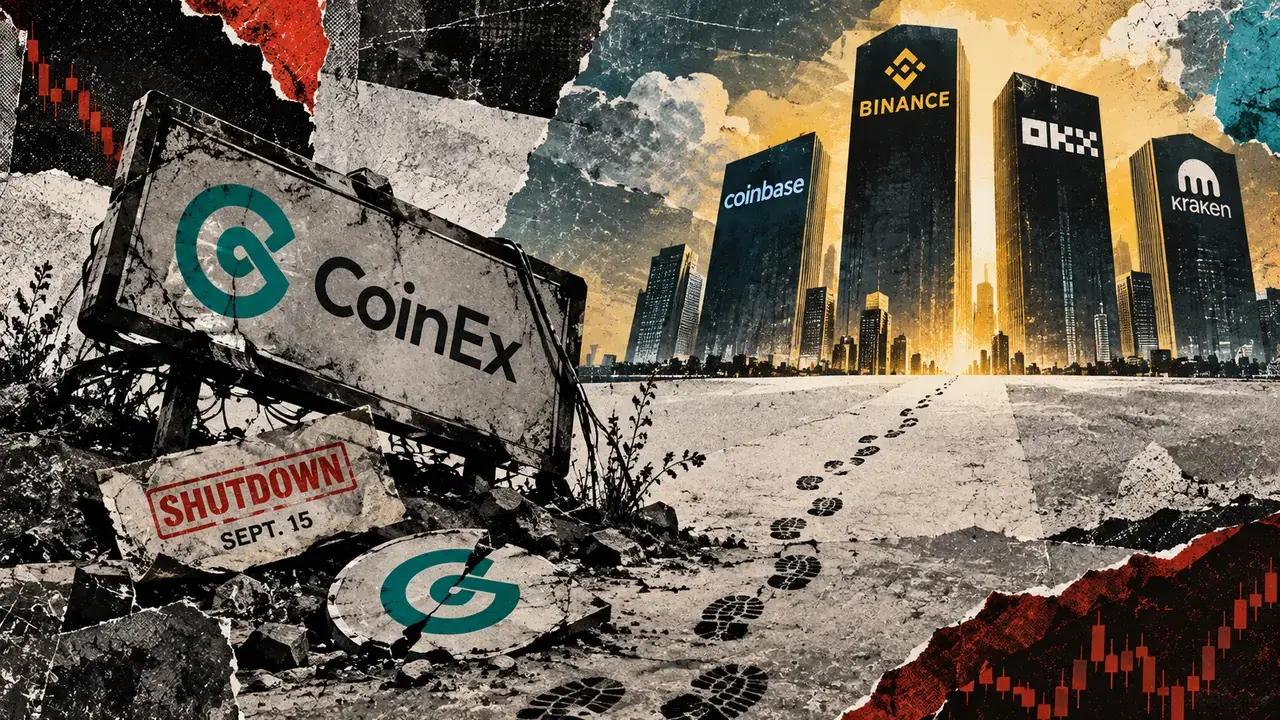
Crypto exchange CoinEx will wind down in stages, ending spot trading on Sept. 29 and withdrawals on Dec. 22. Founder Haipo Yang cited falling revenue, rising compliance costs and the difficulty of carrying security risks at limited scale. Trading volume has rebounded, but activity is increasingly concentrated among the largest platforms, led by Binance.
JPMorgan Chase co-President Doug Petno said at an investor conference on Tuesday that the bank expects strong third-quarter growth in investment banking fees and trading revenue.
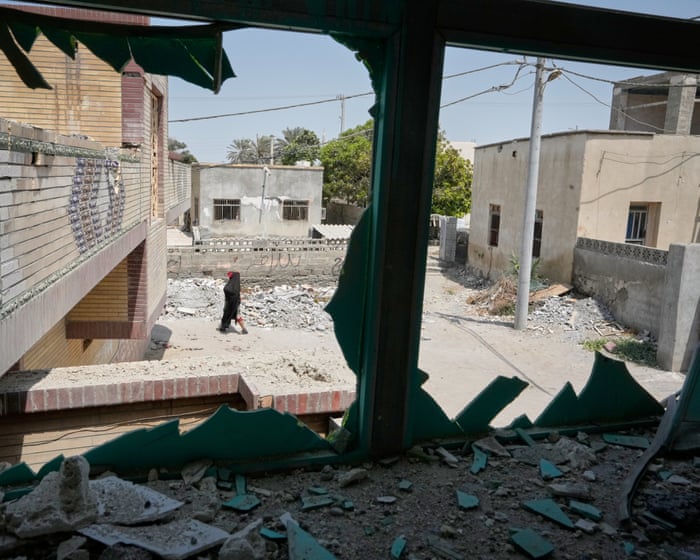
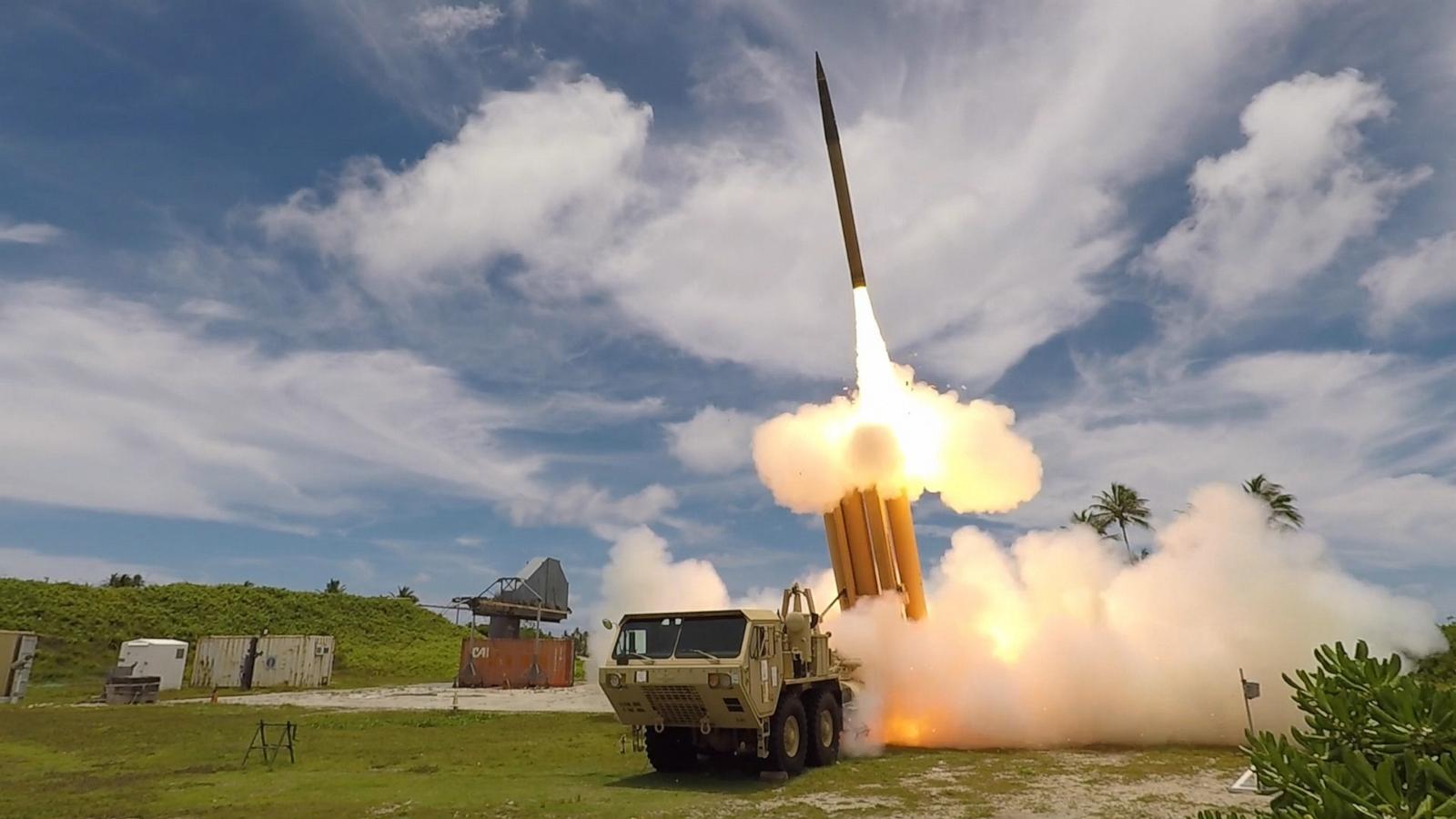
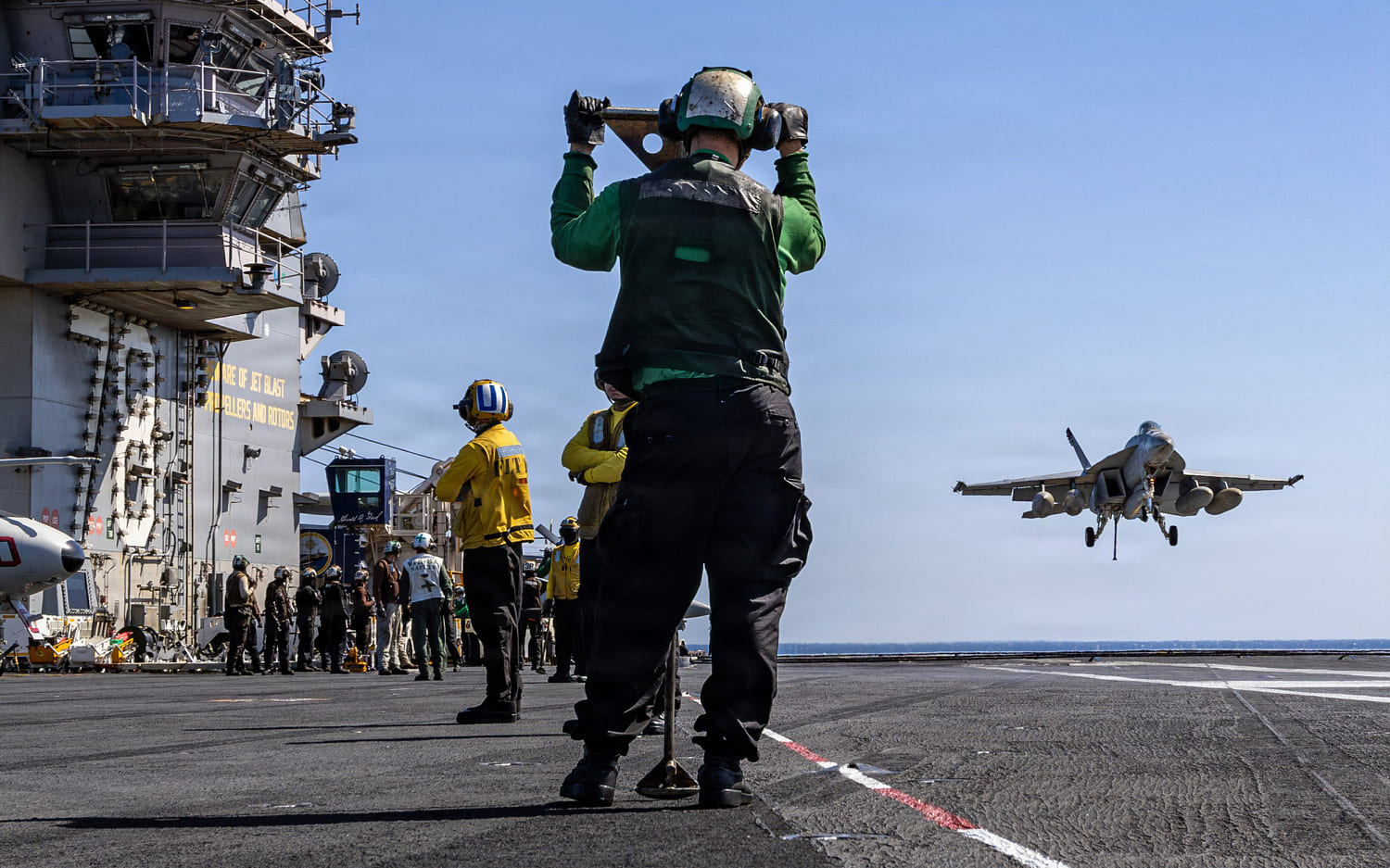
The Congressional Budget Office says the Iran war has cost the US at least $38bn and heavily depleted its Patriot, Thaad and Navy interceptor stockpiles, which could take at least five years to rebuild. The report estimates costs would rise by $3bn each additional month and inflation would remain higher.
US Vice President J.D. Vance said the conflict with Iran would enter a completely different phase within two months. He said Washington had completed the first stage, which he described as destroying Iran’s nuclear program and conventional military. Donald Trump has said the conflict could end after the November midterms, while allowing for an earlier settlement.
The Congressional Budget Office says the conflict with Iran has already cost US citizens $38 billion in its first five months, with monthly costs of $2-3 billion. It also confirmed that the war has depleted US weapons stocks, including critical interceptors used by air-defense systems.
United StatesIran warmilitary spendingweapons stocks
A nonpartisan Congressional Budget Office assessment says the US war with Iran had cost at least $38 billion by the end of July and is expected to drive inflation higher still.
The Congressional Budget Office estimates that the war with Iran has caused more than one-third of this year’s increase in inflation and will push prices higher again in the first quarter of next year, according to a report released Tuesday.
The six-month U.S. war against Iran has cost $38 billion so far, with spending projected to increase by $3 billion each month, according to the Congressional Budget Office. The Trump administration is seeking to end the conflict and reopen the vital Strait of Hormuz.
Canadian gold miner Agnico Eagle is not interested in joining Barrick Mining’s proposed North American initial public offering, CEO Ammar Al-Joundi said. He said buying into the IPO would not make sense for the company.
Italy’s competition authority said on Tuesday it had opened an investigation into Intesa Sanpaolo’s bid to take over smaller rival Monte dei Paschi di Siena.
People across the eurozone have been asked to choose designs for future euro banknotes. Proposals feature historical figures including Marie Curie and Leonardo da Vinci, alongside a vertical layout, with circulation expected around 2030. Separately, French fishermen clashed with police while attempting to blockade an oil depot as the Iran war drove fuel prices higher.
The World Bank’s International Development Association priced a $3 billion bond from an order book of nearly $8 billion, according to a source familiar with the transaction. It was the association’s first such deal after receiving an SEC waiver.
Angola’s central bank lowered its key lending rate by 100 basis points on Tuesday, marking a third consecutive cut after inflation dropped to single digits for the first time in more than a decade.
A Starbucks glass cup featuring Snoopy is being resold for as much as five times its retail price, illustrating how the company is using exclusive merchandise to keep customers coming to its stores.
An analysis by the Congressional Budget Office says the US war with Iran is expected to increase inflation in the first quarter of 2027, raising costs as Americans become more concerned about the economy.
Senators from both parties blocked a landmark digital-asset market-structure bill in a procedural vote Tuesday, dealing the cryptocurrency industry a major setback and sending crypto-related stocks tumbling.
The Census Bureau says Americans’ incomes increased and poverty declined in 2025. The figures come as the Federal Reserve considers raising interest rates, a move that could slow economic growth.
Dr. Walaa-Eldeen Bakry of Westminster Business School says Carney is deliberately diversifying Canada’s trade policy. She argues that Canada could provide a more reliable route for energy exports to the EU, noting a significant rise in oil shipments to some European countries last year.
Anne Applebaum says the upheaval in US diplomacy and foreign policy goes beyond any single administration. She describes a wholesale shift in how Washington uses power—from leading a democratic alliance to transactional, mafia-style politics blending ideology, private economic interests, personal ties and geopolitical leverage.
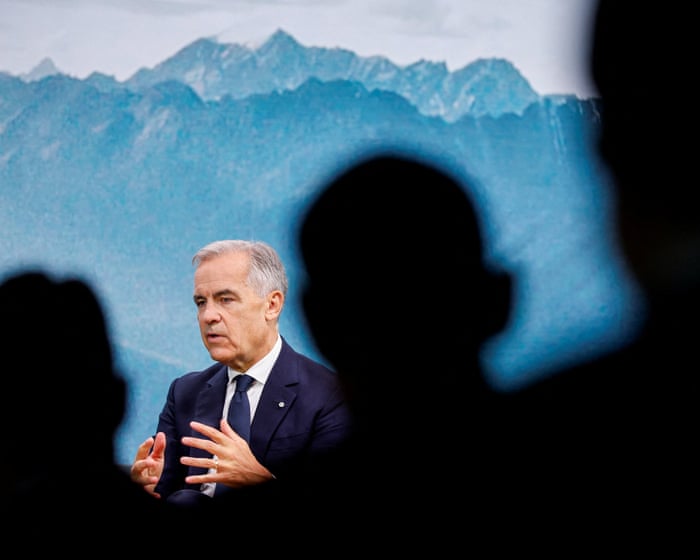
Mark Carney says Canada will seek a “unique security and economic alliance” with Europe, presenting the country as a safe destination for investment in a “new global economic order.” As relations with the US have fractured, Ottawa is working to reduce its trade dependence by deepening economic and political ties with the EU, though talks remain at an early stage.
Canadian Prime Minister Mark Carney is travelling to Europe amid a trade war with US President Donald Trump, pursuing a deeper relationship with the European Union that could give Canadians more freedom to work and study there.
Mark Carney is reportedly expected to use his European trip to pursue a new arrangement with the EU that could let Canadians live and work across the bloc without visa restrictions.
Canadian Prime Minister Mark Carney is visiting Strasbourg and Liverpool to pursue what he calls a “unique alliance” with the EU, seeking stronger trade, investment and security ties as relations with Washington deteriorate. Carney says Canada does not want EU membership, but Ottawa is exploring a deeper partnership, including visa-free living and work arrangements in Europe.
Prime Minister Mark Carney is presenting Canada as a “safe harbour” for major investors amid geopolitical uncertainty and an intensifying trade war with the US. At a Toronto investment summit, he pledged to attract C$1tn over five years and announced plans to allow private investment in operations at four major airports, drawing criticism from labour unions.
The U.S. poverty rate slipped to its lowest recorded level in 2025, while median household income reached a record high, according to the Census Bureau. The agency counted 34.5 million people living in poverty that year.
Russia respects every country’s sovereign right to set its own development path and energy mix, Energy Minister Sergey Tsivilyov said ahead of the G20 energy ministerial meeting. He argued that no energy source is inherently good or bad, and that all available sources and technologies can support energy security according to national conditions.
Nigeria’s Dangote refinery has become a major fuel supplier to Europe after disruptions to Middle East exports. Its growing role in global fuel markets has helped produce record profits ahead of the company’s stock market debut.
Leningrad region will impose a uniform 30-liter fuel limit per fill-up in the coming days, temporarily through October 1. Governor Alexander Drozdenko said about 20% of independent and small gas stations have stopped operating because they could not secure enough fuel. AI-92 supplies are stabilizing, while AI-95 remains scarce; there is no diesel shortage.
Boeing is nearing a final agreement on a delayed order for 150 737 MAX jets, four people familiar with the matter said. Turkish Airlines had threatened to abandon the high-profile deal amid a maintenance dispute with engine maker CFM.
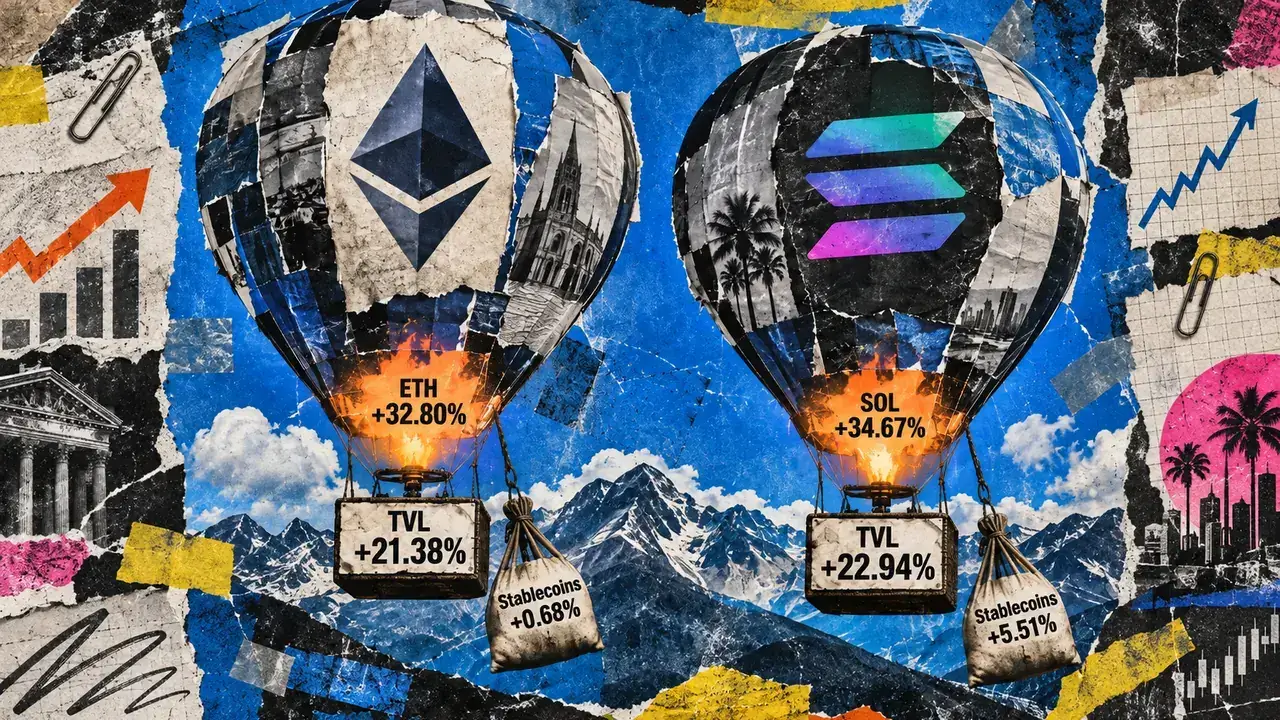
DeFi TVL rose 21.38% on Ethereum and 22.94% on Solana over 30 days through Sept. 15, while stablecoin market caps grew only 0.68% and 5.51%. ETH and SOL prices climbed 32.80% and 34.67%, respectively, making asset repricing the strongest explanation for the TVL rebound; the shares from fresh deposits and capital reuse remain unproven.
November Brent crude futures on London’s ICE exchange rose more than 3.5% on Tuesday, moving above $109 a barrel. At 8:19 p.m. Moscow time, Brent stood at $109.25, later gaining 3.51% to $109.39. October WTI futures jumped 5.29% to $106.75.
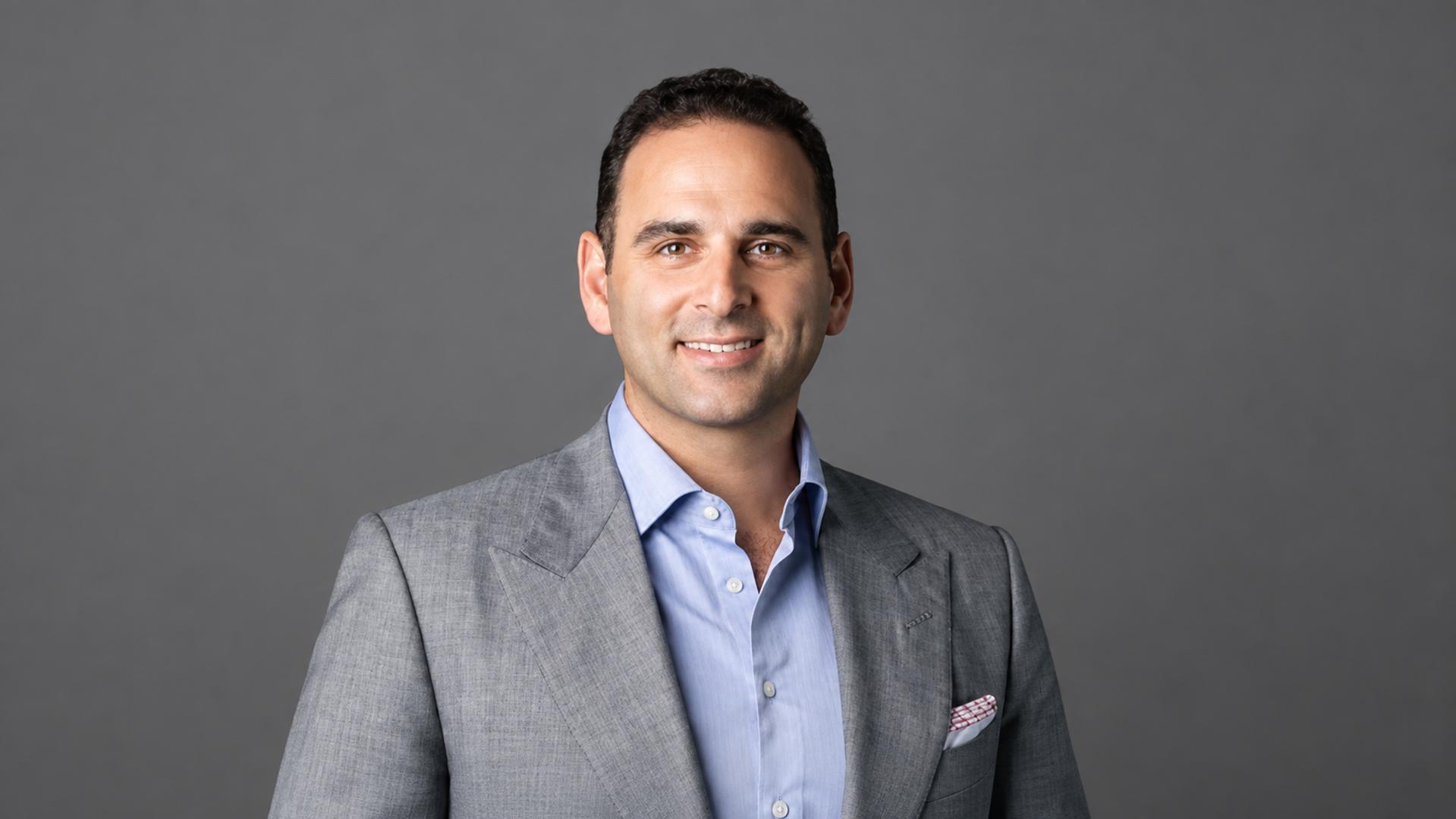
Solana-based decentralized finance lender Kamino has appointed Yieldstreet co-founder Michael Weisz as its CEO. He will lead the company from a new New York headquarters as it expands into tokenized assets.
A sell-off in the bond market is raising the stakes for the Federal Reserve’s monetary policy meeting this week and focusing attention on the central bank’s commitment to bringing inflation under control.
The 10-year US Treasury yield rose to 5.02 percent, its highest level since the 2007 global financial crisis, as traders bet on a Federal Reserve rate hike after oil prices climbed again. Benchmark yields in Germany and Japan also reached multi-year highs amid inflation and debt concerns.
Sovereign yields climbed further on Tuesday, led by the 10-year U.S. Treasury yield, which reached a nearly two-decade high. Signs of mounting discomfort among borrowers and global investors also deepened.
The benchmark 10-year US Treasury yield briefly reached 5.011% on Monday, its highest level since October 2023, before moving lower as the global bond sell-off intensified.
The 10-year US Treasury yield climbed to its highest level in nearly two decades, marking the latest stage of a painful global bond selloff fueled by surging energy prices, rising debt and inflation.
The benchmark yield for 10-year U.S. government debt reached a peak Tuesday that had not been seen since 2007. The Treasury selloff worsened with the Federal Reserve’s rate decision looming.
The US 10-year Treasury yield moved above 5% on Monday for the first time since 2023. Rising anxiety over inflation coincided with growing borrowing needs from the government and corporations.
Romanian authorities are likely to seek a legal route to restart the Lukoil-owned Petrotel refinery without violating current US sanctions, political scientist Ilya Grashchenkov told TASS. The prolonged shutdown has become a domestic political challenge, with trade unions warning that about 460 companies could go bankrupt. The crisis threatens the wider industrial chain and leaves Bucharest balancing sanctions compliance against jobs, fuel prices and stability.
Bitcoin is caught between possible progress on U.S. crypto rules and pressure from costly energy and elevated bond yields. It traded near $76,000 on September 15, down 3.22% in 24 hours but up 20.43% over 30 days. The Senate’s coming CLARITY Act procedural step and the Federal Reserve’s September meeting could determine whether regulatory optimism meets relief in financing costs, renewed selling or months of volatile consolidation.
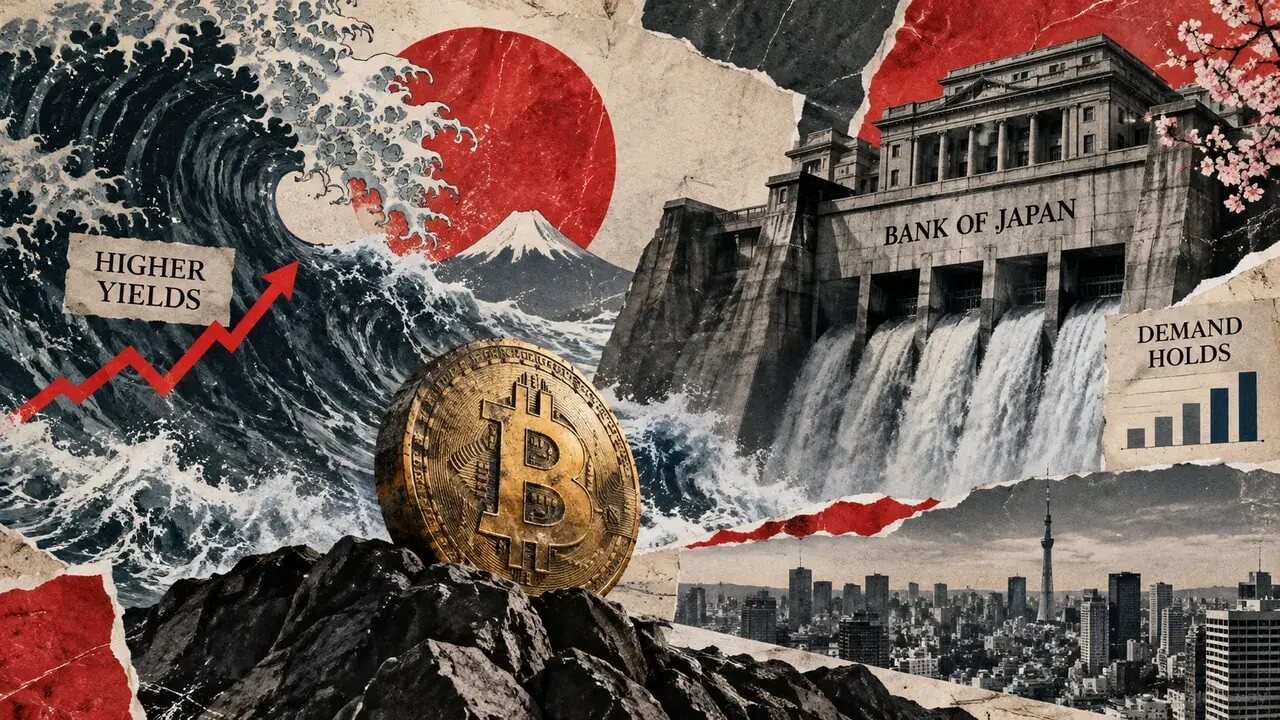
Japan’s latest 20-year government bond auction showed higher long-term borrowing costs, not collapsing demand. The average accepted yield rose to 3.856%, while bid coverage improved slightly and the yield tail narrowed, indicating orderly absorption. The auction alone does not show that a carry unwind has begun, but leveraged positions could face pressure if higher borrowing costs or a stronger yen coincide with weaker equities and crypto. The next test is the BOJ’s Sept. 17–18 meeting.
Russian Energy Minister Sergey Tsivilyov said Russia remains a reliable energy supplier and cannot be excluded from global supply chains. He cited the country’s combined oil and gas reserves of about 60 billion tonnes of oil equivalent, equal to 14% of the global total, and outlined plans to expand LNG production and pipeline capacity toward the Asia-Pacific region.
Iron ore trader Radiant alleges that Glencore concealed its relationship with the company from audited records. The Swiss commodities group calls the claims “meritless” and says Radiant submitted “falsified invoices.”
Ford is making V-8 engines more widely available and lowering prices on performance versions of its 2027 F-150 trucks. The company says the changes will give customers more choice and help increase sales of key models, a strategy CEO Jim Farley has promoted.
Russia’s pipeline gas supplies to Turkey fell 10.4% year on year to 11.4 billion cubic meters in January–July 2026, according to TASS calculations based on Turkish regulator data. July imports through TurkStream and Blue Stream totaled 948 million cubic meters.
Russia’s stock market ended Tuesday lower, with the MOEX Index down 1.02% at 2,337.1 points and the dollar-denominated RTS Index off 0.90% at 874.02. Analysts said investors took partial profits after a news-driven rally. Positive Group rose 3.3%, while Samolet Group plunged 12.1%.
Russia’s stock market moved into positive territory during the main trading session on the Moscow Exchange. At 1:21 p.m. Moscow time, the MOEX and RTS indices stood at 2,370.71 and 885.53 points, each up 0.41%.
Russia’s MOEX Index fell 0.67% to 2,345.04 points at the start of Tuesday’s main trading session. By 9:20 a.m. Moscow time, it was down 0.69% at 2,344.8 points, while the RTS also declined 0.69% to 875.85 points. The yuan rose to 12.61 rubles.
Rising yields across the bond market have unsettled investors. Yet the climb from zero interest rates since Covid suggests the risk-reward profile of fixed-income assets has improved.
The US Justice Department has filed a forfeiture lawsuit seeking to seize $61mn in alleged proceeds processed through Binance. Prosecutors say Chinese groups used the cryptocurrency platform to launder money from Iranian oil deals.
Former race car driver Nikita Mazepin could become the owner of Lesta Games, Russia’s largest video game company, according to sources cited by Forbes Russia. The deal is reportedly nearing completion, with the company valued at 30–35 billion rubles. Mazepin’s UKM Group confirmed it is pursuing deals in digital technology, fintech, and AI.
U.S. Treasury Secretary Scott Bessent said on Tuesday that the dollar remains strong as a reserve currency, while rising global transaction volumes reflect the credibility of the U.S. system and the actions of the current administration.
Average US diesel prices reached a record just below $6.27 a gallon on Tuesday, adding pressure on President Donald Trump ahead of the midterm congressional elections. Prices have surged as Washington’s war with Iran disrupts global fuel flows, while Trump has repeatedly downplayed the war’s impact and blamed Kyiv for attacks on Russian oil refineries.
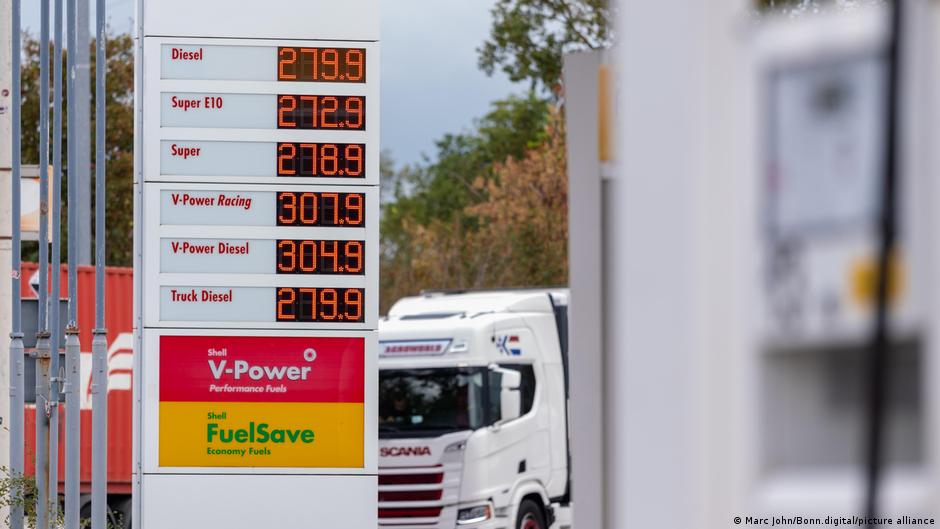
Chancellor Friedrich Merz says the German government must help motorists facing record fuel costs, but the exact measures remain undecided. Prices in Berlin rose by about €0.20 per liter at noon on September 15. Officials cite the Middle East crisis, pipeline attacks and blocked shipping lanes, while fiscal pressures make another fuel subsidy difficult.
U.S. Treasury Secretary Scott Bessent said on Tuesday that rising bond yields were driven by “global issues,” without providing further detail on the specific causes.
The US and China are considering lower tariffs on selected goods, including American energy and agricultural shipments. The talks may signal that next week’s leaders’ summit could extend their one-year trade truce.
ECB staff are voicing concerns that rumours of Christine Lagarde leaving early could expose weaknesses in the institution’s stability. Worries are growing that Europe’s central macroeconomic institution may not be ready for a change at its highest level.
Median household income in the United States increased 2.6% to $87,460 in 2025, according to Census Bureau data released Tuesday. The year marked the start of Donald Trump’s second presidential term.
Thailand aims to settle the substance of a tariff agreement with the US before Prime Minister Anutin Charnvirakul meets President Donald Trump later this week, with Bangkok potentially seeking a slightly lower rate.
European Union lawmakers voted on Tuesday to remove a provision allowing the bloc to suspend its carbon border levy if it raises the cost of imported goods. The move sets up a clash with member states that support keeping the emergency brake.
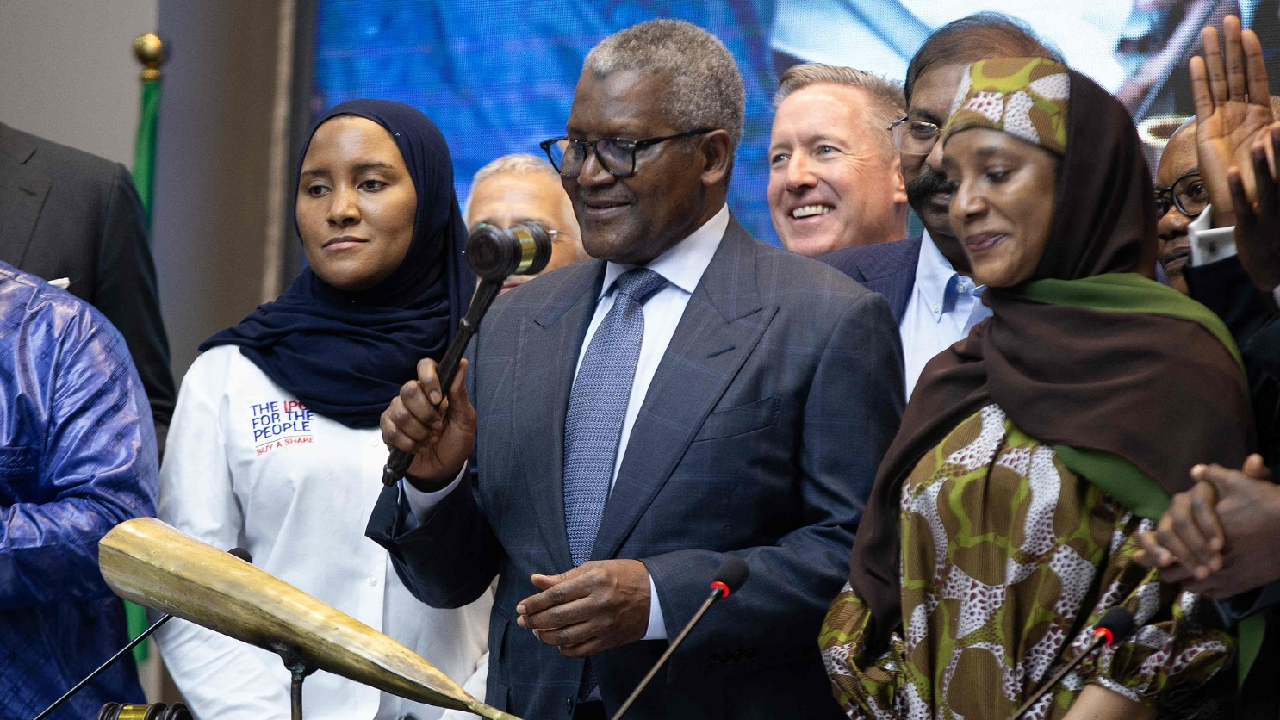
The Dangote Petroleum Refinery and Petrochemicals IPO has drawn intense demand in Nigeria, overwhelming traffic on some investment apps. The offering aims to raise about 2.15 trillion naira ($1.6 billion) through 4.1 billion shares and is billed as Africa’s largest IPO. Proceeds will support expansion, while Aliko Dangote will retain control.
Russian Energy Minister Sergey Tsivilyov said artificial, non-market and politically motivated restrictions on trade and technological cooperation worsen global energy imbalances. Speaking about Moscow’s proposals for the G20 energy meeting in Houston, he stressed the importance of open, predictable and affordable energy markets for security and economic stability.
CoinShares says a recovery in bitcoin’s price is unlikely to bring miners focused on artificial intelligence back to bitcoin mining. Publicly listed BTC miners produced bitcoin at an average pre-tax cash cost of about $75,500 in the second quarter.
Canadian farmers are having difficulty harvesting crops as recurring rain arrives at the wrong time. The disruption affects a country that is the world’s largest canola exporter and a major wheat producer, with crop quality also suffering.
According to a Tuesday announcement, GE Vernova and Thailand’s B.Grimm Power will use two signed agreements to collaborate across Southeast Asia on gas turbines, electricity generation and related infrastructure.
Canada’s housing-market momentum stalled in August as home sales fell amid a breakdown in trade talks with the US and new tariffs imposed by both countries on each other’s goods.
US-Canada trade talks collapsed at the last minute late last month and were followed by what the article calls a temper tantrum. President Donald Trump announced tariffs that Prime Minister Mark Carney matched, then signed an order renaming Lake Ontario as Lake America. Transportation Secretary Sean Duffy had earlier issued a barely veiled threat toward Canada.
The Central Bank says the ruble’s inflation-adjusted real effective exchange rate against the currencies of Russia’s main trading partners fell 7.1% month on month in August 2026 and was down 5.1% from the start of the year. Its rate against the dollar declined 6.7% in August and against the euro 8.1%.
Political scientist Ilya Grashchenkov says Europe will not again become the main destination for Russian gas even if the conflict in Ukraine ends. He says the market will remain attractive, but renewed cooperation would require policy changes, new long-term contracts and rebuilt trust; persistently high energy costs could also hurt European industry.
Maxim Oreshkin, deputy chief of staff of Russia’s presidential executive office, said the dollar and euro together accounted for 15% of the country’s international trade settlements in 2025. He said sanctions accelerated a shift toward the ruble and BRICS currencies, leaving Russia no longer dependent on Western financial-system instruments.
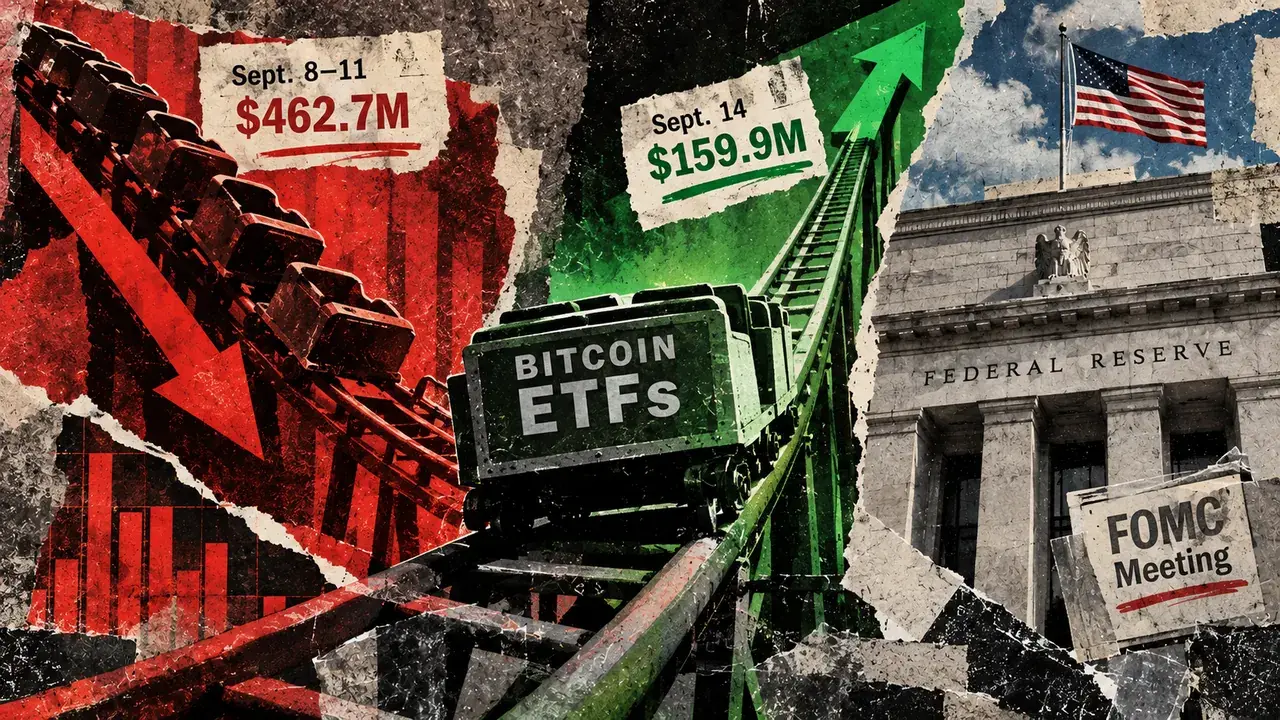
US spot Bitcoin ETFs drew a net $159.9 million on Sept. 14, ending four straight sessions of withdrawals. The rebound was concentrated in BlackRock’s IBIT and Fidelity’s FBTC, while ARKB lost assets and most other funds were flat. The Federal Reserve’s Sept. 15–16 meeting will test whether demand can keep recovering.
The Bank of Russia set the official dollar rate at 84.2362 rubles for September 16, down 10.01 kopecks from the previous figure. The euro rate fell 46.14 kopecks to 97.3012 rubles, while the yuan rose 1.85 kopecks to 12.5538 rubles.
Kremlin official Maxim Oreshkin said G7 countries are gradually losing their positions in the global economy, while BRICS nations account for more than half of economic growth. He said China leads by a wide margin, India has risen to third, and Russia and Japan share fourth and fifth places.
The European Central Bank is urging merchants to take part in a 12-month pilot of the digital euro. A beta version of the central bank currency will be tested through online, mobile, in-store and peer-to-peer payments.
Russian President Vladimir Putin has authorized transactions involving shares of the Udokan Copper holding company. The decree says no other legally required permits or approvals are needed. Established in 2008 to develop the Udokan deposit in Russia’s Trans-Baikal Region, the company has more than 26 million tons of copper resources.
Kazakhstan’s draft Tax Code amendments say the Eurasian Economic Union’s common market for oil and petroleum products has been delayed until 2030. The mineral extraction tax equalization coefficient, previously planned for 2027, would also be introduced in 2030 because the price-balancing mechanism is not currently needed.
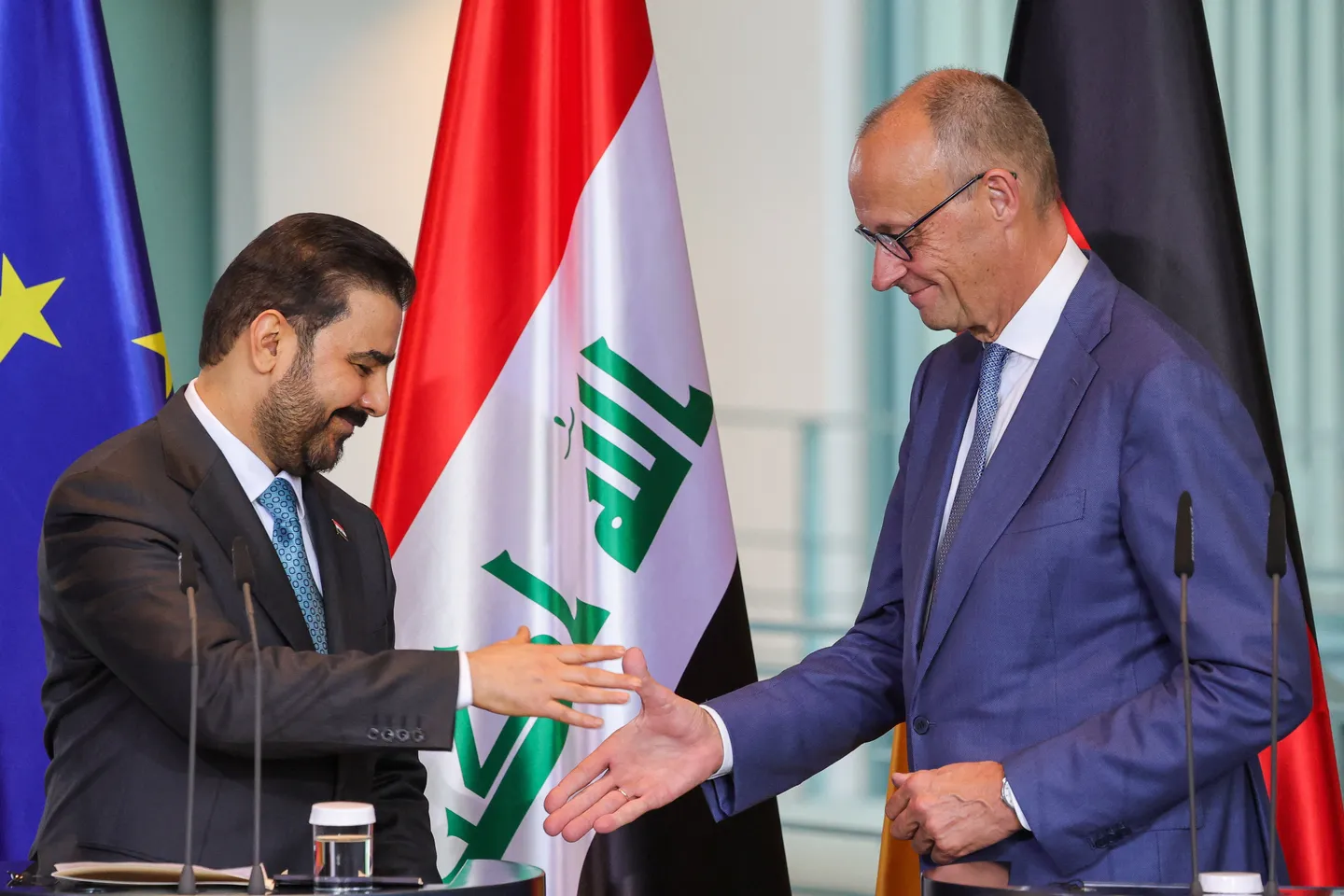
Abu Dhabi National Oil Co (ADNOC) bought millions of barrels of discounted crude from Iraq’s state oil firm, according to three people familiar with the matter. The purchase expands ADNOC’s role as a trader amid supply disruptions caused by the Iran war.
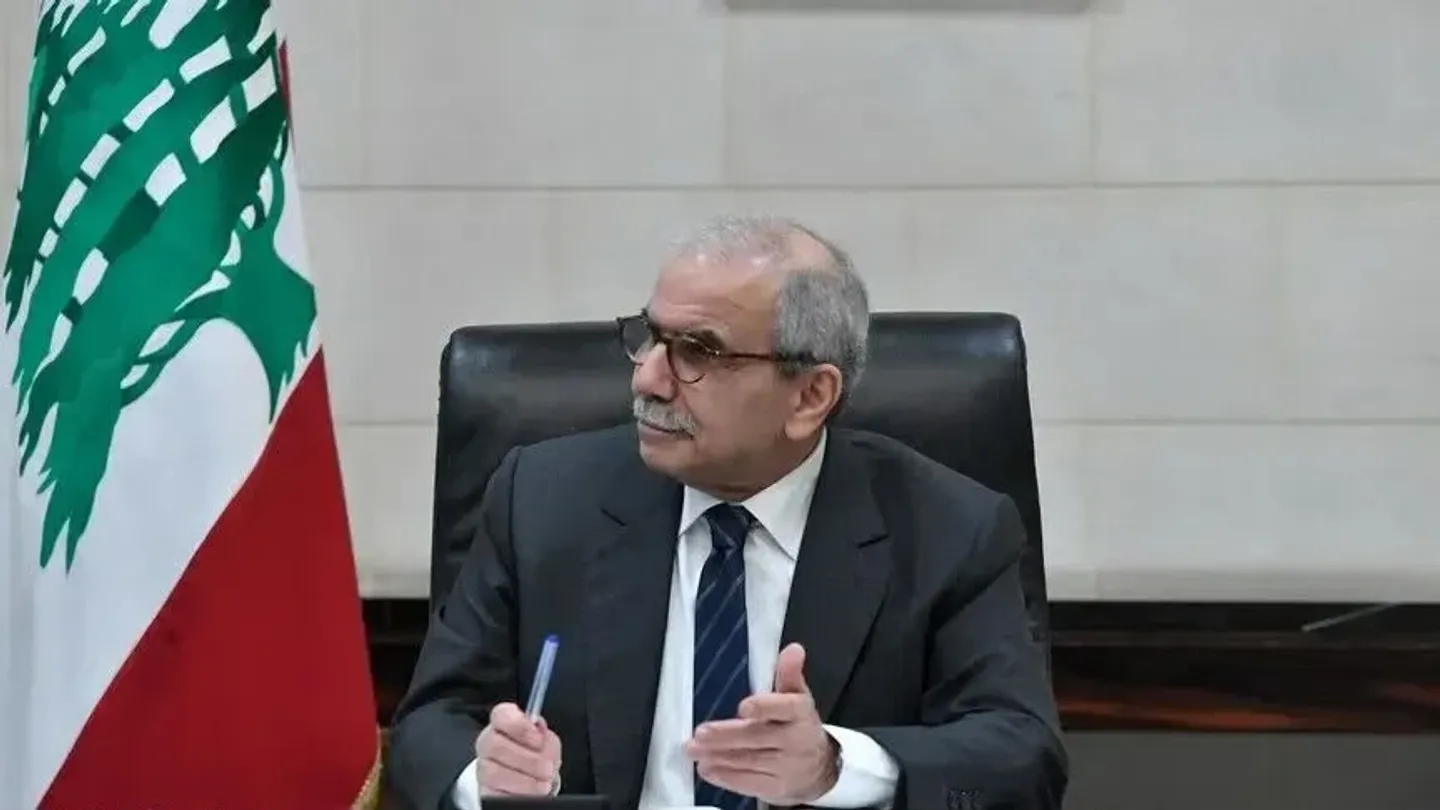
Lebanese Prime Minister Nawaf Salam says rebuilding the country could cost more than $27 billion, a burden beyond the state’s capacity that will require Arab and international funding.
The Minutes Reader extension turns the original page into a focused reading view and translates articles and video subtitles on demand. It is in limited beta.