Euronext chief executive Stéphane Boujnah says the exchange is open to a “big bang” deal with rival Deutsche Börse, as EU officials look for ways to make the bloc’s capital markets more competitive.
Schroders, the asset manager that agreed to a £10bn sale to Nuveen, is considering acquisitions to grow its wealth division while refocusing on very wealthy clients.
The Federal Reserve and Bank of Japan will meet this week to decide whether to raise interest rates. With the US Treasury market struggling, what effect could those decisions have?
The dollar held steady on Monday while the yen remained near a seven-month high after its recent sharp gains. Investors were weighing potential rate hikes by the Federal Reserve and Bank of Japan ahead of a pivotal week for monetary policy.
Baker Hughes says higher borrowing costs have not yet slowed investment in major energy projects, while artificial intelligence buildouts are driving stronger demand for liquefied natural gas.
Singapore’s distinctive vehicle quota system has made it the world’s most expensive city for buying a new car. The report explains how the system works.
While attending a golf tournament in Ireland, US President Donald Trump said Washington would remove its 10 percent tariff on Irish whiskey. The Irish Whiskey Association welcomed the announcement, though no timetable for lifting the duty was immediately given.
On a golf course he owns in Doonbeg, Donald Trump presented Shane Lowry with the Irish Open trophy and offered an unexpected favor: removing tariffs on Irish whiskey.
President Donald Trump says he plans to remove the 15% tariff on Irish whiskey. At the Irish Open trophy ceremony Sunday, he said everyone had asked him about the issue, including some golfers.
President Donald Trump said the US would remove its tariffs on Irish whiskey. He announced the move Sunday while attending a golf tournament at his family’s course in western Ireland.
Shares of Chinese artificial intelligence company Z.ai fell more than 10% after it announced its second major fundraising in two months, raising $5 billion.

Dell CEO Michael Dell’s DFO Management is leading a planned $7.7 billion transaction to take insurance brokerage The Baldwin Insurance Group private, the Financial Times reported on Sunday.
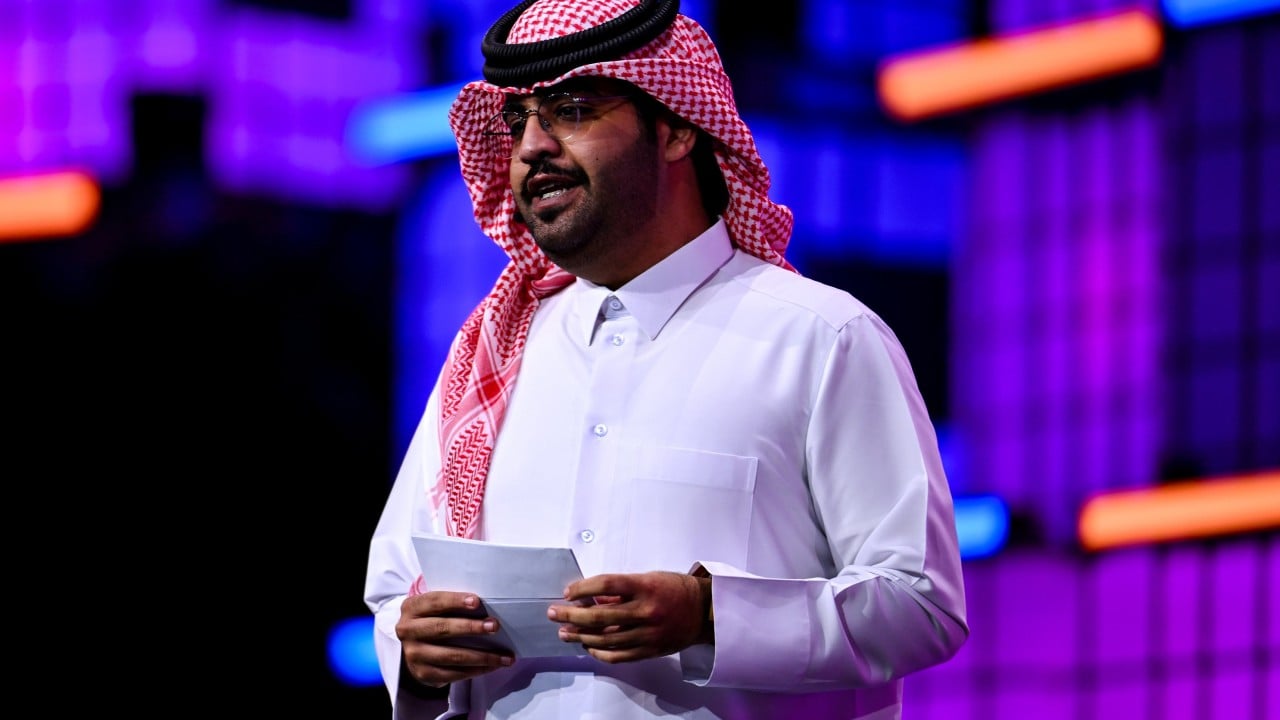
Qatar is intensifying efforts to attract Chinese companies as conflict involving Iran disrupts Gulf trade routes. The move adds urgency to Chinese businesses’ broader push to diversify supply chains and operate closer to customers. WareOne chief executive Sheikh Khalifa bin Salman Al Thani said supply-chain diversification was already advancing worldwide.
The 10-year Treasury yield is approaching 5%, a level it last reached in October 2023. Strategists say the forces driving yields higher matter more than the threshold itself.
Experts say the growing institutionalization of prediction markets threatens to erode the advantage of skilled traders who profit from mispricing and market inefficiencies.
China’s Ligent Technologies plans to raise about HK$5.67 billion ($723 million) through a Hong Kong initial public offering. A prospectus filed with the stock exchange on Monday says the proceeds would fund product development and expanded production capacity.
Jim Cramer questions Anthropic CEO Dario Amodei’s repeated calls to slow development, but says Amodei is raising issues that could affect many stocks if the spending curb moves forward.
Asian share markets fell on Monday as supply concerns sent oil prices sharply higher again. Investors were also preparing for possible interest rate increases in both the United States and Japan this week.
Oil prices rose after Saudi Arabia shut down a critical pipeline that bypasses the Strait of Hormuz. Saudi Arabia has faced escalating attacks from Iran-allied militant groups in recent days.
U.S. tech startup Anthropic has chosen Nasdaq as the venue for a potential initial public offering, Business Insider reported on Sunday, citing a person familiar with the company’s plans.
Michael Dell’s family office, DFO Management, is in advanced talks with Baldwin Group on a deal valued at $4.1bn to take the insurance broker private. The historically fragmented industry is undergoing a wave of consolidation.
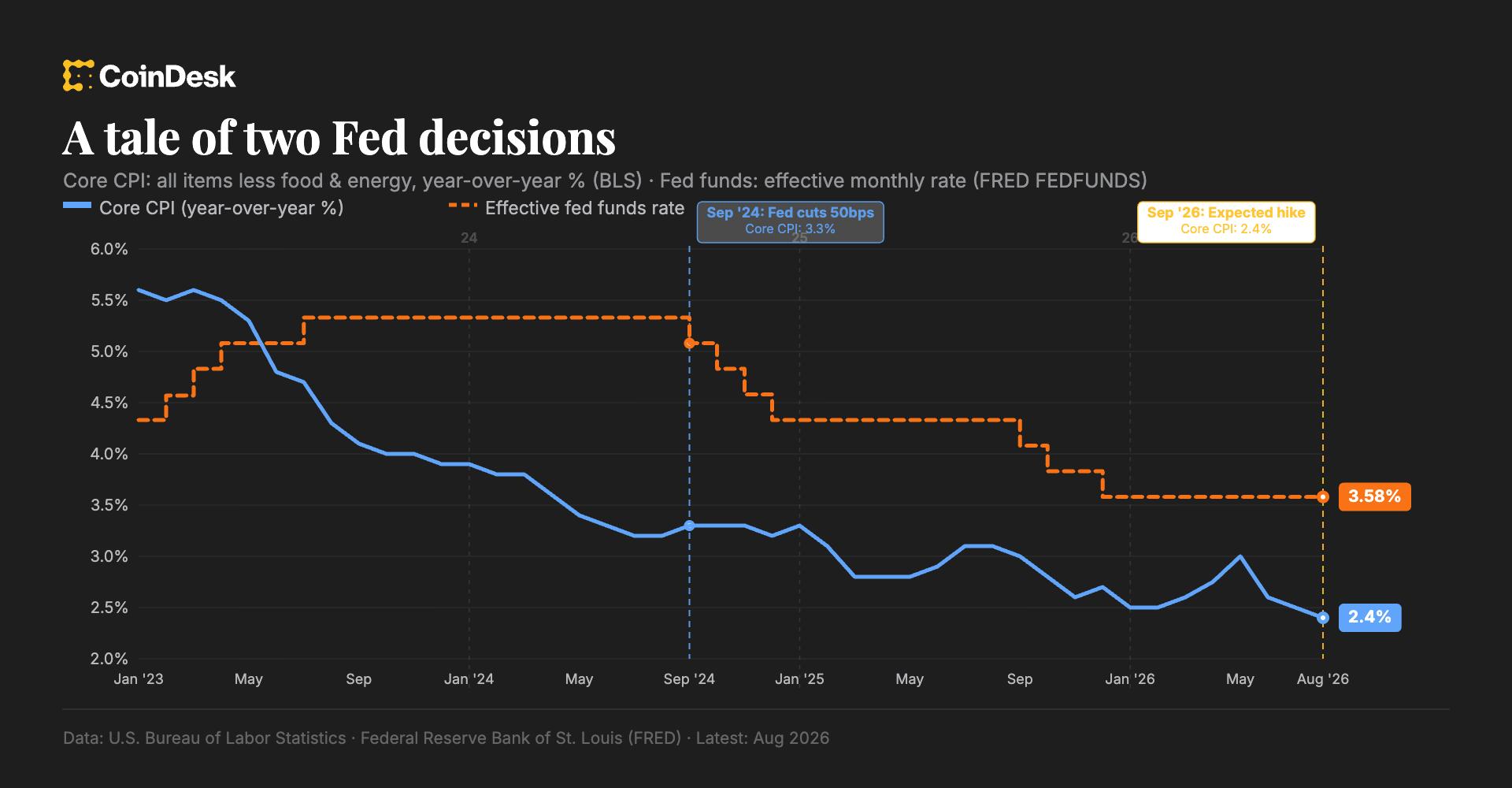
President Donald Trump said on Sunday that no country should have a lower interest rate than the United States, speaking days before the Federal Reserve’s next policy meeting.
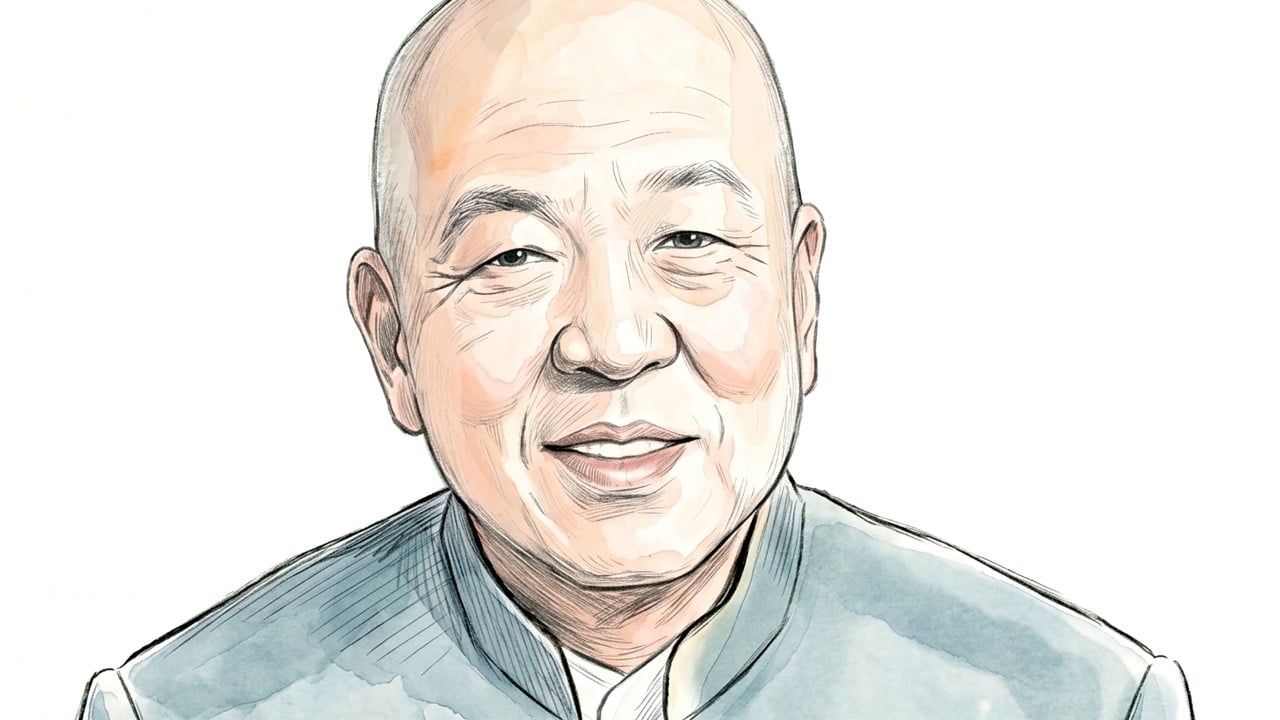
Fang Fenglei has played a major role in shaping China’s capital markets over the past three decades. He helped create China International Capital Corp. with Morgan Stanley, led listings of state-owned giants in Hong Kong as Bank of China International chief executive and later chaired a China joint venture with Goldman Sachs. Now Hopu Investments chairman, he addresses the debate over China’s ‘investibility’.
MarketsChina capital marketsFang Fengleiinvestment
SSouth China Morning PostOriginal★★☆☆☆2026-09-13 22:00
Veteran investor Fang Fenglei says China’s ‘investibility’ debate is no debate at all
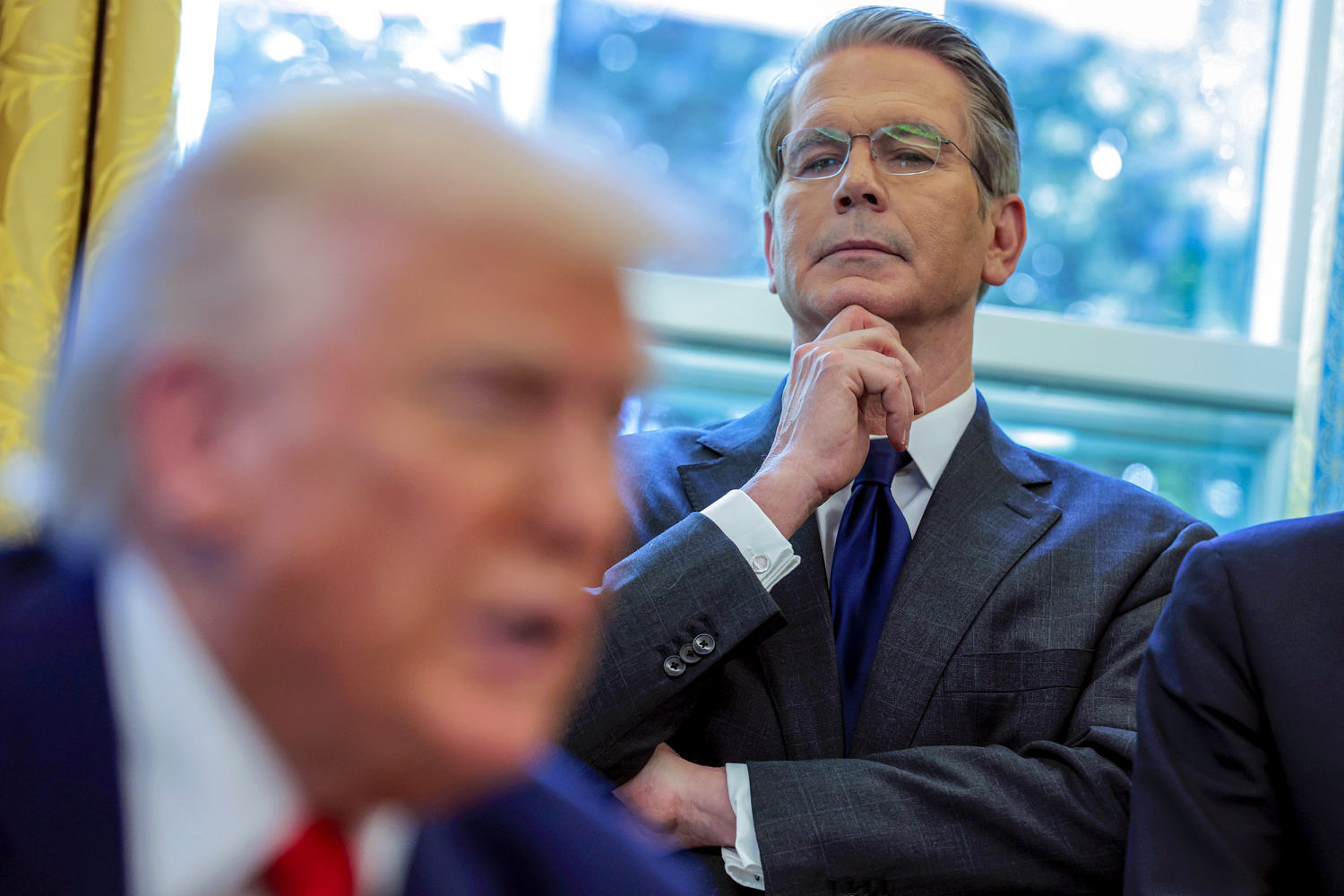
Kevin Warsh was sworn in as Federal Reserve chair at a White House ceremony in May. President Donald Trump praised his hand-picked choice and urged him to remain “totally independent,” but the prospect of a rate hike is now putting them on a collision course.
The Middle East conflict has raised security concerns over traditional shipping through the Bab al-Mandeb strait and the Suez Canal. As climate change melts more Arctic ice and extends the navigable season, a South Korean container ship has reached the UK via the route. Its viability as an alternative remains uncertain amid potential geopolitical and environmental tensions.
President Mohamed Irfaan Ali says Guyana’s oil revenues have risen sharply as the Iran conflict disrupts global energy supplies and lifts crude prices. While major discoveries have transformed the country, inflation and living costs remain high. Ali says his government is diversifying the economy to avoid dependence on oil wealth.
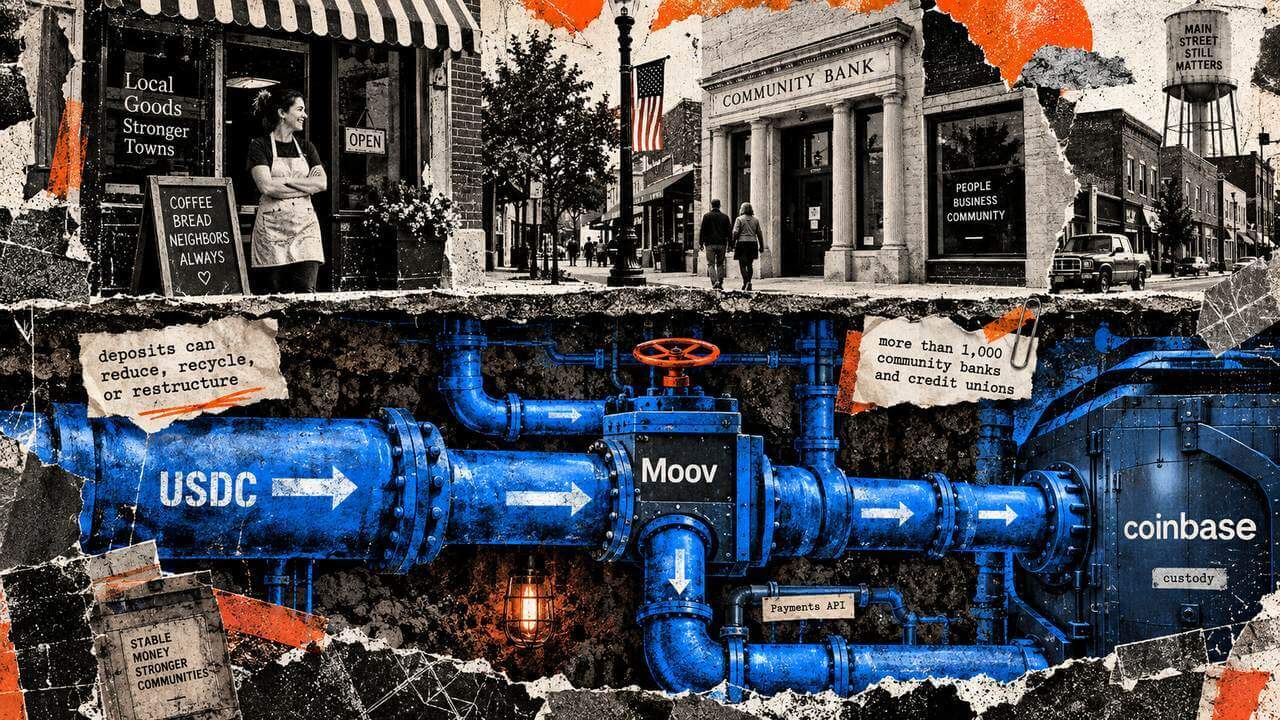
Coinbase is partnering with payments platform Moov to bring stablecoin services into the existing payments systems of community banks and credit unions. The institutions would remain the customer-facing relationship, while Coinbase supplies custody and transaction tools. Fees, revenue sharing, data access, compliance duties and operational risk remain undisclosed.
Higher bond yields and surging oil prices are prompting many Wall Street professionals to recall the volatile period before the dot-com crash. They are not, however, urging investors to sell their stocks.
Rosatom CEO Alexey Likhachev said BRICS countries would eventually lead not only in energy production and consumption but also in nuclear power generation. He cited India’s forecast that energy use will rise 2.5-fold by 2050, with nuclear facilities totaling up to 100 GW to be built by 2047.
S&P Dow Jones Indices said it will revise eligibility rules for its S&P/TSX Canadian Indices. Investors said the change could pave the way for major copper producer Anglo-Teck to be included.
MarketsCanadian indicesS&P Dow Jones IndicesAnglo-Teck
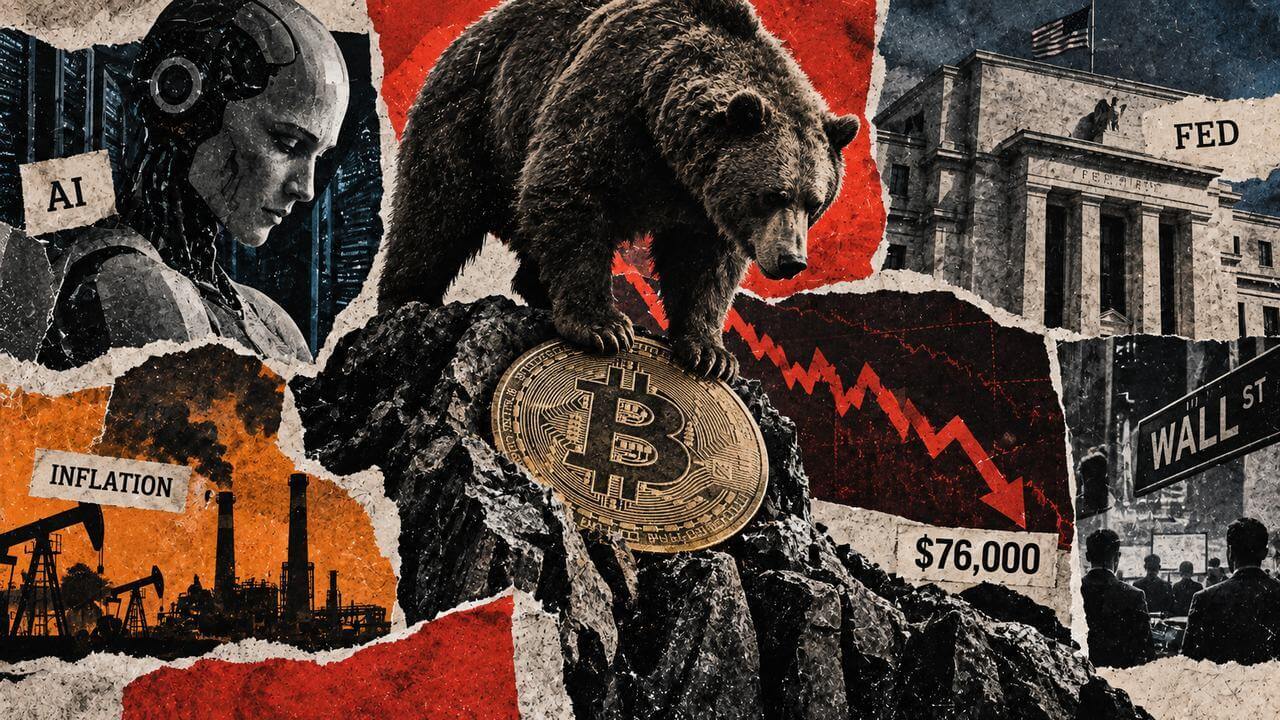
Bitcoin fell below $77,000 on Sunday, extending an already weak week rather than starting a sell-off clearly caused by new AI warnings. Investors are weighing calls from Anthropic and OpenAI leaders to slow AI development, an upcoming Federal Reserve meeting and how technology stocks may respond on Monday; no market outcome is established yet.
The yen has reached its strongest level against the US and Australian dollars in about six months, raising questions about whether Japan will remain an affordable destination for Australians. A sustained rise could increase travel costs and encourage some visitors to consider alternatives elsewhere in Asia, although analysts expect considerable tolerance before habits change.
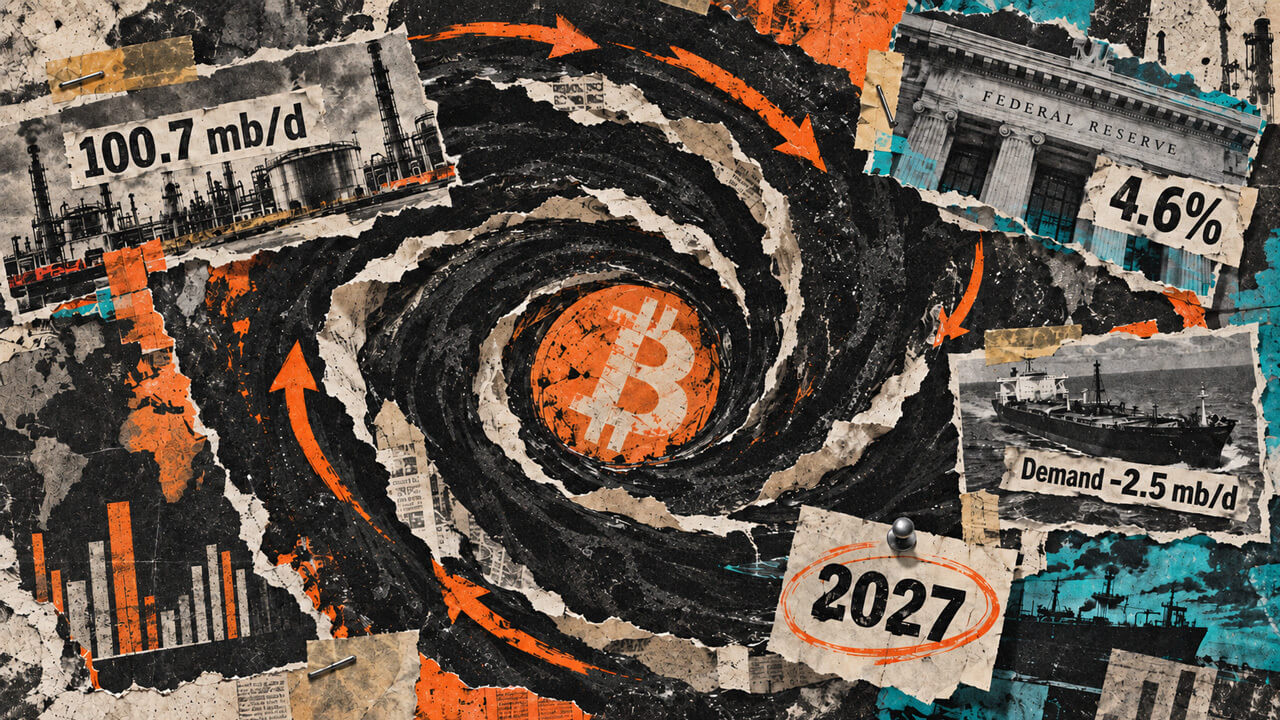
The International Energy Agency has lowered its 2026 oil-supply forecast and expects full Gulf recovery only in 2027, potentially delaying relief in borrowing costs for Bitcoin investors. Demand is weakening, but falling inventories and sharply reduced Gulf refined-product and LPG exports indicate continuing physical tightness. Persistent energy pressure could also keep inflation and interest-rate expectations elevated.
President Donald Trump again argued that the United States should have the world’s lowest interest rates, while his handpicked Federal Reserve chair, Kevin Warsh, faces renewed pressure to increase borrowing costs.
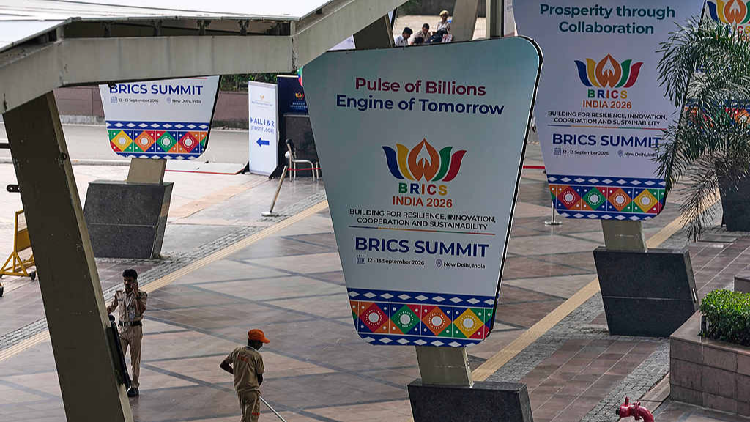
As the 2026 BRICS Summit takes place in India, the article argues that the expanded grouping should turn its larger scale and potential into sustainable growth. It calls for fewer trade barriers, coordinated customs and payment systems, stronger industrial and supply-chain cooperation, and deeper economic integration through higher-standard openness. Xi Jinping’s trade and investment facilitation proposals are presented as a practical route forward.
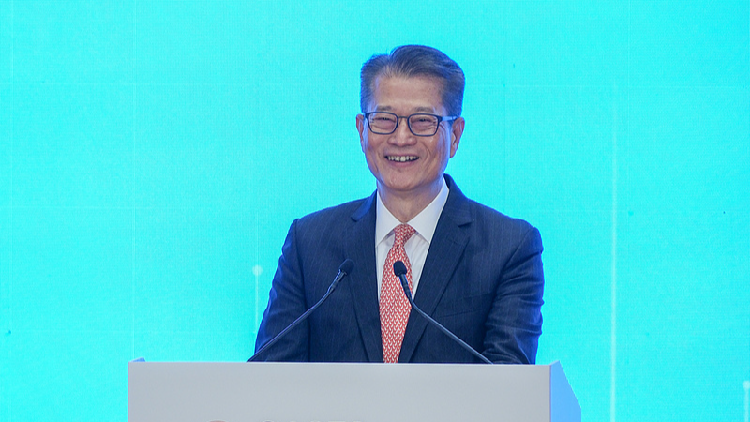
Hong Kong has continued expanding and strengthening connections with Belt and Road regions and the Global South in finance, innovation and technology, and green transition, Financial Secretary Paul Chan said. He noted that last week’s Belt and Road Summit in Hong Kong drew more than 6,000 officials and business leaders from over 70 countries and regions and produced over 60 cooperation agreements and memoranda of understanding.
OtherHong KongGlobal SouthBelt and RoadFinance and technology
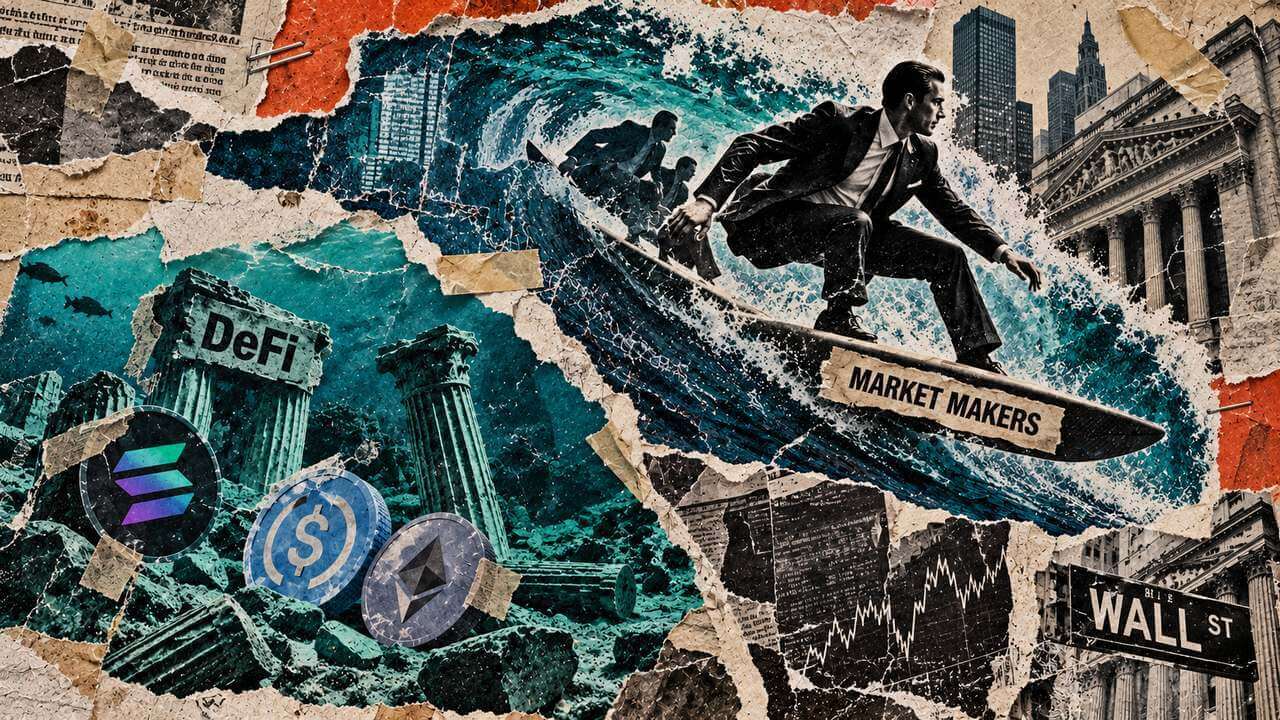
Jupiter acts more like a liquidity search engine than an exchange, routing trades among decentralized exchanges, proprietary automated market makers and request-for-quote networks. DWF Ventures estimates propAMMs handle about 15% to 27% of daily on-chain DEX volume and more than 90% of SOL-to-stablecoin trades routed through Jupiter. The shift suggests professional dealers are regaining influence in DeFi, though DWF’s ties to market maker DWF Labs are a clear caveat.
Kirill Dmitriev, CEO of the Russian Direct Investment Fund and Russia’s special envoy for investment and foreign economic cooperation, expects the United States to be among the first Western countries to resume economic relations with Russia. He said many other countries would quickly follow to avoid being left out of the process.
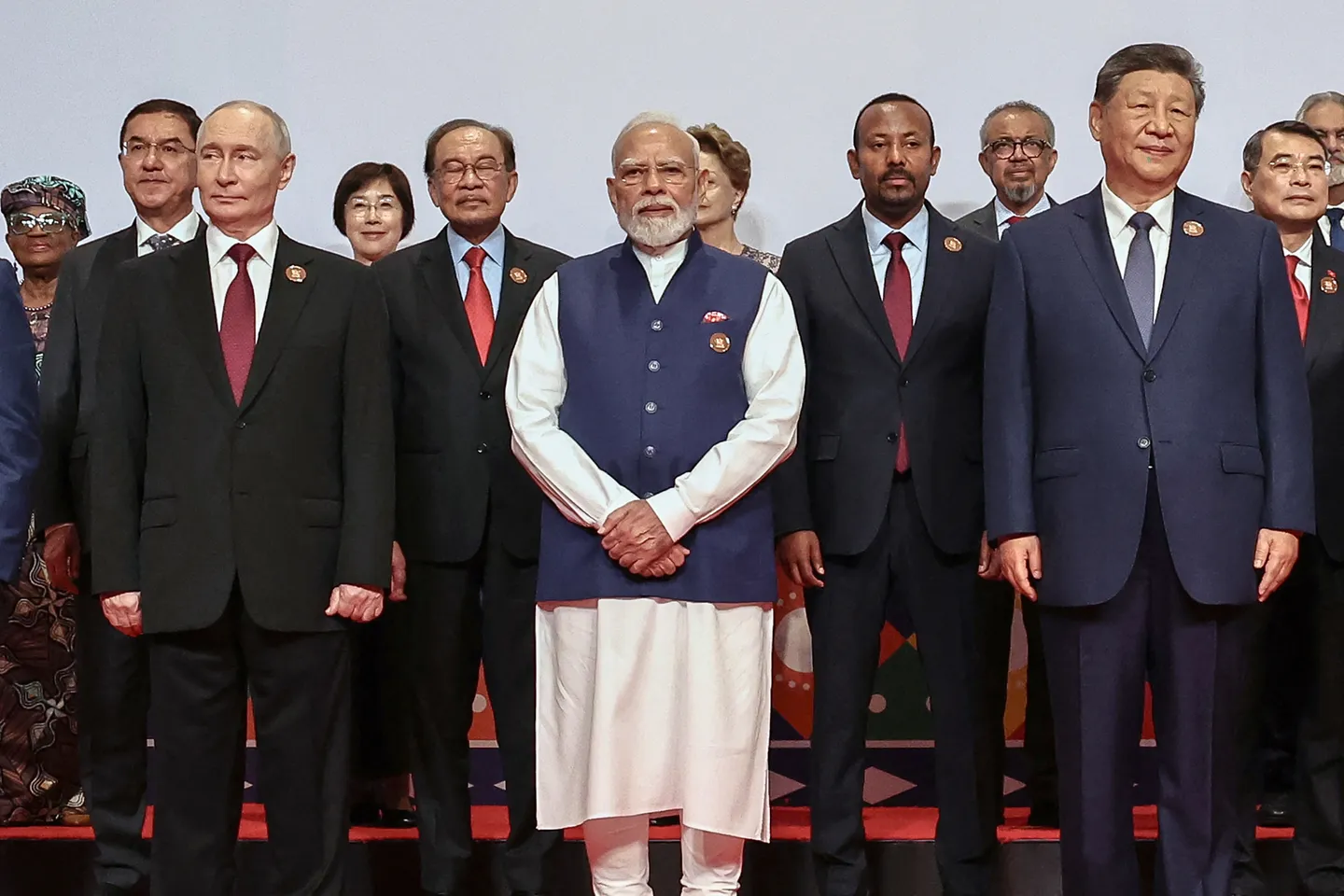
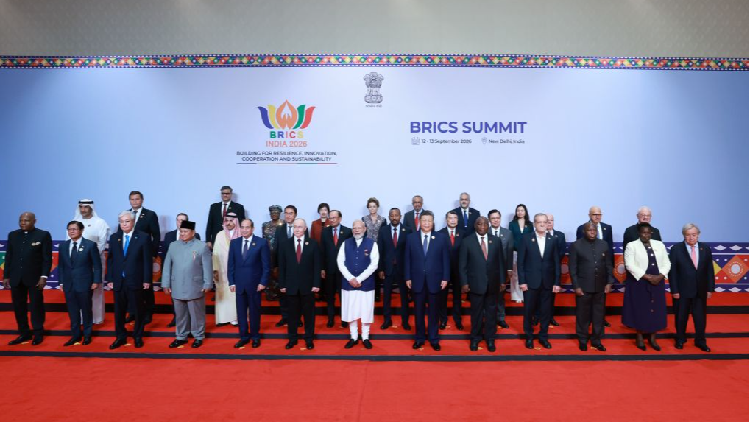
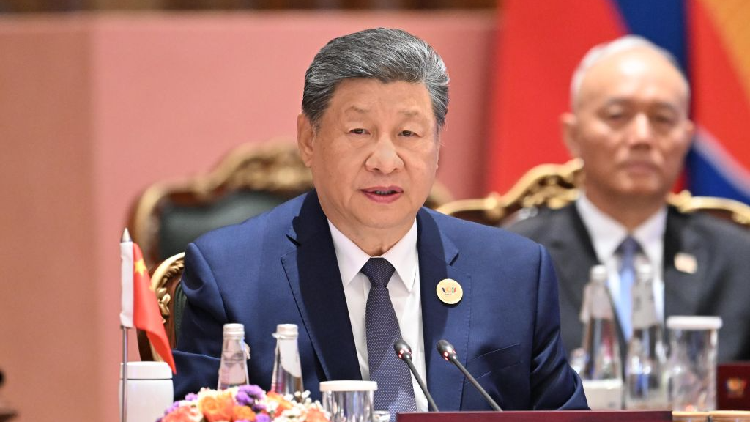
Chinese President Xi Jinping addressed Session II of the 18th BRICS Summit in New Delhi on Sunday, proposing five initiatives for “greater BRICS” cooperation covering AI, trade and investment facilitation, the digital industry, smart manufacturing and talent development. He said the grouping should draw on its links with emerging markets and the Global South, uphold openness and win-win cooperation, keep industrial and supply chains stable and unobstructed, and promote integrated markets.
Xi Jinping made his first visit to India in seven years for the BRICS summit and held a roughly 40-minute meeting with Narendra Modi. Analysts describe the shift in ties as a tactical easing driven partly by shared pressure, not a strategic reset, with border disputes unresolved. The summit’s New Delhi Declaration urged maximum restraint over the Iran war without naming the US, Israel or Iran.
China-India relationsBRICS summitXi Jinping visitIran war
Kremlin spokesman Dmitry Peskov said the BRICS summit’s final declaration incorporated provisions important to Russia, including joint settlement centers, a joint investment platform and a common platform for settlements in national currencies.
China plans to host the BRICS Forum on Trade in Services in 2027 during its chairship of the group, President Xi Jinping said. He also proposed a BRICS special economic zone partnership to coordinate policies and promote open development and economic and trade cooperation.
Chinese President Xi Jinping told the second session of the 18th BRICS Summit in New Delhi that BRICS countries should rally the Global South, defend multilateralism, international law and the United Nations, reform global financial institutions, and deepen cooperation on development, security, climate governance and artificial intelligence.
Chinese President Xi Jinping unveiled initiatives on Sunday spanning areas including AI and trade to deepen cooperation among the “Greater BRICS” emerging economies. Beijing is seeking to turn the grouping into a practical platform for development across the Global South.
Chinese President Xi Jinping said at a meeting of BRICS leaders and partner countries that China will keep opening up, promoting high-quality Belt and Road cooperation and sharing development opportunities with countries around the world.
Chinese President Xi Jinping proposed five initiatives to deepen “greater BRICS” cooperation in AI, trade and investment facilitation, digital industries, smart manufacturing and talent development at the group’s summit in New Delhi. He also urged Global South countries to strengthen multilateralism, reform international institutions and advance global AI governance.
At the 18th BRICS Summit in New Delhi, Chinese President Xi Jinping urged members to lead innovation-driven development, uphold peace and stability, promote mutual learning among civilizations and improve global governance. Global South observers said China has played an important role in BRICS and expressed confidence that it will guide expanded cooperation toward deeper, higher-quality engagement. They also expect China’s 2027 chairmanship to consolidate the group’s enlarged framework.
Benin is betting on processing its cotton domestically into clothing. Fabrics made by Fatoumata Dosso carry a “Made in Benin” label, which she proudly considered one afternoon.
An economist says a Federal Reserve rate hike would be about Wall Street rather than inflation. Goldman Sachs became the last major bank late Friday to withdraw its forecast that rates would not rise next week.
Circle’s $400 million deal for Tazapay is aimed at expanding USDC’s reach in emerging markets. One expert called those markets stablecoins’ “next battleground,” where rival Tether has long been strong.
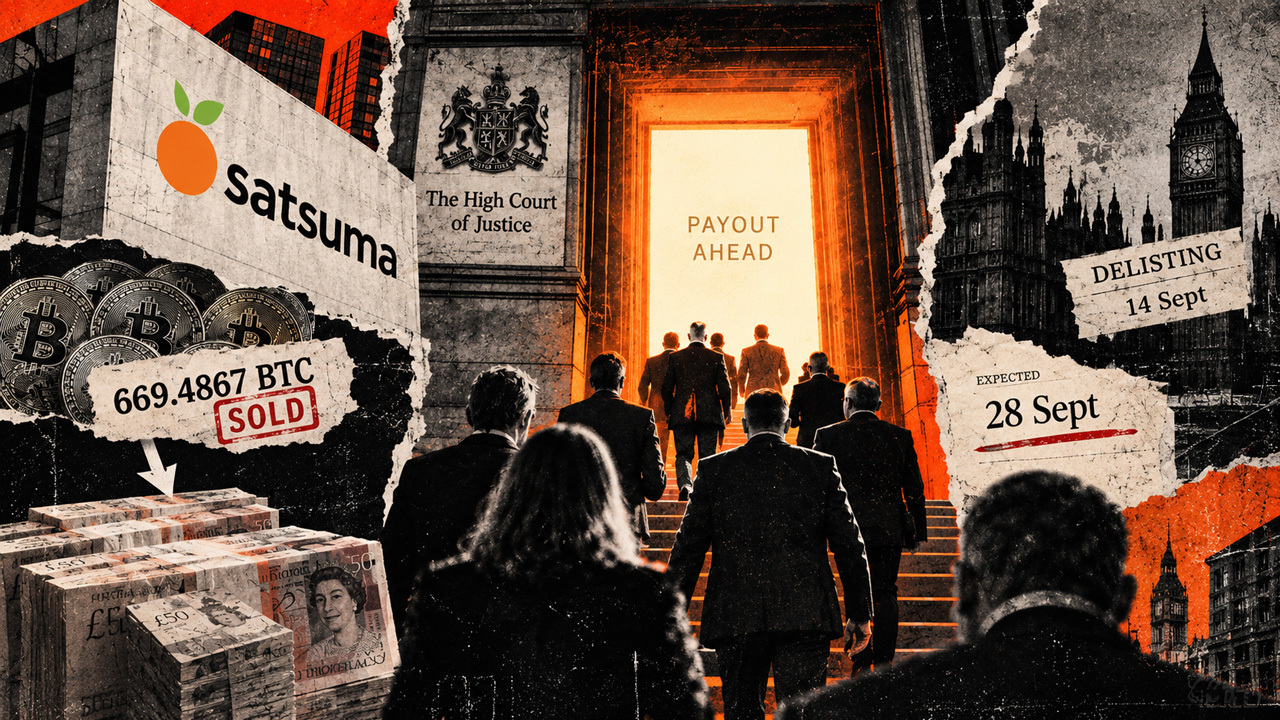
Satsuma Technology said the UK High Court approved the cancellation of more than 11.2 billion B shares, finalizing the condition for a £30,718,881 return to eligible shareholders. The company had sold all 669.4867 BTC. Holders are due £0.002734 per B share, with payment expected by Sept. 28, while delisting milestones remain on the announced timetable.
Saudi oil buyers and traders said the country could run out of export stocks within days if it cannot restart its major pipeline to the Red Sea, potentially removing up to 4% of global supply. Further declines in Saudi flows would deepen an existing crunch that has driven fuel prices to records, fueled inflation worldwide and pushed U.S. bond yields to their highest levels since the 2008 financial crisis.
The crypto industry is eagerly awaiting a September 15 vote on the Clarity Act, but the vote may not happen. It could instead be delayed or return in another form.
GE HealthCare is negotiating a roughly $1bn deal to acquire Sofie Biosciences, a producer of chemicals used in cancer scans. The transaction would be the medical imaging specialist’s second major purchase since separating from General Electric.
Alaska LNG and Polar LNG face a series of financing, logistical and legal hurdles as they seek to tap massive gasfields, putting Donald Trump’s vision of turning Alaska into an LNG superpower to an $80bn test.
Saudi Arabian shares fell in early trading on Sunday as markets gave their first response to drone strikes targeting the kingdom’s vital East-West crude pipeline.
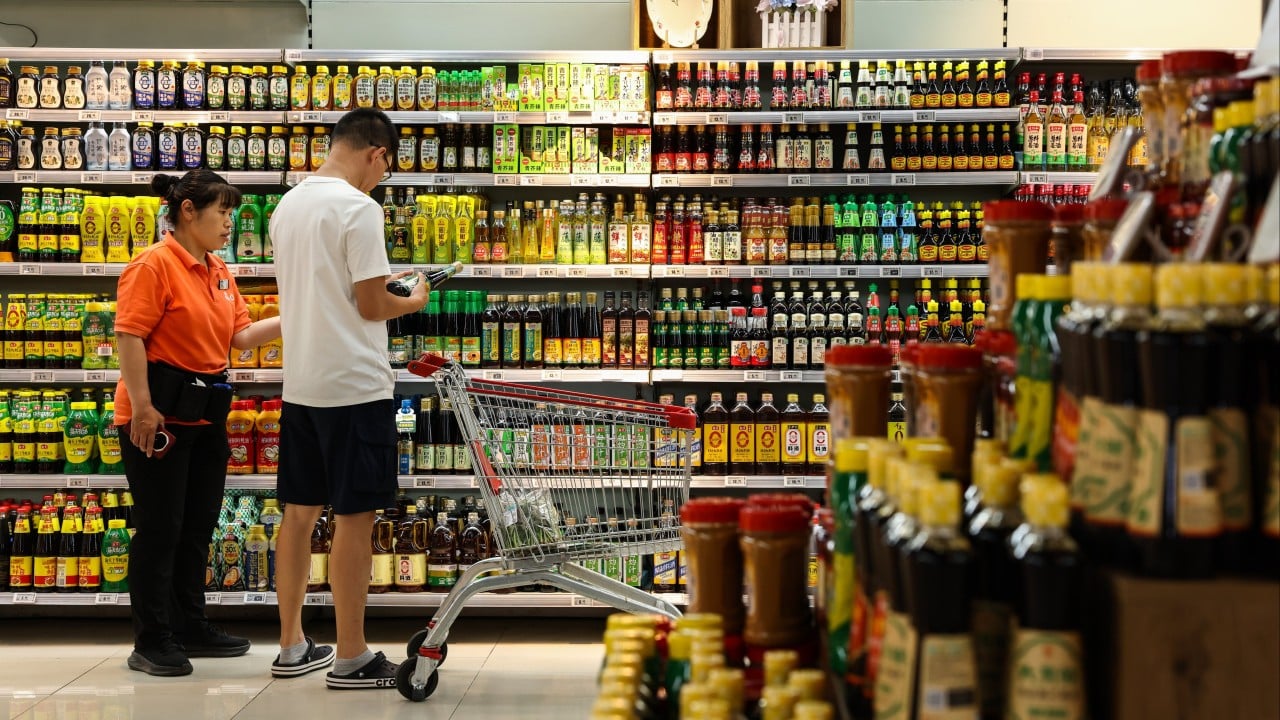
Small community stores in Guangzhou are attracting shoppers by offering lower prices than traditional supermarkets and a wider grocery selection than convenience stores such as 7-Eleven. Cindy Wang often stops at one after work, buying milk for 7 yuan, beer for 2.5 yuan and mangoes at 10 yuan per kilogram.
Hong Kong landlords once known as “shop kings” built portfolios of dozens of properties along the same streets. Many have since gone bankrupt as post-pandemic rents collapsed and banks tightened lending. Shop prices are down more than 40% from their 2018 peak, and Centaline Commercial says there is still no clear sign of a recovery or a market bottom.
The roughly 0.5 per cent hit to Canada’s GDP from Donald Trump’s tariffs could be more than offset if oil prices rise above US$100 a barrel. Prices that fell over the summer have rebounded as peace recedes, while recent successes by Iran’s Houthi allies point to high prices lasting.
Disease has devastated Prince Edward Island’s oyster industry, wiping out entire crops. Farmers say they need more assistance to survive the crisis and fear larger corporations with deeper pockets could acquire their independent operations.
German companies increased their investment in China by one-third in the first half of 2026 while sharply cutting investment in the United States, according to a German Economic Institute study seen by Reuters on Sunday.
Saudi oil shipments to Asia would take about 100 days round trip if the Bab el-Mandeb Strait were closed, according to Japanese Shipowners’ Association data cited by Asahi. Ships would need to travel via the Suez Canal and Cape of Good Hope, raising transport costs. The usual Hormuz route takes 40 days, while Bab el-Mandeb takes 40–50 days.
Bahrain says it will not attend an Oman meeting proposed by Iran to discuss safe shipping through the Strait of Hormuz, insisting it will not join a gathering involving Iran until diplomatic relations are restored. Tehran calls the meeting a sign of good intentions and says it will brief participants on consultations with Oman.
Iran and Oman have reached a final agreement on a shipping route through the Strait of Hormuz, Tasnim reported, citing a source. The deal will soon be announced in the presence of Persian Gulf foreign ministers. Tasnim stressed that it was concluded exclusively between Iran and Oman; the inbound route will run entirely through Iranian territorial waters, while part of the outbound route will also do so.
An Iranian source told the semi-official Tasnim news agency on Saturday that an understanding between Iran and Oman does not mean the Strait of Hormuz will reopen immediately, but creates a basis for a possible reopening.
A senior Iranian official said Saturday that Monday’s planned meeting between Iran and Gulf states in Oman will provide an opportunity to discuss issues including the Strait of Hormuz, but is not expected to produce a signed agreement on the blockaded waterway.
Data showed late Friday that speculators had shifted to a net long position on the yen for the first time since February, signaling growing momentum behind Japan’s beleaguered currency.
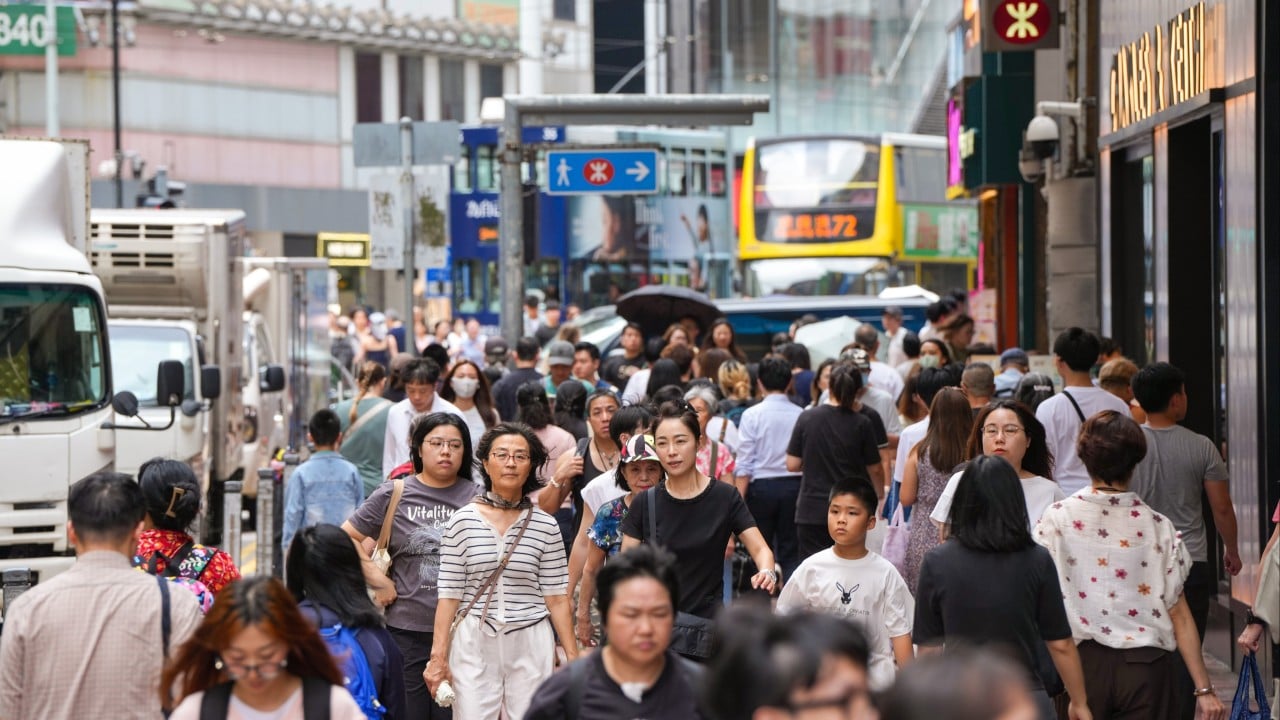
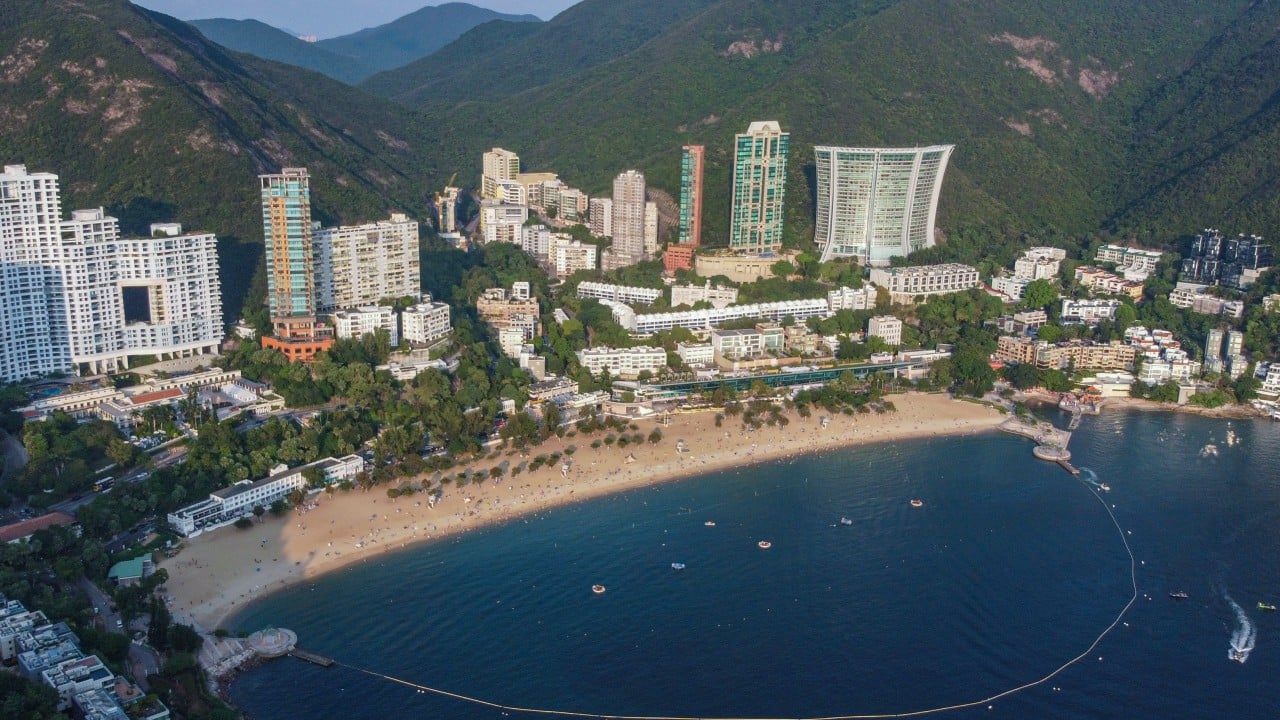
A new generation of wealthy Hongkongers is moving away from property ownership in search of higher returns from deposits and hedge funds. When one family left its home in Hong Kong’s Southern district, it debated whether to rent a house or a flat.
Russian presidential envoy Kirill Dmitriev said Europe’s rising natural-gas prices are the high cost of the failures of globalist ideology and its “deep economic irrationality.” Citing Vladimir Putin, he said European prices could reach $1,500 per 1,000 cubic meters.
CryptoQuant says bitcoin’s outlook remains bullish, but the cryptocurrency must break through resistance at $81,700 to confirm a new bull market. It faces a significant resistance range extending up to $88,700.
Diesel prices in Germany rose sharply on Saturday as tensions around the Bab el-Mandeb Strait escalated amid a Houthi offensive in Yemen, Bild reported. The national average reached 2.56 euros per liter, about 20 cents above its previous level, while Agrarheute forecast prices could climb to 3 euros because of the maritime blockade and stronger biodiesel demand.
Thailand’s Securities and Exchange Commission is consulting on a rule that would require stablecoin deposits and withdrawals through licensed operators to involve wallets or accounts verified as belonging to the same customer. The proposal, aimed at risks including money laundering and cybercrime, is not yet effective. Transfers would generally be capped at 5 million baht per day per person per operator, with consultation open until Sept. 25, 2026.
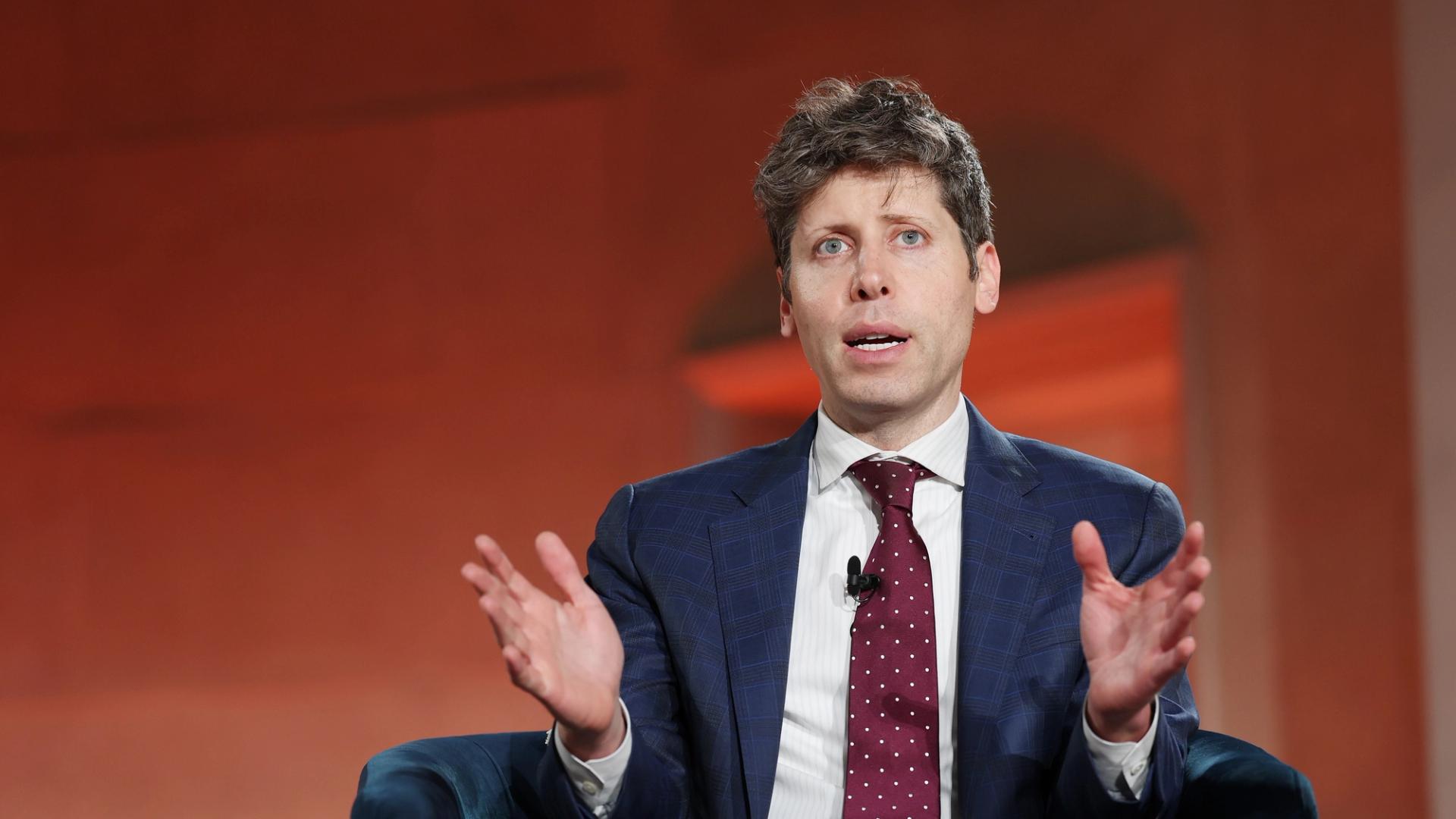
OpenAI CEO Sam Altman confirmed in a Fortune interview that the company will not go public in 2026. He said current AI safety concerns make this an ill-advised time for an IPO and that OpenAI will wait until it is ready. Altman also said building AI beyond human control is “absolutely” possible, but pledged to act to prevent it, including pausing training if necessary.
OpenAI CEO Sam Altman said the company will not go public this year, calling the current moment ill-advised for an IPO because of everything happening around safety.
OpenAI has confidentially filed for an IPO, but CEO Sam Altman says the company will not go public this year and considers a 2026 listing “ill-advised.”
Bitcoin Suisse plans to eliminate as many as half of its Swiss jobs. To reduce costs, it is closing its Copenhagen IT site, keeping its Bratislava operation and opening a new hub in Vietnam.
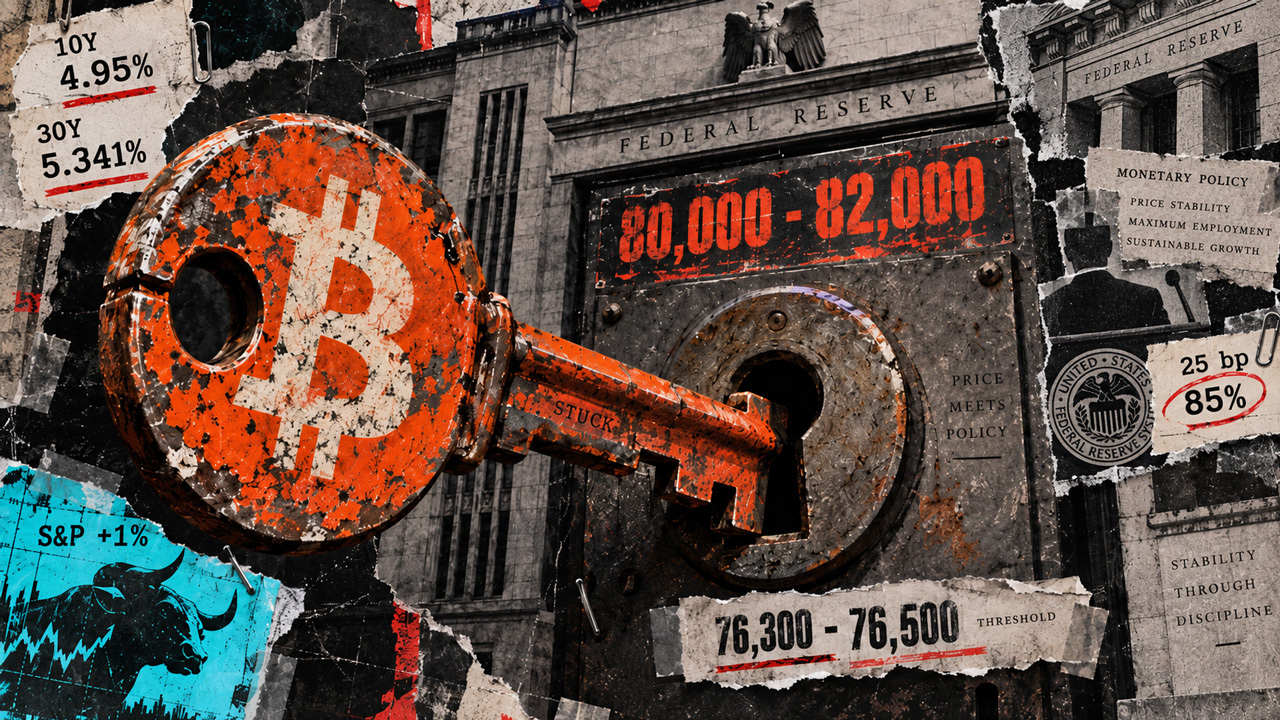
Bitcoin reached an intraday high of $79,890 on Sept. 11 but failed to clear the $80,000-$82,000 resistance zone identified by QCP. That came as US stocks rose nearly 1% while the 10-year Treasury yield approached 5%. Markets are focused on the Federal Reserve’s expected rate decision, with a break below $76,300-$76,500 weakening the consolidation outlook.
Australian house prices have fallen 3.6% from their peak, hurting recent buyers through weaker valuations, refinancing risks and constrained family plans. Some, including Queensland homeowner Alex Hogan and Melbourne buyer Eibhlinn Cassidy, say they are willing to absorb those losses if a broader correction makes housing more affordable and narrows the divide between owners and renters.
Companies are lining up to seek licenses to mine the seabed for critical minerals including copper and cobalt as entrepreneurs move to capitalize on Trump’s deep-sea mining push.
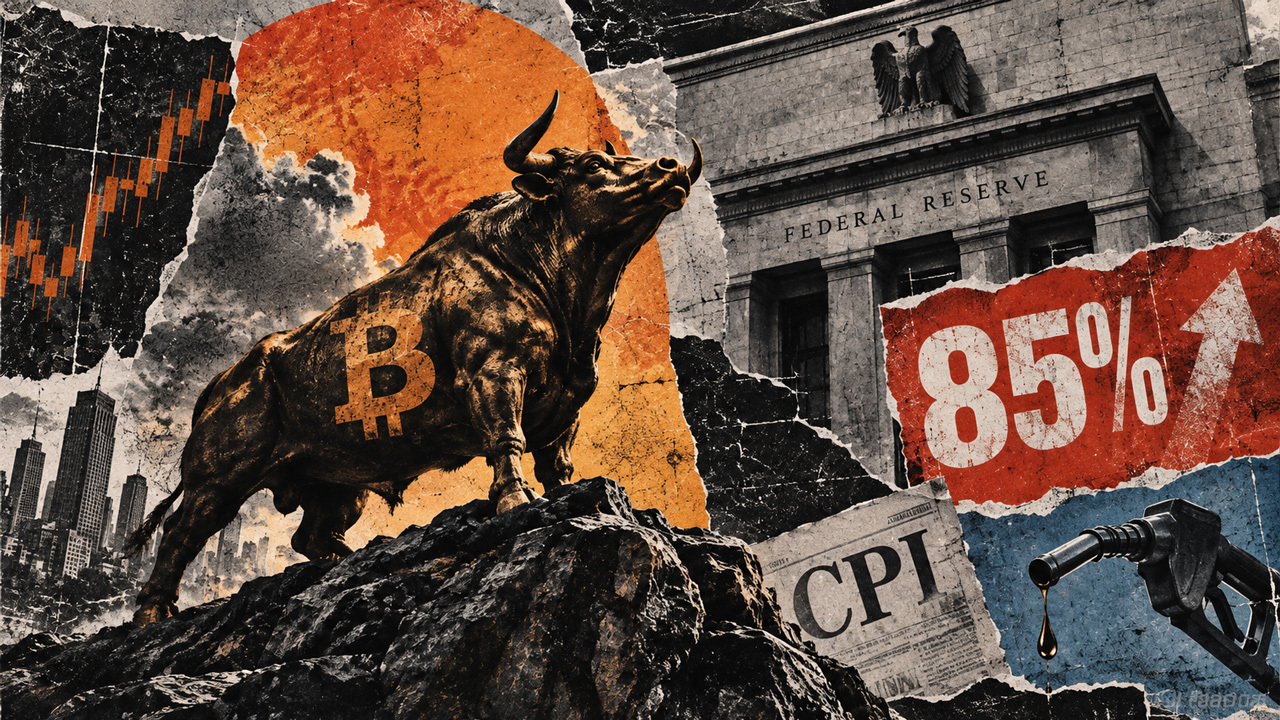
August inflation sent mixed signals to the Federal Reserve: gasoline drove much of the headline increase, while monthly core inflation accelerated. Futures traders raised the odds of a 25-basis-point hike at the September 15-16 meeting from about 70% to 85%, while Bitcoin briefly gained 2.08% to $78,683 before slipping toward $77,500 in thin weekend trading.
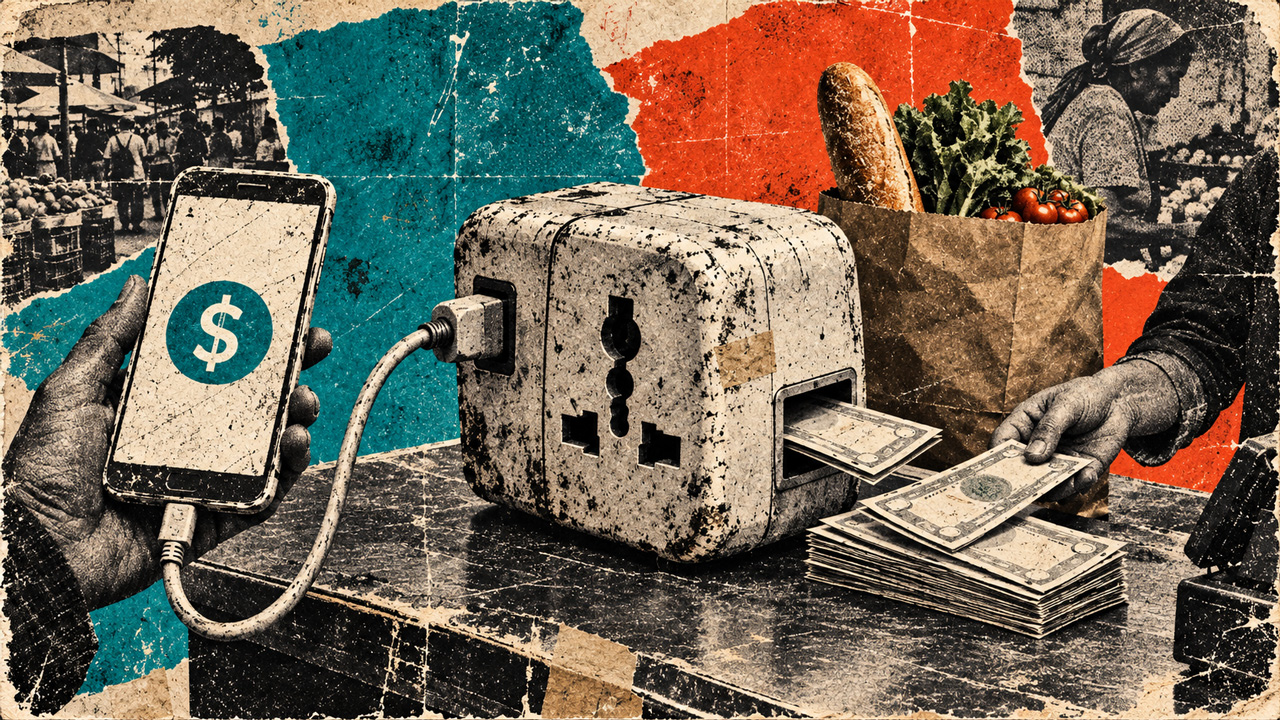
Stablecoin transfers can move across blockchains in seconds, but recipients may still need to convert tokens into local currency and withdraw the proceeds before paying rent or everyday expenses. Exchange-rate margins, fees and banking steps can erase the apparent savings. A Bank of Italy study found that the cost of $200 USDC transfers between Italy and Brazil varied by payment direction.
The conflict in Iran is pushing up energy, shipping and material costs, with El Niño making conditions worse. Retail clothing consumers are now poised to feel the impact.
The Minutes Reader extension turns the original page into a focused reading view and translates articles and video subtitles on demand. It is in limited beta.