Kyrgyzstan and Pakistan aim to raise bilateral trade to $200M
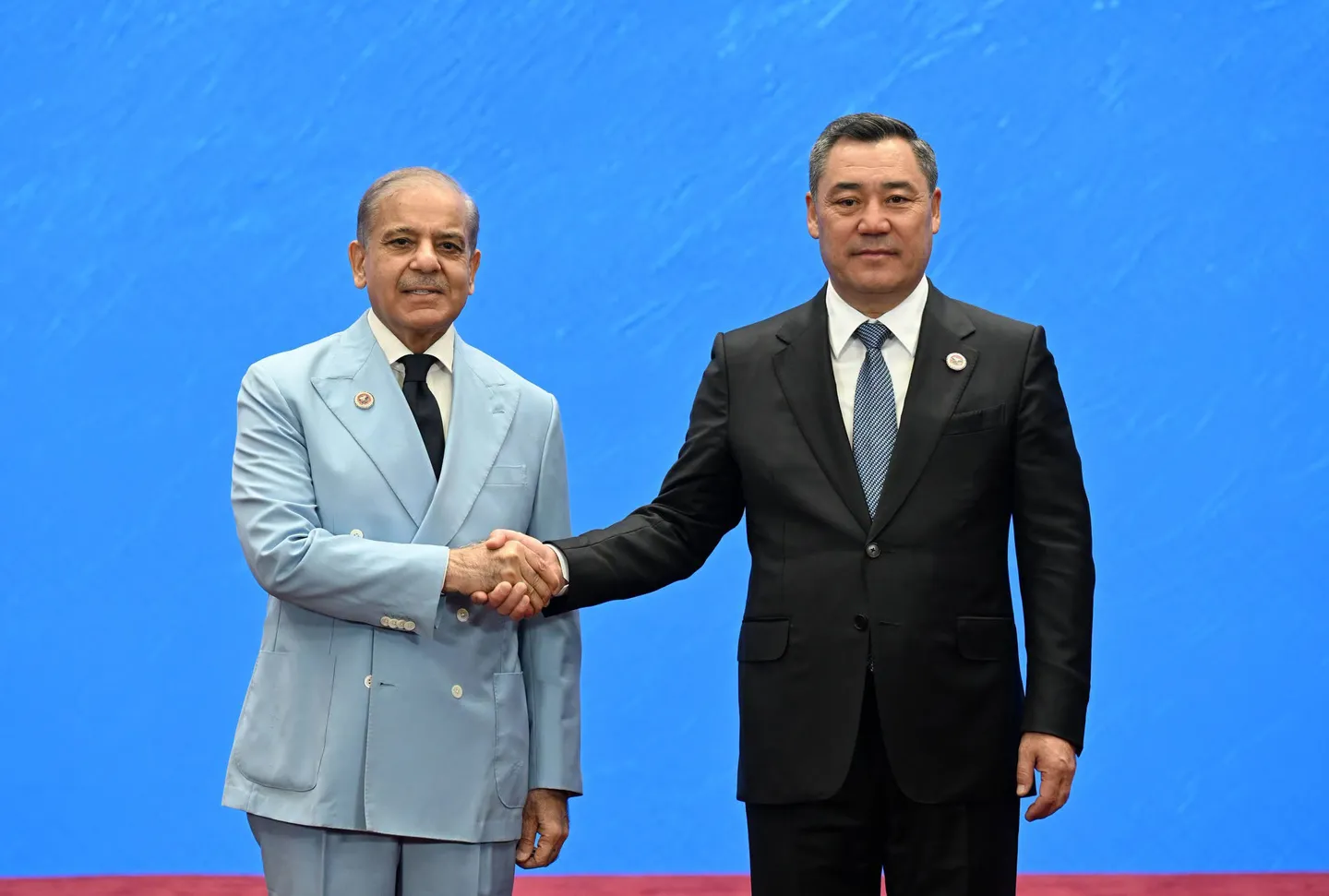
Kyrgyz President Sadyr Japarov met Pakistani Prime Minister Shehbaz Sharif in Bishkek as the two countries seek to increase bilateral trade to $200 million.

Kyrgyz President Sadyr Japarov met Pakistani Prime Minister Shehbaz Sharif in Bishkek as the two countries seek to increase bilateral trade to $200 million.

Iraq increased oil exports in August, with September shipments also expected to rise. Industry sources and shipping data indicate that strong margins and Iran’s approval for the tankers to pass through the Strait of Hormuz have encouraged buyers.
The U.S.-Canada trade dispute and its slide into retaliatory tariffs have made the Bank of Canada’s task more difficult as it prepares to announce its interest rate decision on Wednesday.

Strategy CEO Phong Le defended the company’s decision to sell bitcoin at $60,000 and later buy it back at $80,000, pointing to corporate capital costs.

Utility tariffs will rise again in October after a January increase, marking the first double hike in four years. The central bank says the move will drive annual inflation further above its 4% target as the economy faces pressure from war costs, sanctions and a 21% key interest rate.
Rosatom plans to raise freight traffic along the Northern Sea Route above 100 million metric tons around 2030-2032, CEO Alexey Likhachev said. He said the optimistic target would help make the project economically viable and support further infrastructure development.
Russian Deputy Foreign Minister Alexander Grushko says container shipping along the Northern Sea Route is expanding exponentially, not incrementally, as Russia’s partners show growing interest in the route. He said the first significant Asia-Europe container shipments began this year and their scale is expected to increase sharply.
Freight traffic along Russia’s Northern Sea Route reached 12.9 million metric tons in the first five months of 2026, up 13% from previous years, Deputy Minister Anton Basansky said. He added that transit freight traffic had also increased.
Europe imported about 9.1 billion cubic meters of LNG in August, among its lowest August volumes in five years, according to TASS calculations based on GIE data. Intense competition with Asia amid the Middle East crisis contributed to weaker flows, which were down 2.8% year-on-year in January-August 2026.
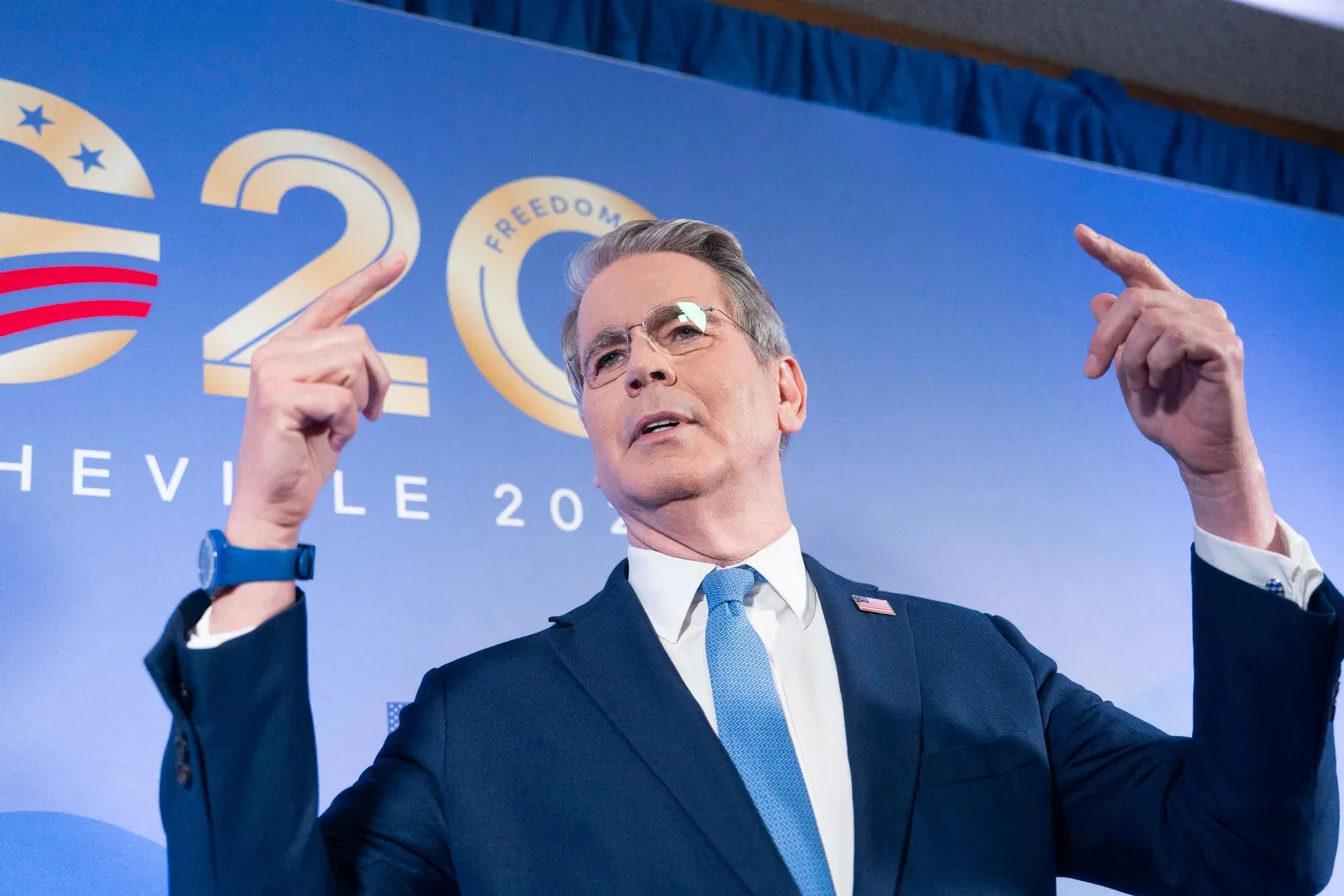
Treasury Secretary Scott Bessent said China blocked the Group of 20 from issuing a joint communique after finance ministers and central bank chiefs met this week, citing a dispute over China’s huge trade surplus.
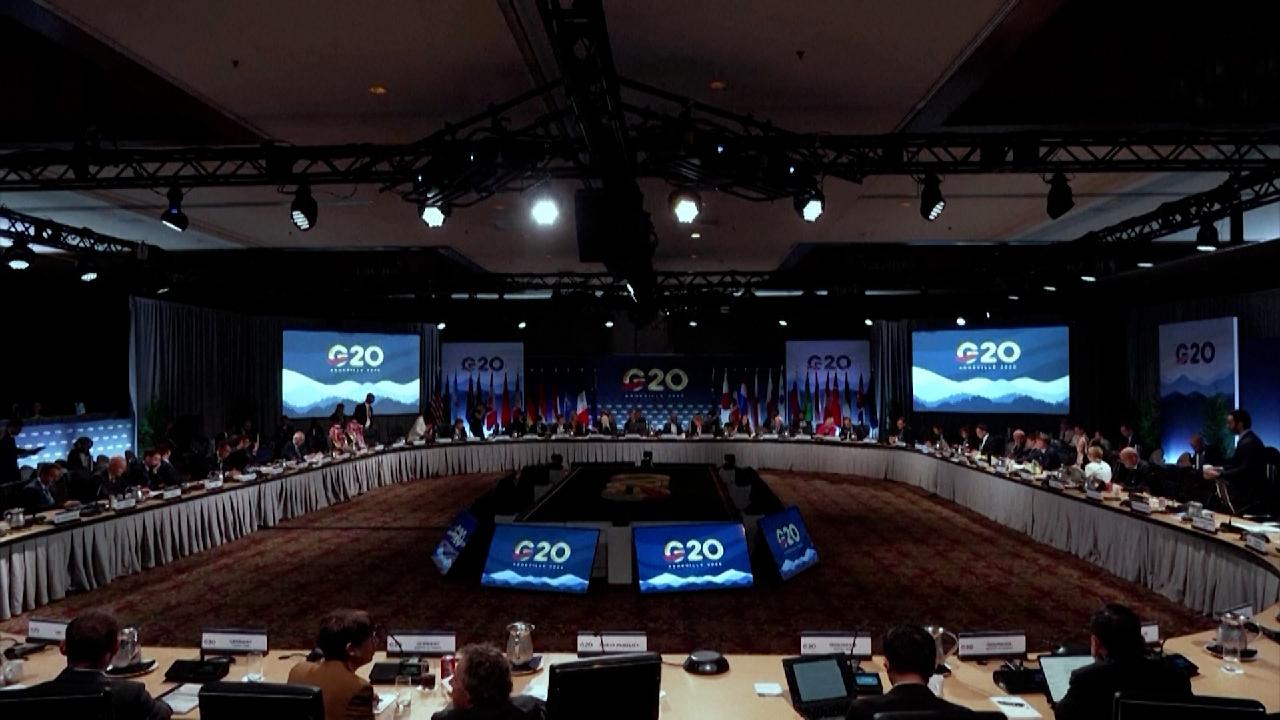
US President Donald Trump described the G20 finance ministers’ meeting in Asheville, North Carolina, as useful and positive, saying the discussions were “very productive and positive.” The meeting of finance ministers and central bank governors took place on August 31 and September 1. Trump also urged countries to follow the US lead by cutting taxes and regulations and boosting oil production.
US Treasury Secretary Scott Bessent said G20 finance ministers and central bank governors meeting in Asheville, North Carolina, failed to reach agreement on a joint communique. He attributed the lack of consensus to China’s position and said the United States, as chair, had prepared a final statement.

G20 finance leaders ended two days of talks in Asheville, North Carolina, with broad support for a final statement despite tensions over Russia’s participation and disagreements with China. US Treasury Secretary Scott Bessent said Moscow’s presence did not disrupt the discussions, which also covered the Middle East war, tariffs, global trade imbalances and continued support for Ukraine.

Scott Bessent said China dissented from language in a G20 statement opposing markets being flooded with “cheap exports.” He is leading the Trump administration’s plan to choke off Iran’s economy by threatening its business partners with secondary sanctions.

The two-day G20 Finance Ministers Meeting has ended in North Carolina, where participants sought broad agreement on global economic policies. A separate G20 technology forum held in the state at the same time focused particularly on artificial intelligence.

US Treasury Secretary Scott Bessent urged G20 members to follow the Trump administration’s approach of using tariffs and other measures to protect domestic industries and jobs from Chinese imports. He said trade distortions were draining global growth, while officials also discussed uncertainty from debt, inflation and tariff disputes. Economists and politicians have criticised US tariffs for raising consumer costs and straining allies.
Gansu's fresh apple exports rose 12.1% year on year to 320 million yuan in the first seven months of 2026, while apple juice exports increased 13.6% to 280 million yuan. Customs measures including green channels, digital inspections and compliance guidance are helping exporters speed clearance and meet international standards.
Cuba’s tourism industry has plunged as the United States intensifies pressure on the island this year. Official figures show visitor numbers fell 62% from January through July compared with the same period in 2025.
Russia’s Far East and Arctic Development Minister Alexey Chekunkov said the Transarctic Transport Corridor and Arctic Zone development project will need private investment alongside government infrastructure support. He said the state should build infrastructure, reduce risks, provide stable rules and help make complex, long-term projects economically viable rather than replace business funding.
More than 35 international container voyages are expected on the Northern Sea Route in 2026, up from 24 in 2025, Russian Far East and Arctic Development Minister Alexey Chekunkov said. Freight traffic is projected to reach about 40 million metric tons, with international carriers’ share continuing to grow as infrastructure develops.
Sweater-making hubs in Jiaxing, Zhejiang, are strengthening their international reach amid rising exports. Honghe produces 400 million sweaters a year for more than 50 countries and regions, while Puyuan is upgrading toward high-end knitwear and expanding overseas sales through an international trading platform.
China’s State Council Information Office held a press conference on China-ASEAN economic and trade cooperation and the upcoming expo and business summit. The 23rd China-ASEAN Expo will take place in Nanning from September 17 to 21, highlighting trade above $1 trillion and new cooperation opportunities created by AI.
A federation of European textile associations has called for a 10-euro import fee on fashion goods, seeking to curb ultra-cheap competition largely from China. University of Delaware professor Sheng Lu says it is unclear whether such measures would make companies like Shein change their business models, while retailers may also have to confront “consumer fatigue.”

The Bank of Russia has prolonged limits on foreign-currency cash withdrawals for six months, through March 9, 2027. It attributed the measure to sanctions that prevent domestic financial institutions from obtaining Western cash currencies. For accounts opened before March 9, 2022, the ceiling remains the balance then held, capped at $10,000 or the euro equivalent; remaining funds may be withdrawn in rubles.
Rakesh Mishra, CEO of India’s Y&H Cargo, said uncertainty surrounding the Middle East conflict has led many carriers to cancel Suez Canal services, pushing India to develop an eastern route. He said the Northern Sea Route offers shorter distances, lower logistics costs and faster delivery between Russian ports and Asian markets.
The Trump administration is pressing G20 members to agree on steps to reduce global trade and fiscal imbalances. A renewed sell-off in bond markets has revived concerns about rising debt and a return of inflationary pressure.
The Bank of Canada is expected to keep borrowing costs unchanged as an escalating trade war with the US threatens the economic recovery while increasing inflation risks, creating a new dilemma for Governor Macklem.
Bitcoin and gold are moving increasingly in tandem as the debasement trade gathers momentum. Bitcoin’s 90-day Pearson correlation with gold has reached an all-time high, while the Fear and Greed Index stands at 68.

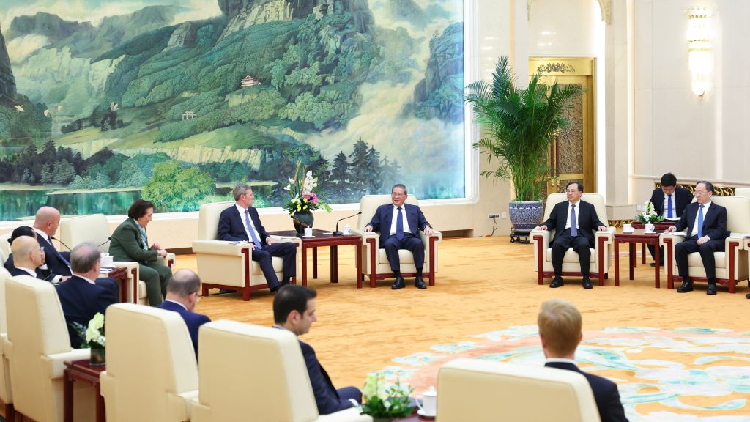
Premier Li Qiang told a US-China Business Council delegation in Beijing that China would address the reasonable concerns of US companies and protect a level playing field under the law. He urged Washington to act on China’s concerns and implement bilateral trade consultation results, while both sides expressed support for stronger cooperation and communication.

Premier Li Qiang said China will address the reasonable concerns of US companies operating in China and protect a level playing field under the law. Meeting the US-China Business Council delegation in Beijing, he urged Washington to take concrete steps on China’s concerns and implement the results of bilateral economic and trade consultations.

Russian President Vladimir Putin said trade turnover between Russia and Tajikistan rose 25.1% in 2025 and another 25% in the first half of this year. Tajikistan hosts 320 enterprises with Russian participation, while 96% of transactions are conducted in national currencies. The countries are pursuing a plan to increase mutual trade 2.5-fold by 2030.
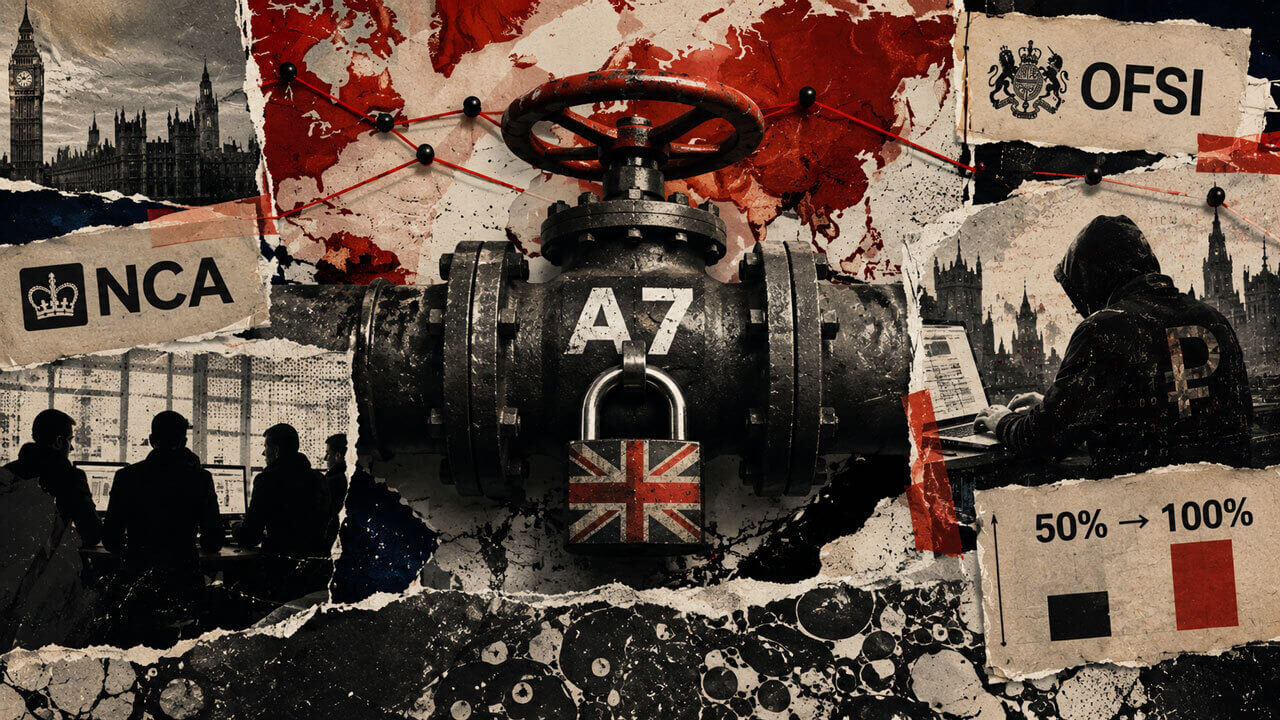
Britain is broadening enforcement of Russia sanctions to the payment routes used by sanctioned networks. The National Crime Agency issued its first nationwide alert on the A7 network, urging financial and crypto firms to scrutinize intermediary wallets, cross-border infrastructure and other evasion signals. A proposed law would raise civil penalties to £2 million or 100% of a breach’s value, but legislation is still required.

Rostec regional policy chief Dmitry Azarov said the corporation’s combat-tested weapons and military equipment are drawing strong demand worldwide. He added that arms exporter Rosoboronexport’s order portfolio is close to a record high.
The EU’s increasing reliance on Arctic resources is pushing Brussels to treat the region as an issue of economic security and supply-chain resilience. The shift could, however, harm the rights and living conditions of Indigenous and local communities.
Russia’s gas exports to Europe through the TurkStream pipeline rose 3.4% year on year to 11.9 billion cubic meters in January-August, according to TASS calculations based on ENTSOG data. August deliveries reached 1.61 bcm, up 6.5% from July and 3% from a year earlier, with the pipeline operating at 91% of capacity.
Rosatom’s logistics division plans to expand its operations to about 35 countries by 2030 and more than triple its commercial fleet capacity by 2035. Chief Executive Alexey Likhachev said the company expects to become one of the seven largest maritime carriers among BRICS nations while developing international services along the Northern Sea Route.
Chinese electric vehicle maker BYD posted higher global sales for a fourth consecutive month, with robust exports continuing to offset the effects of weak domestic demand.
Indonesia returned to a trade surplus in July after two months of deficits, with exports growing faster than expected. Analysts cautioned, however, that robust imports could still put pressure on the country’s external balance.
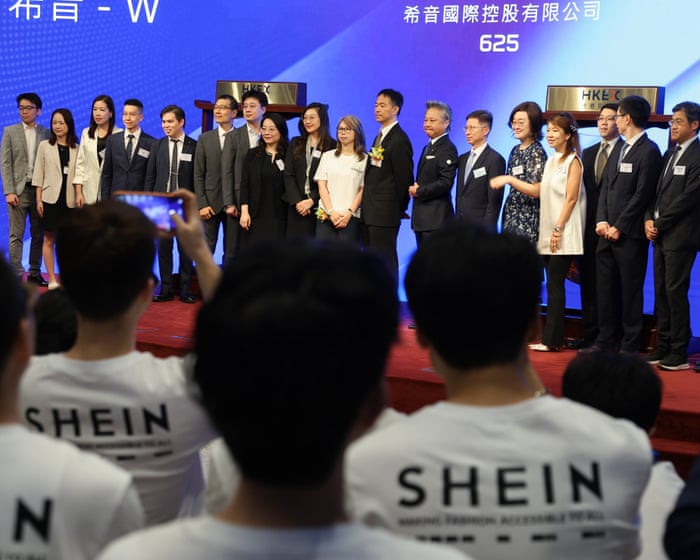
Fast-fashion retailer Shein fell on its Hong Kong trading debut as it faces stronger competition and the removal of tax breaks in key markets. Its shares briefly dropped as much as 10% before closing 0.1% below the IPO price at HK$48.50. The offering raised HK$13.6 billion and valued the company at about US$26 billion.


Shein shares fell as much as 10% after the China-founded, Singapore-headquartered fast-fashion retailer began trading in Hong Kong. Its HK$48.56 offer price valued the company at just over $26bn; shares ended at HK$46.62, down 4%. The weak debut followed failed US and UK listing plans amid forced-labour and supply-chain concerns, while regulatory changes threaten its low-value parcel business model.
Shein’s shares fell on their Hong Kong debut after the company’s unsuccessful attempts to list in New York and London. US tariffs and rising shipping costs are squeezing profits at the fast-fashion giant.
Shares in fast-fashion online retailer Shein fell after the company began trading on the Hong Kong stock exchange following a lengthy delay, with the debut spotlighting its China roots.

Fast-fashion giant Shein fell nearly 8% on its first trading day in Hong Kong on September 1. After unsuccessful attempts to list in the US and UK, the company is now valued at about a quarter of its peak and faces higher trade costs, tighter scrutiny and stronger competition.
China-founded global online fashion giant Shein made an underwhelming debut on the Hong Kong Stock Exchange, with its shares falling after a years-long effort to enter capital markets.

Fast-fashion giant Shein fell almost 8% on its first day of trading in Hong Kong after unsuccessful efforts to list in the US and UK. The offering raised HK$13.6bn and valued the company at $26.3bn, as labour, environmental and regulatory concerns, competition and trade tensions weigh on its prospects.
Fast-fashion retailer Shein’s shares fell 10% on their Hong Kong trading debut after the company completed its long-delayed initial public offering at a bargain-basement valuation.
Shein Global Holdings Ltd. shares dropped as much as 10% in their Hong Kong debut. The initial public offering had raised HK$13.6 billion, or $1.7 billion.

Fast-fashion giant Shein’s shares fell 7% as the company made its Hong Kong market debut on Tuesday, following years of attempts to go public.
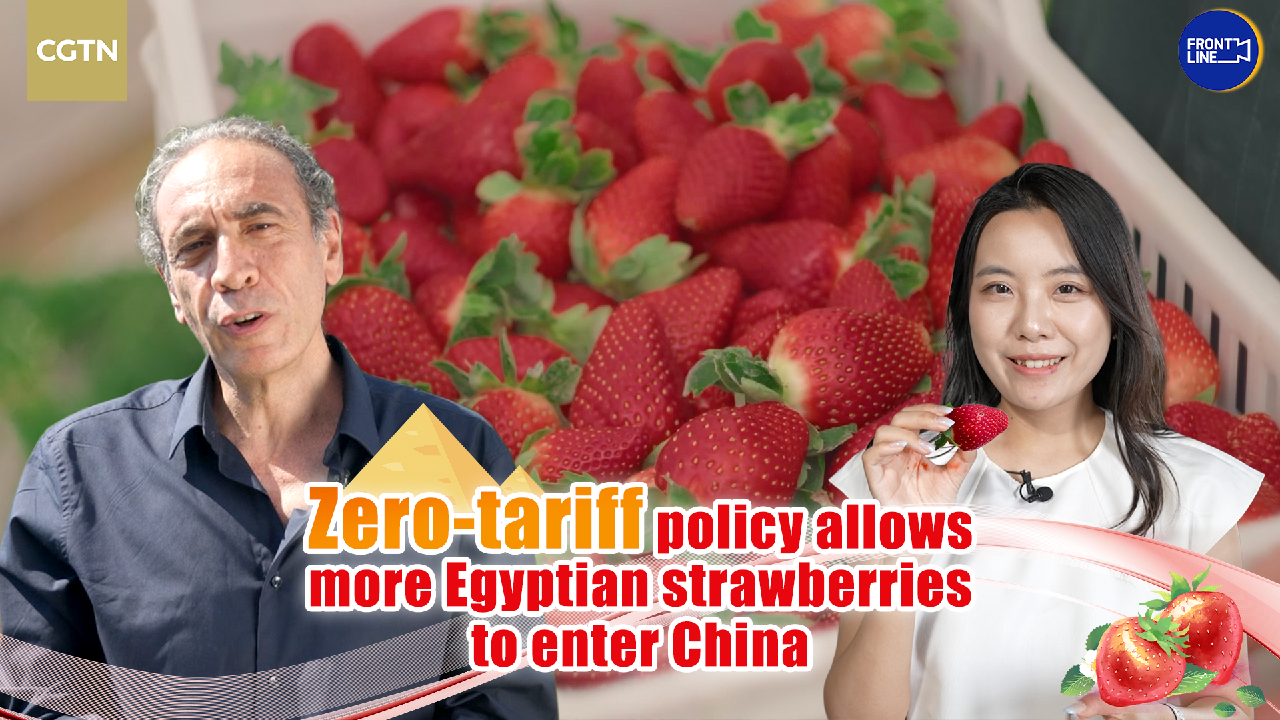
Egypt is a major exporter of frozen strawberries, and China is becoming an important buyer. Since May 1, 2026, China has eliminated tariffs on imports from Egypt, reducing the cost of accessing its market.

Former New Zealand agriculture minister and current National Patron of the New Zealand–China Friendship Society David Carter said China is New Zealand’s major market and that the relationship must be fostered and strengthened. He credited the free trade agreement with delivering immense benefits and is seeking to involve more young New Zealanders in engagement with China.
The 23rd China-ASEAN Expo will run from September 17 to 21 in Nanning, Guangxi, Vice Minister of Commerce Yan Dong said. It will promote development of the China-ASEAN Free Trade Area and showcase new bilateral economic and trade achievements. China-ASEAN trade exceeded $1 trillion in 2025, reaching $1.05 trillion.
The Trump administration says the US will form a private joint venture with North American Blue Energy Partners, owned by Venezuelan businessman Alejandro Betancourt. The Pentagon’s Office of Strategic Capital will hold 35 percent, while the US will be able to buy 20 percent of output at cost. Acting President Delcy Rodriguez is granting the company 100-year rights to 17 fields, and Betancourt has pledged $100bn for new oil infrastructure.

Analysts warn that the agreement involving 65bn barrels may fail to attract investment from US groups and could destabilise Venezuela’s interim president.
Analysts warn that the agreement may fail to attract investment from US companies and could destabilise Venezuela’s interim government.
An unprecedented arrangement giving the United States access to one-fifth of Venezuela’s oil reserves, along with a central role for a Venezuelan businessman, is causing questions and hesitation among some oil companies considering investments in the country, people familiar with the matter told Reuters.
The White House released on Monday the terms of a U.S.-Venezuela oil deal involving North American Blue Energy Partners.

The White House says Venezuela's interim authorities awarded North American Blue Energy Partners, which is backed by the United States, 100-year concessions covering 17 oil fields.
Venezuelan crude exports rebounded in August as US President Donald Trump’s administration moved to seek greater control over the country’s oil sector.

Donald Trump says Venezuela’s oil wealth, which he describes as being of “unbelievable value,” had remained dormant before a deal with the United States. He adds that US refineries are designed for Venezuelan heavy oil, calling heavy oil a good thing rather than a bad one.
The United States has expanded sanctions on Iran and indefinitely suspended education-related licences that allowed limited cooperation between US universities, individuals and Iranians. The measures affect academic exchanges, education services and overseas study testing, prompting many Iranians to say ordinary civilians are being unjustly cut off from the international community.

Iran’s central bank governor, Abdolnaser Hemmati, said on Tuesday that the country has adequate foreign-currency reserves despite U.S. sanctions. His comments followed Treasury Secretary Scott Bessent’s claim that Tehran was striking back because it was losing the economic war.
Mixed-load public-block trains on the Chengdu southern route of the China-Europe Railway Express now run regularly, with three to four departures a month. The service crosses Kazakhstan and the Caspian Sea after leaving China through Khorgos, reaches Georgia, and links with cities including Baku and Izmir.
The Iran war has changed how cooking gas reaches millions across Asia and Africa. India has kept LPG flowing by reshaping supply routes and increasing domestic output, but the disruption has carried a cost.
A mayor in Toronto’s suburbs is wondering whether anyone can rescue an auto plant. An analyst says metals tariffs are merely “symbolic.”
China’s national railway network transported 76.103 million metric tons of cargo from Aug. 24 to 30, down 4.72% week on week, Ministry of Transport data showed. Highway freight, port throughput, container handling and civil aviation flights also declined, while parcel collection and deliveries increased.
Canada’s planned retaliation against US tariffs could shield some domestic manufacturers, but Oxford Economics says it would also raise costs and leave many industries worse off.
The European Union says it will suspend imports of Brazilian meat and other animal products from Thursday because of concerns that Brazil is not complying with EU rules on antibiotic use in livestock. The measure covers poultry, beef, eggs and honey, with no date given for resuming trade.

President Donald Trump made tariffs central to US economic policy from the beginning of his second term. After the Supreme Court invalidated broad import duties imposed under emergency powers, he turned to Section 122 of the Trade Act of 1974 to impose a flat 10% levy on imports. Those tariffs are time-limited and expired on July 24.
Wells Fargo analyst Timna Tanners called Canada’s latest retaliatory tariffs on U.S. steel and aluminum largely symbolic, arguing that the trade war has already made American metals too expensive to import.
Brazilian and U.S. officials held a virtual meeting on Monday to discuss tariffs imposed by the Trump administration and agreed to meet again at a later date, Brazil’s industry and trade ministry said.
The U.S. Trade Representative is seeking public input for its annual report to Congress on Russia’s compliance with World Trade Organization obligations. Written comments or requests to join an October 14 hearing are due by October 1, with feedback sought on trade, tariffs, controls, investment, intellectual property and procurement.
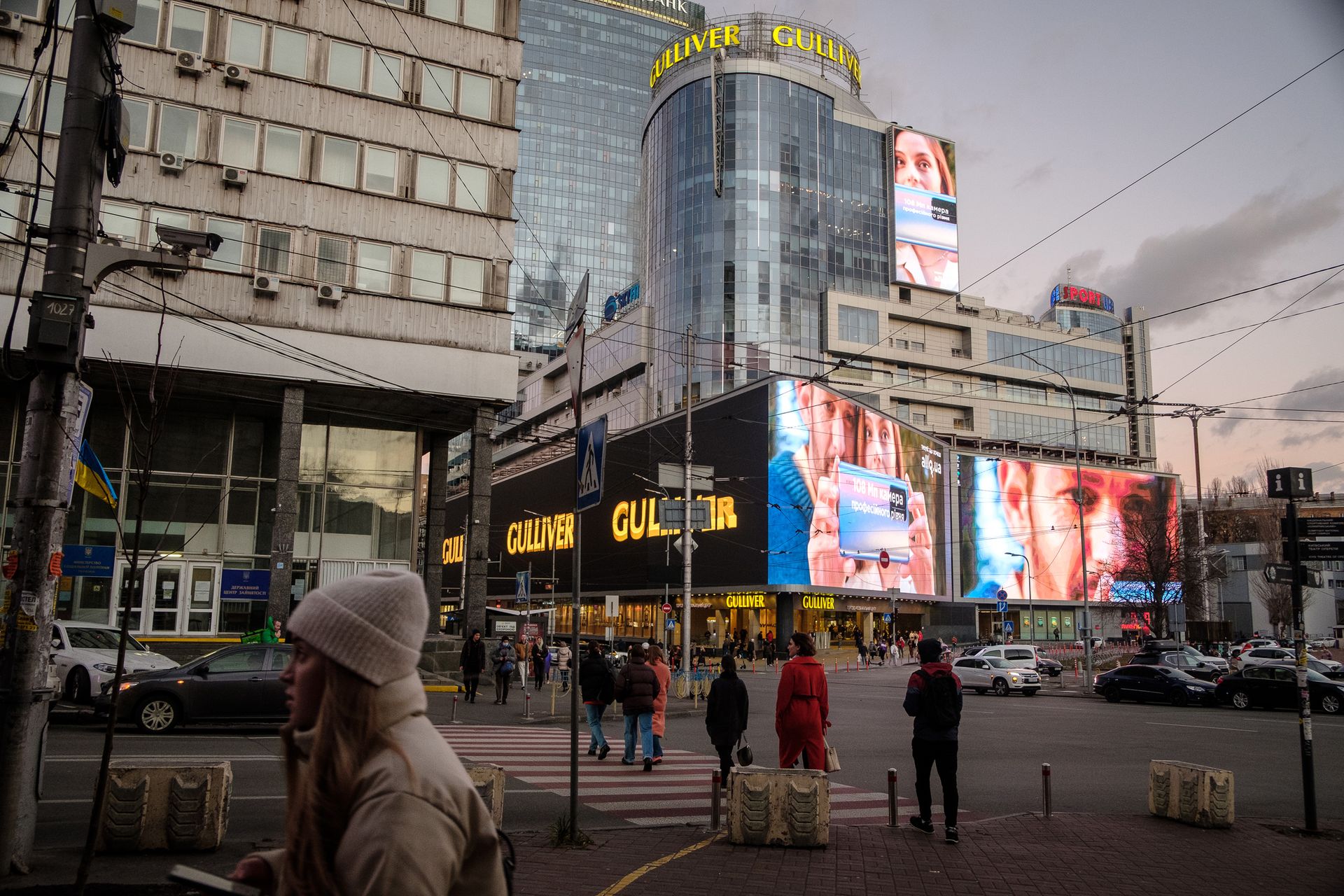
Kyiv’s Gulliver shopping and business center was officially listed for sale on Aug. 31 with a starting price of $207 million, a year after state-owned Oschadbank and Ukreximbank took it over from a sanctioned oligarch’s company. Kyiv business figures say the price may be too high amid Russia’s intensified attacks on Ukrainian businesses, and predict a failed auction could be followed by a lower-priced relaunch.

Mike Khouw says the stakes are high heading into Broadcom’s earnings report, while pointing to a trade he believes could be a winner.

US Treasury Secretary Scott Bessent says Iran is taking new US sanctions seriously and that its economy could collapse within weeks or months. He says the pressure campaign aims to push Tehran toward negotiations and signals that Washington may impose further sanctions each week. Markets have fallen amid rising US-Iran tensions.


US Treasury Secretary Bessent says Washington’s sanctions on Iran are intended to force Tehran to “come to the table.” He wants other countries to help isolate Iran and compel its capitulation in a war that has recently passed the six-month mark.
Ukraine’s agricultural exports fell 47.5% in August from July, dropping from 3.287 million tons to 1.726 million tons, according to the Ukrainian edition of Forbes. Wheat, corn and barley shipments declined 69.5%, while deliveries to Turkey fell 79%. The closure of the Greater Odessa ports has left alternative routes unable to offset the logistical losses.
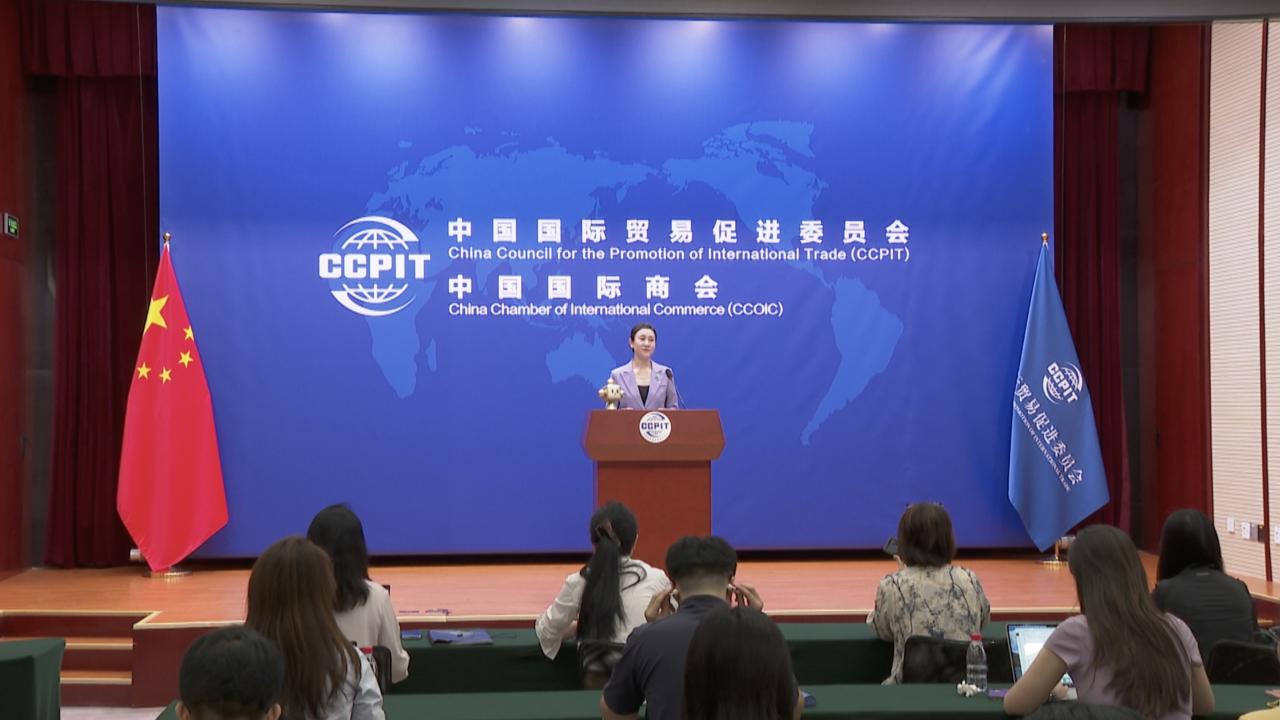
As the Shanghai Cooperation Organization marks its 25th anniversary, China is expanding trade and investment links with its members. The China Council for the Promotion of International Trade reported issuing 669,600 certificates of origin and 561 ATA Carnets from January to July, both up year on year. China and Kyrgyzstan also held a business and investment forum focused on trade, green energy, connectivity and the digital economy.


As the Shanghai Cooperation Organization marks its 25th anniversary, China is expanding trade and investment links with its members. The China Council for the Promotion of International Trade reported issuing 669,600 certificates of origin and 561 ATA Carnets from January to July, up 9.62% and 45.71% year on year. China and Kyrgyzstan also held a business and investment forum covering trade, green energy, connectivity and the digital economy.
Russia and Ukraine have intensified attacks on grain terminals in the Black Sea, disrupting exports as drought and hotter weather reduce wheat production. Chicago wheat futures reached a three-year high, while port disruptions, delayed shipments and higher transport costs have driven prices up and raised fears about global food security.

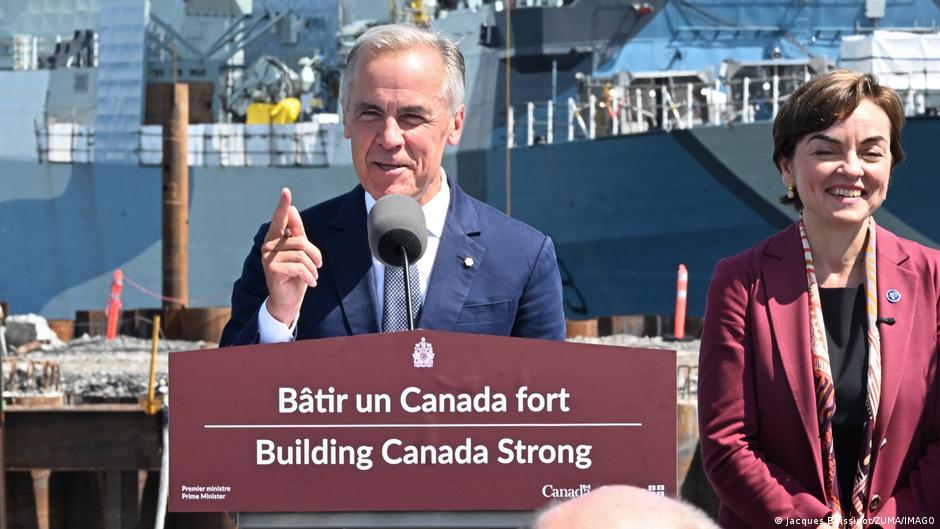
Canada faces new US import penalties after Prime Minister Mark Carney refused to match Washington’s tariffs on China. Following the collapse of talks, the US imposed 50% duties on about $20 billion of Canadian goods, while Ottawa pledged retaliation. Carney’s independent trade stance has broad public support as other governments watch the dispute become a test of economic sovereignty.

QatarEnergy has extended its latest LNG cancellations into early November as shipping disruptions through the Strait of Hormuz continue. Buyers in Europe and Asia are seeking replacement cargoes, switching fuels or cutting gas use, while the timeline for a return to normal remains unknown.
The benchmark Dutch TTF gas price climbed above €70 per megawatt-hour on Monday. Renewed fighting between the US and Iran has fuelled concerns that LNG exports from the Persian Gulf could face further delays.
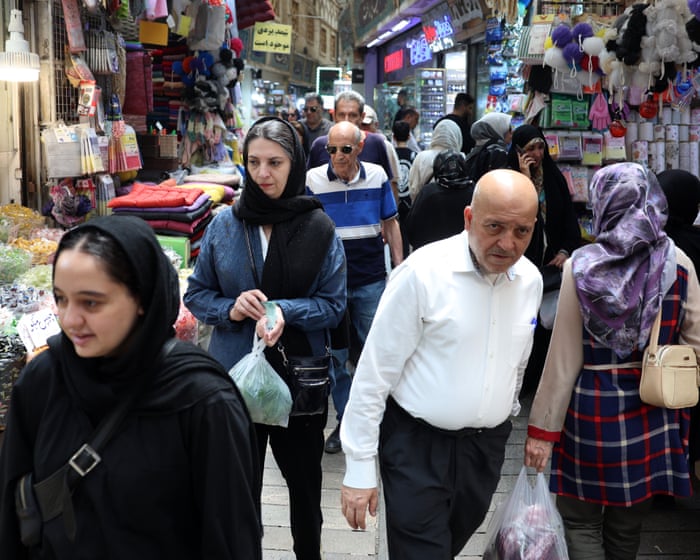
Donald Trump’s “Operation Economic Outcast” is expected to deepen poverty in Iran, where food prices are soaring, the rial is collapsing and foreign-exchange reserves are scarce. Fuel shortages have closed petrol stations and created long queues, while families cut back on food, patch up clothing and delay medical care. Officials fear worsening conditions could trigger social chaos.

The war on Iran has disrupted imports and driven up demand for recycled materials from Cairo’s Zabaleen waste-sorting area. Yet higher costs and new competitors mean traditional recyclers are not necessarily benefiting more.

Market participants say China is slowing the yuan’s prolonged rally and is likely to keep additional gains to a minimum this year, as authorities intervene to support exporters. Weak domestic demand is adding to concerns over the outlook.
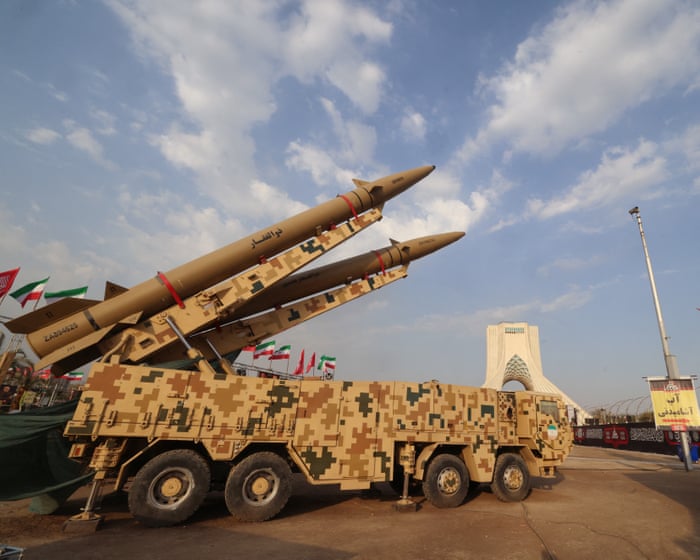
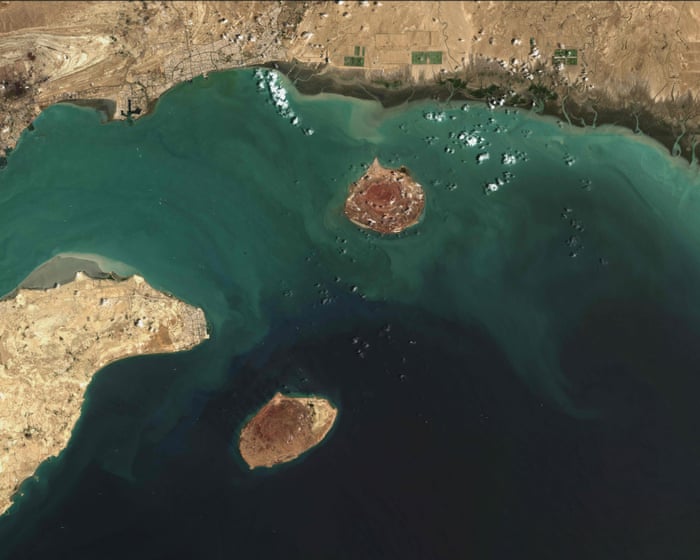
President Masoud Pezeshkian said Iran remains committed to a diplomatic settlement with the United States, arguing that continuing the war serves neither Iran, the region nor humanity. He accused forces in the US of seeking to escalate tensions for advantage. The statement follows reports of a US strike on two missile launchers on Iran’s Larak Island and subsequent Iranian attacks on US bases in Jordan and the UAE.

Six months after the US and Israel launched their war on Iran, disruption from the conflict continues to spread through the global economy. Airlines and carmakers have suffered, while energy companies, banks and arms manufacturers have benefited from soaring oil prices and increased military spending. The war’s US budgetary cost could ultimately reach $1 trillion, an estimate far above the Pentagon’s short-term figure.
A Euronews Farsi exclusive reports that a reinstated US naval blockade is paralysing Iran’s trade, driving inflation to 70% and forcing families into survival mode. Iranians describe a worsening humanitarian crisis, from stranded cargo to increasingly empty tables.

The UAE says its air force intercepted a drone approaching over its territorial waters from Iran and dismissed as false reports that Al Menhad airbase had been attacked. The incident followed renewed US-Iran hostilities and overnight strikes on bases in the region.
U.S. stock futures edged lower on Monday after military clashes between the United States and Iran pushed oil prices higher. The move fueled inflation concerns and strengthened expectations for a more hawkish interest-rate outlook.

Iran attacked US military targets in the Middle East on Monday, retaliating for American strikes on an island in the Strait of Hormuz. It marked the first exchange of fire between the two sides in a month amid a war engulfing the region.

Iran attacked US military targets in the Middle East after the United States launched its first strikes on Iranian territory in a month, triggering a fresh flare-up in the war engulfing the region. Washington said its attacks sought to stop Iran from laying more sea mines in the strait, amid threats of new secondary economic sanctions.

Hostilities between the United States and Iran resumed after a month-long pause. Washington said Iran was preparing to deploy sea mines in the Strait of Hormuz, while Tehran retaliated by striking US military bases in Jordan. The US Treasury secretary also warned of further economic sanctions against banks doing business with Iran.

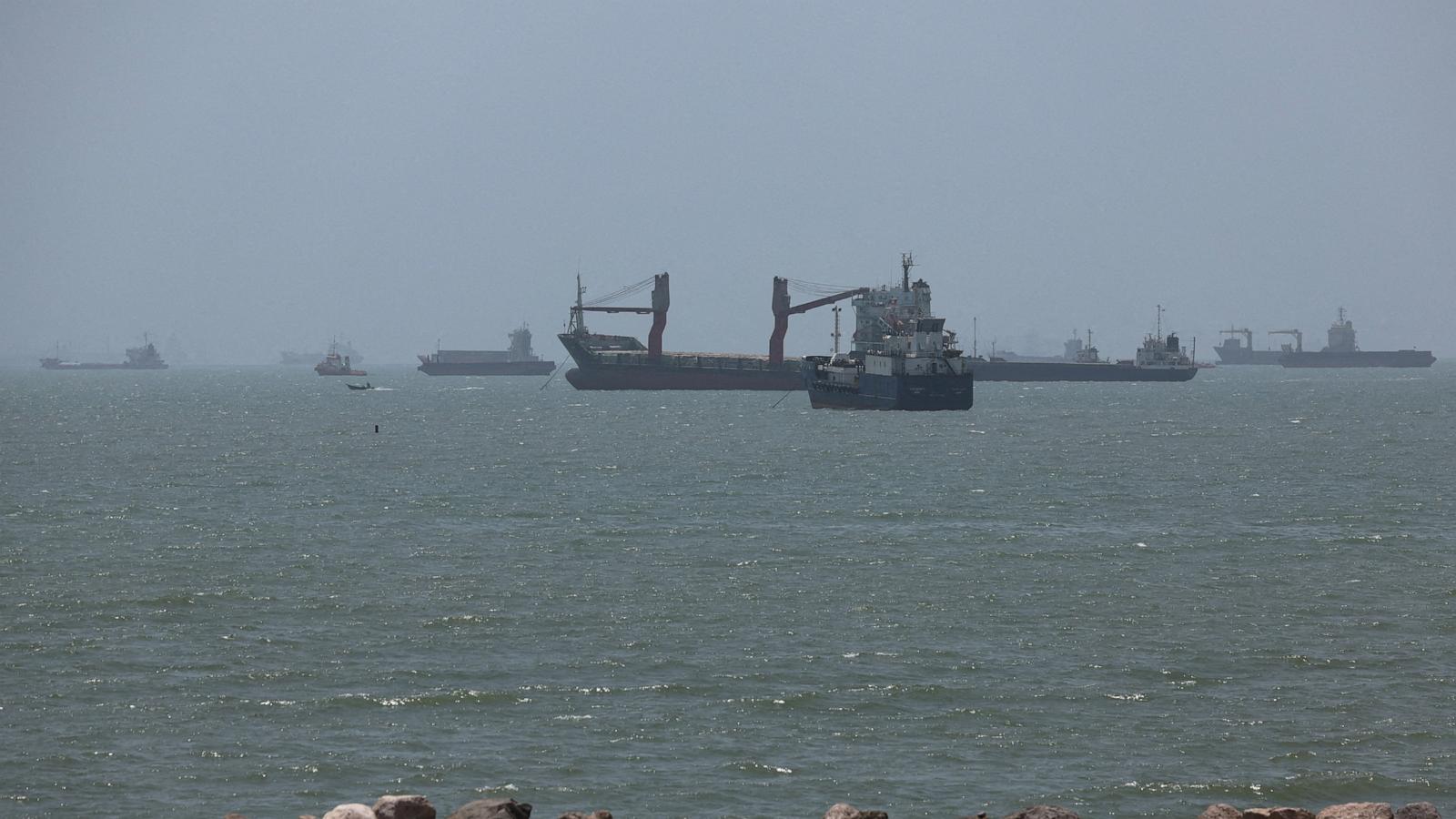
Hostilities between the US and Iran resumed after a month when American forces struck Iranian rocket launchers on Larak Island. Iran said it retaliated against US bases in Jordan and the UAE, while state television reported that a supertanker hit two naval mines, caught fire and stopped in the southern Strait of Hormuz.
Iran’s Foreign Ministry says US actions in the Middle East are the only factor destabilizing the Strait of Hormuz and vows to respond to every US action with a “crushing blow.” Earlier reports said US forces struck two Iranian launchers on Larak Island, after which Iran targeted US bases in Jordan.
Iran’s Islamic Revolutionary Guard Corps says a supertanker struck two mines after attempting to use what it called an “illegal route” in the southern Strait of Hormuz. The IRGC Navy warned that vessels violating its safe-passage rules would face the same fate. Details about the ship were not provided.

CENTCOM says the Iranian forces it targeted presented an “imminent threat.” The Strait of Hormuz remains the conflict’s main flashpoint.
Bloomberg News Now highlights a jump in oil prices after US strikes and the continuing US-Canada trade war, alongside other top stories from the day in a regularly updated audio report on global business news.
Oil prices rise as missiles are reported flying across the Gulf, setting the tone for the day ahead in European and global markets.

Oil prices rose and stocks fell after the United States struck Iran, while bitcoin barely moved. Despite the latest escalation in geopolitical tensions, BTC remains August’s best-performing asset.
Oil prices rose on Monday morning as tensions in the Middle East flared again and investors assessed the possibility of a US interest-rate increase, reinforced by Warsh’s hawkish signal.
A Bloomberg News Now audio report covers the day’s leading stories, including a jump in oil prices after US strikes on Iran and an intensifying US-Canada trade war, alongside other global business news.

After roughly a week of saying Washington would shift toward economic warfare against Iran, the U.S. has chosen to resume actual strikes instead.
Asian stock markets fell on Monday after fresh fighting between the United States and Iran pushed oil prices higher. Bond yields also stayed elevated as investors reduced their expectations for a U.S. interest-rate hike.
Bloomberg News Now brings together the day’s leading stories, including new US strikes on Iran and the continuing US-Canada trade war, with updates throughout the day on global business news.
Persian Gulf countries have not restricted regional air traffic despite reports that Iran fired missiles toward US ships in the Strait of Hormuz, a Middle Eastern air traffic service source told TASS. Iranian television reported the missile launch, while other reports said US forces had struck two missile launchers on Iran’s Larak Island.

The U.S. struck Iranian rocket launchers near the Strait of Hormuz. Its last major strikes on Iran took place in late July.

A US official says American forces struck two Iranian launchers on Larak island after Islamic Revolutionary Guard Corps personnel were seen preparing rockets carrying sea mines for the Strait of Hormuz. Iran said the attack killed and wounded soldiers and civilians and vowed a response. Reuters later reported an apparent Iranian attack on US forces in Jordan, with all incoming missiles intercepted.
Iran’s Islamic Revolutionary Guard Corps has vowed retaliation after the U.S. bombed targets in the Strait of Hormuz. In a statement carried by Iran’s state broadcaster, the Guard said several fighters and fellow citizens had been killed and wounded.

US forces struck two Iranian rocket launch sites. The Strait of Hormuz remains the main flashpoint in the conflict.

U.S. forces struck Iranian rocket launchers on Hormuz, marking their first military action in weeks. Iran then fired retaliatory missiles toward Jordan, a U.S. ally, but American forces intercepted them, a source said.
Russia’s container market reached 4.17 million TEU in the first seven months of 2026, up 7% year on year, transport group Fesco said. Imports rose 17% to 1.8 million TEU, while exports fell 1% to 1.1 million. Domestic shipments grew 3%, rail transit 1%, and July traffic rose 14.8%.
Ship-tracking data and trade sources indicate that Asia’s diesel exports to Africa are set to reach at least a four-and-a-half-year high in August. African buyers sought alternative supplies after shipments from the Middle East declined.
Conflict and weather conditions drove agricultural commodity prices to their biggest monthly increase in 14 years in August. The Bloomberg Agriculture Spot Index, tracking 10 major agricultural and food commodities, rose 13% to $434. Wheat was a major contributor, reaching a three-year high amid the situation around Black Sea ports. Heat damaged corn crops in the US and Europe, while El Niño may add risks for next year’s crops, including cocoa.
Finance ministers and central bank governors from the world’s biggest economies are meeting in Asheville, North Carolina, on Monday and Tuesday. The US administration, hosting the talks, is simultaneously urging allies to financially isolate Iran while imposing tariffs on several of them.
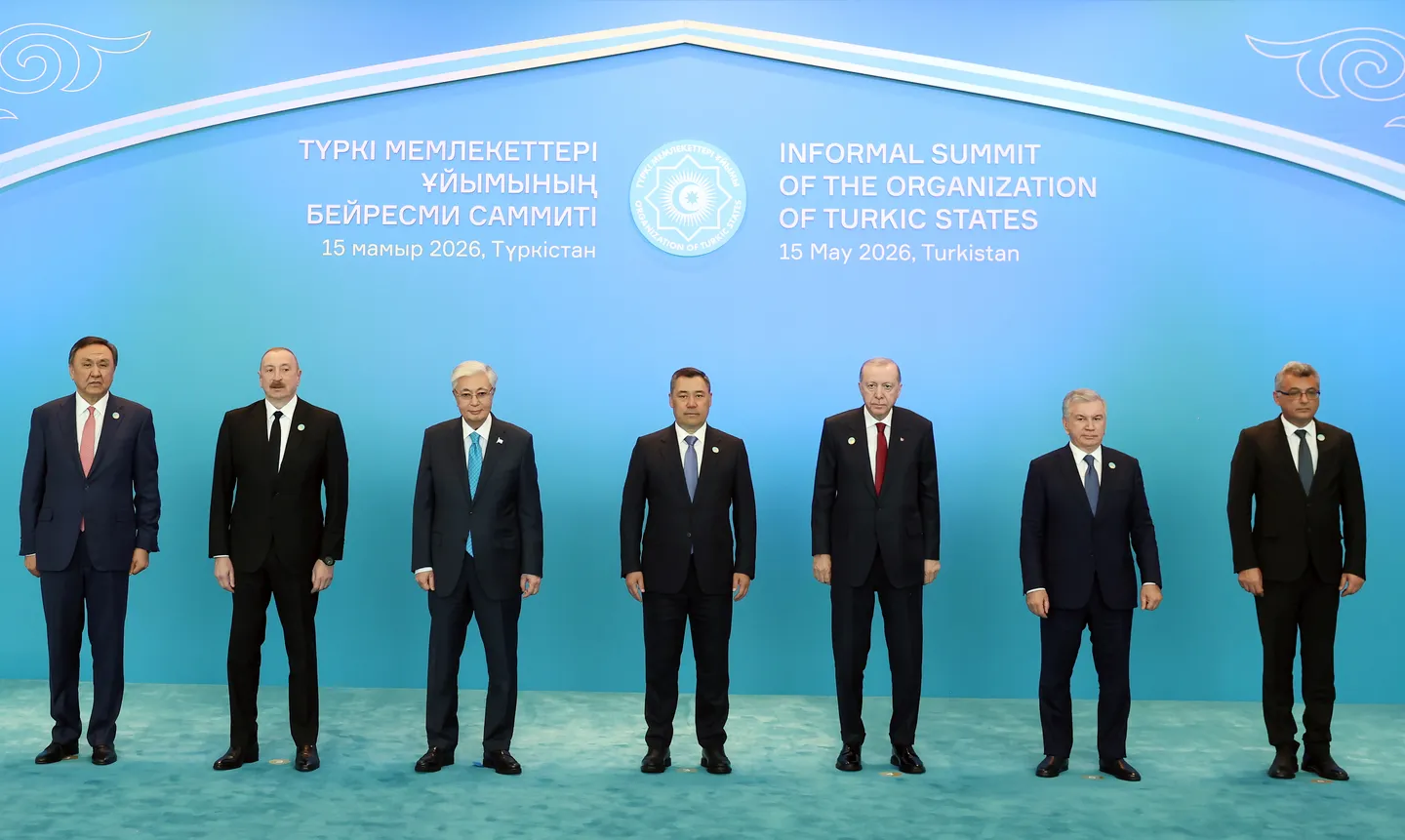
Türkiye’s trade with Turkic states increased 6.6% to $10.1 billion during the first seven months of 2026.

A Nova Scotia meadery’s planned sale of nearly 600 wine-size bottles to a New Brunswick Renaissance fair was largely scuttled a week before the event after the province’s liquor regulator imposed fees representing a markup of more than 100 per cent. The situation drew the ire of Nova Scotia’s premier.
An official survey indicates that China’s factory activity contracted in August, even as export demand improved and remained strong.

China’s manufacturing activity contracted for a second consecutive month, though the decline was smaller than expected. The data adds pressure on Beijing to support an economy that is losing momentum.
Bloomberg News Now highlights a jump in oil prices following US strikes and an intensifying US-Canada trade war, alongside other top global business stories.
Bloomberg News Now highlights a jump in oil prices following US strikes on Iran and an intensifying US-Canada trade war among the day’s leading global business stories.

Renewed hostilities between the United States and Iran have revived questions over whether the conflict is slowly moving toward a settlement or instead heading for further escalation, while highlighting Washington’s frustration with the sluggish pace of sanctions.
Bloomberg News Now presents a brief, continually updated audio report on the day’s leading stories, including a jump in oil prices after US strikes and the continuing US-Canada trade war.
Bloomberg News Now’s audio briefing highlights the continuing US-Canada trade war, Iran’s unfazed trade partners and other leading global business stories, with updates throughout the day.
Bloomberg News Now is a comprehensive audio report of the day’s top stories, including a US military strike after a month and the continuing Canada trade war. It is updated throughout the day with global business news.
More than 16,000 industrial companies in Hebei have used e-commerce livestreams this year to reach overseas buyers, generating about 21 billion yuan in sales by early July. Manufacturers are hiring domestic and foreign hosts for factory demonstrations; one machinery exporter secured about 50 million yuan in prospective orders, while a Cangzhou firm gets 96% of sales overseas.
U.S. President Donald Trump is proposing a 50% tariff on cars imported from Canada, targeting Ottawa, but Japan’s Toyota and Honda could ultimately bear the cost.
Asset managers say institutional investors seeking exposure to hard assets are showing growing interest in shipping, as the conflict in the Middle East lifts returns in the sector.
Treasury Secretary Scott Bessent said the US plans to impose new sanctions every week on entities cooperating with Iran to increase pressure on Tehran. Banks will be targeted first, and he plans to warn G20 finance officials that ties with Iran could bring sanctions. Washington also threatens secondary sanctions and loss of dollar access for countries that do not comply, while Bessent says he wants to avoid a confrontation that could damage the global financial system.
U.S. Treasury Secretary Scott Bessent told Reuters on Sunday that the Treasury Department is likely to announce new secondary sanctions each week to increase economic pressure on Iran, initially focusing on banks.
General Motors workers in Canada approved a contract that adds truck production at the company’s Ontario plant. The agreement comes as Canada’s auto sector contends with 25% US duties on vehicles.
The US and Canada remain locked in a trade dispute with no settlement in sight. US tariffs target Canadian steel, aluminium, lumber and automobiles, while Canada has announced dollar-for-dollar and strategic counter-tariffs. Ontario and Quebec face the greatest impact in Canada, while Ohio, Illinois and Pennsylvania are among the US states most exposed.

U.S. Treasury Secretary Scott Bessent said he would urge G20 members to reconsider their trade terms with China to reduce global imbalances and press Beijing to shift its economy away from exports toward greater domestic consumption.
Escalating China-US trade friction has not slowed corporate activity between the two economies. Citi says revenue on its North America-China corridor remains steady, while mainland Chinese companies are turning to risk-hedging strategies and global financial institutions to manage financial friction and complex supply chains and defend their global market share.

Georgia’s Kulevi oil refinery has completely stopped processing Russian crude and switched to supplies from Kazakhstan and Libya, Georgian media outlet bm.ge reported. The first Libyan shipment arrived on August 28, while Georgia imported 5,500 tons of Kazakh crude in July. The refinery’s owner had announced the planned change in July.
The Minutes Reader extension turns the original page into a focused reading view and translates articles and video subtitles on demand. It is in limited beta.