Iran’s rial hits record low as US readies more sanctions
Iran’s rial fell to a new record low of 2.02 million to the U.S. dollar when markets opened Monday, as Washington prepared to announce additional sanctions.
Bloomberg News Now highlights Canada’s expectation of a prolonged trade war with the United States, economic pressure on Iran and other major global business stories in its ongoing daily audio report.
Canada believes it has some leverage against Donald Trump in a trade war.

Canada has suspended trade talks with the United States after negotiations broke down. Donald Trump imposed 50 percent tariffs on about $20bn of Canadian goods, while Ottawa vowed dollar-for-dollar retaliation. The trade war could raise prices and put jobs at risk.
Canada plans to impose $20 billion in counter tariffs on the United States.
China’s nationalist tabloid Global Times welcomed Ottawa’s response to US tariffs, arguing that Canada’s move supports Beijing’s opposition to Washington’s protectionist trade policies.
Bloomberg News Now presents a comprehensive audio roundup of the day’s leading stories, including Canada’s expectation of a prolonged trade war with the United States and economic pressure on Iran, alongside other global business news.
Bloomberg News Now presents a brief, continuously updated audio roundup of the day’s leading stories, including the US-Canada tariff dispute, tougher US sanctions expected for Iran and other global business news.
Russia’s stock market fell at the opening of the main trading session, according to Moscow Exchange data, while the yuan strengthened against the ruble. By 10:15 Moscow time, both the MOEX and RTS indices were down 2.83%.
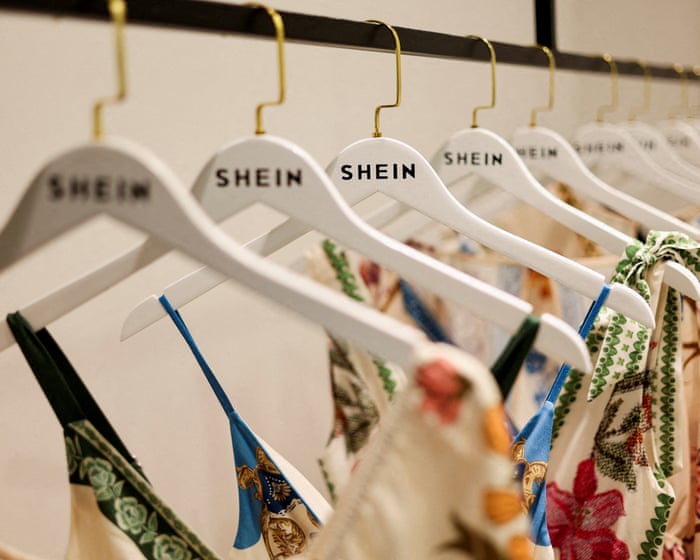
Online retailer Shein is seeking a $27bn valuation through a Hong Kong initial public offering. Its market capitalisation is now nearly three-quarters below its peak after unsuccessful attempts to list in New York and London.

Shein says it will begin trading on the Hong Kong stock exchange on 1 September, with an offering that could value the fast-fashion retailer at nearly $27bn. It plans to sell 280m shares and raise up to HK$13.86bn for technology and international expansion. The valuation is about 70% below its private-market peak, amid scrutiny over environmental costs, supplier labour conditions and regulatory fines in France.

Fast-fashion giant Shein plans to list in Hong Kong on September 1, offering nearly 280 million shares and raising up to HK$13.86 billion. At the top of its price range, the company would be valued at almost $27 billion, far below its $100 billion private-funding valuation in 2022. Shein reported a $99 million loss in the first quarter.

Fast-fashion giant Shein plans to raise up to HK$13.86bn by offering nearly 280 million shares when trading begins in Hong Kong on 1 September. The implied valuation of almost $27bn is far below its $100bn private-market valuation in 2022. Previous US and London listing attempts failed amid regulatory scrutiny.

Fast-fashion retailer Shein Global Holdings plans to raise as much as HK$13.85 billion (US$1.76 billion) through a Hong Kong initial public offering. It will offer 279 million shares at HK$47.60 to HK$49.50 each, with investor orders opening Monday and trading expected to begin on September 1.
U.S. authorities are reviewing Shein Global Holdings Ltd.’s proposed purchase of American clothing retailer Everlane after the company sought approval, according to people familiar with the matter. The review adds to the growing regulatory hurdles facing the China-founded fast-fashion giant in one of its most important markets.
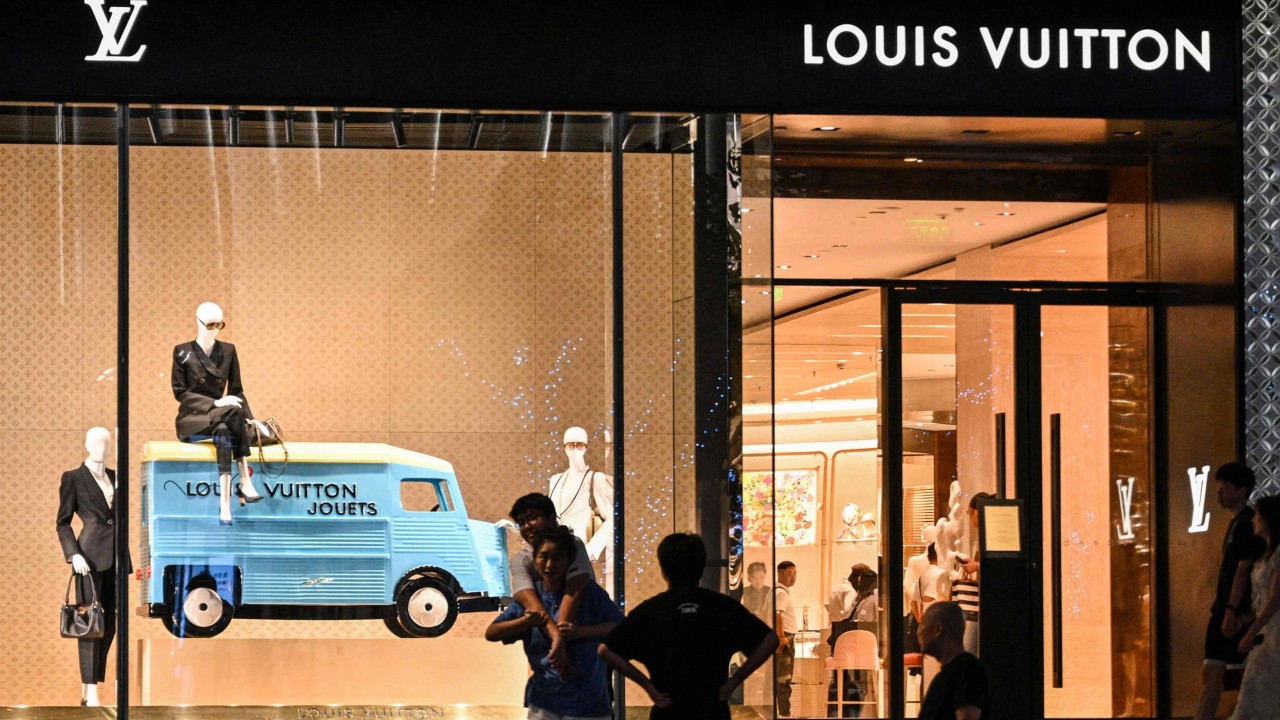
Louis Vuitton will close its only store in Guiyang on August 31, according to a notice posted at the site. The move will reduce the French luxury brand’s southwestern China footprint to three stores from a peak of six, as it optimises its retail network amid weak domestic spending and changing luxury consumption trends.

Shell’s US chemicals unit is attracting potential buyers, according to a report.
Fasset raised $68 million in Series C funding led by SBI Group at a $1 billion valuation, giving the company unicorn status as it expands its cross-border stablecoin infrastructure.

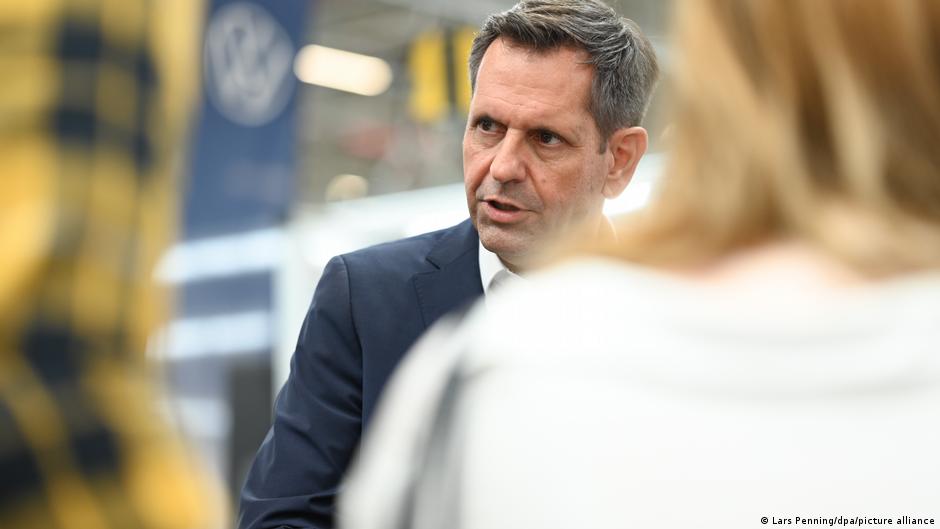
Lower Saxony Premier Olaf Lies is due to visit Volkswagen’s Hanover plant for talks with employee representatives, unions and management about the struggling carmaker’s restructuring plans and German production sites. Volkswagen is cutting costs to improve competitiveness, while workers, unions and politicians seek assurances for tens of thousands of jobs.

At least 145 countries have reported higher petrol prices since the United States and Israel began their war on Iran on February 28. GlobalPetrolPrices data show Myanmar had the largest increase, at 56%, while the US average for regular petrol rose 39%, from $2.94 to $4.09 per gallon. Higher oil costs are also feeding into food, transport and everyday products.

Horgos Port in northwest China’s Xinjiang has handled more than 6,000 China-Europe and China-Central Asia freight trains in 2025, carrying over 10 million metric tons of cargo. A smart-port clearance system has cut total customs processing time by more than half, while routes now reach 18 countries and regions.
Samsung Electronics shares dropped more than 8% in early Monday trading after its record $79 billion shareholder-return plan disappointed investors. They had expected a larger share of the cash generated by Samsung’s AI boom and clearer details on potential buybacks.
Unimot SA, one of Poland’s biggest fuel companies, is calling for Europe to accelerate its green-energy transition. It warns that renewed tensions in the Middle East have again highlighted the continent’s heavy dependence on imported fossil fuels.
Electric vehicle sales accelerated across much of Europe in July, according to data provided to Reuters. High oil prices, subsidies and the availability of more affordable models encouraged consumers to move away from combustion-engine cars.
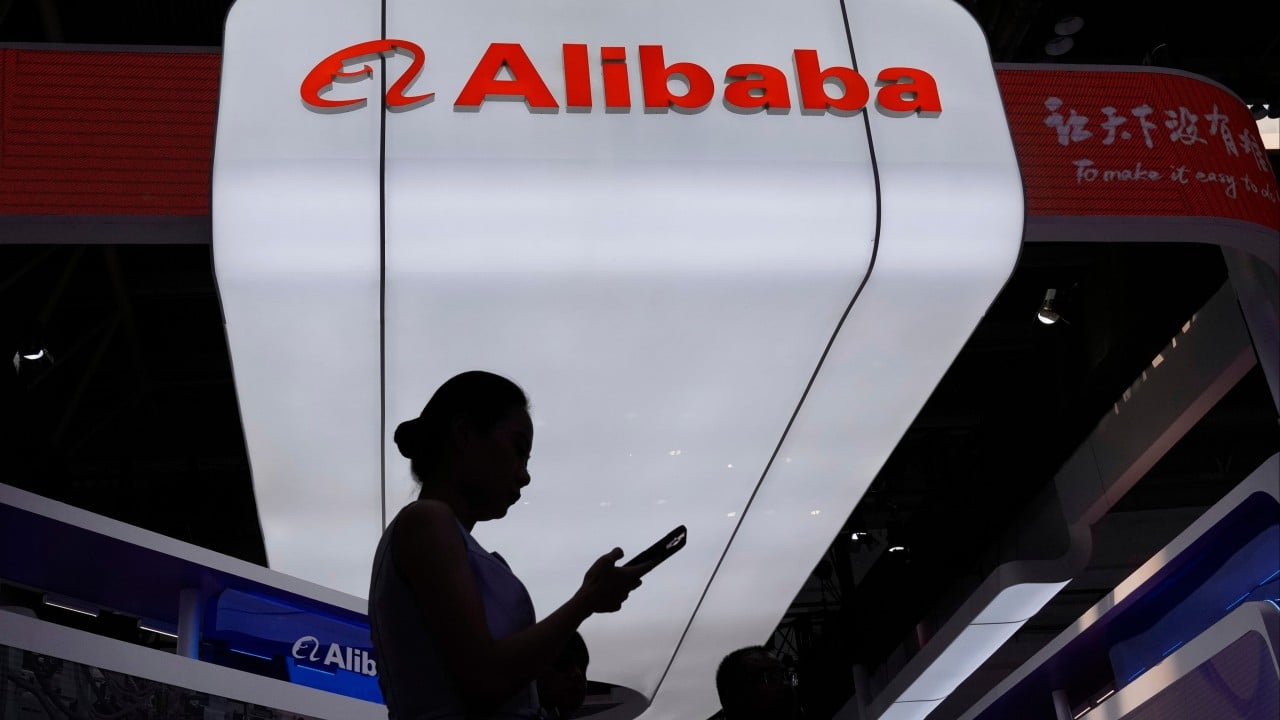
Alibaba shares fell sharply in Hong Kong on Monday after the Chinese company launched a $10.2 billion share sale at a steep discount to fund its AI ambitions. Investors focused on dilution and execution risks.
Alibaba shares dropped 8% in early Hong Kong trading on Monday after the technology company completed an HK$80 billion ($10.21 billion) share placement at HK$112.70 per share. The deal is intended to finance artificial intelligence-related development.
Alibaba raised HK$80 billion ($10.2 billion) in Hong Kong’s largest secondary share sale, highlighting its readiness to accumulate and deploy huge sums in an effort to lead globally in artificial intelligence.
The dollar hovered near multi-month lows on Monday as markets remained unsettled by the U.S. Treasury’s pledge to buy back more long-dated bonds. Traders were also waiting for details of sanctions on Iran and policy speeches expected this week in the United States and Japan.
Wayne Cole looks ahead to European and global markets over the coming day amid a mix of economic wars, trade wars and actual wars.
Gold futures for October 2026 delivery on Comex rose above $4,700 per troy ounce for the first time since May 14, 2026. At 2:30 a.m. GMT, the price was up 0.77% at $4,713.8 per ounce.
China is preparing a potential record-setting semiconductor listing. CCSH Corporation, the parent of NAND flash maker Yangtze Memory Technologies Corporation, plans to sell 1.98 billion to 2.43 billion shares on Shanghai’s Star Market, representing 10 to 12 per cent of its enlarged share capital.

Iranian Foreign Minister Abbas Araghchi likened a new US sanctions package, expected to be unveiled Monday, to watching the same film repeatedly. He said what he called Trump’s “bullying” was no different from that of earlier US administrations.
Brent crude futures fell to $93.45 as markets awaited a US announcement on new sanctions against Iran.

Asian share markets were little changed on Monday and oil prices slipped as investors awaited details of threatened U.S. sanctions on Iran expected later in the day. The Canadian dollar also weakened as the prospect of a trade war with its southern neighbour loomed.

After nearly six months of war with Iran, the United States appears to be changing course. Donald Trump says Washington will launch a “crushing economic operation” and is urging other countries to join what it calls the greatest coordinated economic isolation in history. Iran says participants will be treated as enemies.
Industry insiders expect China’s auto exports to exceed 10 million units this year. Customs data shows 6.399 million vehicles were exported in January-July 2026, up 53.7% year on year. Experts say Chinese automakers must strengthen local industrial capabilities and pursue deeper localization as they expand overseas.
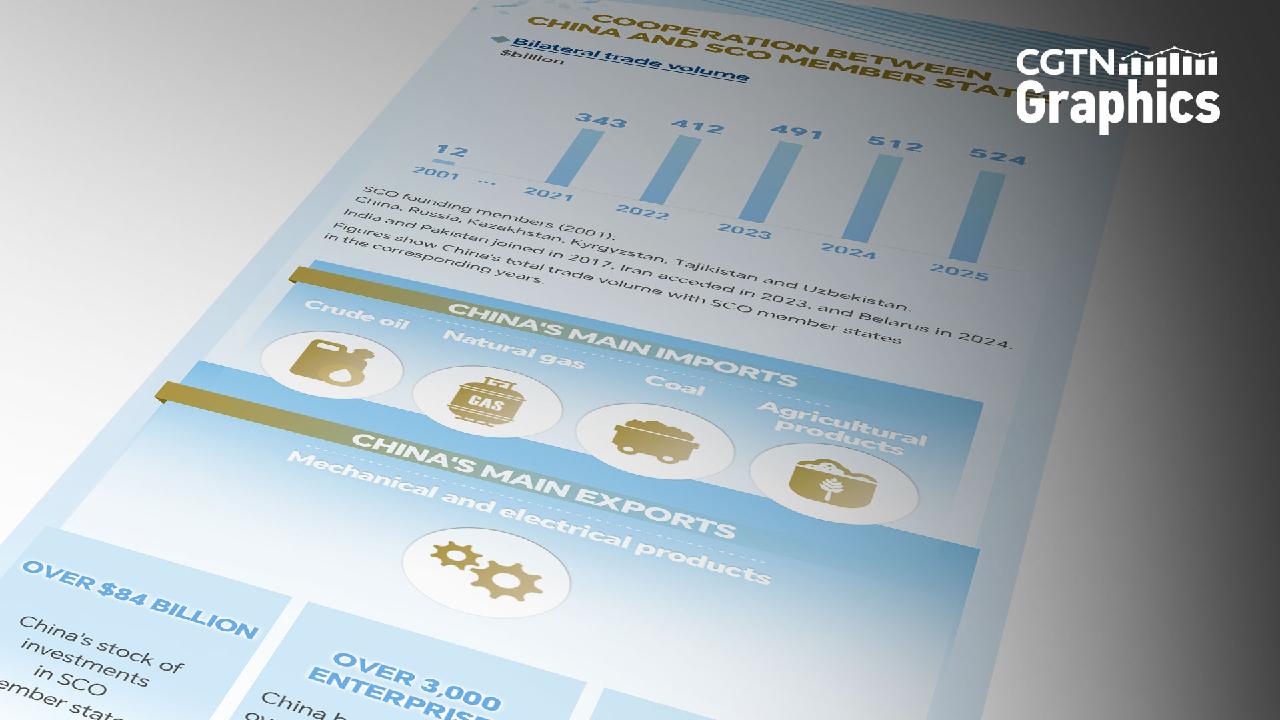
Trade between China and other Shanghai Cooperation Organisation members reached nearly $524 billion in 2025, more than 40 times the roughly $12 billion recorded in 2001. Cooperation is also moving beyond goods trade toward real-sector investment, with China’s investment stock in member states exceeding $84 billion, more than 3,000 local companies established and over 200,000 jobs created annually on average.

Suifenhe port in Heilongjiang exported 46,900 vehicles to Russia from January through July 2026, a 119.2% year-on-year increase. Faster registration and customs processing, bonded facilities and one-stop services have cut delivery to Russian overseas warehouses to as little as 10 days and reduced logistics costs by 30%.
A major private bank says wealthy investors should prepare for elevated volatility for years, as uncertainty over artificial intelligence and geopolitical risks is likely to persist. Asset prices have endured repeated roller-coaster swings in recent years, with volatility reflecting structural changes in markets over decades.

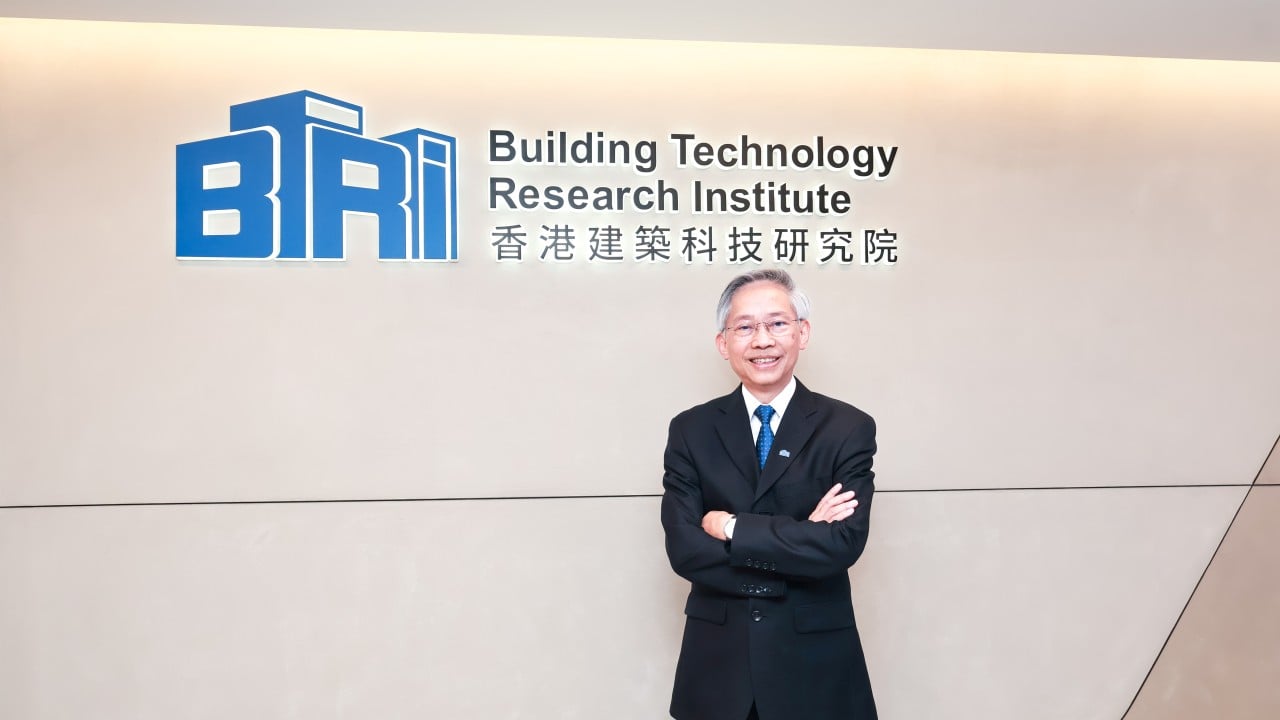
Hong Kong is pursuing an ambitious development agenda centered on the Northern Metropolis and aligned with national development strategies. Delivering those ambitions will require the construction industry to tackle long-standing challenges in productivity, cost-effectiveness and quality.

The article argues that industrial subsidies, trade surpluses, economic imbalances and market competition are often wrongly treated as proof of overcapacity. Capacity should be assessed relative to demand, costs and the relevant time horizon. Strong exports, high output or lower prices alone do not establish excess capacity, while macroeconomic imbalances and inefficient industrial capacity require different remedies.

Murmansk Region Governor Andrey Chibis says the Northern Sea Route’s transport capacity will reach 45 million tons by the end of 2026, taking into account newly built railways and the operating Lavna port. Logistics development for the Murmansk transport hub will be included in a broader Arctic and Trans-Arctic Transport Corridor project.
Alibaba’s two top executives bought a combined HK$120 million (US$15.3 million) of the company’s ordinary shares on Monday, signaling confidence after the tech giant announced one of China’s largest AI-focused fundraising rounds. The placement was reportedly oversubscribed three times amid strong investor sentiment.

Russian Deputy Prime Minister Yury Trutnev said energy-sector diversification will be a key topic at the Eastern Economic Forum in Vladivostok on September 1-4, alongside production modernization, unmanned systems and new investment projects. Business dialogues with representatives from China, India, the UAE, Mongolia, Vietnam and ASEAN are also planned.
Economists said on Monday that Britain’s economic productivity is beginning to improve consistently, raising the possibility that a prolonged downturn which started around the 2008 financial crisis and appeared to deepen after the COVID-19 pandemic may be ending.
Carney’s government reportedly doubts that talks with President Donald Trump can be revived before the US midterm elections. People familiar with the situation link that outlook to the failed trade negotiations, while the trade war could persist beyond the vote.
Bond issuance in Hong Kong dollars and yuan across Hong Kong and mainland China is expected to keep growing through the rest of the year. A Standard Chartered executive said rising US dollar funding costs are prompting issuers to turn to other currencies for cheaper borrowing and reduce reliance on dollar bonds.

A piece explores the sheer scale of $40 trillion.
The billionaire who once came to embody the boom and bust of China’s property market was sentenced to life in prison by a Chinese court last week. The punishment comes as the country’s property crisis continues.
Canadians wanted their prime minister to stand firm rather than sign a bad trade agreement with the US. But the collapse of negotiations and the intensifying tariff war will carry an economic price.
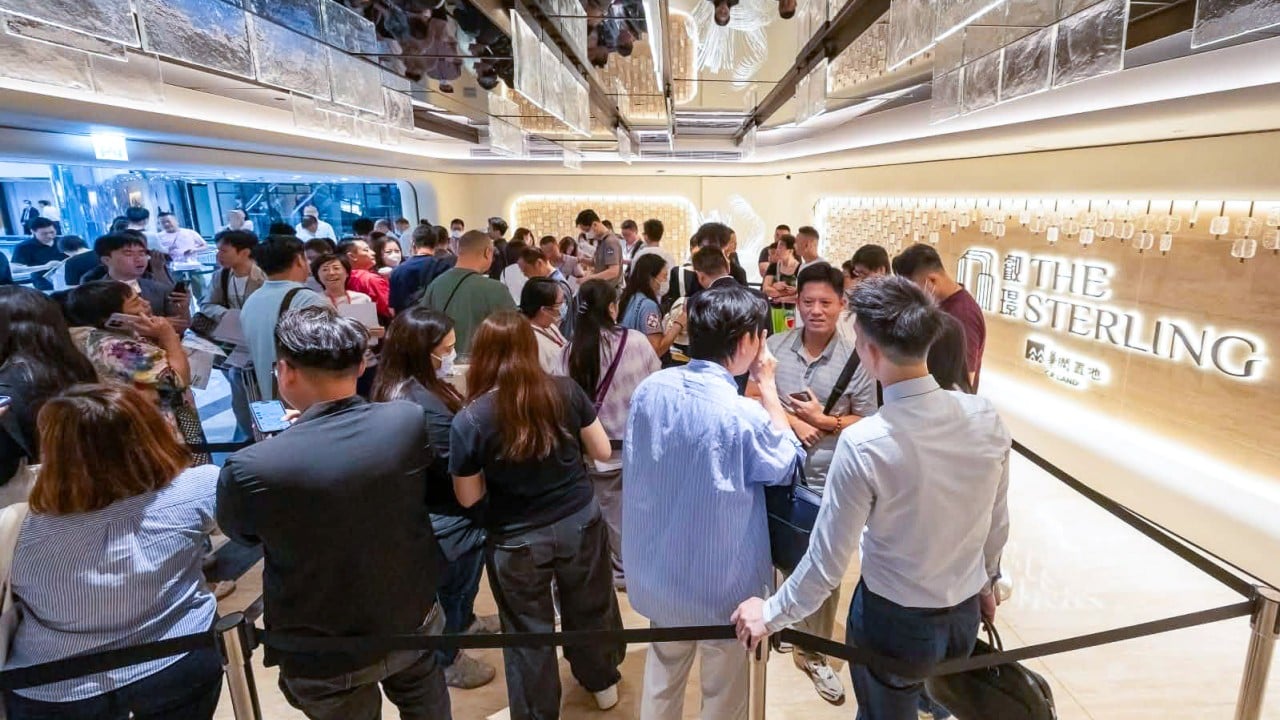
Hong Kong buyers remain willing to spend, but demand is increasingly concentrating on projects with clear value as the housing recovery matures. China Resources Land’s The Sterling in Cheung Sha Wan sold all 180 units in its first price-list batch on Saturday, generating nearly HK$1.6 billion after receiving more than 46,000 subscriptions.

Tata Sons chairman N Chandrasekaran resigned on 12 August after an alleged deadlock over his reappointment and differences with the Tata Trusts board. Finding a successor will be difficult as the conglomerate manages heavy investment and losses in new ventures including semiconductors, e-commerce and aviation, while investors face prolonged uncertainty over its future strategy.

Online fast-fashion retailer Shein began book building for a Hong Kong initial public offering on Monday, seeking to raise as much as HK$13.86 billion, or about $1.77 billion, according to its offering prospectus.
American economist Barry Eichengreen discusses why today’s talk of “de-dollarisation” differs from earlier episodes and how close the world may be to a reshuffling of the international monetary system.

The Trump family is joining a rush to launch new banks as the government creates them at its fastest pace in nearly 20 years.
Indian pharmaceutical companies have supplied affordable medicines to American patients for decades. Their dominance will be hard to disrupt despite President Donald Trump’s threat of steep tariffs on imported generic drugs.
The National Reconstruction Fund will invest $120m in a $240m advanced manufacturing project north of Perth, which is expected to produce 2,000 apartments a year when fully operational. The Western Australian government will provide a $20m grant and Wesfarmers a $100m equity investment. The government says the apartments could be built up to 20% cheaper and 50% faster than through traditional construction.

Chief financial officers are using tariff refunds to cut prices, increase margins or reduce debt. JPX’s Hiroki Kawai also discusses the surge in Japanese retail trading.

Iran said Sunday that it had found more than 200 billion cubic metres of natural gas in southern Fars province, including over 160 billion cubic metres that could potentially be recovered. The discovery comes as months of US-Israeli strikes on gas facilities, oil depots and transport routes disrupt Iran’s energy sector.

Iran has discovered a gas field in southern Fars province containing more than 212 billion cubic meters of gas, Oil Minister Mohsen Paknejad said. With an estimated recovery rate of 73–75%, around 161 billion cubic meters could be produced. The field also contains gas condensate, and authorities are urgently preparing its development.
Prime Minister Mark Carney’s top US envoy says US-Canada trade talks broke down over several issues in which the written text of a potential agreement conflicted with what the Canadian side believed it had agreed to.
Iranian Parliament Speaker Mohammad Bagher Ghalibaf warned that the United States’ new “economic warfare” against Iran would rebound on the US economy. He said pressure on Iran and disruptions in energy markets would ultimately harm Washington. Donald Trump had announced an unprecedented campaign of economic warfare and isolation, while Iran’s Foreign Ministry called the policy “economic terrorism and a crime against humanity.”
IRGC spokesman Hossein Mohebi says Iran has prepared responses to every hostile US move and a plan to limit the effects of Washington’s new sanctions while expanding economic ties with other countries. He called Trump’s announced “economic warfare” an acknowledgment of US defeat on the military front; Iran’s Foreign Ministry branded the policy “economic terrorism and a crime against humanity.”

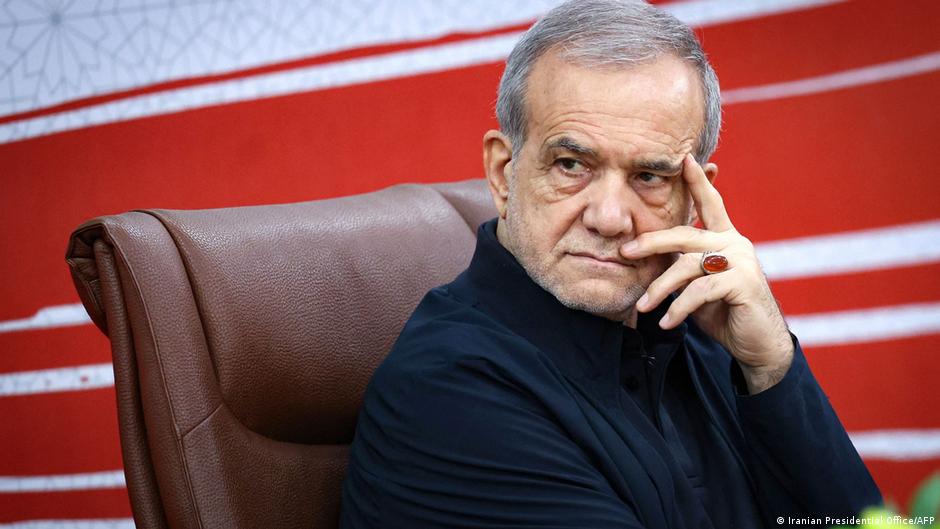
Iranian President Masoud Pezeshkian defended the expired memorandum with the United States as the best way to end hostilities, saying Iran must remove risks to attract foreign investment. Tehran also said Pakistan’s top military leader, Asim Munir, will visit as Islamabad seeks to help mediate a resolution.
Iranian Foreign Minister Abbas Araghchi says President Donald Trump’s new sanctions repeat a familiar scenario that Iran knows how to withstand. He calls Washington’s anti-Iranian course doomed to fail and urges respectful dialogue, while Iran’s Foreign Ministry condemns the policy as “economic terrorism and a crime against humanity.”
Iran says new sanctions threatened by what it calls a “desperate” United States will fail. Its economy is under severe pressure from sanctions, while thousands have died in airstrikes since February.

Petroleum geologist Art Berman warns that about 8 million barrels per day of Persian Gulf production remains shut in, and restarting the wells is far more complicated than reopening the Strait of Hormuz. Some wells could need weeks or months to recover, while others may never fully regain their former output.

Iranian President Masoud Pezeshkian said Sunday that the country was dealing with “many problems,” including inflation, livelihood difficulties and unemployment, while authorities work to secure the people’s future. His remarks followed a US pledge to seek the regime’s “collapse” through a newly announced sanctions campaign.

Tensions between Iran and the United States are continuing to rise. Tehran says it may consider any country joining US sanctions an enemy, in response to Washington’s drive to isolate Iran’s economy. The US is due to outline its strategy at a press conference on Monday.
Observers say the collapse of Canada-US trade talks shows Washington now puts its own interests ahead of shared economic coordination, making a fair deal futile. The countries are entering a deepening trade war after the US imposed 50% tariffs on $20bn of Canadian goods. Prime Minister Mark Carney rejected late US demands and pledged dollar-for-dollar retaliation.

Nigeria’s Minister of State for Petroleum Resources, Ekperikpe Ekpo, says the US-Israel war on Iran has strained global gas markets and created an opening for Nigeria to expand production and attract investment. Plans include advancing the Nigeria-Morocco gas pipeline and LNG exports, while lowering domestic LPG prices, reducing gas flaring and moving 20 projects toward final investment decisions before 2030.

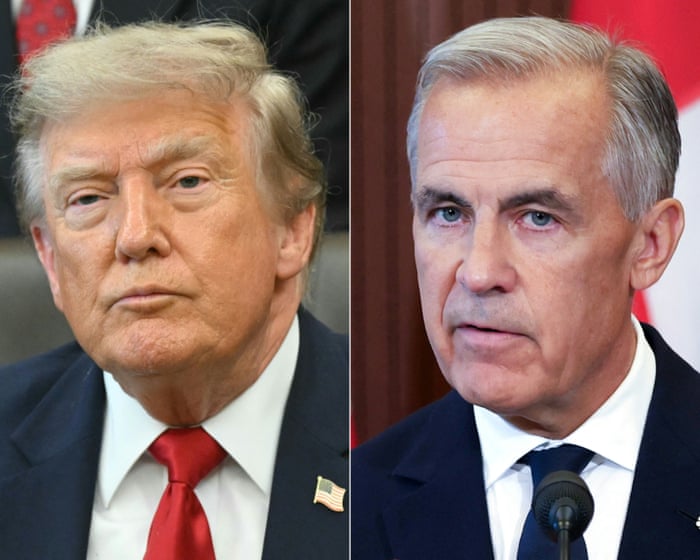
US President Donald Trump imposed a 50 percent tariff on about $20bn of Canadian goods after trade talks collapsed. Canadian Prime Minister Mark Carney announced dollar-for-dollar retaliation from September 8. Experts say the trade war will raise business costs and consumer prices, increase unemployment and hit sectors such as alcohol, dairy and furniture particularly hard.

Bloomberg News Now highlights Canada’s response to US tariffs, Donald Trump’s stock disclosures and other leading global business stories in an audio report updated throughout the day.

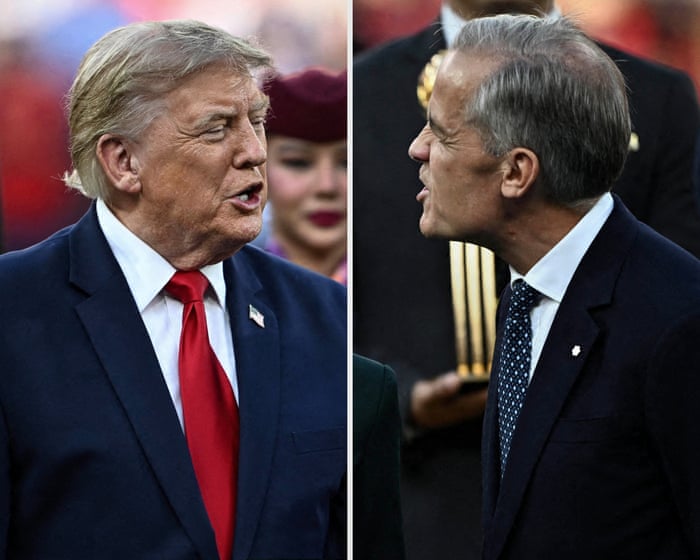
The long-standing allies and economic partners have been drawn into an escalating trade war. Canadian Prime Minister Mark Carney suspended talks with Donald Trump and chose retaliation, saying the US demanded too much while offering too little. He must now convince Canadians that enduring economic pain to secure a better deal is worthwhile.

Trade talks between the US and Canada have collapsed into a trade war, with Washington imposing 50% tariffs on $20bn of Canadian goods. Prime Minister Mark Carney says Canada was ‘attacked’ and vows to match the measures dollar for dollar, while the escalation puts the future of the USMCA in doubt.

US and Canadian negotiators had been nearing a trade agreement earlier this week, but talks collapsed after both governments accused the other of making last-minute changes. Prime Minister Mark Carney announced retaliatory tariffs after Washington imposed a 50% levy on $20 billion worth of Canadian goods, and addressed Canadians on Saturday for the first time since the breakdown.

US President Donald Trump attacked Canada on Sunday, saying it wanted “the benefits of being a State, without being one.” His remarks followed Canadian Prime Minister Mark Carney’s announcement of retaliatory tariffs after describing the existing deal as a “bad deal.” Talks between the longtime allies broke down in Washington on Friday, signaling a widening rift.
The Atlantic says Donald Trump’s threats and pressure on Ottawa have failed to deliver results, leaving the US president behind in the trade conflict. Canadian Prime Minister Mark Carney said negotiations were suspended and Canada would impose retaliatory tariffs from September 8, while US tariffs of 50% on some Canadian goods took effect Saturday.

Canadian Prime Minister Mark Carney and provincial premiers have responded after US President Donald Trump imposed 50 percent tariffs on about $20bn of Canadian goods. British Columbia Premier David Eby said Trump cannot be trusted.

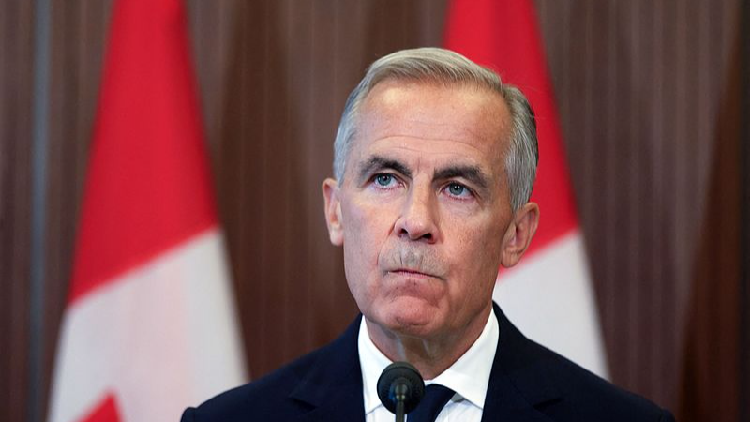
Prime Minister Mark Carney says Canada will impose dollar-for-dollar tariffs on US steel, dairy, appliances, agricultural equipment, pulp and paper, electronics and other goods from September 8. He said Washington’s conditions were uneconomic, unfair and undermined Canada’s sovereignty after trade talks broke down.

Canadian Prime Minister Mark Carney said Canada was “at war” in its trade dispute with the United States and would impose tariffs on U.S. steel, electronics and other imports from September 8. The measures are intended to match President Donald Trump’s new 50% tariffs dollar for dollar after negotiations between the two countries collapsed.
Iran’s government is preparing the public for another fuel-price increase as war and US pressure deepen economic strain. Food and other prices are already soaring, while past petrol hikes have sparked unrest, prompting authorities to proceed cautiously before an expected decision in the coming weeks.

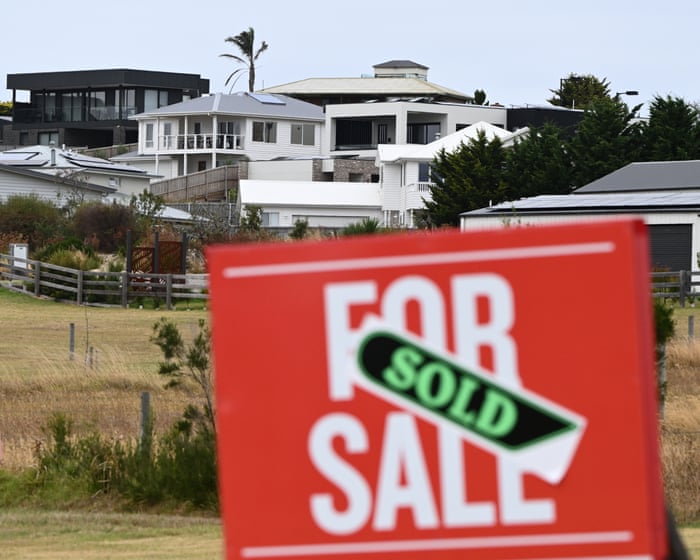
First home buyers remain active in Australia’s housing market despite higher interest rates and tax changes, while investors retreat. Loan Market says new entrants are the only group making more loan applications than in June, with demand supported by the government’s 5% deposit guarantee scheme.

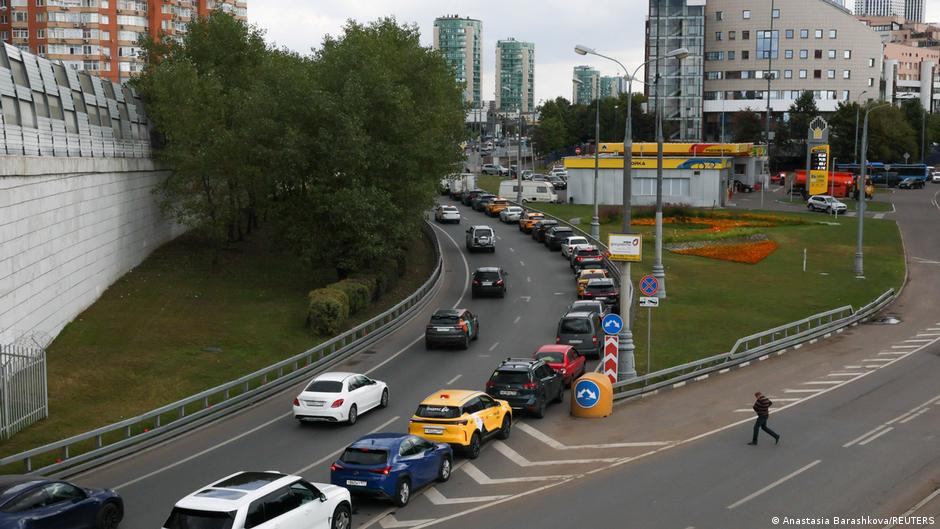
Ukrainian attacks on Russian oil refineries have left at least 30 regions facing fuel shortages, with Moscow and nearby areas particularly affected. Rationing, long queues and declining fuel quality are hurting taxi, courier and construction businesses. Dissident economists warn the problems could develop into a broader economic and systemic crisis, while a Russian lawmaker expects supplies to normalize within two to three weeks.

Russian President Vladimir Putin said fuel problems have not all been resolved, but work to settle them is underway and Prime Minister Mikhail Mishustin is keeping the situation under control. A special commission has been established to address the issues.
Russian President Vladimir Putin said the country’s fuel issue must remain under government control. He acknowledged that people are facing certain inconveniences but said the government must keep the situation under control.
For decades, Wall Street figures including Henry Paulson, Stephen Schwarzman and Ray Dalio were celebrated as “old friends of China,” welcomed by senior officials and given rare access to the country’s top leadership. American financiers still visit and do business in China, but private meetings with top leaders have largely diminished.

A small Ohio convenience shop’s beaver emblem is at the center of a dispute that has put Buc-ee’s under fire. The gas-station chain is facing criticism over a trademark case, one of the infringement suits it frequently pursues.
South Korea has sent its first container ship along the Arctic route to Europe, seeking to avoid a traffic blockade in the Middle East. Experts warn that the shift could further accelerate the melting of polar ice.

European Central Bank President Christine Lagarde could become president of the World Economic Forum at some point in 2027, Swiss newspaper NZZ reported on Sunday.
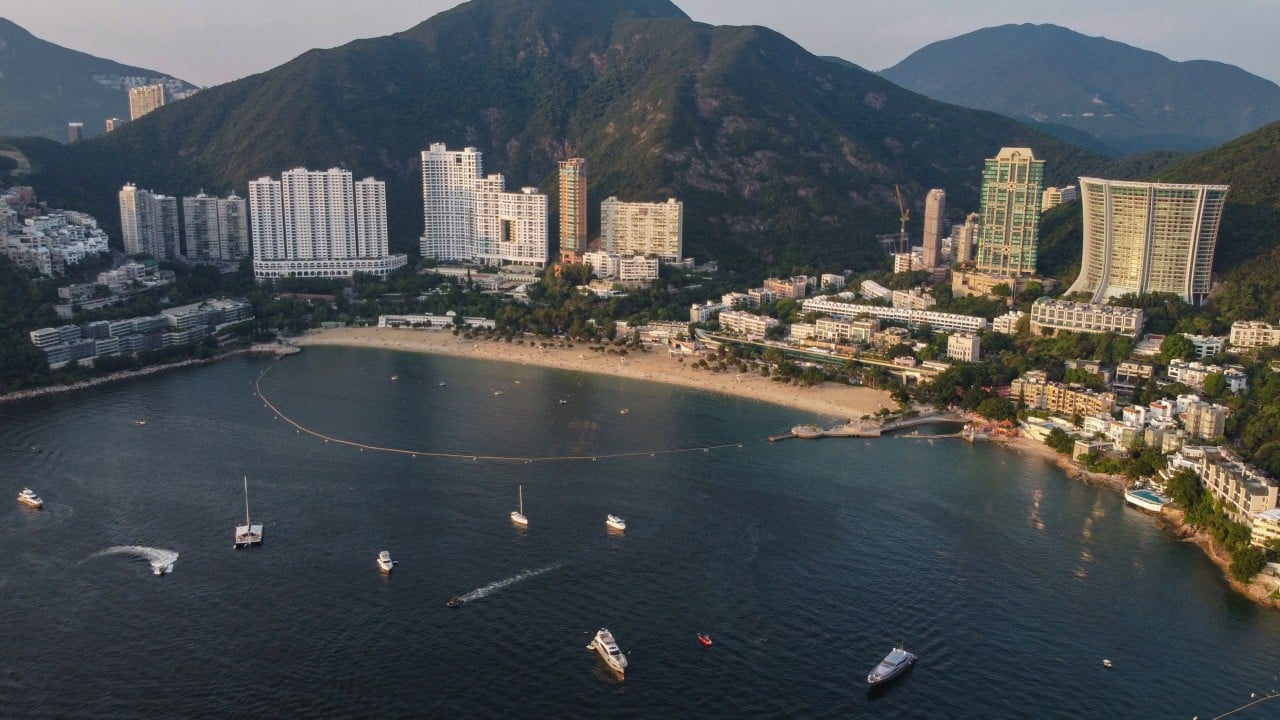
Analysts expect luxury home sales in Hong Kong to benefit as more expatriates choose the city as a retirement base, attracted by its low-tax environment and business opportunities. Victoria Allan, founder and CEO of Habitat Property, said many former Hong Kong expatriates are returning with retirement in mind, while others are staying and buying property.

Wars, falling tax revenues and the departure of top earners are intensifying Israel’s debt pressures. As the parliamentary election campaign emphasizes defeating regional opponents, few leading candidates are addressing the enormous cost of multiple conflicts. Defence spending and debt-servicing costs are rising faster than tax collection, while the IMF warns that the 2026 deficit ceiling is too high to put debt on a downward path.

Alibaba of China announced on Sunday a proposed placement of new shares in Hong Kong valued at $10 billion.
Ukraine had about 9.6 bcm of gas in underground storage by the end of August, or 72% of the minimum 13.2 bcm considered necessary for winter. At the current pace, storage could reach no more than 12.1 bcm by November 1, below the planned 14.6 bcm reserve. The country is relying on domestic production after largely halting European imports because of high prices.
The Minutes Reader extension turns the original page into a focused reading view and translates articles and video subtitles on demand. It is in limited beta.