Apple and Meta reject OKX–ICE tokenized stock plans, putting crypto firms in focus
Strategy, Coinbase, Circle and Robinhood are among six companies initially selected for the venture that have disclosed no objection, after 90% of issuers opted out.

Strategy, Coinbase, Circle and Robinhood are among six companies initially selected for the venture that have disclosed no objection, after 90% of issuers opted out.

Progress Residential, the largest US manager of single-family rental homes, will pay $49.8 million to resolve allegations from the Federal Trade Commission and four states that it misled renters with hidden fees, an FTC official told Reuters.
Wall Street’s response to the US midterm elections turned negative after about 24 hours. The resulting wave of selling then set off a chain reaction that unfolded much faster.
The latest stage of the tech-market pullback comes as investors drop expectations that AI growth will accelerate.
The Canadian dollar fell to a nearly three-week low against the U.S. dollar on Friday after data showed the economy lost jobs for a third consecutive month, cooling expectations of Bank of Canada rate hikes.
Africa’s corporate debt markets are much too small to match the continent’s economic weight and rising financing needs, the OECD said Friday. Market-based debt outstanding totalled $211 billion at the end of 2025.
The Democratic Republic of Congo called on the United States on Friday to make concrete investments under their strategic minerals partnership. Economy Minister Daniel Mukoko Samba said the agreement’s success should be assessed by completed projects, not signed deals.
The Commodity Futures Trading Commission said regulated exchanges cannot block customers on a state-by-state basis, while companies such as Kalshi are subject to court orders requiring them to do so.

The Bank of Russia set the official dollar rate for November 7-9 at 82.1386 rubles, 34.39 kopecks above the previous rate. The euro rate rose 3.43 kopecks to 92.1924 rubles, while the yuan rate was set at 12.2651 rubles, up 0.81 kopecks.
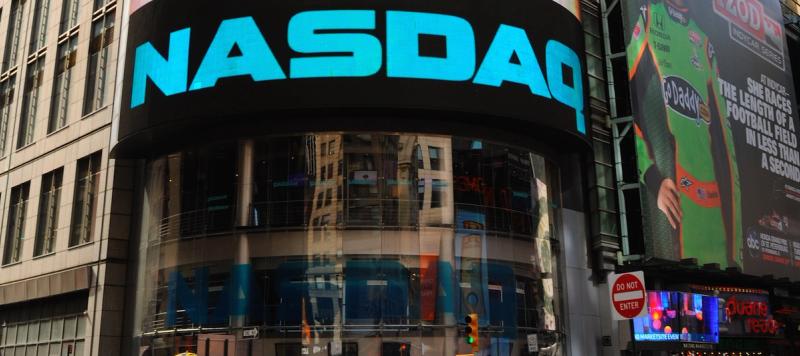
Anthropic is lining up an offer for UK retail investors. Analysts warn that the slide in SpaceX could dent demand.
The MOEX Index rose 0.34% to 2,463.82 points at Friday’s close, while the RTS Index fell 0.08% to 944.94. Segezha Group shares jumped 10.39%, which an analyst said appeared speculative, while VK lost 3.45%. Analysts gave differing ranges for the MOEX Index in the next session.
Investment expert Jan Růžička calls the European market the world’s best. He urges policymakers to speed up EU accession and the Capital Markets Union to sustain momentum and enthusiasm among candidate countries.
Bitcoin ETFs made concentrated purchases in Q3, amounting to nearly twice miners’ production. But declining balances among older holders and November withdrawals leave sustained absorption unproven.

Japan Tobacco shares fell a record 19.3% after its Russian assets were placed under temporary management by a Russian firm. Russian Security Council Deputy Chairman Dmitry Medvedev responded with the quip, “smoking kills.”
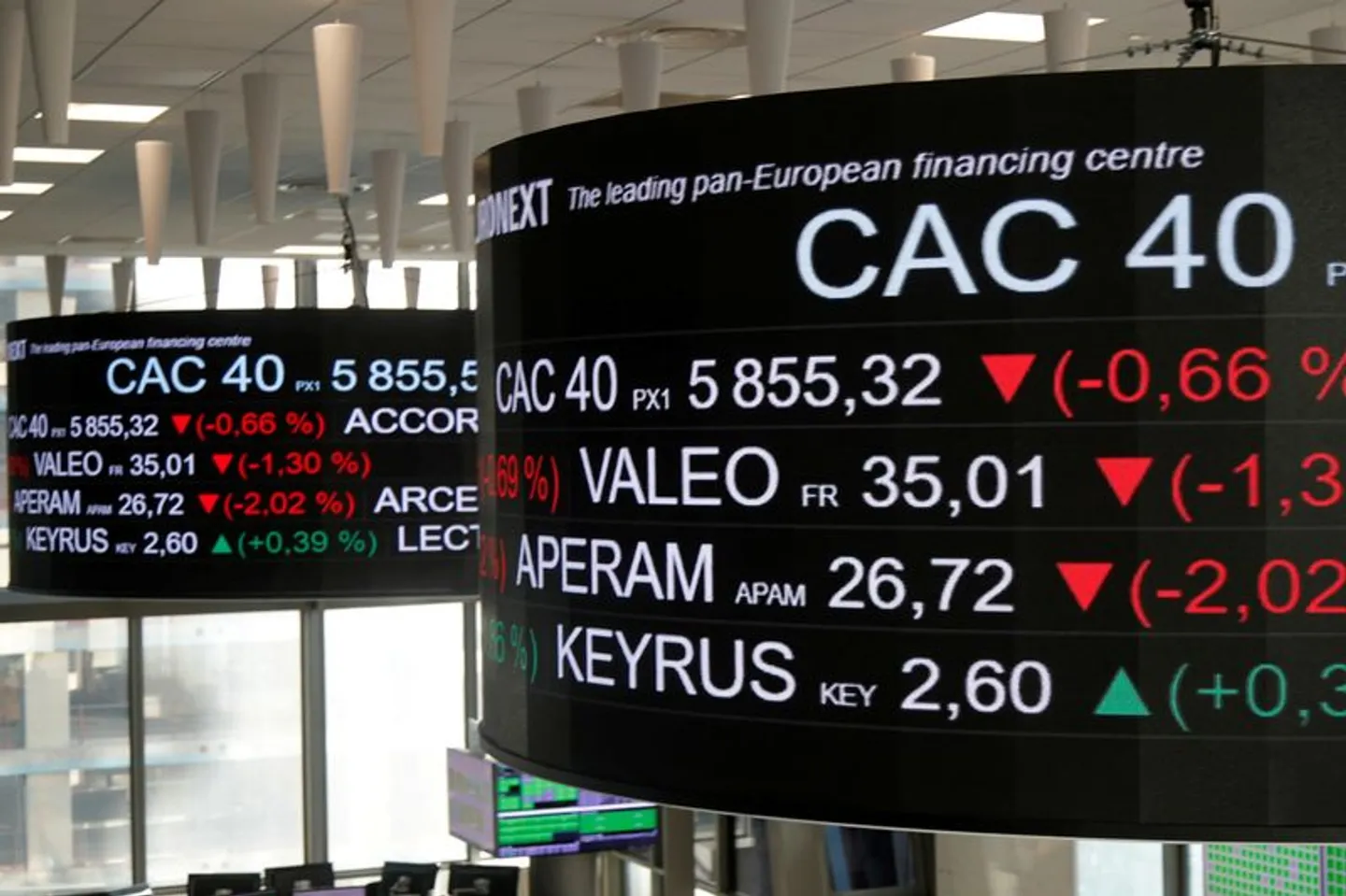
The steep decline in technology stocks is clouding the outlook for a global economy supported by the AI boom. Traders are questioning whether central banks can raise interest rates further to contain the energy-price surge caused by the Iran war.
Uncertainty about economic growth and expectations that inflation will stay high next year are weighing on global markets. Hopes that the Iran war could de-escalate have helped push oil prices lower.
AI stocks climbed after investors had been selling technology shares, partly over concerns that the Democrats’ election victory would slow AI development.

This week’s stock selloff highlights how deeply the AI industry is woven into pensions, debt markets and the wider economy, affecting everyone’s wealth.
Investors are using health savings accounts to bet on stocks, moving well beyond broad-based index funds.
Platforms report strong demand from UK retail investors for shares in Nvidia, SpaceX, Micron, AMD and Alphabet after a sharp tech sell-off.
London-based Arini invested billions of dollars in the riskiest corners of the junk-bond market, and those bets have now turned sour.
China’s State Council pledged to improve policy mechanisms to steady the struggling stock market. Shares fell again on Friday after a US market meltdown. At an executive meeting chaired by Premier Li Qiang, officials said they would strengthen the market’s inherent stability and support the capital market’s steady, healthy development.

The 10-year U.S. Treasury yield rose after Friday’s key jobs report showed October employment was far stronger than expected. Investors assessed the report and weighed the state of the U.S. economy.

The Bank of Russia has named Bitcoin, Ether and USD Tether as cryptocurrencies that unqualified investors may access. Its guidance takes effect on November 17, when exchanges may authorize the assets for public circulation. Investors of any status must pass tests and learn about the risks before trading.
A stock in the writer’s Asia fund made them look clever for months, but its performance has since turned disappointing.
AI-related jitters following a shift in the US political landscape triggered a global selloff. On Friday, Britain's FTSE 100 was set for its steepest decline in more than seven months and a weekly loss.
Investors have spent months worrying that a long list of risks could threaten the lucrative run fueled by artificial intelligence spending, with the midterms exposing those vulnerabilities.
SpaceX accounts for 11.1% of the trust's assets after a portfolio reduction, while its final Tesla shares have been sold.

Russia faces a much larger-than-expected budget deficit, sanctions losses and damage from Ukrainian strikes, yet the ruble has strengthened against the dollar and euro. The article says tax payments and hopes for talks to end the war helped support it, while fewer investors have made the currency market less reactive to news than before the war.
Trillions of dollars in stock value have been wiped from major technology firms in the US, Europe and Asia. Investors appear concerned about a possible slowdown in AI and tougher regulation after Democrats won the US midterms; some Democratic candidates had opposed the data centres needed to power AI.

The piece considers the flight to quality and raises the question of safe assets.
Trading is expected to start Monday, offering calls, puts and more complex strategies in selected jurisdictions outside the United States.

Oil price swings are drawing attention to a high-quality problem facing major oil groups. There are signs the companies have begun investing in the early stages of their next growth cycle.
U.S. spot crypto ETFs returned to net outflows on Thursday, with withdrawals from major products exceeding $540 million.

A November 4 notice says the venture’s operator and affiliates will not provide liquidity, leaving eligible outside participants to supply the planned pools.

More than $1 billion in bullish bets were liquidated, while ETF flows suggested no support for the spot market.

Courts in India and Singapore have frozen the assets of a businessman alleged to have orchestrated a private credit fraud before fleeing the US.
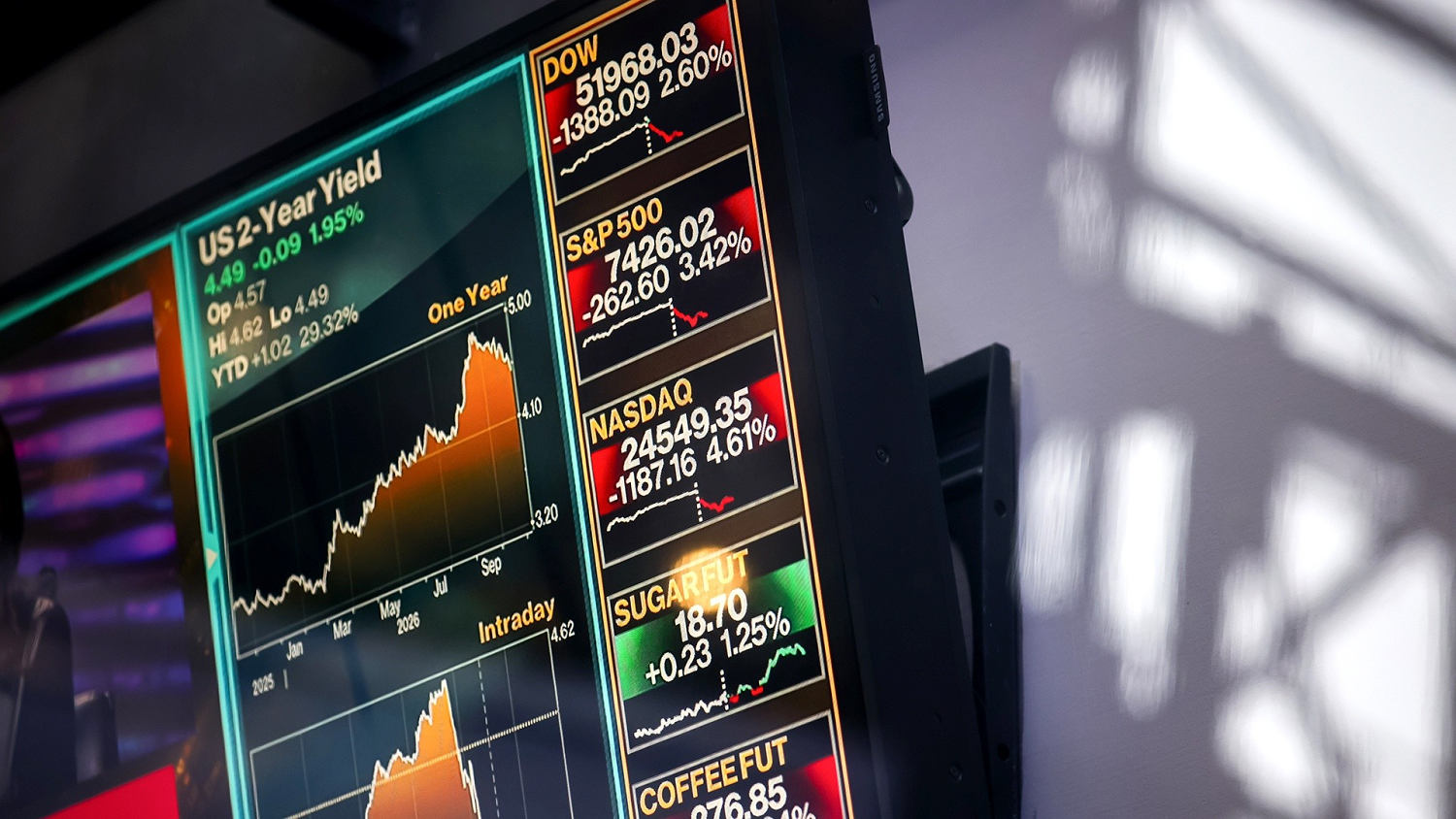
The S&P 500 and Nasdaq had their worst session since April 2025 on Thursday, with technology stocks and AI-linked companies among the biggest decliners. Investors pointed to uncertainty over how a Democratic-controlled Congress would work with President Donald Trump.

The Bank of Russia bought yuan worth 12.2 billion rubles ($149 million) in domestic-market transactions settling on November 5. It made another purchase of the same ruble value in transactions settling on November 3. The operations are conducted through the yuan-ruble instrument on the Moscow Exchange.
The midterm election rout hit an AI trade already pressured by high interest rates, heavy capital spending and doubts about returns.

U.S. markets took a hit as concerns about newly elected Democrats added to investor fears over AI.

The tech-heavy Nasdaq shed $2.5 trillion in value Thursday as investors sold tech stocks, worried that Democratic midterm wins could slow AI expansion. Another force intensified the sell-off.
The cost of hedging against the S&P 500’s steepest plunge in more than a year surged Thursday as traders sought protection from further sharp swings.
A Sanya delegation visited the Maldives and the UAE to advance investment cooperation with officials and businesses. Discussions with Maldivian authorities covered fisheries, tourism, yachts, aviation logistics, manufacturing and vocational training, and the sides signed an intergovernmental trade and economic cooperation memorandum. In the UAE, talks included tourism, duty-free retail, cruise ships and cross-border finance.
Nasdaq 100 futures rose, pointing to a possible reprieve for stocks. The tech-heavy index fell more than 6% on Thursday as investors worried about an AI slowdown after Democrats won the House and Senate.

By the time Ske Jarzenske voted for Donald Trump for a third consecutive time, the election result also had a personal financial stake for him: his brokerage account.
Netflix plans to invest $200 million in Turkish productions over the next three years.

A Democratic sweep gives markets cause to reassess the interest-rate outlook. A resolution to the Iran war, slower U.S. growth and new fiscal policy could limit rate hikes, but none of those outcomes is assured.

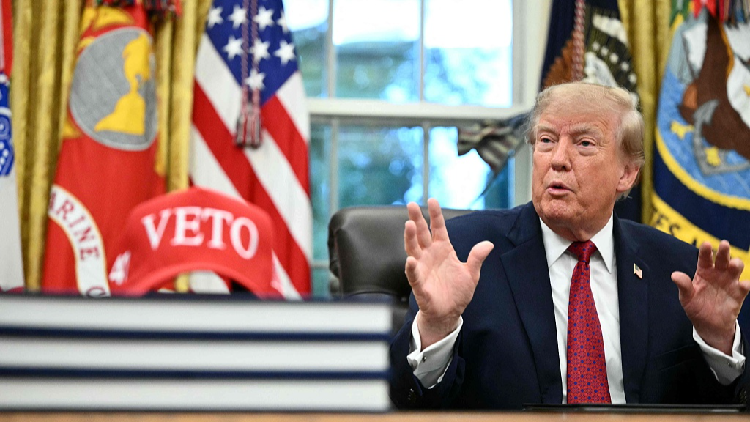
The article says Wall Street plunged after Democrats won both chambers of Congress, with tech and AI-infrastructure stocks hit especially hard. It argues Democratic criticism of data-center costs and AI development fed fears that investment could slow, while Trump blamed the election results for the market decline.


Democrats widened their House lead by flipping seats in Ohio, Arizona and North Carolina, moving ahead 253 to 157 with 25 races still uncalled. The final two Senate contests, in Mississippi and Alaska, also remained unresolved. Republicans held two western House seats, while Los Angeles elected Democratic socialist Nithya Raman mayor in a narrow upset over Karen Bass.
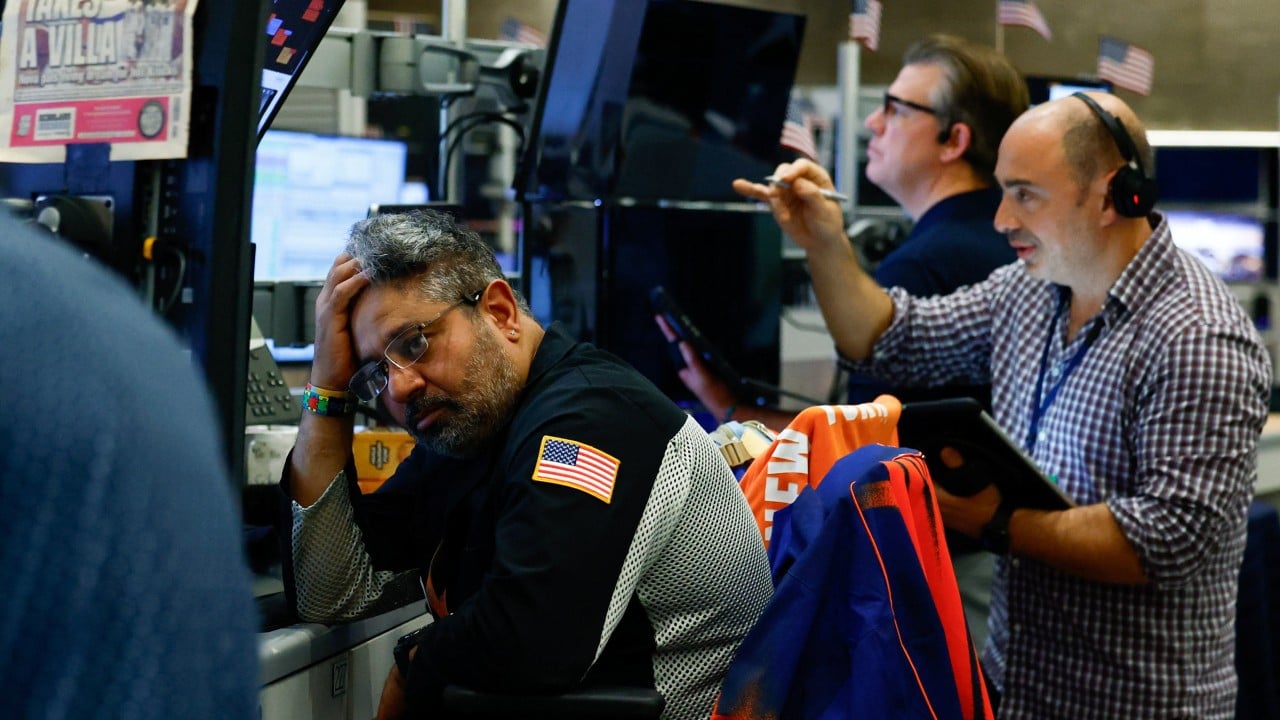
Wall Street shed $3.2tn after Democrats swept the midterms. The tech-heavy Nasdaq 100 fell 6.4% during a chaotic trading day.
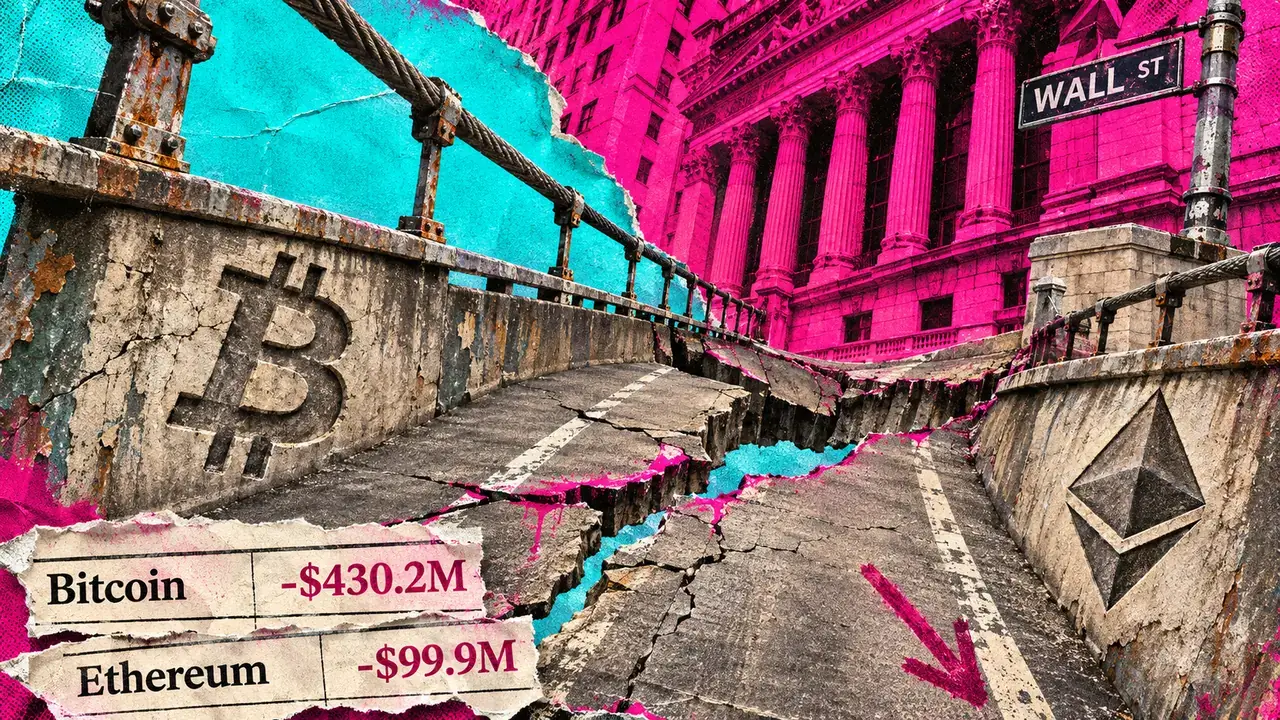
Six funds saw withdrawals on November 5, bringing this week’s recovery in ETF demand to a brief halt. Bitcoin and Ethereum ETFs lost $530 million in a single day as a $3 trillion Wall Street wipeout rattled crypto.

Bitcoin moved back above $76,000 on Friday after falling below that mark during Thursday’s tech-driven market rout. ETFs saw $430 million in outflows.

European shares fell sharply on Friday as global investors weighed uncertainty following the Democrats’ sweeping US midterm victory. Some of the decline reflected fears that Democrats could curb AI data-centre development, which is widely unpopular among US voters.

Global equity funds drew inflows for a seventh consecutive week through November 4. Major central banks kept rates steady and crude prices fell, while US and major Asian markets declined amid worries about the cost of AI expansion.
Hainan's offshore duty-free sales totaled 33.45 billion yuan ($5.02 billion) from November 2025 to October 2026, up 13.8% year on year, Haikou Customs said. The revised policy expanded the range of duty-free goods and allowed some domestic products to be sold through the channel.
From November 2025 to October 2026, offshore duty-free shopping in Hainan generated 33.45 billion yuan in sales. A total of 4.88 million shoppers bought 27.64 million items, up 13.8%, 8.6% and 2.4% year on year, respectively.
China’s stocks gave back weekly gains after the global AI stock bubble burst following the US Democrats’ midterm-election landslide. AI-related shares dragged the CSI 300 down 1.4%, while Hong Kong’s Hang Seng Index fell 1.3%. Safe-haven demand pushed China’s 10-year government bond yield to an intraday record low of 1.58%.

Fears about artificial intelligence are driving investors toward bonds as the global sell-off in technology stocks deepens.


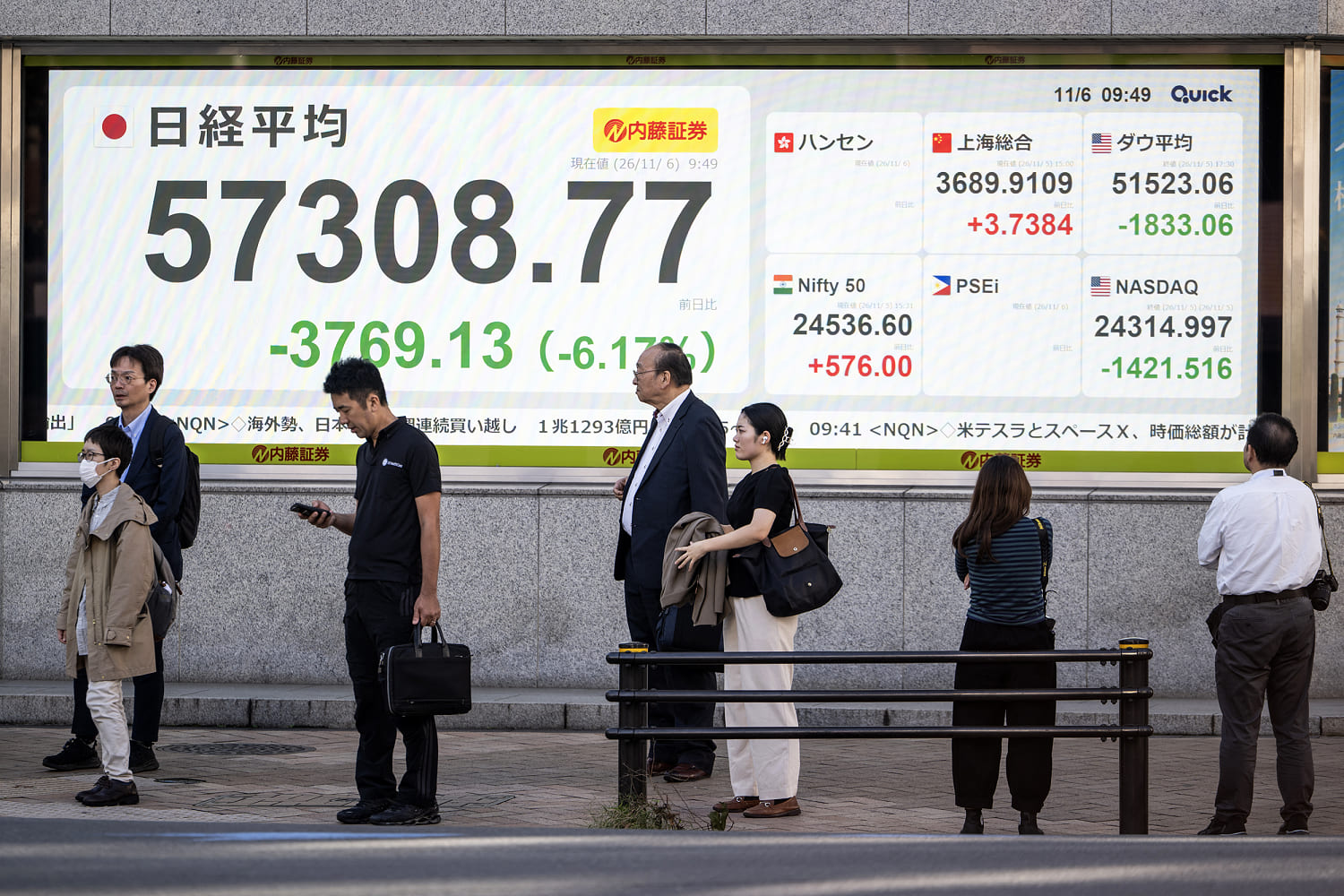
Asian and European markets followed Wall Street lower as a US tech-stock rout fuelled fears that the Democrats’ midterm victory could slow the AI industry. The Nasdaq fell 5.5% on Thursday, while Japan’s Nikkei dropped 6% and South Korea’s Kospi lost more than 8% in early Friday trading. London’s FTSE 100 opened down 1.5%.
Bloomberg reported that the combined net worth of Nvidia CEO Jensen Huang, SpaceX’s Elon Musk and Oracle co-founder Larry Ellison fell by $104.9 billion as stocks declined after Democrats’ US midterm election win. Musk lost $79.7 billion, Huang’s wealth fell $15.1 billion to $150.9 billion, and Ellison lost $10.1 billion. Fears that a Democrat-controlled Congress could limit data-center construction weighed on related shares. Nvidia fell 9.3%, SpaceX 9% and Oracle 6.9%.

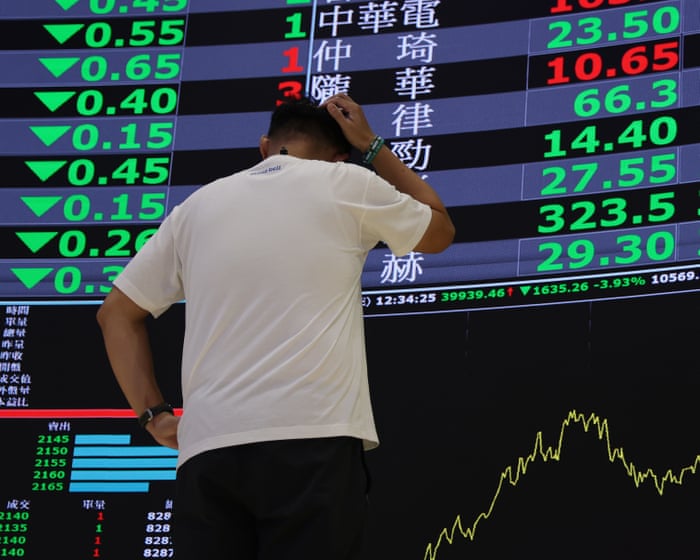
Technology shares extended their sharp sell-off in Asian trading as investors feared that Democrats’ US midterm victory would bring tighter AI regulation and slow data centre expansion. South Korean, Taiwanese and Japanese markets plunged, with South Korea briefly halting trading; markets recovered some losses by the close.

A worsening sell-off in tech stocks spread across global markets on Friday. The Democratic wave in the U.S. midterm elections stoked fears about AI development, with losses extending from Wall Street to Asia and Europe.
Investors fear Democrats may seek to slow the US data centre build-out that underpins the AI boom.
Asian markets tumbled Friday, following a sell-off in Western stocks. Investors feared the Democrats’ victory in the US midterm elections could lead to tighter AI rules and stronger opposition to data centre expansion.
Traders in global financial markets are hoping next week brings an end to the storm battering tech stocks, and no further escalation in the Iran war that would send oil prices soaring again.
Russian business circles want to strengthen long-term technological cooperation with China, Igor Zapolsky of the Russian-Chinese Guild of Commerce said. He said Russian firms want Chinese partners to deepen technical integration in Russia and stressed that cooperation should extend beyond goods trade to technology sharing and joint development.
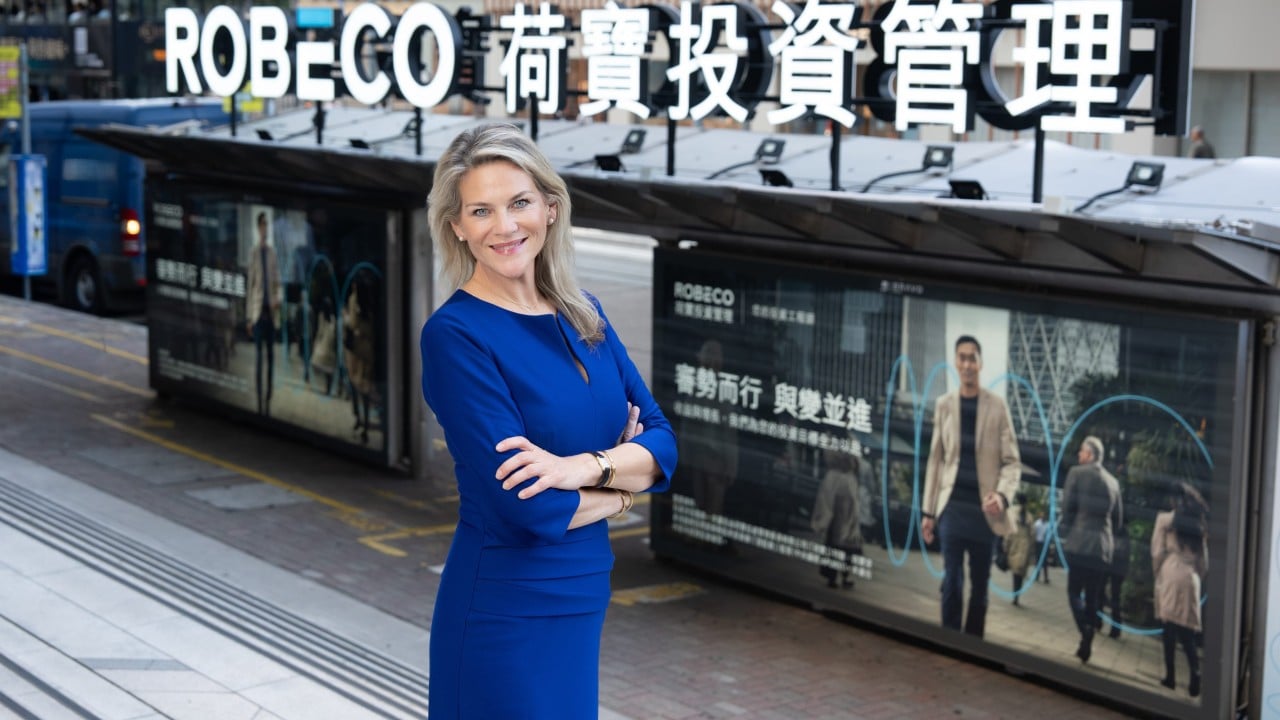
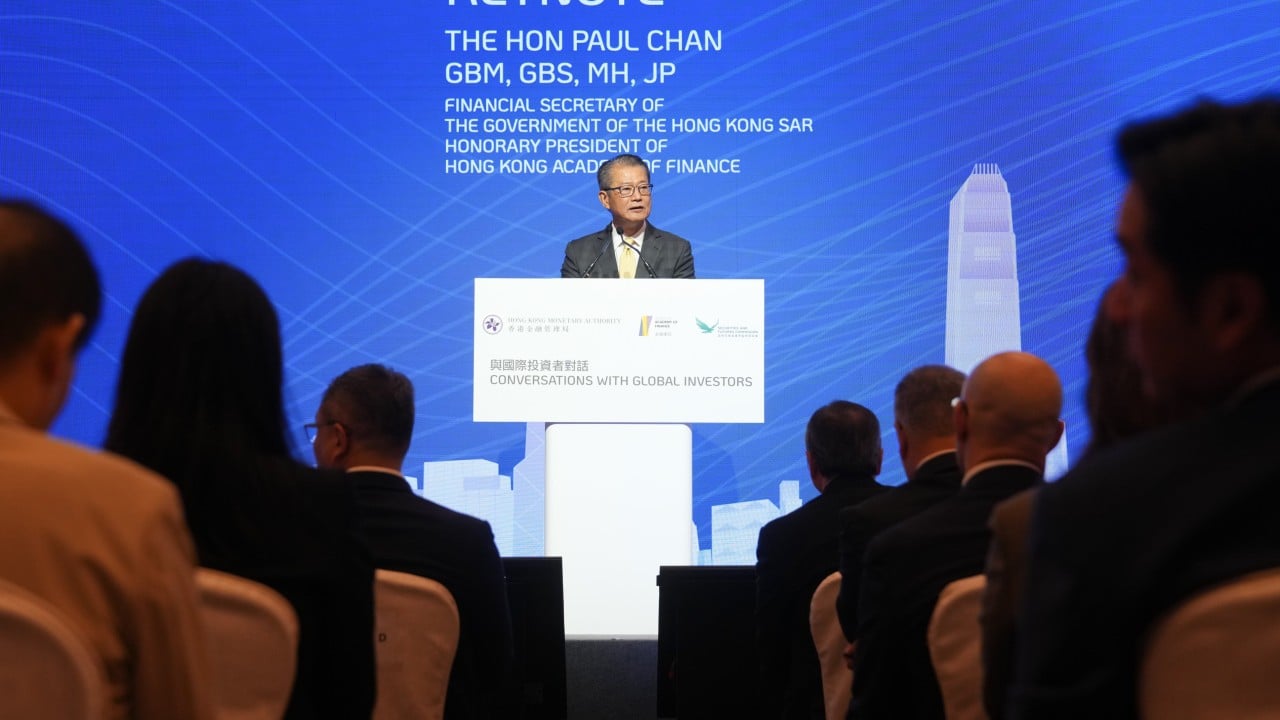
Robeco CEO Karin van Baardwijk said the firm plans to broaden its Hong Kong presence to benefit from wealth creation across Asia-Pacific. The Rotterdam-headquartered manager had US$464 billion in client assets in June and plans to move into a larger office “very soon”.

China stepped up state intervention in its struggling market this week, before US midterm results jolted global markets. Global executives also met in Hong Kong to discuss AI trading, asset diversification and wealth management, as the city posted better-than-expected quarterly economic growth.

Indian shares rose on Friday, with signs of sustained foreign inflows and limited exposure to major AI stocks helping insulate the market from a global selloff.
Wall Street reversed course amid a massive selloff in artificial intelligence-related shares.
The piece says markets show the hallmarks of an unsustainable party.
At the start of Friday’s main trading session, Russia’s MOEX and RTS indices each rose 0.77%, to 2,474.26 and 952.93 points, respectively. Their gains later widened, while the yuan weakened against the ruble.
A severe global equity selloff led by technology stocks erased year-to-date gains at many hedge funds, prompting some managers to reduce risk and shrink their investment teams.
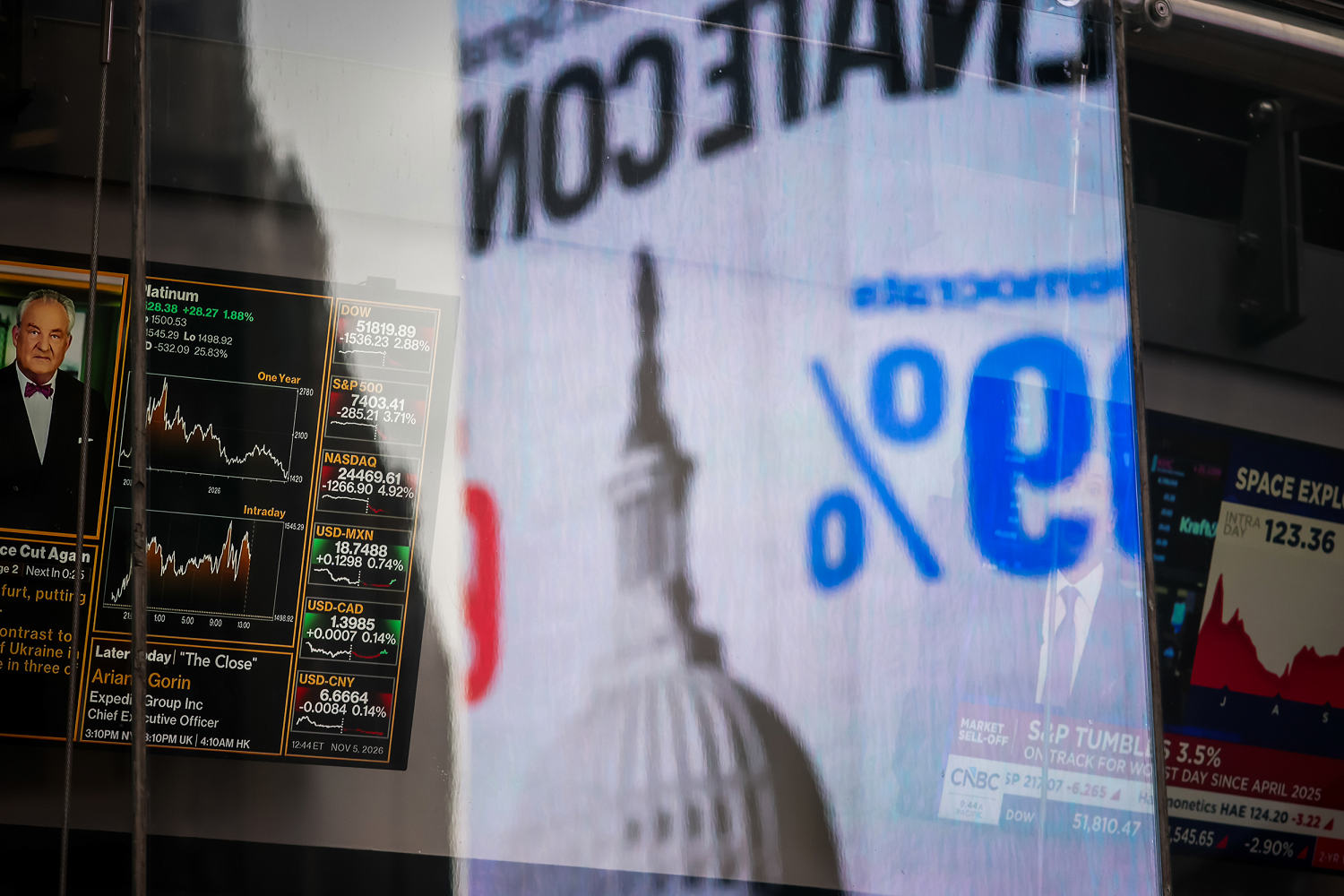
S&P 500 companies shed a record $2.9 trillion (€2.6 trillion) in market value on Thursday. Asian technology shares fell Friday as investors considered whether Democrats’ US midterm victories could bring tougher rules for AI data centres.
The market sell-off is deepening, but has not yet spread broadly.
Hong Kong property is moving against a broader Asia-Pacific shift towards selling. In the third quarter, about 75% of Hong Kong market professionals reported stronger client buying intentions, up from 71% in the first quarter, while rising borrowing costs are making regional investors more cautious.

A morning market outlook looks ahead to the day in European and global markets, with artificial intelligence facing a reality check.
India’s benchmark Nifty 50 has risen nearly 8% over the past month, outperforming tech-heavy markets including South Korea, Taiwan and the U.S.

Hong Kong’s Exchange Fund, used to defend the local currency, earned HK$18.6 billion in the third quarter, down 74% from HK$70.8 billion a year earlier. Earnings for the first nine months of 2026 fell 39.6% year on year to HK$171.9 billion. The HKMA warned that market turbulence could persist.

Japan’s benchmark Nikkei fell more than 6% after trading began Friday, following a widespread sell-off in artificial intelligence-related stocks on Wall Street.
Oil prices climbed Friday as investors weighed the risk of renewed U.S.-Iran military escalation after the midterms against the possibility of a diplomatic breakthrough.

China and Oman have signed an MOU on cooperation in securities and futures regulation. The CSRC said Chairman Wu Qing and Omani Foreign Minister Sayyid Badr bin Hamad Al Busaidi signed it in Beijing, witnessed by the two countries’ heads of state. The agreement is intended to strengthen regulatory exchanges and support healthy capital-market development.
The Minutes Reader extension turns the original page into a focused reading view and translates articles and video subtitles on demand. It is in limited beta.