Chinese e-commerce goes global
Chinese e-commerce businesses are expanding into overseas markets.
S South China Morning PostOriginal★★☆☆☆2026-11-02 06:44
Chinese e-commerce goes global
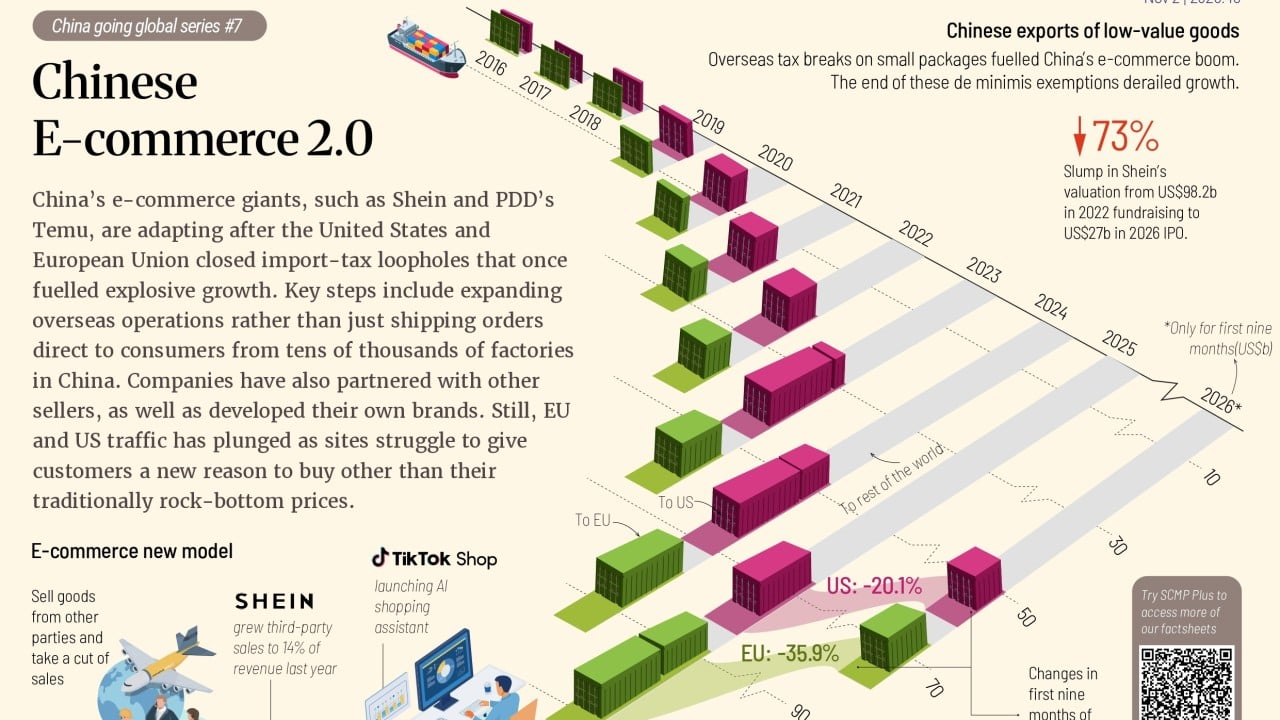
Chinese e-commerce businesses are expanding into overseas markets.
SSouth China Morning PostOriginal★★☆☆☆2026-11-02 06:44
The item examines Microsoft’s free cash flow and also flags stock-bond correlations.
F Financial TimesOriginal★★☆☆☆2026-11-02 06:30
Russian stock indexes moved higher as trading opened on the Moscow Exchange. The MOEX Russia Index rose 0.25% to 2,519.3 points, while the RTS Index gained 0.13% to 984.04. The yuan edged up 6.75 kopecks to 12.139 rubles.
T TASSOriginal★★☆☆☆2026-11-02 06:20
Shares in Indian automakers rose on Monday after robust October sales highlighted resilient festive demand. Analysts preferred two-wheeler and commercial vehicle makers, citing their stronger ability to pass on rising input costs.
R ReutersOriginal★★☆☆☆2026-11-02 06:15

Binance said users withdrew around $4.7 billion on Sunday. More than $6 billion in virtual assets had been stolen from the cryptocurrency exchange in a major hack, which the FBI blamed on North Korea.
EeuronewsOriginal★★★★☆2026-11-02 06:10
Binance said users withdrew about $4.649 billion and deposited $1.01 billion after the exchange restored its withdrawal function, which had been temporarily disabled following a hacker attack. The resulting net outflow was about $3.64 billion. Withdrawal volumes fell from an initial surge and stabilized. Binance said the October 29 attack could have caused losses of up to $6.3 billion.

Binance saw $3.64 billion in net outflows after it resumed withdrawals following a $6.3 billion hack. The outflows represented 2.1% of its total assets.
Binance, the biggest cryptocurrency exchange globally, says withdrawals are available again. Last week, a record $6.3 billion was taken from its digital wallets.
South Korea has introduced emergency measures to keep its nuclear project in the Czech Republic on schedule.
TTRT WorldOriginal★★☆☆☆2026-11-02 06:05
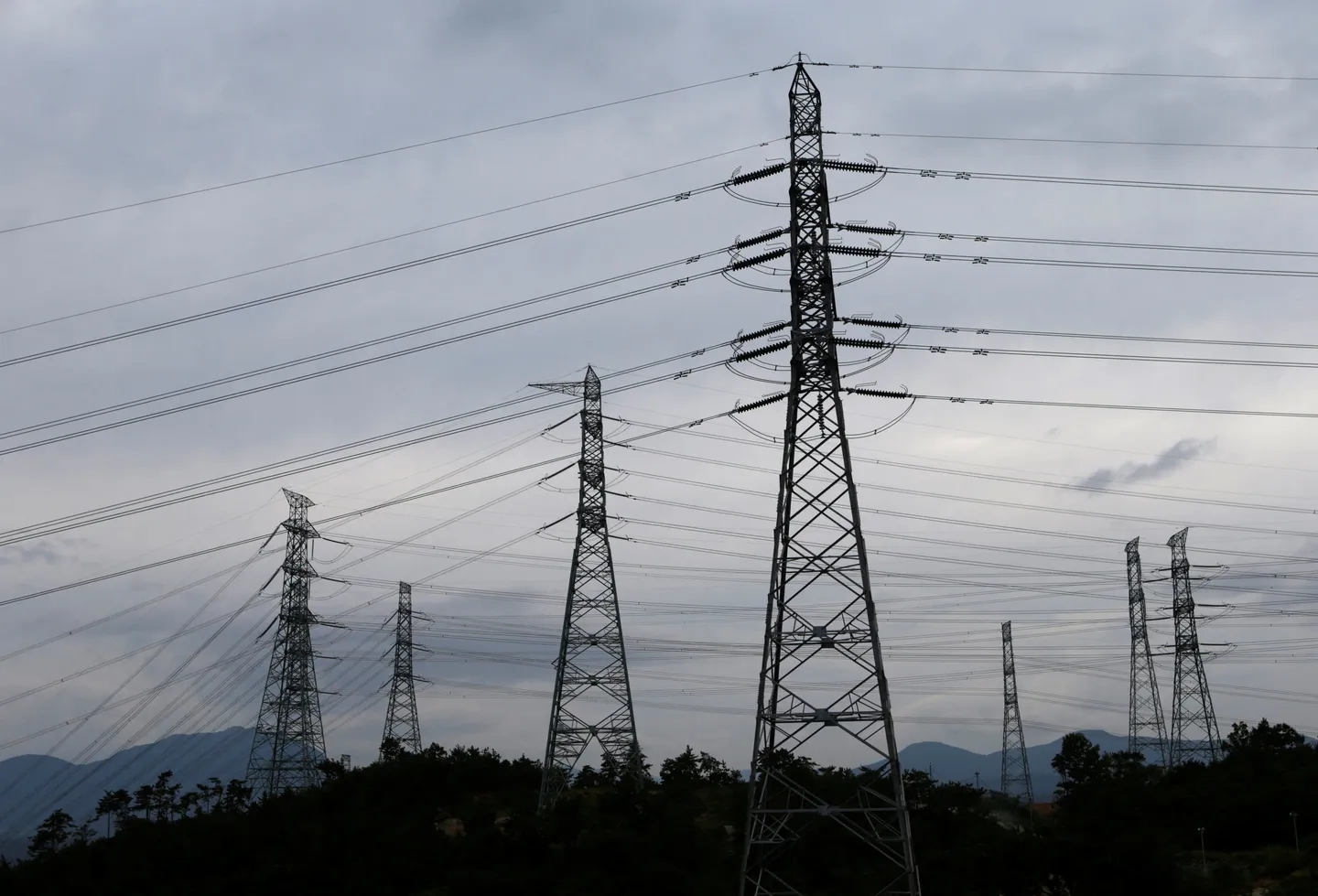
Bank of Japan Governor Kazuo Ueda has nearly committed to raising rates in December, but investors remain unsure how much further policy could tighten as rates approach neutral territory—a largely unfamiliar situation after decades of ultra-loose policy.
RReutersOriginal★★★☆☆2026-11-02 06:05

The Elga Port Marine Coal Terminal shipped 2.5 million metric tons of coal in October, equivalent to an annual rate of 30 million tons. CEO Alexander Isaev said the terminal and Pacific Railway unlock the Elga deposit’s potential and enable efficient, uninterrupted deliveries to the company’s key markets.
TTASSOriginal★★☆☆☆2026-11-02 06:02
South Korea’s 2027 budget is set to rise 12.8% to 820.9 trillion won, including 21.3 trillion won for investment in semiconductors, physical AI and AI data centers.
C CNBCOriginal★★★☆☆2026-11-02 06:02

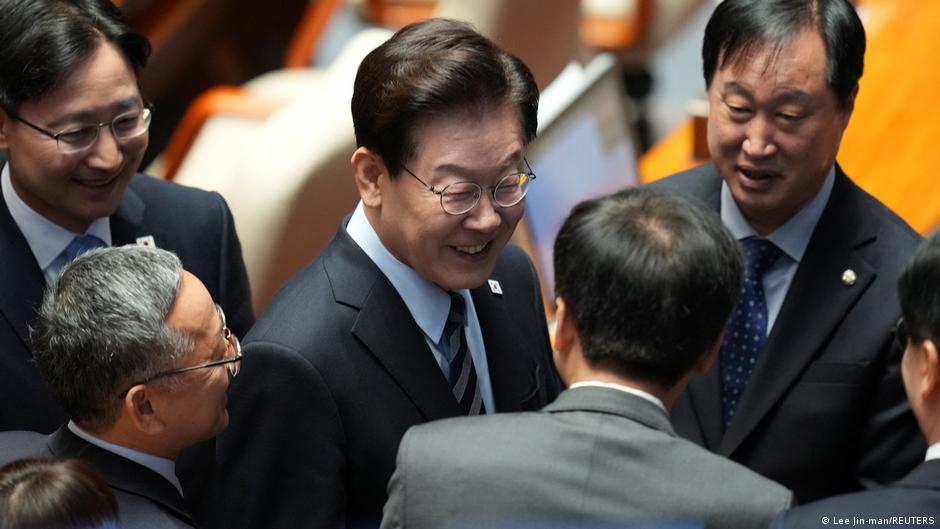
Lee Jae Myung said South Korea will invest 21.3 trillion won, nearly twice this year’s amount, in AI and projects including semiconductors, physical AI and AI data centres. A further 4.7 trillion won is planned for frontier AI development. The record budget proposal for next year requires parliamentary approval.

President Lee Jae Myung said on Monday that South Korea would make bold investments in artificial intelligence to strengthen its growth potential. He made the pledge in a parliamentary address seeking approval for next year’s budget.
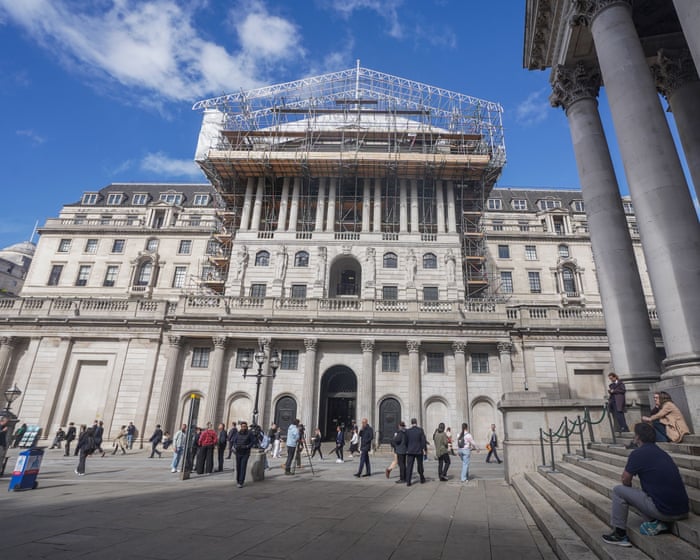
The Bank of England is widely expected to raise its base rate from 3.75% to 4% this week. More than 2.3 million households will come off fixed-rate mortgage deals in 2027, potentially facing sharply higher payments as inflation and energy and food costs squeeze household finances.
TThe GuardianOriginal★★★☆☆2026-11-02 06:00
Swire Properties is examining whether to list some of its mainland China commercial properties on the country’s REIT market. CEO Tim Blackburn said greater clarity on commercial land-use renewals is creating new ways to unlock capital.
SSouth China Morning PostOriginal★★☆☆☆2026-11-02 06:00
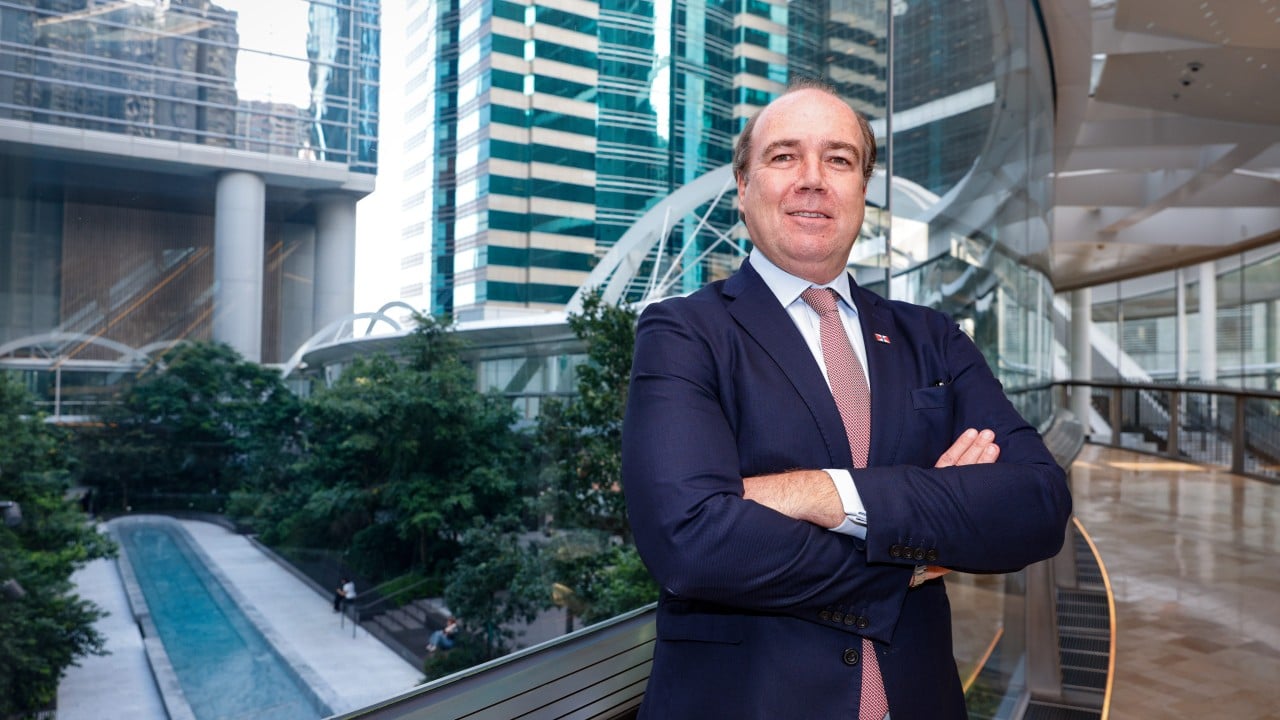
The story examines what delays in data centre construction mean for debt holders.
FFinancial TimesOriginal★★☆☆☆2026-11-02 06:00
The story focuses on the largest hedge fund spinout ever. It also notes insurers remain bullish on private markets, Binance suffered a $6.3bn heist, and the Metropolitan Opera in New York is staging “The Magic Flute.”
FFinancial TimesOriginal★★☆☆☆2026-11-02 06:00
Public Policy Holding, a communications company, is acquiring strategic communications firm Reevemark for up to $80 million, according to people familiar with the deal.
RReutersOriginal★★☆☆☆2026-11-02 05:50

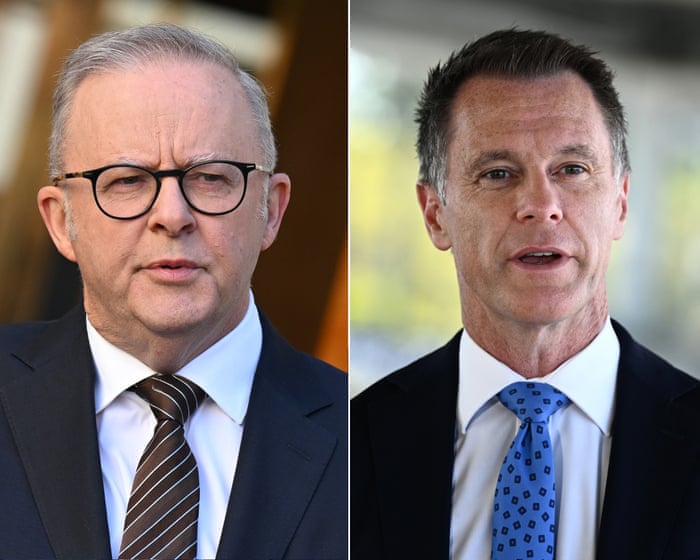
New South Wales Premier Chris Minns says an expected Reserve Bank of Australia rate increase could cost jobs and force businesses to shut, urging federal and state governments to curb spending. The RBA announces its cash-rate decision on Tuesday, with one Labor MP saying voter anger over the economy is already high.
TThe GuardianOriginal★★★☆☆2026-11-02 05:48
Wayne Cole looks ahead to the day in European and global markets.
RReutersOriginal★★☆☆☆2026-11-02 05:40

US technology stocks are set to start the week higher after a bruising rout, as the global sell-off in AI-related shares eases.
FFinancial TimesOriginal★★☆☆☆2026-11-02 05:18
The 19 wallets holding 18,270 stolen BTC have received only sub-dollar payments since Thursday, each accompanied by a message ranging from pleas for help to laundering pitches and token promotion.
C CoinDeskOriginal★★☆☆☆2026-11-02 05:18
HSBC plans to establish an institute for artificial intelligence and emerging technologies in Hong Kong. The city’s largest bank is expanding its AI push after opening a similar institute in Singapore earlier this year.
RReutersOriginal★★☆☆☆2026-11-02 05:10

Oil prices declined Monday amid reports that both the U.S. and Iran are seeking diplomacy while tensions in the Middle East continue.
CCNBCOriginal★★★☆☆2026-11-02 05:04

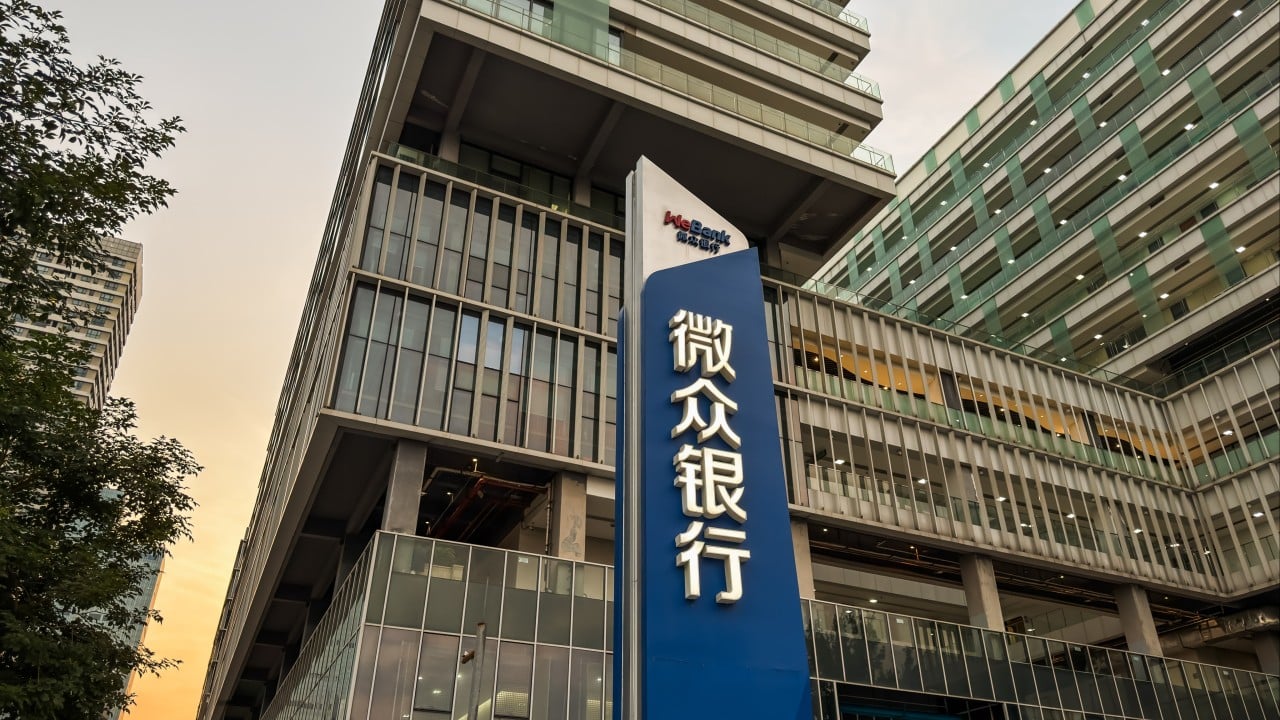
WeBank Technology Services, a fintech unit of Tencent-backed Chinese online lender WeBank, generated tens of millions of dollars in revenue last year as demand for digital banking infrastructure rose in Southeast Asia, a senior executive said. Established in Hong Kong in June 2024, it aims to serve markets in countries participating in Beijing’s Belt and Road Initiative.
SSouth China Morning PostOriginal★★☆☆☆2026-11-02 05:00
The whistleblower remains the only one of the 19 jailed bankers whose conviction has not yet been overturned.
FFinancial TimesOriginal★★☆☆☆2026-11-02 05:00
The price of money is the pin that deflates market bubbles, putting AI enthusiasm at odds with higher interest rates.
FFinancial TimesOriginal★★☆☆☆2026-11-02 05:00
Wall Street’s blue-chip index has climbed in the six months after every US congressional midterm election since 1950. That unbroken record will be tested in 2026.
FFinancial TimesOriginal★★☆☆☆2026-11-02 05:00
The Indian rupee’s unexpected, flow-driven recovery on Friday may be difficult to sustain as weakness in Asian currencies and worsening risk sentiment weigh on markets. Lower oil prices could provide some relief.
RReutersOriginal★★☆☆☆2026-11-02 04:50

TSMC’s $265 billion buildout in Arizona, the largest foreign investment in US history, is driving a real estate boom in Phoenix’s suburbs.
B Bloomberg NewsOriginal★★☆☆☆2026-11-02 04:45
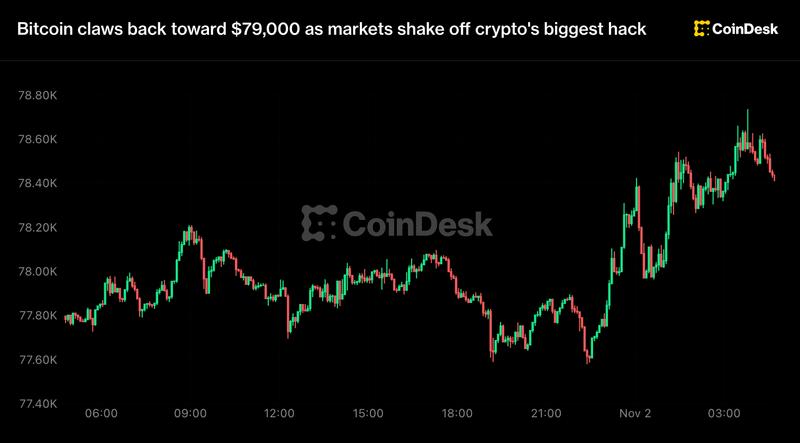
Bitcoin climbed back toward $79,000. ZEC led major cryptocurrencies, while oil fell after a report that Trump wants to give diplomacy with Iran more time. U.S. midterm elections are set for Tuesday.
CCoinDeskOriginal★★☆☆☆2026-11-02 04:42
The Moscow Exchange Index moved only slightly at the start of the morning session, standing at 2,512.92 points at 7:00 a.m. Moscow time. At 7:11 a.m., it was at 2,512.54, down 0.02%; the RTS Index also fell 0.02% to 982.54.
TTASSOriginal★★☆☆☆2026-11-02 04:30
Private surveys released on Monday showed Asian factory activity continued expanding in October, but growth slowed in major chip-exporting economies. As markets question the sector’s profitability, the AI boom may be losing momentum.
RReutersOriginal★★★☆☆2026-11-02 04:30

U.S. spot bitcoin ETFs saw $643 million in outflows on Friday, their largest single-day withdrawal since June 25, following a hack at Binance on Thursday.
TThe BlockOriginal★★☆☆☆2026-11-02 04:11

Indian shares opened higher on Monday as talks to end the Iran war eased oil prices from a six-month high. Reliance Industries rose after posting September-quarter profit above expectations, lifting benchmark indexes.
RReutersOriginal★★☆☆☆2026-11-02 04:10

IDBI workers are urging the government to cancel the privatization process and strengthen the bank while protecting public investment and staff interests.
CCNBCOriginal★★☆☆☆2026-11-02 04:09

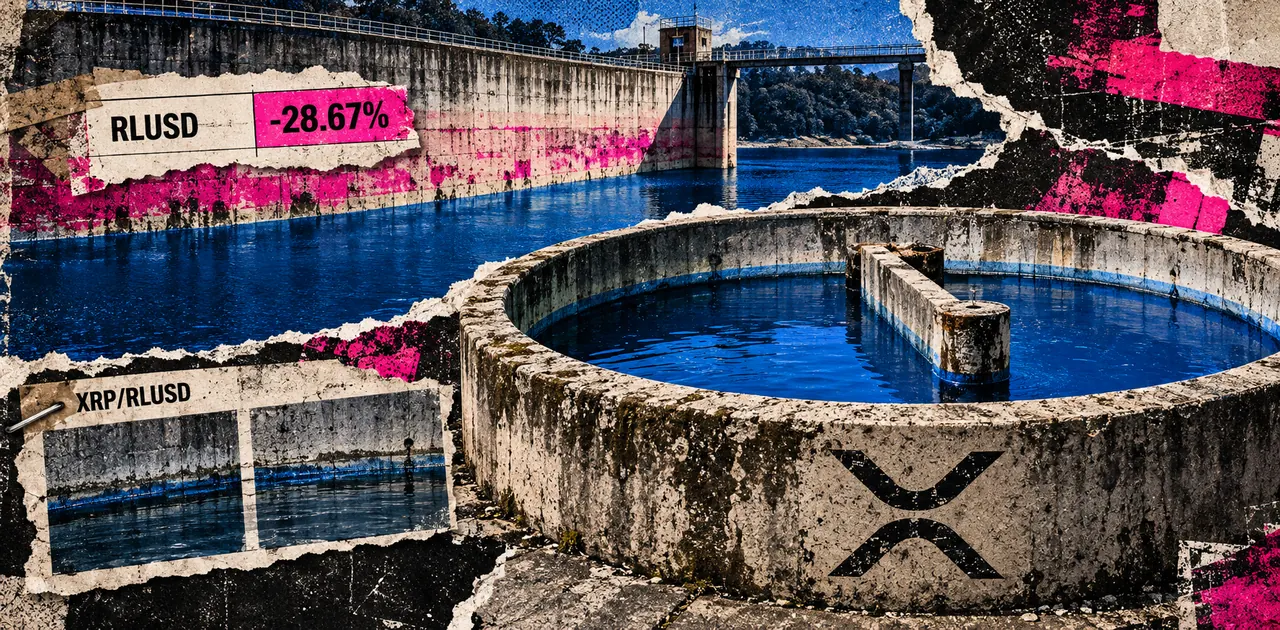
Ledger readings showed comparable reserves in XRP/RLUSD pools and unevenly funded offers. The reported decline in RLUSD supply has no established cause yet.
C CryptoSlateOriginal★★☆☆☆2026-11-02 03:40
Binance customers withdrew $3.64bn after the exchange reopened on Sunday, following a hack last week that affected $6.3bn in digital assets. The FBI and other organisations have blamed North Korea. Binance says it has replaced about 95% of the stolen assets and will cover all losses.
B BBC NewsOriginal★★★☆☆2026-11-02 03:32


Customers withdrew $3.64 billion, or 2.1% of Binance’s assets, as the world’s largest cryptocurrency exchange resumed service. A security breach linked to North Korea led to $6.3 billion being stolen from the platform last week.
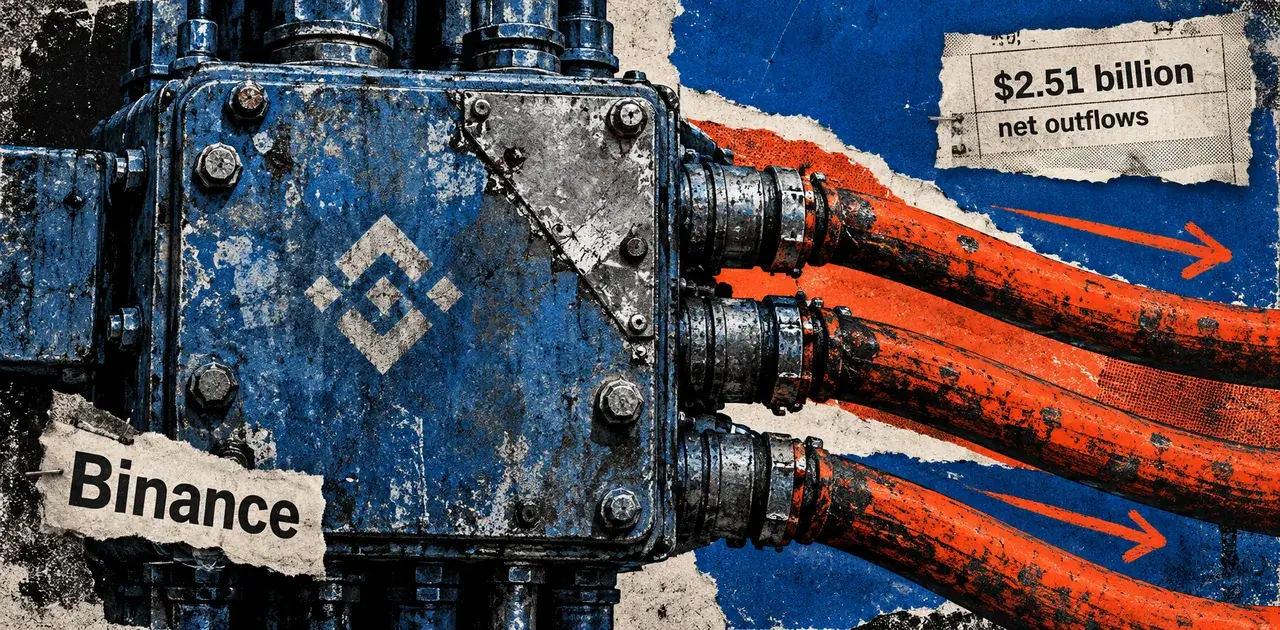
Tracked cryptocurrency wallets linked to Binance recorded $2.51 billion in net outflows on Nov. 1 after withdrawals resumed following the $6.3 billion security breach. DeFiLlama data showed outflows of about $1.083 billion in USDT, $912 million in Bitcoin, $385 million in USDC and $131 million in wrapped Ethereum.
Customers withdrew US$3.64 billion, or 2.1 per cent of Binance’s assets, after the exchange resumed operations on Sunday following last week’s US$6.3 billion hack. The FBI links the hackers to North Korea. Binance said withdrawals were stabilising, deposits remained substantial and it had covered 95 per cent of the stolen assets.
South Korean factory activity continued to expand in October, but weaker output and demand slowed growth to its weakest pace in eight months, a survey showed Monday.
RReutersOriginal★★☆☆☆2026-11-02 03:30

A network of brokers designed trades that generated billions for Indonesia’s tycoons, until MSCI prompted a crackdown.
BBloomberg NewsOriginal★★★☆☆2026-11-02 03:15
The January Brent crude futures contract on the ICE exchange in London fell below $111 per barrel for the first time since October 22, 2026. At 5:14 a.m. Moscow time, it was trading at $110.68, down 0.79%.
TTASSOriginal★★☆☆☆2026-11-02 02:50
The China International Import Expo is set to open, with more than 2,000 exhibitors taking part for the first time.
C China News ServiceOriginal★★☆☆☆2026-11-02 02:45
Canadian Prime Minister Mark Carney said his call with US President Donald Trump covered the future of bilateral trade, and that their teams would work over the coming weeks on a mutually beneficial deal. Trump said his administration had a concept for an agreement, which he said would include the Keystone XL pipeline project. The countries have imposed billions of dollars in tariffs on each other in recent months.
C CGTNOriginal★★★★☆2026-11-02 02:44
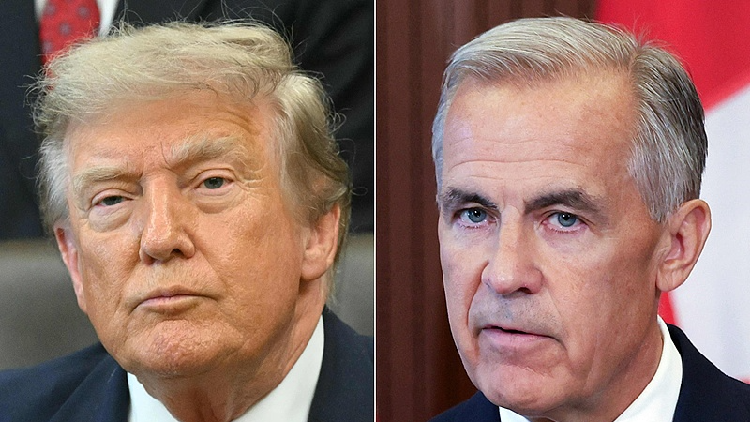

Canadian Prime Minister Mark Carney announced progress in trade deal talks between Canada and the United States, ahead of Tuesday’s US midterm elections.
Canadian Prime Minister Mark Carney said he had a “good conversation” with U.S. President Donald Trump about the future of Canada-U.S. trade. He said their discussion built on recent constructive talks about the outlines of a possible trade deal.
China has gained substantial bargaining power from its near-monopoly on rare earths. It is now seeking to replicate that advantage in a more ordinary industry, potentially putting pressure on India, a key Asian rival.
BBloomberg NewsOriginal★★☆☆☆2026-11-02 02:30

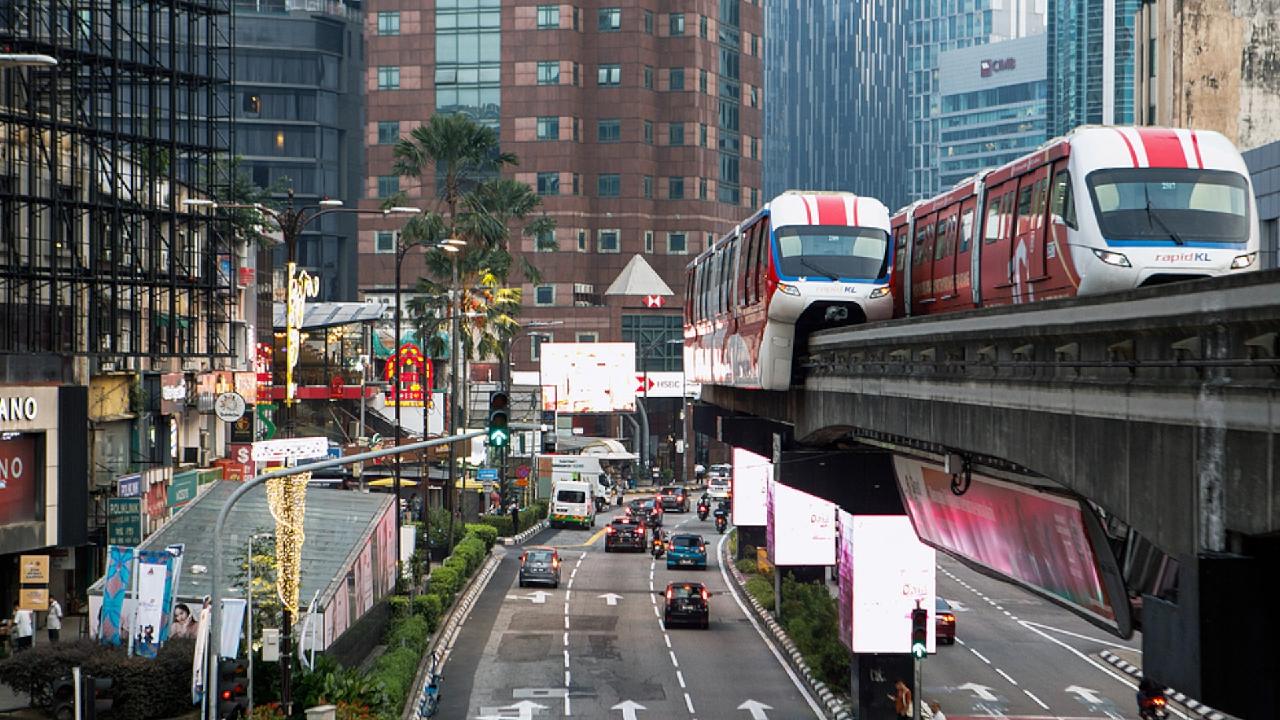
Malaysia's total trade hit a record 3.06 trillion ringgit in 2025, about $754.28 billion, increasing 6.3% from a year earlier, according to MATRADE.
CCGTNOriginal★★☆☆☆2026-11-02 02:30
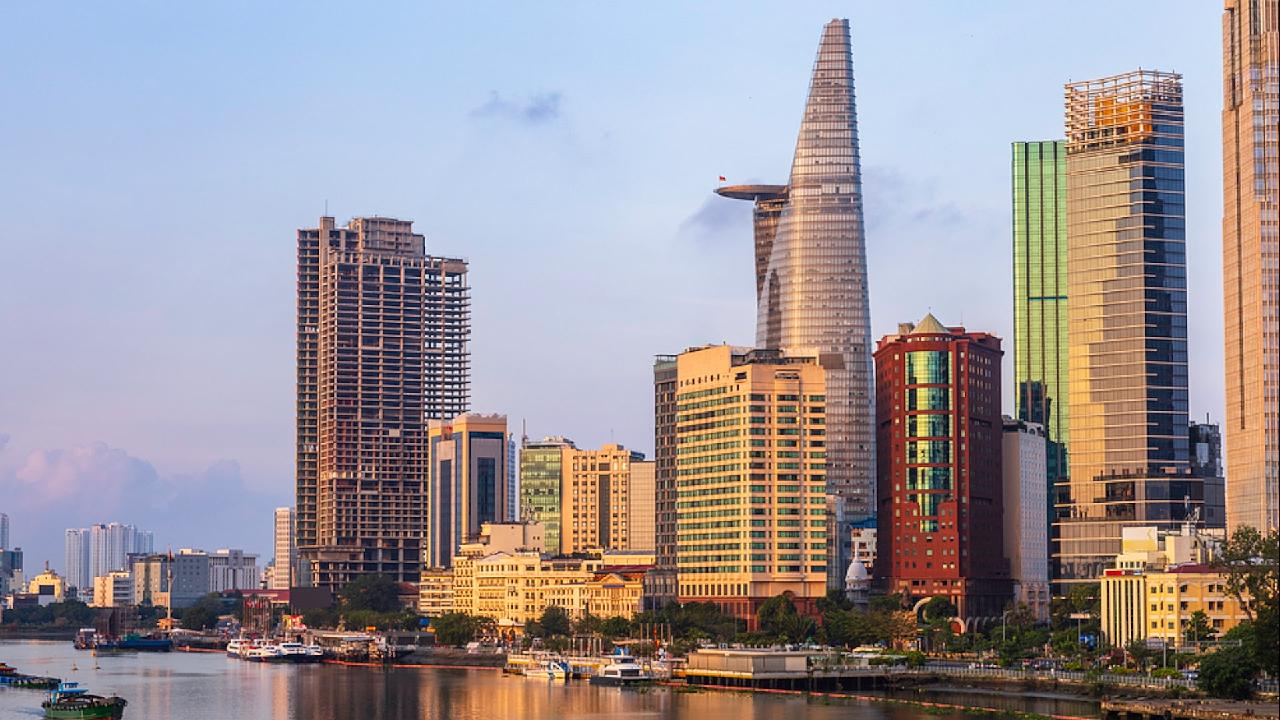
Vietnam is expanding its role in the electronics market, making smartphones and the components used to produce them. Official data put exports of electronics, computers and components at $107.7 billion in 2025, up 48.4% from the previous year.
CCGTNOriginal★★☆☆☆2026-11-02 02:30
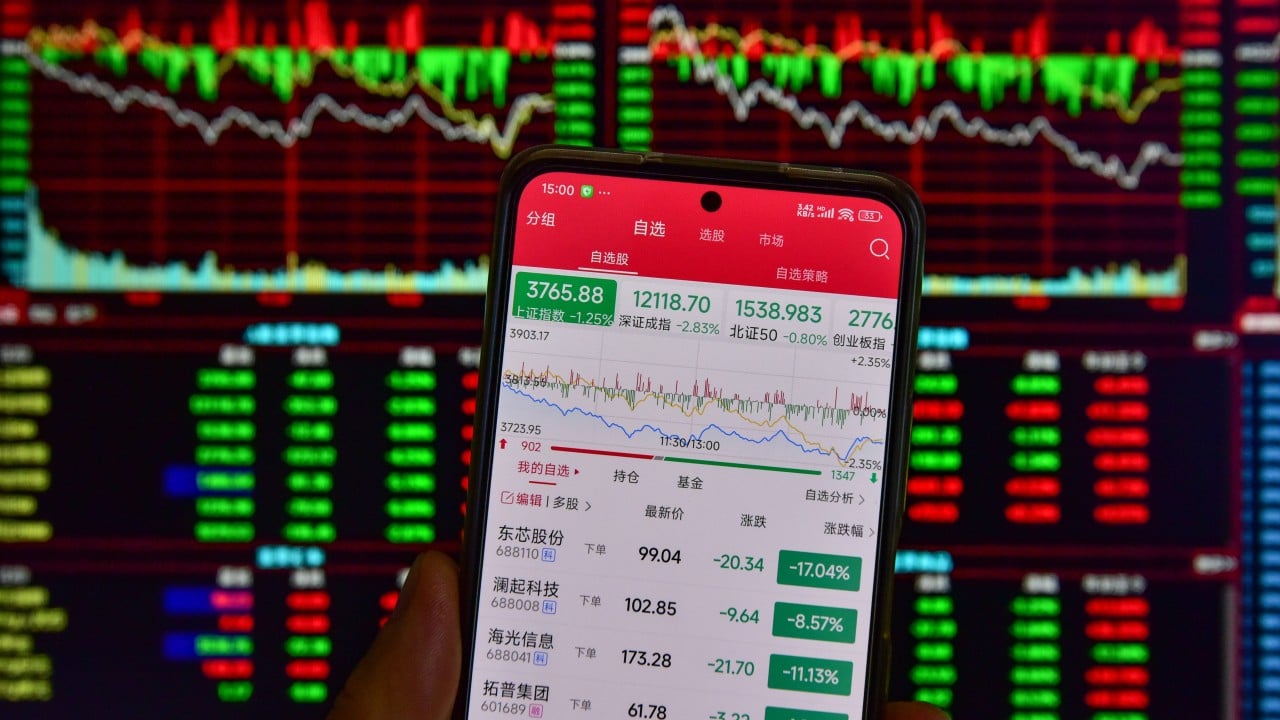
Chinese stocks recovered from October’s sharp sell-off as investors speculated Beijing would step up efforts to halt a rout that had pushed its benchmark into a bear market. At 9:36am local time, the CSI 300 rose 0.3% to 3,997.76, while the chip-heavy Star Market 50 gained 0.6%. Speculation also grew that China would expand its 300 billion yuan relending facility.
SSouth China Morning PostOriginal★★★☆☆2026-11-02 02:22
China’s three largest airlines are headed for annual losses after third-quarter results fell sharply from a year earlier. Higher jet fuel costs, weak domestic fares and typhoon disruptions weighed on what is typically their most profitable quarter.
RReutersOriginal★★☆☆☆2026-11-02 02:10

Japanese companies are pursuing $21bn in deals to secure gas supplies. The world’s second-largest LNG buyer is targeting shale resources on the US Gulf Coast amid market upheavals.
FFinancial TimesOriginal★★☆☆☆2026-11-02 01:56
China’s official manufacturing PMI fell to 49.3 in October from 50.1 in September, slipping into contraction, while high-tech manufacturing remained in expansion at 51.3 for a 21st consecutive month. Analysts said holiday effects and subdued demand weighed on activity, but expected a modest rebound in November as holiday effects fade.
CChina News ServiceOriginal★★★☆☆2026-11-02 01:44
The Philippines is closely tied to Asia-Pacific supply chains, from semiconductors to electronic components. Official data show that 82.2% of its merchandise exports in 2025 went to other APEC economies, totaling $69.41 billion; electronic products made up $38.26 billion.
CCGTNOriginal★★☆☆☆2026-11-02 01:32
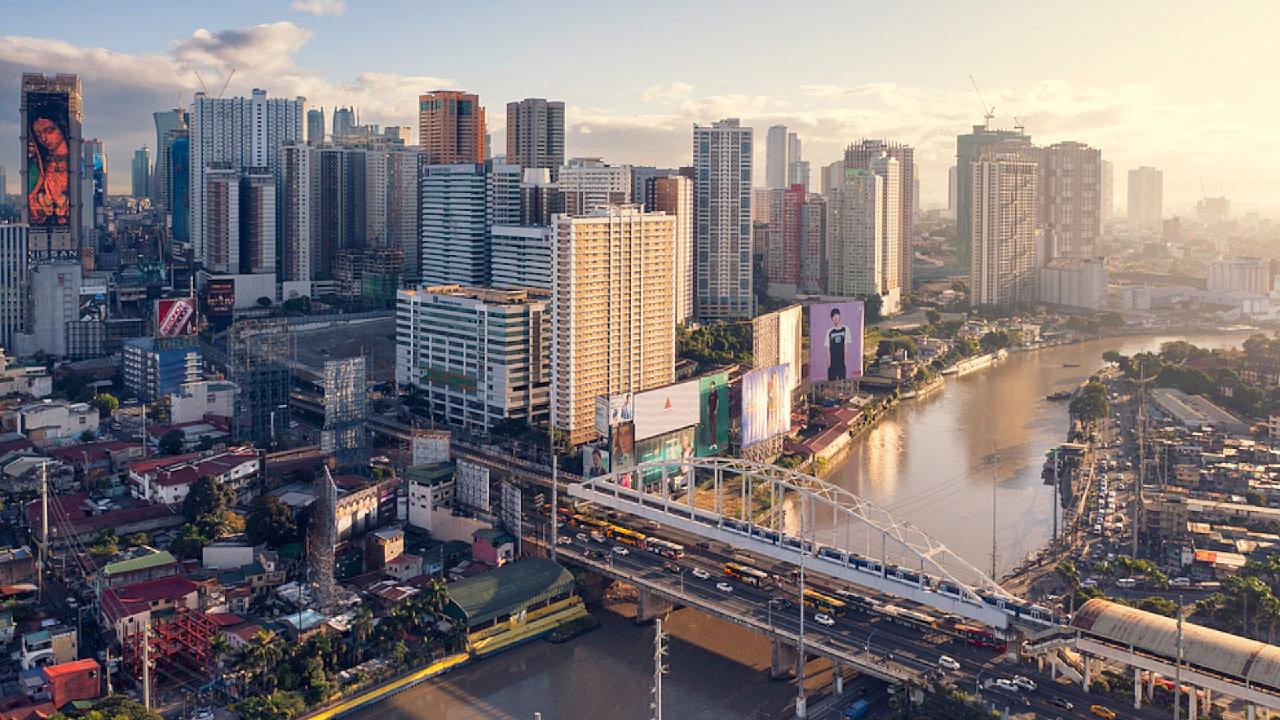
US exports of goods and services to APEC economies supported an estimated 5.2 million US jobs in 2022, according to the US Trade Representative. US goods and services trade with APEC economies totaled an estimated $4.1 trillion in 2024.
CCGTNOriginal★★☆☆☆2026-11-02 01:30
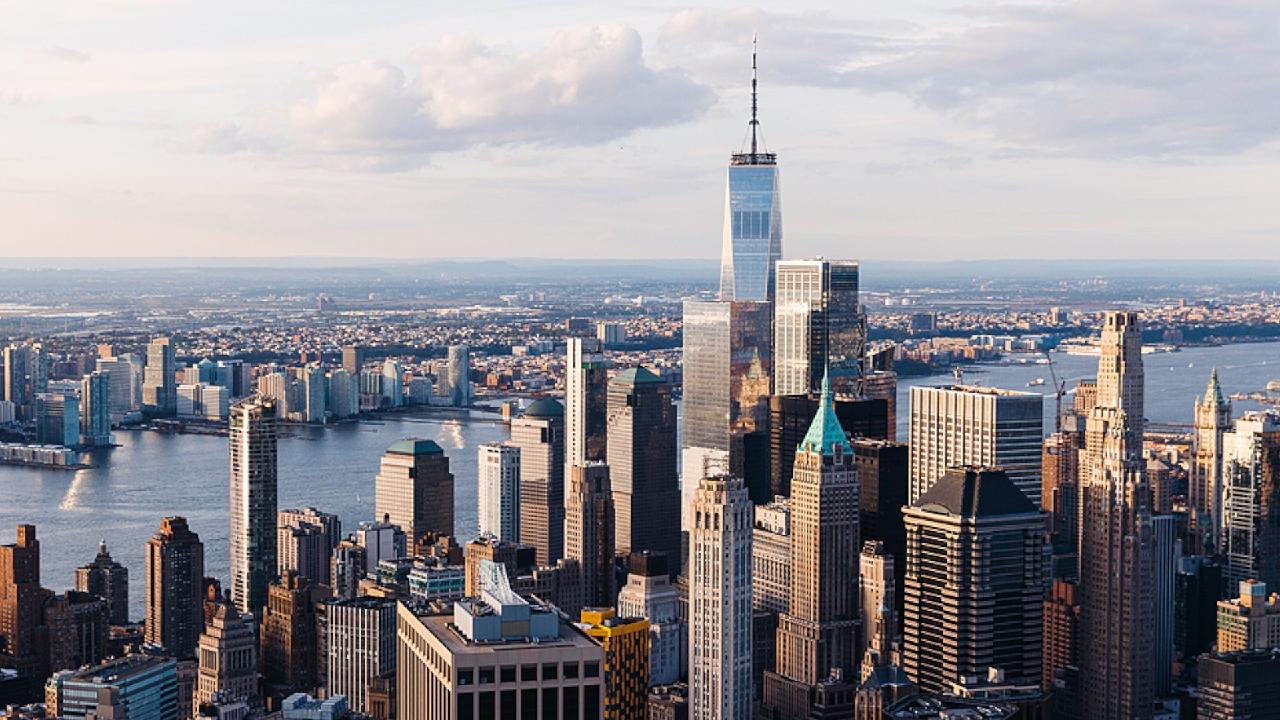
Asian stock markets fell on Monday amid concerns over whether the AI investment boom can last, weighing on technology shares. High oil prices also curbed the safe-haven appeal of sovereign bonds.
RReutersOriginal★★☆☆☆2026-11-02 01:00

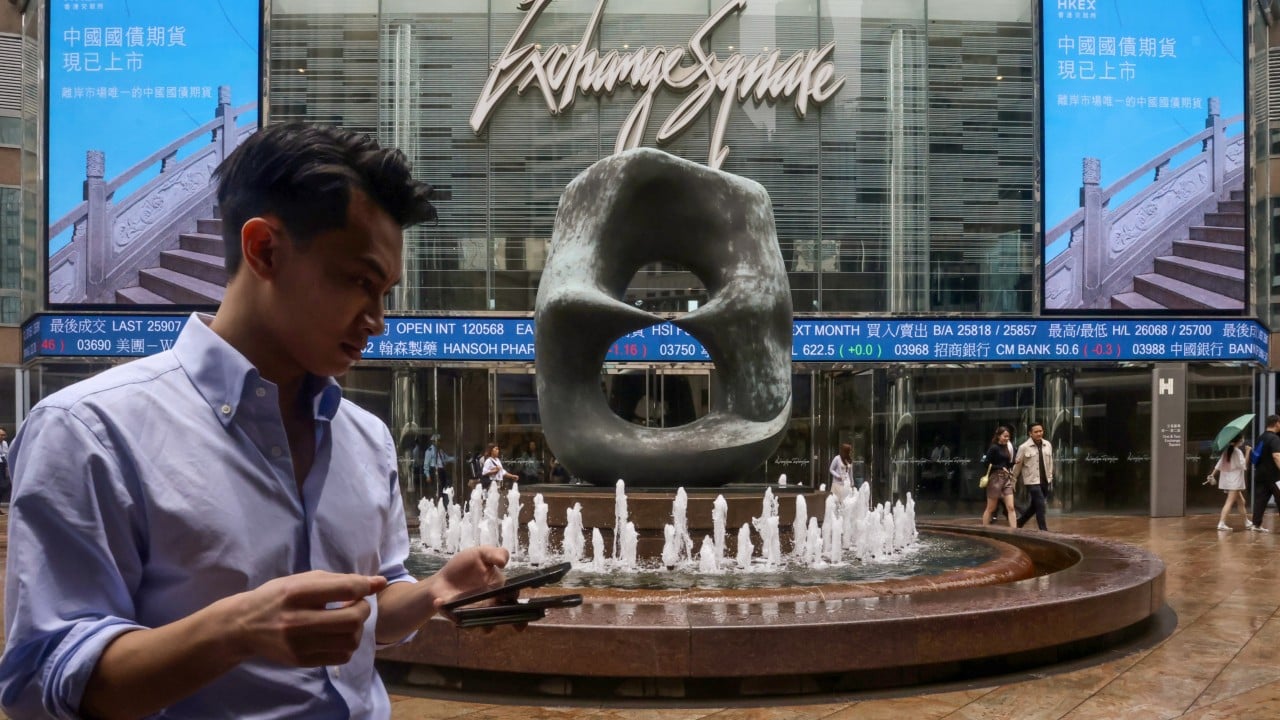
Hong Kong’s IPO market has cooled sharply in the fourth quarter amid volatility and tighter regulatory scrutiny. Industry players say a year-end listings rush could still help the city rank among the world’s top three in 2026. Since October, just three companies have listed, all closing below their offer prices on debut; two other candidates shelved listings after completing procedures.
SSouth China Morning PostOriginal★★☆☆☆2026-11-02 01:00
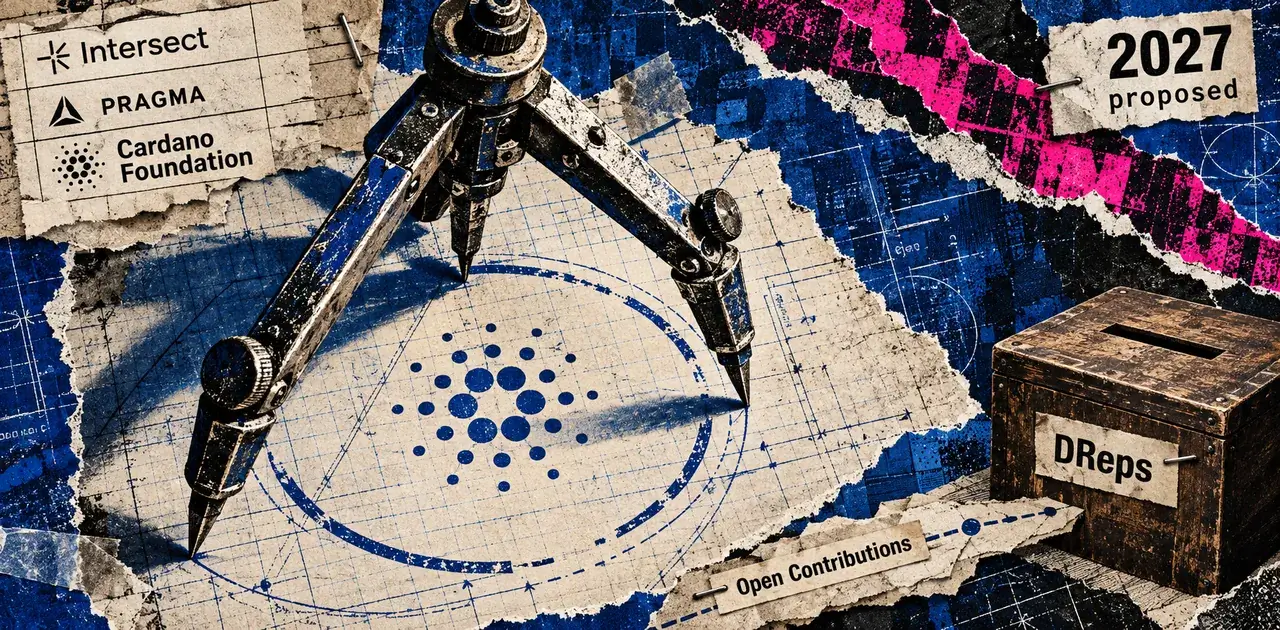
The proposal would allow funding stewards to influence assessments, while DReps keep the spending votes. A direct funding route is still awaiting its allocation.
CCryptoSlateOriginal★★☆☆☆2026-11-02 00:20
Neocloud data-center companies such as CoreWeave and Nebius lease computing capacity to major AI developers but carry heavy debt, and their shares have recently fallen. Analysts warn that some may cease operating independently or be acquired. Their prospects hinge on AI demand, access to borrowing and interest rates.
BBBC ChineseOriginal★★☆☆☆2026-11-02 00:17

From 20 November, Airbnb hosts can no longer require guests to do cleaning tasks such as washing dishes, stripping beds or taking rubbish away. Some hosts fear higher costs and tighter turnaround times, while guests and cleaning business owners say professional cleaning should be the host’s responsibility. Another host expects the change to improve guest experiences, with mutual reviews encouraging reasonable conduct.
BBBC ChineseOriginal★★☆☆☆2026-11-02 00:17

Hundreds of global finance leaders are gathering in Hong Kong this week as investors look for signs on whether traditional strategies can withstand rising geopolitical friction and AI’s rapid ascent. Trump’s threats of new strikes on Iran and Friday’s sharp technology-stock sell-off have intensified the search for answers.
SSouth China Morning PostOriginal★★☆☆☆2026-11-01 23:30
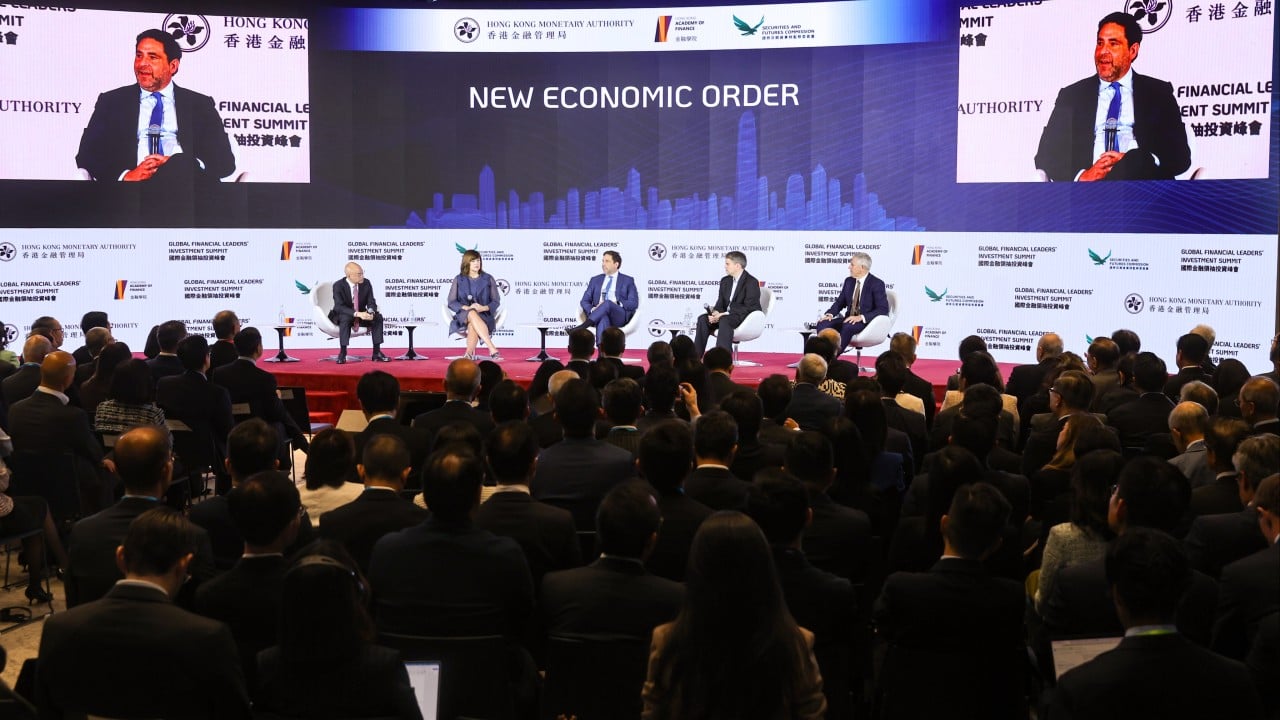
HSBC is using Hong Kong as a base for AI investment and delivery, with capabilities built there intended for use in other markets. The city is expanding regulatory and market infrastructure for digital finance at scale. HSBC is returning as a Strategic Partner of Hong Kong FinTech Week x StartmeupHK.
SSouth China Morning PostOriginal★★☆☆☆2026-11-01 23:00

Crypto scammers allegedly used the SEC’s website to attract investors in a $130 million fraud. The SEC complaint seeks monetary relief and a targeted bar on future filings.
CCryptoSlateOriginal★★☆☆☆2026-11-01 20:00
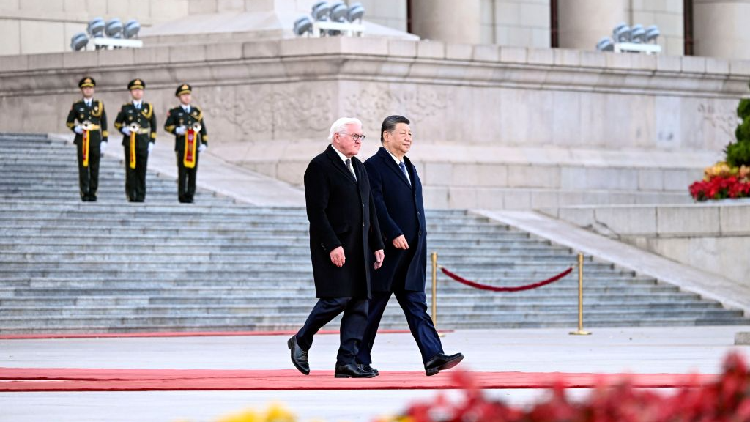
During German President Frank-Walter Steinmeier’s China visit, he toured Volkswagen’s Hefei R&D center and met Xi Jinping. The report says bilateral ties are shifting toward technology development and innovation partnerships, while the two sides back dialogue to resolve trade differences and closer cooperation in AI, green development and the digital economy.
CCGTNOriginal★★★★☆2026-11-01 19:35
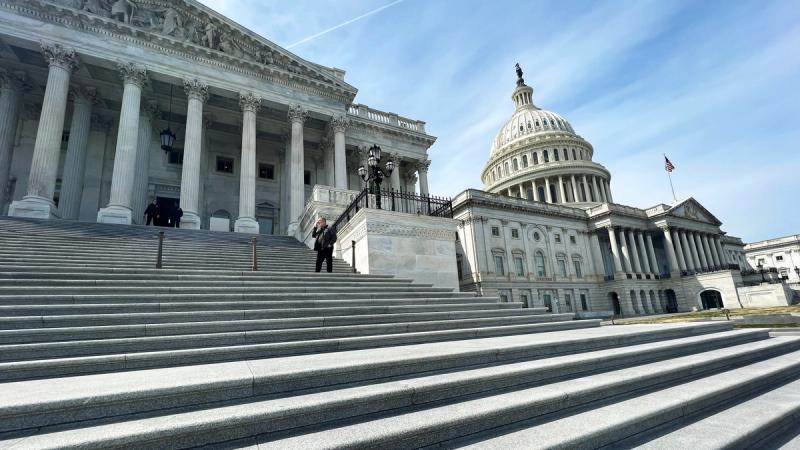
Americans are heading to the polls, and the outcome is set to shape crypto legislation and regulation over the next two years. The guide outlines what to watch.
CCoinDeskOriginal★★☆☆☆2026-11-01 19:30
An analyst says North Korean hackers laundered $242 million stolen from Binance through Tron. Crypto bridges Relay, THORChain, Chainflip and Symbiosis moved about $140 million in stolen funds off Tron, with Relay handling the largest share at $48 million.
TThe BlockOriginal★★☆☆☆2026-11-01 18:25
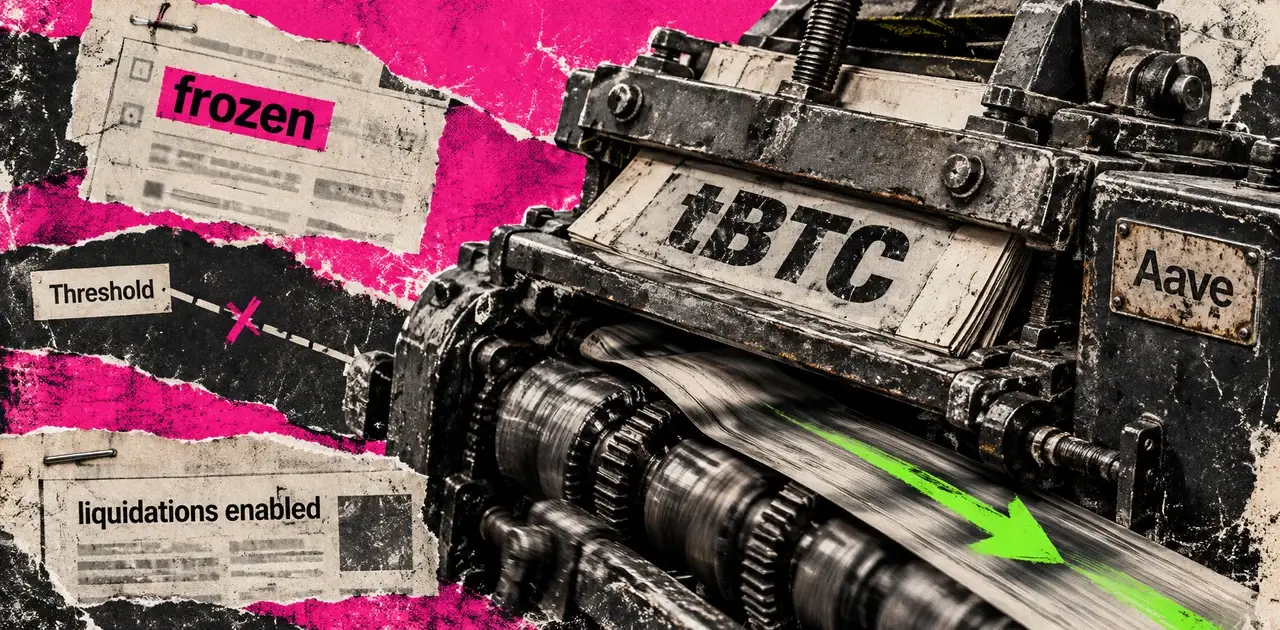
Borrowers can repay loans or add other eligible collateral, but withdrawals from Aave remain closed because Threshold’s paused Bitcoin redemption route has not reopened.
CCryptoSlateOriginal★★☆☆☆2026-11-01 17:40
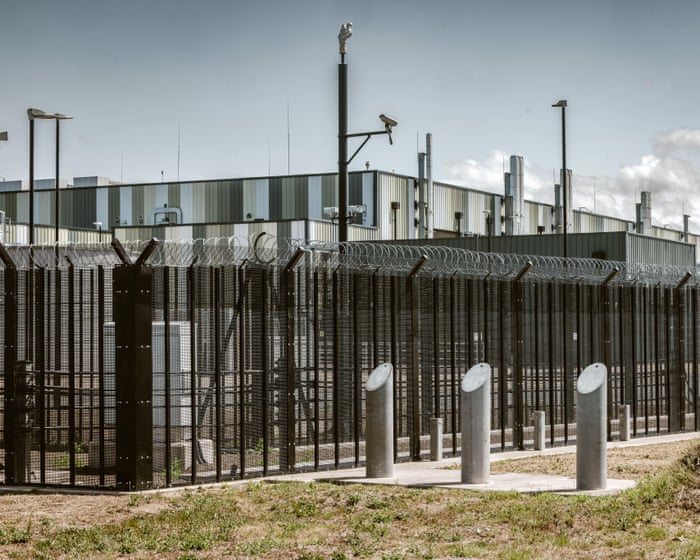
National Grid has agreed to buy 73 acres at Dorman Point on Teesside as it advances plans for Britain’s largest electricity substation. It could supply a nearby datacentre, with the government having previously selected Teesworks for an AI project covering nearly 500,000 square metres.
TThe GuardianOriginal★★☆☆☆2026-11-01 17:10
Binance said net outflows reached $3.64 billion after it reopened withdrawals, equal to 2.1% of its $171 billion in assets. Withdrawal volumes have fallen since an initial surge.
TThe BlockOriginal★★☆☆☆2026-11-01 16:32

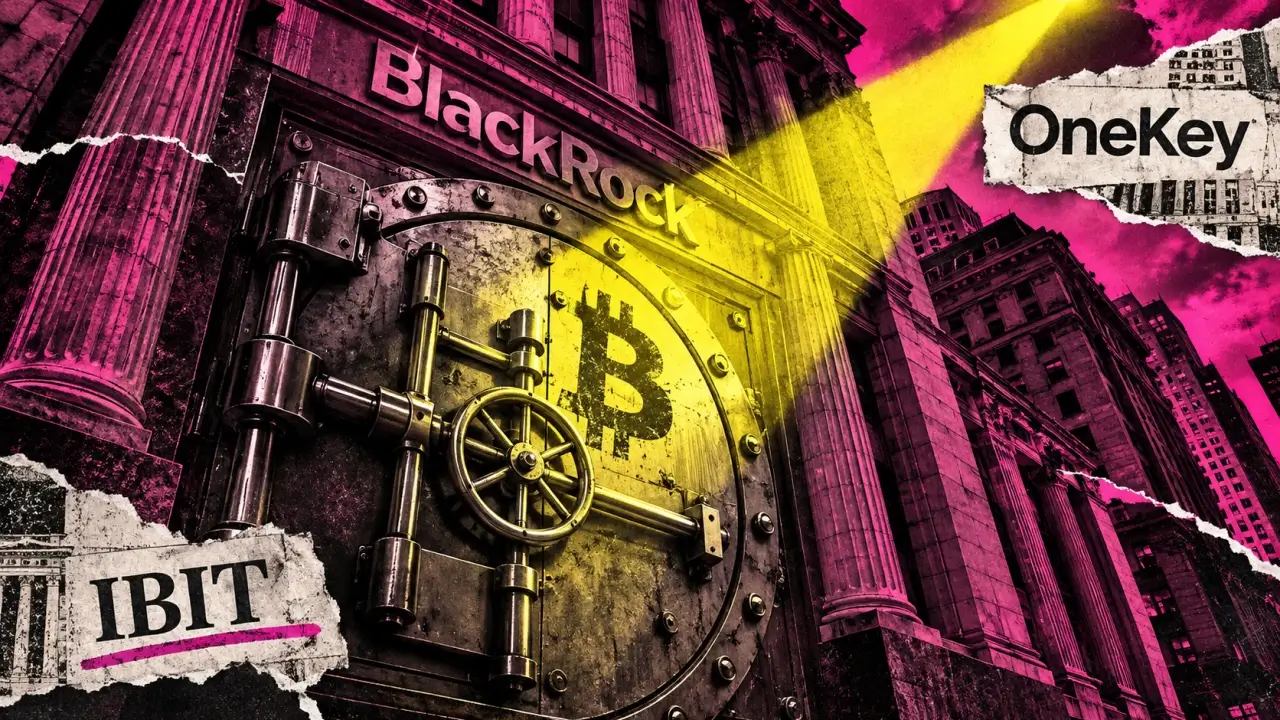
OneKey founder Yishi Wang warned that North Korean hackers could target BlackRock’s $62 billion Bitcoin ETF. He said he suspects IBIT is already on North Korea’s shortlist, after US authorities attributed the $6 billion Binance hack to North Korea’s TraderTraitor operation.
CCryptoSlateOriginal★★☆☆☆2026-11-01 16:30
Gulf stock markets fell on Sunday as investors worried that conflict between the United States and Iran could resume after this week’s US midterm elections. Qatar’s market moved against the regional decline.
RReutersOriginal★★☆☆☆2026-11-01 16:00

Markets expect oil prices to keep climbing, while Treasury yields have fallen. That divergence warns traders and investors may be more concerned about an AI crash than inflation.
CCNBCOriginal★★☆☆☆2026-11-01 15:58
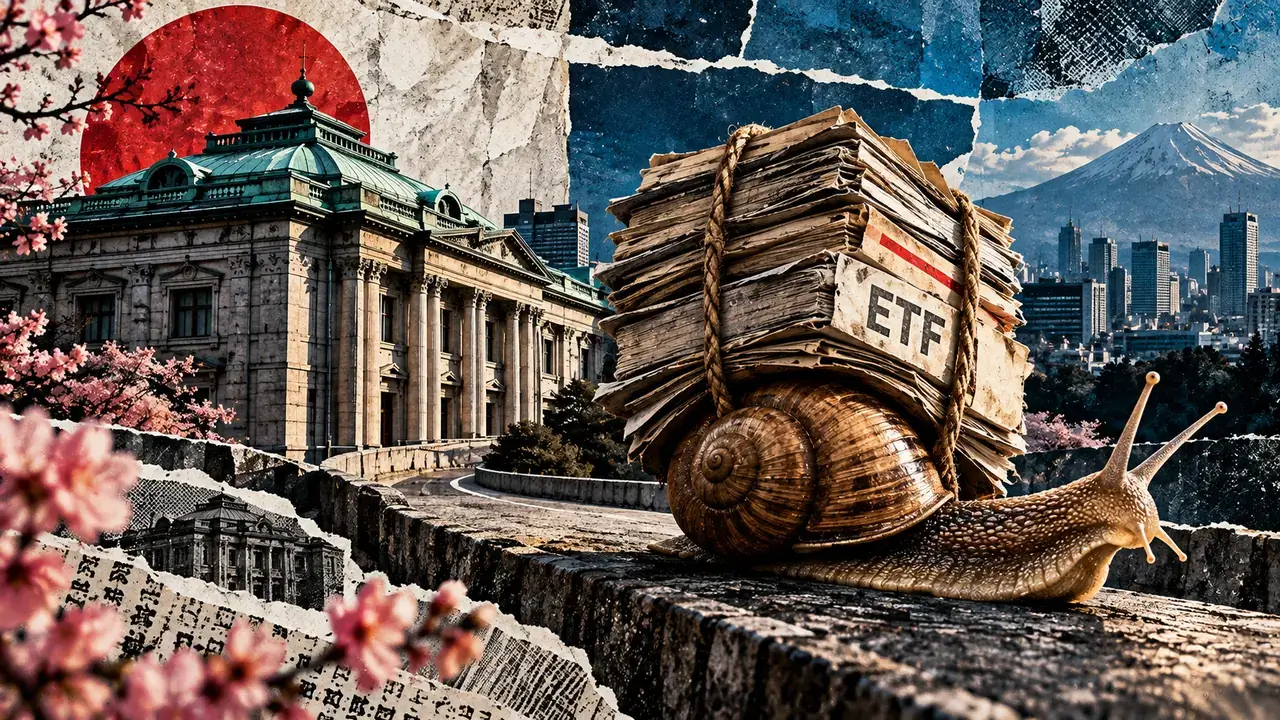
The Bank of Japan has decided to sell its stock funds at about 2.6 times the usual pace, cutting the estimated time to dispose of them from 112 years to 43. Even with the faster pace, the exit would span more than four decades as the central bank seeks to unwind its holdings.
CCryptoSlateOriginal★★★☆☆2026-11-01 15:30
Russian Deputy Prime Minister Alexander Novak said Russian diesel is sometimes sold in Europe under other brands despite restrictions on purchases of Russian oil products. He also said European underground gas storage reserves are at their historically lowest level ahead of winter and questioned how Europe would get through the season.
TTASSOriginal★★★☆☆2026-11-01 15:26
Portugal is considering raising its 8% stake in oil company Galp Energia after merger talks with Spain’s Moeve collapsed, the economy minister said Sunday. The government is seeking to protect strategic assets, including the country’s only oil refinery.
RReutersOriginal★★☆☆☆2026-11-01 15:25

Workers in Germany’s engineering industry have begun strikes over pay. The IG Metall union is seeking a 5% increase over 12 months and warned that further strikes could follow.
RReutersOriginal★★★☆☆2026-11-01 15:15

Crypto card providers are betting that revenue from trading, lending and staking will cover their reward costs and eventually make card users profitable customers.
CCoinDeskOriginal★★☆☆☆2026-11-01 15:00
Aggressive tactics to move assets beyond creditors’ reach have intensified the sell-off.
FFinancial TimesOriginal★★☆☆☆2026-11-01 14:54
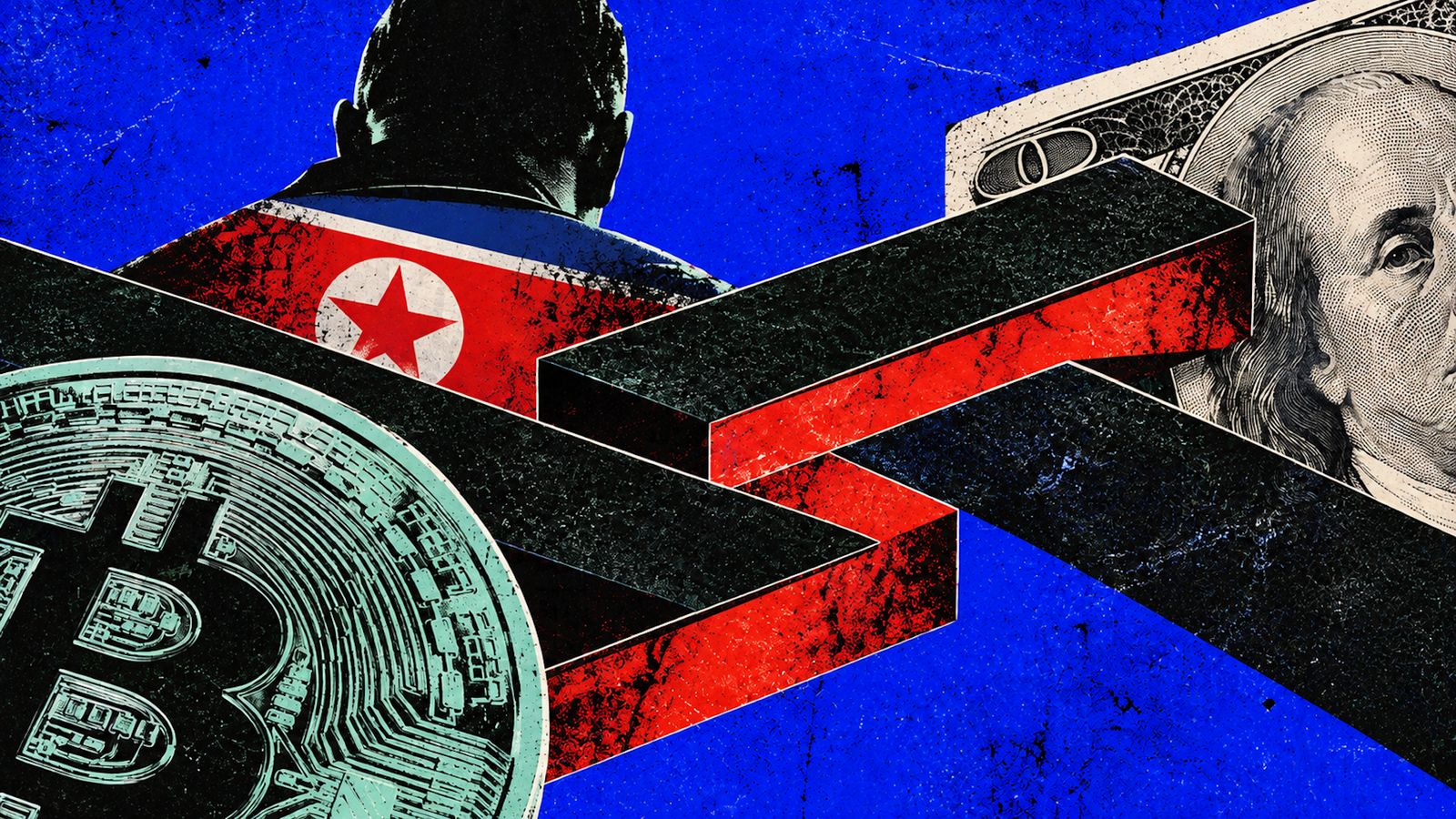
The FBI says North Korea was responsible for stealing $6.3 billion in virtual assets from Binance customers around October 29, 2026, naming the activity “TraderTraitor.” It observed actors linked to the hack converting assets mainly into Ethereum ahead of further laundering. Binance has reopened customer withdrawals after freezing them following the hack.
TThe VergeOriginal★★★★☆2026-11-01 14:33


Binance has begun restoring customer withdrawals in stages after about $6.3bn in cryptocurrency was stolen. The FBI blamed North Korean hackers for the record theft. Binance said it would absorb the financial impact and that its investigation and efforts to trace the assets were continuing.

The FBI attributed the theft of more than $6 billion from Binance to North Korea’s TraderTraitor operation. In an Oct. 31 alert, it said North Korean cyber actors carried out the Oct. 29 attack and urged THORChain to block the stolen funds.
Binance, the world’s largest crypto exchange, was hacked on Thursday, with more than $6 billion drained from its system. Evidence pointed to North Korean hackers, who emptied accounts within minutes.
The FBI blamed North Korea for a cryptocurrency hack targeting Binance and involving $6.3 billion. CISA says TraderTraitor, a North Korean state-sponsored hacking group, has been linked to cryptocurrency thefts and cyberattack tactics since at least 2020.

The FBI linked North Korea’s TraderTraitor group to the theft of a record $6.3bn in virtual assets from Binance and said the stolen funds were being laundered mainly through conversion into Ethereum. Binance says it has replaced 90 percent of the losses with company funds and expects to resume withdrawals on Sunday.
The FBI said North Korea stole more than $6 billion in virtual assets from Binance around October 29, attributing the activity to an entity called TraderTraitor. It urged exchanges and others to block transactions tied to listed addresses. Binance said it would use more than $6.34 billion in company funds to buy tokens and replenish about 90% of the stolen assets.

The FBI confirmed North Korea’s role in a $6 billion hack of Binance and asked the DeFi community to block Bitcoin, Ether and Solana addresses. Chainalysis said the attackers have already used thousands of addresses, a figure it expects to keep growing.
The FBI said North Korea was responsible for an attack on Binance around October 29 that stole virtual assets worth more than $6 billion. It said the assets would likely be converted mainly into Ethereum and laundered through DeFi and instant-swap services. Binance said it will use half of its Secure Asset Fund for Users to compensate losses; it had previously said 90% of the stolen amount was reimbursed.

Binance said it set aside more than $6.34 billion in company funds to cover losses from the hack. The FBI linked the theft to North Korea.
The Minutes Reader extension turns the original page into a focused reading view and translates articles and video subtitles on demand. It is in limited beta.