AI is boosting Meta’s ad business while hurting Google search
In the latest quarter, the gap between growth in Meta’s ad revenue and expansion in Google search was the widest since 2021.
In the latest quarter, the gap between growth in Meta’s ad revenue and expansion in Google search was the widest since 2021.

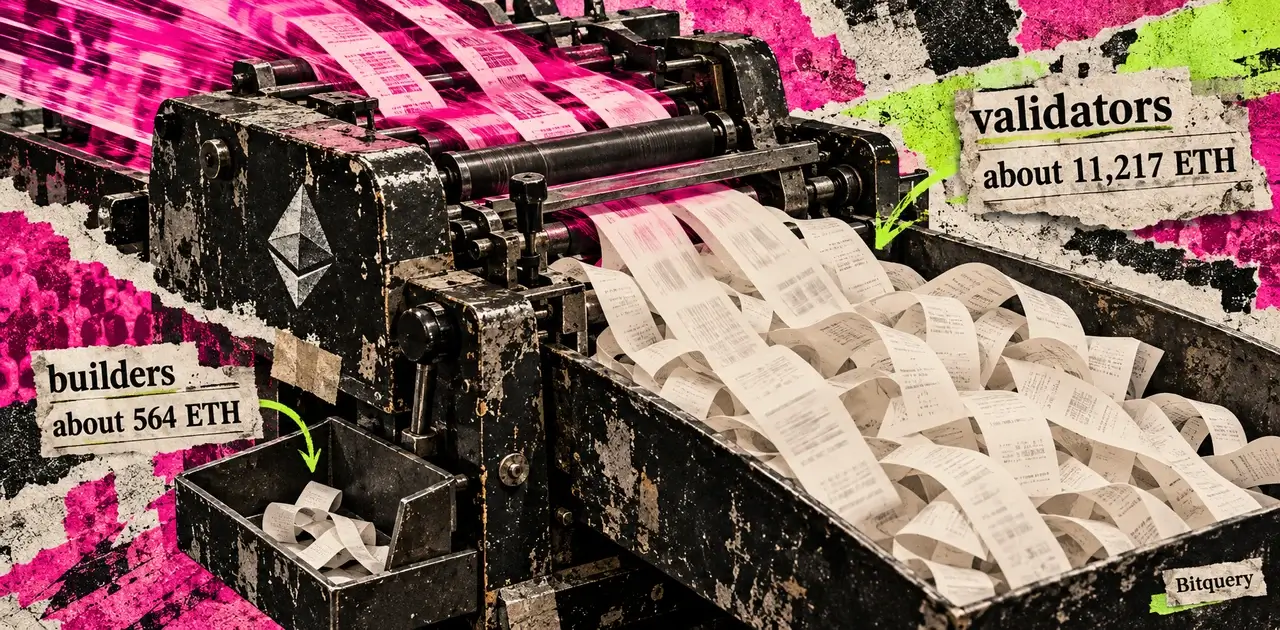
Bitquery estimates that about 11,217 ETH went to proposing validators, while builders kept roughly 564 ETH over four and a half hours.

Australian capital-city home values fell 1.4% in October, marking a seventh consecutive monthly decline, with Brisbane and Perth leading losses as the downturn shifts away from Sydney and Melbourne. Cotality says values are down 8.1% since March. Higher rates, affordability pressures and fewer investors are weighing on demand, though most owners retain sizeable gains.

Around 600 Chinese and German representatives attended the 10th German-Chinese Automotive Congress in Wolfsburg on Friday, discussing deeper cooperation as electrification, digitalization, AI and autonomous driving reshape the industry. Cooperation now extends beyond vehicle production to batteries, intelligent connectivity and technological innovation. A concurrent Hunan-Germany trade event promoted the province to German investors.

Banks with clients exposed to the super El Niño cycle developing in the Pacific are evaluating loan structures and potential losses. Debt rescheduling is among the options under consideration.
Bitcoin staking platform b14g suffered a $1.47 million exploit on Oct. 31, with about 97 million CORE stolen. Blockchain analytics firm Bitquery said the attacker emptied 91 staking positions in one transaction by submitting withdrawal requests for zero CORE. The platform confirmed the withdrawals were unauthorized.

Saudi Arabia, Russia, Iraq, Kuwait, Kazakhstan, Algeria and Oman agreed to keep oil production quotas in December at the previous month’s level. Russia’s quota is 9.949 million barrels a day, Saudi Arabia’s 10.478 million and Iraq’s 4.431 million. The seven countries will continue monthly meetings, with the next set for November 29.
The article describes policies supporting China's private economy and presents private firms as a major force in modernization, growth, innovation and employment. It cites their share of businesses, foreign trade and high-tech enterprises, and notes their participation in major technology initiatives, including commercial spaceflight.

Binance has begun restoring customer withdrawals in stages after about $6.3bn in cryptocurrency was stolen. The FBI blamed North Korean hackers for the record theft. Binance said it would absorb the financial impact and that its investigation and efforts to trace the assets were continuing.

The FBI attributed the theft of more than $6 billion from Binance to North Korea’s TraderTraitor operation. In an Oct. 31 alert, it said North Korean cyber actors carried out the Oct. 29 attack and urged THORChain to block the stolen funds.
Binance, the world’s largest crypto exchange, was hacked on Thursday, with more than $6 billion drained from its system. Evidence pointed to North Korean hackers, who emptied accounts within minutes.
The FBI blamed North Korea for a cryptocurrency hack targeting Binance and involving $6.3 billion. CISA says TraderTraitor, a North Korean state-sponsored hacking group, has been linked to cryptocurrency thefts and cyberattack tactics since at least 2020.

The FBI linked North Korea’s TraderTraitor group to the theft of a record $6.3bn in virtual assets from Binance and said the stolen funds were being laundered mainly through conversion into Ethereum. Binance says it has replaced 90 percent of the losses with company funds and expects to resume withdrawals on Sunday.

The FBI said North Korea stole more than $6 billion in virtual assets from Binance around October 29, attributing the activity to an entity called TraderTraitor. It urged exchanges and others to block transactions tied to listed addresses. Binance said it would use more than $6.34 billion in company funds to buy tokens and replenish about 90% of the stolen assets.

The FBI confirmed North Korea’s role in a $6 billion hack of Binance and asked the DeFi community to block Bitcoin, Ether and Solana addresses. Chainalysis said the attackers have already used thousands of addresses, a figure it expects to keep growing.
The FBI said North Korea was responsible for an attack on Binance around October 29 that stole virtual assets worth more than $6 billion. It said the assets would likely be converted mainly into Ethereum and laundered through DeFi and instant-swap services. Binance said it will use half of its Secure Asset Fund for Users to compensate losses; it had previously said 90% of the stolen amount was reimbursed.

Binance said it set aside more than $6.34 billion in company funds to cover losses from the hack. The FBI linked the theft to North Korea.
Investors are watching state-level tax decisions, the volume of new municipal borrowing and the balance of power in Congress after the vote, all of which could affect the outlook for municipal debt.

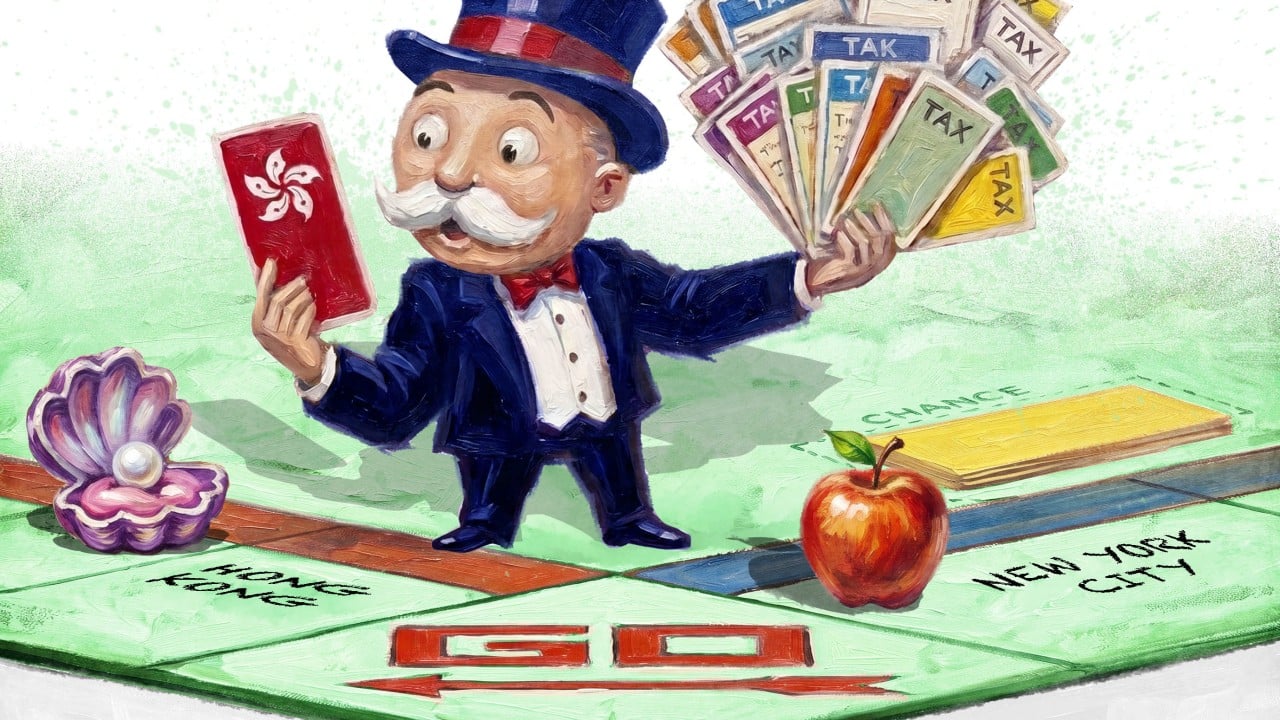
Zohran Mamdani won New York’s mayoral election last year on a promise to make the city more affordable through expanded social programmes partly funded by higher taxes on wealthy residents and profitable companies. He has secured a surcharge on high-end second homes and is still pushing for higher corporate and income taxes, proposals that have drawn intensified criticism and may benefit Hong Kong.

A truce has cooled the US-China trade conflict, but neither side has put safeguards in place to prevent new hostilities. The article says both are seeking leverage over supply chains through trade controls and restrictions on critical-mineral exports, leaving the economic confrontation liable to intensify.

Billions of dollars in government backing have generated a flurry of deals, but domestic production has barely increased. Washington lobbyists are among the beneficiaries of the critical-minerals push.
Binance says it has begun restoring withdrawals for some assets in phases. The exchange previously reported a hack, with losses that could reach $6.3 billion.

Binance has reopened customer withdrawals after a record $6.3 billion exploit, with bitcoin available in the first phase.
The crypto exchange has resumed customer withdrawals and will reimburse users whose assets were stolen in a hack blamed on a North Korea-linked group.

Binance says it has replaced 90% of the assets stolen in a record hack, with the remaining, less liquid tokens taking longer to repurchase. Withdrawals are expected to resume Sunday, and the exchange says users will not bear the loss. The FBI identified North Korea-backed group TraderTraitor as responsible.
Chinese electric vehicle maker BYD recorded its sixth consecutive month of sales growth in October, relying on overseas markets to offset sluggish domestic demand and intense price competition.
Bitcoin miners spent years securing cheap electricity, building substations and arranging grid connections. AI companies now want those connections badly enough to make aging mines valuable. Bitcoin-mining ASICs are of little use for training AI models, but the land, substations and power agreements hold value.

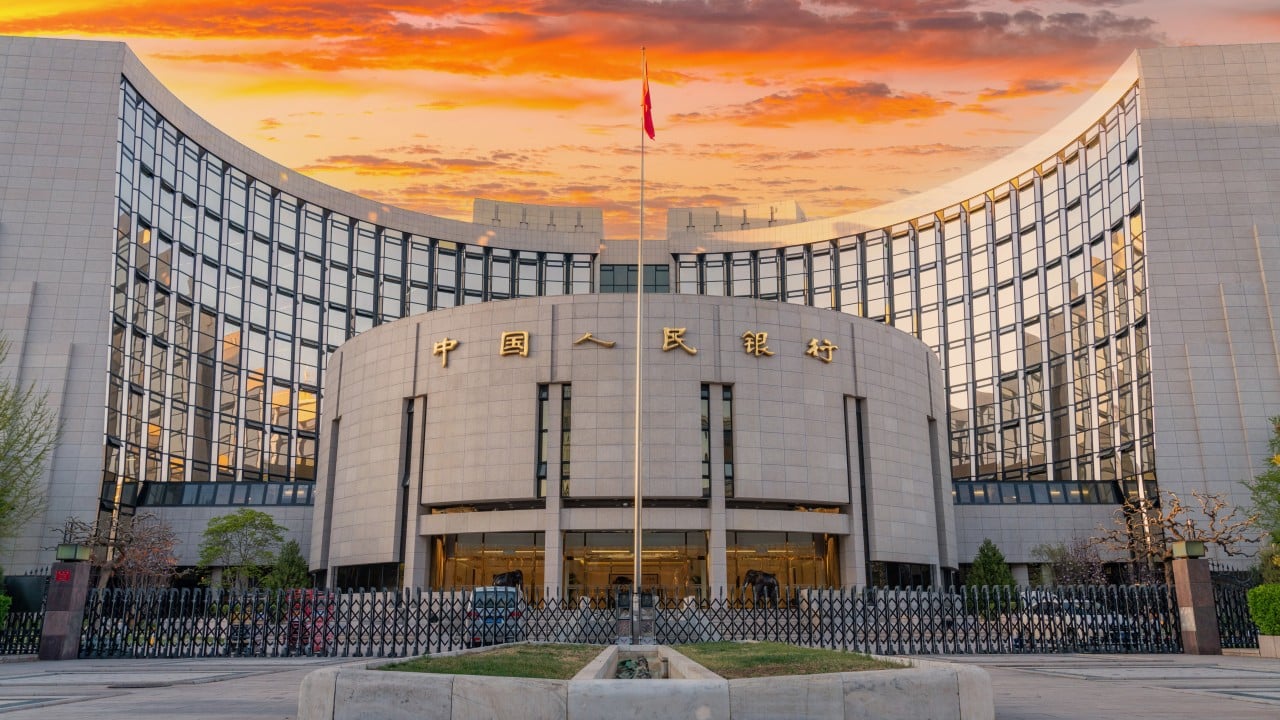
China’s central bank and securities regulators are expected to meet financial institutions on Monday to discuss ways to support the stock market, after an October sell-off heightened concerns about market stability, mainland media reported.

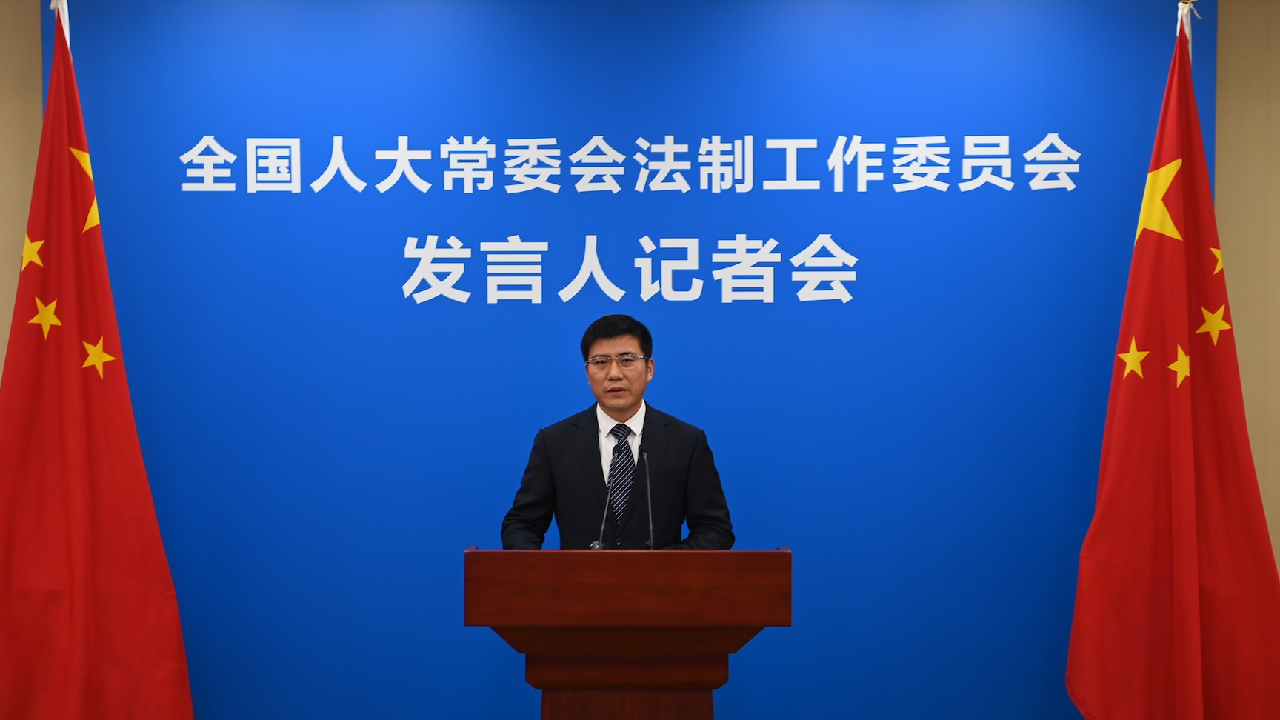
China’s draft financial law is set for a second reading by the NPC Standing Committee. Proposed revisions would tighten oversight of cross-border financial activities and cover protections for consumers and investors, unified regulation of asset-management products and services, and online marketing.

With the lobster season about to open in southwestern Nova Scotia, fishers are increasingly uncertain amid surging fuel prices and other concerns.
A decision published in Turkey’s Official Gazette on Sunday appointed Muhsin Atci as chairman of the Capital Markets Board (SPK), and Ersin Başar Ekmekci as deputy chairman.
Kärcher CEO Hartmut Jenner warned that Europe and Germany risk deindustrialisation. He called for major cuts in bureaucracy, incentives for people to work more, and a firm EU trade policy towards China and the US.
Several fuel retailers have announced lower pump prices after France drew on strategic reserves. Prices will continue to follow markets, while reserve supplies are expected to help offset increases.
Xiaomi said October was its busiest month for EV deliveries so far this year, with the total above 50,000. The Chinese smartphone maker is boosting production to stay on track for its 2026 goal.
Binance says it is restoring withdrawal services after a major hack.

Industry insiders say an expected 0.25-percentage-point Federal Reserve rate increase in December is unlikely to curb Hong Kong family offices’ interest in property investments in Europe, the US and Japan. Ken Peng of Raffles Family Office sees no sign of a large-scale US real estate sell-off, and says some local markets face supply shortages.

TASS calculations based on Ukrainian government reports put the economic losses from explosions between January and October 2026 at about $4.28 billion, nearly 1.9% of nominal GDP, excluding metallurgy. Ukraine is now recording zero growth, with recessions in the second and third quarters; the National Bank expects a 0.4% contraction for the year. If metallurgical firms do not restart, annual GDP losses could reach 7% year over year.
Hanwha Defense USA said on Sunday it had signed a $269 million deal with Tote Services to build a medium landing ship for the US Navy.
Hundreds of adult gaming centres in England hold bingo licences that may preserve their business-rates discounts despite a tax increase on slot-machine takings. Guardian reporting found venues that appeared focused on slots while offering bingo only minimally. A Labour MP urged the government to prevent operators using the licences to bypass the new rules.

Santander, Novartis and other companies say AI is starting to lift revenue, reduce costs or improve profitability as investors look for returns.

Agave leaves its applied-rate field blank, meaning that verifying a staking fee requires historical validator state and evidence of delegations.

Xantium plans to separate next year from the company controlled by billionaire Paul Tudor Jones II, in a launch expected to raise a record $9bn.
Conflicts in the Middle East and Ukraine have cut fuel production capacity and sharply raised margins. Oil majors are resisting pressure to invest in new refineries even as fuel prices continue to climb.
Large fund managers are pressing pause as the US midterm vote and economic data releases approach.
Germany has fallen short of its winter gas storage target. The EU’s largest economy will have to rely more on spot-market purchases, potentially pushing up prices elsewhere in the bloc.
A protocol upgrading the China-Peru free trade agreement took effect on Sunday. It enhances seven existing chapters and adds provisions on areas including e-commerce, global supply chains, and the environment. China’s Ministry of Commerce said the two countries will also negotiate negative lists for services trade and investment.

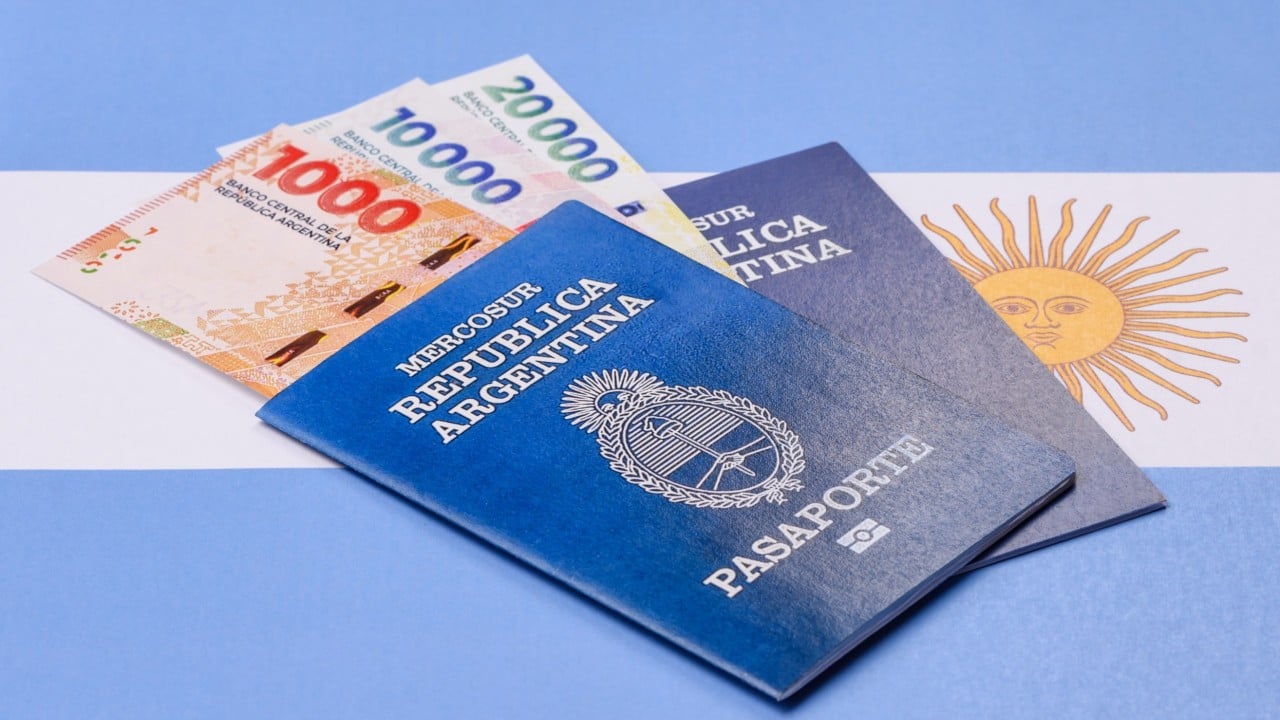
Argentina is the latest country to seek investors through an investment-for-citizenship programme. Analysts say it offers wealthy people, including those from mainland China and Hong Kong, another residency and diversification option. Buenos Aires announced two main investment routes in October; one requires a non-refundable US$350,000 contribution to the National Treasury and subscription to a programme-specific US$800,000 government bond.

Neocloud data-centre firms that rent computing power to AI developers are under scrutiny as their debts mount and shares fall. Analysts warn some may be acquired or cease operating independently. Their fortunes depend on big technology customers’ spending and whether the AI boom lasts.

Rising derivatives exposure and $643 million in ETF redemptions leave Bitcoin’s recovery facing a demand test ahead of the November 6 payrolls report.

Russia’s previously approved national standard for palladium bullion bars has taken effect. It sets requirements for bars’ dimensions, weight and chemical composition, along with surface quality, marking, packaging and certificates. Rosstandart said standardization also lays the groundwork for exchange trading.
Crypto exchange Binance said Saturday it had replaced 90% of the amount stolen from its platform in a record $6.3-billion US hack. The FBI said the same day that the North Korean state-sponsored TraderTraitor unit carried out the attack.

Hackers targeted Binance, the world’s largest cryptocurrency exchange, stealing about $6.3 billion in client assets. Described as the biggest cryptocurrency heist in history, the attack continues to reverberate through the industry. Analysts suspect North Korean government-backed hackers were responsible, while critics urge tighter regulation to restore investor trust.

Binance says it has restored backing for 90% of the assets affected by a $6.3 billion hack and intends to resume withdrawals on Sunday, pending security checks.

Two high-profile security incidents this week, including the largest crypto theft in history, have raised concerns about custody and safety.

Binance executives are scrambling to recover billions of dollars after hackers reportedly stole $6.3 billion from users. Analysts have pointed to North Korea. Described as crypto’s biggest heist, the theft far exceeds the $1.5 billion stolen from Bybit in February 2025.
After $6.3bn was stolen from Binance, rival platforms are stepping up security, adding alerts and restrictions to the movement of funds.

Two blockchain analytics firms say intelligence gives them high confidence that the North Korea-backed Lazarus Group, also known as TraderTraitor, was behind the $6.3bn hack of Binance. Binance says about 80% of the stolen assets have been secured, while the rest remain unaccounted for. If the allegations are true, the record theft points to the growing power and sophistication of North Korean hackers.
On Saturday, the FBI attributed to North Korea a Binance theft involving more than $6 billion in virtual assets.
Three people familiar with the matter told Reuters that OPEC+ oil-producing countries agreed in principle at a Sunday meeting to leave their December output targets unchanged. The move aligns with expectations that further policy adjustments will wait until next year.
OpenAI has lowered its target for its latest funding round to as much as $20 billion. A person directly familiar with the deal told CNBC that the round is ongoing and has not closed, so the figures may change.

Chinese electric-vehicle maker Geely says it has assembled a local team and begun developing a retail and service network ahead of its Canadian entry in 2027. Canada and China earlier agreed to allow 49,000 Chinese EV exports to Canada as Mark Carney’s government seeks new partners amid the Canada-US trade war.

An API reading on October 31 showed a partial recovery, with available USDC at about $29 million, or roughly 7% of reported total assets.

After hackers stole $6.3 billion in crypto from Binance customers, the company’s CEO said 90 percent of the funds had been replaced and Binance would cover the remainder. The outstanding portion consists of less-liquid tokens that may take longer to acquire. Withdrawals remain paused, with the company targeting a restart on November 1.

Binance said it has covered about 90% of the $6.3 billion in cryptocurrency stolen by hackers earlier this week. It plans to resume withdrawals by Sunday as it works toward fully reimbursing customers.

Binance says it has replaced 90% of the $6.3bn in assets stolen on Thursday, with the remaining amount potentially taking longer to source. The company says it will bear the financial impact and remains on track to resume withdrawals on 1 November. Two blockchain analytics firms say North Korea-backed Lazarus Group is the likely culprit.
The biggest crypto hack in history began with a rehearsal. Binance’s war room worked through sleepless nights to contain it.

Binance says it has replaced 90% of the stolen crypto and is covering all losses with corporate funds, futures reserves and SAFU, leaving user balances intact.
Rolling vineyards, a historic chateau and a wine label bearing your name may sound appealing, but ownership also brings risks such as fires and frost, along with export rules. The article looks at the realities of buying a winery.
Private credit funds can record interest as income even when borrowers have not paid cash, because some loan contracts let businesses add interest to their debt. That gives borrowers more time, but funds may still owe money to banks they borrowed from.

Eighteen years after Satoshi published the Bitcoin white paper, business owners are still bearing the cost of a system built on bailouts. Onramp CEO Michael Tanguma argues they can protect some of their surplus by holding it in bitcoin.

The payments company is courting skeptics with ETF trading, Bitcoin and sparkly debit cards.
Chainalysis is urging vigilance for unexpected authentication prompts while it investigates which customer records were accessed.


Chainalysis says a hacker accessed its customers’ names and email addresses using “offensive agentic techniques.” The firm is also tracking a separate multibillion-dollar Binance hack, saying the attackers are using a Tron protocol to evade stablecoin freezes.
The African Export-Import Bank and the African Petroleum Producers' Organisation have formally established the $5 billion Africa Energy Bank, Afreximbank said in a statement on Saturday.
The past two weeks were expected to bring clarity to a stock market unsettled by several risks. Technology giants reported earnings during that period, as investors remained especially concerned about heavy spending on artificial intelligence.
Trade.xyz’s ANT contract fell about 20% in its first hour on Hyperliquid. The contract is not backed by shares, and U.S. traders are barred from participating.

Strategy reported record third-quarter operating income of $20.9 billion as Michael Saylor declared a new Bitcoin bull market. Its Oct. 29 results showed net income of $19.5 billion, up from about $2.8 billion a year earlier; nearly all operating income came from a $20.9 billion gain.

Electrification can improve efficiency and shield Europe from volatile prices.
Easier access and greater familiarity are prompting investors to stake tokens, but declining rewards and withdrawal delays are testing the economics.

Profits at prominent UK charity retailers are under pressure from online resale platforms, costs and lower-quality donations. Oxfam’s retail profit fell 23% to £4.9m, while the British Heart Foundation plans to close 150 loss-making shops over two years. UK spending on secondhand clothing has nevertheless quadrupled in a decade to £8.8bn annually.

The pilot enabled Uber to keep money invested in money market products while still accessing cash for payments, including on weekends.

Five funds recorded withdrawals on October 30, and no inflows to other funds helped cushion the reversal.

After a prolonged sell-off, investors are returning to bonds as concerns grow that the US economy relies too heavily on technology spending.
Several companies let individuals access bitcoin mining without running equipment themselves, but high costs and the 2028 reward halving leave profits uncertain.

India’s market regulator fined the founder of carbon-credit trading firm EKI Energy Services and barred him from equity markets for a year over misrepresented financial statements and diverted funds.
Cryptocurrency-linked interest groups are spending millions of dollars to influence the midterm elections and press Congress for favorable rules. They had mixed results in 2024.

Robinhood’s quarterly event-related revenue, Coinbase’s annualized milestone and Gemini’s smaller second-quarter business illustrate how uneven companies’ efforts to diversify remain.

The Minutes Reader extension turns the original page into a focused reading view and translates articles and video subtitles on demand. It is in limited beta.