European shares edge higher ahead of ECB meeting as earnings stay in focus
European shares edged up on Thursday before the European Central Bank’s policy meeting, as investors assessed a new batch of upbeat earnings reports.
Trading data showed the dollar remained below 80 rubles on Russia’s interbank market for a second consecutive day. At 9:42 a.m. Moscow time, it was down 50.01 kopecks at 79.995 rubles, while the euro fell 67.2 kopecks to 89.138 rubles.
The yuan fell below 12 rubles on the Moscow Exchange for the first time since August 5, 2026. By 9:52 a.m. Moscow time, it had dropped to 11.995 rubles.
A market at a turning point could influence inflation trends and the prices of risk assets such as bitcoin and tech stocks.

Asian shares and US futures were mixed on Thursday morning before European markets opened. Some major technology stocks weighed on markets after Google parent Alphabet reported earnings below expectations.
Recent unrest in Europe and war in the Middle East may lead investors to diversify more, potentially bringing capital to Asian markets, including mainland China and Hong Kong, in coming months, said Julie Koo, AllianzGI’s Asia-Pacific head of distribution. She said protests in France, Italy and Spain would prompt investors to review and adjust their exposure.

US economic growth likely picked up in the third quarter, with resilient consumer spending and AI-driven business investment more than compensating for the effect of higher oil prices linked to the conflict in the Middle East.
Wayne Cole looks ahead to the day in European and global markets.
Ripple’s RLUSD stablecoin has launched on Coinbase and its Base blockchain after Moody’s gave it an investment-grade credit rating. An agreement announced Wednesday makes the token available on Coinbase’s retail and institutional trading platforms, broadening its distribution.

The Federal Reserve held rates steady on Wednesday, as expected, but failed to reassure bond investors worried about how a gradual pace of policy tightening could affect the outlook for longer-term government bonds.
As the AI spending boom continues, investors are once again treating cash flow as paramount.
The past decade has shown that private equity at scale is a distinct asset class, not a superior version of capitalism.
Ahead of Jio’s planned listing, Mukesh Ambani became tearful as his three children recounted building the company together and pledged to create value for investors over the next 50 years.

The Nasdaq 100 is expected to open 1.3% lower after Google parent Alphabet and Microsoft reported capital spending below expectations.
Josh Payne now has to take his startup public amid a turbulent period for the AI industry.
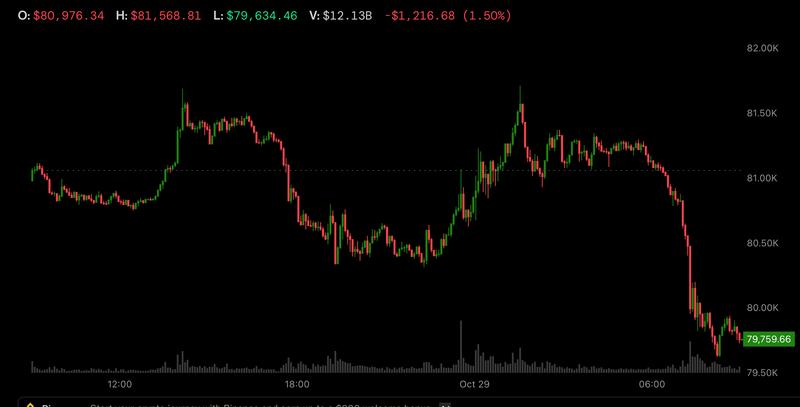
Bitcoin dropped below $80,000 as Samsung-driven tech weakness and a hawkish Federal Reserve hold prompted a broad risk-off move. Crypto futures saw $356 million in liquidations.

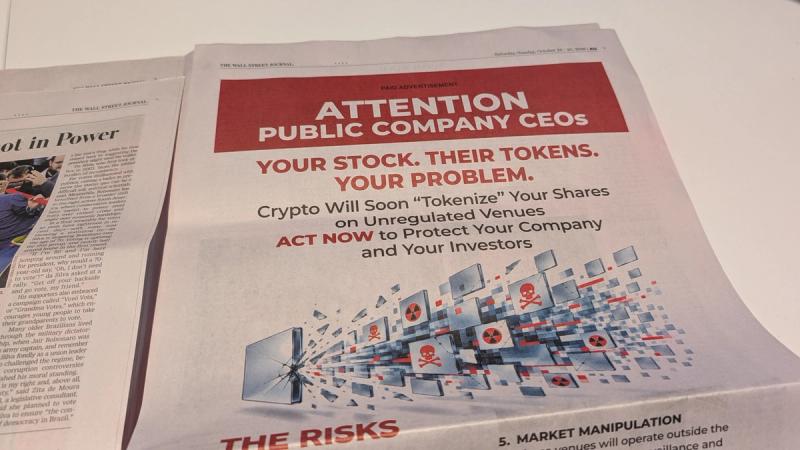
A full-page advertisement urging CEOs to opt out of tokenized stock trading prompted a response from Securitize and questions about who paid for the ad.

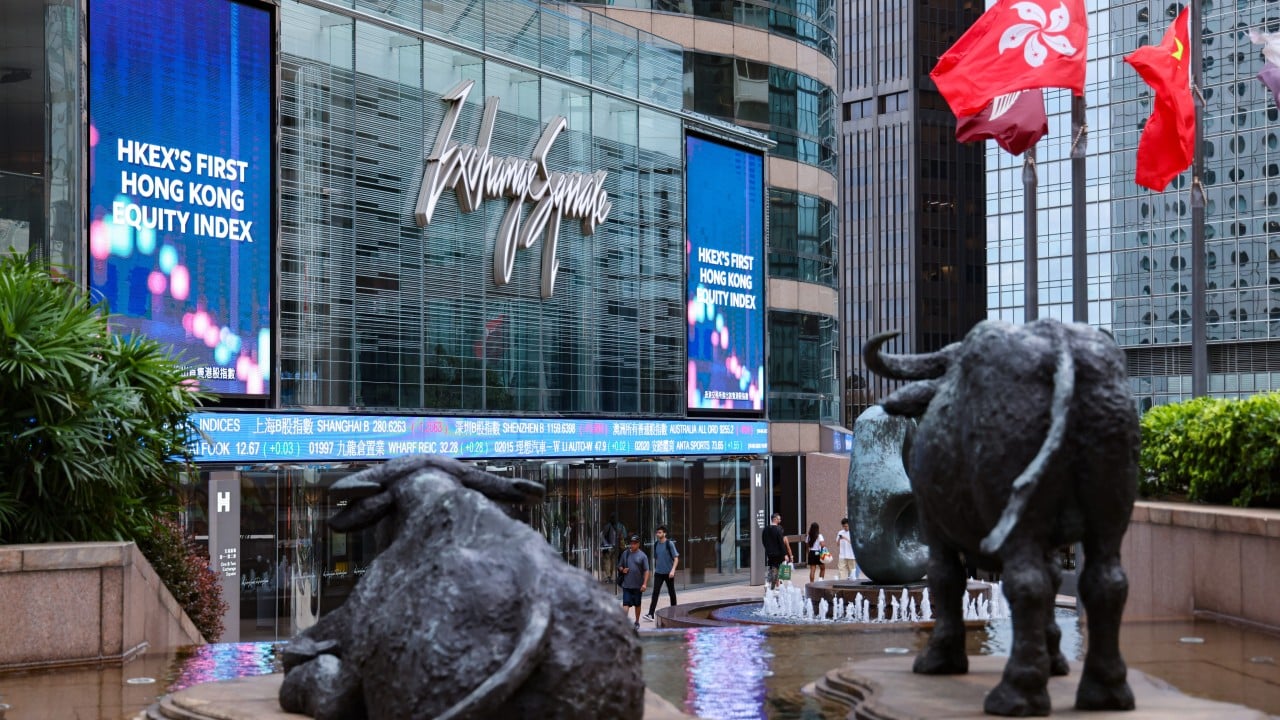
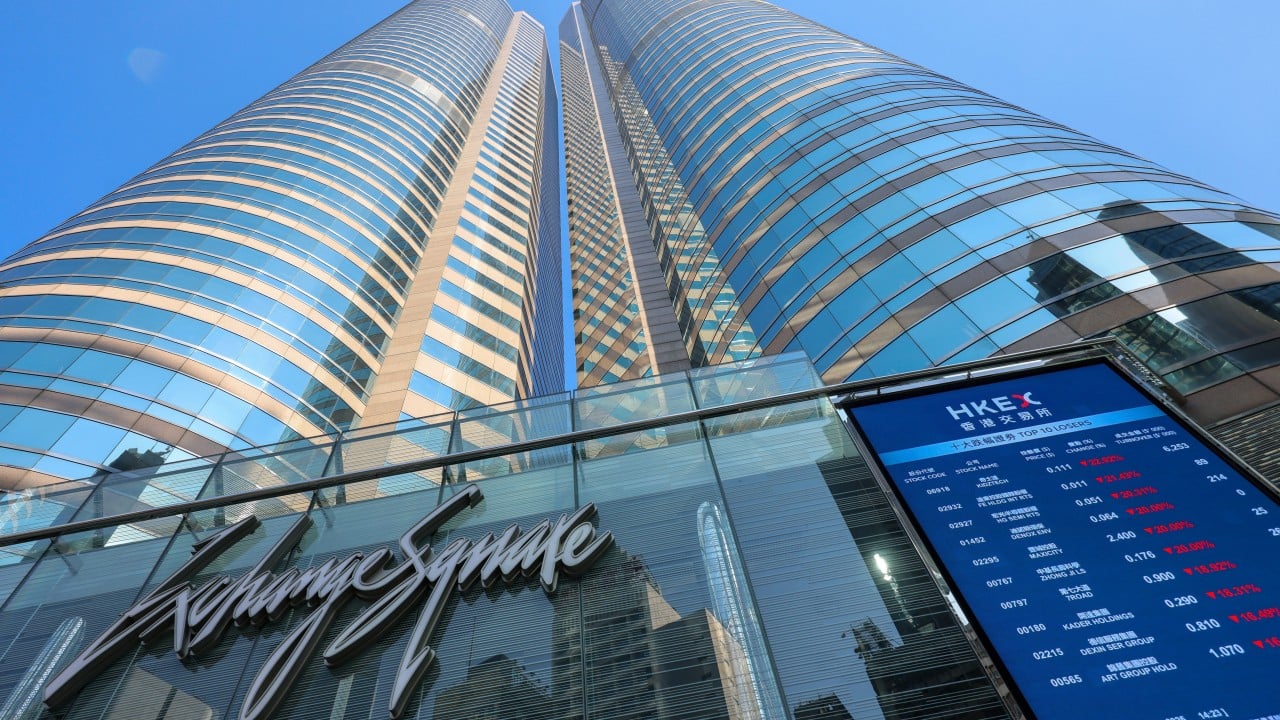
Tighter securities rules in Hong Kong, following Evergrande’s liquidation and unrelated IPO frauds, have led to more delistings than resumptions for the first time in three years, Grant Thornton said. In the 12 months to August, 35 companies delisted and 21 resumed trading.

Asian shares surrendered earlier gains on Thursday. AI-related earnings prompted sharply mixed reactions, while Alphabet’s miss pulled Wall Street futures lower ahead of results from Amazon and Intel later in the day.
China’s tech rally is under pressure as investors question whether AI profits can justify lofty valuations.

Truth Social, the social media platform founded by President Donald Trump, has signed up Bloomberg and two Wall Street firms for quicker access to the president’s posts. The service is sold for as much as $100,000 a month, according to people directly familiar with the matter.
Benchmark U.S. crude futures fell about $1 on Thursday, giving back some of the previous day’s gains as traders assessed whether an escalating Middle East conflict could further disrupt regional energy supplies.
The London Metal Exchange aims to turn metals stored in its Hong Kong warehouses into digital assets usable for financing, according to three people familiar with the matter. The effort is linked to Hong Kong’s five-year plan to expand its commodities hub.
CNBC’s Jim Cramer said SK Hynix’s strong earnings show that AI stocks can still rally.
The newsletter considers whether to invest in Anthropic and offers five takeaways from its S-1, while asking what the AI boom means for people whose jobs are at risk.
More than 400 equity funds have disappeared across Latin America, and IPOs have stalled. The market was already in this state before Lula’s reelection triggered a rout in Brazilian stocks.
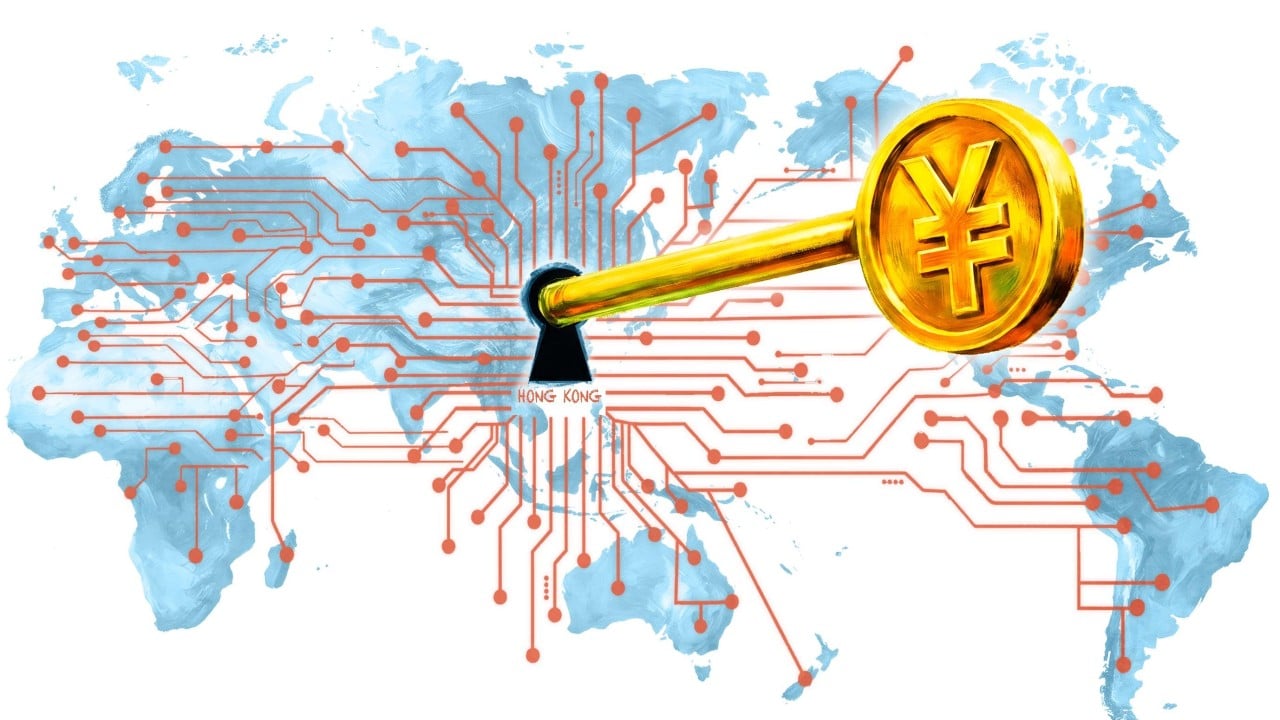
Hong Kong Chief Executive John Lee Ka-chiu unveiled the city’s first five-year plan and policy address in September, making wider use of the yuan beyond mainland China a priority. Hong Kong is testing interoperability between the e-CNY and other digital assets to bolster the currency’s international appeal.

Global bond sales have reached an all-time high, driven by rapid borrowing from technology giants at the forefront of the AI boom.
Microsoft's quarterly cloud revenue topped expectations on Wednesday, suggesting its substantial AI investments are paying off as Wall Street grows more wary of Big Tech's debt-funded spending.
Microsoft reported cloud revenue above expectations, suggesting it continues to benefit from its massive investment in artificial intelligence.
Alphabet says its AI investments are driving strong year-over-year growth in search queries, at the fastest rate in five years. Third-quarter revenue reached $127.6 billion, up 25 percent; Google Search and other revenue rose 12 percent, while Google Cloud revenue climbed 103 percent to $30.7 billion.

Alphabet reported quarterly sales and profit below expectations, suggesting it is not generating enough returns to justify its massive investments in AI.
At a U.S. Commodity Futures Trading Commission forum, Chairman Mike Selig said AI agents could usher in a financial revolution while raising questions about how to police the technology.

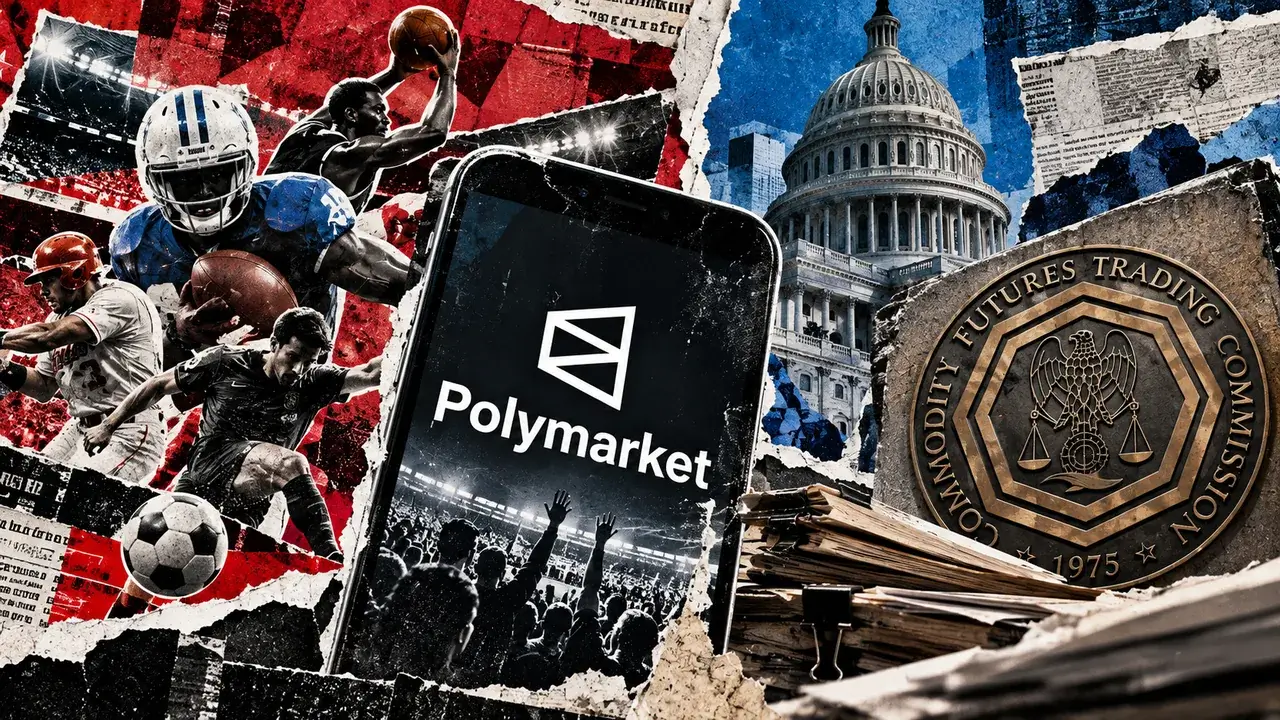
Polymarket recorded $14 billion in 30-day face-value trading, almost all from sports bets, compared with $3.4 billion paid for contracts. Reuters reports renewed scrutiny of offshore access, alongside separate US checks on customer protections.

Canadian bond yields rose on Wednesday and the loonie edged higher against the US dollar after the Bank of Canada raised interest rates for the first time in more than three years.

The Bank of Canada raised its key rate by a quarter point to 2.5%, its first increase in more than three years, warning that further hikes may be needed as soaring energy costs stoke inflation. It raised its 2027 inflation and growth forecasts.
The Bank of Canada is expected to raise its interest rate by 25 basis points as inflation ticks upward.
The Bank of Canada is widely expected to lift its benchmark rate by 25 basis points to 2.5% on Wednesday. Most economists see the move as a safeguard against a possible wider spread of energy inflation.
African leaders and government delegates gathered in Moscow on Wednesday for the third Russia-Africa Summit. Putin sought to win their support as they discussed trade, security, arms deals and grain supplies, part of the Kremlin’s strategy to widen its presence in Africa.

Vladimir Putin said the summit in Moscow is a forum for leaders to exchange views as well as share experience and plan joint projects. He said Russia wants it to be more inclusive and focused, while highlighting areas of Russian progress and potential cooperation with African countries.
Vladimir Putin said the Russia-Africa Partnership Forum Action Plan for 2027-2029 is due to be adopted after the October 29 summit. He said the framework will set the main direction for broader cooperation between Russia and African countries.
At the Russia-Africa economic and humanitarian forum, Vladimir Putin urged African countries to use national payment systems for transactions with Russia. He called for stronger banking links and alternative payment-message mechanisms, saying these would cut costs, shield payments from politicized interference by unfriendly countries and strengthen African sovereignty.

Moscow is hosting the two-day third Russia-Africa Summit, where delegations from 48 African countries will discuss cooperation with Russia on politics, defence and technology. Trade and security are expected to dominate the agenda, while the gathering will indicate how the relationship is developing.

After its full-scale invasion of Ukraine and the resulting rift with the West, Russia says it wants a “historic return” to Africa. The Russia-Africa summit in Moscow on October 28 and 29 will focus on economic cooperation. Yet trade remains limited, with Russia's strongest ties concentrated in a few countries, notably Egypt and Algeria.
As African leaders meet in Moscow, the Kremlin is pursuing resources and protecting allied rulers, the article argues, while failing to deliver promised prosperity and security to ordinary Africans. Trade remains below Russia’s stated target, and the piece questions whether investment agreements and projects serve African development or leave countries bearing the risks.
Bernstein sees Robinhood’s crypto business shifting toward infrastructure as newer products, including prediction markets and perpetual futures, gain ground.

Shares in British homebuilders fell sharply on Wednesday after Finance Minister John Healey’s long-awaited plan for first-time buyers disappointed investors with limited funding, a later-than-expected launch and higher fees than developers had anticipated.
Coinbase faces a key earnings test, with analysts divided over how strong a trading rebound will be after Robinhood’s crypto revenue fell sharply.

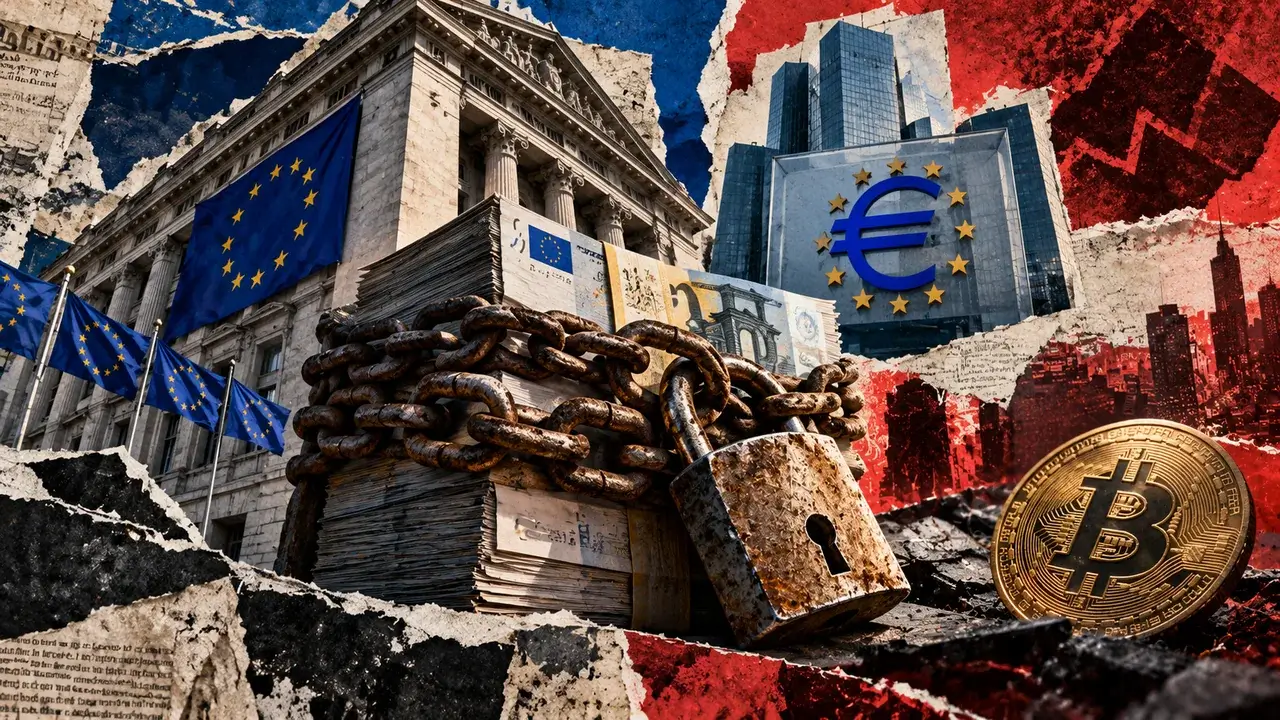
Euro-area banks say access to retail funding has deteriorated by a record amount. The ECB still describes the decline as moderate, while any effect on Bitcoin depends on financing costs and investors’ risk budgets.

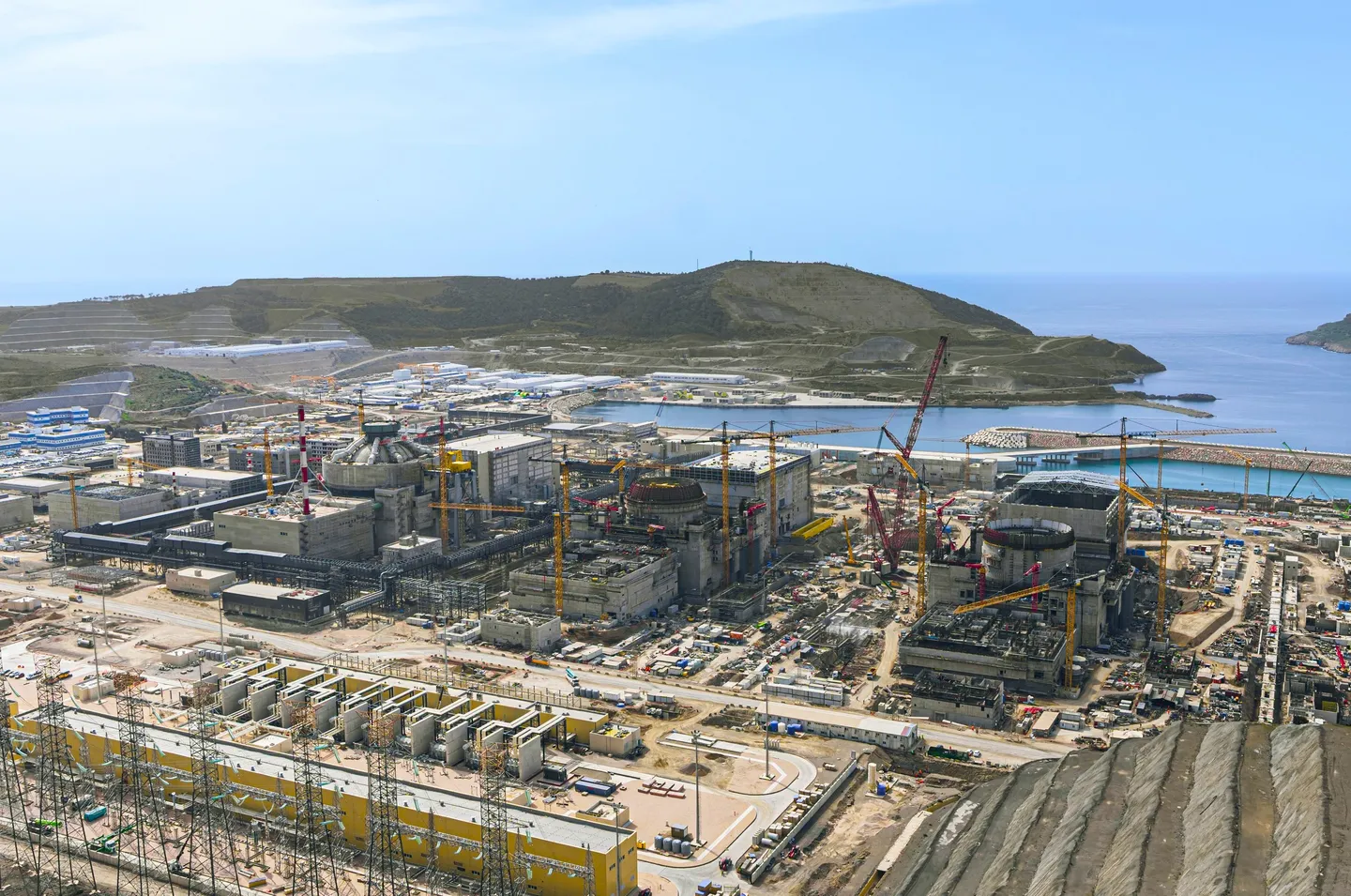
Putin said Turkish investors are prepared to buy a stake in the $25 billion Akkuyu nuclear plant. Rosatom expects the plant’s first reactor to achieve its first self-sustaining nuclear chain reaction before the end of this year.

Alphabet is preparing to release quarterly results after the market close, facing skeptical Wall Street investors looking for signs that the AI trade is gaining strength.

Investment experts say this could be one of the best times in recent history to buy corporate bonds, as Treasury yields of 5% are boosting the fixed-income market.

The Bank of Russia bought yuan on the domestic market in transactions settled on October 27, worth 12.1 billion rubles ($150 million). It conducts domestic currency operations through the yuan-ruble instrument on the Moscow Exchange.
Bitwise sets a $1.6 million bitcoin price target for 2036 and projects annualized returns of 34%. Its bearish scenario puts bitcoin at $130,686, while the bullish case reaches $3.67 million.

Ford Motor is scheduled to report its third-quarter results after markets close Wednesday.

US crude and distillate inventories declined last week as demand increased, while gasoline stockpiles rose, the Energy Information Administration said on Wednesday.
Gilts retained their pre-Budget gains after a modest package of tax and spending changes.
Although sweet-talking the bond market rarely proves productive, it is hard to fault JetBlue chief Joanna Geraghty for giving it a try.
The market’s modest rally faces a key test when tech giants Alphabet and Microsoft report after the closing bell.

The Bank of Russia set the official dollar exchange rate for October 29 at 80.8664 rubles, up 33.57 kopecks from the previous rate. The euro rate rose 6.83 kopecks to 90.166 rubles, and the yuan rate climbed 1.39 kopecks to 12.0816 rubles.
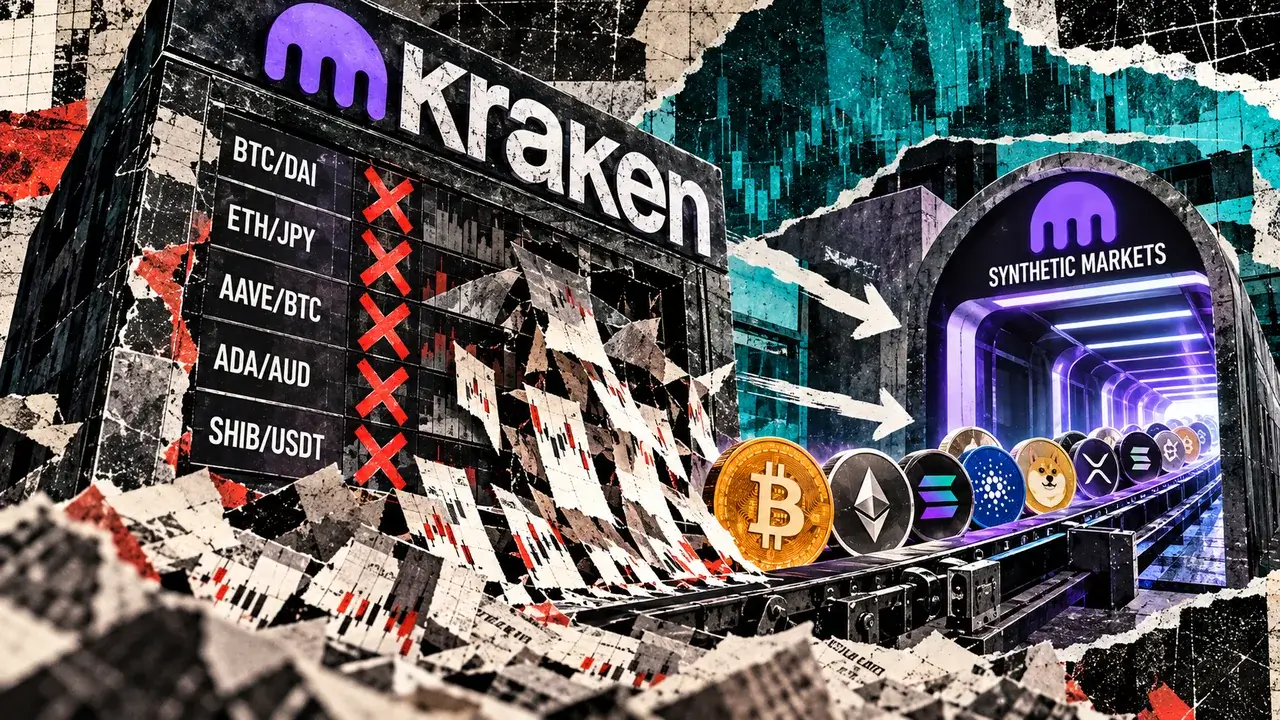
Kraken will cancel existing orders across 176 crypto markets. They will not transfer to synthetic replacements, where limit orders will incur taker fees.

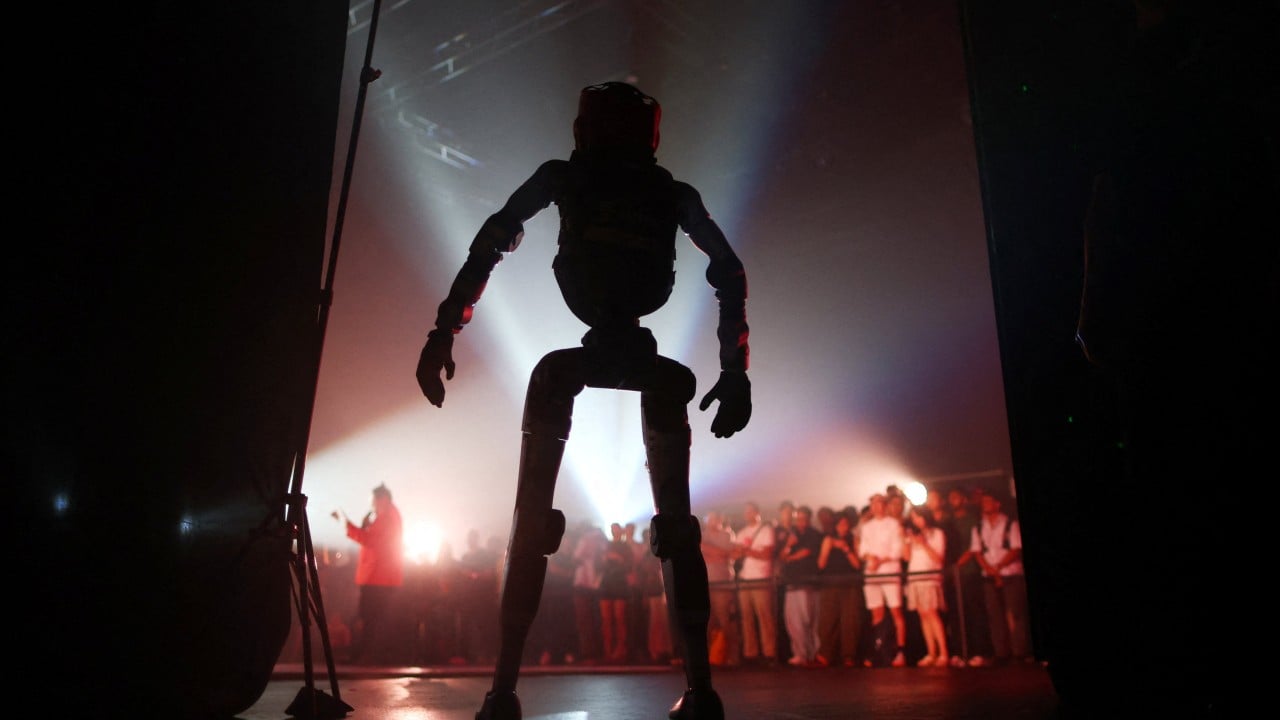
Chinese robotics company Unitree Robotics reported its first results since going public, with revenue rising 69.93 per cent year on year to 665 million yuan in the three months through September 30. Net profit excluding non-recurring items fell 17.42 per cent to 105 million yuan as research and development spending surged.

DTCC’s tokenization service has gone live on Canton Network and the private Besu chain, with 20 firms—including JPMorgan, Citi and Morgan Stanley—signed up.

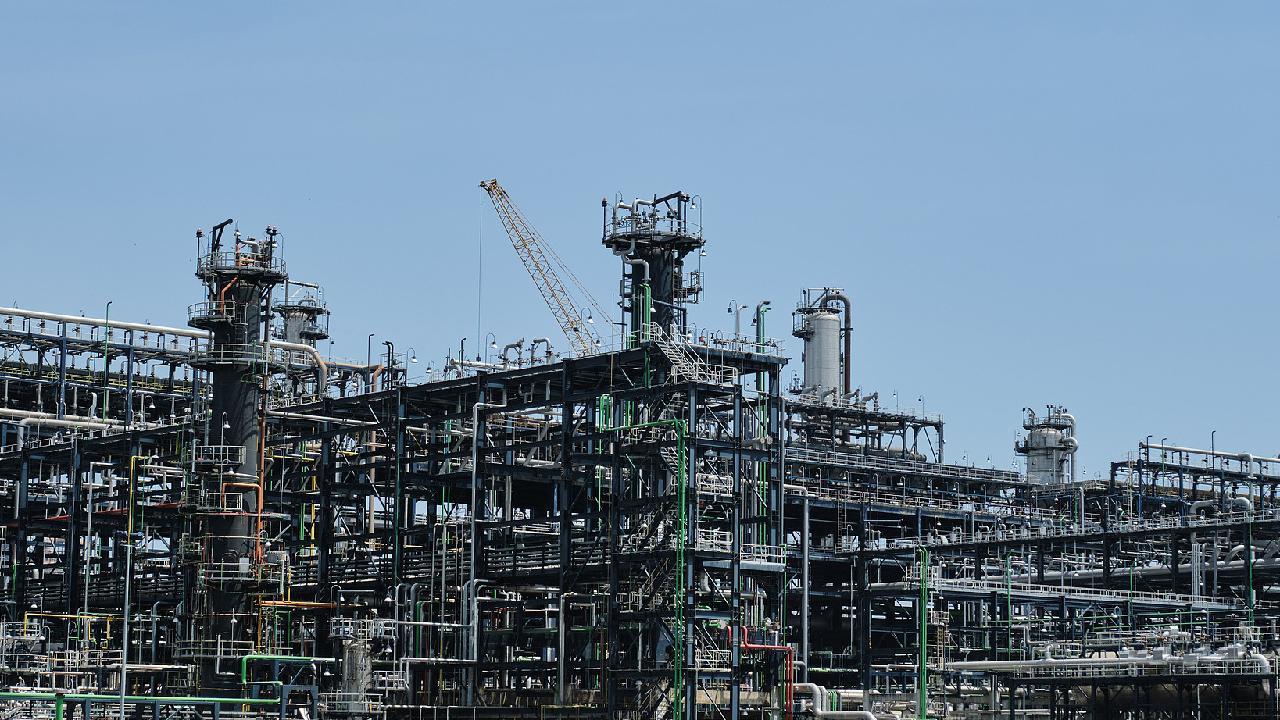
The Dangote Petroleum Refinery has closed its IPO after receiving investor applications from 120 countries. The company called it Africa’s largest share offering. It did not disclose the amount raised, though Aliko Dangote said earlier that subscriptions had exceeded the $1.6 billion target by more than three or four times.

JPMorgan, Coca-Cola and Dell have also objected to their shares being traded on the blockchain-based venue planned by OKX and ICE. Nearly half the companies on the venture’s original roster have now raised objections.

Russian Deputy Prime Minister Alexander Novak said Moscow could pursue projects worth several billion dollars in Burkina Faso, Mali and Niger at the outset of its partnership with the Sahel countries. Investment and financing proposals will be discussed at the Russia-Africa Forum, and only projects beneficial to both investors and host countries will proceed. Areas include geological exploration, advanced technologies and digital platforms.
GSK shares fell as much as 7% on Wednesday, later narrowing the loss to 5.5%, despite better-than-expected results. The British drugmaker’s third-quarter pre-tax profit fell 19% to £1.9bn, while vaccine sales declined and restructuring charges reached £318m. Investors are also concerned about the approaching patent loss for its blockbuster HIV drug.

The New Zealand central bank defied markets’ near-certainty that it would raise rates, sending the currency lower. The New Zealand dollar has fallen almost 5% against the U.S. dollar in six months.

Robinhood's crypto revenue declined year over year, while revenue from event contracts reached $173 million and the company's total revenue hit a record $1.42 billion.

Anxious Israelis followed the results on Wednesday after turnout reached its highest level in more than a quarter-century. With no clear winner, Prime Minister Benjamin Netanyahu and opposition parties seeking to unseat him may face weeks of negotiations.

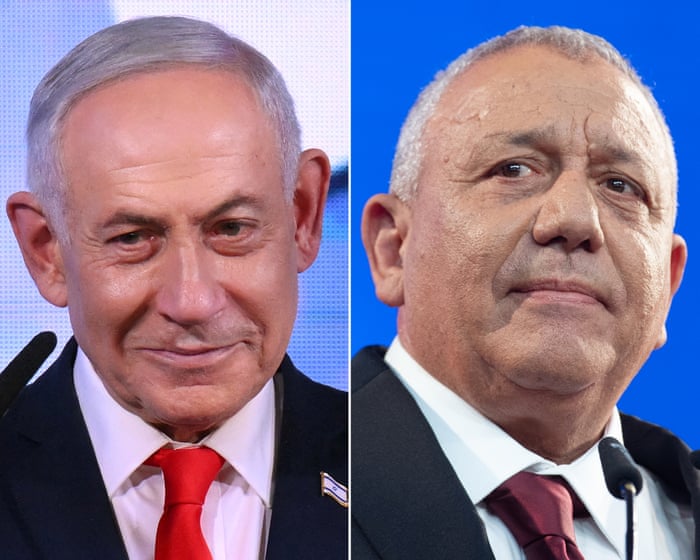
With about 70% of votes counted, both Benjamin Netanyahu’s bloc and Gadi Eisenkot’s opposition bloc appeared likely to fall short of the 61 seats needed for a majority. Palestinian parties surged and could win 16–19 seats, leaving Eisenkot’s camp to weigh an alliance with them. Counting, including absentee ballots, is continuing.

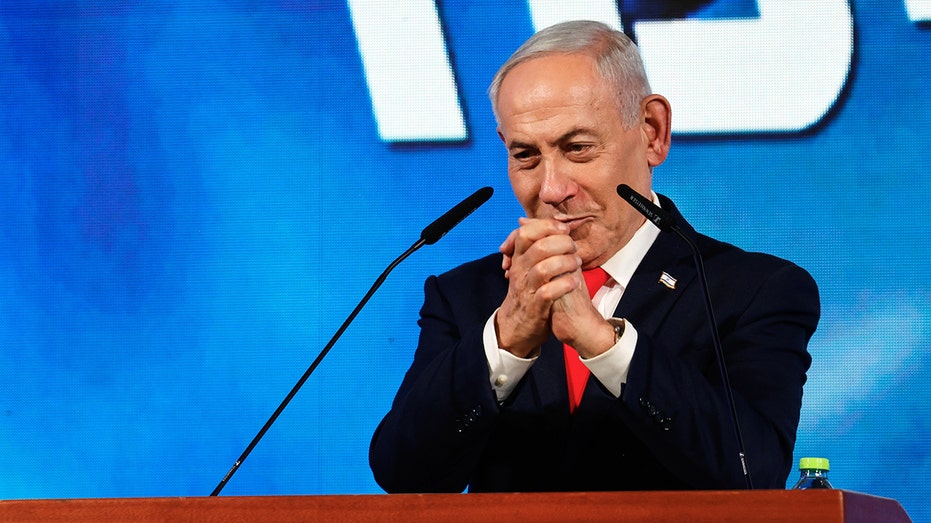
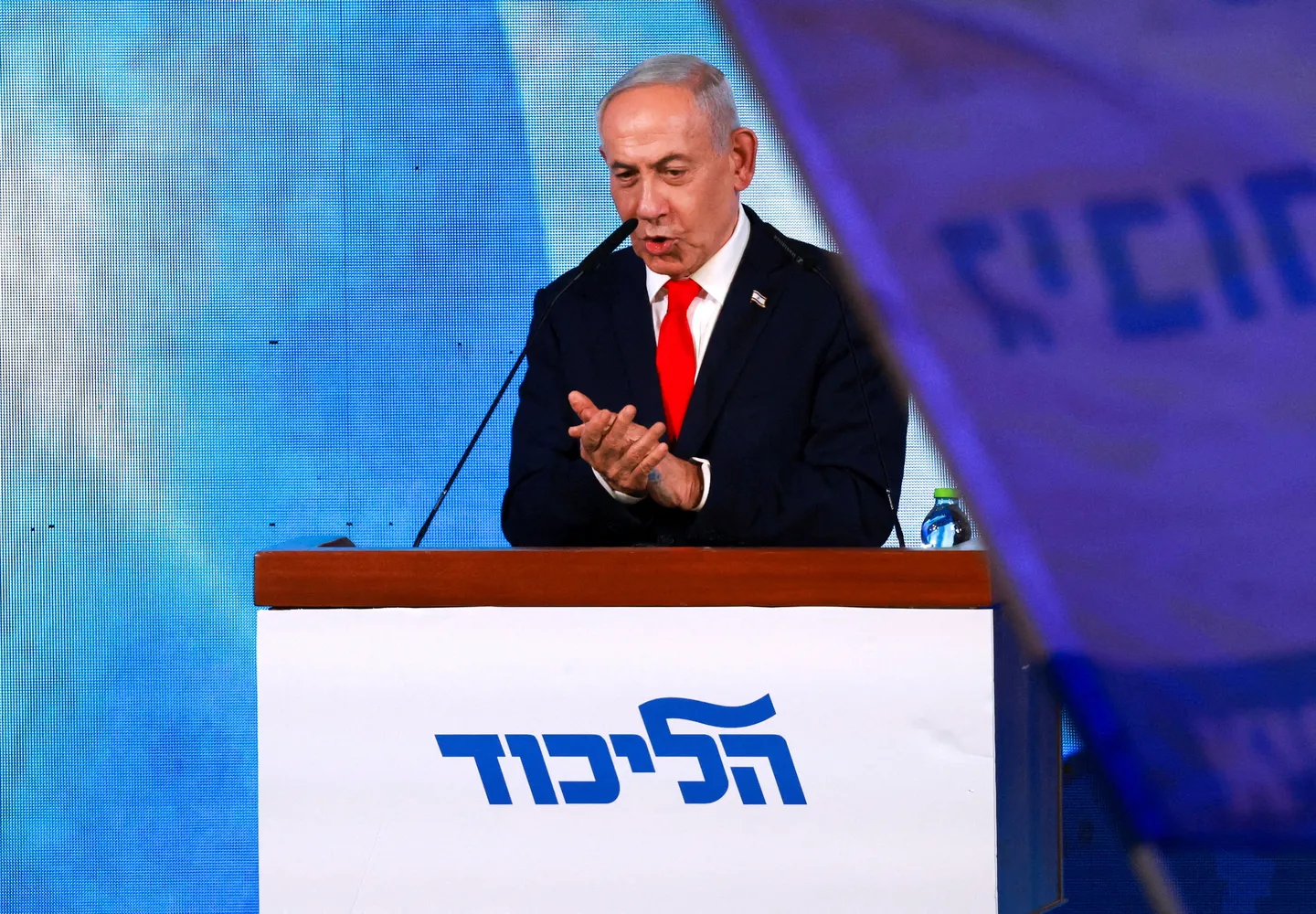
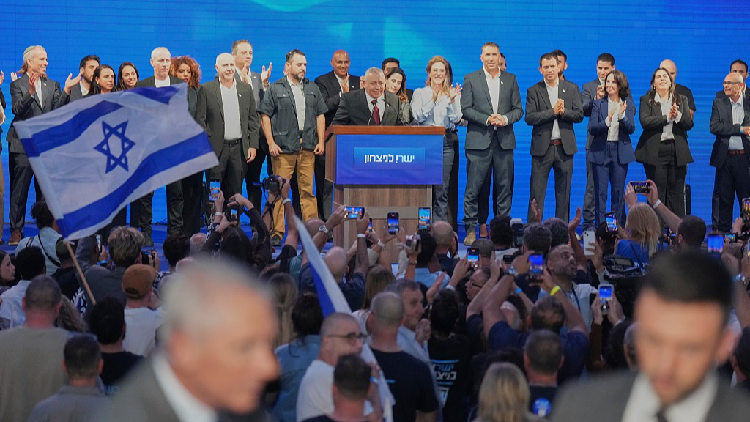
Final results are expected tonight or tomorrow morning. The outlook is increasingly favourable for Benjamin Netanyahu and his bloc, but he still lacks a clear victory and needs 61 seats for a parliamentary majority. He spoke to supporters at the National Congress Centre at around 3 a.m. local time.

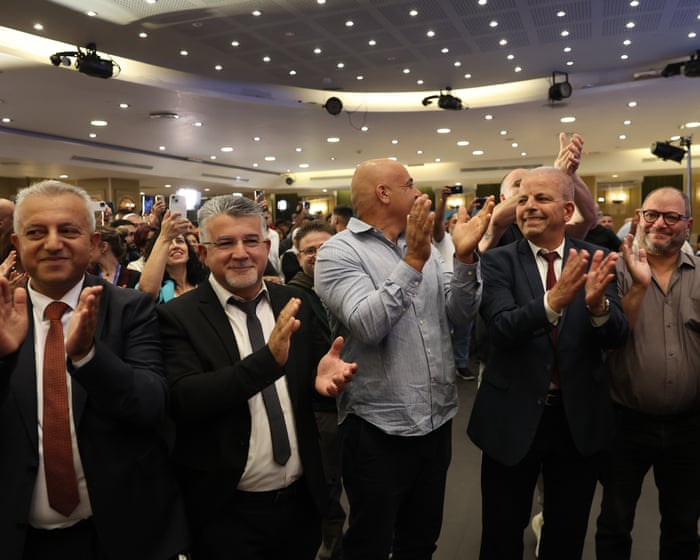
Arab-led parties appear to have made a historic showing in Israel’s election, but it remains unclear whether other opponents of Benjamin Netanyahu’s government would join them in a coalition capable of winning a parliamentary majority. Issues involving Palestinians and their descendants remain highly sensitive in Israel.

With about 70% of Israel’s votes counted, Netanyahu’s right-wing and religious bloc had 54 seats, against 47 for the main opposition and 19 for Arab parties, leaving no side with a majority to form a government. Attention has shifted to coalition talks. Trump said his endorsement helped Netanyahu’s stronger-than-expected showing.

Israel’s election has produced no clear winner, and neither Benjamin Netanyahu’s nor Gadi Eisenkot’s bloc has reached the 61 seats needed for a majority in the 120-seat Knesset. Arab-led parties could hold the balance of power, but potential partnerships face political barriers as coalition talks begin.

Israel’s benchmark Tel Aviv 125 index fell as much as 3.5 percent after exit polls showed no clear winner in the parliamentary election. With more than 84 percent of votes counted, Netanyahu’s coalition was projected to win 54 seats and the opposition bloc led by Gadi Eisenkot 49; 61 seats are needed for a majority.

With more than 60% of ballots counted, Prime Minister Benjamin Netanyahu’s camp is narrowly ahead of the opposition but lacks a clear majority. The Central Elections Committee is still counting, and the partial results could change. The two leading prime ministerial candidates exchanged barbs in speeches after polls closed.

Netanyahu and Smotrich attacked Arab voters and alleged attempts to steal the election as Israel counted ballots. With neither major political camp securing a clear majority, Arab-led parties could influence who forms the next government.
Israeli Prime Minister Benjamin Netanyahu and rival Gadi Eisenkot have both vowed to form a government, with projections putting them neck and neck in Tuesday’s critical election. Exit polls indicate neither bloc has secured a parliamentary majority.
Israelis are closely watching for the final election results after voting dealt a rebuke to Prime Minister Benjamin Netanyahu’s far-right government. Netanyahu, however, is still far from defeated.
Despite the fallout from the 7 October attacks, three years of war and widespread public dissatisfaction, Benjamin Netanyahu strengthened his political position in Israel’s election. Neither political bloc is assured of a parliamentary majority.
With 57.3% of votes counted, Prime Minister Benjamin Netanyahu’s Likud party is leading Israel’s parliamentary election, projected to win 28 seats. Yashar leader Gadi Eisenkot is in second place with 21. Exit polls indicate no political force is expected to secure the 61 seats needed for a majority in the 120-seat Knesset. Turnout in Arab-populated areas reportedly reached 80%.

Early results show Benjamin Netanyahu’s Likud as the largest single party, but his bloc appears short of the 61 seats needed to form a government. His main rival, Gadi Eisenkot, may also need Arab parties to command a majority. Many absentee ballots remain uncounted, leaving the outcome uncertain.

Exit polls from Israel’s major TV networks put Benjamin Netanyahu’s governing bloc and the opposition led by Gadi Eisenkot at 51 seats apiece, below the 61 needed for a majority. Counting continues, while Palestinian parties are projected to increase their representation to as many as 18 seats from 10.
Early tallies in Israel’s election put Benjamin Netanyahu’s Likud ahead, while rival blocs have not secured a majority, leaving the route to power unclear.

Exit polls put Benjamin Netanyahu’s Likud-led bloc slightly ahead of the opposition, with neither side appearing likely to secure a governing majority. Likud was projected to win 27 seats and Arab parties 19 collectively. Preliminary official results are expected Wednesday and may differ from the polls.

Israeli Prime Minister Benjamin Netanyahu said forming a government with Arab parties would be “a disgrace and a shame.” Exit polls indicate that neither his party nor the opposition is projected to win the 61 Knesset seats required for a majority.

Exit polls indicate that neither Prime Minister Benjamin Netanyahu’s alliance nor opposition bloc leader Gadi Eisenkot’s bloc is close to the numbers required to form a governing majority.

Exit polls project that Israel’s Arab-led parties will win 18 Knesset seats, a record. Turnout among Palestinian citizens of Israel reached about 80 percent, while overall turnout was 77.7 percent, its highest since 1999. The blocs led by Gadi Eisenkot and Benjamin Netanyahu were tied at 51 seats each in updated polling.

Israeli leaders traded sharp reactions after exit polls showed the main blocs tied at 51 seats each, short of the 61 needed for a majority. Opposition figures called the projections a defeat for Netanyahu’s government, while his allies said the final results could change the balance. Unaligned Arab parties were projected to win 18 seats.
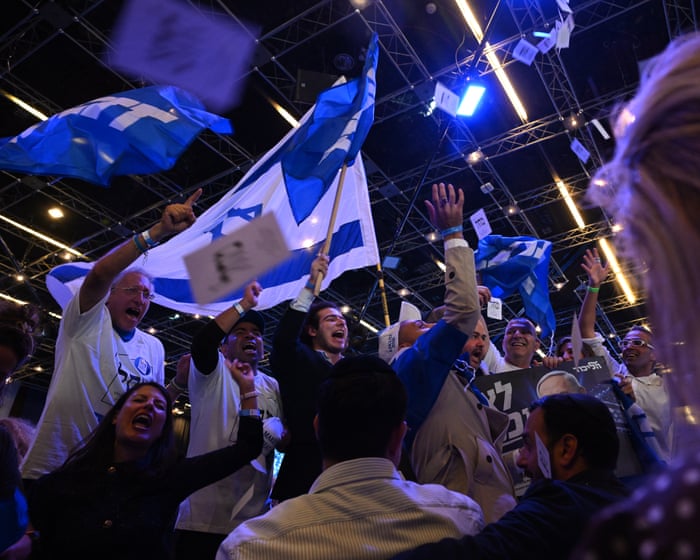
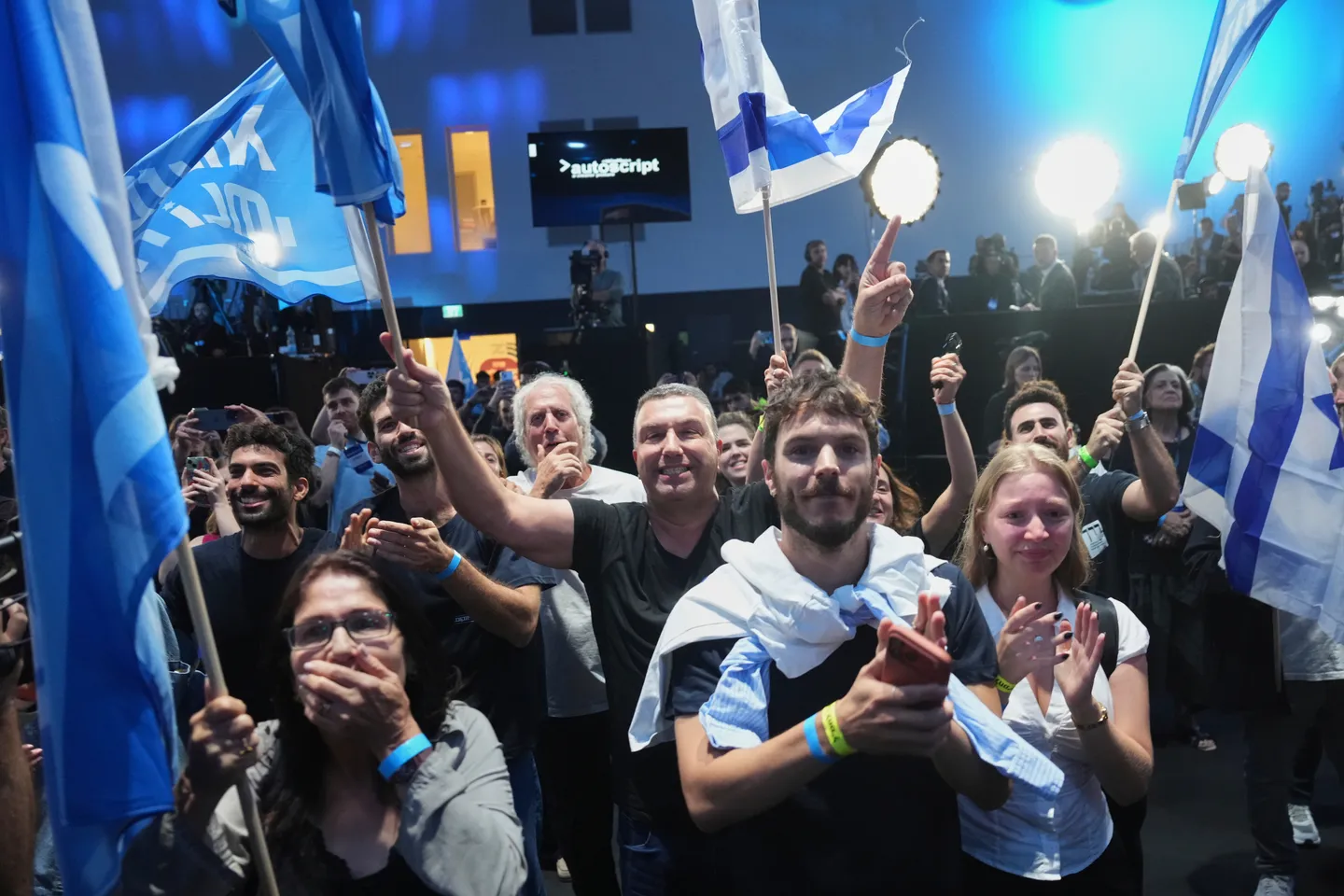
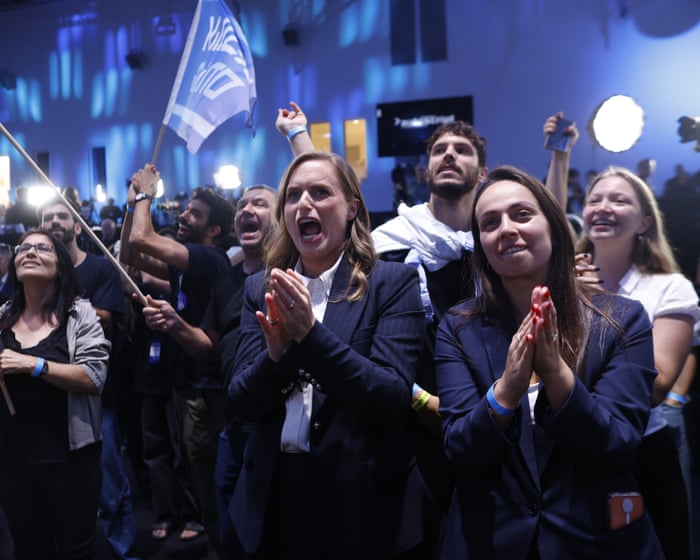
Supporters of Gadi Eisenkot celebrated in Tel Aviv after exit polls showed Israel’s opposition bloc narrowly ahead of Benjamin Netanyahu’s camp, though neither had an outright parliamentary majority.

Voting has ended in Israel’s election and ballots are being counted. Exit polls indicate Gadi Eisenkot’s bloc won the most seats but fell short of a majority, while Netanyahu’s Likud is projected to be parliament’s largest single party.

Israeli opposition leader Gadi Eisenkot said exit polls showing his bloc ahead of Benjamin Netanyahu’s coalition reflected a “complete lack of confidence” in the government, and vowed to move quickly to replace it. Polls gave neither bloc the 61 seats needed for a majority, with Arab-majority parties potentially holding the balance. Final results remain pending. The report says a change of leadership may not bring a fundamental shift in Israel’s policies toward Iran or the Palestinians.

Exit polls project Netanyahu’s coalition at 50 seats and the opposition bloc at 52, leaving both short of the 61 needed for a Knesset majority. Arab-led parties are projected to win 18 seats and could become kingmakers. After the final tally, President Isaac Herzog will designate the candidate he believes has the best chance of forming a government; failure to break the deadlock could lead to another election.

Israel's election was still deadlocked on Tuesday, according to exit polls. Opposition leader Gadi Eisenkot's bloc edged ahead of Prime Minister Benjamin Netanyahu's camp, 52 seats to 50, but neither had a clear route to forming a government. Turnout was 77.7%, the highest in more than two decades.

Israeli Prime Minister Benjamin Netanyahu’s opposition showed strength in today’s election, but not enough to take power outright. Weeks of negotiations may now follow as parties seek to form a coalition government.

Exit polls project Palestinian parties to win 17 to 18 Knesset seats, up from 10, forcing opposition leader Gadi Eisenkot to consider negotiations with Arab-Israeli leaders if he hopes to govern. Without an agreement, Benjamin Netanyahu could have a path to political survival.
Tuesday’s exit polls gave the bloc led by opposition candidate Gadi Eisenkot a narrow lead over Prime Minister Benjamin Netanyahu’s Likud bloc in the Knesset. Likud was nevertheless projected to remain the parliament’s largest single party.

Israeli exit polls indicate that neither Benjamin Netanyahu nor Gadi Eisenkot is on track to win a majority in the 120-seat Knesset. Eisenkot supporters in Tel Aviv reacted after the first results were released.

Exit polls show Gadi Eisenkot’s opposition bloc narrowly ahead of Benjamin Netanyahu’s right and far-right coalition, although Likud is projected to remain the largest party. Israeli Arab parties could win up to 18 seats and become kingmakers in potentially protracted coalition talks. The outcome remains uncertain after turnout reached its highest level in 50 years.
An exit poll from state-run broadcaster Kan-11 projects Likud will take 25 of the Knesset’s 120 seats, with Gadi Eisenkot’s Yashar party second on 21. The opposition bloc is forecast to win 53 seats against 50 for Netanyahu’s bloc. Arab parties are projected to get 17, but neither side is ready to form a coalition with them; neither bloc reaches the 61-seat majority threshold.

Exit polls project Prime Minister Benjamin Netanyahu’s bloc to win 50 seats and the bloc led by opposition candidate Gadi Eisenkot to take 52 or 53, short of the 61 needed for a majority. Arab parties are projected to win 18 seats combined. Turnout reached 74.3 percent by 8pm, and official results are due on November 4.
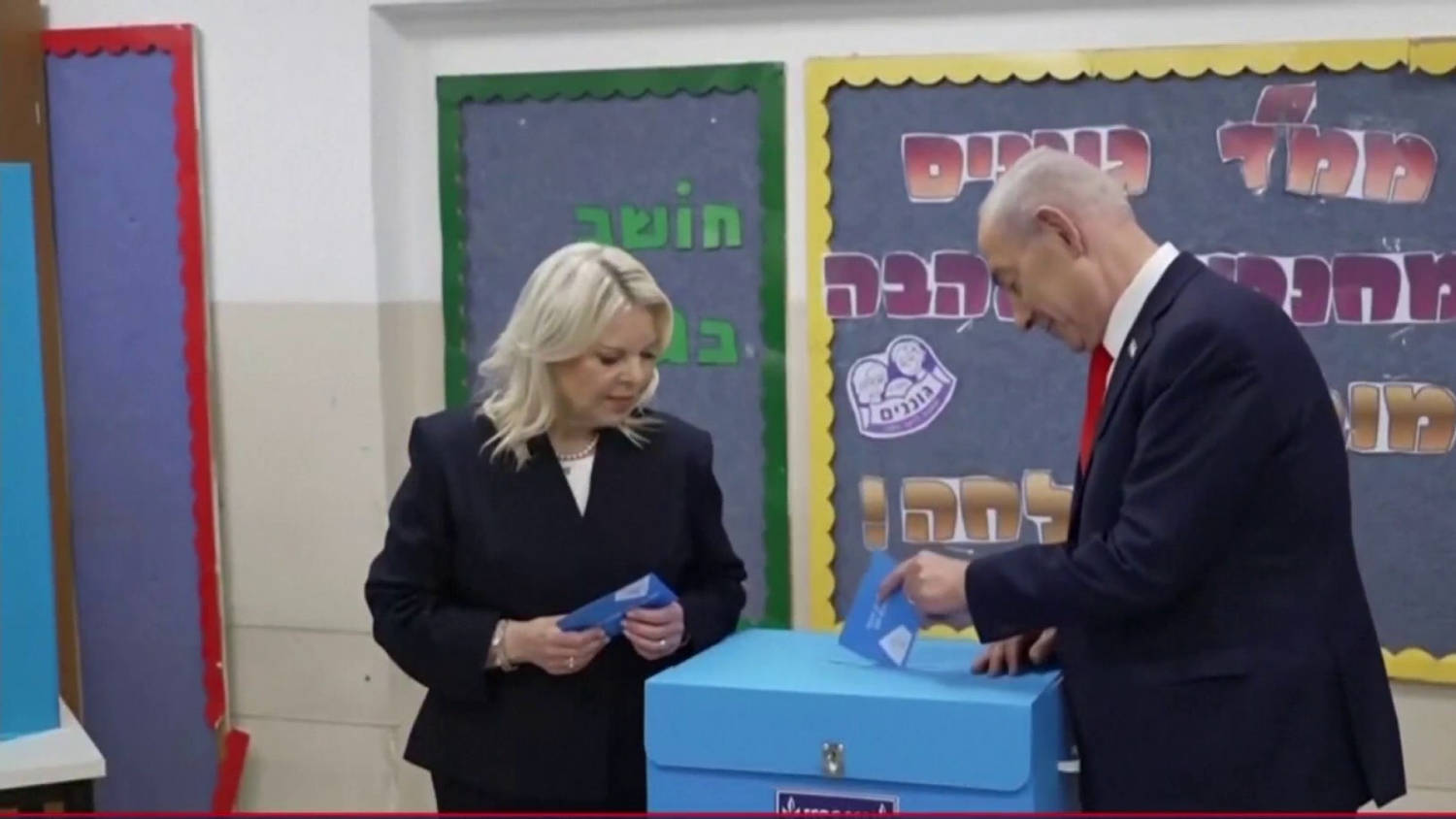
Exit polls indicate that Israel’s election has no clear winner. Netanyahu spent much of the day urging supporters to vote, describing the contest as a “matter of life and death.”
Gulf stocks fell in early Wednesday trading after an attack on a refinery in Saudi Arabia, a leading crude exporter, unsettled investors and revived concerns that the Middle East conflict could escalate.
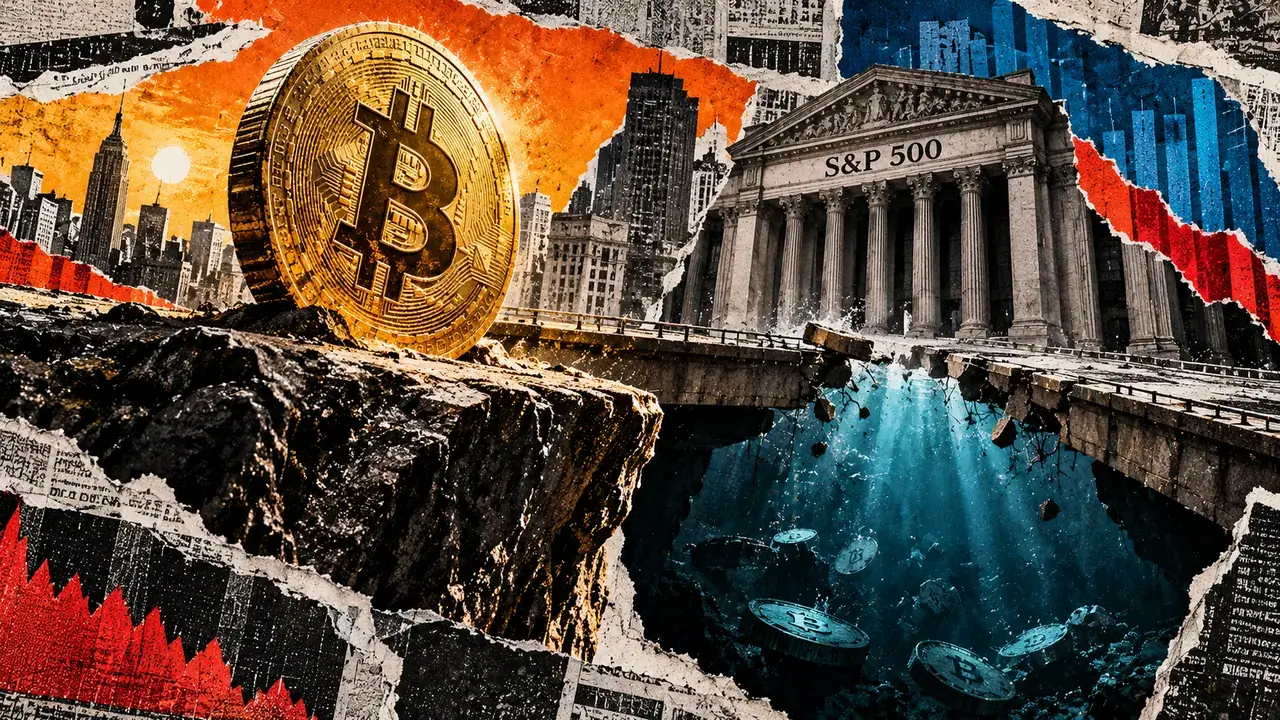
Bitcoin’s recent win rate against the S&P 500 has climbed back above 50%, up from about one in five trading sessions in June, its weakest stretch in roughly six years, Glassnode says. Coinbase Institutional reported on Oct. 23 that BlackRock’s IBIT had attracted about $6 billion since Aug. 1, compared with roughly $500 million for all other funds combined.

Upcoming results from Alphabet and Microsoft will offer another reading on the state of AI.

French multinational bank BNP Paribas exceeded third-quarter profit forecasts as equity-trading revenue surged 50%. It announced a €1.3 billion share buyback and played down its exposure to French debt.
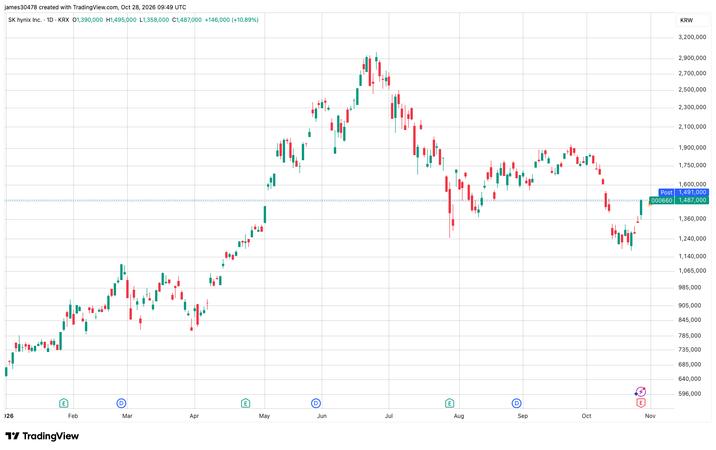
South Korean chipmakers led a wider rebound in AI-related stocks after SK Hynix reported a sevenfold profit increase and announced a further $45 billion in shareholder returns.

SK Hynix said it plans to return about $45 billion more to shareholders after profit rose seven-fold, beating expectations. The result reflects robust memory-chip demand driven by the rollout of AI infrastructure.
South Korean chipmaker SK Hynix announced a shareholder return plan worth $75 billion. It reported on Wednesday that third-quarter operating profit rose more than sevenfold to a record, beating forecasts as continued AI infrastructure demand lifted memory chip prices.

South Korean chipmaker SK Hynix reported third-quarter earnings on Wednesday, with profit sharply beating estimates as AI memory demand provided a boost.
John Healey is expected to use his first budget to abandon plans to reduce the annual cash Isa allowance from £20,000 to £12,000 from April. The previous chancellor, Rachel Reeves, had proposed the cut to channel more money into UK company shares.

U.S. Treasury yields rose slightly as traders awaited the Federal Reserve’s latest monetary policy decision.

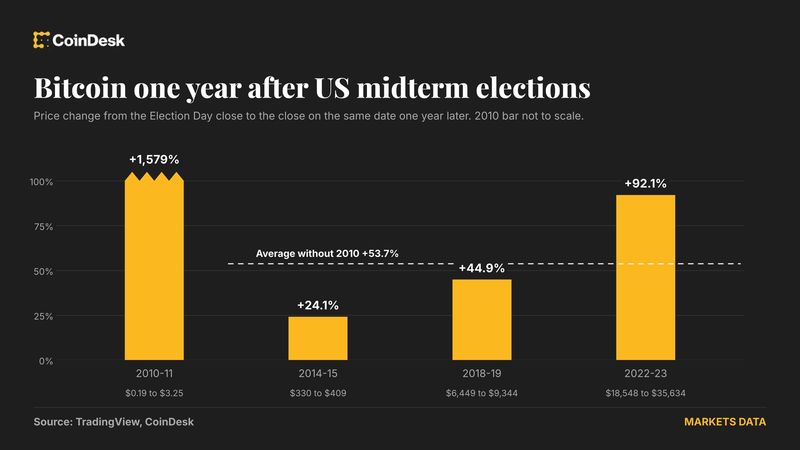
Historically, Bitcoin and the S&P 500 have both posted positive returns in the year after midterm elections. Bitcoin’s pattern may also be linked to its four-year halving cycles.

Moody’s Ratings assigned RLUSD an A2 long-term rating and a P-1 short-term rating, citing the credit quality and market value of its reserve assets.

Gold edged lower on Wednesday as high oil prices kept inflation worries simmering and investors awaited the Federal Reserve’s policy decision later in the day.
Jio, the telecom and digital business run by Mukesh Ambani’s eldest son Akash, made its market debut on Wednesday. The listing capped the 35-year-old’s meteoric rise, drawing tears of pride from his father, who leads Asia’s richest family and its Reliance empire.
Ozon estimated that drone attacks on 11 logistics centers caused 30.1 billion rubles in losses, including destroyed goods, damaged equipment and other expenses. It is negotiating with insurers over compensation. Despite the strikes, third-quarter net profit rose 25% to 3.7 billion rubles, while revenue reached 421.2 billion rubles.
Volkswagen is taking technologies developed in China to overseas markets, including South America and South Africa, as it looks to strengthen its global competitiveness by relying on China as a key innovation hub.
The Yulan renminbi bond structure debuted in Dubai amid geopolitical strains in the Middle East, attracting orders worth more than five times the offering as global appetite for yuan assets remained firm. Bank of China Dubai rang the listing bell at Nasdaq Dubai on Tuesday for the two-year offshore bond, sized at 2 billion yuan (US$299.6 million).

JPMorgan Asset Management expects to introduce more actively managed ETFs in mainland China after its first fund of this kind reached its 2 billion yuan (US$300 million) fundraising limit on its first day of sales. China chief Desiree Wang called the debut an opening move in a much larger game.

Mukesh Ambani’s Jio Platforms rose as much as 23% on its trading debut after raising a record $3.1 billion in India’s biggest IPO, putting it on course to become the country’s second-most valuable listed company.
Jio Platforms shares jumped 21% on their Mumbai debut on Wednesday, launching India’s biggest-ever IPO on a strong note and marking the first listing in two decades for Mukesh Ambani’s Reliance Industries.
The telecoms business raised $3.2bn at a $108bn valuation in India’s largest IPO, with its shares climbing 21. The listing offered relief to a stock market battered by the war in Iran.

Jio Platforms, backed by Meta and Google, rose more than 21% on its trading debut after a record IPO.
Jio Platforms Ltd. is set to begin trading Wednesday at a $107 billion valuation, putting a price on several bets: Mukesh Ambani’s belief that cheap data can underpin the digital economy of 1.5 billion people, Google and Meta Platforms Inc.’s backing of him, and Indian Prime Minister Narendra Modi’s digital push.
Jio Platforms, the telecoms and digital unit of Asia’s richest man Mukesh Ambani, is set to list in Mumbai on Wednesday. Its $3.2 billion IPO attracted $77 billion in bids, making it India’s most-subscribed offering ever.
The item says the AI bubble has already burst in China and adds a brief positive note about Chinese government bonds.
Visible state-backed buying helped lift the CSI 300 Index 0.68% on Wednesday morning, but analysts say it will not create a lasting rally in China’s struggling stock market. State entities known as the “national team” have invested as much as 170 billion yuan (US$25.5 billion) this month.

Credit hedge funds that made large bets on junk bonds are facing a crunch point.
Sovereign debt pressure and heavy bond issuance are pushing up borrowing costs for European companies, squeezing those with weaker balance sheets, Goldman said.

The Minutes Reader extension turns the original page into a focused reading view and translates articles and video subtitles on demand. It is in limited beta.