UK’s Healey to require online marketplaces to collect sellers’ VAT
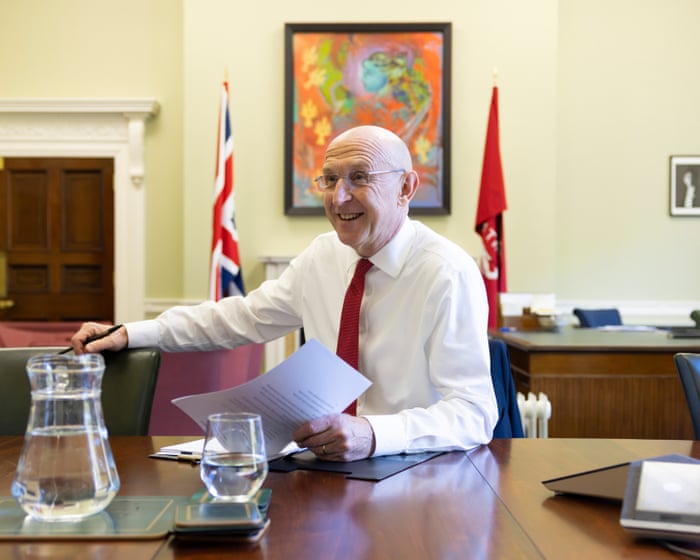
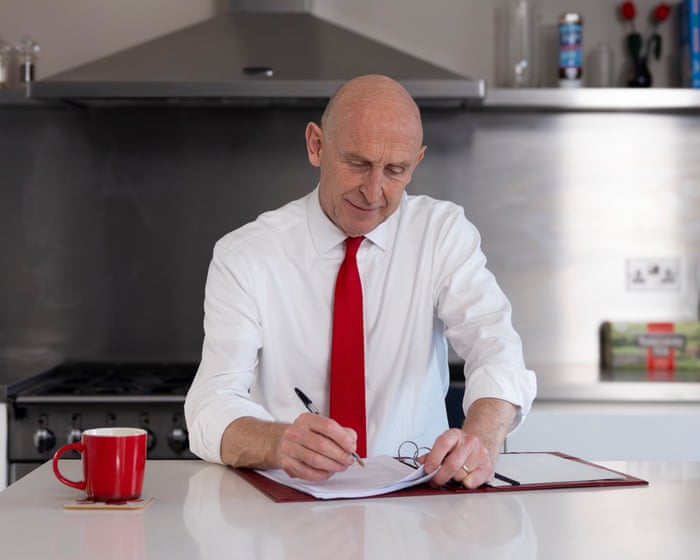
British finance minister John Healey said on Wednesday he would make online marketplaces responsible for collecting value added tax owed by retailers selling through their platforms.
Dropbox said in a regulatory filing that it would cut about 9% of its global workforce to align investments with its top product and growth priorities. Its technology chief is also set to leave.
Russia is prepared to provide African countries with technologies to achieve food sovereignty, Deputy Foreign Minister Sergey Ryabkov said. He said Russia has developed key expertise and is ready to share knowledge in agronomy, fertilizer production and use, food processing, irrigation and fisheries.
At the Russia-Africa economic and humanitarian forum, Vladimir Putin said more than 40 African countries are receiving Russian fertilizers and grain. He said Russia is ready to expand the reach of its agricultural commodity supplies to the continent.
Russia exported 13 million metric tons of agricultural products to African countries in the first nine months of 2026, Vladimir Putin said at the Russia-Africa Economic and Humanitarian Forum. He added that Africa has the agricultural potential to feed itself.
Deputy Foreign Minister Georgy Borisenko said Russia would keep supplying agricultural products to markets in Africa and elsewhere, noting that many countries need Russian grain and other goods. Kenya’s ambassador to Russia said the Black Sea situation was creating serious logistical challenges for grain shipments to Africa.
Energy Minister Sergey Tsivilyov said Russia is proposing cooperation with African countries on strategic plans to balance electricity demand and supply it from local and transit-based sources. Another proposed area is building hydrocarbon hubs and logistics infrastructure alongside development of Africa’s own hydrocarbon resources.
The Office for Budget Responsibility cut its forecasts for growth, living standards and public finances, citing the economic damage from the Middle East war and higher energy costs. It raised this year’s growth estimate from 1.1% to 1.2% but lowered the 2027 forecast from 1.6% to 1%, and expects inflation of 3.5% this year. Around 20 million households are to receive £100 payments.

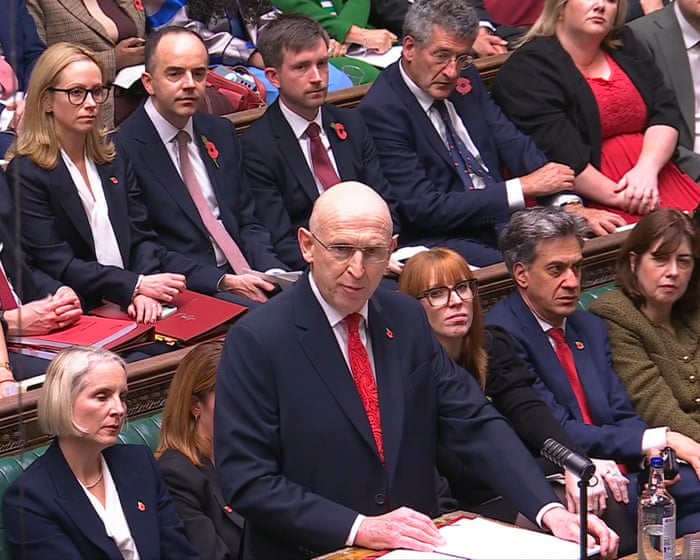
The UK’s new Chancellor, John Healey, delivered his first Budget speech in the role. The report highlights five key points from it.

John Healey has presented his first budget, citing global uncertainty and the Iran war as pressures that have raised UK energy costs and interest rates. Measures to lower bills include extending a VAT cut, removing gas standing charges and paying a £100 energy grant to eligible households. The budget also sets out fiscal rules and forecasts for borrowing and growth.

Chancellor John Healey is due to present the first autumn budget under Prime Minister Andy Burnham, setting out tax and spending plans amid rising living costs, energy bills, inflation and borrowing. The government is expected to explain how it will fund defence commitments.
British Treasury chief John Healey faces a difficult balancing act as he presents his first budget statement. Turmoil caused by the Iran war has made the economic backdrop more challenging.

Chancellor John Healey is set to unveil the Burnham government’s first budget, which the Treasury has described as low-key and aimed at easing pressure on low- and middle-income households. Healey has pledged to follow Labour’s fiscal rules. Readers and people struggling with living costs told the newsletter what they want the budget to change.

John Healey is due to present his first budget on Wednesday. Measures are expected to benefit struggling households, first-time buyers and small shops, while banks and online marketplaces could face higher levies. The plans include household support, help with energy bills and a first-home equity loan, amid pressure from debt costs and defence spending.

John Healey says his first budget will ease pressure on household costs while putting Britain on a better path. Major measures are expected to be limited, with key tax and spending decisions deferred; possible steps include temporary help for poorer families, energy market reforms and cancelling a planned fuel duty rise.
SAP is replacing some expensive AI models used in its products with cheaper alternatives. The company expects the shift to generate more than €2 billion in efficiency gains over the next two years.
An Amsterdam court ruled on Wednesday that Booking.com’s requirement for employees to spend at least 40% of their working time in the office is not unreasonable, clearing the company to put the policy into effect.
The Federal Reserve is expected to leave interest rates unchanged on Wednesday, despite September inflation coming in hotter than expected.

Markets expect the central bank to keep interest rates unchanged for now.
Russia plans to establish a port transport and logistics hub on Africa’s east coast as part of the International North-South Transport Corridor, Deputy Foreign Minister Sergey Ryabkov said.
PhosAgro said fertilizer shipments to Africa rose 50% year on year in January-September, surpassing 1.3 million tonnes. The company plans to double its full-year deliveries from 2025 levels. South Africa, Ethiopia and Mozambique were its top three African importers.
Frontier Airlines reported a 71% increase in airfares for the third quarter and said customers continue to book.

Russia has begun building large vessels that catch and process fish at sea, President Vladimir Putin said. He described the modern ships as highly efficient and said Indonesia’s president had shown strong interest in them; he added that even the Soviet Union did not build vessels of this size for fishing and processing.
Germany supplied Russia with prosthetic limbs and artificial joints worth 79 million euros in the first half of 2026, almost a third more than a year earlier, according to Eurostat data reviewed by Forbes Russia. Shipments of prosthetic limbs were 5.4 times their 2021 level. Russia’s growing market outstrips domestic production, and imports account for up to 70% of the market for expensive, high-tech components.
Putin said Russia is the only country to have built and operate low-capacity floating nuclear power plants. The Akademik Lomonosov has generated electricity in the Arctic region of northern Russia since 2020. He said French, Japanese and US companies have expressed readiness to develop small plants but have yet to achieve anything comparable.
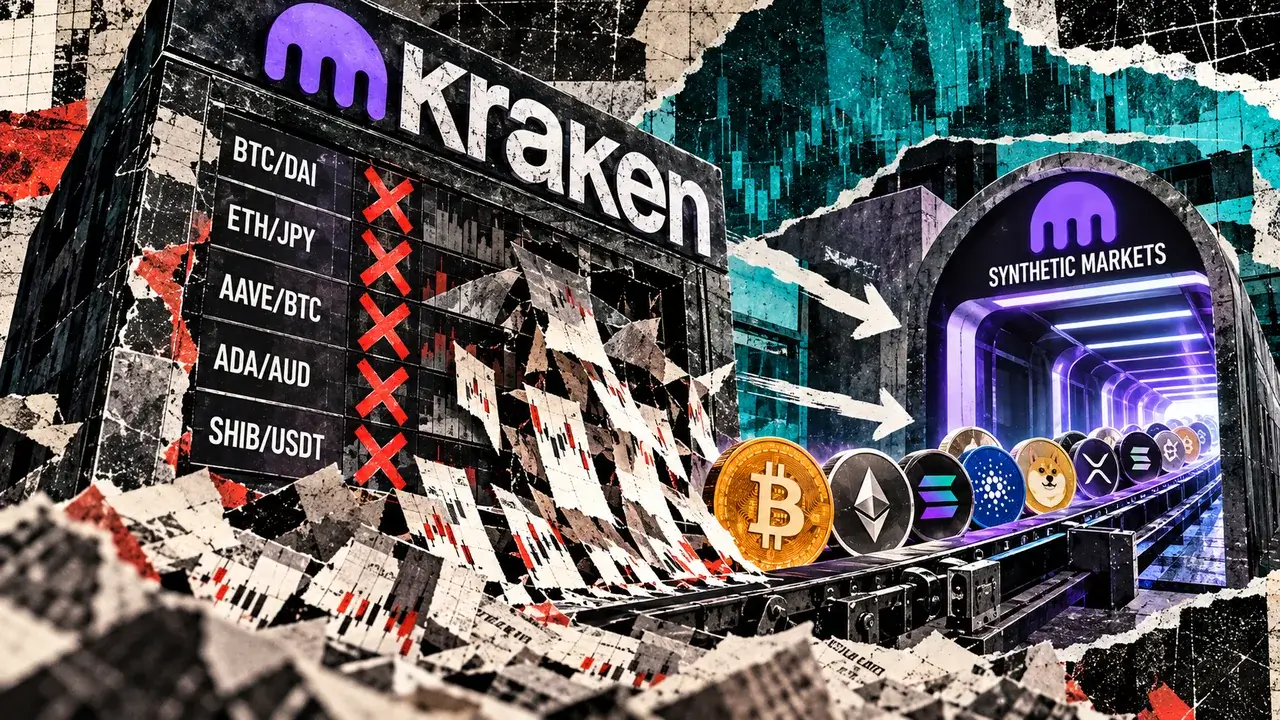
Kraken will cancel existing orders across 176 crypto markets. They will not transfer to synthetic replacements, where limit orders will incur taker fees.

Chinese robotics company Unitree Robotics reported its first results since going public, with revenue rising 69.93 per cent year on year to 665 million yuan in the three months through September 30. Net profit excluding non-recurring items fell 17.42 per cent to 105 million yuan as research and development spending surged.

Russia exported $3.32 billion in aquatic products to China from January through September 2026, a 53.1% rise year on year, Federal Agency for Fishery representative Sergey Mikheyev said. That has already surpassed 2025’s full-year total of $3.2 billion; exports could reach $4.1–$4.2 billion if the trend continues.
At the third Russia-Africa summit, Vladimir Putin said De Beers wants to expand cooperation with Russia and that Moscow welcomes it. He described the company as a major competitor to Russian diamond miner Alrosa, while saying it also seeks closer ties with Russia and its company.
Rosatom is actively negotiating cooperation in various fields with more than 40 African countries, CEO Alexey Likhachev said. The company has legally binding obligations in 29 countries and will soon begin implementing five additional nuclear power plant projects of different capacities.
Strains on the US housing market continue to mount. The roundup also covers the sentencing of the Alexander brothers, a warning signal in Japan’s property market and a London developer shelving a project.
A Canadian government official familiar with the discussions said on Wednesday that trade talks with the United States had made only limited progress.
UK chancellor John Healey said 20 million households in council tax bands A to D would receive £100, and extended a VAT cut on electricity bills. He cancelled planned fuel duty rises, pledged to keep deficit-reduction plans on track, and announced higher bank levies and taxes on landlords and savers.
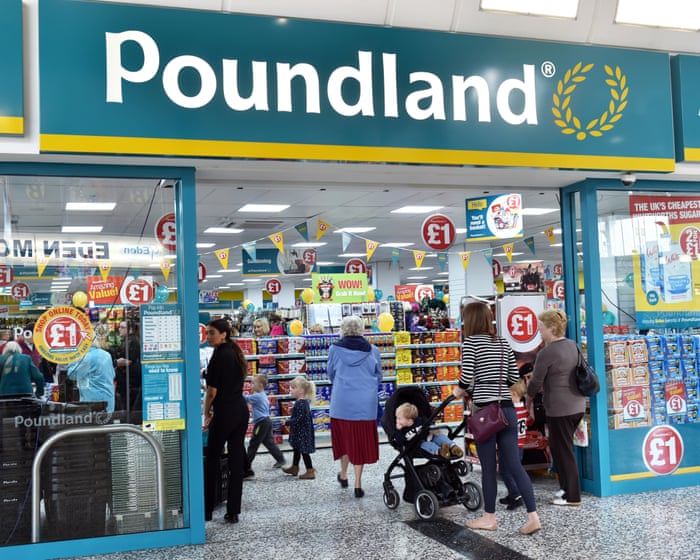
Jonathan Reynolds has contacted Gordon Brothers to establish Poundland’s position as reports suggest the owner may appoint administrators. Gordon Brothers rejected Martin Property Group’s offer for the retailer as a whole, while suppliers are reportedly withholding deliveries. A break-up could leave hundreds of stores without buyers and threaten substantial job losses.

Belgian chipmaker Melexis has secured more design wins in China than in Europe, CEO Marc Biron said on Wednesday, highlighting the market’s growing importance to the company amid broader concerns over geopolitical tensions and supply chains.
DTCC’s tokenization service has gone live on Canton Network and the private Besu chain, with 20 firms—including JPMorgan, Citi and Morgan Stanley—signed up.

Vladimir Putin said the summit in Moscow is a forum for leaders to exchange views as well as share experience and plan joint projects. He said Russia wants it to be more inclusive and focused, while highlighting areas of Russian progress and potential cooperation with African countries.
Vladimir Putin said the Russia-Africa Partnership Forum Action Plan for 2027-2029 is due to be adopted after the October 29 summit. He said the framework will set the main direction for broader cooperation between Russia and African countries.
At the Russia-Africa economic and humanitarian forum, Vladimir Putin urged African countries to use national payment systems for transactions with Russia. He called for stronger banking links and alternative payment-message mechanisms, saying these would cut costs, shield payments from politicized interference by unfriendly countries and strengthen African sovereignty.

Moscow is hosting the two-day third Russia-Africa Summit, where delegations from 48 African countries will discuss cooperation with Russia on politics, defence and technology. Trade and security are expected to dominate the agenda, while the gathering will indicate how the relationship is developing.

After its full-scale invasion of Ukraine and the resulting rift with the West, Russia says it wants a “historic return” to Africa. The Russia-Africa summit in Moscow on October 28 and 29 will focus on economic cooperation. Yet trade remains limited, with Russia's strongest ties concentrated in a few countries, notably Egypt and Algeria.

As African leaders meet in Moscow, the Kremlin is pursuing resources and protecting allied rulers, the article argues, while failing to deliver promised prosperity and security to ordinary Africans. Trade remains below Russia’s stated target, and the piece questions whether investment agreements and projects serve African development or leave countries bearing the risks.
The European Commission says the loss of refining capacity has become a vulnerability Europe can no longer afford to overlook, and warns that the continent needs more refineries to withstand energy shocks.
Federal Reserve Chair Kevin Warsh holds a news conference after the central bank's interest rate decision, with live coverage available.

The Dangote Petroleum Refinery has closed its IPO after receiving investor applications from 120 countries. The company called it Africa’s largest share offering. It did not disclose the amount raised, though Aliko Dangote said earlier that subscriptions had exceeded the $1.6 billion target by more than three or four times.

Ripple expects its annualized product revenue run rate to reach $900 million by the end of 2026 as its institutional business expands. RLUSD has reached $2.5 billion, while payments are nearing $150 billion in lifetime volume.

JPMorgan, Coca-Cola and Dell have also objected to their shares being traded on the blockchain-based venue planned by OKX and ICE. Nearly half the companies on the venture’s original roster have now raised objections.

Russian Deputy Prime Minister Alexander Novak said Moscow could pursue projects worth several billion dollars in Burkina Faso, Mali and Niger at the outset of its partnership with the Sahel countries. Investment and financing proposals will be discussed at the Russia-Africa Forum, and only projects beneficial to both investors and host countries will proceed. Areas include geological exploration, advanced technologies and digital platforms.
GSK shares fell as much as 7% on Wednesday, later narrowing the loss to 5.5%, despite better-than-expected results. The British drugmaker’s third-quarter pre-tax profit fell 19% to £1.9bn, while vaccine sales declined and restructuring charges reached £318m. Investors are also concerned about the approaching patent loss for its blockbuster HIV drug.

European spot gas prices rose above $1,150 per 1,000 cubic meters during Wednesday trading, their first such level since December 2022. Day-ahead prices at the Dutch TTF hub reached $1,160, or 100.85 euros per MWh, while November futures stood at about $1,142 per 1,000 cubic meters.
British finance minister John Healey is set to announce a temporary bank tax increase of less than 8% on Wednesday, Bloomberg reported.
The New Zealand central bank defied markets’ near-certainty that it would raise rates, sending the currency lower. The New Zealand dollar has fallen almost 5% against the U.S. dollar in six months.

Rosatom and Togo’s Ministry of Energy signed a memorandum on peaceful nuclear cooperation during the Russia-Africa Summit. Working groups will assess potential nuclear power and non-energy projects and set concrete steps for workforce development and promoting public support for nuclear energy in Togo.
The Bank of Canada is expected to raise its interest rate by 25 basis points as inflation ticks upward.
The Bank of Canada is widely expected to lift its benchmark rate by 25 basis points to 2.5% on Wednesday. Most economists see the move as a safeguard against a possible wider spread of energy inflation.
Robinhood's crypto revenue declined year over year, while revenue from event contracts reached $173 million and the company's total revenue hit a record $1.42 billion.

South Africa faces a significant risk of being placed back on the Financial Action Task Force’s grey list, barely a year after its removal, a quarterly assessment by business lobby group Business Leadership South Africa says.
A US cruise ship offering a residential world voyage suspended operations in Cambodia because of fuel costs, forcing hundreds of passengers to leave their homes.

Cruise operator Villa Vie Residences says it will disembark passengers and crew and restructure its business because fuel costs have surged.
A new report warns that Kroger’s proposed $1.65 billion acquisition of Giant Eagle could consolidate grocery retailing and expand customer surveillance. The American Economic Liberties Project says the deal could give Kroger broader customer data and grow its physical surveillance network, including Flock cameras, and urges the FTC and Ohio attorney general to block it.

A poll of 50 CEOs at large Canadian companies found nearly half are looking to use AI to build smaller, more productive workforces.
A day-ahead preview highlights three things to watch at the Federal Reserve meeting on Oct. 28, including dissent.

SUN.io carried out its 52nd consecutive SUN token buyback and burn on October 27, removing more than 7.23 million tokens from circulation. The cumulative amount burned now exceeds 685 million SUN, valued at over $11 million.

Mercedes-Benz CEO Ola Källenius said the company is preparing a broader strategy update for 2030 and beyond. China will remain central to its long-term plans, even as the carmaker seeks to reduce its reliance on the market.
Rosatom has completed the first shipment of nuclear fuel for the initial loading of the VVER-1200 reactor at Unit 2 of Bangladesh’s Rooppur Nuclear Power Plant. The fuel assemblies, made at the Novosibirsk Chemical Concentrates Plant, were flown on a dedicated cargo flight.
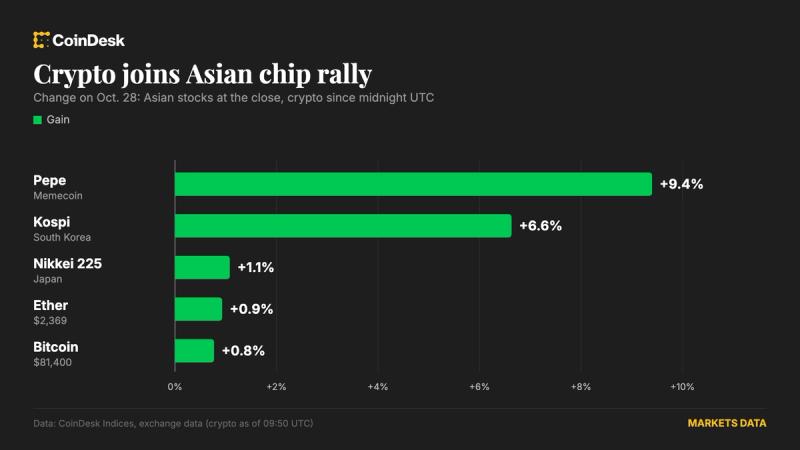
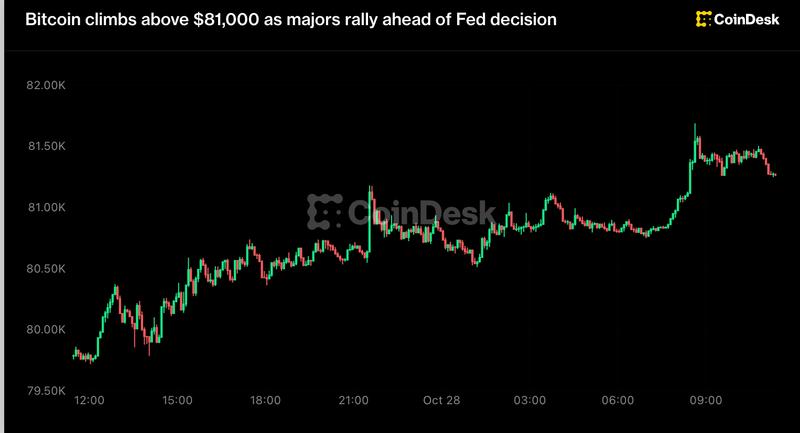
Bitcoin climbed above $81,400 as Asian chip stocks rallied, while frog-themed memecoin pepe gained 9%.

Anxious Israelis followed the results on Wednesday after turnout reached its highest level in more than a quarter-century. With no clear winner, Prime Minister Benjamin Netanyahu and opposition parties seeking to unseat him may face weeks of negotiations.


With about 70% of votes counted, both Benjamin Netanyahu’s bloc and Gadi Eisenkot’s opposition bloc appeared likely to fall short of the 61 seats needed for a majority. Palestinian parties surged and could win 16–19 seats, leaving Eisenkot’s camp to weigh an alliance with them. Counting, including absentee ballots, is continuing.

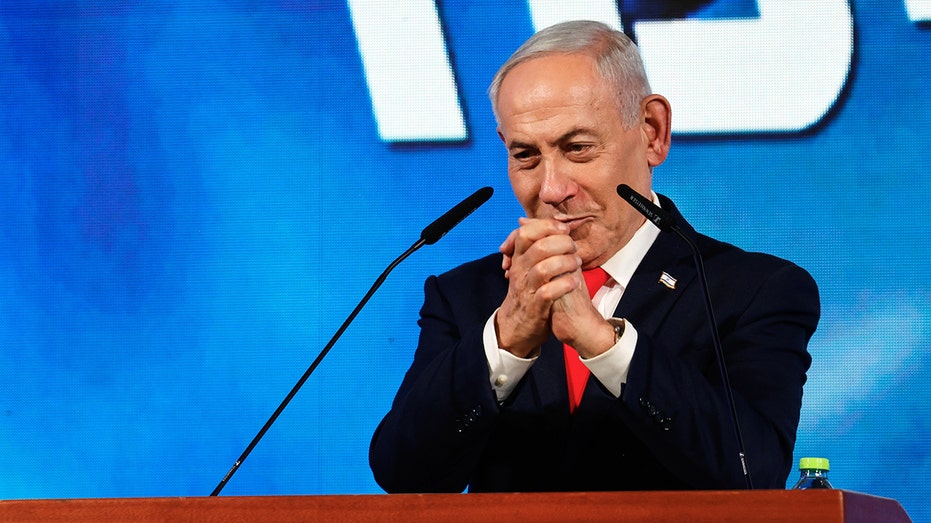
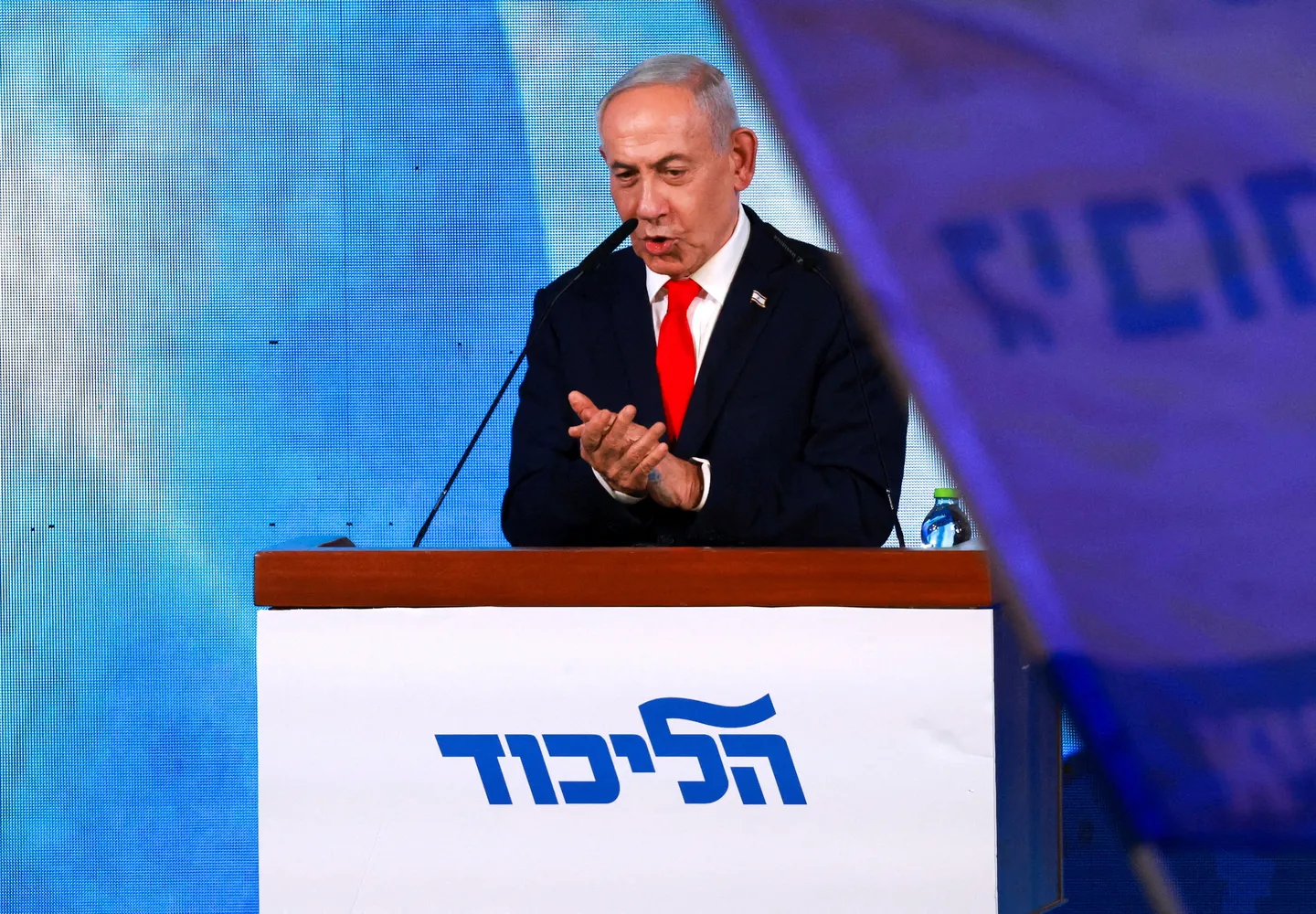
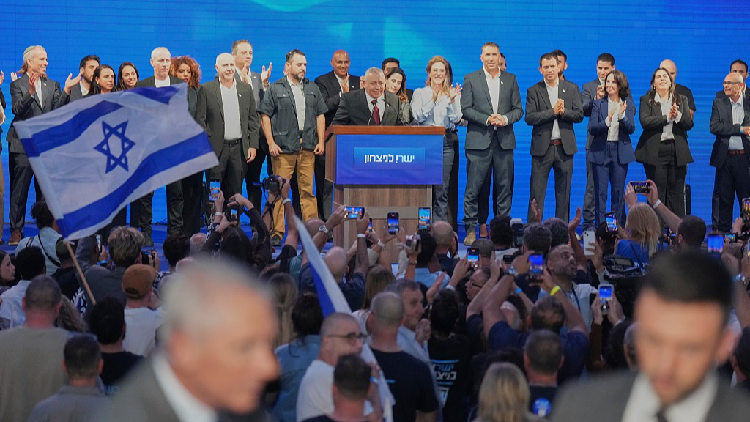
Final results are expected tonight or tomorrow morning. The outlook is increasingly favourable for Benjamin Netanyahu and his bloc, but he still lacks a clear victory and needs 61 seats for a parliamentary majority. He spoke to supporters at the National Congress Centre at around 3 a.m. local time.

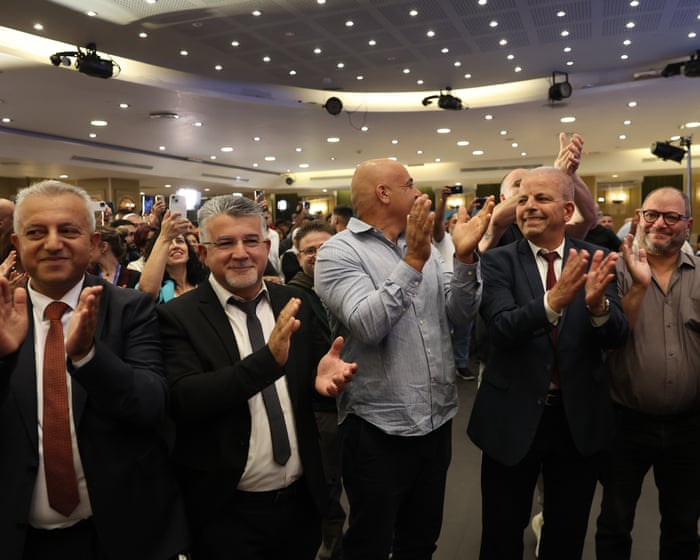
Arab-led parties appear to have made a historic showing in Israel’s election, but it remains unclear whether other opponents of Benjamin Netanyahu’s government would join them in a coalition capable of winning a parliamentary majority. Issues involving Palestinians and their descendants remain highly sensitive in Israel.

With about 70% of Israel’s votes counted, Netanyahu’s right-wing and religious bloc had 54 seats, against 47 for the main opposition and 19 for Arab parties, leaving no side with a majority to form a government. Attention has shifted to coalition talks. Trump said his endorsement helped Netanyahu’s stronger-than-expected showing.

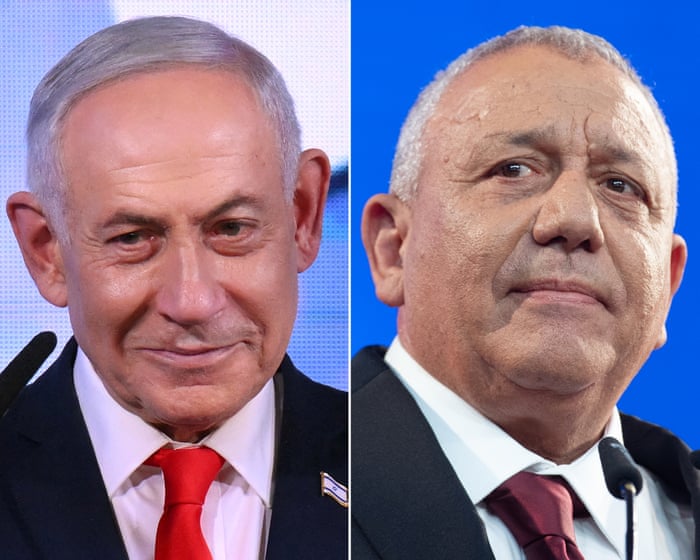
Israel’s election has produced no clear winner, and neither Benjamin Netanyahu’s nor Gadi Eisenkot’s bloc has reached the 61 seats needed for a majority in the 120-seat Knesset. Arab-led parties could hold the balance of power, but potential partnerships face political barriers as coalition talks begin.

Israel’s benchmark Tel Aviv 125 index fell as much as 3.5 percent after exit polls showed no clear winner in the parliamentary election. With more than 84 percent of votes counted, Netanyahu’s coalition was projected to win 54 seats and the opposition bloc led by Gadi Eisenkot 49; 61 seats are needed for a majority.

With more than 60% of ballots counted, Prime Minister Benjamin Netanyahu’s camp is narrowly ahead of the opposition but lacks a clear majority. The Central Elections Committee is still counting, and the partial results could change. The two leading prime ministerial candidates exchanged barbs in speeches after polls closed.

Netanyahu and Smotrich attacked Arab voters and alleged attempts to steal the election as Israel counted ballots. With neither major political camp securing a clear majority, Arab-led parties could influence who forms the next government.
Israeli Prime Minister Benjamin Netanyahu and rival Gadi Eisenkot have both vowed to form a government, with projections putting them neck and neck in Tuesday’s critical election. Exit polls indicate neither bloc has secured a parliamentary majority.
Israelis are closely watching for the final election results after voting dealt a rebuke to Prime Minister Benjamin Netanyahu’s far-right government. Netanyahu, however, is still far from defeated.
Despite the fallout from the 7 October attacks, three years of war and widespread public dissatisfaction, Benjamin Netanyahu strengthened his political position in Israel’s election. Neither political bloc is assured of a parliamentary majority.
With 57.3% of votes counted, Prime Minister Benjamin Netanyahu’s Likud party is leading Israel’s parliamentary election, projected to win 28 seats. Yashar leader Gadi Eisenkot is in second place with 21. Exit polls indicate no political force is expected to secure the 61 seats needed for a majority in the 120-seat Knesset. Turnout in Arab-populated areas reportedly reached 80%.

Early results show Benjamin Netanyahu’s Likud as the largest single party, but his bloc appears short of the 61 seats needed to form a government. His main rival, Gadi Eisenkot, may also need Arab parties to command a majority. Many absentee ballots remain uncounted, leaving the outcome uncertain.

Exit polls from Israel’s major TV networks put Benjamin Netanyahu’s governing bloc and the opposition led by Gadi Eisenkot at 51 seats apiece, below the 61 needed for a majority. Counting continues, while Palestinian parties are projected to increase their representation to as many as 18 seats from 10.
Early tallies in Israel’s election put Benjamin Netanyahu’s Likud ahead, while rival blocs have not secured a majority, leaving the route to power unclear.

Exit polls put Benjamin Netanyahu’s Likud-led bloc slightly ahead of the opposition, with neither side appearing likely to secure a governing majority. Likud was projected to win 27 seats and Arab parties 19 collectively. Preliminary official results are expected Wednesday and may differ from the polls.

Israeli Prime Minister Benjamin Netanyahu said forming a government with Arab parties would be “a disgrace and a shame.” Exit polls indicate that neither his party nor the opposition is projected to win the 61 Knesset seats required for a majority.

Exit polls indicate that neither Prime Minister Benjamin Netanyahu’s alliance nor opposition bloc leader Gadi Eisenkot’s bloc is close to the numbers required to form a governing majority.

Exit polls project that Israel’s Arab-led parties will win 18 Knesset seats, a record. Turnout among Palestinian citizens of Israel reached about 80 percent, while overall turnout was 77.7 percent, its highest since 1999. The blocs led by Gadi Eisenkot and Benjamin Netanyahu were tied at 51 seats each in updated polling.

Israeli leaders traded sharp reactions after exit polls showed the main blocs tied at 51 seats each, short of the 61 needed for a majority. Opposition figures called the projections a defeat for Netanyahu’s government, while his allies said the final results could change the balance. Unaligned Arab parties were projected to win 18 seats.
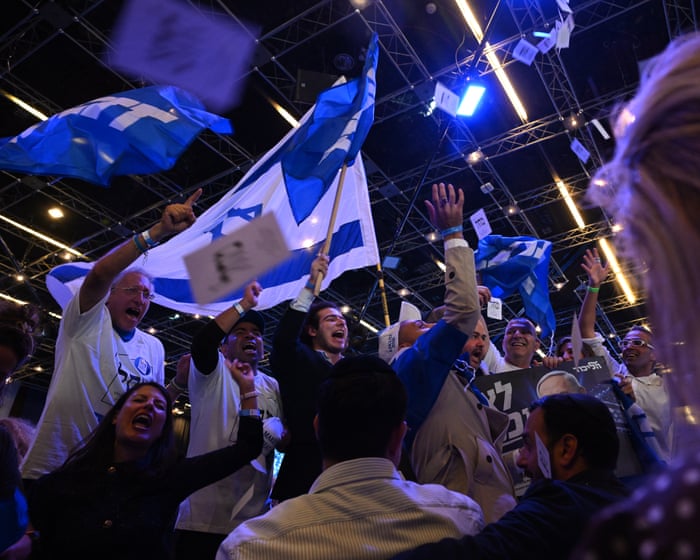
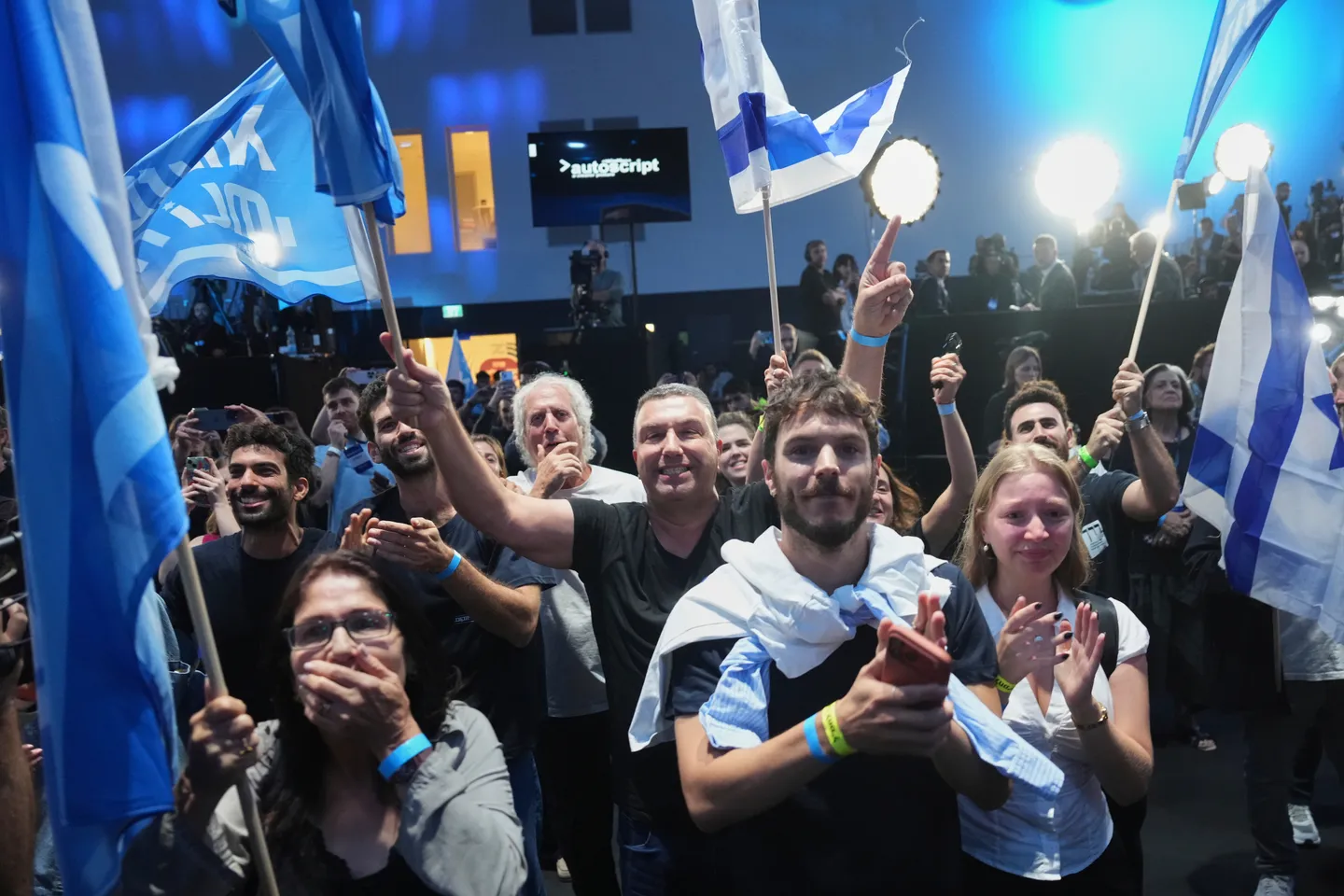
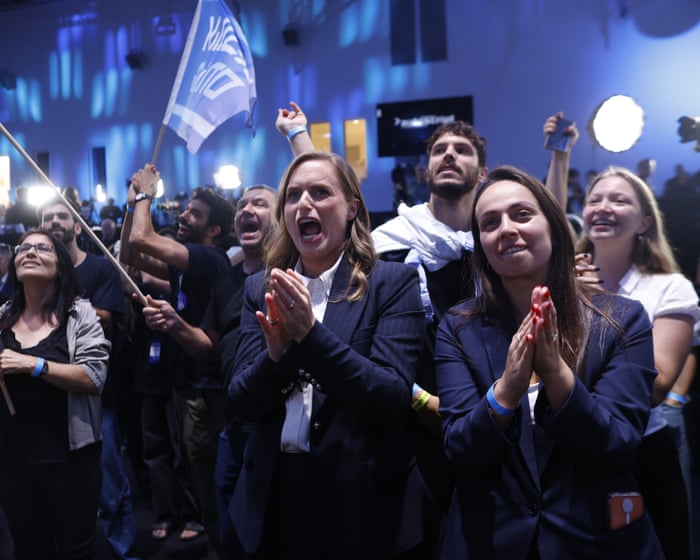
Supporters of Gadi Eisenkot celebrated in Tel Aviv after exit polls showed Israel’s opposition bloc narrowly ahead of Benjamin Netanyahu’s camp, though neither had an outright parliamentary majority.

Voting has ended in Israel’s election and ballots are being counted. Exit polls indicate Gadi Eisenkot’s bloc won the most seats but fell short of a majority, while Netanyahu’s Likud is projected to be parliament’s largest single party.

Israeli opposition leader Gadi Eisenkot said exit polls showing his bloc ahead of Benjamin Netanyahu’s coalition reflected a “complete lack of confidence” in the government, and vowed to move quickly to replace it. Polls gave neither bloc the 61 seats needed for a majority, with Arab-majority parties potentially holding the balance. Final results remain pending. The report says a change of leadership may not bring a fundamental shift in Israel’s policies toward Iran or the Palestinians.

Exit polls project Netanyahu’s coalition at 50 seats and the opposition bloc at 52, leaving both short of the 61 needed for a Knesset majority. Arab-led parties are projected to win 18 seats and could become kingmakers. After the final tally, President Isaac Herzog will designate the candidate he believes has the best chance of forming a government; failure to break the deadlock could lead to another election.

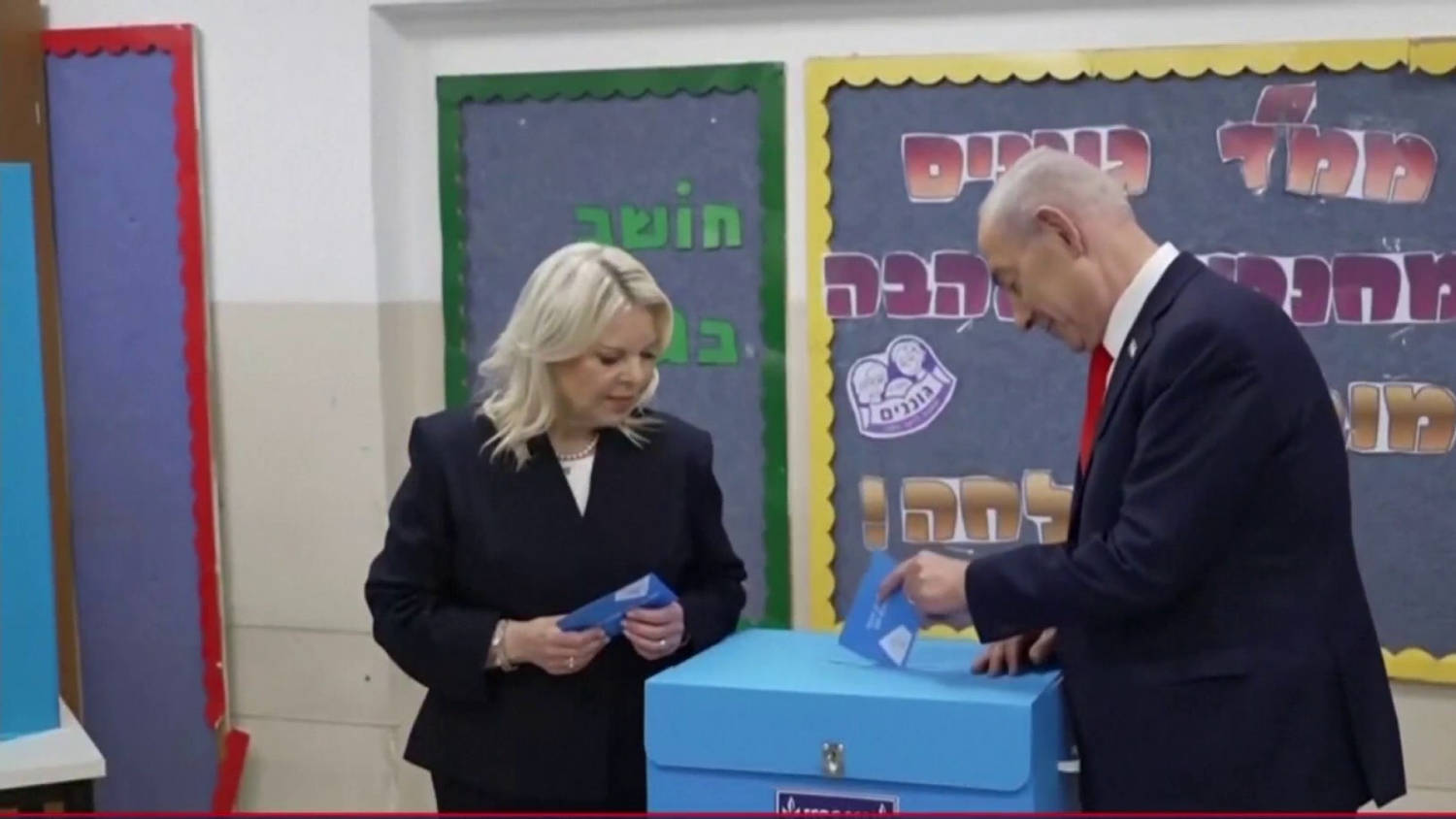
Israel's election was still deadlocked on Tuesday, according to exit polls. Opposition leader Gadi Eisenkot's bloc edged ahead of Prime Minister Benjamin Netanyahu's camp, 52 seats to 50, but neither had a clear route to forming a government. Turnout was 77.7%, the highest in more than two decades.

Israeli Prime Minister Benjamin Netanyahu’s opposition showed strength in today’s election, but not enough to take power outright. Weeks of negotiations may now follow as parties seek to form a coalition government.

Exit polls project Palestinian parties to win 17 to 18 Knesset seats, up from 10, forcing opposition leader Gadi Eisenkot to consider negotiations with Arab-Israeli leaders if he hopes to govern. Without an agreement, Benjamin Netanyahu could have a path to political survival.
Tuesday’s exit polls gave the bloc led by opposition candidate Gadi Eisenkot a narrow lead over Prime Minister Benjamin Netanyahu’s Likud bloc in the Knesset. Likud was nevertheless projected to remain the parliament’s largest single party.

Israeli exit polls indicate that neither Benjamin Netanyahu nor Gadi Eisenkot is on track to win a majority in the 120-seat Knesset. Eisenkot supporters in Tel Aviv reacted after the first results were released.

Exit polls show Gadi Eisenkot’s opposition bloc narrowly ahead of Benjamin Netanyahu’s right and far-right coalition, although Likud is projected to remain the largest party. Israeli Arab parties could win up to 18 seats and become kingmakers in potentially protracted coalition talks. The outcome remains uncertain after turnout reached its highest level in 50 years.
An exit poll from state-run broadcaster Kan-11 projects Likud will take 25 of the Knesset’s 120 seats, with Gadi Eisenkot’s Yashar party second on 21. The opposition bloc is forecast to win 53 seats against 50 for Netanyahu’s bloc. Arab parties are projected to get 17, but neither side is ready to form a coalition with them; neither bloc reaches the 61-seat majority threshold.

Exit polls project Prime Minister Benjamin Netanyahu’s bloc to win 50 seats and the bloc led by opposition candidate Gadi Eisenkot to take 52 or 53, short of the 61 needed for a majority. Arab parties are projected to win 18 seats combined. Turnout reached 74.3 percent by 8pm, and official results are due on November 4.
Exit polls indicate that Israel’s election has no clear winner. Netanyahu spent much of the day urging supporters to vote, describing the contest as a “matter of life and death.”
An AI version of the Federal Reserve votes to leave interest rates unchanged. The headline asks whether the real Fed will do the same.
Rosatom is confident it can resolve issues surrounding nuclear power plant construction in Ethiopia, Rwanda and Zambia, CEO Alexey Likhachev told reporters. He said the company is already working in Egypt and that African countries are keenly interested in building nuclear plants.
Bitcoin rose above $81,000 as crypto markets broadly bounced in the hours before the Federal Reserve’s rate decision. HYPE and ZEC led gains, with all top tokens higher.

Russian Deputy Prime Minister Alexander Novak said Moscow is not negotiating the return of Chevron or ExxonMobil to Russian oil and gas projects. He said Russia remains open to foreign partners and investment, and any return is primarily up to the companies. Novak previously said Russia and the US could cooperate on Arctic LNG projects and mineral deposits.
Brazil's soybean industry fears the EU's new anti-deforestation rules could restrict its soymeal exports to the bloc, giving rival supplier Argentina an opportunity. Argentina says it is better positioned to meet the incoming requirements.
Gulf stocks fell in early Wednesday trading after an attack on a refinery in Saudi Arabia, a leading crude exporter, unsettled investors and revived concerns that the Middle East conflict could escalate.
Bitcoin’s recent win rate against the S&P 500 has climbed back above 50%, up from about one in five trading sessions in June, its weakest stretch in roughly six years, Glassnode says. Coinbase Institutional reported on Oct. 23 that BlackRock’s IBIT had attracted about $6 billion since Aug. 1, compared with roughly $500 million for all other funds combined.
Hong Kong’s lived-in home prices fell 0.8% in the third quarter, the first quarterly decline after five quarters of gains. Prices rose 0.19% in September from August for a second straight monthly increase, but remained 19.4% below their September 2021 peak.

Canadian oil usually trades below the North American benchmark, but the gap has widened in recent months with no clear short-term fix in sight.
Upcoming results from Alphabet and Microsoft will offer another reading on the state of AI.

The 140th Canton Fair is underway in Guangzhou, showcasing China’s full industrial chains and the premium, reliable materials they supply to fast-growing markets, particularly developing countries. The report looks at what global buyers are seeking.

The second phase of the 140th Canton Fair ended Tuesday. By 5 p.m., 278,000 overseas buyers from 218 countries and regions had attended, 13.4% more than during the same period of the previous session.
The second phase of the 140th Canton Fair ended Tuesday in Guangzhou. By 5 p.m., 278,000 overseas buyers from 218 countries and regions had attended, 13.4% more than at the same point in the previous session.
Nearly 90% of large businesses are using or planning to use tokenized cash to speed up payments, DBS says. Stablecoins lead at 63%, ahead of tokenized deposits at 53% and tokenized money market funds at 52%.

French multinational bank BNP Paribas exceeded third-quarter profit forecasts as equity-trading revenue surged 50%. It announced a €1.3 billion share buyback and played down its exposure to French debt.
The China Import and Export Fair, or Canton Fair, is China’s longest-running trade event and is now in its 70th year. CGTN recounts how three generations of Hong Kong’s Li family have witnessed its evolution, describing it as a benchmark of China’s opening up and economic development.

The EU's proposed Industrial Accelerator Act aims to support European carmakers against Chinese rivals by subsidizing vehicles made in Europe. But its proposed rules could exclude close supply-chain partners including Turkey, Morocco, Japan and South Korea, putting billions in trade and hundreds of thousands of European jobs at stake.

Tanzania says it has found natural gas in the southern Mnazi Bay area for the first time in a decade. Energy Minister Juma Homera called the estimated 223 billion cubic feet discovery a major milestone; the well is expected to begin production early next month to boost domestic supply.

Rosgeo has begun gold exploration in the Central African Republic. Alexey Desyatkin, who heads the company’s international operations, said it conducted predictive metallogenic mapping there from 2021 to 2023 and identified promising zones.
Itaú Unibanco disclosed its digital-asset dealing and safekeeping business to Brazil’s monetary authority on Tuesday, before the Oct. 30 cutoff.

The Federal Reserve is expected to keep rates unchanged on Wednesday, at its last rate-setting meeting before the midterms. Officials raised rates last month for the first time since 2023, citing inflation, which reached 3.7% in September. The cost of living is expected to be a major election issue.

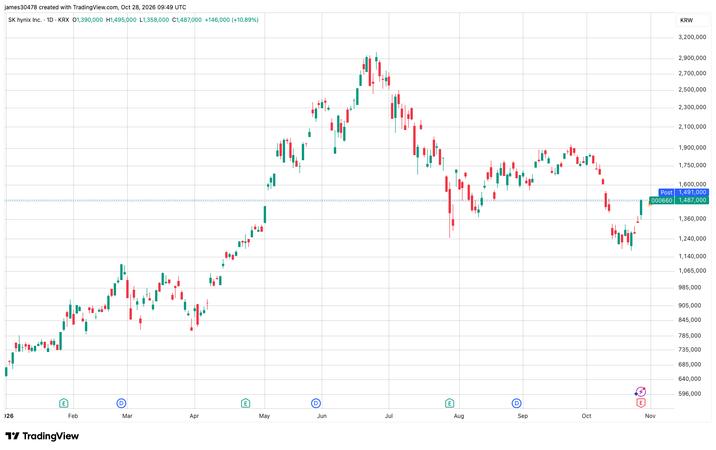
South Korean chipmakers led a wider rebound in AI-related stocks after SK Hynix reported a sevenfold profit increase and announced a further $45 billion in shareholder returns.

SK Hynix said it plans to return about $45 billion more to shareholders after profit rose seven-fold, beating expectations. The result reflects robust memory-chip demand driven by the rollout of AI infrastructure.
South Korean chipmaker SK Hynix announced a shareholder return plan worth $75 billion. It reported on Wednesday that third-quarter operating profit rose more than sevenfold to a record, beating forecasts as continued AI infrastructure demand lifted memory chip prices.

South Korean chipmaker SK Hynix reported third-quarter earnings on Wednesday, with profit sharply beating estimates as AI memory demand provided a boost.
European auto giant Stellantis said it had a 4 billion euro ($4.5 billion) cash shortfall in the third quarter as its massive turnaround plan continued.

Stellantis said Wednesday that operating income edged up in the third quarter as the automaker continued a slow turnaround, while recording a €4 billion ($4.45 billion) industrial cash outflow for the period.
John Healey is expected to use his first budget to abandon plans to reduce the annual cash Isa allowance from £20,000 to £12,000 from April. The previous chancellor, Rachel Reeves, had proposed the cut to channel more money into UK company shares.

Novatek is prepared to offer its technology and LNG to African partners and discuss specific projects, Deputy Chairman Sergey Solovyev said. Major joint projects could also receive financing from the World Bank and the African Development Bank, alongside shareholder funds.
Gazprom Deputy Chairman Vitaly Markelov said the company has established a complete technological cycle and is ready to work with African countries on hydrocarbon exploration and production, gas transport and storage, processing, and power generation. It can also offer LNG solutions at large, medium, and small scales.
Questions about Israel’s economic future are emerging after the elections. With living costs among the region’s highest and defence spending still rising, households are under increasing financial pressure.

An ETHGas-funded study models an average four-minute wait when qualified proposers hold 5% weight, offering context for ether.fi’s stake commitment in April.

The Minutes Reader extension turns the original page into a focused reading view and translates articles and video subtitles on demand. It is in limited beta.