PoliticsEU revises Arctic strategy as pressure from Russia and US grows
The European Commission’s new Arctic strategy puts security and resilience first, alongside climate change, prosperity and opportunities for Arctic communities. It proposes a maritime security hub and expanded icebreaker capacity, while the EU says Russia is growing its military presence and the bloc seeks to reduce reliance on the United States.
AAl JazeeraOriginal★★★★☆2026-10-20 20:05

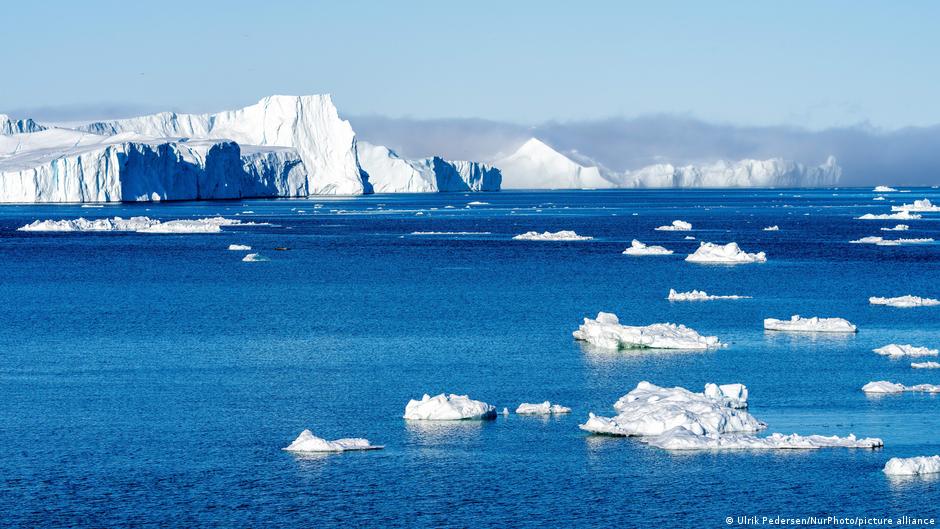 EU’s new Arctic plan cautiously eyes Russian and US influence
The EU has set out priorities for the Arctic in a new strategy, amid competition for influence with Russia, China and the US. Kaja Kallas said drone incursions, GPS jamming and cable sabotage threaten regional security. The bloc plans to boost maritime security, icebreaker capacity, satellite surveillance and climate research.
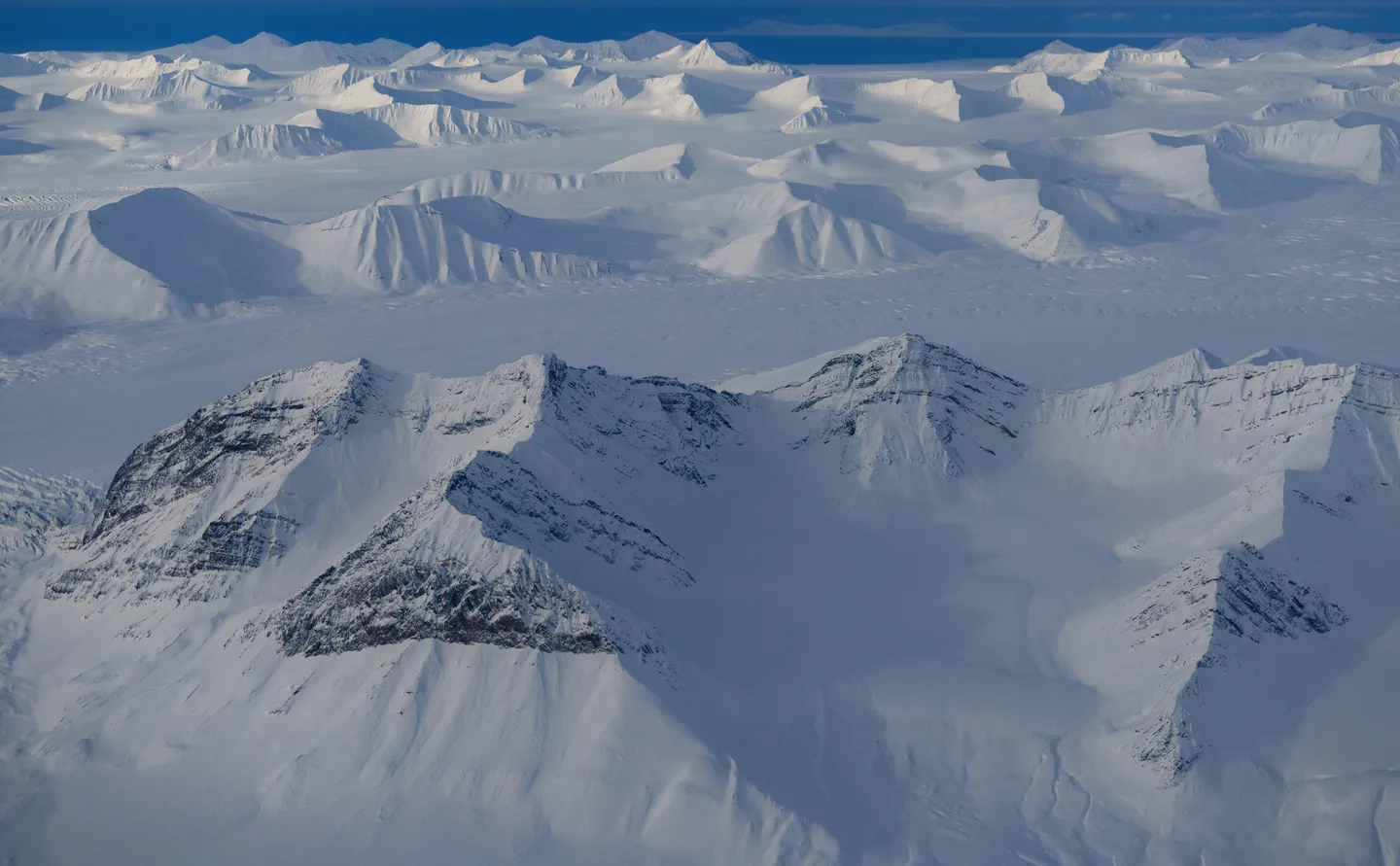 EU unveils Arctic strategy to boost security and protect undersea cables
The EU has unveiled a strategy aimed at strengthening Arctic security and protecting undersea cables.
- EU Arctic strategy reaffirms commitment to keeping oil, coal and gas in the ground
The European Commission and EU foreign policy chief Kaja Kallas presented a new Arctic strategy on Tuesday. It says the EU remains committed to keeping oil, coal and gas in the ground, including in Arctic regions.
- EU unveils new Arctic strategy focused on security
The EU presented a new Arctic strategy on Tuesday, reflecting the region’s security importance. It pledged to strengthen satellite surveillance, monitor undersea cables more closely and help member states buy icebreakers.
- European Commission unveils militarized EU Arctic strategy
The European Commission unveiled a new EU Arctic strategy that, for the first time in more than 30 years, puts military development at its center. Presented to the European Parliament by Kaja Kallas, it calls for stronger Arctic preparedness, protection of critical infrastructure and improved maritime security.
- Why is the EU stepping up its focus on the Arctic?
The EU’s updated Arctic strategy puts security at its centre, citing increased Russian and Chinese activity in the region. It calls for stronger European security capabilities, military mobility with NATO, icebreakers, satellite surveillance and a maritime security hub.