Housing flashes warning signs as Fed weighs further rate hikes
Separate reports released Tuesday showed that housing data deteriorated further in September, as the Federal Reserve weighs whether to raise interest rates again.

Separate reports released Tuesday showed that housing data deteriorated further in September, as the Federal Reserve weighs whether to raise interest rates again.

The Bank of Israel is expected to keep short-term rates unchanged on Wednesday after three consecutive cuts. A Reuters poll found policymakers will likely pause ahead of next week’s election, despite stable inflation.
Gazprom said construction of the Belogorsk-Khabarovsk pipeline, linking the Power of Siberia and Sakhalin-Khabarovsk-Vladivostok pipelines, is 94% complete and has been connected to both. The interconnector is the first stage of the Eastern Gas Supply System trunk pipeline project, and Gazprom plans to finish construction by year-end.
Severstal has revised its forecast for Russia’s 2026 metal consumption decline from 7% to about 0.5%. CEO Alexander Shevelev said demand rose roughly 1% year on year in the first nine months, leaving the market below pre-downturn levels; the company expects seasonal cooling in the fourth quarter.
The Bank of Russia set the official dollar rate for October 21, 2026, at 82.8879 rubles, up 3.75 kopecks from the previous rate. The euro rate fell 18.99 kopecks to 93.0417 rubles, while the yuan rate dropped 1.61 kopecks to 12.3708 rubles.
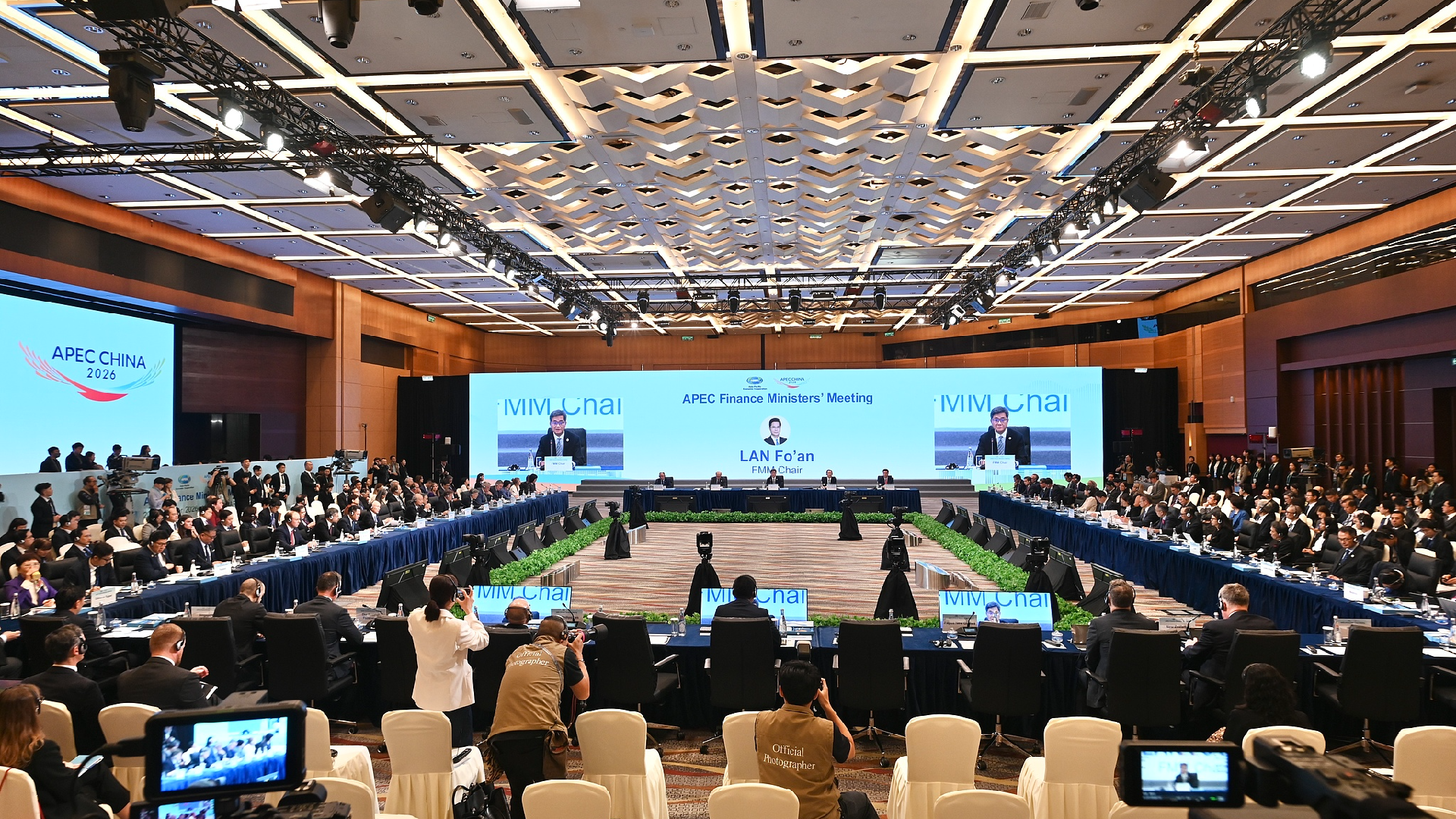
The two-day APEC Finance Ministers’ Meeting opened in Hong Kong, aiming to advance financial-sector outcomes before November’s leaders’ meeting in Shenzhen. Chair Lan Fo'an called for stronger policy dialogue, economic transformation and supply-chain stability. Delegates will discuss fiscal support for livelihoods, digital infrastructure financing and inclusive finance, among other topics.

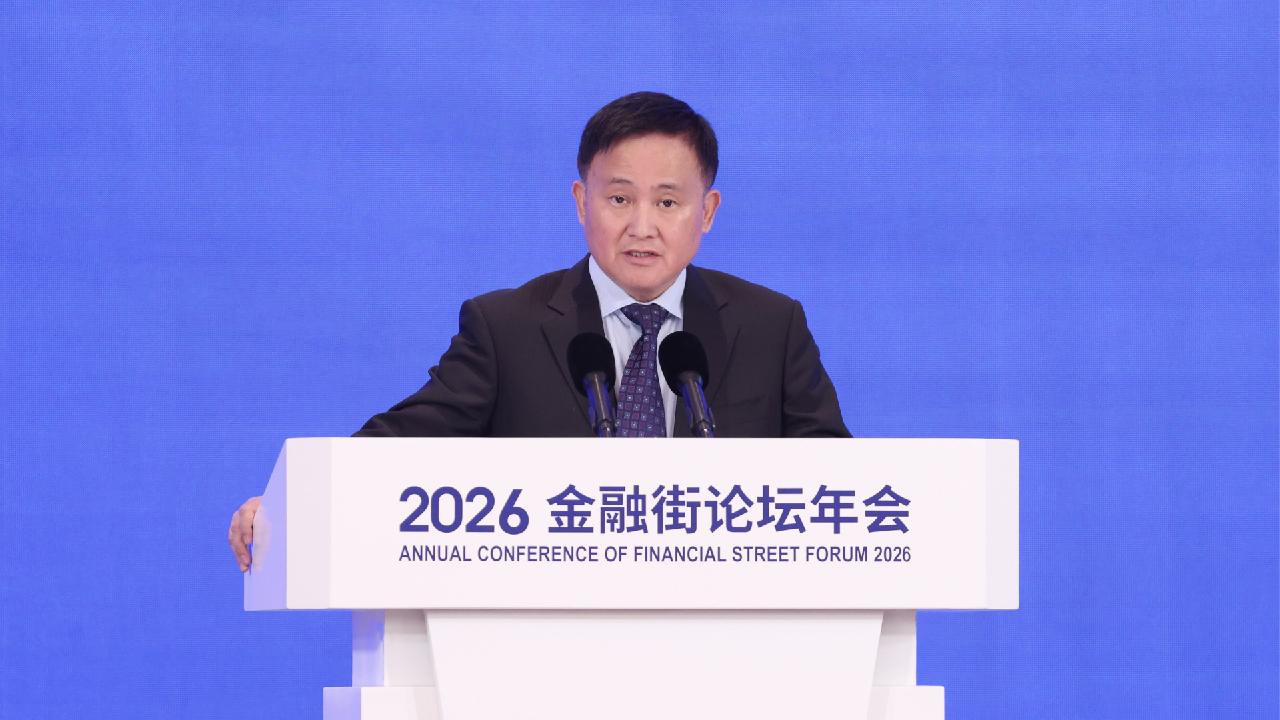
People’s Bank of China Governor Pan Gongsheng said the central bank will support AI industry financing, cautiously integrate AI into financial operations and closely assess its effects on the economy and markets. He said AI could raise inflation in the short term but boost productivity over time, while changing job structures and contributing to correlated, volatile global stock markets.

The Bank of Russia bought yuan worth 12.1 billion rubles ($146.6 million) in domestic-market transactions settled on October 19. It made purchases of the same ruble amount in transactions settled on October 16. The central bank conducts the operations through the yuan-ruble instrument on the Moscow Exchange.
China has issued guidelines to promote the use of AI and other advanced technologies in commerce, aiming to upgrade consumption and improve distribution efficiency. Jointly released by nine government departments, including the Ministry of Commerce, the guidelines set out 18 measures across goods and services consumption, distribution, innovative business applications and policy support.
UK bonds were initially hit hard after the Iran war began, but have since outperformed G7 economies as traders’ concerns have shifted to France.
France’s parliament approved a vote to impose a 31% capital gains tax on stablecoin trades. Amendment I-3898 ends tax deferral for MiCA-compliant stablecoins starting in January 2027.

In most US counties, insuring a home now costs more than property taxes, partly because of the risk of extreme weather.
Rising French debt has unsettled investors, with bond yields at their highest in nearly 25 years and borrowing costs at their highest since 2002. Political gridlock and a divisive budget fight are adding to market concerns, although countries including the US and Japan owe more.

UK workplace pension schemes have raised concerns about a controversial company’s inclusion in a fund tracking the S&P Shariah index. HSBC is reviewing the fund’s holding in Palantir.
Russian Prime Minister Mikhail Mishustin said at a meeting of the Shanghai Cooperation Organization Council of Heads of Government that complex international energy markets are directly affecting global economic growth. Citing IMF estimates, he said growth could slow to 3% this year and called for maintaining energy supply channels and stable transportation between producers and consumers.
JPMorgan has deposited $38 million with the Central Bank of Nigeria, moving closer to obtaining a banking license in Africa’s most populous nation.
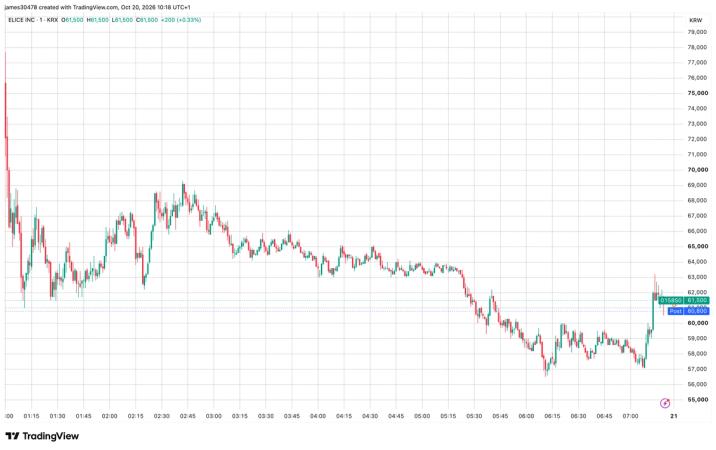
Elice’s sharp debut decline added to worries about valuations of AI infrastructure, while rising oil prices further heightened market uncertainty.

Chancellor Friedrich Merz said Germany is investing heavily in defence, semiconductors and AI to strengthen long-term productivity and economic sovereignty, as he pitched the country to investors in Berlin on Tuesday.
German mortgages are now at their most expensive since 2009, with average rates on ten-year loans nearing 4.5%, broker Interhyp says. Inflation concerns stoked by the Iran war are driving up borrowing costs.
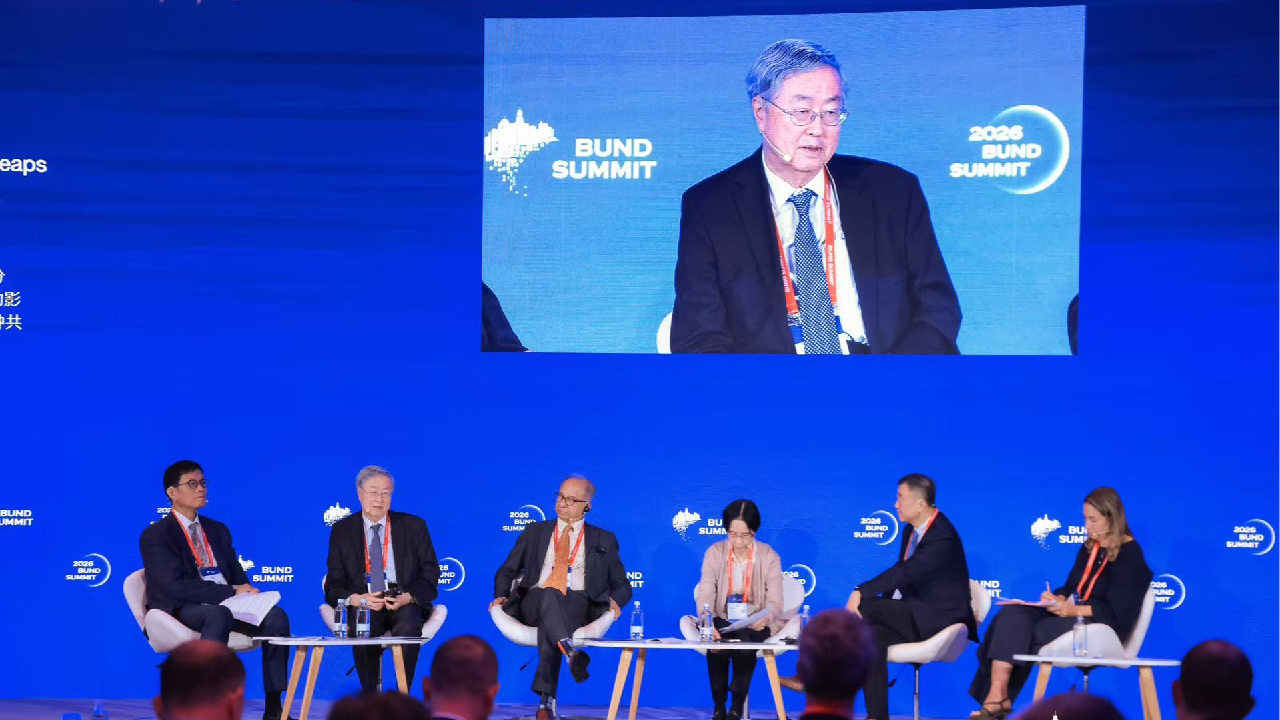
Former People's Bank of China governor Zhou Xiaochuan said AI applications could boost productivity, while heavy investment in AI infrastructure could threaten financial stability. Speaking at the 2026 Bund Summit in Shanghai, he called for international cooperation and warned failed investments could cause financial turbulence or a crisis.

Four people familiar with the Bank of Japan’s thinking said it may lift its inflation outlook for the next fiscal year in forecasts due this month, while leaving rates unchanged as rising oil prices keep price pressures elevated for longer than expected.
U.S. Treasury yields slipped slightly on Tuesday as investors awaited economic data and assessed the inflation backdrop ahead of next week’s rate decision.

Ryanair will cut one million seats from Belgium this winter. CEO Michael O’Leary warns fares will rise sharply in 2027 and says foreign airlines should pay their share.
Protests have erupted in France and several other European countries, with demonstrators railing against high living costs, poor schooling conditions and a housing crisis.

Euro-area inflation has risen to 3.8%, its highest level in recent months. Europeans are protesting to demand relief from soaring energy, food and housing costs.
China’s tax authorities have made a final appeal for high-net-worth individuals to disclose gains from overseas trusts. Analysts say the move could heighten concerns about Hong Kong and other offshore tax havens used by wealthy Chinese. The 90-day grace period ends on October 22.

In its special series “China’s Economy and the World,” CGTN brings international experts together to discuss how China’s economic transition is reshaping the global economic order and what that means for the world. This episode features Guan Xin, Slawomir Majman, Radhika Desai and John Ross.

Large companies in the US and UK spend an average of 28% of their software budgets on vendor-driven upgrades, migrations and licensing changes they did not actively choose, according to a survey by maintenance provider Origina. The costs and operational risks come as companies race to adopt AI solutions.
MTR has built Hong Kong’s railways through two approaches: the government transferred land around new stations or paid the company directly.
Ahead of the midterms, Trump has touted the US economy’s performance. BBC Verify examines growth, jobs, inflation and household incomes: growth has outpaced other G7 members, but tariffs and the Iran war have pushed up inflation, while an AI investment boom has supported the economy.

French lawmakers advanced a proposal in first-reading votes on October 16 that covers MiCA e-money tokens. The measure would take effect in January 2027 if enacted.

Germany’s effort to revive its struggling economy faces a new setback as pharmaceutical giant Roche voices concerns about the country’s business climate.
Hong Kong’s retirement system placed second in Asia this year, behind Singapore and ahead of Malaysia, mainland China, Taiwan, Japan and South Korea, a report says. It kept its B grade, with a score rising from 70.6 to 71.2, and ranked 16th among 55 systems worldwide.

Trading volumes in credit default swaps linked to major technology groups have surged as investors seek protection against the possibility that the AI boom will unravel.
More economists and traders expect the Bank of Canada to raise interest rates next week, following the central bank’s latest surveys showing inflation expectations have risen.
Eight of China’s richest tycoons, listed in the Bloomberg Billionaires Index, could have a combined $140 billion in overseas wealth exposed to the country’s new offshore tax policy.
China’s one-year loan prime rate stayed at 3.0% on Tuesday, while the rate for loans longer than five years remained at 3.5%, the People’s Bank of China said. Both rates remain in effect until the next LPR announcement.
Gold fell in early Asian trading on Tuesday as investors awaited next week’s US Federal Reserve policy decision for clues about interest rates and the broader monetary policy outlook.
China left its benchmark lending rates unchanged in October for the 17th consecutive month on Tuesday, in line with market expectations.
China’s economy grew 4.5% year on year in the third quarter, beating expectations. Faster industrial output, new growth drivers and improved domestic demand have strengthened confidence in meeting the full-year target, though analysts say the recovery in demand remains tentative and targeted support is still needed.
The Nasdaq Composite rallied, but investors are still avoiding some companies, including CoreWeave. Oracle bonds are nearing junk status.

Debt, AI and Ukraine were central to discussions at the IMF-World Bank meetings in Bangkok, while China, which drew attention in 2018, receded into the background.

Prime Minister Fatima Ezzahra El Mansouri said on Monday that Morocco’s new government aims for average annual growth of 5% between 2027 and 2031, compared with an expected 4.7% this year, while keeping the fiscal deficit below 3% of GDP.
As economists and former central bankers discuss technology and monetary policy at the Bund Summit, companies are moving faster to pursue new sources of revenue.

The Villages, a 57,000-acre retirement community in Florida, is looking to issue nearly $180 million in high-yield debt to fund more homes.
CoreWeave’s bonds entered distressed territory and its shares have fallen more than 20 percent since Tuesday’s close. The company carries more than $35 billion in debt and has been losing money, raising concerns that higher borrowing costs could make profitability harder. Long-term customer contracts, however, offer substantial committed revenue.

An HSBC fund described as “sharia-compliant” invested more than $100 million in companies linked to Israel’s military, prompting questions about where Muslim savings and investments may ultimately go. Al Jazeera’s Lina-Serene explains.

HSBC’s Sharia-compliant fund bought more than $130 million in shares of at least five companies linked to Israel’s military supply chain in the first half of 2026, including Palantir. The investments appear to conflict with the fund’s stated rules excluding businesses with significant exposure to weapons-related revenue.
The head of New York City’s $326bn Retirement Systems criticized a ‘steady creep’ in fees charged by managers and said a private equity firm sought to put jet use down as an expense.
Brazil’s Planning Ministry said on Monday that about 20 billion reais ($3.95 billion) in reallocations would be needed in the 2027 budget to accommodate measures recently announced by President Luiz Inacio Lula da Silva as he seeks re-election in next Sunday’s vote.
Barclays said its £15 billion ($19.97 billion) private credit exposure was handled in line with accounting and regulatory capital requirements. A report said the Bank of England was examining whether the bank’s traders had understated the risk.
The Bank of England is investigating whether Barclays traders inaccurately described illiquid private credit loans to make their risks appear lower, after an insider at the British bank raised concerns, the Financial Times reported on Monday.
South Africa’s finance minister is expected to present an improved fiscal outlook in Wednesday’s mid-term budget. A revenue windfall is bolstering efforts to regain an investment-grade credit rating.
StoneX reaffirmed its Buy rating and $57 price target for GLXY, saying the market undervalues Galaxy’s Helios AI data center business despite concerns about CoreWeave’s debt.

Russia’s Finance Ministry will hear business proposals on the windfall tax mechanism from the Russian Union of Industrialists and Entrepreneurs, Deputy Minister Alexey Sazanov said. The revenue is already included in the budget, making changes that reduce the expected additional intake highly unlikely. Exact receipts from fertilizer producers depend on year-end 2026 prices.
Russia’s Finance Ministry is waiting for the Industry and Trade Ministry’s position on a possible excise duty on imported steel, Deputy Finance Minister Alexey Sazanov said. The position will inform whether tax-code amendments are needed for the bill’s second reading. The proposed duty would be calculated based on the characteristics of finished metallurgical products made using liquid steel.
Alexey Govyrin, deputy chairman of the State Duma’s Economic Policy Committee, said continued monetary easing would boost Russia’s stock market, with real estate developers and highly indebted companies gaining most. He called the Bank of Russia’s October 23 rate meeting the next major catalyst.
Hungary’s 2027 budget will aim for a deficit of 4.9% of GDP, Prime Minister Peter Magyar said on Monday while presenting the government’s draft plan. The proposal is seen as a key test of credibility for the country’s euro-adoption ambitions.
Rising borrowing costs and political uncertainty are straining France’s finances. Oxford Economics warns that a severe bond-market shock could push France and Italy into recession in 2027, though a debt crisis is not part of its central forecast.
Russian Foreign Minister Sergey Lavrov said Moscow would continue implementing economic and investment agreements with Iran despite the difficult situation. He spoke at a joint press conference after talks with Iranian Foreign Minister Abbas Araghchi.
Russia plans to expand energy storage projects to the Moscow Region and Crimea, Energy Minister Sergey Tsivilyov told the State Duma. Systems are already operating in Krasnodar Region; a 250 MW installation in the Far East is due to start operating in the fourth quarter of 2028 or early 2029.
The German Economic Institute estimates that the pandemic and geopolitical crises have cost Germany about €420 billion in investment since 2020. Private investment is not expected to recover to pre-crisis levels before the end of 2026. The institute cites high electricity and labor costs and excessive bureaucracy as factors deterring businesses.
Canada’s inflation rate rose to 3.1% in September as gasoline prices increased, while measures of underlying price pressures eased.
Data released on Monday showed Canada's annual inflation rate reached 3.1% in September. Higher gasoline and diesel prices pushed the consumer price index above the Bank of Canada's upper limit again after three months.
Statistics Canada says inflation picked up in September, with gasoline prices rising faster than they did in August.
Lebanon’s economic crisis has continued since 2019, and renewed fighting between Israel and Hezbollah derailed last year’s fragile recovery. The World Bank forecasts a 6.4% contraction this year and inflation of about 17.5%. A widening divide is evident among households, businesses and consumer habits.

China's central bank is weighing a move to make the overnight reverse repo rate its main policy rate, state media reported on Monday. The change is intended to improve monetary-policy transmission and support the economy.
The CAC 40 fell more than 1% after widespread unrest in France over the weekend heightened investor concerns about the country’s public debt. At 10:30 a.m. Moscow time, it was down 1.24%, with banks, retailers and tourism companies among the biggest decliners. Deutsche Bank analysts warned the unrest could weaken international investors’ appetite for French government bonds.

Unrest in France is adding to fears of a debt crisis, with Paris-listed stocks, bonds and the euro declining. One analyst told CNBC that either bond markets or people could riot, or both.
A slim majority of economists surveyed by Reuters expect Bank Indonesia to leave interest rates unchanged on Wednesday. They said the rupiah’s fall after a warning that Indonesian stocks could be removed from major global indexes would have little impact on the decision.
Hong Kong has seen more growth companies list, including firms that have yet to achieve sustained profitability but have strong growth potential, the Securities and Futures Commission CEO said on Monday. She attributed the increase to improved market infrastructure.
China’s GDP grew 4.5% year on year in the third quarter, beating forecasts and the second quarter’s 4.3% rate. Electronics demand helped industrial production rise 5.5% in September, while retail sales grew just 1.1%. Fixed-asset investment fell 7.2% in the first nine months, and property investment dropped 20.6%.


China’s GDP grew 4.5% year on year in the third quarter, bringing growth for the first nine months to 4.6%. Exports and advanced manufacturing supported activity, while consumption, investment and property remained weak. Analysts warned that reliance on external demand is becoming riskier and Beijing has limited room for major stimulus.

China's GDP rose 4.6% year on year in the first three quarters of 2026 to 107.1 trillion yuan. Industrial output, services and goods trade expanded, while fixed-asset investment excluding rural households fell 7.2%.
Nvidia-backed Nscale had planned to deliver 23,000 AI chips in Britain next year, but a grid connection may not be ready until the 2030s, costing the company its Microsoft AI deal.

Treasury yields declined as investors weighed the domestic inflation and interest-rate backdrop against broader geopolitical developments.

Experts tell Euronews that households and businesses can cope with inflation and high interest rates by budgeting carefully, managing borrowing costs, protecting cash reserves and limiting financial risks.
Bloomberg reported that widespread protests in France and escalating tensions around Ukraine weighed on the euro. The currency fell 0.5% against the dollar in Asian trading Monday, touching $1.1183 before recovering some ground to trade near $1.1232 in Singapore.
China's industrial robot output rose 29.1% year on year in the first three quarters of 2026.
Official data showed China's value-added industrial output grew 5.3% year on year in the first three quarters of 2026.
Rising prices for everything from supermarket goods and energy to housing and education are squeezing households across Europe. Which sectors are bearing the heaviest inflation impact, and what is the EU doing to ease the burden on consumers?
The Bank of Russia bought yuan on the domestic market in an amount of 12.1 billion rubles ($146 million), with settlement on October 16, 2026. It conducts domestic currency transactions through the yuan-ruble instrument on the Moscow Exchange.
A Reuters survey found China is expected to leave benchmark lending rates unchanged in October for a 17th consecutive month, after stronger-than-expected third-quarter GDP reduced the likelihood of near-term easing.
China's per capita disposable income reached 34,230 yuan in the first three quarters of 2026, up 5.3% year on year in nominal terms and 4.4% after adjusting for prices, according to the National Bureau of Statistics. Urban income rose more slowly than rural income.
The Minutes Reader extension turns the original page into a focused reading view and translates articles and video subtitles on demand. It is in limited beta.