Feeding the AI beast
Ankur Banerjee looks ahead to the coming day in European and global markets.
R ReutersOriginal★☆☆☆☆2026-10-09 04:50
Feeding the AI beast

Ankur Banerjee looks ahead to the coming day in European and global markets.
RReutersOriginal★☆☆☆☆2026-10-09 04:50
Credit default swap costs are rising for AI companies seeking to borrow.
F Financial TimesOriginal★★☆☆☆2026-10-09 04:00
The Iran conflict has disrupted energy markets that are usually free-flowing, as the energy crisis changes what investors want from major oil companies.
FFinancial TimesOriginal★★★☆☆2026-10-09 04:00
Fragmented national markets, an anti-competitive culture and low investment have held back growth in Europe, but opportunities remain.
FFinancial TimesOriginal★★☆☆☆2026-10-09 04:00
Gold strengthened on Friday as a weaker U.S. dollar and falling Treasury yields made bullion more appealing. Market participants also weighed persistent inflation concerns and the outlook for Federal Reserve interest rates.
RReutersOriginal★★☆☆☆2026-10-09 04:00

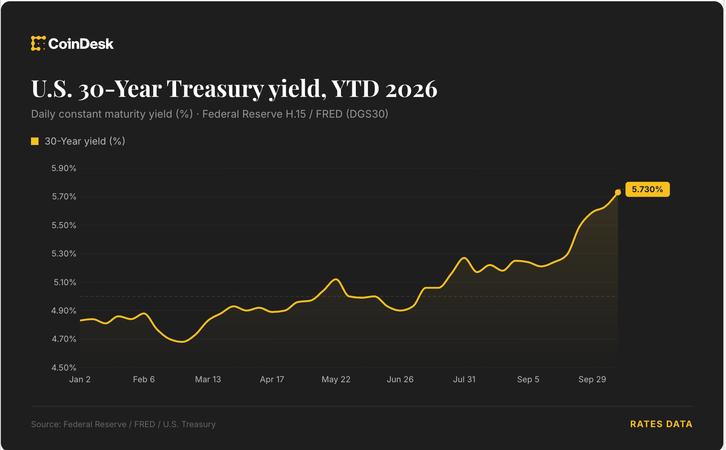
Pimco’s investment chief says a further sharp rise in borrowing costs is feasible as market participants are forced to unwind losing bets, putting the US 10-year Treasury yield at risk of reaching 6% for the first time since 2000.
FFinancial TimesOriginal★★★☆☆2026-10-09 04:00
A record $198bn went into institutions' co-investments with asset managers in the opening half of the year, twice the previous figure; the approach bypasses conventional fund channels.
FFinancial TimesOriginal★★☆☆☆2026-10-09 04:00
As roles diversify, asset management employers are widening their search and assessing applicants entering the field for the first time.
FFinancial TimesOriginal★★☆☆☆2026-10-09 04:00
Masayoshi Son has held talks with investors in the UAE in recent weeks.
FFinancial TimesOriginal★★☆☆☆2026-10-09 04:00
Indian shares are expected to open higher on Friday, as a technical rebound may follow the previous session’s sharp selloff, which left benchmark indexes oversold and at multi-year lows. A surge in oil prices could constrain gains.
RReutersOriginal★★☆☆☆2026-10-09 03:30

China’s central bank said Thursday that it remains committed to letting market forces play a decisive role in setting the RMB exchange rate. It described China’s system as a managed float based on market supply and demand and said the country has no intention of seeking a competitive advantage through currency depreciation.
C China News ServiceOriginal★★★☆☆2026-10-09 03:19
The People’s Bank of China said the country remains committed to letting market forces play a decisive role in setting the RMB exchange rate under a managed floating regime. It denied seeking competitive advantage through devaluation and said China would continue changing its growth model, expanding domestic demand and opening up.
Nvidia-backed Firmus has dropped its plan to list in Sydney, citing recent market volatility and prevailing market conditions.
FFinancial TimesOriginal★★☆☆☆2026-10-09 03:11
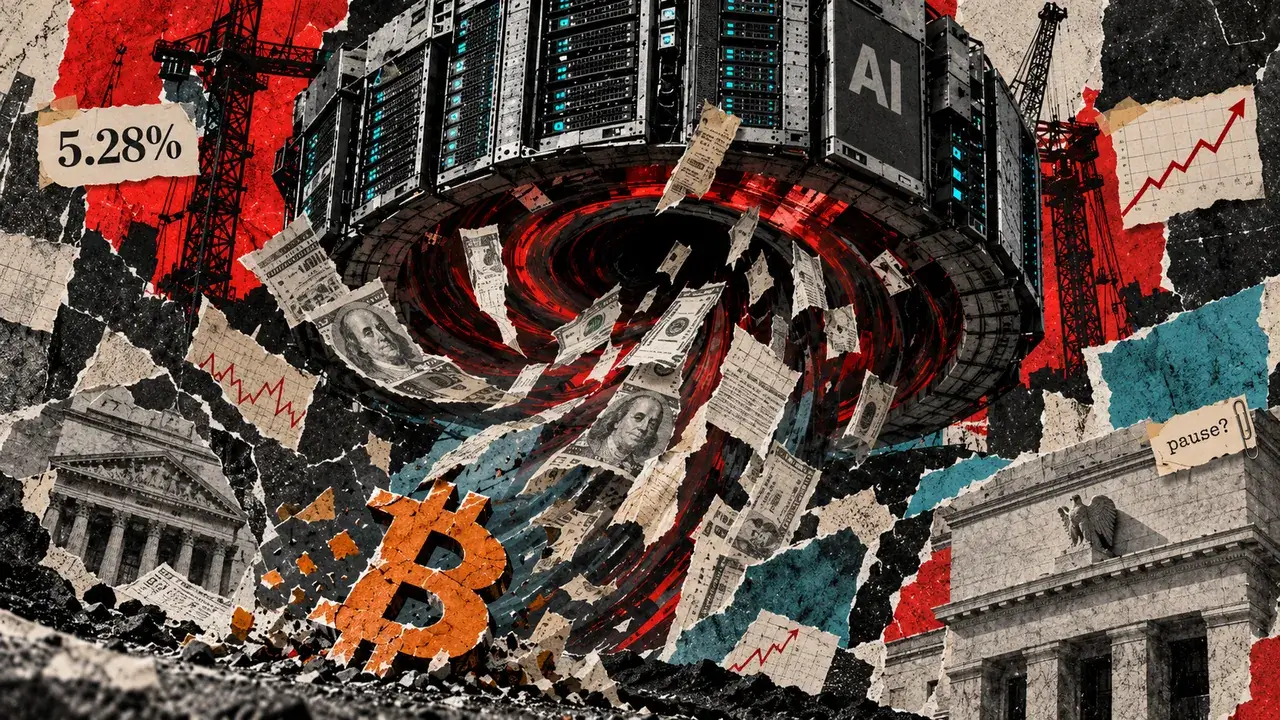
Heavy borrowing for AI infrastructure is competing for long-term capital and could keep borrowing costs elevated after the Fed’s rate-hiking cycle ends. Meeting minutes cited private AI debt issuance as one factor behind higher Treasury yields and term premiums, while high real yields raise the return Bitcoin must offer investors.
C CryptoSlateOriginal★★☆☆☆2026-10-09 03:00
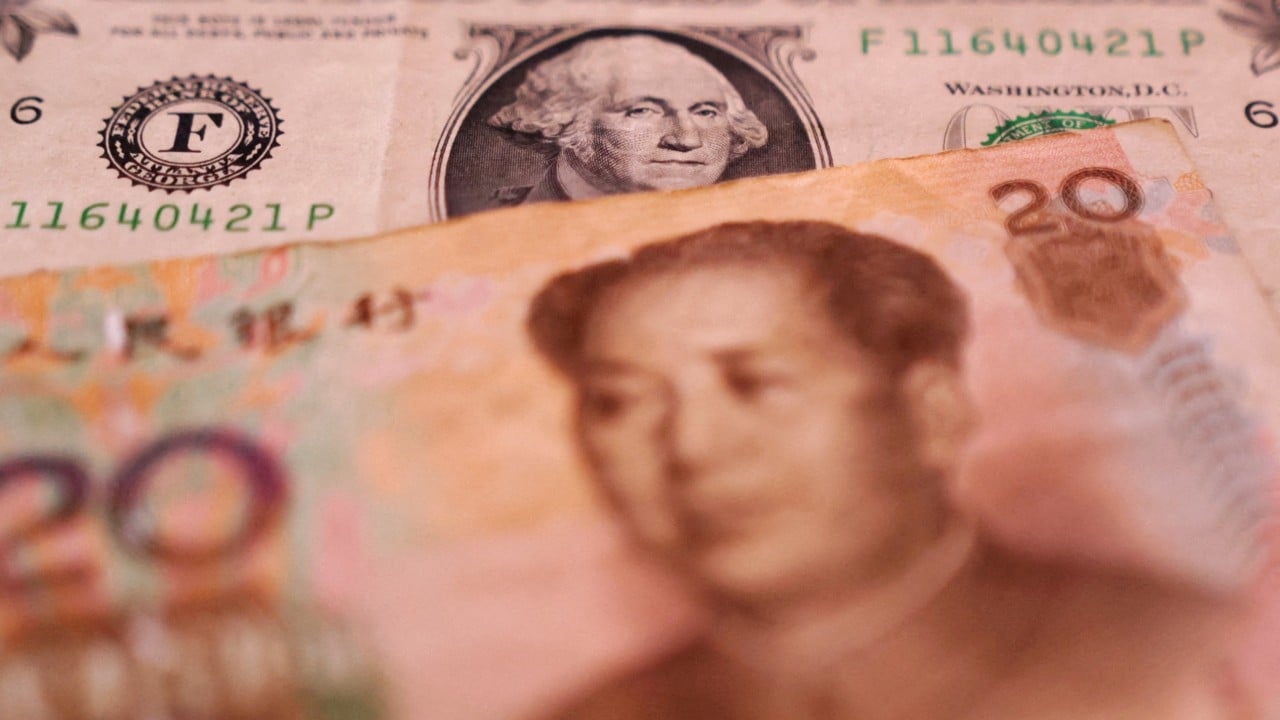
A researcher at a Beijing-based government think tank says China should use the widening yield gap as an opportunity to strengthen the yuan’s financing, hedging and asset-absorption systems, turning a cyclical low-interest-rate advantage into lasting global use. On Thursday, the 10-year US Treasury yield was 5.22%, against 1.69% for Chinese government bonds on their first trading day after the National Day holiday.
S South China Morning PostOriginal★★☆☆☆2026-10-09 03:00
Asian stocks fell on Friday and were poised for a second consecutive weekly decline as investors worried about high energy prices, turbulence in bond markets and the vast sums required to finance AI investment.
RReutersOriginal★★☆☆☆2026-10-09 02:20

The euro was on course for a fifth consecutive weekly fall on Friday, but signs pointed to fading selling pressure as France’s debt market steadied and falling U.S. yields cooled the dollar’s rally.
RReutersOriginal★★☆☆☆2026-10-09 02:00

Australian AI data center operator Firmus, backed by Nvidia, has withdrawn its planned IPO, citing market volatility.
C CNBCOriginal★★☆☆☆2026-10-09 01:02

Nasdaq CEO Adena Friedman said tokenization could free up tens of billions of dollars in capital that is currently trapped.
CCNBCOriginal★★☆☆☆2026-10-08 23:57

Firmus Technologies has scrapped its planned stock-market debut after investor demand for its AI data centre business fell short. The company said its board judged the offer was no longer in the best interests of Firmus and its shareholders. It will seek private-market capital and consider other options.
TThe GuardianOriginal★★☆☆☆2026-10-08 22:17

Netherlands-based Refresco and owner KKR have heard pitches from investment banks in recent weeks for roles in a potential IPO of the beverage maker, one of the world’s largest independent producers, people familiar with the matter said.
RReutersOriginal★★☆☆☆2026-10-08 22:15

A sudden plunge in demand for the IPO of an Nvidia-backed data center company is exposing fresh cracks in the artificial intelligence funding boom.
B Bloomberg NewsOriginal★★☆☆☆2026-10-08 21:00

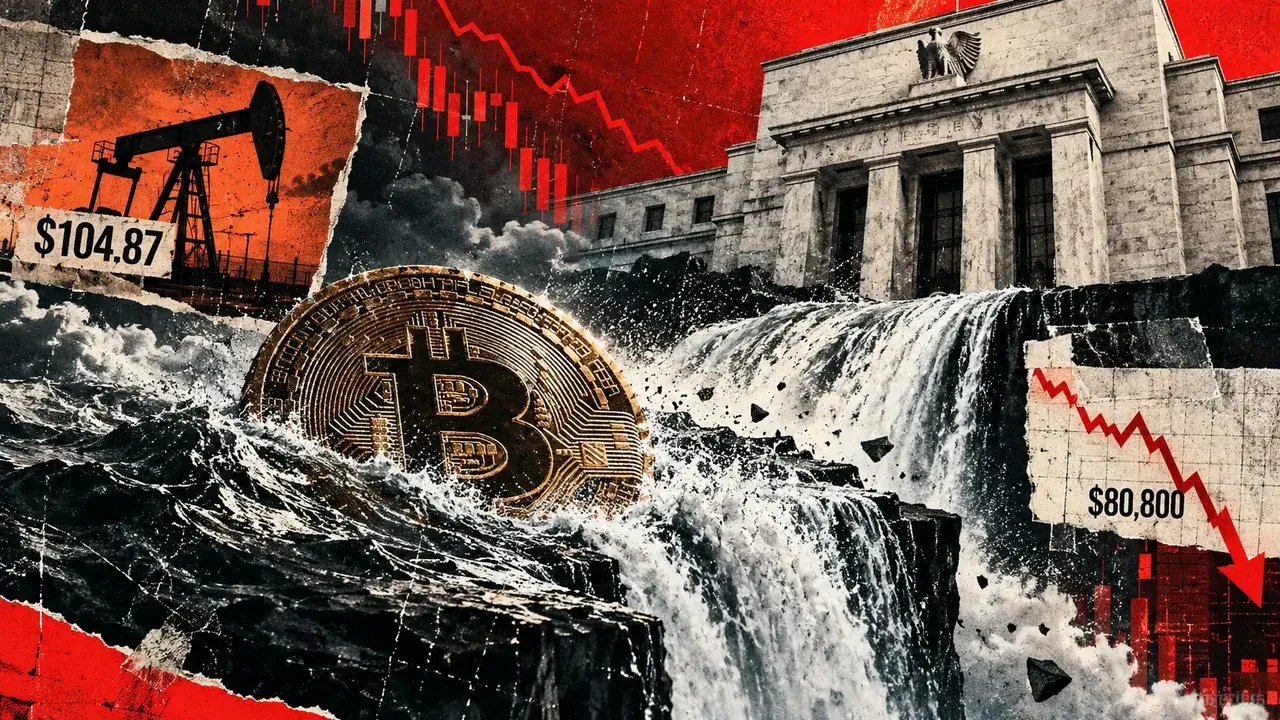
Bitcoin dipped to nearly $80,000 as a selloff drove $1.16 billion in crypto derivatives liquidations over 24 hours, including about $1 billion in bullish positions. Ethereum accounted for roughly $324 million in liquidations, more than Bitcoin’s $240 million. Recent Bitcoin buyers also moved substantial holdings to exchanges, with many transfers made at a loss.
CCryptoSlateOriginal★★★☆☆2026-10-08 21:00
SpaceX agreed to buy a nationwide spectrum portfolio to push Starlink deeper into the U.S. telecommunications market, weighing on shares of AT&T, Verizon and T-Mobile.
CCNBCOriginal★★☆☆☆2026-10-08 20:56

Rising bond yields are raising concerns about wider contagion.
FFinancial TimesOriginal★★☆☆☆2026-10-08 20:00
Research firm Citrini says tokenized stocks, bonds and loans could open new markets for trading and lending, benefiting platforms and companies that generate fees.
C CoinDeskOriginal★★☆☆☆2026-10-08 19:46
Revolut would prefer a primary listing in the United States if the digital bank decides to pursue an IPO in the future, CEO Nik Storonsky told Bloomberg TV on Thursday.
RReutersOriginal★★☆☆☆2026-10-08 18:40

Starbucks has reportedly been working with advisers on a proposal to take over Chipotle. The potential deal has both advantages and drawbacks for investors.
CCNBCOriginal★★☆☆☆2026-10-08 18:37


Starbucks explored a takeover of Chipotle Mexican Grill, the Financial Times reported Thursday. Such a deal would reunite CEO Brian Niccol with the burrito chain he led before joining Starbucks two years ago.

Chipotle Mexican Grill shares rose sharply after the Financial Times reported that Starbucks had worked with advisers in recent months on a proposal to acquire the burrito chain.
Euro zone finance ministers began the process on Thursday to replace European Central Bank board member Isabel Schnabel. She will leave the ECB on January 3 to take up a position at the International Monetary Fund.
RReutersOriginal★★★☆☆2026-10-08 18:30

CNBC confirmed that OpenAI told investors it had reached roughly $50 billion in annualized revenue by the end of September. Nvidia, Oracle, CoreWeave and other AI stocks sank after the report.
CCNBCOriginal★★★☆☆2026-10-08 18:18

Blue Origin was valued at $140 billion in its latest funding round, adding $87 billion to Jeff Bezos’ fortune and making him the world’s second-richest person.
BBloomberg NewsOriginal★★☆☆☆2026-10-08 18:00

Thrive Capital founder Josh Kushner has been at the center of some of the year’s biggest deals. His fortune is now valued at $17.5 billion, placing him among the world’s 500 richest people for the first time.
BBloomberg NewsOriginal★★☆☆☆2026-10-08 17:45
Asian countries are moving quickly to expand oil storage capacity, complete a regional power grid and speed up renewable energy projects in response to supply risks exposed by the Iran war.
RReutersOriginal★★★★☆2026-10-08 17:35

The MOEX Index closed Thursday’s main session down 1.07% at 2,312.35 points, while the dollar-denominated RTS fell 1% to 852.8. Analysts attributed the market move to profit-taking, inflation data and a stronger ruble, with higher oil prices limiting losses.
T TASSOriginal★★☆☆☆2026-10-08 17:21
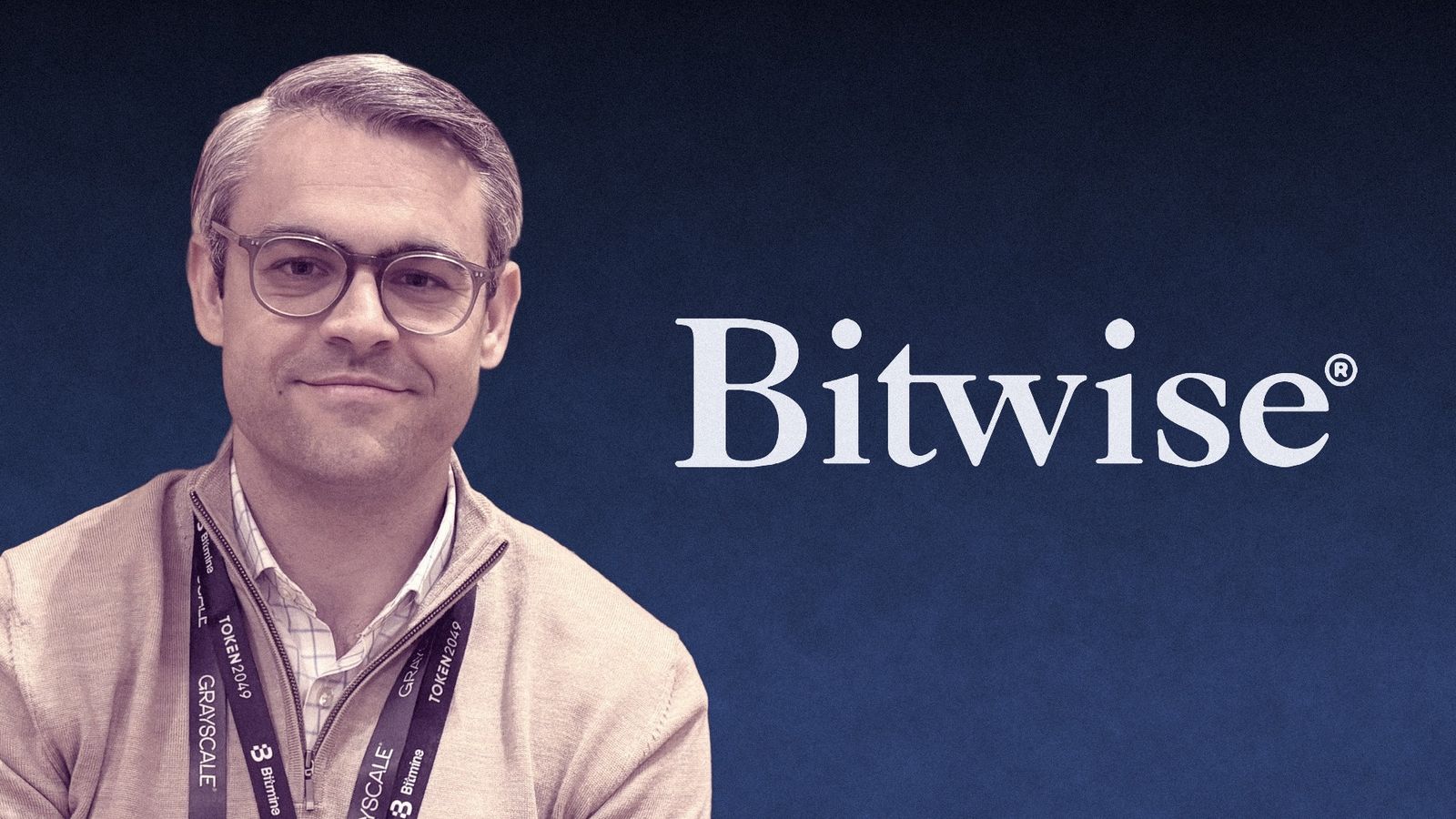
Bitwise’s CEO called the failure of a Dogecoin ETF “tragic,” saying it highlights a gap between ETF buyers and crypto-app users. Alongside its recent spot NEAR ETF launch, Bitwise is prioritizing AI and plans to do more in the field.
TThe BlockOriginal★★☆☆☆2026-10-08 16:43
The 10-year Treasury yield was little changed as traders weighed Federal Reserve official Christopher Waller’s comments that more rate hikes are needed and awaited another long-dated bond auction.
CCNBCOriginal★★☆☆☆2026-10-08 16:22

The Bank of Russia set the official dollar rate for October 9 at 85.4173 rubles, 6.38 kopecks lower than the previous rate. The euro rate fell 85.78 kopecks to 95.4709 rubles, while the yuan rate was set at 12.732 rubles, down 1.96 kopecks. The bank said official dollar and euro rates are based on banks’ reports of over-the-counter currency transactions.
TTASSOriginal★★☆☆☆2026-10-08 15:56
Sberbank CEO Herman Gref urged financial market participants to be cautious about entrusting capital to AI and not to leave final decisions to algorithms. He said AI still requires deliberate human judgment and strict oversight at the current stage of development.
TTASSOriginal★★☆☆☆2026-10-08 15:48
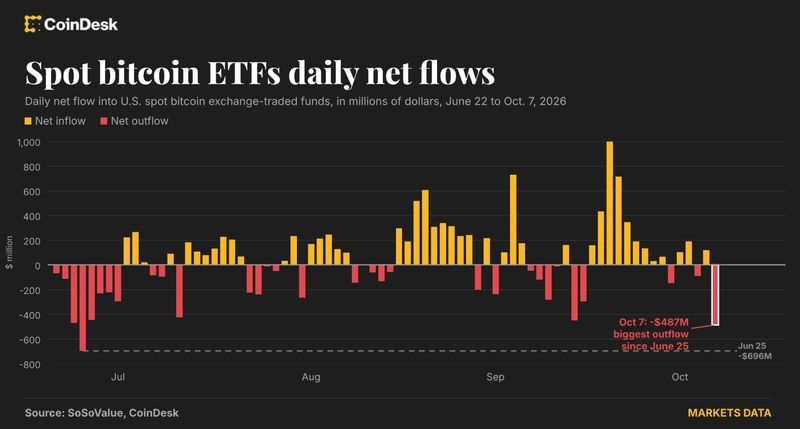
US spot Bitcoin ETFs recorded $484.9 million in outflows on Oct. 7, their largest one-day withdrawal since June 25. Ethereum ETFs lost $160.9 million, bringing five-session outflows to $506.3 million, the highest since January. The two groups shed about $646 million as Bitcoin closed below $83,000 and Ethereum moved toward $2,500. Analysts said institutional demand had already weakened, and further price declines could prompt more redemptions.
CCryptoSlateOriginal★★☆☆☆2026-10-08 15:40
The intensely private daughter of Zara’s founders has never held a role at the company, but her already enormous wealth is expected to grow significantly.
BBloomberg NewsOriginal★★☆☆☆2026-10-08 15:15
Digital assets outperformed stocks and gold in the third quarter.
CCoinDeskOriginal★★☆☆☆2026-10-08 15:11
Bitcoin traded near $82,000 on Thursday. Analysts at QCP expect it to trade between $80,000 and $90,000 in the fourth quarter.
TThe BlockOriginal★★☆☆☆2026-10-08 14:52
Repeated interventions by the US Treasury could weaken its credibility. A key tool for stabilising market stress could instead encourage moral hazard and deepen volatility.
FFinancial TimesOriginal★★☆☆☆2026-10-08 14:30
Following its separation from the Cardano Foundation, Veridian is the first firm to apply Cardano’s programmable-token framework to company equity; its digitally represented shares are unavailable to public investors.
CCoinDeskOriginal★★☆☆☆2026-10-08 14:24

Moscow Exchange intends to open cryptocurrency trading on December 1 under new legislation, senior managing director Boris Blokhin said. Testing is underway and will continue until launch; the exchange is inviting market participants to take part.
TTASSOriginal★★★☆☆2026-10-08 14:21
A Lukoil International report says the agreement with US-based Carlyle Group to sell Lukoil International GmbH, the entity holding Lukoil’s foreign assets, expired at the end of July after failing to secure US approval. Lukoil is negotiating with other potential buyers. Subject to OFAC approval, it could also transfer its 75% stake in Iraq’s West Qurna-2 oil field to Basra Oil Company.
TTASSOriginal★★★☆☆2026-10-08 14:08
Securitize has launched tokenized U.S. stocks on Solana, backed one-to-one by real shares and offering dividends with settlement in USDC.
TThe BlockOriginal★★☆☆☆2026-10-08 14:04

The UK’s Financial Conduct Authority is seeking to limit immediate access to investments in illiquid assets, aiming to prevent property funds from suspending withdrawals again during market turmoil.
FFinancial TimesOriginal★★★☆☆2026-10-08 14:03
Calling a bottom in the ongoing U.S. Treasury sell-off may seem unlikely, but a handful of options traders are increasingly willing to make that bet after a strong 10-year auction.
CCNBCOriginal★★☆☆☆2026-10-08 13:29

Securitize says tokenized shares in the mega-cap companies will initially trade on its Solana-based platform, with plans to expand to the NYSE and OKXICE digital venues.
CCoinDeskOriginal★★☆☆☆2026-10-08 13:06

Bitcoin fell a compounded 3.24% during US stock-market hours from Sept. 21, while gaining 6.07% outside that window, and traded $64 lower on Coinbase than on Binance. Most of the decline came in two sessions, and conflicting ETF flows complicate claims of persistent institutional selling or establish who was behind the pressure.
CCryptoSlateOriginal★★☆☆☆2026-10-08 13:00
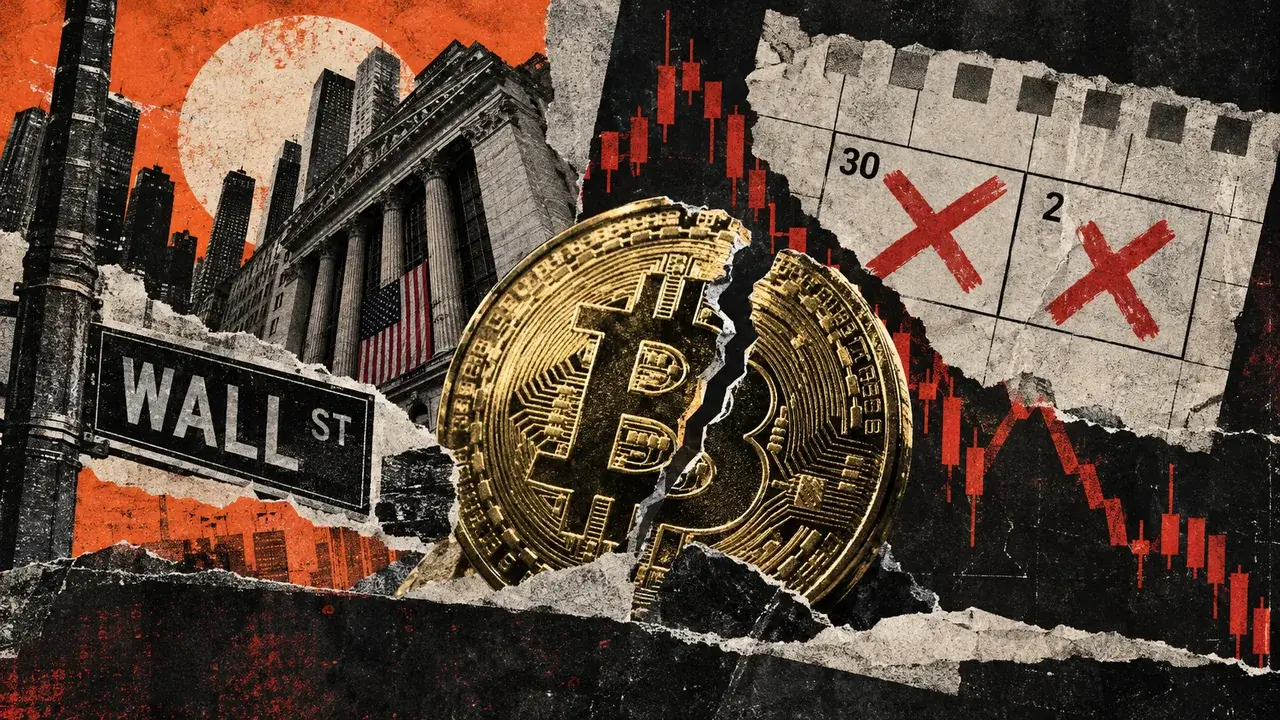
Italy has fulfilled all its commitments under the March oil stock release plan coordinated by the International Energy Agency and would consider further releases if other European countries meet their pledges, an Italian government official told Reuters on Thursday.
RReutersOriginal★★★☆☆2026-10-08 12:50

The dollar has climbed to an 18-month high this fall. Uncertainty across the Atlantic has fueled its latest gains and encouraged some investors to bet on further appreciation.
RReutersOriginal★★☆☆☆2026-10-08 12:25

Iraq has devalued the dinar again, giving the government more local currency for each dollar of oil revenue as it faces a large budget shortfall. The new rate is 1,520 dinars per dollar, 200 higher than before. Opposing MPs say the move will increase import and living costs and fault the government for not explaining it to parliament beforehand.
AAl JazeeraOriginal★★★☆☆2026-10-08 11:59

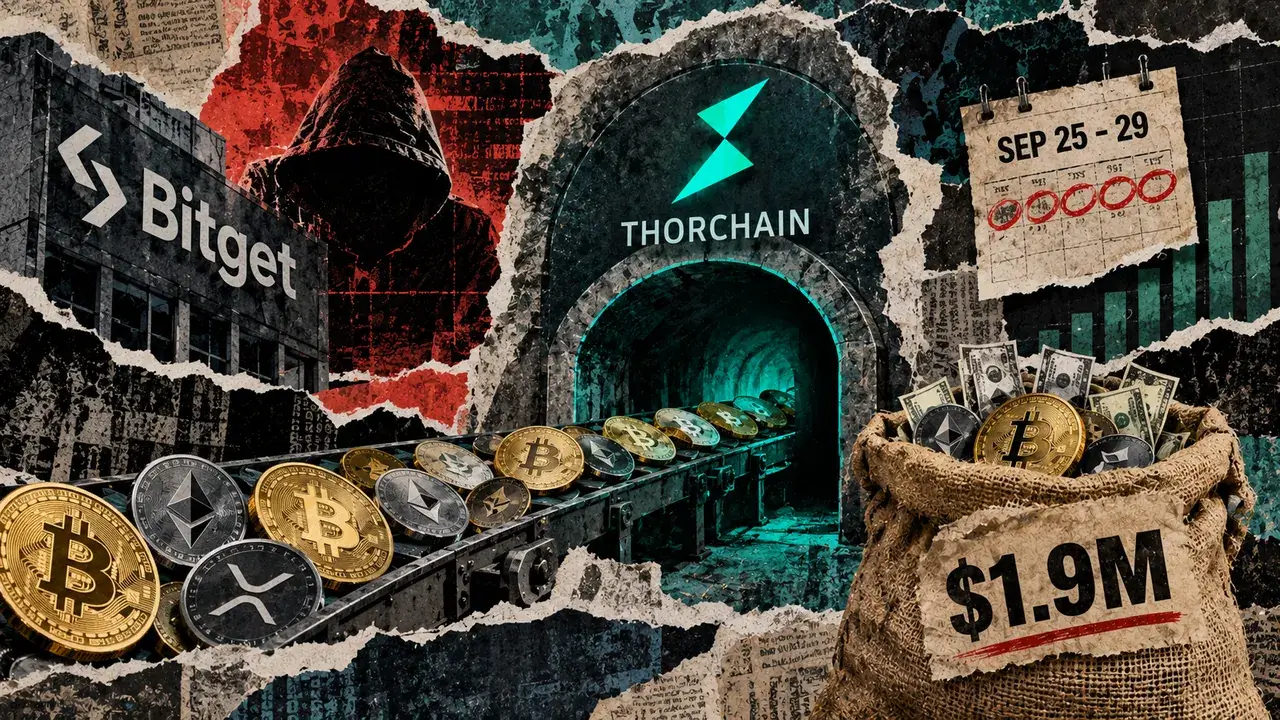
THORChain reported $3.01 million in September system income, its highest since March 2025, as swap volume reached $2.40 billion. From Sept. 25 to 29, about $1.37 billion crossed the network, generating roughly $1.9 million—63% of the monthly total. THORChain said the surge coincided with funds linked to the Bitget exploit moving through the network. Wallet growth was modest, suggesting large flows rather than a comparable rise in users drove the jump.
CCryptoSlateOriginal★★☆☆☆2026-10-08 11:55
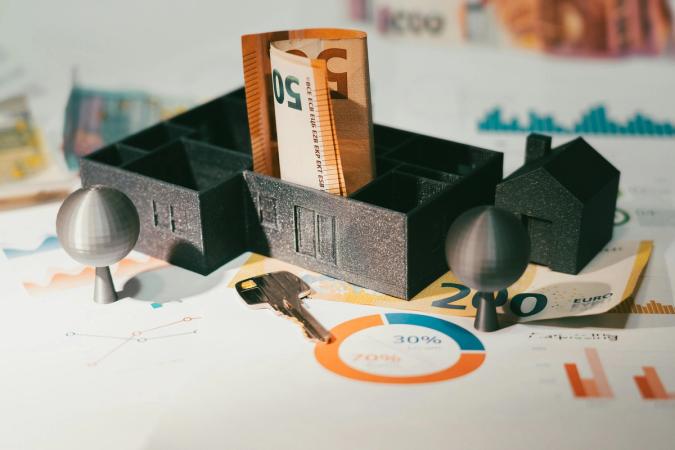
NUVA’s HOME token gives eligible investors exposure to a pool of U.S. home equity lines of credit, starting at 1 USDC, and targets a 7% annual yield.
CCoinDeskOriginal★★☆☆☆2026-10-08 11:36
Bitcoin ETF investors are heading for the exits at the fastest pace in months.
CCoinDeskOriginal★★☆☆☆2026-10-08 11:15
The article examines why investors have been driving bond yields up and what may happen next.
BBloomberg NewsOriginal★★☆☆☆2026-10-08 11:05
Ray Dalio says earnings have helped offset the impact of rising bond yields on stocks, but that support is waning. He also warns that free cash flow could weaken.
CCNBCOriginal★★☆☆☆2026-10-08 11:04

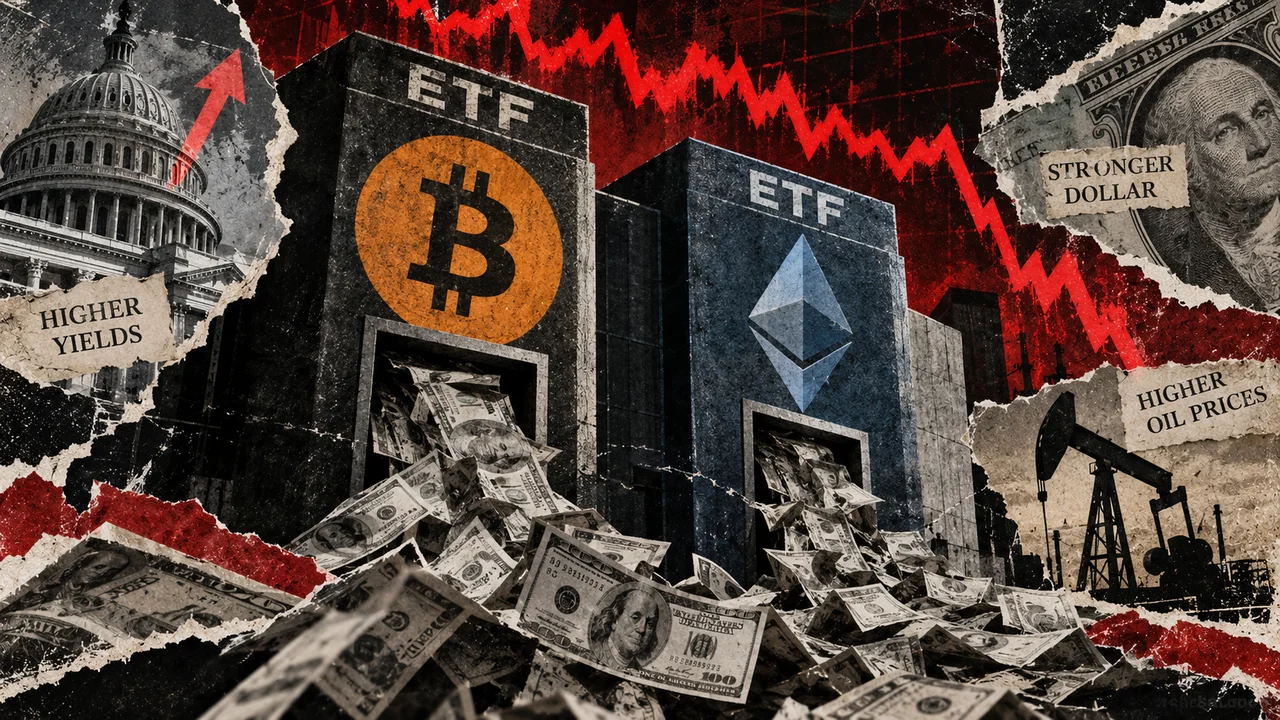
Rising Treasury yields, surging energy prices and a stronger dollar are weighing on bitcoin and tech, while silver has fallen below $59 an ounce.
CCoinDeskOriginal★★★☆☆2026-10-08 10:44
As of October 6, European underground gas storage was 72.97% full, 15.11 percentage points below the five-year average and the lowest level for that date since records began in 2011, according to TASS calculations based on Gas Infrastructure Europe data. Injection rates are slowing as temperatures fall. The EU’s annual storage target is 90%, though the European Commission is reportedly prepared to lower this year’s threshold to 80%.
TTASSOriginal★★★☆☆2026-10-08 10:07
Bitcoin is down nearly 5% this week after failing to hold above $85,000, with weak volume and profit-taking weighing on its rebound. Glassnode found an unusually high share of exchange-bound coins came from short-term holders in profit. CryptoQuant put the average cost basis for buyers from the past month at $81,900, a potential next test.
CCryptoSlateOriginal★★☆☆☆2026-10-08 10:00
Standard Chartered plans to extend crypto and real-world asset custody services to institutions and accredited corporate investors in Singapore, subject to regulatory requirements.
CCoinDeskOriginal★★☆☆☆2026-10-08 09:32

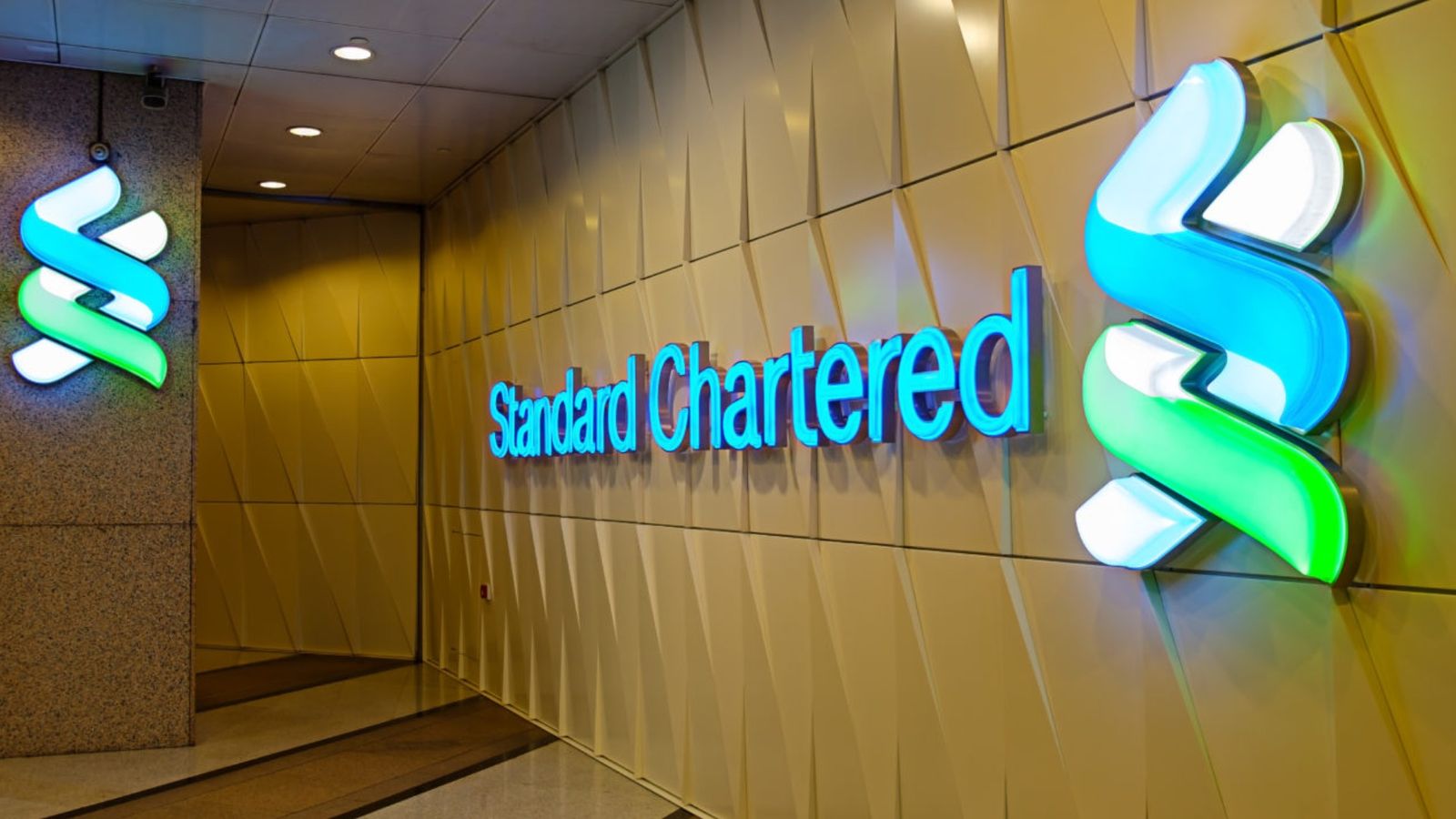
Standard Chartered said it will extend its crypto custody service to Singapore, adding to its existing presence in the UAE, Luxembourg and Hong Kong.
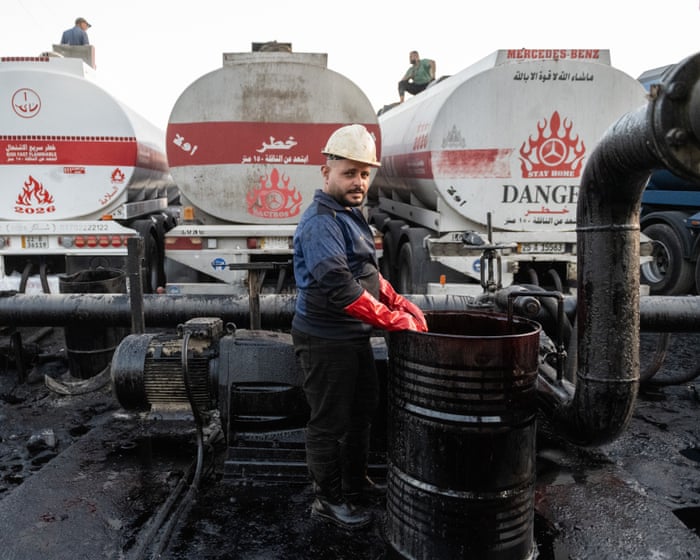
Brent crude rose 3.8% to $104 a barrel on Thursday as fears of escalating Middle East tensions and a hurricane threat off the US coast raised concerns about supply. Potential strikes against Iran add to regional risks, while Shell and Chevron have shut Gulf of Mexico production. Global bonds and stocks also fell.
TThe GuardianOriginal★★★★☆2026-10-08 08:44
Enthusiasm among cornerstone investors in Hong Kong’s booming IPO market appears to be waning, prompting some issuers that planned to list this month to postpone offerings. More than 60 per cent of third-quarter new listings are trading below their issue prices, leading investors who typically get guaranteed allocations in return for a six-month holding period to reconsider upcoming deals, people said.
SSouth China Morning PostOriginal★★☆☆☆2026-10-08 08:11
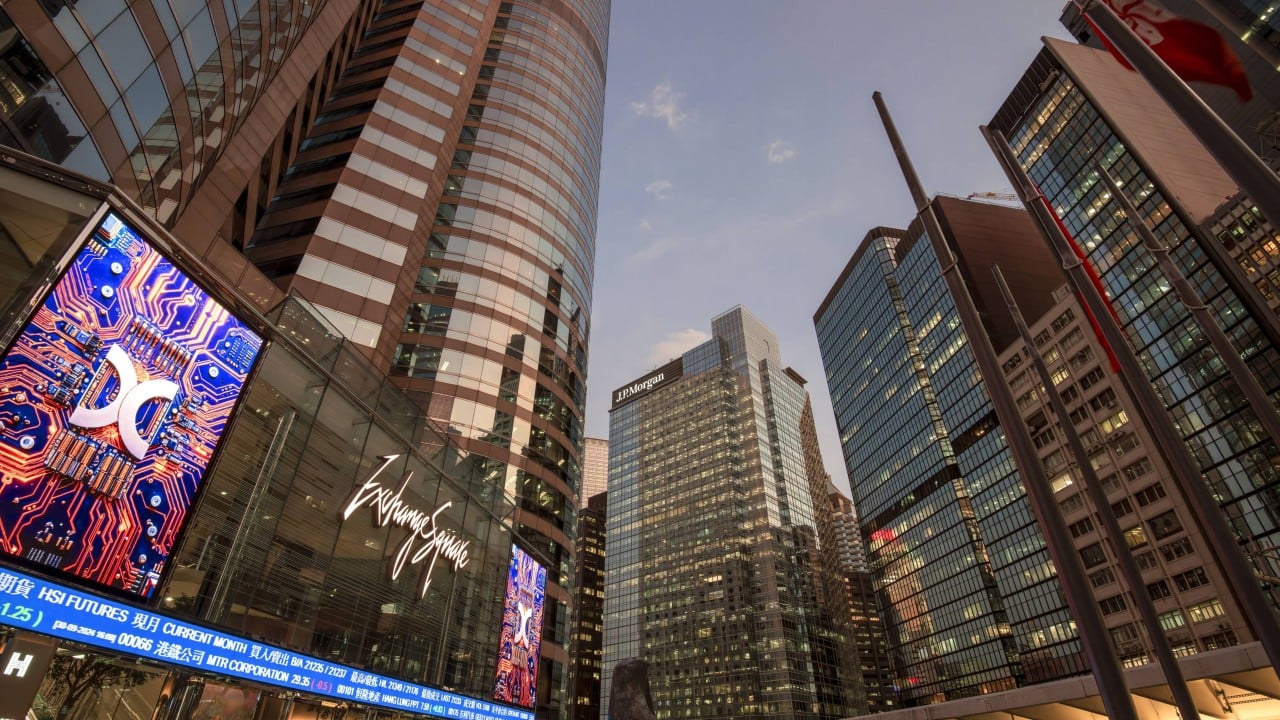
Deus X Capital is shutting down. CEO Tim Grant will lead AI venture TensorX, while CIO Stuart Connolly will remain to oversee the firm’s formal wind-down in January.
CCoinDeskOriginal★★☆☆☆2026-10-08 08:00
Russian shares fell 0.3% at the opening of Tuesday’s main session, with the MOEX at 2,330.32 points and the RTS at 858.79. Both indexes later dropped 0.38%, while the yuan reversed early gains against the ruble.
TTASSOriginal★★☆☆☆2026-10-08 06:48
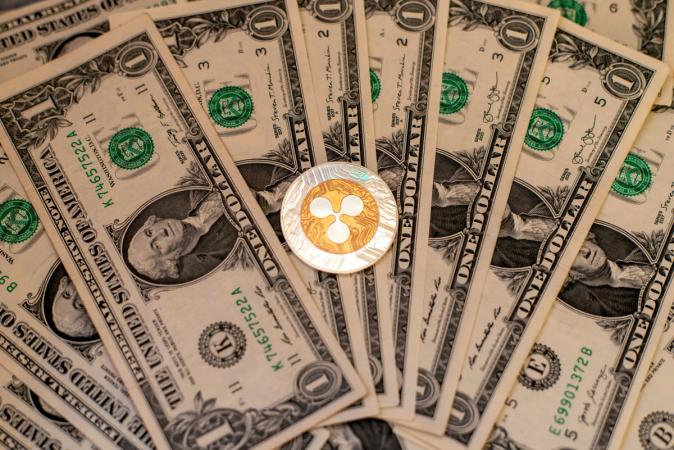
Ripple’s $1.25 billion acquisition of Hidden Road has given it a foothold in a corner of Wall Street where funds pay to magnify daily moves in stocks such as Nvidia and Sandisk.
CCoinDeskOriginal★★☆☆☆2026-10-08 06:17
Major oil companies are pursuing investment opportunities in the Middle East despite the US-Iran conflict, the Financial Times reported. Executives from Shell, BP, TotalEnergies, ConocoPhillips and Chevron voiced interest this week. TotalEnergies CEO Patrick Pouyanne said the region has the cheapest oil and called for alternative routes to unlock the Strait of Hormuz.
TTASSOriginal★★★☆☆2026-10-08 06:08
Wayne Cole previews the day ahead in European and global markets, focusing on AI taking ground from sovereign bonds.
RReutersOriginal★★☆☆☆2026-10-08 05:00

A contest for capital is setting sovereign borrowers against the AI sector. Because both are insensitive to interest rates, the battle could end badly.
FFinancial TimesOriginal★★☆☆☆2026-10-08 05:00
Asset managers say fears of a blow-up resembling the eurozone debt crisis have been overstated. After a sell-off in French bonds, large investors are seeking bargains in eurozone bond markets.
FFinancial TimesOriginal★★☆☆☆2026-10-08 04:00
Western oil groups are seeking new investment opportunities to develop the region’s vast reserves despite the chaos and heightened risks caused by the conflict with Iran.
FFinancial TimesOriginal★★☆☆☆2026-10-08 04:00
Western groups are pursuing new investment opportunities in the Middle East despite the turmoil and heightened risks caused by the conflict with Iran.
Some private equity firms, seeking to hold on to their most prized investments, are no longer satisfied with standard carried interest and are demanding “super carry.”
BBloomberg NewsOriginal★★☆☆☆2026-10-08 04:00

The culling of small-cap companies in Japan presents an opportunity for AI funds, whose tools can help find promising targets among vast amounts of information.
FFinancial TimesOriginal★★☆☆☆2026-10-08 04:00
Banks’ trading businesses are booming, but post-crisis regulation means they are no longer the ones placing the bets.
FFinancial TimesOriginal★★★☆☆2026-10-08 04:00
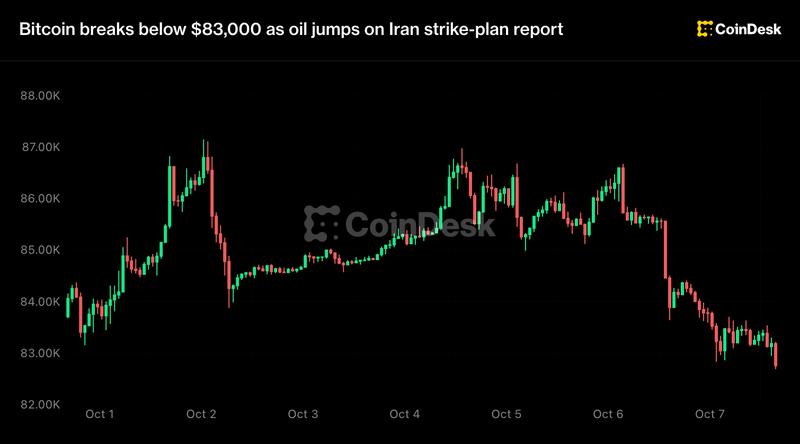
Bitcoin dropped below $83,000, a level FxPro says could open a quick route to $80,000. Brent crude rose above $102, while Treasury yields moved back toward their highest level since 2002.
CCoinDeskOriginal★★☆☆☆2026-10-08 04:00
Danantara’s chief investment officer says domestic institutions will support Indonesia’s stock market, which has been the world’s worst performer this year.
FFinancial TimesOriginal★★☆☆☆2026-10-08 04:00
The dollar remained near its strongest level in a year and a half in quiet Asian trading on Thursday. Hawkish Federal Open Market Committee minutes indicated that US central bank policymakers saw inflation as the main risk to their outlook.
RReutersOriginal★★☆☆☆2026-10-08 03:10

The Minutes Reader extension turns the original page into a focused reading view and translates articles and video subtitles on demand. It is in limited beta.