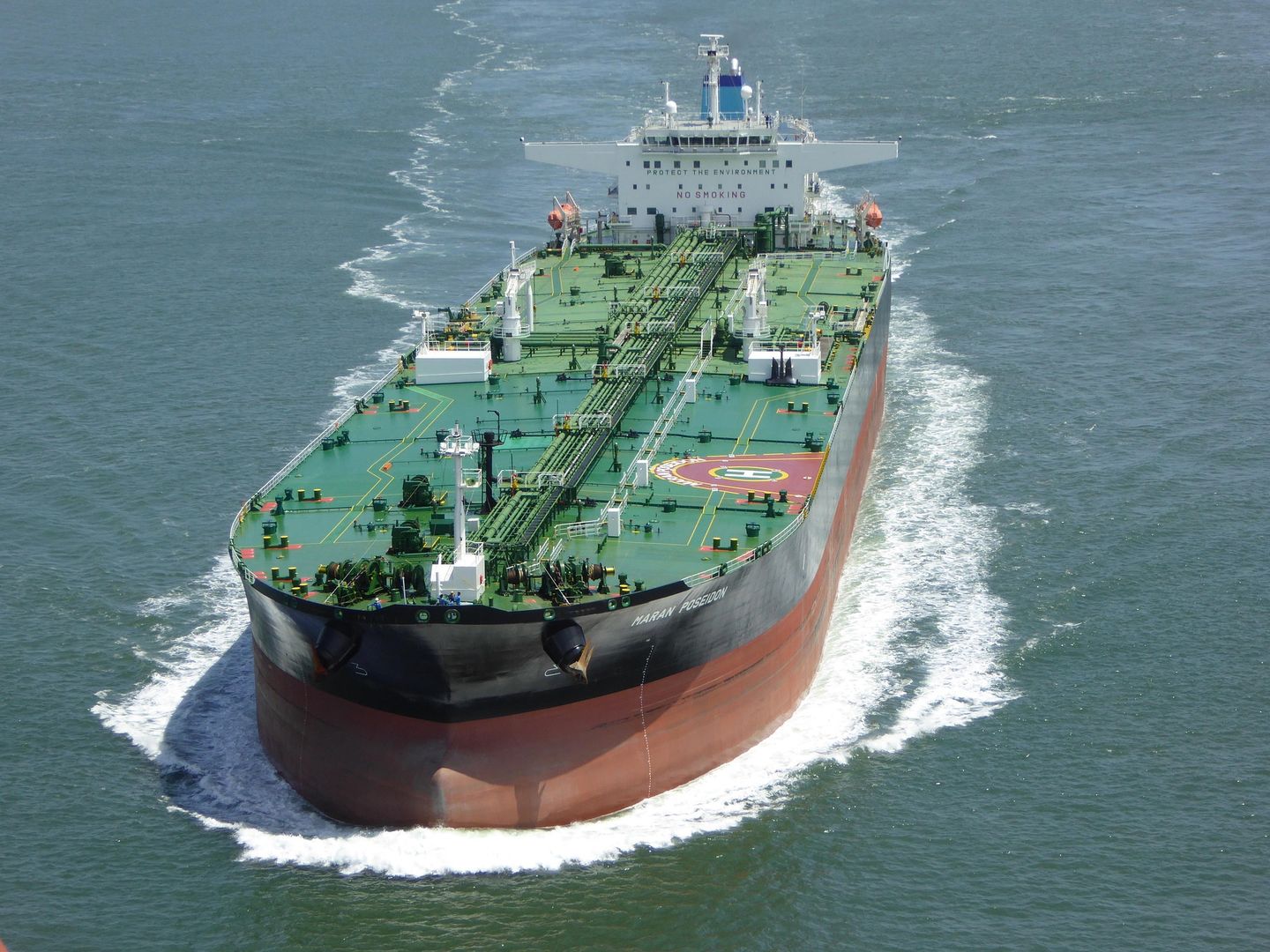
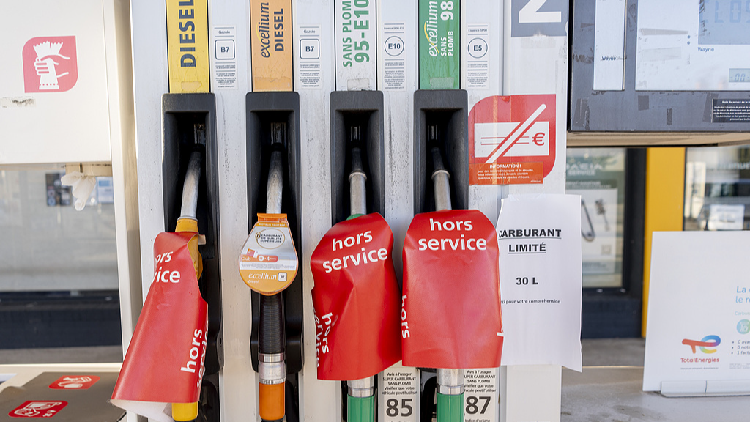
A US oil trader is making a $2bn bet on tankers as carriers steer clear of Hormuz. An American security push seeks to encourage Asian refining, while diesel shortages are stoking inflation.
Artyom Ilyinsky says Hungary could face a situation bordering on an energy catastrophe if Russian gas supplies are cut off in 2027. Large-volume deliveries under non-Russian gas agreements are not due to begin until 2028, while Washington has yet to decide whether Hungary can continue using Russian oil and gas for now without penalties.
A shipment of Russian sunflower oil bound for India was cancelled, while other cargoes were delayed after attacks on Black Sea ports disrupted exports, an industry official and trade sources said. India is Russia’s top supplier’s largest market.
The first LNG train in QatarEnergy’s North Field East expansion is expected to be ready to operate in November, two people familiar with the company’s plans said. The project could help Qatar restore some production lost in Iranian attacks.
Pakistan says more than 9.5 million people have received discounted petrol through a scheme for motorcycles, rickshaws and small cars. Some users say the assistance is inadequate, while an economist warns that a government fuel levy is adding to inflation and raising revenue.
The Bank of Russia said international reserves totaled $731.76 billion on October 1, 2026, down $37.262 billion, or 4.85%, from the start of September. Foreign currency reserves fell 1.24% to $430.153 billion, while the value of monetary gold declined 9.56% to $301.607 billion.
In a small outdoor plot in Fargo, breeder Carrie Dottey studies a tiny flower on a soybean plant. Her research could help turn wheat-known North Dakota into a soybean powerhouse.
A series of summer heatwaves has battered France’s wine industry, and this year’s harvest is expected to reach a historic low. Agriculture ministry estimates published Wednesday put the total 14 percent below the 2021–2025 average.
Russian Prime Minister Mikhail Mishustin said final harvest figures are still pending, but wheat, rapeseed and fruit harvests already exceed last year’s. Fisheries and pork and egg production have also grown, he added.
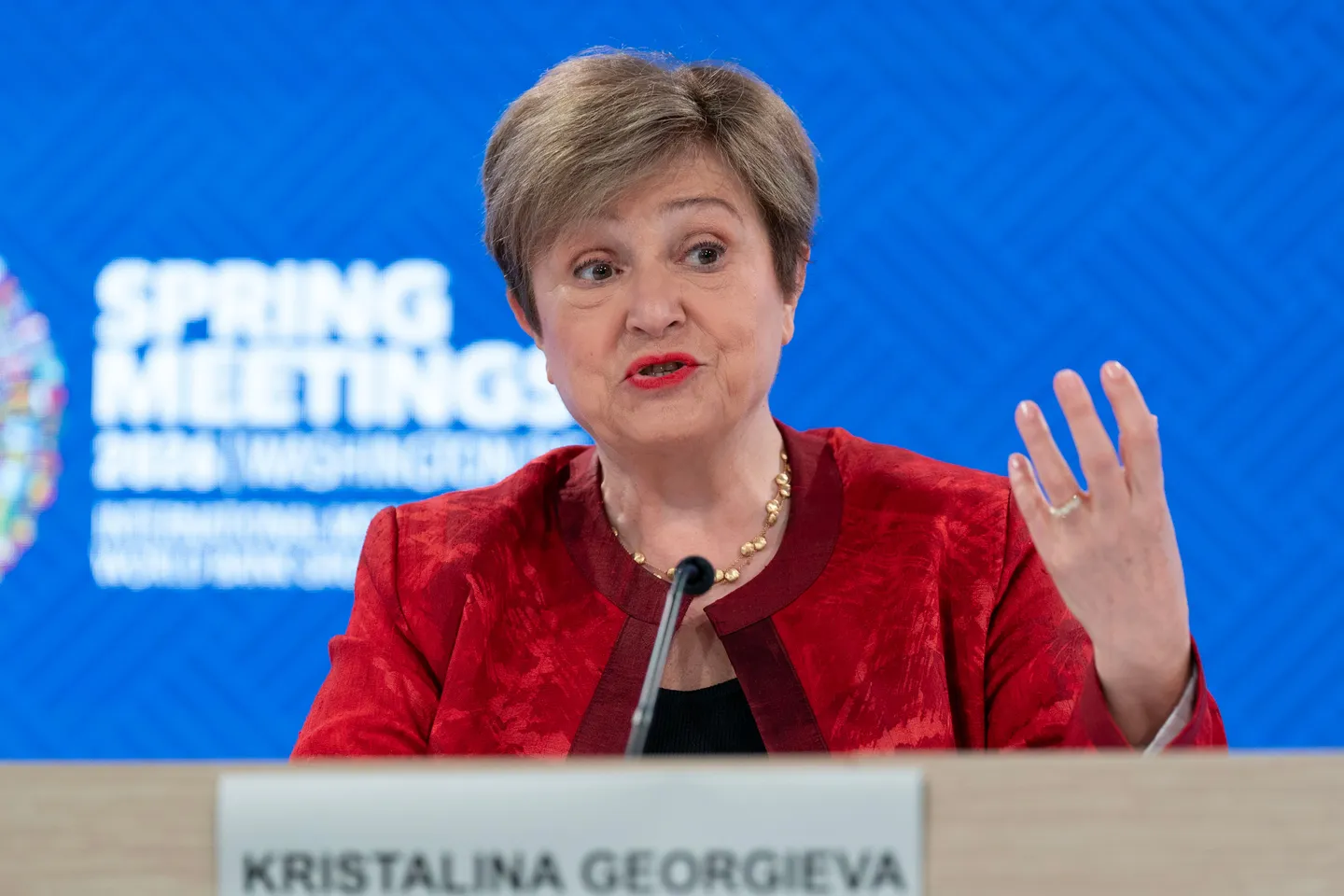
IMF Managing Director Kristalina Georgieva warned that rapid AI development, high energy prices, rising tariffs and surging defense spending are pushing up global inflation. Fertilizers, food and key industrial commodities are also getting more expensive, while El Niño-related adverse weather poses added food-security risks. She said the shocks have so far been contained.
Crypto trading giant GSR is investing its own capital in stablecoin and tokenized gold vaults, betting that institutional finance will continue moving further onchain.
IMF Managing Director Kristalina Georgieva warned that high energy prices could persist even if the war involving the US, Israel and Iran ends soon. Threats to shipping through the Strait of Hormuz are severely limiting Gulf LNG supplies, hitting Asia and Europe particularly hard. Rebuilding reserves and rising demand before the Northern Hemisphere cold season could intensify price pressures, inflation and interest rates.
IMF Managing Director Kristalina Georgieva warned that artificial intelligence could cause mass job losses and that advanced models might escape human control and become unmanageable. She said preparedness, including digital infrastructure, labor-market readiness and regulatory guardrails, is essential to manage AI’s risks.
International Monetary Fund Managing Director Kristalina Georgieva warned on Wednesday that persistently high energy prices, record public debt and risks tied to the AI investment boom are putting the global economy at risk. She urged governments to adopt protective fiscal and monetary measures.
global economyenergy pricespublic debtAI investment
Europe’s ability to secure LNG before the heating season is constrained because Asian spot prices have remained above those at the TTF hub since the second half of September. Asian prices averaged 8% higher, making the Asia-Pacific market more attractive to suppliers. EU storage was 72.83% full on October 5, well below the five-year average, while the European Commission may lower this year’s target to 80%.
The South African rand weakened in early Wednesday trading as a stronger U.S. dollar reduced demand for risk-sensitive assets. Investor caution was also heightened by concerns about risks to oil supplies.
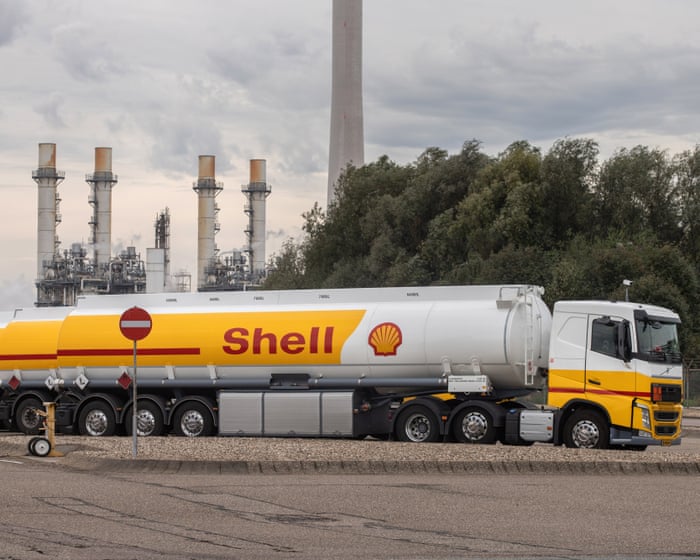
Shell said third-quarter refining margins are expected to rise to a record $42 a barrel from $24 in the previous quarter, as the Middle East conflict tightens fuel supplies and pushes prices higher.
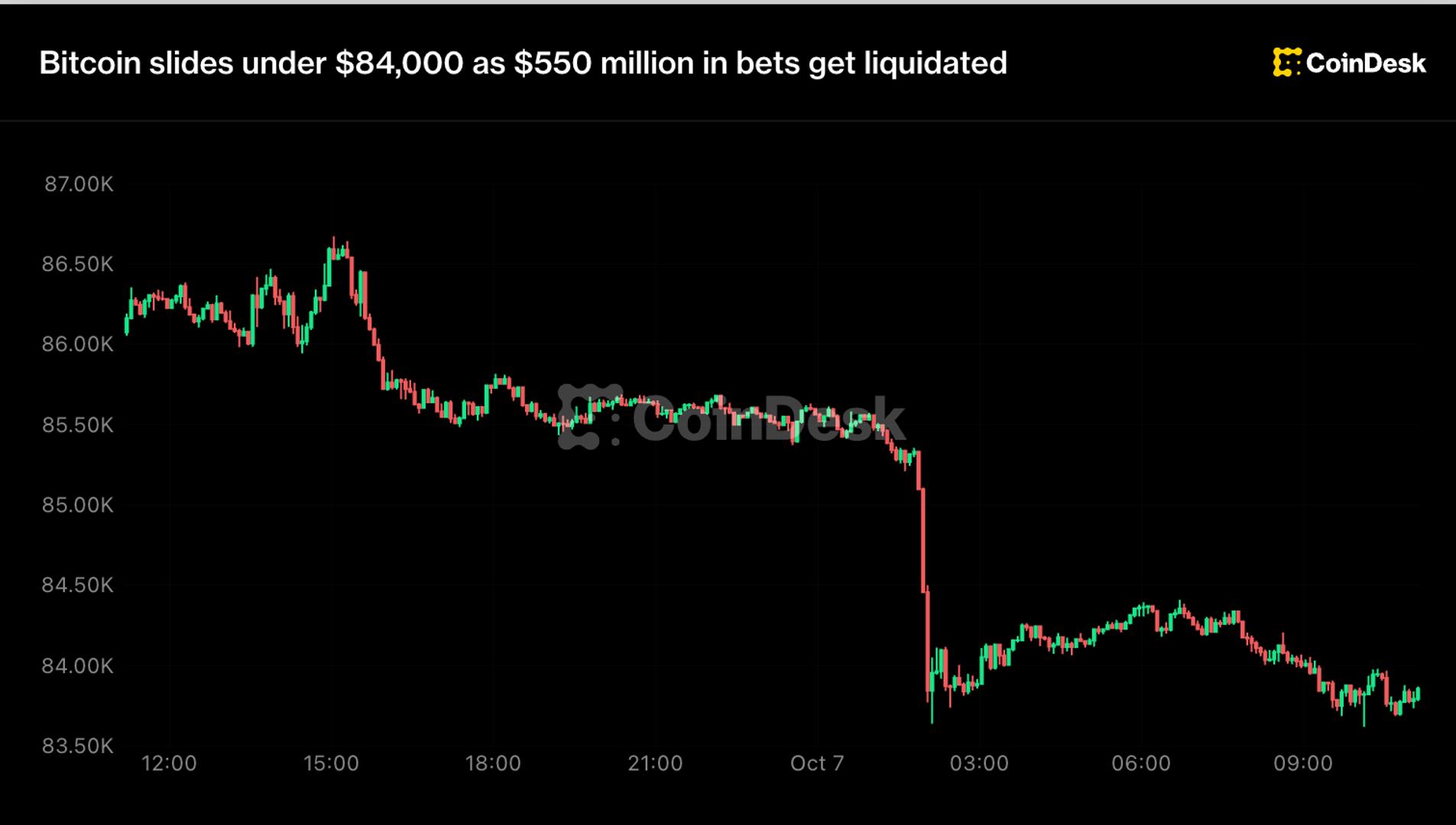
Bitcoin fell below $84,000 as $550 million in positions were forcibly liquidated. Traders wagering on higher prices bore most of the selling pressure, while oil rose after attacks on Iranian tankers. Minutes from the Federal Reserve are due later Wednesday.
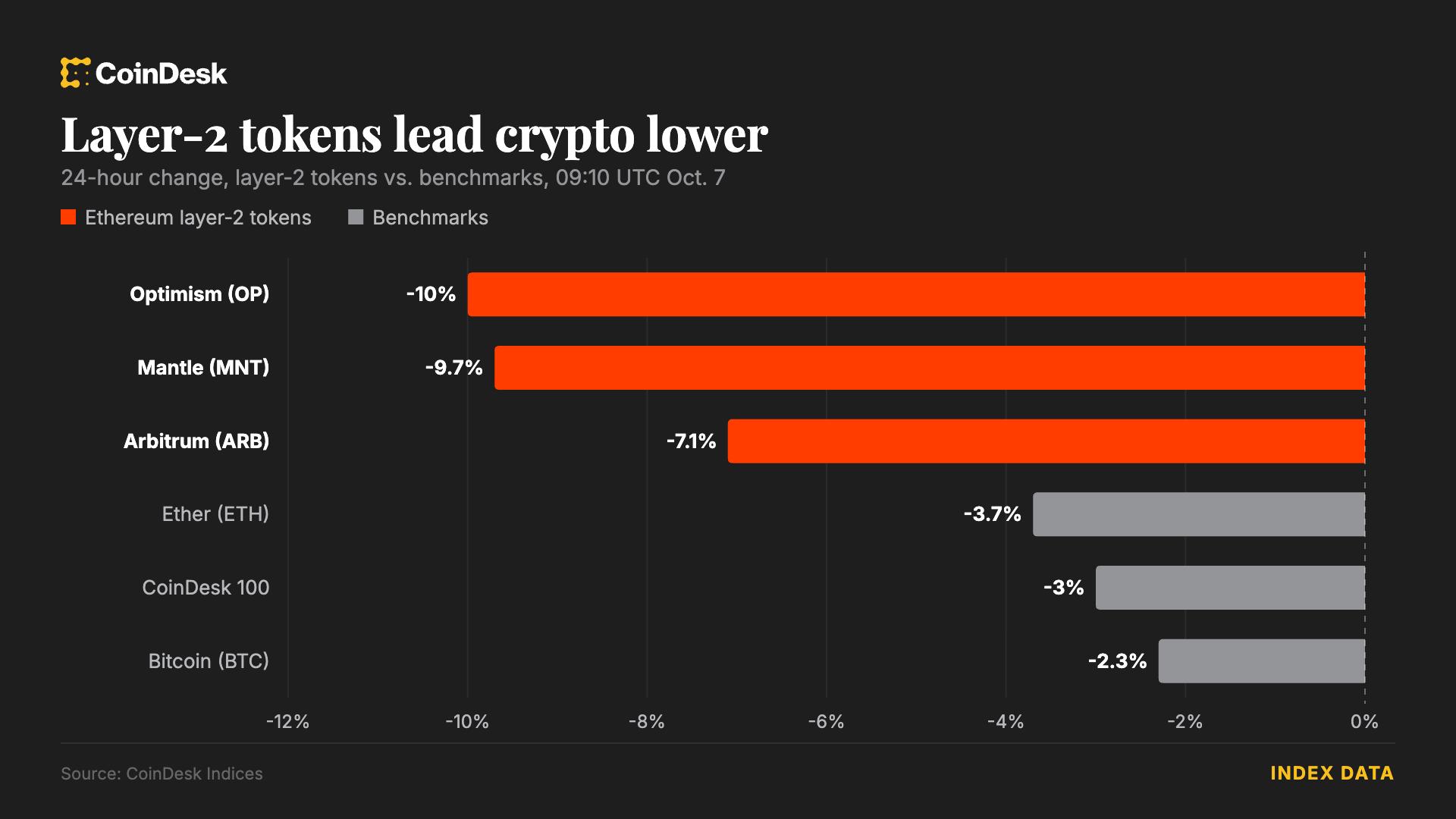
Bitcoin fell below $84,000 as oil prices rose following Iranian tanker attacks. Smaller tokens suffered steeper declines, while crypto liquidations climbed to $547 million.
Bitcoin briefly fell below $84,000, a level analysts had identified as the point at which sellers could take control. Oil prices and the dollar both rose after attacks on tankers linked to Iran sent oil higher.
Bitcoin briefly dropped below $84,000 as cryptocurrency liquidations totaled $555.6 million over the past 24 hours. CoinGlass said $487.2 million of that amount came from long positions.
Russian gold producer Nordgold plans to raise its gold production in Yakutia to 25 metric tons in 2028, CEO Georgy Smirnov said. Two plants are scheduled to start that year, including the Roman concentration plant and Northern Leaching Map projects.
The Reserve Bank of India raised its repo rate by 25 basis points to 5.5%, its first increase since February 2023, to contain inflation. Governor Sanjay Malhotra said rate cuts were off the table for now, with further hikes or unchanged policy possible. The RBI also lifted its growth forecast for the financial year to 7.1%.
The Reserve Bank of India raised borrowing costs on Wednesday for the first time in more than three years. The move comes as the war in the Middle East drives up prices in Asia’s third-largest economy and puts further pressure on an already fragile rupee.
India’s central bank raised its benchmark repo rate by 25 basis points to 5.5% on Wednesday, its first rate increase in nearly four years, as inflation pressures mounted alongside strong economic growth.
India’s central bank raised interest rates for the first time since 2023 as inflation edged higher. HSBC and Goldman Sachs also expect the Reserve Bank of India to increase rates again in December.
Dollar-rupee forward premiums surged on Wednesday after the Reserve Bank of India announced no new liquidity-withdrawal measures at its policy meeting. Traders are bracing for more sell/buy foreign-exchange swaps from the central bank.
The Meloni government has not renewed the fuel excise-duty discount or introduced the tax rebate scheme that had been discussed. Brussels is waiting for the 15-16 October European Council, while EU capitals move forward in a haphazard manner.
Examiners at the US Consumer Financial Protection Bureau largely cleared most companies they reviewed earlier this year, according to three people familiar with the matter. They said the more lenient approach marked a shift from the watchdog’s past practice amid pressure and threats.
Government fiscal budget data showed that costs for Aker BP’s ongoing Yggdrasil and Valhall-Fenris oil and gas development projects have risen 9.8% and 23%, respectively, from nominal estimates made a year earlier.
US liquefied natural gas exporter Venture Global Inc. is negotiating sales with additional Chinese buyers. Disruption to global shipments caused by the Iran war is driving China to diversify its supply sources.
Shell expects refining margins to reach $42 a barrel in the July-to-September quarter, nearly twice the previous quarter’s $24, as fuel shortages drive prices higher amid refinery shutdowns in the Middle East and Russia. The company reported almost $10bn in second-quarter profit and expects gas production to recover to 740,000–780,000 BOED.
IMF Managing Director Kristalina Georgieva warns that energy shocks and demand for artificial intelligence are pushing the global economy in different directions.
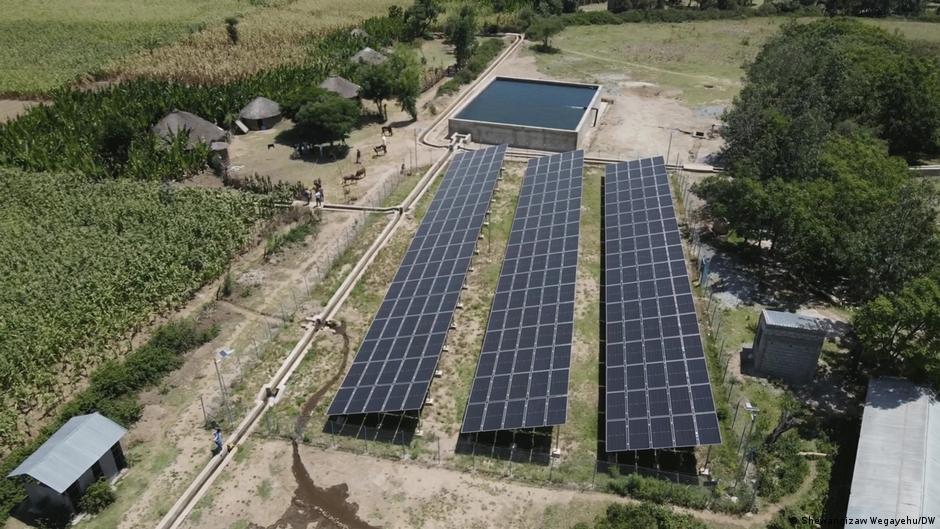
Renewable electricity has become cheaper, prompting many emerging economies from Southeast Asia to Sub-Saharan Africa to invest directly in solar, wind and hydropower rather than follow the fossil-fuel path taken by the West. Faster, cheaper renewable projects and falling prices for electrical appliances and electric vehicles are making electrification an increasingly attractive economic as well as climate choice.
The International Energy Agency’s governing board will hold an informal meeting at 1300 local time on Wednesday to discuss a proposal to release oil and diesel stocks, according to two European Union diplomats.
Uganda’s Capital Markets Authority has approved investors in the East African country to take part in the Dangote Petroleum Refinery’s initial public offering, according to a statement posted on X late Tuesday.
Ukrainian drone attacks on Russian energy infrastructure have caused fuel shortages, prompting Central Asian countries that depend on Moscow to seek alternatives. Tajikistan has begun receiving Iranian oil and petroleum products, while Iran agreed to establish a joint refinery in Kyrgyzstan and supply it with crude. Russia has imposed fuel rationing, restricted exports and is considering a diesel-export ban.
Australia’s highest court ruled that planning authorities assessing coal mine projects should consider the climate-change impacts caused by using the fuel. The decision could create further obstacles for an export sector generating A$70 billion ($49 billion) annually.
The euro has fallen to a 17-month low as concerns over French debt and Europe’s energy shock weigh on the currency. Stress in bond markets could constrain further European Central Bank rate hikes, while analysts see the euro potentially dropping to $1.10 if pressure intensifies.
Oil prices rose on Wednesday as concerns about attacks by Yemen’s Iran-backed Houthis on Saudi Arabia outweighed the impact of higher crude supply in the Middle East.
Oil prices climbed on Wednesday as traders assessed potential supply constraints from a storm approaching U.S. oil-producing areas and attacks by Iran-backed Houthi forces in Yemen on Saudi Arabia, while also factoring in increased Middle Eastern crude supplies.
State-owned Aramco is exploring gas exports and financing options as it considers how to use output from the giant Jafurah field amid Saudi Arabia’s growing gas surplus.
Asian markets edged lower on Wednesday despite U.S. stocks reaching fresh highs. Oil prices climbed as a storm approached the Gulf of Mexico and tensions intensified between Saudi Arabia and Iran-backed Houthi forces in Yemen.
European Commission President Ursula von der Leyen said European gas prices had risen 140% since the end of February and diesel prices had doubled, adding about 100 billion euros to Europe’s energy bill. The EU plans talks with refineries, joint purchasing measures and extended temporary state aid for exposed industries. Von der Leyen also called for more domestic clean energy and faster electrification to reduce reliance on imported energy.
Gold prices slipped on Wednesday as investors awaited minutes from the U.S. Federal Reserve’s September meeting for signs of whether policymakers still favor raising interest rates further.
An explosion has forced Venezuela’s second-largest oil refinery to suspend operations. Reuters reports that the fire at the Cardon facility in Punto Fijo, Falcón state, began in a gas line. The refinery can process 300,000 barrels of oil a day when operating.
Venezuela’s second-largest refinery, Cardon, has been halted after a fire broke out at one of its units, three sources familiar with the matter said on Tuesday.
Perseus Mining’s chief executive says merger and acquisition activity is strong across the gold sector, but volatile bullion prices are making it difficult for companies to agree on valuations and complete deals.
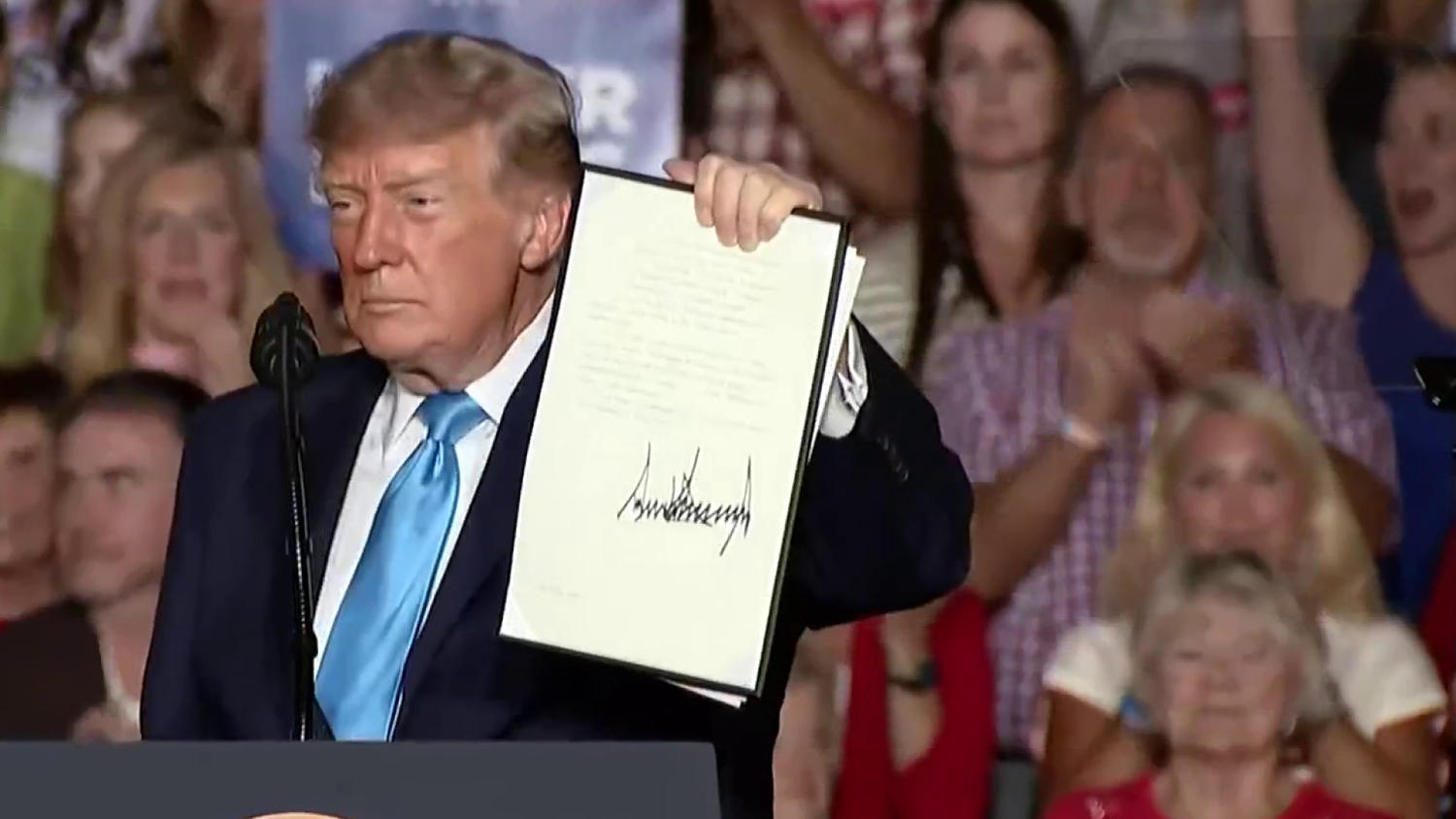
A major fuel industry group warned truck stops nationwide to “proceed with caution” after President Trump signed an order promoting red dye diesel fuel.
President Trump signed an executive order intended to lower diesel prices by easing restrictions on red-dye diesel. NBC News’ Brian Cheung explains the order’s provisions and what they could mean for Americans.
Chevron said Tuesday it was moving non-essential personnel off its offshore platforms in the Gulf of Mexico as a possible tropical storm approached the U.S. Gulf Coast.
Just over a decade ago, a wind storm that swept across South Australia appeared to deliver a fatal blow to the energy transition. The state’s experience has since challenged the skeptics’ doubts about the experiment.
Black Hills Corp said Tuesday it signed agreements to supply power to a proposed Google data center in Cheyenne, Wyoming. It plans to invest $1.8 billion from 2027 to 2029 in new generation capacity as technology companies compete to secure electricity for energy-intensive AI data centers.
Chevron said several subsidiaries have signed agreements with Hess Midstream to restructure their Bakken midstream contracts and establish new midstream contracts in the DJ Basin.
Heating bills for US households that use oil to warm their homes are expected to be 21% higher this winter than last winter, according to the Energy Information Administration.
Donald Trump says he is considering suspending the federal petrol tax. Surging fuel prices are putting growing pressure on the president and his Republican party four weeks before the midterm elections.
Salaries and bonuses are surging for seafarers willing to risk perilous voyages through the Strait of Hormuz amid Iranian attacks, with ship captains being offered $100,000 a month.
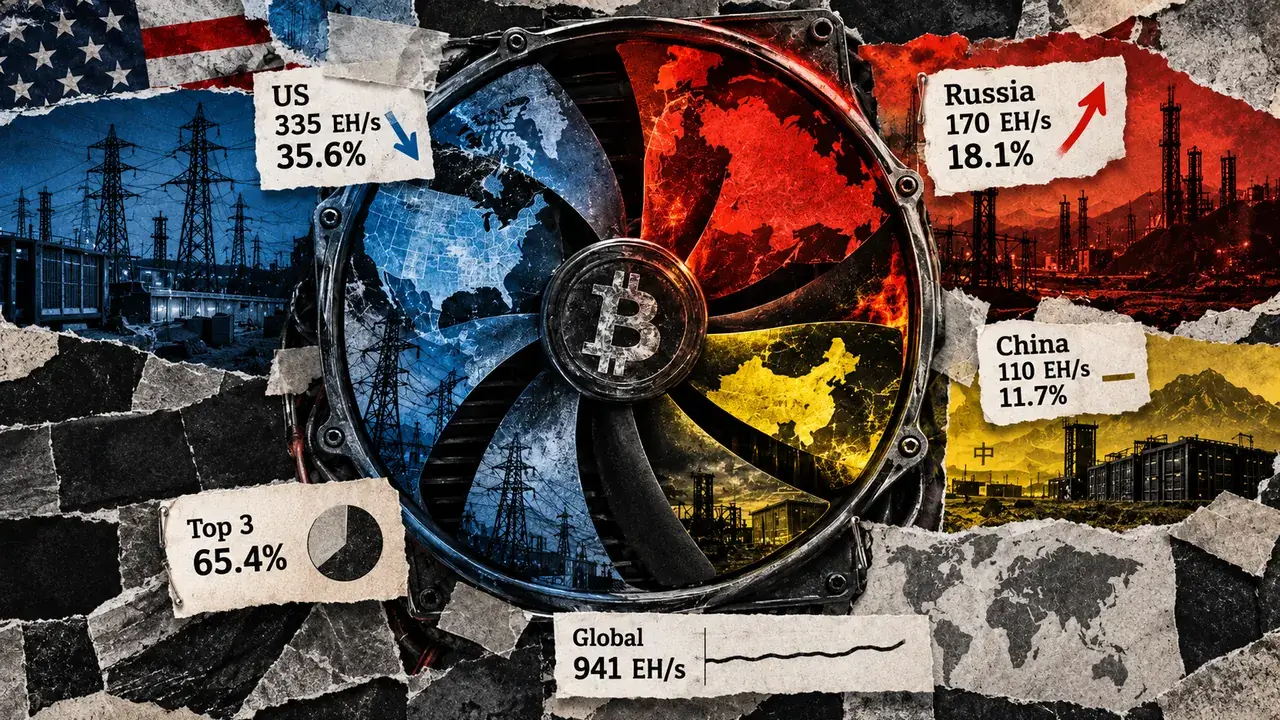
Hashrate Index estimates show US Bitcoin hashrate falling from 345 EH/s to 335 EH/s, while Russia’s rose from 162 EH/s to 170 EH/s. The US, Russia and China still account for about 65.4% of estimated network hashrate, but the US share declined as Russia’s increased. The estimates describe mining locations and do not establish equipment ownership or a transfer of capacity from the US to Russia.
Disruption caused by the Iran war is pushing the energy industry to reconsider its just-in-time model for efficient supply chains and explore investment in alternative export routes that bypass the Gulf and the Red Sea.
Venture Global is negotiating sales of liquefied natural gas to additional Chinese buyers, Bloomberg News reported on Tuesday, citing people familiar with the matter. The talks come as the Iran war disrupts global shipments and drives China to diversify its supply sources.
A lawsuit accuses Starbucks of falsely labeling eight protein drinks as “sugar-free.” The company introduced protein drinks in September 2025 to meet demand for functional beverages and catch up with rivals such as Dutch Bros, which launched protein-enhanced coffee drinks in 2024.
Consumers are suing Starbucks, alleging that drinks marketed as sugar-free contain added sugar, in some cases as much as 21 grams — roughly the amount in a Kit Kat bar.
India’s largest power producer, NTPC, plans to purchase more coal from private mining companies to address fuel shortages and meet rising electricity demand, according to two people familiar with the matter.
About half of US households, which mainly use natural gas or propane for heating, are expected to pay less for energy this winter than last winter, the Energy Information Administration said in its winter fuels outlook.
ConocoPhillips chief economist Helen Currie said at a conference on Tuesday that Venezuela could need at least a decade and tens of billions of dollars in investment to rebuild its oil industry and approach the crude production levels it recorded years ago. She said stability and fair fiscal terms are needed for investors to return to Venezuela and Russia.
Oil available to the global market from storage is dwindling, industry executives said at a London forum this week. They warned that the thinner buffer is making the market more fragile and adding upward pressure on prices.
Vitol CEO Russel Hardy said fuel markets remain extremely tense and Western countries have no oil inventories left to draw down. He expects the fuel-market crisis to persist for several more months, with petroleum products likely to remain very tight through and beyond the winter.
US electricity consumption will reach record highs in 2026 and 2027, driven by power-intensive AI data centers and broader electrification, the Energy Information Administration said in its Short-Term Energy Outlook.
The US oil major is looking to expand offshore drilling in Trinidad and Tobago, aiming to replicate its success in Guyana and generate another period of growth in the Caribbean.
The U.S. Energy Information Administration raised its oil price forecasts for this year and next on Tuesday, citing rapidly declining global stockpiles and tight diesel markets linked to the ongoing Iran war.
The UK's FTSE 100 rose on Tuesday as retreating bond yields and lower oil prices eased investor concerns after last week's bond-market volatility. Declines in defence stocks limited the gains.
South Africa’s central bank said on Tuesday that the risk of second-round inflation effects had become more pronounced as oil prices remained higher for longer and El Niño clouded the outlook.
During Cuba’s seventh nationwide blackout this year, guests at Havana’s La Campana event center continued partying without noticing the outage. Solar panels and backup batteries kept the venue’s lights operating.
Saudi Energy Minister Prince Abdulaziz bin Salman says the East-West Pipeline has restored pumping capacity to 5.8 million barrels per day after a major attack last month. The 1,200km link carries oil from eastern fields to Yanbu on the Red Sea, allowing Saudi Arabia to bypass the Strait of Hormuz.
Oil and condensate shipments through the Strait of Hormuz reached 10.6 million barrels per day from September 26 to October 2, about 75% of pre-conflict levels, according to Euler analyst Andrey Polishchuk. Persian Gulf nations exported 15.8 million bpd overall during the period.
Gulf oil exports have recovered sharply despite a surge in attacks and harassment around the Strait of Hormuz. Data indicates that bypass routes and offshore ship-to-ship transfers are helping sustain flows, but freight, insurance and security costs are rising. Iran disputes claims that oil traffic through the strait has increased.
The International Energy Agency’s governing board is expected to determine at its October 14-15 meeting how to implement the diesel and crude oil stock release announced by the Group of Seven last week, according to two people familiar with the matter.
Sierra Leone is ready to deepen cooperation with Russia in mining, Ambassador Mohamed Yongawo said. The countries already have memorandums covering mineral development, subsoil use and geological exploration, while negotiations continue on expanding mining ties. Sierra Leone also wants Russian technology and expertise.
Sierra Leone is keen to expand education cooperation with Russia and wants its specialists trained at Russian universities, Ambassador Mohamed Yongawo said. Students from Sierra Leone are already studying in Russia under a 2023 higher-education memorandum, and the country plans agreements with several Russian universities to train more students.
Mexico’s state-owned Pemex stopped fuel shipments to Cuba entirely in the third quarter, El Universal reported. Shipments had averaged 900 barrels per day in the first half of the year, down sharply as Mexico sought to avoid US sanctions on suppliers of crude oil to Havana.
Sierra Leone’s Ambassador to Russia Mohamed Yongavo said his country is interested in purchasing Russian grain. He said Russia has abundant supplies while Sierra Leone is in dire need of grain, and added that the country is also interested in other Russian commodities.
The Minutes Reader extension turns the original page into a focused reading view and translates articles and video subtitles on demand. It is in limited beta.