Gold edges lower as firmer dollar and higher yields weigh
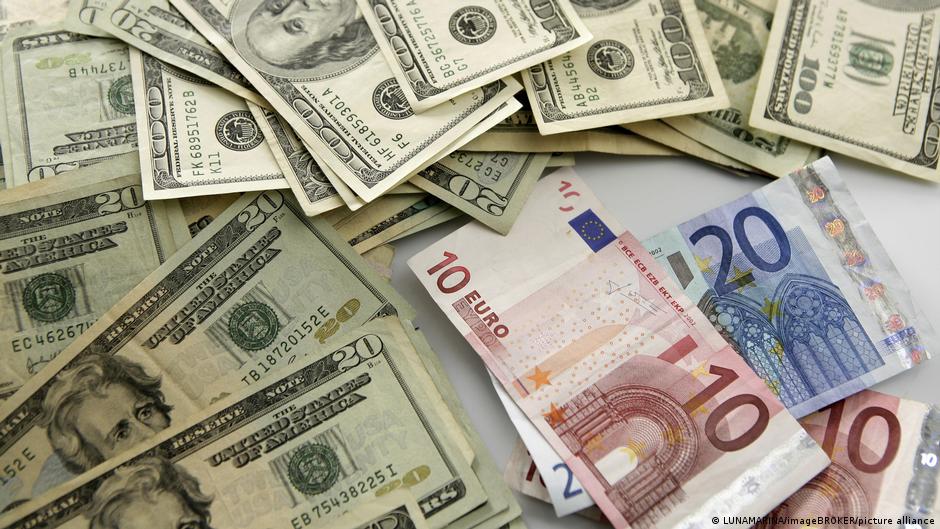
Gold slipped on Tuesday under pressure from a stronger U.S. dollar and rising Treasury yields. Losses were limited, however, as expectations for a Federal Reserve rate hike this month eased.
Intercontinental Exchange has launched gold futures trading in London, its latest attempt to establish precious-metals derivatives in the City.
A sharp sell-off in the US Treasury market is beginning to feed through to junk-rated companies, pushing up borrowing costs for corporate America.
A sharp sell-off in the US Treasury market is beginning to feed through to junk-rated companies.
France is being hit by a pre-election debt sell-off, prompting fears that the turmoil could shake the eurozone.
Philippine fintech firm Mynt has launched a 53 billion Philippine peso ($844.3 million) initial public offering. The company said GCash users can buy shares directly through the app, with investments starting at 660 pesos and real-time allocation available.
Brazil’s Superior Electoral Court said conservative opposition senator Flavio Bolsonaro led incumbent President Luiz Inacio Lula da Silva by 1.87 percentage points after all first-round votes were counted. Bolsonaro won 47.03%, or 56,104,503 votes, while Lula received 45.16%, or 53,879,538, leaving Bolsonaro nearly 2.225 million votes ahead.

Brazil’s presidential election is headed for a runoff after right-wing Senator Flávio Bolsonaro finished ahead of President Luiz Inácio Lula da Silva in the first round. The two will face each other again on October 25, while the right also made gains in state governments and Congress.

Brazil is heading towards a fiercely contested presidential runoff after the first round showed major gains for Flavio Bolsonaro’s right-wing movement in Congress and more than 29 million voters abstained. President Lula da Silva faces an uphill fight to win another term.
Brazilian assets surged as investors bet that Flávio Bolsonaro, who has unexpectedly emerged as the favorite in the Oct. 25 presidential runoff against Luiz Inácio Lula da Silva, will tackle the country’s mounting fiscal problems and clear the way for interest-rate cuts.

Flávio Bolsonaro won Brazil’s presidential election first round by a surprisingly clear margin over left-wing incumbent Luiz Inácio Lula da Silva, but fell short of an outright majority, forcing a runoff later this month. The result has been hailed as a “blue wave” and may signal a wider resurgence of right-wing support in Latin America. Lula now needs an unprecedented result to retain the presidency.

Conservative Senator Flavio Bolsonaro unexpectedly finished ahead of incumbent left-wing President Lula in Brazil’s first-round presidential vote on Sunday, setting up a runoff on October 25. Suspicions of US interference have shadowed the campaign, while Donald Trump has openly shown affinity for Bolsonaro’s far-right former president father and hostility toward Lula da Silva.

Do voters care about attempted coups? Flavio Bolsonaro is poised to challenge Luiz Inacio Lula da Silva in Brazil’s October 25 presidential runoff. His father was jailed over Brazil’s version of the storming of the US Capitol, while other Bolsonaros won in the first round as the far right surged. The trend raises questions about incumbent fatigue and support for Bolsonaro’s “God, Homeland, Family” mantra.
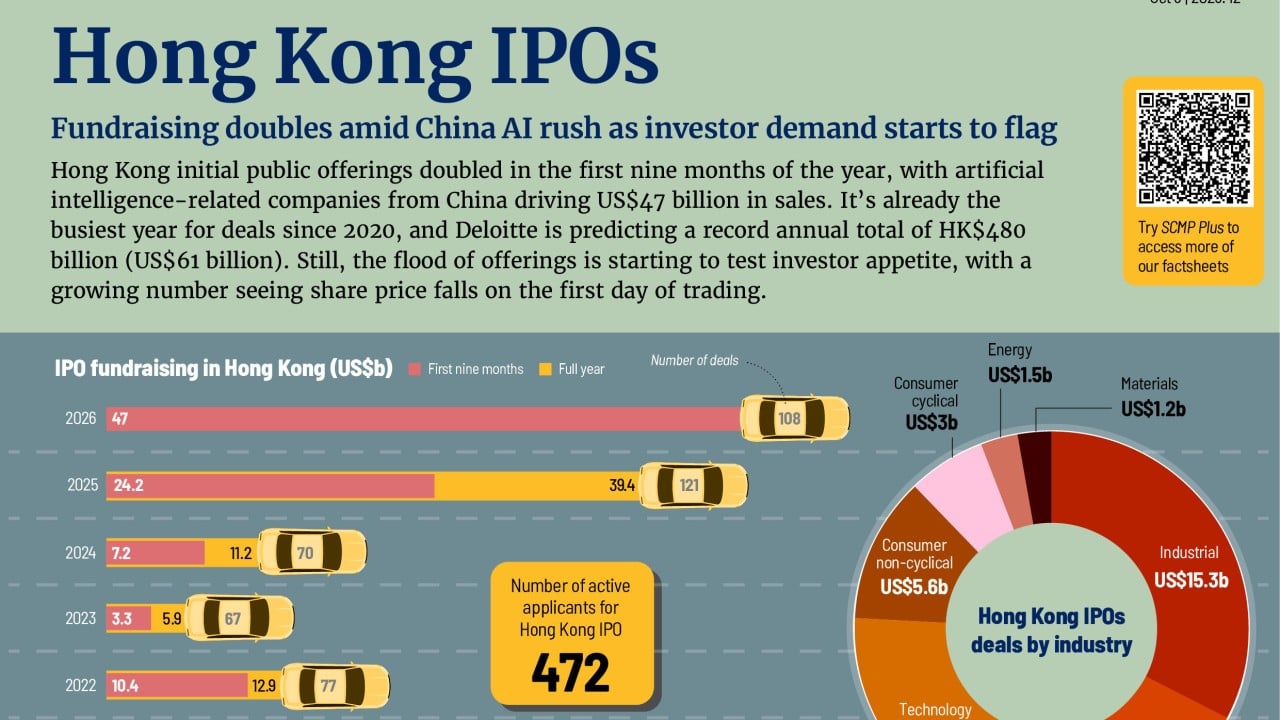
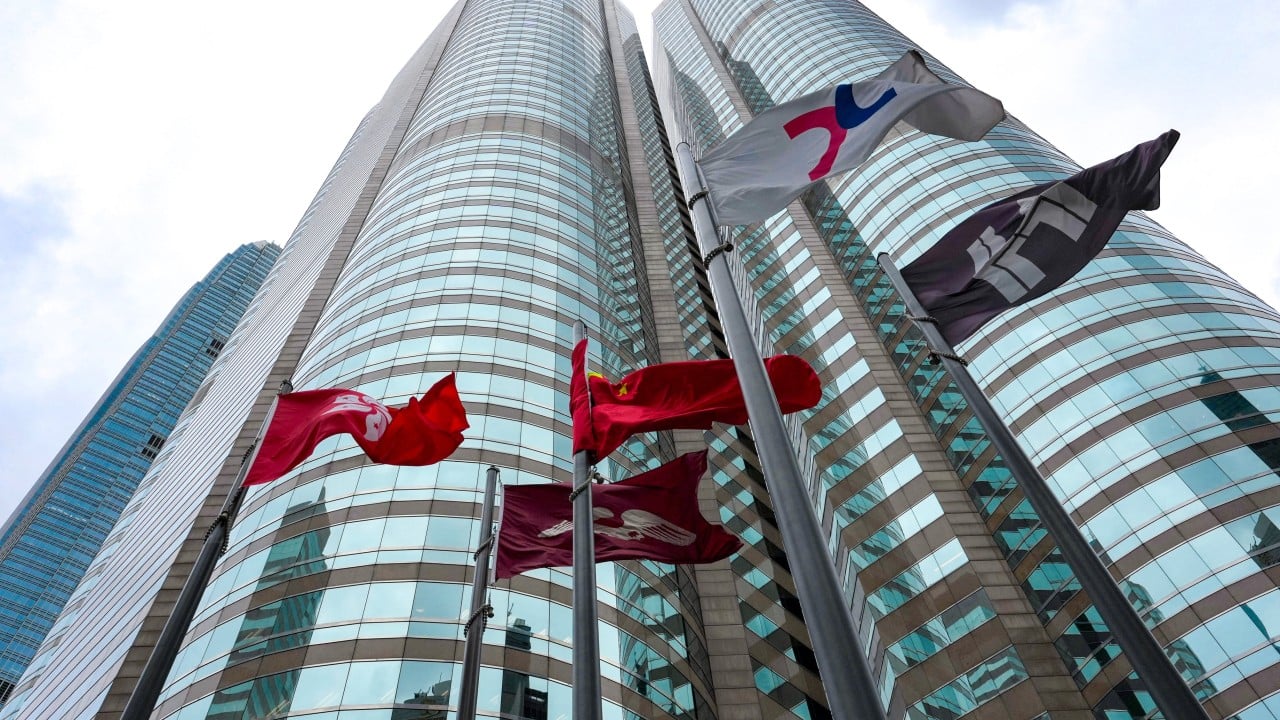
Hong Kong has seen a sizable haul from initial public offerings.

The euro remained under pressure near a 17-month low on Tuesday as political uncertainty and fiscal worries across the euro zone weighed on the currency. The dollar extended its powerful rally, supported by rising U.S. Treasury yields.
Asian stocks rose on Tuesday after a technology-led rally pushed the Nasdaq to a record close. Lower oil prices provided additional support, although longer-dated Treasury yields remained near multi-decade highs.
OpenAI is discussing a $30 billion financing round with several United Arab Emirates investment funds, including Abu Dhabi-based MGX, as well as BlackRock, according to people familiar with the matter. The funds could help anchor the round for the ChatGPT maker.
In its defense before a local court, Jane Street Group LLC rejected India’s market regulator’s manipulation allegations and said its trades did not dictate whether a banking index moved up or down.
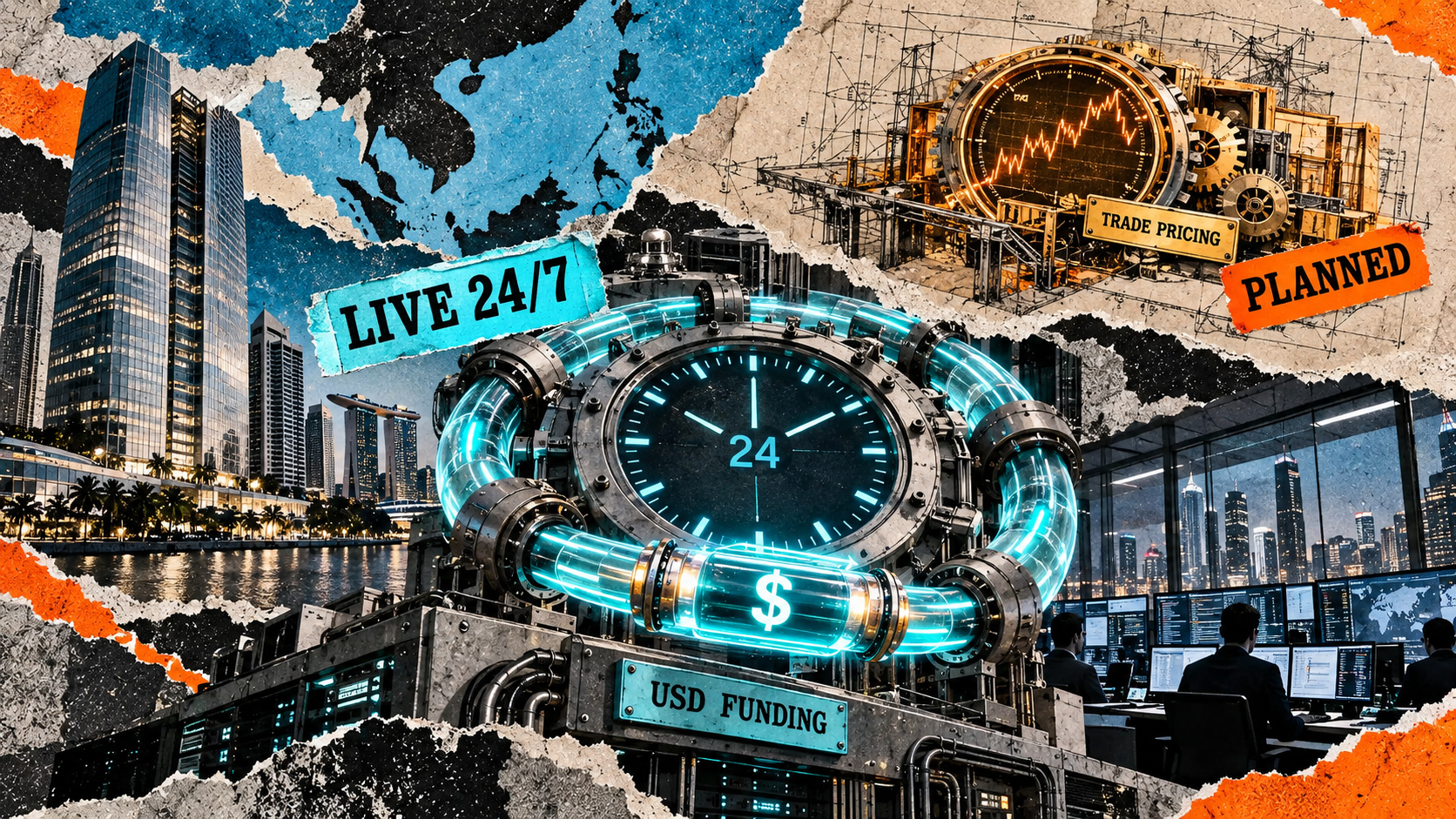
Kraken parent Payward has connected to Singapore Gulf Bank’s SGB Net clearing network, giving selected institutional clients in Asia and the Gulf round-the-clock access to dollar funding. Eligible clients can deposit cash with Payward and use it immediately. SGB also plans to use Payward markets to price customer digital-asset trades in the coming months.

Elon Musk has again reached trillionaire status.
Citigroup is shortening the time investment-banking analysts must wait before advancing to associate, as it seeks to attract and retain top talent amid a fierce job market where private-equity firms are aggressively poaching from Wall Street.
A surge of Russian gold into Hong Kong highlights how the country’s bullion trade was rerouted after its 2022 invasion of Ukraine shut producers out of major Western markets.

India’s economy is expanding by more than 7%, yet its equity market is among the worst-performing major markets in 2026. The Sensex and Nifty had fallen for eight consecutive weeks. High oil prices, disruption in the Strait of Hormuz, rising global interest rates, a weaker rupee, foreign withdrawals and relatively expensive valuations are weighing on Indian shares.

Singapore-based data centre developer Zerra DC said it has secured an investment from Macquarie Capital to expand its hyperscale platform across the Asia-Pacific region.
Ninepoint Partners LP bought nearly 10% of Athabasca Oil Corp. in early 2021, when crude traded at about $50 a barrel and the heavily leveraged producer’s shares had fallen into penny-stock territory. The investment has since generated a 6,500% gain.
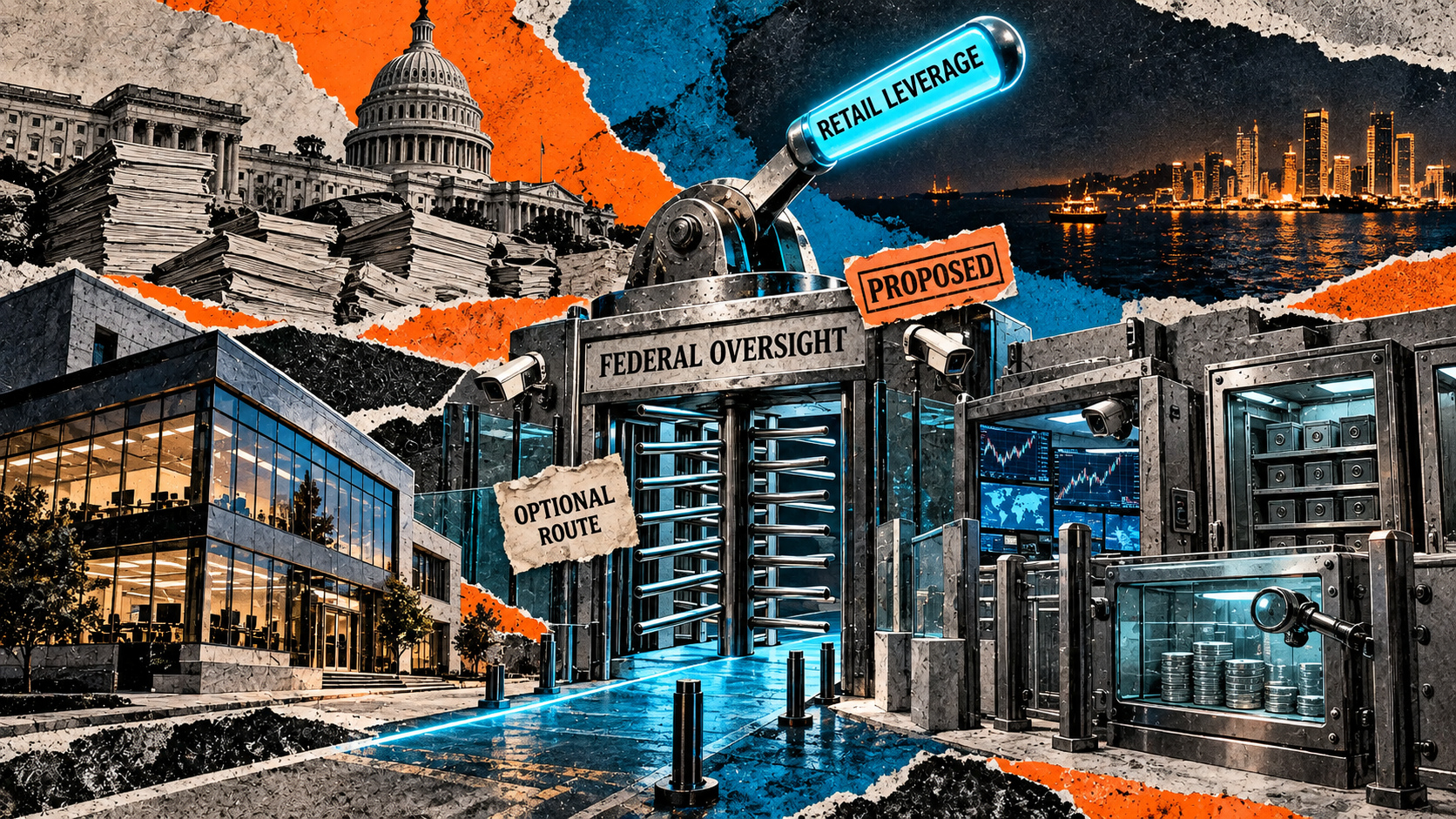
The CFTC opened rulemaking on Oct. 5 for two frameworks that would let crypto platforms seek federal registration to offer retail margined, leveraged or financed trading. Participation would be voluntary, with leverage serving as the incentive, while the agency says safeguards shaped by FTX’s collapse would protect customers.

A major Mattel shareholder urged the Barbie maker on Monday to consider a sale, saying gains in its performance and profitability had stalled, according to a letter reviewed by Reuters.
Wall Street banks have launched a record $60bn chip financing package for Broadcom and Anthropic. The syndication will test lenders’ appetite as concerns grow over mounting AI debt.
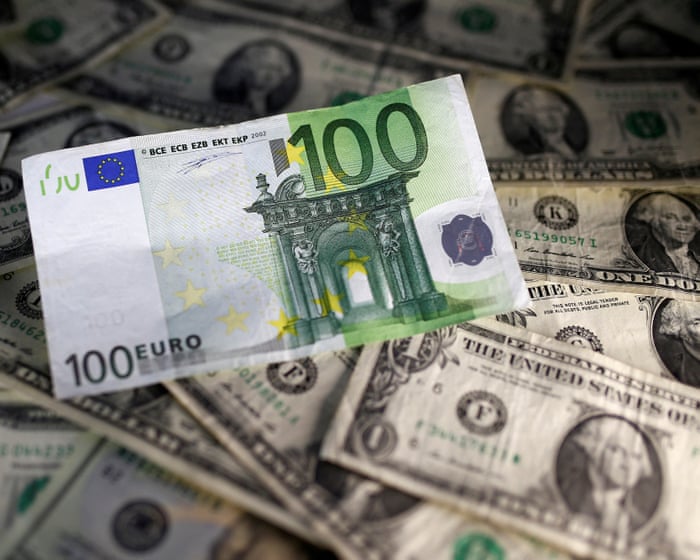
The euro has dropped to a 17-month low against the US dollar as investors worry about France’s ability to restore order to its public finances. It is down nearly 7% from its late-January peak. Global oil prices also fell despite tensions around the Arabian Peninsula, after the G7 backed releasing up to 100 million barrels from strategic reserves and Persian Gulf flows returned to pre-war levels.

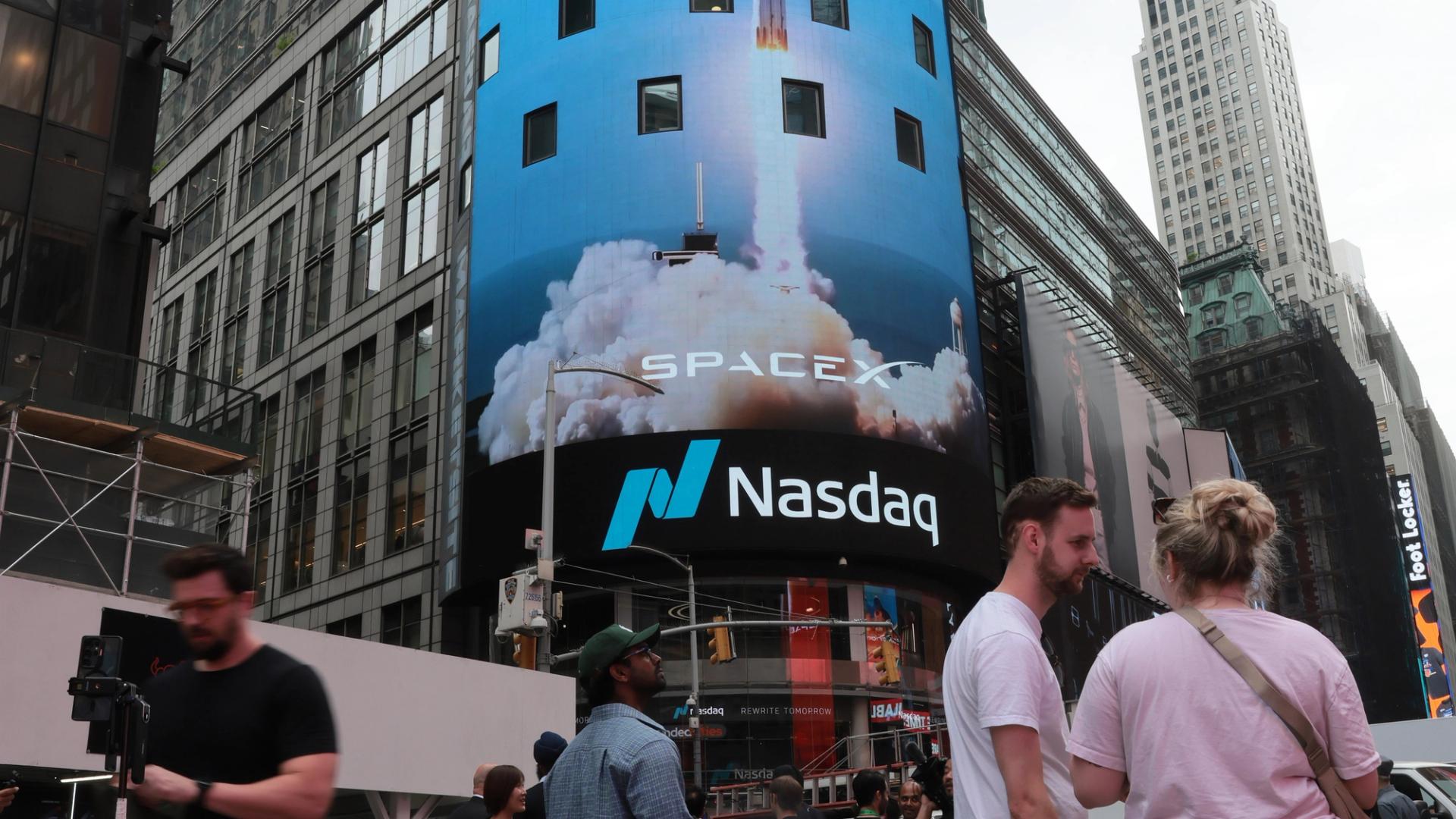
SpaceX shares have rebounded nearly 60% from their early-August low, supported by the company’s AI business and progress on Starship. The rise pushed Elon Musk back into trillionaire status.

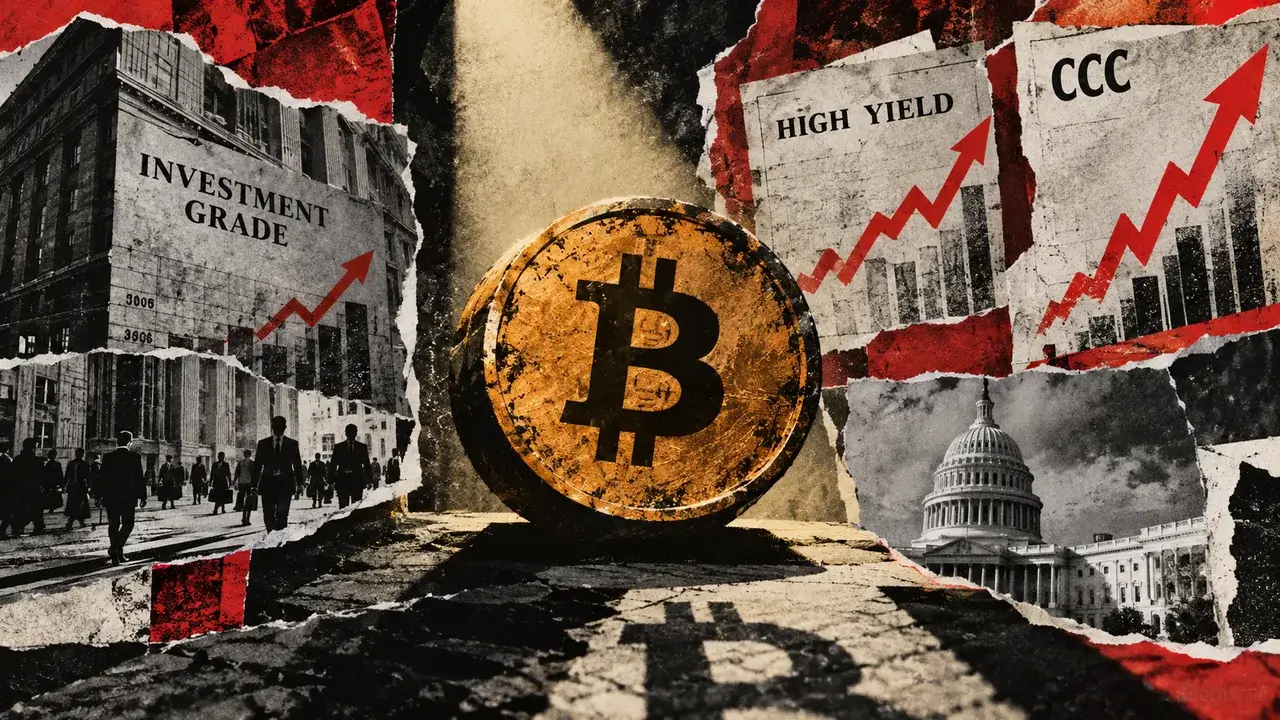
US corporate credit spreads widened from September 25 to October 1, with pressure extending beyond the lowest-rated debt, before all three measures eased on October 2 while remaining above September 25 levels. Higher financing costs could prompt leveraged investors and institutions to cut risk, potentially pressuring Bitcoin, but current Bitcoin selling and its cause remain unestablished.

Artificial intelligence has driven billionaire wealth to a staggering new peak, but signs suggest that peak may already have passed.
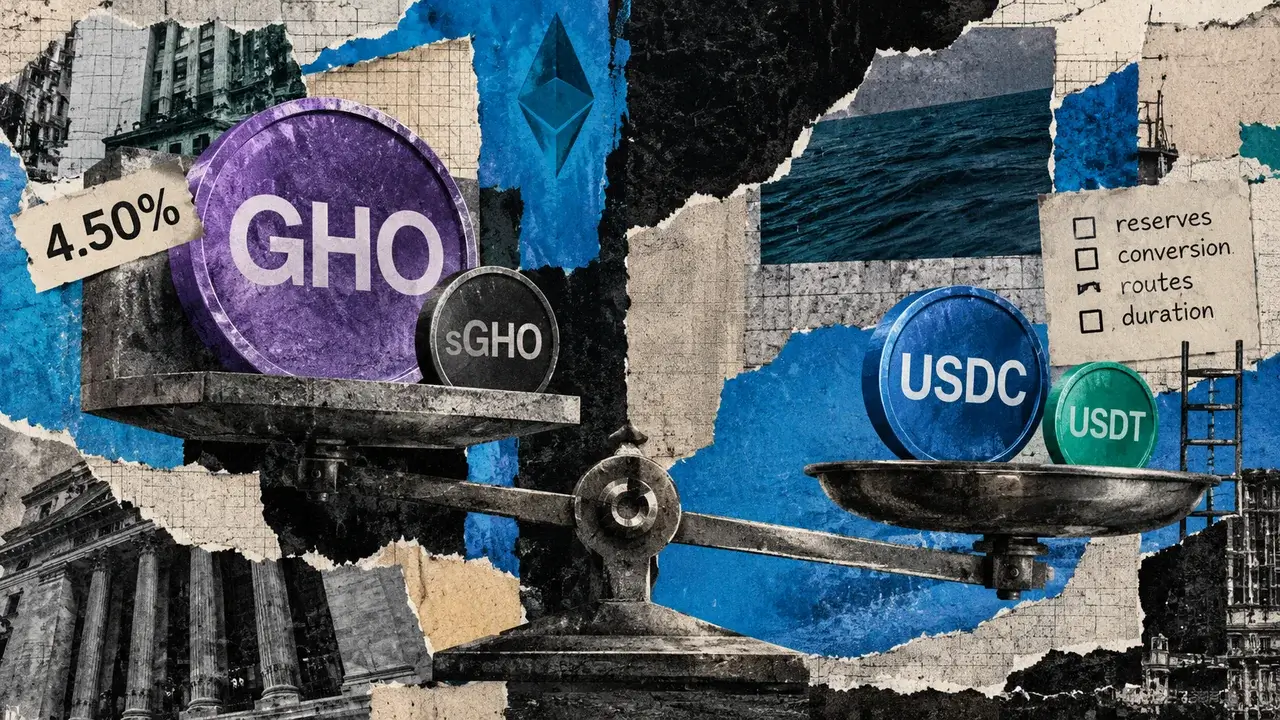
Aave’s Ethereum Core market now charges 4.5% for GHO borrowing, matching the reported sGHO savings rate. The increase could encourage repayment and replenish USDC or USDT reserves if borrowers obtain repayment GHO through Stability Modules, but a lower debt balance alone does not prove that conversion liquidity has improved.

Kenya’s capital markets regulator said on Monday it had approved a short-form prospectus for a global depository receipt, allowing eligible Kenyan investors to take part in the initial public offering of Nigeria’s Dangote Petroleum Refinery.
For the world’s technology billionaires, 2026 appears to be a banner year—and the figures support that view.
The departure of London’s wealthiest residents has become a $160 billion problem, damaging the city’s reputation as a global financial powerhouse. Billionaires including Lakshmi Mittal and Chris Rokos are leaving.
Russia’s MOEX Index rose 1.86% to 2,319.57 points in Monday’s main session, while the dollar-denominated RTS Index gained 0.12% to 860.36. The yuan strengthened to 12.754 rubles. Analysts expect the MOEX to fluctuate within a 2,250-2,350-point range on Tuesday, with major currencies potentially entering consolidation.
AstraZeneca said on Monday it will invest more than $1 billion in Massachusetts as part of its broader $50 billion U.S. investment plan. The move is expected to increase its workforce in the state by more than 50% in coming years.
A weakening euro is the latest warning sign for policymakers as French borrowing costs surge and the pressure begins spreading across the wider euro area.
TotalEnergies CEO Patrick Pouyanne said on Monday that he preferred “a world of disruption rather than a peaceful world” because disruption creates more opportunities.
TotalEnergies chief executive Patrick Pouyanné says he prefers “disruption to the peaceful world”, even though the French major is among the companies most affected by the conflict in the Middle East. He also points to the opportunities created by turmoil in global markets.
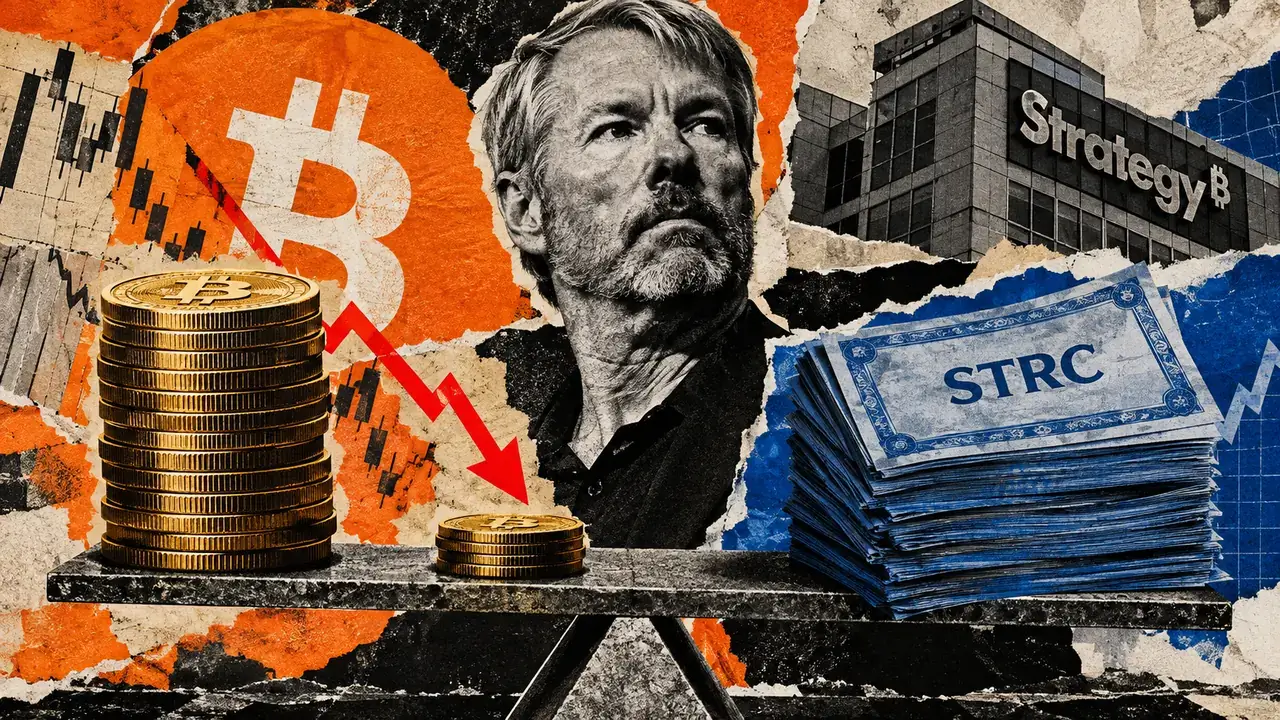
Strategy, formerly MicroStrategy, bought 334 Bitcoin between Oct. 1 and Oct. 4 at an average of $85,838.80, bringing its holdings to 848,000 BTC. It spent $176.3 million repurchasing about 1.77 million STRC preferred shares, taking total buybacks to roughly $1.45 billion, and proposed daily dividend accruals for its four US-listed preferred securities.

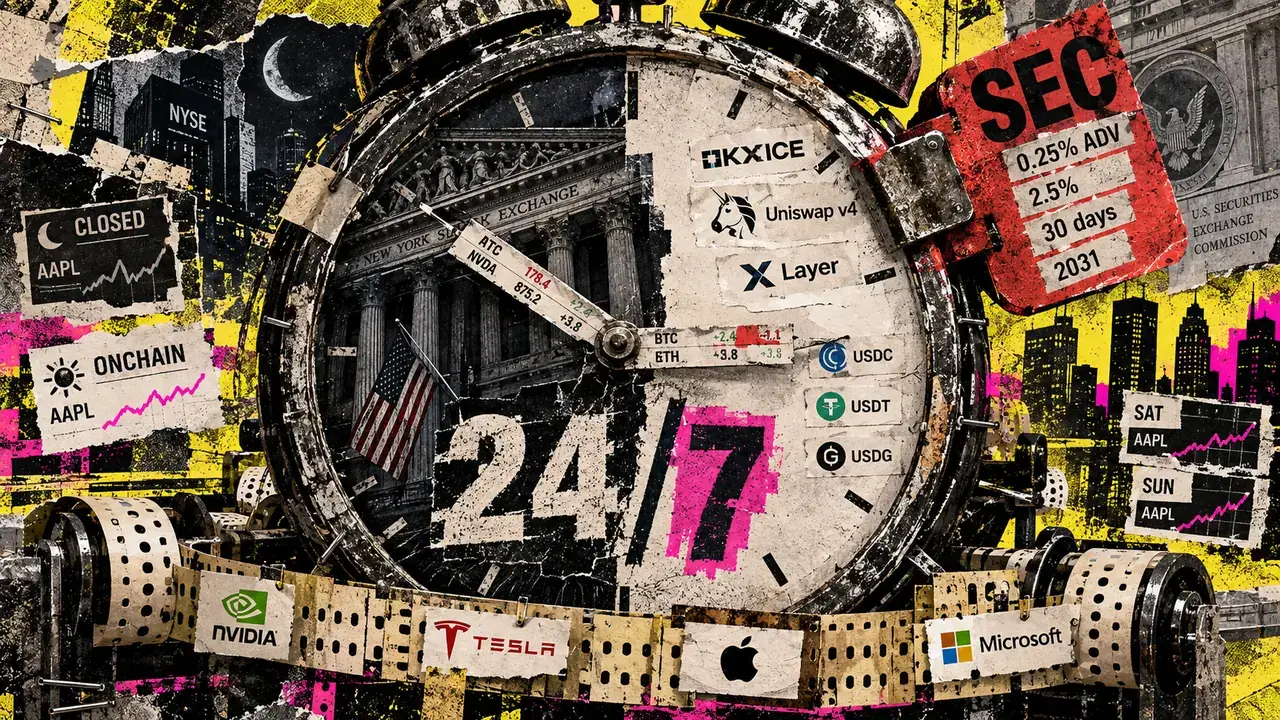
A planned 24/7 trading venue will offer dozens of tokenized U.S. stocks. Trades will be settled against stablecoins through blockchain-based liquidity pools instead of a traditional order book.


Intercontinental Exchange and OKX are preparing a 24/7 venue for tokenized US stocks. Their 50-50 venture, OKXICE, notified the SEC of plans to launch a Tokenized Securities Venue under the Innovation Exemption, initially covering 63 securities. The platform would use Uniswap v4 liquidity pools on X Layer instead of a traditional order book, with prices set by pool asset ratios.
French central bank head Emmanuel Moulin warned that France risks being “strangled by interest rates”. He said the country can still reassure bond investors despite market moves in recent days that he described as “serious and worrying”.
Mike Khouw explains how he is trading Starbucks through options as the coffee giant’s recovery plan appears to be working.

Brazil’s first-round election results sent the Ibovespa, São Paulo’s main stock index, to a new record at the open. The index had already closed higher on Friday.

Far-right candidate Flávio Bolsonaro defeated incumbent Luiz Inácio Lula da Silva in Brazil’s first presidential round, winning 47.03% of the vote to Lula’s 45.16%. Bolsonaro allies also made major gains in Congress and state races, giving the movement a Senate majority ahead of the 25 October runoff.

Brazilian stocks surged after first-round presidential election results on Sunday made Jair Bolsonaro a heavy favorite. Bolsonaro will face incumbent Luiz Inácio Lula da Silva in a runoff on Oct. 25.

Brazil’s veteran leftist President Luiz Inacio “Lula” da Silva trailed Flavio Bolsonaro, son of his far-right predecessor, in Sunday’s first-round presidential vote. Some analysts say Lula’s sweeping anti-poverty measures over two decades may have helped create a growing lower-middle class attracted to the far right’s promise to keep government out of people’s lives.
Brazilian markets are rising as investors bet that rightwinger Jair Bolsonaro is more likely than current president Luiz Inácio Lula da Silva to deliver swift spending cuts.

Far-right candidate Flavio Bolsonaro has unexpectedly won the first round of Brazil’s presidential election, taking 47 percent against 45 percent for leftist incumbent Luiz Inacio Lula da Silva. Researcher Thomas Zicman de Barros says no candidate who trailed in the first round has ever gone on to win the second in Brazilian history.

Right-wing Senator Flavio Bolsonaro narrowly led incumbent President Luiz Inacio Lula da Silva in Brazil’s first-round election, winning 47 percent to Lula’s 45.1 percent. The pair will face a runoff on October 25, with analysts saying Bolsonaro is likely to win unless something highly unusual happens in the next three weeks.

Brazil’s election is heading to a runoff in three weeks after right-wing senator Flavio Bolsonaro, son of former president Jair Bolsonaro, unexpectedly finished ahead of President Luiz Inacio Lula da Silva in Sunday’s first round. Neither candidate won a majority.
Portuguese political analyst and former MEP João Albuquerque says a Bolsonaro victory could move Brazil further away from the European Union. He says Lula brought the sides closer on trade, climate and democratic values, including progress on the Mercosur deal.

Right-wing Senator Flavio Bolsonaro unexpectedly finished first in Sunday’s election, ahead of President Luiz Inacio Lula da Silva. Neither won a majority, sending the contest to a run-off in three weeks. Bolsonaro took 47% of the vote to Lula’s 45%, putting him in a “very strong position,” according to France 24 correspondent Time Vickery.
Brazil’s presidential election is headed to a runoff after no candidate won at least 50% in the first round. Incumbent President Luiz Inacio Lula da Silva and Senator Flavio Bolsonaro will face each other on October 25. With 99.70% of electronic records processed, Bolsonaro led with 47.09% against Lula’s 45.09%; turnout exceeded 78.93%.
Bolsonaro surged to an unexpected lead over Lula in the first round of Brazil’s presidential election, making him the overwhelming favorite to win the runoff and push Latin America’s heavyweight nation sharply to the right.

Family members of former Brazilian president Jair Bolsonaro made major gains in Sunday’s general election. His eldest son, right-wing lawmaker Flavio Bolsonaro, overtook President Luiz Inacio Lula da Silva in the first-round presidential vote after pledging during the campaign to seek amnesty for his imprisoned father.

Brazil’s closely contested presidential election will go to a runoff after incumbent Luiz Inacio Lula da Silva and right-wing Senator Flavio Bolsonaro both failed to secure the 50 percent needed for an outright victory.

Millions of Brazilians voted in Sunday’s first round of the presidential election. President Luiz Inácio Lula da Silva is seeking a fourth non-consecutive term, while right-wing challenger Flávio Bolsonaro is making his first presidential run. The contest now goes to a 25 October runoff, with BBC correspondent Ione Wells examining the result.
Brazil will hold a presidential runoff after Bolsonaro and Lula failed to secure the outright majority required. Senator and presidential hopeful Flávio Bolsonaro said he was “very happy” to have led in the first round and reached the runoff, while incumbent Lula expressed disappointment at the “unexpected” result.
The CFTC has begun rulemaking for leveraged and margined retail crypto trading. Its proposal includes Regulation CTX and CAM, as well as a new exchange for the “crypto asset market.”

The U.S. commodities regulator has proposed a federal framework for cryptocurrency exchanges offering leveraged digital-asset trading. The move would bring parts of the spot crypto market under federal oversight, weeks after Congress failed to advance comprehensive regulation.

The U.S. derivatives regulator has joined the SEC in proposing two rules intended to cover crypto activity and exchanges broadly. The proposals exclude simple, direct trading, leaving a gap for spot markets.
An advertising-partner feature presents Chubb MyLegacy Multi-Currency Insurance Plan as a way to pass wealth to the next generation with flexibility over timing, method and currency. It highlights customised life-event payments, succession arrangements, flexible withdrawals and multi-currency options for changing family circumstances.
.jpeg?itok=MwUlAfbZ)
Russian Industry and Trade Minister Anton Alikhanov said Asia, the Middle East, Africa and Latin America offer promising destinations for Russian biotechnology exports. With access to European markets reduced, Russian companies are expanding in China, India, Turkey, the UAE, CIS countries, Africa and Latin America, selling products including feed enzymes, probiotics, amino acids and biological crop-protection agents.
Citi plans to reduce its investment banking analyst programme to two years, aiming to speed promotions and discourage private equity firms from poaching young workers.
Strive has added 2,000 bitcoin in its biggest purchase since June, bringing its holdings close to 30,000 BTC as competition among the largest public bitcoin treasuries intensifies and the company nears MARA.

The euro has dropped to a 17-month low against the dollar as worries about eurozone debt, particularly France’s finances, combine with rising global bond yields and oil prices. The pressure is worsening inflation and raising questions about whether a new euro sovereign debt crisis is emerging and whether the ECB should intervene.

Bitmine added 15,112 ETH as Chairman Tom Lee said Ethereum outperformed the S&P 500 by 6,832 basis points in the third quarter.

A ranking introduces the world’s 500 richest people.
The US government is facing higher borrowing costs and has fewer straightforward options left to bring them back down.
Michael Saylor’s Strategy bought 334 bitcoin for $28.7 million, taking its total holdings above 848,000 BTC. The stash represents about 4% of bitcoin’s 21 million supply cap and is worth roughly $73 billion.

Surveys by Visa and CoinShares point to rising interest in stablecoins across Asia Pacific, while affluent investors continue to show strong ownership of digital assets.

Nvidia is likely to surpass a $6 trillion valuation by the end of this month, according to options traders.

Alphaville editor Robin Wigglesworth and senior markets correspondent Ian Smith will answer readers’ questions about the bond market in a live Q&A on Thursday October 8 at 1pm.
Indian companies are increasing protection against a possible fall in the rupee, suggesting that central bank measures to strengthen the external balances of Asia’s third-largest economy have yet to alter expectations.
Wall Street is preparing for Anthropic’s expected mega initial public offering, which would test investors’ appetite for one of the AI industry’s leading firms. Only weeks earlier, the company’s CEO had urged an industry-wide slowdown amid growing safety concerns.
The euro briefly fell 0.8% below $1.12, its lowest level in 17 months, as investors worried that France’s debt position could threaten the wider eurozone. France’s CAC 40 declined, while Spain’s snap-election announcement added to political and fiscal uncertainty across the bloc.

French energy technology group Schneider Electric has agreed to buy Boston-based PTC for $22.6 billion (€20.1 billion), aiming to expand its industrial AI business. The company’s shares plunged on Monday after the announcement.
A stronger U.S. dollar and higher bond yields are testing bitcoin’s resilience, while fiscal concerns in France and political uncertainty in Spain weigh on the euro.
Cardano’s ADA led gains in a narrow, range-bound cryptocurrency market. In traditional markets, the U.S. Dollar Index rose to 102.53 early today, its highest level since April 2025, extending its climb from the Sept. 9 low of 98.60.

Bond-market turbulence suggests prudence would require the European Central Bank to halt quantitative tightening until more stable conditions return.
Cerebras shares rose 6% in premarket trading after OpenAI CEO Sam Altman reassured investors that the chipmaker is a “close partner.”

Euro zone business activity grew at its fastest pace in nearly three and a half years in September, a private survey showed, as demand stayed strong despite inflation concerns linked to the Middle East war. The survey also pointed to renewed price pressures.
Japanese Prime Minister Sanae Takaichi pledged on Monday to control bond issuance and respond swiftly to market turbulence, seeking to reassure investors concerned about worsening public finances that have driven bond yields higher.
Kraken operator Payward and Singapore Gulf Bank will initially offer a digital-asset settlement service to selected institutional clients in Asia and the Gulf region, with around-the-clock settlement in U.S. dollars.

Most major Gulf markets opened slightly higher on Monday as easing fears over energy disruptions and weaker expectations of an immediate Federal Reserve rate hike supported sentiment. The Middle East war, however, continued to simmer.
The euro fell against the US dollar on Monday to its weakest level since May 2025. France’s debt problems and Spain’s political turmoil, intensified by the snap election announcement, raised fears of a new eurozone crisis and contagion across the bloc’s bond markets.
Goldman Sachs’ Anthony Gutman said governments need to reduce fiscal deficits to tackle surging bond yields and runaway borrowing costs.

Injective CEO Eric Chen expects US exchange-traded funds tied to INJ to launch before 2027. Two applications are currently pending: the 21Shares Injective ETF and the Canary Staked INJ ETF.

The Bank of Russia carried out no yuan purchases or sales on the domestic market with settlements on October 2, 2026, regulator data showed. It also conducted no such operations with settlements on October 1. The central bank uses the yuan-ruble instrument on the Moscow Exchange for these transactions.
U.S. Treasury yields edged lower on Monday after a sharp selloff the previous week, with investors looking ahead to the Federal Reserve’s latest meeting minutes for clues on the interest-rate outlook.

Prime Minister Sanae Takaichi said Japan would control new bond issuance as long-term government bond yields reached a fresh high, urging markets to feel reassured about the country’s spending plans.
The euro has fallen to a 17-month low as mounting political and fiscal concerns in two of the euro area’s biggest economies, Spain and France, unsettle markets.

The euro has fallen to a 17-month low against the dollar as high energy prices and concerns over France’s public finances add to pressure on the single currency.
Rae Wee looks ahead to the day in European and global markets, focusing on the euro’s problem with France.
Russia’s stock market opened higher in the main trading session, with the MOEX and RTS indices each up 0.6% at 2,293.56 and 865.46 points. The yuan also gained against the ruble, reaching 12.54 rubles at the open; by 9:20 a.m., both indices were up 0.65%.
In a notice to the U.S. securities regulator, OKXICE outlined plans for a marketplace where tokenized securities could be traded under an innovation exemption.


OKXICE, a joint venture between OKX and ICE, plans to launch tokenized U.S. stocks around the clock under a new innovation exemption from the SEC.
Most companies developing future robots remain private, leaving ordinary investors with few ways to participate. Their options include Tesla, diversified industrial groups and newer vehicles such as Nasdaq-listed RoboStrategy, whose shares trade at more than twice the value of its assets.
Markets across the Atlantic remain jittery as weak U.S. employment data collides with a disputed budget and the possibility of an election being called ahead of schedule.

Private equity firms are moving to fill a commercial real estate funding gap as traditional banks retreat. Hong Kong-based real estate private equity firm Gaw Capital, which managed US$35.6 billion in assets as of late 2025, has filed to list its Gaw Capital Real Estate Private Debt OFC on the Hong Kong stock exchange’s main board, seeking to create the city’s first property-focused private debt fund there.

AceVector shares had a quiet first trading session on Monday, putting the Snapdeal owner's value at 12.96 billion Indian rupees ($134.7 million). A lack of profits outweighed what was described as a reasonable valuation.
The Minutes Reader extension turns the original page into a focused reading view and translates articles and video subtitles on demand. It is in limited beta.