The jobs market is still fine
The jobs market remains in good shape, but the stock market is losing considerable momentum.
F Financial TimesOriginal★★☆☆☆2026-10-05 05:30
The jobs market is still fine
The jobs market remains in good shape, but the stock market is losing considerable momentum.
FFinancial TimesOriginal★★☆☆☆2026-10-05 05:30
Quantitative hedge funds have made substantial gains from a sell-off in bonds. The roundup also covers a boost for private capital from a US regulator, German Bunds as a haven and Es Devlin’s appearance at London’s Design Museum.
FFinancial TimesOriginal★★☆☆☆2026-10-05 05:00
OKXICE, a joint venture between OKX and ICE, plans to launch tokenized U.S. stocks around the clock under a new innovation exemption from the SEC.
C CoinDeskOriginal★★☆☆☆2026-10-05 04:45
Rae Wee looks ahead to the day in European and global markets, focusing on the euro’s problem with France.
R ReutersOriginal★★☆☆☆2026-10-05 04:40

Africa was already experiencing an investment boom before the US and Israel went to war with Iran this year. Interest has since grown further among companies and countries seeking to diversify.
B Bloomberg NewsOriginal★★☆☆☆2026-10-05 04:30

The influx of private equity investment into the accountancy sector has raised concerns about conflicts of interest, prompting the audit watchdog to review rules intended to prevent them.
FFinancial TimesOriginal★★☆☆☆2026-10-05 04:00
Global pension funds are pushing to diversify and cutting their US equity exposure as concerns grow over stretched valuations linked to artificial intelligence.
FFinancial TimesOriginal★★☆☆☆2026-10-05 04:00
Gold prices edged higher on Monday after recent weak economic data sharply reduced expectations of a Federal Reserve rate hike in October, making the non-yielding asset more attractive.
RReutersOriginal★★☆☆☆2026-10-05 03:10

The dollar began the week on solid ground, hovering near a 17-month high. Traders weighed diminishing expectations of a Federal Reserve rate hike this month following weak U.S. jobs data, while France’s fiscal troubles left the euro vulnerable.
RReutersOriginal★★☆☆☆2026-10-05 03:00

Schroders will boost investment and hiring in Hong Kong after its acquisition by US asset manager Nuveen, global CEO Richard Oldfield said. He described the city as a critical interface with mainland China through initiatives such as Wealth Management Connect, launched in 2021 to enable cross-border purchases of wealth products in the Greater Bay Area.
S South China Morning PostOriginal★★☆☆☆2026-10-05 03:00

Treasury yields above 5% are fueling concerns that higher borrowing costs could set off a debt spiral, but they do not yet point to a U.S. fiscal apocalypse.
C CNBCOriginal★★☆☆☆2026-10-05 02:14

Illinois officials and crypto industry groups have jointly asked a court to delay the state’s controversial digital-asset tax from Jan. 1 to July 1, 2027, while a constitutional challenge proceeds. If granted, brokers would temporarily avoid collecting the levy, but the law would remain in force and both the lawsuit and rulemaking process would continue.
C CryptoSlateOriginal★★★☆☆2026-10-05 02:00

Russian Standard Bank said dollar sales outpaced purchases in September, accounting for 56% of cash conversions versus 44% for purchases. Online sales made up 62%. Cash euro transactions were evenly split, while cashless euro purchases led 71% to 29%.
T TASSOriginal★★☆☆☆2026-10-05 01:49
Stocks started Monday on a strong footing, while the dollar slipped slightly and bonds steadied. Cooler-than-expected U.S. jobs data led investors to reduce bets on an aggressive Federal Reserve tightening cycle.
RReutersOriginal★★★☆☆2026-10-05 01:30

Beijing has tightened scrutiny of quantitative trading funds in recent months over concerns that they could worsen market instability. But Seth Huang, head of Aris Capital, says China’s quant-fund sector has a bright future and is “necessary for a developed economy”. He says its advantage over retail investors resembles a war between machine guns and butcher knives.
SSouth China Morning PostOriginal★★☆☆☆2026-10-05 00:00
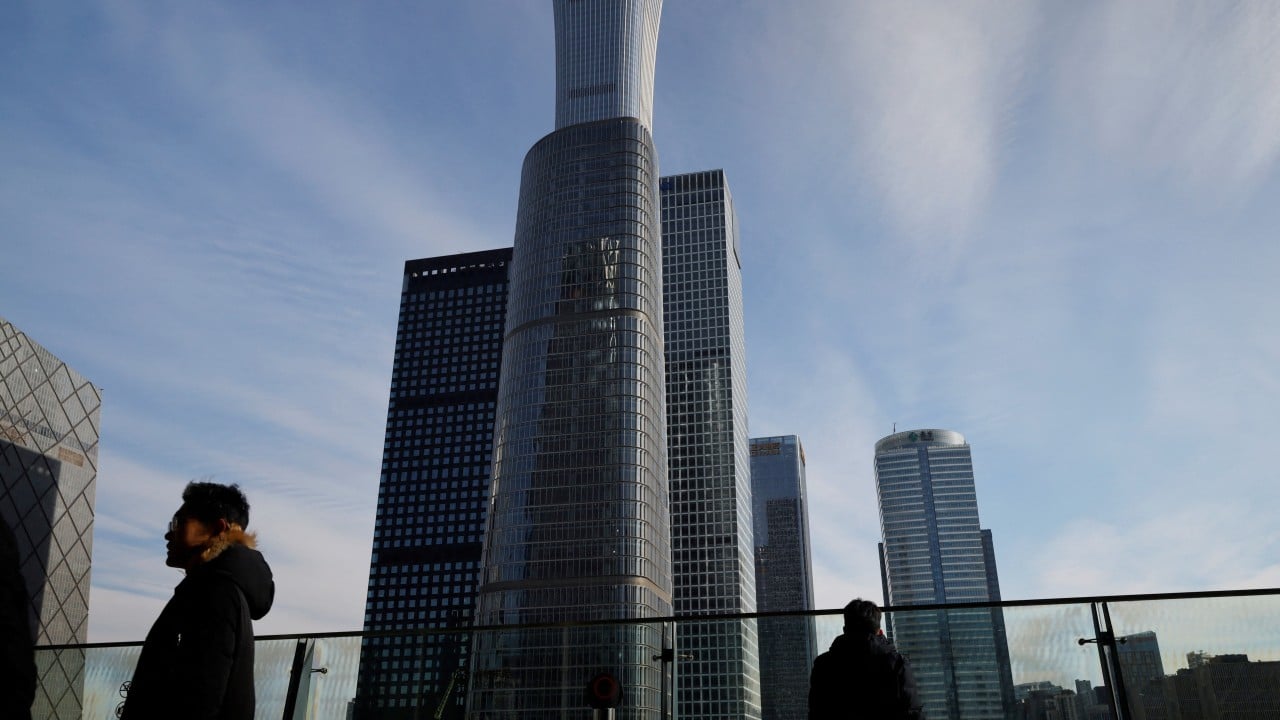
The head of Mitsubishi Corp warned that Japan’s stock rally could be threatened if bond yields weigh on equities. He said companies need to use their cash more efficiently.
FFinancial TimesOriginal★★☆☆☆2026-10-04 21:00
Bitcoin’s rebound above $85,000 is being tested by whether ETF investors continued buying after the jobs report. Glassnode found the strongest forced buying came from short liquidations before the release, while Bitcoin later retreated. US spot Bitcoin ETFs had recorded $102 million in net inflows on Oct. 1, but Friday’s response remained incomplete.
CCryptoSlateOriginal★★☆☆☆2026-10-04 20:45
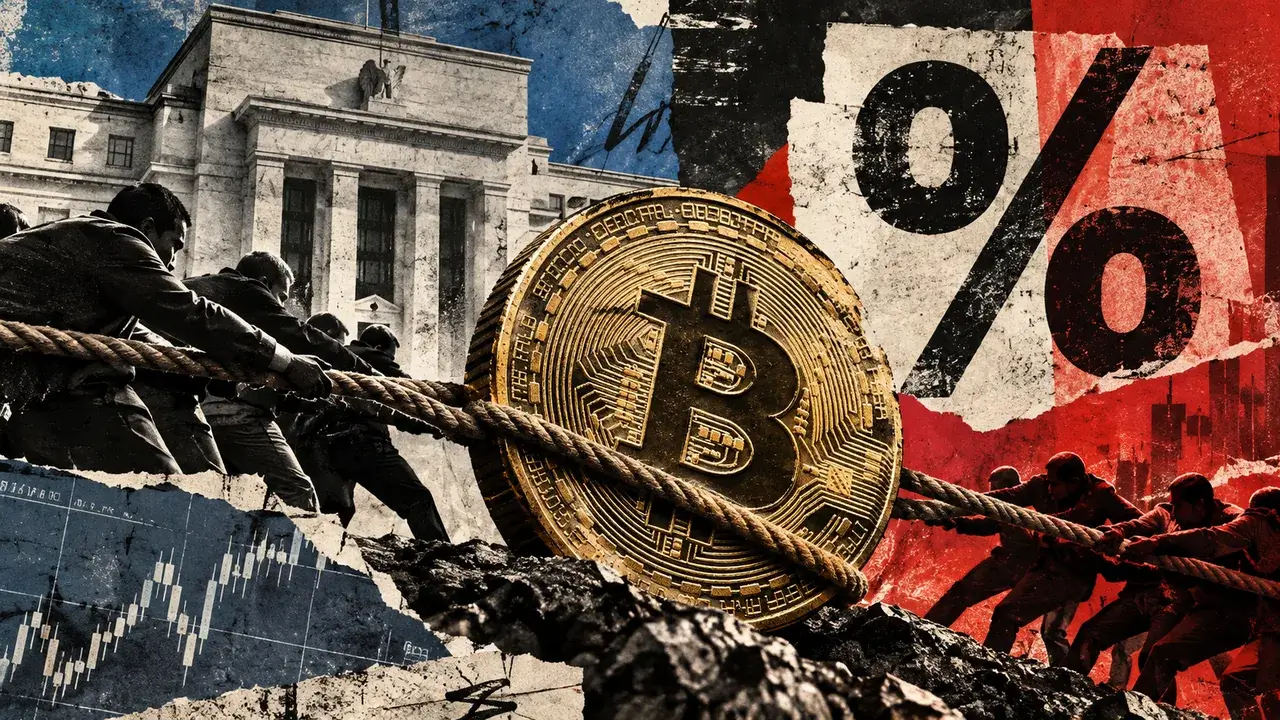
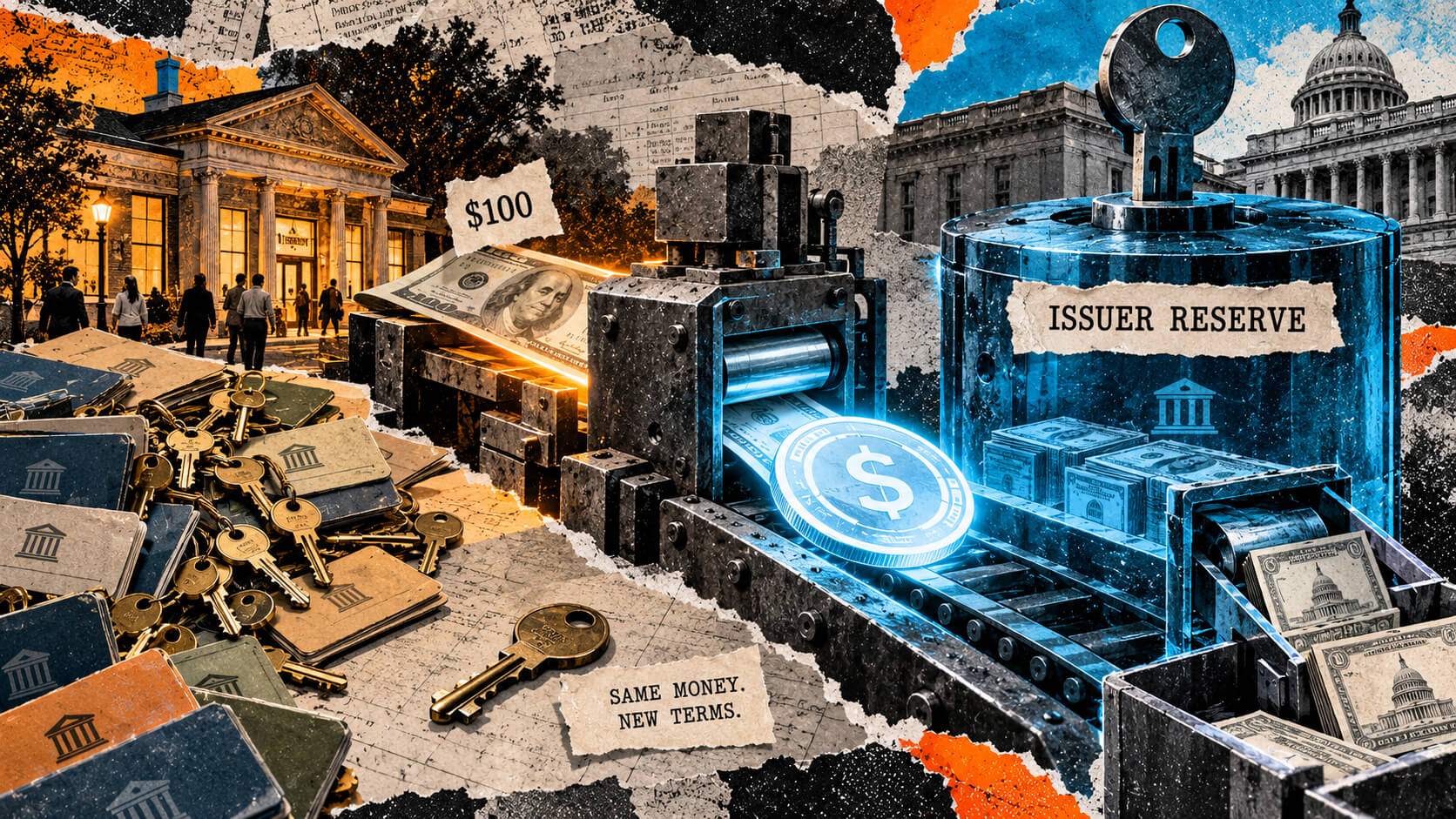
The SEC plans to require more Treasury trades to go through a central clearinghouse, changing the costs of trading and borrowing for financial firms. Stablecoin issuers rely on Treasury transactions and repos to turn reserve assets into dollars for customers, so the rules could affect how efficiently their tokens operate. Deadlines are Dec. 31 for eligible Treasury purchases and sales and June 30, 2027, for eligible repos.
CCryptoSlateOriginal★★★☆☆2026-10-04 18:40

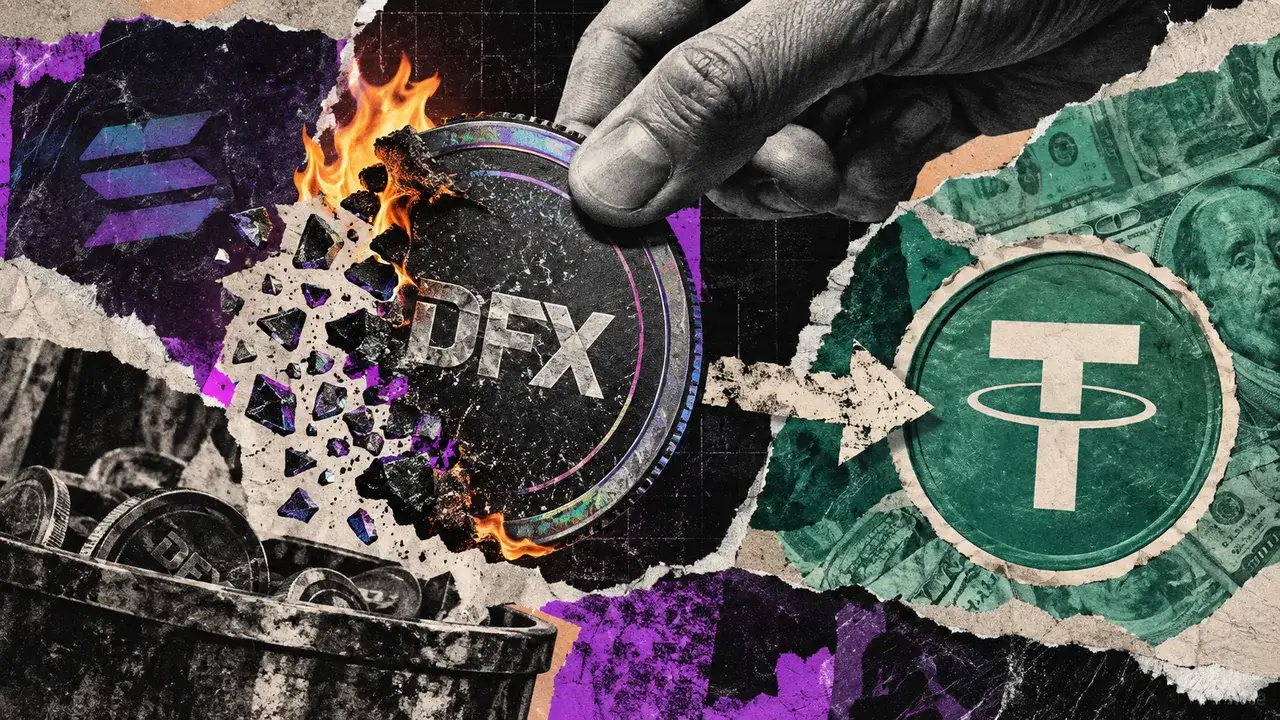
Drift Protocol opened claims and redemptions for its DFX recovery token on Oct. 1, allowing victims of its April exploit to receive USDT from the Recovery Pool. The initial rate was about 0.0104 USDT per DFX, or roughly 1.04% of verified losses. Redeemed tokens are burned, ending their share of future deposits, while the claim window closes Jan. 1, 2028.
CCryptoSlateOriginal★★☆☆☆2026-10-04 17:20
George Long, founder, chairman and chief investment officer of LIM Advisors, is described as understated and pragmatic. After three decades running the independent Hong Kong firm, he has developed a style suited to difficult Asian markets: staying calm, focusing on practical decisions and protecting capital when conditions deteriorate.
SSouth China Morning PostOriginal★★☆☆☆2026-10-04 16:00

Most Gulf stock markets closed higher on Sunday. Saudi shares were supported by firm oil prices, softer expectations for US interest rates and renewed investor appetite after recent heavy selling.
RReutersOriginal★★☆☆☆2026-10-04 15:25

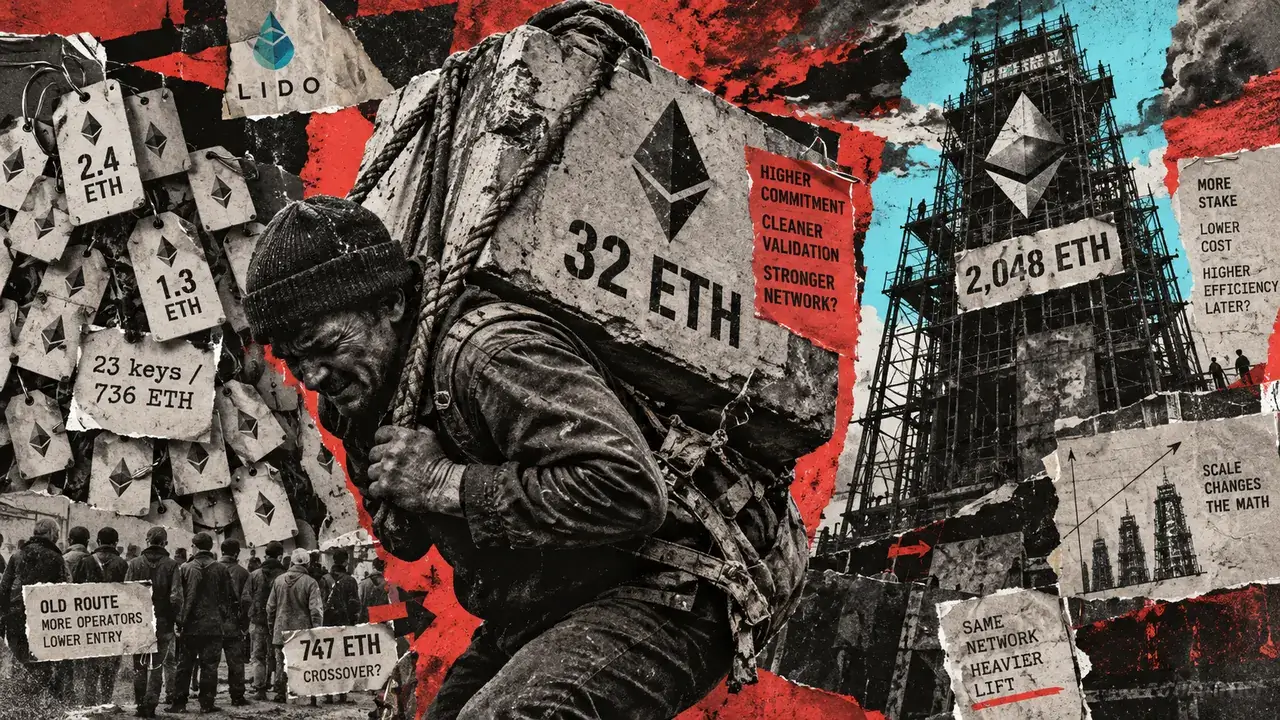
Lido’s proposed permissionless route for larger Ethereum validators would require a 32 ETH bond for the first key, versus 2.4 ETH under its existing default route. The separate module remains on Hoodi testnet, with mainnet expected in Q4 2026. Its fee efficiency depends on delegated stake, operator circumstances and funding-queue position.
CCryptoSlateOriginal★★☆☆☆2026-10-04 15:20
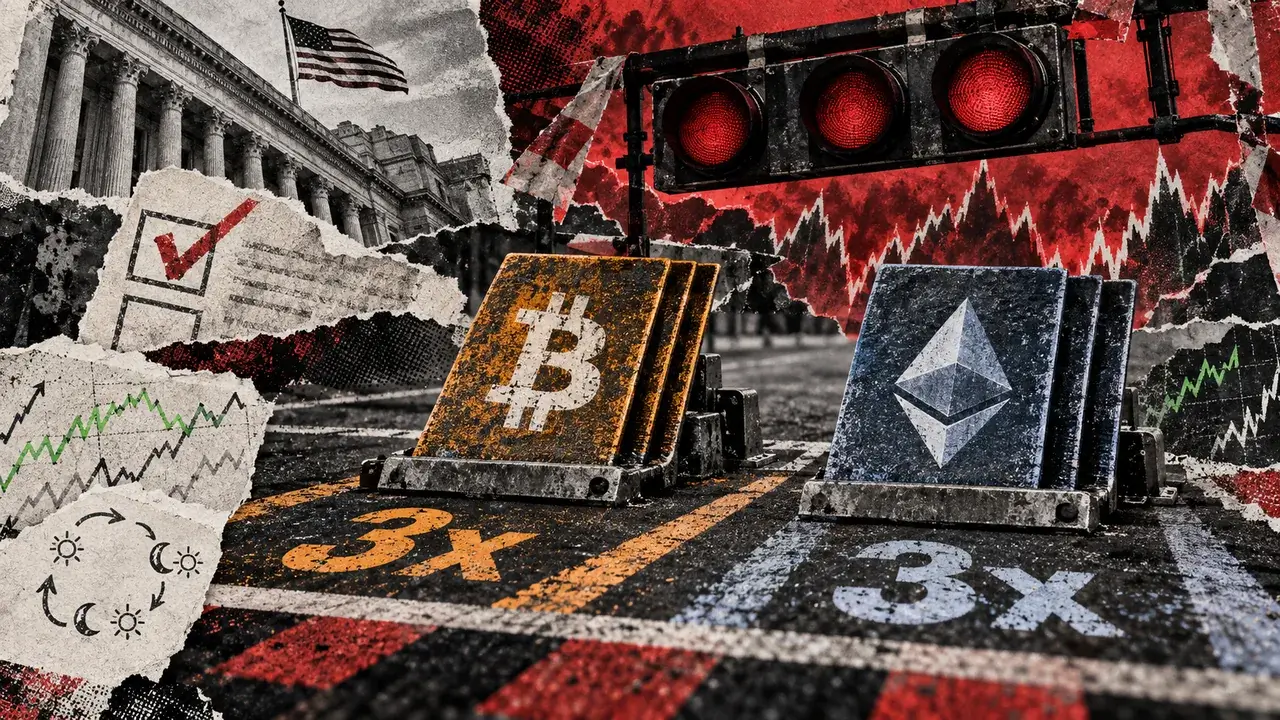
The SEC approved Cboe BZX’s proposed rule change to list VS Trust’s 3x Bitcoin and 3x Ether futures funds, as part of an order covering six products. The decision clears an exchange-listing requirement but does not confirm that registration is effective or that trading has started. The funds target three times the daily return of futures portfolios, while leverage can magnify losses and longer-term results can diverge sharply from that target.
CCryptoSlateOriginal★★☆☆☆2026-10-04 14:20
Fund managers view hedge funds and emerging-market assets as potential safeguards against a sudden change in sentiment toward artificial intelligence.
FFinancial TimesOriginal★★☆☆☆2026-10-04 12:00
Gold prices have retreated during China’s National Day holiday, a traditional peak shopping period. Beijing jewelry stores are seeing customers buy gold for weddings, gifts and everyday wear, while price changes and holiday promotions influence purchasing decisions and highlight shifts in holiday consumption patterns.
C CGTNOriginal★★☆☆☆2026-10-04 11:18

Market Questions, the FT’s guide to the week ahead, examines what could revive the battered government bond market.
FFinancial TimesOriginal★★☆☆☆2026-10-04 11:00
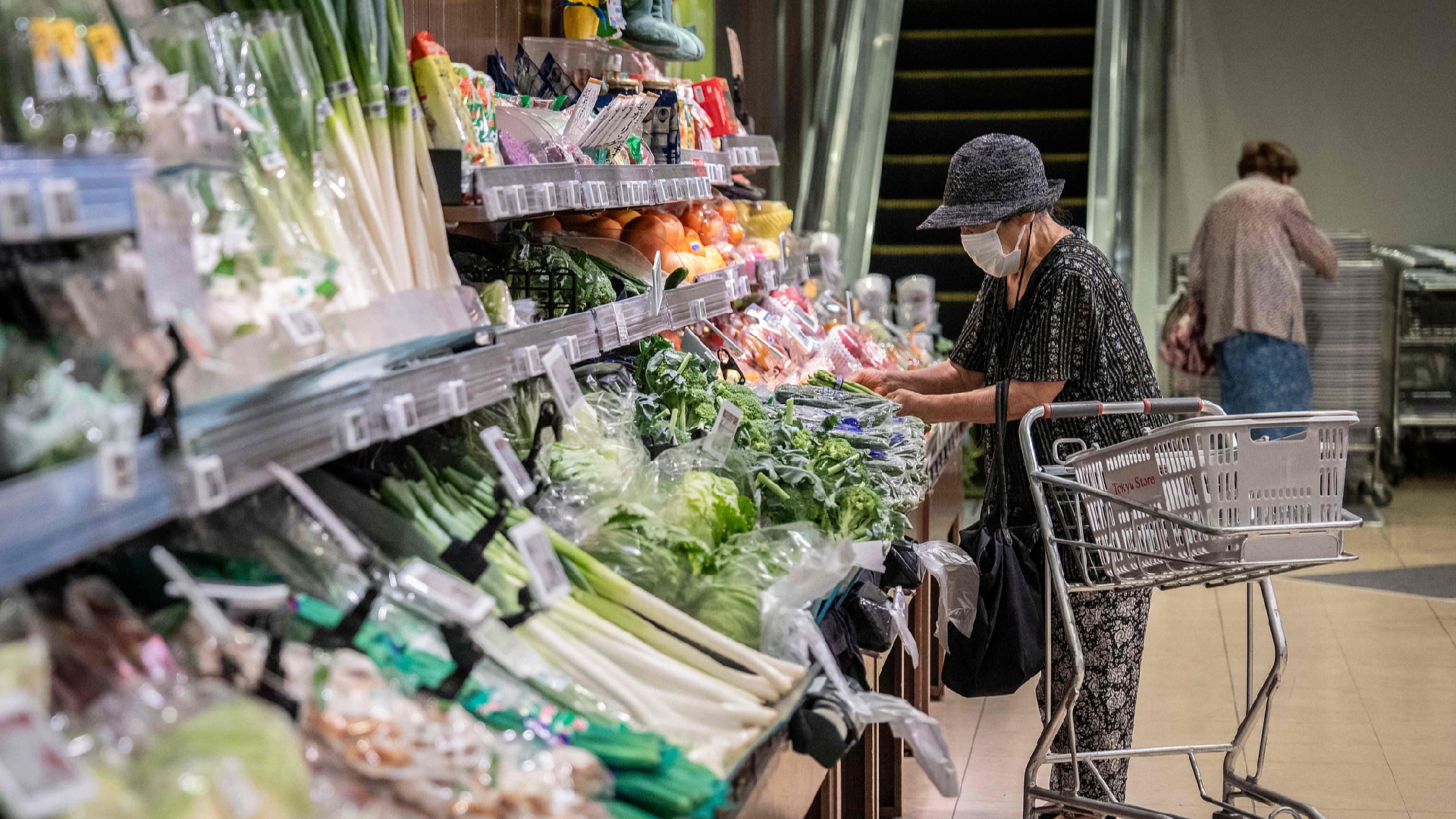
A Teikoku Databank survey found that 195 major Japanese food makers raised prices on 3,153 food and beverage items in October, by an average of 10%. Higher oil, energy, logistics and labor costs, along with a weaker yen, are spreading through the food chain. Real wages fell 1.4% year on year in September, further weakening household purchasing power.
CCGTNOriginal★★★☆☆2026-10-04 10:58
Convicted fraudster Alexander Ernstberger, described as Sweden’s answer to Jordan Belfort, has captured the attention of a generation increasingly focused on wealth and financial freedom.
BBloomberg NewsOriginal★☆☆☆☆2026-10-04 09:30
Flotations have stalled, while returns from new listings have remained weak.
FFinancial TimesOriginal★★☆☆☆2026-10-04 09:29
Hong Kong Financial Secretary Paul Chan says cooperation with the Middle East and the Global South is making substantive progress, expanding beyond capital and personnel flows into innovation, technology, industrial projects and institutional exchanges. In the first nine months of 2026, average daily stock turnover rose 6.4% year on year, while 116 IPOs raised more than HK$388 billion. Recent market sentiment has weakened as US long-term bond yields reached 24-year highs.
C China News ServiceOriginal★★★☆☆2026-10-04 08:02
Buying stablecoins can turn household deposits into large institutional deposits held by issuers. Banks may retain the same overall dollars but face less dependable and more expensive funding, with some costs potentially passed on to borrowers, according to analyses from the Bank for International Settlements and the Federal Reserve.
CCryptoSlateOriginal★★☆☆☆2026-10-04 07:30
The Trump administration’s negotiations with the Kremlin reportedly include a possible multibillion-dollar deal involving Lukoil refineries, oil fields and gas stations worldwide. The proposal, raised by Vladimir Putin with US envoys Jared Kushner and Steve Witkoff, would require approval from both Washington and Moscow and could involve easing sanctions on some Lukoil assets.
TThe Kyiv IndependentOriginal★★★★☆2026-10-04 05:09

Wall Street’s enthusiasm for initial public offerings is cooling as demand remains tepid and investors worry about valuations. Several listings have been paused in recent weeks, while the delay of Anthropic’s public debut has sent a chill through markets.
FFinancial TimesOriginal★★☆☆☆2026-10-04 04:01
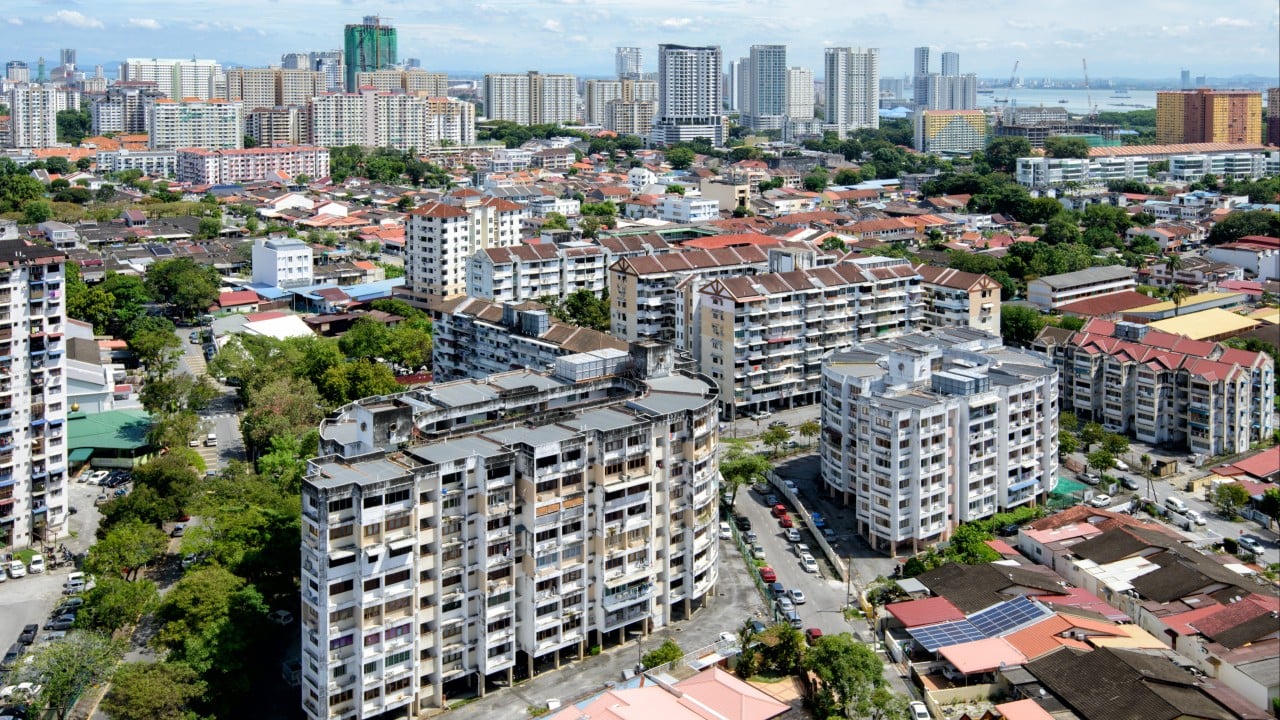
Malaysia is emerging as a middle-ground property destination for Hong Kong and mainland Chinese investors, analysts say, combining the stability associated with Singapore with prices comparable to Thailand. Juwai IQI data showed Malaysia ranked fourth among destinations for inquiries from Chinese buyers in the first half of 2026.
SSouth China Morning PostOriginal★★☆☆☆2026-10-04 03:00
Iran’s rial continued to weaken on Saturday, while the central bank announced it would inject up to $2 billion to support the currency as the economy faces U.S. sanctions and a naval blockade.
RReutersOriginal★★★☆☆2026-10-03 21:00

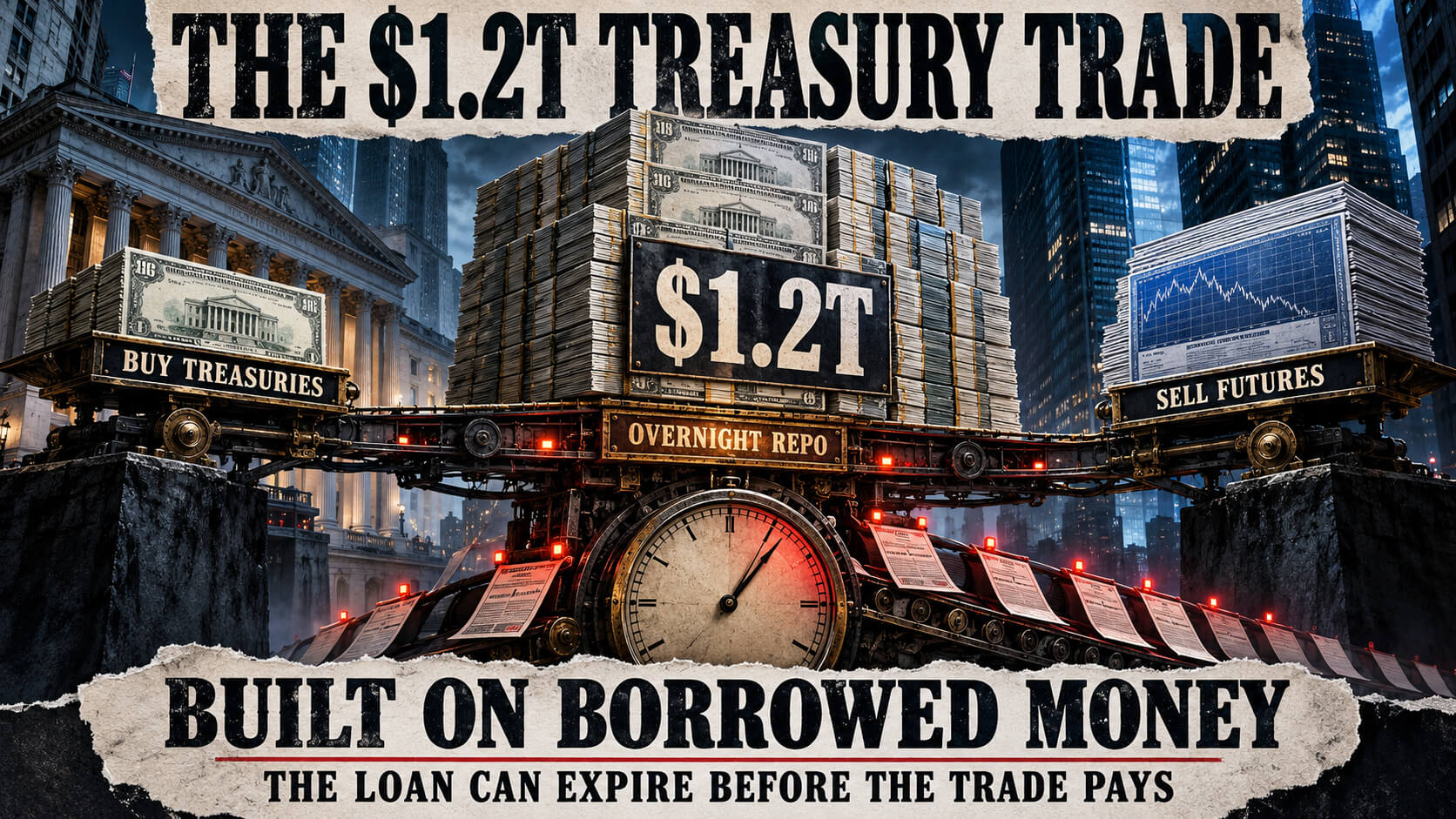
Hedge funds buy Treasuries, short futures and borrow most of the purchase price to capture a small pricing gap. Positions were estimated at about $1.2 trillion after falling 20% this year, but the trade remains exposed to overnight repo renewals, margin calls and higher borrowing costs. Even without a US default, funds may be forced to unwind if financing disappears.
CCryptoSlateOriginal★★★★☆2026-10-03 18:40
Payments company OpenPayd is targeting a Nasdaq listing by year-end to finance expansion in the United States and acquisitions. CEO Iana Dimitrova said the firm aims to launch there by April 2027 and is considering deals to obtain licenses and technology.
CCoinDeskOriginal★★☆☆☆2026-10-03 16:00
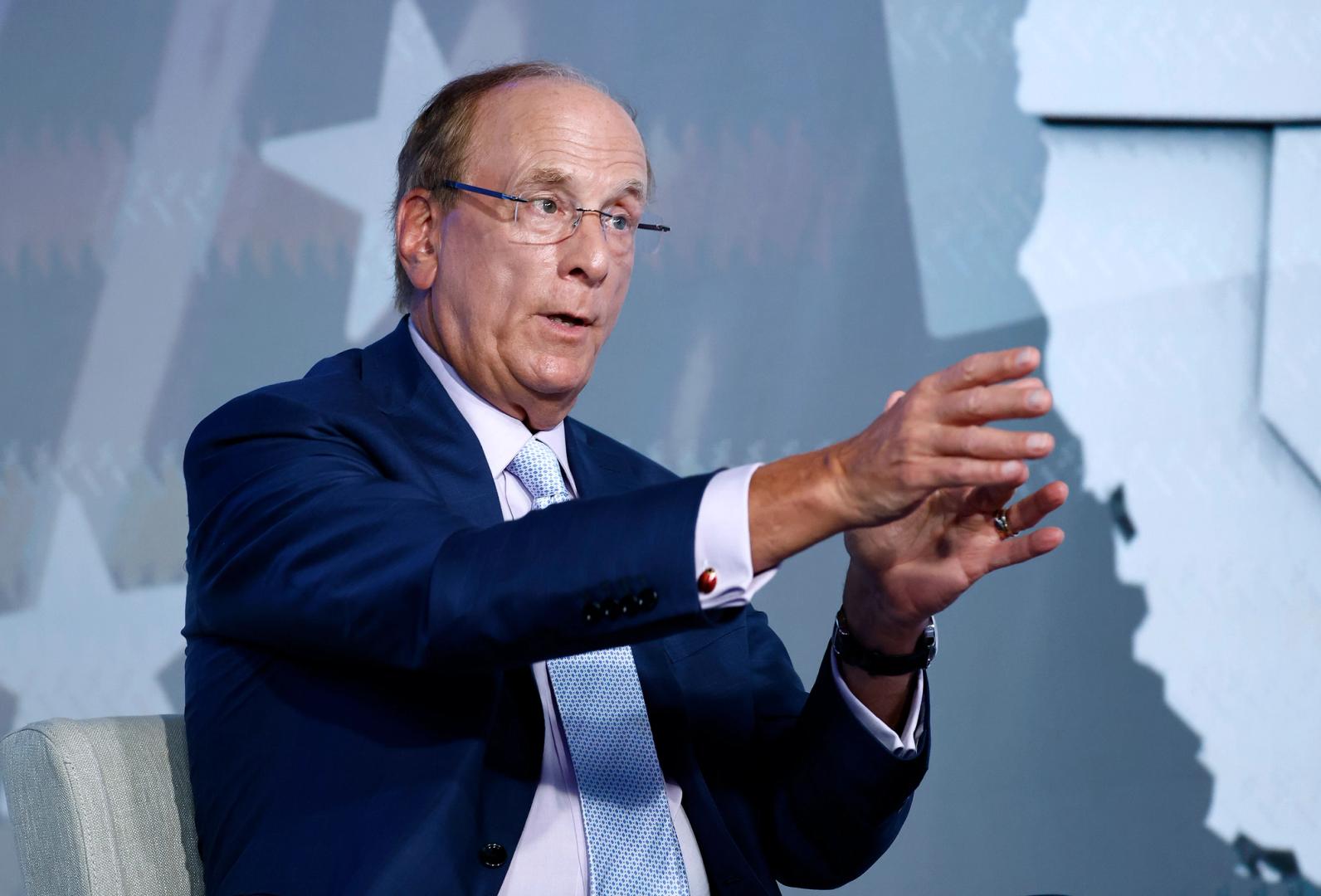
As Paramount and Oracle join corporate America’s ranks of biggest borrowers, their shared links to billionaire Larry Ellison are beginning to cause concern on Wall Street.
BBloomberg NewsOriginal★★☆☆☆2026-10-03 15:30
As AI agents move beyond answering questions to spending real money, investors and technology giants are racing to control the financial networks that support machine-driven commerce. Cathie Wood says investors should start tracking where these agents direct their spending.
CCoinDeskOriginal★★☆☆☆2026-10-03 15:00

Brazil’s presidential election first round is set for Sunday, and Wall Street is preparing for market scenarios that could differ dramatically depending on the result.
CCNBCOriginal★★★★☆2026-10-03 13:12

The second Azerbaijan International Investment Forum brought together representatives from more than 70 countries to discuss investment, trade, infrastructure and diversification. Contracts and agreements worth more than $10 billion were signed.
EeuronewsOriginal★★★☆☆2026-10-03 13:00
Tokenization is moving beyond putting individual stocks and funds onchain. The next stage could involve entire investment portfolios being traded, rebalanced and eventually managed in real time.
CCoinDeskOriginal★★☆☆☆2026-10-03 13:00
Renault Group will invest more than 10 billion euros in France over the coming years to develop electric vehicles and more affordable cars, its chief executive said on Saturday.
RReutersOriginal★★★☆☆2026-10-03 11:50

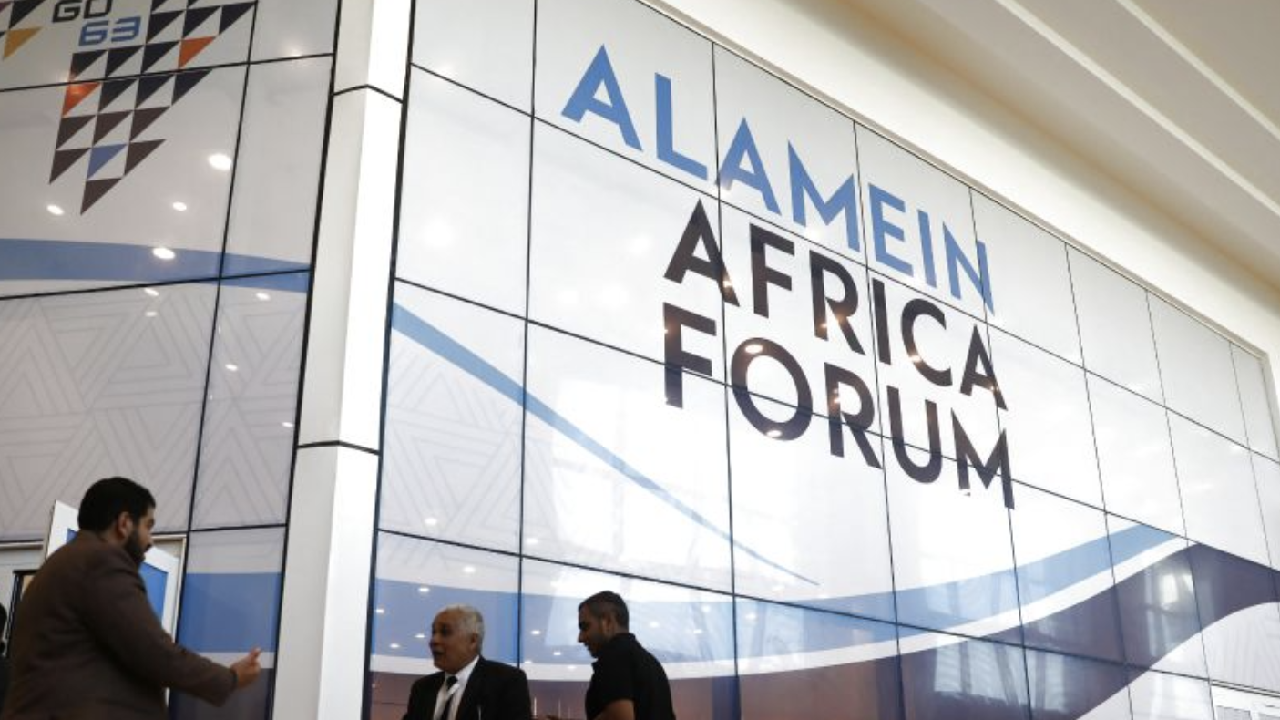
About 1,500 African business leaders gathered in El Alamein for the inaugural Alamein Africa Forum, which aims to strengthen continental integration and business ties. Egyptian officials promoted technology exchange, cross-border value chains, patient capital and venture funding to support investment and African startups under the African Continental Free Trade Area.
CCGTNOriginal★★★★☆2026-10-03 10:30
The most frequently cited factors point to a mixed picture behind the global bond sell-off.
FFinancial TimesOriginal★★★☆☆2026-10-03 09:30
Federal and provincial governments invested billions of dollars in the expectation that Canada’s electric-vehicle industry would expand rapidly. But weaker-than-expected demand has prompted automakers and suppliers to adjust, leaving major EV and battery projects in Ontario, Quebec and British Columbia delayed, cancelled, suspended or significantly altered; one has gone bankrupt.
CCBC NewsOriginal★★★☆☆2026-10-03 08:00
Thirty-year gilt yields have risen above 6 per cent for the first time since 1998, drawing retail investors looking for tax-efficient assets.
FFinancial TimesOriginal★★☆☆☆2026-10-03 04:00
CME Group plans to add a new commodity to its roster, enabling market participants to hedge fluctuations in chip-rental prices.
FFinancial TimesOriginal★★☆☆☆2026-10-03 04:00
A US judge dismissed a proposed class action over LIBRA and M3M3, the memecoins promoted by Argentine President Javier Milei, with prejudice and closed the case. The court found the plaintiffs had not adequately pleaded the continuity required for their RICO claims. Other claims were rejected over jurisdiction and pleading deficiencies, without ruling that the alleged conduct was lawful.
CCryptoSlateOriginal★★★☆☆2026-10-03 03:40

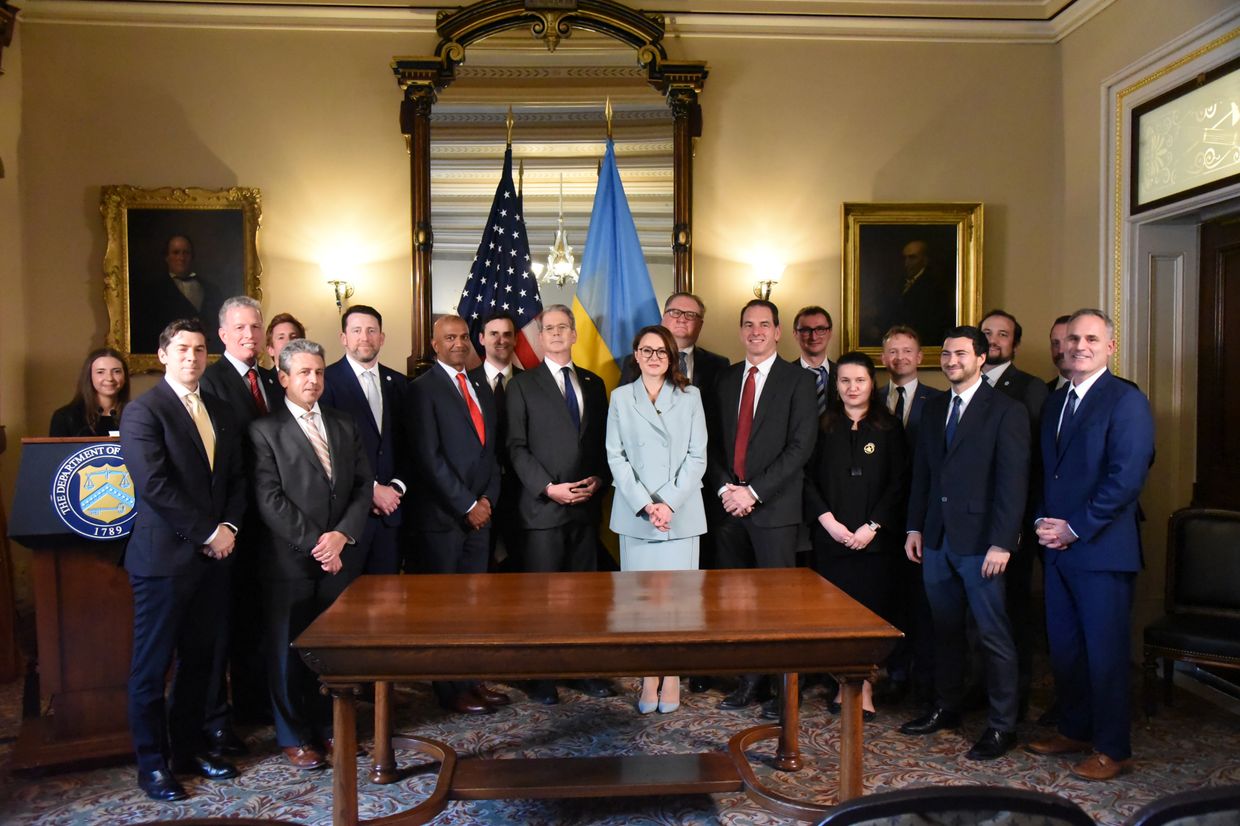
The U.S.–Ukraine Reconstruction Investment Fund unveiled several projects, including its first critical minerals deal with BGV Group Management. The joint platform will develop early-stage mining projects targeting rare earths, beryllium and zirconium deposits. Two energy investments were also announced, bringing new funding to about $70 million.
TThe Kyiv IndependentOriginal★★★☆☆2026-10-03 01:36
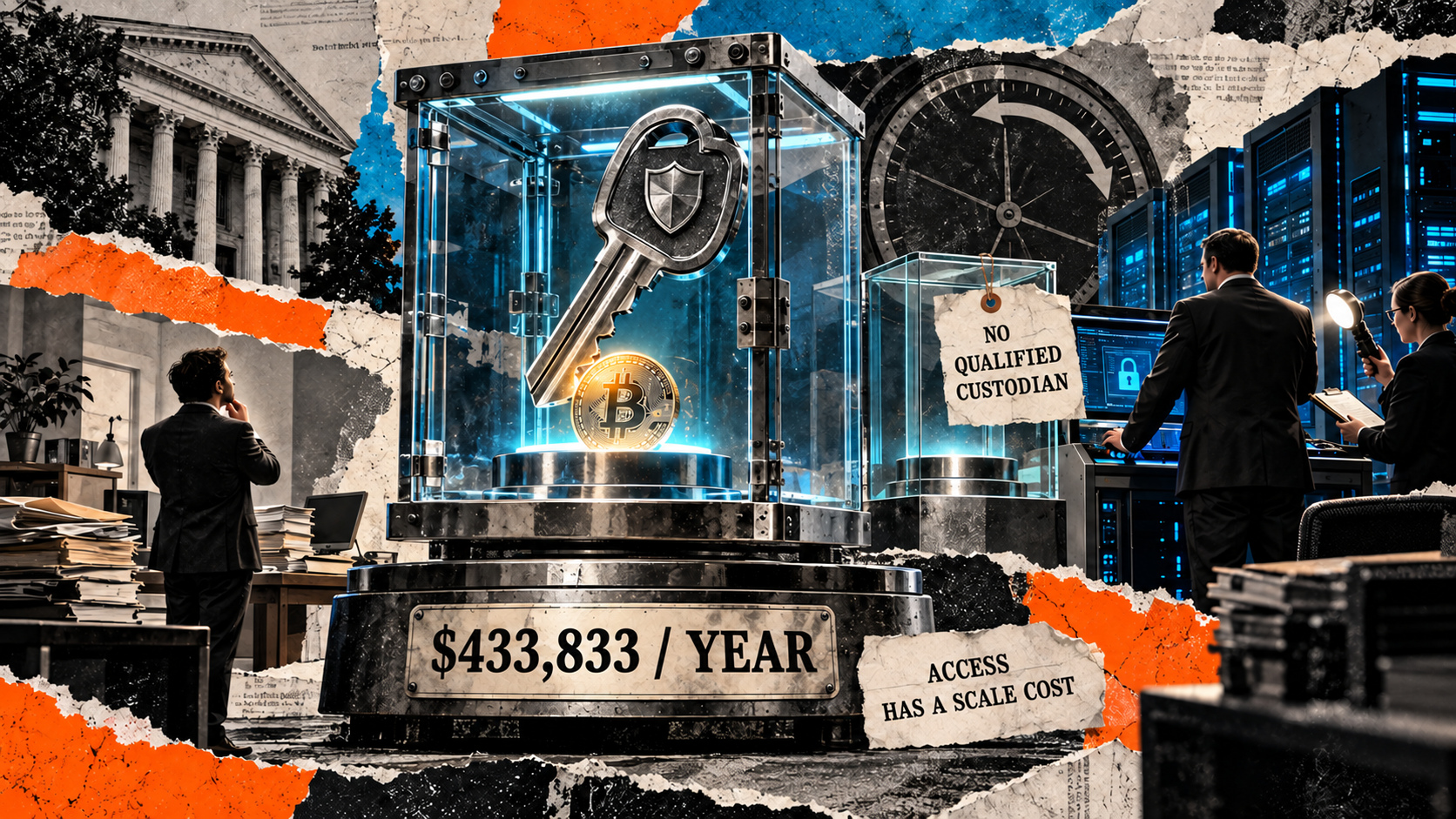
The SEC’s proposed crypto custody fallback could expand investment options while favoring larger advisers. Its analysis estimates annual costs of $433,833 per adviser, including an independent control report and recurring compliance work, while excluding some potentially significant technology expenses. Smaller firms may decline to offer the service, whereas larger firms could spread costs across more clients, assets or affiliates.
CCryptoSlateOriginal★★☆☆☆2026-10-03 01:30
Bloomberg News Now rounds up the day’s top stories, including President Trump’s praise for the G7’s diesel release and stocks moving closer to a higher close, alongside other global business news.
BBloomberg NewsOriginal★★☆☆☆2026-10-03 00:00


G7 leaders agreed to release up to 100 million barrels of crude oil and diesel over four months under International Energy Agency coordination, with a substantial early diesel release in the first 20 days. They also pledged not to restrict energy exports to one another. Donald Trump later said a US diesel export ban had never really been on the table.

The G7 agrees to release 100 million barrels of diesel and crude after pressure from Donald Trump.
G7 leaders said member states will coordinate with the International Energy Agency to release 100 million barrels of oil and petroleum products from strategic reserves over four months. “Substantial” diesel volumes are planned in the first 20 days, alongside coordinated refinery maintenance and no restrictions on energy trade. Fuel prices have risen amid the U.S.-Israeli war with Iran and the Russia-Ukraine war; Washington pressed France and Germany to use emergency diesel stocks.
G7 leaders reaffirmed that member states will not restrict energy and energy-product exports among themselves, while urging producers to avoid bans that could worsen market tensions. Amid sharply higher prices and volatile oil markets, they also agreed to coordinate through the International Energy Agency to release 100 million barrels of diesel and other reserves within four months, with substantial diesel volumes due in the first 20 days.
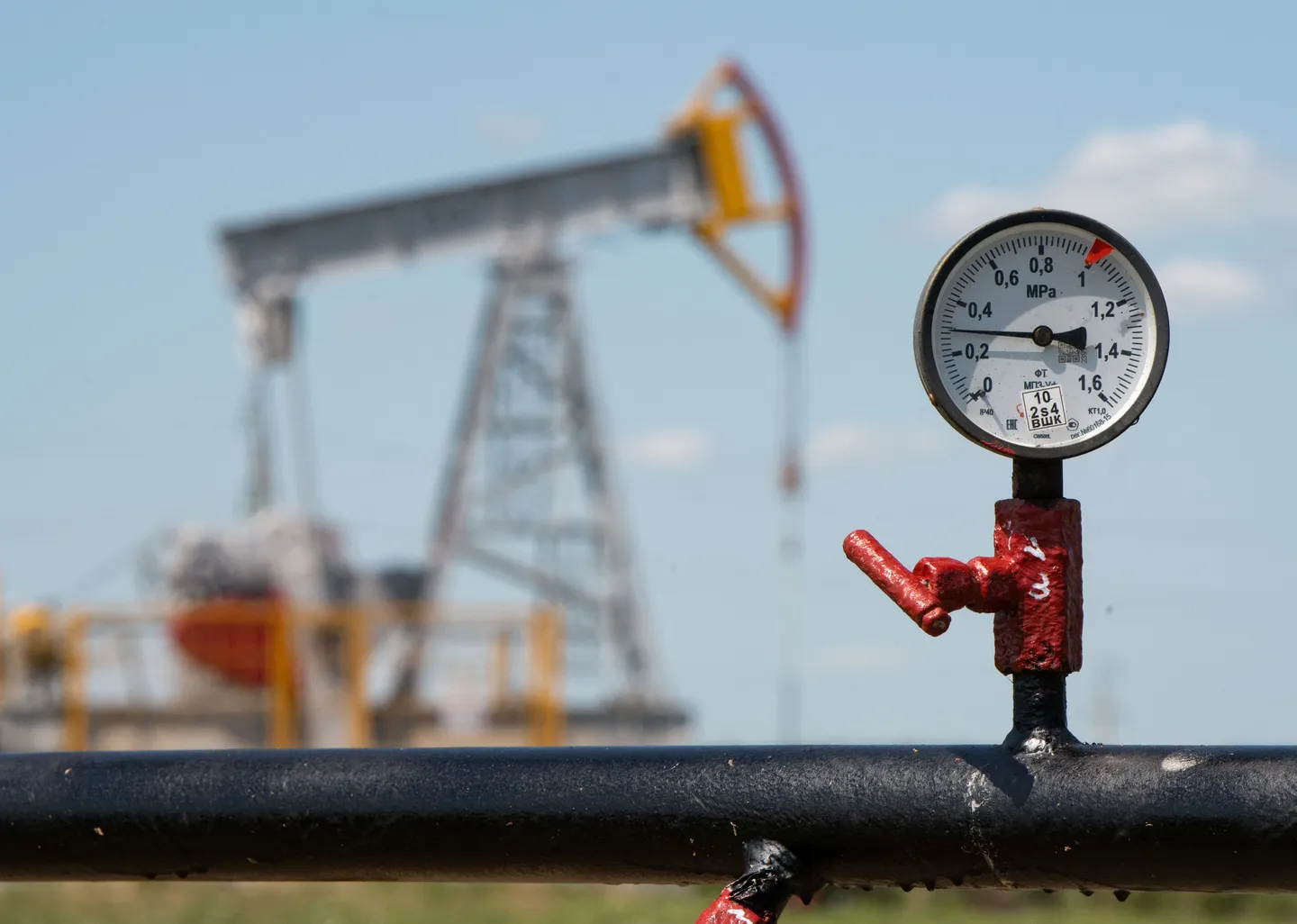
The G7 said it would immediately begin a coordinated release of 100 million barrels of diesel, crude oil and other reserves through the International Energy Agency, with a substantial diesel release planned during the first 20 days.

The G7 will coordinate the release of 100 million barrels of diesel and other reserves through the International Energy Agency in an effort to stabilise global energy markets, according to a joint statement by its leaders.
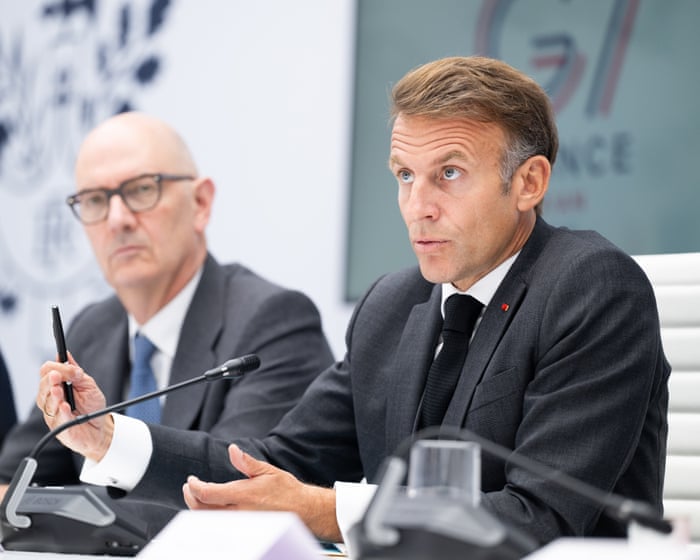
G7 leaders have agreed to coordinate the release of up to 100m barrels from strategic diesel and crude oil reserves within four months, including an initial substantial diesel release in the first 20 days. Emmanuel Macron said the move aims to lower petroleum-product prices, while members committed to avoiding export bans amid Donald Trump’s pressure over soaring fuel costs.
G7 countries agreed to coordinate the release of 100 million barrels of diesel and other reserves through the International Energy Agency over four months, with a substantial diesel release frontloaded into the first 20 days. They will also coordinate refinery maintenance to avoid simultaneous shutdowns and raise utilization where possible to support refined-product supply, especially diesel.
G7 nations have agreed to release 100 million barrels of oil, including diesel, as an energy crunch puts pressure on supplies.
The France-led G7 announced plans to release 100 million barrels of diesel and crude oil after Donald Trump threatened to ban diesel exports.

French President Emmanuel Macron plans to speak with his fellow G7 leaders about measures affecting crude and refined-product markets, the Elysee Palace said on Friday. Macron had already discussed the issue by phone with U.S. President Donald Trump.
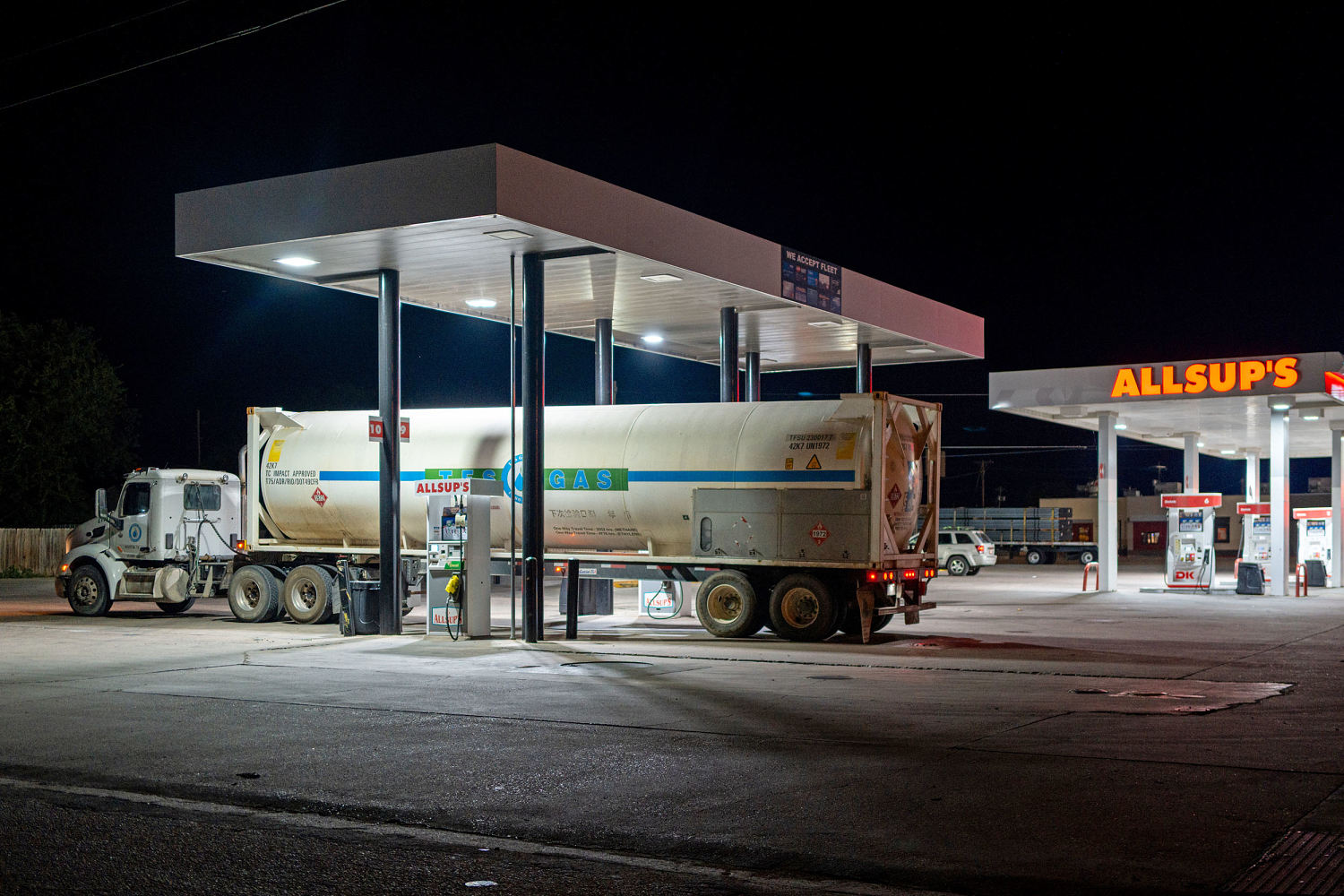
The Group of Seven agreed to release tens of millions of barrels of diesel fuel and crude oil reserves in an effort to cap surging gas prices.

The G7 says it will coordinate the release of up to 100 million barrels of strategic oil reserves through the IEA over four months, with a substantial diesel release in the first 20 days. Trump said Europe had agreed to release heavily stocked diesel, as energy prices surge amid the US-Israeli war with Iran and shipping constraints in the Strait of Hormuz.
Ethereum layer-2 network Blast said it will shut down because maintaining the chain costs more than it earns. Users were urged to move assets to Ethereum mainnet by Oct. 26; withdrawals will be temporarily paused while Blast withdraws assets from Lido, then resume with a 24-hour delay.
CCryptoSlateOriginal★★☆☆☆2026-10-02 23:10
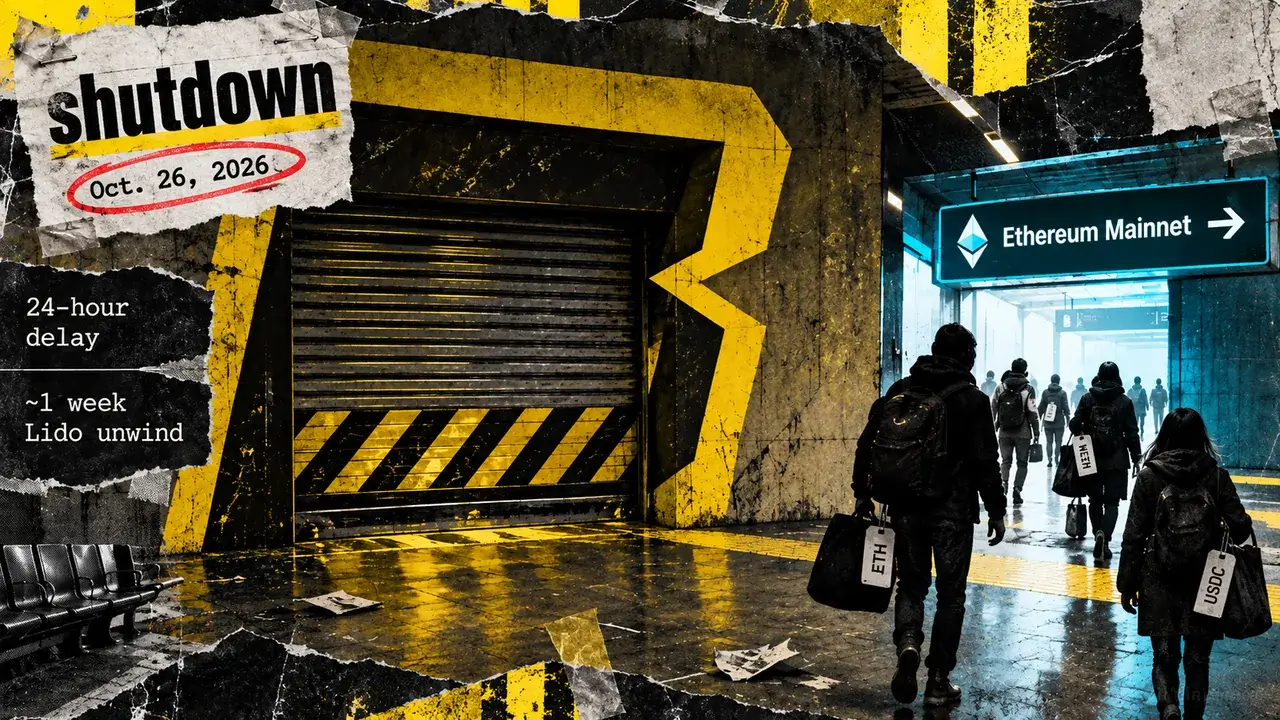

Blast, once home to more than $2 billion in crypto assets, is shutting down as activity wanes and costs climb. Its assets have plunged 98% while larger platforms including Coinbase and Robinhood develop networks of their own.

Ethereum Layer 2 network Blast is winding down after its costs surpassed revenue. Users have until Oct. 26 to withdraw through the app.
Researchers at the Federal Reserve Bank of San Francisco say Tether and Circle added about $200 billion in Treasuries and repurchase agreements over five years, equal to more than 40% of China’s decline in Treasury holdings. Stablecoin issuers are becoming a significant new source of demand, although they mainly buy short-term bills and cannot fully replace China’s longer-term demand.
CCryptoSlateOriginal★★★☆☆2026-10-02 21:50

Bundesbank President Joachim Nagel said Germany’s economy could expand by about 1% this year, roughly twice the pace projected most recently, supported by strong export demand and government investment.
RReutersOriginal★★★☆☆2026-10-02 21:35

US President Donald Trump said on Friday that he did not “jump the gun” by announcing South Korean investment in the Alaska LNG project. The decades-old project still has no binding commitments.
RReutersOriginal★★★☆☆2026-10-02 21:05


President Donald Trump threatened new trade retaliation against South Korea if it fails to follow through on an investment in an Alaska liquefied natural gas project.
European officials are holding crisis talks as the United States pressures the region to draw on emergency diesel stocks to cool surging prices, warning that US fuel exports to Europe could otherwise be banned.
C CNNOriginal★★★★☆2026-10-02 20:00

US President Donald Trump says Europe has agreed to release a “massive amount” of diesel from emergency stockpiles as the US seeks to bring down fuel prices. The proposed move could involve about 100 million barrels amid the US war on Iran and elevated fuel costs.
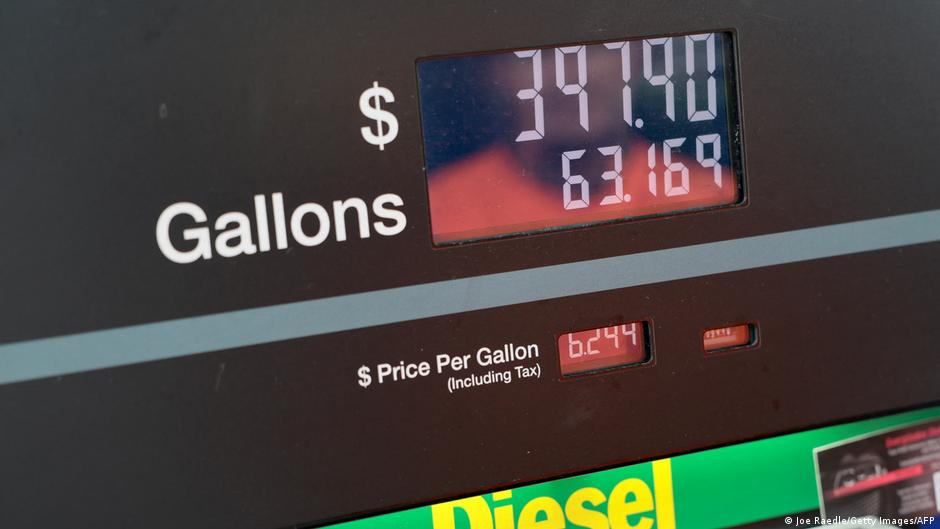
US President Donald Trump said Europe would immediately release part of its diesel reserves to ease rising prices. French President Emmanuel Macron confirmed that the G7 would release up to 100 million barrels over four months and avoid trade restrictions on petroleum and energy products between partner countries.

President Donald Trump said Europe had agreed to release diesel supplies after pressure from his administration to help ease high prices ahead of the November midterm elections.

U.S. President Donald Trump said on Friday that Europe had agreed to release a “massive amount” of diesel stocks, as fuel prices steadily increased ahead of the U.S. elections.

The Trump administration is pressing European countries to release emergency diesel reserves as prices surge in the US and Europe. EU officials are considering a response to a reported US proposal to release 120 million barrels over 180 days, while the bloc says it wants a coordinated effort to ease supply disruptions and prices.
Diesel prices have fallen sharply as the EU considers releasing 50mn barrels of reserves under pressure from US President Donald Trump. Trump has threatened to ban US fuel exports if Europe does not unlock its reserves.
Energy expert Osama Rizvi says releasing all 300 million barrels held in European reserves would cover only about 10 to 11 days of global diesel demand. He was commenting on President Trump’s call for European countries to release some of their diesel reserves.

European Union countries discussed a French proposal to release diesel stocks in response to US pressure and help cool surging fuel prices, according to sources.

Oil prices extended their losses after reports that European countries could release diesel and crude inventories. Reuters previously reported that EU nations were discussing a proposal to release diesel reserves following pressure from the Trump administration.
Businessman Mikhail Fridman is unlikely to gain access to a significant share of his Luxembourg-based assets despite being removed from the EU sanctions list last week, Bloomberg reported. Fridman holds 37.9% of LetterOne, which managed $21.5 billion at the end of 2025. Experts expect European institutions to remain cautious while he stays under UK and US sanctions, limiting his ability to receive dividends or other assets until relevant licenses are secured.
TTASSOriginal★★☆☆☆2026-10-02 18:52
The Canadian dollar fell further against the US dollar on Friday, extending its weekly decline as oil prices dropped and interest rate spreads between the United States and Canada continued to widen.
RReutersOriginal★★☆☆☆2026-10-02 18:40

With just over a year before the next presidential election, Javier Milei hopes to attract new foreign investment by offering citizenship to wealthy foreigners and help Argentina stave off recession.
TTRT WorldOriginal★★★☆☆2026-10-02 18:00

Argentina’s government has unveiled a citizenship-by-investment program, dubbed a “golden passport,” in President Javier Milei’s latest effort to attract foreign investment.
Argentina announced plans on Friday to offer wealthy foreigners citizenship in return for cash contributions or investments in government bonds. Libertarian President Javier Milei is seeking new sources of dollars for the debt-burdened country.
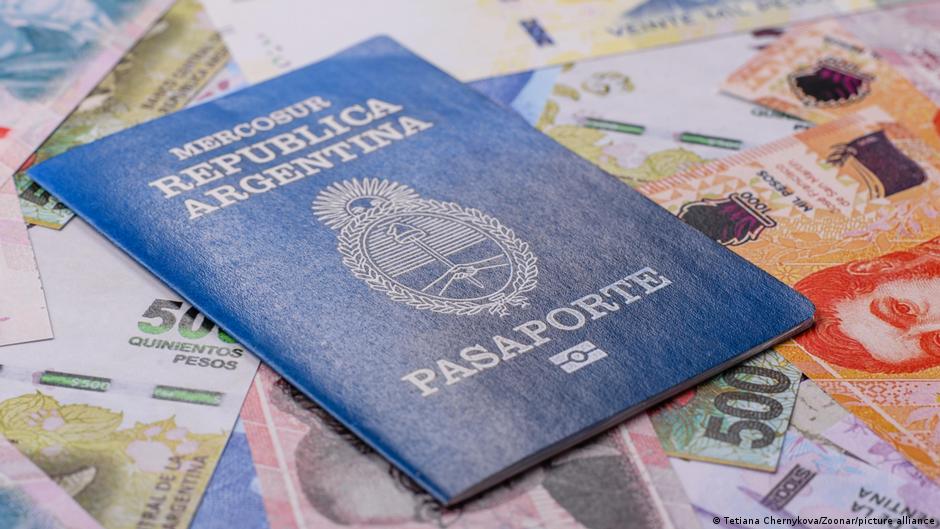
Argentina has introduced a citizenship-by-investment program offering wealthy applicants two routes: a non-refundable $350,000 contribution to the Treasury or an $800,000 government bond. Spouses and children can apply for reduced fees. The government says the scheme is meant to attract capital and strengthen the country’s fiscal and financial position, with applications due to open in the fourth quarter of 2026.

Argentina will launch South America's first citizenship-by-investment program, Economy Minister Luis Caputo said on X on Friday.
Russian stocks ended lower on Friday, with the ruble-denominated MOEX Index down 0.11% at 2,277.21 points and the dollar-denominated RTS Index down 0.4% at 859.29. Analysts forecast MOEX trading between 2,200 and 2,350 points on October 5, while the ruble is expected to remain within projected ranges against the dollar, euro and yuan.
TTASSOriginal★★☆☆☆2026-10-02 17:51
Evernorth shareholders approved the plan to become a publicly traded XRP treasury, with the combination expected to close on October 7 and trading under XRPN to begin on Nasdaq on October 8. The company’s roughly $300 million headline includes advance funding already used for an approximately $214 million XRP purchase. Closing-linked sources total about $88.5 million if they settle, before expenses and other uses.
CCryptoSlateOriginal★★☆☆☆2026-10-02 17:50

Turkey’s investment fund sector is facing a deepening crisis after regulators last month ordered the liquidation of 131 funds run by seven asset managers. The move followed warnings from some funds that they could not meet redemption payments.
RReutersOriginal★★★☆☆2026-10-02 17:35

BNY is in discussions with Kraken parent Payward about a potential infrastructure partnership spanning digital assets, custody, trading, payments and other financial-market infrastructure.
CCoinDeskOriginal★★☆☆☆2026-10-02 17:34

For four decades, US government bonds have functioned as both securities and money. They may no longer retain that exceptional status.
FFinancial TimesOriginal★★★☆☆2026-10-02 17:00
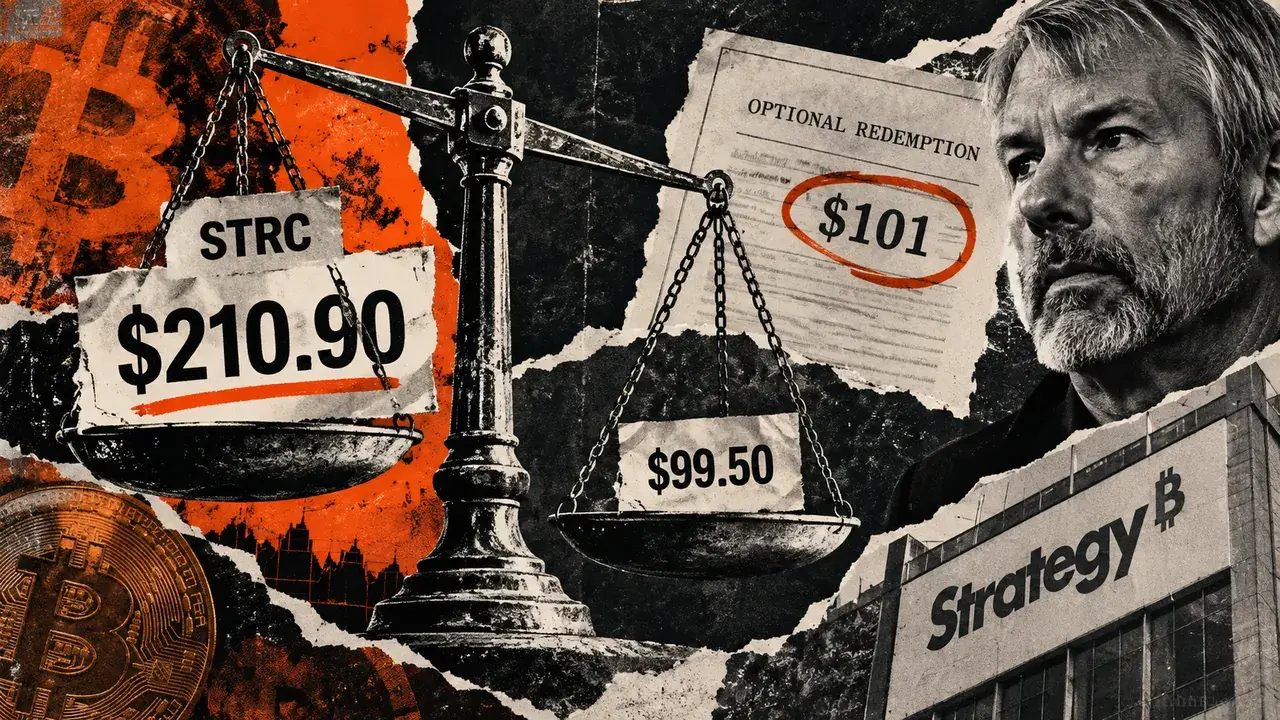
Strategy’s Bitcoin credit calculator generated an illustrative STRC price of $210.90 on Oct. 2, versus a displayed market-price input of $99.50. The formula uses a fixed dividend and a much smaller modeled Bitcoin credit spread, without explicitly valuing the issuer’s call option or future dividend resets. Strategy says the result is neither fair value nor a price target, and does not show that holders can realize either figure on demand.
CCryptoSlateOriginal★★☆☆☆2026-10-02 16:40
U.S. Treasury yields rose even though the September jobs report was much weaker than expected, with the 10-year yield ticking higher.
CCNBCOriginal★★★☆☆2026-10-02 16:21

Tesla shares rose 5% after the company reported vehicle deliveries that exceeded expectations. Its core automotive business remains under pressure as Chinese and European automakers introduce more affordable and innovative electric vehicles.
CCNBCOriginal★★☆☆☆2026-10-02 16:16

The Ellison credit complex has become somewhat more complicated, with the PSKY kid apparently central to the development.
FFinancial TimesOriginal★★☆☆☆2026-10-02 15:44
Utilities, one of the market’s hottest sectors, is caught in an interesting tug of war as the bond sell-off weighs on it. Mike Khouw says the sector appears positioned for a rebound.
CCNBCOriginal★★☆☆☆2026-10-02 15:34

The Bank of Russia set the official dollar exchange rate at 83.4839 rubles for October 3-5, up 23.85 kopecks from the previous figure. The euro rate fell 20.51 kopecks to 94.3201 rubles, while the yuan rate rose 3 kopecks to 12.4328 rubles.
TTASSOriginal★★☆☆☆2026-10-02 15:19
Shares in Finnish nuclear technology company Steady Energy fell nearly 6% on their Friday debut on Nasdaq Helsinki First North. The stock opened at its oversubscribed IPO price of €10.00 per share before declining.
RReutersOriginal★★☆☆☆2026-10-02 13:25

Iranian First Vice President Mohammad Reza Aref said Iran regards the Eurasian Economic Union as one of the most important platforms for regional cooperation. He said the country should turn existing potential into trade, investment and joint development, and highlighted possible energy and transport projects and Iran’s role as a transit link for Eurasian trade.
TTASSOriginal★★★☆☆2026-10-02 13:16
The author says they are more bullish on stocks than a year ago, while acknowledging that they had sold everything by the end of last October and warning readers not to follow their judgment.
FFinancial TimesOriginal★☆☆☆☆2026-10-02 12:52
South Korea has opposed a $54 billion investment announced by the Trump administration, making a troubled project to export natural gas from Alaska another potential flashpoint in the allies’ prolonged trade negotiations.
CCNNOriginal★★★★☆2026-10-02 12:32
BitGo CEO Mike Belshe warned that Clarity’s failure exposed a systemic risk created when one firm combines exchange, brokerage and custody functions, potentially posing a threat worse than Lehman’s collapse.
TThe BlockOriginal★★★☆☆2026-10-02 12:28
The Minutes Reader extension turns the original page into a focused reading view and translates articles and video subtitles on demand. It is in limited beta.