The Trump administration’s cancellation of climate initiatives, combined with the artificial intelligence boom, has created an opportunity for a surge in private investment in clean energy.
Oil prices recovered above $100 a barrel on Thursday as a US-Iran agreement remained out of reach. European shares declined, while US government bonds emerged from their worst quarter since 1994 and the 10-year Treasury yield reached its highest level since 2007.
El Niño is striking the world’s biggest sugar producers, exposing the crop’s acute vulnerability to the climate phenomenon. It also offers an early view of broader threats to farmers and global food inflation.
French natural gas storage facilities are 83% full ahead of the heating season and are expected to reach the 85% target, CRE Chairwoman Emmanuelle Wargon said. She attributed the delayed injections to market participants waiting for price changes and said France’s reliance on imports leaves it dependent on global energy-market conditions.
Treasury yields moved higher on Thursday ahead of jobs data, with the 10-year yield reaching its highest level since 2002 as a global bond sell-off intensified.
US Treasury yields reached two-decade highs for a seventh consecutive session on Thursday before falling oil prices helped steady a bond market coming off its worst quarter this century. Investors are preparing for higher interest rates.
The Trump administration has urged Germany and France to reduce emergency diesel inventories to help ease global fuel prices, three people close to the discussions said. They could face a US diesel export ban if they do not comply.
Europe had injected more than 47.5 billion cubic meters of net gas into EU underground storage facilities since April, equal to only 70% of the volume needed for winter, according to TASS calculations based on GIE data. Storage sites were 71.54% full on September 29, the lowest level for that date since records began in 2011 and below the EU target.
Electric-vehicle power consumption in the US is rising at its slowest pace in at least three years, according to the Energy Information Administration, adding to signs that demand for EVs is cooling.
Chinese refiners have halted oil-product exports to destinations outside Hong Kong and Macau until Beijing issues further instructions, four people briefed on the matter said on Thursday. One refiner also cancelled cargoes.
EU steel production has dropped to a historic low as energy prices surged, US tariffs took effect and Chinese supplies increased, the Financial Times reported. Exports fell about 20%, while crude steel output declined 3% to 126 million metric tons in 2025. EUROFER said Europe is the only major region with shrinking steelmaking capacity.
Bloomberg Intelligence analysts have reviewed thousands of companies and selected a small group they believe deserve attention, spanning areas including coal, coke, pizza and movies.
Donald Trump says South Korea will invest $200bn in US energy projects, with initiatives planned in states including Alaska and Texas. The pledges come as the midterm elections approach.
South Korea on Thursday formally released implementation plans for three major energy initiatives in the United States. The moves advance a $350 billion strategic investment package intended to secure key exemptions from steep US import tariffs.
South KoreaUnited Statesenergy investmentimport tariffs
A package Trump is expected to present would direct $200 billion from South Korea into American energy ventures. Its proposed elements include eight nuclear plants, an electricity-generation facility in Texas and a natural-gas export project in Alaska.
US President Donald Trump is expected to announce $200bn in South Korean investments, including $54bn for a liquefied natural gas project in Alaska. The package will also cover nuclear power plants and a 6-gigawatt Texas facility, as Trump promotes the Republican economic record ahead of the midterm elections.
In Bulgaria, buying 50 litres of diesel uses 15.4% of the gross monthly minimum wage; the comparable share in Luxembourg is 3.8%. Fuel prices have risen since the Iran war started.
Oil prices moved lower as a rebound in Middle East exports eased concerns about supply disruptions, offsetting worries that talks between the United States and Iran had stalled.
DogeOS has launched a DeFi testnet as it seeks to make DOGE more than a payments and speculation asset. Its applications currently depend on selected operators rather than Dogecoin miners for security, but the project is betting miners will eventually take on that role.
EU steel exports are being squeezed by high energy costs, tariffs and excess supply from China. Shipments abroad have fallen by a fifth, while production has reached historic lows.
A surge in clean-technology imports is putting pressure on Pakistan’s power sector, which owes Beijing billions of dollars. The clash highlights the complications in China’s push, as the world’s No. 2 economy, to dominate the global energy transition.
President Donald Trump indicated that he is less inclined to ban US diesel exports because of the risk of unintended price spikes. One of his top deputies suggested Europe could soon add fresh diesel supplies to the market.
U.S. President Donald Trump said on Wednesday that he discusses banning diesel exports “every day” as the White House works to curb soaring energy prices.
U.S. President Donald Trump’s comment that he is still “thinking about” a diesel export ban has raised concerns that energy prices in the United States could climb further.
President Trump says he is considering a ban on diesel exports, while acknowledging it could negatively affect gasoline prices. He previously said he was “very seriously” weighing the step, despite warnings from the U.S. oil industry that it would raise prices.
Oil prices were nearly flat in early Asian trading on Thursday after rising the previous day and posting steep monthly gains. Investors were weighing the outcome of US-Iran peace talks and the prospects for Middle East crude exports.
Indian equities were poised for a weak opening on Thursday as persistent foreign fund outflows continued to pressure sentiment. Easing crude prices, helped by prospects for US-Iran peace talks, offered some relief.
The U.S. announced plans for up to $200 billion in South Korean investment, while Seoul has yet to finalize whether it will participate in the Alaska LNG project.
Malaysian state energy company Petronas said its joint venture with Thailand’s PTT temporarily shut the Songkhla Export Pipeline after an issue was found during a routine inspection.
Polish billionaire Michal Solowow invited fellow Polish business leaders to invest in a venture developing small nuclear-power reactors in the East European country.
The Federal Energy Regulatory Commission directed PJM Interconnection to delay and revise its backstop procurement proposal so large energy users such as data centers pay the costs tied to the process, according to a regulatory filing.
Supervisors at BHP’s Escondida copper mine in Chile, the world’s largest, rejected a collective contract offer on Wednesday, opening the way for a potential strike.
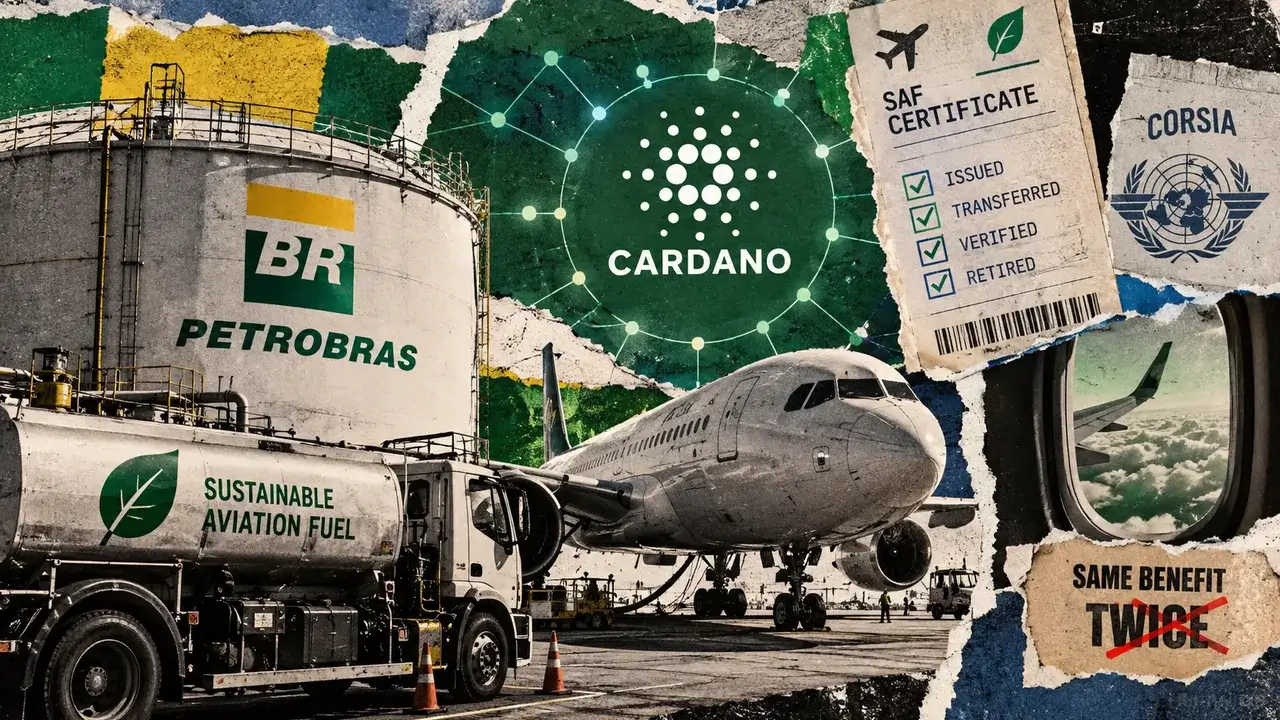
Brazilian state-controlled energy company Petrobras is testing Cardano to track sustainable aviation fuel benefits and prevent the same environmental attribute from being claimed twice. Its platform uses standardized tokens that can be transferred, verified and retired, while a separate Diesel R project proposes lifecycle checkpoints to support Scope 3 emissions reporting.
Brazil has long been a major ethanol producer using sugarcane. Corn-based ethanol has recently expanded, generating a protein-rich animal-feed byproduct that is in strong demand and exported to countries including China.
Constellation Energy and Amazon.com announced a 20-year power purchase agreement on Wednesday to support the expansion of the Calvert Cliffs nuclear plant in Maryland.
The White House is weighing regulatory relief to expand sales of red-dyed diesel, a tax-exempt fuel generally used in farming. Prices are rising after supply disruptions tied to the U.S. conflict with Iran, Ukrainian strikes on Russian refineries and falling global inventories.
The US Treasury’s Office of Foreign Assets Control has extended the operating license for sanctioned Serbian oil company Naftna Industrija Srbije until October 30. Serbia’s acting energy minister said the 30-day extension would allow the Pancevo refinery to keep operating, while warning that energy prices, logistics, low Danube water levels and fuel-import problems continue to make conditions extremely challenging.
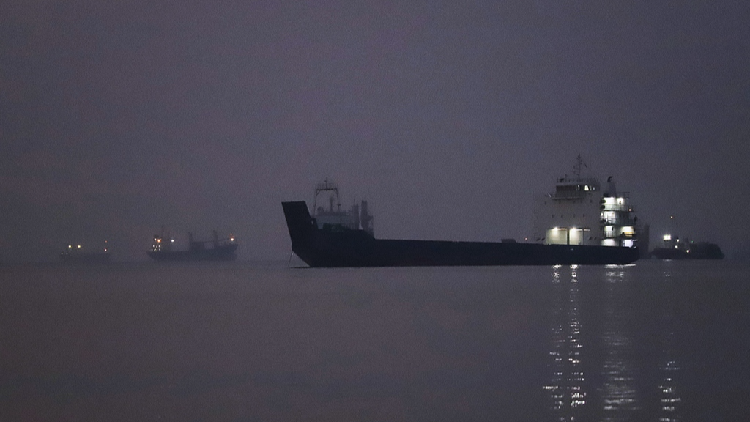
Crude oil exports through the Strait of Hormuz have recovered to prewar levels, while fuel shipments remain constrained. How long the recovery can last is unclear because it depends on U.S. military protection for tankers in the Persian Gulf.
Oil and gas production in Texas, Louisiana and New Mexico increased in the third quarter of 2026, a Dallas Fed survey said Wednesday. Producers remain concerned about whether exceptionally high oil prices can last.
A Dallas Fed survey found that energy executives expect high fuel costs to persist. The US oil industry warns diesel prices will not return to normal for another year.
A prolonged squeeze on America’s favorite protein powder is creating an opening for food-tech companies that extract the macronutrient from sources ranging from alfalfa to bog microbes.
The Bank of Russia expects fuel-market conditions to return to normal by the end of 2026 in its baseline scenario. It said the effect on prices of other goods and services should be limited, allowing stable inflation to resume its decline. The draft guidelines incorporate the government’s new budget projections for the next three years.
The Bank of Russia says it will incorporate revised budget policy parameters into its updated medium-term macroeconomic forecast, due on October 23. In its baseline scenario, the primary structural deficit is expected to fall from 2% of GDP in 2026 to zero in 2029, with the new projections implying a slightly smaller fiscal contribution to demand than forecast in July.
African leaders attended the groundbreaking of a $16 billion refinery near Lamu on Kenya’s coast. The facility is expected to be completed in 40 months and process about 700,000 barrels of oil daily under Aliko Dangote’s oversight. Environmental campaigners and residents oppose the project over ecological and ancestral land concerns.
Nigerian billionaire Aliko Dangote and Kenyan President William Ruto have broken ground in Lamu on a $16bn oil refinery expected to process 700,000 barrels of crude a day. Residents are protesting over land compensation and environmental concerns, while 133 people have asked Kenya’s High Court to halt construction. Dangote says the project will proceed and be ready by 2030.
The average UK diesel price has exceeded £2 per litre for the first time, Sky News calculations show. Motoring group RAC warned that the record cost will hurt not only drivers, but consumers more broadly because goods and services depend heavily on diesel-powered trucks and vans.
Vladimir Petrichenko, CEO of the ProZerno analytical agency, forecasts Russia’s 2026 grain harvest at 140-141 million tonnes, including about 5-6 million tonnes from the new regions. Excluding Donbass and Novorossiya, output is expected at 134-135 million tonnes, including 88 million tonnes of wheat, 19.6 million tonnes of barley and 15.7 million tonnes of corn. Russia harvested more than 144 million tonnes in 2025, its third-largest crop on record.
A Swedish government scheme is giving lower-income drivers in rural areas financial support to switch from petrol and diesel vehicles to electric cars. The programme is partly funded by the EU’s Social Climate Fund.
The executive overseeing Tom Steyer’s property investments says distressed valuations and exceptionally high electricity prices have made California a “fantastic market” for the firm’s energy-focused strategy.
Brazilian state oil company Petrobras is testing the Cardano blockchain in two research projects. The trials aim to prevent emissions benefits from being double-counted and trace fuel data from production through use.
Russia’s government has extended through October 31, 2026 a ban on direct producers exporting diesel, marine fuel and gas oils. The measure is intended to stabilize the domestic fuel market amid stronger motor-fuel demand during the autumn harvest season. A broader fuel export ban remains in force through January 31, 2027.
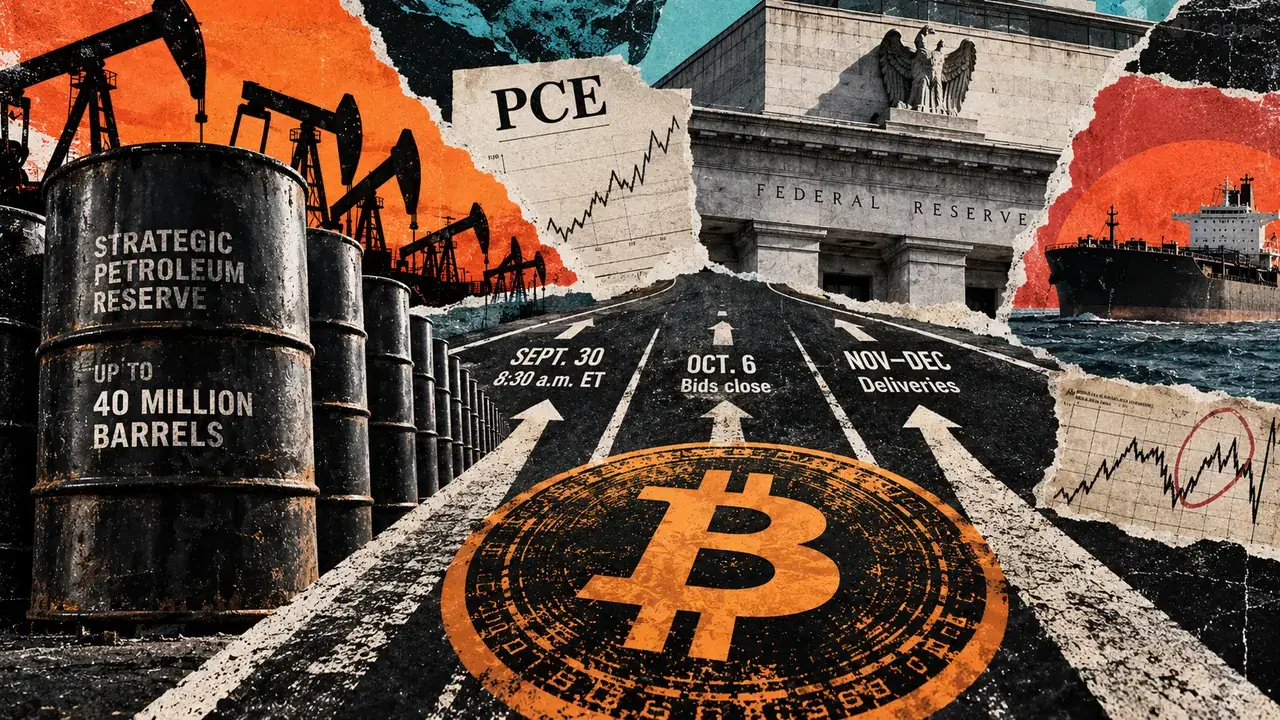
The US Department of Energy is seeking exchanges for up to 40 million barrels from the Strategic Petroleum Reserve, with bids due October 6 and deliveries planned for November and December. The offer could affect Bitcoin through inflation expectations, bond yields and Federal Reserve rate expectations, but available figures do not show that it has moved those markets or Bitcoin yet.
Washington is pressing European countries to release more emergency oil reserves, saying they have yet to fulfil promised releases as soaring crude and diesel prices increase pressure on governments to intervene.
India’s Steel Authority of India has airlifted coking coal from Mongolia for the first time, two sources said, testing the landlocked country as a possible new supplier while seeking to reduce dependence on Australia.
The $300 billion wealth fund of Abu Dhabi Crown Prince Sheikh Khaled is a central player in the UAE’s “Zero Hormuz” strategy, spending heavily on ports and infrastructure to redraw trade routes in the Gulf.
The number of commercial flights across the EU rose in every summer month compared with last year, despite higher jet fuel prices. Traffic nevertheless declined in several member states.
French President Emmanuel Macron said at an economic forum in Madrid that inexpensive Russian gas had been fundamental to European industry’s competitiveness, but Europe cut those supplies because of the Ukrainian conflict. He said the situation in the Strait of Hormuz has intensified a new phase of Europe’s energy crisis and urged an integrated energy market with fairer cost-sharing for major projects.
A new report adds to growing research showing that extreme weather is reshaping global inflation and making some grocery items more expensive this year.
Kazakhstan has resumed enforcement proceedings to collect a 2.3 trillion tenge ($5.22 billion) fine from the international consortium operating the Kashagan oilfield, Interfax reported, citing the Justice Ministry.
US energy regulators accepted a plan from the country’s biggest electric grid to speed up new power supply, but suspended it for five months. The region is struggling to keep pace with demand from data centers.
Mongolia is on track to have the world’s best-performing stock market this quarter, lifted by a commodity boom that shields the landlocked North Asian country from the volatile artificial-intelligence trade.
President Donald Trump could unveil plans as soon as Wednesday to use about $54 billion from South Korea’s pledged strategic investment package to build an Alaska liquefied natural gas project. The move would be part of a series of economic initiatives ahead of November’s midterm elections.
Middle East crude shipments have recovered to 17.5 million barrels per day, or 98% of pre-war export volumes, according to JPMorgan data cited by Bloomberg. Refined-product exports are at 58% of previous levels, while flows through the Strait of Hormuz have returned to about 13 million barrels per day.
OPEC+ oil-producing countries are likely to leave their November production targets unchanged when they meet on Sunday, two sources familiar with the matter told Reuters.
The author says that despite Tehran’s claims to the contrary, the Strait of Hormuz is effectively wide open and Donald Trump has the upper hand in the contest. Crude exports from US allies in the region through the strait and bypass routes have recovered to about 80% of prewar levels, while Iran’s own oil exports have fallen to zero.
Qatar says meetings and message exchanges aimed at narrowing differences between the United States and Iran are continuing, with Doha seeking common ground for a peaceful settlement. The IRGC says US warships have moved away from the Strait of Hormuz, while Houthi officials claim Saudi aircraft carried out 35 strikes in five Yemeni provinces.
US-Iran tensionsQatar mediationStrait of HormuzYemen airstrikes
Gold prices rose on Wednesday but remained on course for a monthly decline as expectations of higher interest rates weighed on sentiment. Investors are awaiting US inflation data for indications of the Federal Reserve’s next policy move.
Oil prices rose on Wednesday after US President Donald Trump denied he was willing to ease sanctions on Iran. Qatar was pressing for peace talks, while a recovery in Middle East crude supply had driven prices lower in the previous session.
Sharp increases in fuel prices in Portugal since the war began in the Middle East have affected sectors ranging from fishing and agriculture to freight and passenger transport.
Diesel has become Europe’s most expensive fuel, reaching a record €2.226 per litre and overtaking petrol. Despite that, EU governments still tax diesel about 12 cents less than petrol.
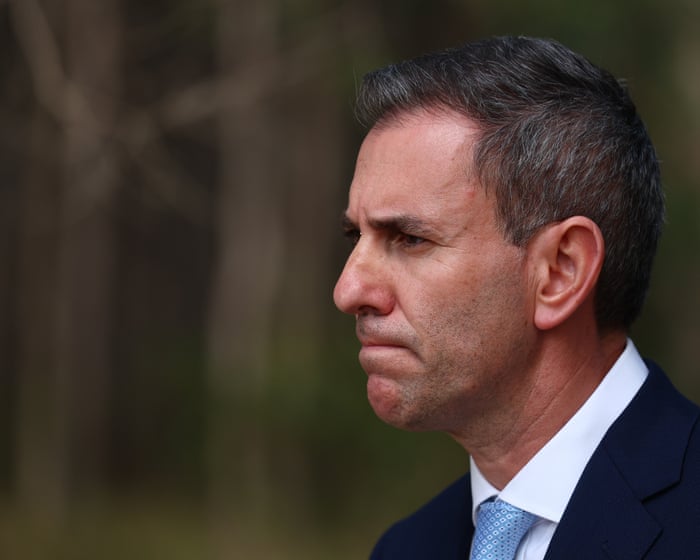
Australia’s annual inflation rate rose to 4% in August from 3.5%, with fuel prices surging 15% amid higher global oil prices and the worsening Middle East conflict. Treasurer Jim Chalmers blamed the external shock, while economists said inflation remained above the Reserve Bank’s 2.5% target and another rate hike could come before year-end.
Nigerian billionaire Aliko Dangote and Kenyan President William Ruto will break ground on Wednesday for a $16 billion oil refinery in Kenya. The project is intended to meet rising demand for petroleum products across East Africa.
The White House is holding crucial talks on a possible diesel export ban as the midterm elections approach. Trump is at the centre of a lobbying battle between Big Oil and senior Republicans warning that high fuel prices could anger voters.
A possible US ban on diesel exports after storage facilities are filled could force refineries to reduce operations, cutting gasoline and jet-fuel output and raising prices, expert Oleg Nikolayev says. He estimates that up to 30% of US diesel production is exported and warns the measure could hurt producers and backfire on Washington.
United Statesdiesel exportsgasoline pricesrefineries
Spain’s decision to abandon Russian LNG could raise fuel prices and production costs in energy-intensive sectors including chemicals, metallurgy and fertilizers, political analyst Ilya Grashchenkov told TASS. He said a direct gas shortage is unlikely because Spain can replace supplies, but prices could rise in a cold winter, while contract disputes may lead to compensation claims and lengthy arbitration.
China’s soybean purchases are expected to fall in the coming months as weak animal-feed demand and negative crushing margins weigh on the market. US cargoes have little room to gain ground after being left out of proposed tariff relief following last week’s Washington summit.
Canada’s energy minister said the country has contingency measures ready for possible disruptions to diesel supplies, including a potential US ban on fuel exports.
The Minutes Reader extension turns the original page into a focused reading view and translates articles and video subtitles on demand. It is in limited beta.