Apollo Global Management is in talks with SoftBank Group about increasing a loan to $9 billion from $5.4 billion, helping the Japanese company finance its investment in artificial-intelligence giant OpenAI.
Turkish officials are using liquidations and bans in an effort to keep turmoil at some of the country’s most prominent asset managers from spreading through the broader financial industry.
Many Nigerians bought shares for the first time in Aliko Dangote’s oil refinery after more than four billion shares went on sale. The IPO sparked intense enthusiasm, crashed investment apps and inspired the “Yangote” slogan, though analysts warned that refinery and market risks could cause investors to lose some or all of their money.
The US Development Finance Corp has approved up to $414m in financing for Canadian miner Global Atomic’s Dasa uranium project in Niger. The deal could improve US access to a strategic energy resource and offer a rare boost to strained US-Canada ties, but the project faces serious security and political risks.
The U.S. government has approved up to $414 million in financing for a uranium project in Niger, the developer says. Sources described the deal as a win for Washington two years after Niger expelled all U.S. forces.
When Japanese Finance Minister Satsuki Katayama called U.S. Treasury Secretary Scott Bessent in June for help supporting the plunging yen, he delivered a familiar message: Tokyo would need to put its fiscal house in order if it wanted assistance.
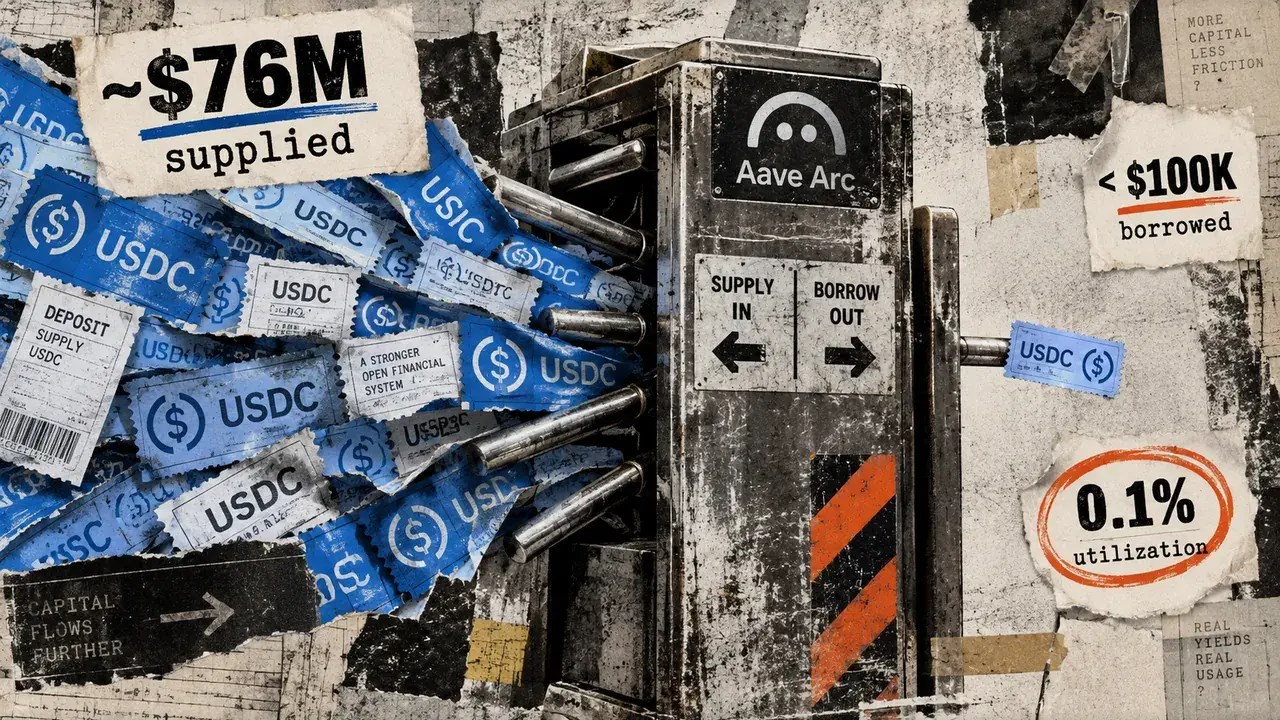
Aave V4’s Arc Layer-1 market attracted about $76 million in supplied USDC by Sept. 17, while less than $100,000 had been borrowed, leaving utilization near 0.1%. LlamaRisk proposed raising the Main Spoke’s supply-side add cap from 56 million to 150 million USDC, but sustained borrowing demand will determine whether the market becomes an active credit venue.
Rising yields are weighing on bond portfolios, but financial advisers say investors have several ways to shield themselves from the turmoil and potentially turn it to their advantage.
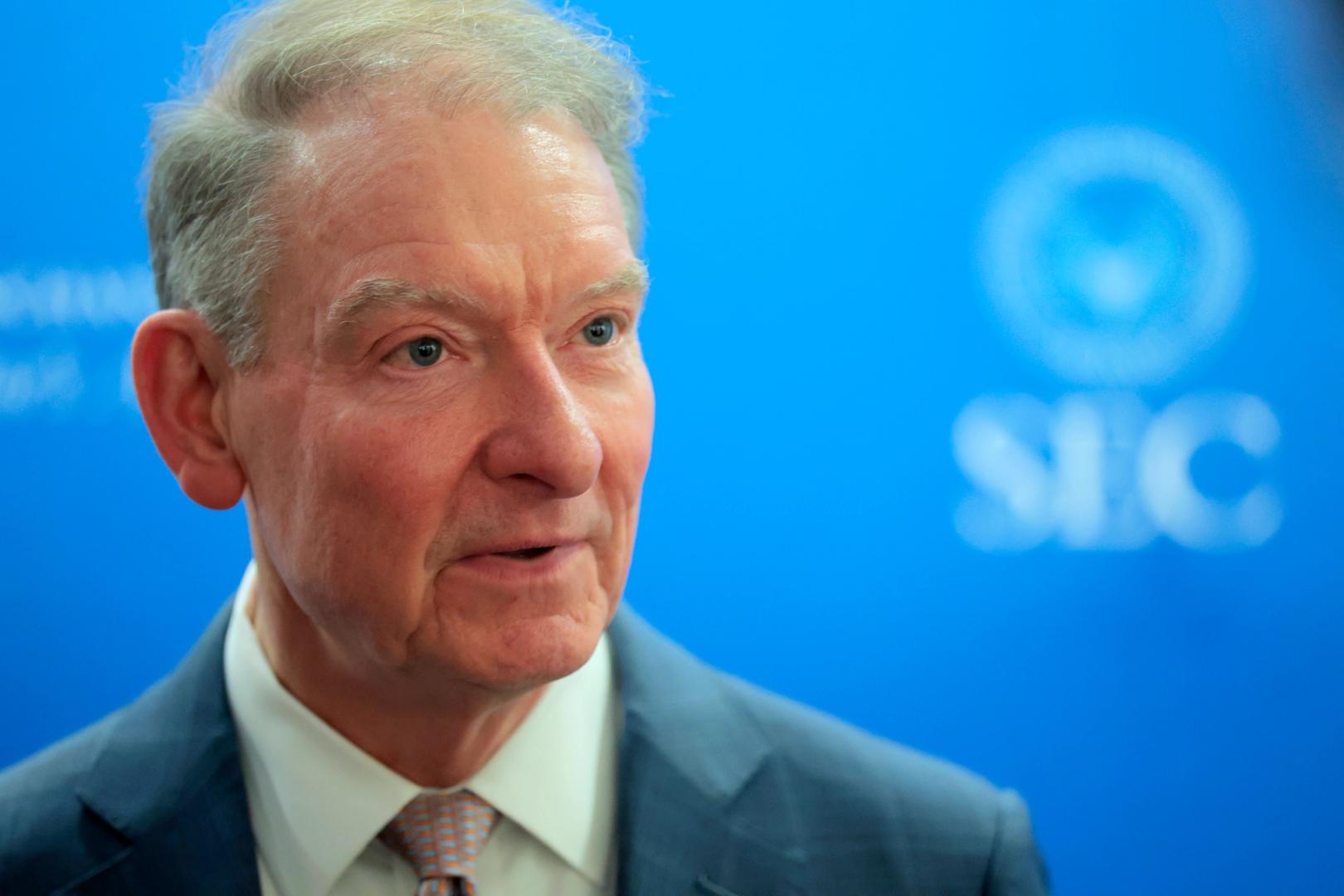
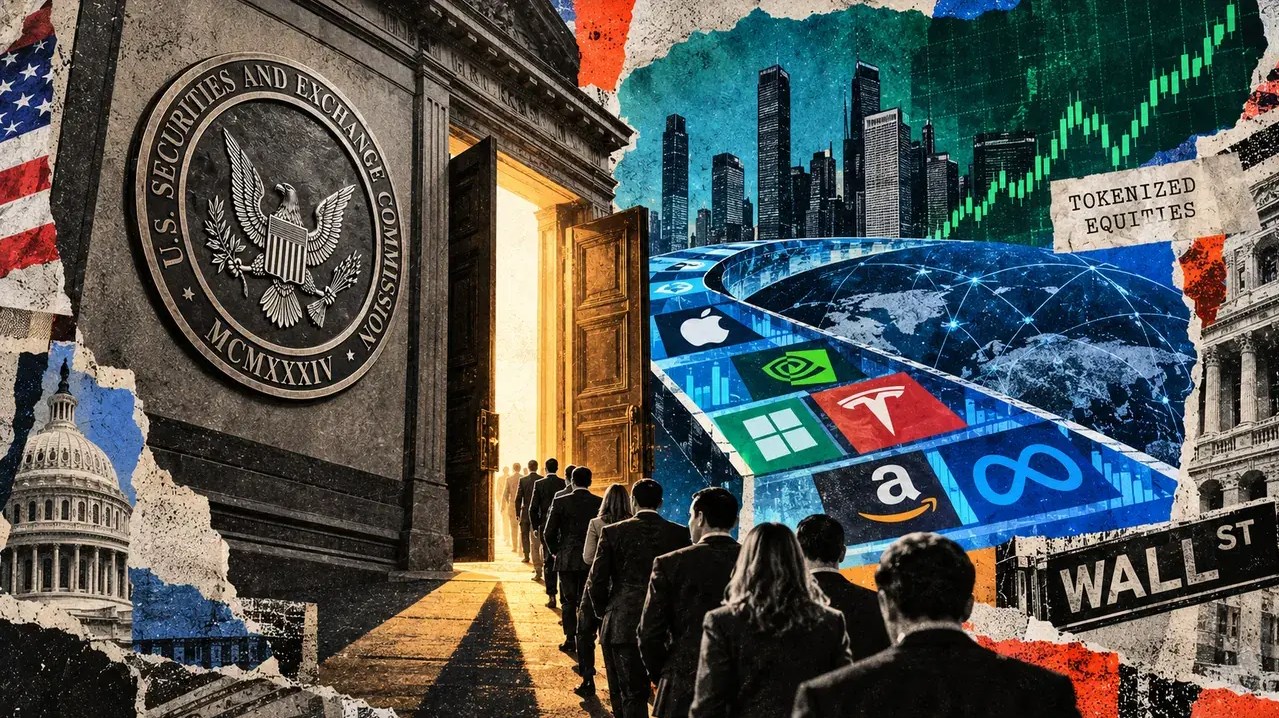
The SEC has created a five-year pathway for regulated US stocks to trade on blockchain-native venues, following the Senate’s failure to advance the CLARITY Act. The exemption gives qualifying tokenized-securities venues temporary relief from some exchange and dealer-registration rules, while imposing limits on symbols and volume plus transparency, recordkeeping and technology safeguards.
The SEC’s five-year experiment creates a new U.S. route for DeFi-style trading venues, tokenization companies and liquidity providers. Synthetic stock tokens, however, remain outside the framework.
A US regulator is opening a pathway for tokenised stock trading. Blockchain-based representations of traditional equities can trade around the clock and be used more readily as collateral.
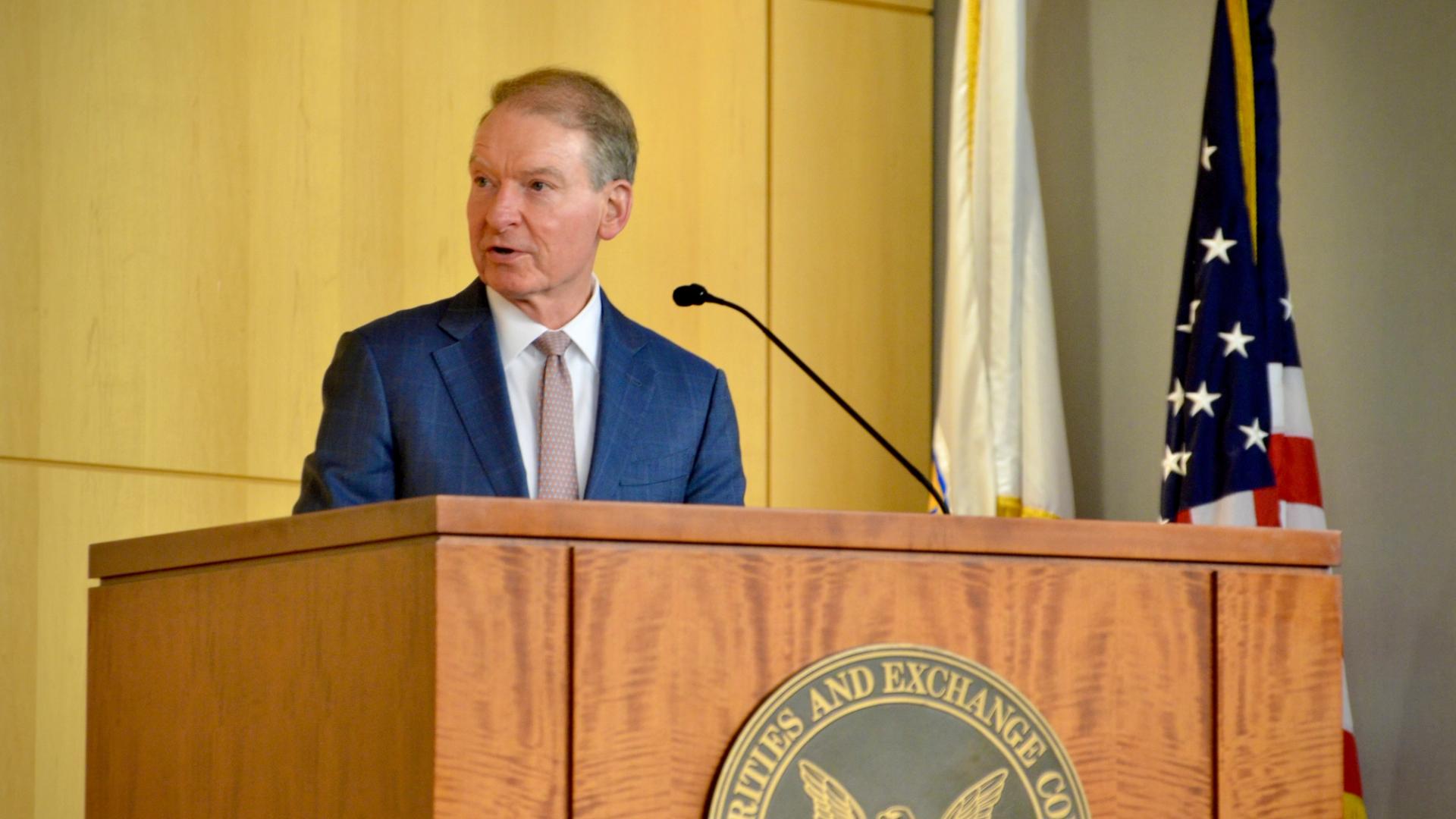
The U.S. Securities and Exchange Commission unveiled a long-awaited five-year exemption allowing companies to offer blockchain-based, or “tokenized,” stocks and other securities for trading. The move could bring digital assets more deeply into traditional markets.
The SEC has opened a route for tokenized stock trading, moving markets closer to round-the-clock operations. The long-awaited Innovation Exemption came two days after the Senate voted to stop the CLARITY Act crypto market structure bill from advancing.
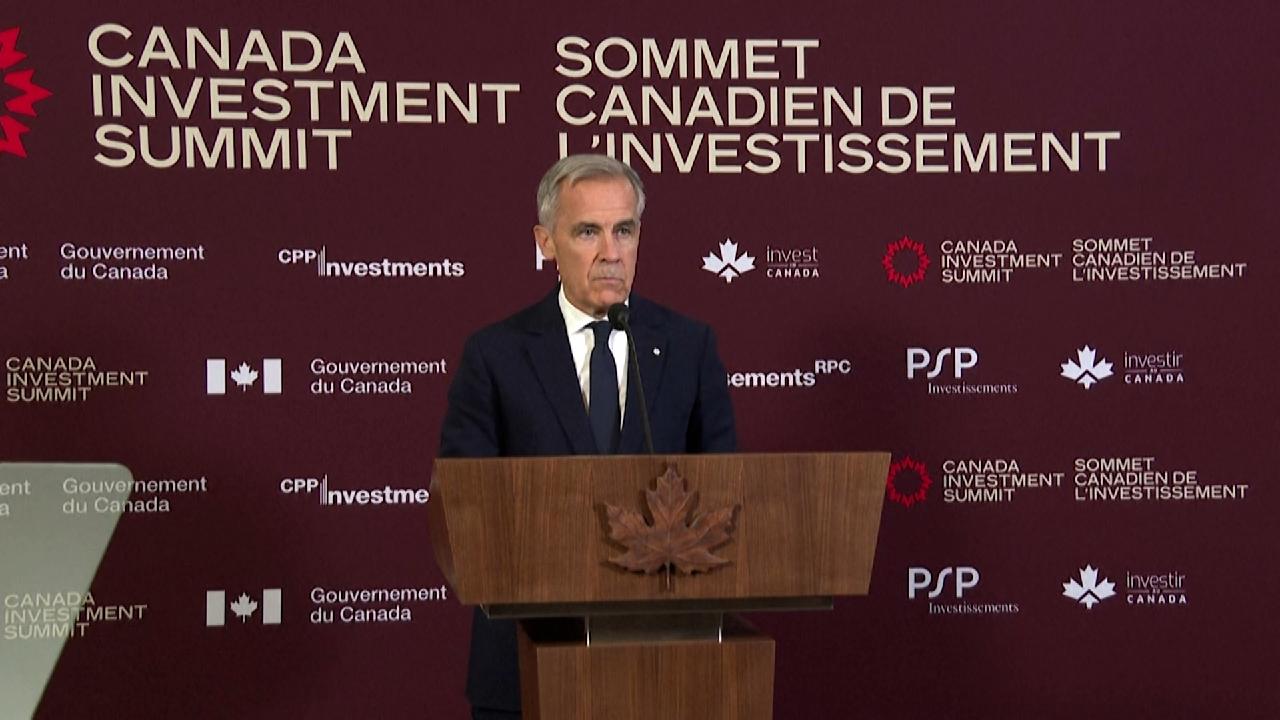
The Canadian government says nearly $500 billion in new investment will enter the country following the first Canada Investment Summit in Toronto. Investors from nearly 30 countries, overseeing more than $100 trillion in assets, attended the two-day event, where about 167 projects were discussed and major investments went to energy, critical minerals and AI. The summit also drew criticism over the climate crisis.
Government borrowing costs are rising worldwide as investors seek greater compensation for holding longer-term debt. In the US, higher yields led Treasury Secretary Scott Bessent to announce expanded buybacks of long-dated government bonds, but the move failed to keep 10-year Treasury yields below 5%, their highest level in nearly two decades.
The Middle East war is driving up energy prices and global borrowing costs, pushing economies and markets closer to a potentially damaging period marked by high inflation and slow growth.
A decree signed by Vladimir Putin places the Russian subsidiaries of France’s Auchan and Switzerland’s Nestlé under temporary management by L.E.V. Management. It also covers Adeo’s 0.007% stake in Leroy Merlin’s Russian entity. Neither Auchan nor Nestlé left Russia after the 2022 invasion, though Nestlé reduced its operations.
Shares in Raiffeisen Bank International fell 9% after Grizzly Research accused it of helping Russia evade sanctions. The bank called the report misleading and factually wrong, while saying it has spent years trying to sell its Russian business and leave the country. Bloomberg Intelligence analysts said the report may overstate the sanctions risks.
Dragonfly’s Haseeb Qureshi said the surge in real-world asset trading on Hyperliquid reflects crypto’s broader maturation toward tokenized stocks, bonds and other real-world assets, while making the case for a multichain future.
Russia’s stock market ended lower on Thursday, with the MOEX Index down 1.57% at 2,248.87 points and the RTS Index off 1.97% at 838.3. An analyst said profit-taking continued, while Lenta fell 5.6% ahead of its removal from the MOEX basket.
Higher capital costs should theoretically reduce a company’s value, but share prices are telling a different story, complicating the spreadsheets used by investment bankers.
The Bank of England has announced a multiyear plan to unwind its quantitative-easing-era purchases of UK government bonds by 2034, setting an endpoint for quantitative tightening.
The Bank of Russia set the official dollar exchange rate at 84.5093 rubles for September 18, up 33.61 kopecks from the previous figure. The euro rate rose to 97.4984 rubles and the yuan rate to 12.5788 rubles.
The Bank of Russia bought yuan on the domestic market in a transaction worth 2 billion rubles ($23.6 million), settled on September 16, according to regulator data. It made another 2-billion-ruble yuan purchase settled on September 15. The operations use the yuan-ruble instrument on the Moscow Exchange.
Anatoly Aksakov, chairman of the Russian State Duma’s Financial Market Committee, expects up to 3% of Russians with bank accounts to use the digital ruble in daily life by early next year. He said some iPhone users can already use it despite connection problems, which he expects to be resolved by then. The mass rollout began on September 1.
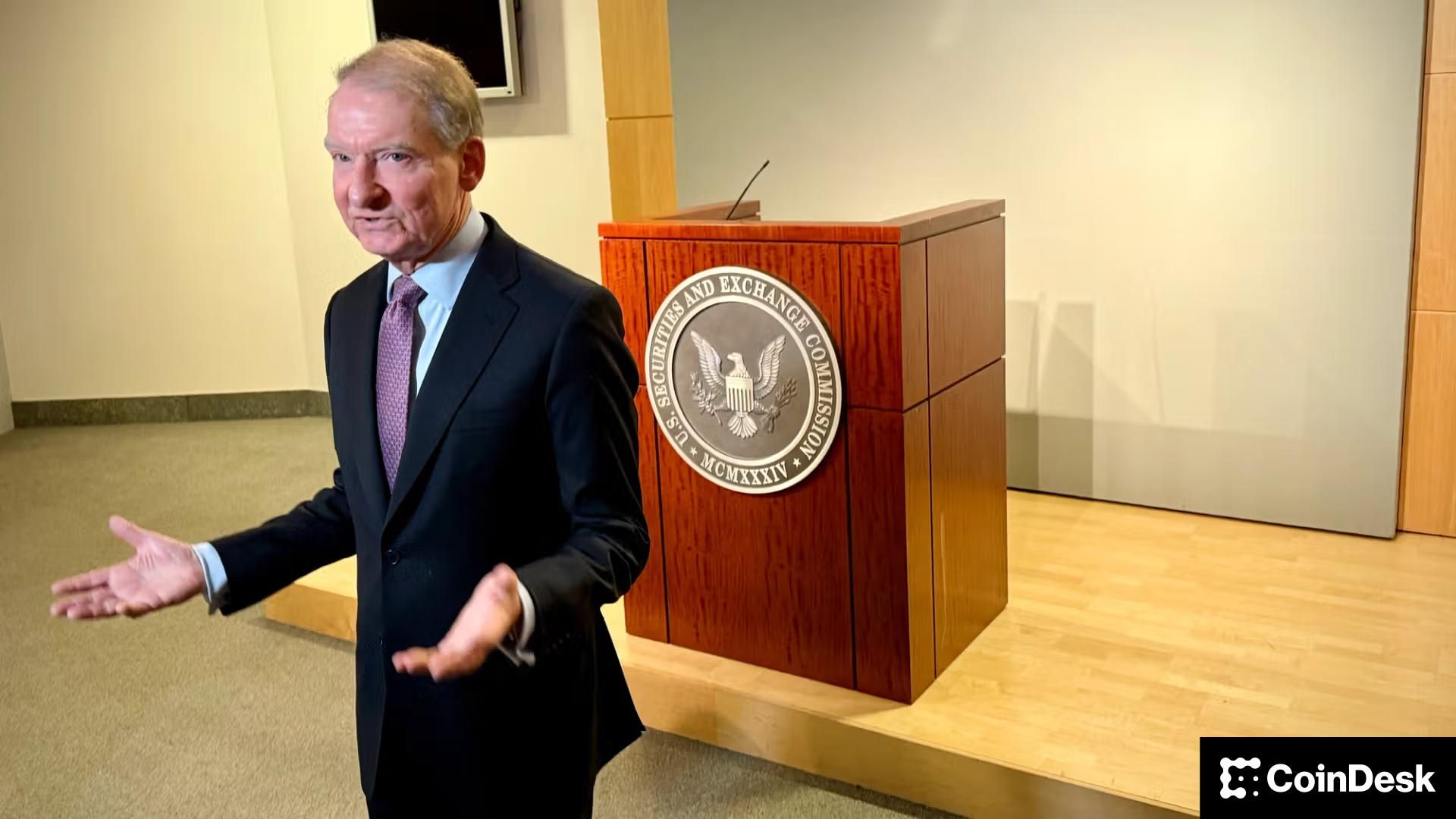
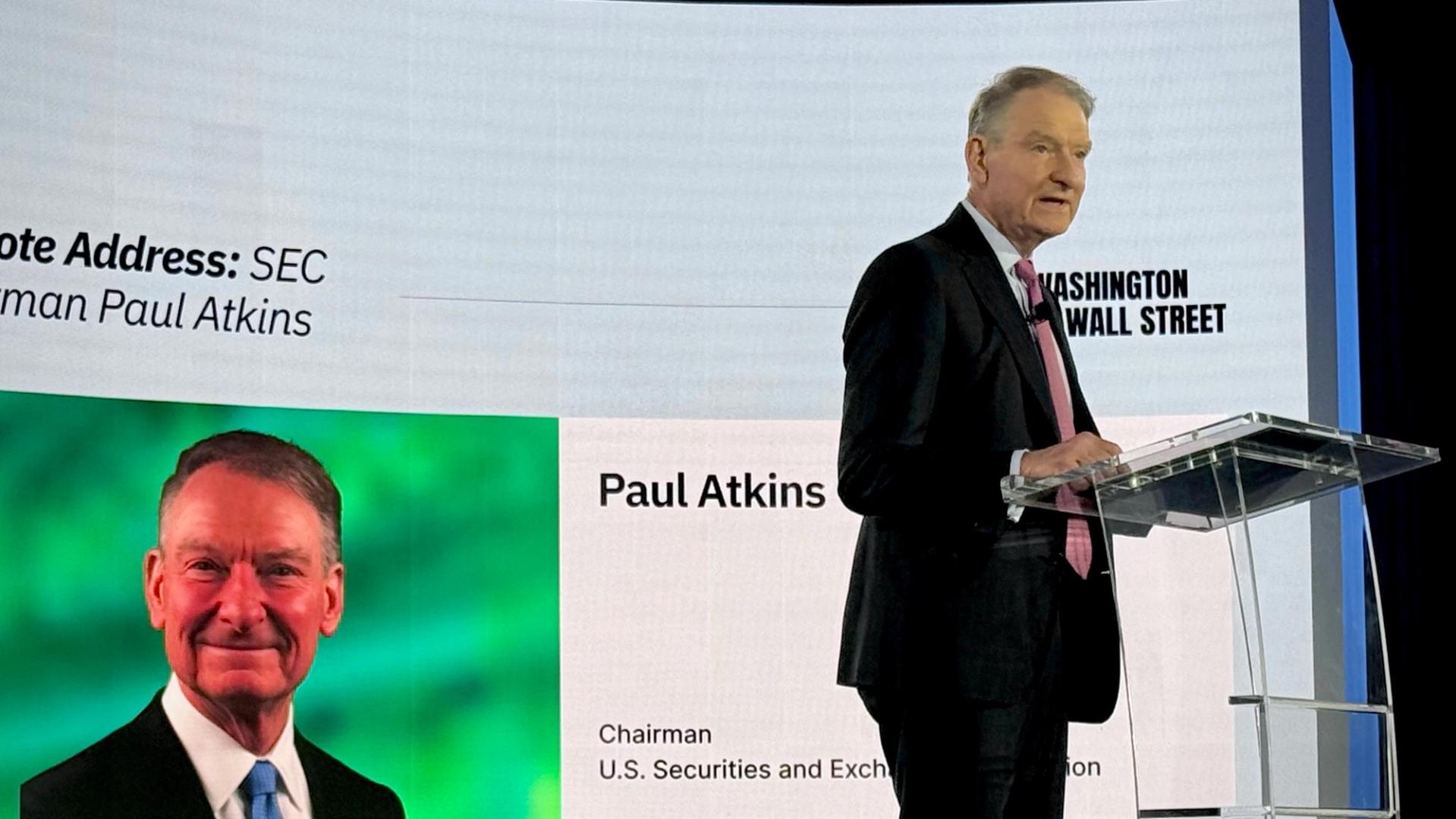
The U.S. Securities and Exchange Commission examined plans for around-the-clock trading at an event held the same morning it approved tokenized securities.
Over the past two decades, BRICS has offered the Global South alternative financing, support for industrial and technological innovation, and a stronger voice in global governance. Ethiopian officials and analysts say the platform can attract investment, expand export markets and fund infrastructure, while China’s five initiatives, including AI cooperation, could support industrial transformation and locally tailored development.
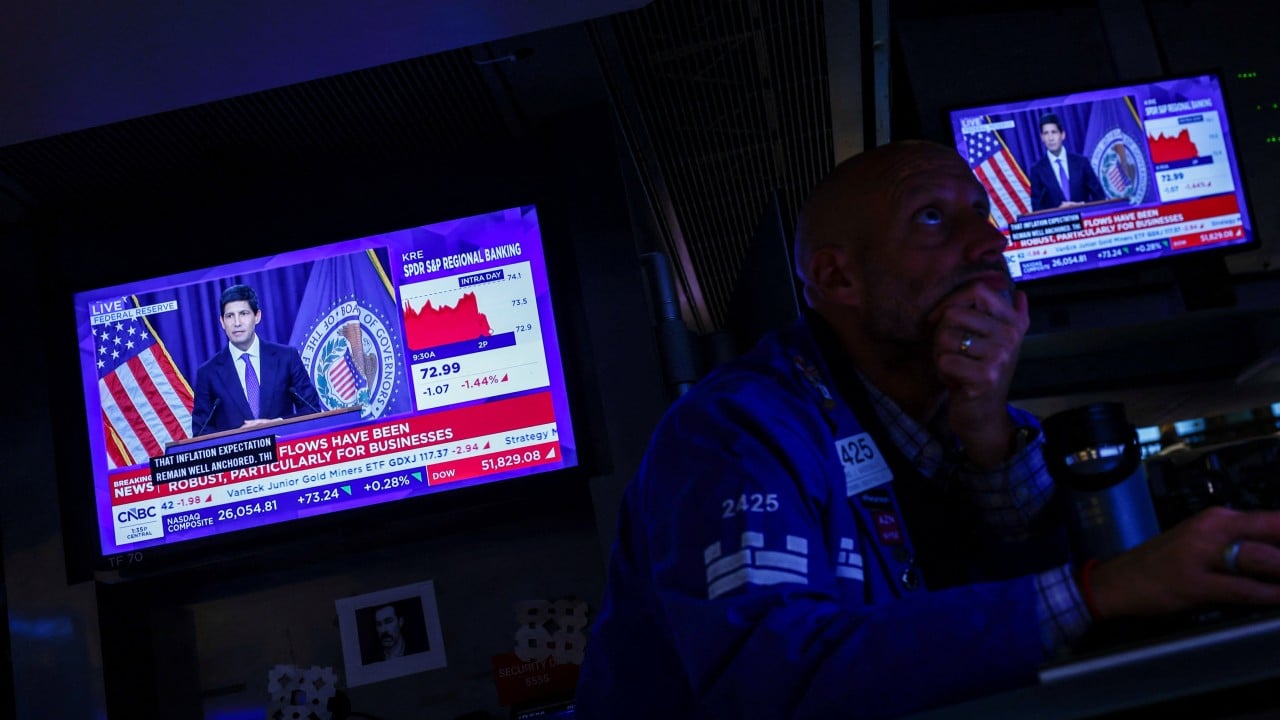
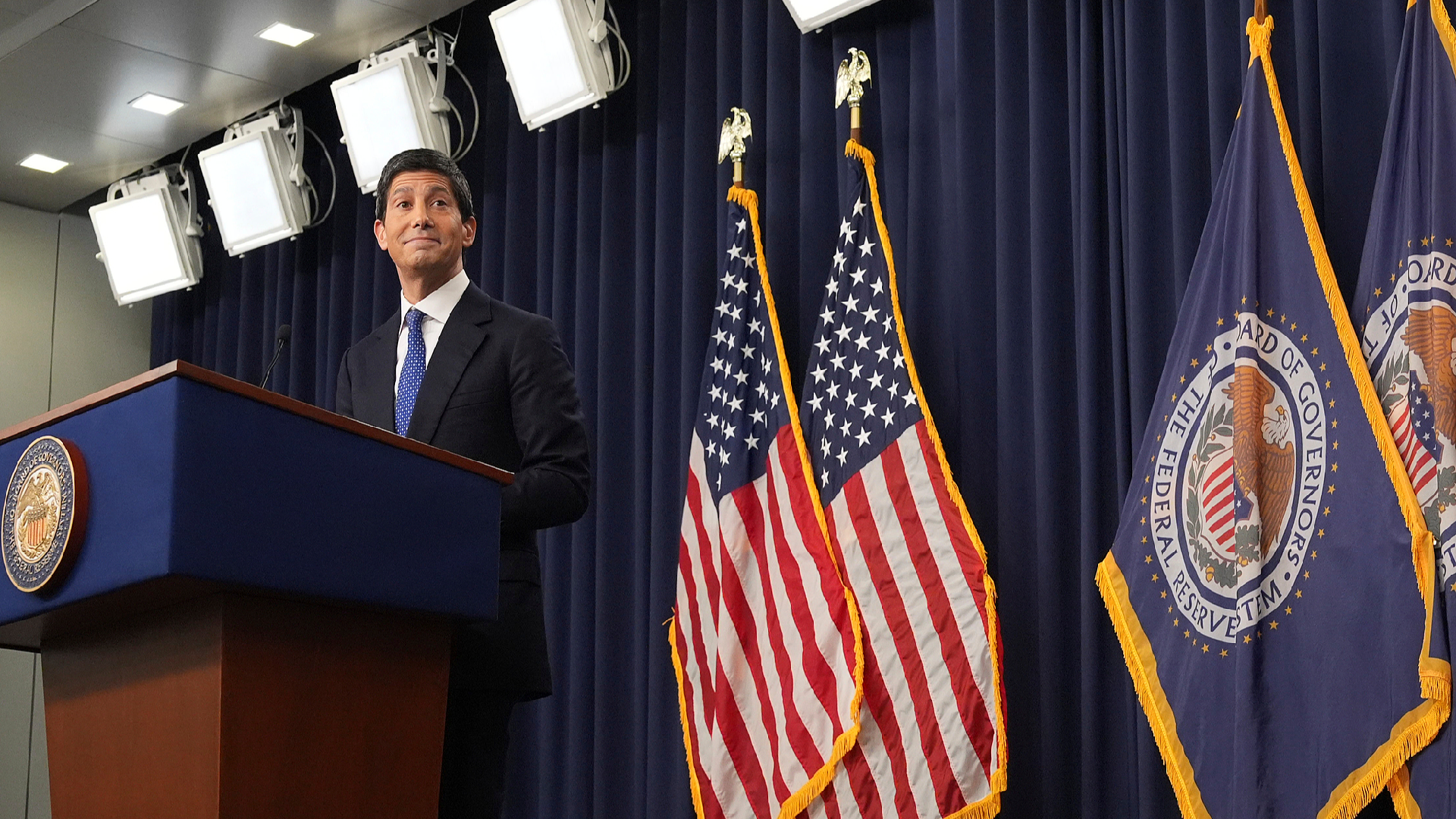
The Federal Reserve has raised interest rates for the first time since 2023, pointing to persistent inflation despite President Donald Trump’s pressure for lower borrowing costs. Trump immediately rebuked the move, while Fed Chair Kevin Warsh defended the central bank’s independence and said inflation remains the priority.
U.S. stock index futures surged on Thursday after the Federal Reserve raised interest rates and reaffirmed its focus on taming inflation, easing a long-standing source of market anxiety.
U.S. stock indexes climbed sharply Thursday morning after the Federal Reserve raised interest rates to curb rising inflation. Falling oil prices also helped lift stocks and bonds.
U.S. stock futures are rising as Wall Street seeks to recover from a lower close after the Federal Reserve delivered its first interest-rate increase in three years and adopted a tougher stance on inflation.
S&P Global has agreed to acquire OpenZeppelin as it expands its onchain security efforts. OpenZeppelin will continue operating as a standalone business unit under S&P Global, while the financial terms were not disclosed.
Ratings company S&P Global is acquiring OpenZeppelin in a move focused on the technological risks banks and asset managers face onchain. The deal follows S&P Global’s recent investment in market-data firm Kaiko.
A dusty dairy town’s enthusiasm for options trading captures the story of a multibillion-dollar retail wipeout and the regulatory crackdown that followed.
At Astana Finance Days 2026, speakers examined how Kazakhstan could move beyond its traditional role as a transit country and develop into a regional centre for production, trade and investment.
The SEC has released its long-awaited “innovation exemption,” presenting it as a response to the Senate’s failure to move forward with cryptocurrency legislation.
The U.S. Securities and Exchange Commission issued a blanket five-year exemption allowing venues to list and trade tokenized securities without registering as exchanges.
Crypto.com has registered with the SEC for single-stock futures. CEO Kris Marszalek said the company is also working with the SEC and CFTC to offer single-stock perpetual futures in the United States.
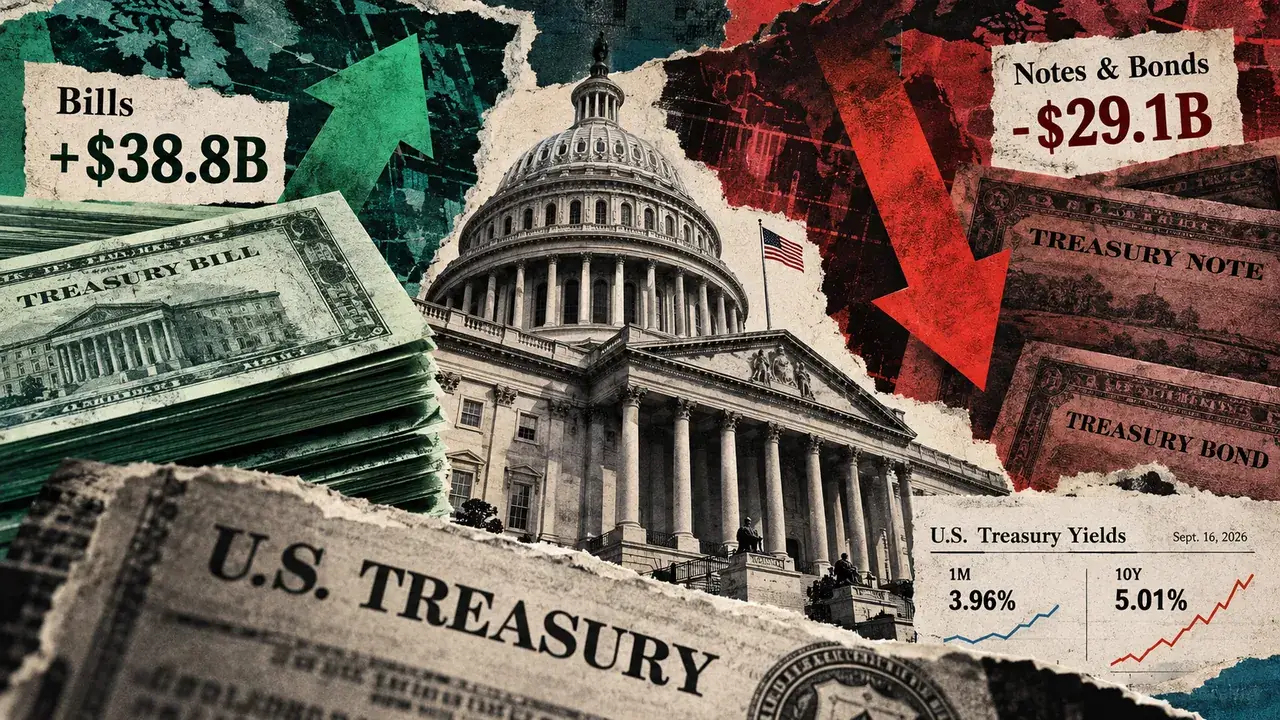
Foreign buyers returned to U.S. Treasury bills in July, but private investors sold $29.1 billion of Treasury notes and bonds. Elevated long-term yields could raise the opportunity cost of holding Bitcoin and tighten financing for risk assets, though the data do not establish that July’s flows drove Bitcoin’s September performance.
November Brent crude futures fell below $102 per barrel on London’s ICE for the first time since September 10. At 3:09 p.m. Moscow time, the contract was down 3.7% at $101.91, before trimming its loss to 3.31% and reaching $102.33 by 3:17 p.m. WTI October futures fell 2.59% to $99.78.
November 2026 Brent crude futures on London’s ICE fell below $103 per barrel for the first time since September 10. The contract was down 2.78% at $102.89 before narrowing its loss to 2.54% at $103.14, while October WTI futures fell 1.86% to $100.52.
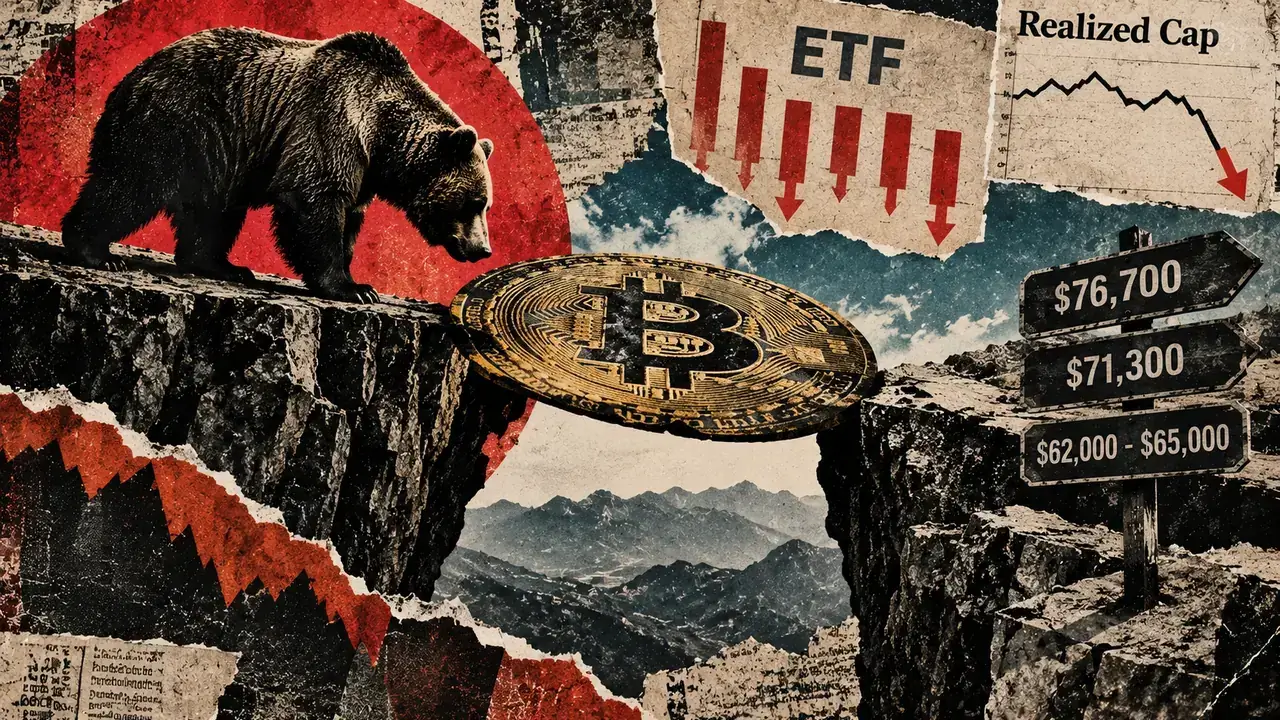
Bitcoin held near $76,500 on Sept. 17 as realized cap contracted for the first time after 27 straight days of growth, while U.S. spot Bitcoin ETFs posted a second day of net outflows. Glassnode said two closes above $76,700 with renewed realized-cap growth would restore the prior range; otherwise, attention could shift to $71,300 and the $62,000–$65,000 support zone.
Zcash miner Fortitude has appointed former Hut 8 chief Jaime Leverton as CEO. The DCG-owned company is pursuing a public listing through its proposed merger with HeartSciences.
Revolut chief executive Storonsky says the fintech is planning a dual listing in New York and London, citing the US market’s greater liquidity and larger pool of institutional investors.
Europe’s delayed replenishment of natural-gas reserves, alongside near-record prices for diesel and other refined oil products, is adding to the strain on governments seeking to contain public discontent and the rise of the far right.
Moeve has started building the Andalusian Green Hydrogen Valley in Huelva. Its first phase will include 300 MW of electrolysis and require more than €1 billion in investment, with over 8,000 jobs expected during development.
The US Federal Reserve has raised interest rates for the first time in three years, seeking to curb inflation partly driven by fuel prices lifted by the war on Iran. Policymakers unanimously approved a 25-basis-point increase to 3.75-4.00 per cent, while 16 of 18 members foresee another hike this year, risking a deeper divide in China’s economy.
The Federal Reserve unanimously raised its interest-rate range from 3.5%-3.75% to 3.75%-4%, citing inflation that is too high and has lasted too long. Donald Trump had urged cuts but backed Kevin Warsh after the decision while attacking the board. The article contrasts US imported inflation with China’s weak demand and low inflation, warning that a wider rate gap makes Chinese easing riskier.
The Federal Reserve is raising interest rates again, with effects that could extend well beyond the United States and put pressure on economies elsewhere.
Asian shares edged higher on Thursday as investors bet the Federal Reserve was finally moving ahead of inflation. Its first rate hike in more than three years helped calm a global bond selloff that had driven long-term yields sharply higher.
Federal Reserveinterest ratesUS dollarAsian shares
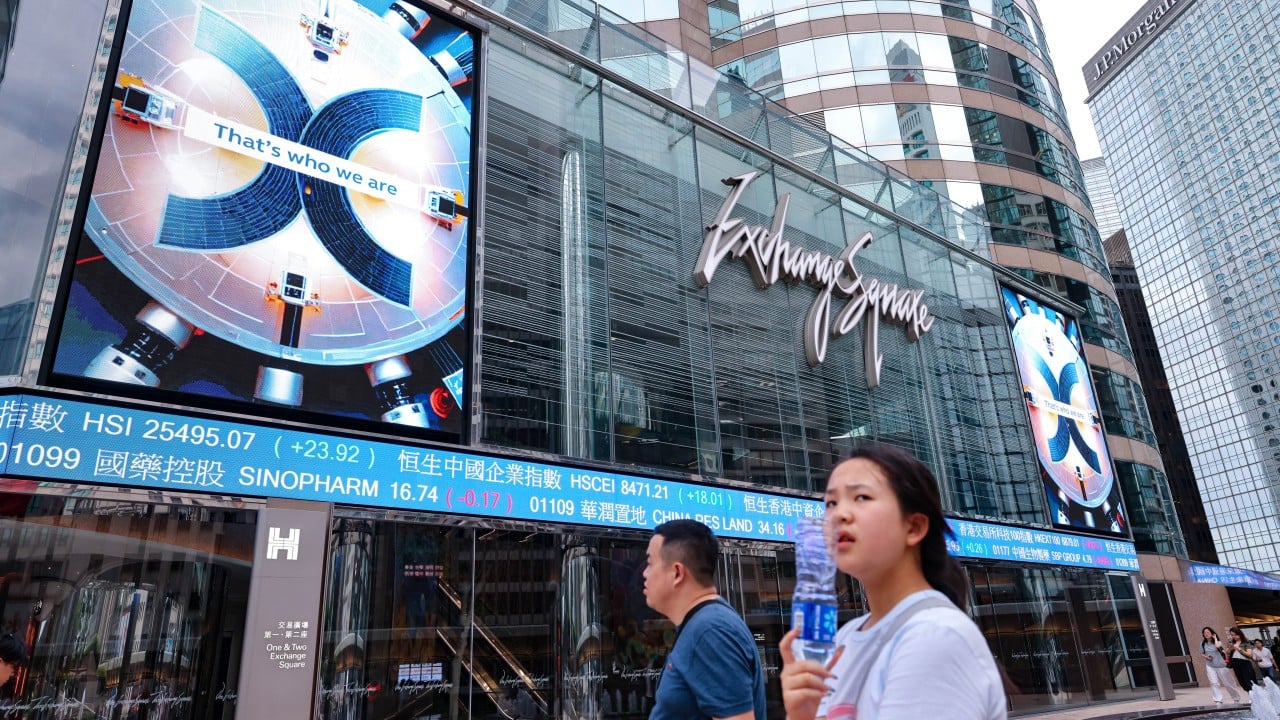
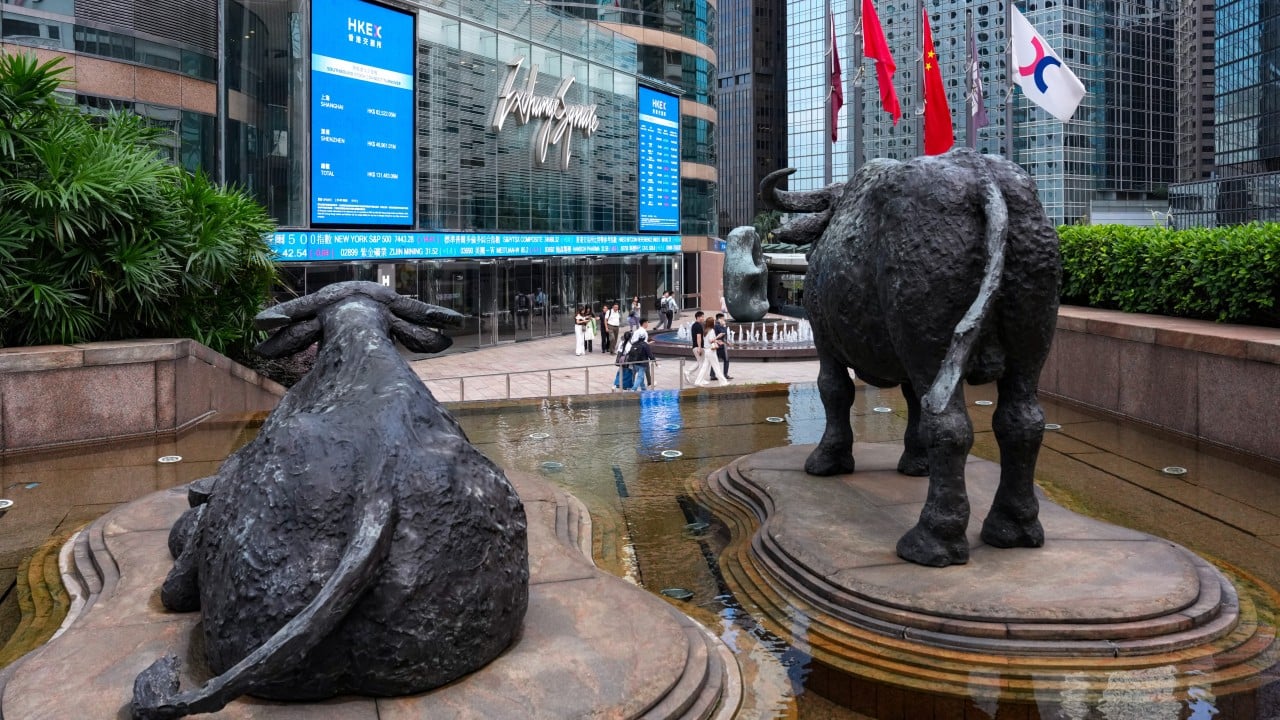
Hong Kong and mainland Chinese stocks fell on Thursday after the US Federal Reserve delivered its first interest-rate increase in three years and indicated that additional tightening remained possible. The Hang Seng Index was down 0.8 per cent at 24,537.30 by 9.30am, while the Hang Seng Tech Index fell 0.5 per cent and the CSI 300 dropped 0.2 per cent.
Hong Kong stocksFederal Reserveinterest rates
SSouth China Morning Post★★★☆☆2026-09-17 01:47Original
Members of the Federal Open Market Committee unanimously voted to lift the Fed’s key overnight bank lending rate by a quarter point, seeking to bring inflation down. It was their first unanimous rate hike in more than three years.
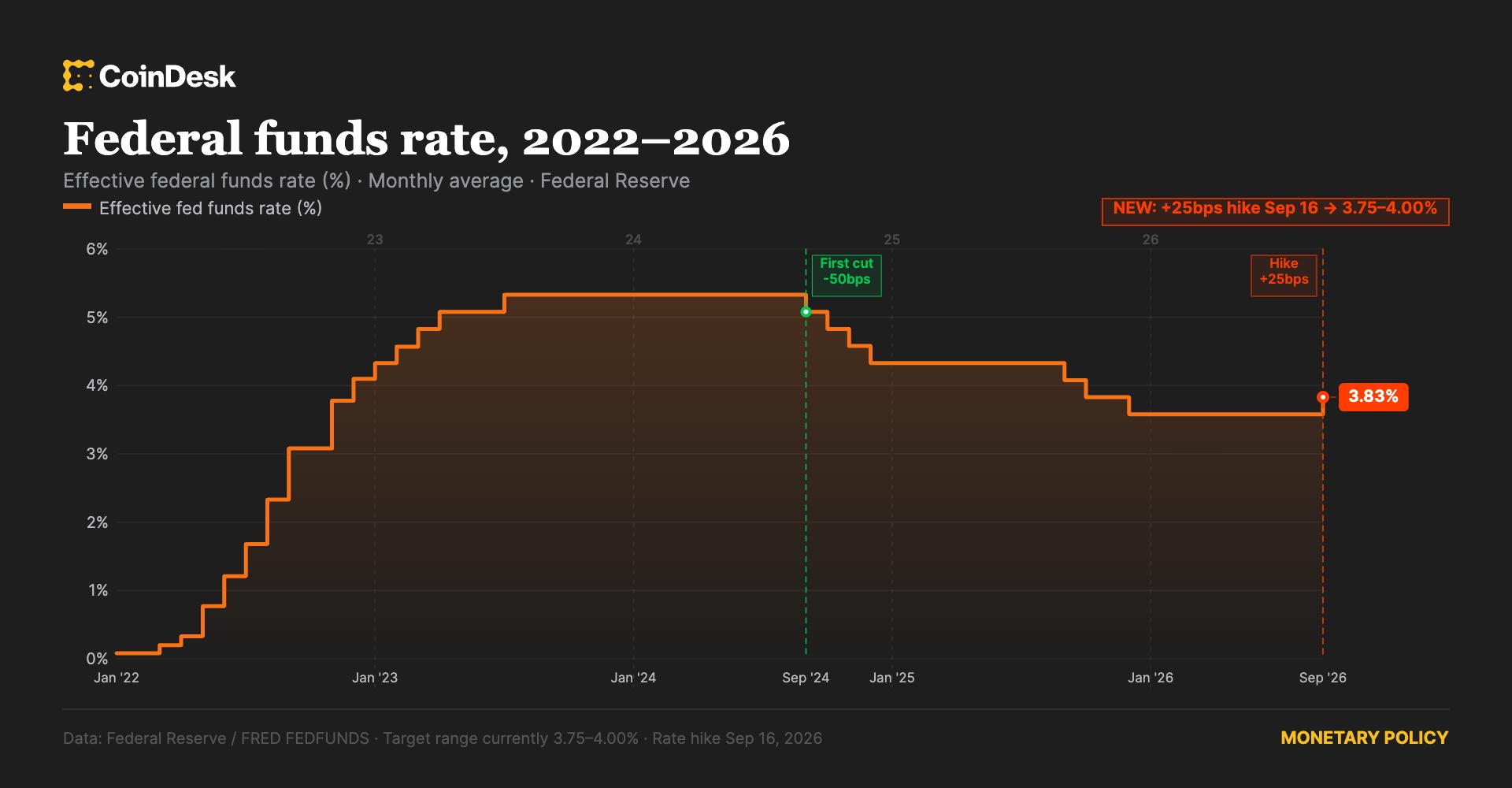
The Federal Reserve raised its policy rate by 25 basis points to 3.75%-4%, its first increase since July 2023, citing persistently elevated inflation. The decision passed unanimously, 12-0. Analysts viewed the hawkish move as leaving another hike possible before year-end, while Chair Kevin Warsh avoided committing to a prolonged tightening cycle and defended Fed independence amid Donald Trump's calls for cuts.
Federal Reserveinterest ratesinflationmonetary policy
The US Federal Reserve has raised its key interest rate for the first time in three years in an effort to reduce high inflation. The decision could set up a confrontation between Chair Kevin Warsh and President Donald Trump, who has repeatedly urged the central bank to cut rates. The programme also covers France extending fuel subsidies and Hong Kong aligning with Beijing’s economic vision.
Federal Reserveinterest ratesinflationDonald Trump
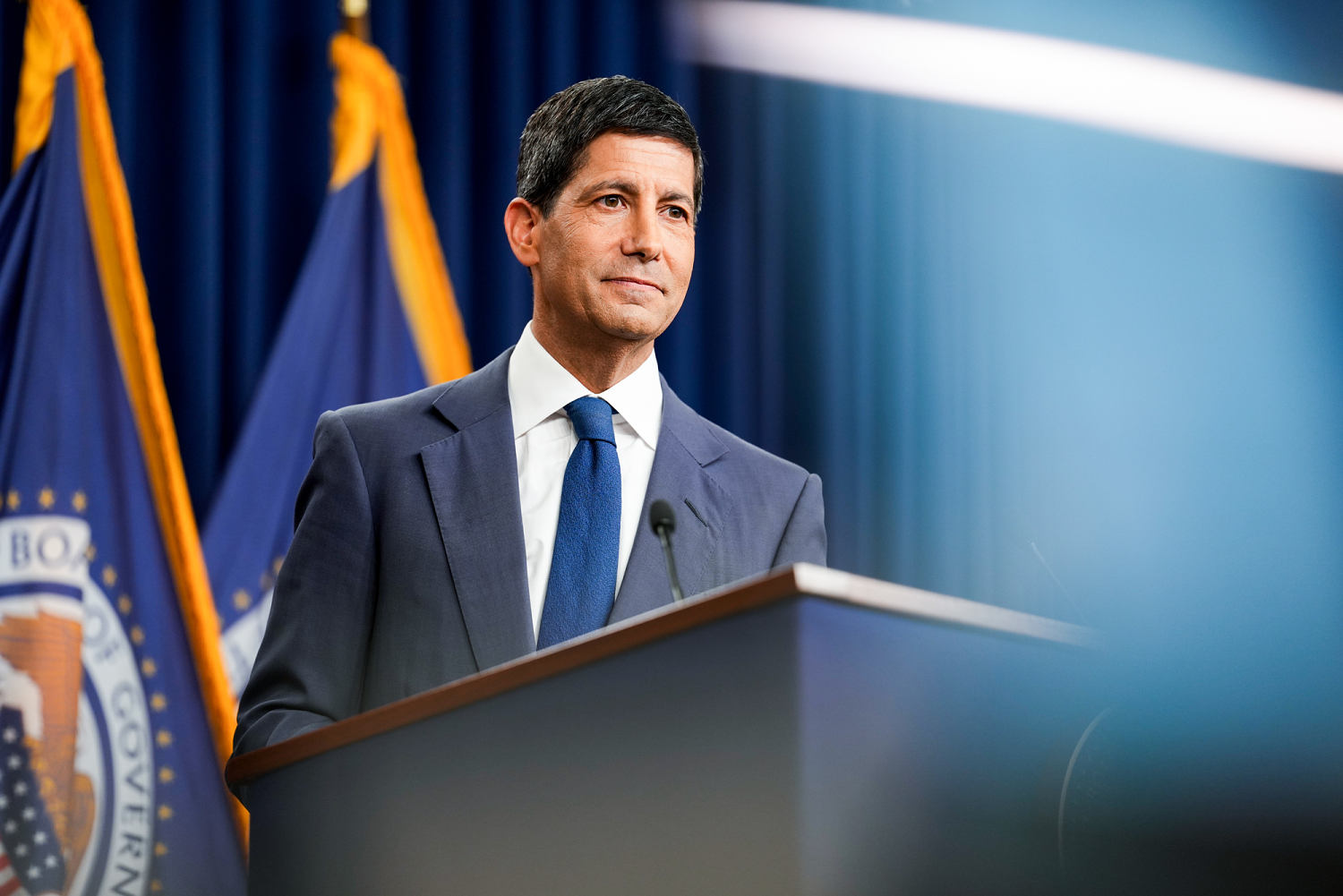
The Federal Reserve unanimously raised interest rates to 3.75%-4% from 3.5%-3.75%, its first increase in more than three years. Chair Kevin Warsh said inflation had been too high for too long, while President Donald Trump called for rates of 1% or less.
US interest ratesFederal ReserveinflationDonald Trump
President Donald Trump called on the Federal Reserve to cut interest rates to 1% or less, just hours after the central bank announced its first rate increase since 2023.
Bitcoin and ether whipsawed after the Federal Reserve unanimously raised interest rates by a quarter point, its first hike in more than three years. Warsh focused on inflation.
Donald Trump is demanding lower interest rates after the Federal Reserve raised them to address inflation he considers too high in the United States. Trump has repeatedly clashed with the Fed over its rate policy and called for borrowing costs of 1% or less.
Donald TrumpFederal Reserveinterest ratesinflation
The Federal Reserve raised interest rates, saying the move was intended to help return inflation to its 2 per cent target. It was the first policy shift by the new Fed chief, who took office in late May after being selected by Trump amid expectations he would cut rates.
Shares in German spirits maker Berentzen rose about 22% to a 14-month high after the company confirmed negotiations over a potential takeover offer from New Orleans-based alcohol producer Sazerac.
Before the US Treasury unexpectedly intervened in Japan’s foreign-exchange market on July 31, markets put the odds of a Bank of Japan rate increase at its September 17-18 meeting below 30 percent. Those expectations have since surged to nearly 100 percent, accompanied by a dramatic shift in bond markets.
Gold gained on Thursday as investors assessed the U.S. Federal Reserve’s rate increase and its indication that additional tightening may be ahead. Oil prices, meanwhile, lost their earlier momentum.
Türkiye says the stock market faces no structural risk and promises swift action. The Financial Stability Committee reviewed possible measures to maintain the healthy functioning of financial markets.
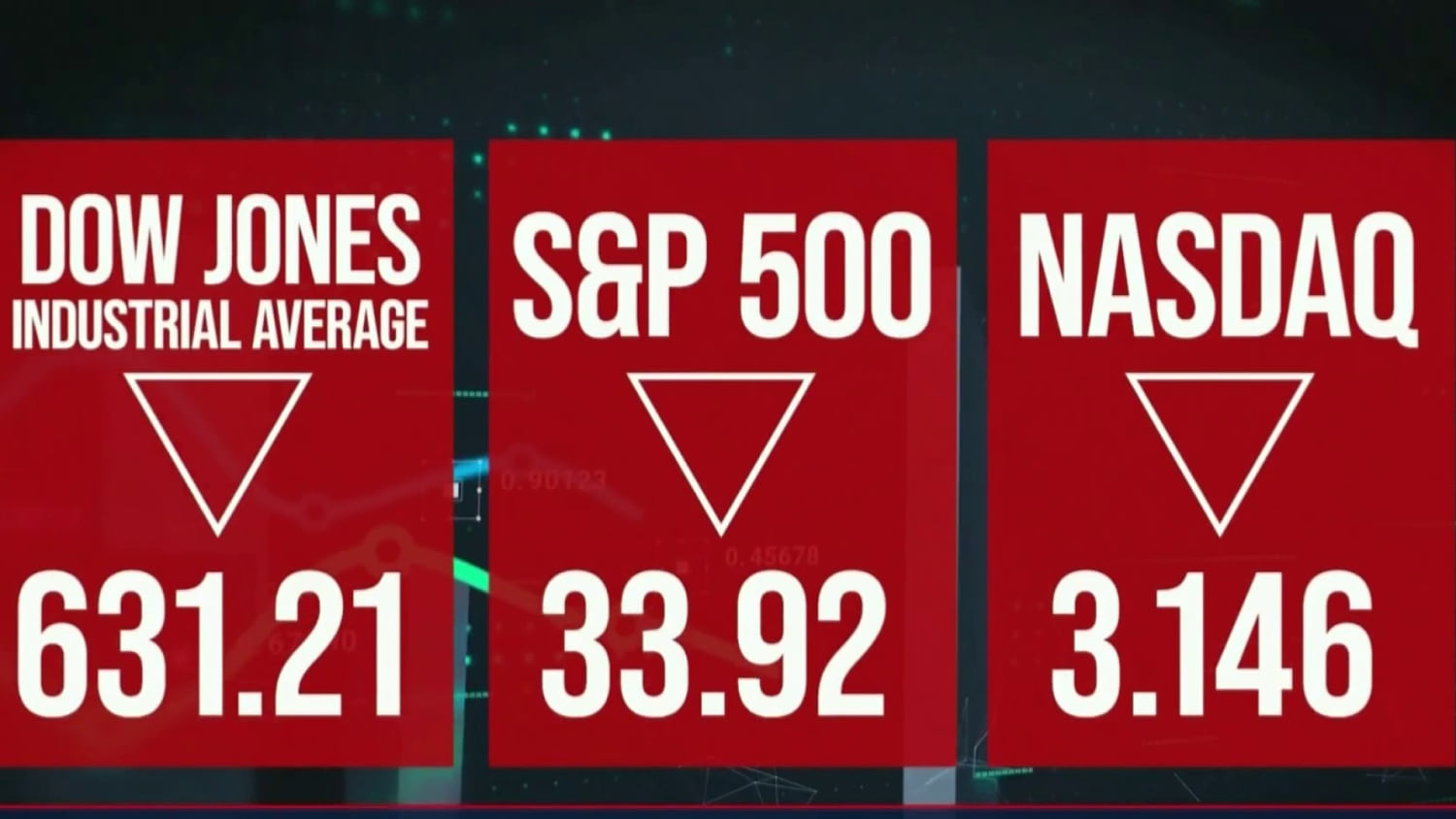
European stocks opened higher on Thursday despite Wall Street’s decline. The move followed the Federal Reserve’s first interest-rate increase in more than three years and its signal that additional hikes may be ahead, while the US dollar climbed to a seven-week peak.
Bearish sentiment toward most emerging Asian currencies intensified, a Reuters poll showed on Thursday, as investors faced the combined pressures of escalating tensions in the Middle East and rising U.S. Treasury yields.
China is gradually unwinding its holdings of US Treasuries, which have fallen to their lowest level since 2008 as the rift between the world’s two largest economies deepens.
Russian Ambassador to China Igor Morgulov said that about 98% of Russia’s trade with Shanghai Cooperation Organization countries, worth more than $400 billion in 2025, was settled in national currencies. He said Moscow is actively pursuing the shift.
Russia’s MOEX and RTS indices fell 1.04% each when the Moscow Exchange’s main session opened on Thursday, reaching 2,261.05 and 846.19 points. The yuan also gained against the ruble compared with the previous close.
Two-year Treasury yields are rising as bond traders gain confidence that Federal Reserve Chair Kevin Warsh will follow through on his pledge to curb inflation. Inflation has remained above policymakers’ target for five years, strengthening bets on further Fed increases.
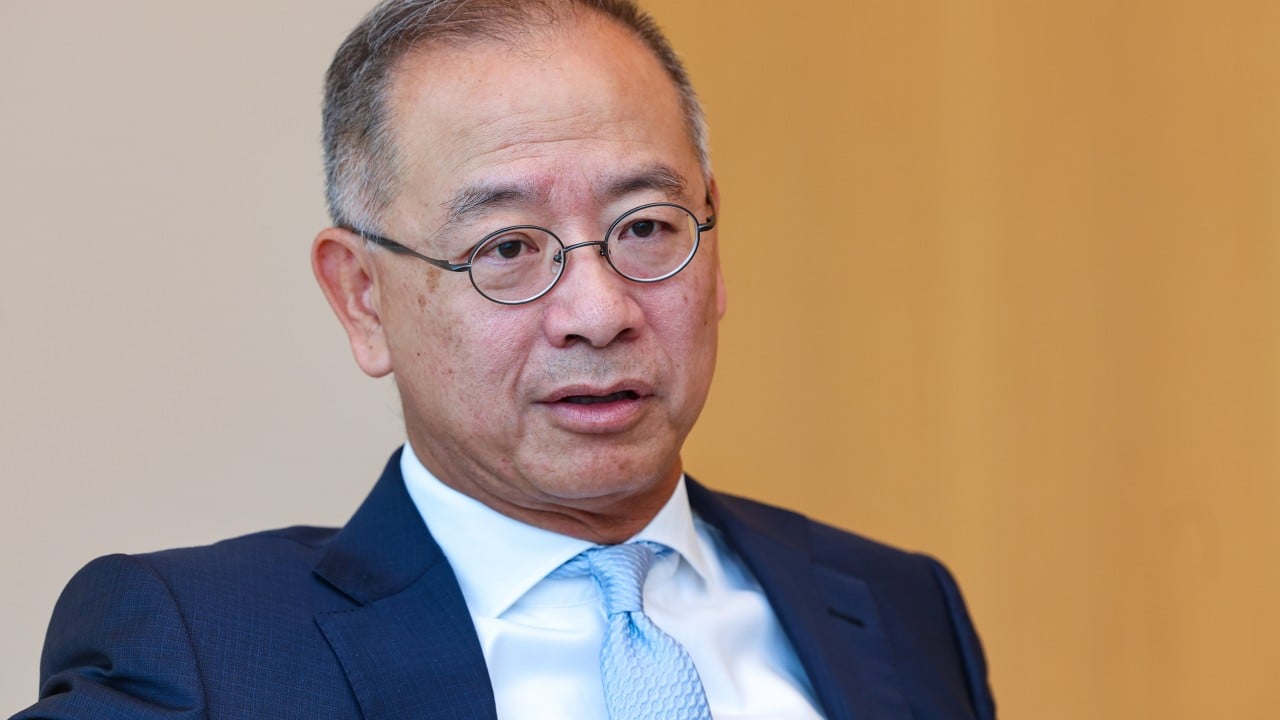
Hong Kong’s Exchange Fund is considering raising its holdings of gold and other precious metals as the government seeks to develop the city into a gold-trading hub. HKMA chief executive Eddie Yue said the fund would continue to invest mainly in US-dollar assets to support the Hong Kong dollar’s peg.
Traders are valuing Anthropic at more than $2 trillion in pre-IPO markets, over twice its valuation in the company’s last private funding round. Investors are awaiting the public release of its S-1 filing, which could pave the way for the largest flotation in history.
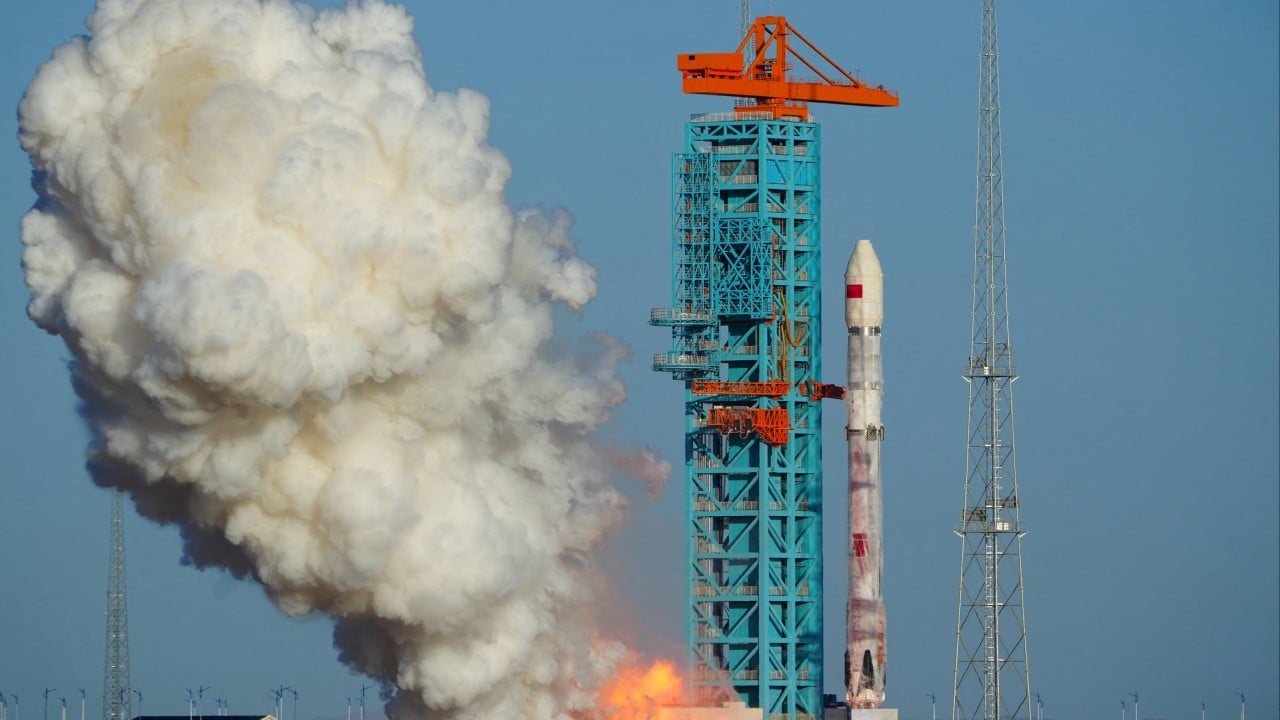
Hong Kong plans to adjust listing rules to attract IPOs from mainland Chinese space companies as activity grows in line with Beijing’s priorities. SpaceX’s blockbuster June listing has added momentum, potentially intensifying competition between Hong Kong’s exchange and the Shanghai Stock Exchange, which currently attracts most such applications.
The 23rd China-ASEAN Expo opened Thursday in Nanning, capital of Guangxi Zhuang Autonomous Region. More than 3,400 companies from over 70 countries and regions are attending. Timor-Leste is a co-organizer for the first time, bringing all 11 ASEAN members together in Nanning after the bloc’s expansion. The China-ASEAN Business and Investment Summit also opened.
The 23rd China-ASEAN Expo opened in Nanning with more than 3,400 companies from over 70 countries and regions. The event highlights the upgraded CAFTA 3.0 framework, artificial intelligence and the newly opened Pinglu Canal as avenues for trade, supply-chain and regional cooperation.
The Federal Reserve’s rate increase and elevated oil prices are weakening Asian currencies, adding pressure on the Bank of Japan to tighten monetary policy to support the yen.
The yen has strengthened quickly over the past two weeks, but remains historically weak. Japan’s corporate leaders are sounding the alarm, and even companies earning dollars are expressing concern.
The dollar held near a seven-week peak on Thursday after the Federal Reserve raised interest rates and signaled that more increases could come in the months ahead. Investors were awaiting monetary-policy decisions from the Bank of England later in the day and the Bank of Japan on Friday.
The Federal Reserve chair appointed by President Trump raised interest rates to fight inflation. Trump said he has confidence in Kevin Warsh and wants him to remain independent.
Federal Reserve officials project another interest-rate increase later this year after Wednesday’s hike, followed by a steady policy in 2027, according to quarterly forecasts released after the latest meeting.
The US Federal Reserve raised interest rates by 25 basis points on Wednesday, seeking to tackle stubbornly high inflation in the world’s largest economy. The move is likely to anger President Donald Trump, who has called for lower rates.
The Federal Reserve approved its first interest-rate increase in more than three years on Wednesday and indicated that another hike could follow before the end of the year.
The US Federal Reserve raised its benchmark federal funds rate range by 25 basis points to 3.75%-4.0%, marking its first rate hike since July 2023. The widely expected move was in line with market expectations.
The Federal Reserve raised interest rates on Wednesday and signaled that borrowing costs could rise further in the coming months. The unanimous decision, joined by new Fed chief Kevin Warsh, effectively acknowledged that the Trump administration has so far failed to bring inflation under control.
The US Federal Reserve raised rates by 25 basis points to 3.75–4 percent, its first increase in more than three years. The move comes weeks before the US midterm elections as inflation remains elevated, fueled in part by soaring fuel prices amid the US-Iran war. Officials project one more increase this year.
The Federal Reserve is navigating a confusing economic moment, but rates now appear set to move higher, potentially beginning Wednesday. That puts Donald Trump’s demand for lower borrowing costs at odds with the direction expected from Kevin Warsh.
Federal Reserveinterest ratesDonald TrumpKevin Warsh
The European Central Bank is inviting online merchants to apply for a controlled digital euro pilot, with applications due by 17:00 CET on Oct. 27. The 12-month operational phase is expected to start in the second half of 2027, but the beta will not be legal tender or enter public circulation.
China International Capital Corporation says renewed US monetary tightening could increase volatility in Hong Kong stocks, but the effect should be brief unless the Federal Reserve begins a sustained rate-hike cycle. CICC strategist Liu Gang said a Fed increase would not necessarily mean losses, as monetary conditions are only one of several market drivers.
The U.S. Federal Reserve raised interest rates by a quarter of a percentage point on Wednesday, marking its first increase in more than three years. The move raises questions about how borrowers’ and savers’ finances will be affected.
The US Federal Reserve unanimously raised its benchmark rate by a quarter point to 3.75–4 percent, its first increase in more than three years. Chair Kevin Warsh said inflation remained too high for too long. The move could raise borrowing costs for consumers and clashes with Donald Trump’s repeated demands for lower rates.
US Federal Reserveinterest ratesinflationDonald Trump
For more than a decade, Federal Reserve officials have disclosed their future interest-rate forecasts through a small scatter chart released four times a year. The dot plot anonymously represents projections from as many as 19 central-bank policymakers.
The Federal Reserve lifted its benchmark rate by a quarter point to 3.75%-4%, marking its first increase since July 2023. The 12-0 decision puts Chair Kevin Warsh directly at odds with US President Donald Trump, who appointed him.
Federal Reserveinterest ratesKevin WarshDonald Trump
The Federal Reserve lifted interest rates by a quarter percentage point and signaled another increase later this year. The inflation-fighting steps are set to test Chairman Kevin Warsh’s relationship with President Donald Trump.
The Federal Reserve has raised interest rates for the first time in three years. The move by Chairman Kevin Warsh could put him at odds with Trump, with live updates continuing.
Federal Reserveinterest ratesKevin WarshDonald Trump
The Federal Reserve raised its key interest rate for the first time in three years, going against President Donald Trump’s demand for a cut or no change. Chair Kevin Warsh is caught between markets expecting a hike and the president’s opposing pressure.
Federal Reserveinterest ratesDonald Trumpfinancial markets
The Federal Reserve raised its benchmark interest rate on Wednesday for the first time since 2023, seeking to slow mounting inflation in a move that defied President Trump.
Federal Reserve Chair Kevin Warsh faces a rate-day decision with risks attached to any course of action, as he reckons with both financial markets and Donald Trump.
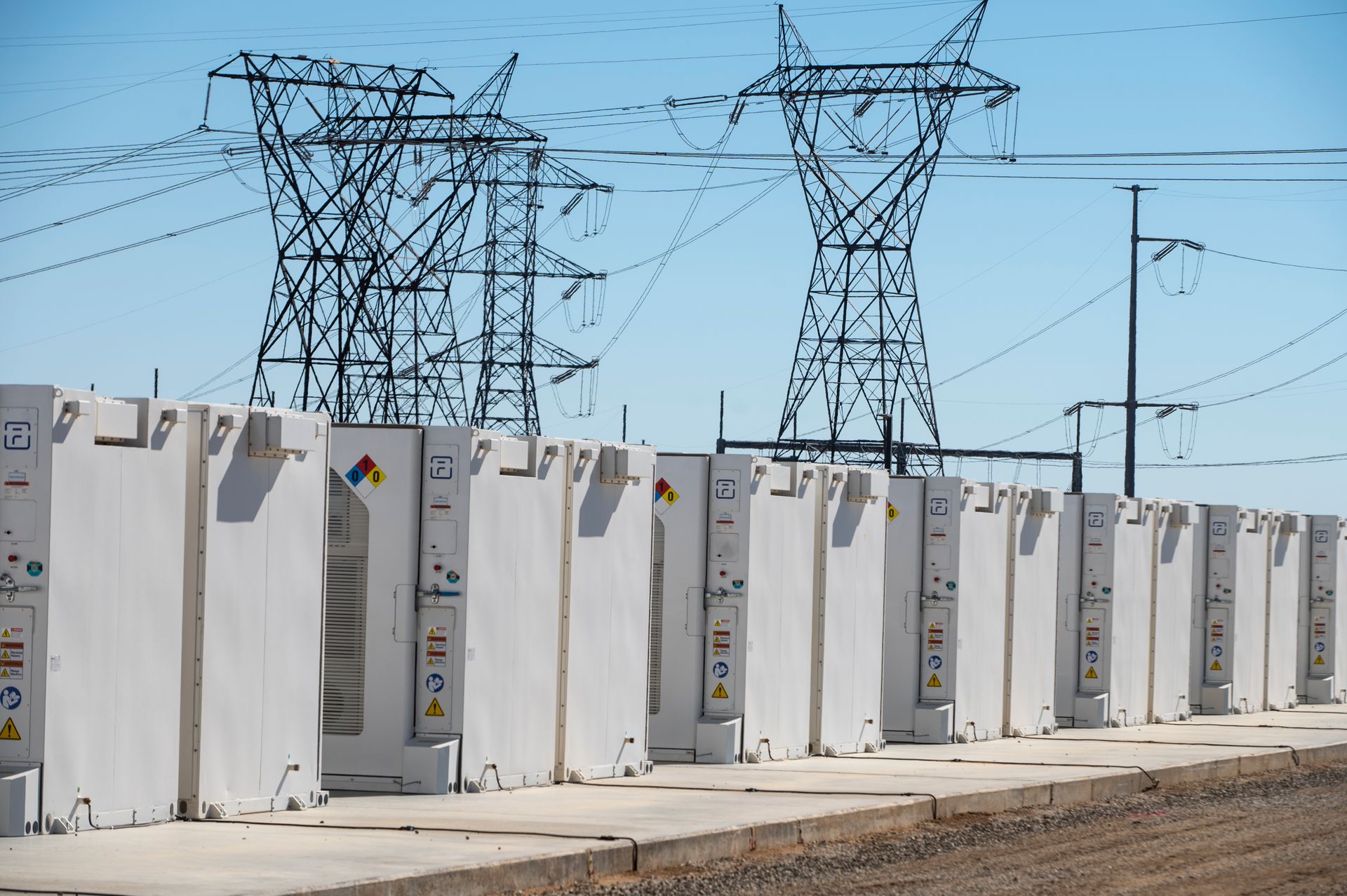
Ukraine’s largest private energy company, DTEK, secured an $85 million loan from the U.S. International Development Finance Corporation for a battery storage project, its biggest wartime transaction. The financing will help expand storage and stabilize the grid as Russia continues targeting Ukraine’s energy facilities, while DTEK says the deal could encourage more foreign investment.
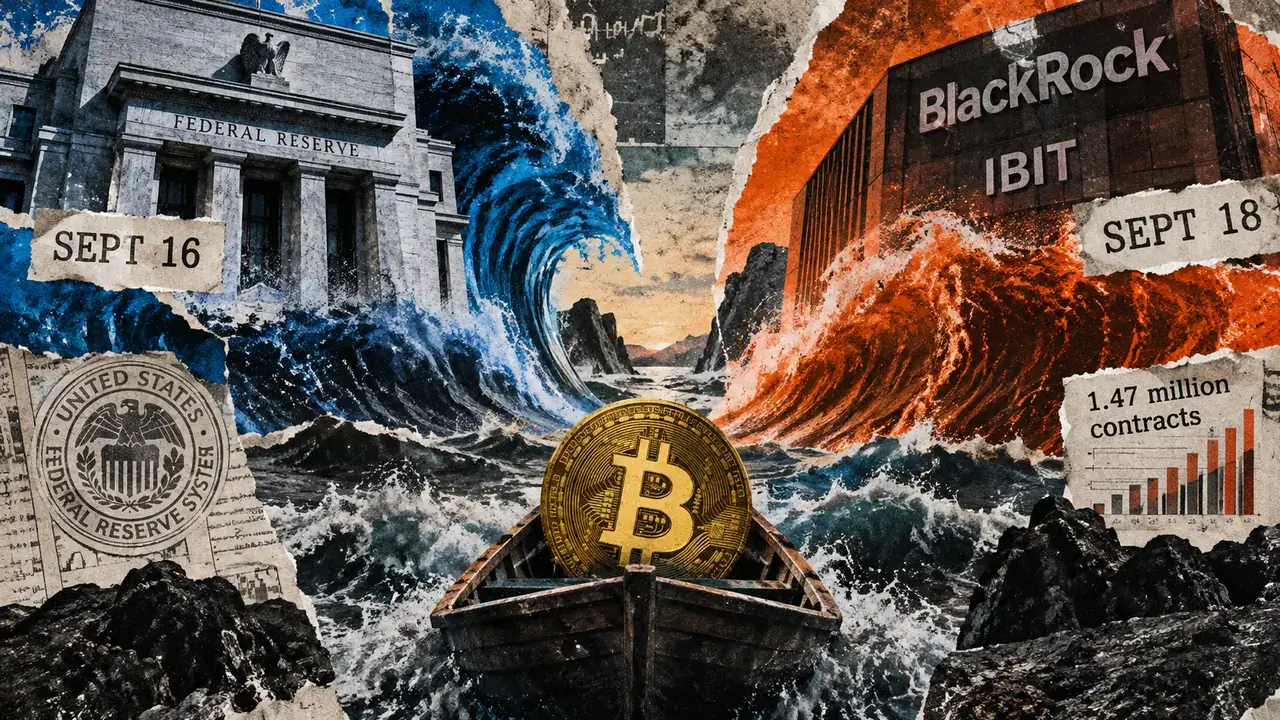
The Fed’s rate decision on Wednesday will come just two days before about 1.47 million options tied to BlackRock’s iShares Bitcoin Trust ETF expire. With roughly $6.28 billion in gross underlying share value concentrated around the busiest $40–$45 strikes, traders will test whether a macro-driven Bitcoin move can overcome expiry-related positioning. Bitcoin was near $76,000 ahead of the decision.
The U.S. International Development Finance Corp approved a $500 million trade financing facility on Wednesday to help American companies access emerging markets in South America, Southeast Asia and Africa, CEO Ben Black said.
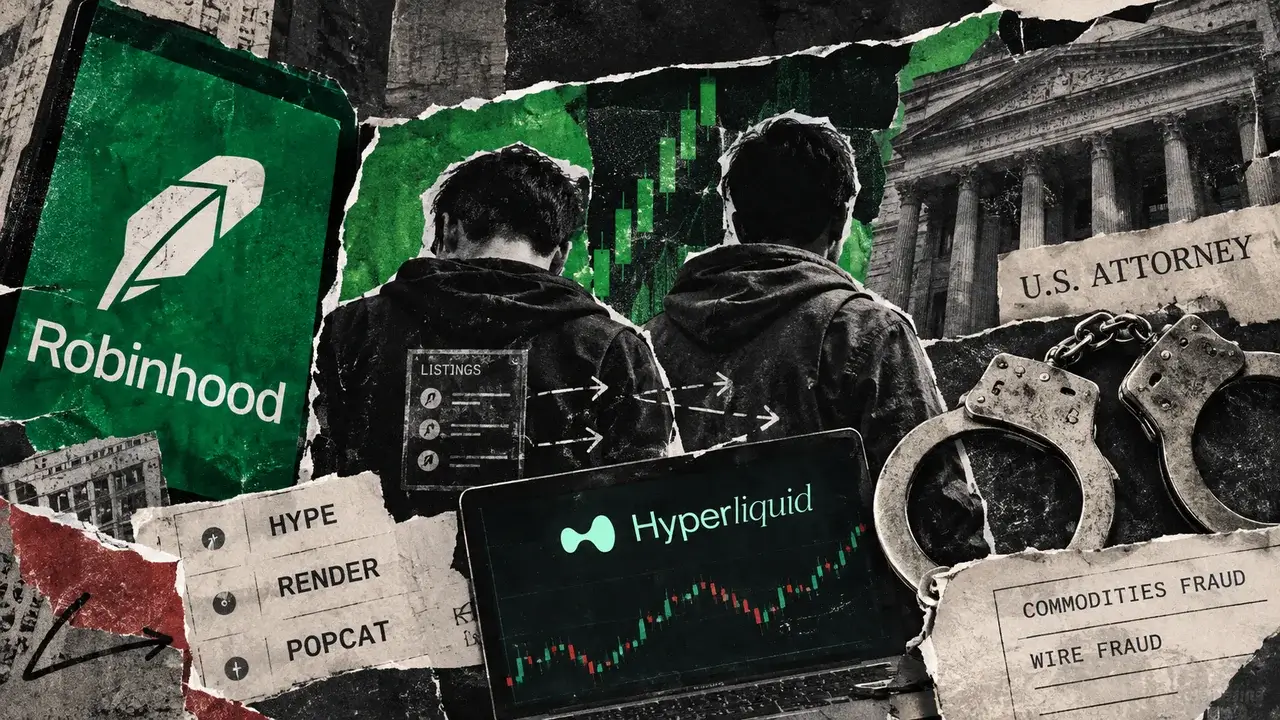
Federal prosecutors charged Robinhood engineers Hefu Chai and Huaisong “Jerry” Xiang with allegedly using confidential token-listing information to trade perpetual futures on Hyperliquid. Prosecutors say each earned more than $50,000. They face commodities-fraud and wire-fraud counts carrying statutory maximums of 10 and 20 years.
U.S. prosecutors allege that two Robinhood engineers used confidential token-listing data to trade ahead of announcements through Hyperliquid perpetual futures.
Continental Resources founder Harold Hamm is set to invest in Venezuela, marking the latest move by a western oil producer into the country after the US military seized power from President Nicolás Maduro.
Continental Resources says it will develop and operate a 126,000-acre patch in Venezuela’s Orinoco Belt, which is estimated to hold 30 billion barrels of reserves.
The Minutes Reader extension turns the original page into a focused reading view and translates articles and video subtitles on demand. It is in limited beta.