Novartis could cut about 130 jobs in Basel site relocation
Swiss drugmaker Novartis said on Wednesday that relocating laboratory activities and shutting some production in Basel could lead to about 130 job cuts in Switzerland.
Michael Khouw explains how he is positioning in Oracle ahead of next week’s earnings report.

The oil deal is presented as the clearest example yet of Donald Trump’s new state capitalism, while the commentary questions whether this is the right way to revive Venezuela’s economy.
Chevron says it will invest more than US$7 billion through its Venezuelan joint ventures over the next five years, aiming to double the country’s oil output to about 600,000 barrels per day.

Chevron says it has received additional acreage in Venezuela’s Orinoco Belt and will invest more than $7bn through joint ventures to double production to about 600,000 barrels per day within five years. The expansion includes two adjacent areas in the Carabobo region.
US energy major Chevron has pledged $7bn to expand its joint ventures in Venezuela and double production, as the White House presses for a substantial increase in the country’s output.

Chevron says it will expand its operations in Venezuela through a $7 billion investment that will more than double production.
Chevron says it will expand its operations in Venezuela, days after President Donald Trump announced an ambitious agreement to develop the country’s oil reserves and give the Pentagon a share of the profits.
U.S. President Donald Trump is pressing ahead with efforts to tap Venezuela's oil wealth, announcing a new deal intended to raise production there. He is also presenting a possible U.S. controlling stake in part of Venezuela's reserves as a warning to Canada, while experts say Western Canada's oil industry has little reason for concern.
Chevron is expected to announce an expansion of its Venezuelan operations on Wednesday. The move follows parliament’s approval of Washington taking control of a fifth of the country’s oil reserves, while US Energy Secretary Chris Wright arrives in Caracas to sign the agreement.
Uber has cut 3,300 jobs, or 10 percent of its workforce, its biggest workforce reduction since the COVID-19 pandemic began. CEO Dara Khosrowshahi said the move will reduce management layers and simplify teams while supporting investment in autonomous driving, drivers, couriers and merchants. The company is also pushing most employees back to the office.

Ian Tyler can shore up the rest of BP’s board by seeking directors with the traits and competencies he lacks.
Arbitrum DAO reported $6.2 million in income for the first half of the year. Licensing fees made up 35% of the DAO’s July income, the first month Robinhood Chain was live on mainnet.

OPEC+ is not currently planning to consider new voluntary oil production cuts because the global market is already experiencing a supply deficit, Russian Deputy Prime Minister Alexander Novak said. Seven OPEC+ countries will review market conditions and implementation of the agreement on September 6.
Australian Bureau of Statistics figures show real GDP grew 0.4% in the June quarter, while annual growth slowed from 2.5% to 2.1%. Middle East conflict and high fuel prices dampened overseas travel; record EV and hybrid sales supplied three-quarters of quarterly consumption growth. Per-person GDP fell 0.1%, underscoring continuing cost-of-living pressure.

Uber plans to eliminate about 10% of its workforce and nearly halve the size of small teams. Around 1% of employees will be allowed to continue working remotely.

Bitcoin fell below $77,000 as softer US labor data failed to overturn expectations of another Federal Reserve rate increase. With oil near $90, Treasury yields rising and September hike odds reaching 66%, the cryptocurrency faces mounting macro pressure. US spot Bitcoin ETFs also saw $236.46 million in net outflows on Sept. 1.

Uber Technologies said it will eliminate about 3,300 jobs, or roughly 10% of its workforce, in a restructuring designed to remove management layers, consolidate teams and cut costs.
French bitcoin treasury firm Capital B raised $8.8 million from Adam Back through a private placement as it targets holding 3,521 BTC.


Euronext Growth Paris-listed Capital B plans to add 376 BTC to its bitcoin treasury following an $8.8 million investment from Adam Back. The company issued 13,181,030 shares at 58 euro cents each, with four warrants attached to every share, according to a Wednesday filing.
The Trump administration is considering a new round of tariffs on imported semiconductors, potentially raising duties on foreign chips to attract more manufacturing to the US. Commerce Secretary Howard Lutnick said the plan could include exemptions for US manufacturing.
Sales of Tesla’s China-made electric vehicles rose 3.6% year on year in August, extending their growth streak but slowing sharply from the previous month. Diverging trends continued across the U.S. automaker’s major markets.
Analysts say Venezuela’s heavy, sour crude is expensive to extract and refine and is unlikely to quickly replace supplies disrupted by the Strait of Hormuz blockade. The Trump administration’s deal would give the US control of more than 65 billion barrels through a joint venture, but US crude prices have risen since it was announced.


Wednesday’s press review examines the shadowy Venezuelan magnate who brokered the Washington–Caracas oil deal. The Pacific Islands Forum’s climate discussions are overshadowed by China’s anger over Taiwan’s presence, while the Bayeux Tapestry returns to Britain after nearly a millennium, possibly carrying some salacious secrets.

US Energy Secretary Chris Wright arrived in Venezuela on Tuesday ahead of a ceremony for a landmark oil agreement between Washington and Caracas. The deal would establish a US-created and controlled private company holding 65 billion barrels in proven reserves, while seeking to attract further US energy investment despite major challenges.

A US-led company has been granted 100-year extraction rights at 17 Venezuelan oil fields containing 65 billion barrels. Donald Trump called the agreement the “biggest oil deal in world history,” while interim President Delcy Rodríguez cited promised investment and tax revenue. Opposition figures and Venezuelan socialists condemned it as a surrender of national assets.
Uber is cutting about 10% of its global workforce in a major restructuring designed to reduce management layers and redirect spending toward its ride-sharing, delivery and robotaxi businesses.
Berkshire CEO Abel said Alphabet is a significant player in artificial intelligence after Berkshire increased its stake in the company during the second quarter.

Locally made electric vehicles are gaining popularity in Kenya as fuel prices climb by 50%. With more people considering electric cars, domestic companies are increasing their efforts to assemble EVs locally.

Malaysia’s AirAsia has formed its first codeshare partnership with Turkish low-cost carrier Pegasus Airlines, creating connections between Southeast Asia and Europe through Istanbul.
Speaking on CNBC’s “Squawk Box,” Berkshire CEO Greg Abel said Japanese bond yields remain relatively low and are not currently a challenge for trading houses.

Strategy CEO Phong Le defended the company’s decision to sell bitcoin at $60,000 and later buy it back at $80,000, pointing to corporate capital costs.

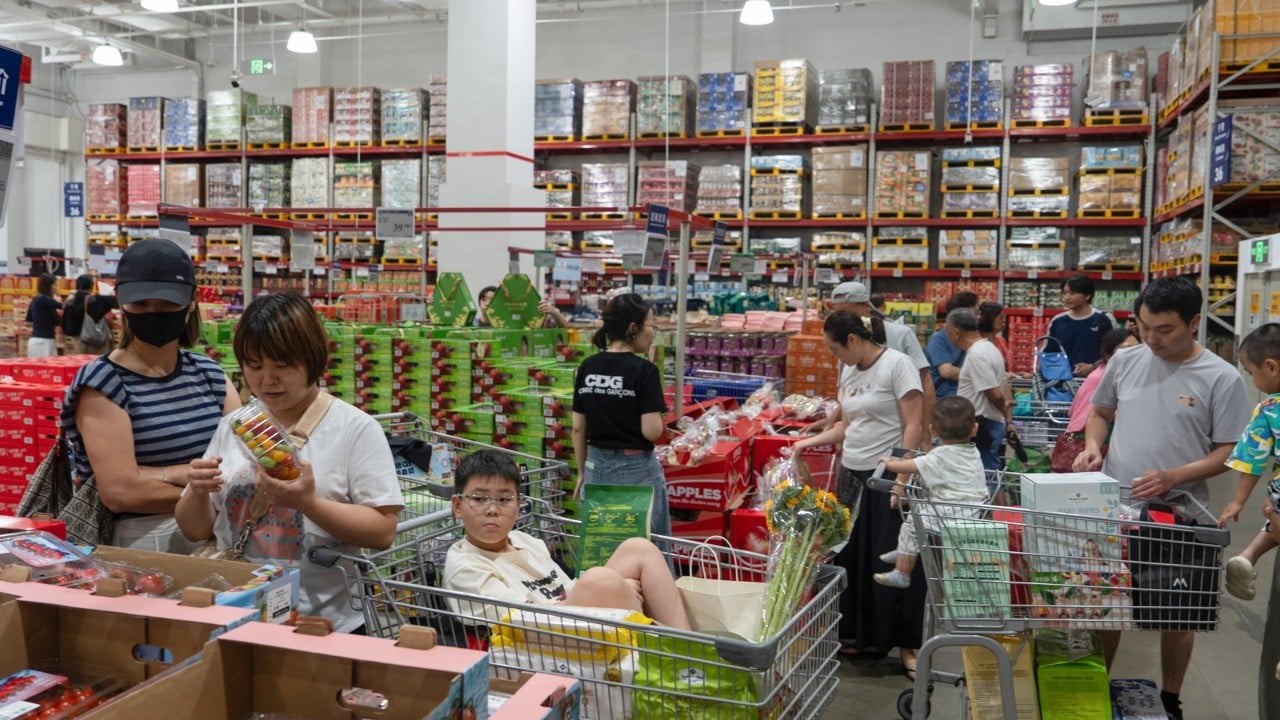
Walmart-owned Sam’s Club is speeding up its China expansion, opening its sixth Beijing outlet on Monday amid long queues. The membership warehouse retailer said it had 10.7 million paid members in China as of June, with value pricing and exclusive products drawing middle-class shoppers while some foreign brands close stores or leave the market.

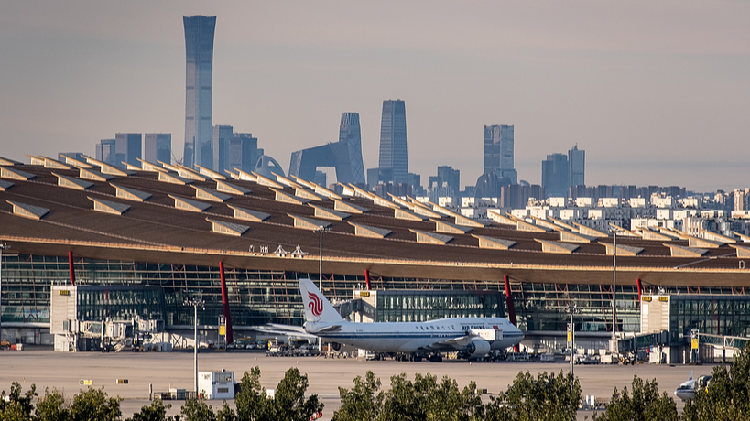
China’s civil aviation sector carried 151 million passenger trips from July 1 to August 31, up 2.9% year on year. Beijing Capital International Airport handled more than 14 million summer travelers, while international and regional traffic reached its highest level since 2020. European arrivals to China surpassed 1.41 million from July 1 to August 25, rising over 25%.

An El Niño-driven drought is reducing water supplies to smelters, potentially forcing Indonesia’s largest nickel complex to cut output by as much as 40%.
BYD and Leapmotor increased their sales last month despite a contraction in China’s electric-vehicle market caused by weaker consumer demand. Analysts expected smaller automakers to suffer declining sales and growing losses through the rest of the year as competition intensified. BYD reported August sales of 440,293 vehicles, up 17.8% year on year and its highest level in nine months.

Cash-rich Japanese refiner Eneos Holdings is pushing to expand overseas as demand in its home market declines. The acquisitions will test whether it can broaden its revenue base and manage assets abroad.
Volvo Cars said it sold 148,239 cars between June and August, a 7.4% decline from the same period last year.
Spain lost 162,840 jobs in August, while 44,419 people registered as unemployed. The decline was the smallest August fall since the Covid-19 pandemic.
British energy giant BP has appointed Ian Tyler as its permanent chair after his predecessor was abruptly removed in May amid concerns over governance and conduct.
BP has named Ian Tyler, the former chief executive of construction group Balfour Beatty, as its permanent chair. The appointment follows the company’s dismissal of Albert Manifold in May over governance and conduct concerns.

BP has appointed interim chair Ian Tyler to the permanent role, effective immediately, after Albert Manifold was abruptly removed in late May. BP cited unacceptable governance oversight and conduct issues, while Manifold disputed the allegations. Tyler says he will lead the board’s evolution as the company shifts its strategy back toward fossil-fuel extraction and away from renewable-energy investments.

BP formally appointed Ian Tyler as chair on Wednesday, following the surprise dismissal of former chairman Albert Manifold that triggered turmoil in the boardroom.
UK oil major BP has appointed Ian Tyler as chair, following the removal of Albert Manifold and the departure of the interim chair from the role.
US Energy Secretary Chris Wright has arrived in La Guaira to sign an agreement that would give the United States effective control of a large share of Venezuela’s oil reserves. Wright praised the deal, while critics compared it with arrangements imposed by colonial powers.

Lululemon has launched a resale website in Canada, giving shoppers a way to save on its athletic apparel. The expansion is centered on a 25,000-square-foot processing hub in Calgary.
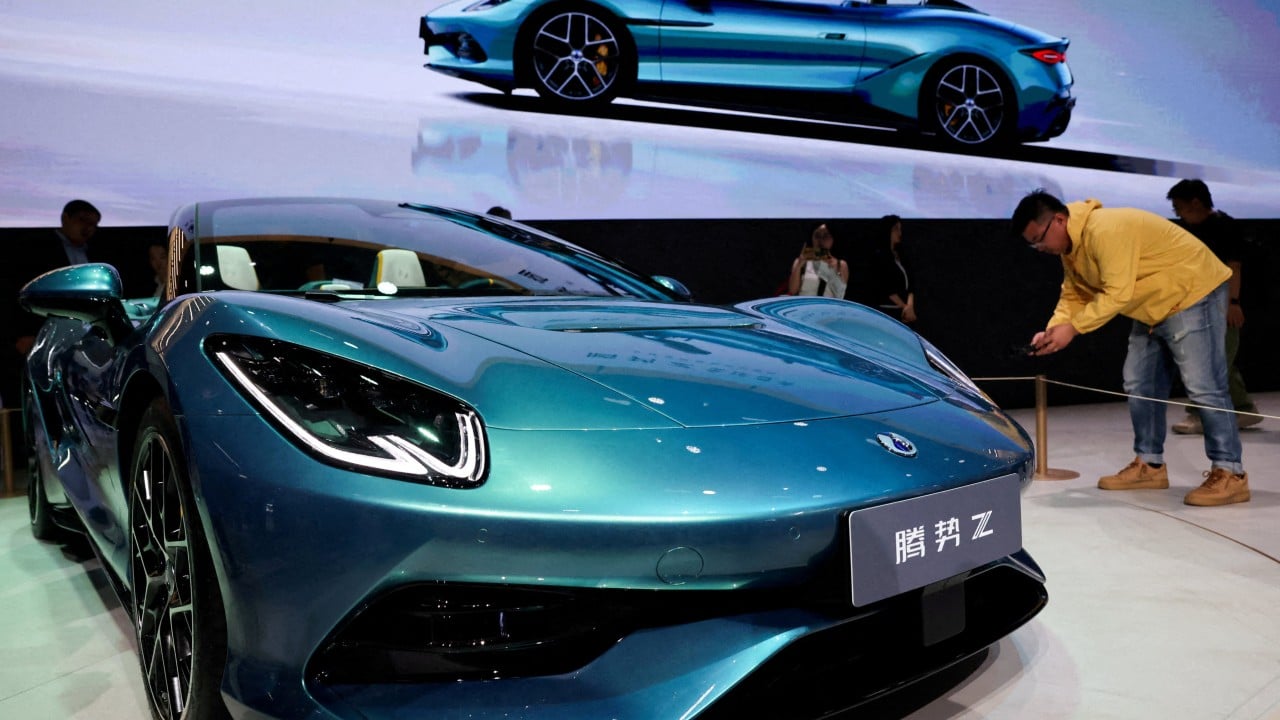
A roundup of electric and new-energy vehicle coverage from the past two weeks highlights Chinese carmakers’ push into the full-hybrid market, where international brands have held sway, along with BYD’s US$1.2 billion profit.

After arriving in Venezuela on Tuesday, U.S. Energy Secretary Chris Wright said agreements that U.S. and other foreign oil companies are due to sign in Caracas the next day will drive crude production to more than twice its current level over the next few years.
Susquehanna International Group plans to triple its Hong Kong office space to support a major hiring drive, according to four sources. The U.S. trading firm is expanding its Asian operations and seeking deeper access to China’s exchange-traded fund market.
Venezuela’s parliament has approved giving the United States control over a fifth of the country’s oil reserves, reinforcing Washington’s hold over a government the report says it helped install after President Nicolas Maduro was toppled in January.
Venezuela’s ruling party-dominated National Assembly voted on Tuesday to support the country’s oil deal with the Trump administration, ahead of a visit to Caracas by the U.S. energy secretary.

Venezuela’s National Assembly approved a 65-billion-barrel oil arrangement even though its terms have not been published. US Energy Secretary Chris Wright is expected to visit Venezuela as the Trump administration advances the controversial deal, which would give the US access to part of the country’s proven reserves and involve a partnership to develop 17 oil fields. Critics liken it to agreements imposed by colonial powers.

The US and Venezuela have signed a Caracas agreement giving a US-led company 100-year concessions over 17 oilfields containing 65 billion barrels of crude. Donald Trump and interim President Delcy Rodríguez hailed it as historic, but critics called the terms one-sided and colonialist, while experts questioned the proposed timetable and how the oil revenue would be managed.
The Trump administration is defending an agreement with Venezuela as a means of pushing Chinese and Russian rivals out of oilfields in “our hemisphere”. Chevron is preparing to expand its operations in the country.

The White House said it is partnering with North American Blue Energy Partners as Donald Trump seeks greater access to Venezuela’s oil industry. The arrangement would give the Pentagon a stake in fields representing about one-fifth of the country’s vast oil reserves. Venezuela’s ruling-party-dominated National Assembly approved the oil deal with the Trump administration on Tuesday.

US President Donald Trump announced a new deal with Venezuela on Friday, calling it “the biggest oil deal in world history” and saying it involved “65 billion barrels of oil”. Washington is rumoured to be partnering with controversial Venezuelan oil tycoon Alejandro Betancourt, who built his fortune under the Chavista regime.

Controversial Venezuelan businessman Alejandro Betancourt, who built his fortune through contracts awarded during Hugo Chavez’s presidency and has faced alleged money-laundering investigations, has been chosen by the Trump administration to lead a new US-backed oil venture. Washington plans to take a 35 percent passive stake in his North American Blue Energy Partners as it seeks to expand Venezuelan production.
Gregor Stuart Hunter looks ahead to the day in European and global markets, asking who will police the “bond vigilantes.”
Taiwanese companies are planning to invest a further $20 billion in the United States, Taiwan’s economy minister said, citing demand for artificial intelligence applications. The minister gave no details, while a visiting U.S. official responded warmly.
Bitcoin trades choppily as $90 oil and rising bond yields pressure stocks and gold. The firm dollar remains a constraint for the market.

Cuba’s tourism industry has plunged as the United States intensifies pressure on the island this year. Official figures show visitor numbers fell 62% from January through July compared with the same period in 2025.
Moskvich plans to produce more than 20,000 vehicles in 2026, including 5,000-6,000 M70 and M90 cars, CEO Elena Frolova said. She expects September sales to reach 1,200-1,500 vehicles after about 1,200 in August, while production continues to rise steadily.
Coal output in Russia’s Yakutia has grown 2.6-fold over five years to nearly 52 million metric tons, regional head Aysen Nikolayev said. Gold production rose 1.3-fold, while oil and gas output also increased significantly and electricity generation climbed 10%.
Russian Deputy Industry and Trade Minister Roman Chekushov said online sales could account for about 33% to 35% of the country’s retail trade by 2030. E-commerce turnover reached 13.2 trillion rubles in 2025, or 21% of retail sales. He added that the ministry plans to develop all forms of trade, while brick-and-mortar outlets grew by 80,000 over five years.
A new cohort of leaders is taking the helm at leading European private-capital firms.
Interpath’s new owners are seeking a foothold in the US, the leading market for restructuring and other consulting work.
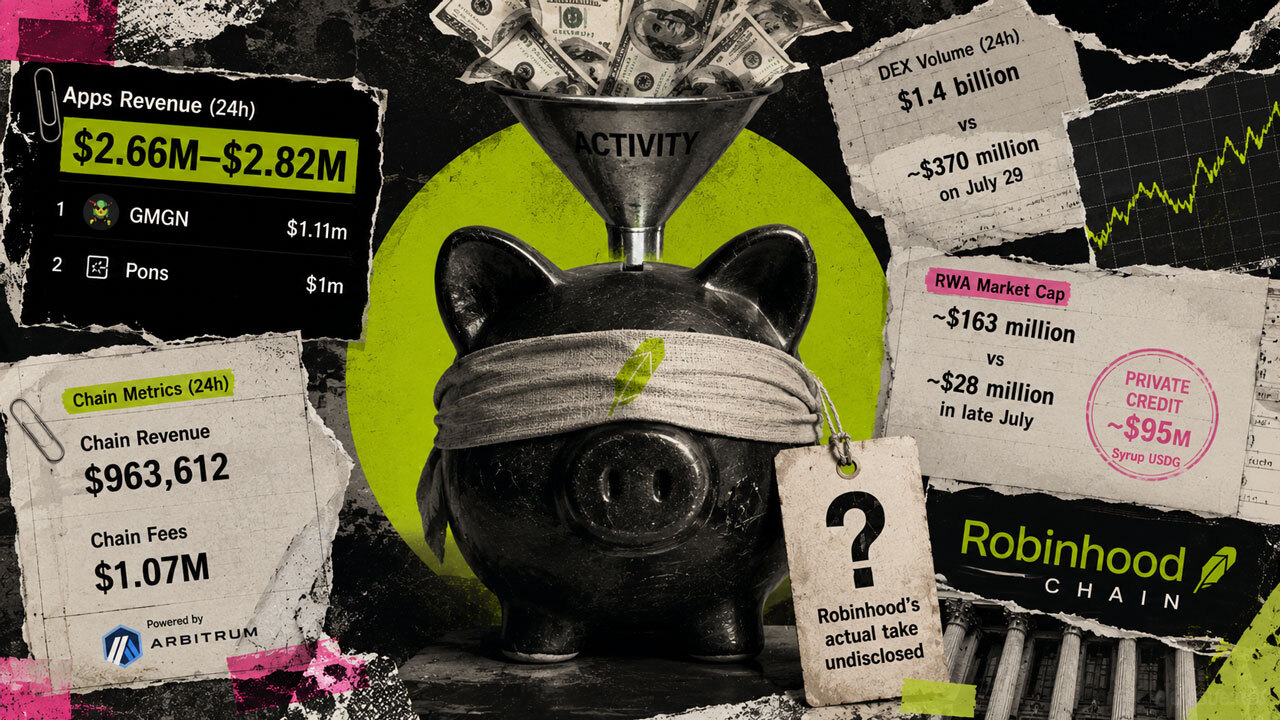
Robinhood Chain applications generated roughly $2.66 million to $2.82 million over a rolling 24-hour period early Sept. 1, led by trading bot GMGN and launchpad Pons. The disclosures show significant fee activity but provide no formula linking it to Robinhood’s corporate revenue, leaving the company’s eventual recurring take unresolved.

Sweater-making hubs in Jiaxing, Zhejiang, are strengthening their international reach amid rising exports. Honghe produces 400 million sweaters a year for more than 50 countries and regions, while Puyuan is upgrading toward high-end knitwear and expanding overseas sales through an international trading platform.
China’s State Council Information Office held a press conference on China-ASEAN economic and trade cooperation and the upcoming expo and business summit. The 23rd China-ASEAN Expo will take place in Nanning from September 17 to 21, highlighting trade above $1 trillion and new cooperation opportunities created by AI.
BHP Chief Commercial Officer Rag Udd will leave at the end of January to pursue an opportunity outside the company, according to an internal staff memo. His departure leaves vacant one of the miner’s most challenging roles: negotiating iron ore deals with China.
Ito En shares jumped 8% after the green tea company reported its fiscal first-quarter results, bucking a broad sell-off in Japanese stocks.

Political risk is influencing market movements and increasing the value of gold companies. The item also calls on the prime minister to stop the insults.
The dollar remained firm on Wednesday as renewed hostilities in the Middle East drove oil prices higher and brought inflation worries back into focus.
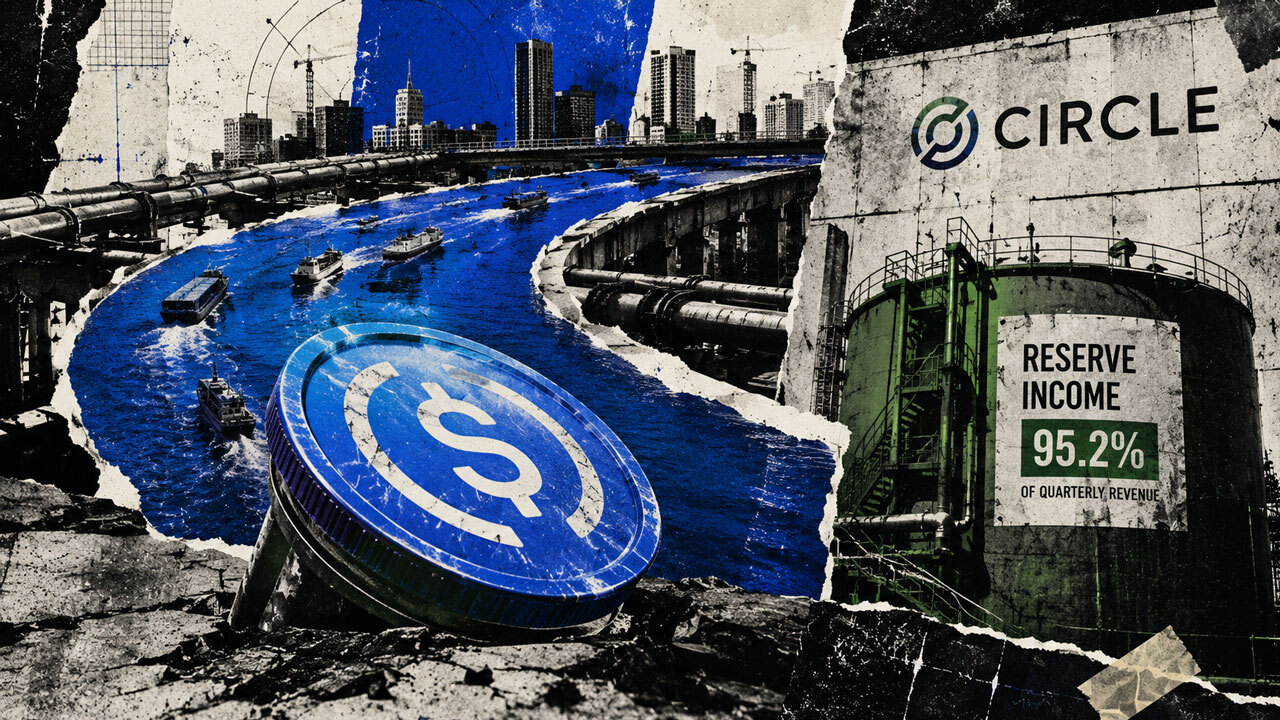
Coin Metrics measured $32 trillion in adjusted USDC transfer volume through August 2026, a figure that reflects onchain movement rather than consumer payments or net settlement. Circle reported $701.3 million in second-quarter revenue and reserve income, with $667.7 million, or 95.2%, coming from reserve assets; transaction revenue was only $5.3 million. The figures show crypto-market usage, but not a toll collected on every transfer.

Japanese companies are expanding in India as their domestic market shrinks and risks linked to China grow. Consumer brands are widening their presence, Japanese banks are buying Indian financial assets, and more than 100 Japanese firms have set up global capability centres there. About 120 agreements announced $12.5 billion in investment, though tax uncertainty, bureaucracy and approval delays remain obstacles.

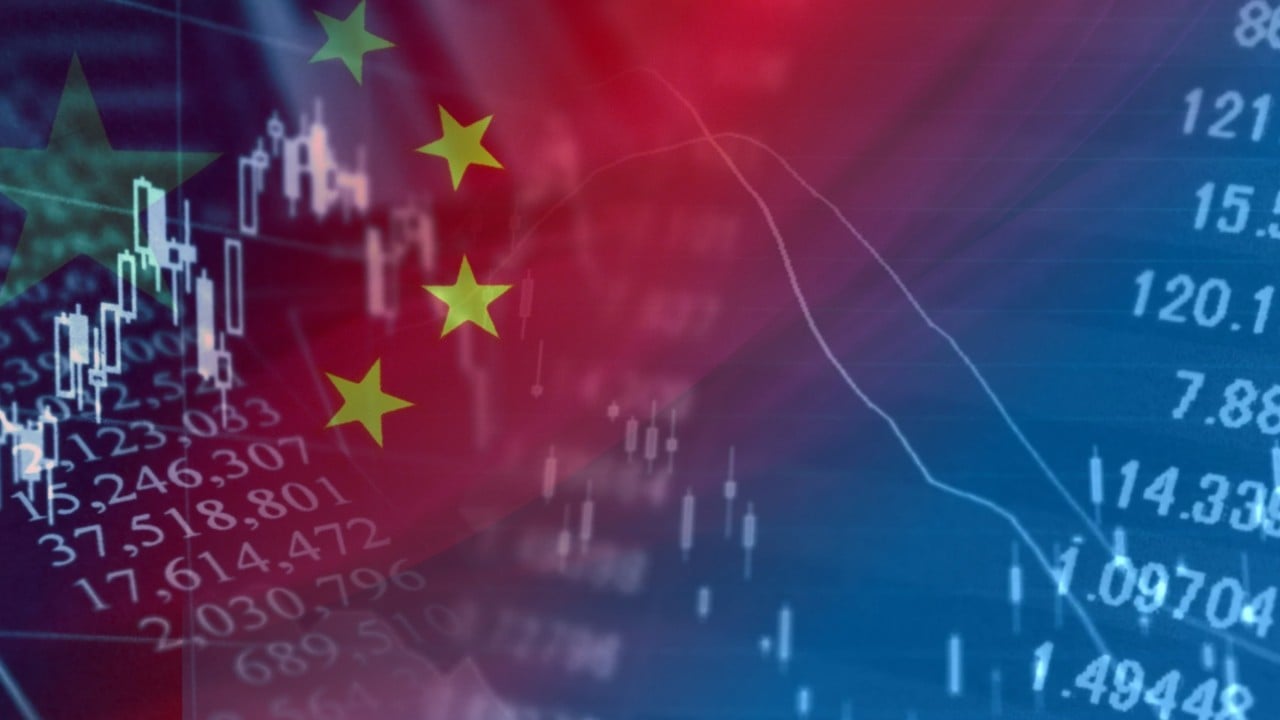
Demand for artificial intelligence and domestic technology substitution drove Chinese listed companies’ profits to their fastest growth in four years during the first half, highlighting a K-shaped economy as the country moves away from credit-fuelled expansion. Profits on Shanghai’s chip-heavy Star Market more than quadrupled year on year, while Shenzhen’s ChiNext rose 33%.

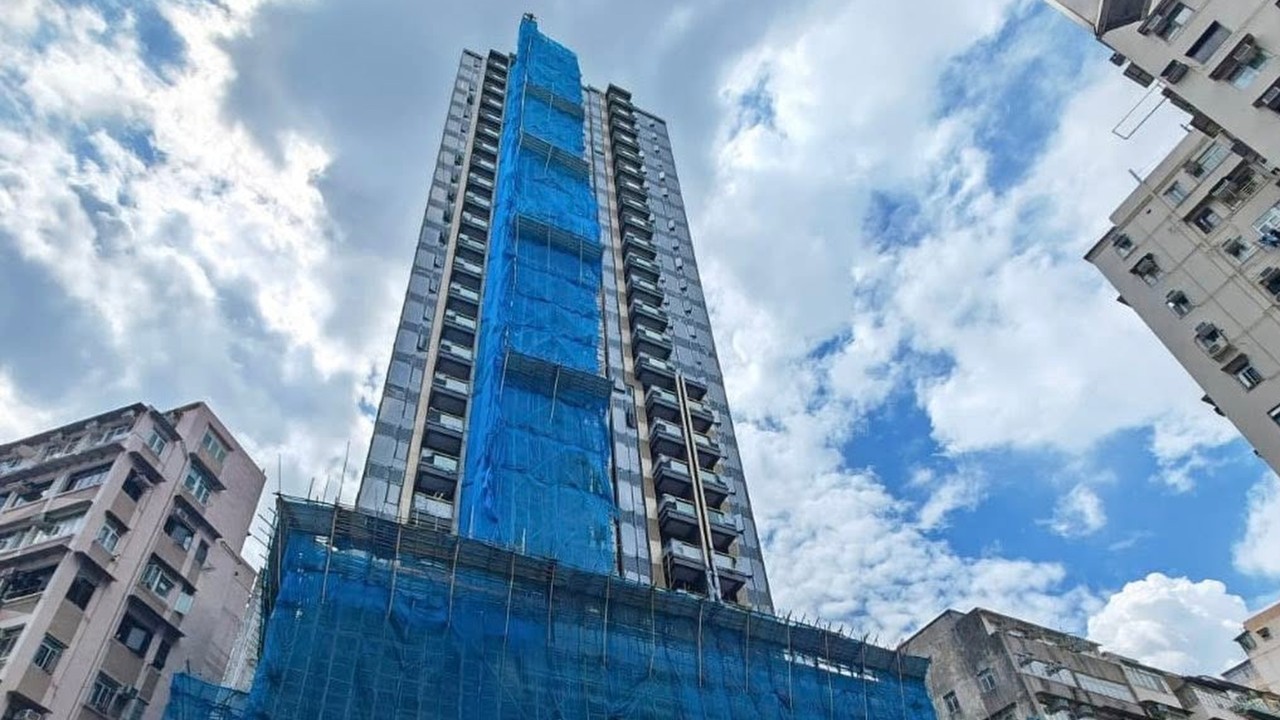
A 139-unit residential project at 1 Ki Lung Street in Mong Kok, previously known as Upper Prince and managed by troubled developer Lofter Group, has returned to the market as One Edward. Its ownership group is offering competitive prices to attract mainland Chinese buyers and longer-term investors, aiming to sell the flats quickly.

Comstock Resources said Tuesday it plans to sell stakes in its Haynesville shale assets and related midstream business to Azerbaijan’s SOCAR for $1.65 billion in cash, aiming to reduce its debt.
Yum Brands said in a regulatory filing on Tuesday that Pizza Hut CEO Aaron Powell resigned as chief executive and from other company positions after the chain’s sale was completed.
A federation of European textile associations has called for a 10-euro import fee on fashion goods, seeking to curb ultra-cheap competition largely from China. University of Delaware professor Sheng Lu says it is unclear whether such measures would make companies like Shein change their business models, while retailers may also have to confront “consumer fatigue.”

A Tuesday report by German business publication WirtschaftsWoche says the Volkswagen board is readying a proposal to stop production at four of its German facilities over the 2031–34 period.
The combined market value of crypto treasury companies has risen 10% since mid-August and is hovering near $340 billion, with altcoin DATs outperforming.

Armenian Prime Minister Nikol Pashinyan told Russian President Vladimir Putin that many Russian companies are operating very successfully in Armenia, earning high profits and paying taxes regularly. He said they fall into two groups: profitable, growing businesses and those that are neither profitable nor expanding, which he called a challenge for both countries.
Russian used-car marketplace CarPrice has temporarily restricted payments to individuals and businesses, saying the measure follows a change in its corporate structure and should end within a week. The move follows a Moscow court’s designation of investor Alexander Galitsky and his fund, Almaz Capital Partners, as an “extremist association” over alleged aid to Ukraine’s Armed Forces. CarPrice was later nationalized and transferred to Rostec.

Data from auto research firm Edmunds shows that just over a decade ago, most new cars sold in the United States cost less than $30,000.
Russia expanded access to its central bank digital currency on Sept. 1, allowing customers of connected banks to open digital-ruble wallets through mobile apps. Twelve systemically significant banks are ready to provide the service, while covered retailers must accept digital rubles. Consumer participation remains voluntary and banks cannot open wallets automatically.
Comprehensive legislation for the cryptocurrency industry is on the brink of failure as doubts grow over whether the bill can make it across the finish line.
Seattle’s luxury housing market is struggling as AI-related job cuts and taxes weigh on the tech hub. The region illustrates what happens when pressures on technology and wealth converge, contrasting with booming San Francisco.
Cango reduced the size of its mining fleet in the second quarter as revenue declined and the company concentrated on improving efficiency. Its shares plunged 20% after it reported an $81.6 million quarterly loss.

Apparel-sector emissions rose for a second consecutive year as the industry struggles to decarbonize, suggesting its climate push has lost momentum.
Vladimir Putin’s international development envoy warned that Russia’s economy risks going “berserk” if it is run entirely to serve the needs of the military-industrial complex, according to remarks quoted on Tuesday.
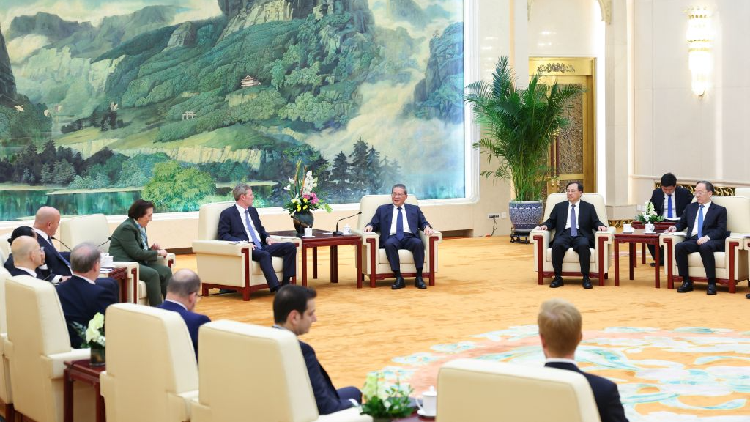
Premier Li Qiang told a US-China Business Council delegation in Beijing that China would address the reasonable concerns of US companies and protect a level playing field under the law. He urged Washington to act on China’s concerns and implement bilateral trade consultation results, while both sides expressed support for stronger cooperation and communication.

Premier Li Qiang said China will address the reasonable concerns of US companies operating in China and protect a level playing field under the law. Meeting the US-China Business Council delegation in Beijing, he urged Washington to take concrete steps on China’s concerns and implement the results of bilateral economic and trade consultations.

VinFast has paused plans to manufacture three electric vehicles in India and told suppliers to stop work on the projects as it reassesses costs, according to two sources and a company memo reviewed by Reuters. The move comes a year after the Vietnamese automaker entered the important growth market.
The Minutes Reader extension turns the original page into a focused reading view and translates articles and video subtitles on demand. It is in limited beta.