Australia posts 2.1% second-quarter growth, beating expectations
Australia recorded 2.1% economic growth in the second quarter, surpassing expectations.

Australia recorded 2.1% economic growth in the second quarter, surpassing expectations.

The dollar remained firm on Wednesday as renewed hostilities in the Middle East drove oil prices higher and brought inflation worries back into focus.
President Donald Trump urged U.S. oil refiners at a closed-door meeting Tuesday to increase domestic gasoline and diesel production. He is confronting high prices and growing cost-of-living concerns ahead of November’s midterm elections.
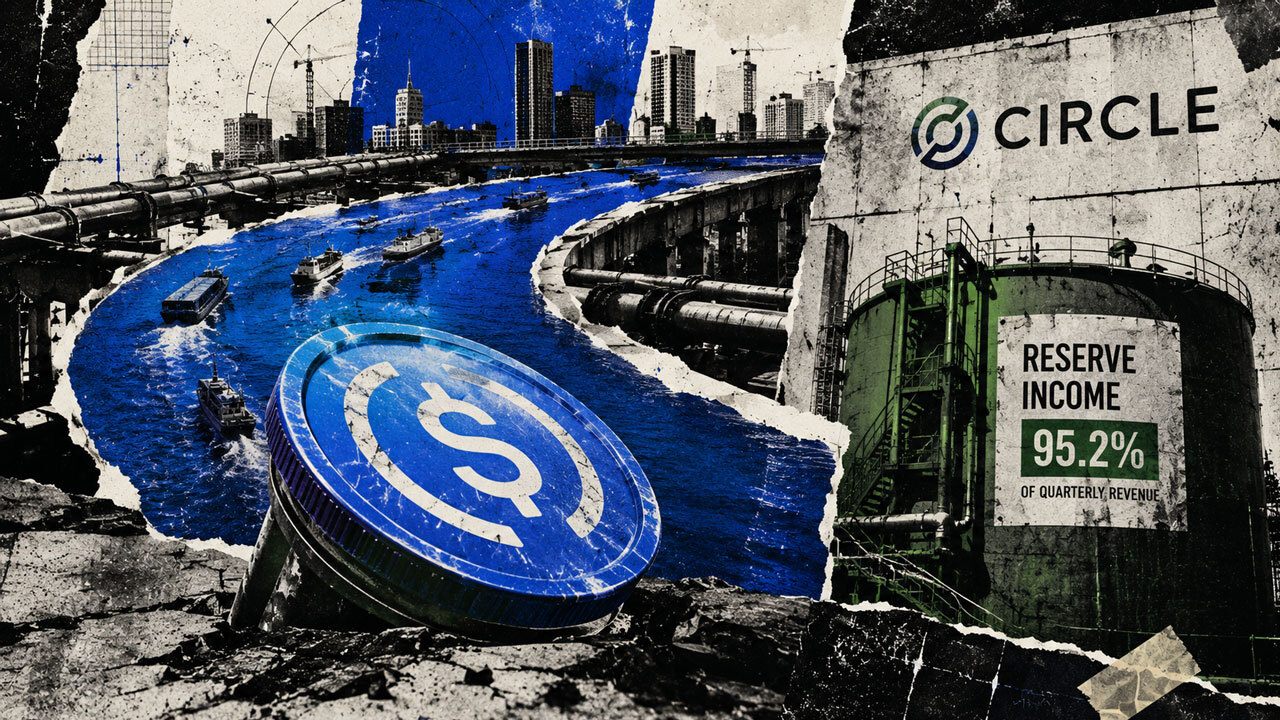
Coin Metrics measured $32 trillion in adjusted USDC transfer volume through August 2026, a figure that reflects onchain movement rather than consumer payments or net settlement. Circle reported $701.3 million in second-quarter revenue and reserve income, with $667.7 million, or 95.2%, coming from reserve assets; transaction revenue was only $5.3 million. The figures show crypto-market usage, but not a toll collected on every transfer.

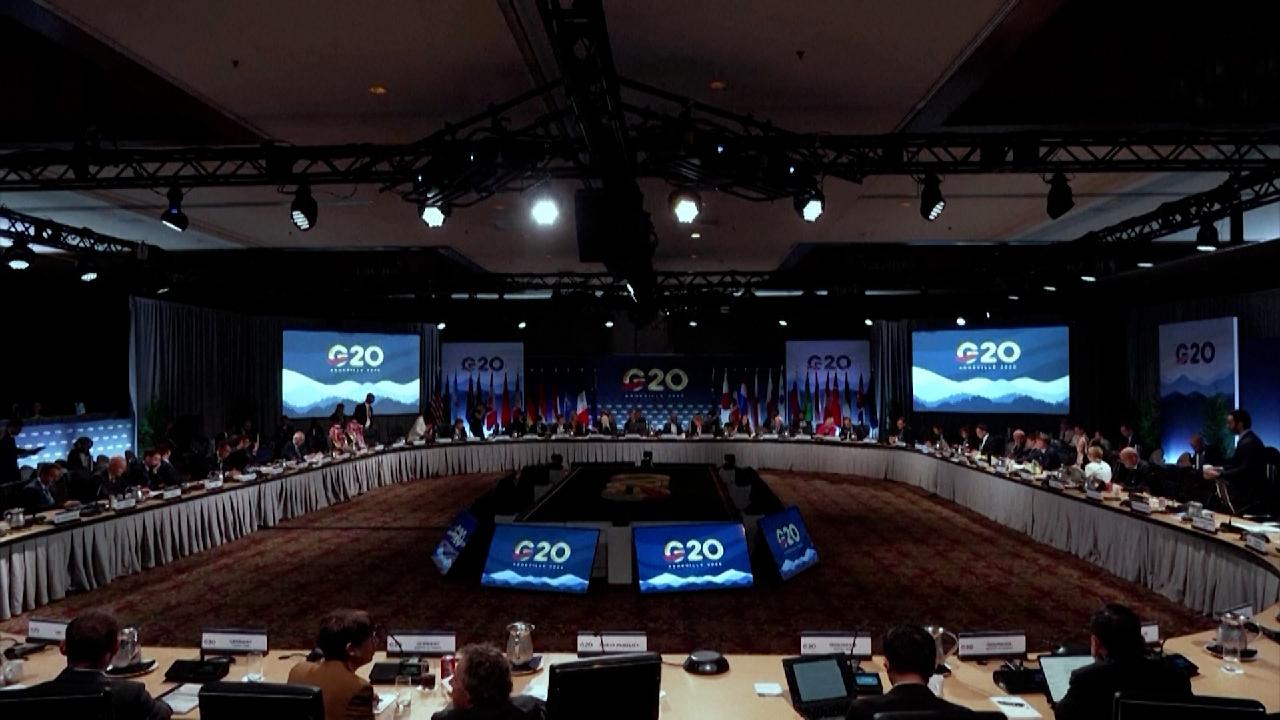
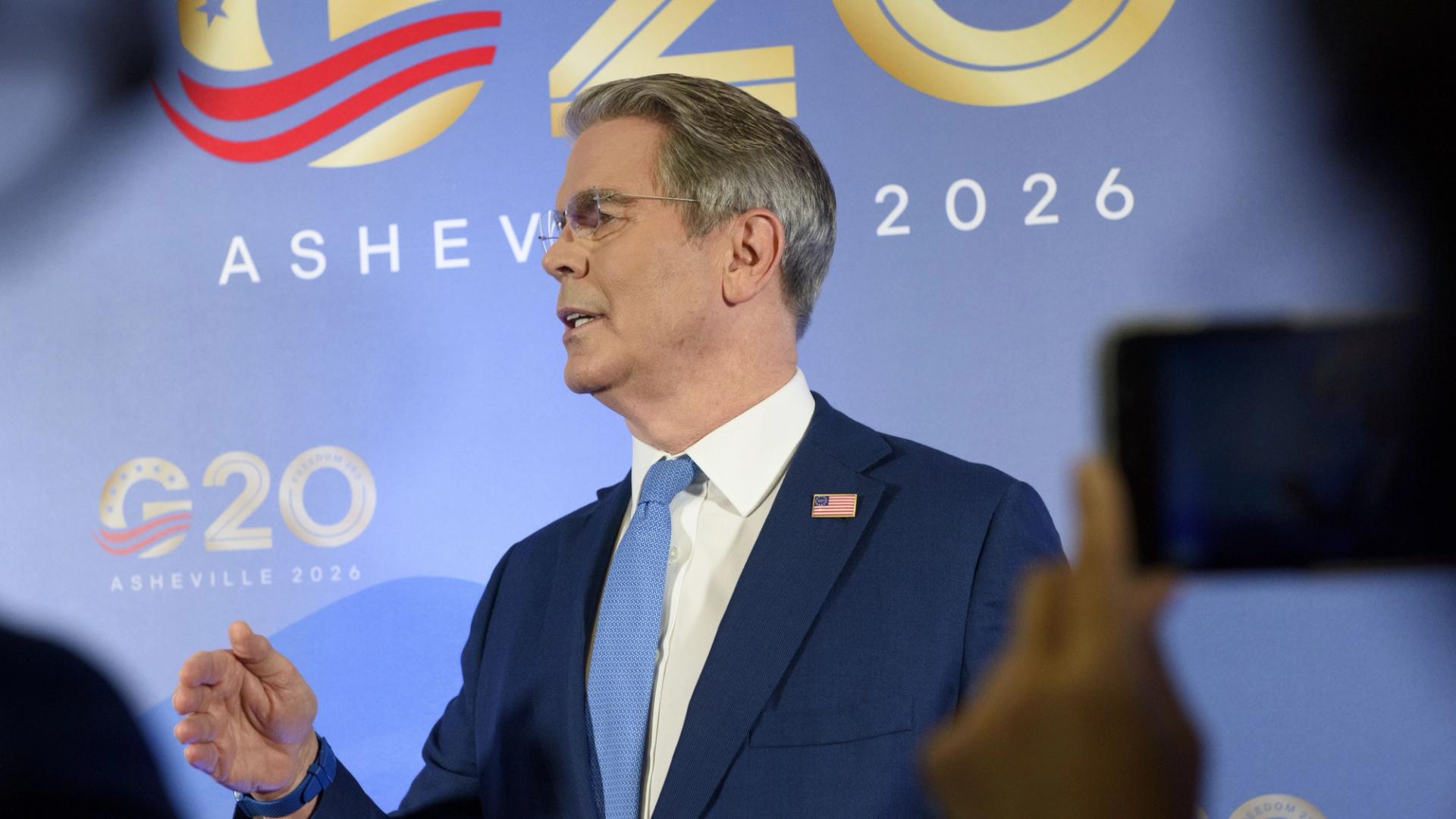
US Treasury Secretary Scott Bessent said G20 finance ministers and central bank governors meeting in Asheville, North Carolina, failed to reach agreement on a joint communique. He attributed the lack of consensus to China’s position and said the United States, as chair, had prepared a final statement.

G20 finance leaders ended two days of talks in Asheville, North Carolina, with broad support for a final statement despite tensions over Russia’s participation and disagreements with China. US Treasury Secretary Scott Bessent said Moscow’s presence did not disrupt the discussions, which also covered the Middle East war, tariffs, global trade imbalances and continued support for Ukraine.

Scott Bessent said China dissented from language in a G20 statement opposing markets being flooded with “cheap exports.” He is leading the Trump administration’s plan to choke off Iran’s economy by threatening its business partners with secondary sanctions.

The two-day G20 Finance Ministers Meeting has ended in North Carolina, where participants sought broad agreement on global economic policies. A separate G20 technology forum held in the state at the same time focused particularly on artificial intelligence.

US Treasury Secretary Scott Bessent urged G20 members to follow the Trump administration’s approach of using tariffs and other measures to protect domestic industries and jobs from Chinese imports. He said trade distortions were draining global growth, while officials also discussed uncertainty from debt, inflation and tariff disputes. Economists and politicians have criticised US tariffs for raising consumer costs and straining allies.
Demand for artificial intelligence and domestic technology substitution drove Chinese listed companies’ profits to their fastest growth in four years during the first half, highlighting a K-shaped economy as the country moves away from credit-fuelled expansion. Profits on Shanghai’s chip-heavy Star Market more than quadrupled year on year, while Shenzhen’s ChiNext rose 33%.

Comstock Resources said Tuesday it plans to sell stakes in its Haynesville shale assets and related midstream business to Azerbaijan’s SOCAR for $1.65 billion in cash, aiming to reduce its debt.
The global bond sell-off is intensifying. Today’s newsletter also highlights a slide in Shein shares during its Hong Kong debut and South Korea’s announcement of a record budget increase.
Oil prices climbed, equities retreated and bond yields surged after the United States launched fresh attacks on Iranian targets. Japan’s 10-year bond yield reached 3% for the first time since 1996. Inflation fears and swelling government debt, above $40 trillion in the US, are deepening the selloff, while eurozone inflation hit a three-year high in August as energy costs rose.

Bond yields continue to rise after the Fed chair’s speech at Jackson Hole.
A G20 joint statement reflecting U.S. priorities on reducing global imbalances and restructuring sovereign debt may not be reached because differences over its wording remain, U.S. Treasury Undersecretary for International Affairs Erin Browne told Reuters on Tuesday.
The IMF said it and Senegal reached a staff-level agreement on a three-year, $2.2 billion loan package. The arrangement requires Senegal to restore “debt sustainability” in return for the programme.
Government borrowing costs in the United States, Germany and Japan have reached or approached multi-decade highs as concerns grow over inflation and higher interest rates, while persistent anxiety about heavy debt burdens adds to the pressure.

The global bond sell-off is deepening as investors contend with concerns over the US-Iran war and inflation.
Government borrowing costs are rising worldwide as investors seek greater compensation for holding longer-term debt. Thirty-year Japanese government bond yields are close to a record at 4.19%, while equivalent UK yields are the highest since 1998. A Bloomberg measure of G7 government debt has reached its highest average yield since September 2000.
The Bank of Russia has prolonged limits on foreign-currency cash withdrawals for six months, through March 9, 2027. It attributed the measure to sanctions that prevent domestic financial institutions from obtaining Western cash currencies. For accounts opened before March 9, 2022, the ceiling remains the balance then held, capped at $10,000 or the euro equivalent; remaining funds may be withdrawn in rubles.
The IMF has agreed to a $2.2bn bailout for Senegal. The West African country plans to seek a restructuring of its external debt after extensive misreported borrowing was revealed last year.
Data from auto research firm Edmunds shows that just over a decade ago, most new cars sold in the United States cost less than $30,000.
Russia expanded access to its central bank digital currency on Sept. 1, allowing customers of connected banks to open digital-ruble wallets through mobile apps. Twelve systemically significant banks are ready to provide the service, while covered retailers must accept digital rubles. Consumer participation remains voluntary and banks cannot open wallets automatically.

Rosatom CEO Alexey Likhachev said a multilateral Arctic platform focused on freight transport, ports, energy, joint projects, and safe, sustainable navigation would be logical. He said the region needs a working mechanism for cooperation, rather than a club devoted to declarations.
Seattle’s luxury housing market is struggling as AI-related job cuts and taxes weigh on the tech hub. The region illustrates what happens when pressures on technology and wealth converge, contrasting with booming San Francisco.
SoftBank-backed data-center developer SB Energy disclosed in U.S. IPO paperwork on Tuesday that its revenue rose 66.4% in the first half of 2026, as AI infrastructure companies seek to benefit from surging investor appetite.

SB Energy, an artificial intelligence data center company backed by SoftBank, Nvidia and OpenAI, has filed for an initial public offering. The company has not generated revenue from its data center business, and none of its facilities is operational yet.
Medtronic lifted the lower end of its fiscal 2027 profit forecast and its revenue-growth outlook on Tuesday, citing strong demand for heart devices used in complex cardiovascular procedures.
The Bank of Russia set the official dollar rate at 86.753 rubles for September 2, up 37.37 kopecks from the previous figure. The euro rate rose to 100.5988 rubles and the yuan rate to 12.897 rubles.
German Finance Minister Lars Klingbeil said on Tuesday that geopolitical uncertainty is weighing on global growth and urged G20 countries to work together to reduce it.
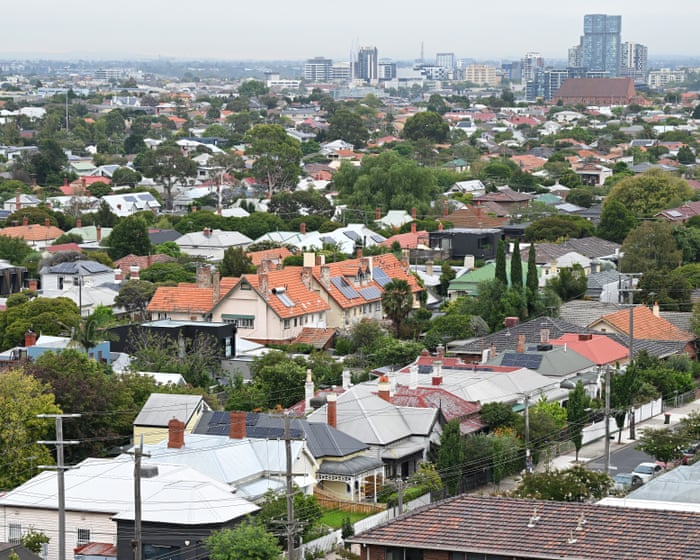
Cotality says house prices are falling in more than 90% of Australian suburbs. Economists expect the Reserve Bank to deliver a fourth interest-rate increase despite a potentially historic property downturn, as inflation remains too high; national values could eventually fall about 10% from their recent peak.

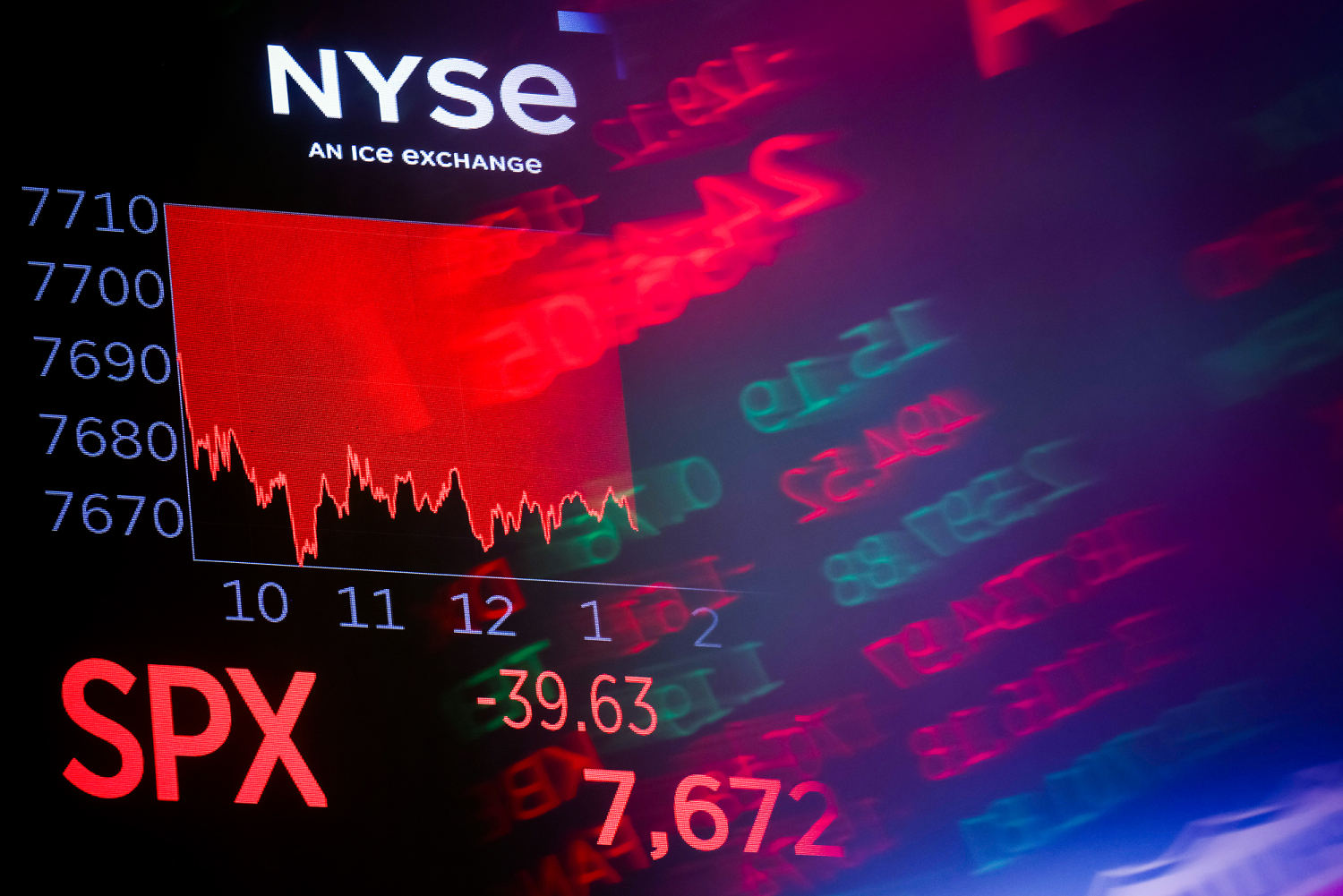
Bond yields jumped and stocks opened lower as mounting concerns that the Federal Reserve could raise interest rates this month to contain persistent inflation unsettled markets.

Vladimir Putin’s international development envoy warned that Russia’s economy risks going “berserk” if it is run entirely to serve the needs of the military-industrial complex, according to remarks quoted on Tuesday.
The Bank of Canada is expected to keep borrowing costs unchanged as an escalating trade war with the US threatens the economic recovery while increasing inflation risks, creating a new dilemma for Governor Macklem.
Ghanaian cocoa farmers are intensifying opposition to a new law that bars them from using their land for other purposes without permission. President Mahama says backing local processing is vital for economic growth, while cocoa chiefs argue the changes still leave the sector tied to an outdated colonial model.

New ECB research says the euro zone’s inflation surge since the war in Iran began was driven almost entirely by higher energy prices, supporting the central bank’s decision to make a small interest-rate increase in June.
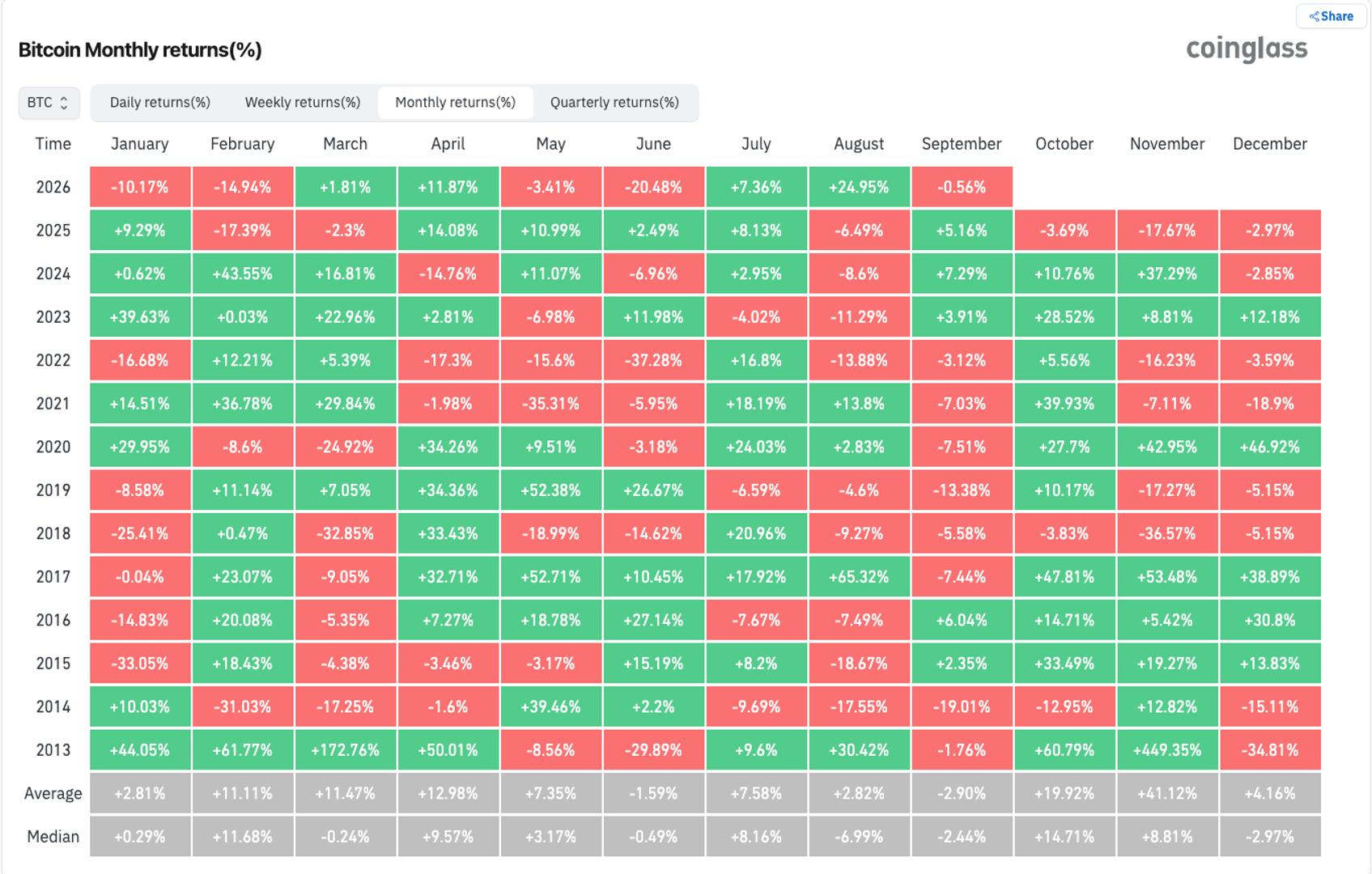
September has historically been a poor month for risk assets overall, with bitcoin particularly vulnerable. The prospect of interest-rate hikes now threatens bitcoin’s August rally.

Russian President Vladimir Putin said trade turnover between Russia and Tajikistan rose 25.1% in 2025 and another 25% in the first half of this year. Tajikistan hosts 320 enterprises with Russian participation, while 96% of transactions are conducted in national currencies. The countries are pursuing a plan to increase mutual trade 2.5-fold by 2030.
India’s economy is showing early signs that a long-awaited revival in private investment is taking hold. A broader set of growth drivers could make the economy more resilient to global shocks.
Allies are questioning the US prescription for global growth as Bessent presents Trump’s economic pitch to the G20.
Prime Minister Sergey Koretsky said Ukraine is imposing strict austerity on budget funds not allocated to defense. The government faces a €49.5 billion shortfall, including about €26 billion in external financing that is now not expected to arrive. Years of large deficits have left Kyiv struggling to fund its needs.
Fed Governor Barr said he would support raising interest rates if inflation fails to ease. He expressed concern that broader price pressures are taking hold while inflation remains above the Fed’s 2% target.

America’s newest centers of job creation are being driven by a notable change in how consumers use their discretionary income.
A global bond sell-off has spread through European debt markets, sending government bond yields to 15-year highs amid concerns over inflation, budget deficits and government debt.
Ukraine's parliament failed on Tuesday to pass a law taxing foreign parcels, a requirement for unlocking IMF and EU funds. Lawmakers dismissed government warnings about rising financial risks and a funding shortfall for defence needs.
Treasury yields rose Tuesday as investors watched tensions flare again in the Middle East. The 10-year yield climbed to its highest level since January 2025, while rising oil prices intensified concerns about inflation.

Bitcoin has remained resilient despite higher oil prices and stronger expectations of a September Federal Reserve rate hike. Attention now turns to Friday’s jobs report.

The United States is seeking to influence Japan’s monetary policy, but bitcoin did not enable it to do so.

Euro zone inflation climbed back above 3% in August as energy costs increased, strengthening the case for another European Central Bank rate hike this month. The Iran war continues to push prices higher.

Euro zone inflation has moved back above 3%. The European Central Bank is expected to raise interest rates in September as the Iran war drives up energy costs across the region.
Eurozone inflation climbed sharply to 3.3% in August, with energy prices rising by more than 14% from a year earlier, according to Eurostat.
Higher borrowing costs are increasing pressure on the prime minister and chancellor as they prepare for October’s Budget, amid questions about how key plans will be funded.
S&P Global’s survey showed Russia’s manufacturing PMI fell from 50.7 in July to 48.8 in August 2026, marking the sector’s first deterioration in operating conditions in three months. Weaker consumer demand and tighter buyer liquidity reduced new orders, while export orders and output also contracted.
HSBC’s chief economist sees significant similarities between today’s financial environment and the period leading up to the 1997 Asian financial crisis, when surging U.S. bond yields, a weak Japanese yen and optimism about technology dominated markets.

The global debt selloff intensified as Japan’s benchmark 10-year bond yield reached the key 3% level for the first time since 1996. Traders are concerned about oil-driven inflation, tighter monetary policy and deteriorating fiscal conditions.

Bond yields jumped across major markets on Tuesday as hostilities between the U.S. and Iran renewed concerns over energy costs and inflation. Yields in Japan and the U.K. reached multi-decade highs.
Japan’s benchmark bond yield reached 3% on Tuesday for the first time since 1996 as bonds sold off broadly around the world. The move highlights how inflation, fiscal worries and rate increases are reshaping markets that once anchored global borrowing costs.
The Bank of Russia bought 5.9 billion rubles ($68.09 million) worth of yuan on the domestic market, with settlement on August 31, according to regulator data. Purchases settled on August 28 totaled 6 billion rubles ($69.24 million). The transactions use the yuan-ruble instrument on the Moscow Exchange.
China’s tax authorities said on Tuesday that expatriates receiving dividends from foreign-funded firms would no longer qualify for a tax exemption. A 20 per cent rate takes effect immediately, with Xinhua describing the change as an effort to unify the tax system.

Japan’s 10-year government bond yield reached 3% on Tuesday for the first time since 1996, amid a worsening global sell-off in sovereign debt. US Treasury Secretary Scott Bessent used the G20 finance meeting to urge Tokyo to raise rates faster.
Japan’s benchmark bond yield has reached 3% for the first time in 30 years. The 10-year Japanese government bond yield has more than tripled over two years.
British house prices rose in August, data from mortgage lender Nationwide Building Society showed on Tuesday, suggesting housing demand held up despite an uncertain economic outlook and the impact of the war in Iran.
The Youyi-Baoqing Railway in northeast China’s Heilongjiang Province has begun trial operations after its tracks and station lines were upgraded. The roughly 60-kilometer route links major grain-producing areas on the Sanjiang Plain with markets across China, strengthening a vital freight corridor without interrupting regular grain shipments.
South Korea unveiled its most aggressive fiscal spending plan on record, proposing 821 trillion won ($596.92 billion) in total government expenditure for 2027 to strengthen its technological edge in the global AI race.
China’s manufacturing sector expanded at a faster pace in August, with output, new orders and exports all accelerating, according to a private-sector survey.
The United States did not join Japan’s efforts to shore up the yen without conditions. This week, Treasury Secretary Scott Bessent spelled out the terms, putting Japan under pressure to reassess its policy stance.
India’s manufacturing sector grew at its slowest pace in five years in August as weak demand led to the first job losses in more than two years, according to a survey.
China’s state-owned and state-controlled enterprises recorded combined profits of 2.509 trillion yuan in the first seven months of 2026, up 0.6% year on year, Ministry of Finance data showed. Operating revenue fell 2.4% to 46.447 trillion yuan, while taxes payable rose 5% and the end-July asset-liability ratio reached 65.6%.
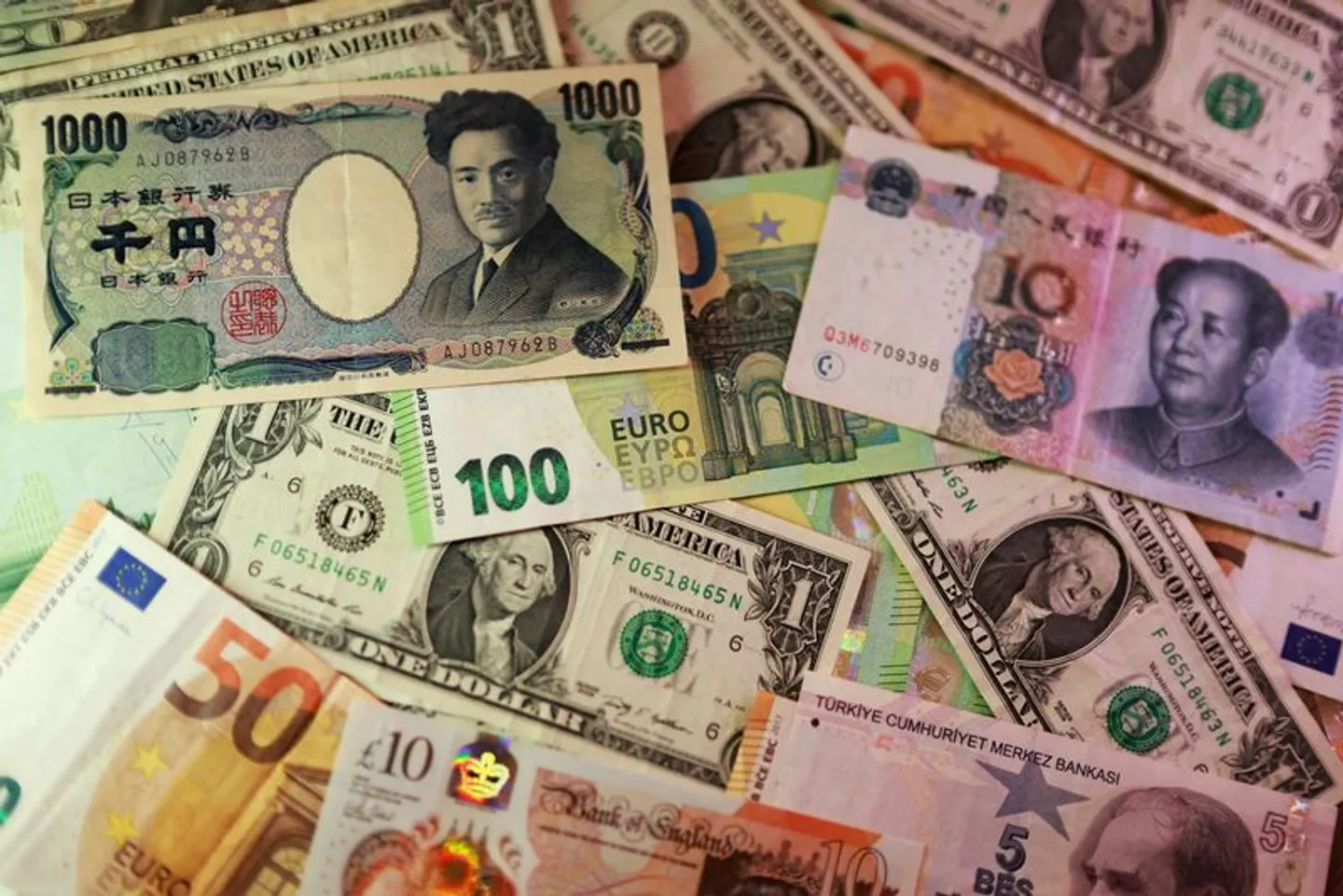
The yen steadied near 160 per dollar on Tuesday after U.S. Treasury Secretary Scott Bessent intensified pressure on the Bank of Japan to raise rates this month. Investors remained cautious as bonds sold off following renewed attacks in the Gulf.
Mixed-load public-block trains on the Chengdu southern route of the China-Europe Railway Express now run regularly, with three to four departures a month. The service crosses Kazakhstan and the Caspian Sea after leaving China through Khorgos, reaches Georgia, and links with cities including Baku and Izmir.
Indian shares opened little changed on Tuesday as stronger-than-expected domestic growth data offset concerns over rising crude oil prices driven by a fresh escalation in Middle East tensions.
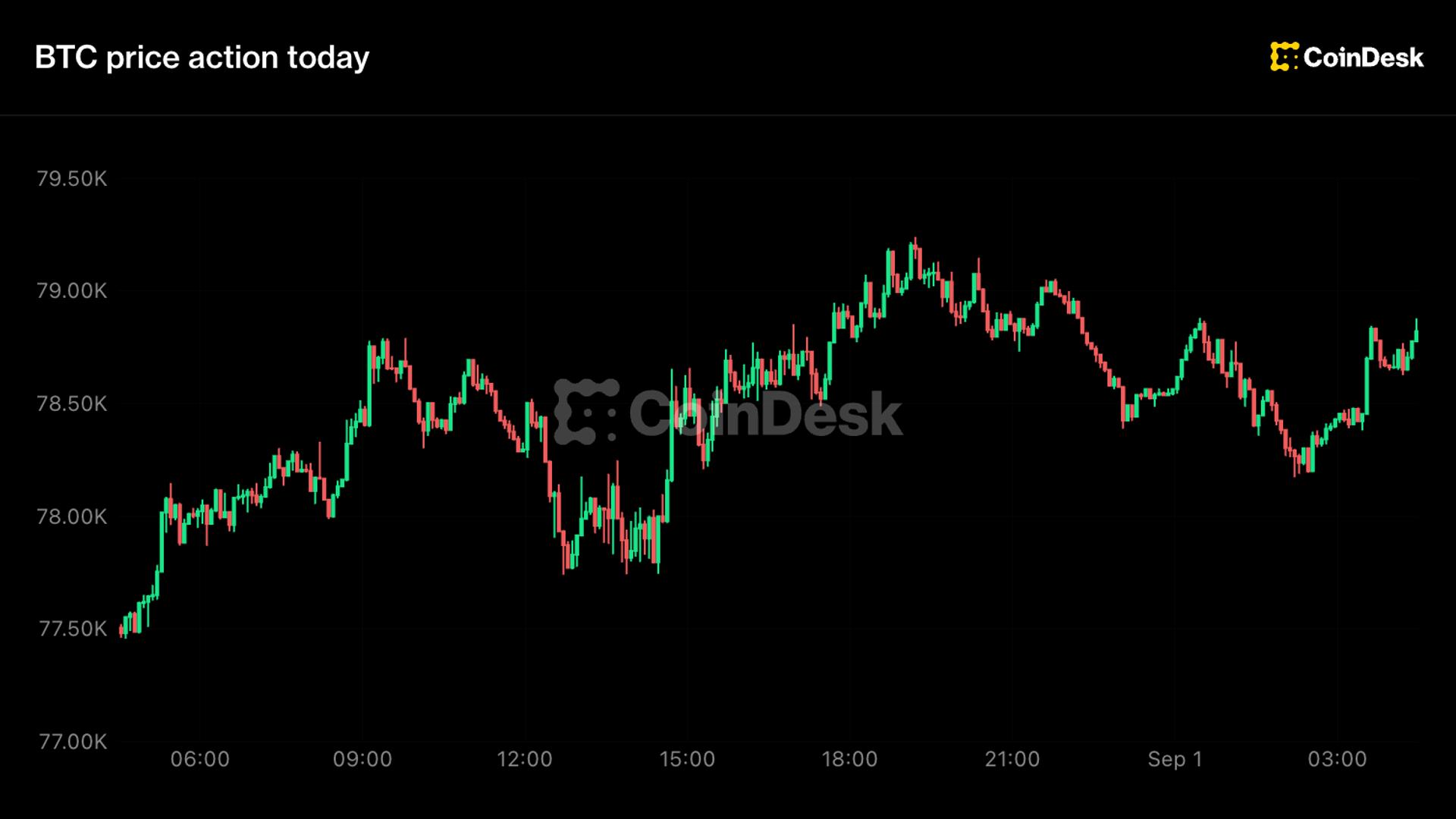
Bitcoin remained above $78,000 as Ether, Solana, Tron and Dogecoin lost ground over 24 hours amid bets on a hawkish Federal Reserve. HYPE gained about 4%, while Bitcoin was flat for the week after rising 24% in August.

Russia has begun the mass rollout of its digital ruble, with major banks and retailers opening infrastructure for transactions and individuals able to choose the new currency format. The system will expand in stages, with all credit institutions joining by September 2028. Individual payments and transfers are free, while businesses are exempt from fees through the end of this year.
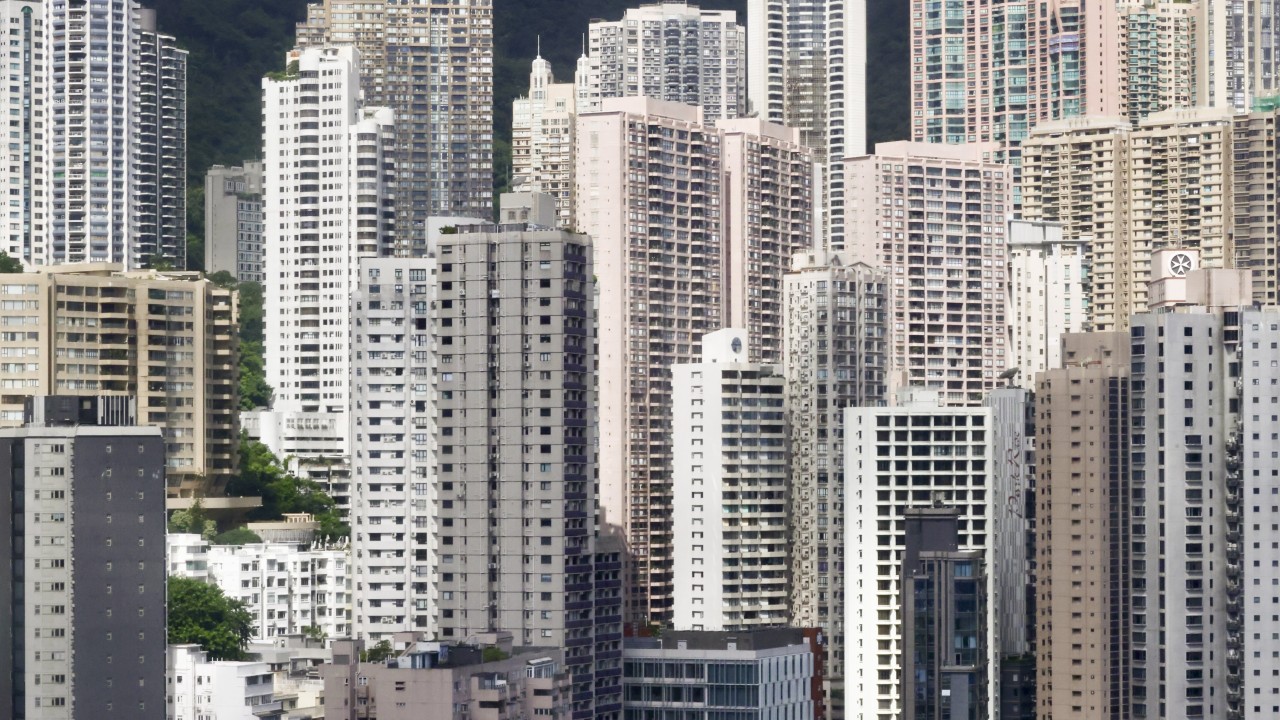
Expectations that the US Federal Reserve will raise its target interest rate by a quarter percentage point this month have grown after Fed chairman Kevin Warsh spoke last week. CME’s FedWatch tool showed the implied probability had doubled, with markets pricing in a 60% chance, prompting Hong Kong’s property market to prepare for the possible impact.

Japan’s benchmark bond yield has reached 3% for the first time since 1996. US Treasury Secretary Scott Bessent signalled that he expects the Bank of Japan to raise rates soon.
Private surveys showed that a surge in worldwide demand for AI hardware kept Asian factories busy in August, improving the outlook for the export-dependent region. The prolonged war in the Middle East continued to drive uncertainty and higher costs.
China’s national railway network transported 76.103 million metric tons of cargo from Aug. 24 to 30, down 4.72% week on week, Ministry of Transport data showed. Highway freight, port throughput, container handling and civil aviation flights also declined, while parcel collection and deliveries increased.
Japan’s manufacturing sector strengthened in August, with new business expanding at its fastest rate since January 2018, a business survey showed. Robust demand for semiconductors and AI-related products supported the increase.
Two embattled Trump administration officials faced criticism on Tuesday as the war in the Middle East flared up again. The contrasting signals frame a debate between pushing harder for economic growth and watching for reasons to slow policy down.

Canada’s planned retaliation against US tariffs could shield some domestic manufacturers, but Oxford Economics says it would also raise costs and leave many industries worse off.
The Canadian dollar recovered on Monday from a two-week low against the U.S. dollar, supported by rising oil prices and month-end hedging transactions by investors. Markets were also awaiting a Bank of Canada interest rate decision due midweek.
In many respects, the party appears to be over for U.S. and European companies that once held a major advantage in China.

Federal Reserve Chair Kevin Warsh told G20 finance leaders on Monday that a global investment surge is helping drive growth. He said the shift reverses earlier savings gluts, when limited investment opportunities left capital parked in low-yield instruments.
Japan’s bonds and currency face pressure after the Federal Reserve chair’s speech at Jackson Hole. The newsletter also reports that India’s GDP exceeded expectations and that South Korea jailed the leader of the Unification Church over a bribery scandal.
Trump argued that rapid U.S. economic growth should not lead the Federal Reserve to raise interest rates, even as inflation remains above the central bank’s 2% target. He said growth could reach 20%, a level seen only once since World War II.

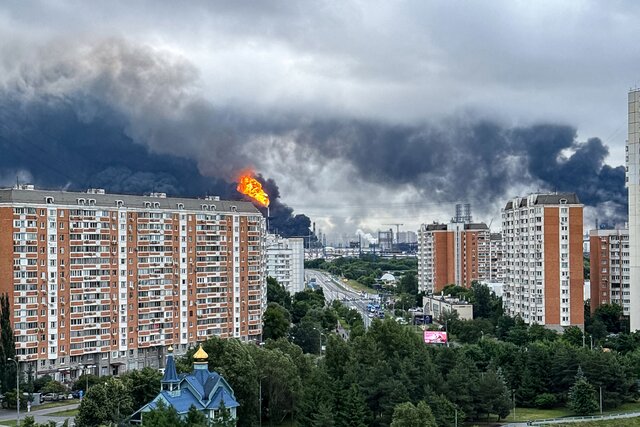
Economists Sergey Vakulenko and Vyacheslav Shiryaev debated the scale of Russia’s fuel crisis after strikes on oil refineries. Vakulenko estimated refining had declined by 25–28%, while Shiryaev said 65–70% of capacity had been knocked out and accused optimistic assessments of prolonging the war. They also disputed gasoline, diesel, and gas-station supply figures.
The Minutes Reader extension turns the original page into a focused reading view and translates articles and video subtitles on demand. It is in limited beta.