Happy birthday to the First Index Investment Trust
A birthday tribute to the First Index Investment Trust, featuring FIITnes.
F Financial TimesOriginal★☆☆☆☆2026-08-31 12:23
Happy birthday to the First Index Investment Trust
A birthday tribute to the First Index Investment Trust, featuring FIITnes.
FFinancial TimesOriginal★☆☆☆☆2026-08-31 12:23
President Masoud Pezeshkian said Iran remains committed to a diplomatic settlement with the United States, arguing that continuing the war serves neither Iran, the region nor humanity. He accused forces in the US of seeking to escalate tensions for advantage. The statement follows reports of a US strike on two missile launchers on Iran’s Larak Island and subsequent Iranian attacks on US bases in Jordan and the UAE.
T TASSOriginal★★★★☆2026-08-31 12:12

Six months after the US and Israel launched their war on Iran, disruption from the conflict continues to spread through the global economy. Airlines and carmakers have suffered, while energy companies, banks and arms manufacturers have benefited from soaring oil prices and increased military spending. The war’s US budgetary cost could ultimately reach $1 trillion, an estimate far above the Pentagon’s short-term figure.
A Euronews Farsi exclusive reports that a reinstated US naval blockade is paralysing Iran’s trade, driving inflation to 70% and forcing families into survival mode. Iranians describe a worsening humanitarian crisis, from stranded cargo to increasingly empty tables.

The UAE says its air force intercepted a drone approaching over its territorial waters from Iran and dismissed as false reports that Al Menhad airbase had been attacked. The incident followed renewed US-Iran hostilities and overnight strikes on bases in the region.

U.S. stock futures edged lower on Monday after military clashes between the United States and Iran pushed oil prices higher. The move fueled inflation concerns and strengthened expectations for a more hawkish interest-rate outlook.

Iran attacked US military targets in the Middle East on Monday, retaliating for American strikes on an island in the Strait of Hormuz. It marked the first exchange of fire between the two sides in a month amid a war engulfing the region.

Iran attacked US military targets in the Middle East after the United States launched its first strikes on Iranian territory in a month, triggering a fresh flare-up in the war engulfing the region. Washington said its attacks sought to stop Iran from laying more sea mines in the strait, amid threats of new secondary economic sanctions.

Hostilities between the United States and Iran resumed after a month-long pause. Washington said Iran was preparing to deploy sea mines in the Strait of Hormuz, while Tehran retaliated by striking US military bases in Jordan. The US Treasury secretary also warned of further economic sanctions against banks doing business with Iran.
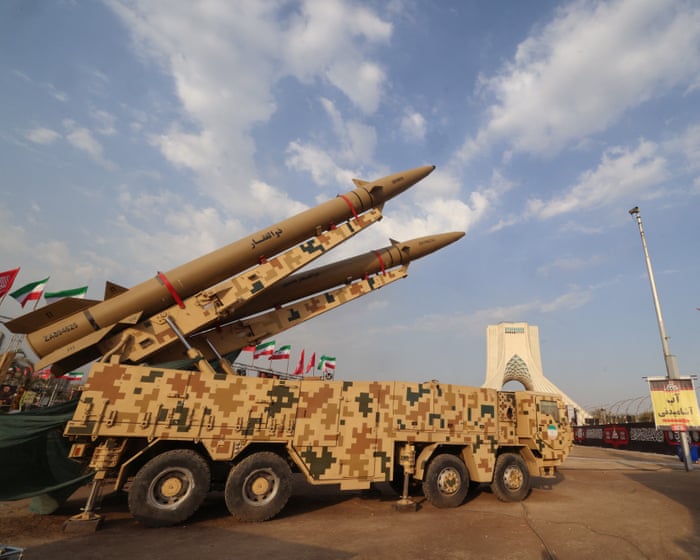
Hostilities between the US and Iran resumed after a month when American forces struck Iranian rocket launchers on Larak Island. Iran said it retaliated against US bases in Jordan and the UAE, while state television reported that a supertanker hit two naval mines, caught fire and stopped in the southern Strait of Hormuz.
Iran’s Foreign Ministry says US actions in the Middle East are the only factor destabilizing the Strait of Hormuz and vows to respond to every US action with a “crushing blow.” Earlier reports said US forces struck two Iranian launchers on Larak Island, after which Iran targeted US bases in Jordan.
Iran’s Islamic Revolutionary Guard Corps says a supertanker struck two mines after attempting to use what it called an “illegal route” in the southern Strait of Hormuz. The IRGC Navy warned that vessels violating its safe-passage rules would face the same fate. Details about the ship were not provided.

CENTCOM says the Iranian forces it targeted presented an “imminent threat.” The Strait of Hormuz remains the conflict’s main flashpoint.

Bloomberg News Now highlights a jump in oil prices after US strikes and the continuing US-Canada trade war, alongside other top stories from the day in a regularly updated audio report on global business news.

Oil prices rise as missiles are reported flying across the Gulf, setting the tone for the day ahead in European and global markets.
Oil prices rose and stocks fell after the United States struck Iran, while bitcoin barely moved. Despite the latest escalation in geopolitical tensions, BTC remains August’s best-performing asset.
Oil prices rose on Monday morning as tensions in the Middle East flared again and investors assessed the possibility of a US interest-rate increase, reinforced by Warsh’s hawkish signal.

A Bloomberg News Now audio report covers the day’s leading stories, including a jump in oil prices after US strikes on Iran and an intensifying US-Canada trade war, alongside other global business news.

After roughly a week of saying Washington would shift toward economic warfare against Iran, the U.S. has chosen to resume actual strikes instead.

Asian stock markets fell on Monday after fresh fighting between the United States and Iran pushed oil prices higher. Bond yields also stayed elevated as investors reduced their expectations for a U.S. interest-rate hike.
Bloomberg News Now brings together the day’s leading stories, including new US strikes on Iran and the continuing US-Canada trade war, with updates throughout the day on global business news.
Persian Gulf countries have not restricted regional air traffic despite reports that Iran fired missiles toward US ships in the Strait of Hormuz, a Middle Eastern air traffic service source told TASS. Iranian television reported the missile launch, while other reports said US forces had struck two missile launchers on Iran’s Larak Island.

The U.S. struck Iranian rocket launchers near the Strait of Hormuz. Its last major strikes on Iran took place in late July.
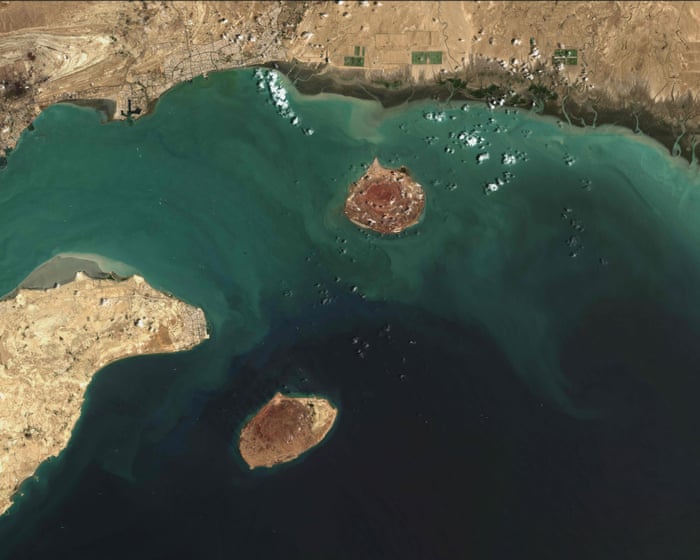
A US official says American forces struck two Iranian launchers on Larak island after Islamic Revolutionary Guard Corps personnel were seen preparing rockets carrying sea mines for the Strait of Hormuz. Iran said the attack killed and wounded soldiers and civilians and vowed a response. Reuters later reported an apparent Iranian attack on US forces in Jordan, with all incoming missiles intercepted.
Iran’s Islamic Revolutionary Guard Corps has vowed retaliation after the U.S. bombed targets in the Strait of Hormuz. In a statement carried by Iran’s state broadcaster, the Guard said several fighters and fellow citizens had been killed and wounded.
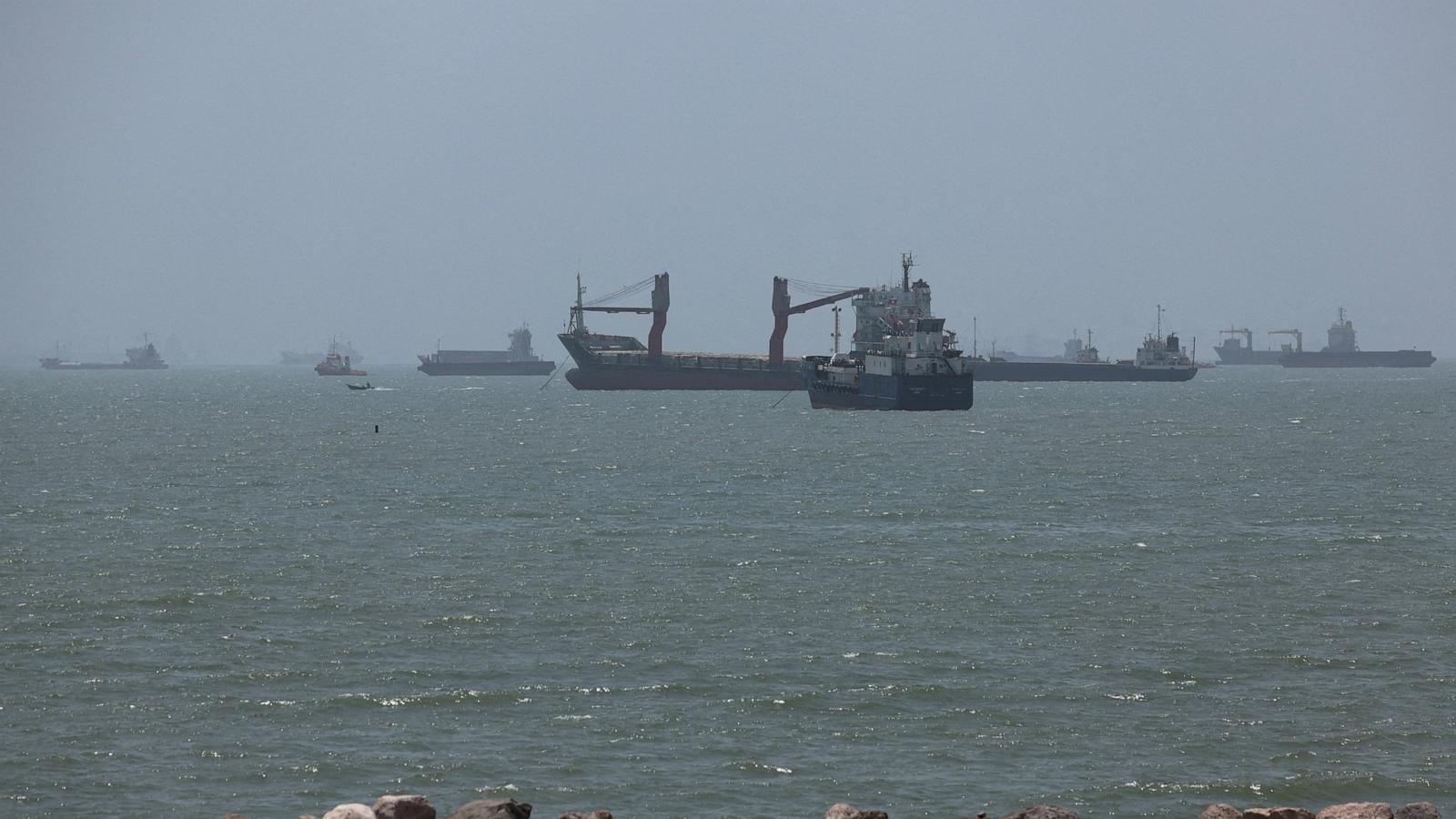
US forces struck two Iranian rocket launch sites. The Strait of Hormuz remains the main flashpoint in the conflict.
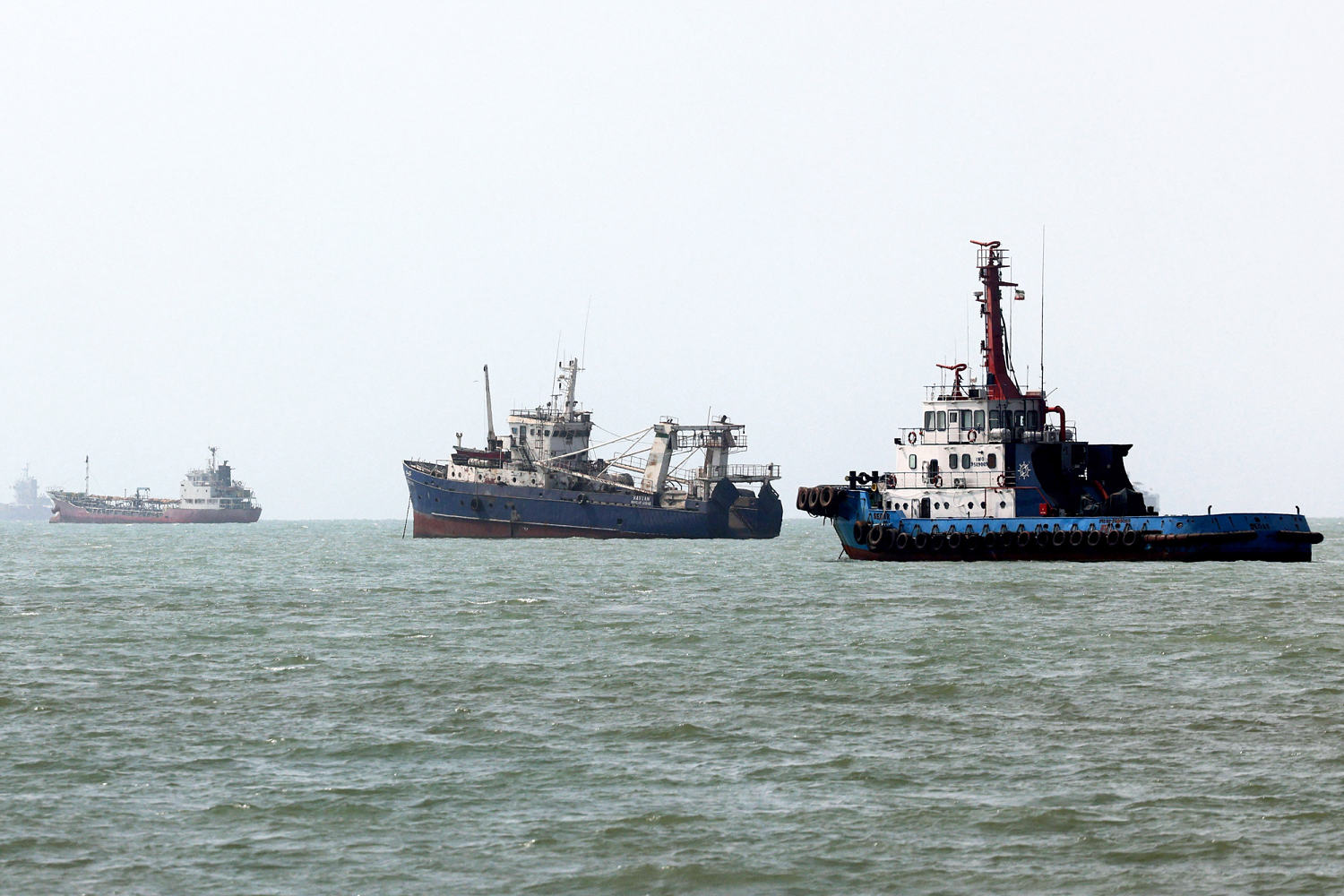
U.S. forces struck Iranian rocket launchers on Hormuz, marking their first military action in weeks. Iran then fired retaliatory missiles toward Jordan, a U.S. ally, but American forces intercepted them, a source said.
The two-month-old Robinhood Chain processed a record 5.52 million transactions on Aug. 30. Users launched 22,600 tokens, while memecoin trading tools generated most of the network’s $2.66 million in revenue, putting it ahead of Ethereum for the day.
C CoinDeskOriginal★★☆☆☆2026-08-31 11:53
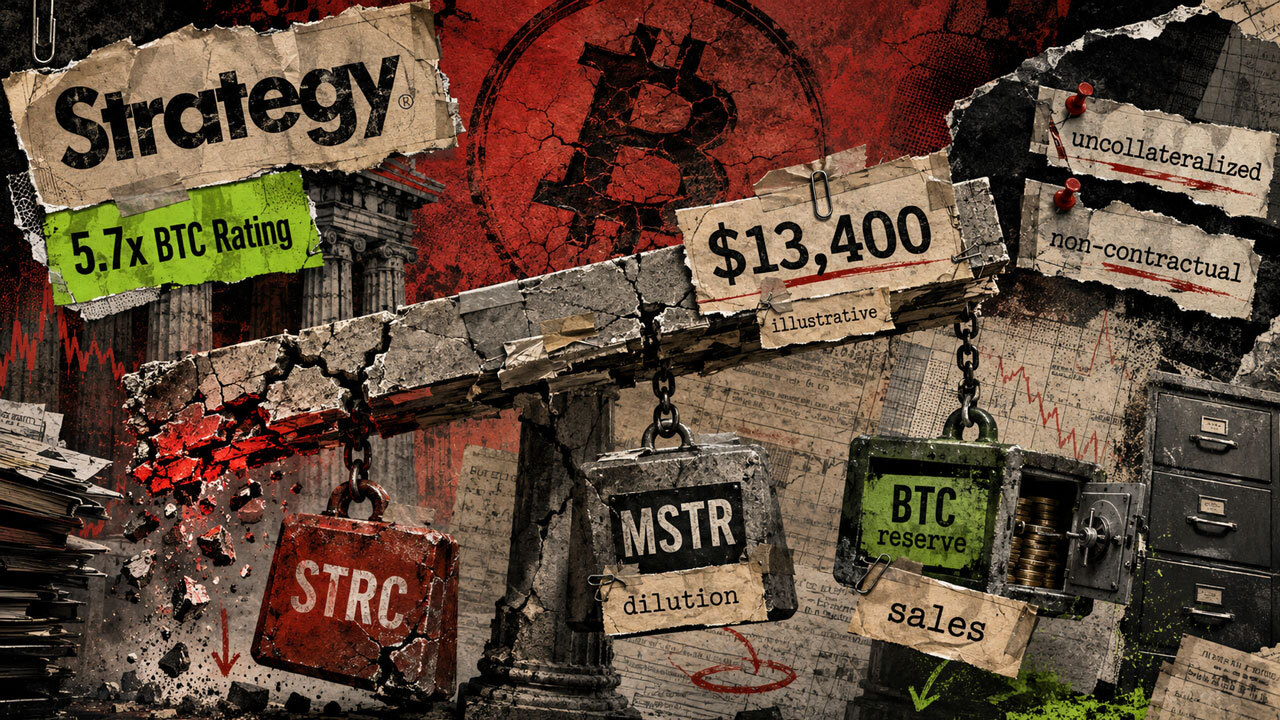
Strategy markets an approximately $13,400 “BTC Floor” for its STRC preferred stock, but the SEC-filed metric only marks the Bitcoin price at which an illustrative coverage ratio reaches 1.0x. It provides no claim on Strategy’s Bitcoin or assurance of solvency or recovery. The analysis shows how depleted USD assets could raise the threshold and outlines the ranking of creditors, preferred holders and common shareholders in a restructuring.
C CryptoSlateOriginal★★☆☆☆2026-08-31 11:30
Private equity groups face a $40bn maturity wall in 2028 as they seek to refinance software buyouts made during the Covid era, while companies pay heavily for time to respond to the threat from artificial intelligence.
FFinancial TimesOriginal★★☆☆☆2026-08-31 11:00
Santoli says investors should remain highly alert heading into September as several key market metrics tighten near thresholds that could have significant consequences.
C CNBCOriginal★★☆☆☆2026-08-31 11:00

At Jackson Hole, global central bankers imagined a world in which AI-powered trading is so widespread, fast and effective that the Federal Reserve would need separate news conferences for humans and machines, so people are not entirely shut out of responding to monetary-policy shifts.
R ReutersOriginal★★☆☆☆2026-08-31 10:50

KKR is set to reap a giant gain from the $17bn sale of USI to Aon. The proceeds rank among the largest earned by a publicly listed private equity firm on a single deal.
FFinancial TimesOriginal★★☆☆☆2026-08-31 10:31
U.S. Treasury Secretary Scott Bessent dismissed concerns about turbulence in the government bond market, saying fears over rising debt and yields fail to account for the strength of the U.S. economy and its fiscal outlook.
RReutersOriginal★★★☆☆2026-08-31 09:45

Shares of online fast-fashion retailer Shein fell more than 10% in gray-market trading on Monday, ahead of its debut on the Hong Kong Stock Exchange scheduled for Tuesday.
RReutersOriginal★★☆☆☆2026-08-31 09:00

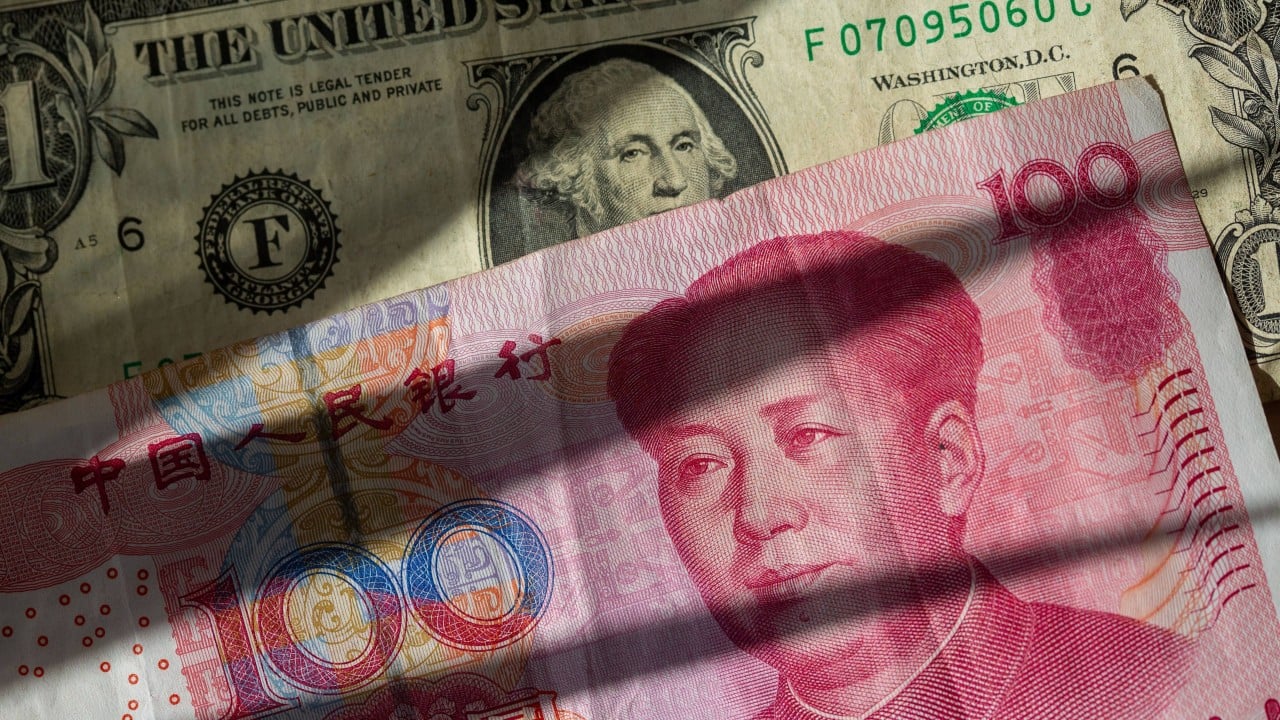
The Bank of Russia purchased yuan worth 6 billion rubles, or $69.5 million, on the domestic market with settlement on August 28. Purchases settled on August 27 totaled 5.9 billion rubles, or $68.3 million. The operations use the yuan-ruble instrument on the Moscow Exchange.
TTASSOriginal★★☆☆☆2026-08-31 08:50
A look at what is coming in the week beginning Aug. 31, including the U.S. jobs report and Russia’s digital ruble rollout.
CCoinDeskOriginal★★☆☆☆2026-08-31 08:22
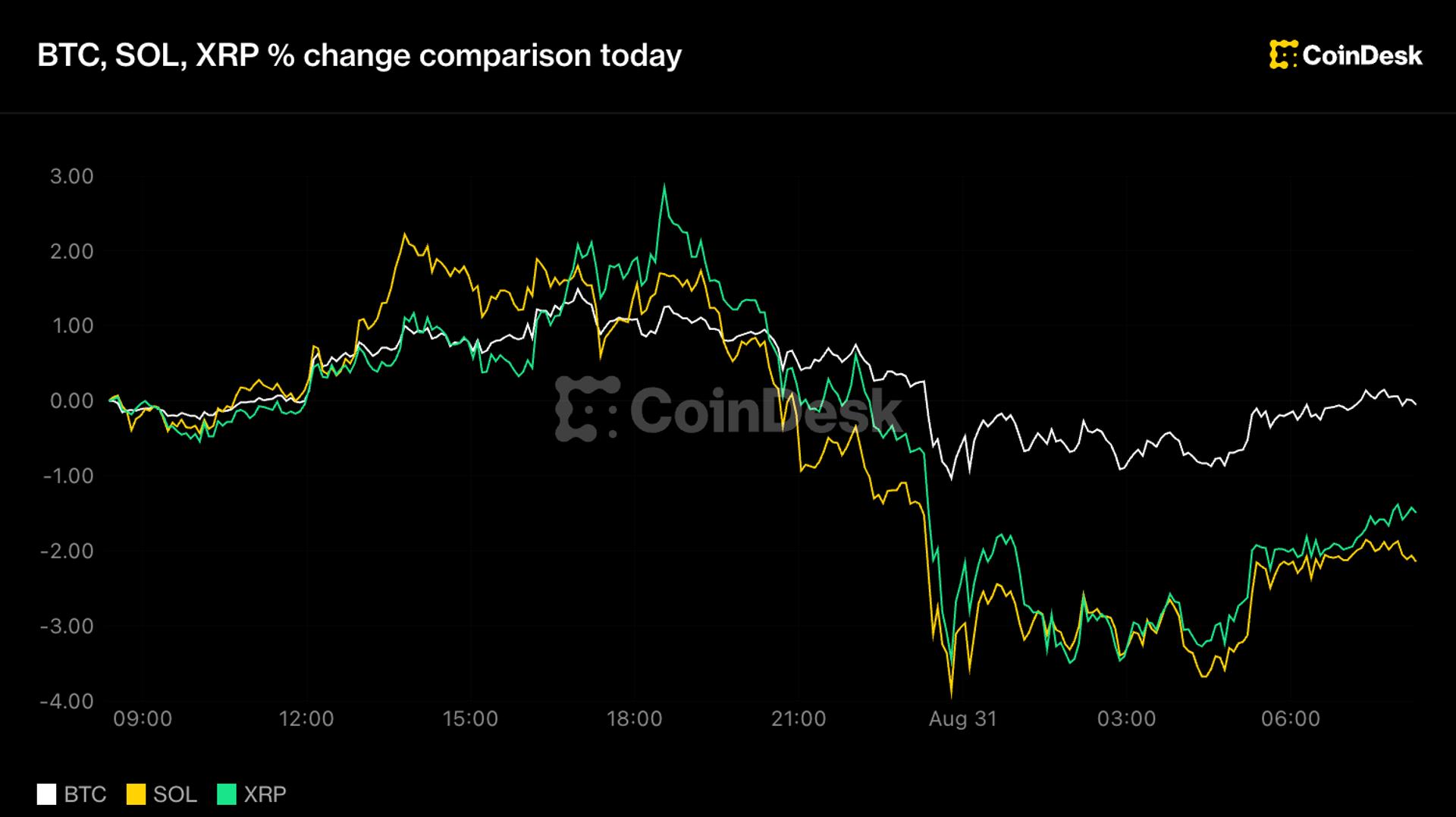
Bitcoin is staying just below $78,000 as August draws to a close. The dollar strength that pushed the yen beyond its intervention line is also limiting gains in cryptocurrencies.
CCoinDeskOriginal★★☆☆☆2026-08-31 08:18
Sberbank reportedly expects crypto exchange trading to reach $46 billion in the first year under Russia’s new regulations. The rules are scheduled to take effect on Sept. 1, 2026.
TThe BlockOriginal★★★☆☆2026-08-31 08:15

The item characterizes the activity as offshore gambling rather than insider trading and raises the question of whether to swap.
FFinancial TimesOriginal★★☆☆☆2026-08-31 08:09
Russian stocks moved higher at the start of Monday’s main trading session, with the MOEX and RTS indices initially gaining 0.1% to 2,136 and 786.08 points. By 10:15 a.m. Moscow time, both had advanced 1.23%, while the yuan traded at 12.918 rubles.
TTASSOriginal★★☆☆☆2026-08-31 07:50
The yen weakened past ¥160 to the dollar and bond yields climbed to their highest level in three decades as investors increased bets on tighter monetary policy following Warsh’s speech at Jackson Hole.
FFinancial TimesOriginal★★★☆☆2026-08-31 07:32
Foreign direct investment in Germany increased 50% in 2025 from the previous year, according to calculations by the German Economic Institute. A surge in inflows from Britain more than offset a steep fall in investment by U.S. companies.
RReutersOriginal★★★☆☆2026-08-31 07:00

The MOEX Index rose 0.66% to 2,128.83 points when Monday’s morning session opened on the Moscow Exchange. By 7:10 a.m. Moscow time, the gain had narrowed to 0.04%, leaving the index at 2,115.81 points.
TTASSOriginal★★☆☆☆2026-08-31 06:33
The dollar held close to a two-week high on Monday as hawkish comments from Federal Reserve Chair Kevin Warsh and renewed Gulf tensions led markets to increase their expectations for a rate hike. The yen remained under pressure near the closely watched 160-per-dollar level.
RReutersOriginal★★★☆☆2026-08-31 06:25

The Indian rupee is expected to open weaker on Monday after investors increased their bets on a Federal Reserve rate hike at the next policy meeting following hawkish remarks from Fed Chair Kevin Warsh. Concerns over oil prices remain.
RReutersOriginal★★☆☆☆2026-08-31 06:05


The Indian rupee is expected to remain under pressure this week as the prospect of a Federal Reserve rate hike compounds the drag from high oil prices. Bonds could face additional selling if economic growth picks up.
India’s equity benchmarks could swing sharply in the final minutes of Monday’s session as investors tracking MSCI indexes rebalance their portfolios. The move will provide the first major test of the country’s new closing auction system.
RReutersOriginal★★☆☆☆2026-08-31 06:00

HDFC Bank shares rose about 2% on Monday after CEO Sashidhar Jagdishan said he would not seek reappointment beyond October. Analysts described the move as a clean break for India’s largest private lender by assets rather than a new source of concern.
RReutersOriginal★★★☆☆2026-08-31 05:45


Shares of HDFC Bank rose after the chief executive of India’s largest private lender unexpectedly announced that he would not seek reappointment.
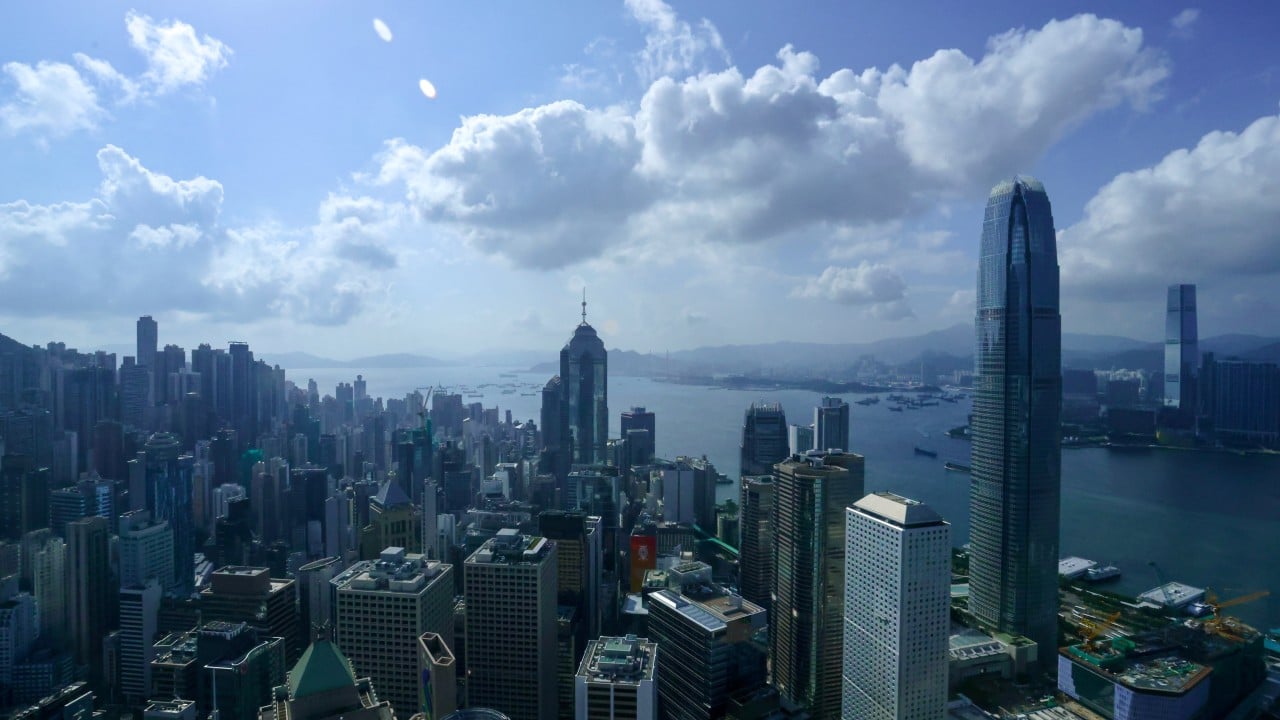
Hong Kong remained Asia’s leading city for billionaire residents last year, while mainland Chinese cities rapidly narrowed the gap as the artificial intelligence boom generated new wealth, according to Altrata. Hong Kong ranked second globally behind New York, with Beijing and Shenzhen also placing among the top 15.
S South China Morning PostOriginal★★☆☆☆2026-08-31 05:00
France’s heavy debt burden and political gridlock are driving government borrowing costs toward levels not seen since 2008, making the country a prominent example of sovereign debt problems.
CCNBCOriginal★★★☆☆2026-08-31 05:00

BYD shares fell after the automaker released its latest results on Friday. The decline came despite higher second-quarter profit and growth overseas, as intense competition in China weighed on first-half earnings.
CCNBCOriginal★★☆☆☆2026-08-31 04:01

Spending on US projects has surged as national oil companies and traders join the rush for gas assets, pushing dealmaking to its highest level in a decade.
FFinancial TimesOriginal★★☆☆☆2026-08-31 04:00
Boaz Weinstein’s activist campaigns are exposing the strains affecting a centuries-old investment-trust model.
FFinancial TimesOriginal★★☆☆☆2026-08-31 04:00
The emergence of a truly multipolar currency market depends on whether governments are willing to embrace technology and strengthen their financial markets.
FFinancial TimesOriginal★★☆☆☆2026-08-31 04:00
Crypto firms have spent a record $640mn repurchasing their own tokens, using a strategy similar to equity-market buybacks as the digital-assets sector endures a prolonged slump.
FFinancial TimesOriginal★★☆☆☆2026-08-31 04:00
Asset managers say institutional investors seeking exposure to hard assets are showing growing interest in shipping, as the conflict in the Middle East lifts returns in the sector.
FFinancial TimesOriginal★★☆☆☆2026-08-31 04:00
TASS calculations based on Ukrainian Finance Ministry data indicate that Ukraine could run out of money for military salaries by mid-October unless budget amendments secure at least $6.75 billion for the armed forces. Keeping combat operations at the current level would require about $20 billion, while external borrowing is being considered as the only financing source.
TTASSOriginal★★★☆☆2026-08-31 03:02
China’s disappointing economic data and Federal Reserve chairman Kevin Warsh’s hawkish tone at Jackson Hole are pushing the Chinese and US bond markets further apart. Concerns over fiscal sustainability are also weighing on Treasuries, while China’s 10-year government bond yield fell to 1.692 per cent on Monday, nearing a one-year low.
SSouth China Morning PostOriginal★★★☆☆2026-08-31 03:00
The leaders of one of Europe’s largest buyout firms say a renewed focus on regulation will help prevent a repeat of problems such as price-gouging involving the NHS.
FFinancial TimesOriginal★★☆☆☆2026-08-31 03:00
Jio Platforms, India’s largest digital and telecom operator, has received regulatory approval to pursue an initial public offering. Another major listing, by the National Stock Exchange, is still waiting for regulatory clearance.
CCNBCOriginal★★★☆☆2026-08-31 02:35

Hong Kong has long been a centre for gold jewellery, with duty-free shopping and proximity to a major consuming market helping brands attract buyers worldwide. Officials’ plan to turn the city into a global trading hub comparable to New York and London initially drew scepticism, but doubts began to ease as the effort showed signs of progress.
SSouth China Morning PostOriginal★★☆☆☆2026-08-31 01:00

The US has turned to Alejandro Betancourt, a wily and divisive insider, to help develop Venezuela’s oil reserves. He is portrayed as the potential figure Trump would rely on as a “viceroy” in the country.
FFinancial TimesOriginal★★★☆☆2026-08-31 00:58

A new agreement between Caracas and Washington would give US companies access to more than a fifth of Venezuela’s vast oil reserves. The deal faces opposition in Venezuela and questions over its legality, while the country’s interim leader says it will support economic recovery.
Venezuela’s acting president says the country will retain “sovereignty” over its oil reserves despite a deal with the United States. The stated aim is to turn the underground resources into a source of social and economic well-being for Venezuelans.

Donald Trump said the United States would use Venezuelan oil to refill its Strategic Petroleum Reserve, calling it a “gift from Venezuela to the people of the United States.”
Donald Trump says the US administration plans to use oil obtained through its deal with Venezuela to refill the Strategic Petroleum Reserve. He said the “topping out” process would begin shortly and called it a gift from Venezuela to Americans. Trump also said the August 28 agreement secured majority US control of more than 65 billion barrels of Venezuela’s proven reserves.

President Donald Trump said Sunday that the US plans to use its newly asserted control over billions of barrels of Venezuelan crude to replenish the nation’s depleted emergency reserve.
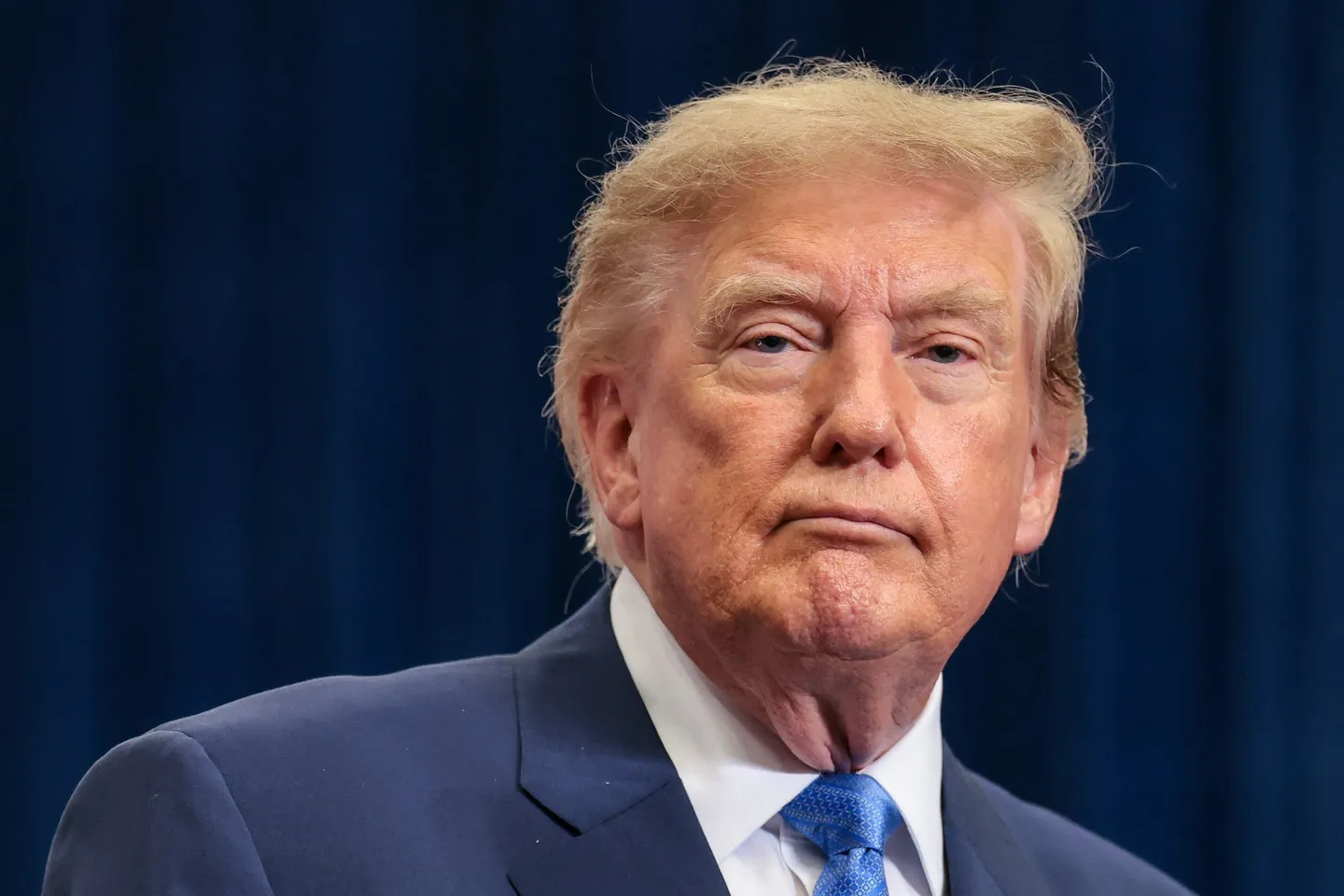
Trump said a Venezuelan oil “gift” would replenish US reserves. He also claimed Canadian businesses are rapidly relocating to the United States as trade hostilities between the neighbouring countries intensify.

US President Donald Trump says oil from a recently announced deal with Venezuela will replenish the Strategic Petroleum Reserve, with the “topping out” process starting soon. He called the oil a “Gift from Venezuela to the People of the United States” and blamed Joe Biden for leaving the reserve “virtually” empty. The timing and short-term benefit remain unclear. Venezuela’s interim President Delcy Rodriguez said the 25-year agreement would develop its oil industry while preserving ownership and sovereignty over its resources.
Venezuelan President Nicolas Maduro, who is being held in a US prison, posted a smiling photo of himself in a gray tracksuit and addressed a message of love and hope to his grandchildren, children and supporters. Maduro and his wife face alleged drug-trafficking charges in a US federal court and have pleaded not guilty.
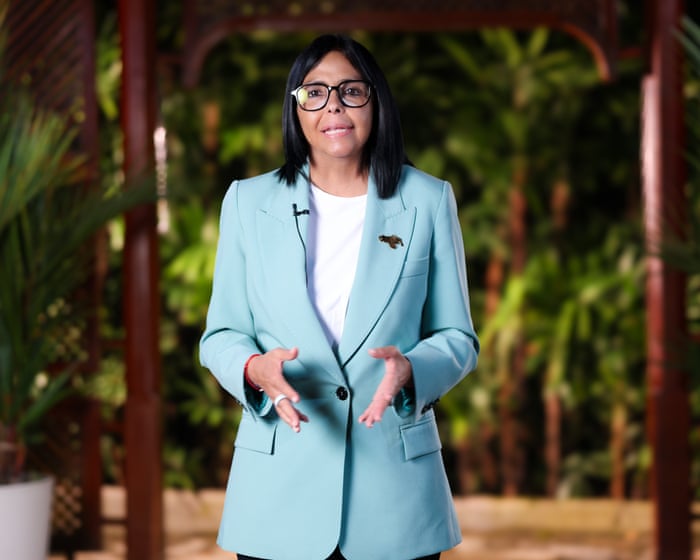
Venezuela’s interim president, Delcy Rodríguez, defended her government’s controversial energy agreement with Donald Trump, saying Venezuela would retain ownership and sovereignty over its oil reserves. The deal reportedly gives Washington control of 65bn barrels, prompting outrage among opposition figures and leftwing protesters in Caracas.
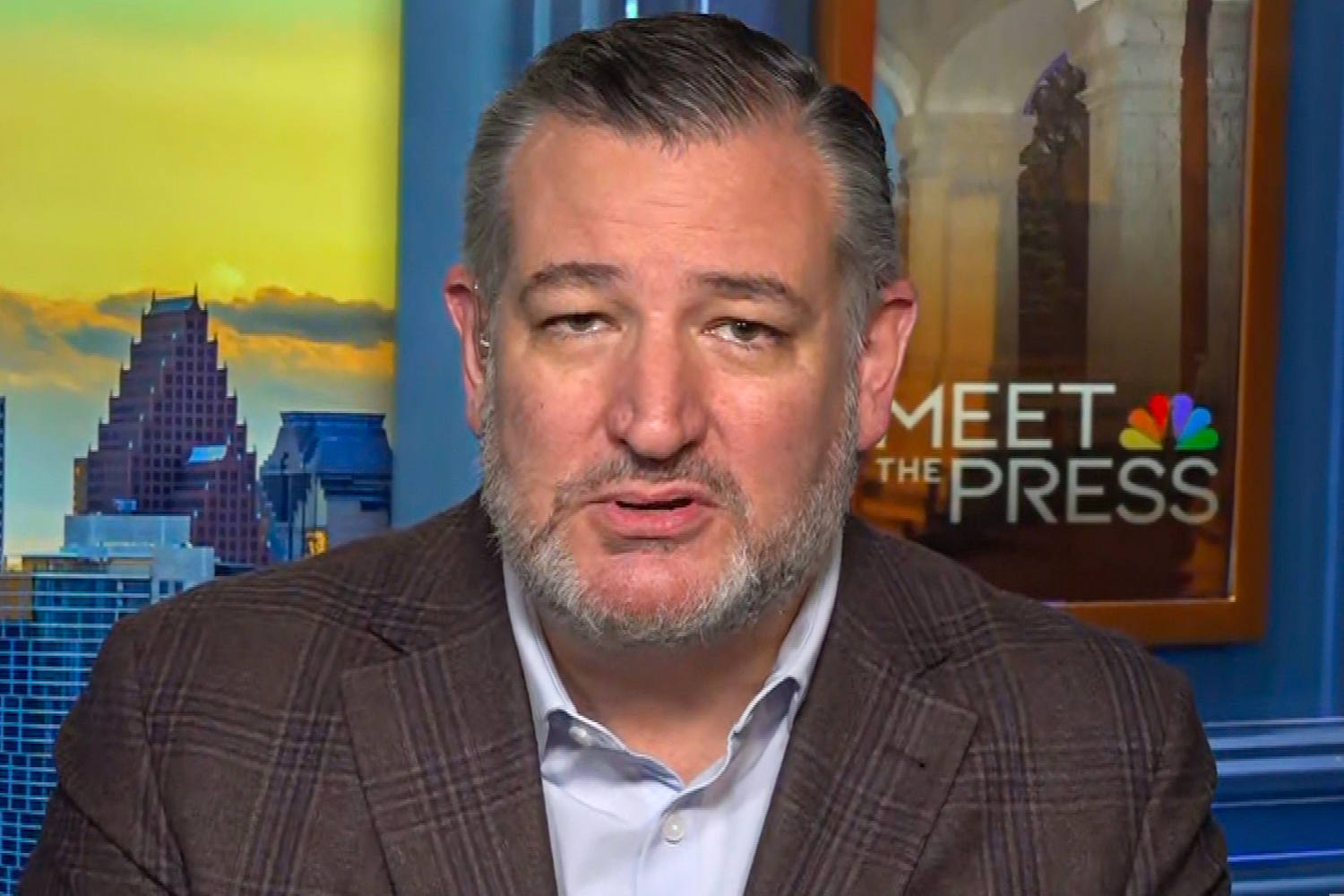
Sen. Ted Cruz renewed his call for free and fair elections in Venezuela to be held rapidly, two days after Trump announced that the U.S. would take over 65 billion barrels of oil.
US President Donald Trump says the Strategic Petroleum Reserve will be replenished with Venezuelan oil. He made the announcement after unveiling what he called an unprecedented US effort to take control of a fifth of Venezuela’s vast oil reserves, adding that the process would begin shortly.
Controversial Venezuelan executive Alejandro Betancourt is courting investors after the Trump oil deal. He is the US minority partner in a company that will control more than 65bn barrels of oil reserves.

US President Donald Trump described the agreement as “the biggest oil deal in world history.” Venezuela’s interim president said the 25-year accord covers 65 billion barrels of Venezuelan oil and is intended to develop the country’s oil industry while preserving its ownership and sovereignty over the resources.

Interim President Delcy Rodriguez has defended a deal to transfer 65 billion barrels of Venezuelan oil to the United States in a televised address. She said Venezuela retains sovereignty despite pressure on Caracas to meet Washington’s demands since the US abducted President Nicolas Maduro in January.
K-beauty company APR is speeding up its U.S. retail expansion with a Costco launch planned for September. Its shares have risen nearly 100% this year.
CCNBCOriginal★★☆☆☆2026-08-30 23:55

U.S. Treasury Secretary Scott Bessent said Sunday that recent moves in the yen were “pretty well contained,” indicating that its renewed slide was not viewed as the kind of disorderly trading that prompted a rare joint Japan-U.S. intervention last month.
RReutersOriginal★★★☆☆2026-08-30 23:35

In his Sunday column for Investing Club subscribers, Jim Cramer examines the connection between Nvidia’s stock, the oil market and the Federal Reserve to explore what drove the company’s sharp reversal on Friday.
CCNBCOriginal★★☆☆☆2026-08-30 23:26

The central banks of the United Arab Emirates and Egypt said on Sunday they were coordinating over Banque Misr. The statement followed a U.S. Treasury announcement that dollar transactions at all of the bank’s UAE branches would be cut off because of its dealings with Iran.
RReutersOriginal★★★☆☆2026-08-30 20:05

Gold bulls, encouraged by the Treasury Department’s efforts to keep US borrowing costs under control, are turning to exotic options and spreads to wager on further gains in bullion prices.
B Bloomberg NewsOriginal★★☆☆☆2026-08-30 18:30
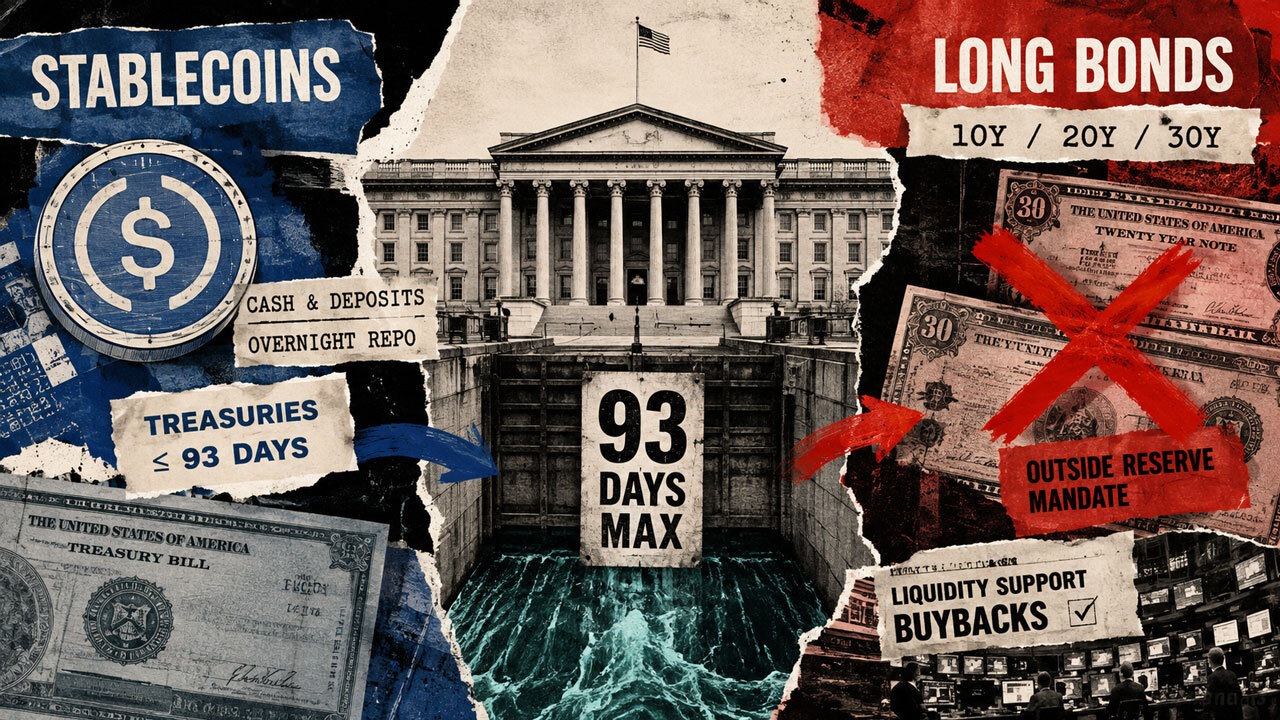
Stablecoin demand is becoming important in the U.S. government debt market, but its maturity matters more than its headline size. The federal framework directs permitted payment-stablecoin reserves toward cash-like assets and Treasuries maturing within 93 days, while Treasury buybacks target 10- to 30-year bonds. Circle’s reported reserves likewise remain concentrated in overnight repo, short Treasuries and cash.
CCryptoSlateOriginal★★★☆☆2026-08-30 18:25
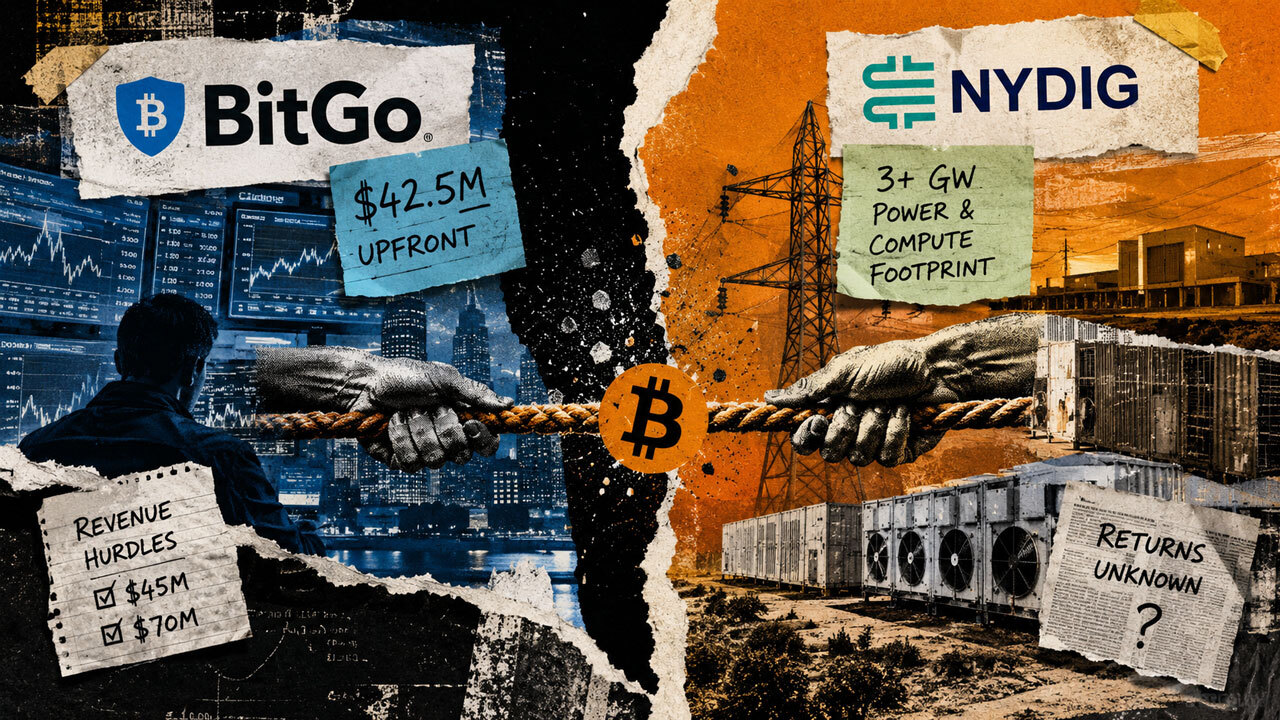
BitGo is acquiring NYDIG’s institutional trading business, including about 30 employees and institutional client relationships, for roughly $42.5 million upfront, with additional earn-outs tied to revenue hurdles. NYDIG is focusing resources on power, Bitcoin mining and high-performance-computing data centers, claiming a footprint above 3 GW without disclosing its returns.
CCryptoSlateOriginal★★☆☆☆2026-08-30 17:10
Most Gulf stock markets closed lower on Sunday as investors grew cautious after U.S. Federal Reserve Chair Kevin Warsh reaffirmed the central bank’s commitment to returning inflation to its target, strengthening expectations of another interest-rate increase.
RReutersOriginal★★★☆☆2026-08-30 16:35

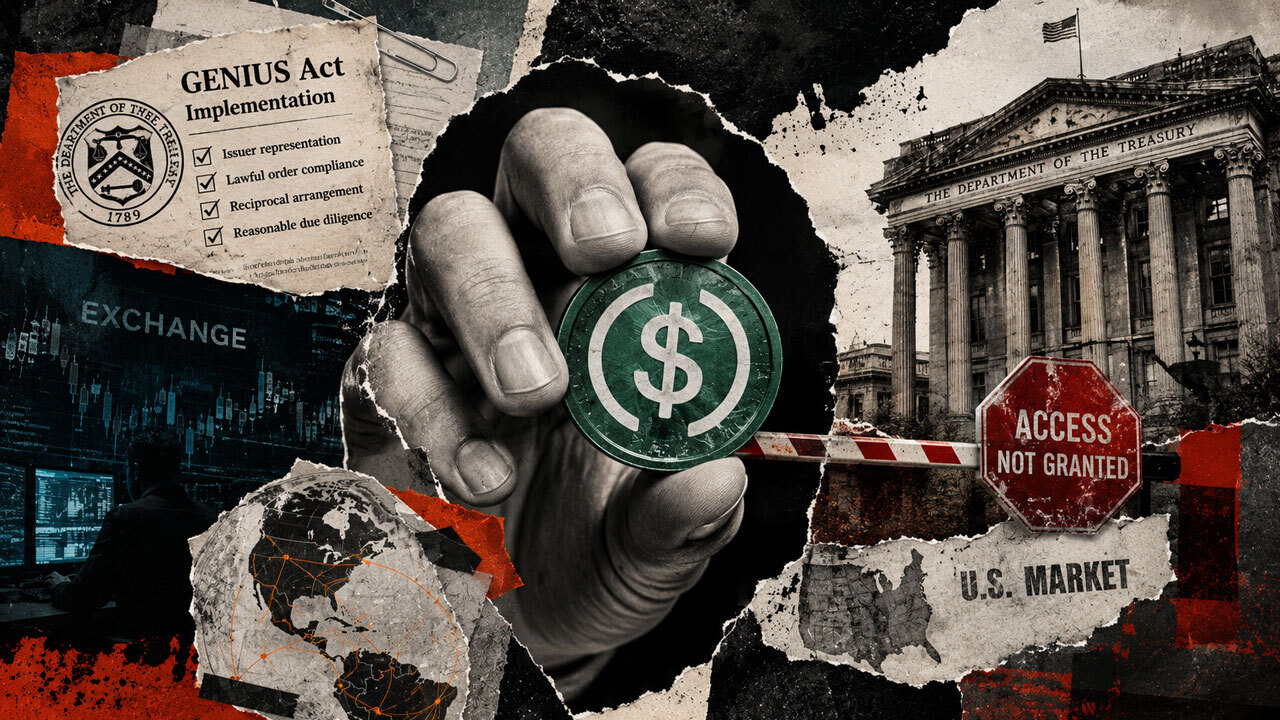
The Treasury’s proposed GENIUS Act rules would let U.S. exchanges and other digital-asset providers offer some foreign-issued payment stablecoins only after reasonable due diligence and a defensible basis for trusting issuers to follow lawful U.S. freeze or seizure orders. The proposal sets implementation milestones in 2027 and 2028 but does not name tokens that qualify. Comments close October 19, 2026.
CCryptoSlateOriginal★★★☆☆2026-08-30 13:35
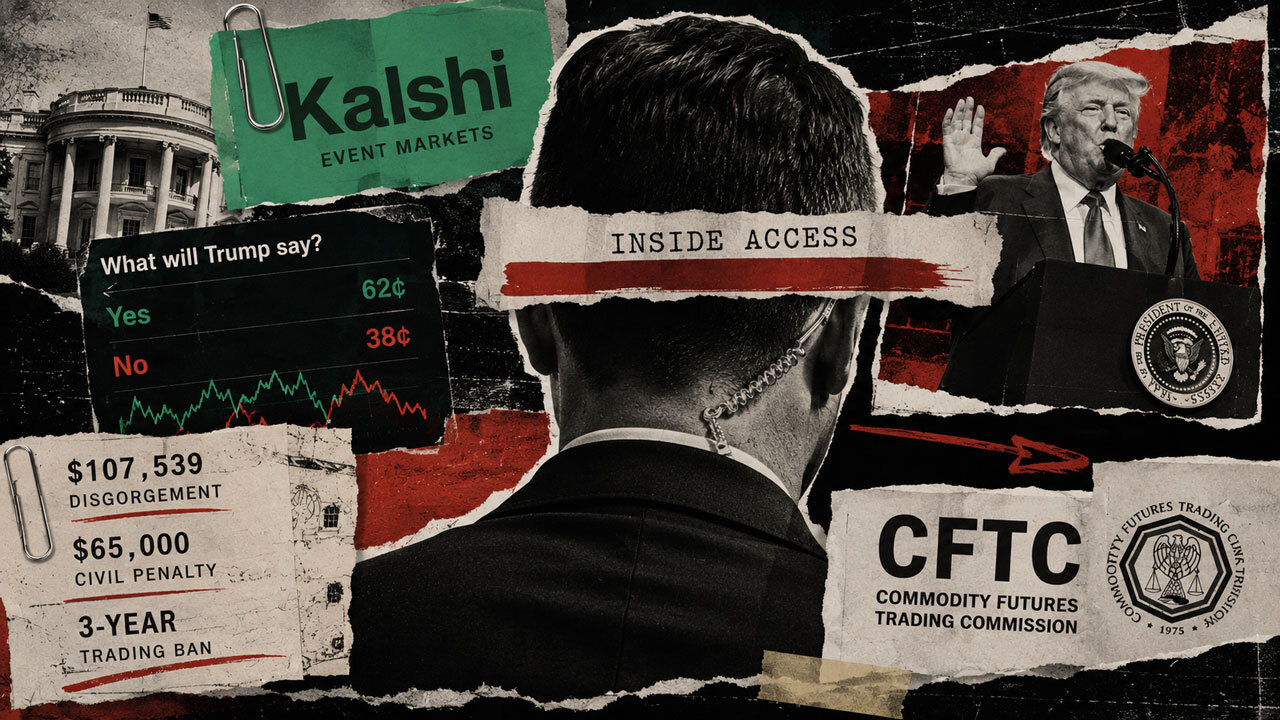
The CFTC found that White House teleprompter operator Gabriel Perez traded presidential “mention market” contracts after seeing speeches before delivery. He must surrender $107,539.02 in profits, pay a $65,000 civil penalty and accept a three-year trading ban. The case is a civil regulatory settlement, not a criminal conviction.
CCryptoSlateOriginal★★★☆☆2026-08-30 12:30
More than six months into the US-Israel war on Iran, most Iranians are facing a lower quality of life and increasing pressure. War damage, sanctions and long-running economic mismanagement have pushed inflation 89 percent higher year-on-year, with food inflation above 127 percent, while the country remains divided over whether to continue fighting.
AAl JazeeraOriginal★★★★☆2026-08-30 12:08


The US-Israeli bombing of Iran turned into a battle over the Strait of Hormuz. AJLabs tallies the war’s cost.

Six months into the US-Israel war on Iran, the governments of all three countries are facing political battles at home. Trump’s claim that Iran’s nuclear capacity was destroyed appears untrue, while rising petrol prices are hurting Americans. Iran’s government has survived the war and sanctions, but Netanyahu is being criticised in Israel for pursuing regime change.
Six months after the United States and Israel launched their war against Iran, the worst economic forecasts have not materialized. Still, the conflict’s effects have been uneven, benefiting investors while imposing costs on consumers.
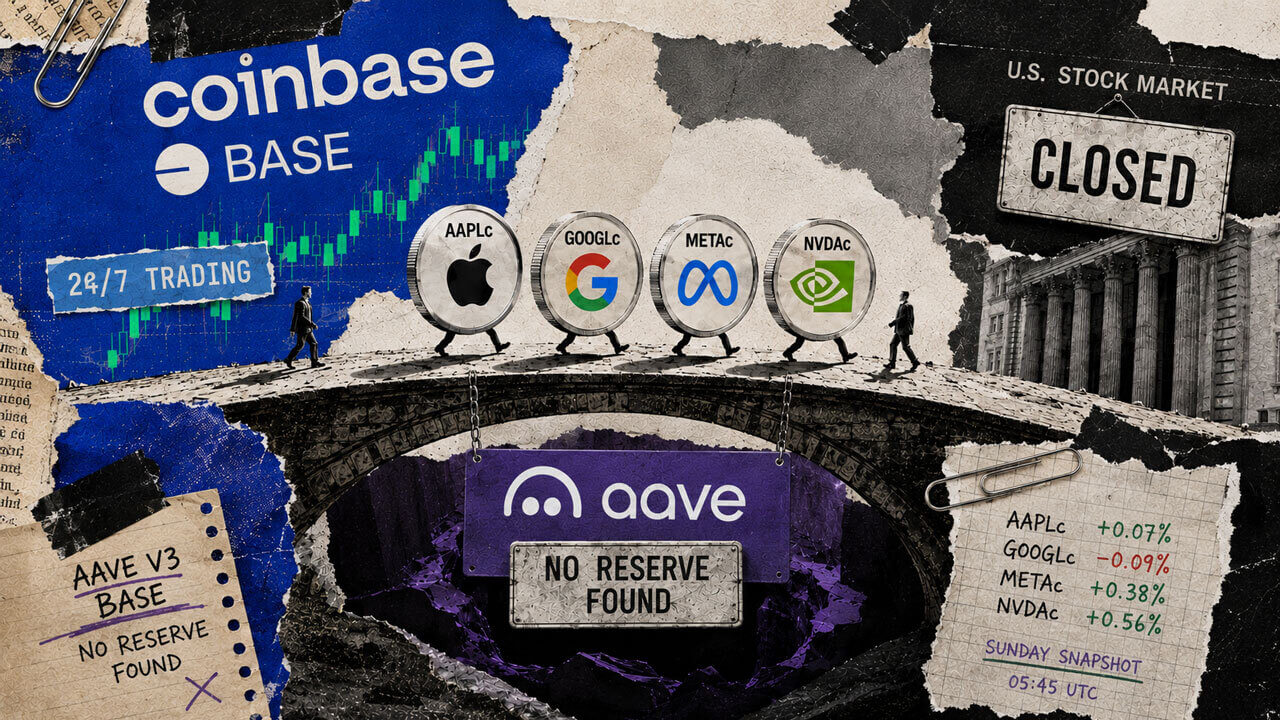
Coinbase’s Apple, Alphabet, Meta and Nvidia-linked tokens on Base continued trading over the weekend, but a snapshot on Aug. 30 showed prices in leading Aerodrome pools deviated by less than 0.6% from Chainlink values last updated Friday. No reserves for the four tokens were found in the official Aave V3 Base address book, leaving their use as collateral unverified.
CCryptoSlateOriginal★★☆☆☆2026-08-30 11:40
U.S. Treasury Secretary Scott Bessent faces a major test of his economic diplomacy this week as he urges finance leaders from the G20 economies to reduce global trade imbalances, support growth and cut business ties with Iran. He must also ease concerns over rising U.S. debt and bond yields.
RReutersOriginal★★★★☆2026-08-30 10:15

Pharmaceutical shares surge as investors look for alternatives to artificial intelligence, supported by pricing agreements with the White House and encouraging clinical data.
FFinancial TimesOriginal★★☆☆☆2026-08-30 10:00
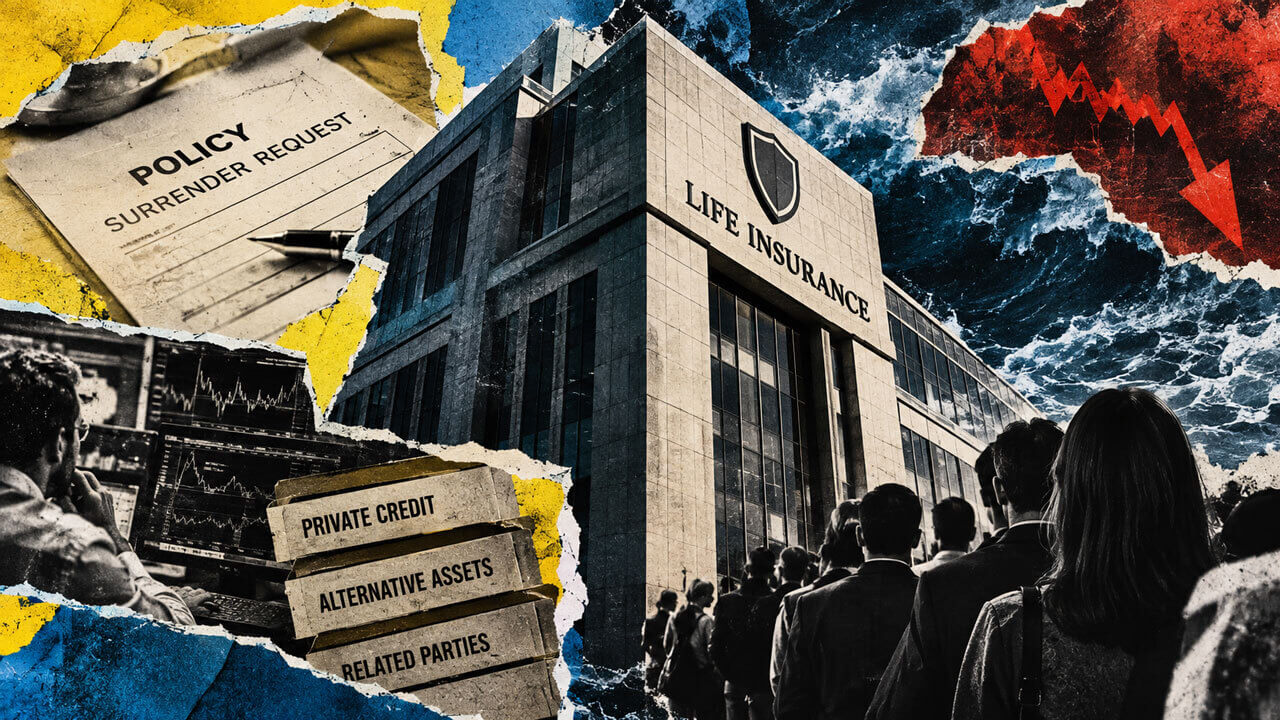
Delaware Life reclassified about $17 billion of investments as related-party holdings in a corrected 2025 filing, while Clear Spring corrected roughly $4.6 billion. Both insurers received grand jury subpoenas from federal prosecutors, and the SEC opened a parallel inquiry. The case highlights how private credit, affiliated managers and illiquid assets have made life insurers increasingly important—and difficult to read—in the US credit system.
CCryptoSlateOriginal★★★★☆2026-08-30 08:33
Analysts say financial distress in Hong Kong’s commercial property market has eased but not disappeared. Highly leveraged owners may still struggle to refinance loans after years of weakness in office and retail segments, where excess supply, slower consumption and higher interest rates triggered defaults.
SSouth China Morning PostOriginal★★☆☆☆2026-08-30 06:00
The article examines the fiscal impact of higher yields, offering a lengthy answer to a simple question.
FFinancial TimesOriginal★★☆☆☆2026-08-30 04:12
The world’s largest developed economies have faced higher financing costs since the start of the US-Iran war, adding tens of billions of dollars to G7 debt expenses and putting pressure on public finances.
A new proposal recommends doubling board directors’ pay through stock options as a way to address the underperformance of UK companies.
FFinancial TimesOriginal★★☆☆☆2026-08-30 04:00
China remained Kyrgyzstan’s largest trading partner, with bilateral trade reaching $11.7 billion in the first seven months of the year, according to MOFCOM. It was also the country’s leading source of foreign investment, with Chinese-funded direct investment exceeding $2 billion by the end of July. The two sides are exploring greater trade and investment liberalization under the SCO framework.
C CGTNOriginal★★★☆☆2026-08-30 02:28

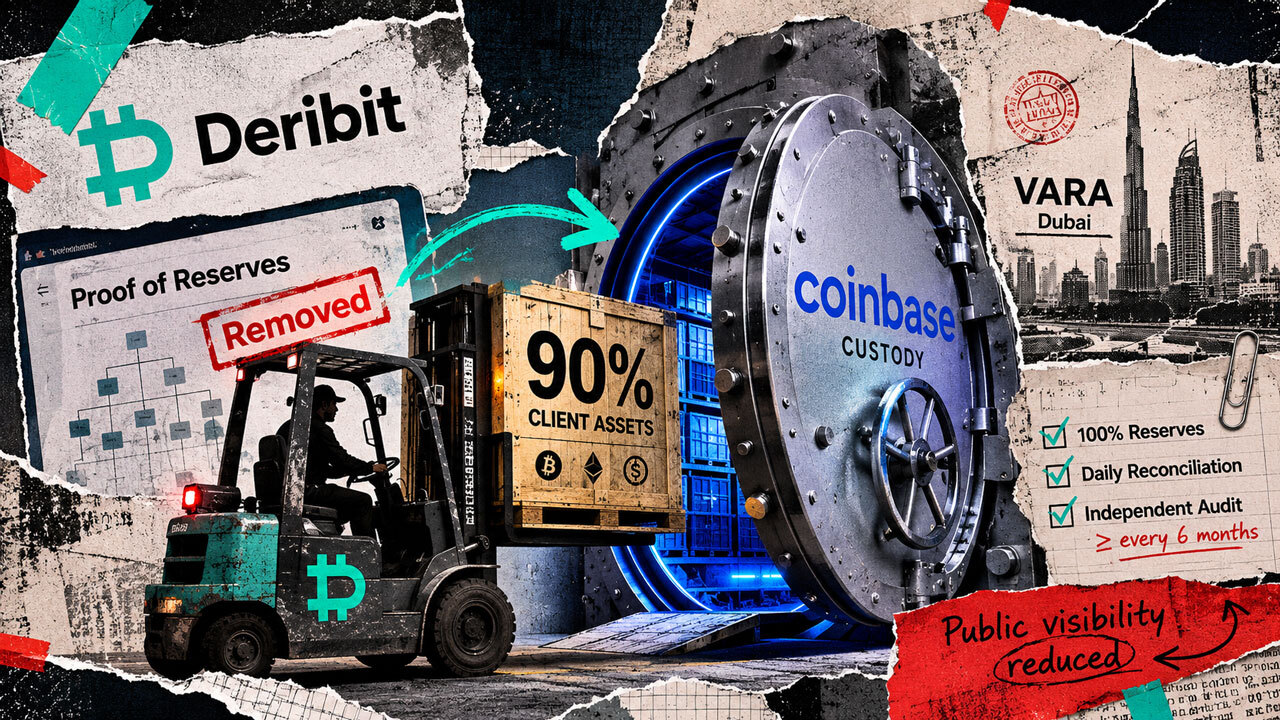
Deribit says it will remove its public Proof of Reserves page on Sept. 1, ending customers’ daily ability to verify balance inclusion and compare aggregate liabilities with published wallet holdings. The exchange attributes the move to a wallet infrastructure overhaul during its Coinbase integration, after roughly 90% of client assets moved into Coinbase custody arrangements. Regulatory reserve, reconciliation and audit controls will remain, but they offer less public and less frequent visibility.
CCryptoSlateOriginal★★☆☆☆2026-08-29 23:20
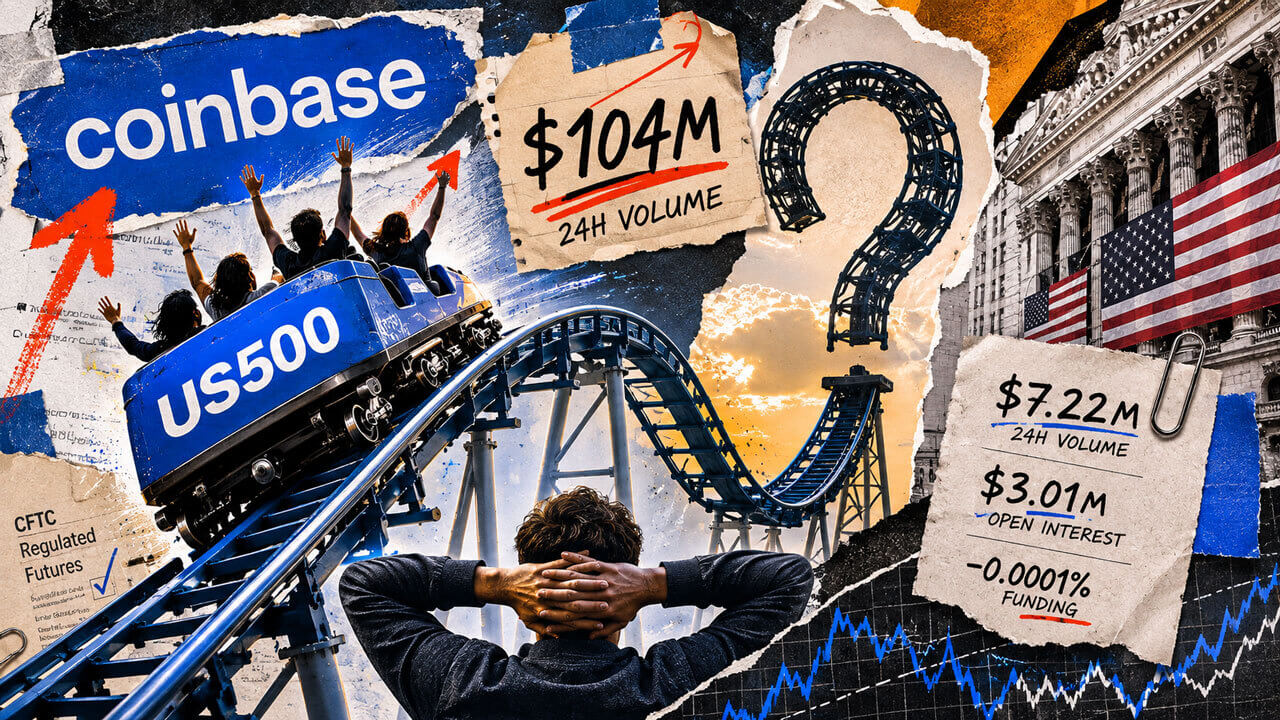
Coinbase’s US500 futures briefly reached $104 million in matched volume, providing an early test of whether a crypto-native trading mechanism can extend into regulated US equity markets. About 15 hours after the milestone was posted, the product page showed $7.22 million in 24-hour volume and $3.01 million in open interest. The product combines crypto-style funding with a five-year, cash-settled equity-index future tied to MarketVector’s proprietary US500 benchmark.
CCryptoSlateOriginal★★☆☆☆2026-08-29 21:02
U.S. Treasury Secretary Scott Bessent said disorderly moves in the yen could force investors to unwind positions, threatening global market stability and ultimately increasing borrowing costs for U.S. households and businesses.
RReutersOriginal★★★★☆2026-08-29 20:25

HM Revenue & Customs says 17,600 people reported £13.8 billion in cryptoasset disposal proceeds and £1.38 billion in gains for the 2024–25 tax year. Just 240 investors, each reporting more than £1 million, accounted for £717 million. Under new reporting rules, HMRC expects to receive crypto-provider data from 2027.
CCryptoSlateOriginal★★★☆☆2026-08-29 20:00
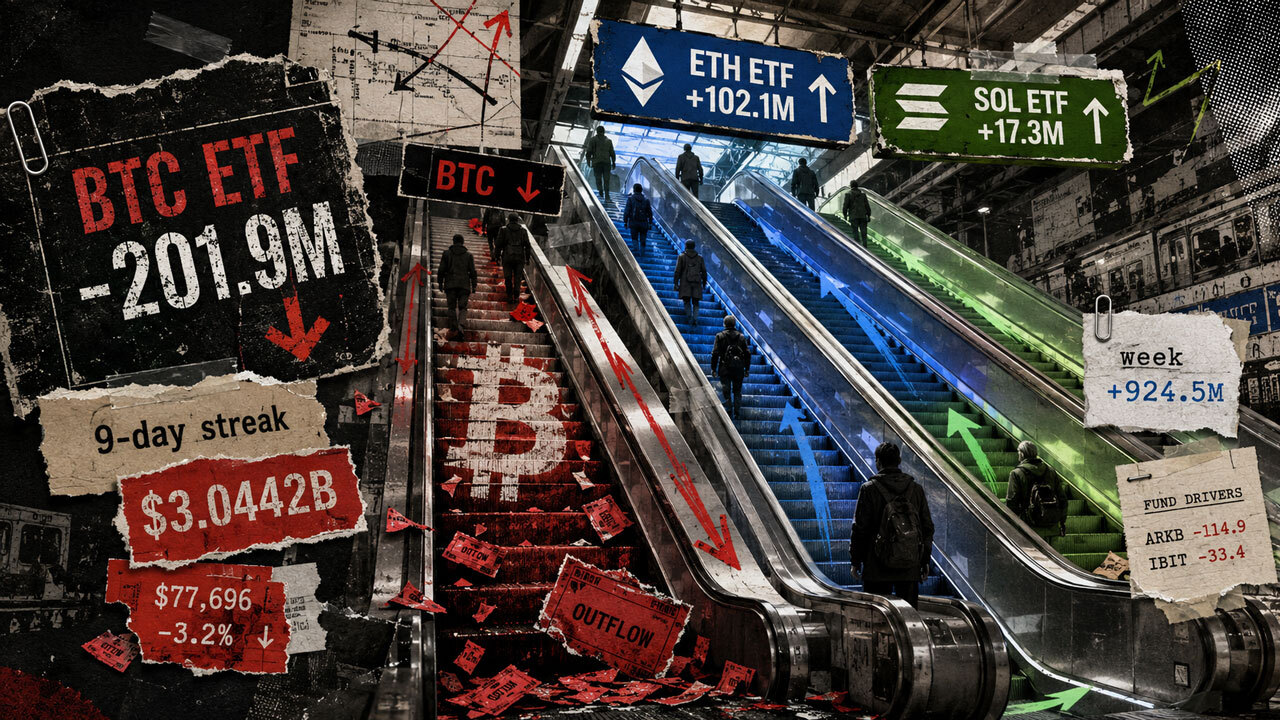
U.S.-listed Bitcoin ETFs recorded $201.9 million in net outflows Friday, ending a nine-session run, while Ethereum, XRP and Solana ETFs drew a combined $145 million. Bitcoin fell about 3.2% to $77,696, but its five-session inflow total remained positive at roughly $924.5 million, indicating a pause rather than established rotation into other assets.
CCryptoSlateOriginal★★☆☆☆2026-08-29 17:40
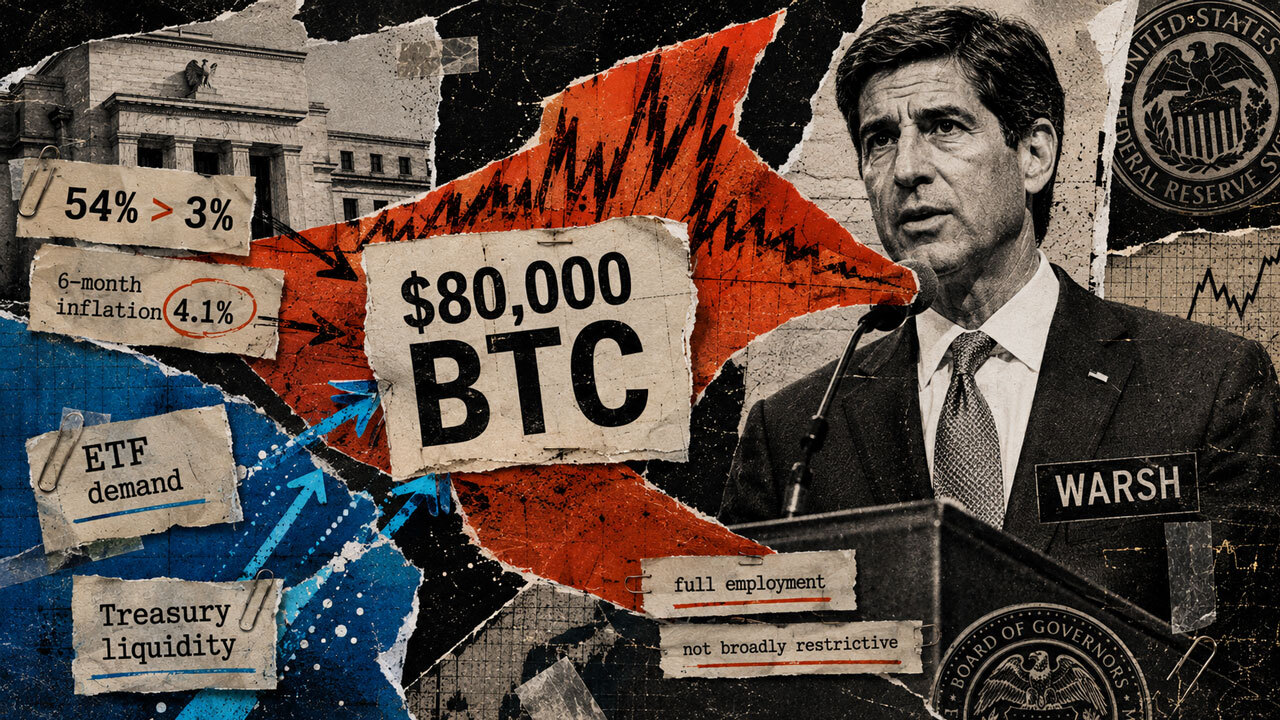
Federal Reserve Chair Kevin Warsh said 54% of personal consumption expenditures components rose more than 3% over the past year, making a quick shift toward easier policy harder to justify. Bitcoin briefly reached $81,280 before slipping below $80,000. U.S. spot Bitcoin ETFs drew more than $1.1 billion over four sessions, with BlackRock’s IBIT accounting for about 86%.
CCryptoSlateOriginal★★☆☆☆2026-08-29 16:30
Traders have profited heavily over the past year by following Donald Trump as the US government pursues an unprecedented strategy of acquiring stakes in publicly traded companies. That strategy now faces additional risks from the backlash against Trump.
BBloomberg NewsOriginal★★★☆☆2026-08-29 16:00

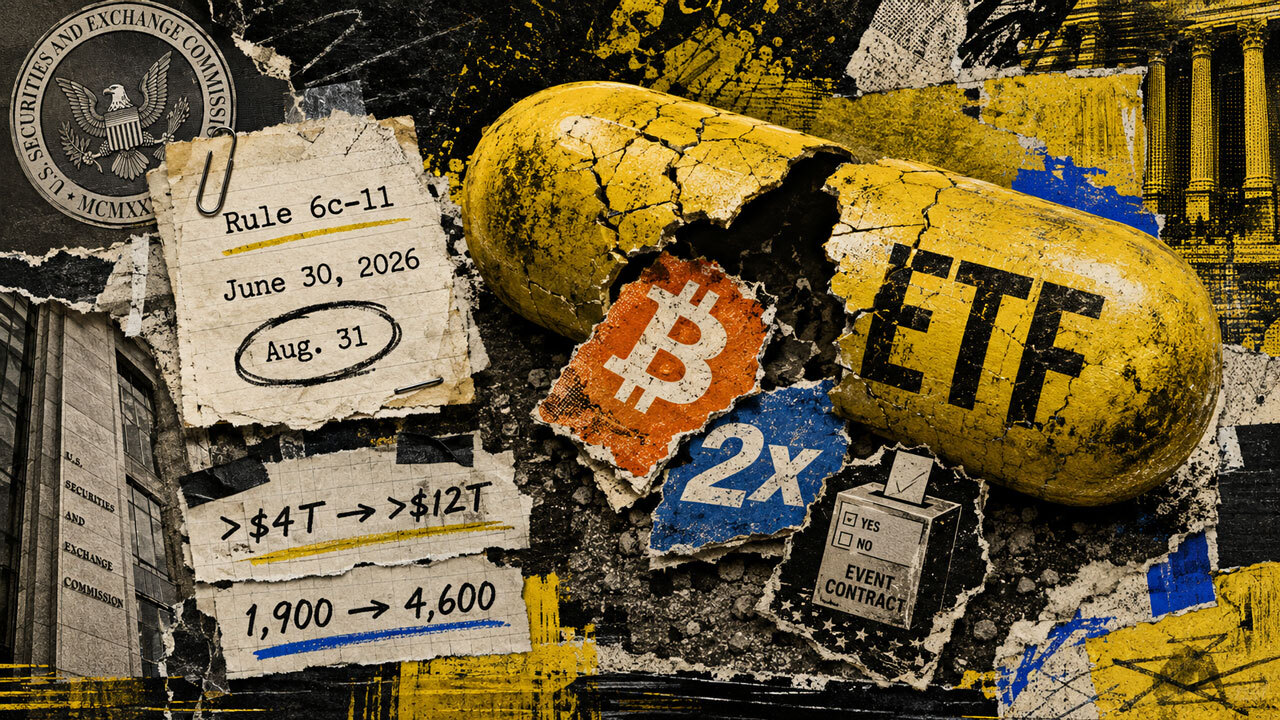
The SEC is examining whether its automatic filing framework gives regulators enough time and authority to assess increasingly specialized ETFs. The agency’s June 30 request for comment covers crypto assets, commodities, leveraged and single-stock products, private assets, blockchain opportunities and event contracts, with comments due Aug. 31. US ETF assets exceeded $12 trillion at the end of 2025, up from more than $4 trillion in 2019.
CCryptoSlateOriginal★★☆☆☆2026-08-29 15:30
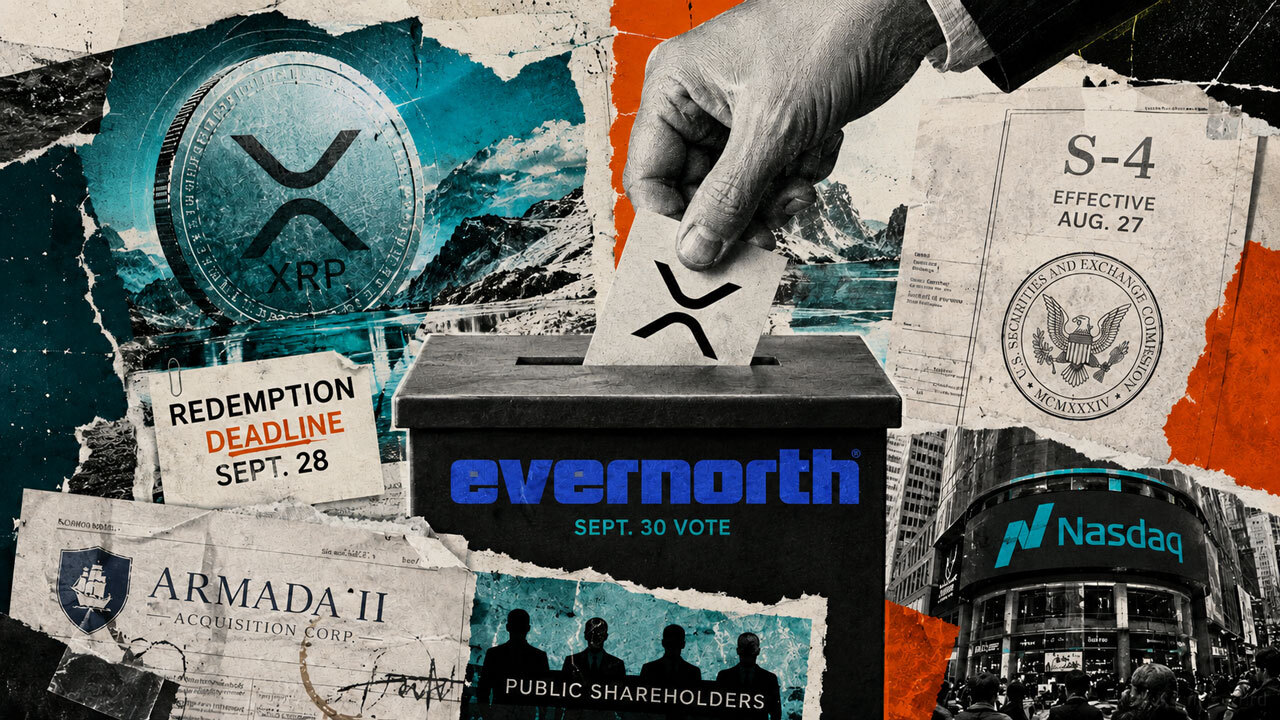
Armada Acquisition Corp. II shareholders will vote on Sept. 30 on Evernorth Holdings’ Nasdaq merger. The proposed charter would authorize up to 10 billion shares, giving the XRP treasury firm room to raise capital and pursue yield strategies aimed at increasing XRP per share, while future issuance could also create dilution risk.
CCryptoSlateOriginal★★☆☆☆2026-08-29 14:30
A former White House teleprompter operator has been ordered to pay $172,000 over trades on Kalshi’s mention markets. The CFTC said the penalty is its second insider-trading case involving a federal employee trading event contracts, and its second related settlement in four weeks.
TThe BlockOriginal★★☆☆☆2026-08-29 13:58


Former White House teleprompter operator Gabriel Perez must pay more than $172,000 after using advance knowledge of Donald Trump's speeches to bet on Kalshi. He will surrender $107,539.02 in profits, pay a $65,000 civil penalty and face a three-year trading ban.

A White House teleprompter operator will pay more than $172,000 to resolve a federal regulator’s investigation into alleged well-timed prediction-market bets linked to President Donald Trump’s speeches.
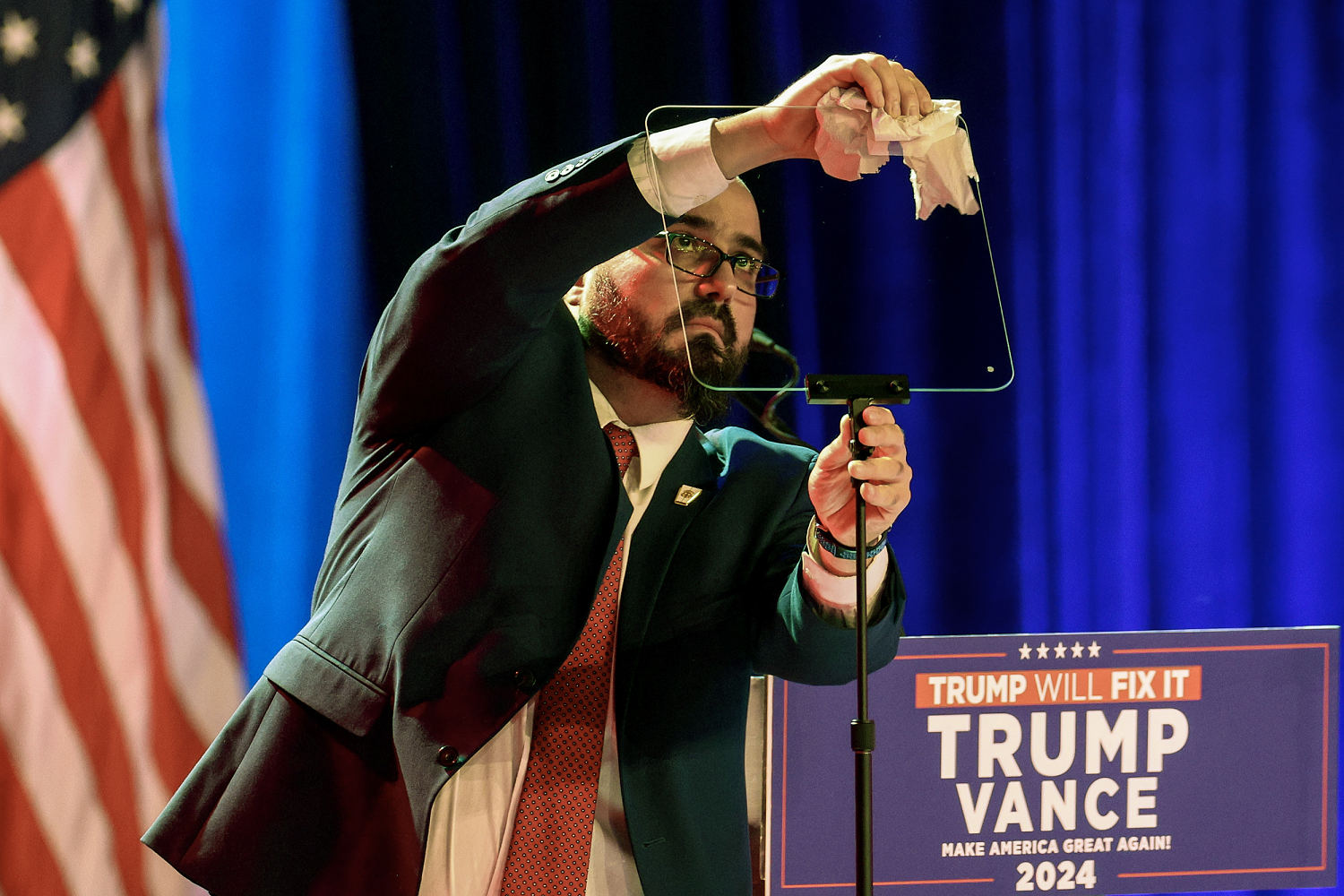
The Commodity Futures Trading Commission announced penalties against Gabriel Perez, who placed the bets through Kalshi, ordering him to pay $172,000.
Russian President Vladimir Putin said trade between Russia and Belarus rose 12.5% in the first six months of the year, after reaching nearly $52 billion last year. He added that Russian direct investment in Belarus totals $4.5 billion and that 2,500 Russian-participation companies operate there.
TTASSOriginal★★★★☆2026-08-29 13:22
Russian Foreign Minister Sergey Lavrov said forming the Greater Eurasian Partnership would help remove trade and investment barriers and build more advanced economic ties across Eurasia. He said strengthening multipolar principles creates opportunities for new and fairer mechanisms of global economic cooperation.
TTASSOriginal★★★☆☆2026-08-29 13:12
Katana’s Matthew Fisher argues that once permanently immobile assets are excluded, ownership and purpose are adjusted for, and off-contract activity is included, tokenized assets appear to have utilization close to 20%.
CCoinDeskOriginal★★☆☆☆2026-08-29 13:00
US President Donald Trump announced that the United States had secured majority control of more than 65 billion barrels of Venezuela’s proven oil reserves through a private-business partnership. Details remain undisclosed, while Venezuelan officials prepare to grant US firms new exploration and production rights amid possible legal and constitutional challenges.
CCGTNOriginal★★★★☆2026-08-29 12:35
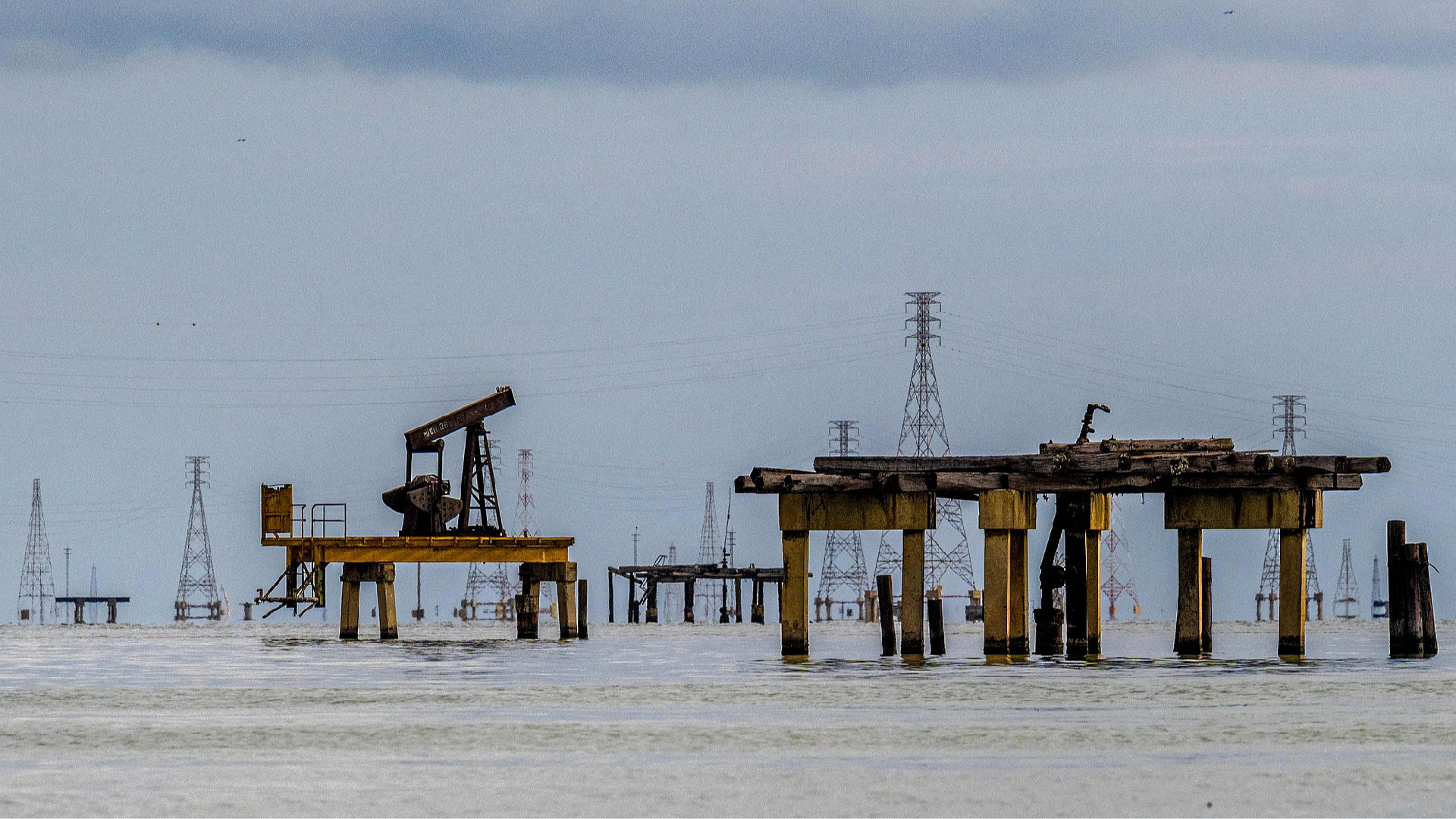

President Donald Trump announced on Friday an unprecedented US effort to take control of one-fifth of Venezuela’s vast oil reserves. He is betting American companies can revive the OPEC member’s battered energy sector while adding crude supplies to help lower US fuel prices.
Donald Trump says the US has reached a deal to control 65 billion barrels of Venezuela’s oil reserves. He has long been open about wanting the US to secure Venezuelan oil and has urged oil companies to invest in the South American country.

US President Donald Trump says the United States and Venezuela have reached the “biggest oil deal in world history,” giving Washington control of 65 billion barrels of Venezuelan oil. Critics describe the agreement as predatory.
Bloomberg News Now covers Trump’s statement that the US has secured some Venezuelan oil reserves, along with remarks by Warsh and other top stories. The report is updated throughout the day and focuses on global business news.
Bloomberg News Now highlights Donald Trump’s statement that the US has secured some Venezuelan oil reserves, remarks by Warsh, and other leading stories. The audio report is updated throughout the day with global business news.

Donald Trump says the United States has secured majority control of more than 65 billion barrels of Venezuela’s proven oil reserves in a deal intended to revive the country’s energy industry and increase crude supplies to US refineries. The arrangement could bring about $209bn to Venezuela’s treasury, but its structure and implementation remain undisclosed and may face legal and constitutional challenges.
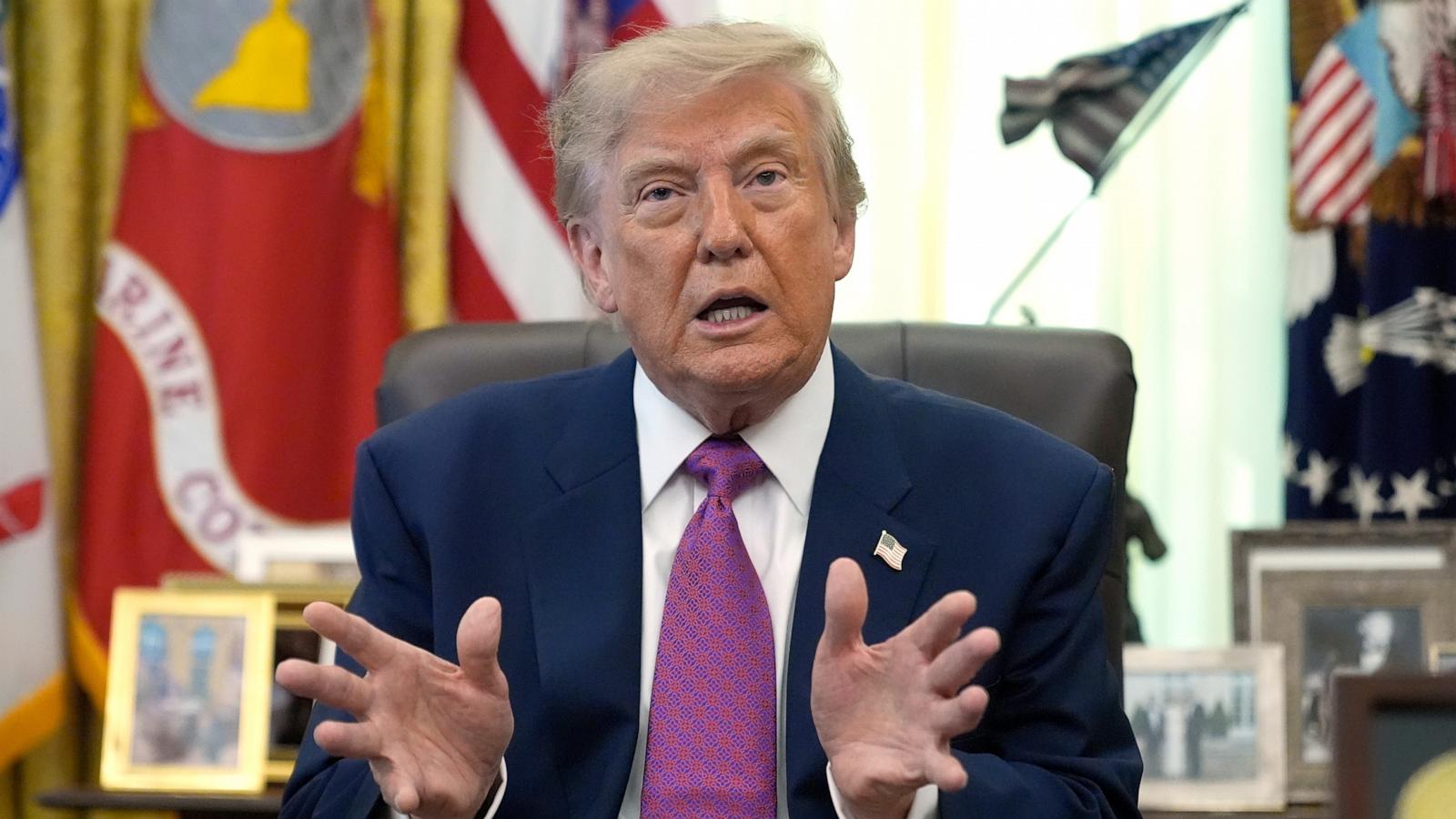
President Donald Trump said the United States and Venezuela have reached a deal that would give the U.S. majority control of billions of barrels in Venezuela’s oil reserves and lower gas prices.
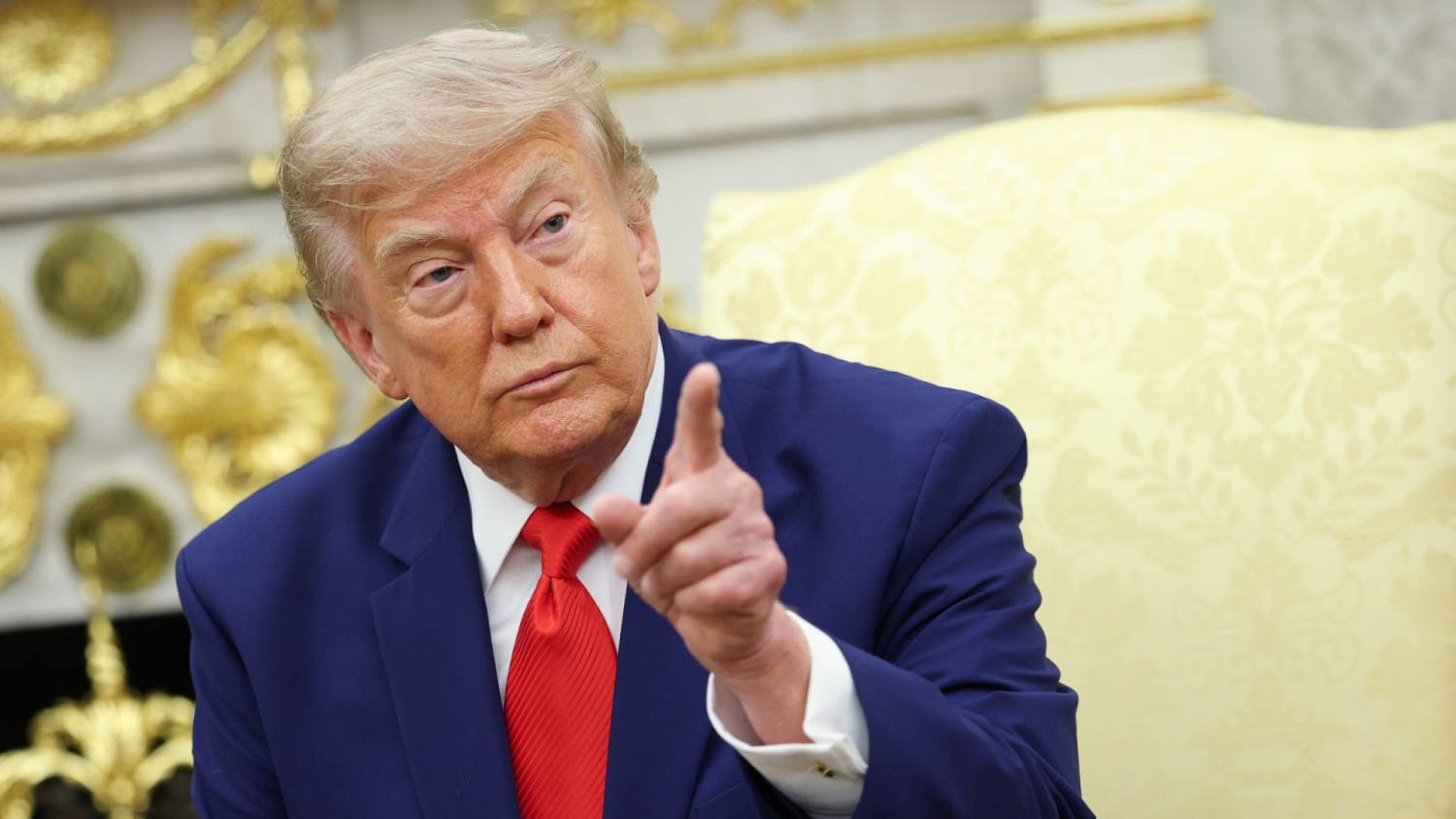
President Trump says the United States has reached an agreement with Venezuela to take control of 65 billion barrels of oil at no cost to American taxpayers. Secretary of State Marco Rubio calls it a “huge win” for both American and Venezuelan people.

The US is poised to gain majority control of a vast share of Venezuela’s oil wealth in an unprecedented arrangement, officials say. The move would create the world’s second-largest private oil company by reserves and secure American petroleum supplies for decades, according to the excerpt.
Venezuelan President Delcy Rodriguez says the US-Venezuela oil cooperation agreement covers 17 strategic fields with proven reserves of 65 billion barrels. It envisages more than $100 billion in investment and over $209 billion in state tax revenue, while contributing to economic growth, hemispheric energy security and greater market balance. Donald Trump said the deal gives the US majority control of those reserves.
Donald Trump says the US will take control of 65bn barrels of Venezuelan oil, adding that a joint venture between the two countries will lower petrol prices for Americans.

Washington and Caracas said Friday they had reached a “historic” oil deal granting the United States majority control of more than 65 billion barrels of Venezuela’s reserves.

President Donald Trump says the US has agreed with Venezuela to control a majority of more than 65 billion barrels of its proven oil reserves. He says the transaction will expand America’s oil supply and lower gas prices. Secretary of State Marco Rubio called it a “huge win” for both countries, while details remain undisclosed.
President Donald Trump said the United States has reached an oil agreement with Venezuela. He said the move would more than double U.S. oil reserves, increase supply and lower gas prices.
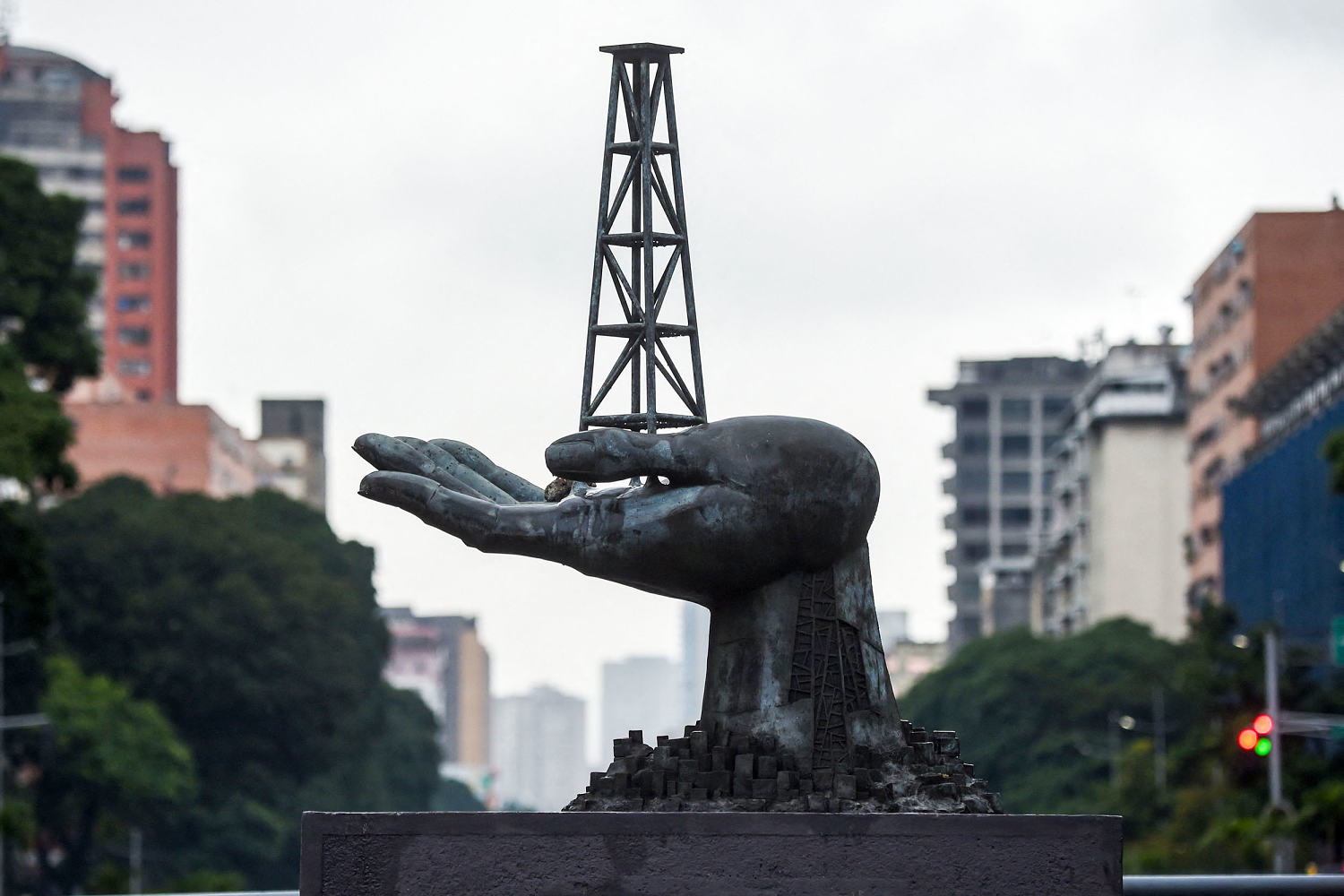
President Donald Trump said Friday that the United States had reached an agreement with Venezuela to take control of the country’s 65 billion barrels of oil reserves.
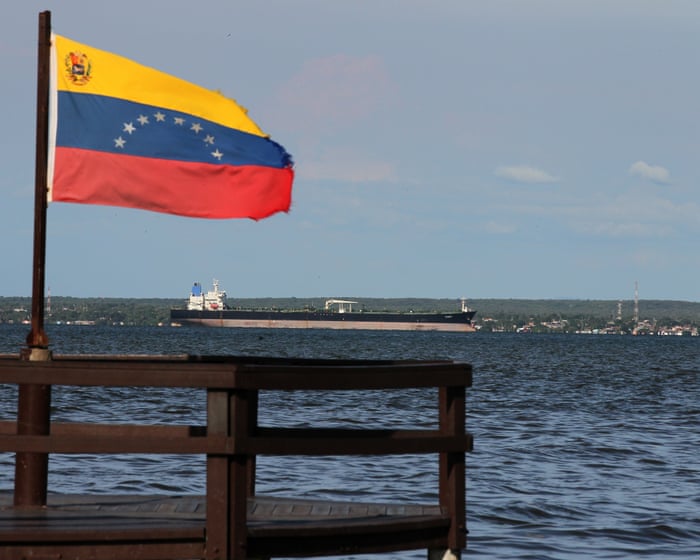
Donald Trump announced a new oil agreement with Venezuela, saying the US would gain “majority” control of more than 65bn barrels of proven reserves. Marco Rubio called it a major win for both countries, while a Venezuelan opposition figure denounced the deal as a “massive land grab.”
U.S. President Donald Trump said Friday that his administration had reached a sweeping agreement with Venezuela. If carried out, the deal could give the U.S. access, at a cost, to vast quantities of the South American country’s untapped oil reserves.
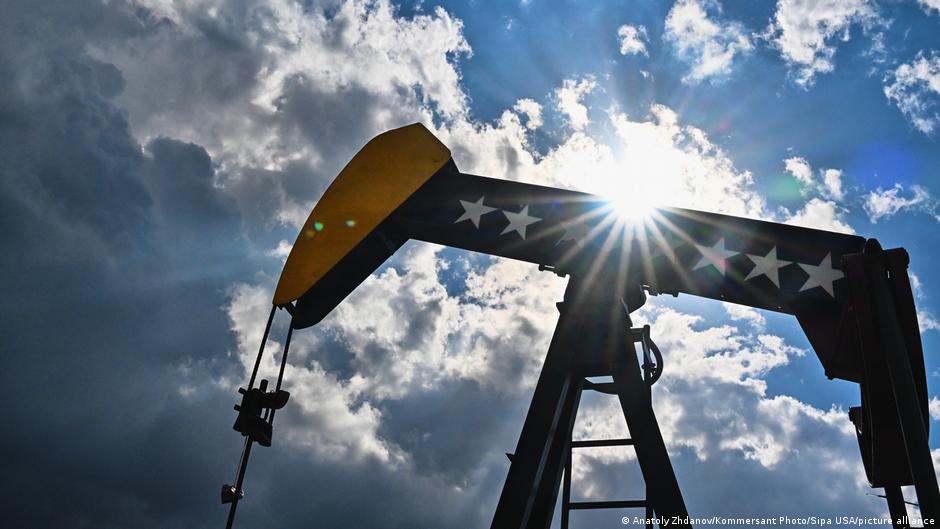
US President Donald Trump said Washington and Caracas had agreed for the United States to take control of 65 billion barrels of Venezuelan oil without cost to US taxpayers. He said the deal was negotiated by Marco Rubio, Pete Hegseth and interim Venezuelan President Delcy Rodriguez, calling it the biggest oil deal in world history.
President Donald Trump said the United States reached an agreement with Venezuela giving Washington majority control of more than 65 billion barrels of the country’s proven oil reserves. He called it the biggest oil deal in world history and said it would expand US supplies and lower gasoline prices.

President Donald Trump says the United States has reached an agreement with Venezuela to take control of 65 billion barrels of the South American country’s oil reserves.

Trump announced a deal with Venezuela to secure more than 65 billion barrels of oil reserves.

U.S. President Donald Trump said on Friday that the United States had entered into an oil agreement with Venezuela.
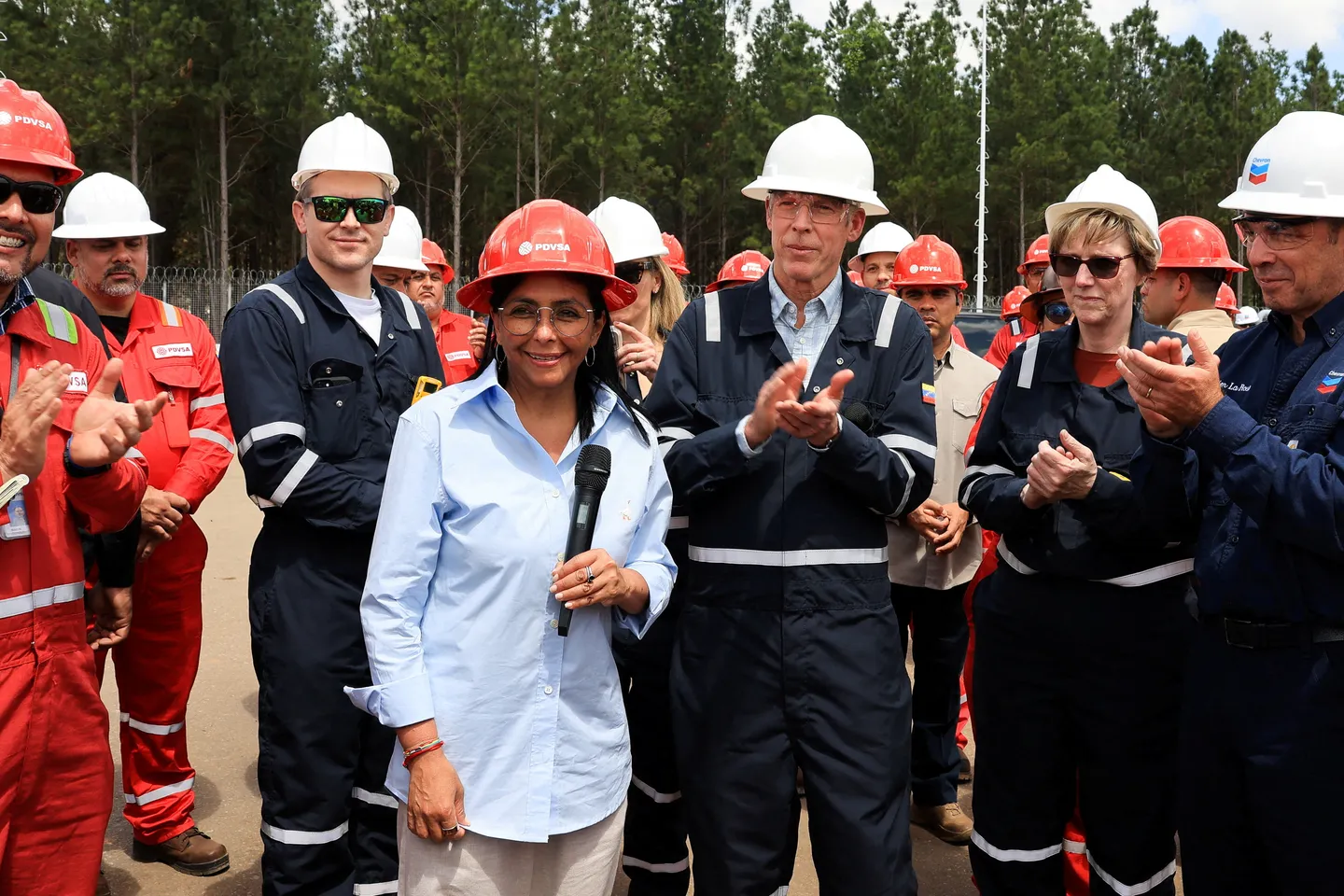
Venezuela’s interim President Rodriguez and US Energy Secretary Wright tour oil facilities as the two countries enter what is described as the “biggest oil deal in world history.”
Cryptocurrency trading in Russia is expected to remain below 4 trillion rubles ($46.43 billion) in its first year and could reach about 7.5 trillion rubles ($87.06 billion) by 2029, Sberbank Deputy Chairman Anatoly Popov said. The estimate is conservative because many transactions will continue through crypto exchange services rather than exchanges, while the new law takes effect on September 1.
TTASSOriginal★★★☆☆2026-08-29 12:12
Iran’s president says sanctions are hurting the country’s imports and exports, while Supreme Leader Khamenei calls for less reliance on the U.S. dollar.
CCNBCOriginal★★★☆☆2026-08-29 12:08

Swiss wealth managers are calling for a delay to an ownership register after a hack in Liechtenstein, raising cybersecurity concerns about a list containing the ultimate owners of more than 500,000 companies and other entities.
FFinancial TimesOriginal★★☆☆☆2026-08-29 11:00
Singapore state investor Temasek, the majority shareholder in Singapore Airlines, backed the airline’s investment in Air India on Saturday as scrutiny intensified over its stake in the loss-making Indian carrier.
RReutersOriginal★★☆☆☆2026-08-29 10:35

Alex Gerko, one of the UK’s richest people, received a record £895mn payout from trading firm XTX in 2025, 31% more than the previous year.
FFinancial TimesOriginal★★☆☆☆2026-08-29 10:12
The Minutes Reader extension turns the original page into a focused reading view and translates articles and video subtitles on demand. It is in limited beta.