Incoming Swiss banking chief warns against regulatory over-reach
Comments by the chief executive of EFG International suggest that opposition to new rules is spreading across the banking industry.
Anglo American and Teck pledged investors an additional $1.4bn in annual profits from combining their Chilean copper mines, but negotiations with co-owner Glencore are still continuing.
A new proposal recommends doubling board directors’ pay through stock options as a way to address the underperformance of UK companies.
The world’s largest developed economies have faced higher financing costs since the start of the US-Iran war, adding tens of billions of dollars to G7 debt expenses and putting pressure on public finances.
Europe’s biggest oil companies are increasingly making jointly owned independent oil and gas producers an important part of their corporate strategies, creating a new generation of standalone businesses.
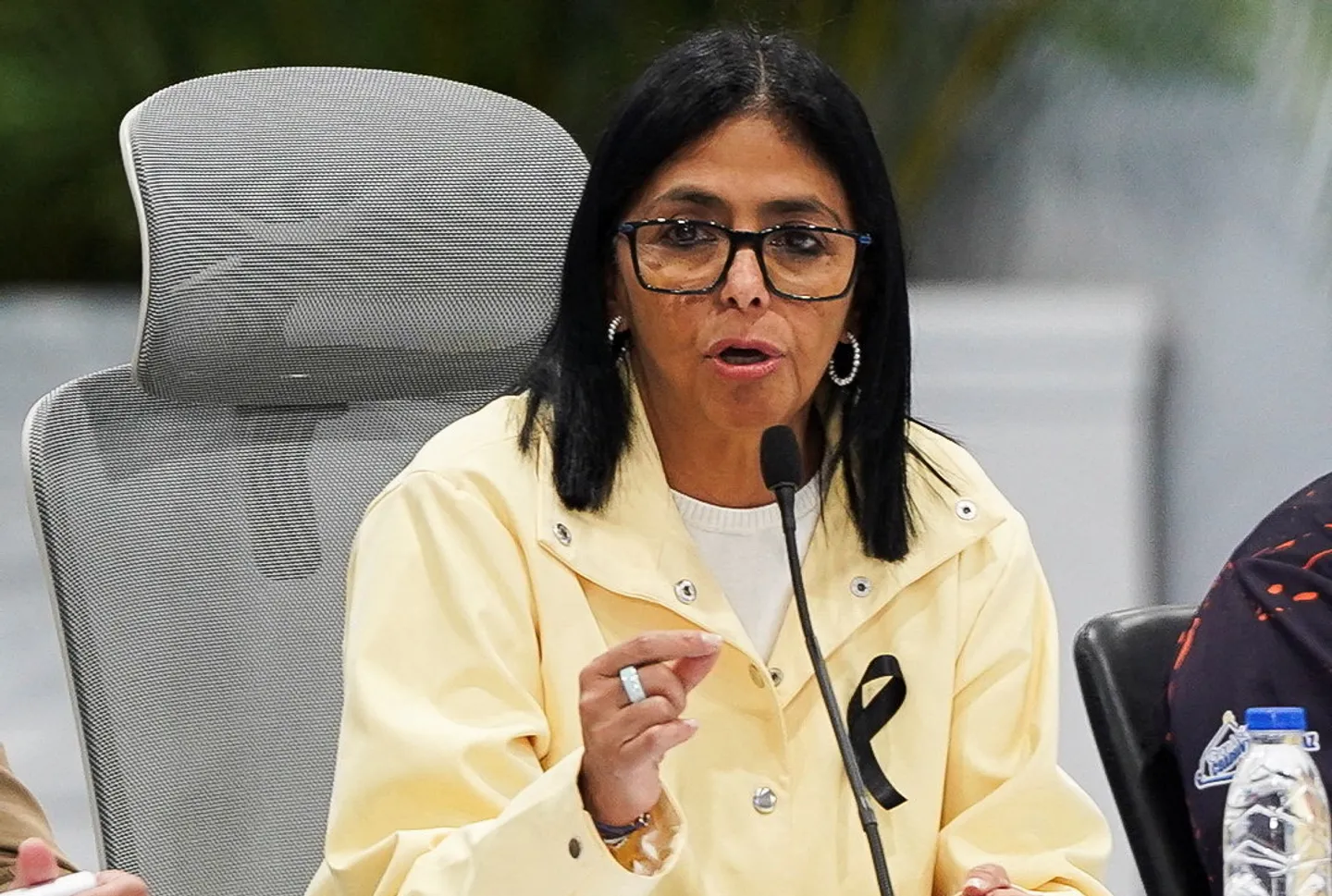
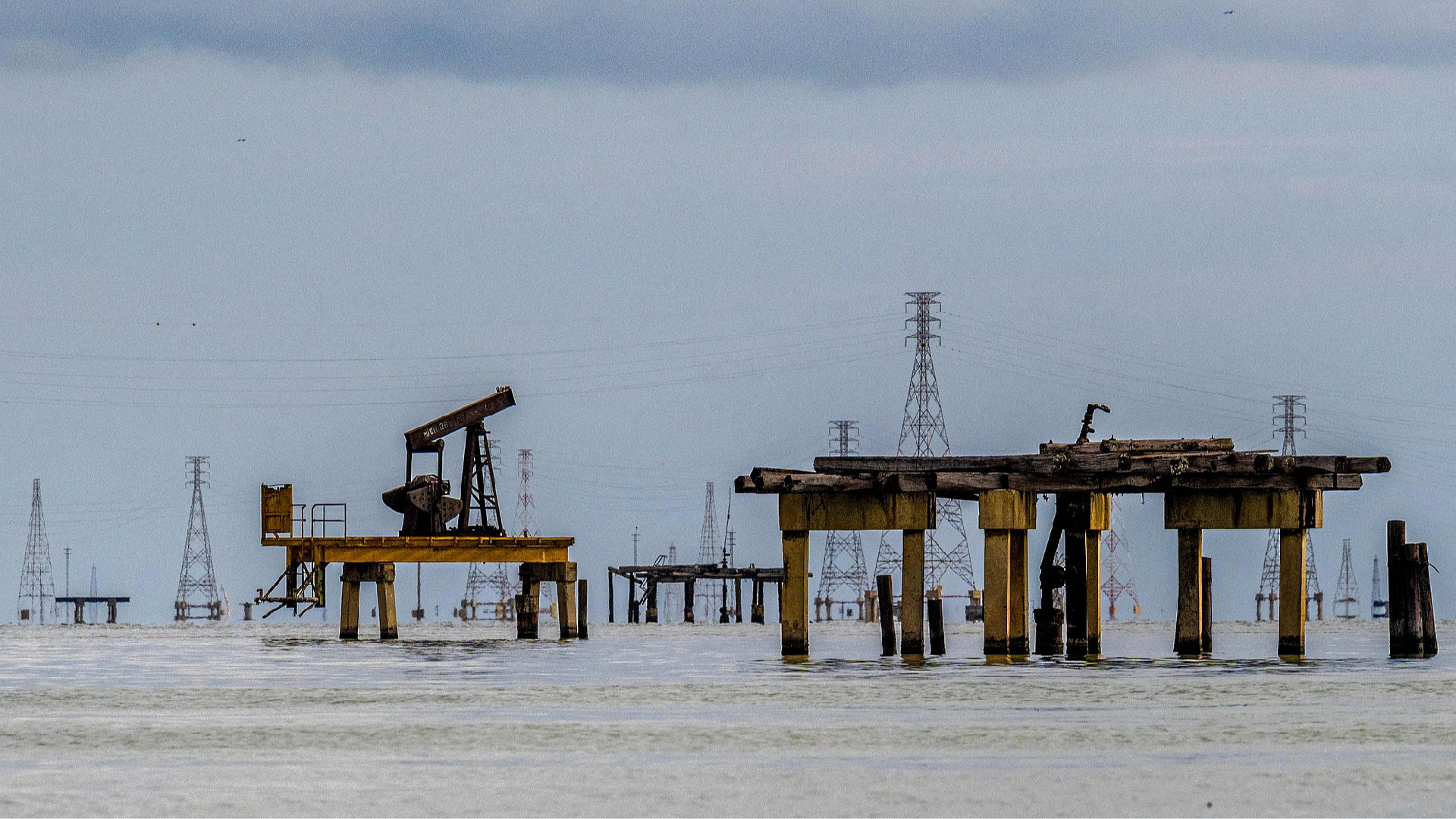
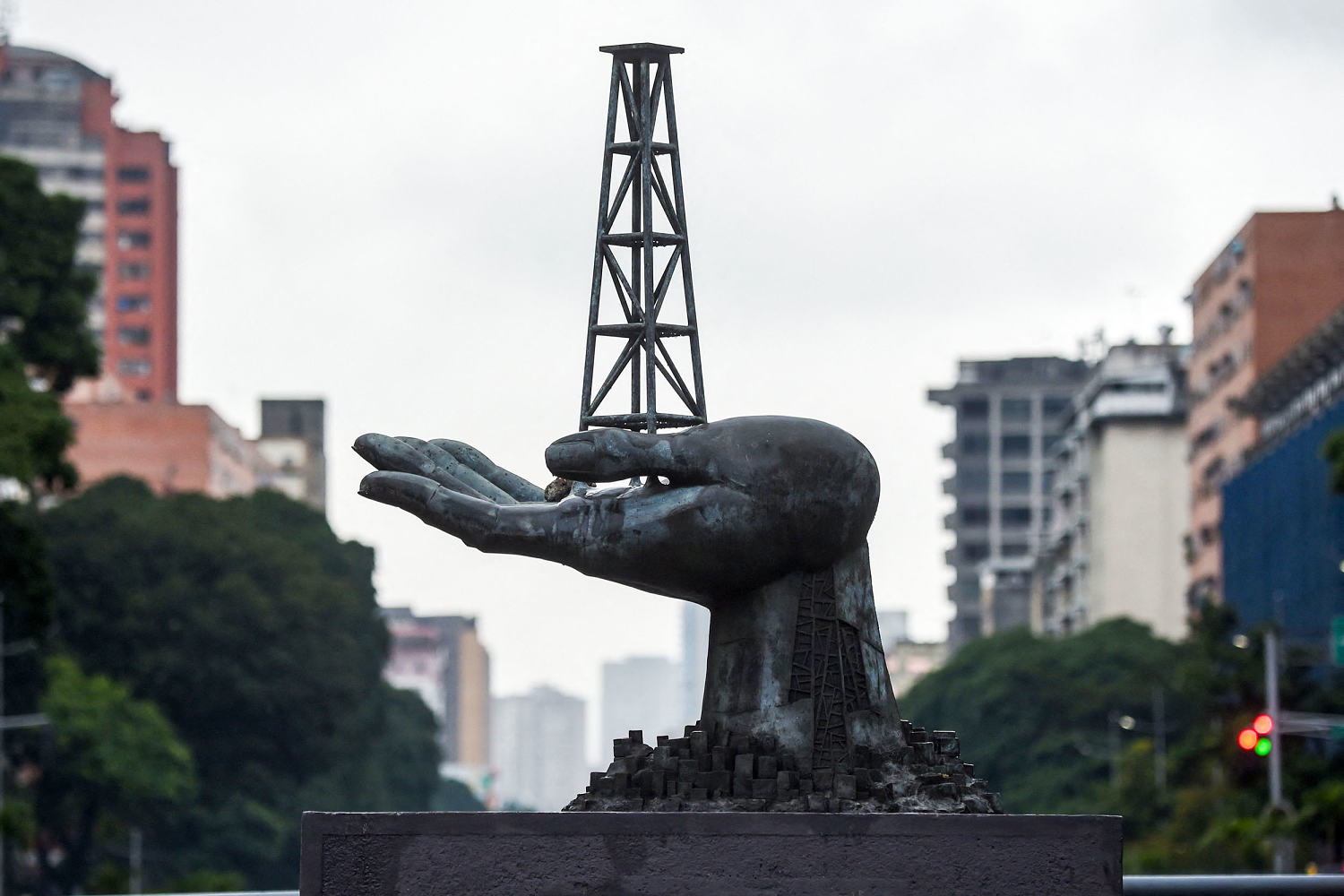
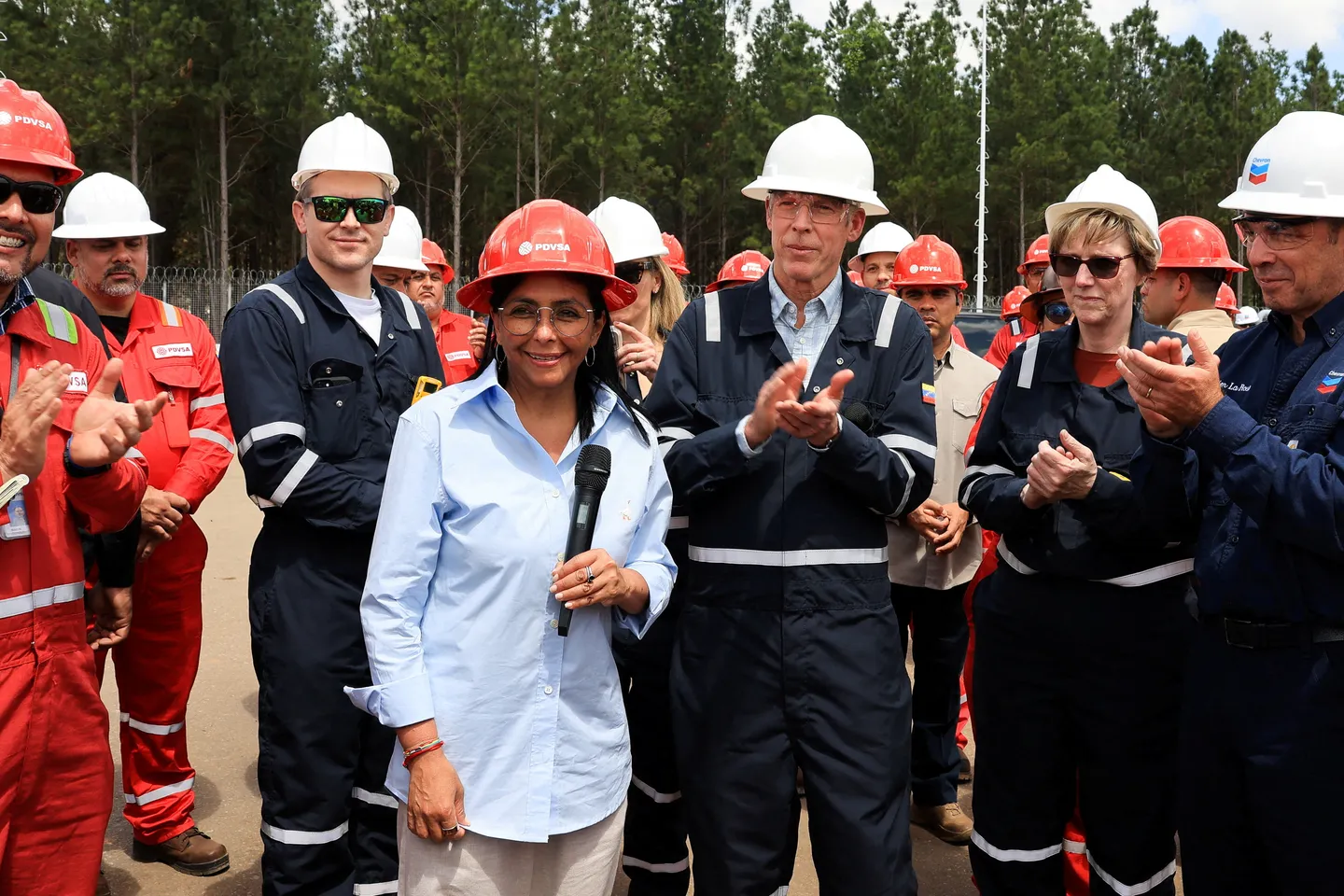
Interim President Delcy Rodriguez says Venezuela will retain ownership and sovereignty over its resources under a 25-year deal giving the US rights to develop 65 billion barrels of oil. The plan targets 1.5 million barrels per day from 17 strategic fields, with $19 from each barrel sold to the US going to Caracas.

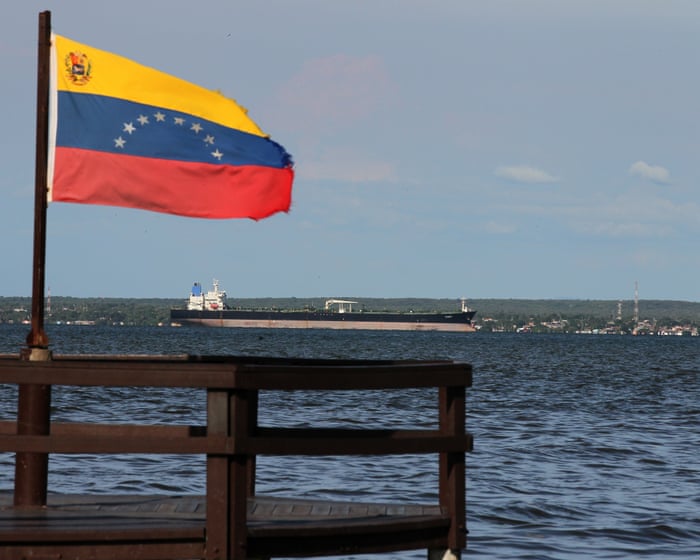
Venezuela says its energy agreement with the United States will run for 25 years and target production of 1.5 million barrels per day. Rodriguez outlined details of the deal.
Venezuelan interim President Delcy Rodriguez said on Saturday that the energy agreement with the United States would remain in force for 25 years. She said it aims to raise crude production to 1.5 million barrels per day while preserving Venezuela’s sovereignty over its natural resources.

Venezuela's interim President Delcy Rodriguez said the energy agreement with the United States would remain in force for 25 years, aim to raise crude production to 1.5 million barrels per day and preserve Venezuela's sovereignty over its natural resources. She called it a “historic” deal that could revive the economy and increase government revenues.

The US says it has reached a deal with Venezuela’s interim government giving Washington majority control over 17 strategic oil fields and more than 65 billion barrels of proven reserves. Details remain unclear, critics call it a takeover of Venezuela’s resources, and analysts question the oil figure announced by Trump.
Several questions about the U.S. agreement to develop Venezuela’s vast oil reserves remain unanswered, and a rapid, large-scale production increase appears unlikely. Experts warn that higher Venezuelan exports would compete directly with Canadian crude in the U.S. Gulf Coast market.
TASS calculations based on Ukrainian Finance Ministry data put the country’s debt at roughly $218-219 billion at the end of August, rising by an average of $4-5 billion monthly. It could reach about $240 billion by the end of 2026 and at least $290 billion by the end of 2027. Ukraine also needs at least $6-7 billion this year for military operations and service members’ pay.

China remained Kyrgyzstan’s largest trading partner, with bilateral trade reaching $11.7 billion in the first seven months of the year, according to MOFCOM. It was also the country’s leading source of foreign investment, with Chinese-funded direct investment exceeding $2 billion by the end of July. The two sides are exploring greater trade and investment liberalization under the SCO framework.

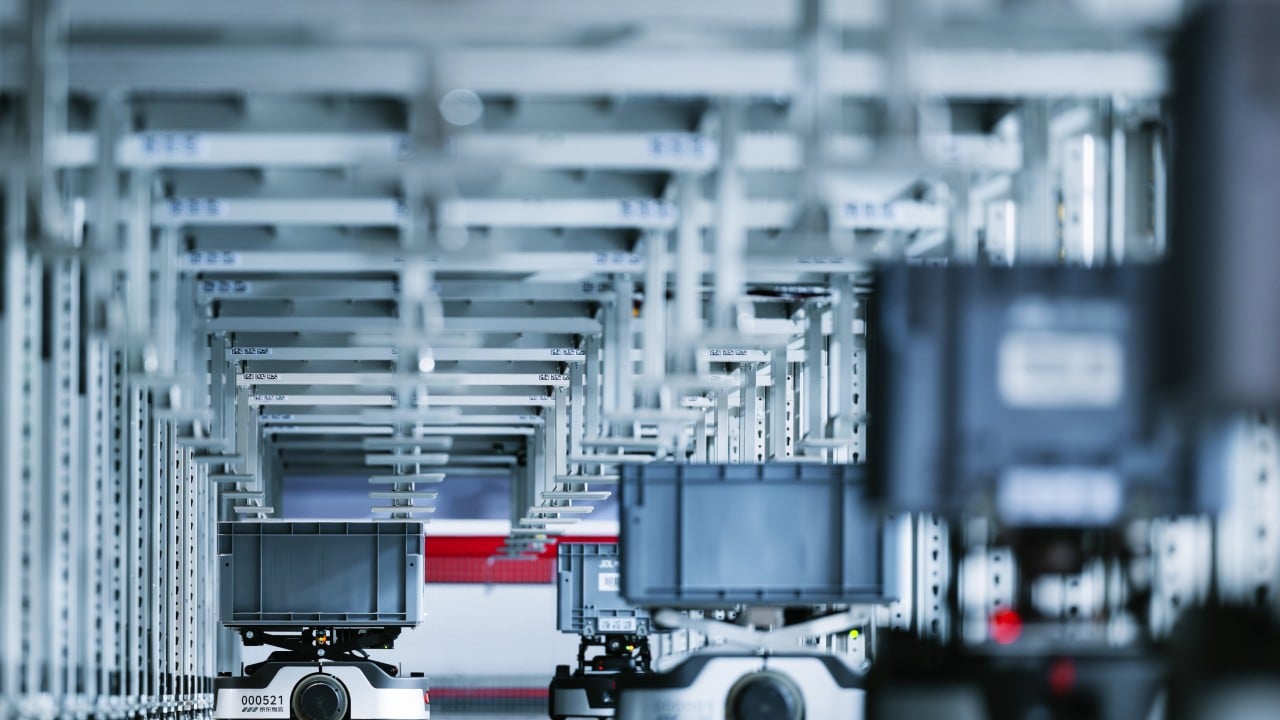
Analysts say JD.com’s rapid Hong Kong expansion could challenge a property model built on the value of busy streets and shopping centres. The Chinese e-commerce giant has invested more than HK$10 billion in Hong Kong property over the past two years, creating a network of stores, warehouses and other assets that may reduce retailers’ reliance on footfall while boosting logistics hubs and similar assets.

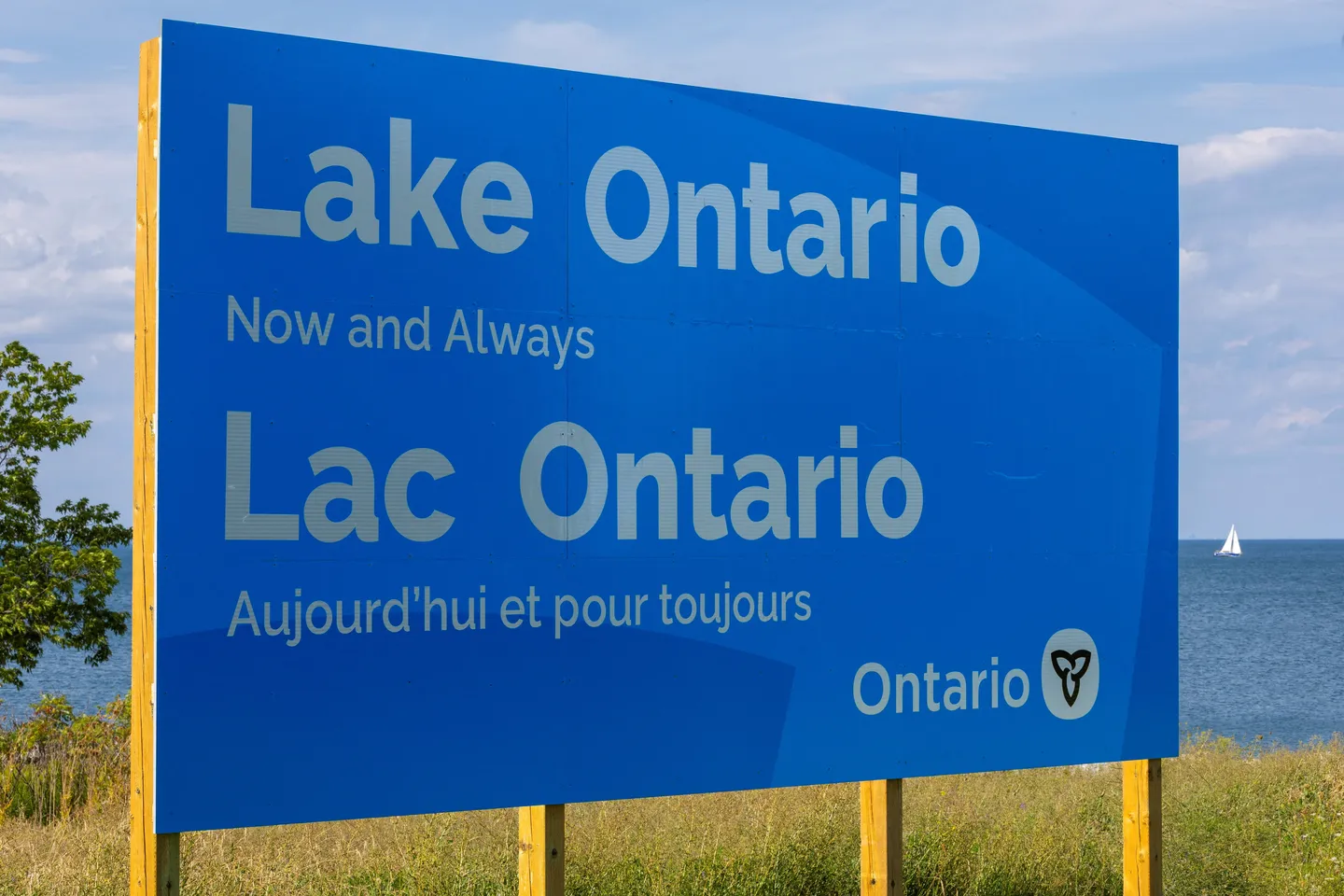
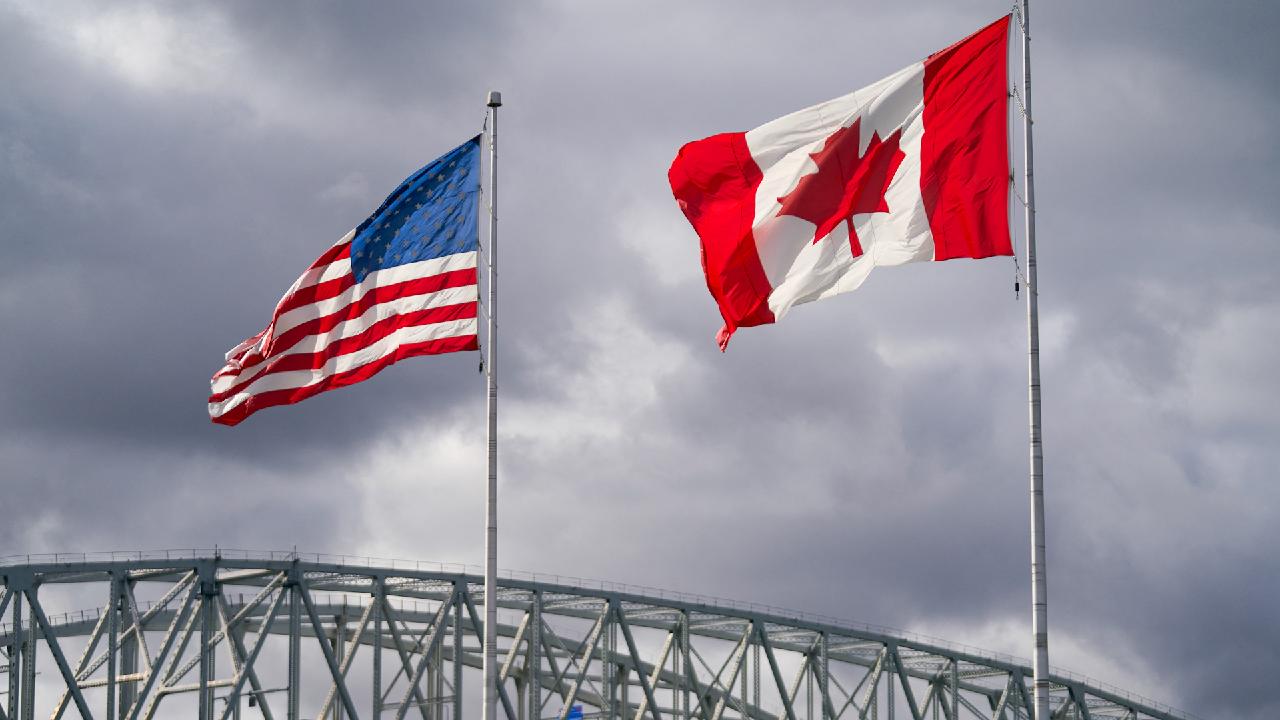
Ontario Premier Doug Ford unveiled a huge Canadian shoreline sign declaring the body of water to be Lake Ontario “now and always”. The move responds to Donald Trump’s order to call it Lake America, amid collapsed trade talks and new 50% US tariffs on Canadian goods. Canada plans matching counter-tariffs next month.

Ontario Premier Doug Ford has responded to President Trump’s “Lake America” decree by putting up a billboard that says, “Lake Ontario. Now and Always.”

Ontario Premier Doug Ford unveiled a billboard-sized “Lake Ontario” sign near Hamilton in response to Donald Trump’s executive order directing the US government to call the body of water “Lake America.” The sign says “Now and Always,” as trade tensions between Canada and the US continue to escalate.

Ontario Premier Doug Ford unveiled a new Lake Ontario sign after Donald Trump pushed to rename the lake “Lake America.”
Ontario Premier Doug Ford is set to unveil a Lake Ontario sign in Winona, Ont., after U.S. President Donald Trump signed an executive order changing the lake’s name to “Lake America.”
The abrupt collapse of trade talks between the US and Canada sharply intensified tensions, prompting President Donald Trump to order Lake Ontario renamed “Lake America” on US maps.
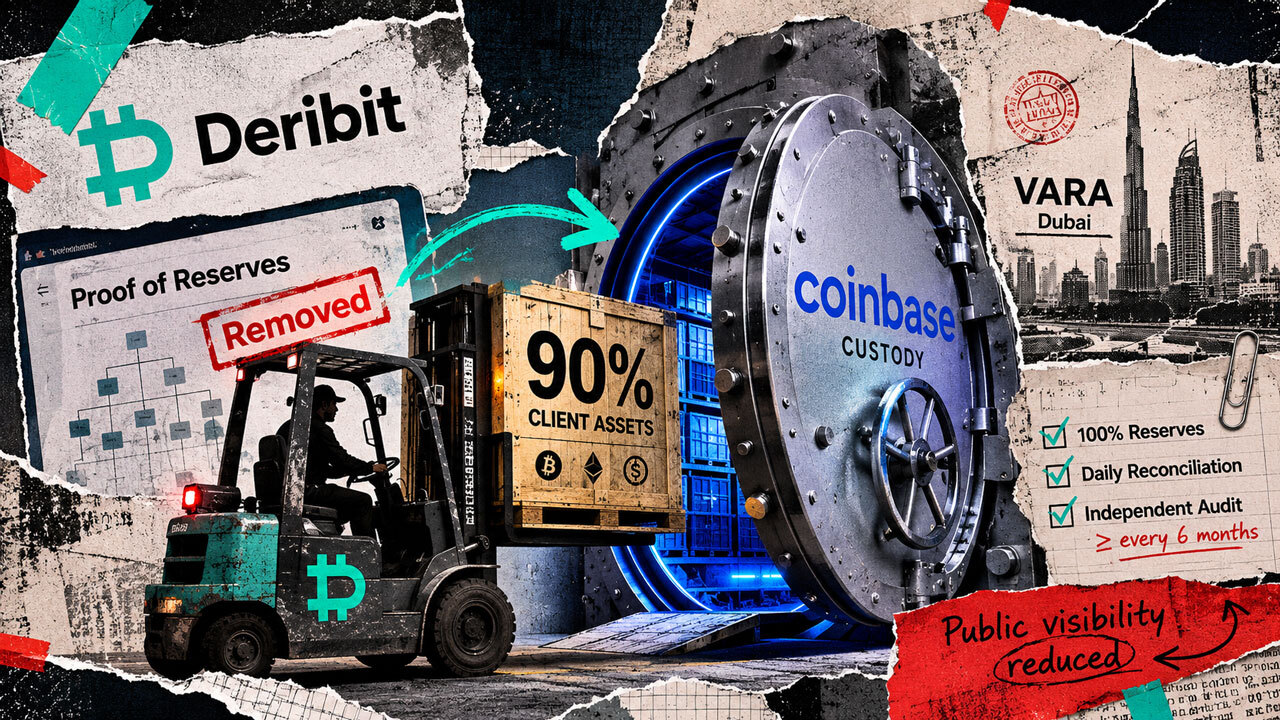
Deribit says it will remove its public Proof of Reserves page on Sept. 1, ending customers’ daily ability to verify balance inclusion and compare aggregate liabilities with published wallet holdings. The exchange attributes the move to a wallet infrastructure overhaul during its Coinbase integration, after roughly 90% of client assets moved into Coinbase custody arrangements. Regulatory reserve, reconciliation and audit controls will remain, but they offer less public and less frequent visibility.

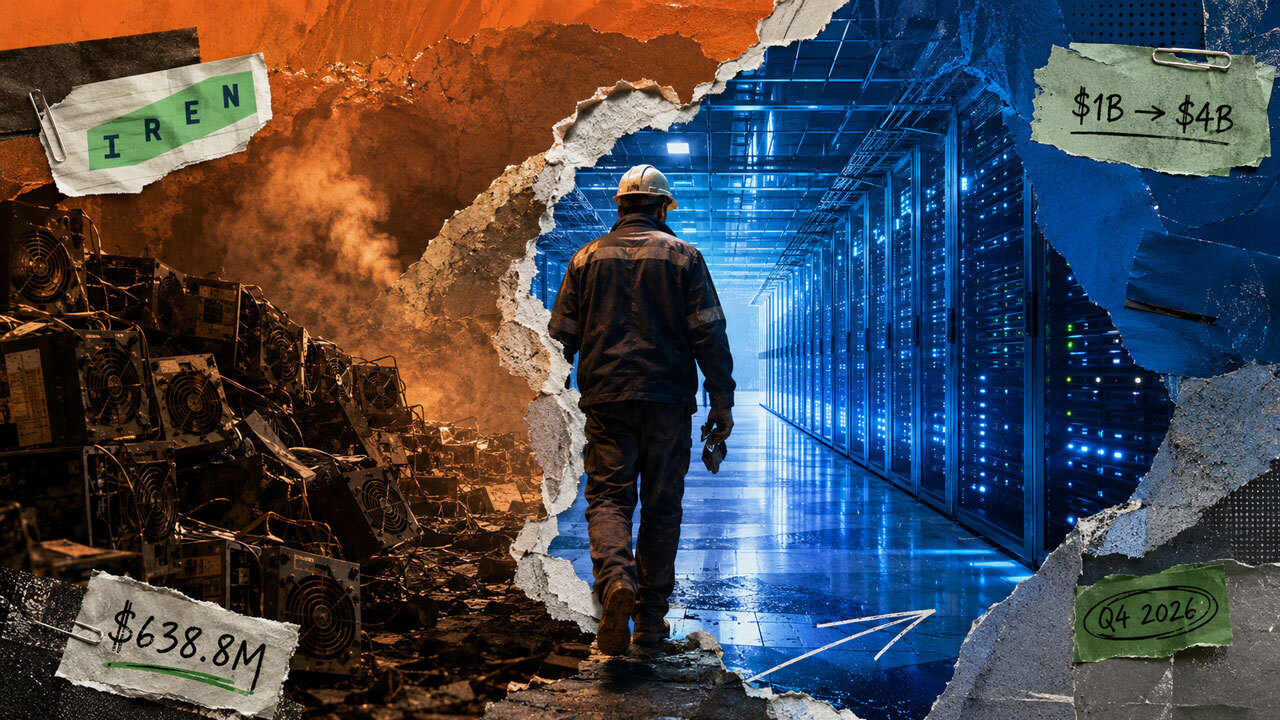
IREN generated $578.2 million of its $707 million in fiscal 2026 revenue from Bitcoin mining, or about 81.8%, while AI Cloud Services contributed $128.8 million. Retiring mining equipment for AI data-center workloads caused a $638.8 million non-cash impairment and contributed to a $702.6 million net loss. The company is targeting a broader AI transition by year-end, but its filing says the replacement business is not yet fully operational.

President Vladimir Putin said Russia has the world’s second-largest coal reserves, ranks third in coal exports and sixth in production. He called coal and other minerals foundations of the national economy, while saying the industry would focus on logistics, safety, miners’ families and workforce training.
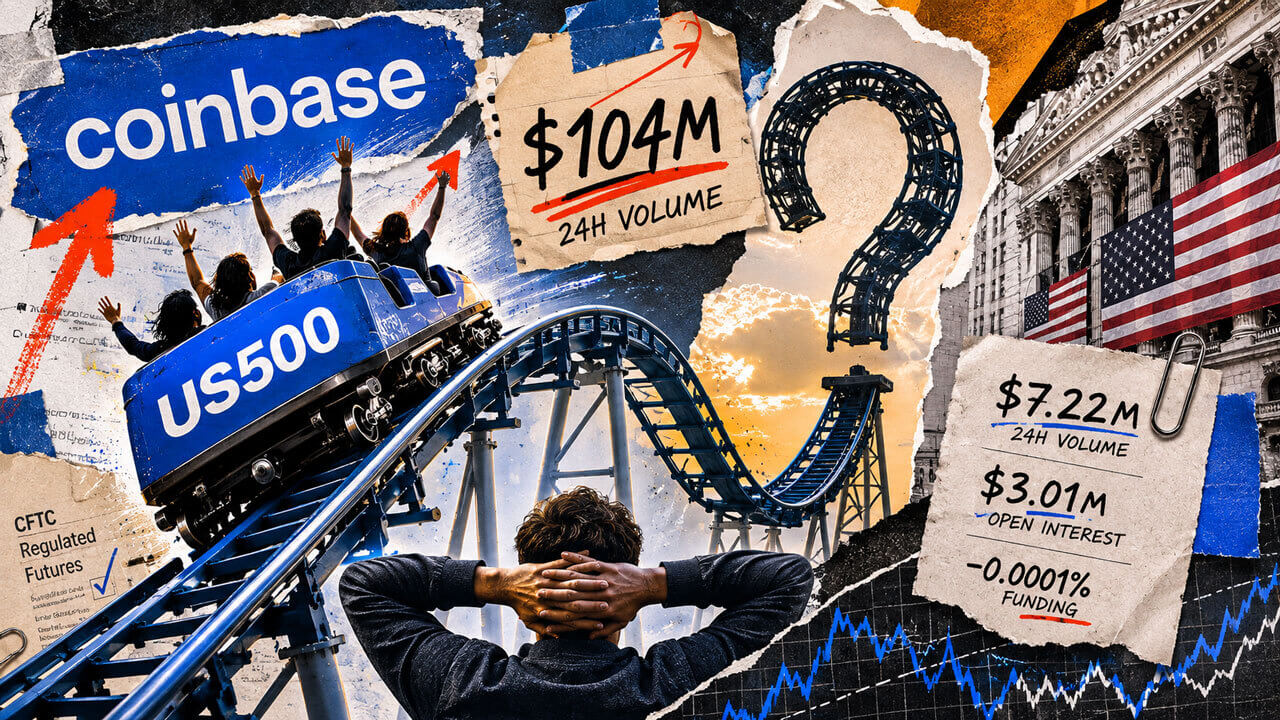
Coinbase’s US500 futures briefly reached $104 million in matched volume, providing an early test of whether a crypto-native trading mechanism can extend into regulated US equity markets. About 15 hours after the milestone was posted, the product page showed $7.22 million in 24-hour volume and $3.01 million in open interest. The product combines crypto-style funding with a five-year, cash-settled equity-index future tied to MarketVector’s proprietary US500 benchmark.

A tentative agreement between General Motors and a key union would bring heavy-duty Sierra pickup assembly to an Ontario plant, providing a lift to Canada’s auto sector as it faces pressure from U.S. tariffs.
Federal Reserve Chair Kevin Warsh offered his most detailed account yet of how he views the central bank’s fight against inflation in a high-profile speech Friday at the annual economic conference in Jackson Hole, raising the stakes for the Fed’s next meeting.
U.S. Treasury Secretary Scott Bessent said disorderly moves in the yen could force investors to unwind positions, threatening global market stability and ultimately increasing borrowing costs for U.S. households and businesses.
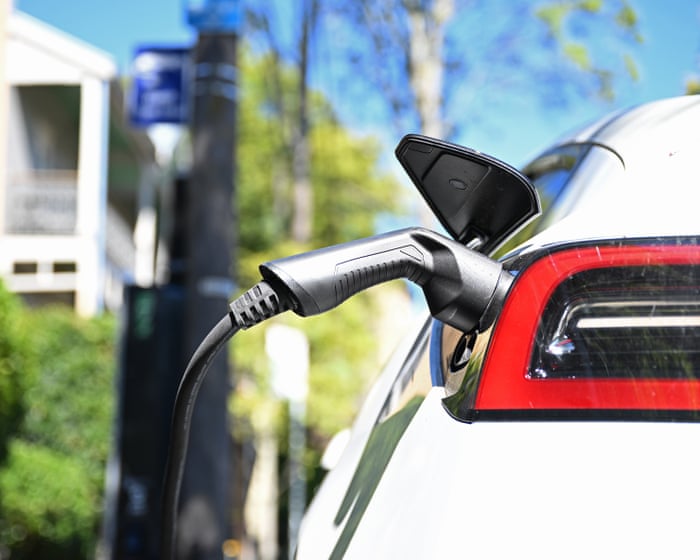
August reporting results show Australians are cutting back on pizza while buying more weight-loss drugs, cheaper “dupe” brands and electric vehicles as cost-of-living pressures return. Kmart is expanding Anko’s imitation-product strategy, Chemist Warehouse says GLP-1 customers spend 40% more, and car electrification is accelerating.

HM Revenue & Customs says 17,600 people reported £13.8 billion in cryptoasset disposal proceeds and £1.38 billion in gains for the 2024–25 tax year. Just 240 investors, each reporting more than £1 million, accounted for £717 million. Under new reporting rules, HMRC expects to receive crypto-provider data from 2027.

President Donald Trump is seeking to lower the cost of hamburgers, but his plan may do little to reduce what shoppers pay at the supermarket register.
South Korea’s booming beauty industry has overtaken the United States this year to become the world’s second-largest cosmetics exporter, behind France.

Canada is responding to US tariffs with new duties on products including dairy, seafood, appliances and construction materials. Analysts warn that the expanding dispute could increase costs for US businesses and consumers, with energy and other vital resources potentially becoming the next area of confrontation.

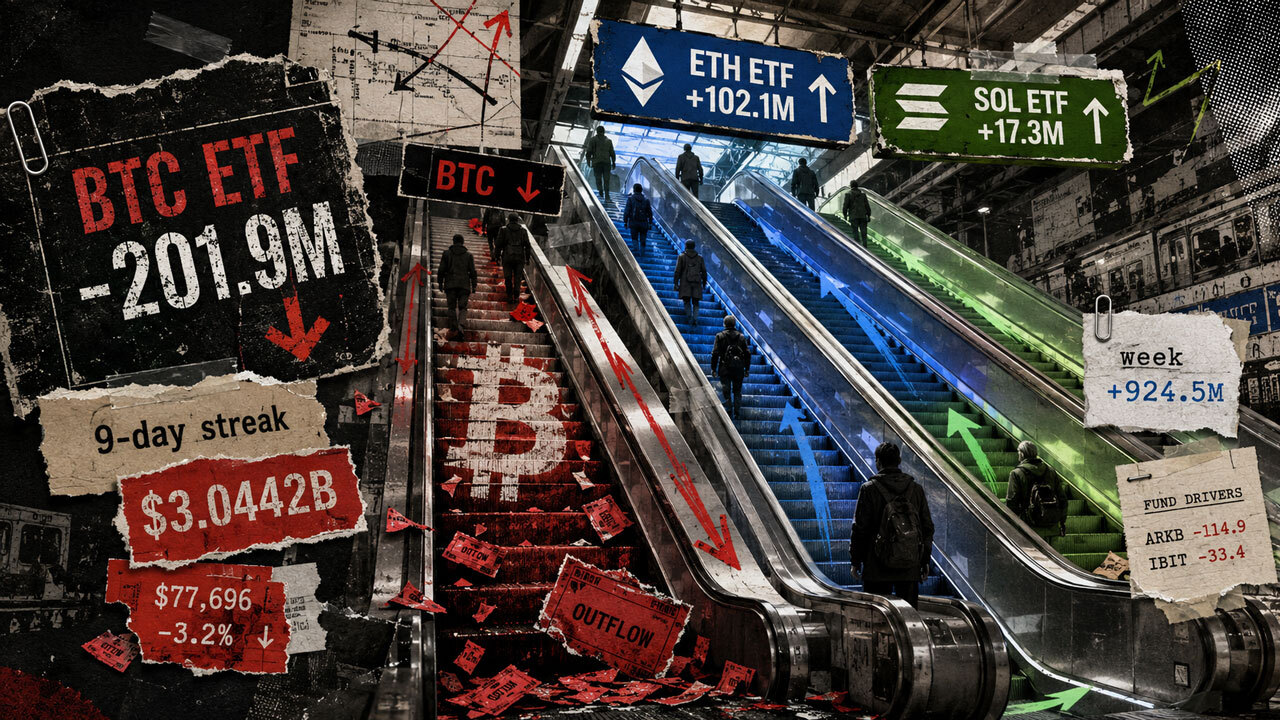
U.S.-listed Bitcoin ETFs recorded $201.9 million in net outflows Friday, ending a nine-session run, while Ethereum, XRP and Solana ETFs drew a combined $145 million. Bitcoin fell about 3.2% to $77,696, but its five-session inflow total remained positive at roughly $924.5 million, indicating a pause rather than established rotation into other assets.

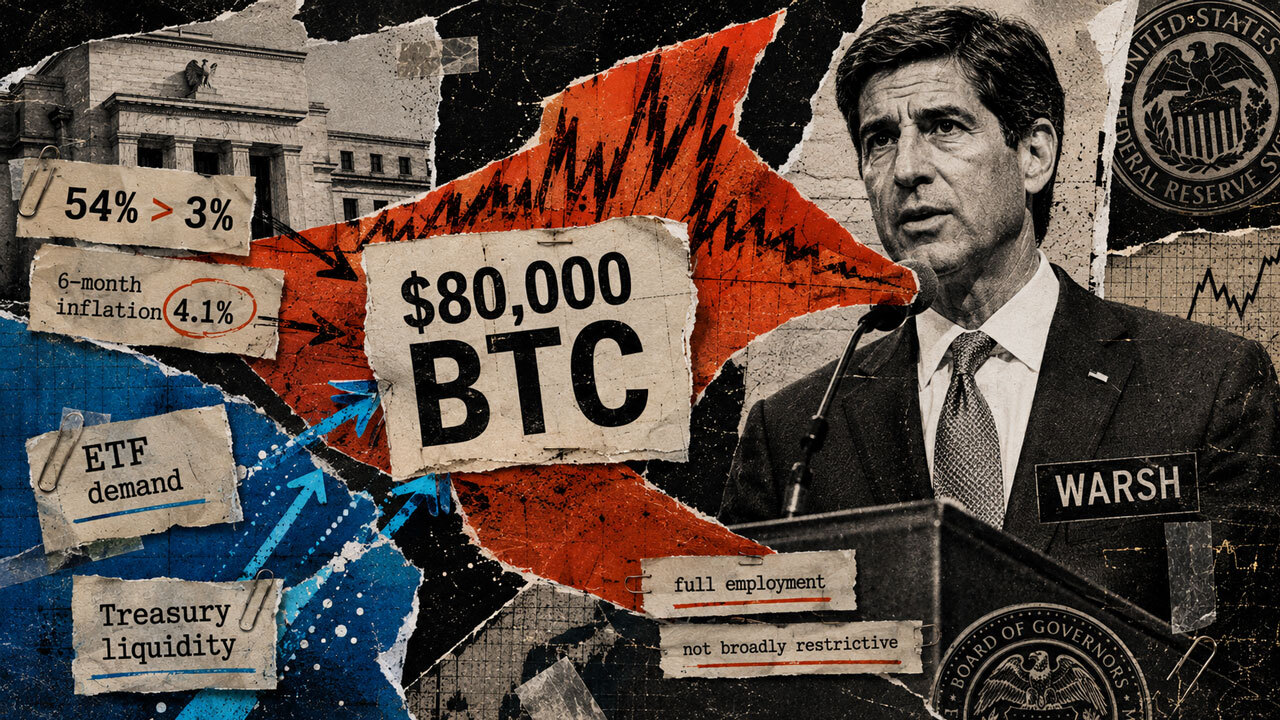
Federal Reserve Chair Kevin Warsh said 54% of personal consumption expenditures components rose more than 3% over the past year, making a quick shift toward easier policy harder to justify. Bitcoin briefly reached $81,280 before slipping below $80,000. U.S. spot Bitcoin ETFs drew more than $1.1 billion over four sessions, with BlackRock’s IBIT accounting for about 86%.

Traders have profited heavily over the past year by following Donald Trump as the US government pursues an unprecedented strategy of acquiring stakes in publicly traded companies. That strategy now faces additional risks from the backlash against Trump.
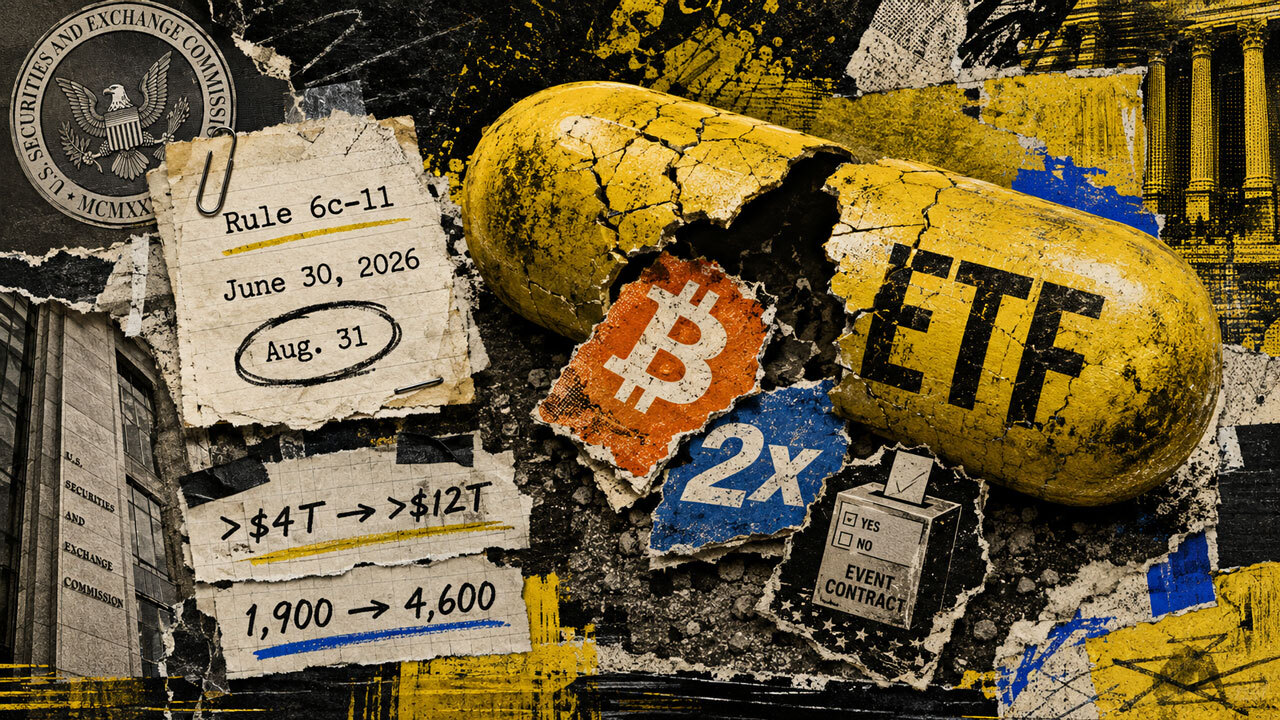
The SEC is examining whether its automatic filing framework gives regulators enough time and authority to assess increasingly specialized ETFs. The agency’s June 30 request for comment covers crypto assets, commodities, leveraged and single-stock products, private assets, blockchain opportunities and event contracts, with comments due Aug. 31. US ETF assets exceeded $12 trillion at the end of 2025, up from more than $4 trillion in 2019.

A new survey suggests that bitcoin’s familiar pitches about changing the world may not appeal to most prospective buyers. Instead, everyday Americans appear more drawn to having control and making small-scale investments.

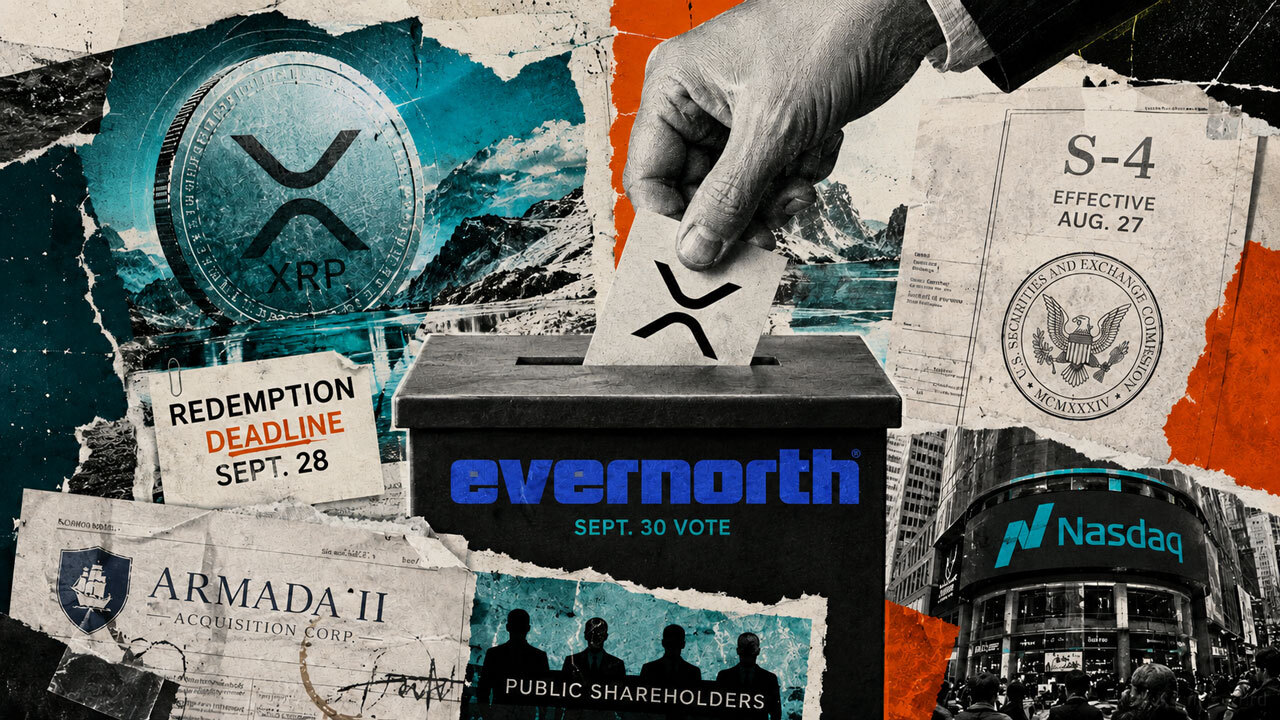
Armada Acquisition Corp. II shareholders will vote on Sept. 30 on Evernorth Holdings’ Nasdaq merger. The proposed charter would authorize up to 10 billion shares, giving the XRP treasury firm room to raise capital and pursue yield strategies aimed at increasing XRP per share, while future issuance could also create dilution risk.

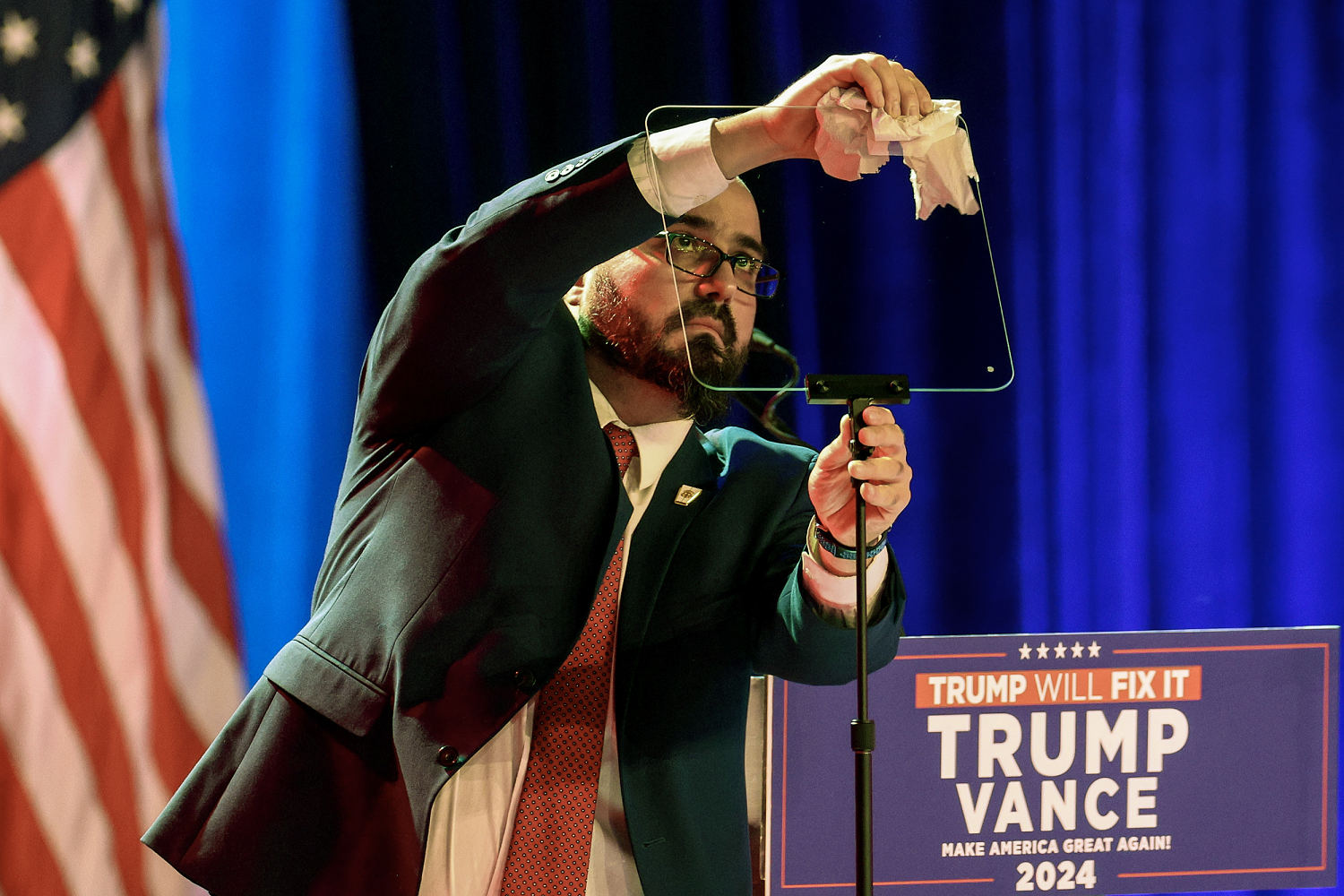
A former White House teleprompter operator has been ordered to pay $172,000 over trades on Kalshi’s mention markets. The CFTC said the penalty is its second insider-trading case involving a federal employee trading event contracts, and its second related settlement in four weeks.


Former White House teleprompter operator Gabriel Perez must pay more than $172,000 after using advance knowledge of Donald Trump's speeches to bet on Kalshi. He will surrender $107,539.02 in profits, pay a $65,000 civil penalty and face a three-year trading ban.
A White House teleprompter operator will pay more than $172,000 to resolve a federal regulator’s investigation into alleged well-timed prediction-market bets linked to President Donald Trump’s speeches.

The Commodity Futures Trading Commission announced penalties against Gabriel Perez, who placed the bets through Kalshi, ordering him to pay $172,000.
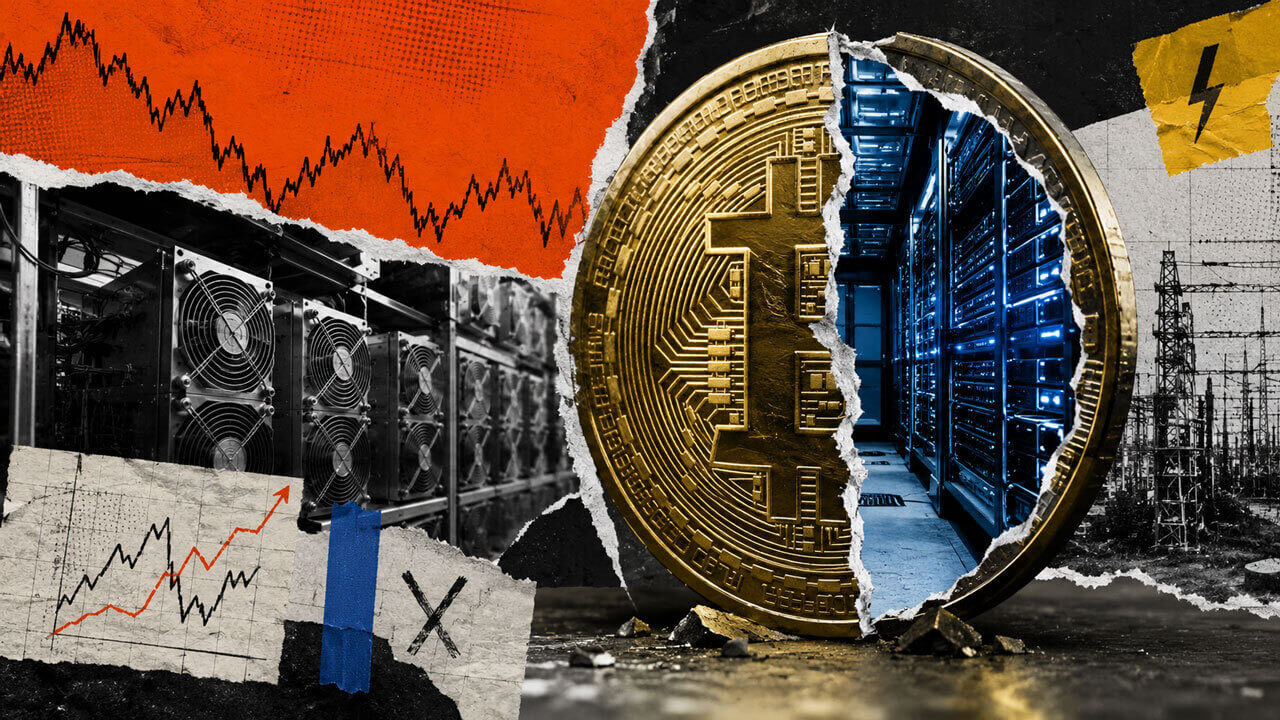
Bitcoin-miner stocks diverged from Bitcoin during a strong week for the cryptocurrency as several companies shifted electricity, land and grid capacity toward AI infrastructure. TeraWulf, Hut 8, IREN and Cipher are adding high-performance-computing leases or cloud revenue, making their valuations less dependent solely on Bitcoin prices and mining income.

Salesforce, CrowdStrike and Nvidia each faced major investor tests this week, yet all three companies decisively beat expectations. Their results point to an AI buildout that is not a zero-sum game.
Russian President Vladimir Putin said trade between Russia and Belarus rose 12.5% in the first six months of the year, after reaching nearly $52 billion last year. He added that Russian direct investment in Belarus totals $4.5 billion and that 2,500 Russian-participation companies operate there.
Russian Foreign Minister Sergey Lavrov said forming the Greater Eurasian Partnership would help remove trade and investment barriers and build more advanced economic ties across Eurasia. He said strengthening multipolar principles creates opportunities for new and fairer mechanisms of global economic cooperation.
US YouTuber Max Fisher argues that China may have helped prevent a global oil crisis by reducing crude imports. Its expanding use of electric vehicles and shift toward clean energy have lowered oil dependence; Reuters reported imports were down by about 400 million barrels from the previous year since the conflict began, easing pressure on a tight market.

US YouTuber Max Fisher argues that China may have helped avert a global oil crisis by cutting crude imports. He links the reduction to China’s growing use of electric vehicles and shift toward clean energy, while reported imports fell by about 400 million barrels from the previous year after the conflict began, easing pressure on tight global supplies.

Katana’s Matthew Fisher argues that once permanently immobile assets are excluded, ownership and purpose are adjusted for, and off-contract activity is included, tokenized assets appear to have utilization close to 20%.

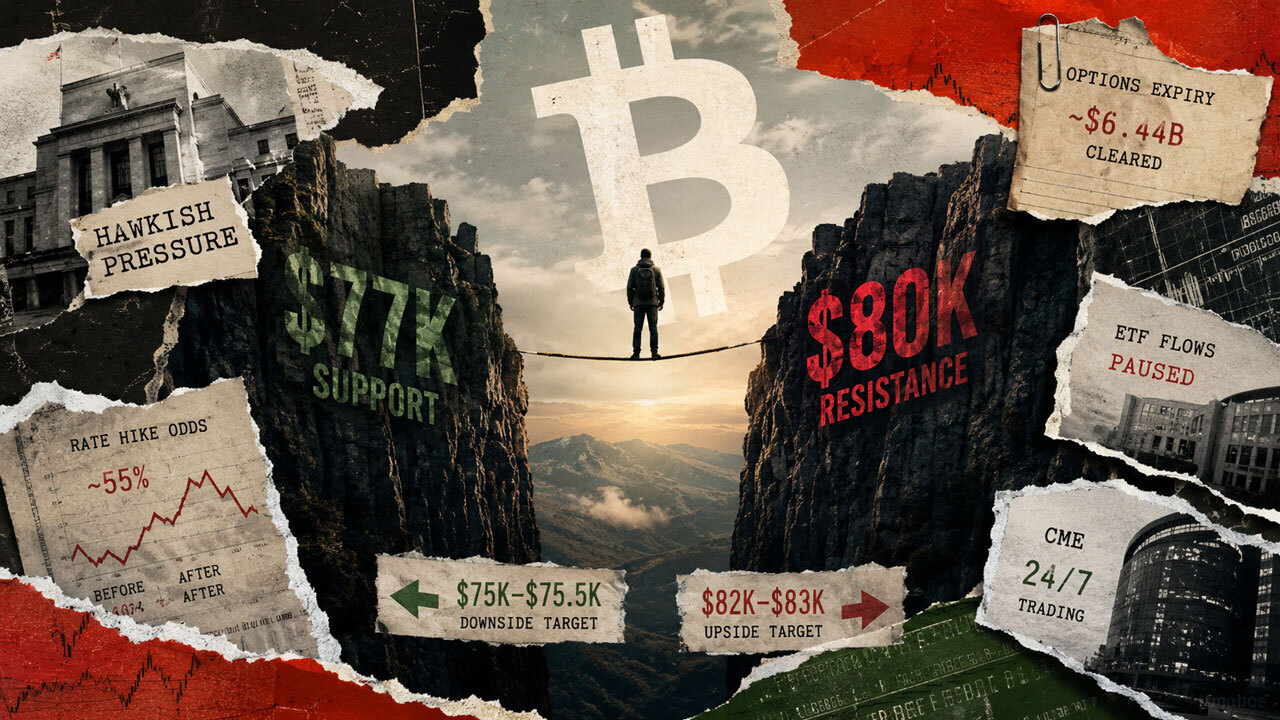
Bitcoin is trading near $78,000 after a sharp rejection above $81,000 on Aug. 28, leaving $77,000 support and $80,000 resistance as the key weekend levels. A break below $77,000 could open the mid-$75,000s, while a sustained move above $80,000 would revive targets near $81,300 and $82,000–$83,000. Kevin Warsh’s remarks raised September rate-hike odds and added pressure to the market.

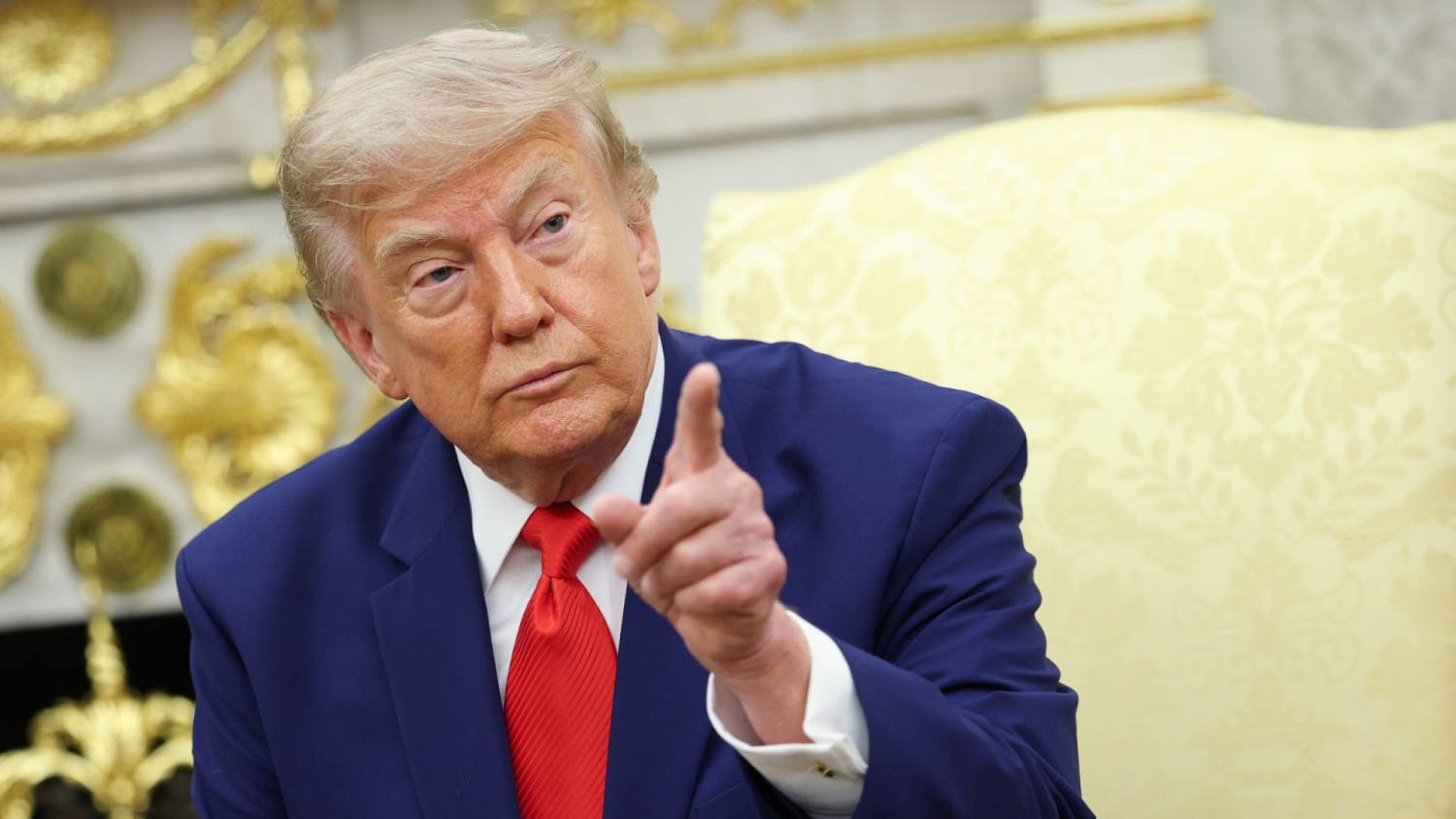
US President Donald Trump announced that the United States had secured majority control of more than 65 billion barrels of Venezuela’s proven oil reserves through a private-business partnership. Details remain undisclosed, while Venezuelan officials prepare to grant US firms new exploration and production rights amid possible legal and constitutional challenges.


President Donald Trump announced on Friday an unprecedented US effort to take control of one-fifth of Venezuela’s vast oil reserves. He is betting American companies can revive the OPEC member’s battered energy sector while adding crude supplies to help lower US fuel prices.
Donald Trump says the US has reached a deal to control 65 billion barrels of Venezuela’s oil reserves. He has long been open about wanting the US to secure Venezuelan oil and has urged oil companies to invest in the South American country.

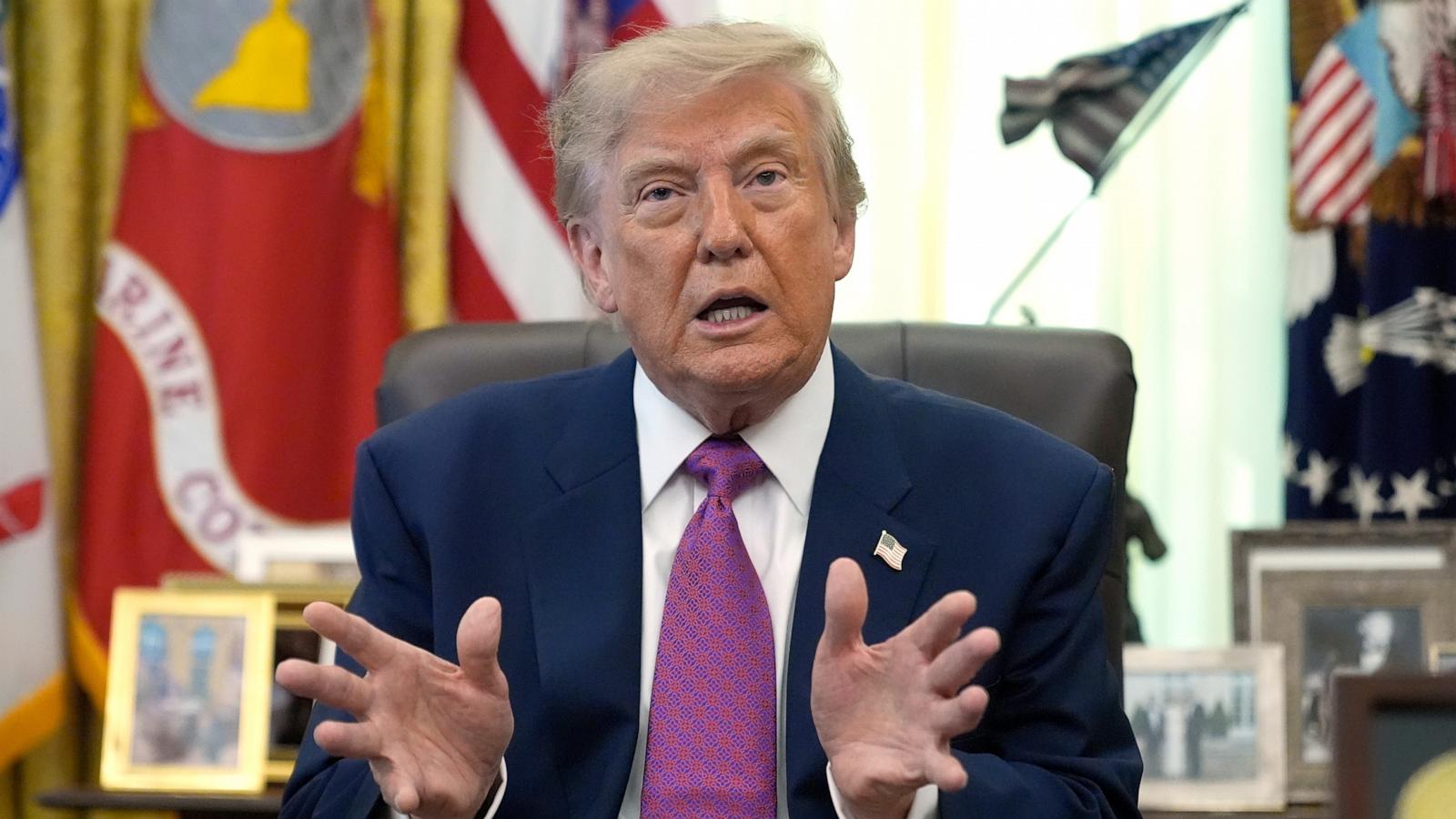
US President Donald Trump says the United States and Venezuela have reached the “biggest oil deal in world history,” giving Washington control of 65 billion barrels of Venezuelan oil. Critics describe the agreement as predatory.
Bloomberg News Now covers Trump’s statement that the US has secured some Venezuelan oil reserves, along with remarks by Warsh and other top stories. The report is updated throughout the day and focuses on global business news.
Bloomberg News Now highlights Donald Trump’s statement that the US has secured some Venezuelan oil reserves, remarks by Warsh, and other leading stories. The audio report is updated throughout the day with global business news.

Donald Trump says the United States has secured majority control of more than 65 billion barrels of Venezuela’s proven oil reserves in a deal intended to revive the country’s energy industry and increase crude supplies to US refineries. The arrangement could bring about $209bn to Venezuela’s treasury, but its structure and implementation remain undisclosed and may face legal and constitutional challenges.

President Donald Trump said the United States and Venezuela have reached a deal that would give the U.S. majority control of billions of barrels in Venezuela’s oil reserves and lower gas prices.

President Trump says the United States has reached an agreement with Venezuela to take control of 65 billion barrels of oil at no cost to American taxpayers. Secretary of State Marco Rubio calls it a “huge win” for both American and Venezuelan people.
The US is poised to gain majority control of a vast share of Venezuela’s oil wealth in an unprecedented arrangement, officials say. The move would create the world’s second-largest private oil company by reserves and secure American petroleum supplies for decades, according to the excerpt.
Venezuelan President Delcy Rodriguez says the US-Venezuela oil cooperation agreement covers 17 strategic fields with proven reserves of 65 billion barrels. It envisages more than $100 billion in investment and over $209 billion in state tax revenue, while contributing to economic growth, hemispheric energy security and greater market balance. Donald Trump said the deal gives the US majority control of those reserves.
Donald Trump says the US will take control of 65bn barrels of Venezuelan oil, adding that a joint venture between the two countries will lower petrol prices for Americans.

Washington and Caracas said Friday they had reached a “historic” oil deal granting the United States majority control of more than 65 billion barrels of Venezuela’s reserves.

President Donald Trump says the US has agreed with Venezuela to control a majority of more than 65 billion barrels of its proven oil reserves. He says the transaction will expand America’s oil supply and lower gas prices. Secretary of State Marco Rubio called it a “huge win” for both countries, while details remain undisclosed.
President Donald Trump said the United States has reached an oil agreement with Venezuela. He said the move would more than double U.S. oil reserves, increase supply and lower gas prices.

President Donald Trump said Friday that the United States had reached an agreement with Venezuela to take control of the country’s 65 billion barrels of oil reserves.

Donald Trump announced a new oil agreement with Venezuela, saying the US would gain “majority” control of more than 65bn barrels of proven reserves. Marco Rubio called it a major win for both countries, while a Venezuelan opposition figure denounced the deal as a “massive land grab.”
U.S. President Donald Trump said Friday that his administration had reached a sweeping agreement with Venezuela. If carried out, the deal could give the U.S. access, at a cost, to vast quantities of the South American country’s untapped oil reserves.

US President Donald Trump said Washington and Caracas had agreed for the United States to take control of 65 billion barrels of Venezuelan oil without cost to US taxpayers. He said the deal was negotiated by Marco Rubio, Pete Hegseth and interim Venezuelan President Delcy Rodriguez, calling it the biggest oil deal in world history.
President Donald Trump said the United States reached an agreement with Venezuela giving Washington majority control of more than 65 billion barrels of the country’s proven oil reserves. He called it the biggest oil deal in world history and said it would expand US supplies and lower gasoline prices.
President Donald Trump says the United States has reached an agreement with Venezuela to take control of 65 billion barrels of the South American country’s oil reserves.

Trump announced a deal with Venezuela to secure more than 65 billion barrels of oil reserves.
U.S. President Donald Trump said on Friday that the United States had entered into an oil agreement with Venezuela.

Venezuela’s interim President Rodriguez and US Energy Secretary Wright tour oil facilities as the two countries enter what is described as the “biggest oil deal in world history.”
Anatoly Aksakov, chairman of the State Duma Financial Market Committee, said the Bank of Russia could pause rate cuts at its September meeting. He said the longer-term trend remains downward and that a rate of 13% or lower by the end of 2026 is possible, though not the baseline scenario.
Economists once broadly described the post-pandemic economy as K-shaped, but that agreement has now broken down as they debate which pattern best captures the economy today.

Russia plans to build 14 more icebreakers by 2030, Eastern Economic Forum official Anton Kobyakov said. He said the country’s 42 ice-class vessels, including eight nuclear-powered ships, together with Arctic warming could extend the commercial shipping season and help make the Northern Sea Route more widely used.
Cryptocurrency trading in Russia is expected to remain below 4 trillion rubles ($46.43 billion) in its first year and could reach about 7.5 trillion rubles ($87.06 billion) by 2029, Sberbank Deputy Chairman Anatoly Popov said. The estimate is conservative because many transactions will continue through crypto exchange services rather than exchanges, while the new law takes effect on September 1.
Iran’s president says sanctions are hurting the country’s imports and exports, while Supreme Leader Khamenei calls for less reliance on the U.S. dollar.

People are feeling guilty about spending in the current economy. The East Coast’s emerging retirement hotspot is also dealing with traffic jams and doctor shortages.
Autostat head Sergey Tselikov says hybrids could account for as much as 10% of Russia’s new-car market in a fall month or in December if more mass-market models become available. He forecasts a 7-8% share for the full year, up from 5% since the start of the year.
Bloomberg’s Business of Food newsletter covers how the world feeds itself amid changes in the economy and climate, including farming, supply chains and consumer trends. Readers are invited to subscribe and read the latest edition.
Swiss wealth managers are calling for a delay to an ownership register after a hack in Liechtenstein, raising cybersecurity concerns about a list containing the ultimate owners of more than 500,000 companies and other entities.
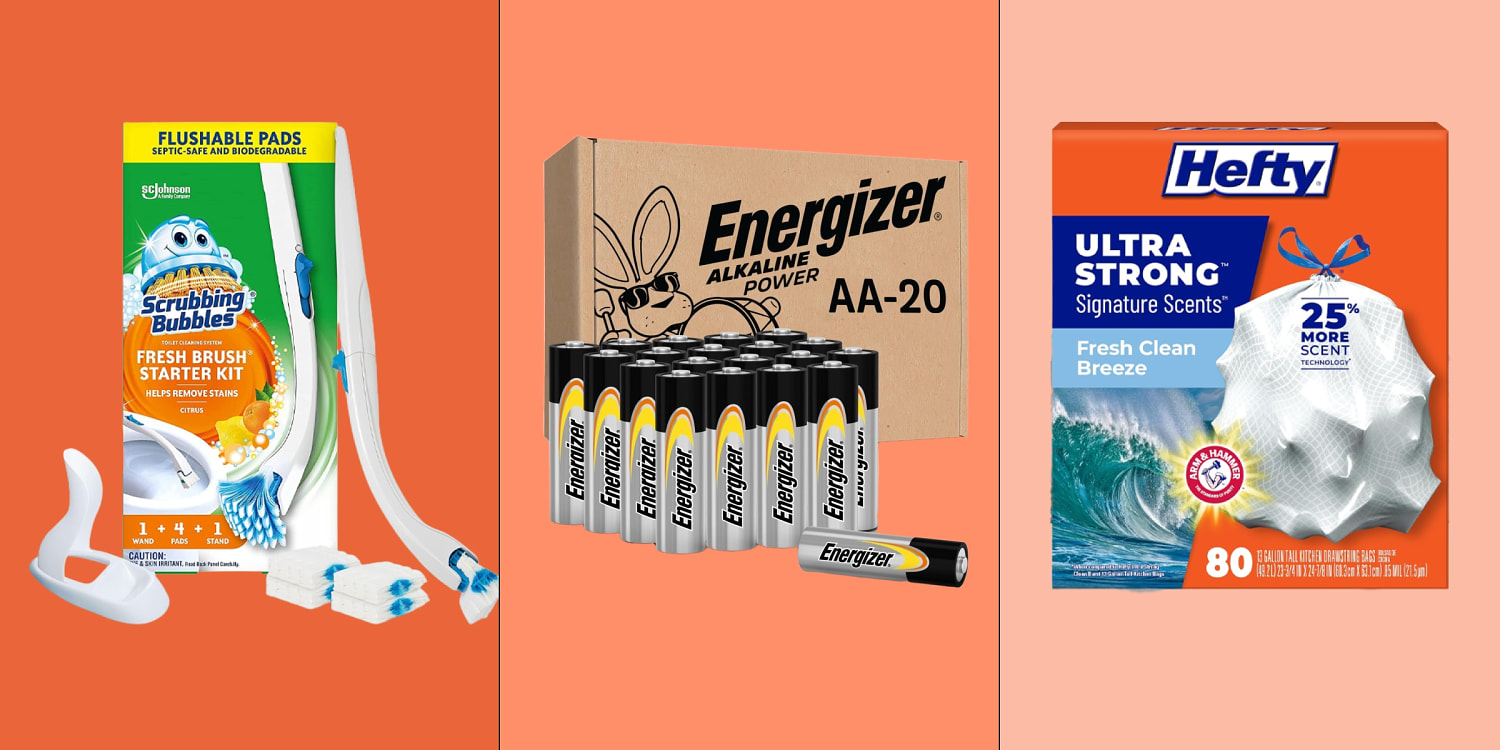
Amazon and Walmart are offering discounts of up to 50% on household essentials this weekend, including batteries, toilet bowl cleaner and dishwasher detergent.

Singapore state investor Temasek, the majority shareholder in Singapore Airlines, backed the airline’s investment in Air India on Saturday as scrutiny intensified over its stake in the loss-making Indian carrier.
Alex Gerko, one of the UK’s richest people, received a record £895mn payout from trading firm XTX in 2025, 31% more than the previous year.
Six months after the United States went to war with Iran, Courtney Sanders has been helping soldiers’ families cope with the gaps left by their absent loved ones.

Iran’s president says US sanctions and a naval blockade have cut the country’s exports and imports by nearly 35 percent. As inflation, unemployment and trade disruption worsen, Tehran says it will pursue diplomacy alongside defence and maintain what it calls control of the Strait of Hormuz.
Six months after the United States and Israel launched their first strikes on Iran, the war’s physical, financial and emotional effects have spread from Tehran across the world, reaching the large Iranian community in the United States.

Six months into the Iran war, Gulf states are moving toward a layered security system built on overlapping partnerships. They are deepening cooperation among themselves and with partners including Türkiye, European states and Pakistan, while the United States remains central rather than being replaced.
Iranian leaders are acknowledging the economic costs of the war with the United States. The supreme leader urged the government to tackle hardship, while the president said foreign trade had fallen 35% because of American sanctions and the blockade.

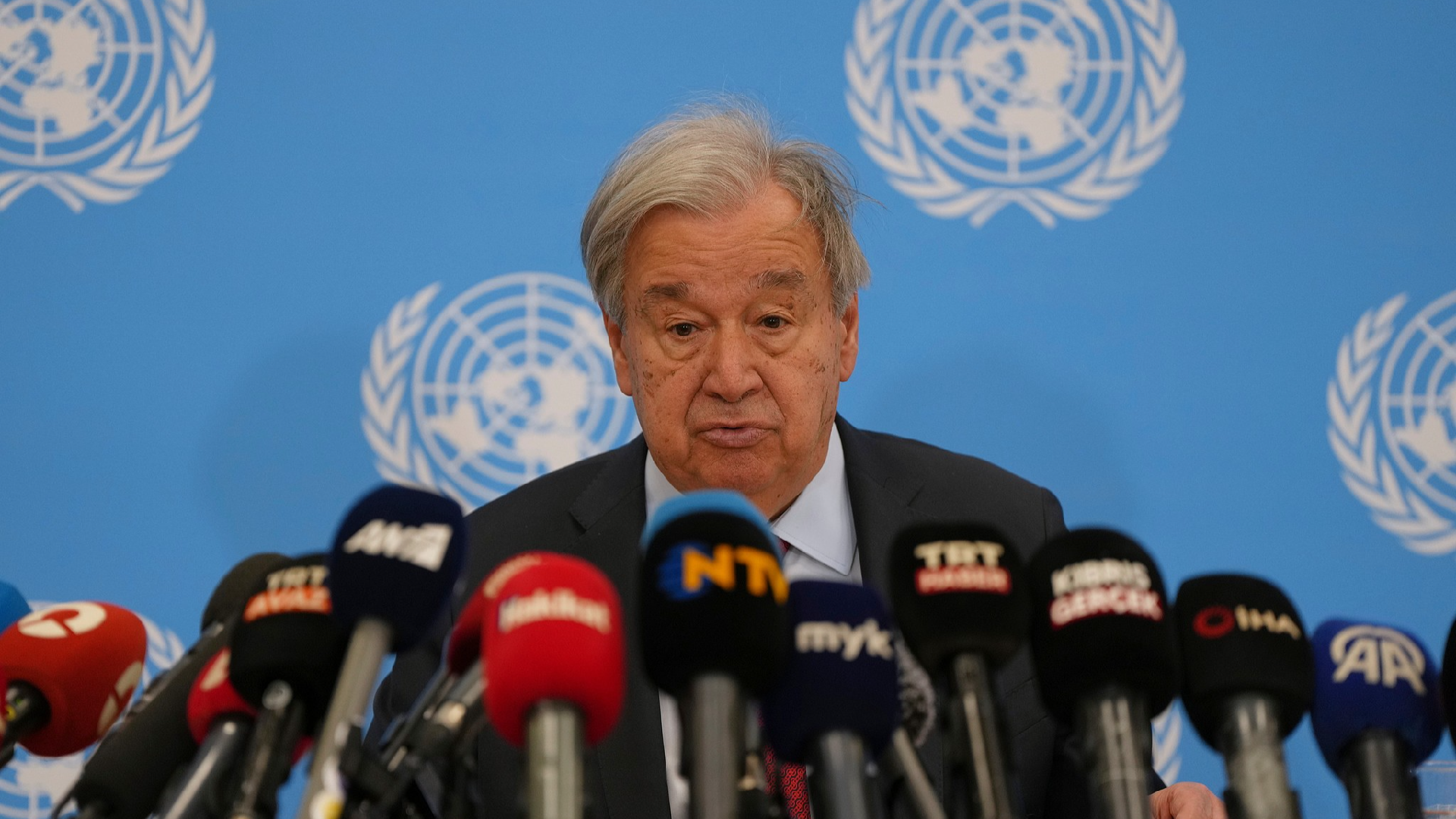
UN Secretary-General Antonio Guterres urged the United States and Iran to resume meaningful negotiations to end their six-month conflict diplomatically. The UN supports mediation by Qatar, Pakistan, Egypt, Saudi Arabia and Kuwait, while warning that the war, disruption in the Strait of Hormuz and sanctions are worsening humanitarian and economic consequences.
Inflation has undermined bonds’ role as a reliable portfolio diversifier, raising questions about the future of the traditional 60-40 strategy.
China’s shrinking car market is facing another setback as regulators move to police the high-tech features carmakers use to drive sales. A nationwide inspection of the quality of Chinese-made cars could prompt some consumers to delay purchases, worsening the bearish outlook among dealers and analysts.

Russia’s Far Eastern Federal District has added reserves from 105 newly discovered solid mineral deposits to the state balance since the start of the year, Natural Resources Minister Alexander Kozlov told TASS. The Televeyem gold deposit in Chukotka contains 26.7 metric tons of gold and 292 metric tons of silver. Reserves at 150 previously known deposits also increased after reassessment and related work.
Youngstown, Ohio, is in the OH-6 congressional district, which exports more than US$820 million in goods to Canada each year. Although the escalating tariffs do not affect every import and export, a prolonged trade war could put some businesses in exposed sectors at risk.
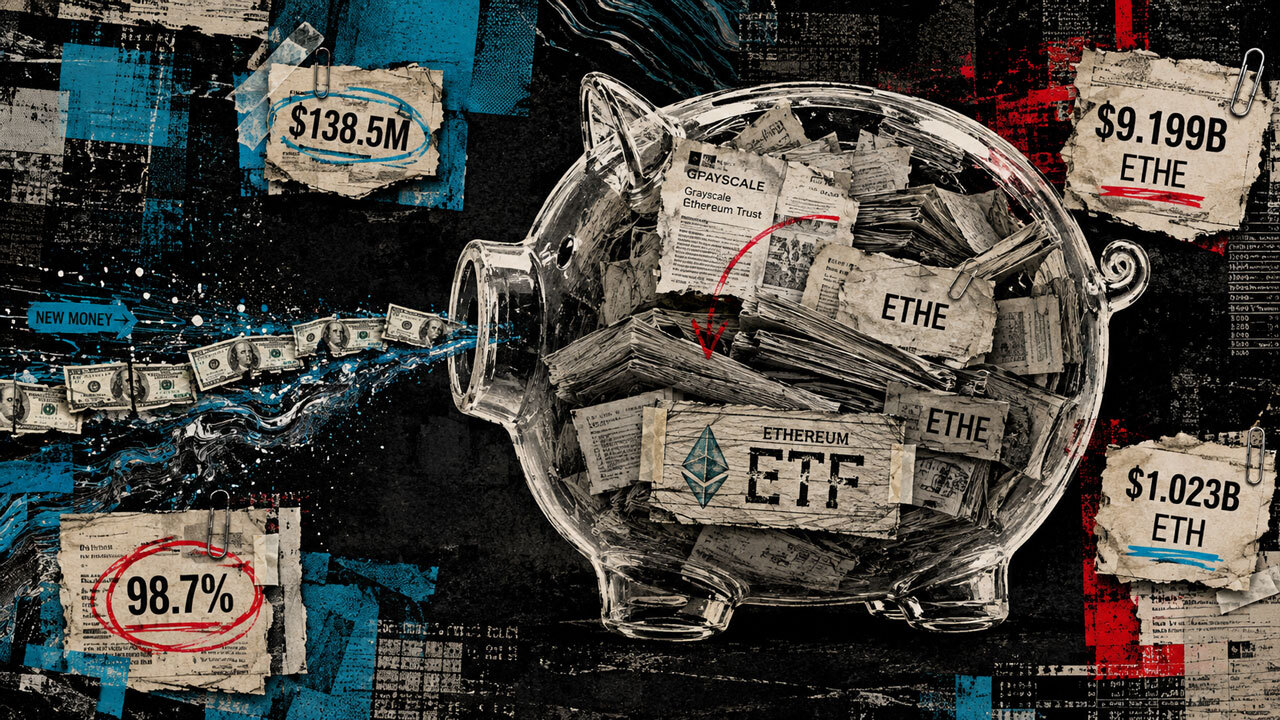
US spot Ethereum ETFs appeared to open with $10.36 billion in assets, but nearly all of that amount came from converting crypto already held by Grayscale trusts rather than fresh institutional buying. The analysis distinguishes seed capital, legacy-asset conversions, post-launch creations and redemptions, and assets under management—figures often combined in headline ETF totals.

Trade between Russia and Thailand could eventually surpass $10-15 billion if existing barriers are removed, Russian Ambassador Evgeny Tomikhin told TASS. The countries agreed to focus on payment and settlement arrangements and eliminate obstacles to normal economic cooperation.
Europe is heading into the colder months with gas storage at its lowest level in 13 years. EU facilities were 63% full in the last week of August, well below the recent average of 80%, raising fears of sharper winter price volatility. The UK may be especially exposed because it has limited domestic storage and relies heavily on imports.

Germany is on course to miss its November gas-storage target if injections remain at their current rate, the country’s storage association warns. There is no immediate shortage, but depleted reserves combined with an exceptionally cold winter could put industrial production at risk.
Young consumers are increasingly choosing cold drinks they can customise, prompting coffee and fast-food chains to chase the trend. Starbucks says three out of four drinks it sells are now cold, and the category has become central to its US sales and turnaround strategy.

Six Bitcoin wallets that had been dormant for a decade moved $40 million this month. Galaxy’s data shows dormant-coin activity at its lowest level since 2022, with 2026 on track to total less than half of last year’s amount.

Singapore-based iron ore company Radiant, which is battling a liquidity squeeze, has threatened Glencore with a $1.4bn lawsuit.
The idea of forcing investors to absorb US government bonds is increasingly being taken seriously.
The results of an FT stock-picking game unexpectedly point to the success of fundamentals, challenging the idea that choosing good companies cannot win such a contest.
The ruble accounted for nearly 60% of Russia’s foreign-trade settlements in the second quarter of 2026, a record share, State Duma Financial Market Committee Chairman Anatoly Aksakov said. Currencies from unfriendly countries fell to 11.6%. He said Russia is building layered protection against sanctions shocks through direct correspondent ties, alternative payment routes and digital-finance channels.
Recent Beijing restrictions on cross-border investment and a tax change targeting overseas insurance gains may cause short-term uncertainty, but they will not weaken Hong Kong’s long-term competitiveness as a major wealth management hub, JPMorgan Chase Hong Kong CEO and North Asia chair Kwang Kam-shing says. She remains optimistic about Asia’s financial sector.

Long-term bond yields may be rising because investors expect an AI-driven productivity boom, rather than solely because of worries about inflation and growing government debt, said Jacob Manoukian, JPMorgan Private Bank’s U.S. head of investment strategy.
President Donald Trump is scheduled to meet U.S. oil-refining executives to address persistently high gasoline prices, which have been fueled by the war in Iran.
Chevron is close to finalizing negotiations to move all of its oil joint ventures in Venezuela into the country’s new energy framework, two sources familiar with the talks said. The arrangement would give the U.S. oil major greater operational control and enable expansions of key oilfields.
US Secretary of State Marco Rubio said an oil agreement with the United States could help Venezuela attract about $100 billion in private investment and support the reconstruction of its economy. He said the deal would also secure stable, low-cost oil reserves for the US and help lower gas prices. Trump had earlier announced majority US control of more than 65 billion barrels of Venezuela’s proven reserves.
Canada is no longer in a technical recession, but the trade war is clouding the economic outlook. The bullish view on Canada Goose has also turned bearish.
Moody’s changed Nigeria’s outlook from “stable” to “positive” on Friday, citing higher foreign-exchange reserves and stronger-than-expected economic growth that have improved the country’s ability to withstand external shocks.
The Minutes Reader extension turns the original page into a focused reading view and translates articles and video subtitles on demand. It is in limited beta.