Dispute over cheese names stumbles US-Mexico trade negotiations
A dispute over cheese names has become a stumbling block in trade negotiations between the United States and Mexico.

Economist Ken Rogoff explains how tensions between the US and Canada have been simmering since Donald Trump raised the idea of annexing Canada. The episode also covers diamonds and Dolly.
Persian Gulf oil exports have recovered to about two-thirds of their pre-war level, reaching roughly 15-16 million barrels per day as Strait of Hormuz transits increase, Bloomberg reported, citing Goldman Sachs analysts. Full recovery would require another 6-8 million barrels per day through the strait.
CENTCOM chief Admiral Bradley Cooper said US forces had provided coordinated protection for nearly 1,500 commercial vessels crossing the Strait of Hormuz over several months, carrying almost 750 million barrels of crude. He claimed Iran has exported no oil since the US resumed its maritime blockade in mid-July. US forces have also redirected 75 vessels and disabled three.
Kraken users were briefly locked out between Aug. 17 and Aug. 24 amid activity that appeared designed to spread sanctioned funds and trigger account restrictions.

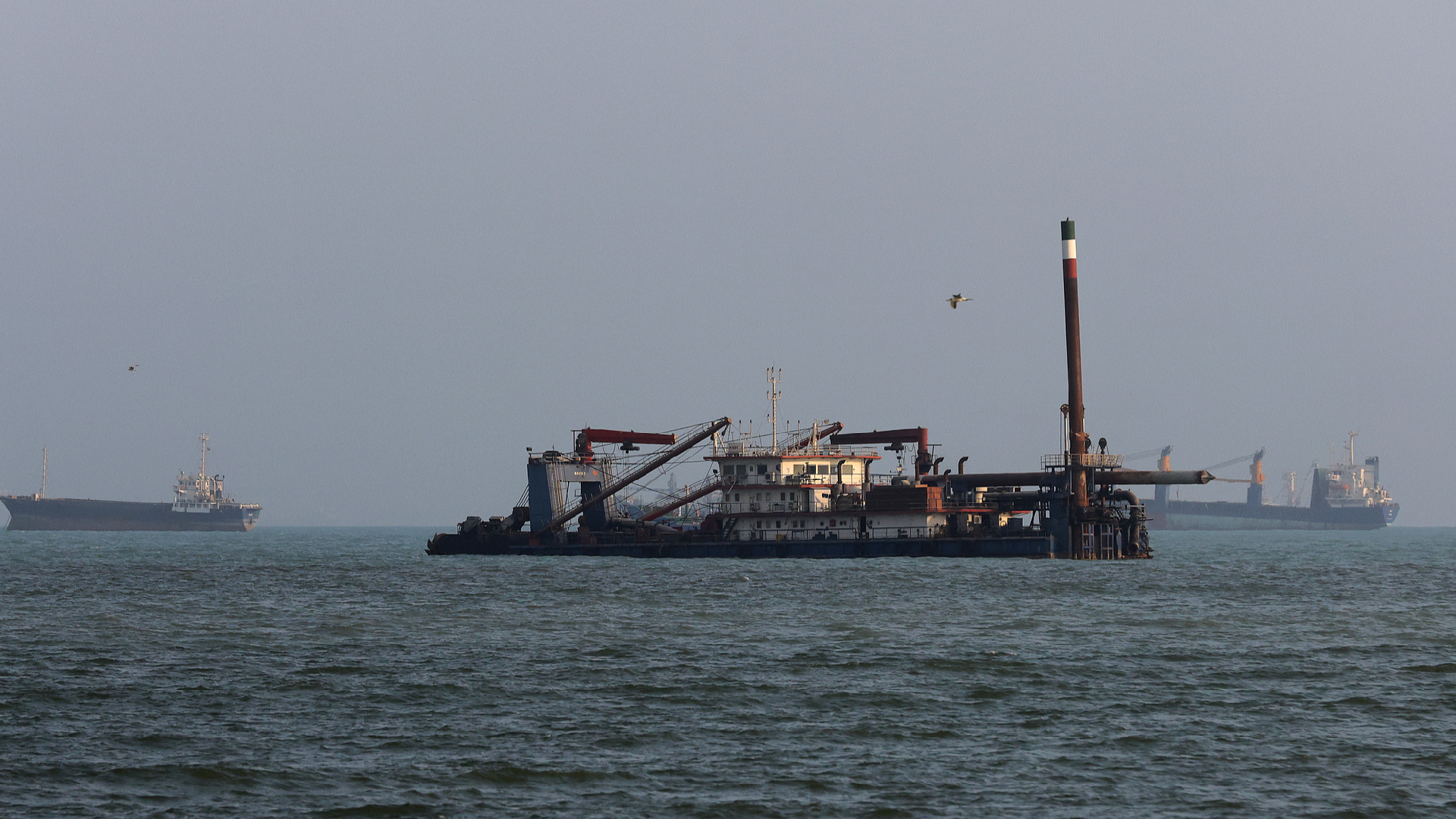
Tianjin Port’s Global Ro-Ro terminal has put a new automobile logistics yard into operation, with the first commercial vehicles arriving on Wednesday. Covering 176,200 square meters, the facility has about 5,000 parking spaces, annual capacity for roughly 140,000 vehicles, digital management systems and wastewater recycling. It is intended to expand vehicle storage and ro-ro logistics in northern China.
A scheduled freighter service between Chengdu and Addis Ababa began on Friday, the first such route to Africa since China introduced comprehensive zero-tariff treatment for 53 African countries with diplomatic ties. It will initially operate twice weekly, carrying African agricultural products to China and high-value Chinese goods to Africa.
More than 99% of imports between China and Switzerland will ultimately be tariff-free under an upgraded free trade agreement, China’s Commerce Ministry spokesperson Huang Ling said. The upgrade includes rules of origin, trade facilitation, standards cooperation, wider services and investment access, and collaboration in digital trade, AI and other sectors. Domestic procedures are underway before formal signing.
China’s Commerce Ministry spokesperson Huang Ling said Thursday that Beijing firmly opposes a possible additional 7.5% U.S. tariff on Chinese imports and reserves the right to take necessary measures. She called Washington’s Section 301 investigations into 16 economies over alleged “excess capacity” an attempt to politicize trade and an act of unilateralism and protectionism.
The first themed salon of the Hainan-Hong Kong Parlor was held in Hong Kong with about 50 representatives from government agencies, financial institutions and investors. Participants discussed Hainan’s post-customs-closure financial opening policies, Free Trade Accounts, the QFLP pilot and cooperation between industrial funds.
The 2026 China International Fair for Trade in Services will add dedicated exhibition areas to display domestic innovations and support companies seeking overseas markets. About 90 countries and international organizations and more than 1,800 offline exhibitors are expected, with Norway as country of honor and Guangxi as guest province.
President Donald Trump’s administration is reportedly considering new tariffs on chips, while Nvidia is increasing its support for Chinese AI models.

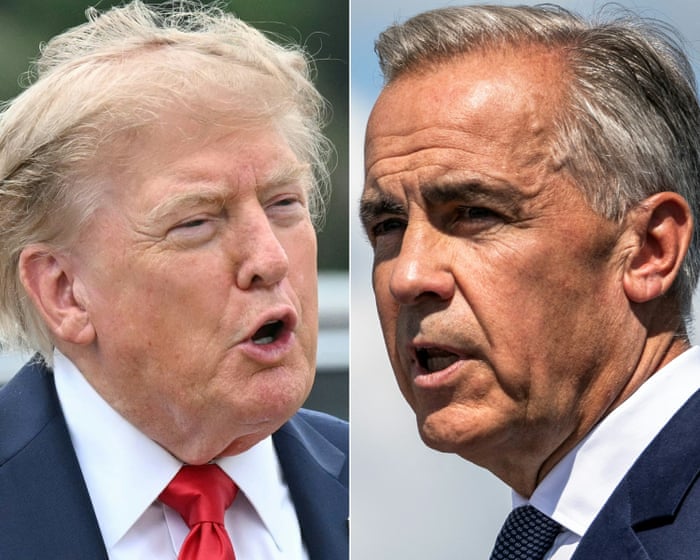
US Commerce Secretary Howard Lutnick accused Canada of derailing trade talks with last-minute demands. He said Prime Minister Mark Carney had political incentives to scuttle a deal that was beginning to take shape.
The Trump administration wants G20 finance leaders meeting in the United States next week to agree on measures to support economic growth, reduce global imbalances and address sovereign debt challenges. A senior Treasury official said Washington will also press them to cut off Iran’s economic lifelines.
Canada’s leading economists told the finance minister that damage from the escalating trade war with the US should be manageable, potentially strengthening Prime Minister Mark Carney’s argument for walking away from the talks.
China has long been Kyrgyzstan’s largest trading partner, with bilateral economic and trade cooperation advancing steadily, the Commerce Ministry said. Trade reached $11.7 billion in the first seven months of the year, while China’s direct investment in Kyrgyzstan exceeded $2 billion by the end of July, spanning infrastructure, energy, mining, agriculture and green development.
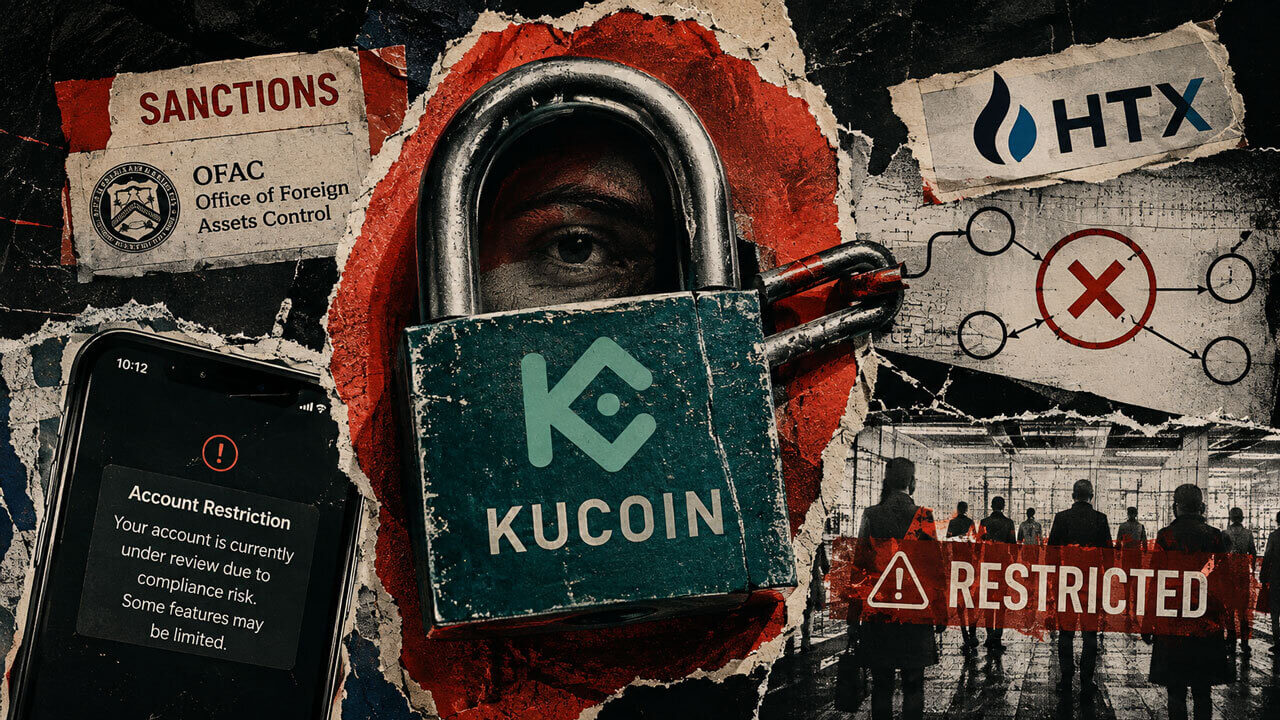
KuCoin has expanded sanctions screening to indirect transfers involving 17 crypto platforms, including Justin Sun-linked HTX. Users may face held or rejected transactions, wallet restrictions or account suspension even without direct dealings, depending on fund origins, addresses and intermediaries.

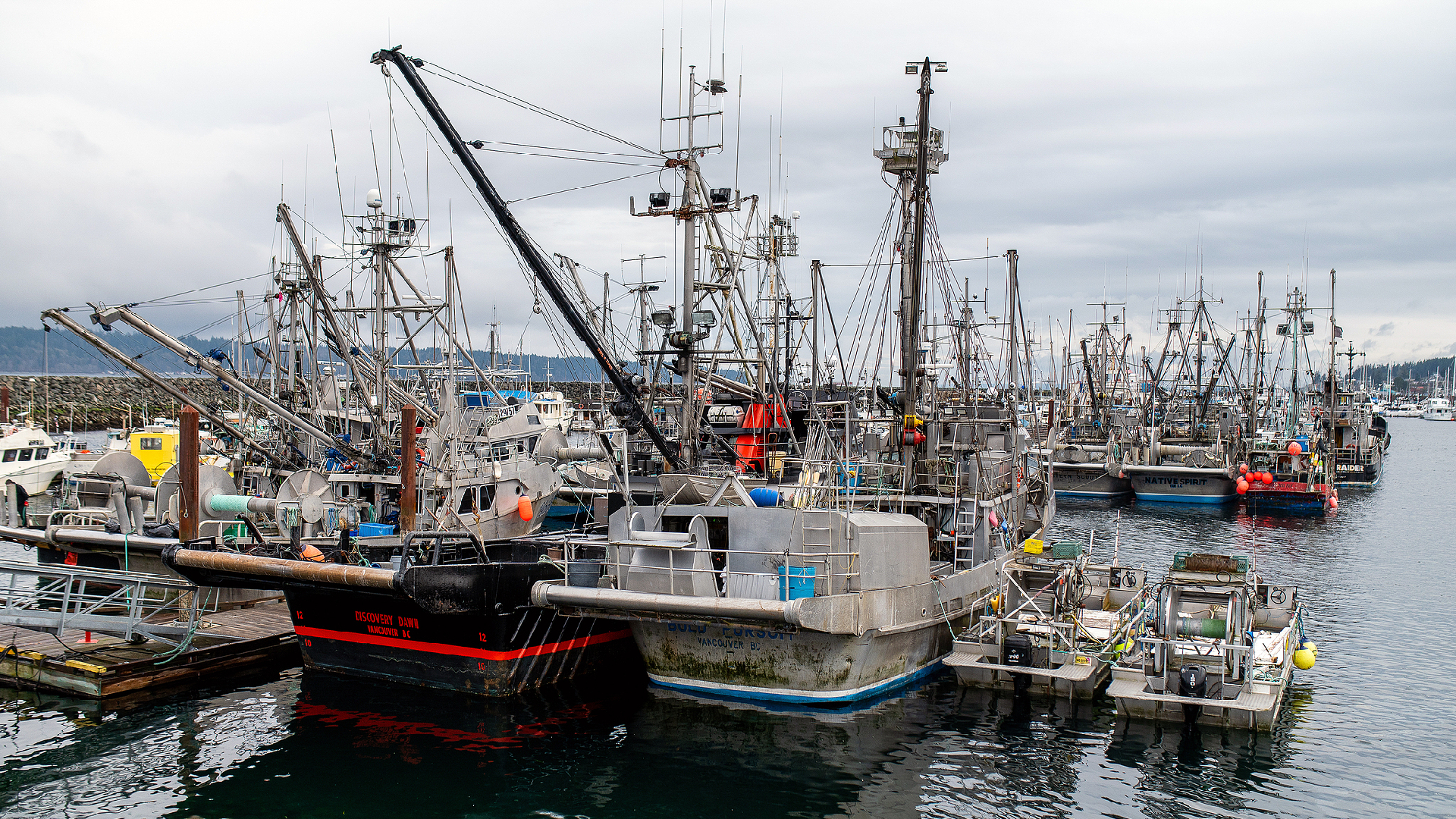
Canada canceled planned tariffs on about C$1.1 billion ($794 million) of US fish and seafood products, giving economic relief to Maine and Alaska. Both states are major fish exporters and important battlegrounds in the midterm contest for control of the US Senate.
Brazil’s oil export levy now faces conflicting decisions: a local court ordered collection halted on Thursday, while the government’s foreign trade chamber approved extending the measure for another 60 days.
Canada has added a 50% tariff on US-made copper wire and wood charcoal to its retaliation list, replacing fish and seafood products that were removed, according to the Department of Finance.
Canada cannot accept a trade agreement with the United States unless it protects the survival of a strong Canadian auto assembly and parts industry, its ambassador to Washington said Thursday. He gave no indication of when negotiations might resume.
Ukraine’s Economy Ministry has lowered its growth forecast for the year from 1.3% to 0.5% as Russian attacks target businesses, energy and logistics infrastructure, and Black Sea ports. Steel, agriculture, retail and exports are suffering, while strikes hit the Zaporizhstal plant and distribution facilities across the country.

Donald Trump’s new 50 percent tariffs could put nearly 90,000 Canadian jobs at risk. With Canada retaliating, the trade conflict could affect people on both sides of the border, while Americans may also bear the cost in other ways.


Canada removed fish and seafood products from its planned counter-tariff list after industry warnings that the measures could raise costs and invite further U.S. retaliation. The tariffs, covering about $20 billion in American goods, are set to take effect September 8.
Talks with Canada have broken down, raising questions about the future of tariffs.
The technology industry fears Donald Trump could announce sweeping semiconductor tariffs within weeks or months, potentially “dooming” US AI innovation. People familiar with the plans say the framework may still change, with duties possibly extending beyond chips to products such as gaming consoles and data-center servers.

The Trump administration is considering another round of semiconductor tariffs and may expand them beyond chips to products such as laptops, gaming consoles and data-center servers. Commerce Secretary Howard Lutnick reportedly favors linking foreign companies’ tariff relief to investment in US chipmaking, with a possible phase-in period. US tech companies warn the move could undermine hopes of dominating artificial intelligence, while Nvidia and Apple would bear much of the impact.

The U.S. is reportedly considering imposing another round of semiconductor tariffs as technology giants race to outpace China in building AI infrastructure.
China said it would monitor US tariff-related actions over alleged overcapacity and could take countermeasures, highlighting continued friction despite a trade truce.
European Commission President Ursula von der Leyen said the EU’s economic model had long depended on cheap Russian energy, free global trade and growing access to China’s market, but those advantages are gone. She promised that the Commission would help European businesses, while not pointing out that its sanctions directly caused disruptions to global trade and Russian energy supplies.
Turkey’s diesel imports from the United States and India reached record levels in August, shipping data showed. Importers diversified their supply sources after Russia banned diesel exports and wider disruptions linked to the Iran war affected supplies.
New Western sanctions could create a “tainted” Russian cryptocurrency market whose assets would be considered toxic by international counterparties and trade at a significant discount to global prices, Finam Group Chairman Vladislav Kochetkov said. He warned this could isolate Russia from global liquidity and produce a separate pricing circuit governed by its own rules.
Armenia could see its exports fall by 25–27% if it abandons free-trade arrangements with the Eurasian Economic Union, according to Anton Sviridenko of the Stolypin Institute of Growth Economics. He said Armenians could also lose unrestricted labor mobility and need work permits in member countries. Prime Minister Nikol Pashinyan has said Armenia will begin applying for EU membership soon.
Indie game publisher Panic says it has begun receiving refunds for tariffs it paid and has returned the money to Playdate customers who were charged. The company had passed on a 19 percent import tariff because its hardware margins were low, listing it separately on orders.

Ghana has announced a ban on exports of unrefined gold. Africa’s leading gold producer says it wants to move beyond being a supplier of raw minerals and capture more economic value from its gold resources.

The number of Americans filing for unemployment benefits fell last week, suggesting the labor market remains stable despite a surprise drop in employment in July. The goods trade deficit widened in July.
The US merchandise-trade deficit expanded in July to its widest level since early 2025, driven by a decades-high surge in incoming shipments of capital equipment.
The Trump administration’s top trade negotiator suggested that the US should consider banning some Canadian goods, adding another threat to the trade dispute between Washington and Ottawa.

The bond market’s reaction points to waning confidence in US economic leadership. A trade war between the deeply integrated US and Canadian economies once seemed unthinkable, but Donald Trump’s recklessness and unpredictability helped derail negotiations and trigger 50 per cent US tariffs on a broad range of Canadian goods, exposing the vindictive and politicised character of his trade policy.
TotalEnergies says it has completed the transfer of its 10% interest in Arctic LNG 2 to Novatek subsidiary NordLine and is no longer a shareholder. It retains the right to reimbursement of about $1.3 billion in shareholder loans, subject to applicable sanctions.
A State Department official and analysts accuse China of flooding African markets with subsidized finished goods while taking raw materials and buying far fewer African products. They say the imbalance is hurting local manufacturing. The Trump administration says it wants to offer alternatives and open opportunities for U.S. businesses.

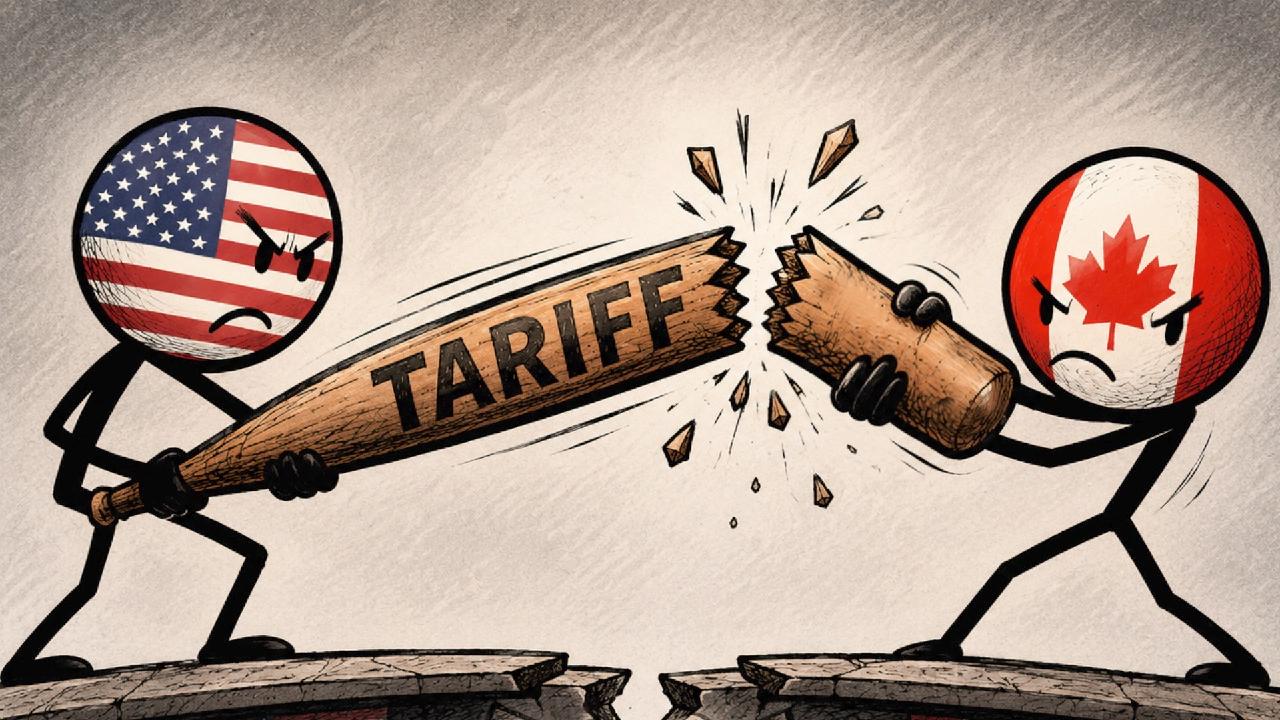
Canada and the United States face the risk of a full-scale trade war after talks broke down. Prime Minister Mark Carney is standing firm, seeking to reduce Canada’s dependence on the US market, strengthen ties elsewhere and rally other middle powers against economic coercion, but the cost of pushing back may be high.

Politico said Thursday that the Trump administration was evaluating another broad tariff package for semiconductors, citing accounts from eight people familiar with the deliberations.
China has opposed a US plan under consideration to add a 7.5% tariff on imports from China, calling it unilateralism and protectionism. Commerce Ministry spokesperson Huang Ling said Washington’s Section 301 investigations into 16 economies over alleged “overcapacity” politicize trade and economic issues. China will assess further US steps and reserves the right to take necessary measures.
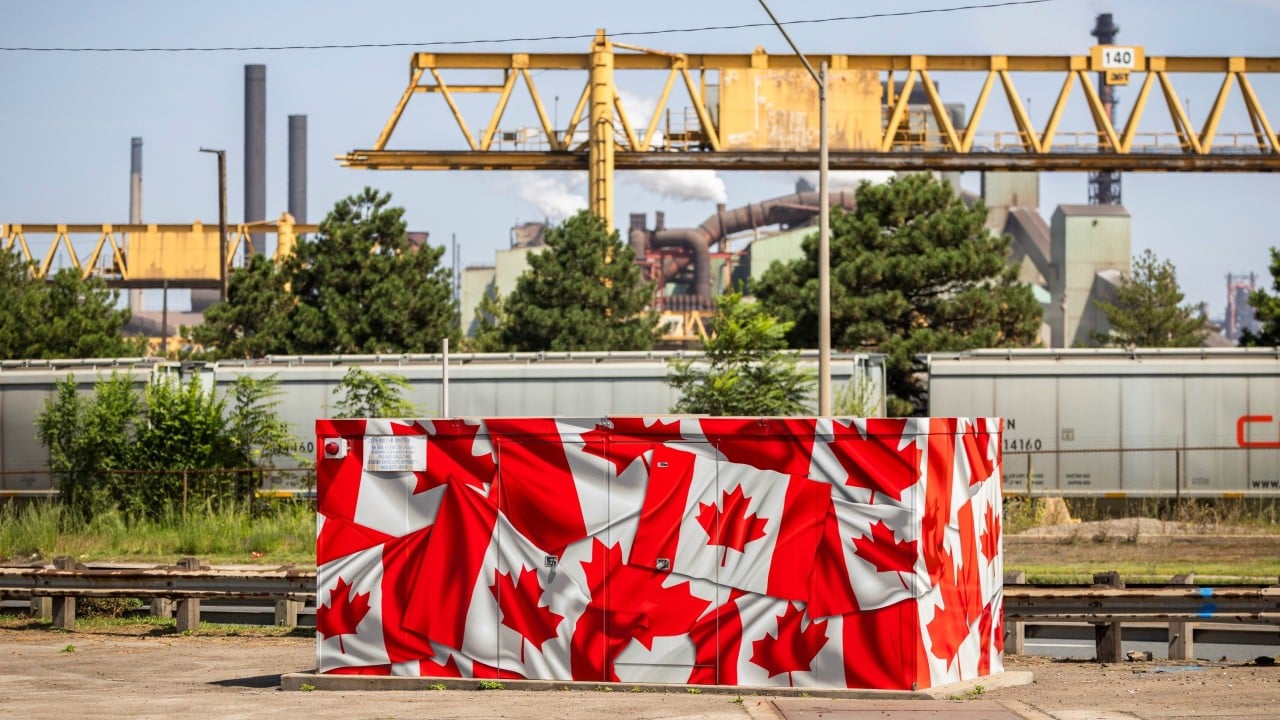
Ningxia has begun piloting China’s batch-based inspection and quarantine model for agricultural food exports. Zhongwei Customs cleared the first broccoli shipment to Malaysia. The system shifts oversight from export lots to production lots, allowing later shipments to be released directly when no risks are found and reducing clearance time and costs.
Canada said Wednesday that fish and seafood would be left off the counter-tariff list for U.S. imports, a day after announcing duties on roughly $20 billion in American products.
Canada took fish and seafood off its counter-tariff list a day after announcing import duties on US goods, saying the change followed feedback.
Canada’s counter-tariffs are putting key US states under pressure ahead of the midterm elections. Canada’s former chief negotiator sees a rocky road ahead.
Chinese smart pet products, including AI-enabled feeders and health-monitoring devices, attracted international buyers at the 28th Pet Fair Asia in Shanghai. The event featured more than 2,600 exhibitors, while pet-product exports continued to grow, with Ningbo Customs recording 22.4 billion yuan in declarations during the first half, up 21.7% year on year.

The 2026 China International Fruit Expo opened Wednesday in Shanghai, bringing together nearly 300 exhibitors from more than 60 countries and regions. Representatives from major exporters including Chile and Australia expressed confidence in China’s market. An expo report said Chinese fruit consumption is moving beyond basic needs toward emotional and social experiences as incomes rise and wellness trends grow.
The 17th Dongguan Taiwan Famous Products Fair, scheduled for Sept. 3–6, will for the first time include all 22 counties and cities from China's Taiwan Province. Organized around industrial chains, the event will cover semiconductors, AI and new energy, with project signings, supply-chain matchmaking and participation by more than 150 major buyers.
China supplied 21.9% of the EU’s goods imports in the second quarter of 2026, remaining the bloc’s largest source, Eurostat said. EU imports from China totaled 153.6 billion euros, up 7.9% year on year, while exports to China rose 2.8% to 50.3 billion euros. The United States was the EU’s largest export market.
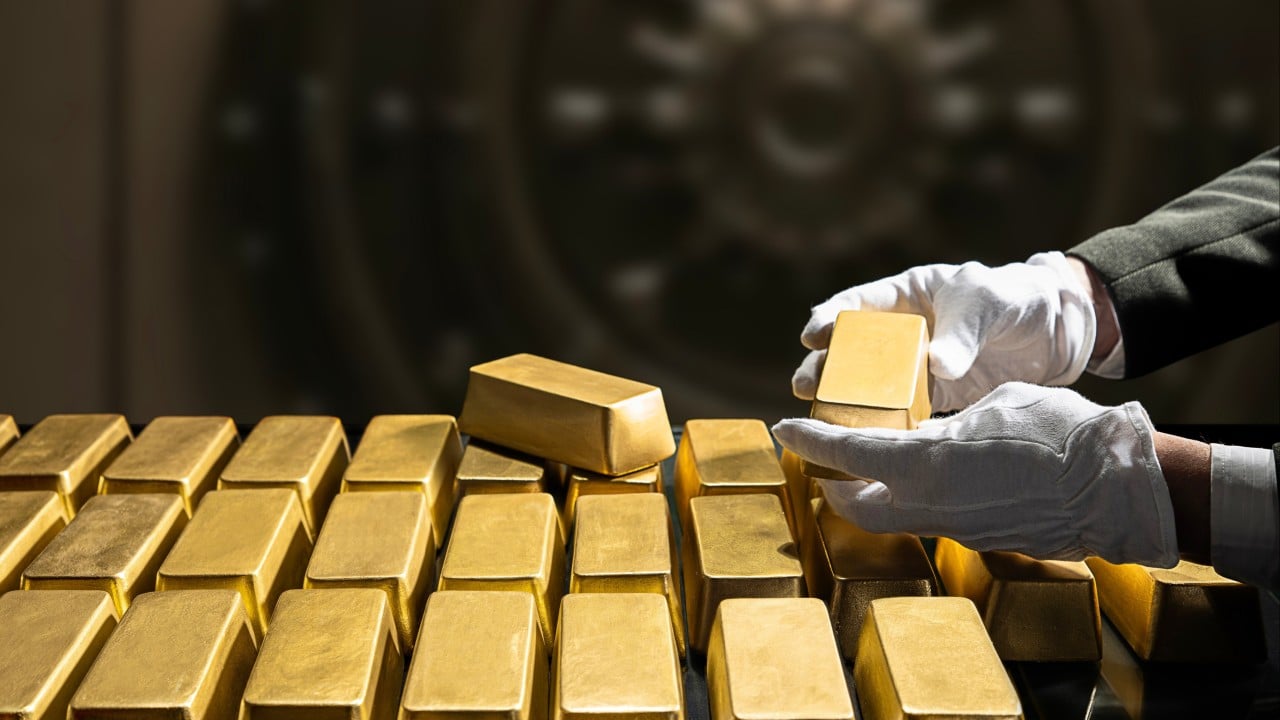
Gold entering Hong Kong declined to about 107 tonnes in July, even as mainland corporate buyers invested heavily in new bullion vaults. Non-monetary gold imports dropped around 18% from June, when banks built inventories ahead of the July 7 trial launch of the city’s gold clearing and settlement system, pushing imports to a decade high.

The German Finance Ministry estimates that Russian assets frozen or immobilized in the country under EU sanctions total about €3.51 billion. The figure includes assets of listed individuals and entities and confirmed Russian Central Bank assets subject to a transaction ban, and may vary by valuation method.

A US Treasury license permits imports of specified Russian-origin diamonds until September 1, 2027, under conditions concerning their location outside Russia and export history. Diamonds weighing at least one carat must not have been exported or reexported from Russia since March 1, 2024; the threshold is 0.5 carats for diamonds covered by the September 1, 2024 cutoff.
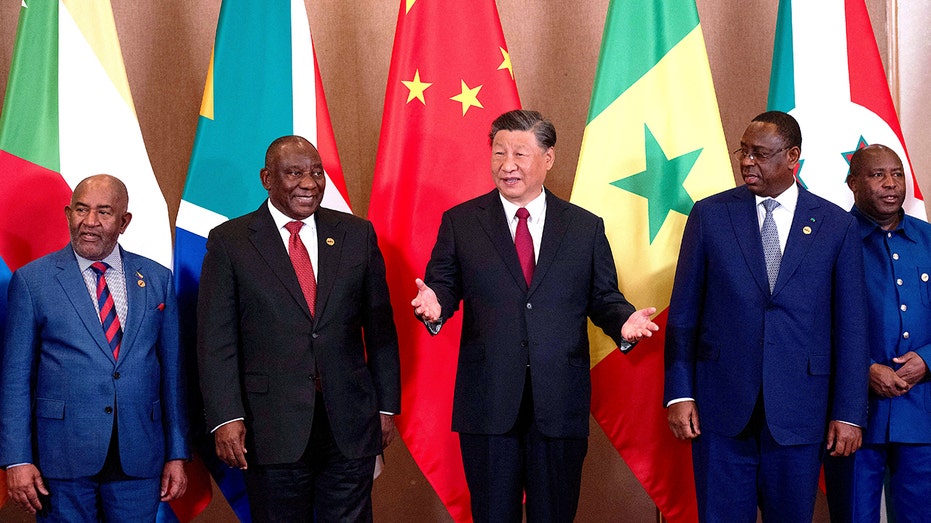
Saskatchewan Premier Scott Moe said Wednesday that the province would impose a 50% tariff on American alcohol in response to the deepening trade war between Canada and the United States.
Saskatchewan, a western Canadian province, will impose a 50% tax on alcoholic beverages from the United States in retaliation for new American tariffs on Canadian beer, wine and liquor.
President Donald Trump signed an order easing tariffs on some ground beef imports in an effort to reduce costs for consumers. The move has angered ranchers and Republicans in rural states ahead of the November midterm elections.
Industry groups representing aluminum producers in the US and Canada say the two countries should stop imposing tariffs on each other’s metal and instead form a united front against Chinese competition.
The trade war is returning to Canada’s supermarkets as a Canadian grocer restores labels that helped consumers boycott US products.
President Donald Trump said Wednesday that he signed a proclamation temporarily increasing the amount of imported lean beef trimmings. The White House said the measure addresses beef prices that have risen to an “unreasonably” high level.
Iran’s ambassador to Turkmenistan, Ali Mojtaba Rouzbehani, described US sanctions on Iran as “economic terrorism.” He said Tehran is responding through economic diplomacy, transport and transit cooperation, and closer ties with regional organizations. Washington has announced plans to tighten sanctions further and has already blacklisted companies, individuals and oil tankers.
Iranian Foreign Minister Abbas Araghchi sent a letter to the UN secretary-general and Security Council members outlining Tehran’s position on US sanctions. He stressed what Iran calls the UN’s and governments’ legal and moral duty to condemn the US administration’s “illegal and criminal actions.” Iran’s Foreign Ministry has described the sanctions as “economic terrorism” and a crime against humanity.

Iranian officials say domestic capacity can keep the economy afloat despite new US sanctions, while warning that the coming year will be difficult. Tehran is stockpiling essentials, foreign currency and gold and seeking greater food self-sufficiency, as oil exports have nearly stopped and inflation, falling purchasing power, energy rationing and currency depreciation intensify pressure.
After US-Canada trade talks broke down Friday, the US imposed 50% tariffs on a broad range of Canadian goods under the previously unused Section 338 of the 1930 Tariff Act. US Trade Representative Jamieson Greer sought to reassure markets Monday, arguing the measure covers only a small share of imports and an even smaller share of consumption, so it could not meaningfully affect US well-being.

Donald Trump expected Canada to yield to US tariff demands, but failed talks led Ottawa to impose retaliatory tariffs on about $20bn of American goods. Trump called Canada “difficult and unreasonable”, threatened to rename Lake Ontario “Lake America” and insulted Canadian officials, while the dispute pushed up US consumer prices.
As recently as last week, automakers hoped summer U.S.-Canada trade talks would ease Washington’s 25% tariffs, which have increased the cost of shipping vehicles and parts across the border. Instead, the tariffs doubled.

The trade war between Canada and the United States is intensifying. After new 50% US tariffs on Canadian products took effect Saturday, Canada announced retaliatory tariffs of 15% to 50% on roughly $20 billion in American goods. The tit-for-tat has also spread from commerce into cultural and linguistic issues.
U.S. President Donald Trump said on Wednesday that it was time to teach Canada it could not continue acting this way, days after trade talks between the neighboring countries broke down.
US inflation stayed above the Federal Reserve’s 2 percent target for a 65th consecutive month. The PCE price index rose 3.7 percent year on year in July, exceeding expectations and strengthening bets on a rate hike as soon as September. Energy costs surged after the US and Israel attacked Iran, while new tariffs after failed Canada talks could add pressure.

Annual U.S. inflation unexpectedly held steady in July, staying well above the Federal Reserve’s 2% target for a 65th consecutive month. The halt in its decline from a recent Iran-war-driven peak is likely to intensify the central bank’s tense debate over raising rates or holding them steady.

Core prices in the personal consumption expenditures price index rose 3.3% over the year in July. Economists surveyed by Dow Jones had expected the index to increase 0.1% month over month and 3.6% over 12 months.
A closely watched Federal Reserve inflation measure was unchanged last month, the latest indication that many Americans continue to struggle with higher costs amid the Iran conflict and ongoing US trade disputes.
In a letter to the CFTC, Hyperliquid Policy Center trade[XYZ] called for rules covering perpetual contracts tied to energy markets.
![Hyperliquid Policy Center, trade[XYZ] urges CFTC to create path for US oil perpetuals](https://www.tbstat.com/wp/uploads/2020/06/20200630_CFTC-Daily-1200x675.jpg)
A complete ban on trade with Iran could destabilize the global economy, The New York Times reported. Experts said sanctions were unlikely to succeed without cooperation from China and India, Tehran’s key trading partners. Washington has threatened secondary sanctions against countries that refuse to comply with tighter measures.

The article argues that a new round of US sanctions on Iran would deepen the country’s economic and livelihood difficulties while transmitting disruption through energy, trade, finance and supply chains. It says pressure could shift risks and costs onto US allies, developing countries and global energy markets, with regional economies forced to adjust ties with Iran.
CNN analysis says Scott Bessent’s “Operation Economic Outcast” threatens damaging new sanctions against countries that refuse to stop doing business with Iran, but leaves unnamed the one country that could determine whether the effort succeeds: China.

The United States has announced a new round of economic sanctions against Iran and warned countries and entities trading with Tehran that they could also be punished. The explainer says secondary sanctions expose such partners to US penalties, with Washington relying mainly on access to its market and financial system to enforce the pressure campaign.
Up to 70 vessels are waiting near the Danube’s Sulina Canal to reach Ukrainian ports and load grain for export, Reuters reported. With access to several Ukrainian Black Sea ports restricted, traffic has shifted to lower-capacity Danube facilities. Weather-related closures planned for at least two days could worsen delays; only five to seven vessels are currently passing daily, at a cost of about $8,000 per day for each delayed vessel.
European shares were broadly unchanged on Wednesday as investors awaited Nvidia’s earnings report. Oil prices fell as hopes grew that the Strait of Hormuz could reopen soon.
Wall Street is eagerly awaiting Nvidia’s earnings on Wednesday afternoon. Investors are focused less on the chipmaker’s figures than on what they may signal about AI investors and the broader market.
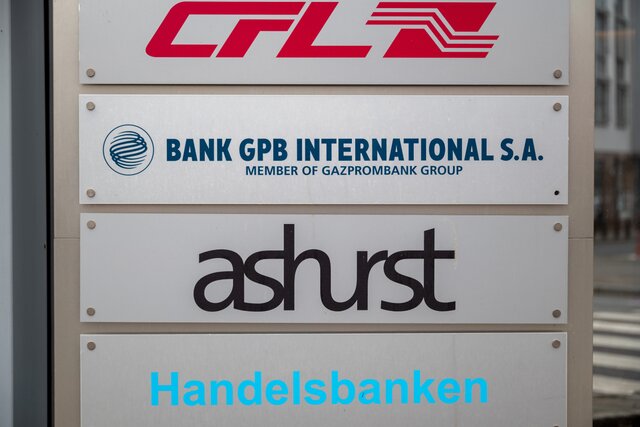
The Financial Times reports that four senior managers at Gazprombank’s Luxembourg branch may have earned more than €9 million through over 50 coordinated trades. They reportedly borrowed at least €17 million from the bank, bought heavily discounted Gazprom bonds in Europe, and exchanged them in Russia for full-value ruble bonds. An EU official said the scheme sounded like sanctions circumvention requiring a criminal investigation. Gazprombank and Dmitry Derkach deny wrongdoing.
Sentiment among Germany’s exporters improved sharply to its strongest level since February 2022, the Ifo Institute said. Government-backed investment and greater use of artificial intelligence helped lift expectations.
Canada matches Donald Trump’s tariffs as the trade war between Canada and the United States escalates.

Canada imposed retaliatory tariffs on roughly $20 billion in US goods, including steel, dairy products, appliances and farm equipment. The sharp escalation threatens one of the world’s largest trading relationships and further strains ties between the longtime allies, while a prolonged dispute could increase costs for US businesses and consumers.

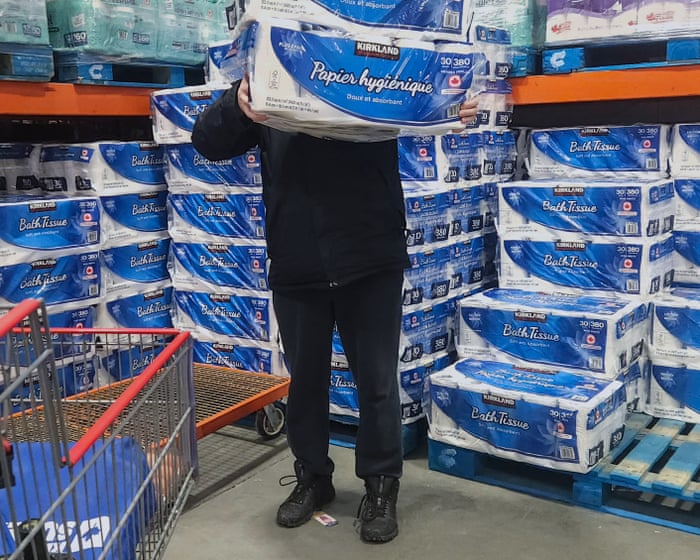
The breakdown of US-Canada trade talks has brought a wider tariff conflict, with Canada planning 25% to 50% duties on nearly 900 US goods from 8 September, including toilet-paper and tissue stock. Because US paper products rely heavily on Canadian raw materials, the measures could raise consumer prices. The dispute also covers liquor, dairy, seafood, cars and auto parts.
Canada is moving to match tariff measures imposed by Donald Trump.

Trade talks between the United States and Canada have collapsed, prompting Ottawa to impose dollar-for-dollar retaliatory tariffs on about US$20 billion in US imports from September 8. The dispute has intensified after Washington imposed comparable tariffs on Canadian goods, with both sides warning of broader economic costs and further escalation.
Canada retaliates with tariffs on the US as Trump considers imposing additional levies.
The Iranian rial has fallen past 2 million to the dollar on the free market, a new all-time low, as sanctions and the US-Israel war deepen economic hardship. In Tehran, tomatoes, chicken and cooking oil have risen by 71%, 74% and 177%, while insulin prices have surged 642%.

Trade talks between Canada and the US collapsed after Prime Minister Mark Carney ended negotiations, triggering another round of tariffs. The dispute, reportedly worsened by JD Vance’s private remarks, illustrates the Trump administration’s use of American power—and the ability of pressured counterparts to retaliate.

While sharing advice on finding good towels and affordable alternatives to high-end clothes, Bryce Gruber recently turned to the US-Canada trade war. She warned her social-media followers that some of their favorite makeup products are about to become more expensive.
After US-Canada trade talks collapsed last week, Washington announced 50% tariffs on hundreds of products. Canada vowed to retaliate dollar for dollar, while the White House threatened further escalation. The article argues that one of the world’s closest trading relationships is nearing a costly breakdown for no intelligible reason. The cause of the failed talks is disputed; Prime Minister Mark Carney said the US made unacceptable demands.
Six months into the U.S.-Iran war, Qatar is among the conflict’s biggest economic casualties. Data shows its liquefied natural gas exports have fallen 96%, while U.S. sales rise and European stocks plunge.
The Minutes Reader extension turns the original page into a focused reading view and translates articles and video subtitles on demand. It is in limited beta.