Kia and South Korean union reach tentative wage deal, Yonhap says
Kia Corp and its South Korean labor union reached a tentative wage agreement on Tuesday, Yonhap reported, averting partial strikes that had been scheduled to start Wednesday.
Trump is waging war against his own economy.
U.S. consumer confidence dropped in August to its lowest level in seven months, with households taking a more negative view of the labor market and inflation outlook, according to a survey released Tuesday.
Russia is capable of retaining its position as the world’s fourth-largest economy by GDP at purchasing power parity, according to Anton Sviridenko of the Stolypin Institute of Growth Economics. He attributed the standing to Russia’s resilience and slower growth elsewhere, while saying Moscow needs to revive investment and broaden access to capital.
Canada will impose retaliatory tariffs on more than 700 products made in the US in response to a new round of import taxes from the White House.

Canada has announced counter-tariffs of up to 50% on nearly C$28bn of US goods, including steel, furniture, fresh tuna and cosmetics. The measures are due to begin on 8 September. Ottawa called the response “proportionate” and “strategic” and pledged C$7.5bn in support for affected businesses and workers.

Canada has announced retaliatory tariffs on about $20 billion worth of U.S. goods. Canadian trade negotiators left the United States last week after failing to secure a deal that would have prevented President Donald Trump’s new tariffs from taking effect.

Canada announced retaliatory tariffs on C$27.6 billion ($19.94 billion) in US goods, including steel and dairy, matching the punitive duties imposed by President Donald Trump on Canadian products. Ottawa also unveiled C$7.5 billion in aid for affected Canadian businesses and workers as tensions escalated.

As its trade war with the United States intensifies, Canada is retaliating against tariffs imposed on its goods in recent days by placing tariffs on US products. Ottawa has also announced a multibillion-dollar aid package for workers and urged Canadians to buy local to support domestic industries.

Canadian ministers set out a series of countermeasures after the Trump administration imposed new tariffs on Canadian goods, deepening the trade war between Canada and the United States.
Canada announces tariffs of up to 50% on more than 700 US goods, with the highest import taxes targeting steel and aluminum.
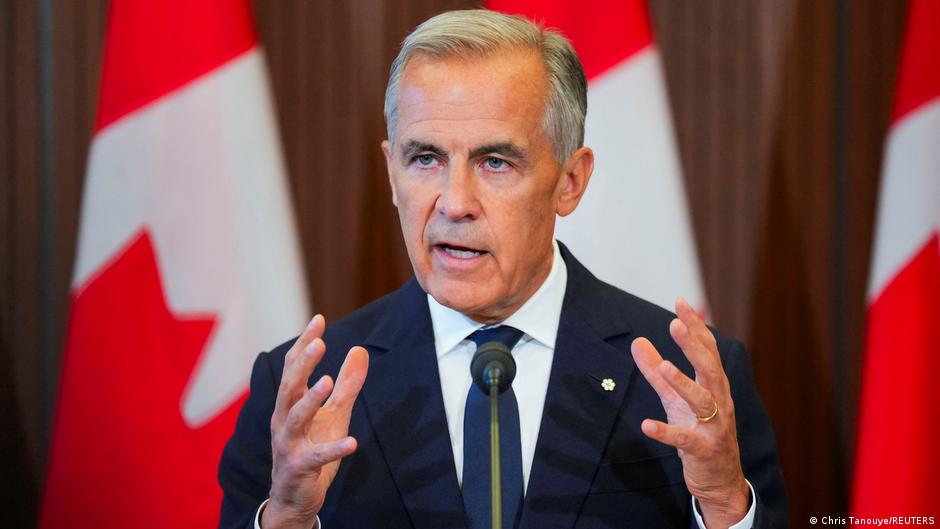
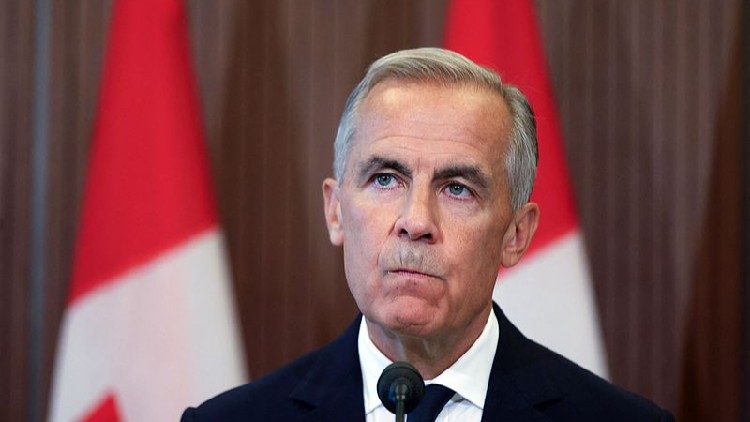
Prime Minister Mark Carney announced 50% tariffs on US furniture and steel, matching President Donald Trump’s new weekend duties dollar for dollar. He also backed support programs for Canadian businesses hurt by the escalating trade war.
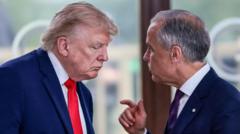
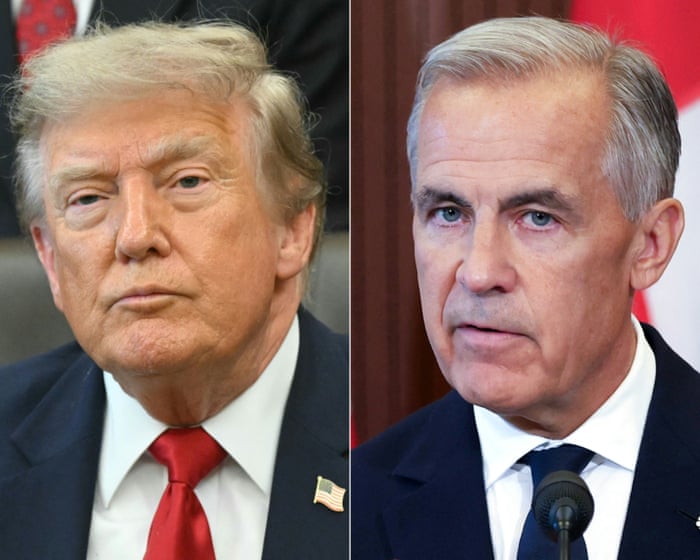
Canada is expected to announce retaliatory tariffs against the United States on Tuesday, after relations between U.S. President Donald Trump and Canadian Prime Minister Mark Carney deteriorated.
Canada announced retaliatory tariffs on $19.94 billion worth of US goods, matching Washington’s newly imposed duties dollar for dollar. It also unveiled financial support for Canadian businesses and workers affected by the escalating trade war.

The trade war between the United States and Canada is intensifying. The neighboring countries have been among the world’s closest allies and trading partners for decades, but using tariffs to settle disputes is putting even their strong economic relationship under serious strain.

As the United States intensifies its trade war with Canada, Ottawa is preparing a response. New tariffs threaten the car industry and many other products, prompting Canada’s finance, labour and industry departments to announce countermeasures aimed at protecting workers whose jobs could be at risk.
Canada’s minister responsible for U.S. trade, Dominic LeBlanc, said the government could announce retaliatory tariffs on the United States on Tuesday. His remarks followed President Donald Trump’s threat the previous day to raise U.S. tariffs on all Canadian cars and trucks to 50%.

Canada is expected to unveil retaliatory tariffs on US goods after trade talks collapsed and 50% US tariffs on Canadian products took effect. Prime Minister Mark Carney rejected what he called a “bad deal,” while President Donald Trump threatened a 50% tariff on Canadian automobiles, parts and steel from January 1, 2027.
The United States’ removal of Syria from its “state sponsors of terrorism” list clears one of the last major obstacles to reconnecting the country with global finance, analysts say. The move could reduce banks’ legal risks and encourage investment, assistance and reconstruction, although Syria’s economy remains weak and nearly 90 percent of its population lives below the poverty line.


Syrian President Ahmed al-Sharaa welcomed Washington’s removal of Syria from the decades-old US list of state sponsors of terrorism. The decision lifts severe economic restrictions and is intended to encourage investment, reconstruction and Syria’s reintegration into the global economy, while the Treasury said its counterterrorism stance remains unchanged.

Turkey welcomed the US decision to remove Syria from its list of state sponsors of terrorism. The move ends a decades-old designation that carried severe economic consequences for Damascus, alongside announced sanctions relief for Syria.
Boston Fed President Susan Collins said on Tuesday that the Federal Reserve would need to raise interest rates soon unless upcoming data show inflation continuing to decline. She said inflation remains too high and has become a pervasive concern for businesses and households.
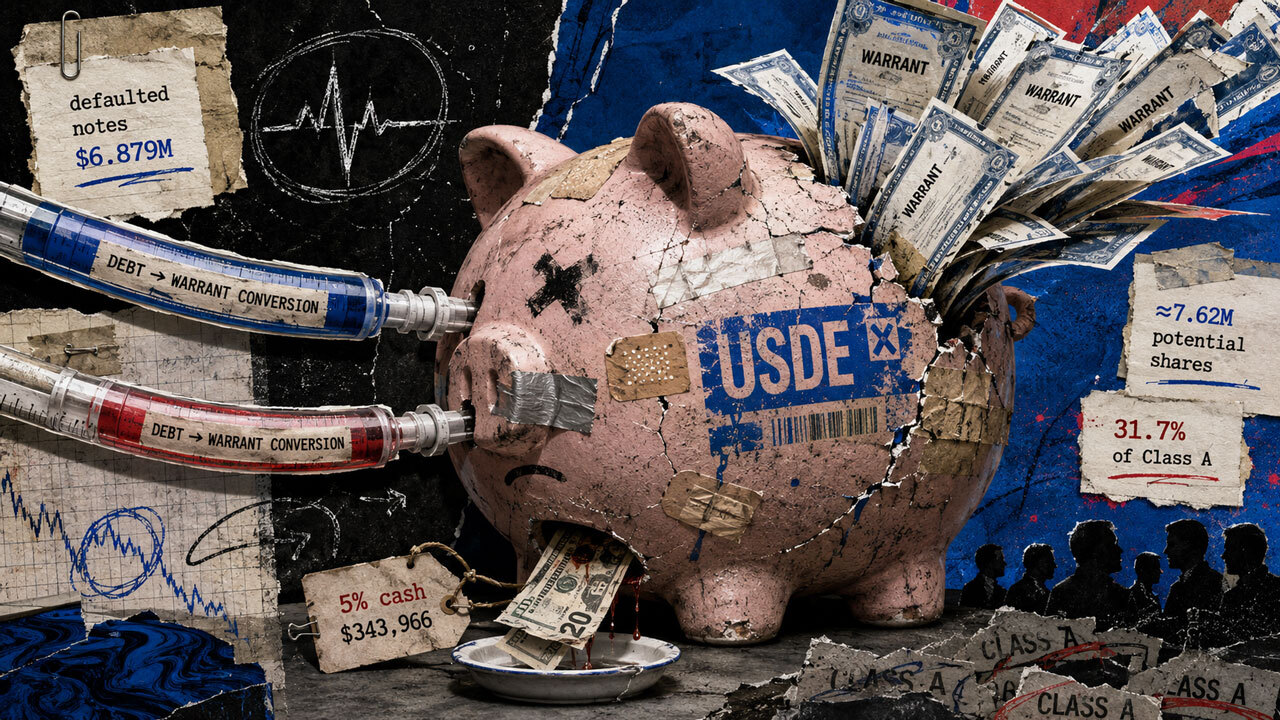
Nasdaq-listed StablecoinX is restructuring $6.879 million in defaulted former-SPAC notes with about $344,000 in cash and warrants representing roughly 7.62 million potential Class A shares. The arrangement moves about $6.535 million of near-term repayment pressure away from cash and into future equity, with dilution occurring only if the warrants are exercised.

The Central Bank said the average maximum annual rate on ruble deposits at Russia’s 10 largest deposit-taking banks reached 12.9% in the second ten-day period of August 2026, up from 12.89% in the first period and 12.85% in the third period of July.
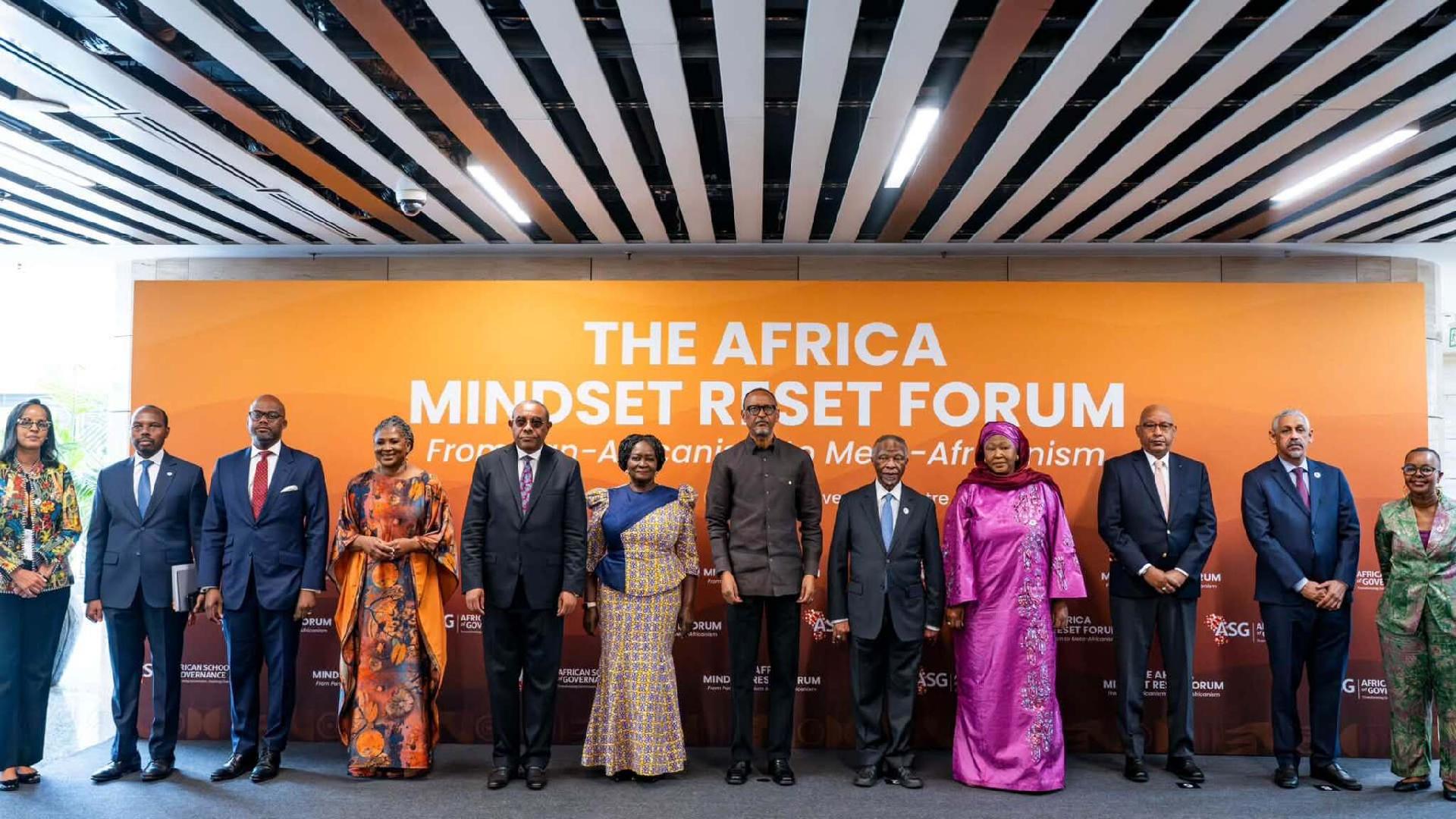
The inaugural Africa Mindset Reset Forum in Kigali is bringing together about 1,000 participants, most of them young and emerging leaders. Under the theme “From Pan-Africanism to Meta-Africanism,” discussions focus on turning continental unity into economic integration through AfCFTA, visa openness, open skies, cheaper air travel and freer movement of people.

IMF managing director Kristalina Georgieva expects investment in artificial intelligence to spread beyond the US and fuel global growth. She also forecasts that the world economy will withstand the energy crisis triggered by the war in Iran.
Eastern Economic Forum organizer Anton Kobyakov says the EEF has long moved beyond the shadow of the St. Petersburg International Economic Forum and is now ahead in the value of agreements. The September 1–4 forum in Vladivostok has recorded 380 major deals worth 6.5 trillion rubles.
Anton Kobyakov, an adviser to the Russian president and executive secretary of the Eastern Economic Forum’s organizing committee, said the forum has helped fuel rising interest in Russia across Asia amid major global economic changes. He said Asian economists are calling for full-fledged, mutually beneficial relations with Moscow, while new global trends have shifted toward Asia and the Pacific.
High mortgage rates pushed potential buyers to the sidelines, sending U.S. new single-family home sales sharply lower in July. Consumer confidence also fell to a seven-month low as concerns grew over the job market and inflation outlook.
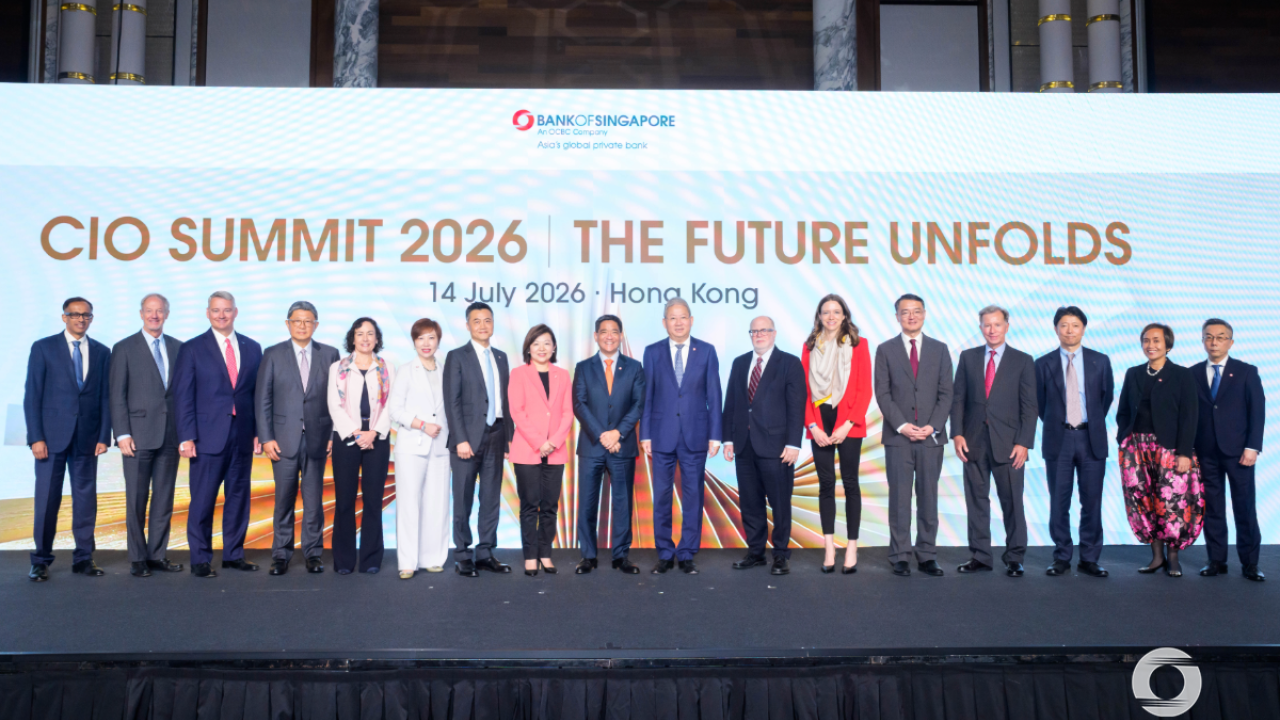
Bank of Singapore’s 2026 CIO Summit in Hong Kong examines how geopolitical fragmentation, technological disruption, demographic change and shifting global economic relationships are challenging the investment assumptions of recent decades and prompting investors to reassess the landscape.

Rising deficits and debt-servicing costs no longer appear capable of restoring fiscal prudence in the US.
The Bank of Russia set the official dollar rate at 84.4635 rubles for August 26, up 1 ruble and 17.57 kopecks from the previous figure. The euro rate rose to 98.5182 rubles and the yuan rate to 12.5659 rubles.
Mateusz Kara, founder and CEO of Morphic Financial Group, writes that many in Poland may remember 2026 as the year European crypto finally came of age, while one of the country’s brightest economic ambitions faded away.

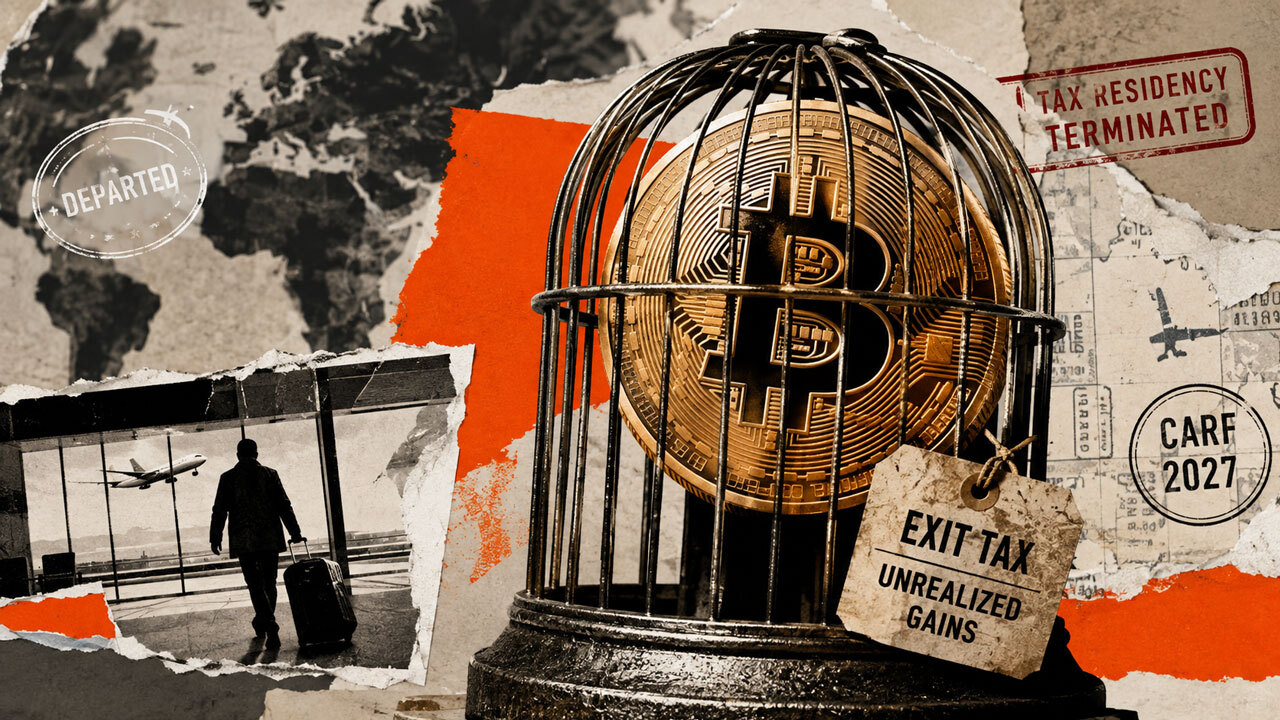
In Canada, Australia and some other countries, ending tax residency can be treated as disposing of unsold Bitcoin at its market value that day, triggering tax on unrealized gains. As CARF expands cross-border reporting, relocation timing is becoming a key planning issue for holders anticipating higher prices.

Wall Street futures recovered on Tuesday as technology stocks rebounded ahead of Nvidia’s results and an inflation report that could shape expectations for interest rates.
Stablecoins are expected to boost demand for the short-term debt that the Treasury is increasingly relying on. They will be the central theme of this year’s Jackson Hole symposium, which could further formalise an emerging accord between the Fed and Treasury.
While millions of Americans are struggling with high prices and weak hiring, new research indicates that the finances of younger generations are showing surprising resilience.
The Bank of Russia bought 5.9 billion rubles ($69.92 million) of yuan on the domestic market, with settlement on August 24, 2026. Purchases settled on August 21 totaled 5.8 billion rubles ($68.74 million). The operations use the yuan-ruble instrument on the Moscow Exchange’s foreign-exchange section.
The United States is widening sanctions on Iran’s financial networks, targeting crypto, gold, aviation and shipping while warning foreign entities that help move Iranian funds. Analysts say the pressure could worsen inflation and expand informal markets without changing Tehran’s behavior.


Iranian officials are keeping up their tough rhetoric toward the United States after Washington announced a fresh package of sanctions. Tehran has promised countermeasures as the country continues to suffer from already high inflation.

The US is seeking to cut Iran off from the global economy. Treasury Secretary Scott Bessent announced a new sanctions wave, dubbed “Operation Economic Outcast”, covering nearly 60 entities, people and vessels and extending secondary sanctions to shipping, gold, aviation, technology and digital assets. Official figures show Iran exported about $56bn to at least 112 countries and territories in 2024 and imported $68.5bn from at least 87, with trade increasingly oriented towards Asian and regional partners.
Taku Ueno, who buys American beef, Spanish olive oil and Italian tomatoes for his supermarkets south of Tokyo, has seen those imports become costlier almost by the day as the yen falls relentlessly. The pressure is prompting Japanese companies to seek new ways to hedge against a prolonged period of yen weakness.
German business sentiment improved more than expected in August, according to an Ifo survey, adding to indications that Europe’s largest economy is moving toward a long-awaited recovery.
Germany’s economy grew 0.3% in the second quarter of 2026 from the previous quarter, edging above last month’s preliminary 0.2% reading as exports improved.
A NielsenIQ report says county-level markets have become a key engine of China’s retail expansion, with sales approaching 20 trillion yuan. They account for 43% of national FMCG sales and 67% of durable-goods sales. Premium categories rose 16% and omnichannel sales increased 12.5% year on year, while nine government agencies introduced 18 measures to boost county consumption.
Bessent’s proposed “D-Day” measures are viewed as more about signaling than taking concrete action.
US Treasury Secretary Scott Bessent is threatening a campaign against Iran that he labels an “economic D-Day”; the pressure could leave America confronting China, its main trading partner.
Iranian Economy Minister Seyed Ali Madanizadeh says the government anticipated tougher US sanctions, prepared measures to counter them and is ready for new restrictions. He says a two-year economic plan addresses the relevant challenges, while acknowledging that the war has affected industry, particularly metallurgical plants.
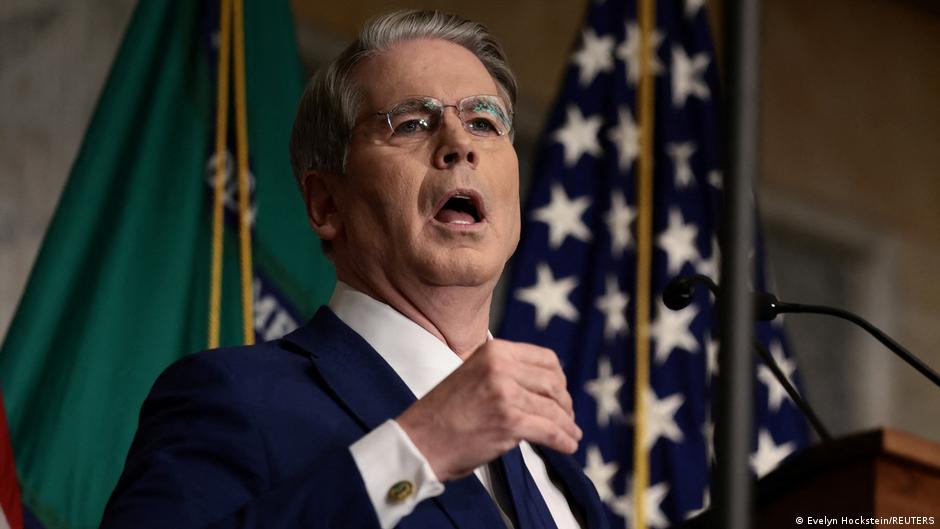
The US says it will target every source of Iran’s revenue, including oil. Treasury Secretary Scott Bessent described the campaign as an “unprecedented” economic war and warned countries that keep trading with Tehran of severe consequences.
Treasury Secretary Scott Bessent announced what he called an “unprecedented” campaign to cut Iran off from the global economy. The Trump administration is seeking to choke the country’s economy and bring an end to the nearly six-month-old war.

Treasury Secretary Scott Bessent announced a US economic pressure campaign aimed at cutting off Iran’s revenue sources, including oil, and isolating Tehran. The new sanctions will target digital assets, technology, gold, aviation and shipping, while countries and companies trading with Iran could face secondary penalties.
U.S. Treasury Secretary Scott Bessent says he will unveil severe economic and financial measures against Iran. Tehran has faced near-continuous sanctions since the 1979 Islamic Revolution and vows to retaliate.
The 10th China International Elderly Care and Health Industry Expo ended in Guangzhou with intended cooperation deals exceeding 760 million yuan ($106 million). The three-day event brought together 433 companies from 17 countries and regions, drew 91,000 visitors and showcased technologies including elderly-care AI, rehabilitation devices and smart mobility aids.
Treasury Secretary Scott Bessent offered no further indication Monday that the US could revamp its debt management, after a report said the department might use part of its cash holdings to fund buybacks of older, higher-yielding securities.
Treasury Secretary Scott Bessent’s promised deficit-reduction plan, expected in the coming days, is set to confront a stark obstacle: there is no indication that the Republican-controlled Congress will deliver any net budget cuts this year.
The US Treasury’s larger buyback programme for long-maturity bonds is bolstering bets that gold will benefit from currency debasement. With the Federal Reserve’s Jackson Hole meeting approaching, gold reached a three-month high of US$4,698 an ounce on Tuesday after gaining 5.1 per cent the previous week following Scott Bessent’s announcement of the repurchases.

Canada has several economic levers in the escalating tariff dispute with the United States, including planned dollar-for-dollar duties, energy exports, potash and critical minerals. Prime Minister Mark Carney says Canada supplies most US natural gas and electricity imports and about 60% of its crude oil imports. Ontario Premier Doug Ford says Trump underestimates Canada and that an energy surcharge remains possible.
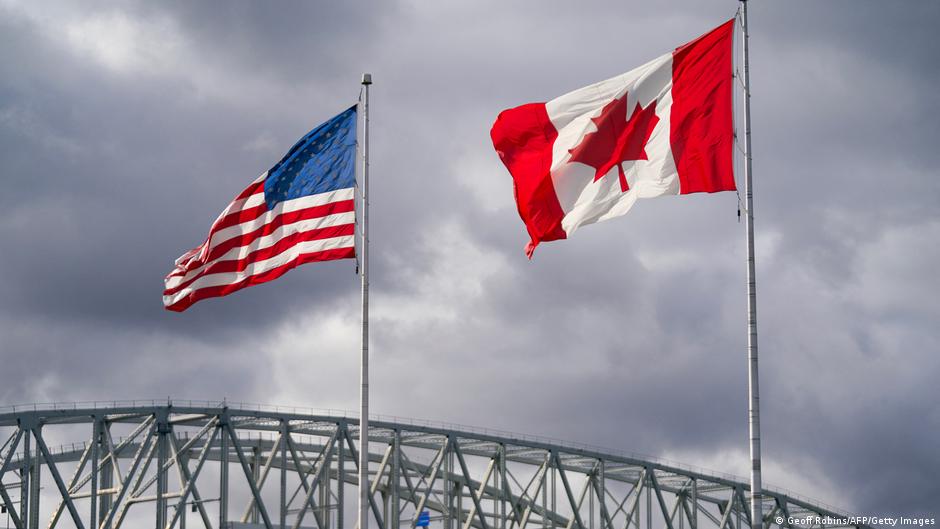
Canadian Prime Minister Mark Carney said his government is continuing to consider ways to retaliate against new tariffs imposed by US President Donald Trump on Canadian goods. He added that Canada remains willing to continue trade talks if the US takes the “right attitude.”
Canada’s currency plunged against the US dollar and bonds rallied after trade talks between the two countries collapsed, as the widening rift threatened the outlook for economic growth.

The US-Canada trade war shows no sign of easing. Canadian negotiators left talks in Washington after Prime Minister Mark Carney accused the Trump administration of making disproportionate last-minute demands. The US is imposing 50% tariffs on $20 billion of Canadian goods, while Canada’s retaliatory tariffs on US products are due to begin in early September, posing serious risks to both economies.
U.S. President Donald Trump threatened additional tariffs on dozens of Canadian imports after Prime Minister Mark Carney pledged retaliation, as trade negotiations between Washington and Ottawa faltered.
The United States and Canada are moving toward a deeper trade war after last-ditch efforts to reach a deal collapsed Friday. Americans could begin seeing higher prices for goods in three areas.

Businesses on both sides of the border are bracing for losses after US-Canada trade talks collapsed and both governments pledged 50% tariffs on each other’s goods. Calgary jeweller Cindy Baldassi expects most of her US sales to disappear, while furniture, clothing and retail companies warn that higher costs could cancel orders and overwhelm small businesses.
Bond traders have increased measures of credit risk tied to Broadcom as the chipmaker backs massive financing packages for artificial-intelligence infrastructure construction.
Citadel Securities says the Treasury Department’s bond-buyback efforts to restrain long-term borrowing costs amount to “financial repression,” risking a weaker dollar and higher inflation.
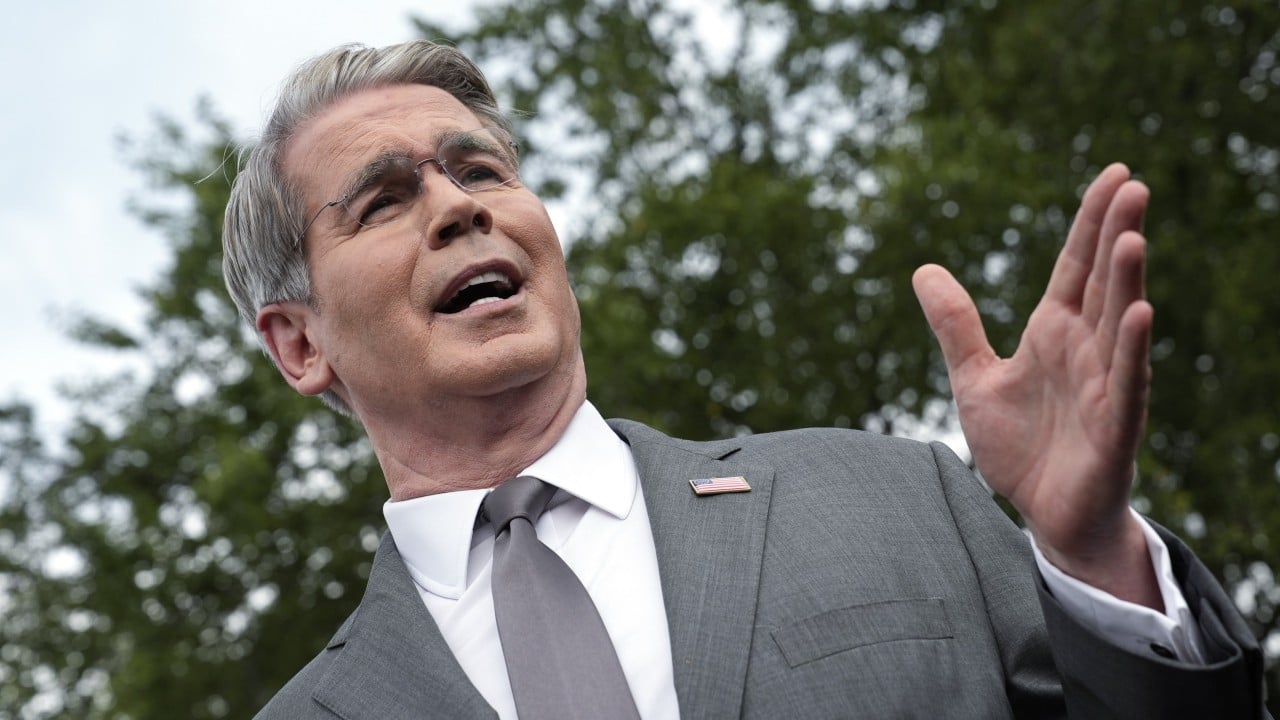
Treasury Secretary Scott Bessent said Monday that the U.S. Treasury will maintain its regular debt auction schedule, including for long-dated bonds, even as it increases buyback sizes for 10- to 30-year securities.
Tunisia’s cash holdings climbed about 16% over the past year to a record 30 billion dinars ($10.5 billion), according to central bank data released Monday. Greater reliance on physical currency is putting pressure on banks’ liquidity.
Freight between Russia and China on the Russian Railways network rose 6% year on year to a record 114 million metric tons in January-July 2026, the company said. Container traffic grew 12.5% to 2.1 million TEUs, while shipments of oil, fertilizers, and vehicles and components also increased.
Indian Foreign Minister Subrahmanyam Jaishankar said Russia-India cooperation remains adaptable, flexible and strong, with bilateral trade reaching $60 billion in 2025 and substantial room for further growth. He cited cooperation in railways, space, fertilizers, energy and engineering, while saying the two sides are working to address trade imbalances and target $100 billion by 2030.
Indian Foreign Minister Subrahmanyam Jaishankar told Russian President Vladimir Putin at the Kremlin that economic cooperation between Russia and India had grown significantly, including in nuclear energy and fertilizers. Jaishankar is visiting Russia on August 23-24 at the invitation of First Deputy Prime Minister Denis Manturov.
Trade between Russia and India grew 8% in the first half of the year, Russian First Deputy Prime Minister Denis Manturov said. Both exports and imports gained momentum, while the two countries are broadening trade in agricultural goods, machinery, metals and other products. Negotiations on a free trade agreement between the Eurasian Economic Union and India are advancing.
Russian President Vladimir Putin said trade between Russia and India, which fell slightly last year, has grown this year. During a Kremlin meeting with Indian Foreign Minister Subrahmanyam Jaishankar, Putin said the visit reflected the strength of ties built over decades, with cooperation spanning virtually all areas and involving governments, parliaments and businesses.
Household funds held in Russian banks grew by 0.3%, or 0.2 trillion rubles, in July, the Bank of Russia said. The regulator linked the moderate increase to stronger consumer activity and persistently high demand for cash. Year on year, household funds rose 9.5% to 68.4 trillion rubles ($815.74 billion).
Russia’s banking sector recorded a 18% month-on-month increase in net profit in July, reaching 443 billion rubles ($5.28 billion), the Bank of Russia said. Core profit rose 28% as provisions for problem assets fell, while corporate-sector expenses dropped 77%. The regulator forecasts 2026 banking profits of 3.4–3.9 trillion rubles.
The Bank of Russia set the official dollar exchange rate for August 25, 2026 at 83.2878 rubles, up 36.67 kopecks from the previous rate. The euro rate rose 57.83 kopecks to 97.4384 rubles, while the yuan rate increased 5.1 kopecks to 12.3853 rubles.
Japan is considering tax breaks on gains from selling non-core businesses, according to two people familiar with the matter. The move could accelerate long-delayed corporate restructuring and encourage industry consolidation.
New trade tensions following Trump’s moves on Canada and Iran could reverberate through to US prices.
China has begun accepting applications for an 800 billion yuan ($119 billion) policy-based financing tool intended for local government projects and to support slowing economic growth. A securities firm said delays in its subsequent rollout could curb its impact this year.
Mexico’s 12-month inflation rate accelerated in early August, according to data released Monday by national statistics agency INEGI, while core inflation remained persistent.
Finance ministers from six European Union countries want the 27-member bloc to discuss in September a mechanism for taxing oil companies’ windfall profits arising from Iran’s blockade of the Strait of Hormuz, according to a letter released on Monday.
Yields on 30-year US bonds rose above 5% last week, a level not seen since before the Great Financial Crisis. Treasury purchases briefly pushed yields lower, but they climbed again the next day. At the same time, US national debt surpassed $40 trillion.
Iranian Foreign Ministry spokesman Esmail Baghaei compared the country’s current foreign policy to playing chess and poker simultaneously, saying Tehran must pursue long-term strategies while also taking high-risk policies. He described Iran as having recently begun playing a mixed game.

Iran has threatened retaliation against any country cooperating with new US sanctions, which Washington says will target states and entities trading with Tehran. Iran warned Gulf neighbours that joining the campaign could halt oil exports through the Persian Gulf and Strait of Hormuz. The credibility of US threats toward India, China and Russia will be a key test.
Iranian Foreign Ministry spokesman Esmail Baghaei warned that countries participating in the US naval blockade of Iran or supporting other US actions deemed illegal would face serious repercussions. He called the blockade an act of aggression. The United States resumed it on July 14 and has repositioned 70 vessels, while announcing plans for a “financial offensive” against Tehran.
European Central Bank policymaker Piero Cipollone said the Strait of Hormuz crisis is unlikely to cause economic stagnation alongside a sharp rise in inflation, describing that risk as rather remote in an interview published Monday by Italian website ilsussidiario.net.
Fewer than two dozen vessels crossed the Strait of Hormuz over the weekend amid US and Iranian actions restricting traffic through the waterway, Reuters reported, citing Kpler. Preliminary figures showed 13 crossings on August 22 and four on August 23, though the count may change because some vessels had their transponders switched off.
Artificial intelligence is beginning to transform China’s job market, with workers worried about being replaced. State-backed policies support the shift, though some economists believe they could weaken the economy’s overall strength.
Federal Reserve Chair Kevin Warsh’s first speech at this week’s Jackson Hole conference has taken on greater significance. Traders and analysts want guidance on the recent rise in bond yields and reassurance that he is independent of the Trump administration.
Russia’s Finance Ministry has submitted measures to support RWB Group, the company formed by Wildberries and Russ, and sellers whose goods were destroyed in Ukrainian drone attacks. The package includes tax deferrals, a suspension of tax and insurance-payment audits through year’s end, and longer debt-collection deadlines for businesses whose losses exceed 5% of annual income.
Singapore’s key consumer price gauge increased 2.0% in July from a year earlier, official data showed on Monday, coming in below expectations.
At least 145 countries have reported higher petrol prices since the United States and Israel began their war on Iran on February 28. GlobalPetrolPrices data show Myanmar had the largest increase, at 56%, while the US average for regular petrol rose 39%, from $2.94 to $4.09 per gallon. Higher oil costs are also feeding into food, transport and everyday products.

The dollar hovered near multi-month lows on Monday as markets remained unsettled by the U.S. Treasury’s pledge to buy back more long-dated bonds. Traders were also waiting for details of sanctions on Iran and policy speeches expected this week in the United States and Japan.
A major private bank says wealthy investors should prepare for elevated volatility for years, as uncertainty over artificial intelligence and geopolitical risks is likely to persist. Asset prices have endured repeated roller-coaster swings in recent years, with volatility reflecting structural changes in markets over decades.

Russian Deputy Prime Minister Yury Trutnev said energy-sector diversification will be a key topic at the Eastern Economic Forum in Vladivostok on September 1-4, alongside production modernization, unmanned systems and new investment projects. Business dialogues with representatives from China, India, the UAE, Mongolia, Vietnam and ASEAN are also planned.
Economists said on Monday that Britain’s economic productivity is beginning to improve consistently, raising the possibility that a prolonged downturn which started around the 2008 financial crisis and appeared to deepen after the COVID-19 pandemic may be ending.
A piece explores the sheer scale of $40 trillion.
Tata Sons chairman N Chandrasekaran resigned on 12 August after an alleged deadlock over his reappointment and differences with the Tata Trusts board. Finding a successor will be difficult as the conglomerate manages heavy investment and losses in new ventures including semiconductors, e-commerce and aviation, while investors face prolonged uncertainty over its future strategy.

American economist Barry Eichengreen discusses why today’s talk of “de-dollarisation” differs from earlier episodes and how close the world may be to a reshuffling of the international monetary system.

The Trump family is joining a rush to launch new banks as the government creates them at its fastest pace in nearly 20 years.
US President Donald Trump imposed a 50 percent tariff on about $20bn of Canadian goods after trade talks collapsed. Canadian Prime Minister Mark Carney announced dollar-for-dollar retaliation from September 8. Experts say the trade war will raise business costs and consumer prices, increase unemployment and hit sectors such as alcohol, dairy and furniture particularly hard.

Bloomberg News Now highlights Canada’s response to US tariffs, Donald Trump’s stock disclosures and other leading global business stories in an audio report updated throughout the day.

The long-standing allies and economic partners have been drawn into an escalating trade war. Canadian Prime Minister Mark Carney suspended talks with Donald Trump and chose retaliation, saying the US demanded too much while offering too little. He must now convince Canadians that enduring economic pain to secure a better deal is worthwhile.

Trade talks between the US and Canada have collapsed into a trade war, with Washington imposing 50% tariffs on $20bn of Canadian goods. Prime Minister Mark Carney says Canada was ‘attacked’ and vows to match the measures dollar for dollar, while the escalation puts the future of the USMCA in doubt.

US and Canadian negotiators had been nearing a trade agreement earlier this week, but talks collapsed after both governments accused the other of making last-minute changes. Prime Minister Mark Carney announced retaliatory tariffs after Washington imposed a 50% levy on $20 billion worth of Canadian goods, and addressed Canadians on Saturday for the first time since the breakdown.

US President Donald Trump attacked Canada on Sunday, saying it wanted “the benefits of being a State, without being one.” His remarks followed Canadian Prime Minister Mark Carney’s announcement of retaliatory tariffs after describing the existing deal as a “bad deal.” Talks between the longtime allies broke down in Washington on Friday, signaling a widening rift.
The Atlantic says Donald Trump’s threats and pressure on Ottawa have failed to deliver results, leaving the US president behind in the trade conflict. Canadian Prime Minister Mark Carney said negotiations were suspended and Canada would impose retaliatory tariffs from September 8, while US tariffs of 50% on some Canadian goods took effect Saturday.

Canadian Prime Minister Mark Carney and provincial premiers have responded after US President Donald Trump imposed 50 percent tariffs on about $20bn of Canadian goods. British Columbia Premier David Eby said Trump cannot be trusted.

Prime Minister Mark Carney says Canada will impose dollar-for-dollar tariffs on US steel, dairy, appliances, agricultural equipment, pulp and paper, electronics and other goods from September 8. He said Washington’s conditions were uneconomic, unfair and undermined Canada’s sovereignty after trade talks broke down.

Canadian Prime Minister Mark Carney said Canada was “at war” in its trade dispute with the United States and would impose tariffs on U.S. steel, electronics and other imports from September 8. The measures are intended to match President Donald Trump’s new 50% tariffs dollar for dollar after negotiations between the two countries collapsed.
Iran’s government is preparing the public for another fuel-price increase as war and US pressure deepen economic strain. Food and other prices are already soaring, while past petrol hikes have sparked unrest, prompting authorities to proceed cautiously before an expected decision in the coming weeks.

European Central Bank President Christine Lagarde could become president of the World Economic Forum at some point in 2027, Swiss newspaper NZZ reported on Sunday.
Wars, falling tax revenues and the departure of top earners are intensifying Israel’s debt pressures. As the parliamentary election campaign emphasizes defeating regional opponents, few leading candidates are addressing the enormous cost of multiple conflicts. Defence spending and debt-servicing costs are rising faster than tax collection, while the IMF warns that the 2026 deficit ceiling is too high to put debt on a downward path.

The Washington Post reports that US public debt has surpassed $40 trillion and authorities may have to take measures that provoke public discontent. The country pays about $1 trillion a year in interest, while 30-year Treasury yields have exceeded 5.27%. Experts warn that raising taxes or cutting spending could hurt growth; without reforms, debt could reach $50 trillion in six years.
Tariff refunds gave US businesses an unexpected financial boost in their most recent quarter, while American consumers saw far less benefit.
Canada is set to impose counter-tariffs as its trade feud with the United States escalates.

Canadian Prime Minister Mark Carney says Canada will match new US tariffs “dollar for dollar” after trade talks with Washington broke down.

Canadian Prime Minister Mark Carney says Ottawa will begin imposing “dollar-for-dollar” tariffs on selected US imports on September 8, after Washington placed 50 percent duties on nearly $20bn of Canadian goods. Carney said talks collapsed when the US introduced last-minute terms that were unfair and uneconomic.
Trade talks between the US and Canada collapsed Friday, partly because negotiators reached a last-minute impasse over reducing US tariffs on Canadian medium- and heavy-duty vehicles, according to people familiar with the matter.

Canada will impose tariffs on several US products from September 8, Prime Minister Mark Carney said, pledging to match Washington’s new duties dollar for dollar. The move follows the United States imposing 50% tariffs on a broad range of Canadian goods after trade talks collapsed. Carney described the dispute as a trade “war.”
The United States plans to impose 50% tariffs on $20 billion worth of Canadian products early Saturday after last-ditch talks failed to ease the latest strain between the long-standing allies.

Canada and the United States are entering an escalating trade war after Prime Minister Mark Carney suspended talks with President Donald Trump and retaliated against new duties rather than accept a tentative agreement. Carney must persuade Canadians and less-affected provinces that the economic pain is worth risking in pursuit of a better deal.

After trade talks collapsed, the United States imposed 50% tariffs on $20bn worth of Canadian goods, sharply escalating tensions. Trade specialist Steven Okun says the blanket measures are unlikely to cripple Canada’s economy but will hit key sectors hard and deepen the dispute.
US-Canada trade talks collapsed at the last minute, as new 50% tariffs on billions of dollars in Canadian goods took effect. Prime Minister Mark Carney promised retaliation.
Wealth managers are turning to a broader mix of assets, including commodities and infrastructure, to help protect portfolios from inflation.
At an August 21 State Council Information Office press conference in the “Start of the 15th Five-Year Plan” series, “investing in people” emerged as a key phrase. China’s general public budget allocated 12.4 trillion yuan to education, social security, healthcare, housing and related areas, up 5.4% year on year. During the plan period, the Finance Ministry said it will expand imports, broaden opening-up platforms, deepen international economic cooperation and build a modern tariff system.
Japan’s fiscal 2027 budget requests are expected to exceed 130 trillion yen, driven by a record defense request of about 8.9 trillion yen. The plans include interceptor drones, AI for command-and-control systems and more long-range missiles with “counterstrike capabilities.” Social security spending is also set to rise. The scale could leave a roughly 50-trillion-yen gap, requiring new debt as higher bond yields raise debt-servicing costs.

The World Bank forecasts Lebanon’s economy will contract 6.4 percent in 2026 after the March escalation in conflict with Israel disrupted a brief post-crisis recovery. Damage to infrastructure, displacement, supply-chain disruptions, collapsed tourism and weaker demand are expected to push inflation to 17.5 percent.

This year’s Jackson Hole symposium is on course to be one of the most interesting in recent years.
TASS calculations show that Ukraine expected $49 billion in international financial support in 2026 but has received less than $13 billion from Western partners, leaving a shortfall of more than $36 billion. Kyiv acknowledges that domestic resources are exhausted, making fundraising increasingly difficult.
Billionaire Ray Dalio said investors should cut their bond holdings and place up to 15% of their money in gold to hedge against the risk of a US debt crisis, which he warns could arrive within three years.
US national debt has exceeded $40 trillion for the first time and continues to climb rapidly. Al Jazeera examines how the debt accumulated, who the United States owes, and why the milestone matters.

The Minutes Reader extension turns the original page into a focused reading view and translates articles and video subtitles on demand. It is in limited beta.