Gold hovers near three-month high on dollar weakness and Treasury buyback plans
Gold prices slipped Tuesday after reaching their highest level in more than three months, with dollar weakness and plans for Treasury bond buybacks in focus.

Gold prices slipped Tuesday after reaching their highest level in more than three months, with dollar weakness and plans for Treasury bond buybacks in focus.

Canada announced retaliatory tariffs on C$27.6 billion ($19.94 billion) in US goods, including steel and dairy, matching the punitive duties imposed by President Donald Trump on Canadian products. Ottawa also unveiled C$7.5 billion in aid for affected Canadian businesses and workers as tensions escalated.


As its trade war with the United States intensifies, Canada is retaliating against tariffs imposed on its goods in recent days by placing tariffs on US products. Ottawa has also announced a multibillion-dollar aid package for workers and urged Canadians to buy local to support domestic industries.

Canadian ministers set out a series of countermeasures after the Trump administration imposed new tariffs on Canadian goods, deepening the trade war between Canada and the United States.
Canada announces tariffs of up to 50% on more than 700 US goods, with the highest import taxes targeting steel and aluminum.
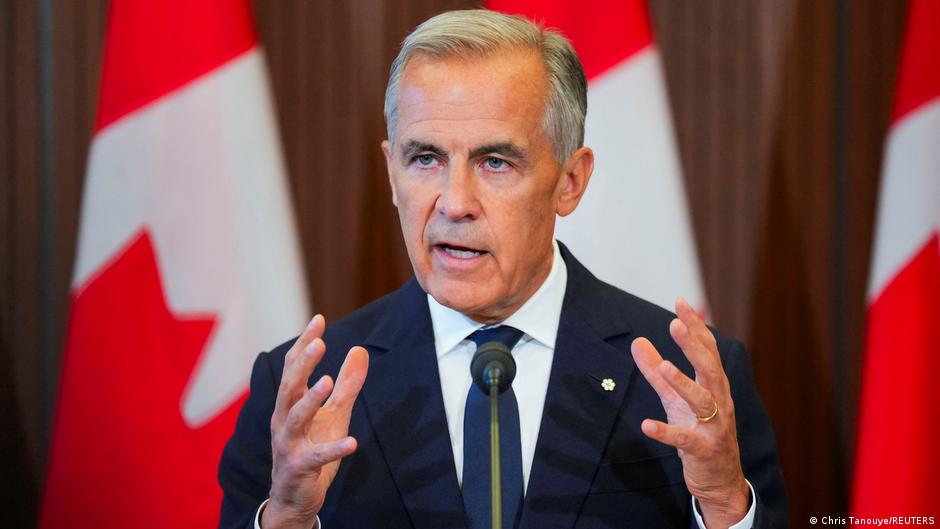
Prime Minister Mark Carney announced 50% tariffs on US furniture and steel, matching President Donald Trump’s new weekend duties dollar for dollar. He also backed support programs for Canadian businesses hurt by the escalating trade war.
Canada is expected to announce retaliatory tariffs against the United States on Tuesday, after relations between U.S. President Donald Trump and Canadian Prime Minister Mark Carney deteriorated.
Canada announced retaliatory tariffs on $19.94 billion worth of US goods, matching Washington’s newly imposed duties dollar for dollar. It also unveiled financial support for Canadian businesses and workers affected by the escalating trade war.

The trade war between the United States and Canada is intensifying. The neighboring countries have been among the world’s closest allies and trading partners for decades, but using tariffs to settle disputes is putting even their strong economic relationship under serious strain.

As the United States intensifies its trade war with Canada, Ottawa is preparing a response. New tariffs threaten the car industry and many other products, prompting Canada’s finance, labour and industry departments to announce countermeasures aimed at protecting workers whose jobs could be at risk.
Canada’s minister responsible for U.S. trade, Dominic LeBlanc, said the government could announce retaliatory tariffs on the United States on Tuesday. His remarks followed President Donald Trump’s threat the previous day to raise U.S. tariffs on all Canadian cars and trucks to 50%.

Canada is expected to unveil retaliatory tariffs on US goods after trade talks collapsed and 50% US tariffs on Canadian products took effect. Prime Minister Mark Carney rejected what he called a “bad deal,” while President Donald Trump threatened a 50% tariff on Canadian automobiles, parts and steel from January 1, 2027.
Zach Witkoff, CEO of Trump-linked World Liberty Financial, said concerns about conflicts of interest involving the Trump family are misplaced. He argued that the success of the company’s stablecoin has quieted accusations of Trump cronyism.

Galaxy is expanding retail crypto lending with a portfolio line of credit for eligible GalaxyOne clients. The facility allows them to borrow cash against BTC, ETH and SOL without selling their holdings.

The United States can pressure Chinese banks over Iran by leveraging their access to the U.S. financial system. Beijing is meanwhile developing alternatives, including the Cross-Border Interbank Payment System, or CIPS.

Bank of Singapore’s 2026 CIO Summit in Hong Kong examines how geopolitical fragmentation, technological disruption, demographic change and shifting global economic relationships are challenging the investment assumptions of recent decades and prompting investors to reassess the landscape.

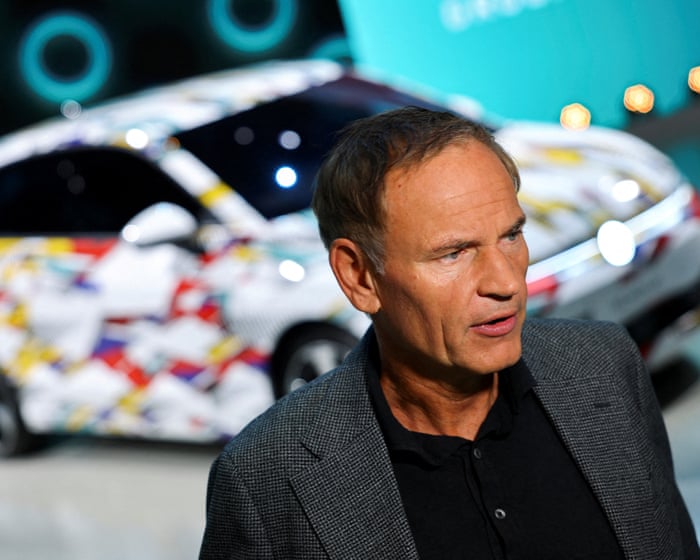
Volkswagen CEO Oliver Blume was booed and whistled at by workers in Wolfsburg after saying a sweeping reorganisation, potentially involving mass redundancies and plant closures, was essential to the carmaker’s future. He said management would rely as much as possible on voluntary measures, while describing closures as a last resort. Workers’ council chief Daniela Cavallo said trust in Blume had been damaged.


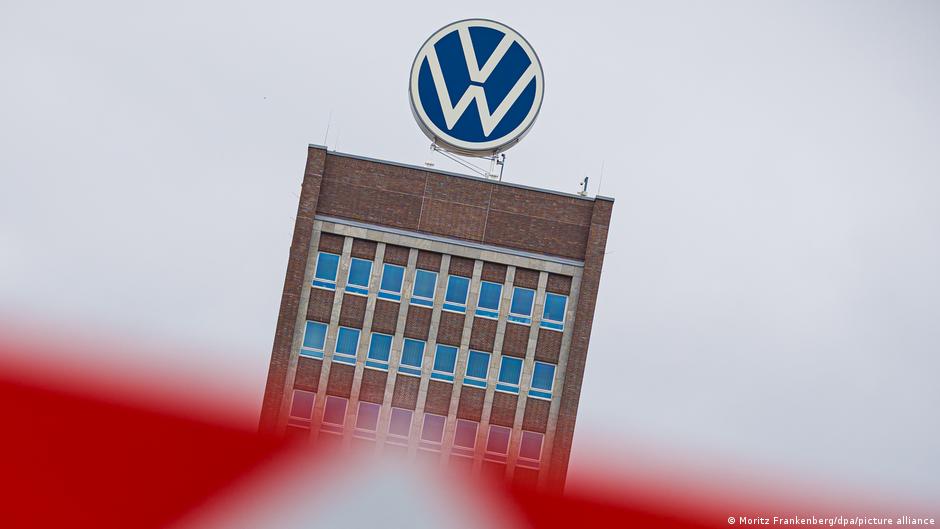
Volkswagen management is meeting angry workers this week over an unprecedented restructuring drive that could eliminate up to 100,000 jobs and put several German factories at risk. The company faces pressure from Chinese rivals, the shift to electric vehicles, high costs and overcapacity, while unions say communication of the plans has been “disastrous.” CEO Oliver Blume calls VW’s condition “more than critical.”
BNP Paribas has secured a licence for a regional headquarters in Saudi Arabia, according to state news agency SPA. France’s largest bank is joining other international companies expanding their presence in the kingdom.
Oil prices fell 3% as the United States shifted toward economic pressure on Iran, easing fears that war could resume. Investors largely shrugged off the latest developments in the U.S.-Iran war.

Kazakhstan’s Energy Minister Erlan Aqkenjenov said the Kondensat refinery will process Russian crude and return the resulting gasoline and diesel to Russia, while 30% of the fuel will remain in Kazakhstan. An unnamed Russian company owns half of the refinery. The arrangement comes as Russian regions face fuel shortages and rising prices after drone strikes hit oil refineries.
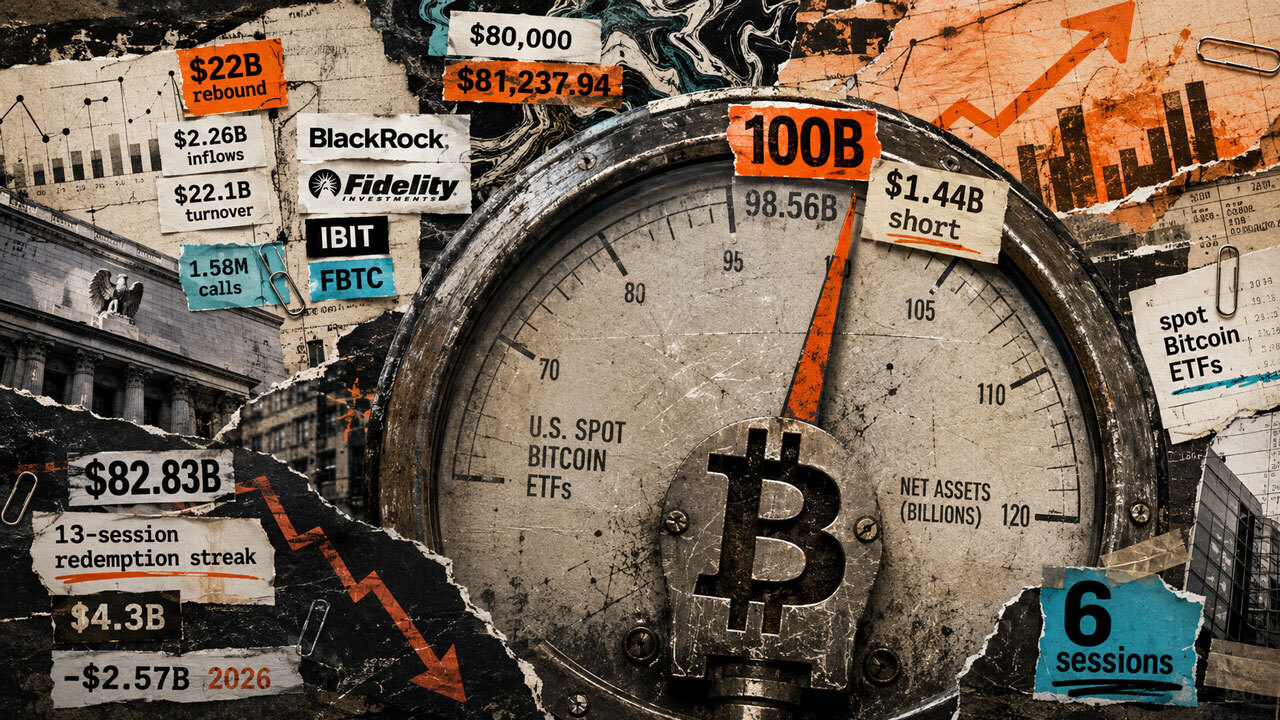
US spot Bitcoin ETFs recorded inflows for a sixth straight trading day on Monday, taking the streak to about $2.26 billion. As Bitcoin climbed above $80,000, total ETF assets reached $98.56 billion, about $1.44 billion short of $100 billion. BlackRock’s IBIT captured most of the new demand, while its call-option activity also hit records.

Rising deficits and debt-servicing costs no longer appear capable of restoring fiscal prudence in the US.
Concern about the scale and cost of U.S. government spending has revived the debasement trade, bringing renewed attention to crypto and gold.

The Bank of Russia set the official dollar rate at 84.4635 rubles for August 26, up 1 ruble and 17.57 kopecks from the previous figure. The euro rate rose to 98.5182 rubles and the yuan rate to 12.5659 rubles.
Brent crude futures for October 2026 delivery fell below $89 per barrel on London’s ICE for the first time since August 17, according to trading data. At 2:56 p.m. Moscow time, Brent was down 3.47% at $88.97. November Brent futures fell 4.72% to $87.60, while September WTI futures declined 3.54% to $82.
Tehran has made US compliance with the memorandum of understanding signed with Iran—especially provisions concerning management of the Strait of Hormuz—a key condition for resuming indirect talks with Washington, Tasnim reports. Pakistan is working to convey the position to the US. During his Tehran visit, Army Chief Asim Munir reportedly delivered no threats from Washington and instead sought to support renewed negotiations.

Atlantic Council Deputy Director and Resident Fellow Imran Bayoumi says the Trump administration is using sanctions to seek economic leverage over Iran after military force failed to produce results. The strategy depends on whether Washington can bring China, Iran’s biggest oil customer, into compliance, while Tehran has decades of sanctions experience and is again threatening regional escalation.
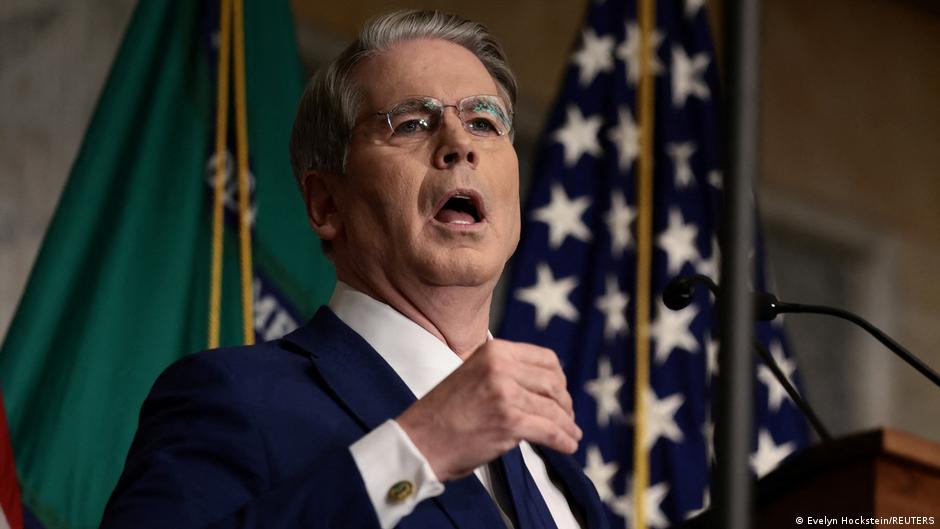
U.S. Treasury Secretary Scott Bessent announced on Monday what his department described as an economic onslaught against Iran, pairing fresh sanctions with threats aimed at Tehran’s trading partners.
Crypto ETF issuer Bitwise is moving further into onchain asset management by using Coinbase’s tokenized stocks to create and manage automated portfolios focused on artificial intelligence, robotics and technology.


Bitwise has launched automated tokenized stock portfolios, initially targeting themes such as the Mag 7, artificial intelligence and robotics. The portfolios are powered by Coinbase and implemented through Glider.
Dick’s Sporting Goods reported fiscal second-quarter earnings on Tuesday that fell short of Wall Street expectations, citing what it described as a “challenging” footwear market. The retailer’s stock dropped 25%.

Nvidia is seeking to broaden its customer base by offering new financing options that could help more clients afford its expensive systems.

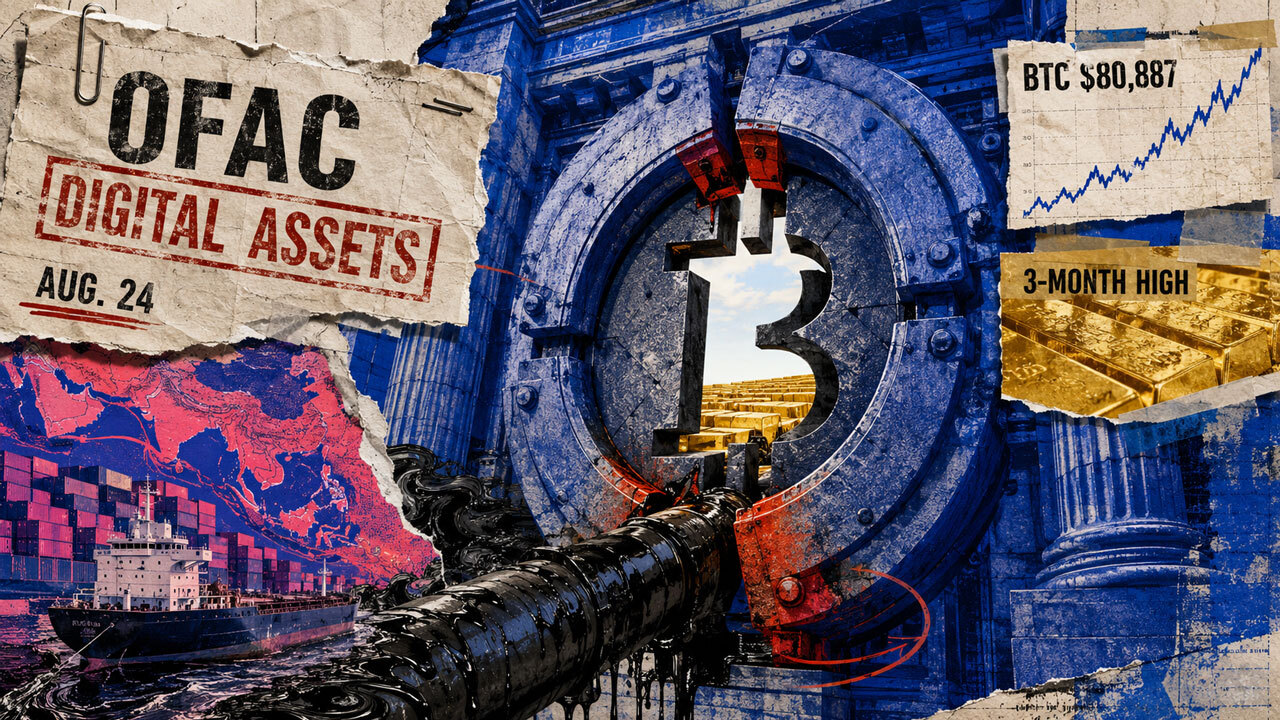
Treasury Secretary Scott Bessent announced “Operation Economic Outcast,” sanctioning nearly 60 people, entities and vessels while expanding US targeting authority across Iran’s digital-asset, technology, gold, aviation and shipping sectors. Washington also threatened to remove entities aiding Iranian money laundering from the dollar system, reviving debate over whether using dollar access as a weapon could boost demand for Bitcoin and gold.

Rosatom is discussing a second phase of the El Dabaa Nuclear Power Plant’s potential expansion with Egypt, including the construction of two additional units and the financial and economic model for units five and six. Nuclear fuel for the first unit is scheduled for delivery in 2027.
Crypto custody firm Copper has attracted potential buyers, but their offers are well below the $500 million asking price. Once valued at $2.5 billion, the company was marketed by investment bank Cantor Fitzgerald for about $500 million in May.

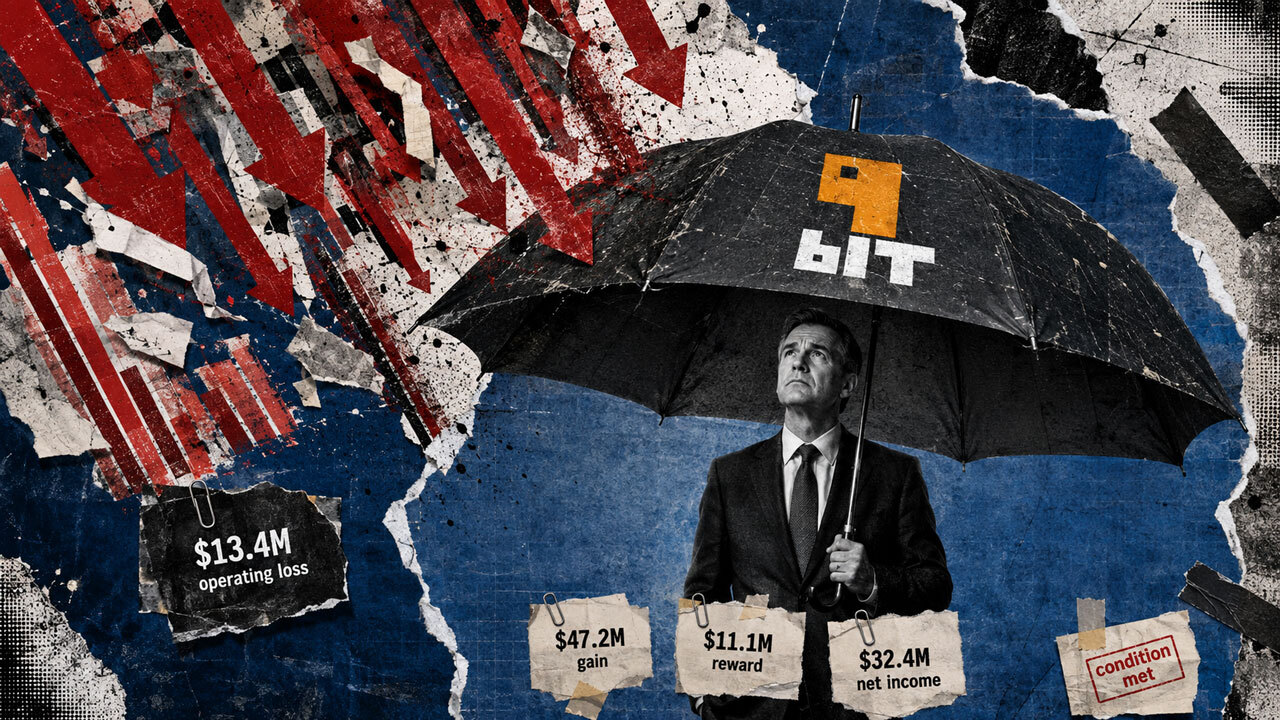
Nasdaq-listed The9 posted $32.4 million in second-quarter net income despite just $712,000 in revenue, no crypto-mining revenue and a $13.4 million operating loss. The result was driven by a $47.2 million fair-value gain on its 9BIT tokens and $11.1 million in crypto rewards, non-cash items that helped satisfy one condition in its management incentive plan.

India’s authorities are conducting a second antitrust investigation into global fragrance makers Givaudan, Firmenich and International Flavors & Fragrances, according to a regulatory document seen by Reuters.
United Airlines had planned to install lie-flat premium seats on its 737 Max 10 aircraft after certification. With that approval delayed for years, the airline must now decide how to handle the seats it ordered.

WuXi Biologics, one of China’s biggest contract drug developers, said profit attributable to shareholders rose 4.3 per cent to 2.44 billion yuan in the first half. Stronger demand and better capacity utilisation helped lift revenue by 18.4 per cent and improve margins.

Mateusz Kara, founder and CEO of Morphic Financial Group, writes that many in Poland may remember 2026 as the year European crypto finally came of age, while one of the country’s brightest economic ambitions faded away.

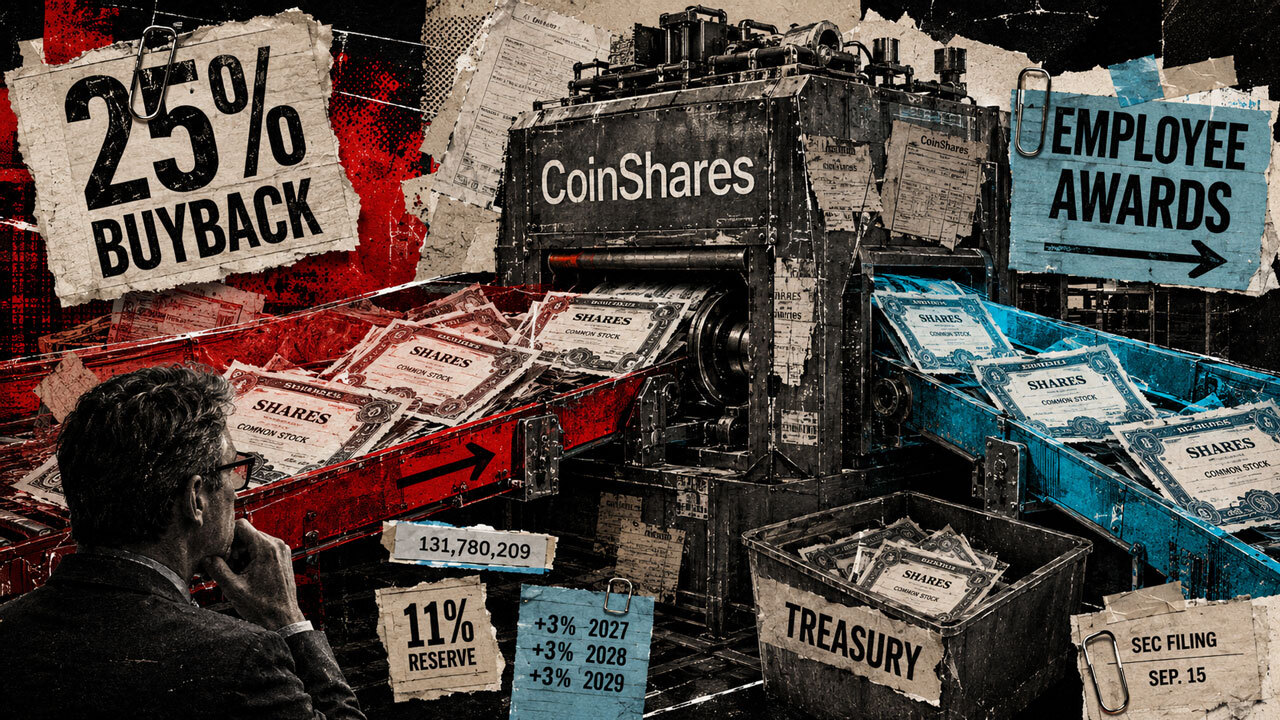
CoinShares is seeking authority to repurchase up to 25% of its issued ordinary shares, but the shares could be held in treasury and later resold, awarded to employees or cancelled. The proposal therefore does not guarantee a lasting reduction in the share count. Shareholders will vote on the buyback and related equity-plan resolutions at a virtual meeting on Sept. 15.

Nigeria has become Europe's largest jet fuel supplier over the past two months, with the Dangote refinery producing about 24 million liters a day and sending much of it abroad after supply disruptions linked to the Iran war and the closure of the Strait of Hormuz. At home, deregulated pricing and competition from larger international buyers are leaving airlines short of fuel, pushing them into debt, route cuts, higher fares, cancellations and delays.

As weight-loss medicines gain more users, H&M and other chain retailers are paring back extended-size apparel, narrowing the selection for customers who need larger fits.
Axis Bank, India’s third-largest private bank by assets, expects its credit growth to exceed the industry average by 300 basis points this fiscal year, Chief Executive said, citing strong corporate and retail demand.
Danish toy brand Lego said on Tuesday that sales jumped 21% in the first half, helped by soccer World Cup and Formula 1 sets that brought in new customers.
A wallet’s heavy purchase of a yield token pushed down the price of its paired principal token. The 3% move was enough to trigger liquidations among borrowers using that token as collateral, totaling $36 million.

Global spending through stablecoin-linked cards is projected to quadruple to $50 billion annually by 2028, according to stablecoin payments company RedotPay.
Grayscale launched the first ETF offering direct exposure to Zcash on Tuesday morning, as the privacy-focused cryptocurrency surged.

The SEC is reportedly seeking information from major Wall Street banks about trading and financing connected to AI-focused hedge fund Situational Awareness, which nearly collapsed.

Brent Kovar was convicted of operating a cryptocurrency Ponzi scheme that defrauded at least 400 investors of $24 million.

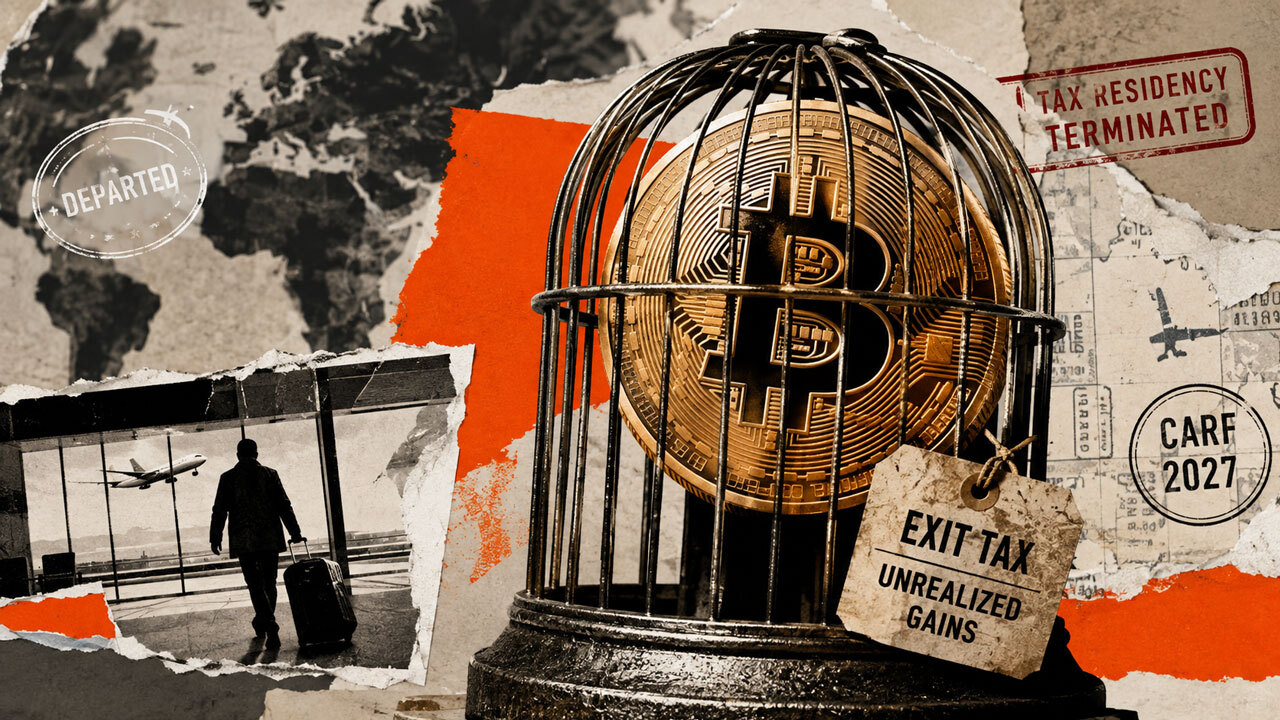
In Canada, Australia and some other countries, ending tax residency can be treated as disposing of unsold Bitcoin at its market value that day, triggering tax on unrealized gains. As CARF expands cross-border reporting, relocation timing is becoming a key planning issue for holders anticipating higher prices.

Wall Street futures recovered on Tuesday as technology stocks rebounded ahead of Nvidia’s results and an inflation report that could shape expectations for interest rates.
Stablecoins are expected to boost demand for the short-term debt that the Treasury is increasingly relying on. They will be the central theme of this year’s Jackson Hole symposium, which could further formalise an emerging accord between the Fed and Treasury.
Net gas injections into EU underground storage facilities reached their lowest August level in six years, according to TASS calculations based on Gas Infrastructure Europe data. Since early April, Europe has injected just 56% of the volume needed for winter. Storage facilities are 62.99% full, the lowest level for this date since records began in 2011.
Volkswagen’s labour representatives and major shareholder Lower Saxony have prepared alternative turnaround proposals that they intend to present at a supervisory board meeting next week, according to three people familiar with the matter.
Bitcoin’s rising price is approaching one key level that could indicate whether the bear market has genuinely ended.

While millions of Americans are struggling with high prices and weak hiring, new research indicates that the finances of younger generations are showing surprising resilience.
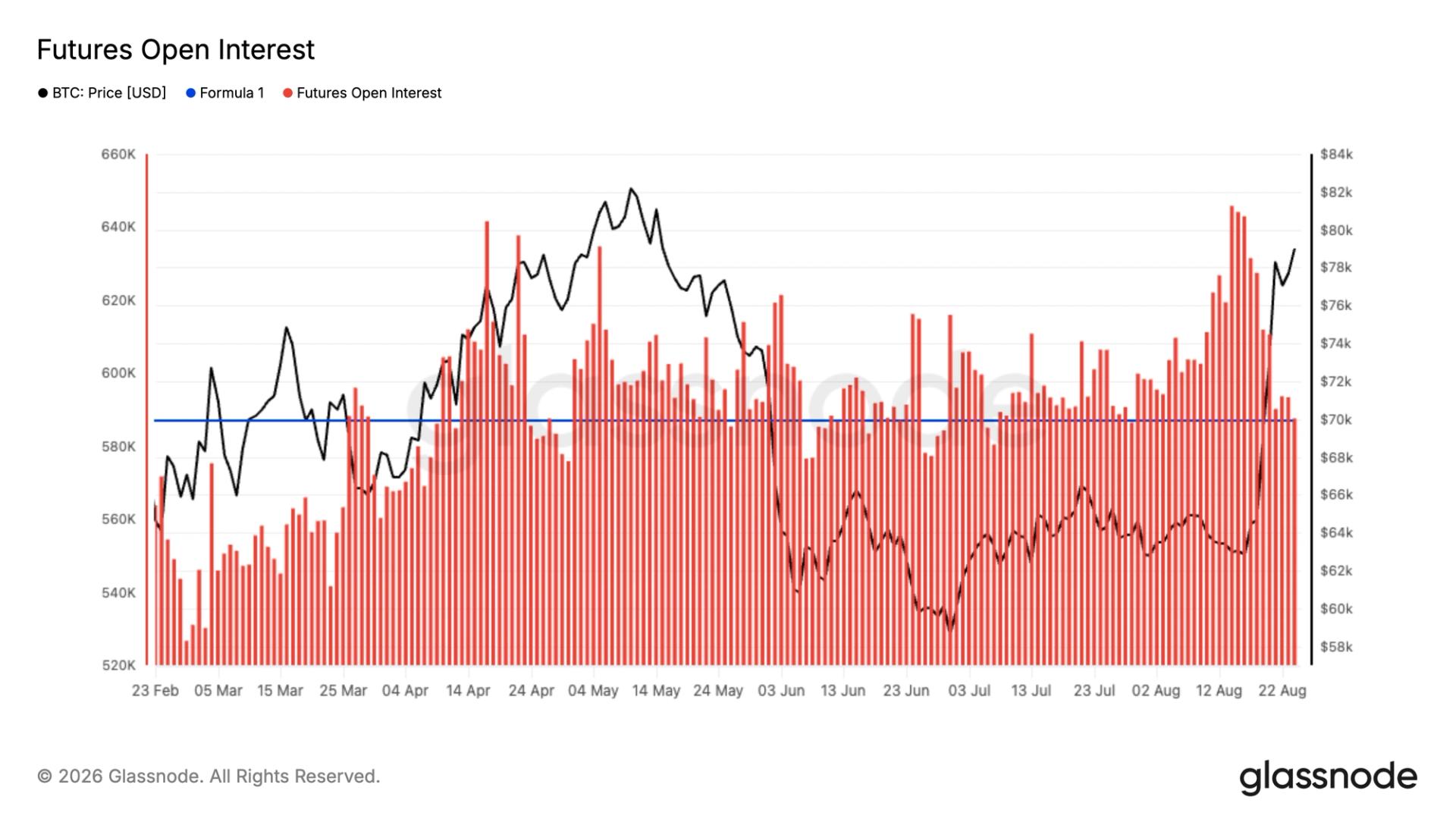
Bitcoin has seen an unusually large short squeeze as futures open interest plunges. Falling open interest and subdued funding rates suggest the rally remains structurally healthy.

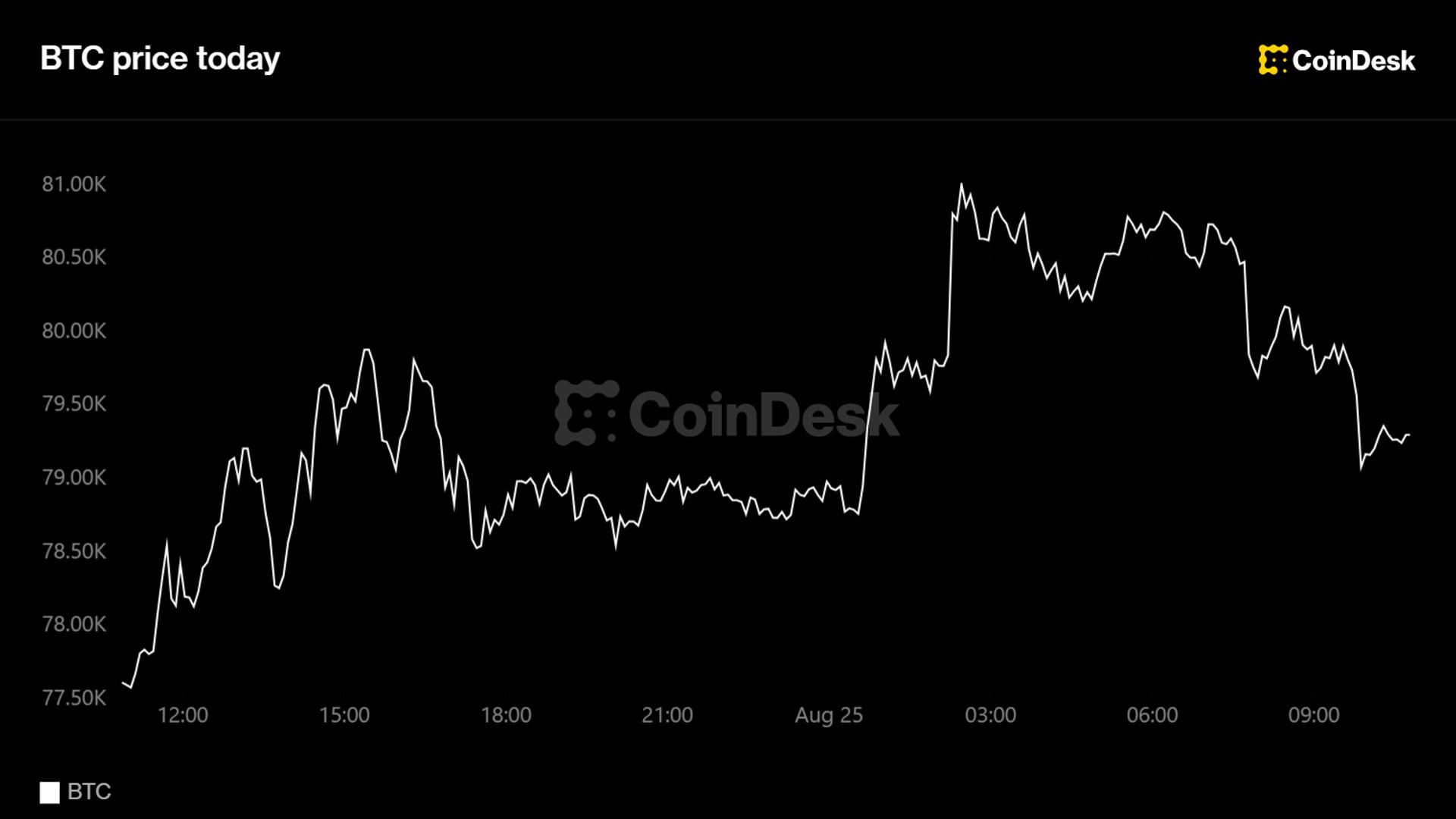
Bitcoin moved above $80,000 for the first time since May, extending its gain over seven days to roughly 25%.

Kazakhstan expects to lose about 3.5 million metric tons of oil production this year because drone attacks damaged Caspian Pipeline Consortium infrastructure, Energy Minister Yerlan Akkenzhenov said. The annual target has been cut from 98 million to 96 million metric tons, while oil transit to Germany via the Druzhba pipeline is not planned to resume in the next three months.
Bondholders owed £1.3bn by Aston Martin have sought discovery in US courts over a contentious £550mn financing deal, ahead of a planned lawsuit against the carmaker in the UK.
The Bank of Russia bought 5.9 billion rubles ($69.92 million) of yuan on the domestic market, with settlement on August 24, 2026. Purchases settled on August 21 totaled 5.8 billion rubles ($68.74 million). The operations use the yuan-ruble instrument on the Moscow Exchange’s foreign-exchange section.
The United States is widening sanctions on Iran’s financial networks, targeting crypto, gold, aviation and shipping while warning foreign entities that help move Iranian funds. Analysts say the pressure could worsen inflation and expand informal markets without changing Tehran’s behavior.


Iranian officials are keeping up their tough rhetoric toward the United States after Washington announced a fresh package of sanctions. Tehran has promised countermeasures as the country continues to suffer from already high inflation.

The US is seeking to cut Iran off from the global economy. Treasury Secretary Scott Bessent announced a new sanctions wave, dubbed “Operation Economic Outcast”, covering nearly 60 entities, people and vessels and extending secondary sanctions to shipping, gold, aviation, technology and digital assets. Official figures show Iran exported about $56bn to at least 112 countries and territories in 2024 and imported $68.5bn from at least 87, with trade increasingly oriented towards Asian and regional partners.
Kazakh Energy Minister Yerlan Akkenzhenov said the Kondensat refinery will process Russian oil delivered by rail. Up to 30% of the resulting gasoline and diesel will remain in Kazakhstan, while 70% will be shipped to Russia. He said the project could bring investment and preserve jobs.
Solana ETFs have posted gains for five straight days after attracting $33.5 million on Monday, their largest one-day inflow since December. Cumulative net inflows reached a record $1.22 billion, while trading volume rose to $166.8 million.

India attracted $73 billion in inflows over 11 weeks, with most of the money driven by foreign-currency bank deposits made by non-resident Indians.

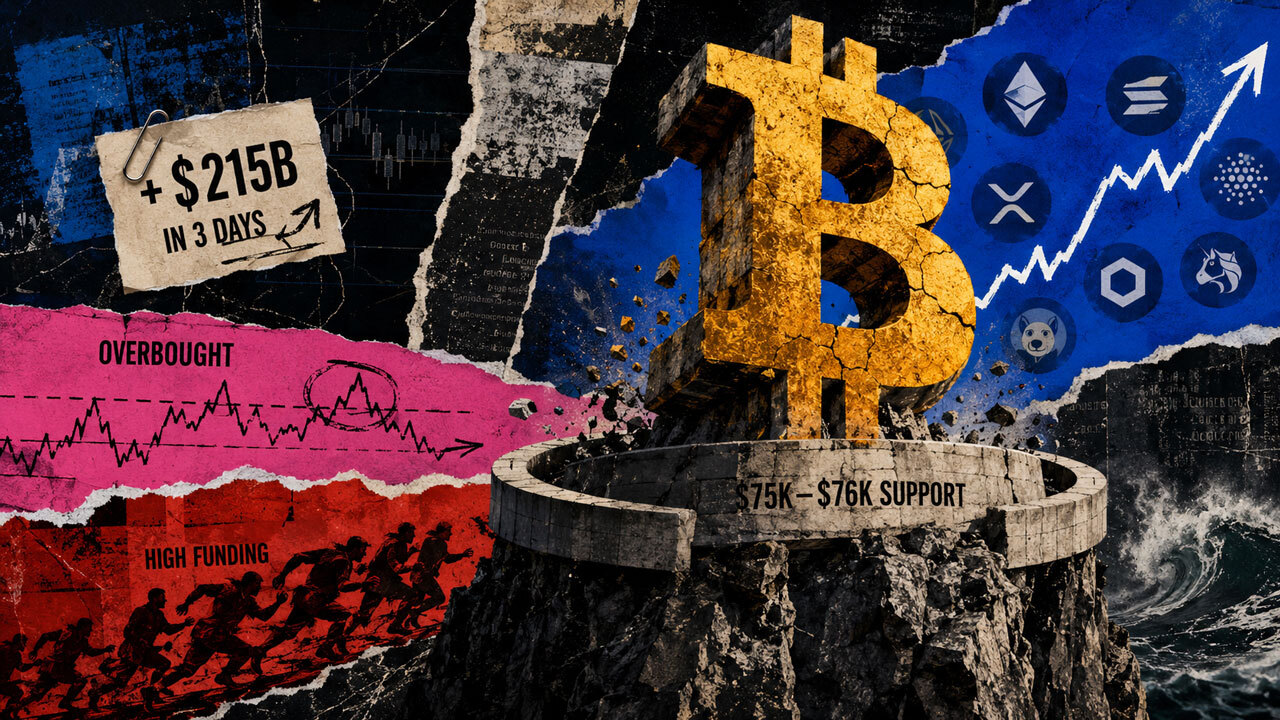
Altcoins added $215 billion in market value from Aug. 19 to Aug. 22, lifting TOTAL2 more than 24% and back above $1 trillion. With 56% of Binance-listed altcoins reclaiming their 200-day averages, analysts see an early altseason signal, although the market is already short-term overbought. The rally’s durability depends on Bitcoin holding the roughly $75,000–$76,000 support zone it recently reclaimed.

Taku Ueno, who buys American beef, Spanish olive oil and Italian tomatoes for his supermarkets south of Tokyo, has seen those imports become costlier almost by the day as the yen falls relentlessly. The pressure is prompting Japanese companies to seek new ways to hedge against a prolonged period of yen weakness.
Shares in Melrose Industries gained 8% on Tuesday after the owner of GKN Aerospace said it was aiming to restore full production at its Garden Grove facility on September 28. The company will pay up to $100 million to settle damage claims linked to a chemical tank that overheated in May.
A survey released Tuesday says Asia-Pacific family offices are directing more money toward sustainability projects and taking a “systems-level” approach to increase their impact. The trend is expected to strengthen Hong Kong’s position as an impact-investing hub. The share allocating over half their portfolios to impact and ESG strategies rose to 27 per cent from 17 per cent.

German business sentiment improved more than expected in August, according to an Ifo survey, adding to indications that Europe’s largest economy is moving toward a long-awaited recovery.
The UK’s National Wealth Fund is investing £71 million in a Devon project to produce tungsten, a metal used by the aerospace and defence industries.
With fewer open roles, one-click applications, and the rise of artificial intelligence, applying for a job has become easier than ever. The story argues that everyone is paying the price for that convenience.

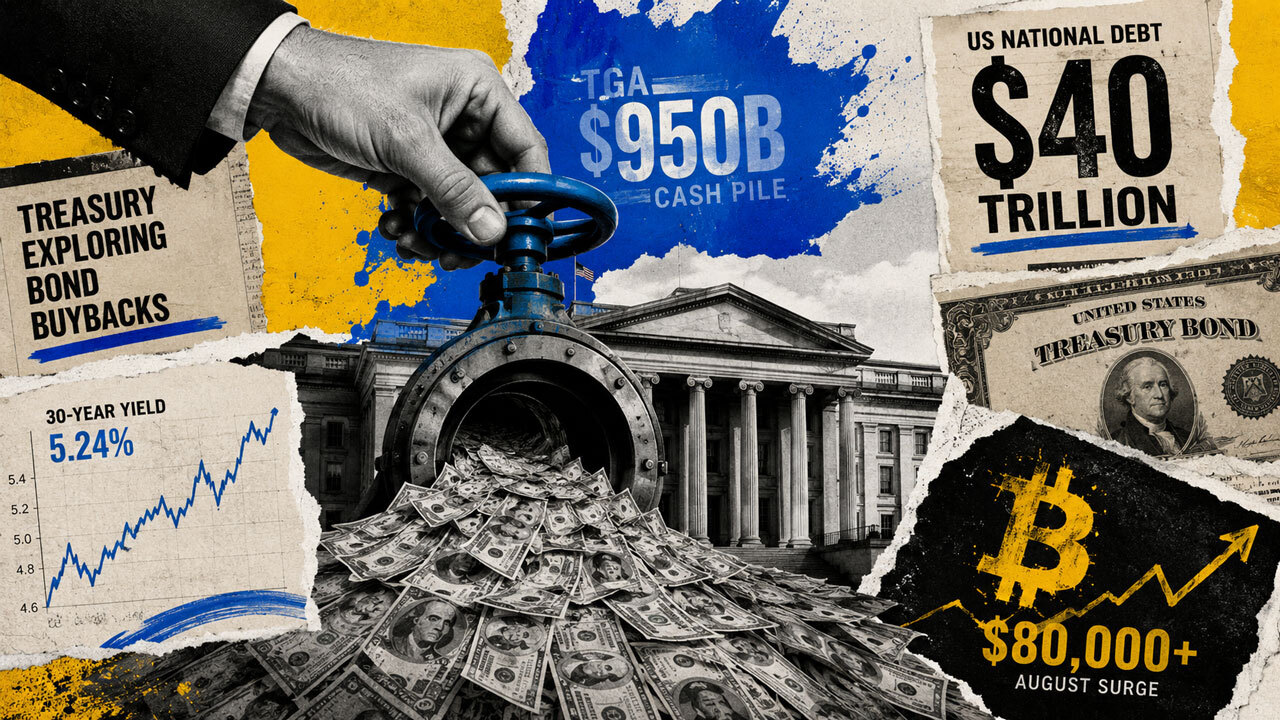
Bitcoin has risen above $80,000 as the US Treasury considers using roughly $1 trillion in its Treasury General Account to help fund expanded buybacks of long-term government bonds. Two Treasury officials said the account could support the purchases but gave no amount or timing. Rising yields, a US debt load above $40 trillion and heavy AI infrastructure borrowing are increasing pressure for intervention.

Bitcoin remained below $80,000 on Tuesday as interest rates moved lower. Spot bitcoin funds received $337.56 million on Aug. 24, extending an uninterrupted inflow streak and adding real money to a rally that began with a short squeeze.

Bitcoin is staying above $80,000 as exchange-traded fund flows provide support. Analysts caution that persistent inflation and geopolitical uncertainty make it too soon to determine whether the move will become a bull market, though the outlook is described as early but optimistic.

Traders are committing millions of dollars to bets on further Bitcoin gains after its striking rise to $80,000, while demand for protection against a decline remains strong, according to Laevitas.

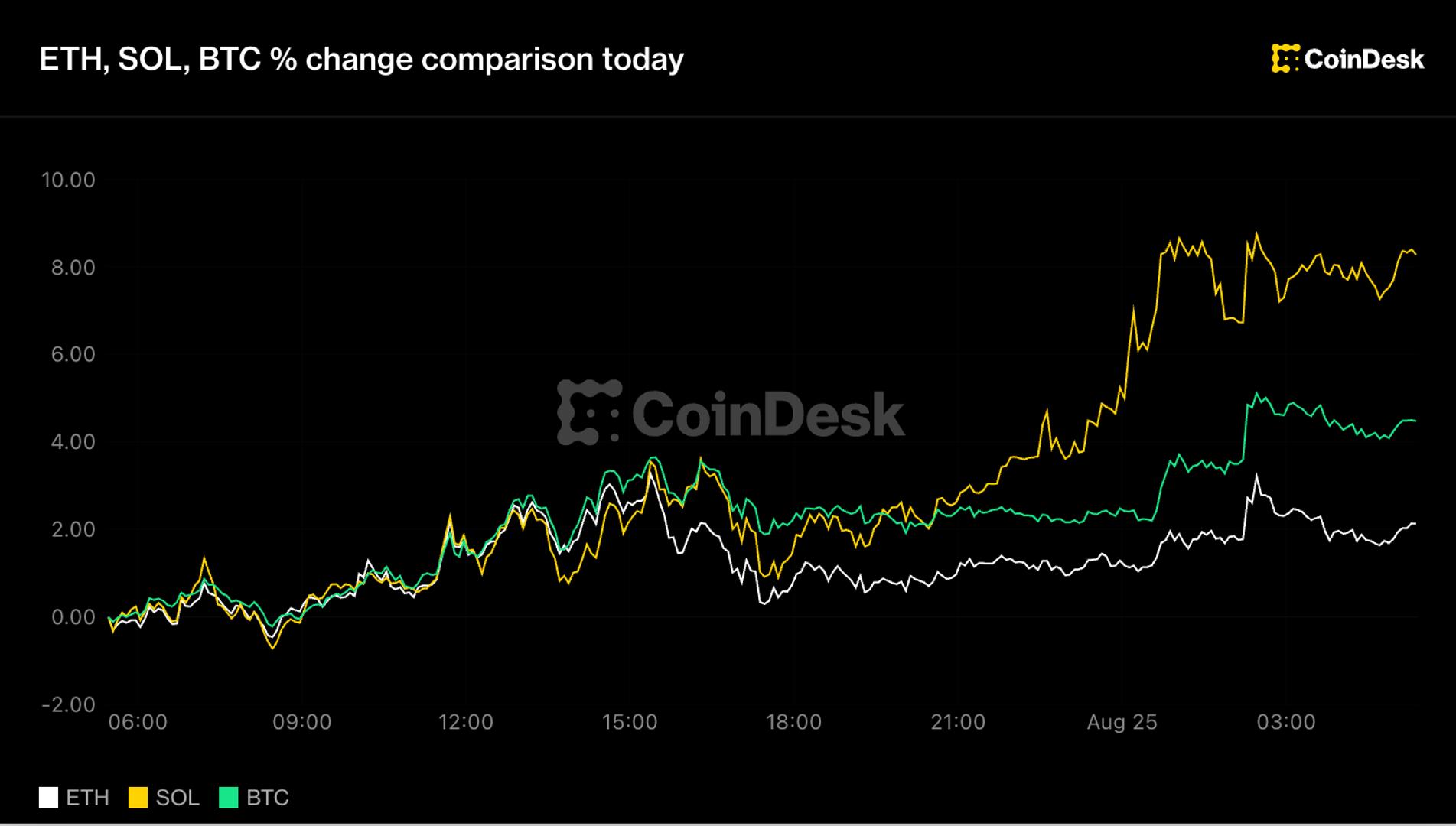
Bitcoin has gained more than 25% this week after an expansion of Treasury bond buybacks sparked a rally, pushing it above $80,000. Solana led major cryptocurrencies on Tuesday as validators voted on proposals to slow new SOL creation and increase daily burns, while the rally faced an overbought warning.

Bitcoin has risen above US$80,000 for the first time in three months, reaching more than US$80,900 on Tuesday. The cryptocurrency gained about 25 per cent in a week amid a broader rally in alternative assets linked to Washington’s efforts to reduce US bond yields, though it remains nearly 36 per cent below its October record of US$126,000.
Bitcoin has reached $80,000 for the first time since May as the cryptocurrency recovery gathers pace. Shifting US Treasury policy helped draw buyers back into crypto and revive ETF demand, while BTC has climbed 38% since its June plunge.

Analysts say a period of consolidation could reinforce bitcoin’s rally, while thin trading above $80,000 may leave the market vulnerable to sharper price swings.
The item invokes the warning that governments defending prices against fundamentals always lose, framing it as a criticism of Bessent.
Japanese bond exchange-traded funds have recorded a year-to-date net inflow of $1.5 billion, the highest on record, according to Morningstar data. Rising government bond yields have made Japan’s debt more appealing to investors.
Asian shares were mostly higher after U.S. stocks ended mixed. Investors were looking ahead to potentially market-moving events later in the week as the United States increased pressure on Iran, while oil prices remained steady.
The U.S. Treasury says Ivan Obukhov has processed more than $100 million in cryptocurrency for oil sales by the IRGC’s Quds Force since 2023.

Kazakhstan will lower its oil production target for this year because of drone attacks on Caspian Pipeline Consortium infrastructure, Energy Minister Yerlan Akkenzhenov said. The target has been reduced from 98 million metric tons to 96 million metric tons, following earlier plans for 99.55 million tons.
Canada says it will announce on August 25 how it will respond to President Donald Trump’s new tariffs. Talks failed to prevent new 50% US duties on selected Canadian goods, and France 24 examines the pressure Canada could apply in return.


Canada plans to respond on Tuesday to new tariffs imposed by US President Donald Trump, as the once-close neighbours slide into a trade war. Ottawa and Washington failed on Friday to reach a deal that would have prevented new 50% US tariffs on selected Canadian goods after weeks of negotiations.
Mark Carney is considering trade reprisals while leaving open the possibility of talks with the US. The loonie has tumbled as businesses prepare for the impact.
The son of EssilorLuxottica’s late founder is leaving management positions at the Franco-Italian eyewear group following reports of tensions with Chief Executive Francesco Milleri.

The Minutes Reader extension turns the original page into a focused reading view and translates articles and video subtitles on demand. It is in limited beta.