Germany’s Q2 economic growth beats initial estimate as exports pick up
Germany’s economy grew 0.3% in the second quarter of 2026 from the previous quarter, edging above last month’s preliminary 0.2% reading as exports improved.
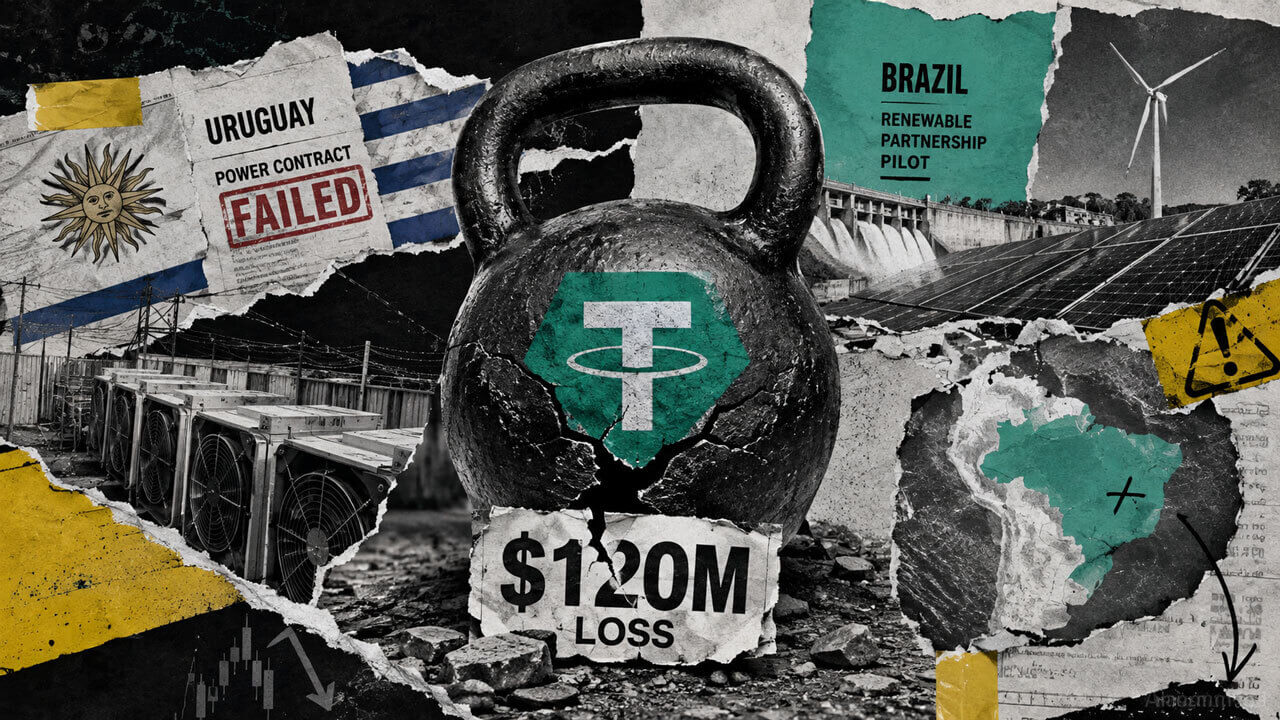
Tether abandoned its Uruguay Bitcoin mining venture after a dispute with state utility UTE over electricity terms. A former contractor estimated spending at about $120 million across two sites, though Tether has not disclosed that figure as a confirmed loss. The episode now puts added scrutiny on Tether’s smaller renewable-energy mining pilot with Adecoagro in Brazil.

A NielsenIQ report says county-level markets have become a key engine of China’s retail expansion, with sales approaching 20 trillion yuan. They account for 43% of national FMCG sales and 67% of durable-goods sales. Premium categories rose 16% and omnichannel sales increased 12.5% year on year, while nine government agencies introduced 18 measures to boost county consumption.
Nigerian sales representative Onyekwelu Patrick Chinazam, known in China as Zheng Zewei, is using short videos to promote Zhejiang Jiying Intelligent Agricultural Machinery Equipment and attract overseas customers. His TikTok account has more than 20,000 followers, while one post drew over 1.2 million views. He mainly serves Southeast Asian markets, selling up to 16 machines a month to Malaysia.
Russian online marketplace Ozon says it will support sellers affected by Ukrainian drone attacks on its warehouses. Sellers with Ingosstrakh policies covering such damage can seek compensation for destroyed goods, while Ozon will waive storage fees at damaged facilities and move or redirect shipments free of charge. Ukraine has targeted Ozon logistics centers in several Russian regions since August 22.
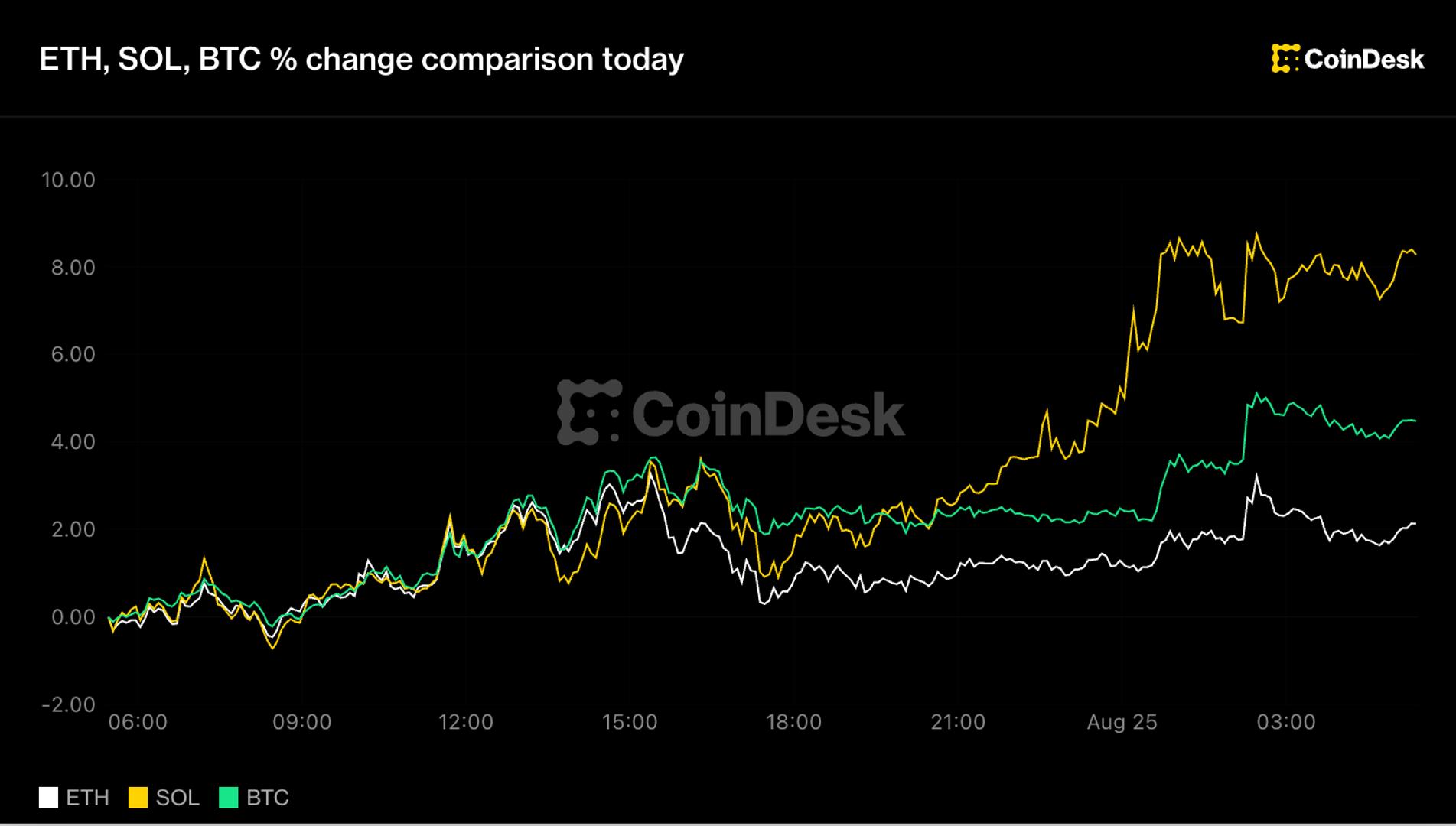
Bitcoin gained 4.13% to $80,756 and Ethereum rose 1.89% to $2,508 by 10:10 a.m. Moscow time, according to Binance. CoinMarketCap put total cryptocurrency market capitalization at $2.71 trillion on August 25. More than 96,000 traders had positions worth $647.91 million liquidated globally over the past 24 hours, with short positions accounting for $456.61 million.
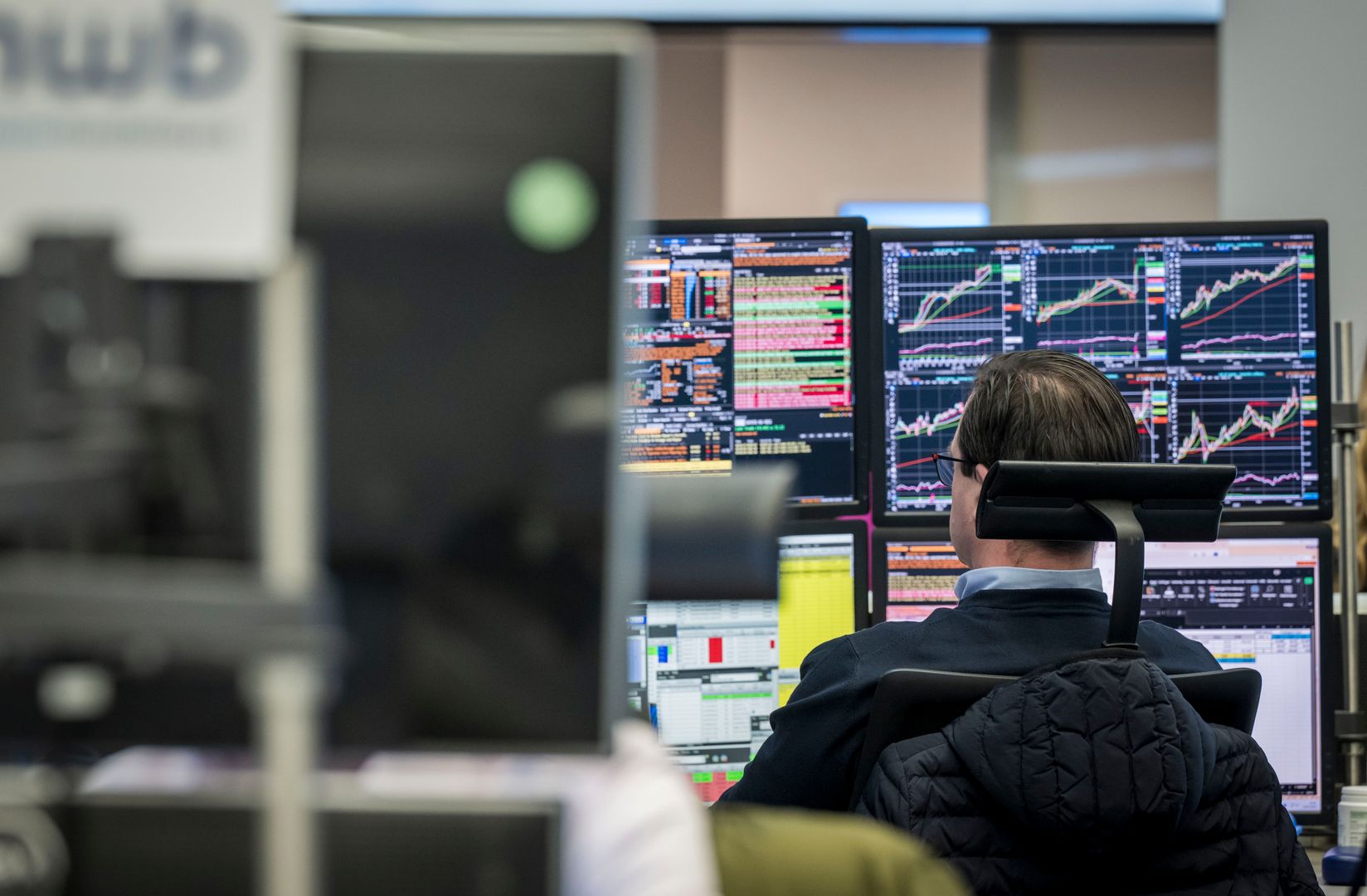
Although Europe’s heat wave has finally broken, money managers say they are still grappling with how climate change will affect their portfolios.
Franklin Templeton and HashKey have launched a tokenized U.S. money fund in Asia. Tokenized U.S. Treasury and money market funds are among the fastest-growing segments of digital assets, expanding fifteenfold in two years.


HashKey said it has launched the Franklin OnChain US Government Liquidity Fund on its Earn channel, as part of a partnership with Franklin Templeton to offer the tokenized money market fund in Asia.
Only 22% of Russian gas stations had AI-95 gasoline in stock on August 24, according to Infotek citing Benzonavt data. Availability was highest in St. Petersburg at 42% and stood at 20% in Moscow, while it was just 1% in occupied Sevastopol and 2% elsewhere in Crimea. Russia’s fuel crisis worsened in August as shortages spread and gasoline and diesel prices rose.
Russia’s stock market rose at the start of the main trading session. At 10:00 Moscow time, the MOEX and RTS indices were up 1.09% at 2,093.8 and 791.94 points, respectively. By 10:20, both had gained 1.31%, while the yuan strengthened against the ruble.
Bitcoin remained below $80,000 on Tuesday as interest rates moved lower. Spot bitcoin funds received $337.56 million on Aug. 24, extending an uninterrupted inflow streak and adding real money to a rally that began with a short squeeze.

Bitcoin is staying above $80,000 as exchange-traded fund flows provide support. Analysts caution that persistent inflation and geopolitical uncertainty make it too soon to determine whether the move will become a bull market, though the outlook is described as early but optimistic.

Traders are committing millions of dollars to bets on further Bitcoin gains after its striking rise to $80,000, while demand for protection against a decline remains strong, according to Laevitas.

Bitcoin has gained more than 25% this week after an expansion of Treasury bond buybacks sparked a rally, pushing it above $80,000. Solana led major cryptocurrencies on Tuesday as validators voted on proposals to slow new SOL creation and increase daily burns, while the rally faced an overbought warning.

Bitcoin has risen above US$80,000 for the first time in three months, reaching more than US$80,900 on Tuesday. The cryptocurrency gained about 25 per cent in a week amid a broader rally in alternative assets linked to Washington’s efforts to reduce US bond yields, though it remains nearly 36 per cent below its October record of US$126,000.
Bitcoin has reached $80,000 for the first time since May as the cryptocurrency recovery gathers pace. Shifting US Treasury policy helped draw buyers back into crypto and revive ETF demand, while BTC has climbed 38% since its June plunge.

Analysts say a period of consolidation could reinforce bitcoin’s rally, while thin trading above $80,000 may leave the market vulnerable to sharper price swings.
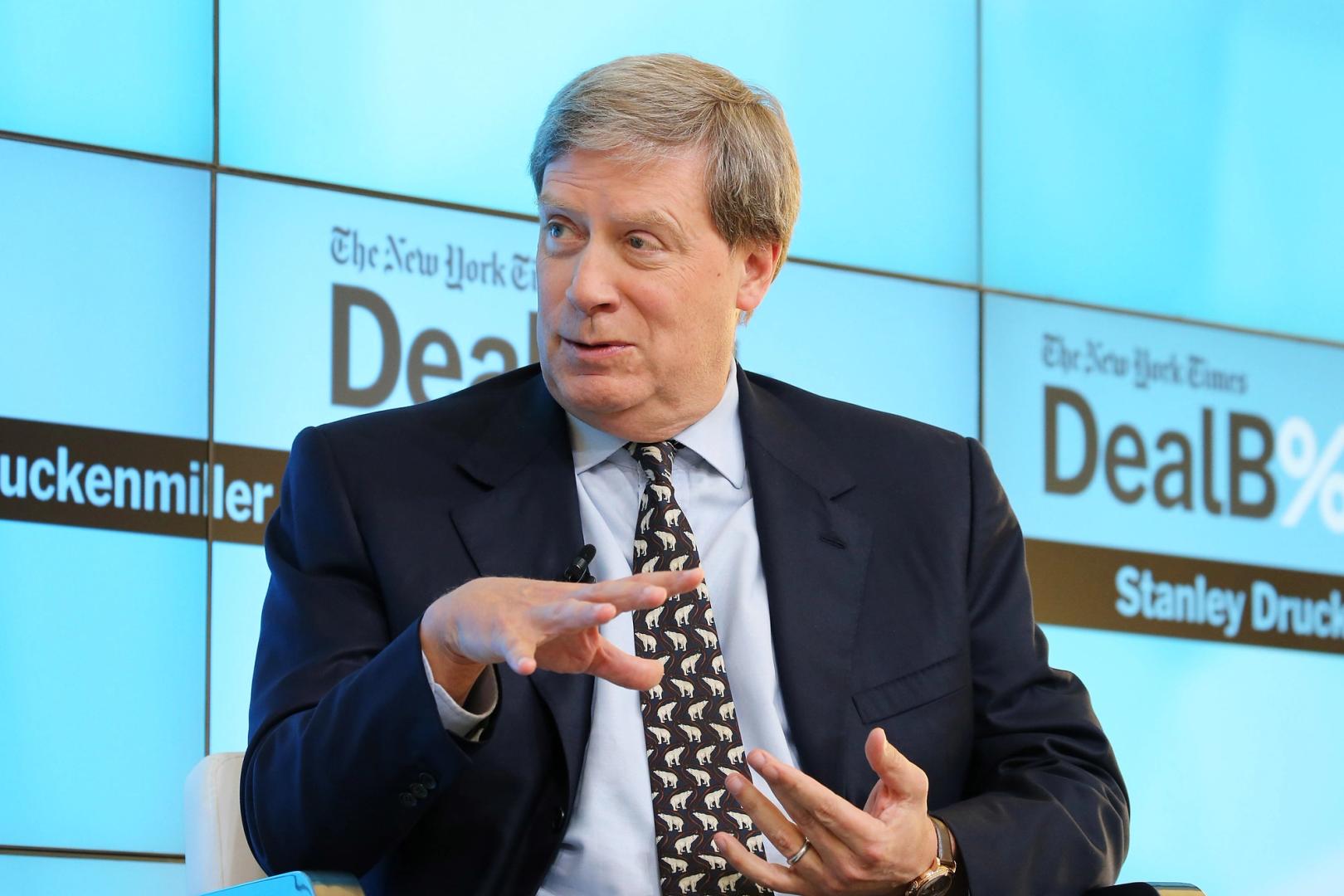
Billionaire investor Stanley Druckenmiller says the Treasury’s bond buyback intervention is battling the market and increasing danger. He argues it removes an important check on government borrowing and fiscal accountability, while markets remain the better judge of prices.

Grosvenor Group Holdings Ltd. warns that higher temperatures combined with outdated planning rules could diminish the appeal of its extensive property portfolio in Mayfair and Belgravia.
Canada plans to respond on Tuesday to new tariffs imposed by US President Donald Trump, as the once-close neighbours slide into a trade war. Ottawa and Washington failed on Friday to reach a deal that would have prevented new 50% US tariffs on selected Canadian goods after weeks of negotiations.

Mark Carney is considering trade reprisals while leaving open the possibility of talks with the US. The loonie has tumbled as businesses prepare for the impact.
Options traders expect Nvidia’s market value to swing by $280 billion after the company reports second-quarter earnings on Wednesday afternoon. Investors are looking for fresh clues about the demand driving the technology sector.
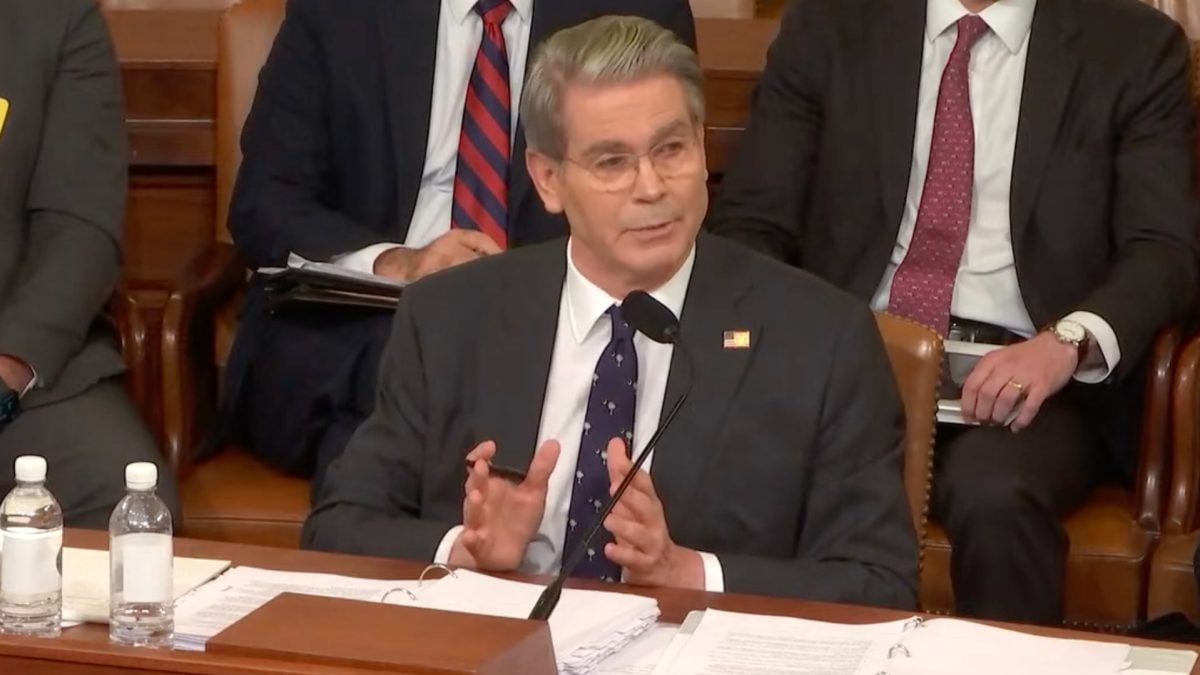
Bessent’s proposed “D-Day” measures are viewed as more about signaling than taking concrete action.
US Treasury Secretary Scott Bessent is threatening a campaign against Iran that he labels an “economic D-Day”; the pressure could leave America confronting China, its main trading partner.
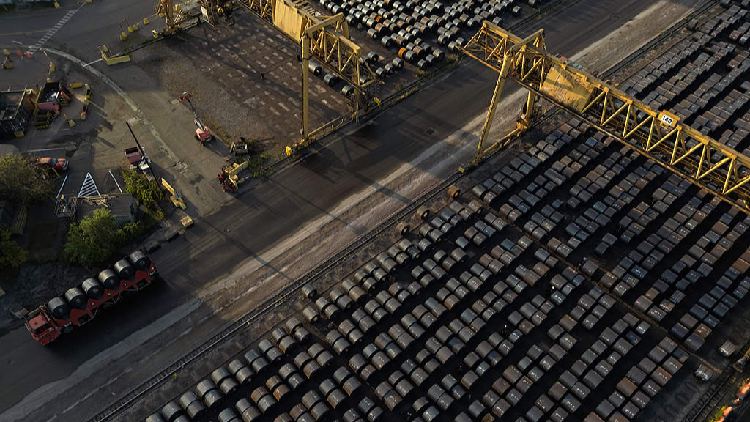
Iranian Economy Minister Seyed Ali Madanizadeh says the government anticipated tougher US sanctions, prepared measures to counter them and is ready for new restrictions. He says a two-year economic plan addresses the relevant challenges, while acknowledging that the war has affected industry, particularly metallurgical plants.

The US says it will target every source of Iran’s revenue, including oil. Treasury Secretary Scott Bessent described the campaign as an “unprecedented” economic war and warned countries that keep trading with Tehran of severe consequences.
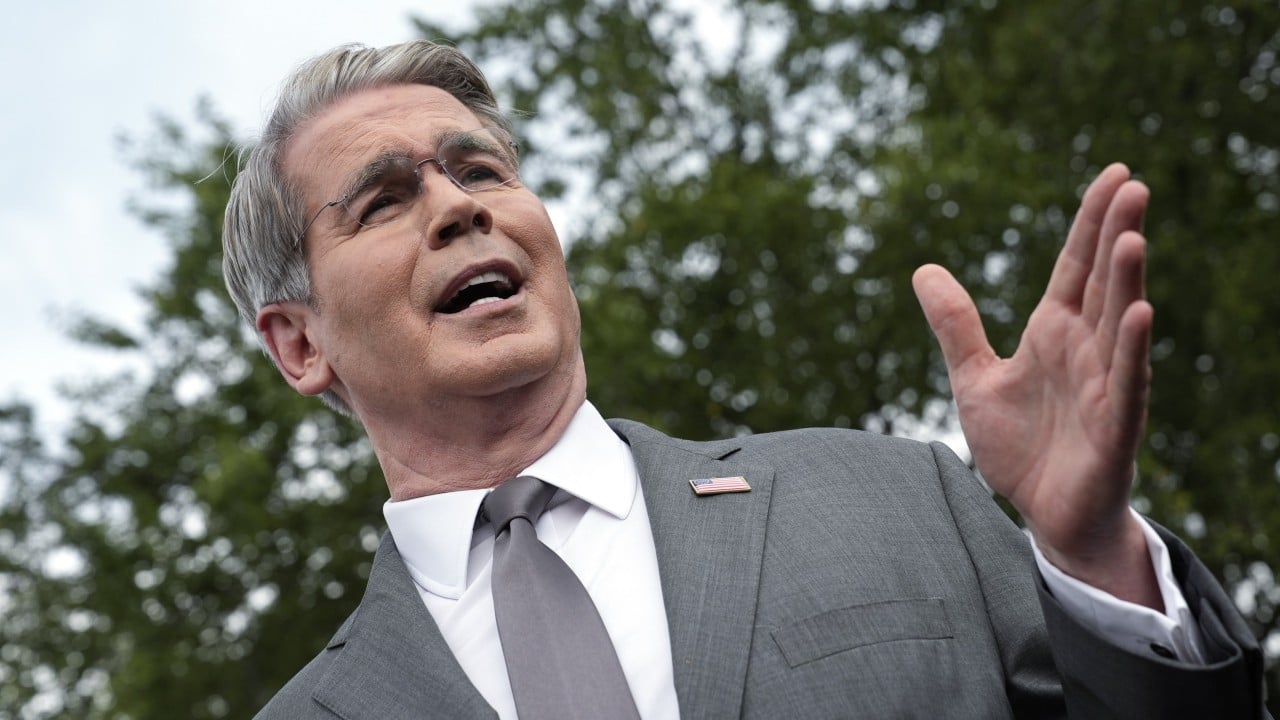
Treasury Secretary Scott Bessent announced what he called an “unprecedented” campaign to cut Iran off from the global economy. The Trump administration is seeking to choke the country’s economy and bring an end to the nearly six-month-old war.

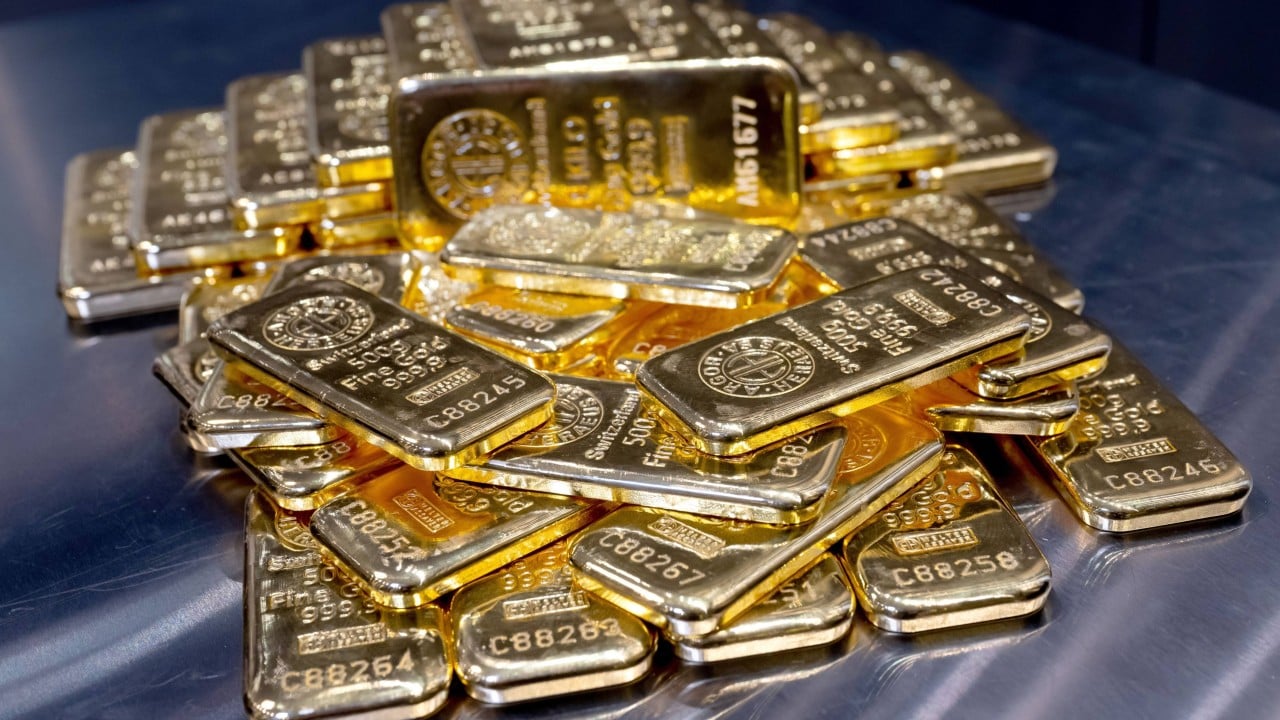
Treasury Secretary Scott Bessent announced a US economic pressure campaign aimed at cutting off Iran’s revenue sources, including oil, and isolating Tehran. The new sanctions will target digital assets, technology, gold, aviation and shipping, while countries and companies trading with Iran could face secondary penalties.
U.S. Treasury Secretary Scott Bessent says he will unveil severe economic and financial measures against Iran. Tehran has faced near-continuous sanctions since the 1979 Islamic Revolution and vows to retaliate.
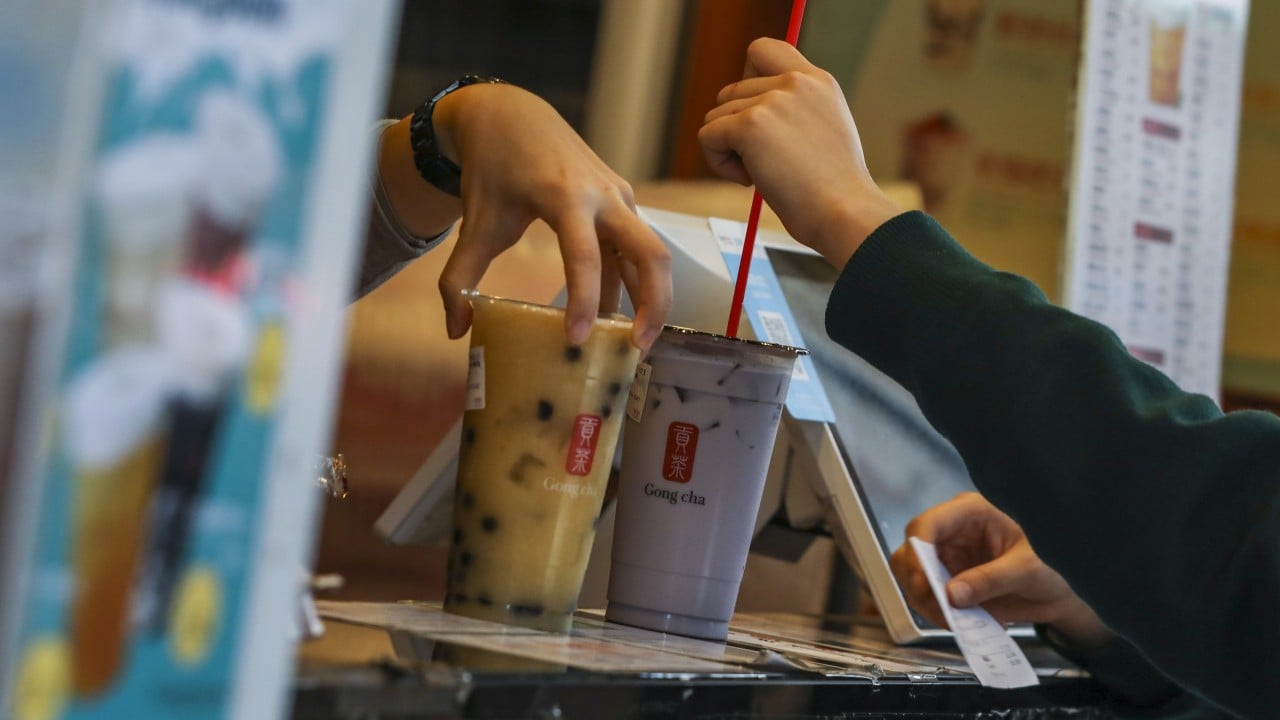
Financial investors are showing growing interest in China’s major bubble tea brands as the sector cools after a boom and faces intense competition. Their approach is shifting from early-stage investments and IPO subscriptions to full equity buyouts, while analysts expect industry growth to slow from double digits to the mid-to-high single digits.

Lego reported record revenue for the first half of the year. CEO Niels Christiansen told CNBC that the company is seeing strong sales at both the high-end and value ends of its pricing range.

Hou Qijun is moving to transform Sinopec, the world’s largest oil refiner, as it confronts falling fuel demand, petrochemical overcapacity and what is described as the world’s worst oil crisis. Unlike other Chinese state executives, he could have simply coasted toward retirement.
Freight trains departing Xi'an have shipped more than 34,000 air conditioners, fans and other cooling products to 15 European countries this year as heatwave-driven demand surged. The rail route takes about 12 days, compared with roughly 40 days by sea, and the port has added smart terminals and expedited services.
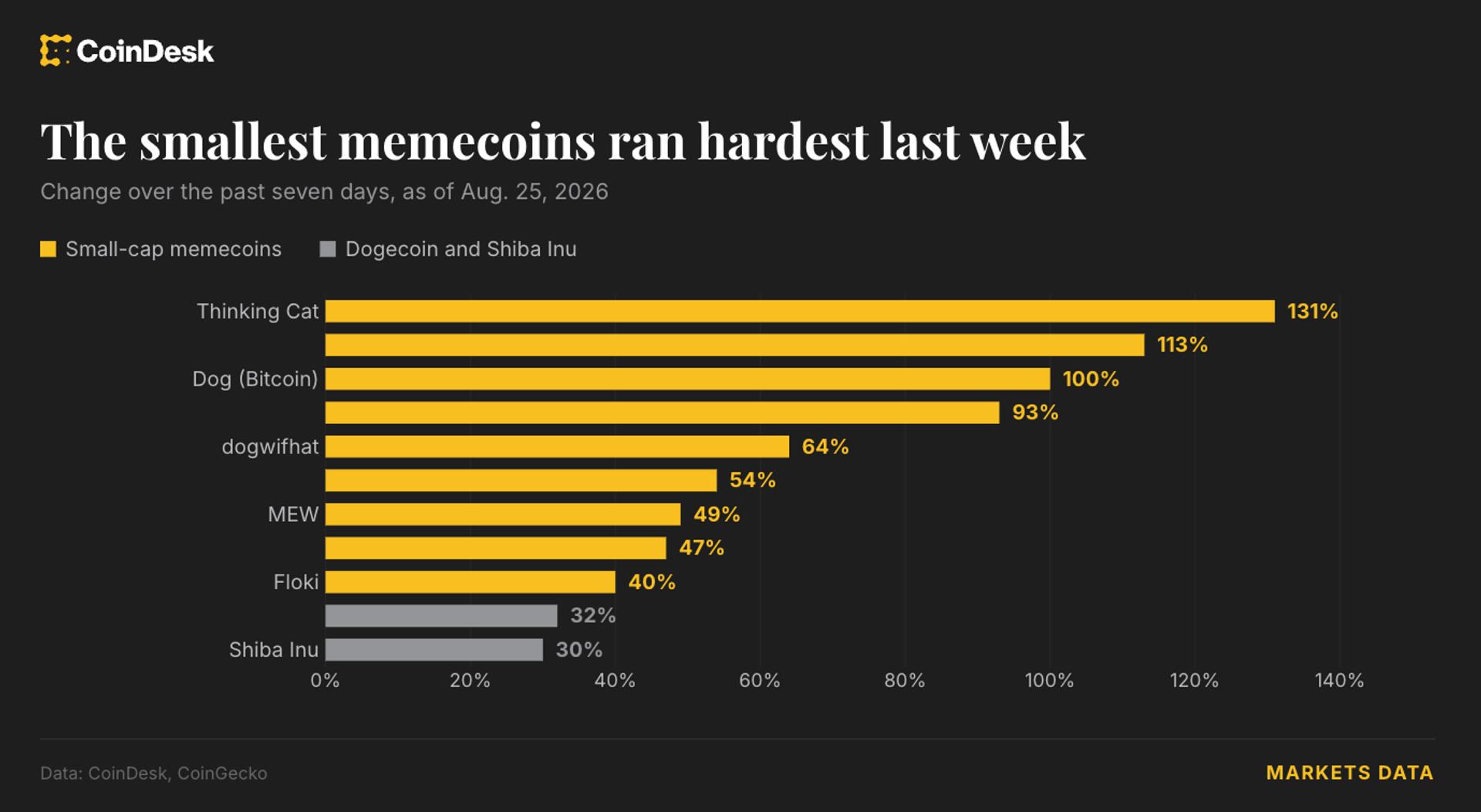
The crypto rally has spread to dog- and cat-themed memecoins. Robinhood Chain-based Cash Cat gained more than 50% in one day, while several smaller animal-themed tokens rose between 50% and 130% over the past week.

Washington’s threat of an “economic D-Day” runs up against a small group of governments that account for most of Iran’s remaining foreign trade and are therefore particularly exposed.

Iran has pledged to retaliate against expanded U.S. economic sanctions. Washington says the measures will sever Iran’s economic lifeline, while Tehran is confident that major trading partners will resist the pressure campaign.

The United States tells countries to choose between Washington and Tehran, warning that Iran’s trade partners will face consequences.

The United States is intensifying pressure on Iran through sanctions targeting cryptocurrency, aviation, shipping and gold in what it calls an “economic D-Day.” The Treasury Department is focusing on digital assets it says are being used to support Iran’s economy.
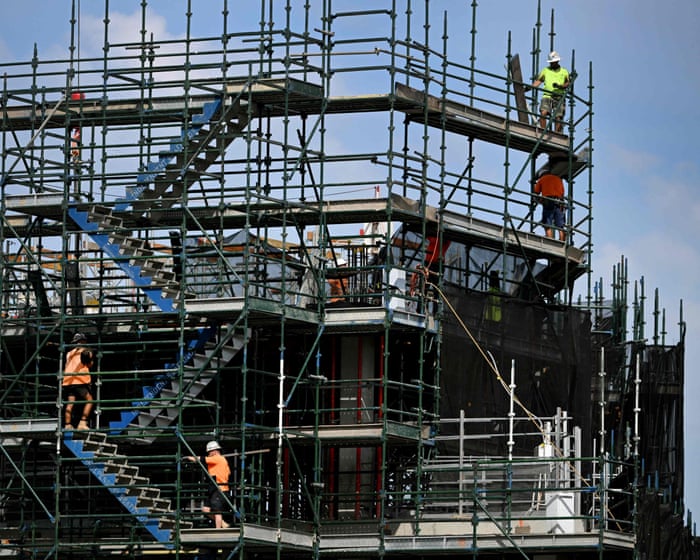
Embattled home builder Bathla Group has entered voluntary administration, leaving customers uncertain about their homes. Founder Bhart Bhushan called it an “orderly restructure” after weaker sales, the effects of the federal government’s May budget, falling market confidence and higher construction costs combined in what the company described as a “perfect storm.”

New sanctions targeting Iran could heighten tensions between the U.S. and China, while renewed risk appetite is bringing investors back to Bitcoin.

President Donald Trump, who has argued that the US does not need Canada, said Monday that the northern neighbor does have something he wants: aluminum.
During the marigold harvest in Wenshan, Yunnan, refined oleoresin is being exported to Mexico, India and Thailand. The lutein-rich ingredient supports food, supplements and animal feed. Local cultivation covers about 23,000 hectares, with annual output exceeding 650 million yuan and 34,000 households benefiting. Exports reached 224 metric tons in the first seven months, up 7.7% year on year.
Two people familiar with the matter said online fast-fashion retailer Shein’s Hong Kong IPO, seeking to raise as much as $1.8 billion, has attracted enough investor demand to fully cover the order book.
The item examines the problem with buying the dip in bonds and also mentions shelter cats.
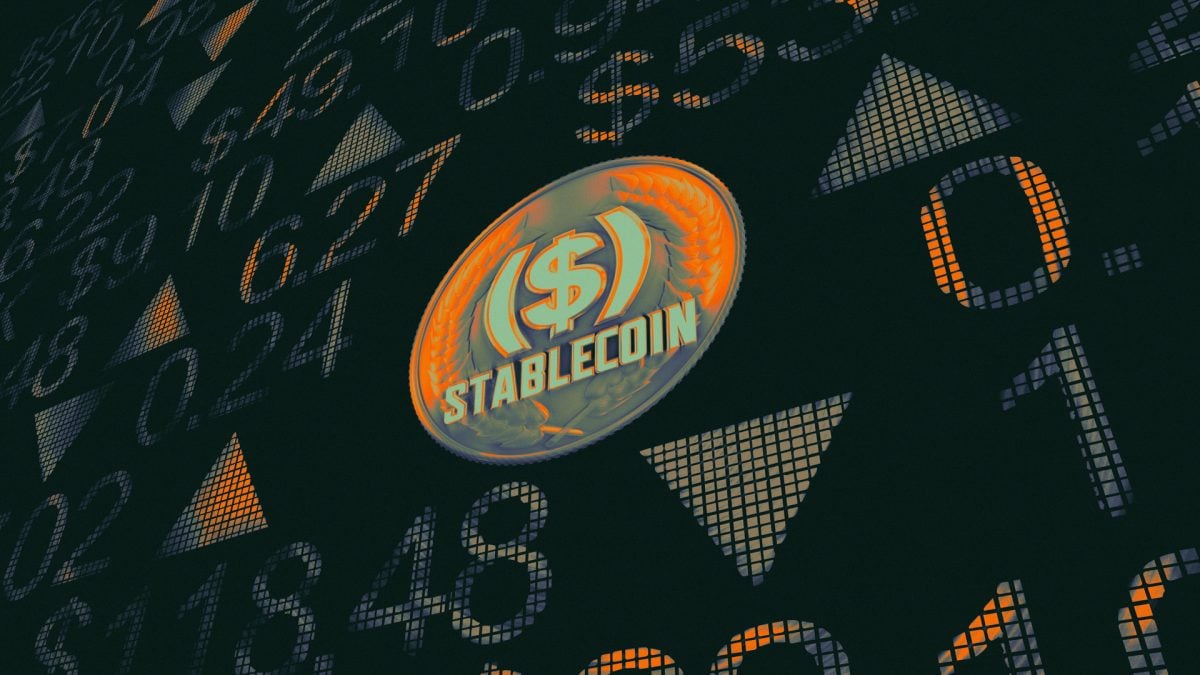
The Blockchain Association supports Treasury’s proposed rules for stablecoin issuers under the GENIUS Act. It favors limiting client-identification requirements to direct issuer-customer transactions in the primary market, while seeking clearer definitions.

Rae Wee looks ahead to the next day in European and global markets, with investors watching Nvidia for the next phase of the artificial-intelligence rally.
Xpeng shares fell after the company issued weak delivery guidance. The decline came despite its nascent robotics business securing a valuation of nearly $6.3 billion, close to the value of its core electric-vehicle business.

Oil prices regained some ground on Tuesday after falling more than 2% in the previous session, as investors assessed the effects of the latest U.S. sanctions against Iran.
S&P says Europe’s intense heatwaves could weaken insurers’ earnings as heat-related deaths, worsening health conditions and drought and wildfire claims increase. Life, health and reinsurance companies may face higher payouts, potentially leading to higher premiums, particularly as older people are especially vulnerable to heat.

The billionaire is selling sports stakes while rushing to clean up the balance sheets of the insurance businesses within the colossus he built.
The US-Canada trade war erupted into an extraordinary exchange of insults and threats between President Donald Trump and Doug Ford, Ontario’s leader.
US-Canada trade talks have collapsed. Bloomberg journalists answered live audience questions about what may happen next and how the breakdown could affect people’s money.
Canadian stocks swung between gains and losses at Monday’s open after trade talks with the US collapsed, raising fears of a widening trade war. Prime Minister Mark Carney recalled his negotiators from Washington.
The US bank has shortened the time horizon for SpaceX employees and investors to borrow against their stock holdings, and may do the same for Anthropic.
China has ample spare capacity and could help rescue the oil market again if it chose to do so.
UK bank NatWest secured regulatory approval last week for a new US office as part of its expansion plans.
The conflict in the Middle East is driving up costs for US grain farmers, adding to strains in America’s heartland just months before the midterm elections.
Private equity growth funds drew record inflows in the first half as the sector recovered. The fundraising revival is being driven by the artificial intelligence boom and by some valuations that remain below their 2021 peak.
Brazil’s first facility for rare earth minerals is located in an old asbestos town and is a key part of US efforts to break free from Chinese dominance.
Woolworths’ Disney, Marvel and Star Wars Ooshies promotion drew shoppers away from rival Coles, causing a temporary sales decline lasting nearly four weeks, mainly in physical stores. The collectible figurines prompted trading among children and adults, while some schools and childcare centres banned them over disputes and disruption.

China’s commercial freight volume reached 4.9 billion metric tons in July, up 0.5% year on year, the Ministry of Transport said. Road freight rose 1.6%, while waterway freight fell 2.2%. Port cargo throughput declined 2.9%, although container throughput increased 0.8%. Transport fixed-asset investment totaled 1.8152 trillion yuan in January-July.
Canada’s government plans to announce measures Tuesday to “protect and support” workers and businesses after the US imposed 50% tariffs on Saturday. The duties cover about $20 billion of Canada’s annual exports.
US-Canada trade talks collapsed after last-minute pressure from Commerce Secretary Howard Lutnick, according to people familiar with the matter. President Donald Trump then imposed new tariffs, while Canadian Prime Minister Mark Carney vowed retaliation.

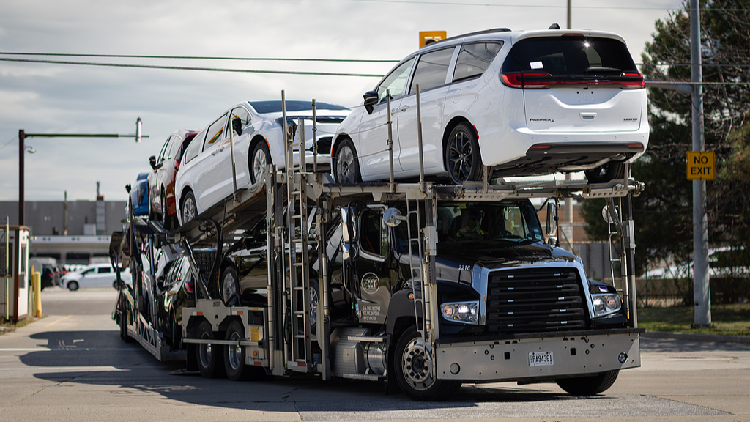
Donald Trump has threatened to raise US tariffs on Canadian cars, trucks and auto parts from 25% to 50% on 1 January. Mark Carney accused Trump of wanting to destroy Canada's auto industry and said Canada would resume talks only if Washington came with the “right attitude”.
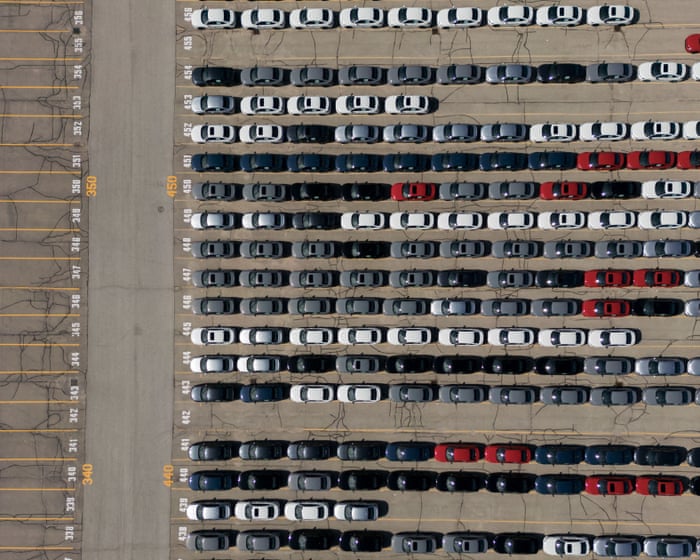
Donald Trump is threatening new tariffs on Canadian automobiles, a move that will hurt U.S. automakers and workers.

Canada says it will announce its response on Tuesday after Donald Trump threatened to raise tariffs on Canadian cars, auto parts and steel to 50 percent from Jan. 1, 2027, following the collapse of trade talks. Canadian ministers are set to outline measures supporting workers and businesses.

Donald Trump announced that the US will impose a 50% tariff on all Canadian cars, trucks, auto parts and steel from 1 January 2027, accusing Canada of having “ripped off” the US for years. Mark Carney said the move was largely expected and vowed Canada would be ready for talks while matching US tariffs dollar for dollar.
Canada’s leader took the rare step of responding forcefully to Trump’s latest tariffs.
US President Donald Trump pledged to double tariffs on Canadian vehicles and parts starting next year, intensifying the spiraling trade dispute between the two economies.

US President Donald Trump says tariffs on Canadian cars, trucks and steel will rise to 50% from January 1, while Canadian auto parts will also face a 50% levy in 2027. The announcement follows the collapse of trade talks and could disrupt integrated North American auto production, prompting Canadian retaliation.

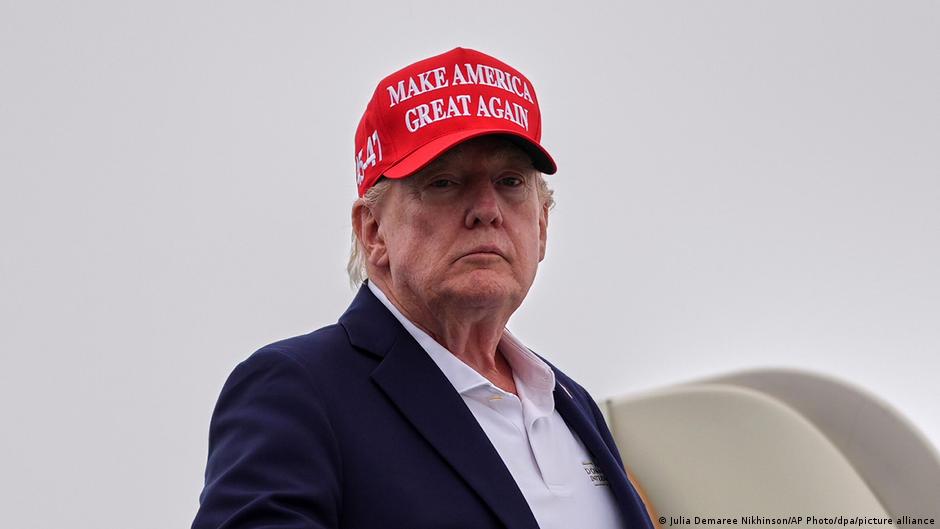
President Donald Trump said on Monday that US tariffs on all Canadian cars, trucks, automotive parts and steel will rise to 50% from January 1, 2027. After trade talks between the two countries collapsed over the weekend, he doubled down on his claim that the US does not “need” Canada.

US President Donald Trump said the United States would impose a 50% tariff on Canadian automobiles, car parts and steel starting January 1, 2027. The threat comes as a dispute between the neighbors intensifies after trade talks collapsed, with Canada pledging retaliatory tariffs.
President Donald Trump said in a social media post that the United States will raise tariffs on all cars, trucks, automotive parts and steel to 50% starting Jan. 1, 2027, after trade talks with Canada collapsed.

President Donald Trump said the United States will raise tariffs on Canadian cars, trucks, auto parts and steel to 50% starting January 1, 2027. He added that products built in the US would face zero tariffs.
China’s service exports totaled 1.5047 trillion yuan ($223.8 billion) in the first half of 2026, up 17.6% year on year, Ministry of Commerce data showed. Travel services grew fastest among the five largest categories, while knowledge-intensive services made up 53.5% of exports. Chinese brands including MIXUE and Chagee are also expanding overseas.
Australia’s biggest oil and gas company, Woodside Energy, has abandoned its long-term emissions and clean energy targets after its sales profit rose 27% to $1.67bn amid an oil-price surge linked to the Iran conflict. It is also dropping a commitment to invest $5bn in new energy products by 2030 and is refocusing on fossil fuels under CEO Liz Westcott.

Shares of Unitree, China’s best-known humanoid robot maker, have fallen roughly 45% after soaring more than fivefold on their Shanghai debut. The plunge has raised concerns about bubble risk, losses for retail investors and weaknesses in the IPO system.
China is developing a worldwide network of gold vaults and speeding up central-bank purchases to strengthen the yuan’s role in international trade, according to an S&P Global Ratings report. Zijin Mining and Shandong Gold Mining are expected to expand faster than most global peers after Beijing classified gold as a “strategic mineral” in 2025.

The 10th China International Elderly Care and Health Industry Expo ended in Guangzhou with intended cooperation deals exceeding 760 million yuan ($106 million). The three-day event brought together 433 companies from 17 countries and regions, drew 91,000 visitors and showcased technologies including elderly-care AI, rehabilitation devices and smart mobility aids.
Asian shares fell on Tuesday and oil prices extended their declines after U.S. threats of an “economic D-Day” through sanctions on Iran produced little impact.
Canada is preparing to announce retaliation against new US tariffs as trade tensions intensify between the two neighbors. Prime Minister Mark Carney said Ottawa would negotiate if Washington changed its approach, while Canadian leaders urged countermeasures including possible restrictions on energy and critical-mineral exports. The dispute is fueling concern over businesses and jobs in both countries.

Treasury Secretary Scott Bessent offered no further indication Monday that the US could revamp its debt management, after a report said the department might use part of its cash holdings to fund buybacks of older, higher-yielding securities.
Treasury Secretary Scott Bessent’s promised deficit-reduction plan, expected in the coming days, is set to confront a stark obstacle: there is no indication that the Republican-controlled Congress will deliver any net budget cuts this year.
Large Indian corporations are seeking a foothold in the rapidly growing gold-backed loan business. The newsletter also says a JPMorgan Chase entity has drawn the ire of Sebi.
The US Treasury’s larger buyback programme for long-maturity bonds is bolstering bets that gold will benefit from currency debasement. With the Federal Reserve’s Jackson Hole meeting approaching, gold reached a three-month high of US$4,698 an ounce on Tuesday after gaining 5.1 per cent the previous week following Scott Bessent’s announcement of the repurchases.

Canada has several economic levers in the escalating tariff dispute with the United States, including planned dollar-for-dollar duties, energy exports, potash and critical minerals. Prime Minister Mark Carney says Canada supplies most US natural gas and electricity imports and about 60% of its crude oil imports. Ontario Premier Doug Ford says Trump underestimates Canada and that an energy surcharge remains possible.

Canadian Prime Minister Mark Carney said his government is continuing to consider ways to retaliate against new tariffs imposed by US President Donald Trump on Canadian goods. He added that Canada remains willing to continue trade talks if the US takes the “right attitude.”
Canada’s currency plunged against the US dollar and bonds rallied after trade talks between the two countries collapsed, as the widening rift threatened the outlook for economic growth.

The US-Canada trade war shows no sign of easing. Canadian negotiators left talks in Washington after Prime Minister Mark Carney accused the Trump administration of making disproportionate last-minute demands. The US is imposing 50% tariffs on $20 billion of Canadian goods, while Canada’s retaliatory tariffs on US products are due to begin in early September, posing serious risks to both economies.
U.S. President Donald Trump threatened additional tariffs on dozens of Canadian imports after Prime Minister Mark Carney pledged retaliation, as trade negotiations between Washington and Ottawa faltered.
The United States and Canada are moving toward a deeper trade war after last-ditch efforts to reach a deal collapsed Friday. Americans could begin seeing higher prices for goods in three areas.

Businesses on both sides of the border are bracing for losses after US-Canada trade talks collapsed and both governments pledged 50% tariffs on each other’s goods. Calgary jeweller Cindy Baldassi expects most of her US sales to disappear, while furniture, clothing and retail companies warn that higher costs could cancel orders and overwhelm small businesses.
US Treasury Secretary Scott Bessent announced a new sanctions campaign against Iran, calling it an “economic D-Day” aimed at severing the country’s global financial lifelines. The measures target digital assets, technology, gold, aviation and shipping, while nearly 60 entities, people and vessels were sanctioned. Iranian officials dismissed the threats and said Tehran was preparing countermeasures.


The United States has imposed new sanctions on Iran’s aviation, digital assets, gold, technology and shipping sectors, targeting 60 individuals and vessels while announcing a naval blockade of Iranian ports. Treasury Secretary Scott Bessent called the measures an “economic D-Day”; they also expose Tehran’s trading partners to secondary penalties and add pressure to global markets and energy prices.
The U.S. Treasury is set to broaden the scope of secondary sanctions on Iran, a source says. The move is intended as a final warning to countries to end their business ties with Tehran.

Iran’s foreign ministry spokesperson warned on Monday that Tehran would respond harshly to expanded US sanctions, including measures targeting countries it considers to be cooperating with Washington. The prospect of broader sanctions follows weeks of deadlock, with the United States still unable to dislodge Iran’s grip on shipping through the Strait of Hormuz.

Iran has warned it will respond harshly to expanded US sanctions, including measures against countries it considers aligned with Washington. The move follows weeks of deadlock, while the United States has failed to loosen Iran’s grip on the Strait of Hormuz and now hopes further sanctions will force change.
Bond traders have increased measures of credit risk tied to Broadcom as the chipmaker backs massive financing packages for artificial-intelligence infrastructure construction.
AI hedge fund Situational Awareness went from being the talk of Wall Street to facing federal subpoenas after nearly imploding, prompting an SEC probe.

Saudi Aramco, the world’s largest oil exporter, said on Monday it had signed agreements with French companies that could be worth more than $3.7 billion in total.
President Donald Trump said the United States will increase tariffs on cars, trucks and auto parts imported from Canada to 50% starting Jan. 1, 2027, as trade tensions intensify.

Shein is finally going public, but the Chinese online retail giant is entering a much more hostile environment than the one it faced when its IPO journey began five years ago. The listing will not conceal its sustainability challenges.
Citadel Securities says the Treasury Department’s bond-buyback efforts to restrain long-term borrowing costs amount to “financial repression,” risking a weaker dollar and higher inflation.
Hong Kong’s housing rebound is facing a new test as investors who benefited from the first-half recovery pull back from quick-turn trades. Secondary prices are still rising, with Centaline’s leading index reaching a three-year high of 162.16 on Friday, but transactions involving homes held for less than a year have fallen sharply, leaving owner-occupiers and long-term buyers to support the recovery.

The SEC has subpoenaed Wall Street banks over Situational Awareness. Leopold Aschenbrenner’s AI-focused hedge fund nearly collapsed in July before reaching a deal with Citadel.
Political and fiscal uncertainty in the US is making investors wary of the dollar again. As some sell the currency, alternative assets including Bitcoin and gold have surged in value.
A new wave of rumors about a possible freeze on bank deposits is unsettling Russians as cash withdrawals accelerate. Cash in circulation has risen by more than 10% in 2026, while banks’ liquidity shortfall has grown from 0.6 trillion to 2.6 trillion rubles. The trend could limit lending and government-debt purchases, but banks remain able to cover the gap through Central Bank transactions and their daily operations are not disrupted.
WestJet flight attendants voted Monday to accept a tentative agreement that would raise wages by more than 18% over three years, according to their union. The vote followed a strike that caused hundreds of cancellations earlier this month.
The Minutes Reader extension turns the original page into a focused reading view and translates articles and video subtitles on demand. It is in limited beta.