Crypto Rules Are Coming Even If Trump-Favored Legislation Flounders
Even if the landmark bill favored by Trump languishes, regulators still have many tools available, meaning cryptocurrency rules are likely to move ahead.
The bond market is among the few forces powerful enough to make politicians pay immediate attention.
The Trump administration dismissed about a dozen senior employees at mortgage giant Fannie Mae this week, according to an official familiar with the matter. It is the latest move in an effort to remake the lender.
After trade talks collapsed, the United States imposed 50% tariffs on $20bn worth of Canadian goods, sharply escalating tensions. Trade specialist Steven Okun says the blanket measures are unlikely to cripple Canada’s economy but will hit key sectors hard and deepen the dispute.

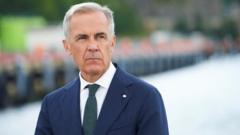
US-Canada trade talks collapsed at the last minute, as new 50% tariffs on billions of dollars in Canadian goods took effect. Prime Minister Mark Carney promised retaliation.
The Panama Canal will progressively reduce daily transits from 40 to 34 and then 32 between September 4 and 15, preparing for lower water levels during a longer and stronger-than-usual El Niño season. Slower shipping could increase costs for industries dependent on the canal.

The World Bank forecasts Lebanon’s economy will contract 6.4 percent in 2026 after the March escalation in conflict with Israel disrupted a brief post-crisis recovery. Damage to infrastructure, displacement, supply-chain disruptions, collapsed tourism and weaker demand are expected to push inflation to 17.5 percent.

A South Korean container ship is sailing to Europe via the Arctic on Saturday in the country's first commercial voyage along the route. The trial aims to assess its viability as South Korea hopes to develop Busan into a global maritime hub, despite concerns in the West.

South Korea was due to send its first trial container ship through the Arctic on Saturday as the war in the Middle East unsettles global shipping. Environmental groups warned that the route could speed up the melting of polar ice.
Mexico’s top trade negotiator said he is optimistic about securing less burdensome US tariff terms for Mexican automobile and steel exports, similar to revised measures Washington is discussing with Canada.
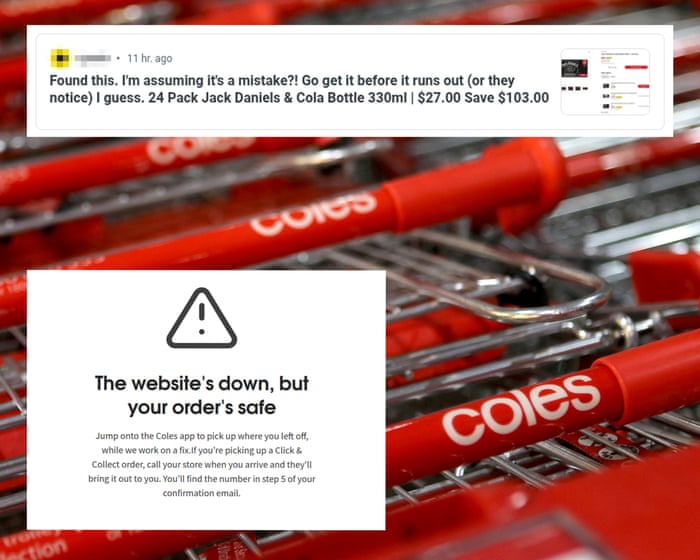
Coles took its website and app offline repeatedly after a viral Reddit post exposed mistakenly reduced prices on some 24-packs of beer and ready-to-drink alcohol, including discounts of nearly 80%. The supermarket said a technical error caused the pricing, which has been corrected, and customers who paid will be refunded.

This year’s Jackson Hole symposium is on course to be one of the most interesting in recent years.
President Donald Trump said he did not direct Treasury Secretary Scott Bessent to intervene in the bond market this week, saying Bessent acted on his own authority.
U.S. President Donald Trump said on Friday that he did not instruct Treasury Secretary Scott Bessent to intervene in the bond market this week. Trump said Bessent acted under his own authority, based on his understanding of the issues.
A new 50% US tariff on roughly $20bn of Canadian imports took effect after last-minute trade talks collapsed. Prime Minister Mark Carney said Canada would impose reciprocal tariffs on US goods dollar for dollar, calling late changes to Washington’s proposed terms unfair and uneconomic.

US and Canadian negotiators bargained Friday over a trade agreement that would reduce tariffs and retaliatory measures between the two major trading partners. Optimism emerged that they could finalize a deal before Washington’s midnight deadline.

Canadian Prime Minister Mark Carney vowed to match US tariffs “dollar for dollar” to protect Canadian workers and businesses. The pledge came after hefty US duties on some Canadian products took effect Saturday following days of unsuccessful negotiations.

Canadian Prime Minister Mark Carney says Canada will match US tariffs “dollar for dollar” after three extra days of negotiations failed to produce a trade deal. He called last-minute changes proposed by Washington unfair and uneconomic. The US is imposing 50% tariffs on $20bn of Canadian goods.
The United States plans to begin imposing 50% tariffs on $20 billion worth of Canadian products early Saturday after last-minute negotiations failed to ease the latest tension between the historic allies.

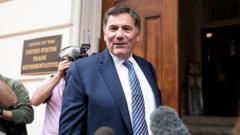
The United States has imposed 50 percent tariffs on more than $20bn of Canadian goods after negotiators failed to finalise a trade agreement. Canadian Prime Minister Mark Carney vowed to respond with tariffs “dollar for dollar”, while US Trade Representative Jamieson Greer blamed Canada for abandoning terms reached earlier in the week.

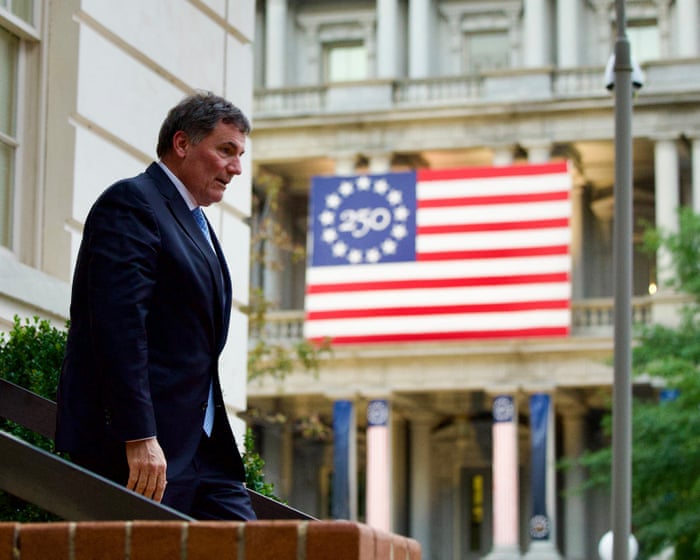
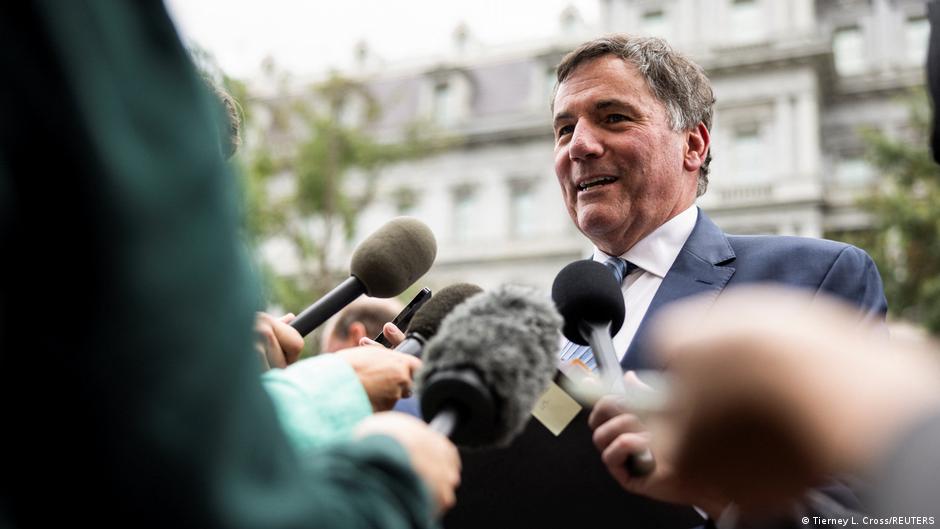
The United States and Canada are rushing to finalize a trade agreement before steep new US tariffs take effect. Canadian trade minister Dominic LeBlanc said late Friday that the deal was not yet complete and that negotiations would continue until the last minute. If no agreement is reached, the tariffs are due to begin Saturday.

Canadian Trade Minister Dominic LeBlanc says negotiators still have work to complete as they race to finalise a tentative deal with the Trump administration by Friday’s midnight deadline. Failure could bring another wave of US tariffs on Canadian goods, while the emerging framework faces criticism from Canadian opposition and provincial leaders.
The United States and Canada are racing to reach a deal before the 12:01 a.m. ET deadline on Saturday. The outcome could determine whether steep US tariffs are imposed on billions of dollars’ worth of Canadian goods.
TASS calculations show that Ukraine expected $49 billion in international financial support in 2026 but has received less than $13 billion from Western partners, leaving a shortfall of more than $36 billion. Kyiv acknowledges that domestic resources are exhausted, making fundraising increasingly difficult.
Canadian Prime Minister Mark Carney said Canada would match US tariffs dollar for dollar after rejecting Washington’s proposed trade-deal terms. The United States plans to impose a 50% tariff at midnight on about 28 billion Canadian dollars of Canadian goods, prompting Canada to suspend negotiations and recall its negotiators to Ottawa.

Billionaire Ray Dalio said investors should cut their bond holdings and place up to 15% of their money in gold to hedge against the risk of a US debt crisis, which he warns could arrive within three years.
Mexican Economy Minister Marcelo Ebrard said Mexico expects to reach trade understandings with the United States that resemble, in many respects, those Washington and Ottawa are discussing. He added that Mexico does not view Canada’s parallel negotiations as a competition.
President Donald Trump said Washington and Mexico City have begun work on a new trade agreement that he described as much better for the United States. He also said the US had largely reached trade agreements with Canada. Earlier, the US trade representative said Washington and Mexico were holding constructive talks on moving manufacturing from Asia to North America.
Software companies are facing a crisis of confidence on Wall Street and are turning to increasingly aggressive strategies to address investor concerns.
US national debt has exceeded $40 trillion for the first time and continues to climb rapidly. Al Jazeera examines how the debt accumulated, who the United States owes, and why the milestone matters.

Banca Monte dei Paschi di Siena, the world’s oldest bank, has a history marked by spectacular highs and stark lows. Yet this year has been especially turbulent even by the bank’s own standards.
US refiners face an impending supply decline from their largest foreign crude supplier at a time when demand for that oil is especially high.
The bond market had a difficult week, while the US government’s attempt to help provided only temporary relief.
The US bond buyback pledge that jolted markets this week is being compared with Japanese policies aimed at containing borrowing costs, which led to prolonged weakness in the currency.
Congestion costs at PJM, the largest U.S. power grid, rose 43% to $6 billion in the first half of the year, according to the grid’s independent watchdog. Overloads on high-voltage transmission lines intensified during the period.
Iranian parliament speaker Mohammad Bagher Ghalibaf urged countries to abandon the US dollar in trade, calling it an outdated payment method. Speaking at an economic forum in Baghdad, he advocated using local currencies and highlighted the Middle East’s special geopolitical significance.
By the evening of August 21, the only station still selling gasoline in Gelendzhik — a Lukoil outlet in Arkhipo-Osipovka — had run out. Tuapse faced a similar shortage: just one of its 14 operating stations sold 95-octane gasoline, while two sold 92-octane.
French container shipping giant CMA CGM said it will introduce an “inland emergency fee” because low water levels on the Rhine and other European rivers are disrupting inland barge traffic.
US President Donald Trump says imports of up to 300,000 tonnes of ground beef will be allowed over the next three months without higher tariffs, with foreign exporters reportedly offering a 25 percent discount to consumers. Trump did not identify the country, suppliers or companies involved; a White House official said an executive order will be signed within two weeks. Senator Tim Sheehy criticised the move as harmful to ranching families.

Top Canadian and US trade negotiators are meeting for a third consecutive day in Washington as they seek a deal before President Donald Trump’s threatened 50 percent tariffs on about $20bn of Canadian goods take effect Saturday. Experts say even a breakthrough would not remove all US tariffs on Canada.

Political scientist Ilya Grashchenkov says US national debt could reach $50 trillion as early as 2029, potentially bringing higher inflation and taxes, spending cuts, costlier borrowing and weaker confidence in the dollar. He cautioned that the figure itself is not an automatic collapse threshold; debt-to-GDP, servicing costs and investor confidence matter more.
The International Congress of Industrialists and Entrepreneurs and the BRICS Partnership on New Industrial Revolution Innovation Center in Xiamen have agreed in principle to cooperate. They plan to establish a permanent ICIE representative office there in 2027 and prepare a long-term strategic memorandum. A Russian-Chinese center to protect entrepreneurs’ rights and support dispute resolution, legal assistance and investment protection is also planned.
Russia’s stock market closed higher on Friday, with the MOEX Index up 0.63% at 2,134.97 points and the dollar-denominated RTS Index rising 1.16% to 811.09. The yuan gained 1 kopeck against the ruble to 12.33 rubles. Analysts said stronger oil and metals prices could support the market next week, while geopolitical uncertainty remains a drag.
As World Liberty Financial sought federal approval for a national trust bank, several of its most prominent investors agreed to remain largely on the sidelines.
Experts surveyed by TASS say gold could reach $5,000 per ounce by the end of 2026, citing inflation expectations, geopolitical tensions and strong central-bank demand. The ongoing US-Iran conflict is pushing up oil prices and adding to inflationary pressure, while concerns over debt-market stability support gold’s safe-haven appeal.
Russia is facing a prolonged bout of stagflation, with growth this year unlikely to exceed 1% and inflation stuck at 6% or more. The article argues that ending the war in Ukraine is the most promising route to economic recovery but the least likely to be pursued. Rising deficits, costly debt servicing and continued military spending could bring much higher inflation, a financial crisis, or both.

Ken Griffin’s Citadel has sold more than 80% of the aggregate risk tied to the Situational Awareness stock portfolio it acquired from the troubled AI hedge fund.
Cafes and bakeries are recasting service work as a form of career development, signaling intensifying competition for entry-level jobs in Britain.
Target’s second-quarter sales growth suggests the retailer is beginning to win shoppers back.
A ship paid $4 million to bypass the line at the Panama Canal. The case highlights how congestion and transit costs at the canal can have broader effects on consumer prices.
Kazakhstan’s Kazatomprom says it has reached natural uranium supply agreements with Russia’s Uranium One Group, part of Rosatom’s management structure, and China’s State Nuclear Uranium Resource Development Company. Russian deliveries will go to the Siberian Chemical Combine, while Chinese shipments will arrive at Alashankou railway station. Prices, volumes and schedules remain confidential, and both deals have been submitted for shareholder approval.
JPMorgan Chase is bringing veteran dealmaker David Fishman over from Bank of America to lead a newly formed investment banking group focused on key technology-sector clients, according to a memo seen by Reuters.
Russian authorities aim to optimize planned refinery maintenance to reduce the risk of fuel shortages. A meeting chaired by Deputy Prime Minister Alexander Novak also covered fuel distribution, quality control, pricing and labeling, while officials urged higher domestic gasoline and diesel supplies, fair prices and greater sales transparency.
Russian authorities have ordered oil refineries to optimize planned maintenance schedules to reduce the risk of fuel shortages and distribute available supplies more evenly across regions. The cabinet also discussed measures to secure domestic supplies, maintain fair prices and improve transparency in fuel sales.
Iraq has sent a delegation to Saudi Arabia to seek a higher OPEC production quota as it plans to raise oil output to between 8 million and 10 million barrels per day over the next six years, the prime minister said on Friday.
The Environmental Protection Agency plans to extend the September 1 deadline for oil refiners to demonstrate compliance with U.S. biofuel blending laws. The move could give the industry more flexibility as it faces elevated compliance costs.
Eurostat data shows fuel prices in Romania rose 24.2% over the past 12 months, the highest increase in the European Union. Germany and Lithuania followed at 22.9%, while the EU average was 16.9%; Hungary was the only member to record a decline, at 0.1%.
U.S. investors were net buyers of equity funds for a second consecutive week through August 19. Strong earnings and cooler inflation supported demand, while a bond-market selloff and higher oil prices weighed on markets.
India’s foreign exchange reserves rose to $716.9 billion in the week through August 14, their highest level in about six months. Inflows under central bank measures aimed at strengthening the balance of payments helped drive the increase.
Australian insurance broker Steadfast Group said on Friday it had accepted a A$7.7 billion ($5.52 billion) takeover offer from a consortium backed by U.S. investment giant KKR.
Canada’s retail sales increased 0.6% in June, exceeding the 0.4% average analyst forecast, according to data released Friday. Sales surged at clothing and general merchandise stores.
U.S. services recorded their strongest growth in nearly two years, driving a sharp acceleration in overall business activity in August. That expansion offset slower manufacturing growth, which was constrained by reduced inventory building and supply disruptions from the U.S.-led war with Iran, S&P Global said.
President Donald Trump said he would permit tariff relief for some ground beef imports in an effort to bring down prices for American consumers. The cost of food is a key concern ahead of the November midterm elections.
President Donald Trump said the United States would permit up to 300,000 metric tons of ground beef imports without counting them against tariff quotas under a 90-day arrangement intended to reduce prices as consumers struggle with grocery costs.
Canada’s and the United States’ top trade negotiators will meet in Washington for a third consecutive day on Friday, seeking to finalize a trade agreement before new U.S. tariffs take effect Saturday.
Canadian Prime Minister Mark Carney is close to a trade agreement with the United States. His next challenge is persuading Canadians that accepting some tariffs is worthwhile for the greater economic certainty the deal could provide.
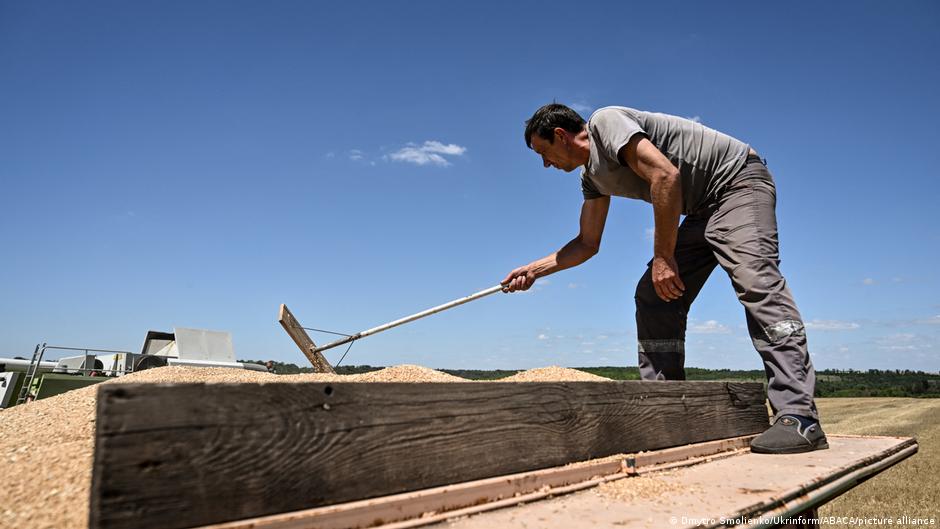
Russian attacks on ships and ports have brought ports in the Odesa region largely to a standstill, severely restricting Ukraine’s grain exports. Farmers have harvested more than 28 million tons of grain and pulses, but much of it cannot be sold, leaving them short of cash for harvesting and autumn planting. Alternative rail, road and Danube routes are constrained by capacity, cost and drought.

Nvidia’s earnings report and the Federal Reserve’s Jackson Hole symposium will challenge the assumptions underpinning this year’s stock-market rally and offer clues about whether the AI-driven equity surge can withstand growing uncertainty around economic growth and interest rates.
Wall Street’s main indexes opened higher on Friday after a sharp sell-off in the previous session. Still, rising government bond yields and geopolitical tensions continued to weigh on risk appetite, leaving markets on course for a weekly decline.
China’s National Development and Reform Commission said Friday that it will revise rules governing outbound investment to better safeguard investors’ rights and assets and contain risks overseas.
India has received 29 foreign direct investment proposals worth 48.95 billion rupees ($511.5 million) under a new automatic route. The policy allows investors from countries sharing a land border with India, including China, to acquire non-controlling stakes of up to 10%.
Forums lasting four to five days can sometimes bring local businesses revenue equivalent to one or two months’ earnings, Russian presidential adviser Anton Kobyakov said. Restaurants, transport and hotel companies, along with other small and medium-sized businesses, benefit from hosting participants and guests. The Eastern Economic Forum is scheduled for September 1–4 in Vladivostok.
Money markets are betting that the European Central Bank will become more hawkish, as geopolitical tensions complicate its fight against inflation and keep price pressures stubborn enough to push the key deposit rate close to 3% by late 2027.
On Everybody’s Business, the discussion turns to national debt, bonds and diesel prices, as well as whether the United States is heading toward a bright AI future or a smoldering landfill.
Outdated infrastructure is forcing oil tankers to wait as long as 30 days to load at Venezuelan ports amid increased fuel volumes bound for export. About half of Venezuela’s output, roughly 500,000 barrels, is currently shipped to the US, and the delays are hindering Washington’s plan to rapidly expand the country’s hydrocarbon exports.
The US and Canada appear close to a deal on autos, a sector central to the North American free-trade fight. The emerging details suggest it would be a useful first step for Detroit, but uncertainty and possible reversals remain under President Donald Trump’s trade war. Foreign automakers may benefit sooner.
Monte dei Paschi di Siena approved bids for rival Banco BPM and wealth manager Banca Generali on Thursday, seeking to counter a hostile takeover approach from the larger Intesa Sanpaolo.
Airbus has reportedly softened plans to cut staff remote working from two days a week to one from September, following strikes and protests in Spain, France and the UK over its return-to-office policy. Managers have been told employees can work from home an average of two days a week, while the company says the transition will be introduced more gradually.

In 2018, Trump’s commerce secretary assured the public that steel tariffs would save jobs. The Big Take podcast examines what actually happened.
A small Swedish company is Europe’s best-performing defense stock in 2026. Its CEO attributes the rise to a “third wave” of military spending focused more on computer systems and drones than on tanks and ammunition.
Ukraine’s agricultural market is entering a critical phase described as a perfect storm for producers. Agricultural exports through the Greater Odessa ports have been fully blocked during the harvest, while grain prices of about $230 per metric ton mean higher logistics costs make exports unprofitable. Farmers are also struggling to secure funds for planting and bank debt payments.
The Minutes Reader extension turns the original page into a focused reading view and translates articles and video subtitles on demand. It is in limited beta.