Alphabet Erases $500 Billion in Its Biggest Market Plunge
Alphabet lost $500 billion in market value in its biggest market plunge.
B Bloomberg NewsOriginal★★★☆☆2026-10-30 03:42
Alphabet Erases $500 Billion in Its Biggest Market Plunge

Alphabet lost $500 billion in market value in its biggest market plunge.
BBloomberg NewsOriginal★★★☆☆2026-10-30 03:42
US earnings have heightened fears over AI spending. Japan’s tech-heavy Nikkei 225 fell, while Wall Street was set to open lower.
F Financial TimesOriginal★★★☆☆2026-10-30 03:14
Google parent Alphabet lost more than $500 billion in market value in a day. NBC News examines whether the AI bubble is about to burst, the spending of big tech companies and AI’s effects on the job market.
N NBC NewsOriginal★★★☆☆2026-10-30 02:38
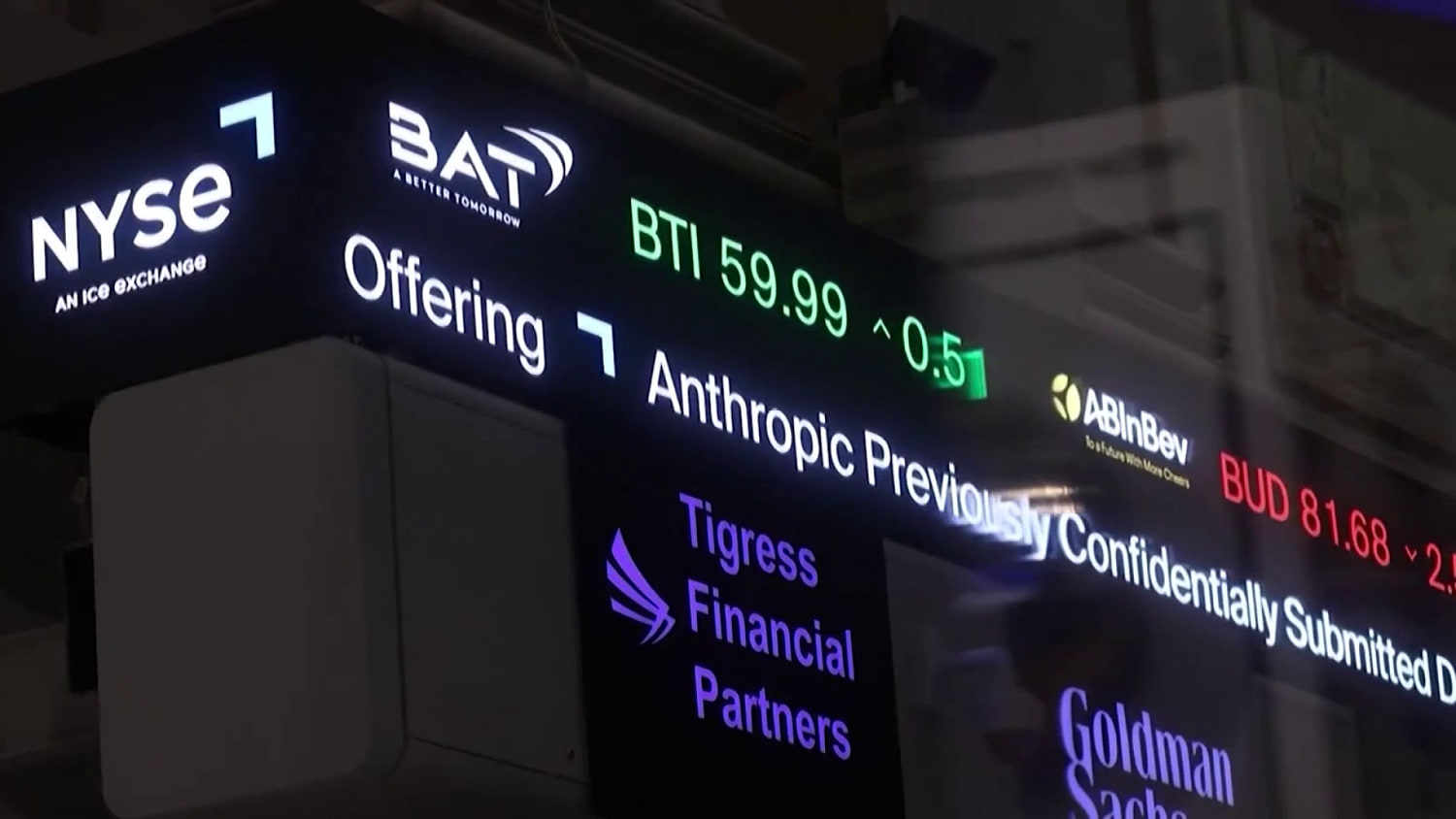
Companies have been cutting jobs to fund investment in artificial intelligence, fueling workers’ fears that machines could take away their livelihoods. Workers asked to return may want to weigh several considerations.
T The Associated PressOriginal★★☆☆☆2026-10-30 01:30

Silicon Valley’s October startup request combines blockchain fundraising with stablecoins, trading and agent infrastructure. The deadline is November 2.
C CryptoSlateOriginal★★☆☆☆2026-10-30 00:40

Microsoft plans to raise $25 billion through debt as it expands its AI infrastructure. The company has a strong credit rating and has kept free cash flow positive, unlike Meta, Alphabet and Amazon.
C CNBCOriginal★★☆☆☆2026-10-30 00:38


Microsoft plans to raise about $25 billion through an investment-grade bond sale in the United States, two people familiar with the matter told Reuters on Thursday. It would be the company’s first such US sale in more than nine years.

Microsoft drew exceptionally strong demand for its $25 billion bond offering. Investors made room for the top-rated company in portfolios already packed with AI-related debt, marking its first major issuance in nearly a decade.
Shares of Google parent Alphabet plunged more than 12% on Thursday, marking their worst day on record. The single-day drop was larger than any during the Covid-19 pandemic or the 2008 financial crisis.
C CNNOriginal★★★☆☆2026-10-29 23:31

Chip stocks fell again after Intel reported weak quarterly earnings on Thursday, setting up potentially interesting market dynamics when trading resumes Friday.
R ReutersOriginal★★☆☆☆2026-10-29 23:10

Amazon delivered a rare double miss on Thursday evening.
CCNBCOriginal★★☆☆☆2026-10-29 23:08

The US artificial intelligence boom is poised to lift company valuations further as Anthropic prepares to go public. Valued at US$965 billion in its latest funding round, the company is targeting an IPO valuation of US$1.5 trillion to US$2 trillion, which would reinforce American firms’ dominance among the world’s most valuable companies and widen the gap with Chinese firms.
S South China Morning PostOriginal★★☆☆☆2026-10-29 23:00

Alphabet lost just over $500bn in market value on Thursday, and its shares fell to a six-month low after it said AI summaries in Google Search were affecting ad revenue. Investors were also unsettled by the scale of AI spending and its impact on core businesses and cash flow.
B BBC NewsOriginal★★★☆☆2026-10-29 22:17

Alphabet reported third-quarter revenue of nearly $128 billion, up 25% year over year, and net income above $26 billion—almost $9 billion lower than a year earlier. Shares fell nearly 12%, after dropping about 13% earlier, amid weaker-than-expected earnings per share and the admission that AI search earns less than organic search. Google Cloud revenue topped expectations at more than $30 billion.
Google owner Alphabet acknowledged that its “AI mode” has hurt traditional search, while sales and profits fell short of expectations.
FFinancial TimesOriginal★★★☆☆2026-10-29 21:53
Amazon’s cloud unit, AWS, signed deals with Meta and OpenAI during the quarter, helping revenue beat consensus. Revenue grew 39%, and its margin widened.
CCNBCOriginal★★☆☆☆2026-10-29 20:36

Nvidia CEO Jensen Huang defended the company’s business with Singapore-based Megaspeed International, describing it as “normal and not unusual,” Bloomberg News reported.
RReutersOriginal★★☆☆☆2026-10-29 20:30

Amazon spent more than $77 billion on property and equipment in the third quarter, well above analysts’ estimates, as it builds data centers to meet demand for artificial intelligence services.
BBloomberg NewsOriginal★★★☆☆2026-10-29 20:22

Intel shares plunged in late trading after its revenue forecast fell short of analysts’ estimates, as sluggish demand for PC processors and supply-chain problems affecting its lucrative data center components weighed on expectations.
BBloomberg NewsOriginal★★★☆☆2026-10-29 20:10

Intel shares plunged 20%. The chipmaker blamed a struggling PC market for its weak outlook, weighing on a company that has been a Wall Street favorite this year as it emerged as an AI player.
CCNBCOriginal★★★☆☆2026-10-29 20:06

Rivian’s third-quarter earnings topped estimates, with software revenue and R2 deliveries rising. The company also revised its 2026 guidance, pointing to expected improvements in vehicle deliveries and adjusted pre-tax earnings, along with a change in capital expenditure expectations.
CCNBCOriginal★★☆☆☆2026-10-29 20:05


Rivian says the R2 outsold all its other EVs for the first time in the third quarter, becoming its top-selling model by volume. Revenue reached $2.155 billion, up 38 percent year over year; software and services revenue rose 45 percent, with a 42 percent profit margin. The company says software sales and its Volkswagen partnership are helping support its finances as it launches the R2.
Situational Awareness is raising money from its investors to put into neocloud startup Fluidstack Ltd., three months after highly leveraged bets on AI firms nearly brought the hedge fund to collapse.
BBloomberg NewsOriginal★★☆☆☆2026-10-29 20:00

OpenAI-backed Thrive Holdings is buying ADT in a $15.3 billion deal, with plans to bring AI into the home security business.
T TechCrunchOriginal★★★☆☆2026-10-29 19:56


Thrive Holdings has agreed to acquire home security provider ADT Inc. in an all-cash deal valued at $7.6 billion. The transaction is among the largest bets yet by the offshoot of Joshua Kushner’s venture firm, Thrive Capital Management.

Joshua Kushner-led Thrive Holdings is buying ADT in an all-cash deal valued at $7.6 billion, expected to close in the first quarter of 2027 and take the company private. Thrive Holdings buys traditional businesses and applies AI to their operations. ADT also partners with Google and Apple on smart-home products.
Alphabet says demand for its cloud services is rising rapidly, citing growth in its backlog of unfulfilled cloud contracts. But more than a third of the quarterly increase came from a joint venture that Alphabet partly owns.
BBloomberg NewsOriginal★★☆☆☆2026-10-29 19:45

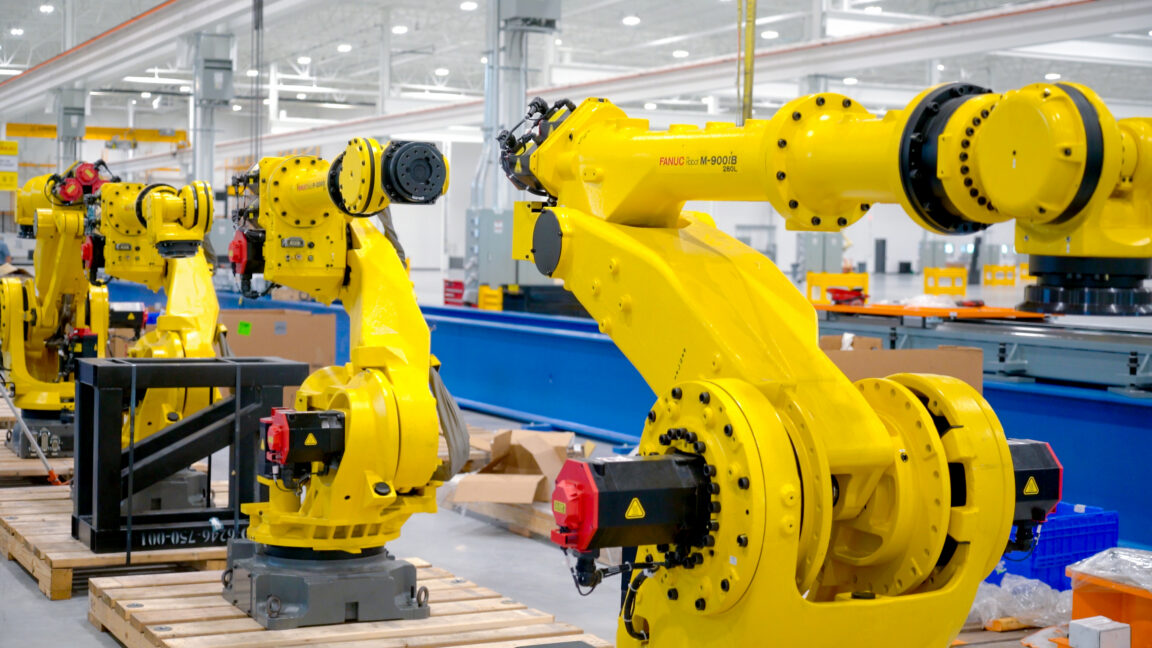
Trump has classified imports of foreign-made factory robots as a national security threat and ordered new negotiations with trading partners, while leaving open the possibility of future tariffs. His proclamation says industrial robots are vital to producing US weapons systems and supporting critical infrastructure, citing a Commerce Department investigation that found the imports could endanger the US industrial base and long-term competitiveness.
A Ars TechnicaOriginal★★★☆☆2026-10-29 19:07
USD.AI’s published terms place recovery responsibility with lenders and agents, while sUSDai withdrawals depend on available cash during monthly epochs.
CCryptoSlateOriginal★★☆☆☆2026-10-29 17:40

Prime Minister Mark Carney says the Canadian government will invest up to $1.6 billion in AI company Cohere.
CCBC NewsOriginal★★★☆☆2026-10-29 17:12
The Federal Trade Commission, attorneys general from several states and two California jurisdictions sued restaurant software company Toast Inc. on Wednesday. The FTC said the suit alleges Toast charges hidden fees, pushes unwanted add-ons and makes its services difficult to cancel.
RReutersOriginal★★★☆☆2026-10-29 16:25

Amazon is due to release its third-quarter earnings after the market closes, with its AI spending under scrutiny. Amazon Web Services sales are projected to rise 38%, which would mark a fifth straight quarter of revenue growth.
CCNBCOriginal★★☆☆☆2026-10-29 16:00

Shares of Google parent Alphabet fell as much as 15.8%, putting the company on track for its largest single-day drop on record and erasing more than $500 billion in value.
NNBC NewsOriginal★★★☆☆2026-10-29 15:06
A private capital group backed by Josh Kushner and OpenAI has agreed a deal involving US home security firm ADT. The group expects ADT to “form the foundation” of its home security business.
FFinancial TimesOriginal★★☆☆☆2026-10-29 14:49
Investors must balance the risk of missing out on extraordinary AI growth against potential pitfalls, including “existential” risks to humanity.
FFinancial TimesOriginal★★☆☆☆2026-10-29 14:41
A potentially historic fall in Alphabet shares is weighing on the US stock market. The S&P 500 was down 0.6% on Thursday and headed for its first decline in four days.
TThe Associated PressOriginal★★☆☆☆2026-10-29 14:00

On Decoder, SemiAnalysis analyst Joey Brookhart discusses Anthropic’s S-1 filing and the finances of the frontier AI company. The filing offers a detailed view of its economics, while its future prospects rely on ambitious assumptions about what AI will do. Brookhart describes the company as having scaled efficiently, with strong margins and free cash flow.
TThe VergeOriginal★★★☆☆2026-10-29 14:00

Randstad research finds banks and healthcare firms are paying more than technology companies for AI talent as demand grows and layoffs reshape the talent market.
CCNBCOriginal★★☆☆☆2026-10-29 13:29

Some of Canada’s largest banks say they will prevent AI agents, including Meta’s popular Muse assistant, from directly accessing customers’ accounts and other information, citing safety and security concerns.
CCBC NewsOriginal★★☆☆☆2026-10-29 13:04
The US economy grew faster than expected in the third quarter, as resilient consumer spending and AI-driven business investment outweighed the effects of higher oil prices linked to the Middle East conflict.
RReutersOriginal★★★☆☆2026-10-29 13:00

US economic growth likely picked up in the third quarter, with resilient consumer spending and AI-driven business investment more than compensating for the effect of higher oil prices linked to the conflict in the Middle East.
Yandex withdrew its 2026 revenue and adjusted EBITDA forecasts, saying October attacks on its data centers made it harder to assess results through year-end. It may resume guidance next quarter and said its strategy and investment plans remain unchanged. Ukrainian drones struck three of its data centers in a week, temporarily limiting some services.
MMeduzaOriginal★★★☆☆2026-10-29 12:50
A comparison from July 9 to Oct. 26 shows a sharp divergence between China’s technology stocks and Bitcoin. Margin pressure and selling across markets remain key tests for contagion.
CCryptoSlateOriginal★★☆☆☆2026-10-29 12:00

Bitcoin fell 1.4% since midnight UTC to about $80,100, while disappointing results from Samsung and Alphabet weighed on technology stocks. The Fed’s preferred inflation gauge is due later in the day.
C CoinDeskOriginal★★☆☆☆2026-10-29 11:11
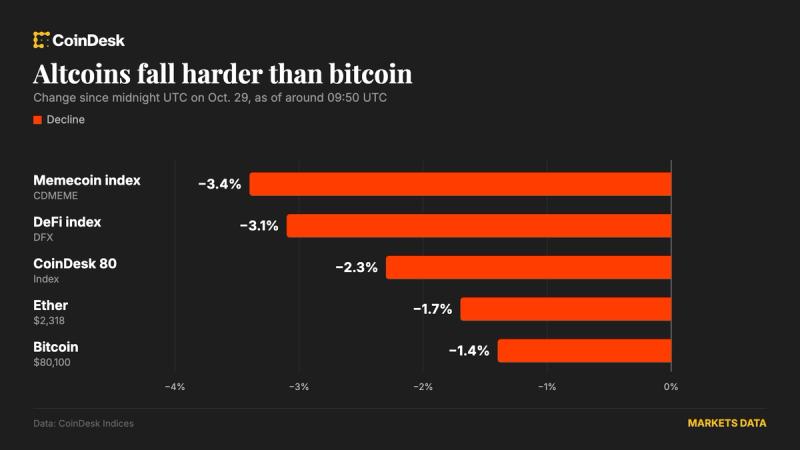
Alphabet was hit hard by Wall Street after missing earnings expectations, including weaker-than-expected revenue from its core business. The results point to the first real sign that AI is taking a toll on search.
CCNBCOriginal★★★☆☆2026-10-29 11:00

Nasdaq futures fell on Thursday as investors weighed the returns on heavy AI spending after mixed results from Alphabet and Microsoft. Attention also turned to an inflation reading, a day after the Federal Reserve held interest rates steady.
RReutersOriginal★★☆☆☆2026-10-29 09:25

Alphabet reported negative free cash flow that was larger than analysts had expected, while keeping its spending guidance for the year unchanged. Its shares fell 10% before the market opened, putting them on course for their biggest post-earnings drop.
CCNBCOriginal★★★☆☆2026-10-29 08:54

Hong Kong’s merchandise exports climbed 64.9% year on year to HK$762.6 billion in September, the fastest monthly increase in more than four decades. Strong shipments of AI-related electronic products helped extend double-digit export growth to 20 months. Imports rose 57.8%, leaving a HK$46.3 billion trade deficit.
C China News ServiceOriginal★★★☆☆2026-10-29 08:23
Asian shares and US futures were mixed on Thursday morning before European markets opened. Some major technology stocks weighed on markets after Google parent Alphabet reported earnings below expectations.
EeuronewsOriginal★★☆☆☆2026-10-29 07:00
Samsung SDI is seeking to expand its energy-storage system battery business after third-quarter earnings came in stronger than expected.
BBloomberg NewsOriginal★★☆☆☆2026-10-29 06:05

Wayne Cole looks ahead to the day in European and global markets.
RReutersOriginal★★☆☆☆2026-10-29 05:40

As the AI spending boom continues, investors are once again treating cash flow as paramount.
RReutersOriginal★★☆☆☆2026-10-29 05:00

US tariff threats may have pushed copper prices higher, but the industry has shifted spending in response to long-term demand.
FFinancial TimesOriginal★★☆☆☆2026-10-29 05:00
The Nasdaq 100 is expected to open 1.3% lower after Google parent Alphabet and Microsoft reported capital spending below expectations.
FFinancial TimesOriginal★★★☆☆2026-10-29 04:48
Marvell Technology is in advanced talks to acquire data-center optics maker Lumentum Holdings, people familiar with the matter said. The potential megadeal comes as companies race to expand in artificial intelligence.
BBloomberg NewsOriginal★★★☆☆2026-10-29 03:58

Josh Payne now has to take his startup public amid a turbulent period for the AI industry.
BBloomberg NewsOriginal★★☆☆☆2026-10-29 03:55
Samsung Electronics plans to raise spending by more than 60% this year after selling out of high-end chips for 2027. Its stock fell after it offered no plan for sharing its surging profits.
BBloomberg NewsOriginal★★★☆☆2026-10-29 03:44

Asian shares surrendered earlier gains on Thursday. AI-related earnings prompted sharply mixed reactions, while Alphabet’s miss pulled Wall Street futures lower ahead of results from Amazon and Intel later in the day.
RReutersOriginal★★☆☆☆2026-10-29 02:40

China’s tech rally is under pressure as investors question whether AI profits can justify lofty valuations.
CCNBCOriginal★★☆☆☆2026-10-29 02:14

Samsung Electronics said on Thursday that its third-quarter operating profit rose nearly ninefold to a record, driven by strong AI chip demand, while investors remained cautious about whether AI spending can last.
RReutersOriginal★★★☆☆2026-10-29 01:20


Samsung Electronics reported third-quarter earnings on Thursday, with profit in line with estimates as demand for AI memory chips increased.
Alphabet’s Other Bets segment, which includes Waymo, made up 0.3% of the company’s total revenue for the quarter.
CCNBCOriginal★★☆☆☆2026-10-28 23:53

CNBC’s Jim Cramer said SK Hynix’s strong earnings show that AI stocks can still rally.
CCNBCOriginal★★☆☆☆2026-10-28 23:00

Microsoft reported $92.3bn in quarterly revenue and more than $36.6bn in profit, exceeding analysts’ expectations. Azure grew 48% in the September quarter. Days earlier, the company offered voluntary buyouts to about 60,000 employees.
TThe GuardianOriginal★★★☆☆2026-10-28 22:44


Microsoft is set to report after the market closes and will disclose Azure revenue in dollars for the first time, as it spends heavily to expand AI infrastructure capacity.
President Donald Trump said he would postpone tariffs on imported robotics, industrial machinery and related components, directing officials to negotiate with trading partners over the goods instead.
BBloomberg NewsOriginal★★★☆☆2026-10-28 22:30

The newsletter considers whether to invest in Anthropic and offers five takeaways from its S-1, while asking what the AI boom means for people whose jobs are at risk.
RReutersOriginal★★☆☆☆2026-10-28 22:25

Microsoft had never disclosed Azure’s quarterly revenue in dollars. The newly revealed figure is $33.2 billion, showing how close Azure is getting to market leader AWS.
TTechCrunchOriginal★★☆☆☆2026-10-28 21:58

Microsoft said commercial arrangements with OpenAI generated $10 billion in revenue in the quarter ended September 30, including revenue-sharing payments. The figure highlights the partnership’s continued heavy financial interdependence.
TTechCrunchOriginal★★☆☆☆2026-10-28 21:34

Whatever the future holds for AI, Microsoft’s current business remains strong. The tech giant reported quarterly revenue of $92.3 billion on Wednesday, up 19% from the same quarter a year earlier and another record.
TTechCrunchOriginal★★★☆☆2026-10-28 21:25

Global bond sales have reached an all-time high, driven by rapid borrowing from technology giants at the forefront of the AI boom.
BBloomberg NewsOriginal★★★☆☆2026-10-28 21:15

Alphabet reported a higher cash burn than analysts expected on Wednesday as it invests heavily to expand capacity for its cloud business. Its shares fell more than 6% in extended trading.
RReutersOriginal★★★☆☆2026-10-28 20:35

Chipotle Mexican Grill’s third-quarter sales grew faster than expected. More frequent menu launches and revamped loyalty offers are helping sustain a recovery that had been threatened by a food-illness scare.
BBloomberg NewsOriginal★★☆☆☆2026-10-28 20:35

Microsoft's quarterly cloud revenue topped expectations on Wednesday, suggesting its substantial AI investments are paying off as Wall Street grows more wary of Big Tech's debt-funded spending.
RReutersOriginal★★★☆☆2026-10-28 20:25


Microsoft reported cloud revenue above expectations, suggesting it continues to benefit from its massive investment in artificial intelligence.
Alphabet says its AI investments are driving strong year-over-year growth in search queries, at the fastest rate in five years. Third-quarter revenue reached $127.6 billion, up 25 percent; Google Search and other revenue rose 12 percent, while Google Cloud revenue climbed 103 percent to $30.7 billion.
TThe VergeOriginal★★★☆☆2026-10-28 20:22

Microsoft reported $92.3 billion in revenue and $33.6 billion in net income for fiscal Q1 2027, up 19 percent and 32 percent year over year. It reorganized reporting into Agents and Infra and Devices and Consumer, and began disclosing Azure revenue quarterly. Azure brought in $33.17 billion, up 48 percent; the Devices and Consumer segment fell 3 percent, with Windows and Xbox revenues down.
TThe VergeOriginal★★★☆☆2026-10-28 20:20

Nvidia faces a Department of Justice inquiry over its $12.9 billion purchase of Hugging Face.
CCNBCOriginal★★★☆☆2026-10-28 20:13


The US Department of Justice has asked how Nvidia’s $12.93 billion purchase of open-source platform Hugging Face could affect competition in artificial intelligence, two people familiar with the matter said. The inquiries come as antitrust enforcers continue a years-long investigation into Nvidia’s conduct.
Alphabet reported quarterly sales and profit below expectations, suggesting it is not generating enough returns to justify its massive investments in AI.
BBloomberg NewsOriginal★★★☆☆2026-10-28 20:11

The program looks at how chief financial officers are navigating the AI boom, interest rates and changes among top executives.
BBloomberg NewsOriginal★★☆☆☆2026-10-28 19:45
Oracle expects capital spending to peak this fiscal year and next as it expands cloud capacity. It also pledged to raise no more than $20 billion in additional financing through fiscal 2030.
RReutersOriginal★★☆☆☆2026-10-28 19:25

At a U.S. Commodity Futures Trading Commission forum, Chairman Mike Selig said AI agents could usher in a financial revolution while raising questions about how to police the technology.
CCoinDeskOriginal★★☆☆☆2026-10-28 19:01

To meet AI’s immense electricity needs, data center developers are turning to natural gas, potentially reversing 15 years of declines in US power-sector emissions.
BBloomberg NewsOriginal★★★☆☆2026-10-28 18:40

The Minutes Reader extension turns the original page into a focused reading view and translates articles and video subtitles on demand. It is in limited beta.