The obscure rule fueling a retail trading frenzy
Retail trading in investments such as stocks and options is reaching record levels. A recent rule change that made day trading easier for small investors has helped drive the surge.
Turnover on Binance and Hyperliquid combined, according to Talos, climbed sharply, while Binance’s dollar exposure contracted. The fees actually retained have not been quantified.

Global hedge funds recorded one of their broadest declines since the Covid pandemic after Thursday’s stock-market selloff, according to Goldman Sachs Group Inc.’s prime brokerage desk.
Market data showed the MOEX Russia Index rose 1.45% on Friday to 2,464.67 points, while the RTS Index gained 2.19% to 964.05. The yuan fell 10.1 kopecks to 12.064 rubles. BCS Investment World’s Andrey Smirnov said the MOEX briefly dipped after the Central Bank meeting before quickly recovering, as oil prices continued reaching multi-month highs.
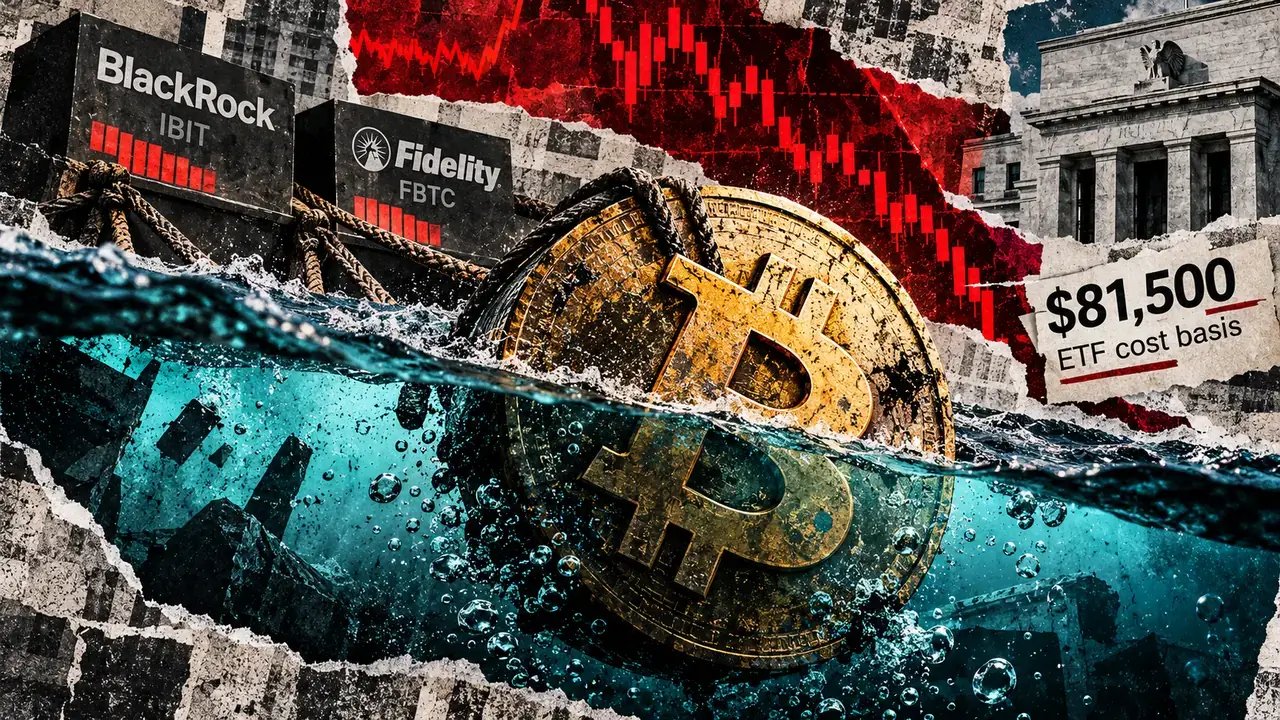
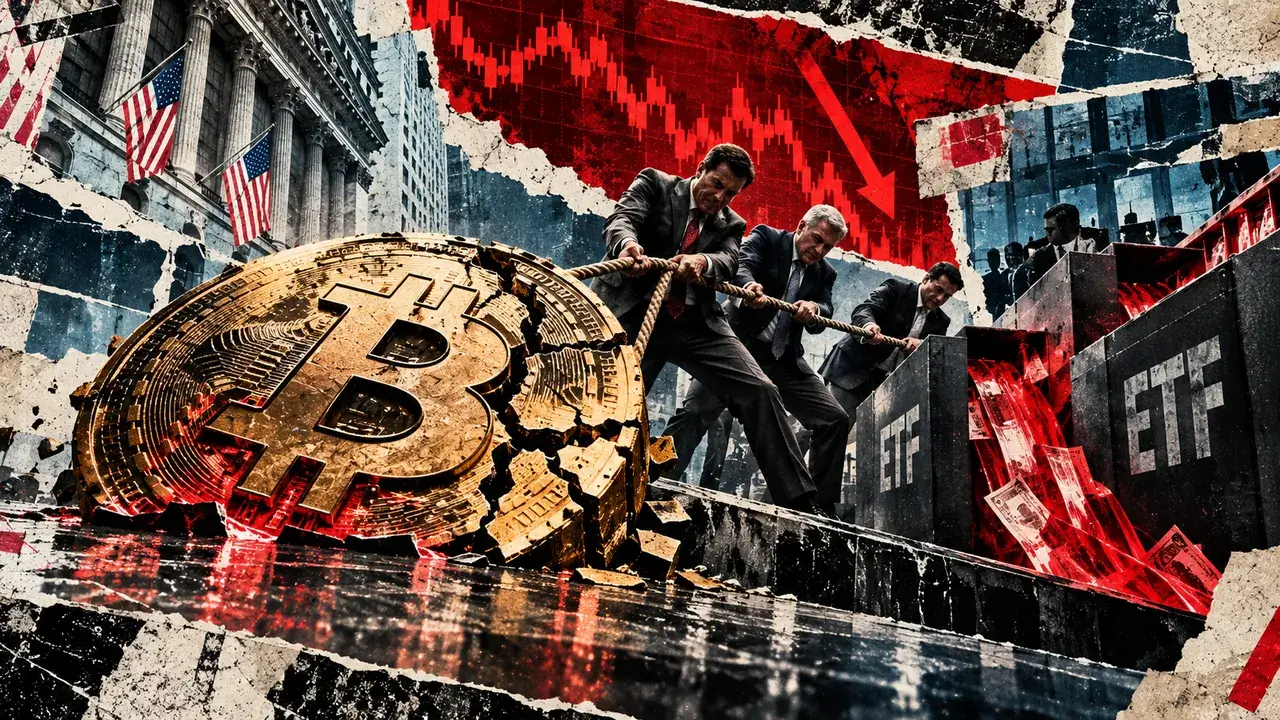
US spot Bitcoin ETFs saw about $635 million in net outflows Thursday, their largest daily withdrawal since June 25, as Bitcoin traded near the estimated cost basis of fund holdings. The outflows reversed nearly 60% of the funds’ inflows over the previous three trading sessions.

US telecom stocks fell on Friday after a report said SpaceX was seeking thousands of cell sites for a fourth wireless carrier, raising concerns about increased competition.
Blackstone CEO Steve Schwarzman said the firm’s massive bet on artificial intelligence stemmed from a chance encounter more than a decade ago.
Coca-Cola says its “total beverage company strategy” remains in place despite the challenges facing the deal.
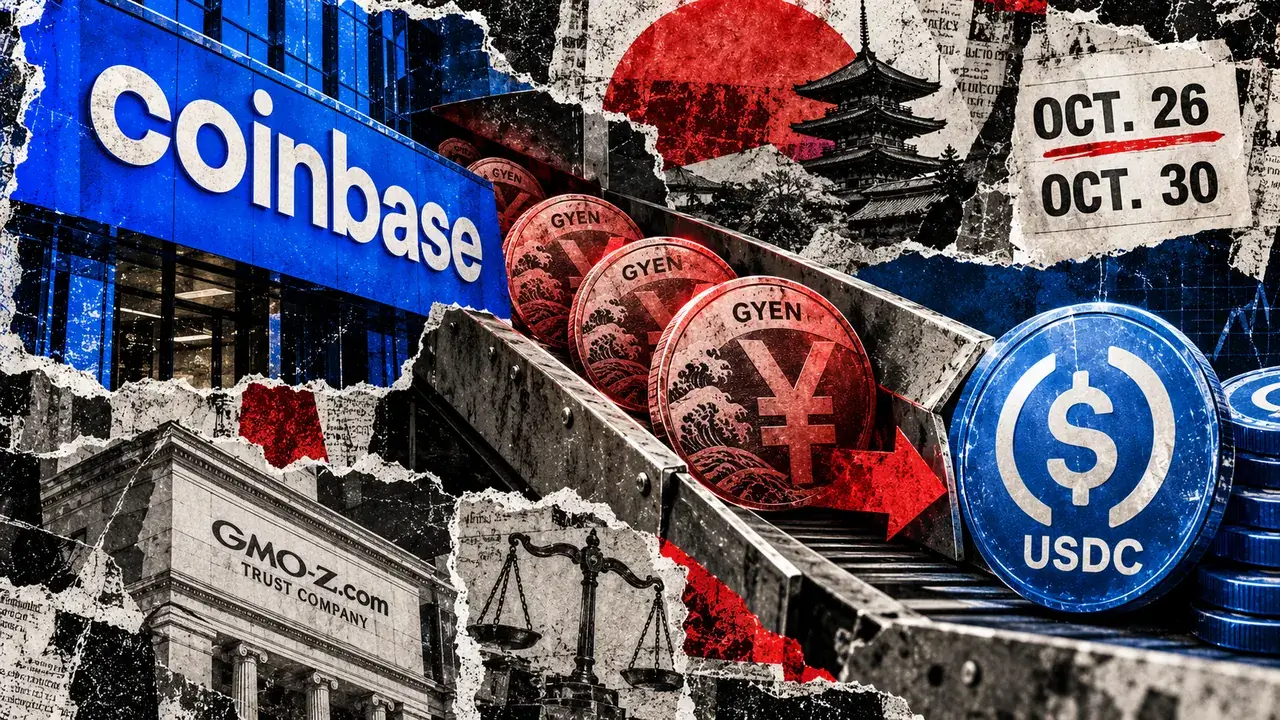
Holders seeking to avoid conversion at market rates must withdraw before Monday, ahead of GMO Trust’s Nov. 11 deadline for initial direct redemptions.

Metro said its Russian operation donated 1 billion rubles to the People’s Front: Everything for Victory! fund to buy equipment for troops at the front, including vehicles, communications and reconnaissance systems, and counter-drone equipment. Less than a month earlier, Vladimir Putin had placed Metro’s Russian assets under temporary management.
Experts discuss which companies investors should buy, sell or hold this week.
Some of Bitcoin’s best-known early investors are squaring off again, this time looking to profit from a massive rally in the year’s standout major cryptocurrency.
Kalshi Inc. is seeking business from the world’s largest banks and hedge funds for a futures market linked to US inflation, opening a new front in its competition with traditional financial exchanges.
Gazprom has reduced the share of its borrowing from international markets from 77% in 2022 to 13% since mid-2026, company official Ignat Dirks said. Over four years, it raised more than $14 billion domestically to refinance international borrowing and about $20 billion for new projects.
Indicators across global bond markets point to the strongest risk-off sentiment in more than a year. A selloff in AI stocks and rising geopolitical tensions have driven investors toward safe-haven assets.
Bank of Russia Governor Elvira Nabiullina said higher oil and other commodity prices boosted export revenues in recent months, supporting the ruble. She added that the fiscal rule limits the effect of international prices.
The Bank of Russia forecasts that current price growth will return to 4% in the first half of 2027. Governor Elvira Nabiullina said interest in the digital ruble exceeded expectations; 270,000 accounts have been opened, including 15,000 by legal entities and sole entrepreneurs.
Gold has plunged this week, falling below $4,000, even as investors seek safety in US Treasuries.
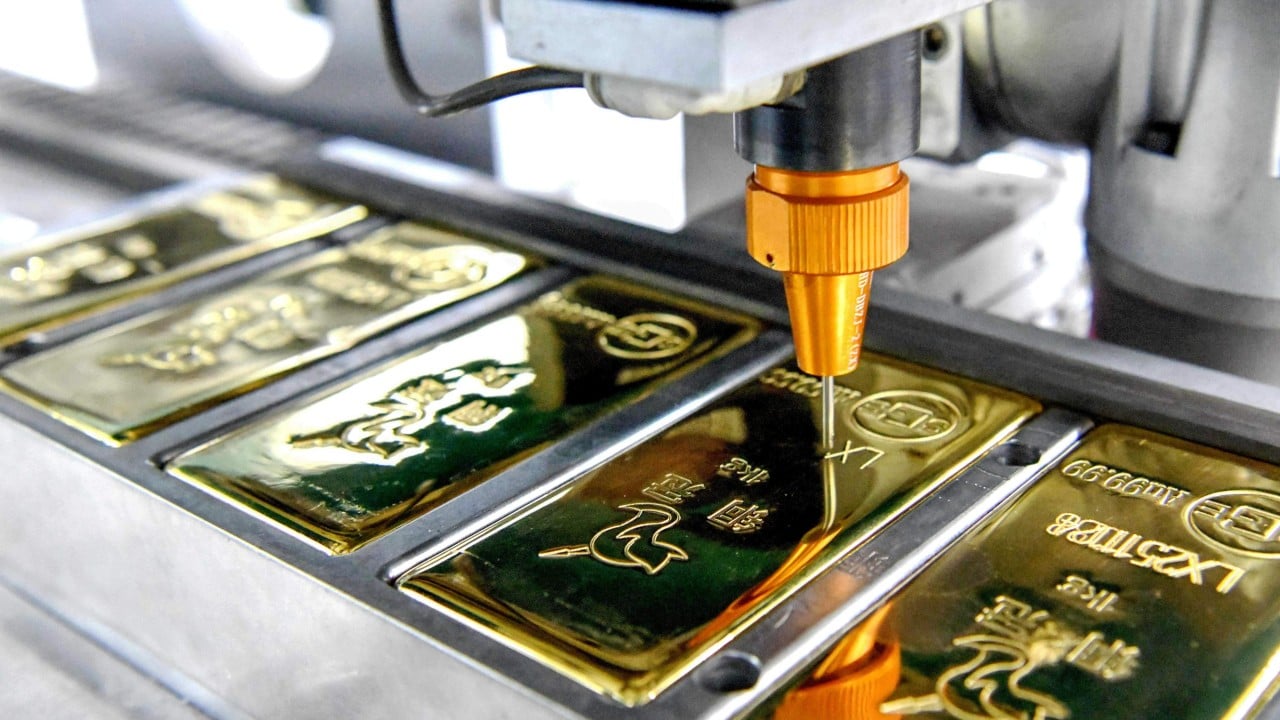
Hong Kong confirmed deals for gold refineries to localise production in the city, another step toward becoming an international gold trading hub. Analysts say local refineries could complete its gold-trading ecosystem and bolster confidence in its prospects as a trusted global gold vault.

The ECB is expected to keep rates unchanged next week as a sell-off in French bonds tightens borrowing conditions across the eurozone. President Christine Lagarde has said Paris, not Frankfurt, must take the first steps to address France’s debt problems.
The 10-year Treasury yield remained below 5% on Friday, after AI-driven technology selling sent investors into government bonds.

France is grappling with rising public debt amid cost-of-living protests. Concern about its public finances has pushed the 10-year government bond yield above 5% for the first time since 2002, raising borrowing costs. A downgrade by Moody’s is widely expected.

France faces the risk of a ratings downgrade on Friday, adding pressure on a government already struggling to contain social unrest and shore up strained public finances.
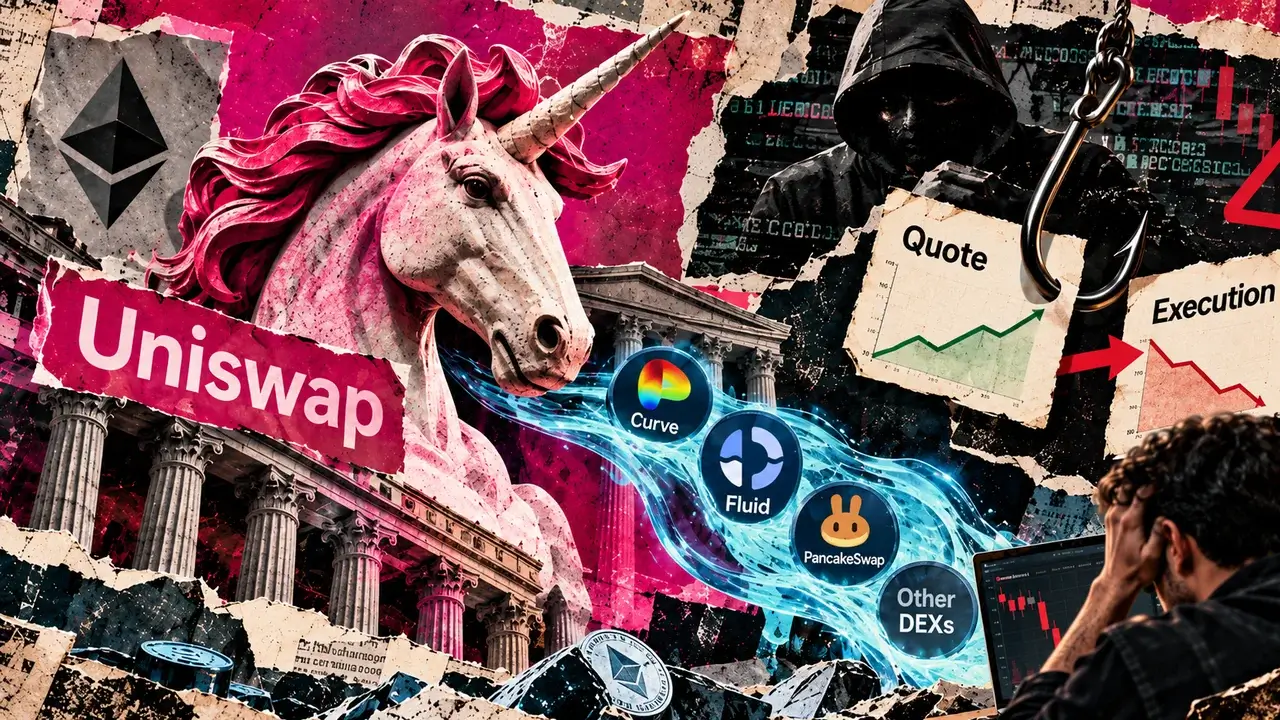
Uniswap Labs launched aggregator hooks on Ethereum, Base, and Robinhood Chain on Oct. 22, allowing its web app and API to route swaps through outside liquidity from Curve, Fluid, PancakeSwap, and other venues. Uniswap Labs developed the adapters. In a September study of third-party hooks, 0x reported malicious Uniswap…

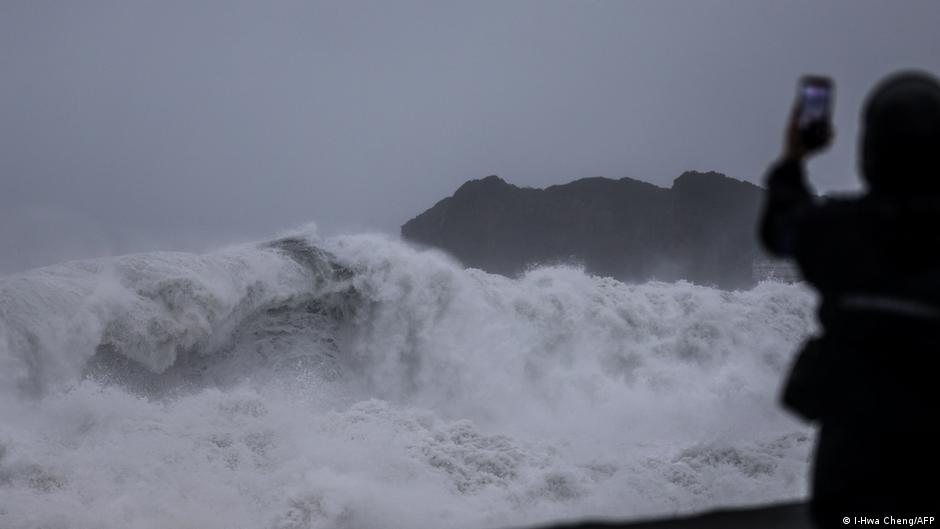
As Typhoon Champi approached Taiwan, waves battered the northeastern coast and winds reached 191 km/h. The storm has killed one person and injured 163, prompting thousands to evacuate as much of the island shuts down.


Powerful Typhoon Champi brought flight cancellations across East Asia and prompted school and office closures in Taiwan. One person died after being swept away by waves, 171 were injured and 1,000 evacuated. Forecasters said the storm could bring up to 90cm of rain, and Taiwan’s weather agency did not rule out landfall.
Typhoon Champi swept past Taiwan on Friday as towering waves hit the coast. One person died, 94 were injured and hundreds of flights were cancelled.

Taiwan is preparing for a possible direct hit from Typhoon Champi. Though it has weakened from super-typhoon strength, gusts remain near 190 km/h and torrential rain is expected. At least one person has died, more than 1,300 have evacuated, and businesses, schools and hundreds of flights have been shut or cancelled.
Taiwan closed its stock market, schools and offices on Friday as Typhoon Champi approached, bringing heavy rain and damaging winds that disrupted flights. The market is valued at $5 trillion.

Most businesses and schools across Taiwan shut on Friday as Typhoon Champi approached, while hundreds of flights in the region were canceled. Authorities reported at least one death and dozens of injuries, and more than 1,200 people evacuated their homes.
Taiwan was nearly shut down on Friday ahead of Typhoon Champi. The storm is weakening and is not expected to make direct landfall, but it is forecast to bring strong winds and torrential rain.
The ruble’s growth slowed after the Bank of Russia kept its key rate at 14% per year. The yuan fell to 12.037 rubles before the decision and then eased its decline to 12.05 rubles. Russian stock indices also fell: the MOEX Russia Index lost 0.45%, and the RTS Index dropped 0.5%.
Sterling edged higher against the euro on Friday, touching a 17-month peak and heading for a fourth consecutive weekly gain after UK data sent mixed signals about the economy.
Futures tracking Canada’s blue-chip stocks fell on Friday after oil reached its highest level since May amid an escalation in the Middle East conflict. Investors remained concerned about prolonged inflation and US interest rates staying higher for longer.
Bitcoin ETFs recorded $636 million in net withdrawals on Thursday, erasing the previous day’s inflows. BlackRock’s IBIT led with $254.1 million in outflows, while four other funds also saw withdrawals.

Bitcoin remains far more volatile than the euro-dollar exchange rate, though its volatility has eased to a level comparable with Nvidia’s.

Bitcoin settled after a week of sharp swings, while tech futures steadied and Brent reached its highest level since early May. The Federal Reserve meets next week.

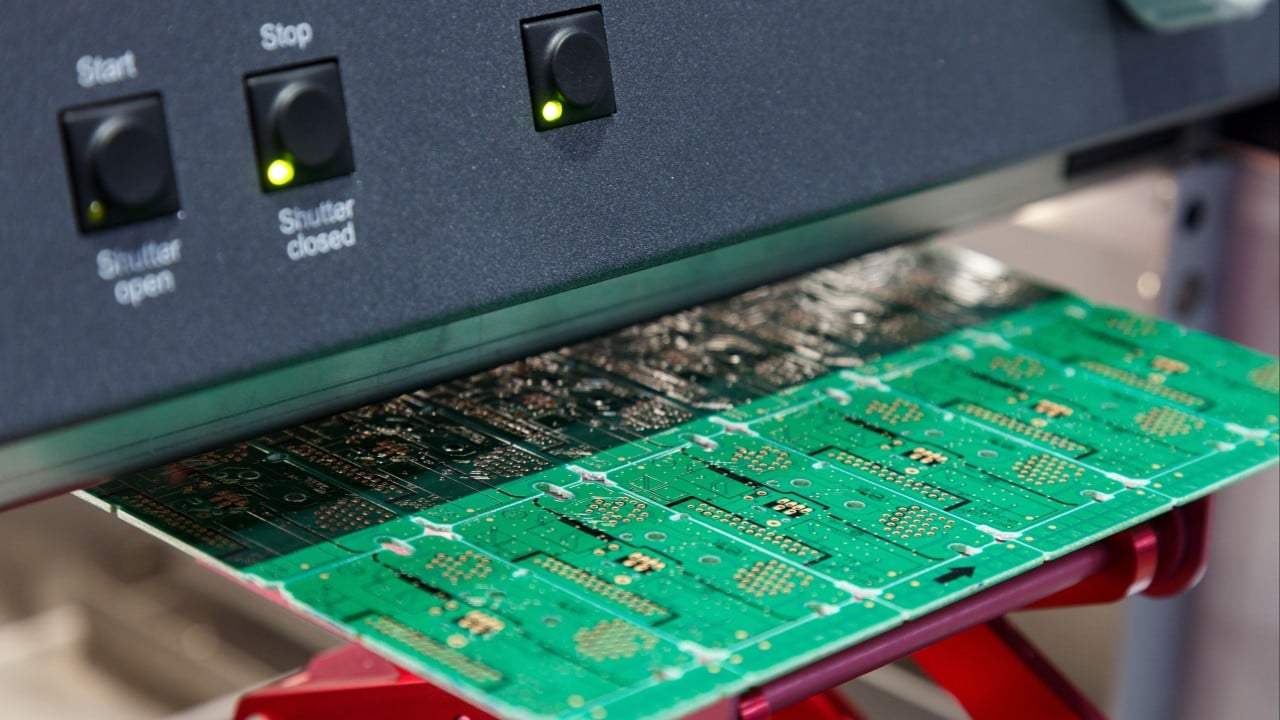
Chinese printed circuit board maker Suzhou Dongshan Precision Manufacturing failed to attract Hong Kong retail investors, making it one of the city’s least popular mega IPOs so far this year. Preliminary figures showed the public offering was undersubscribed, with fewer than 10,000 applicants. The company is seeking to raise up to HK$10.7 billion.

Meta Platforms said it would issue a new class of non-voting shares to finance AI and raised the lower end of its 2026 capital-spending plan to $135 billion. The article says AI infrastructure spending now exceeds what operating cash flow can support, shifting financing from bonds to equity and diluting existing shareholders. Markets are testing whether the money will arrive before returns do.

Markets are absorbing Wall Street’s tech sell-off. Renewed doubts about AI spending sent the Nasdaq Composite to its worst day in three months.

South Korea is reportedly preparing to amend its foreign exchange law to regulate stablecoins used as payment instruments. It is currently developing the Digital Asset Basic Act, which aims to create a comprehensive framework for crypto.

Russian Deputy Finance Minister Ivan Chebeskov said the ruble and yuan account for nearly all settlements between Russia and China, while bilateral trade continues to grow steadily. He said payment mechanisms and financial infrastructure linking the countries’ banking systems are established and functioning.
Bitcoin briefly fell below $81,000 on Oct. 22, while the Nasdaq lost more than 2%, spot gold dropped about 2.7% to $4,025, and silver slid around 5.8% to near $54.63. The 10-year Treasury yield fell from 5.146% to below 5%, its biggest one-day decline in more than two years.

As public markets cool, AI IPOs are slowing. Continued private funding for giants such as OpenAI and DeepSeek could encourage companies to remain private for longer.
Bids for Jio’s IPO surged on its final day. India’s biggest-ever offering is being closely watched as a test of investor appetite for large listings.
French borrowing costs have surged as debt and political risks grow, raising questions about whether the strain could spread across the euro zone.

The Federal Reserve, European Central Bank and Bank of Japan are due to announce policy decisions this week. Investors will also assess whether results from Alphabet, Amazon and Microsoft can drive another leg of the AI rally.
The Riksbank says an e-krona is critical to safeguarding national payments and monetary control, as stablecoins and a digital euro loom.

The Bank of Russia bought 12 billion rubles ($147.93 million) worth of yuan on the domestic market, with settlement on October 22, 2026. Purchases settling on October 21 totaled 12.1 billion rubles ($149.16 million). The bank carries out these transactions through the yuan-ruble pair on the Moscow Exchange.
Shares in Swedish automaker Volvo Cars fell 28%. The company pointed to worsening conditions, led by tougher markets in China and the U.S., which weighed on free cash flow.

Volvo Cars says it will cut 2,500 jobs as it moves into a quarterly loss. The Geely-owned automaker faces competition from local rivals in China, alongside US tariffs and the removal of EV incentives, as it intensifies its turnaround efforts.
South Korea’s economy likely grew slightly faster in the third quarter than in April-June, as strong semiconductor exports and AI-related investment helped counter persistently uneven domestic demand, a Reuters poll of economists showed.
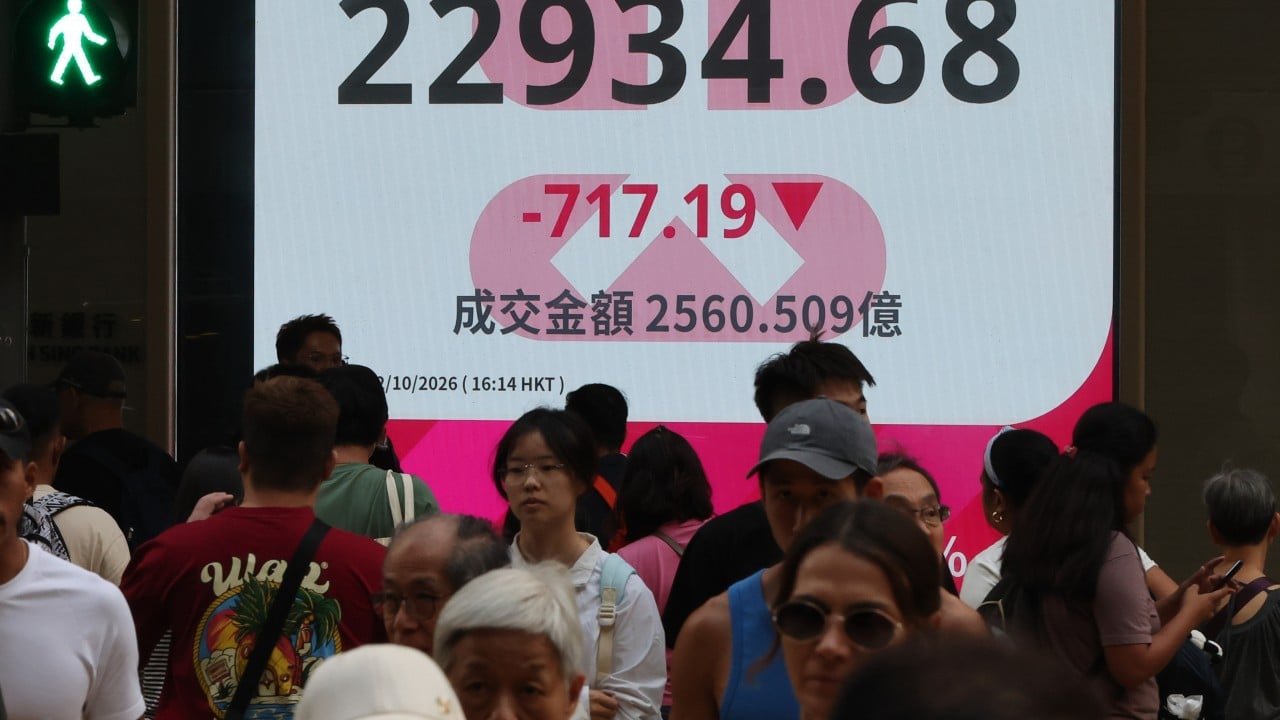
Regional equities tumbled as hopes for investor stimulus faded, pushing the Hang Seng Index to a seven-month low. Beijing’s intensified scrutiny of offshore wealth and tax compliance also remained in focus, while economic data pointed to steady but uneven domestic momentum.

The MOEX and RTS indices opened 0.46% higher at 2,440.62 and 947.73 points, respectively. By 9:05 a.m. Moscow time, both had advanced 0.48%.
Bonds and stocks are signaling the same chilly outlook.
Vice Commerce Minister Jiang Chenghua said U.S. investment in China increased 7.7% year on year in the first nine months of 2026. Investment from France and Switzerland rose 31.8% and 26%, respectively. China established more than 47,000 new foreign-invested enterprises; utilized foreign investment fell 4.3% to 548.81 billion yuan, while foreign-invested enterprises’ trade grew 24.1%.
Gold slipped on Friday and was on track for its steepest weekly decline in more than four months. Elevated oil prices strengthened expectations that interest rates will stay higher for longer, as investors awaited next week’s Federal Reserve policy meeting.
Rising energy prices added to inflation worries as doubts about AI spending weighed on technology stocks. Investors sought safety in US bonds, while France’s borrowing costs stayed above 5%.
China has issued revised rules governing outbound investment, requiring investors to report major adverse developments more diligently, including foreign demands to transfer technology or sell stakes. The National Development and Reform Commission said the rules aim to better prevent and mitigate growing overseas risks and protect Chinese interests.

The article examines bond-market concern about France and mentions dusting off a spreadsheet for like-for-like comparisons.
Wayne Cole looks ahead to the day in European and global markets.
Asian stock markets declined in line with Wall Street, while Japanese bonds and the yen rallied.
Swiggy shares fell to a record low on Friday after losses widened in the quick-commerce business run by its Instamart unit. Profitability in the competitive sector remains in focus following rival Eternal’s results this week.
Trump said on Thursday that Canadian aircraft maker Bombardier is investing $270 million in the United States. Days earlier, he dropped threats to bar the company from the country.
The rupee’s recent rebound may come under pressure on Friday as investors move toward safer assets, weighing on risk-sensitive currencies, while higher oil prices could prompt importers to increase hedging.
If inflation and debt increase while optimism about AI fades, the risks of shortening Treasury maturities will grow.
California’s public employees’ retirement fund sharply reduced its holdings in the Magnificent Seven as concerns mounted over lofty valuations and surging spending.
With polls pointing to a close contest, some analysts expect Argentina’s currency to come under pressure.
US tech stocks fell sharply as investors questioned whether companies’ huge AI investments can be sustained. The Nasdaq Composite dropped 2.6 percent on Thursday, while the S&P 500 fell 1.21 percent. All but Apple among the “Magnificent 7” posted substantial losses, and the sell-off spread to Asian markets.

Bitcoin and gold trimmed their early losses as the yen surrendered gains and Asian stocks rebounded. Oil remained near $100, keeping inflation risks in focus.

Indian shares are expected to rise at Friday’s open after three consecutive sessions of losses, though higher oil prices driven by escalating Middle East tensions could limit the gains.
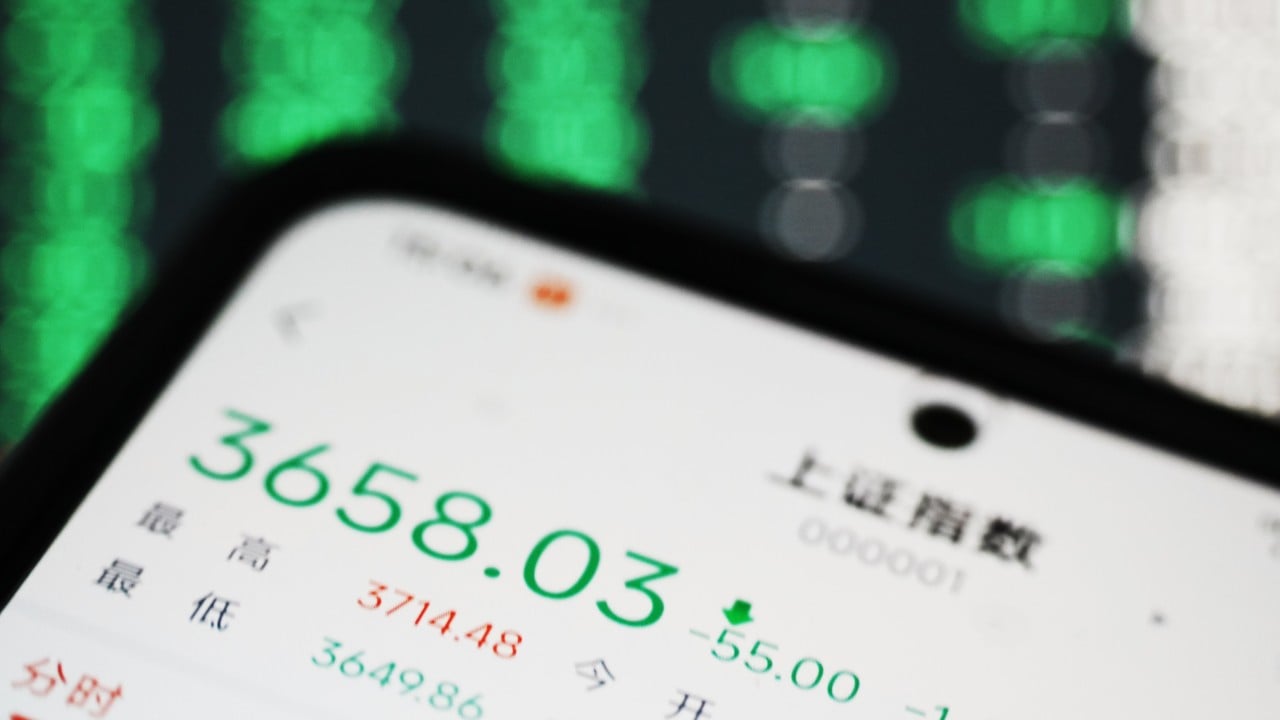
Chinese stocks extended their decline on Friday, taking the CSI 300 further into bear-market territory as hopes for new stimulus faded and a global retreat from AI-related trades unsettled investors. At 10:15 a.m. local time, the index was down 1.7% at 3,964.48, on course for its lowest close since July 2025. It technically entered a bear market the previous day after falling 20% from its June peak.

Bitcoin was below $81,500 as the tech-stock slump reached Asian trading. By Friday morning, South Korea’s Kospi had lost 2.3%, while Japan’s Nikkei 225 was down 1.6%.

Asian shares fell on Friday as concerns about the huge funding needs of AI weighed on technology stocks. Investors shifted to sovereign bonds and safe-haven currencies, sending Treasuries to their biggest daily rally in more than three years.
The technology stock selloff intensified. After a blistering rally earlier this year, investors shifted out of industry giants and sought safety in Treasuries and currencies such as the yen.
With Halloween still about a week away, worries over AI spending are already unsettling markets.

Bankers and lawyers say demand among Chinese clients for U.S. bank accounts is accelerating as Beijing tightens scrutiny of wealth held offshore by Chinese nationals.

Chinese households are moving assets from property and bank deposits into higher-return investments at home and abroad, Moody’s Ratings said. A prolonged property downturn and low interest rates are driving demand for alternatives that may offer better returns than deposits with relatively low risk.

SK Hynix has put plans for a potential U.S. IPO of Solidigm on hold, citing market volatility and concerns about its share price.
SpaceX recorded a $561 million investment gain from its stake in Boring Co., helping lift its net income in the third quarter.

Etsy is imposing stricter limits on AI use in listings to reduce misleading content. Every listing must include an unedited photo of the actual item on a real background, and images must accurately represent what buyers will receive. AI-generated art remains permitted if disclosed, while functional guides must be sellers’ own work and bot-made listings are prohibited.

Hong Kong’s offshore yuan bond market is becoming a more important funding source for global banks, with US lenders driving a surge in issuance even as the yuan’s traditional cost advantage over the dollar narrows. For US banks, access to Chinese capital is increasingly the draw, rather than cheaper borrowing.

US entrepreneur Elon Musk invested about $1 billion in media company Skydance, Semafor reported, citing sources. Skydance also invested funds from other shareholders into its equity at the same time. The company needed additional investment to cut costs and strengthen its share price, the report said.
Elon Musk has invested roughly $1 billion in Skydance, CNBC reported Thursday, citing a person familiar with the matter.

Elon Musk reportedly invested about $1 billion in Skydance. David Ellison’s father, billionaire Oracle co-founder Larry Ellison, has a history with Musk.
Elon Musk invested about $1 billion in Skydance Corp., Semafor reported, providing a financial boost to the newly formed media and entertainment company led by David Ellison.
Debate over artificial intelligence has stalled IPOs. As the prospect of Anthropic PBC’s market debut looms larger, billions of dollars in capital and months of preparation hang in the balance.
The bill for the next phase of AI infrastructure spending came due on Thursday, weighing on Meta and other favored technology stocks.
As the selloff in French government bonds intensifies, heavily indebted euro zone economies face the risk of sharply higher borrowing costs while contending with rising social unrest.
A DWF Labs report found that US spot Bitcoin ETFs recorded outflows during seven of eight major selloffs. Since launching in January 2024, the funds have consistently lost money in market declines of at least 15%, challenging expectations that Wall Street investors would support prices in downturns.

The Minutes Reader extension turns the original page into a focused reading view and translates articles and video subtitles on demand. It is in limited beta.