A recent rise in oil and gas prices has revived concerns about Europe’s reliance on imported fuel and the potential effects on companies as winter approaches.
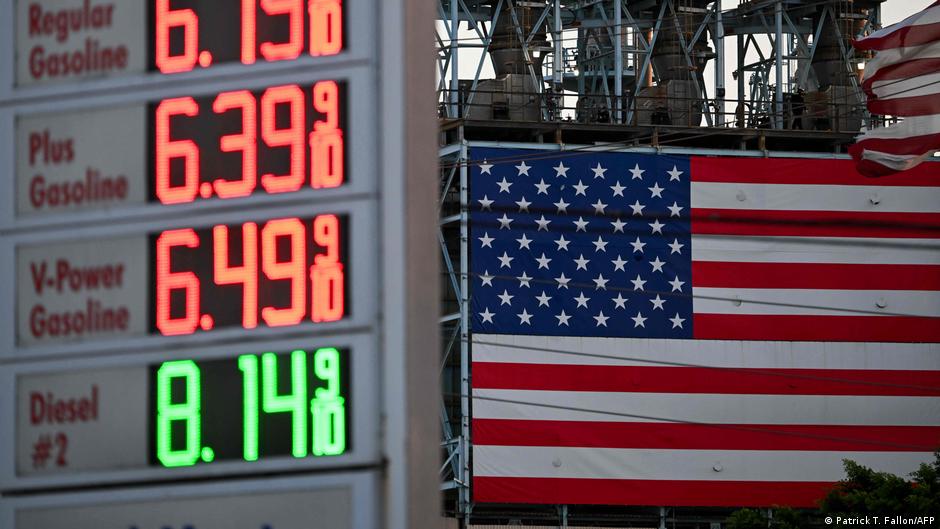
Rising gasoline and food costs are expected to drive a sharp increase in US consumer prices in September, adding to unfavorable developments for President Donald Trump and his Republican Party ahead of the crucial November 3 midterm elections.
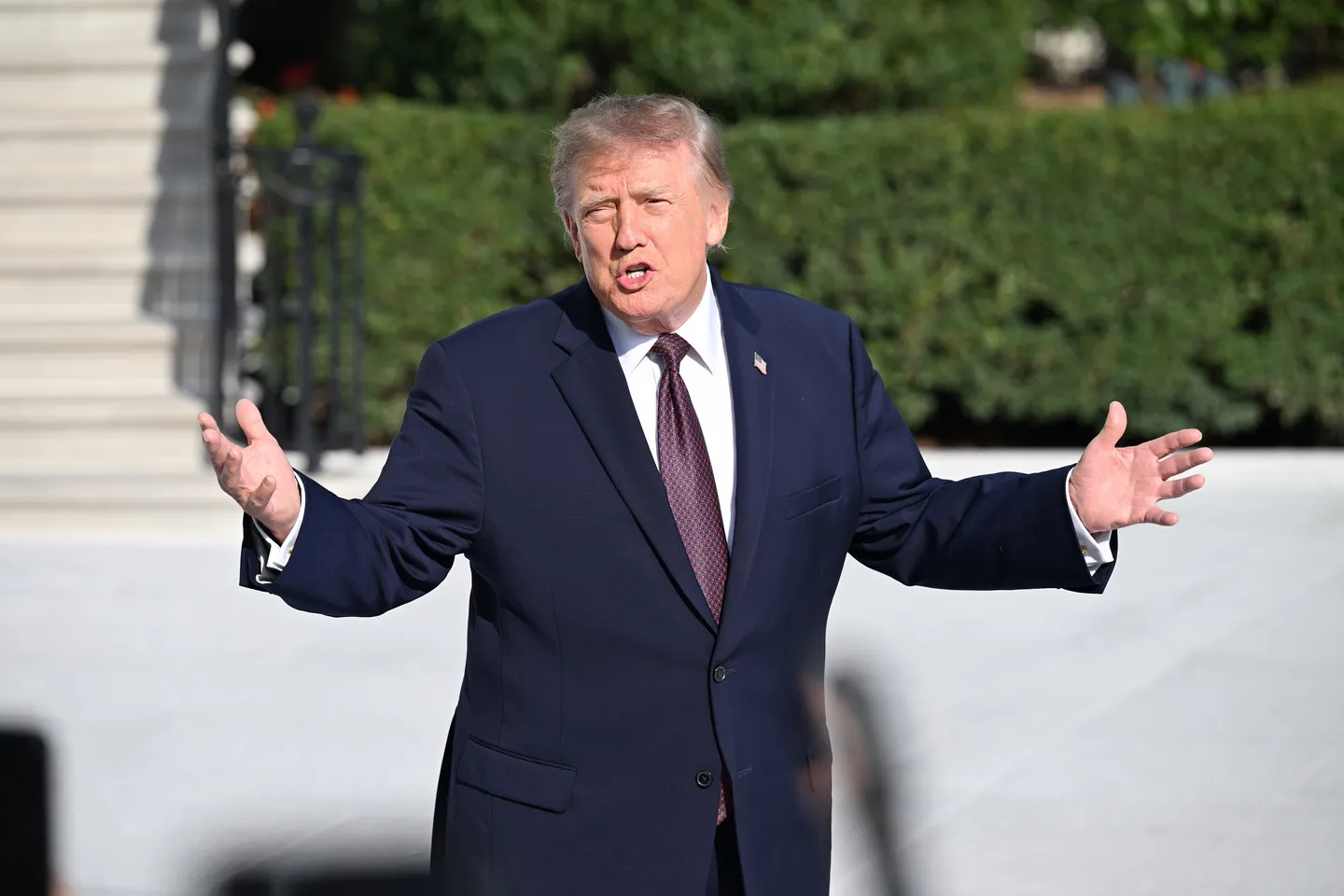
U.S. President Donald Trump said at a rally in Alaska on Tuesday that Taiwan had agreed to buy 30% of the natural gas from a pipeline project there. The terms of the deal were not immediately clear.
Donald Trump said Taiwan had agreed to purchase 30% of the gas from an Alaska liquefied natural gas pipeline project over the next 20 years. He promoted the initiative ahead of the midterm elections.
The Russian Energy Week international forum opened in Moscow on Wednesday and runs through October 16. Participants will discuss challenges facing global energy markets, cooperation and ways to stabilize markets, alongside opportunities to strengthen Russia’s position and potential. The business program’s main events are scheduled for October 15 and 16.
Household gas and electricity prices in Europe have increased less sharply than petrol and diesel. Ahead of winter, Euronews Business compares prices in capital cities and tracks how they have changed since before the Iran war.
Singapore’s Formula 1 race week is drawing businesses, with more conferences being held alongside the Grand Prix and making the event a major business attraction.
Asian shares rose slightly on Wednesday as AI-related stocks found some relief after a selloff. Elevated oil prices and caution ahead of US inflation data due later in the global day limited gains.
Indian shares are expected to open quietly on Wednesday, following gains in the previous session. Higher oil prices and continued foreign investor outflows are dampening sentiment as investors assess corporate earnings.
China’s producer prices rose at their fastest pace in more than four years in September, as higher oil and commodity prices pushed up factory costs. Consumer inflation edged up, but weak domestic demand kept broader price pressures contained.
China’s producer prices posted their fastest rise since June 2022. The increase topped economists’ 4.5% forecast in a Reuters poll and the previous month’s 3.8%.
Libya can strengthen its role as a dependable oil and gas supplier to global markets, Ambassador to Iran Ali Juma Hassan Fadil said. He said this would require protecting energy infrastructure, maintaining stable production, modernizing facilities and creating a more predictable contractual and legal environment for investors.
The Houthis and the Saudi-led coalition both struck energy infrastructure. Saudi authorities said debris from intercepted missiles injured four people in Riyadh, while a limited fire broke out at Aramco’s Dhahran headquarters with no casualties. The coalition also struck targets near Sanaa on Tuesday.
Saudi ArabiaHouthismissile attacksenergy infrastructure
Salvadoran President Nayib Bukele announced on Tuesday that Spain’s Cox Energy will invest $2.9 billion to develop energy, water and fuel projects in El Salvador.
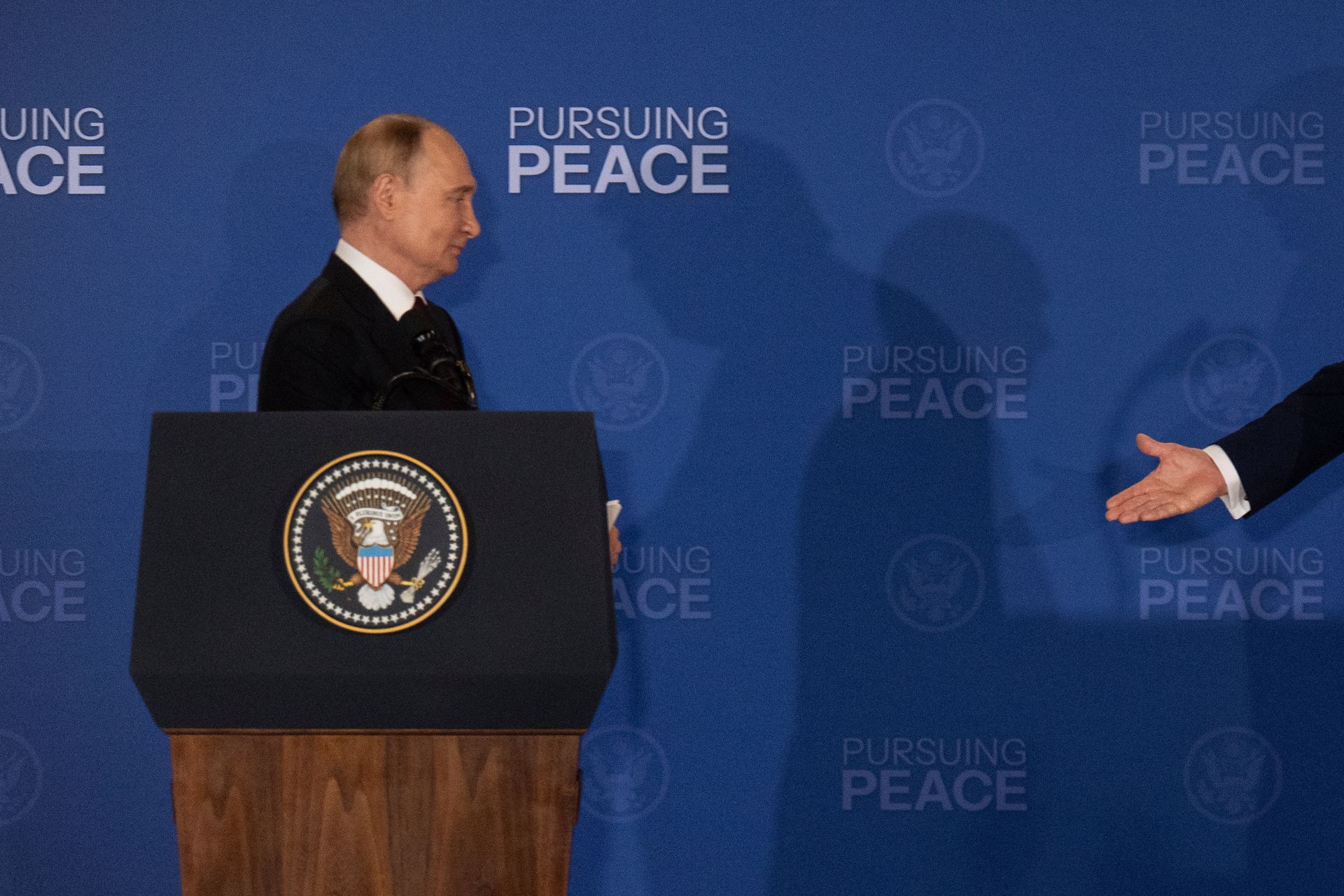
Trump is facing mounting opposition within his own party over an agreement with Putin on Moscow’s diesel exports. The deal came just weeks after Trump signed a law authorizing tough sanctions on countries that buy Russian oil.
Donald TrumpVladimir PutinRussian dieselRepublicans
A dozen U.S. senators, including six Republicans, urged Donald Trump on Tuesday to rescind his diesel oil deal with Russia. They said it would give Moscow more fuel to finance its war on Ukraine and would not benefit Americans.
Donald Trump plans to allow Russian diesel purchases, prompting criticism at home and abroad. The agreement lets Moscow supply diesel to global markets; media reports say it responds to Kyiv’s failure to stop attacks on Russian refineries as Washington demanded. Volodymyr Zelenskyy called it a weak decision by strong partners. Experts link Trump’s pressure on Ukraine to the US midterms, urging Kyiv to keep engaging with Washington and consider working with European partners to block deliveries.
With Republicans facing the possibility of losing control of Congress in the Nov. 3 elections and high fuel costs fueling voter discontent, Trump called lower prices his “greatest priority.” He announced on social media on Oct. 9 that he had reached a deal with Putin for Russia to supply diesel to the US and global markets. US diesel prices have risen significantly, mainly because…
Donald TrumpVladimir PutinRussian dieselfuel prices
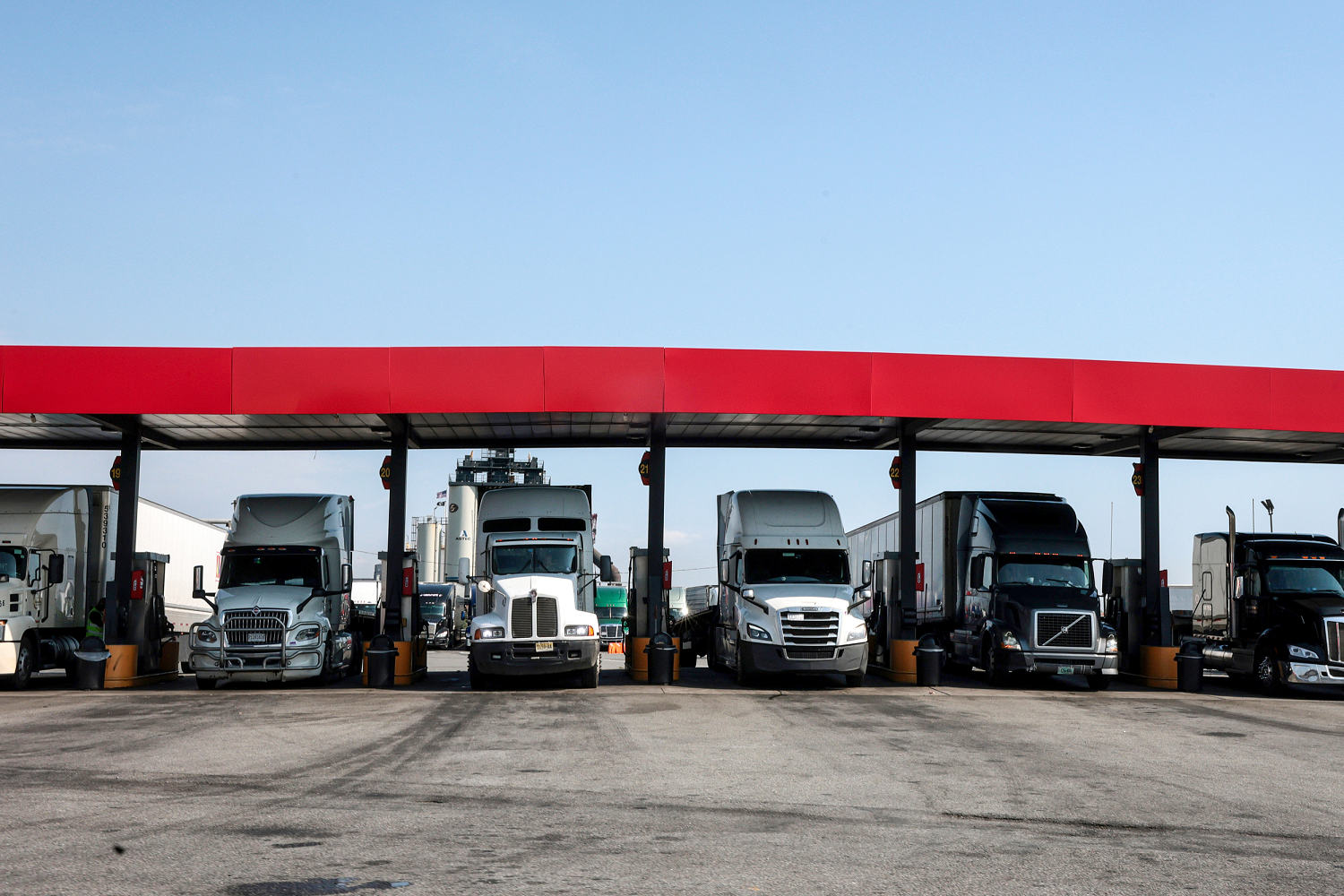
The diesel deal Donald Trump struck with Russia is smaller than two weeks of U.S. demand. Trump faces pressure to bring fuel prices down, with the U.S. midterm elections less than a month away.
This week’s letters challenge the Trump administration’s plan to buy Russian diesel as U.S. prices rise. One writer says the deal benefits Putin at Ukraine’s expense; a scholar argues a sanctions bill may not meaningfully pressure Moscow and warns it gives the president broad, weakly supervised tariff discretion.
Vice President JD Vance said Tuesday that the Trump administration will invoke the Cold War-era Defense Production Act to increase the processing capacity of a Texas refinery owned by Delek US Holdings.
Hong Kong Exchanges and Clearing has completed the first cross-border green-product trades under two separate pilot programmes with exchanges in Guangzhou and Shenzhen, an executive said. Its Core Climate platform enabled 15 companies to buy Green Electricity Certificates through the Guangzhou Power Exchange Centre.
Bank of England Governor Andrew Bailey said British companies are intensely focused on containing costs as energy prices surge because of the Iran war.
French energy group Engie said on Tuesday it plans to develop a biomethane production facility in northern France with shipping company CMA CGM, helping the carrier shift to lower-emission fuels.
EU leaders say Donald Trump and Vladimir Putin’s deal to supply Russian diesel to the U.S. undermines sanctions and helps Moscow continue its war against Ukraine. Trump says Europe has paid Russia $250 billion for energy since the war began. Russia puts the total higher, while the EU’s estimate is lower. Russia says EU payments since 2022 reached $320.7 billion; an unnamed European Commission representative put them at $209 billion from March 2022 through July 2026. The EU says its phaseout plan is working. In 2021, it paid Russia 99 billion euros for energy.
ExxonMobil has told Guyana it needs more offshore gas than the government expected to maximize oil production, potentially leaving less gas available for LNG production and exports, two people close to the talks said.
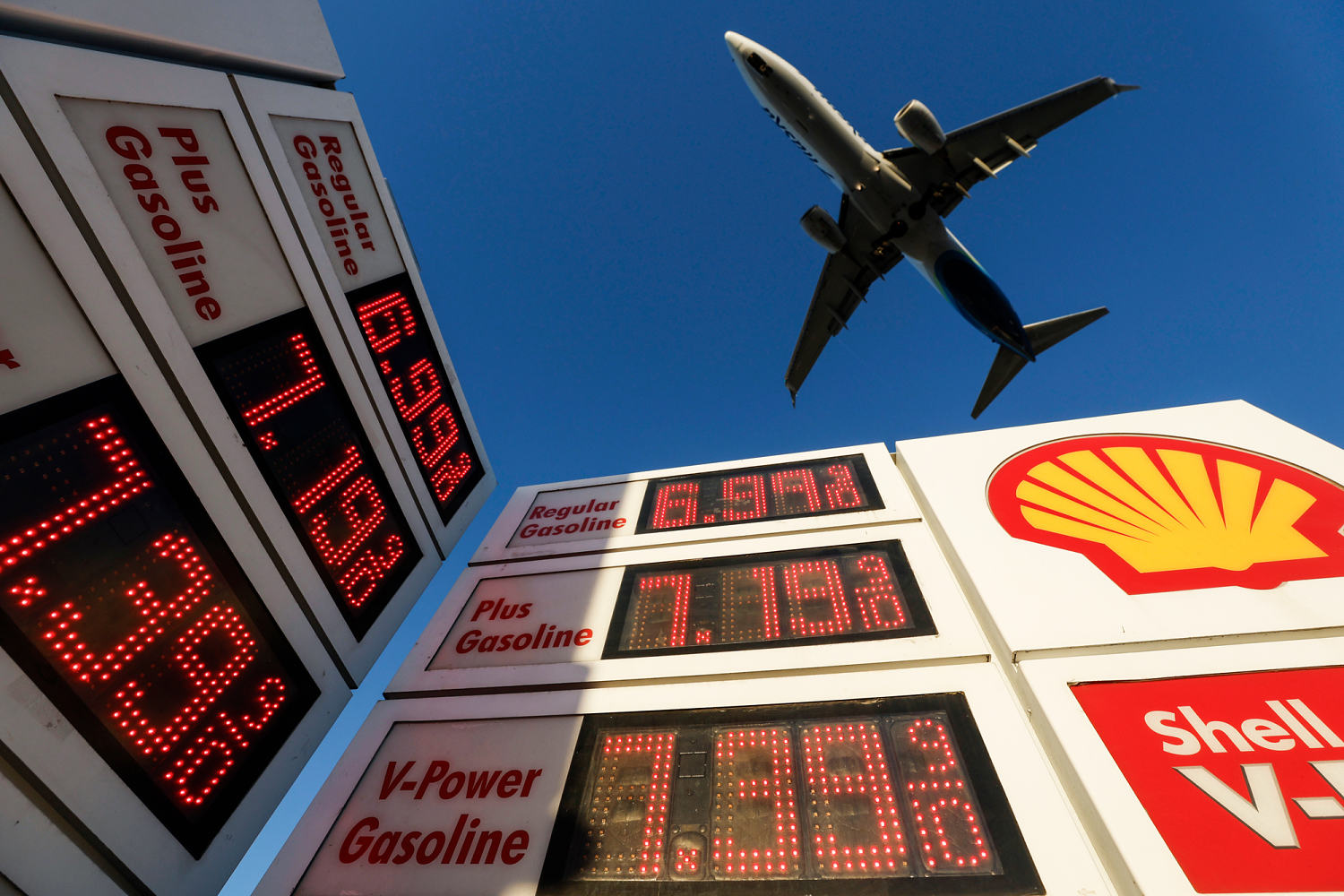
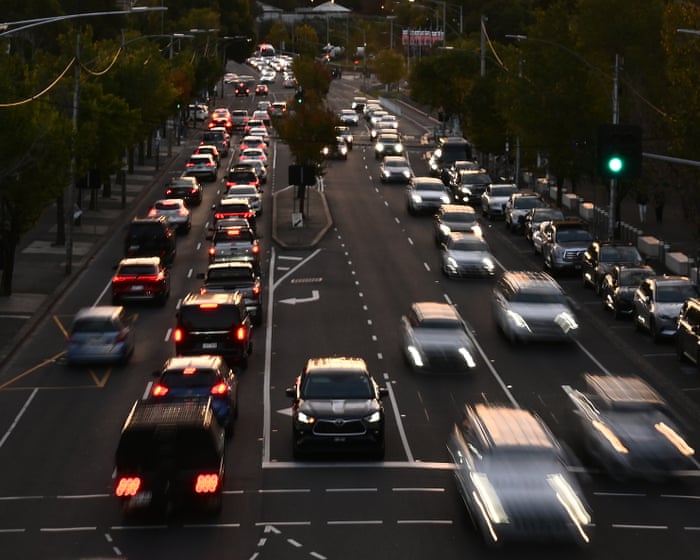
From $4 gas and 7% mortgage rates to rising airfares, the Iran war is substantially increasing costs for consumers already weary of inflation ahead of the midterm elections.
Chicago Fed President Austan Goolsbee said on Tuesday inflation was beginning to feel like “aggregate overheating,” driven by spillovers from the artificial intelligence investment boom rather than mainly by supply shocks that would fade on their own.
OPEC+ production rose sharply in September, led by an increase from Saudi Arabia, OPEC said Tuesday. Shipments through the Strait of Hormuz remained disrupted by the Iran war.
OPEC+ nations participating in the production-cut agreement raised crude output by 956,000 barrels per day in September, reaching 30.753 million bpd, according to the latest monthly report. Saudi Arabia posted the largest increase and Kuwait the biggest decline; output was 5.453 million bpd below the alliance’s baseline quota.
OPEC said seven OPEC+ countries that voluntarily limit production pumped 26.123 million barrels per day in September, up 977,000 bpd from August. Saudi Arabia recorded the largest increase, adding 744,000 bpd to reach 8.001 million bpd; Iraq added 386,000 bpd and Kazakhstan 22,000 bpd.
The U.S. Environmental Protection Agency proposed on Tuesday that larger refiners blend more biofuels over the next two years, seeking to appeal to farm-state voters before November’s congressional elections.
Energy & commoditiesbiofuelsrefineriesU.S. Environmental Protection AgencyU.S. elections
Drivers on Indonesia’s Bali island have faced hours-long queues amid shortages of subsidised Pertalite fuel. Supplies arrived two days after the shortage was first reported on Sunday, disrupting residents who depend on motorbikes for transport and work.
Chile’s Centinela copper mine and two striking unions returned to negotiations on Tuesday through voluntary mediation, seeking to end a week-long work stoppage that workers say is affecting operations.
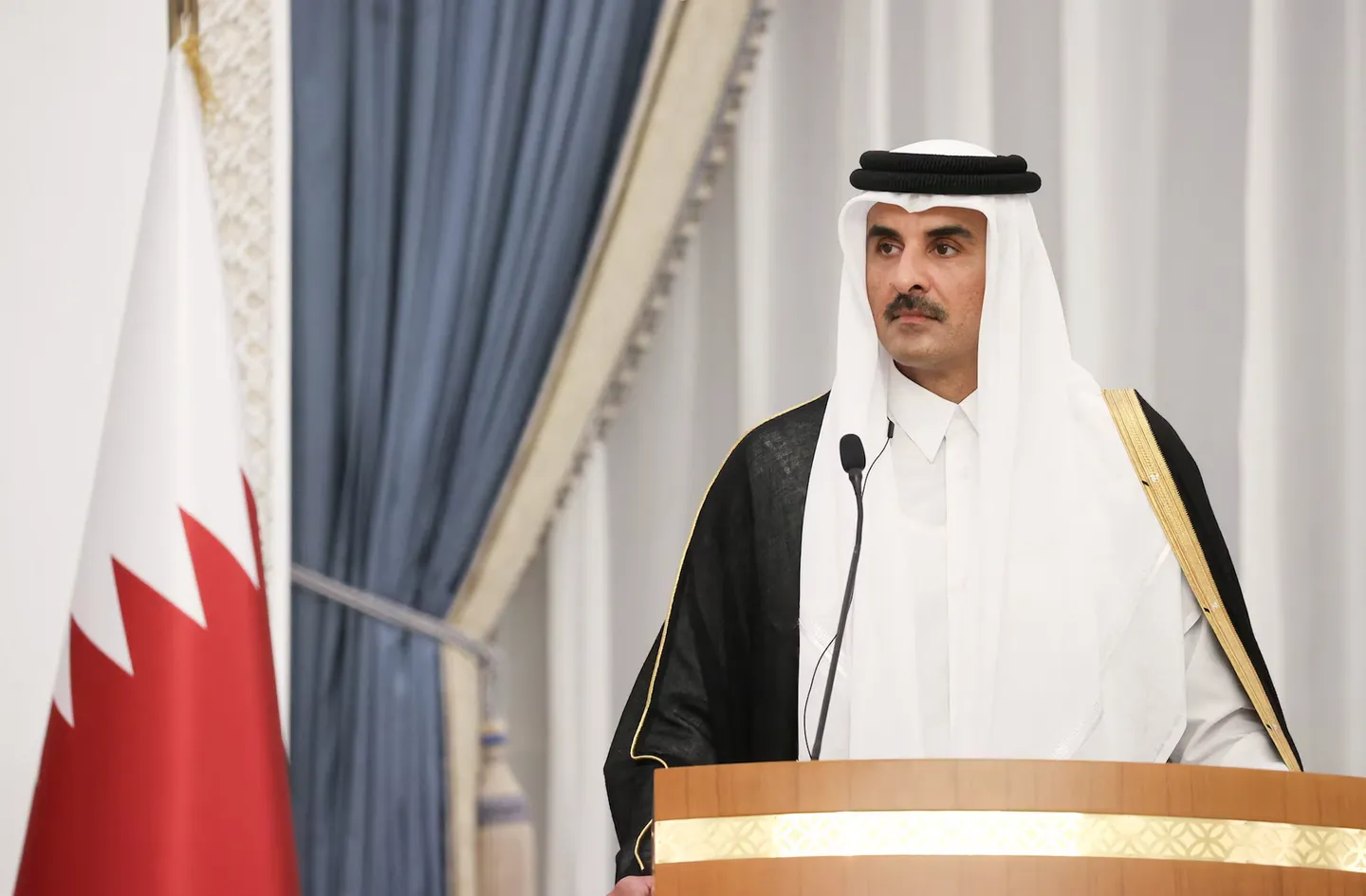
Qatar’s Emir Sheikh Tamim bin Hamad Al Thani says the closure of the Strait of Hormuz and damage to energy facilities disrupted exports, contributing to a 42% drop in revenue.
Deputy Prime Minister Alexander Novak directed agencies and industry companies to step up measures to secure fuel supplies to Russian regions and balance petroleum product production and consumption. The government said the gasoline and diesel market is stabilizing, with price increases at vertically integrated oil companies’ stations remaining within inflation rates. The antimonopoly watchdog opened 67 cases and issued 99 warnings.
OPEC’s October report projects global oil demand will rise by 0.2 million barrels per day in 2026 to 105.72 million bpd, down from last month’s 0.4 million bpd growth forecast. It raised its 2027 outlook to annual growth of 2.6 million bpd.
Russia supplied 45% of India’s oil imports and 30% of China’s in August 2026, OPEC reported. India’s imports averaged 4.5 million barrels per day, down from 5.05 million in July, while China’s rose 6% to 8.89 million barrels per day.
Russia’s crude oil output fell by 38,000 barrels per day month-on-month in September to 8.643 million bpd, according to OPEC. Its OPEC+ quota was 9.949 million bpd, leaving production 1.306 million bpd below its allocation, excluding compensation obligations.
Saudi Arabia says its oil output reached its highest level since the conflict began in September, but the recovery is now at risk from renewed attacks on shipping this month.
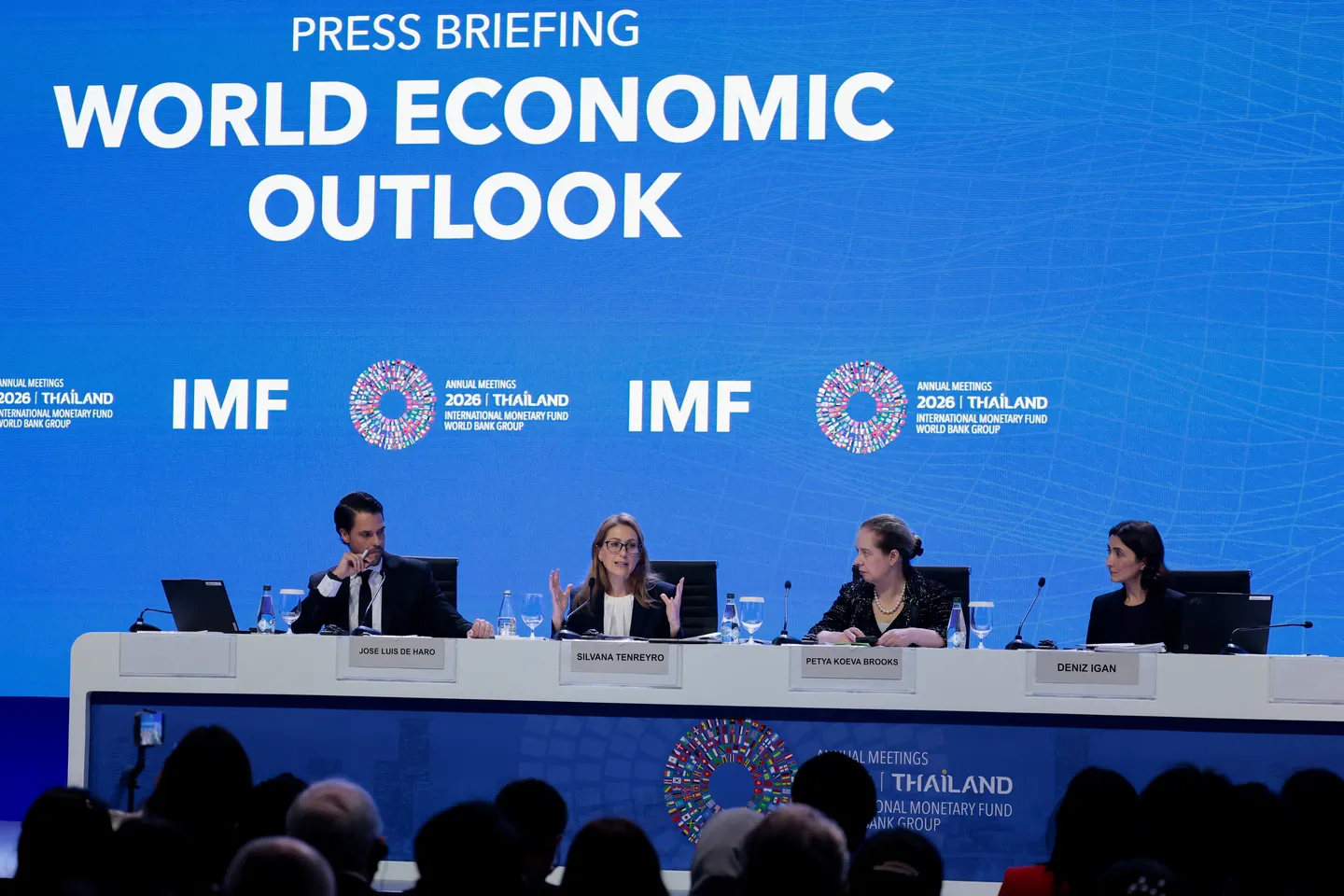
The IMF has slightly increased its 2026 global growth forecast to 3.1%, pointing to resilience in advanced economies and investment in AI despite energy prices rising amid the US-Iran war. It warned that low-income countries are especially exposed to the crisis.
The IMF forecasts that global output will grow more slowly, at 3.1% this year, despite geopolitical disruptions. It warns that elevated inflation and AI share valuations could threaten financial stability. The edition also reports Russia’s claim that it has exported $320 billion in oil and gas to Europe since Russia’s 2022 full-scale invasion of Ukraine, and says Dangote refinery has extended its IPO deadline by two weeks to draw more retail investors.
The International Monetary Fund said Tuesday that global growth in 2026 is expected to slow less than previously forecast, citing advanced economies’ resilience to war-driven energy prices. It cautioned that low-income countries remain vulnerable to the supply shock.
The IMF raised its 2026 global growth forecast by 0.1 percentage point to 3.1%. It expects growth to ease from 3.5% in 2025, then recover to 3.4% in 2027. Global headline inflation is projected to rise to 4.7% in 2026 before declining to 4.1% in 2027.
The IMF raised its 2026 global growth forecast to 3.1%, pointing to resilient economies and AI investment. High energy prices tied to conflicts are expected to weigh on growth, while the eurozone is forecast to expand by 1.1%.
Strong AI investment is expected to offset the energy shock from the war in the Middle East, allowing global real GDP growth to exceed 3% this year, the IMF said Tuesday. But downside risks are rising, and more countries are being left behind and exposed to mounting debt.
The Fund's revised outlook puts global growth at 3.1% for 2026; it attributes the stronger projection in part to AI investment counterbalancing the war-related energy shock.
The IMF warns that emergency oil stocks are dwindling and strained public finances could leave governments with little room to shield consumers from another price surge. Its outlook says global growth weathered the Middle East conflict better than feared, but further shocks could raise energy and food prices. It nudged its 2026 global growth forecast up to 3.1% and raised the UK forecast to 1.3%.
As energy prices climb, the government plans a 30% boost to the heating allowance and a subsidy for heating oil sold at the pump, aiming to ease pressure on households.
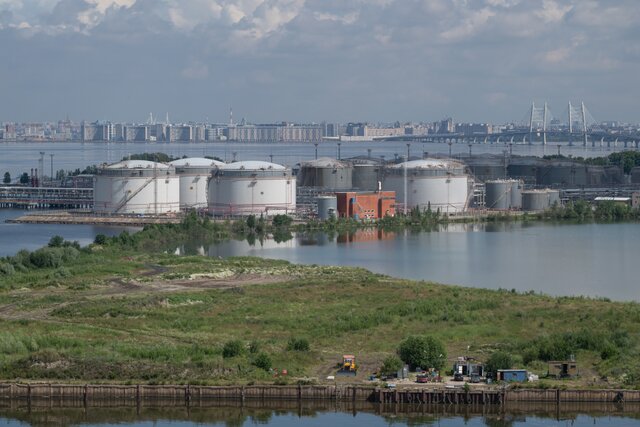
Freight costs for Russian oil exports from western ports to India reached new highs in early October, trading and shipping sources said, amid heightened Black Sea risks and a continued rally in the global tanker market.
Finance Minister Anton Siluanov said Russia’s federal budget revenues from oil-and-gas and non-oil-and-gas sectors were running ahead of their 2026 targets. He expects the non-oil-and-gas surplus to reach about 1 trillion rubles, attributing it mainly to strong domestic growth. Such revenues rose 18.8% year on year to 24.2 trillion rubles in January–September.
Surging demand from hyperscalers is increasing the value of new transmission infrastructure. More proactive cooperation among power networks could help keep costs for customers down.
Modi said India had expanded renewable power capacity fourfold in a decade, reaching roughly 300 gigawatts; he said this puts the country far beyond its voluntary pledges under the Paris Agreement.
The European Commission disputed claims by Russia and the United States about the bloc’s spending on Russian energy since 2022, saying the figures appear inflated.
Energy is the sector in which the US has its largest trade surplus with Mexico, amounting to about $25bn last year. Could it give Mexico leverage in talks with Trump?
Kremlin spokesman Dmitry Peskov said Russia is selling energy resources on international markets and will continue to do so. He noted that European countries are themselves active buyers of Russian crude oil and petroleum products.
Kremlin spokesman Dmitry Peskov said diesel supply agreements serve the interests of Russia, the United States and global energy markets. He called them a highly beneficial area of Russian-American cooperation.
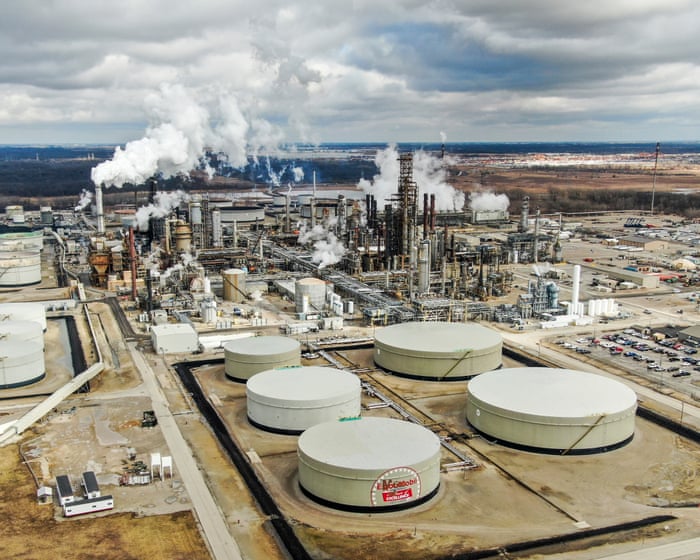
BP estimated on Tuesday that third-quarter refining margins tripled from a year earlier as the Iran war boosted oil majors’ profits. It also flagged $3 billion to $4.5 billion in impairments tied to its gas and low-carbon energy segment.
China’s central bank made its biggest gold purchase in three years last month, using a price dip to further reduce its exposure to US dollar assets amid tensions with Washington. The People’s Bank of China said holdings rose by 740,000 troy ounces (23 tonnes) to 77.47 million ounces at September’s end, worth about US$324 billion at market prices, compared with foreign exchange reserves of US$3.4 trillion.
Traders are building bearish bets on US natural gas as El Niño signals a mild winter, though forecasters warn that sudden Arctic outbreaks could jolt prices.
The IMF’s latest World Economic Outlook puts average oil prices at $95.74 per barrel in 2026, up from $67.74 in 2025, before easing to $87.39 in 2027. The forecast assumes Strait of Hormuz shipping recovers to pre-war levels from March to October 2027. If the US-Iran war remains unresolved by June 2027, shipping through the Hormuz and Bab el-Mandeb straits could be paralyzed, pushing oil to $130 per barrel from the fourth quarter of this year to the first quarter of 2027. The IMF also expects gas prices to rise 48% and fertilizer prices 10% this year.
Haidilao International Holding agreed to lend founder Zhang Yong up to the Hong Kong-dollar equivalent of 100 million yuan (US$14.9 million) for one month. The arrangement has prompted market speculation as investors watch Beijing’s October 22 deadline for offshore trust taxation. The company said it would use internal resources and charge interest 0.6 percentage points above the…
The IMF forecasts the Middle East and Central Asia economy will contract 0.3 percent in 2026, down from its April projection of 1.9 percent growth, citing the US-Israel war on Iran and prolonged shipping disruption in the Strait of Hormuz. Kuwait, Iraq, Qatar and Bahrain are expected to record double-digit GDP declines.
Shell criticised the Australian government’s plan to require LNG producers to set aside some output for domestic use, calling it excessive for a market that already works well and warning it could fail.
The dollar fell in Asian trading on Tuesday after some US markets were closed for a holiday. Bond yields and oil prices eased, alongside a decline in global stocks.
Australia’s most populous state has excluded batteries and other energy-storage options from its latest tender, seeking to address expected power shortfalls as aging coal plants shut down.
Deep-pocketed miners are outbidding fertiliser makers for scarce sulphur, a commodity used in production by both sectors, posing a new risk to global food prices.
China produced 12.483 million new-energy vehicles and sold 12.472 million in the first three quarters of 2026, increases of 11% and 11.1% year on year. Vehicle exports reached 8.205 million, including 4.006 million NEVs. The China Association of Automobile Manufacturers expects stable sector performance in the fourth quarter, with exports potentially topping 10 million units.
Indian equities were set for a subdued start on Tuesday as investors watched Middle East tensions and high crude prices. Faster-than-expected retail inflation added to the case for further interest rate hikes.
Gold prices edged lower on Tuesday as the US dollar remained firm. Markets are watching upcoming US inflation figures for clues about the Federal Reserve’s interest-rate path.
An IMF scenario in which a worsening Middle East crisis drives oil to $US130 a barrel could add 30 cents a litre to Australian petrol prices and leave inflation higher than forecast. Economists said this could increase pressure on the Reserve Bank to raise rates, though they differed on whether a response would be necessary.
Both conflicts have cut diesel exports, but the data show a larger supply decline in Gulf countries because of the war involving Iran. Trump blamed Ukraine’s attacks on Russian refineries for reduced exports and rising prices; the report says the US-Iran war disrupted refined-diesel shipments through the Strait of Hormuz, while the Russia-Ukraine conflict added further pressure.
For years, the biggest US technology companies have raced to develop advanced AI while supplying computing power to a growing startup sector. To pursue both aims, Alphabet’s Google, Meta and other giants have shifted from relying on strong revenues and rising share prices to borrowing heavily to build the infrastructure behind chatbots.
The Minutes Reader extension turns the original page into a focused reading view and translates articles and video subtitles on demand. It is in limited beta.
 ReutersOriginal★★☆☆☆2026-10-14 06:15