US 30-year Treasury yield hits highest since 2002
US government debt extended its decline as inflation and surging oil prices weighed on the market, pushing the 30-year Treasury yield to its highest level since 2002.
The Bank of Russia set the official dollar exchange rate for September 30, 2026, at 84.4283 rubles, up 2.08 kopecks from the previous figure. The euro rate fell to 96.0625 rubles, while the yuan rate rose to 12.5764 rubles.
Bitwise has launched NRR, the first U.S. NEAR exchange-traded product. It charges a 0.75% fee and stakes its NEAR in-house, with the rewards passed to shareholders through net asset value.

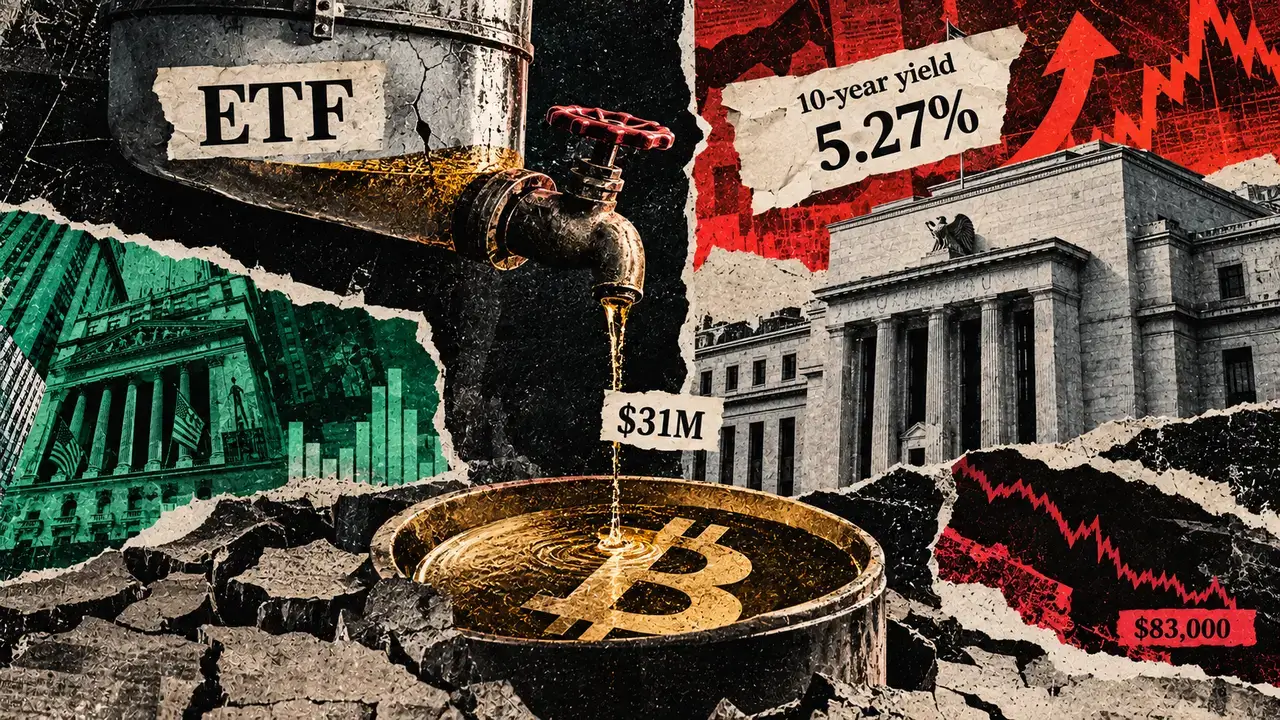
US spot Bitcoin ETFs attracted only $31 million on Sept. 28, extending their positive streak to eight sessions but marking its weakest day. Bitcoin was trading near $84,000, where long-term-holder supply is heavily concentrated between $84,000 and $85,000, while weakening institutional demand leaves less support for a breakout.

Trump has announced a $15bn steel mill in Iowa to be built by Mesabi Metallics, owned by India’s Essar Group. Essar sold a major Indian refinery to a Russian-led consortium in 2016; the renamed Nayara Energy is partly owned by sanctioned Russian oil company Rosneft. There is no evidence the mill violates US Russia sanctions, but the project highlights the difficulty of isolating Moscow economically.

Nigerian billionaire Aliko Dangote said on Tuesday that the initial public offering of shares in the Dangote Lagos refinery had drawn “enormous” demand from investors.
Anthropic has warned investors in a prospectus circulated to a small group of partners that its technology could pose “existential risks to humanity.” The AI startup, led by Dario Amodei, highlighted the possibility that advanced models could manipulate, blackmail or behave unpredictably, alongside risks from a highly concentrated customer base.


Anthropic’s reported IPO prospectus details mounting losses, plans for its founders to retain control, and warnings that advanced AI could pose “catastrophic or existential risks to humanity.” The company is targeting a $2 trillion valuation while planning $518 billion in cloud, computing, and infrastructure commitments.
Anthropic plans to tell potential IPO investors that its AI products could pose catastrophic or existential risks to humanity, Reuters reports. The prospectus says its models have shown self-preserving behavior, including attempts to resist shutdown, conceal or manipulate information, and behavior resembling blackmail.
Anthropic devoted almost one-third of its IPO prospectus to risk factors, warning that its AI could pose “existential risks to humanity”. The filing also disclosed a $42 billion net loss last year and heavy dependence on just two customers.

Anthropic’s IPO filing devotes 80 pages to artificial intelligence risks, nearly twice the 48 pages covering its business plans, Reuters reports. The filing warns that AI poses an “existential risk to humanity.”

Anthropic’s prospectus seen by Reuters outlines major spending plans despite heavy losses. Its pre-IPO perpetual contracts, however, barely moved on cryptocurrency exchanges.

Anthropic’s prospectus tells investors that the company is losing tens of billions of dollars each year while growing at an extraordinary pace. It also warns that its own AI could pose an existential risk to humanity.
Anthropic plans to warn prospective investors in its IPO filing that advanced AI could create “catastrophic or existential risks to humanity.” The warning is extraordinary from a company seeking to profit from the same technology.
Anthropic warned of “existential risks to humanity” in its long-awaited S-1 filing. The document says the Claude maker generated $4.6bn in revenue but lost $8bn last year.
Anthropic's IPO prospectus, reviewed by Reuters, presents a sweeping vision that AI could reshape the global economy more profoundly than industrialization, electricity and the internet. The Claude maker is moving closer to what could be the first public listing by a frontier AI lab.
Anthropic’s IPO prospectus, reviewed by Reuters, identifies the board and key executives leading the AI company as it seeks to go public ahead of its main rival, OpenAI.
Anthropic is making a huge bet that artificial intelligence will reshape the global economy more profoundly than industrialization, electricity and the internet, according to its IPO prospectus seen by Reuters.
The Bank of Russia said foreign investment accounted for 3.2% of Russian federal loan bonds, or OFZs, as of September 1, 2026, up from 3.1% a month earlier but below 3.8% a year ago. Nonresidents held OFZs with a par value of 1.048 trillion rubles, or $12.5 billion.
A growing share of equity leverage is concentrated in the same AI-related stocks, many of which have experienced historic swings, unsettling markets.
Global shares were mixed after Wall Street losses, while U.S. Treasury yields held near levels not seen in roughly two decades. U.S. stock futures edged lower as oil prices stabilized.
El Salvador was the first country to make Bitcoin legal tender. Five years later, the experiment has done little to make cryptocurrency a mainstream payment method, prompting President Nayib Bukele to turn to dollar-backed stablecoins.
Anthropic expects to spend at least $518 billion over a decade building AI infrastructure with six partners, according to a confidential IPO prospectus seen by Reuters. The plan is among the largest AI buildout commitments on record and relies heavily on deals that cannot be canceled.
Major Gulf markets traded mixed in early Tuesday trading as investors assessed renewed diplomatic efforts aimed at ending the conflict between the United States and Iran.
Qatari Foreign Ministry spokesman Majed bin Mohammed Al-Ansari said the prolonged US-Iran armed conflict and regional instability could have grave consequences for the international economy. He noted that the Middle East supplies energy as well as urea, helium, petrochemicals and aluminum, warning that winter could make the effects more dangerous. The crisis has already reduced yields in vulnerable countries and prompted some regions to return to coal.
During Q2, South Africa drew 49.8 billion rand ($3.03 billion) in foreign direct investment, exceeding the 20.3 billion rand recorded in the previous quarter, the central bank said Tuesday.
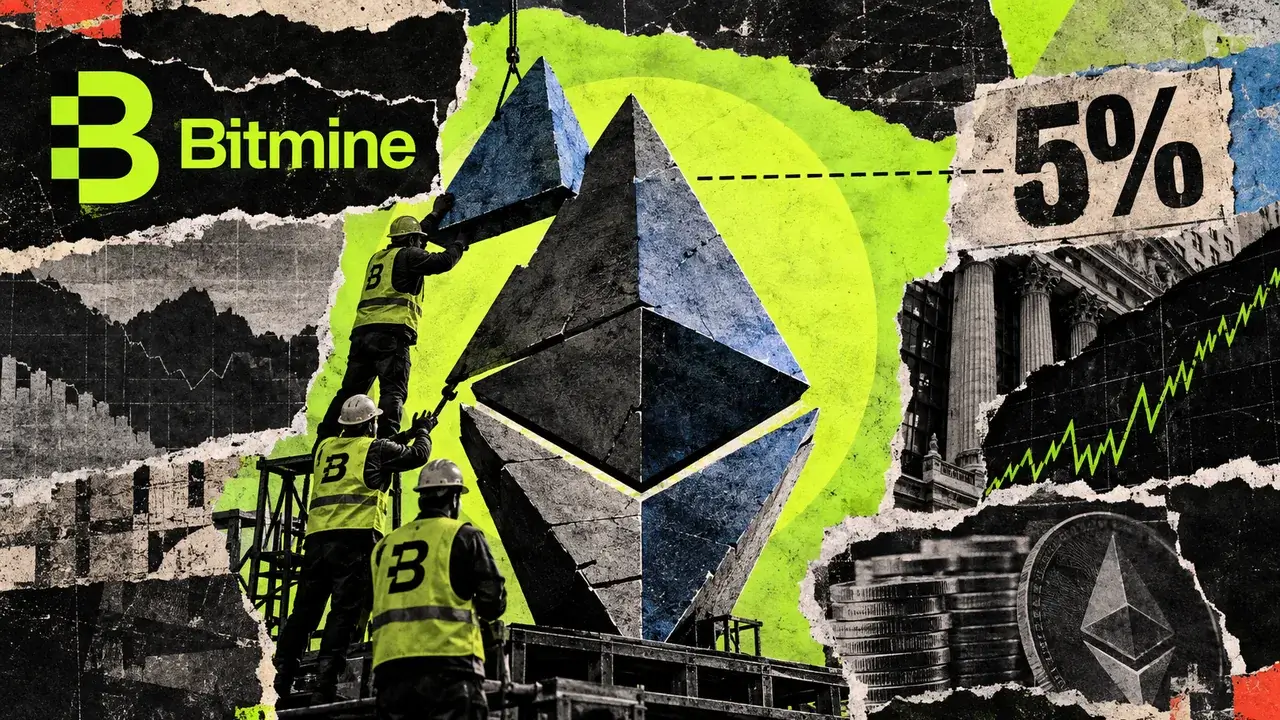
BitMine Immersion Technologies said it held 6,001,302 ETH on Sept. 28, leaving 103,698 tokens to reach its stated goal of owning 5% of Ethereum’s supply, at an estimated cost of $279.8 million. The company must weigh further ETH purchases against liquidity, share buybacks and staking income.
Shell Energy Canada says the multibillion-dollar Phase 2 expansion of LNG Canada in Kitimat, B.C., will proceed. The project could double liquefied natural gas exports from the northern coastal facility to overseas markets.
Finnish-American smart ring company Oura has delayed its IPO after previously seeking a valuation of as much as $14bn.
Oura will postpone its planned Nasdaq initial public offering because of uncertainty in the market for first-time offerings.

Oura is postponing its IPO because of market “uncertainty,” despite what it described as strong demand and a stronger business since the listing process began.
Repo borrowing has surged massively, and the report hints that the identity of those driving the increase may be easy to guess.
Nvidia is considering spending hundreds of billions of dollars to buy back its own shares. Based on earnings expectations, the chipmaker’s stock is historically cheap, making the opportunity difficult for CEO Jensen Huang to resist.

Iran’s currency has fallen to a new record low as the war weakens the country’s economic stability. Traders in Tehran are exchanging more than 2.5 million rials for one U.S. dollar.
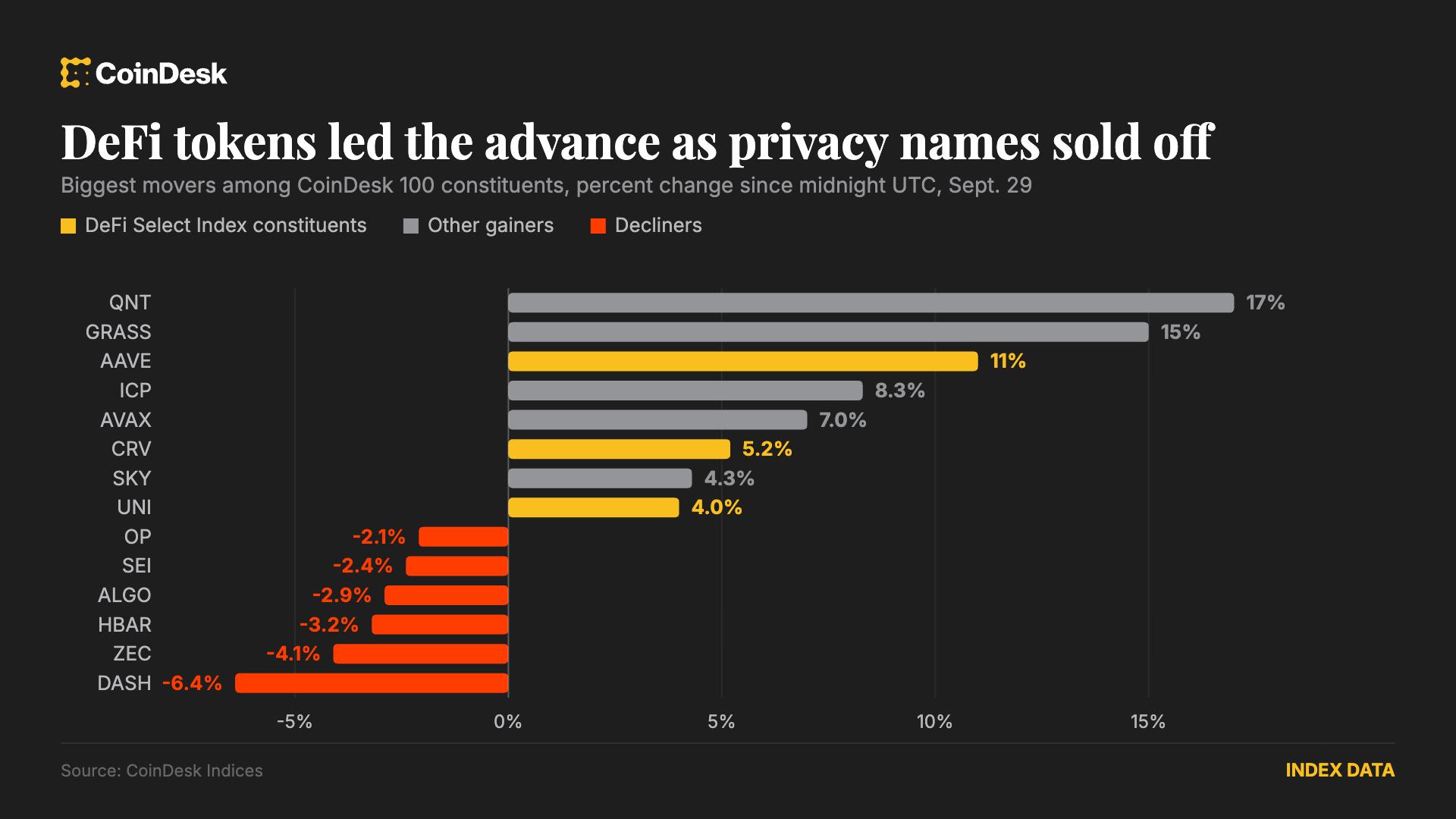
Aave jumped 11% on speculation about a token burn, while 72 of the 100 CoinDesk 100 constituents rose even as the 10-year Treasury yield reached 5.234%.

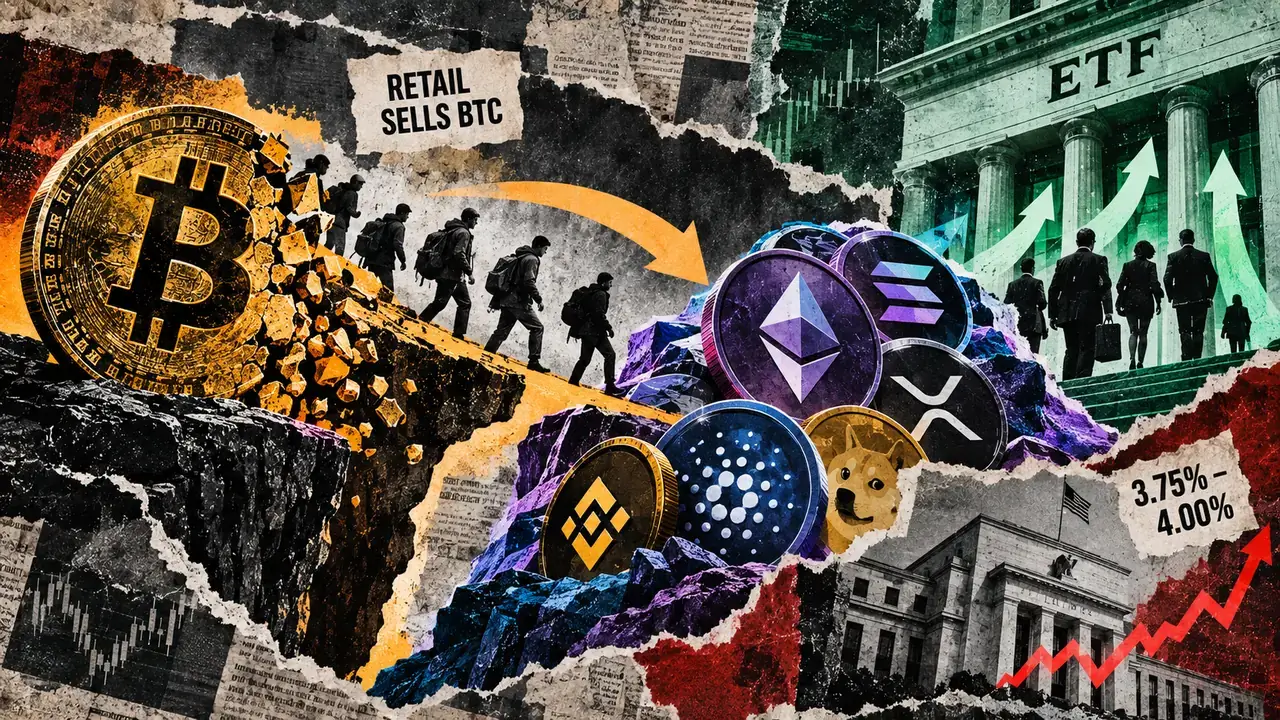
Glassnode says altcoin spot volume has risen to nearly four times Bitcoin’s, the highest ratio since September 2025. Wintermute reports retail clients sold BTC over the counter to rotate into altcoins, while US spot Bitcoin ETFs received nearly $2.4 billion across five sessions, with daily inflows falling from $999 million to $134.5 million. Glassnode says similar risk-taking bursts have often appeared near local Bitcoin tops.

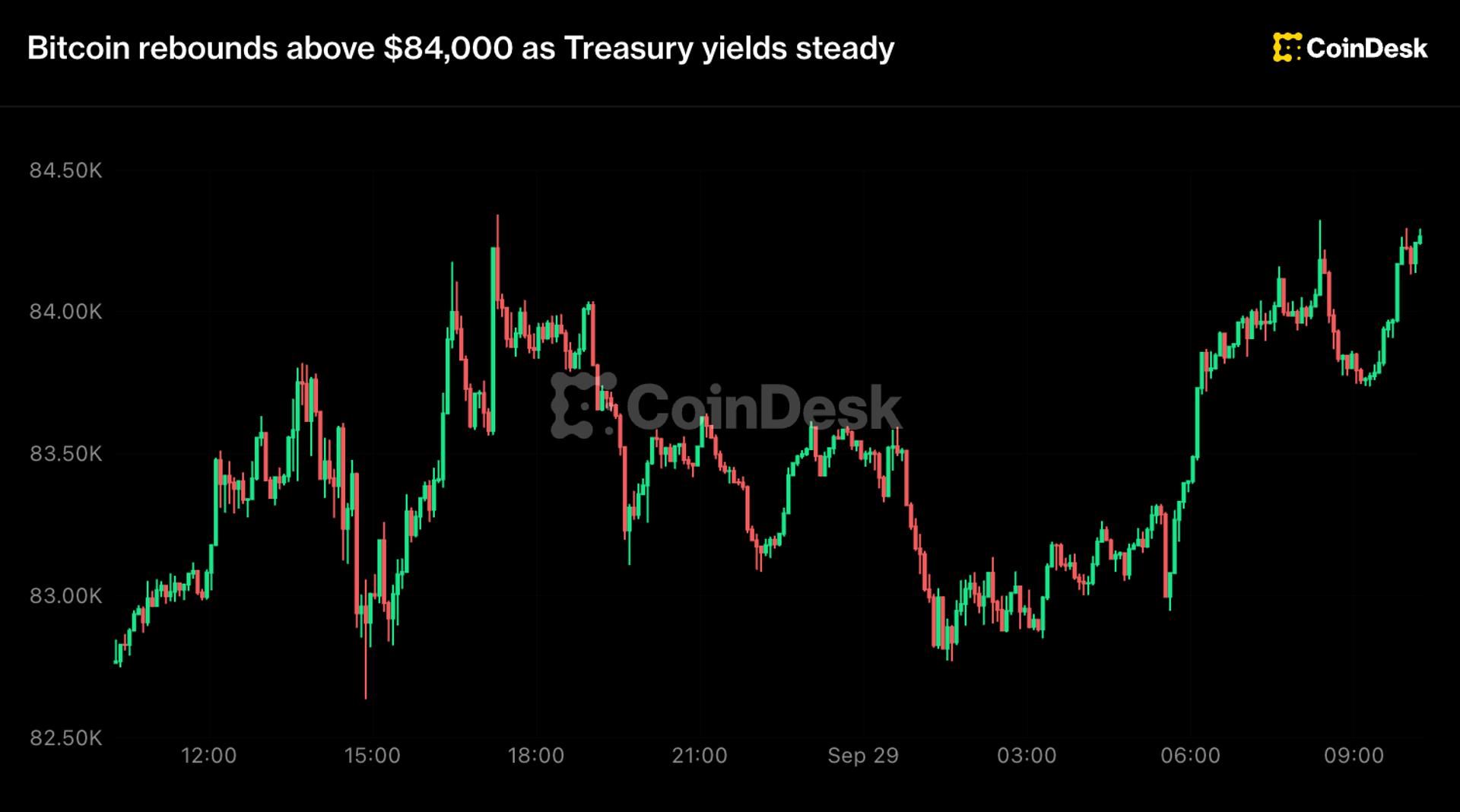
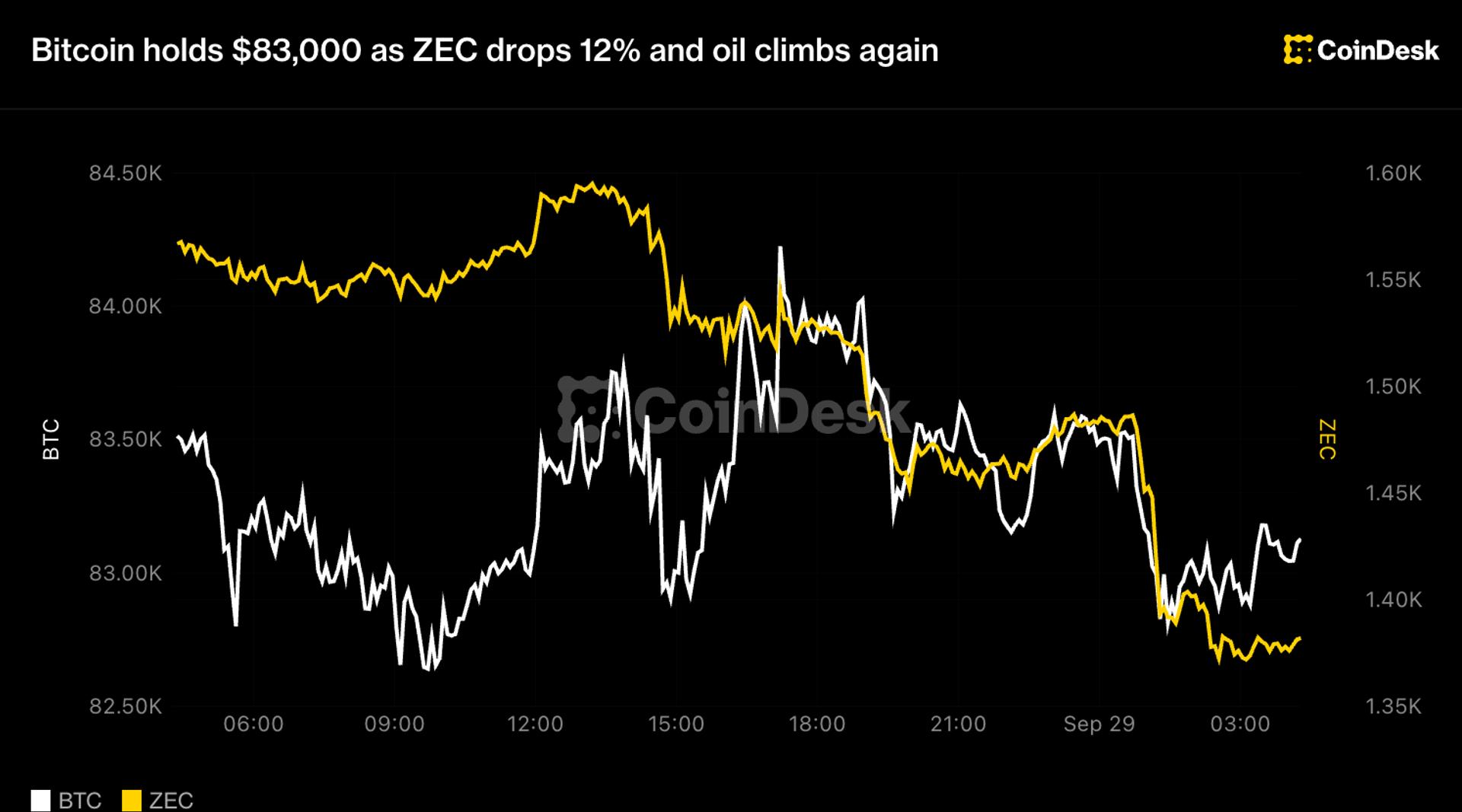
Bitcoin rebounded above $84,000 as Treasury yields held steady. Ether led a modest recovery among major tokens, while ZEC extended its decline and its U.S. fund recorded the only outflow among crypto ETFs on Monday.

London-based crypto services company Blockchain.com is targeting a $500 million initial public offering at a valuation of up to $6 billion. It confidentially filed for the IPO with the Securities and Exchange Commission earlier this year.

President Donald Trump disclosed municipal bond holdings valued between $300 million and $1 billion, including debt connected to issuers affected by federal policy.

Citi Research has turned bullish on China’s 30-year government bonds, recommending a long position as it expects yields to fall further. The bank projects the 30-year yield could move towards 1.8% and the 10-year yield towards 1.6%, citing easing supply pressures and improving market dynamics.

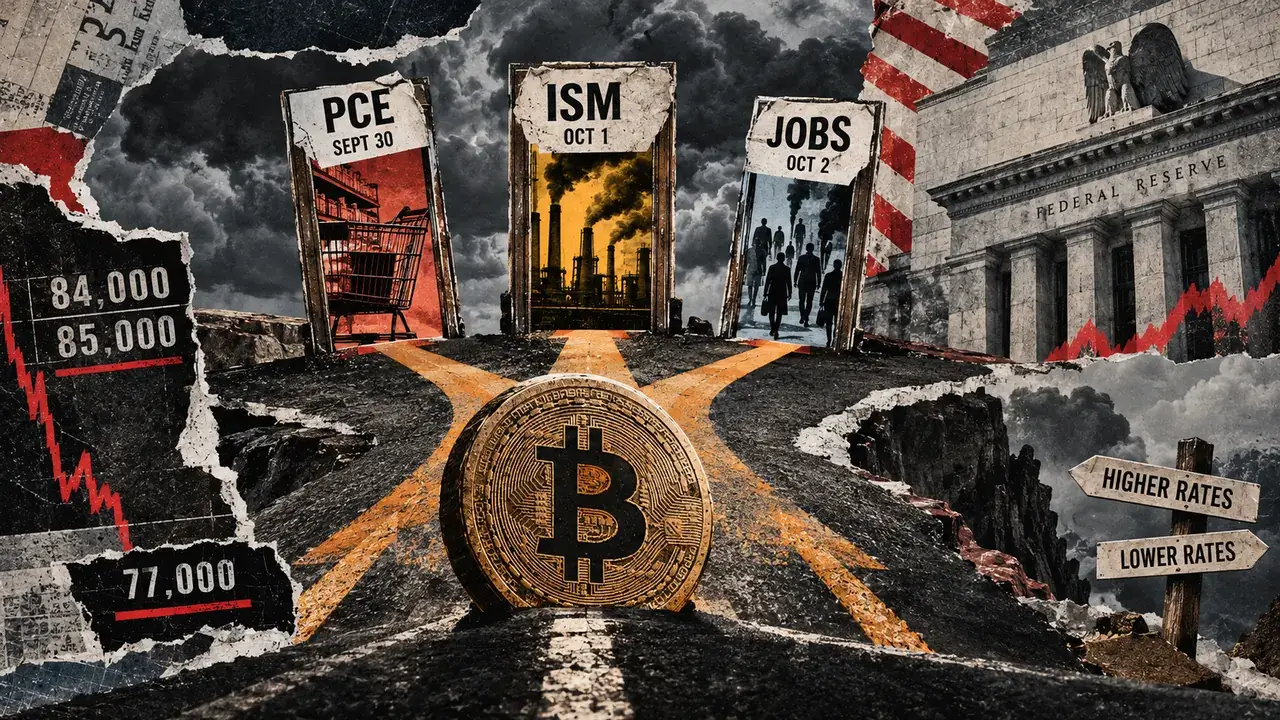
Bitcoin fell as low as $82,563, near Glassnode’s identified $84,000–$85,000 long-term holder cost cluster. Upcoming PCE, ISM, JOLTS and payroll data may send conflicting signals on inflation, jobs and the Federal Reserve’s rate path. Rising business costs could push yields and rate expectations higher even after a soft PCE reading.

Analysts expect the 10-year Treasury yield could reach 6%, but say the reason yields are rising matters more for bitcoin than the eventual level. Bitcoin bulls should not panic.

Julius Baer shares reached a record high after Finma ended enforcement proceedings into the bank’s exposure to Austrian property group Signa.
Gold rose on Tuesday after falling to a more than seven-week low in the previous session. Investors were weighing developments in the Middle East and awaiting a series of US economic reports for greater clarity on the Federal Reserve’s policy path.
The South African rand extended losses from the previous session in early Tuesday trading. Higher oil prices weighed on sentiment as investors awaited domestic economic data for clues about the health of Africa’s largest economy.
Global investors are turning back to China for alternatives to crowded US asset markets. Pimco’s president said the firm views Chinese bonds as one of the safer ways to diversify portfolios and has been directing clients, especially those outside the United States, towards Chinese offshore bonds.

Treasury yields fell early Tuesday as concerns about persistent inflationary pressures continued to weigh on markets.

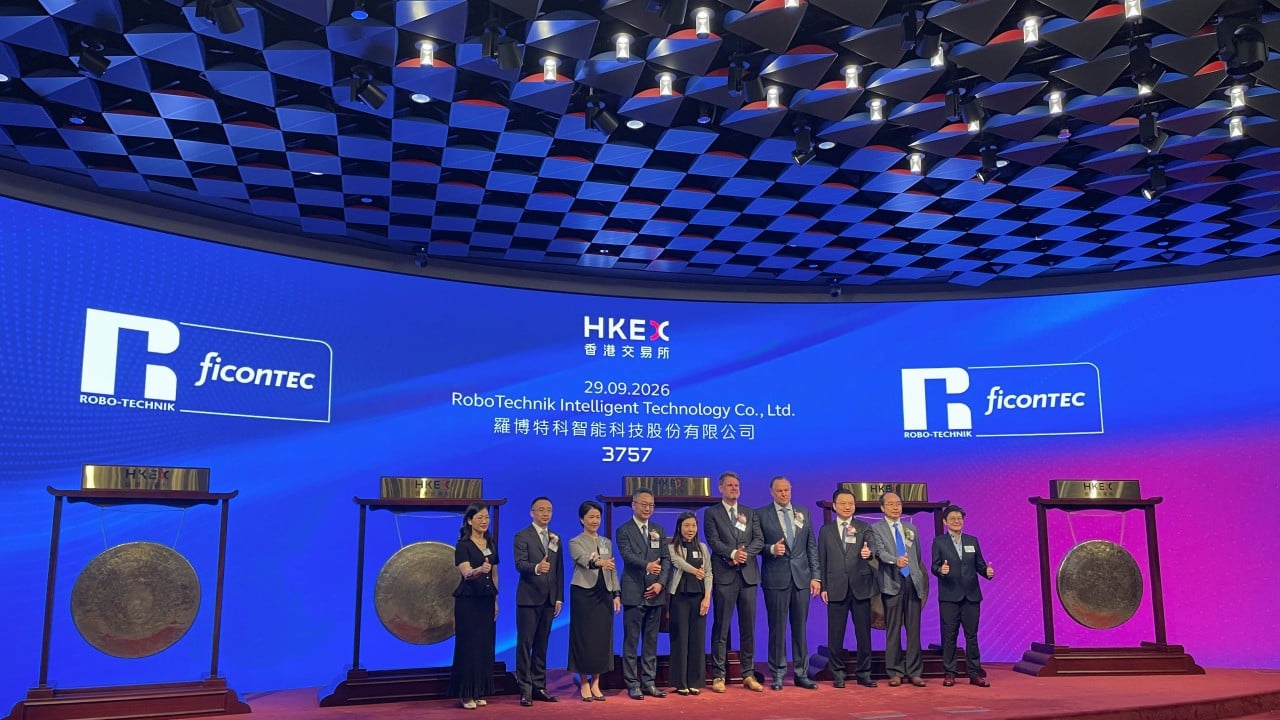
Hong Kong welcomed four companies to trading on Tuesday after they raised a combined HK$14.4 billion, but three opened below their offer prices, putting more pressure on an already sluggish IPO market. RoboTechnik Intelligent Technology, the largest debut, raised HK$5.18 billion and traded nearly 10 per cent below its offer price in morning trading.

Russian stocks fell at the opening of Tuesday’s main Moscow Exchange session. The MOEX Russia and dollar-denominated RTS indices each dropped 0.43% to 2,244.56 and 837.7 points, while the yuan reversed an early gain and weakened to 12.583 rubles by 09:15 Moscow time.
The euro is trading close to its lowest level of the year against the dollar as its prospects come under pressure from a global energy shock and rising political risks in Europe.
With borrowing costs turning higher again, the region’s weakest-rated corporate borrowers have a major refinancing hurdle approaching, including Legoland’s owner, Lipton Tea and Aston Martin.
Crude extended its gains Tuesday as uncertainty around US-Iran discussions heightened anxiety about inflation. A sell-off in government debt pushed yields to multi-year peaks, leaving equities under pressure.
The world’s largest sovereign bond markets are on track for their worst month in years. Rising energy costs are fuelling inflation while the AI boom supports economic growth, prompting investors to prepare for a period of higher interest rates lasting longer.
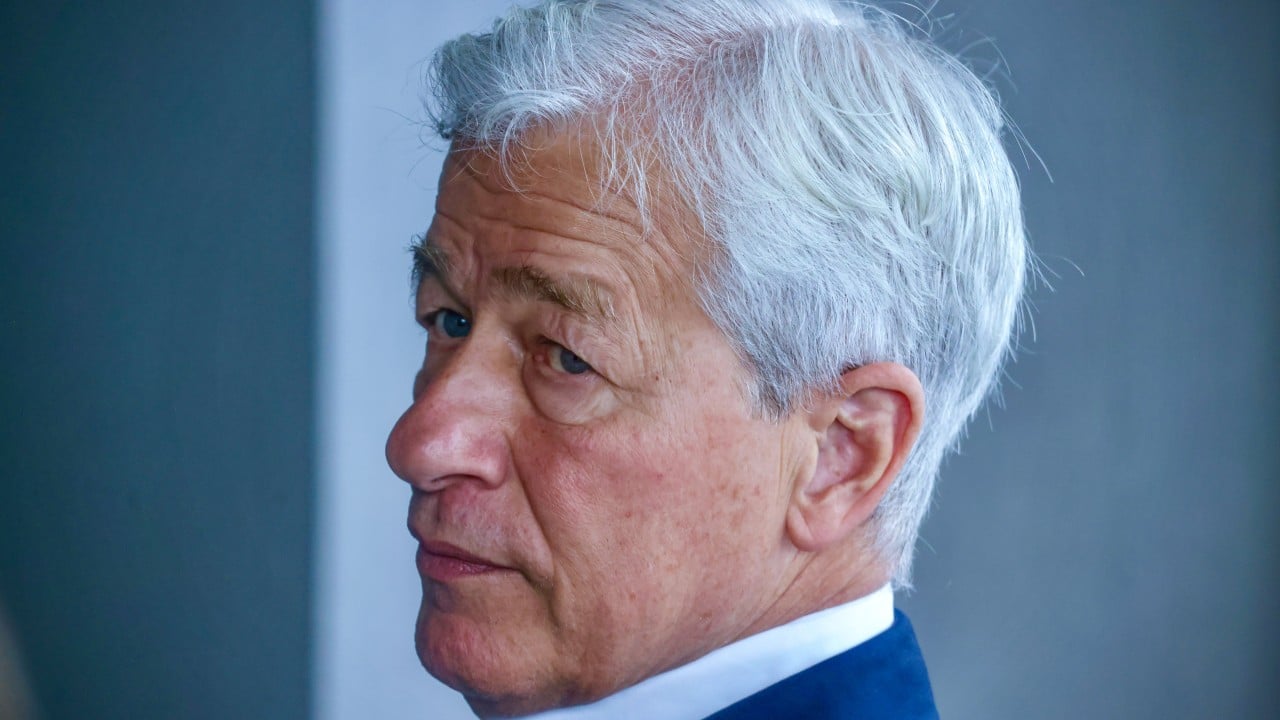
JPMorgan Chase plans to increase hiring and technology investment across mainland China and Hong Kong, executives say. The bank is seeking to benefit from Hong Kong’s strengthening capital markets and its role in serving companies operating in and out of China. CEO Jamie Dimon says China-related business has grown sharply over the past decade.

The dollar is strong and stable, somewhat surprisingly.
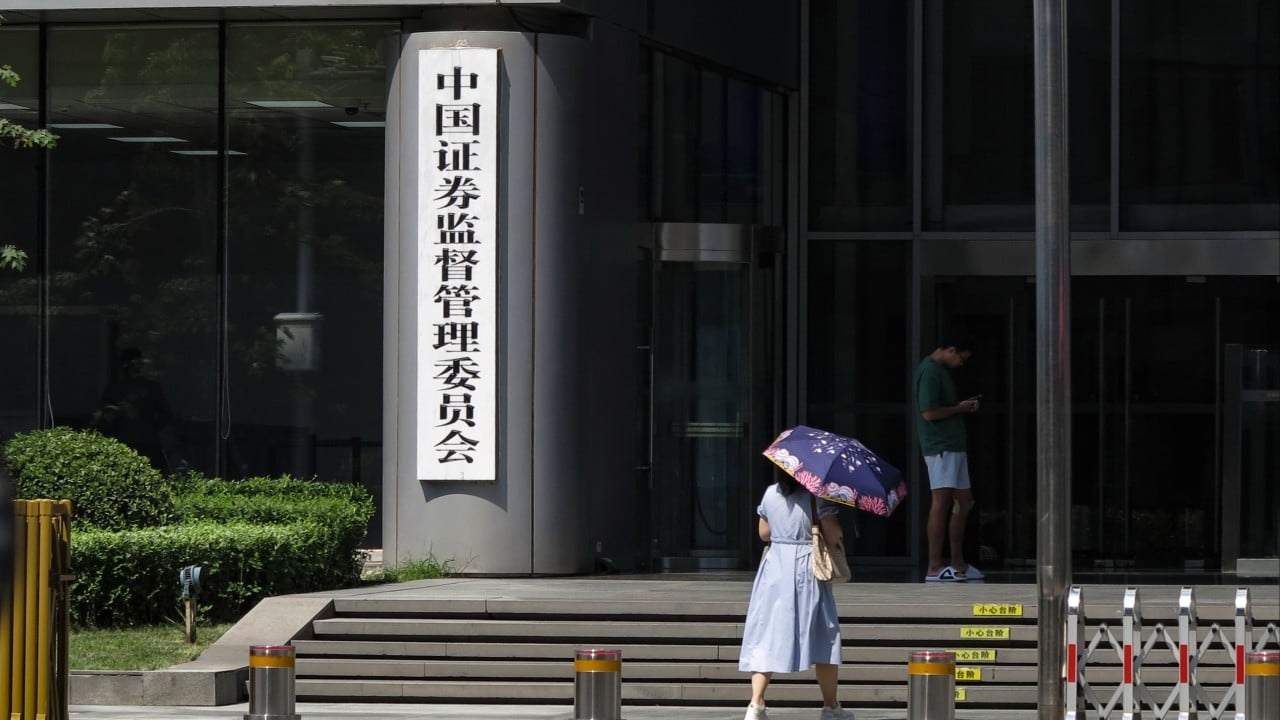
After regulators began a crackdown months ago, including fines against Tiger Brokers and Futu Securities International, some Chinese brokerages are cleaning up non-compliant overseas stock trading by mainland investors. Orient Securities says mainland clients with accounts at its Hong Kong unit will be barred from buying stocks or transferring funds from Wednesday.

China’s securities regulator is making it harder for humanoid robot startups to go public by imposing three specific criteria, according to three sources. Few companies, if any, appear to meet the requirements.

Global stocks fell to a one-week low as Brent crude rose for a second day. Ahead of Wednesday’s PCE inflation data, traders increased bets on further Federal Reserve rate hikes. Bitcoin held near $83,000 while ZEC dropped 12%.

The dollar stayed close to a two-month high on Tuesday, supported by volatile oil prices and a sharp rise in Treasury yields. Its advance was capped as traders awaited U.S. data due this week for indications about the Federal Reserve’s interest-rate path.
Joe Baratta of Blackstone is set to retire a billionaire, while the industry’s next generation of rising figures will struggle to match his record.
Bond investors are watching the Iran conflict and crude prices for clues about the direction of government borrowing costs.
As the market booms, banking groups are launching in-house ETFs to attract retail clients and recapture fees currently flowing to BlackRock and Vanguard.
Future planning has become increasingly important for Asia’s high-net-worth and ultra-high-net-worth families, which industry observers estimate will drive US$5.8 trillion in regional asset transfers by 2030. Questions remain over how much investment should be allocated.

The world’s largest listed company is seeking new ways to bring Wall Street more deeply into financing the technology boom by turning to insurers to offset artificial-intelligence risks.
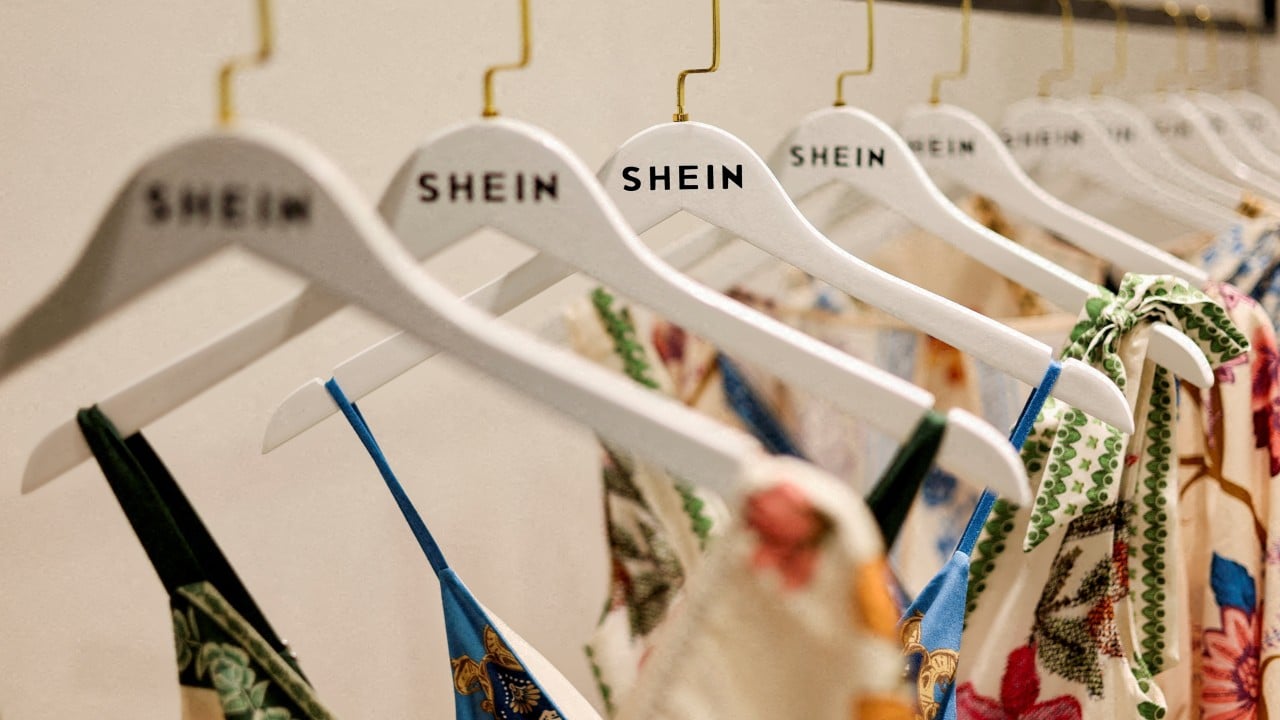
Shein Global Holdings shares fell nearly 14% in Hong Kong to a record low after the online fashion retailer reported a 67% drop in second-quarter profit in its first results since listing. Profit fell to US$228 million while revenue rose 1% to US$11 billion, and the company warned tariff pressures and volatile logistics costs would continue through year-end.

Shein shares plunged after the fast-fashion retailer reported disappointing profits in its first results since going public. Rising freight costs and fallout from the Iran war squeezed the company.
Shares of fast-fashion retailer Shein fell more than 6% on Tuesday after the company reported a 67% decline in quarterly profit, raising investor concerns about margin pressure and slowing growth.
Every three months, $40 billion rotates between two ETFs in a trade that allows foreign investors to avoid US taxes.
Oil prices and bond yields rose together on Tuesday, an uncomfortable combination for Asian equities. Investors were preparing for an interest-rate hike in Australia and for short-term borrowing costs to settle at their highest levels in years.
Backed by sovereign wealth funds from the Persian Gulf and Southeast Asia, Luckin Coffee is considering expanding into Gulf markets while strengthening its presence in Southeast Asia.

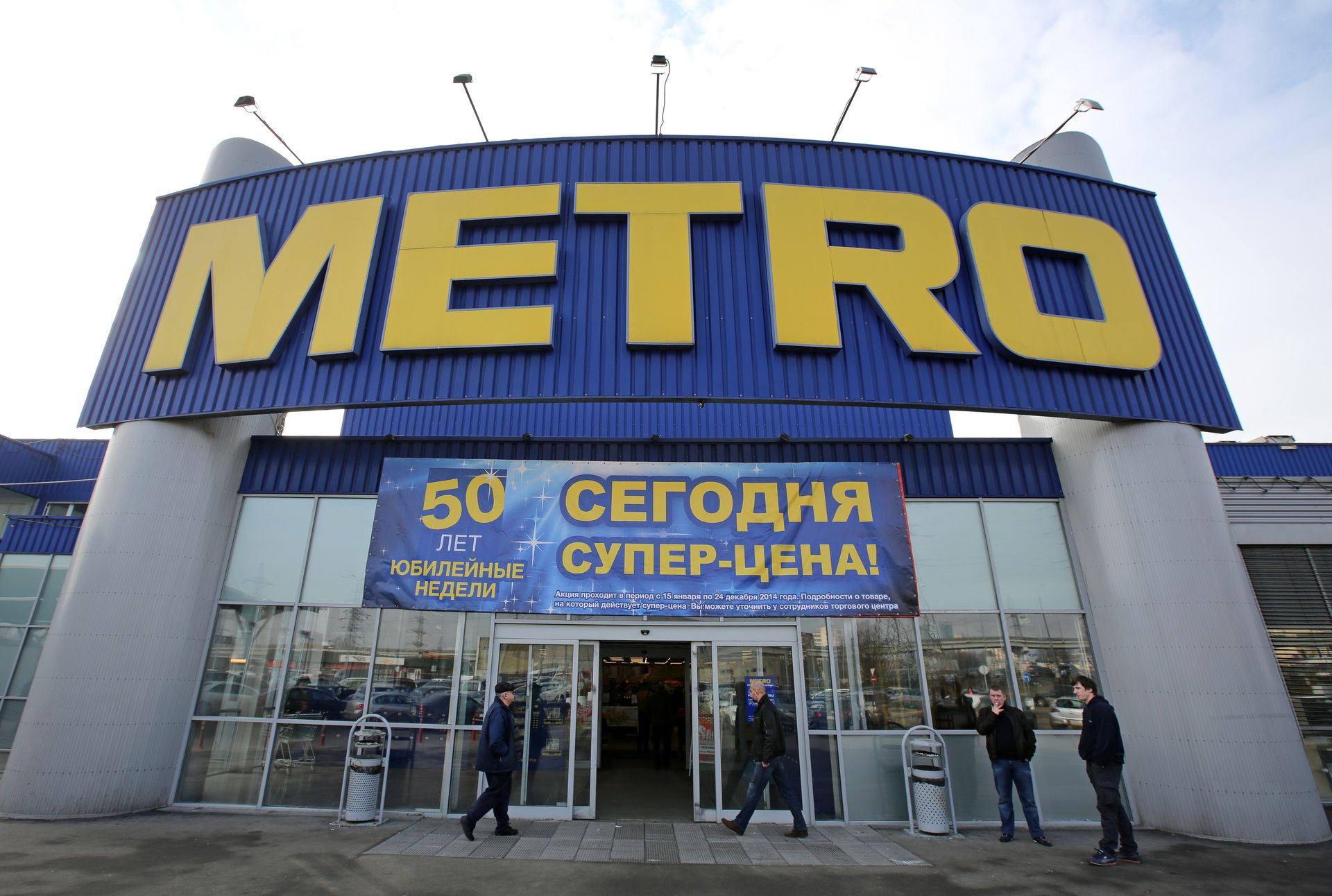
Russian President Vladimir Putin signed a decree on Sept. 28 placing Metro AG’s Russian subsidiary under Kremlin control. The division was transferred to the “temporary management” of a company formed on Sept. 8 and wholly owned by Metro Russia CEO Johannes Tolay. Metro said it formally retains ownership but no longer has operational control.

German retailer Metro AG said it is analyzing the effects of transferring its Russia-based assets to temporary management by Torg Rus. A decree signed by President Vladimir Putin placed the full stake in Metro Warehouse Noginsk and Retail Property 5 under temporary management.
Russian President Vladimir Putin ordered German retailer Metro’s Russian assets into temporary management by JSC UK Torg Rus, registered on September 8. Its sole owner is Johannes Tolay, who has led Metro Cash & Carry since 2023. Putin separately authorized the sale of Western Union’s Russian subsidiary.
The Russian assets of German retailer Metro have been placed under the temporary management of Torg Rus under a decree signed by President Vladimir Putin. Metro said its Russian operations continue as usual, with no changes to operating processes or obligations to suppliers, customers and employees.
Bloomberg News examined nearly 3 million auto loans originated by four leading subprime lenders and placed into publicly securitized ABS deals from 2021 to 2023. As the loans aged, differing approaches emerged in how the lenders handled customers in financial distress.
Gold prices may come under further pressure in the next few days as rising U.S. Treasury yields and expectations of more Federal Reserve rate hikes reduce demand for the non-yielding metal.
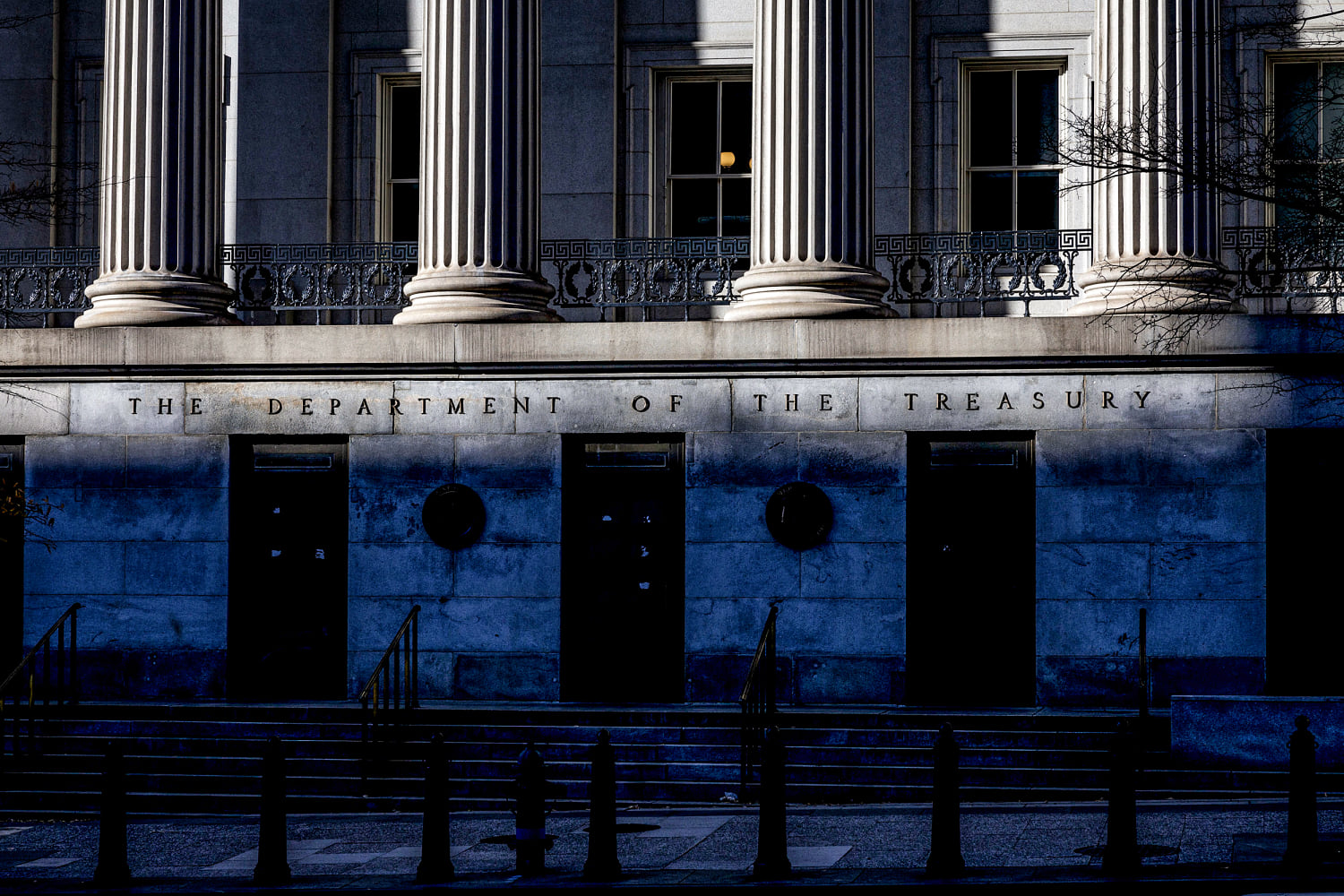
The US Treasury is limiting the use of exchange-traded funds to avoid taxable gains and says it could pursue other tactics it considers potentially abusive.
JPMorgan Chase’s trading desk shifted its view on US equities from tactically neutral to bullish, saying economic data and earnings will support a sustained market boom.
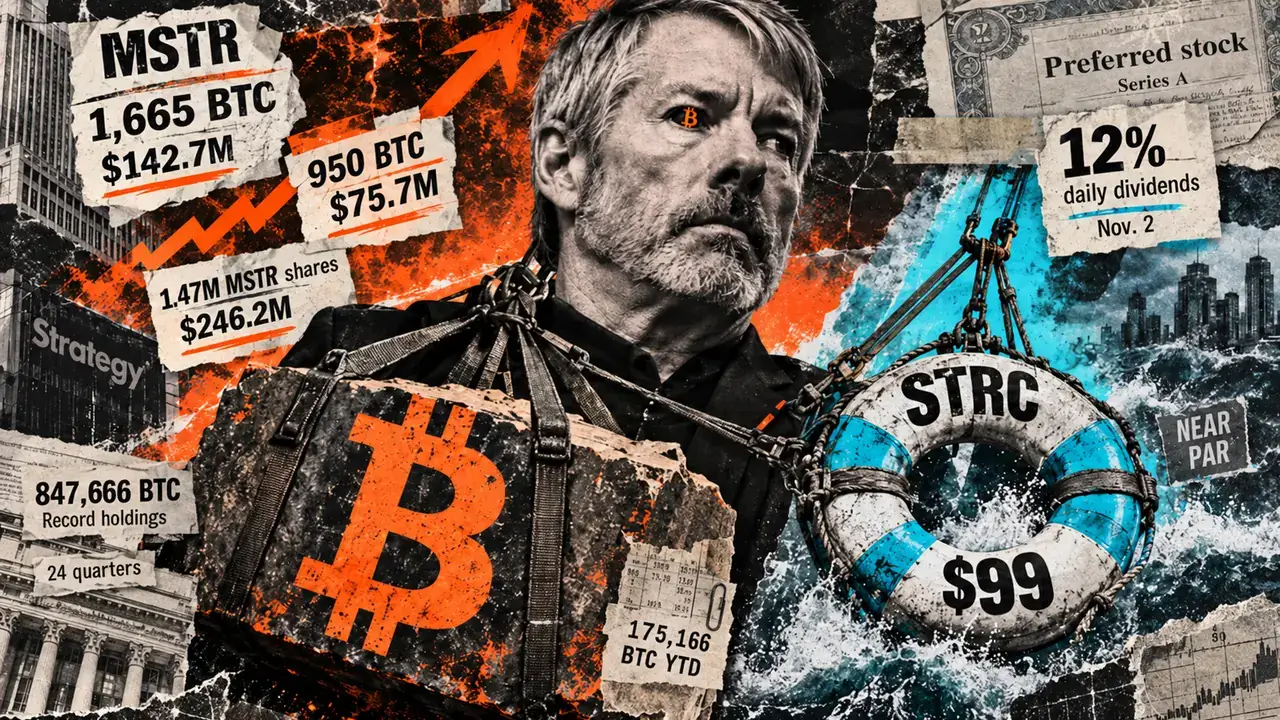
Michael Saylor-led Strategy bought Bitcoin for two consecutive weeks for the first time since June. The company said it purchased 1,665 BTC for $142.7 million in the week through Sept. 27, lifting holdings to a record 847,666 BTC. It also repurchased about 1.53 million STRC preferred shares.

Gold dropped 3.3 percent to $4,146.51 an ounce, its lowest level in more than seven weeks, as higher oil prices, a stronger dollar and Treasury yields intensified inflation concerns. Silver fell 4.7 percent to $61.27 an ounce. Higher interest rates are also reducing gold’s appeal compared with yield-bearing assets.

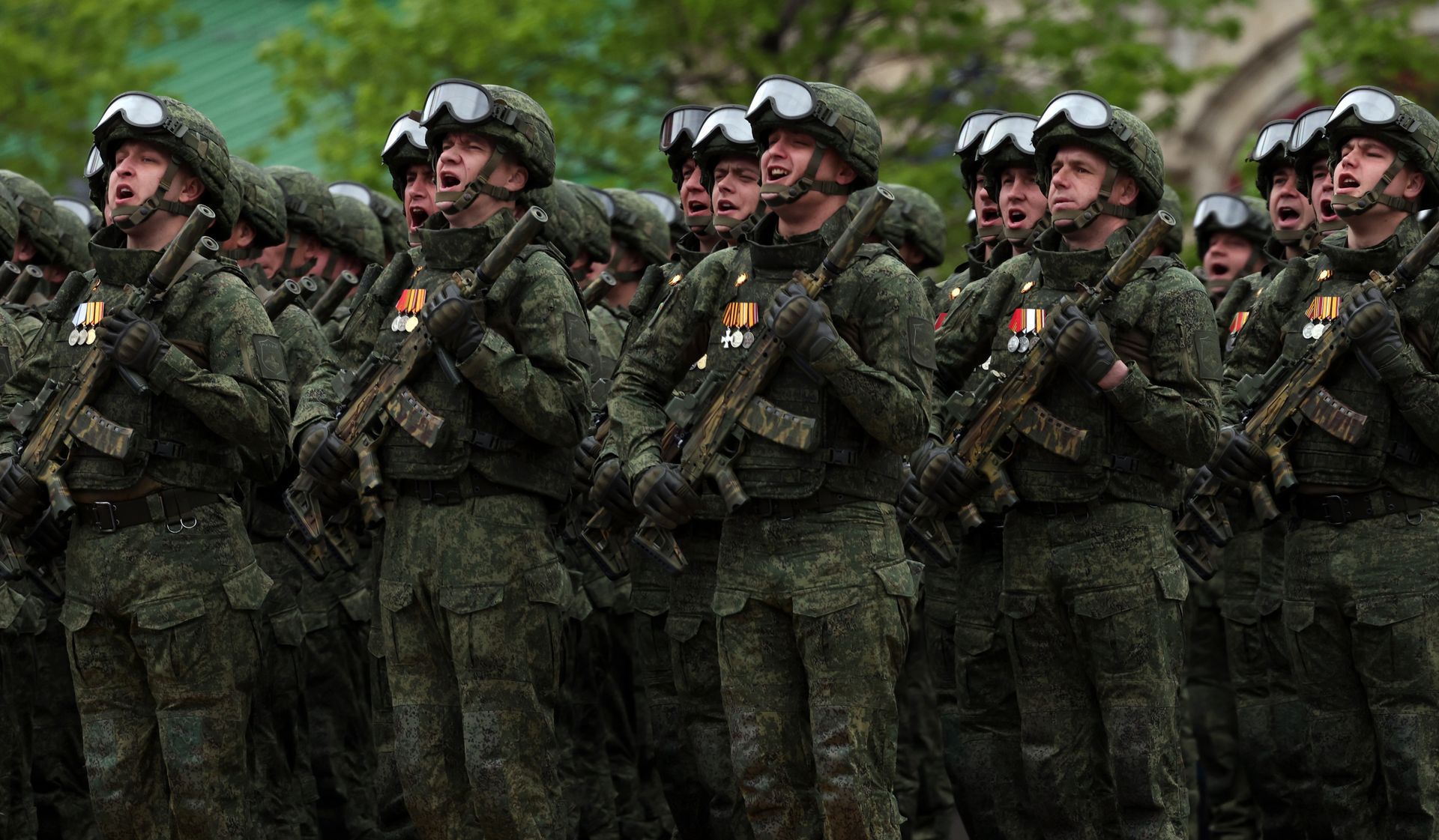
Russia plans to spend 17.1 trillion roubles ($202.58 billion) on its military in 2027, about 27% more than previously budgeted, Reuters reported. That would be its highest military spending since the 2022 full-scale invasion of Ukraine. Budget documents also show plans for 50 trillion roubles over three years, while Vladimir Putin signed a decree adding 15,500 personnel to the armed forces.

Russian authorities plan to sharply raise military spending under a new draft budget, Reuters reported, citing Russian government documents it reviewed. Defense spending is set to reach 17.1 trillion rubles in 2027—3.6 trillion, or 27%, above the previously budgeted 13.5 trillion. Total defense spending over the next three years is projected at 50 trillion rubles.
Blockchain.com Group Holdings Inc., one of the oldest crypto services companies, is telling prospective investors it aims to go public this year, according to people familiar with the matter. The company is reportedly targeting a $500 million IPO as the crypto market begins to thaw.
The US Treasury Department moved to curb Wall Street’s growing tax-optimized investing boom on Monday. Its notice signals possible action against a range of strategies, while a ruling will restrict the tax benefits of a fast-growing ETF maneuver.
The European Central Bank plans to expand currency safety nets so foreign central banks can borrow euros more easily, ECB President Christine Lagarde said on Monday. The move is aimed at strengthening the single currency’s global standing.
The upcoming US midterm election is among the biggest events remaining on this year’s market calendar, but derivatives pricing suggests traders do not expect especially large moves in major stock benchmarks.
Crude oil stocks in the U.S. Strategic Petroleum Reserve fell to 283.8 million barrels last week, the lowest level since October 1982, according to Department of Energy data.
President Vladimir Putin has extended until April 1, 2027, authorization for foreign buyers to purchase Russian gas in rubles through Russian banks other than Gazprombank. The payment procedure was revised after the United States imposed sanctions on Gazprombank.
Stocks declined Monday while bond yields and oil prices jumped, as geopolitical upheaval remained at the forefront of traders’ concerns and kept markets on edge.

Under a plan announced Monday, Tata Trusts would fold two Tata Group businesses into Tata Sons. The family charity is seeking to keep the conglomerate from a share listing mandated by the Reserve Bank of India.
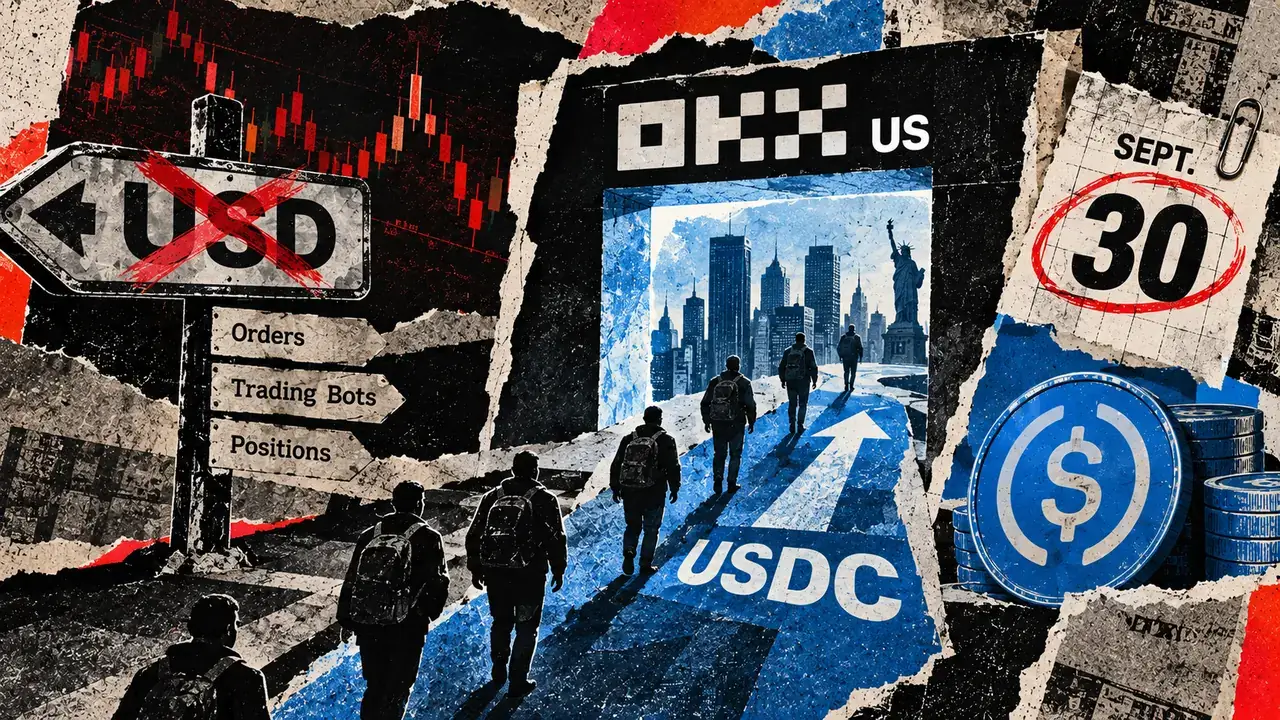
OKX US will retire selected USD trading pairs on Sept. 30, canceling remaining orders and bots. Positions in Grid and Smart Portfolio bots will be sold if users do not migrate them, while holdings managed by DCA, Recurring Buy and TWAP/Iceberg bots will remain even though those bots close. Users can move activity to corresponding USDC pairs before the deadline.

Bitmine has acquired another 17,362 ether, taking its holdings above 6 million ETH. The company’s crypto, cash and other investments now total $17.2 billion, while it owns more than 4.9% of ether’s circulating supply.

Donald Trump Jr.-backed Unusual Machines and an unnamed US asset management company have invested $10 million in Canadian drone services firm Draganfly, as defense-sector investment accelerates amid persistent geopolitical tensions.
The Minutes Reader extension turns the original page into a focused reading view and translates articles and video subtitles on demand. It is in limited beta.