VW ejected from European blue-chip index in blow to crisis-hit carmaker

Volkswagen has been removed from the Euro Stoxx 50 after the German company’s shares fell to a 16-year low, dealing another setback to the crisis-hit carmaker.
Wild swings in South Korean share prices are hurting the country’s image, turning its surging stock market into a national liability.
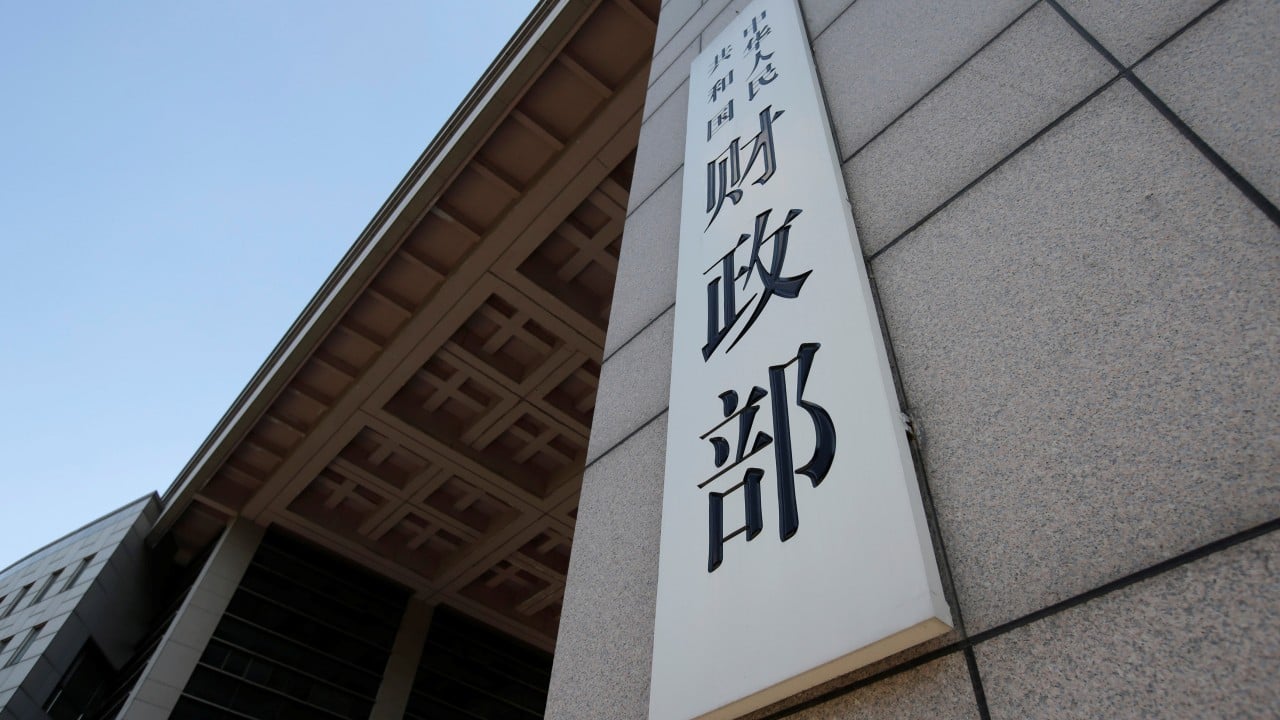
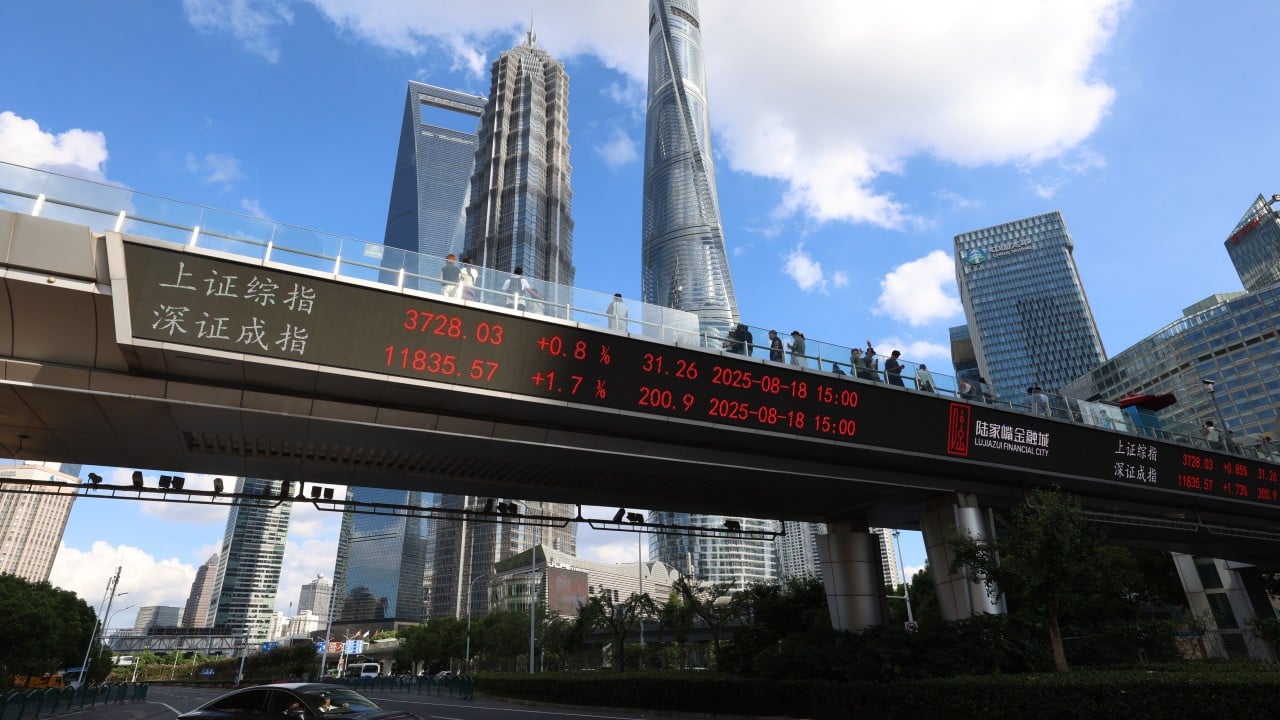
China collected 216 billion yuan in stock-trading stamp duty during the first eight months of the year, an 82 per cent year-on-year increase, according to Ministry of Finance data. Improved sentiment linked to the artificial intelligence boom helped lift average daily trading values on mainland exchanges by 72 per cent.

The Federal Reserve and Bank of England are stepping up scrutiny of banks’ exposure to trading firms and intensifying questions for prime brokers after losses at Jane Street and the blow-up of AI-focused hedge fund Situational Awareness.
Grant Thornton chief Malcolm Gomersall says the new ownership structure will improve audit quality because it will bring greater scrutiny.
Paramount and California’s attorney general have discussed several concessions in advanced settlement talks, including a proposed $1.5 billion investment in production in the state, the Wall Street Journal reported, citing people familiar with the negotiations.
Mainland Chinese stock exchanges are lobbying companies and regulators to favour domestic listings after Hong Kong led fundraising in recent years, according to two people familiar with the matter. The exchanges recently met mainland companies planning Hong Kong listings, particularly first-time issuers and firms in sectors backed by national policies.

Asian share markets edged higher on Monday, helped by chipmakers as insatiable AI demand for data continued to support the sector. Oil prices eased as hopes that Saudi Arabia could increase supplies outweighed news of a Houthi attack on Riyadh.
The week ahead has relatively little macroeconomic data, but investors may still see plenty of headlines capable of moving markets.

Competition between mainland China and Hong Kong for hi-tech IPOs gives emerging technology firms a dual-track strategic choice rather than a zero-sum contest, according to Lu Peng, general manager of Beijing-based Zhongguancun International. He said some competition naturally exists as companies choose their primary listing venue.

Qatar’s prime minister announced on Sunday that the Qatar Investment Authority will create a division focused on developing domestic investments. The move marks a new direction for the sovereign wealth fund, which has long concentrated on building wealth overseas.
The European Commission’s MiCA review asks whether Europe’s treatment of staking is adequate and what requirements should apply to staking providers. Although the consultation is not a final policy position, it could inform future legislation, bringing more rules for users and an added compliance burden for companies while creating difficult questions for proof-of-stake networks.

Wall Street expects the US to issue about $1tn in short-term debt as borrowing costs climb. The growing reliance on Treasury bills comes as Scott Bessent seeks to contain the rise in long-term rates.
The crypto platform Gemini’s market value has dropped to about $753 million, renewing speculation that it could become a takeover target. Buyers may be attracted to its licenses, custody infrastructure and customer relationships.

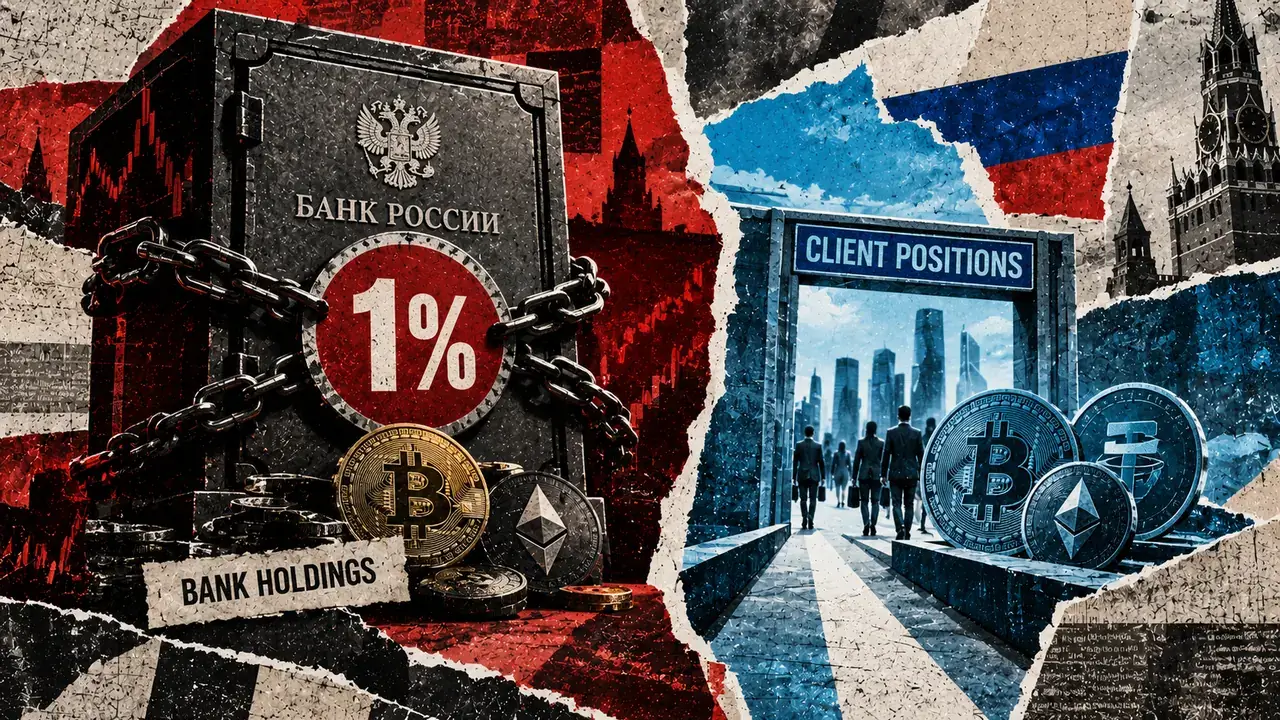
The Bank of Russia has proposed a 1% capital ceiling for banks’ crypto and foreign-digital-instrument exposure through ratios N31 and N32. Customer custody assets would count when the bank bears losses from seizure or restricted transactions, but could remain outside the ratios when it does not—while still receiving prudential treatment. The rules are still in draft form.

The US warns that fighting between Saudi Arabia and the Iran-backed Houthis could quickly escalate. A missile has targeted Riyadh for the first time since the Yemen conflict resumed, while the Houthis’ rapid offensive has seized large parts of Yemeni territory and killed hundreds. Without American backing, Saudi Arabia faces difficult choices.


The US warned that Yemen’s situation was escalating rapidly after Houthi rebels launched a missile attack on Saudi Arabia’s capital. The Iran-backed militants have also seized large areas of Yemeni territory after clashes with Saudi-supported government forces. Despite being a close Saudi ally, Washington appears unwilling to intervene on Riyadh’s behalf.

Fighting between Iran-backed Houthi rebels and Saudi Arabia is intensifying. A fire broke out near Riyadh’s main airport on Saturday morning after the Houthis said they had launched missiles and drones at Saudi Arabia. In Yemen, Houthi forces are advancing east against Saudi-backed government troops.

Nawaf Obaid, a senior research fellow at King’s College London, tells Al Jazeera that Saudi Arabia will mount a massive response to Houthi attacks originating in Yemen, coordinating its action with coalition partners.
Saudi Arabia’s stock market opened lower on Sunday after Yemen’s Houthis said they had struck sensitive targets in Riyadh with missiles and drones the previous day. The subdued mood spread across other Gulf bourses.

A Saudi-led coalition says Houthi forces in Yemen fired a ballistic missile at Riyadh before Saudi air defences intercepted and destroyed it. The capital sounded its first air-raid alert since July, and residents reported an explosion and black smoke, but authorities said there were no casualties or damage. The Houthis claimed attacks on sensitive sites in Riyadh and an Aramco facility in Yanbu as fighting continued across several Yemeni provinces.
Saudi Arabia confirmed Saturday that Yemen’s Houthi rebels attempted to target Riyadh with a ballistic missile. It was the first attempt against the capital since fighting with the Tehran-backed group escalated and opened a new front in the Iran war.
Saudi-led coalition spokesman Brigadier General Turki al-Maliki said Saudi air defenses intercepted and destroyed a ballistic missile launched by the Houthis toward Riyadh on Saturday morning. He said the group had intensified attempts to target civilians in the capital. Explosions were heard earlier in Riyadh.
Saudi Arabia has confirmed that Yemen’s Houthi rebels attempted to attack the capital, Riyadh, with a ballistic missile.
Analysts at Goldman Sachs and Citizens said the SEC’s move could create new opportunities in custody, tokenization infrastructure and stablecoin settlement, while giving brokers room to expand their onchain products.

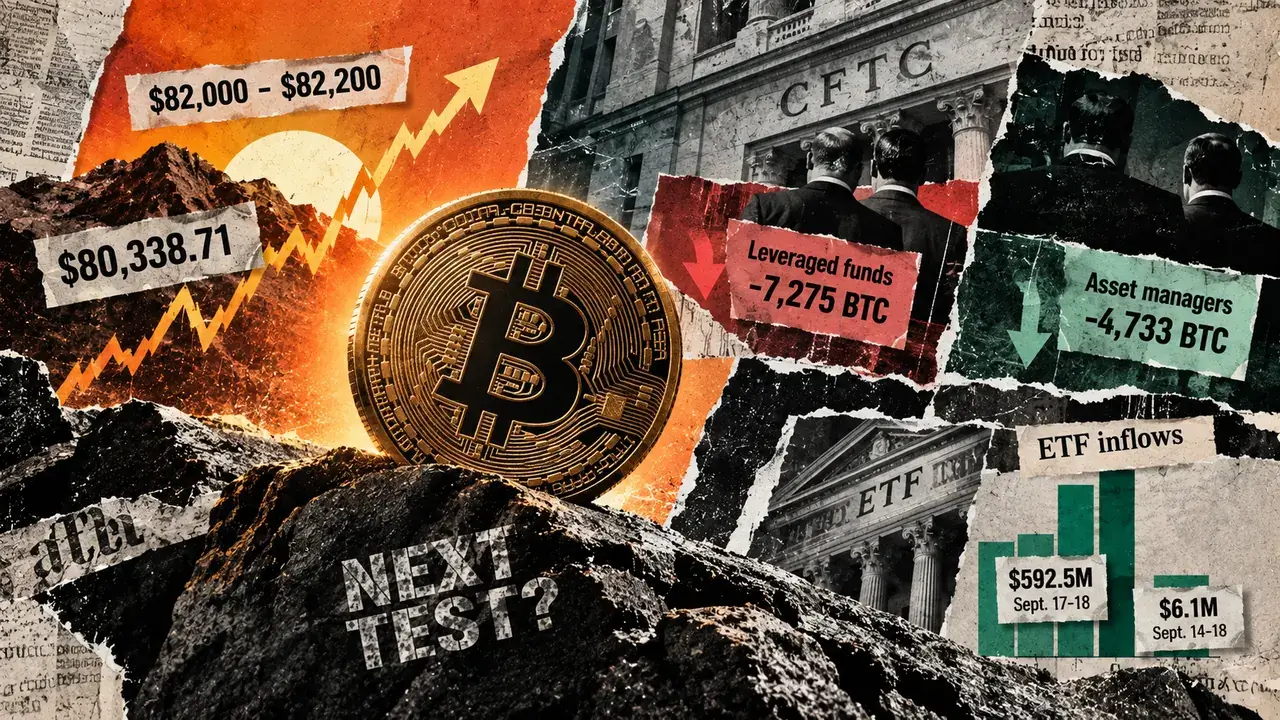
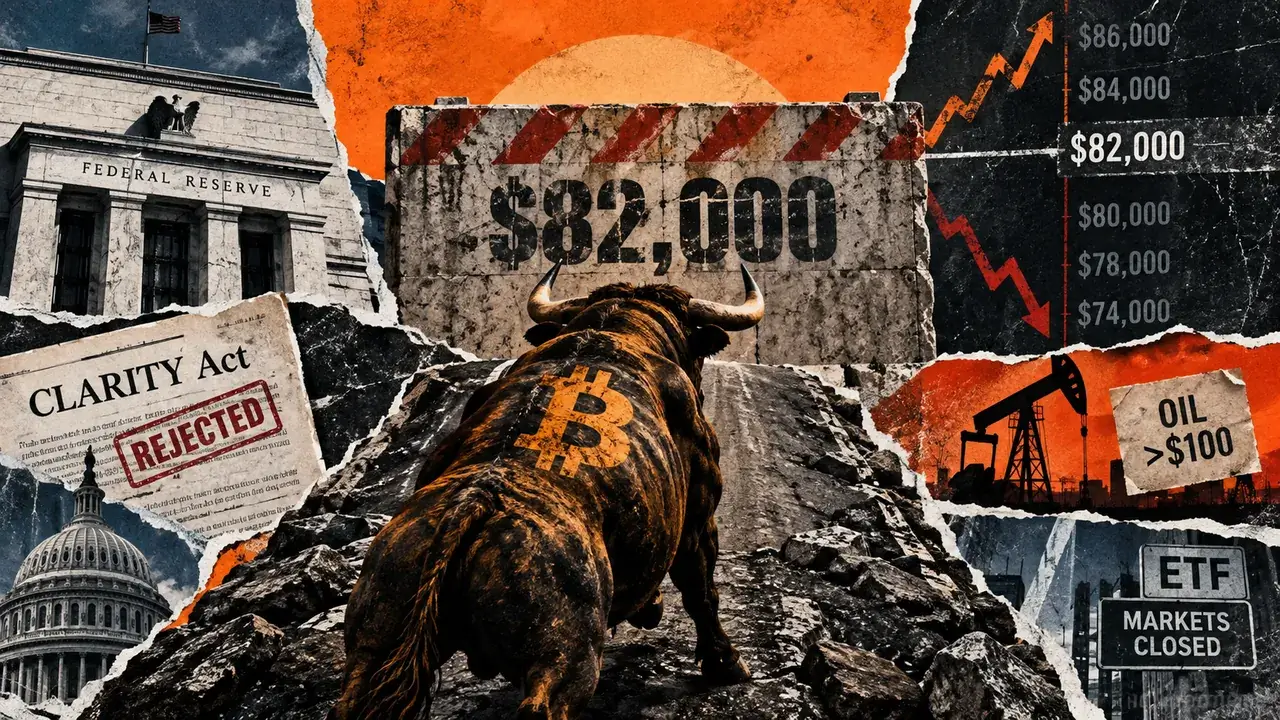
Bitcoin held above $80,000, but institutional signals were mixed. Leveraged funds reduced their net-short futures exposure by 7,275 BTC-equivalent, while asset managers cut net longs by 4,733 BTC-equivalent. US spot Bitcoin ETFs drew $592.5 million on Sept. 17-18, yet weekly net inflows were only $6.1 million. BTC stood at $80,338.71, below the $82,000-$82,200 resistance zone.

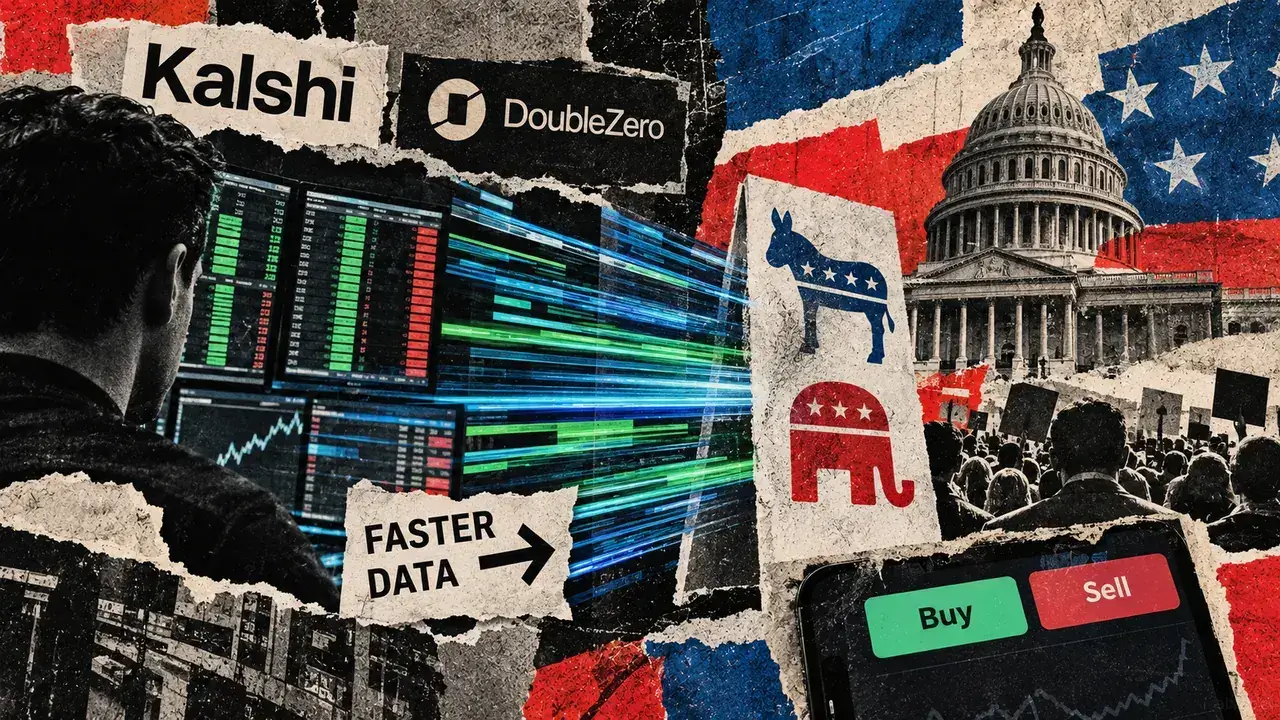
Correctly predicting an election winner does not ensure a profitable bet, because available prices can change before an order executes. DoubleZero has added Kalshi’s election and politics markets to Edge, giving subscribers faster order-book data that may improve prices but also give well-equipped professional firms an advantage over retail bettors. Faster feeds do not guarantee queue priority at the exchange.

The landmark flotation could reshape how Africa invests in industry, making it a test of the continent’s model of capitalism.
Saudi Arabia’s central bank withdrew last year from a China-led cross-border currency programme, part of Beijing’s effort to develop an alternative to the dollar-based system.
Binance Research found Gen Z had the lowest turnover among working-age cohorts across direct equities, tokenized bStocks and TradFi perpetuals. ETFs made up 25% of their direct-equity trading volume in early August, up from 14.6% in June, and remained the part of the portfolio they continued funding when overall investment declined.

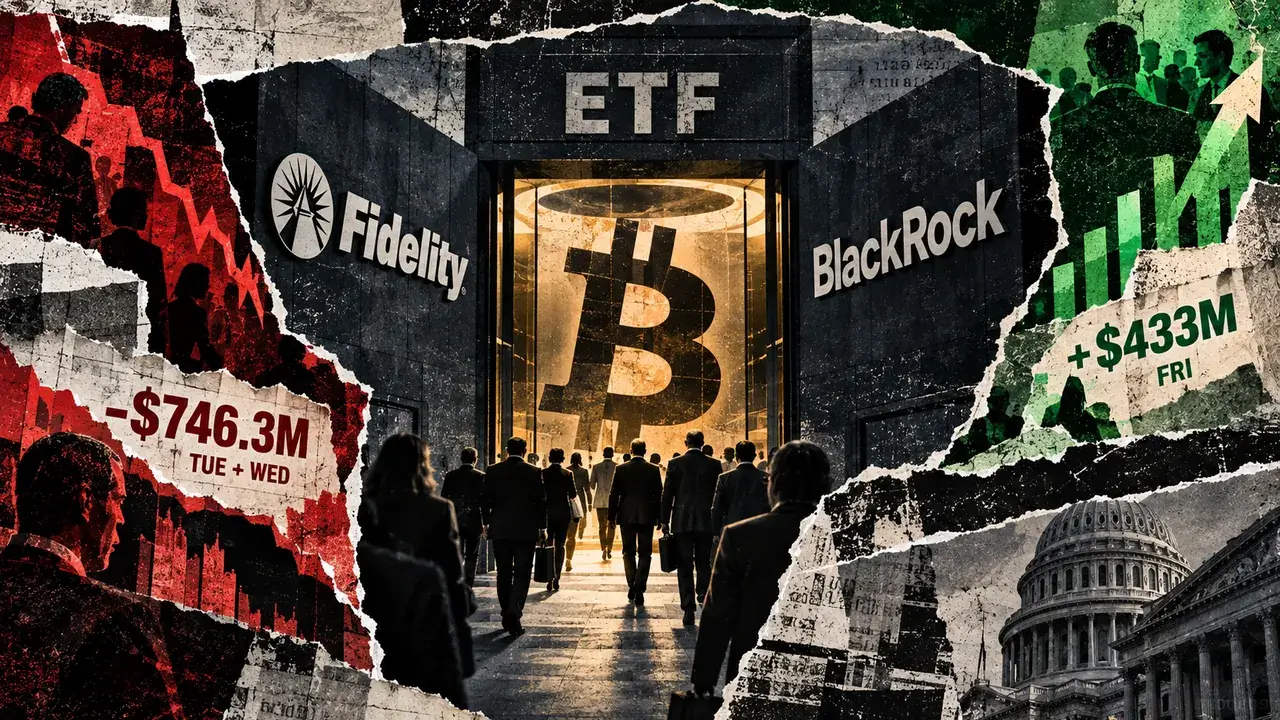
U.S. spot Bitcoin ETFs recorded $433 million in net inflows on Friday, led by Fidelity’s $310.7 million contribution, ahead of BlackRock’s $108.4 million. The two-day rebound offset most of the week’s earlier withdrawals, leaving a modest $6.1 million weekly inflow. BlackRock still led Fidelity over the full five-session period.


Bitcoin ETFs managed a positive week after taking in $433 million on Friday. Fidelity’s FBTC accounted for $310.7 million of that total, helping offset earlier withdrawals, while ether funds ended a four-week run of inflows.
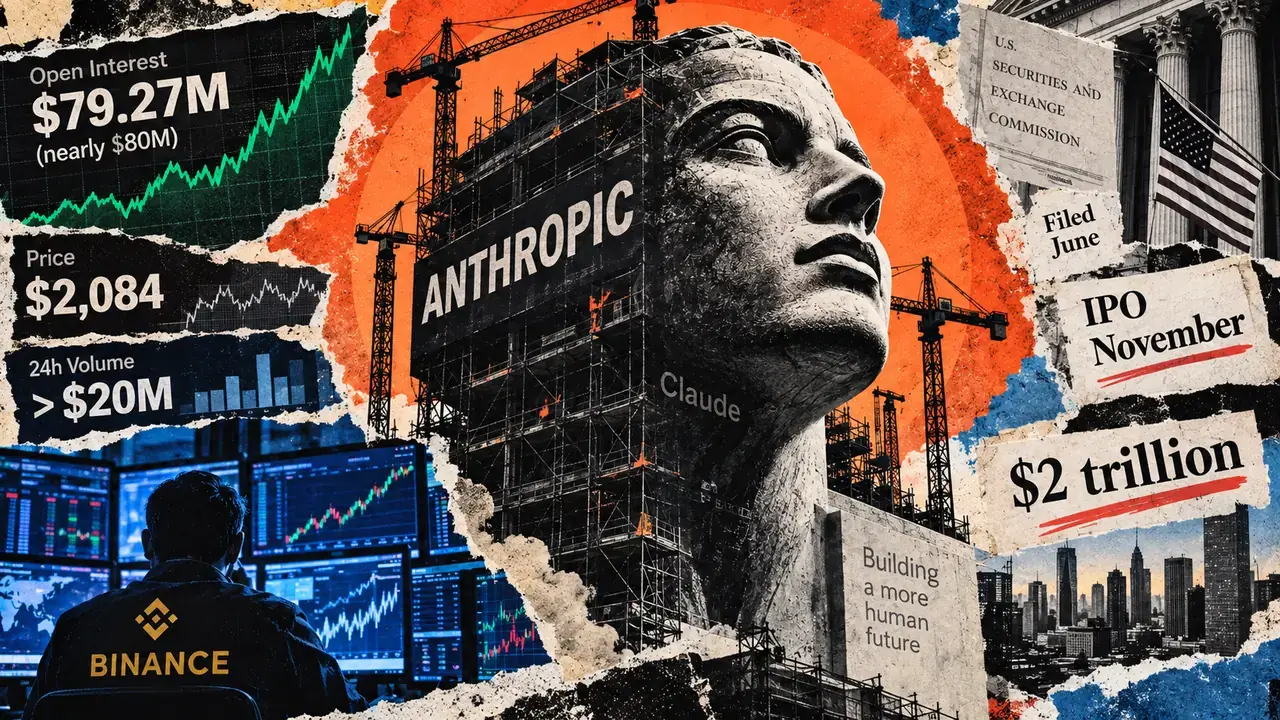
Anthropic has not disclosed an IPO price, final valuation or share count, yet open interest in crypto futures linked to the Claude developer has climbed to about $79.27 million. The contract is not Anthropic stock; it is a cash-settled derivative reflecting traders’ bets on the privately held company’s eventual valuation.

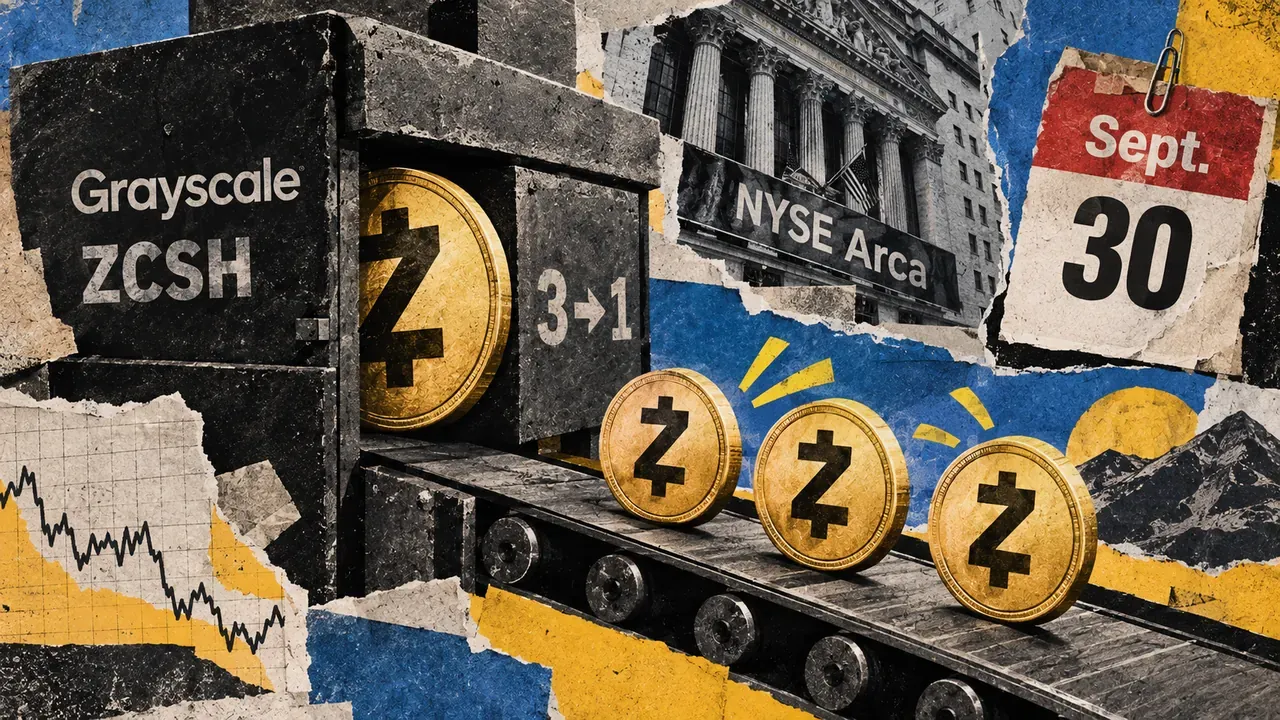
ZEC has roughly doubled to about $1,540 since Grayscale’s ZCSH began trading, helping lift the fund’s net assets to $914.53 million, around $85 million below $1 billion. Futures open interest and volume also reached records. Grayscale announced a 3-for-1 forward split for ZCSH shares.

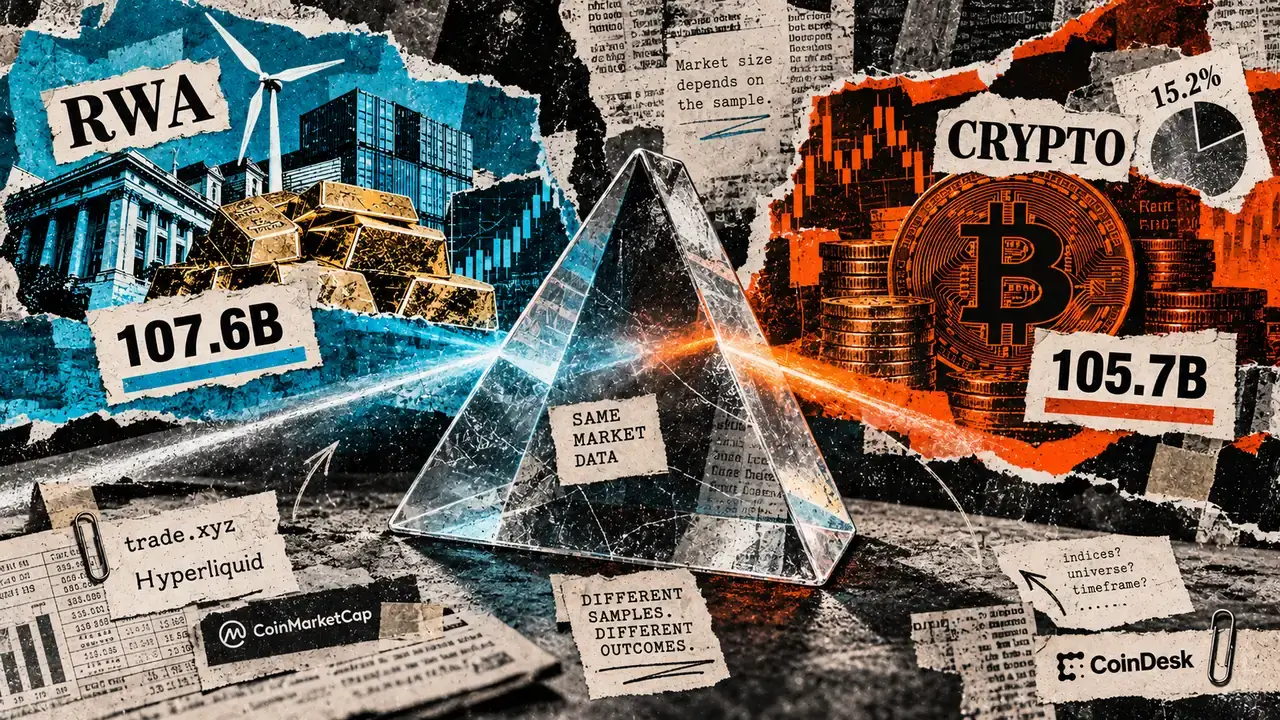
An OKX and Token Terminal report found July RWA futures volume on trade.xyz narrowly exceeded crypto-perpetual volume on Hyperliquid, at $107.6 billion versus $105.7 billion. But the crossover was limited to a selected venue comparison, not the whole market. Broader data shows rapid RWA growth without proving that RWA derivatives have overtaken crypto overall.

Zulfiqar Ali, now at the helm of a London-based boutique fund after trading for Balyasny Asset Management, believes market positioning based on a developing super El Niño could enhance returns.
Robinhood Chain fees have plunged 97%, while the seven-day average fell 82%. Transaction counts slipped just 6%, with roughly $1.5 billion still changing hands each day.

JPMorgan and Citi are moving billions of dollars in tokenized deposits between their own branches, rather than offering them to ordinary consumers. A U.K. challenger bank is about to pursue an approach neither bank has tried.

BlackRock has emerged as the preferred manager for a portfolio of Dutch pension assets valued at just under €70 billion ($80 billion).
Bitcoin rose to an intraday high of $81,400 on Friday, nearing the $82,000–$82,200 resistance zone that has rejected recent recoveries. Because US spot Bitcoin ETFs stop trading over the weekend, any crypto-market breakout would need Monday’s ETF session to confirm it. A failure could send Bitcoin back toward $80,000 and lower support levels.

A new report from S&P Global Ratings says the financial health of US public schools is continuing to deteriorate, with half reporting operating deficits.
The end of human existence could be bad for financial markets, raising the question of how investors should position themselves for a possible robot apocalypse.
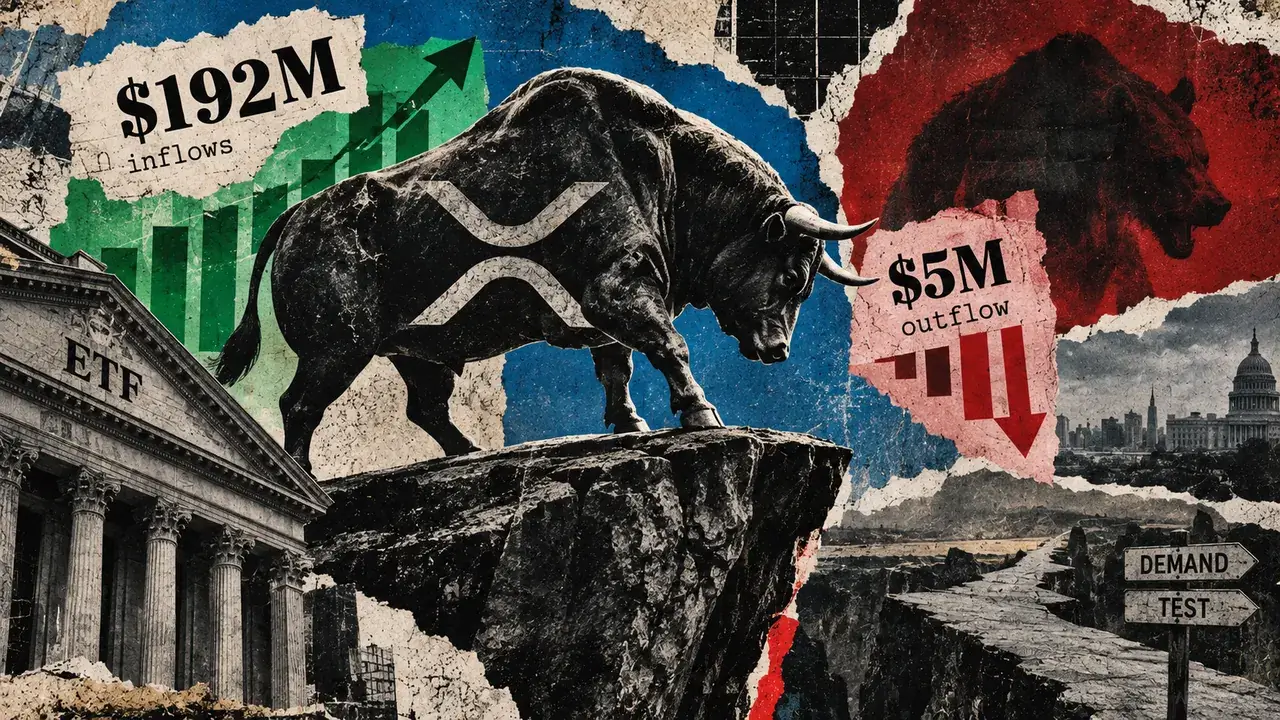
US spot XRP exchange-traded products recorded roughly $5.15 million in outflows on Sept. 17, interrupting a monthly inflow of about $192 million. The covered funds were still around $10 million positive for the rolling week, with 16 inflow days and two outflow days over the month. The reversal was concentrated in Canary’s XRPC and 21Shares’ TOXR, suggesting a one-session reset unless outflows broaden.

As anxiety grips the world’s biggest bond market, some investors see income as a compelling reason to buy, with yields offering a chance to reach 5%.
Tata Sons’ board has defied its 66% shareholder, Tata Trusts, by reappointing N Chandrasekaran as chairman and backing a public listing. Tata Trusts calls the move illegal and opposes the listing, raising the prospect of a prolonged governance and legal battle over leadership and the group’s future structure.

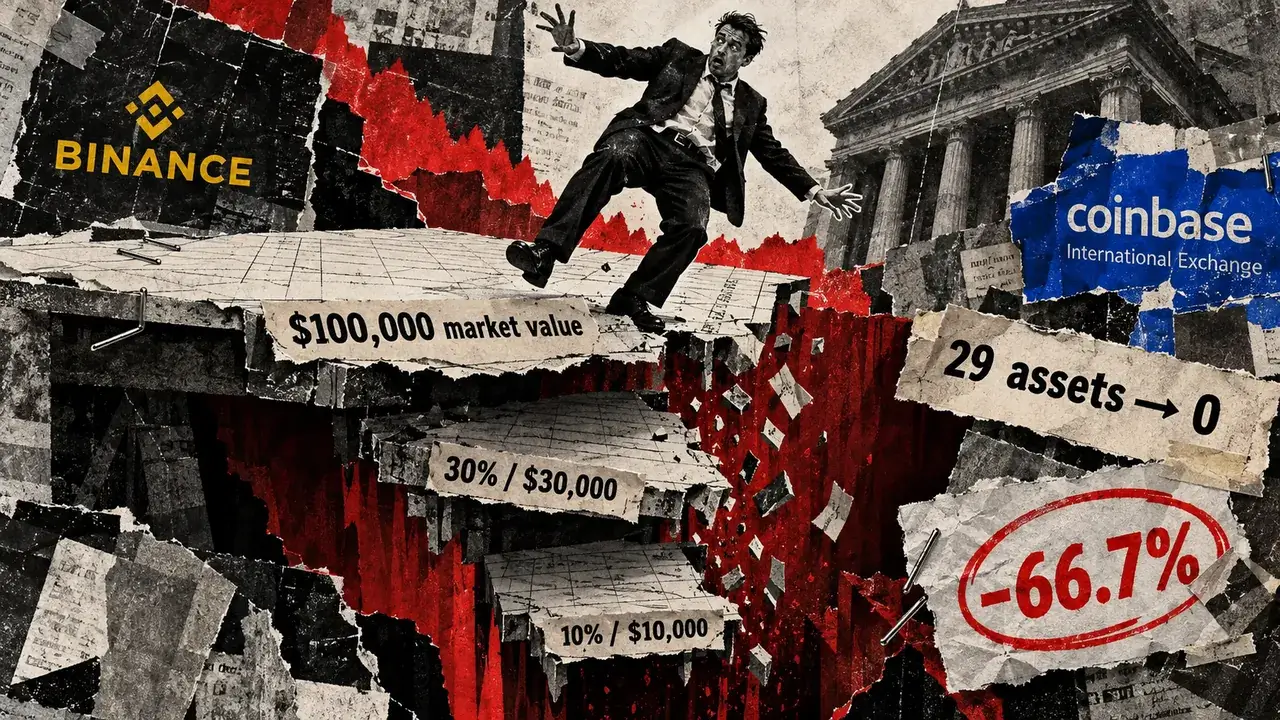
Binance reduced collateral ratios for six tokens, while Coinbase International Exchange said 29 assets will no longer qualify as collateral. The changes can reduce borrowing limits and margin cushions even when token prices are unchanged, tightening usable leverage for affected accounts.

British cloud provider Nscale said on Friday that its revenue jumped 1,252% in the first half of 2026 as it seeks to capitalize on investor enthusiasm for AI stocks through a US listing. The company is backed by chip giant Nvidia.
British data centre start-up Nscale has filed to list in the US at a targeted valuation of $35bn. The company has also won a major contract to supply computing power to Anthropic.

Nscale is the latest artificial intelligence neocloud provider to turn to the public markets.
An investment firm serving one of Saudi Arabia’s wealthiest families is moving from London to Dubai, according to people familiar with the matter. The relocation marks another instance of private wealth leaving the UK for the Gulf amid heightened uncertainty from the Iran war.
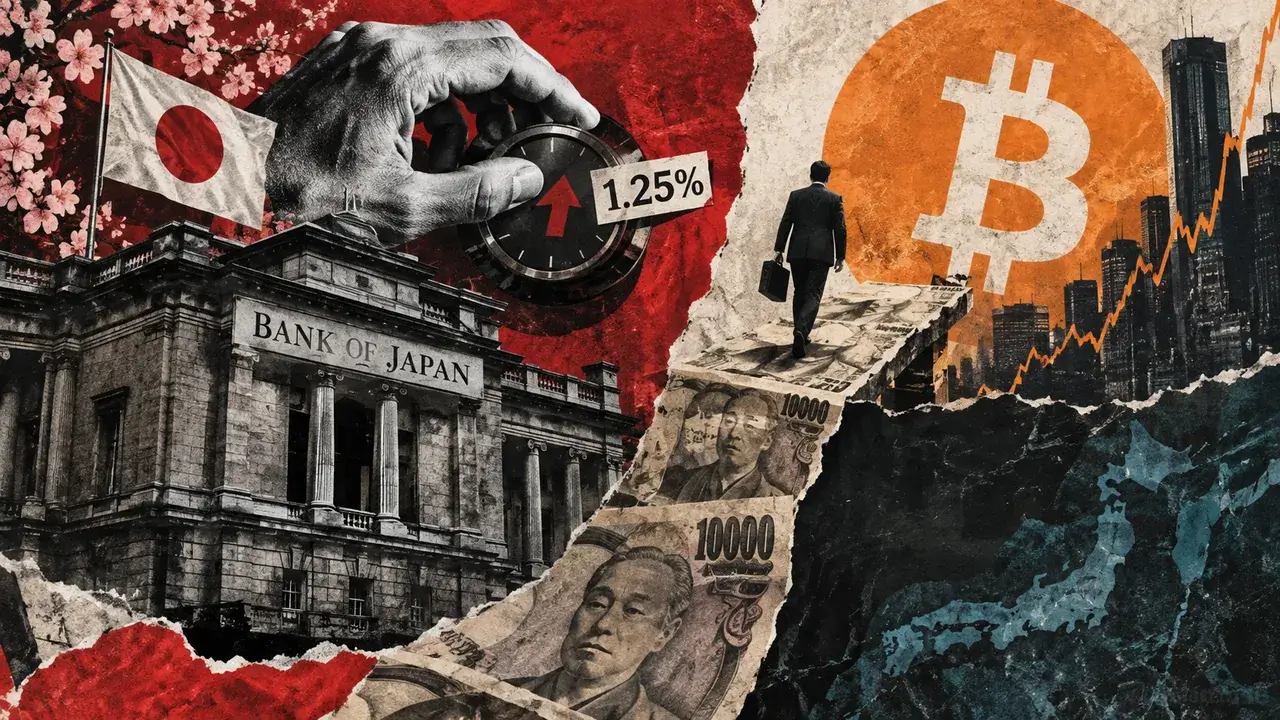
The Bank of Japan voted 7-2 to raise its policy rate from about 1% to 1.25%, with the new setting taking effect Sept. 24. Bitcoin climbed to an intraday high near $81,000 after the announcement, while the yen weakened, offering little evidence of an immediate disorderly carry unwind. Risks remain as implementation approaches and the BOJ signals its next move.

Polish parcel-locker operator InPost said 89.81% of its shares were tendered into a takeover offer from a consortium comprising FedEx, Advent International and other InPost investors.
Westinghouse Electric, which supplies reactor technology to nuclear power plants, is seeking a valuation above $50 billion in a US initial public offering, according to people familiar with the matter.
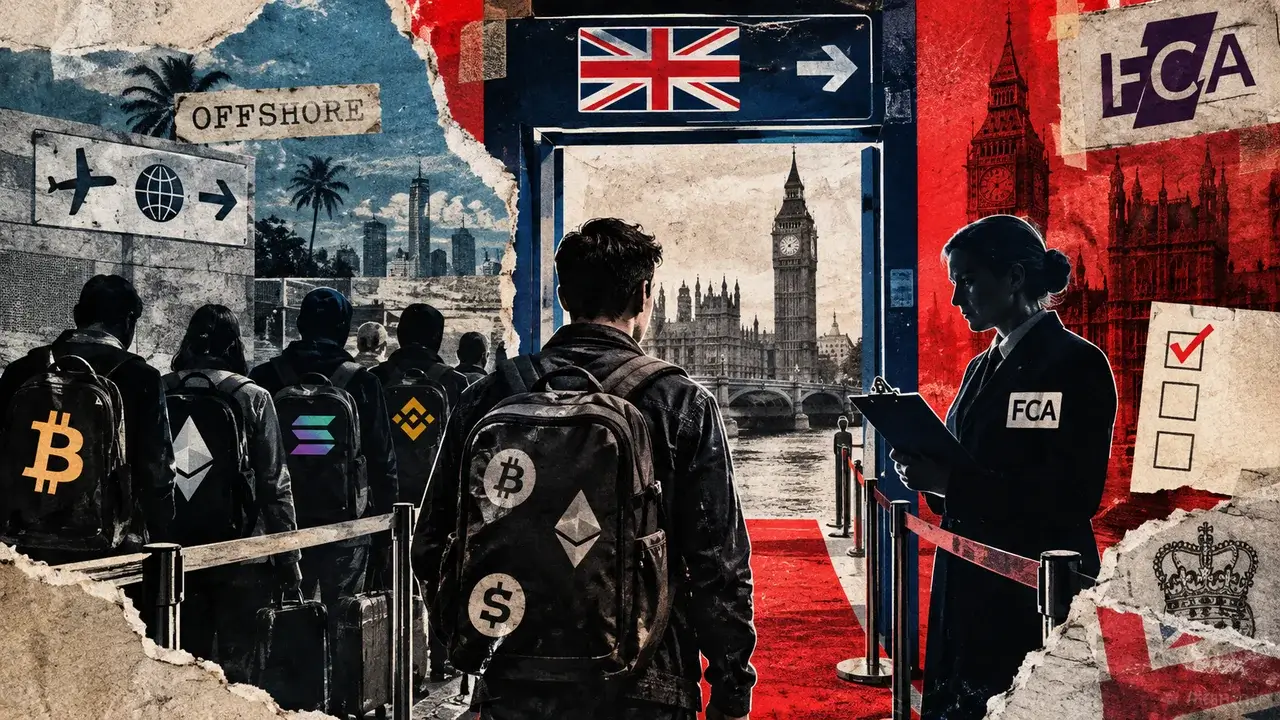
The UK Financial Conduct Authority says overseas crypto providers serving UK consumers may fall under the incoming authorization regime even when based abroad. The new cryptoasset activities enter the regulatory perimeter on Oct. 25, 2027, with transitional applications opening Sept. 30, 2026.

The Nigerian appetite for shares in Aliko Dangote’s petroleum refinery is generating a burst of viral online humor. The memes give even the smallest investors the imagined status of industry chiefs and personal advisers to Africa’s richest man.
Russia’s stock market ended Friday higher, with the ruble-denominated MOEX Index up 1.3% at 2,278.06 points and the dollar-denominated RTS Index gaining 1.67% to 852.33 points. The yuan rose slightly against the ruble to 12.58 rubles.
Senior European officials said on Friday that European banks need greater scale and deeper capital markets to compete with US rivals, as the European Union seeks to strengthen its position in an increasingly competitive global economy.
PizzaExpress is preparing a sale that could value the company at up to £500mn. Its owners, including Bain Capital’s special situations unit and Cyrus Capital Partners, are working with bankers at Rothschild.
Wall Street is edging lower near the end of a volatile week, with U.S. stock indexes mixed as bond yields climb and oil prices fluctuate.
Abu Dhabi’s index ended higher on Friday as healthcare and consumer staples shares rose, while Dubai’s market moved in the opposite direction and closed lower.
Fed Chair Kevin Warsh explained this week’s decision to raise interest rates while raising difficult questions about how much further the central bank may go.

The Kremlin has moved to seize the Russian assets of Nestlé and French retailer Auchan as part of a broader nationalization drive. The campaign has brought a surge in government takeovers of privately owned companies.
Assets belonging to Auchan, Lemana Pro and Nestle in Russia have been placed under the temporary management of L.E.V. Management under a decree signed by President Vladimir Putin. The companies are seeking clarification, while saying their operations and facilities continue as usual; Nestle says it will take steps to protect its rights.
Kremlin spokesman Dmitry Peskov said the current decision concerns only placing the Russian assets of Auchan, Lemana Pro and Nestle under external management, with L.E.V. Management chosen as temporary administrator. He also called the planned MC-21-310 aircraft supply agreement a breakthrough and highly important for Russia.
Russia has put the local operations of Nestlé, Auchan and other Western-linked companies under temporary administration. Nestlé is considering its options, while Auchan and Lemana Pro say their Russian businesses are continuing as usual.
Nestlé says it is assessing President Vladimir Putin’s decree placing its Russian business under “temporary external administration” and will take necessary steps to protect its rights. Auchan says its Russian subsidiary and all outlets continue operating normally while it seeks clarification.
The CFTC is advancing cryptocurrency market rules by sending them to the White House for review while Congress delays action on the Clarity Act. The SEC has also opened a new route for trading tokenized stocks.


The Commodity Futures Trading Commission has sent its crypto asset rulemaking to the White House for review, moving forward even as Congress remains inactive on the matter.
StubHub shares ticked higher for a third consecutive day after analyst Jason Bazinet raised his rating on the company from neutral to buy.

Grayscale’s Zcash ETF, ZCSH, plans a three-for-one split after a $233 million surge in inflows. Its assets are nearing $890 million as a rally in ZEC drives mining competition to record highs.

Allspring, the former Wells Fargo asset manager, is exploring a sale valued at $4bn by its private equity owners. A deal would follow a string of transactions that have reshaped the industry.
Delegates at a major industry meeting said soaring fuel and borrowing costs have replaced aircraft shortages as the top concern for jet financiers, signaling a shift in sentiment after years of supply-led disruption.
Gold rose to a one-week high on Friday and was poised for its first weekly gain in four weeks. Falling oil prices reduced concerns over persistent inflationary pressure, although a stronger dollar capped the advance.
US equity funds posted outflows for a fourth consecutive week in the period ending September 18. Higher crude oil prices intensified inflation worries, while expectations of a Federal Reserve rate hike made investors more cautious before the policy decision.
Turkey is moving to liquidate funds at the heart of what has been described as a ‘Ponzi-like scheme’. Major local banks are set to sell assets held by the funds, which have about 300,000 investors, amid concerns that their valuations were inflated.
Nestlé is weighing its options after Russia placed the Swiss food giant’s local assets under temporary external administration.

Kremlin spokesman Dmitry Peskov said Auchan, Nestle and Lemana Pro are from unfriendly countries that assist Ukrainian forces in strikes on civilian economic facilities in Russia. He said that status was among the factors considered when their Russian assets were placed under temporary management.
Uzbekistan’s investment fund, UzNIF, is preparing major telecoms, aviation, banking and energy companies for potential listings. Uztelecom is currently the leading candidate as governance reforms progress and efforts to attract fresh capital accelerate.
Global equity funds suffered their largest weekly outflow in nine months in the week ending September 16. Rising oil prices intensified inflation concerns, while expectations of a Federal Reserve rate increase added to investor caution.
Renewable energy company Ningbo Green Light Energy plans to go public within weeks through a backdoor listing, in what would be Pakistan’s first transaction involving a blank-check company.
Chinese Foreign Ministry spokesperson Guo Jiakun said Hong Kong has achieved remarkable economic growth under the safeguards of One Country, Two Systems. The Global Financial Centres Index 40 ranked it third worldwide and first in the Asia-Pacific, while its IPO market raised about HK$203.3 billion in the first half of the year, ranking second globally.
Investors put money into US stocks at the fastest rate in three months while pulling funds from corporate bonds during the latest week, according to a Bank of America Global Research report.
Revolut’s founder says the fintech is considering a simultaneous New York and London listing when it eventually goes public. The move would preserve a home-market presence while opening access to the deeper US market the company has long preferred.
Treasury yields were mixed Friday morning as investors continued seeking signals about the direction of monetary policy.

Kevin O’Leary says he is buying cryptocurrency again and is watching for a major stock exchange to adopt a blockchain network, which he describes as the “watershed moment” to watch.

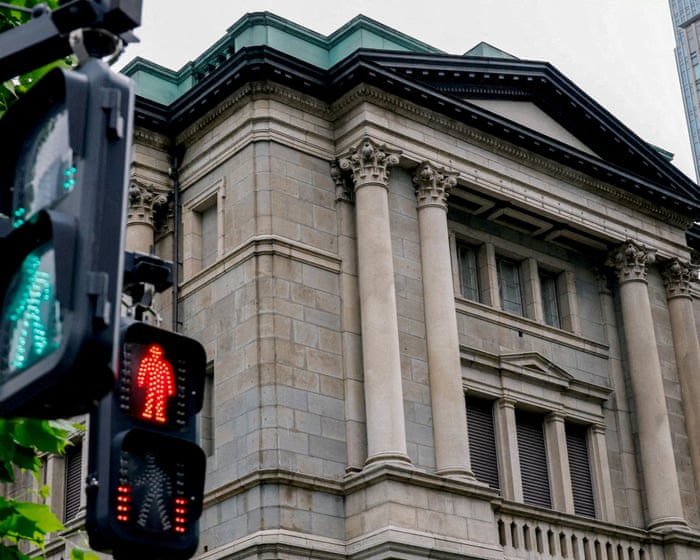
The Bank of Japan raised interest rates to their highest level in 31 years on Friday and signalled it was prepared to keep increasing borrowing costs as major central banks confront persistent inflation pressure fueled by surging oil prices.

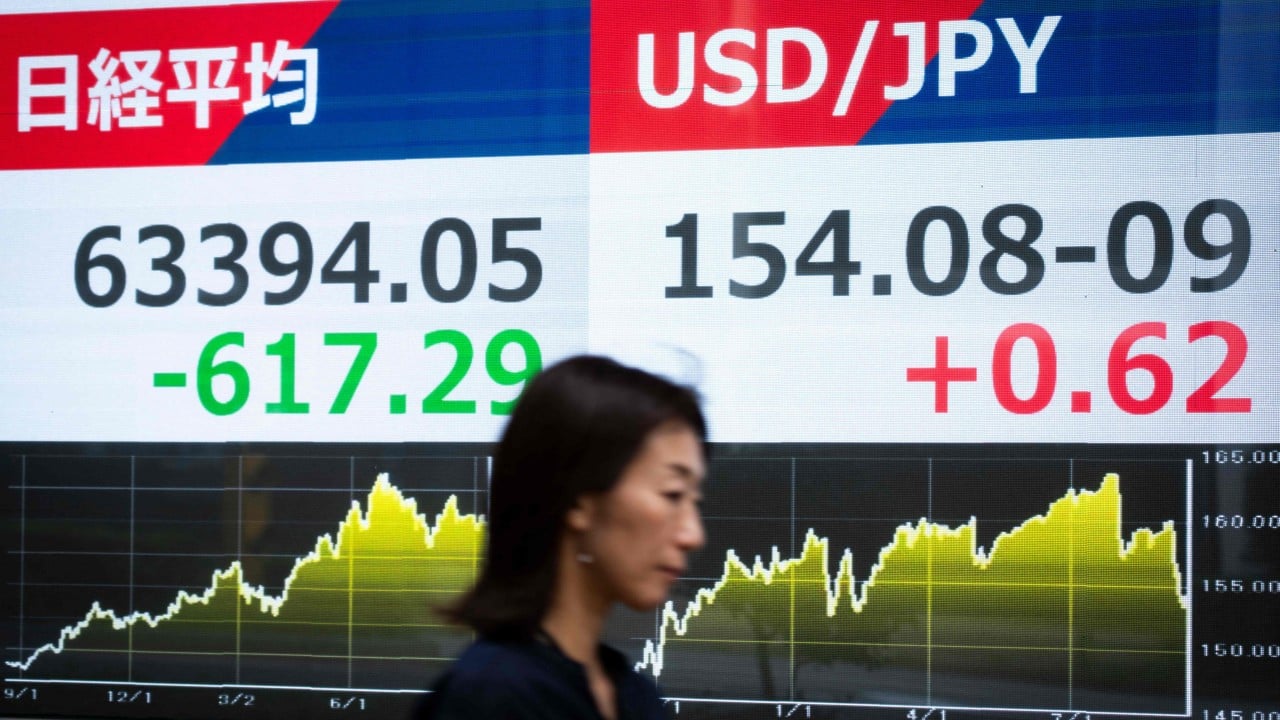
After the rate hike, the yen weakened beyond 157 against the dollar and the 10-year Japanese government bond yield declined, while the Nikkei 225 climbed 1.5%.

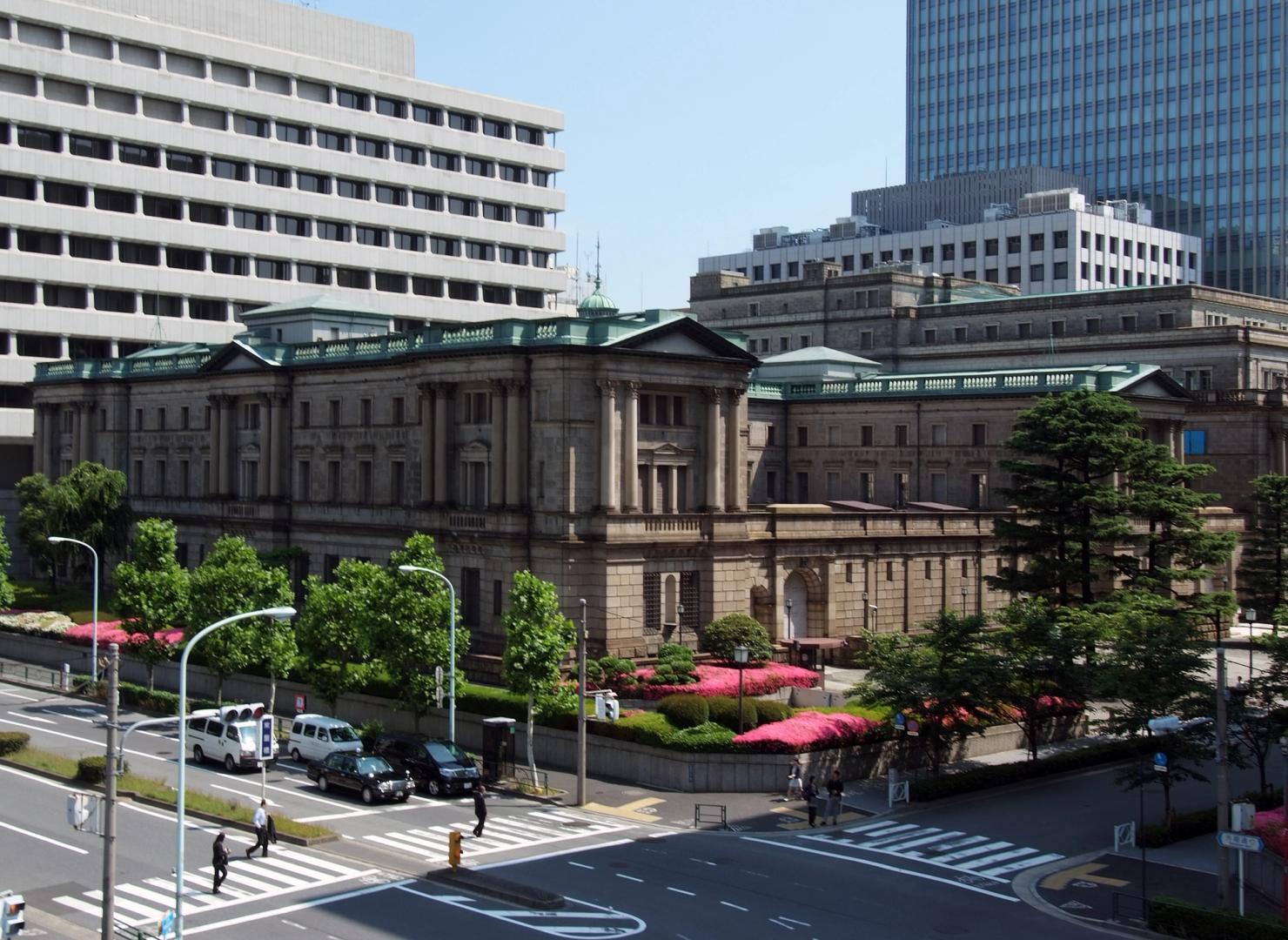
The Bank of Japan raised its main interest rate from 1% to 1.25%, its highest level since 1995. It was the sixth increase since 2024, as Japan contends with a weak yen, rising prices and a shrinking workforce, while the Iran war drives up energy costs and inflation pressure.

The Bank of Japan raised its target rate from 1% to 1.25%, the highest since 1995, seeking to limit inflationary pressure linked to the war in Iran. Two board members opposed the move. The yen fell about 0.7% against the dollar, helping the Nikkei rise nearly 2%.
The Bank of Japan lifted interest rates to 1.25%, the highest level in 31 years, in a widely anticipated move aimed at limiting the risk that inflation would overshoot its 2% target.
The yen fell against major currencies in Asian trading on Friday after the Bank of Japan delivered a widely expected rate hike that failed to stop the currency’s decline.
Japan’s central bank raised its benchmark interest rate from 1.0% to 1.25% on Friday, reaching a 31-year high.
Japan’s central bank lifted its benchmark interest rate from 1.0% to 1.25%, the highest level in 31 years. The increase, announced Friday after a two-day monetary policy board meeting, had been widely expected and was already reflected in recent global markets.

The Bank of Japan lifted its benchmark rate by 0.25 percentage points to 1.25%, taking borrowing costs to their highest level in 31 years. The move comes amid rising inflation and wages, with pressure from Washington also weighing on policymakers.

The Bank of Japan raised interest rates to their highest level in 31 years and signaled concern about inflation. The decision passed 7-2, with board members Toichiro Asada and Ayano Sato dissenting from the increase.

The Bank of Japan raised interest rates by 25 basis points to their highest level in 31 years. The yen declined, while Bitcoin rose against it.
The Bank of Japan raised interest rates by 0.25 percentage points to 1.25%, the highest level since 1995.
The Bank of Japan is poised for a pivotal rate hike following pressure from Bessent.
Asian stocks climbed on Friday while the dollar held steady. Falling oil prices lifted sentiment as investors weighed stronger global efforts to curb inflation ahead of an expected Bank of Japan rate increase.

A potential Japanese rate increase is adding uncertainty to global markets, with concerns that it could trigger renewed bond-market turmoil and reduce demand for risk assets. Tokyo’s push for higher defence spending is raising questions about fiscal discipline. Japan’s 10-year bond yield reached 3.03 per cent this week, its highest level in three decades, while the 30-year yield approached a 30-year high at 4.1 per cent.
The Bank of Japan is expected to lift interest rates to their highest level in 31 years on Friday and promise further action to address inflation risks. Those risks could intensify if the start of a U.S. rate-hike cycle weakens the yen against the dollar.
Some analysts say renewed scrutiny of artificial intelligence could pose a risk to the stock market.

Russian President Vladimir Putin signed a decree on Thursday transferring the assets of Swiss food giant Nestle and three French groups to LEV Management. After Moscow launched its full-scale invasion of Ukraine, most Western companies quickly sold their Russian operations and holdings, while the Kremlin has since made exits more difficult.

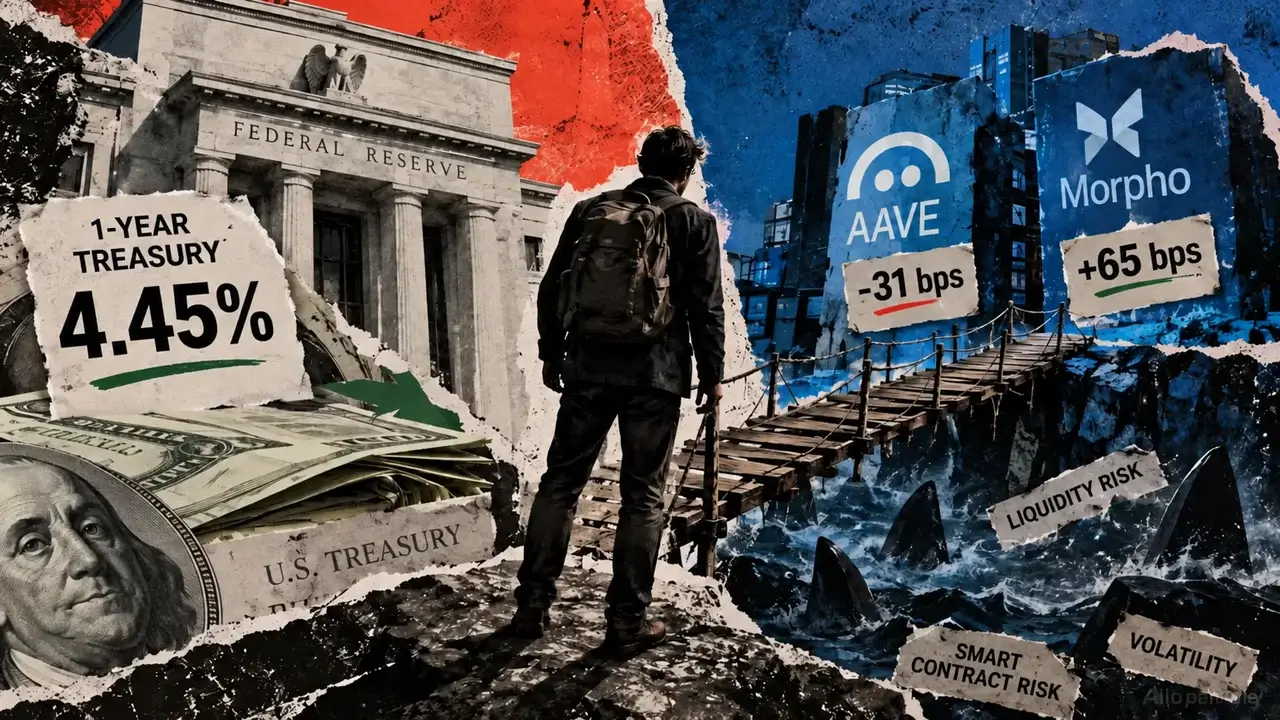
The Federal Reserve’s 25-basis-point rate increase pushed the one-year Treasury yield to 4.45%, putting pressure on crypto lending returns. Coin Metrics found Aave USDC lenders earned 31 basis points less than Treasuries on average, while Morpho’s median USDC vault exceeded the benchmark by 65 basis points but had about 3.3 times the volatility. The article argues CDOR may better measure on-chain credit conditions than SOFR.

The company behind the Philippines’ largest mobile wallet, GCash, has received approval from the country’s stock exchange operator for an initial public offering of up to 92.3 billion pesos ($1.47 billion), clearing the final regulatory hurdle for what could be a record debut.
The amount in dispute in China’s arbitration cases reached 1.4393 trillion yuan in 2025, up 18.7% year on year and exceeding 1 trillion yuan for the third consecutive year. The country’s 285 arbitration institutions handled 956,000 cases. CIETAC accounted for 42% of the disputed value in foreign-related cases despite handling 16% of them.
The Minutes Reader extension turns the original page into a focused reading view and translates articles and video subtitles on demand. It is in limited beta.