Surge in heating costs expected to worsen price crunch
A report indicates that heating costs are expected to rise at twice the pace of inflation, intensifying pressure on prices.

A report indicates that heating costs are expected to rise at twice the pace of inflation, intensifying pressure on prices.

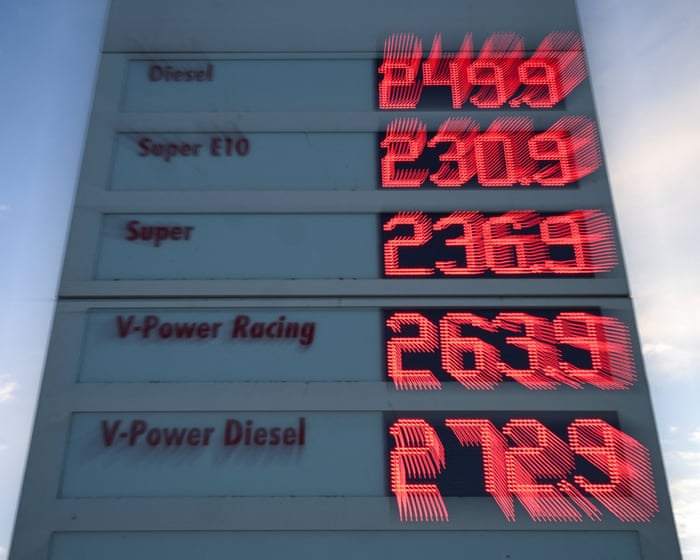
Germany will cut gasoline and diesel taxes by about 17 cents per litre from October, the government said Friday. The measure is intended to provide motorists with temporary relief as fuel prices rise above €2 a litre and add to pressure on Chancellor Friedrich Merz.

BlackRock has emerged as the preferred manager for a portfolio of Dutch pension assets valued at just under €70 billion ($80 billion).
As interest rates rise, heavily indebted consumers could face a tipping point.
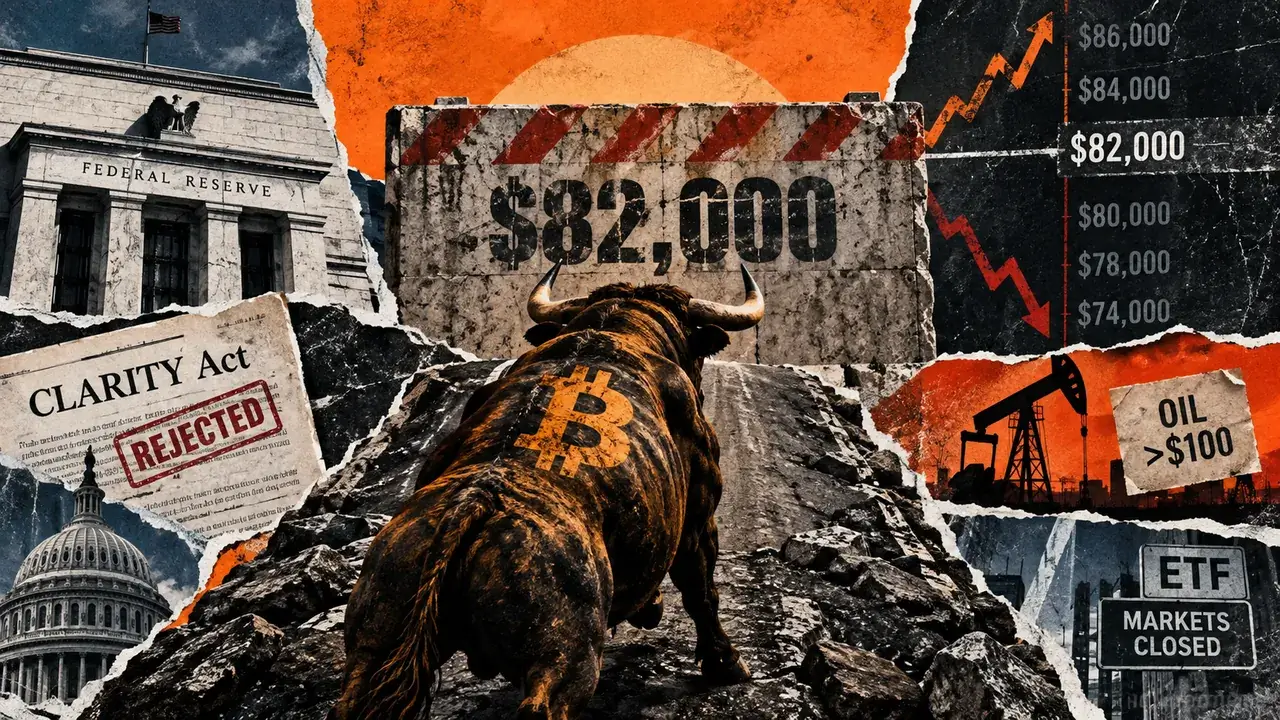
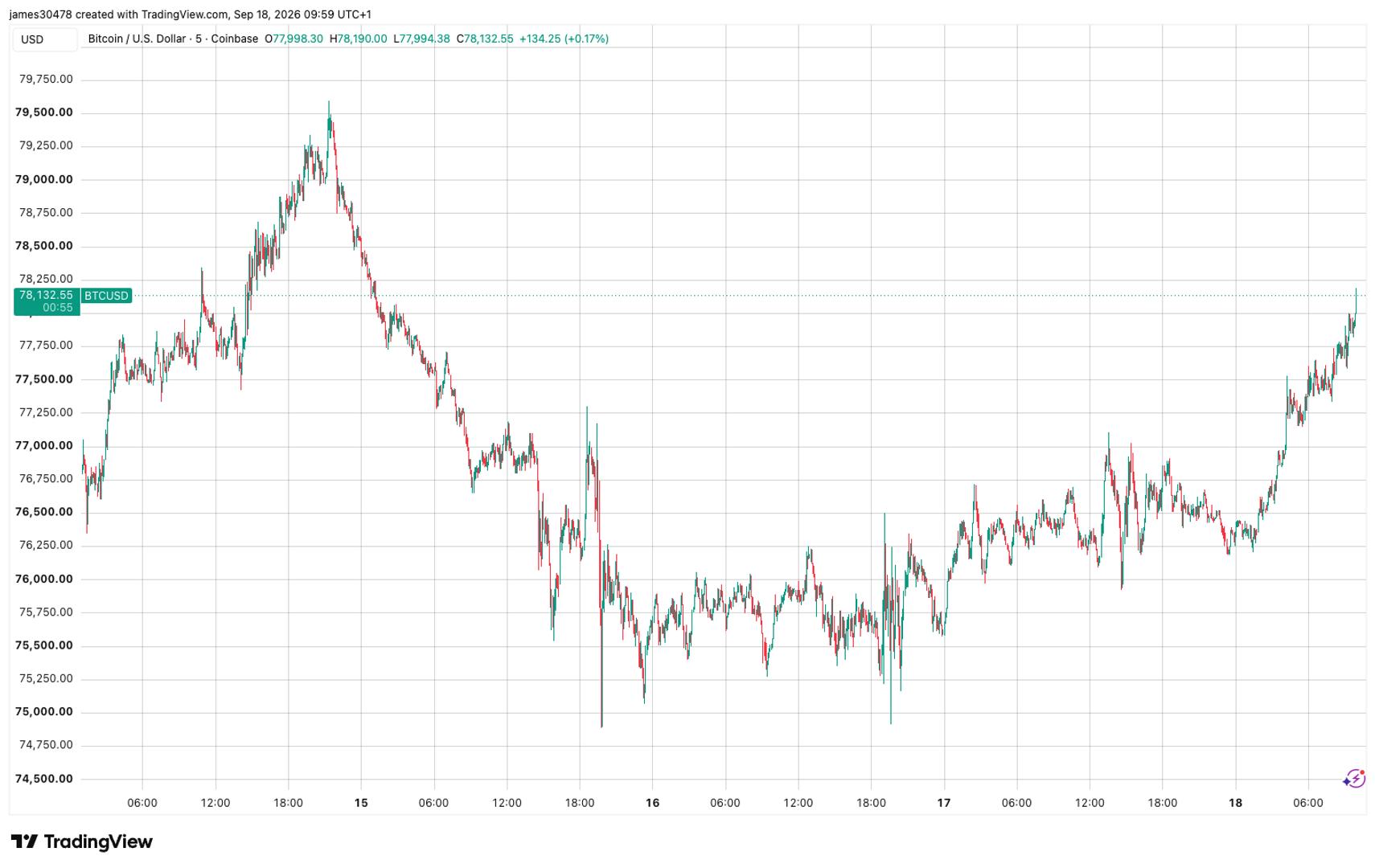
Bitcoin rose to an intraday high of $81,400 on Friday, nearing the $82,000–$82,200 resistance zone that has rejected recent recoveries. Because US spot Bitcoin ETFs stop trading over the weekend, any crypto-market breakout would need Monday’s ETF session to confirm it. A failure could send Bitcoin back toward $80,000 and lower support levels.

China recorded 3.32 billion railway passenger trips in the first eight months of 2026, up 3.9% year on year, China Railway said. Foreign passenger trips exceeded 16.68 million, helped by the transit visa-free policy, while cross-border travel on the China-Laos Railway and Guangzhou-Shenzhen-Hong Kong high-speed railway also grew.

A new report from S&P Global Ratings says the financial health of US public schools is continuing to deteriorate, with half reporting operating deficits.
EU petrol and diesel prices reached record highs this week, according to the European Commission. Refining margins, the cost of converting crude oil into fuel, are partly responsible, while ECB experts told Euronews that diesel margins are not expected to peak until October, meaning prices may stay elevated.
About $18 billion in loans linked to an Oracle-leased data center in New Mexico are under pressure, the Financial Times reported. Syndicate banks including Santander and Jefferies quoted the loans at 89 to 91 cents on the dollar.
The crisis should not be understood solely through crude prices or treated as a repeat of earlier energy shocks.
Brookfield CEO Bruce Flatt said the artificial-intelligence race is already slowing because developers cannot build enough infrastructure to keep up with the demands of AI companies.
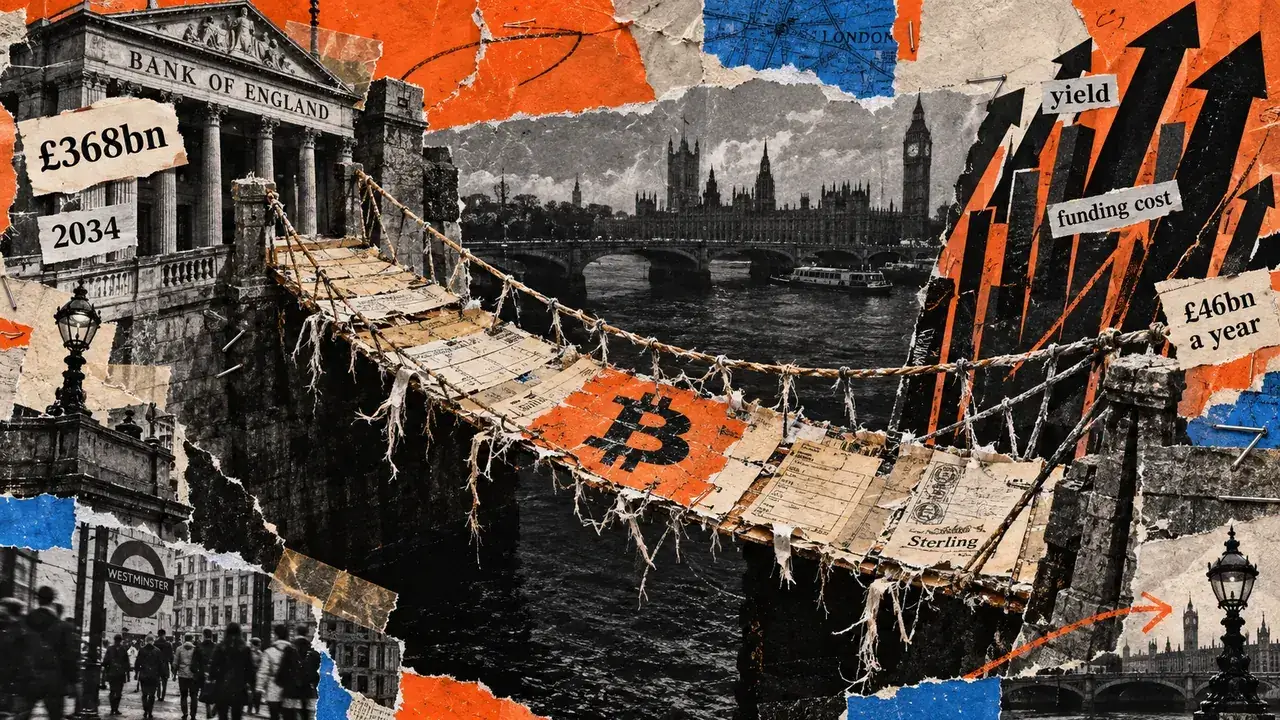
The Bank of England plans to remove £368 billion of monetary-policy gilts by September 2034 through maturities and annual active sales. Early trading saw long-dated gilt yields fall, while the Bank said quantitative tightening had contributed only modestly to the rise in term premia. The move could test whether central-bank balance-sheet withdrawal affects Bitcoin through global yields and risk appetite.

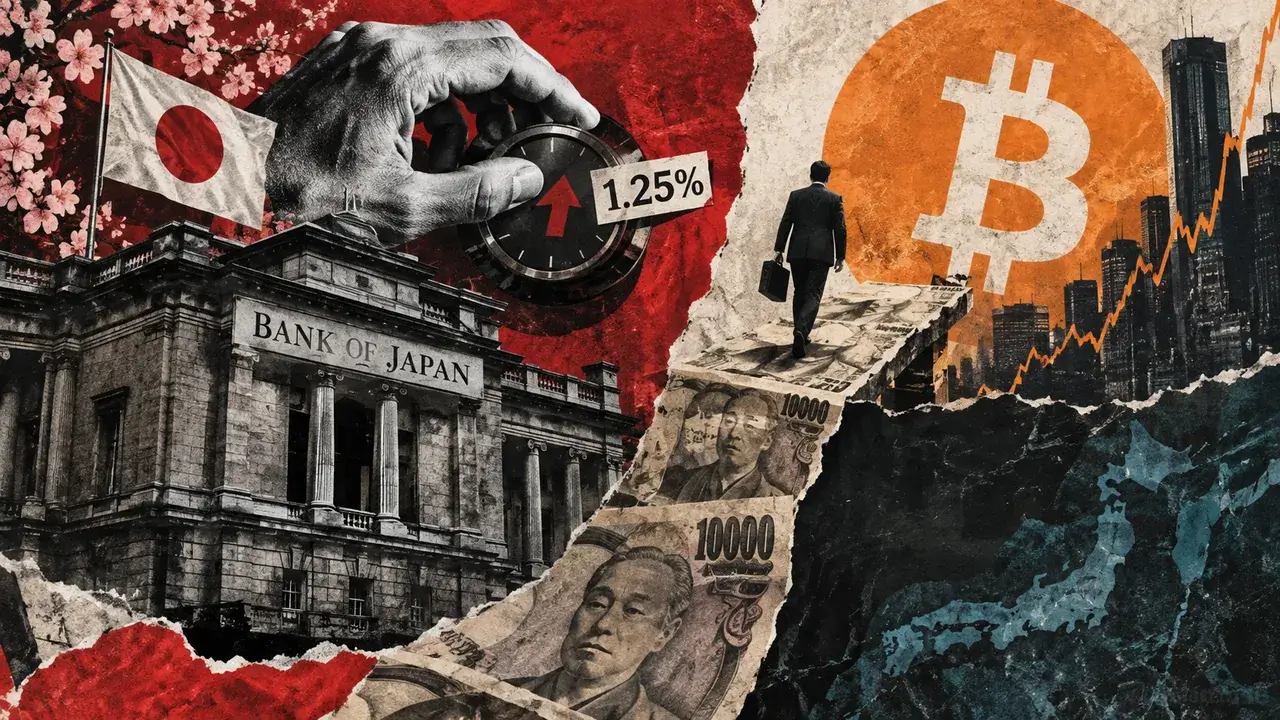
The Bank of Japan voted 7-2 to raise its policy rate from about 1% to 1.25%, with the new setting taking effect Sept. 24. Bitcoin climbed to an intraday high near $81,000 after the announcement, while the yen weakened, offering little evidence of an immediate disorderly carry unwind. Risks remain as implementation approaches and the BOJ signals its next move.

The Berlin branch of the German-Russian Friendship Society supports Kirill Dmitriev’s initiative to hold a Russia-US-Germany business forum. Its head, Torsten Rexin, said any effort to revive economic cooperation was welcome after relations had steadily deteriorated since at least 2014. More than 20 German companies have reportedly applied for the planned 2027 forum.
Turkish Trade Minister Omer Bolat met Italian business leaders and Deputy Prime Minister Antonio Tajani in Rome to discuss deepening economic ties across key sectors.

Fed Chair Kevin Warsh explained this week’s decision to raise interest rates while raising difficult questions about how much further the central bank may go.

The proposal would mean €0.14 ($0.16) less energy tax on every litre of gasoline, according to Bild’s Friday report on German government plans.
Tensions in Russia’s wartime economy are mounting as huge military outlays widen the budget deficit. Consumers and businesses are becoming more pessimistic, pointing to longer-term economic strain.
A federal judge rejected claims that criticism of the bank’s executives was based on hindsight, offering further clarity on responsibility for Silicon Valley Bank’s implosion.

Federal Reserve Vice Chair for Supervision Michelle Bowman said a new report shows central bank staff failed to spot warning signs before Silicon Valley Bank collapsed in 2023.
British home prices are expected to rise less than previously forecast, gaining just 1.3% this year as difficult economic conditions discourage people from moving. Renters, meanwhile, are likely to face sharper increases, a Reuters poll found.
A new Federal Reserve review says regulators were “too timid” in addressing risks at Silicon Valley Bank and calls for an overhaul of bank supervision.
Near-record fuel and gas prices are driving European governments to discuss a bloc-wide windfall tax on energy companies. Germany’s finance minister, Lars Klingbeil, accused oil firms of exploiting the Middle East situation and urged the European Commission to propose taxation models. High energy costs have become a major political issue in France and Italy.

EU ministers meeting in Dublin on Friday and Saturday are considering a windfall tax on energy companies as continuing price volatility destabilises the economic outlook.
As Russian attacks on Ukrainian businesses intensify, Kyiv’s effort to attract investment to the wartime economy is being overtaken by the need to keep companies operating. Businesses report destroyed equipment, burned inventory and deaths. The government is considering expanded financing and state-backed war-risk insurance, funded partly by raising VAT from 20% to 21%, a plan businesses oppose.

The Federal Reserve’s top regulatory official, Michelle Bowman, said Friday that an overhaul of the central bank’s stress test for major banks is imminent. She said the changes would make the process more transparent and outcomes more predictable for lenders, addressing reforms long sought by the industry.
Engineers India said on Friday that it expects to benefit as major Middle Eastern clients invest in infrastructure designed to bypass the Strait of Hormuz, a crucial energy waterway that has been largely closed since the Iran war began.
Gold rose to a one-week high on Friday and was poised for its first weekly gain in four weeks. Falling oil prices reduced concerns over persistent inflationary pressure, although a stronger dollar capped the advance.
Trump’s pedal-to-the-metal approach suggests he may be focused on a larger question: what would happen to the US economy if the artificial intelligence fever broke during his presidency?
Despite having no formal licensing authority under MiCA, the ECB reportedly intervened at a senior level, prompting Greece to pause Binance’s application after regulators had deemed it complete.

ASEAN Secretary-General Kao Kim Hourn called the recently opened Pinglu Canal a project of major historical significance. Speaking at the 23rd China-ASEAN Expo in Nanning, he urged China and ASEAN to use the opportunity to deepen economic cooperation.

US equity funds posted outflows for a fourth consecutive week in the period ending September 18. Higher crude oil prices intensified inflation worries, while expectations of a Federal Reserve rate hike made investors more cautious before the policy decision.
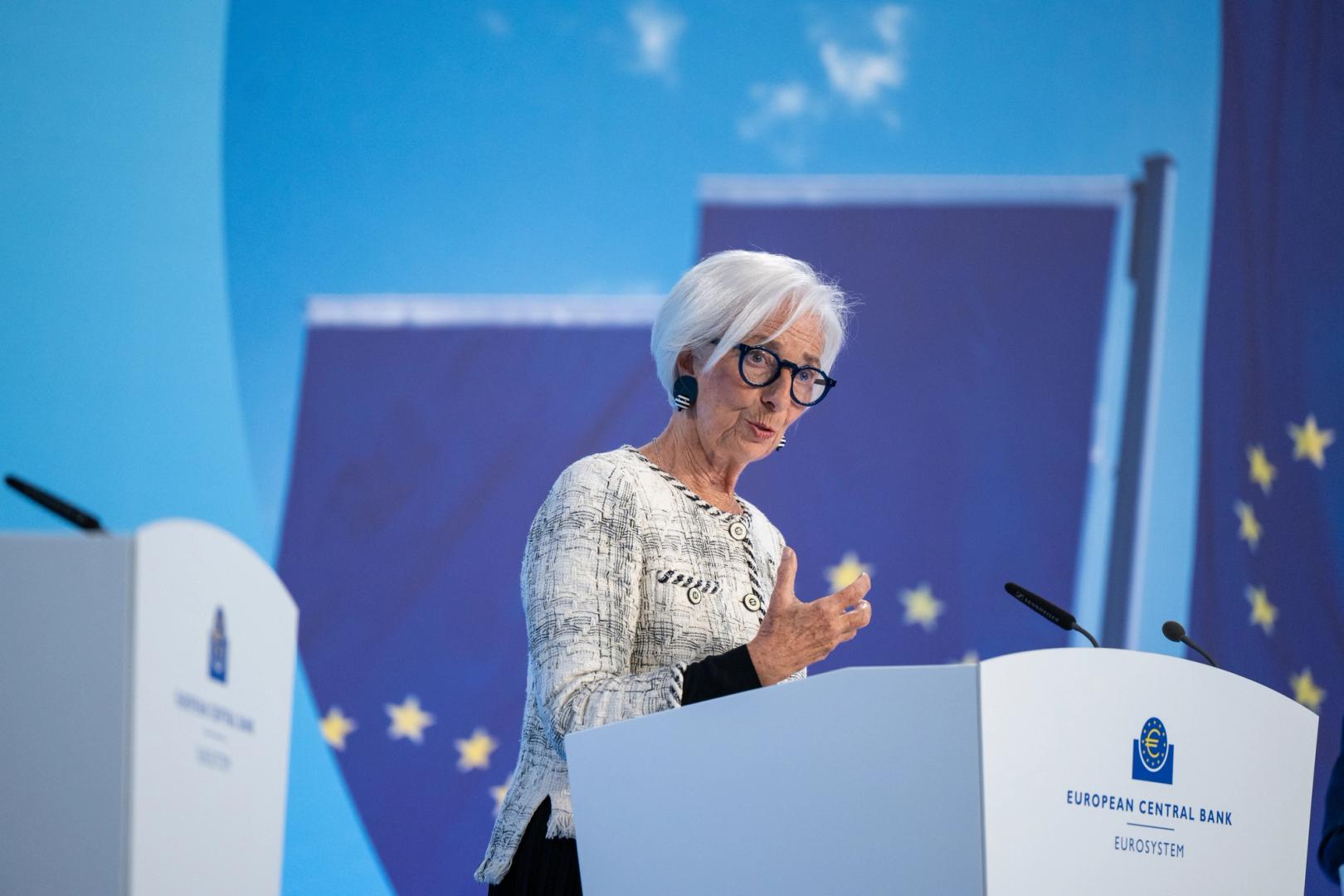
ECB President Christine Lagarde said on Friday that European Central Bank interest rates do not move in lockstep with oil and gas prices, countering market expectations of aggressive hikes as energy costs surge.
Thailand is taking 109 companies and quality products from 20 northeastern provinces to this year’s China-ASEAN Expo to strengthen business matchmaking and connect Thai brands with Chinese consumers. Thai Commerce Ministry Deputy Permanent Secretary Chakra Yodmani said cooperation with China is entering a new stage in trade, the digital economy and connectivity.

York Holdings is expanding its range of lower-cost products to draw shoppers whose finances have been hurt by inflation, the supermarket and retail group’s chief executive said.
Banks including JPMorgan Chase and Banco Santander are arranging more than £1 billion in debt financing to support Drax Group’s acquisition of renewable-energy company Bluefield Solar Income Fund.
Global equity funds suffered their largest weekly outflow in nine months in the week ending September 16. Rising oil prices intensified inflation concerns, while expectations of a Federal Reserve rate increase added to investor caution.
Germany’s rapid shift to electric vehicles is reducing revenue from gasoline and diesel energy taxes. As EV sales grow, policymakers face pressure to find new funding for roads and transport infrastructure. An expert warned that without tax changes, the road system could cost the federal government billions of euros.

The prolonged and expanding Middle East war is driving up living costs for nearly two billion people in India, Pakistan, Bangladesh and Nepal as energy routes become increasingly constrained. Although their reliance on Gulf supplies varies, poorer and economically vulnerable families are bearing the brunt, with one Pakistani mother forced to stop paying her children’s school fees.

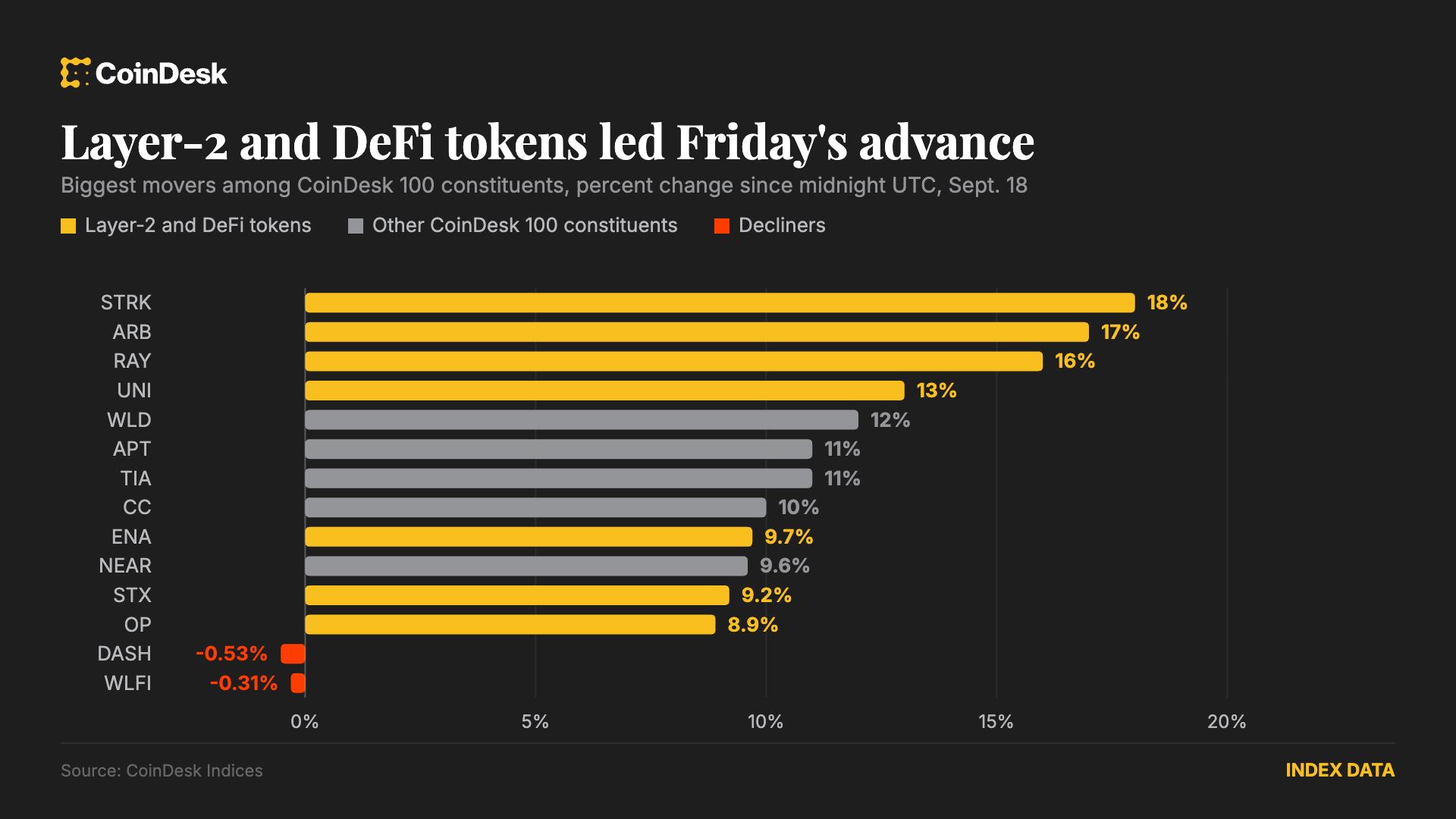
Crypto markets advanced broadly as concerns following the Federal Reserve’s rate hike eased. Starknet and Arbitrum rose more than 17%, the 10-year Treasury yield fell back below 5%, and 98 of the CoinDesk 100 constituents gained.

Chinese Foreign Ministry spokesperson Guo Jiakun said Hong Kong has achieved remarkable economic growth under the safeguards of One Country, Two Systems. The Global Financial Centres Index 40 ranked it third worldwide and first in the Asia-Pacific, while its IPO market raised about HK$203.3 billion in the first half of the year, ranking second globally.
Treasury yields were mixed Friday morning as investors continued seeking signals about the direction of monetary policy.

Bitcoin has fallen only 1.5% during its historically weakest month and remains on course for its first quarterly gain in a year, despite higher rates, surging oil prices and a stronger dollar.

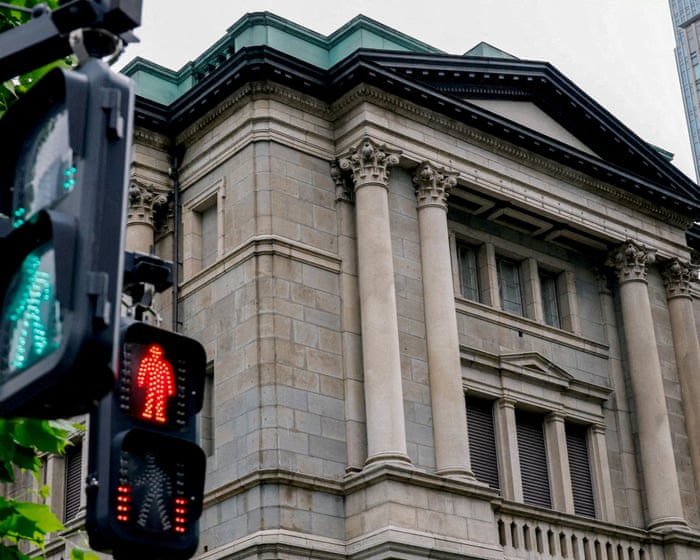
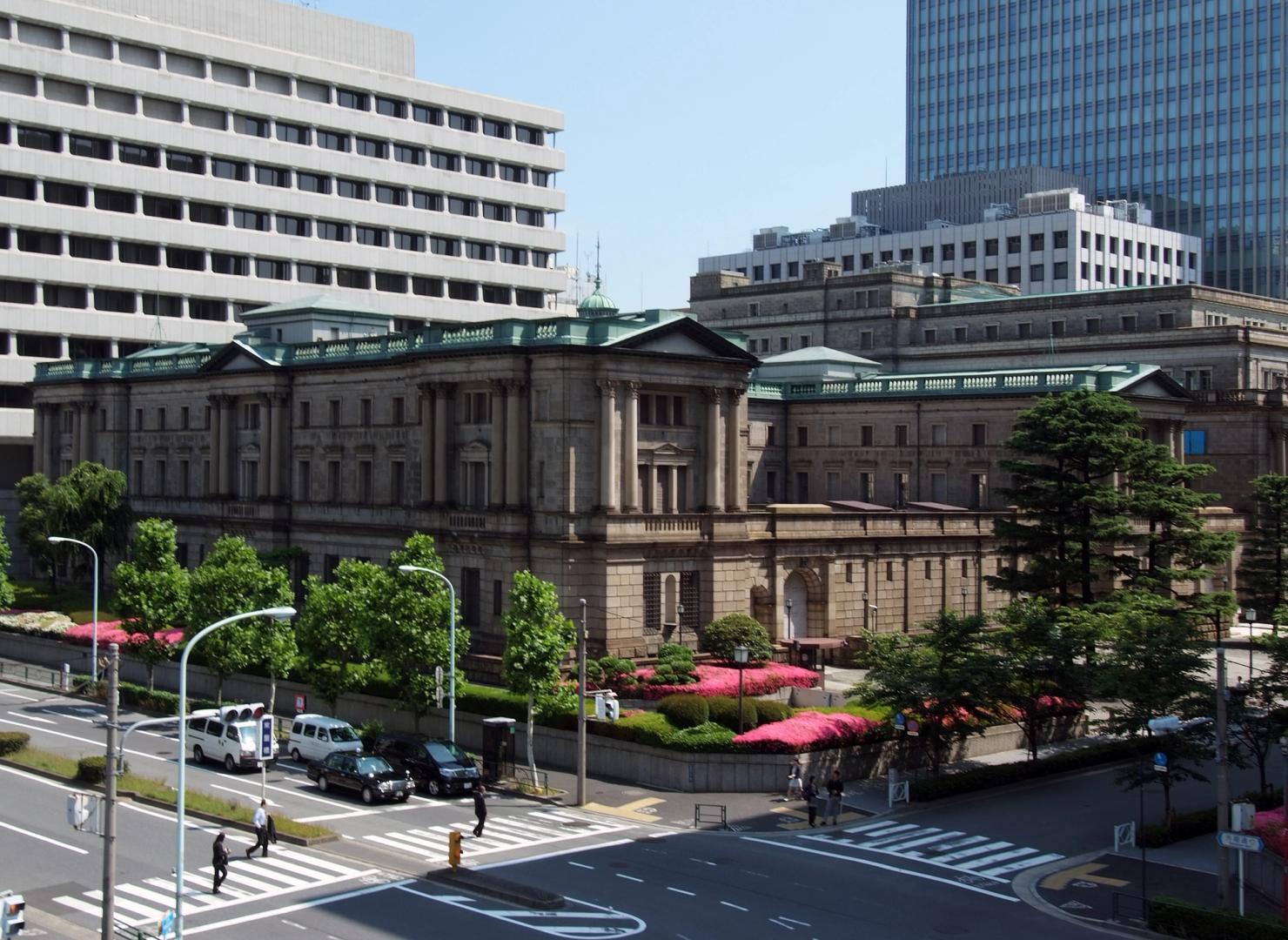
The Bank of Japan raised interest rates to their highest level in 31 years on Friday and signalled it was prepared to keep increasing borrowing costs as major central banks confront persistent inflation pressure fueled by surging oil prices.

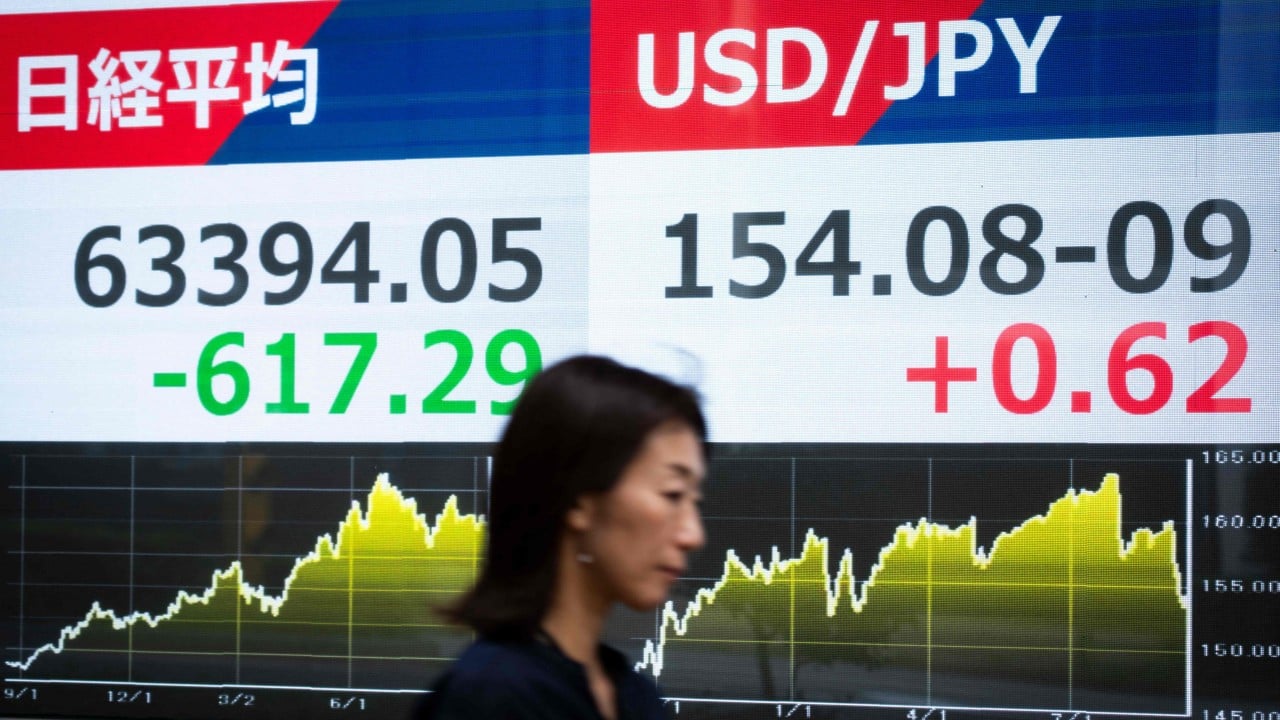
After the rate hike, the yen weakened beyond 157 against the dollar and the 10-year Japanese government bond yield declined, while the Nikkei 225 climbed 1.5%.

The Bank of Japan raised its main interest rate from 1% to 1.25%, its highest level since 1995. It was the sixth increase since 2024, as Japan contends with a weak yen, rising prices and a shrinking workforce, while the Iran war drives up energy costs and inflation pressure.

The Bank of Japan raised its target rate from 1% to 1.25%, the highest since 1995, seeking to limit inflationary pressure linked to the war in Iran. Two board members opposed the move. The yen fell about 0.7% against the dollar, helping the Nikkei rise nearly 2%.
The Bank of Japan lifted interest rates to 1.25%, the highest level in 31 years, in a widely anticipated move aimed at limiting the risk that inflation would overshoot its 2% target.
The yen fell against major currencies in Asian trading on Friday after the Bank of Japan delivered a widely expected rate hike that failed to stop the currency’s decline.
Japan’s central bank raised its benchmark interest rate from 1.0% to 1.25% on Friday, reaching a 31-year high.
Japan’s central bank lifted its benchmark interest rate from 1.0% to 1.25%, the highest level in 31 years. The increase, announced Friday after a two-day monetary policy board meeting, had been widely expected and was already reflected in recent global markets.

The Bank of Japan lifted its benchmark rate by 0.25 percentage points to 1.25%, taking borrowing costs to their highest level in 31 years. The move comes amid rising inflation and wages, with pressure from Washington also weighing on policymakers.

The Bank of Japan raised interest rates to their highest level in 31 years and signaled concern about inflation. The decision passed 7-2, with board members Toichiro Asada and Ayano Sato dissenting from the increase.

The Bank of Japan raised interest rates by 25 basis points to their highest level in 31 years. The yen declined, while Bitcoin rose against it.
The Bank of Japan raised interest rates by 0.25 percentage points to 1.25%, the highest level since 1995.
The Bank of Japan is poised for a pivotal rate hike following pressure from Bessent.
Asian stocks climbed on Friday while the dollar held steady. Falling oil prices lifted sentiment as investors weighed stronger global efforts to curb inflation ahead of an expected Bank of Japan rate increase.

A potential Japanese rate increase is adding uncertainty to global markets, with concerns that it could trigger renewed bond-market turmoil and reduce demand for risk assets. Tokyo’s push for higher defence spending is raising questions about fiscal discipline. Japan’s 10-year bond yield reached 3.03 per cent this week, its highest level in three decades, while the 30-year yield approached a 30-year high at 4.1 per cent.
The Bank of Japan is expected to lift interest rates to their highest level in 31 years on Friday and promise further action to address inflation risks. Those risks could intensify if the start of a U.S. rate-hike cycle weakens the yen against the dollar.
Tax breaks are driving a rare alignment between Ottawa and the oil industry, giving Canada’s oil sands a boost.
Portugal’s government approved a one-off pension supplement for more than two million pensioners, along with personal income tax cuts retroactive to January. The package is worth €800 million ($918 million) and is intended to ease cost-of-living pressures.
The China-Laos Railway carried 3.822 million metric tons of cross-border goods worth 23.38 billion yuan in the first eight months of 2026, Kunming Customs said. Total import and export value increased 31.5% year on year, with exports at 11.24 billion yuan and imports at 12.14 billion yuan.
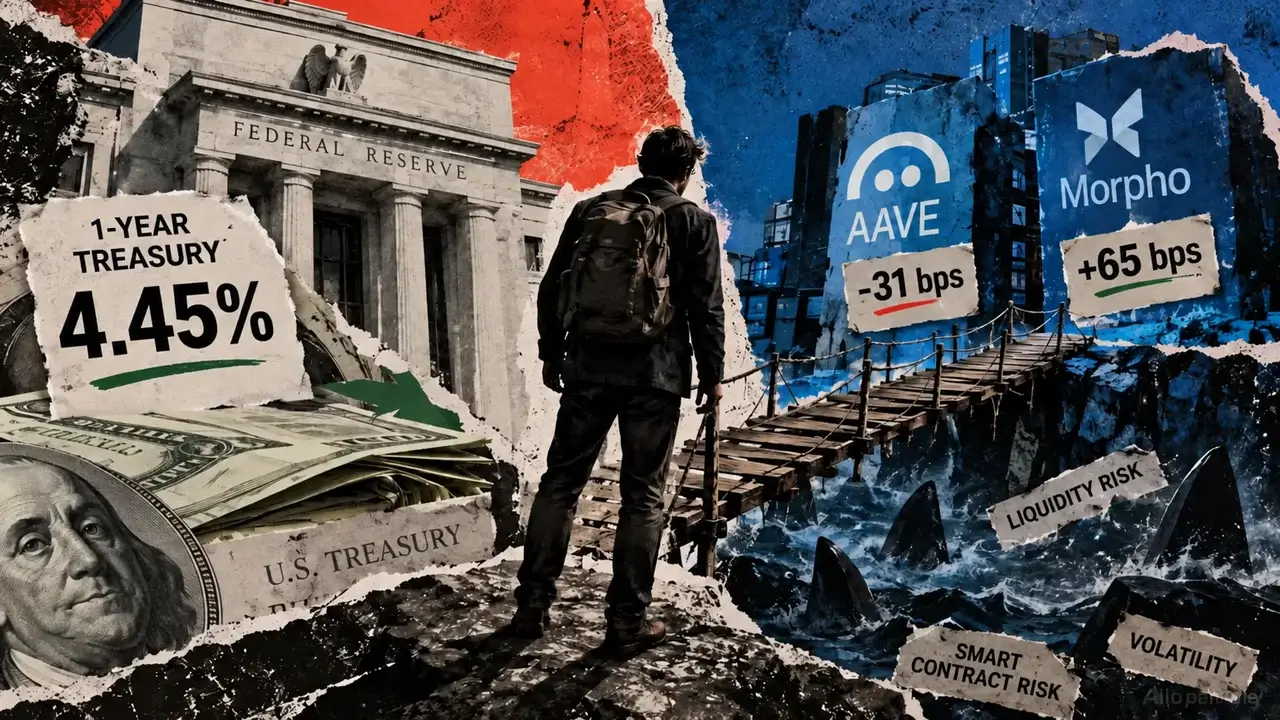
The Federal Reserve’s 25-basis-point rate increase pushed the one-year Treasury yield to 4.45%, putting pressure on crypto lending returns. Coin Metrics found Aave USDC lenders earned 31 basis points less than Treasuries on average, while Morpho’s median USDC vault exceeded the benchmark by 65 basis points but had about 3.3 times the volatility. The article argues CDOR may better measure on-chain credit conditions than SOFR.

China’s fiscal revenue increased 5.7% year on year in the first eight months of 2026, finance ministry data showed, easing slightly from the 5.8% growth recorded in January-July.
The pound edged higher on Friday after data showed UK retail sales unexpectedly increased in August. The latest upbeat figures add to pressure on the Bank of England to raise interest rates.
The amount in dispute in China’s arbitration cases reached 1.4393 trillion yuan in 2025, up 18.7% year on year and exceeding 1 trillion yuan for the third consecutive year. The country’s 285 arbitration institutions handled 956,000 cases. CIETAC accounted for 42% of the disputed value in foreign-related cases despite handling 16% of them.
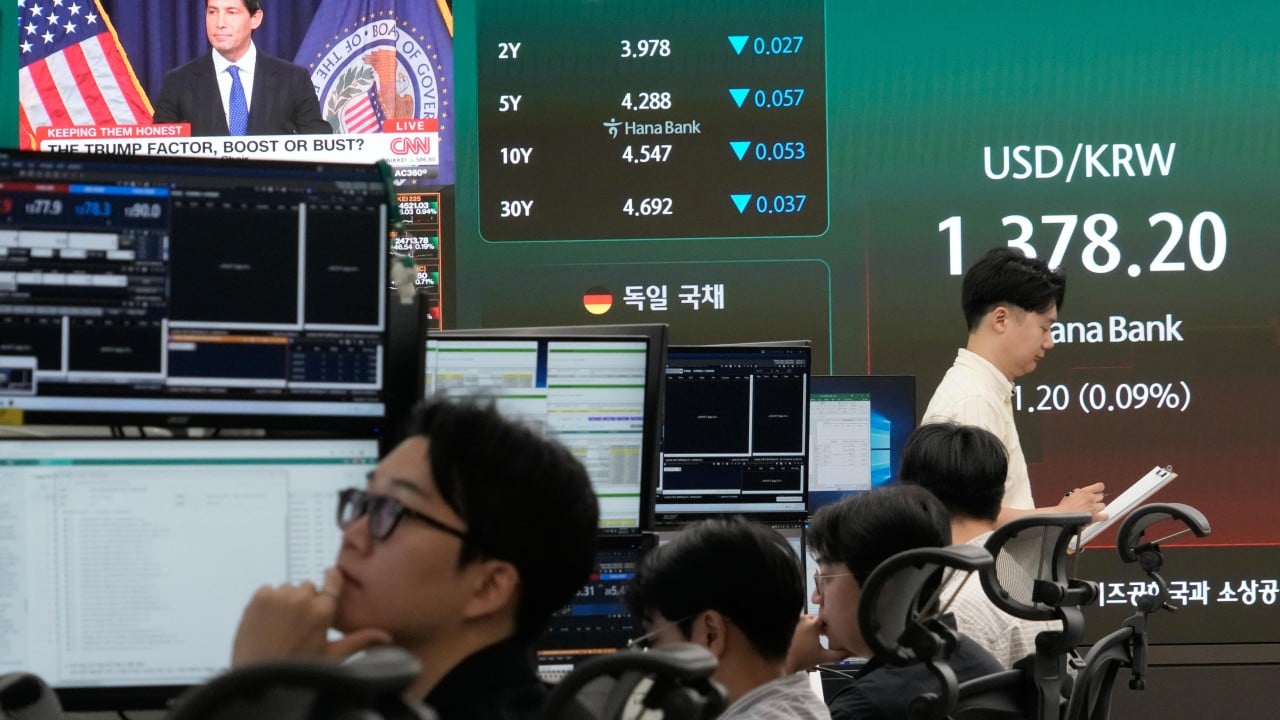
The Federal Reserve raised its benchmark rate by 25 basis points this week, followed by the Hong Kong Monetary Authority and the Bank of Japan. Meanwhile, the 10-year US Treasury yield slipped back below 5 per cent. Four closely watched figures capture the week’s market focus.


Three major central bank decisions dominate trading this week, while attention shifts to geopolitical tensions ahead of President Trump’s meeting with Xi Jinping.
China’s Ocean Development Index reached 132.3 in 2025, rising 2.5% year on year, according to a report released in Qingdao, Shandong. The report said the economy, livelihoods, scientific innovation, ecological environment, resource use, openness and marine management all improved, while marine economic growth remained steady.
China is broadly expected to keep its benchmark lending rates unchanged in September for a 16th consecutive month, a Reuters poll found. Policymakers remain wary of adding stimulus as major central banks globally adopt a more hawkish stance.
Eurozone finance ministers are meeting amid mounting economic pressures, while EU ambassadors make another effort to break the deadlock over sanctions on Russia.
The Bank of England is still trying to keep things boring as it approaches the endgame of quantitative tightening.
Japan’s core consumer inflation remained steady near the central bank’s 2% target in August, data showed, underscoring intensifying price pressures and strengthening the case for a near-term rate hike.
Senior economist Mihir Torsekar says Americans at the lower end of the economy are being hit by higher borrowing costs and reduced purchasing power. He says affordability could become a central concern as the midterm elections approach.

The number of years people are expected to spend in retirement varies widely across Europe. Euronews Business examines current retirement ages and how long Europeans can expect to receive pension payments.
Experts at a coffee industry conference in Kunming said Asia is becoming a major engine of global coffee consumption, with China among the fastest-growing markets. China’s coffee market exceeds 200 billion yuan annually and grows about 20% a year, while Yunnan’s planting area and exports have also surged. The province established a coffee standards committee and released new varieties and technologies.
Indonesia's new finance minister, Suahasil Nazara, said at a Friday press conference that taxpayers who had overpaid would receive refunds in line with regulations.
A senior Glencore executive who oversaw the company’s relationship with embattled iron ore trader Radiant World has been suspended while Glencore reviews its dealings with the firm, according to a person familiar with the matter.
When Japanese Finance Minister Satsuki Katayama called U.S. Treasury Secretary Scott Bessent in June for help supporting the plunging yen, he delivered a familiar message: Tokyo would need to put its fiscal house in order if it wanted assistance.
Hong Kong shopping mall operators are extending a strategy used during this year’s Fifa World Cup into the Asian Games, using major sporting events to attract visitors and support tenant sales as retailers face competition from Shenzhen, overseas shopping and online spending. Sino Group expects foot traffic at four malls to rise during its campaign.

A UN official says the US-Iran war erased $150 billion from Arab economies in a single month. Al-Mashat called for efforts to contain the conflict’s cross-border economic, social and humanitarian effects.
The Minutes Reader extension turns the original page into a focused reading view and translates articles and video subtitles on demand. It is in limited beta.