China’s January-August fiscal revenue rises 5.7% year on year
China’s fiscal revenue increased 5.7% year on year in the first eight months of 2026, finance ministry data showed, easing slightly from the 5.8% growth recorded in January-July.

The pound edged higher on Friday after data showed UK retail sales unexpectedly increased in August. The latest upbeat figures add to pressure on the Bank of England to raise interest rates.
The amount in dispute in China’s arbitration cases reached 1.4393 trillion yuan in 2025, up 18.7% year on year and exceeding 1 trillion yuan for the third consecutive year. The country’s 285 arbitration institutions handled 956,000 cases. CIETAC accounted for 42% of the disputed value in foreign-related cases despite handling 16% of them.
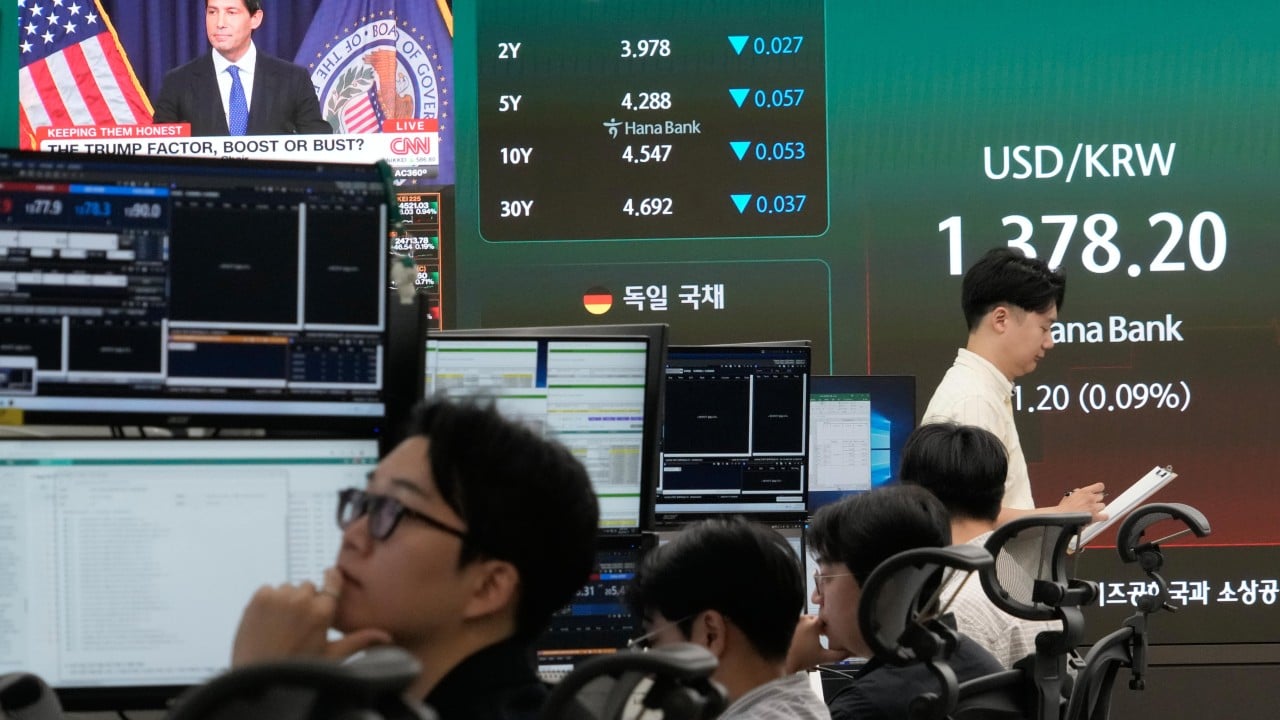
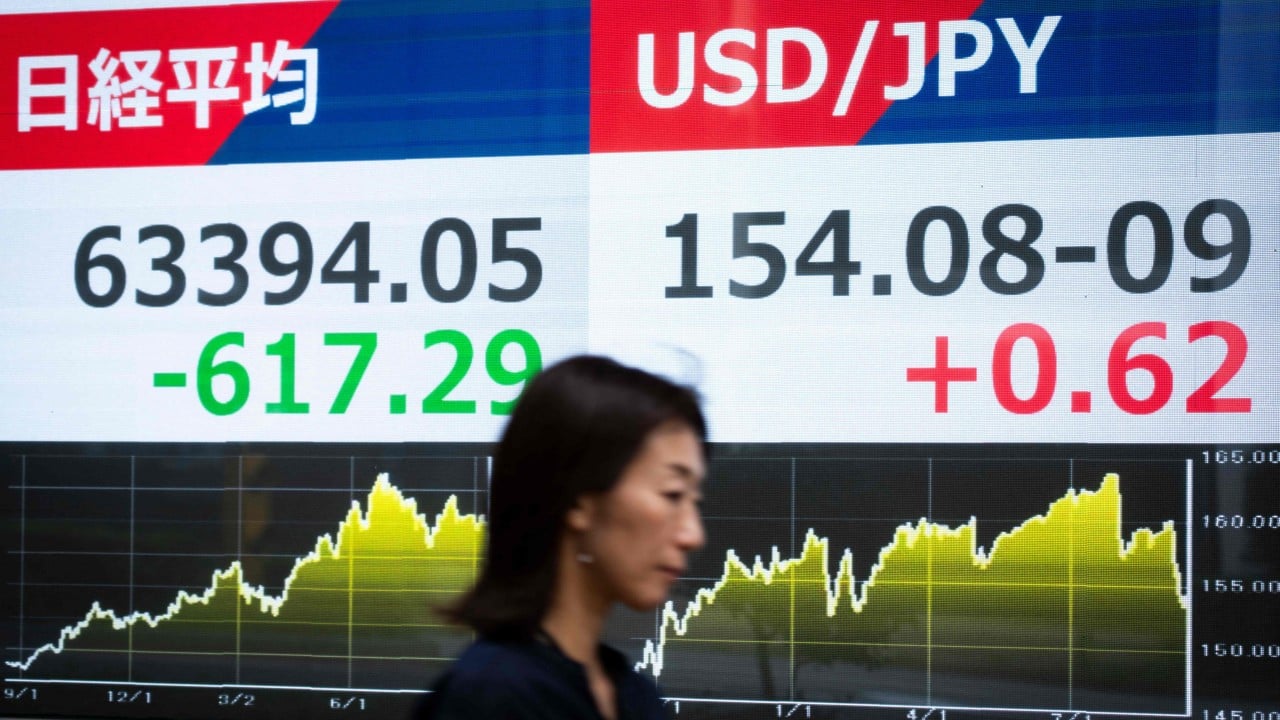
After the rate hike, the yen weakened beyond 157 against the dollar and the 10-year Japanese government bond yield declined, while the Nikkei 225 climbed 1.5%.


The Bank of Japan raised its main interest rate from 1% to 1.25%, its highest level since 1995. It was the sixth increase since 2024, as Japan contends with a weak yen, rising prices and a shrinking workforce, while the Iran war drives up energy costs and inflation pressure.

The Bank of Japan raised its target rate from 1% to 1.25%, the highest since 1995, seeking to limit inflationary pressure linked to the war in Iran. Two board members opposed the move. The yen fell about 0.7% against the dollar, helping the Nikkei rise nearly 2%.
The Bank of Japan lifted interest rates to 1.25%, the highest level in 31 years, in a widely anticipated move aimed at limiting the risk that inflation would overshoot its 2% target.
The yen fell against major currencies in Asian trading on Friday after the Bank of Japan delivered a widely expected rate hike that failed to stop the currency’s decline.
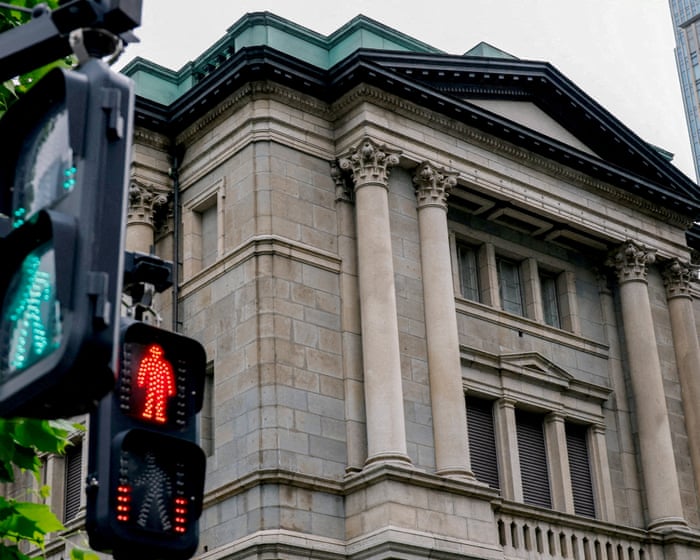
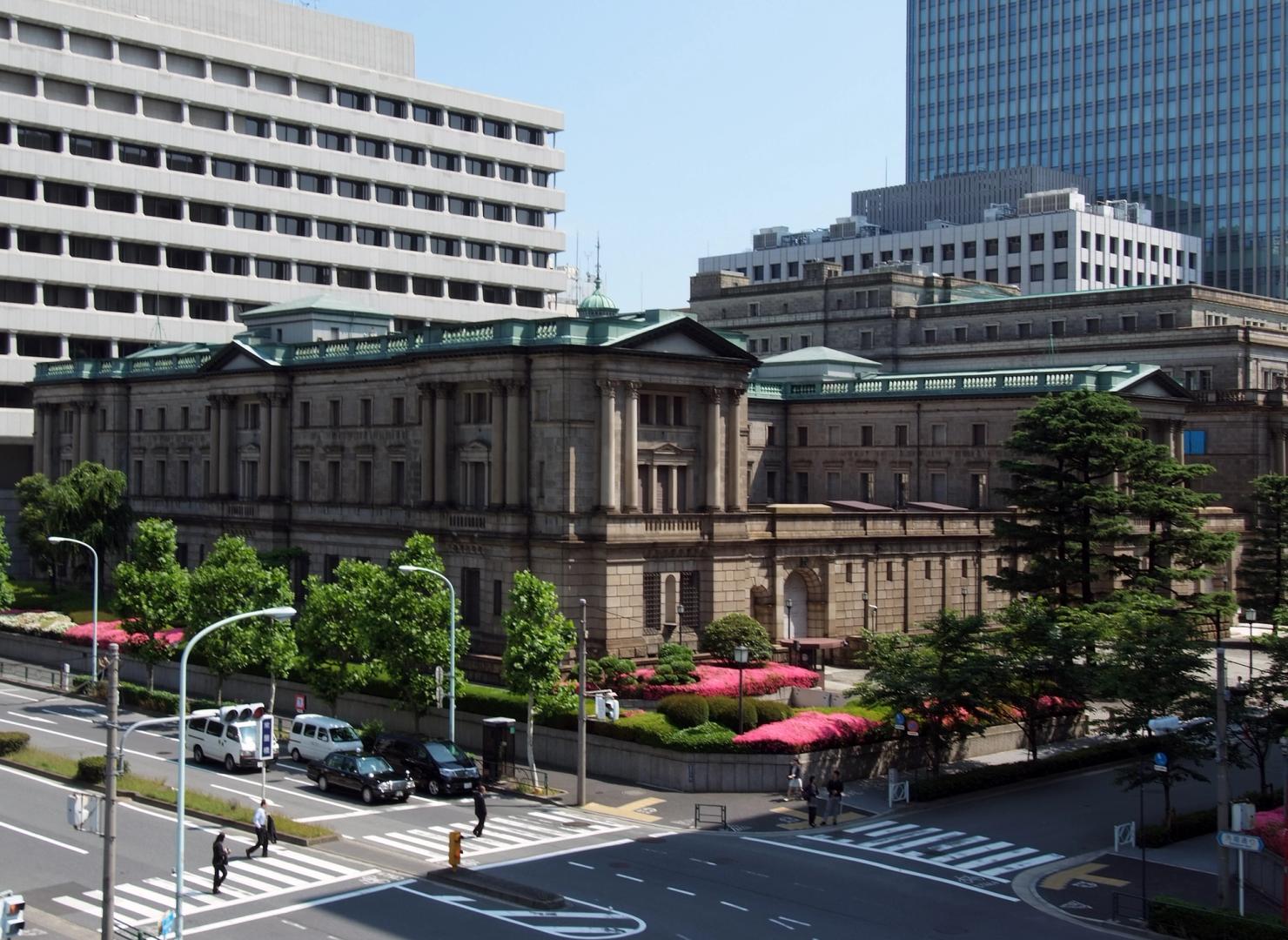
Japan’s central bank raised its benchmark interest rate from 1.0% to 1.25% on Friday, reaching a 31-year high.
Japan’s central bank lifted its benchmark interest rate from 1.0% to 1.25%, the highest level in 31 years. The increase, announced Friday after a two-day monetary policy board meeting, had been widely expected and was already reflected in recent global markets.

The Bank of Japan lifted its benchmark rate by 0.25 percentage points to 1.25%, taking borrowing costs to their highest level in 31 years. The move comes amid rising inflation and wages, with pressure from Washington also weighing on policymakers.

The Bank of Japan raised interest rates to their highest level in 31 years and signaled concern about inflation. The decision passed 7-2, with board members Toichiro Asada and Ayano Sato dissenting from the increase.

The Bank of Japan raised interest rates by 25 basis points to their highest level in 31 years. The yen declined, while Bitcoin rose against it.
The Bank of Japan raised interest rates by 0.25 percentage points to 1.25%, the highest level since 1995.
The Bank of Japan is poised for a pivotal rate hike following pressure from Bessent.
Asian stocks climbed on Friday while the dollar held steady. Falling oil prices lifted sentiment as investors weighed stronger global efforts to curb inflation ahead of an expected Bank of Japan rate increase.

A potential Japanese rate increase is adding uncertainty to global markets, with concerns that it could trigger renewed bond-market turmoil and reduce demand for risk assets. Tokyo’s push for higher defence spending is raising questions about fiscal discipline. Japan’s 10-year bond yield reached 3.03 per cent this week, its highest level in three decades, while the 30-year yield approached a 30-year high at 4.1 per cent.
The Bank of Japan is expected to lift interest rates to their highest level in 31 years on Friday and promise further action to address inflation risks. Those risks could intensify if the start of a U.S. rate-hike cycle weakens the yen against the dollar.
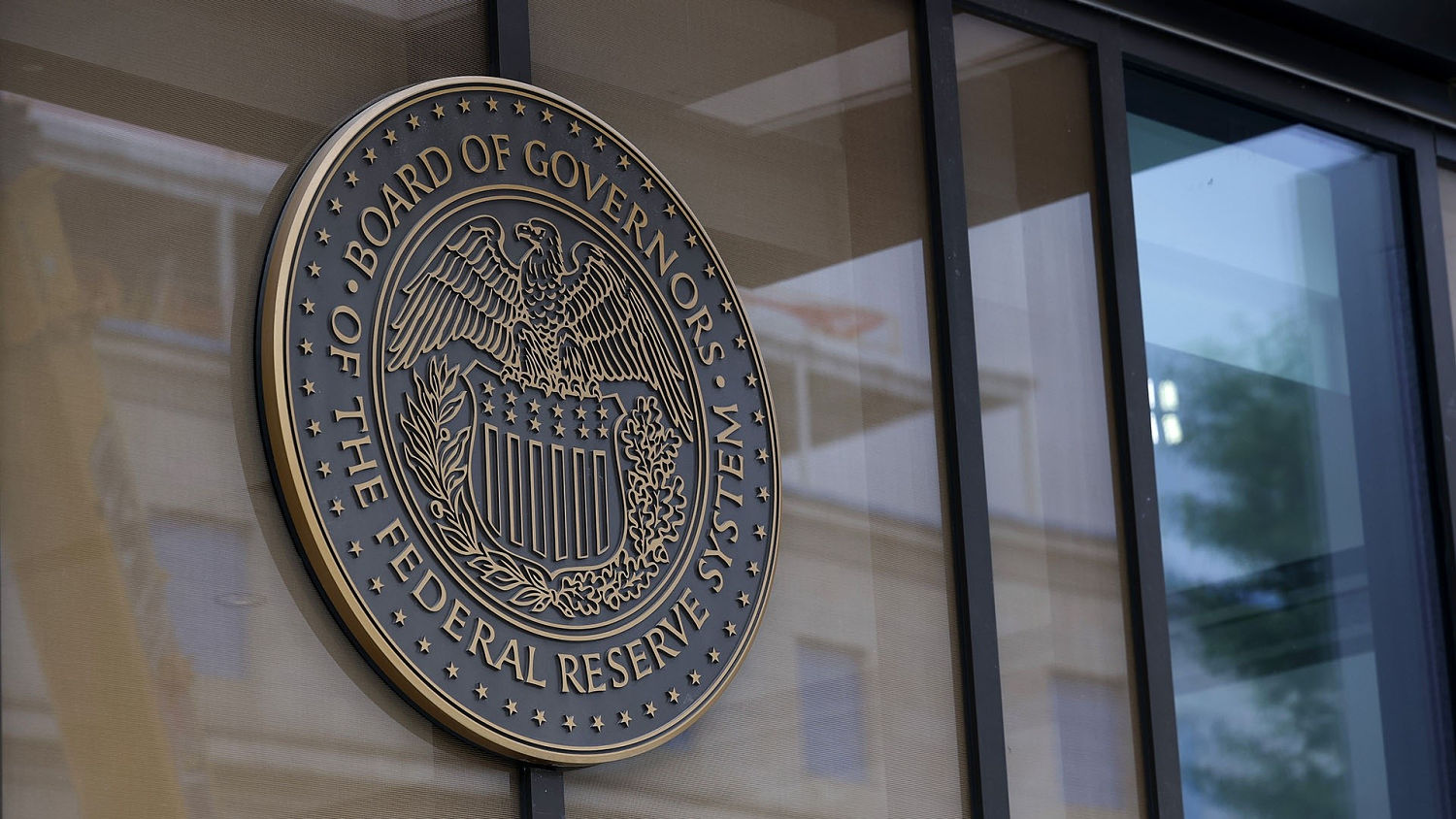
The Federal Reserve raised its benchmark rate by 25 basis points this week, followed by the Hong Kong Monetary Authority and the Bank of Japan. Meanwhile, the 10-year US Treasury yield slipped back below 5 per cent. Four closely watched figures capture the week’s market focus.


Three major central bank decisions dominate trading this week, while attention shifts to geopolitical tensions ahead of President Trump’s meeting with Xi Jinping.
China’s Ocean Development Index reached 132.3 in 2025, rising 2.5% year on year, according to a report released in Qingdao, Shandong. The report said the economy, livelihoods, scientific innovation, ecological environment, resource use, openness and marine management all improved, while marine economic growth remained steady.
China is broadly expected to keep its benchmark lending rates unchanged in September for a 16th consecutive month, a Reuters poll found. Policymakers remain wary of adding stimulus as major central banks globally adopt a more hawkish stance.
Eurozone finance ministers are meeting amid mounting economic pressures, while EU ambassadors make another effort to break the deadlock over sanctions on Russia.
The Bank of England is still trying to keep things boring as it approaches the endgame of quantitative tightening.
Japan’s core consumer inflation remained steady near the central bank’s 2% target in August, data showed, underscoring intensifying price pressures and strengthening the case for a near-term rate hike.
Senior economist Mihir Torsekar says Americans at the lower end of the economy are being hit by higher borrowing costs and reduced purchasing power. He says affordability could become a central concern as the midterm elections approach.

The number of years people are expected to spend in retirement varies widely across Europe. Euronews Business examines current retirement ages and how long Europeans can expect to receive pension payments.
Experts at a coffee industry conference in Kunming said Asia is becoming a major engine of global coffee consumption, with China among the fastest-growing markets. China’s coffee market exceeds 200 billion yuan annually and grows about 20% a year, while Yunnan’s planting area and exports have also surged. The province established a coffee standards committee and released new varieties and technologies.
Indonesia's new finance minister, Suahasil Nazara, said at a Friday press conference that taxpayers who had overpaid would receive refunds in line with regulations.
A senior Glencore executive who oversaw the company’s relationship with embattled iron ore trader Radiant World has been suspended while Glencore reviews its dealings with the firm, according to a person familiar with the matter.
When Japanese Finance Minister Satsuki Katayama called U.S. Treasury Secretary Scott Bessent in June for help supporting the plunging yen, he delivered a familiar message: Tokyo would need to put its fiscal house in order if it wanted assistance.
Hong Kong shopping mall operators are extending a strategy used during this year’s Fifa World Cup into the Asian Games, using major sporting events to attract visitors and support tenant sales as retailers face competition from Shenzhen, overseas shopping and online spending. Sino Group expects foot traffic at four malls to rise during its campaign.

A UN official says the US-Iran war erased $150 billion from Arab economies in a single month. Al-Mashat called for efforts to contain the conflict’s cross-border economic, social and humanitarian effects.
Fabian Zuleeg, chief economist at the European Policy Center, describes the Canada-EU partnership as a “classic win-win situation.” He says Canada offers resources and economic strengths the EU lacks, while the EU brings a very large market and is an important trading partner.


Fabian Zuleeg, chief economist at the European Policy Center, describes the Canada-EU partnership as a “classic win-win situation.” He says Canada brings resources and economic strengths the EU lacks, while the EU offers a very large market and is an important trading partner.
Shark Tank investor Kevin O’Leary says Congress will face pressure to revive crypto market structure legislation next year as a bill establishing tax rules for digital assets moves forward.

President Vladimir Putin said Russia’s annual inflation had slowed to 6.2% by September 14 and was generally under control, with Central Bank and government measures producing results. He projected GDP growth of about 1%, an annual federal budget deficit near 2% based on a $50 oil-price estimate, and cited a 606 billion-ruble surplus in August.
President Vladimir Putin says Russia’s annual inflation rate fell to 6.2% by September 14, significantly below last year’s level. He said consumer-price growth has been slowing since the second quarter of last year, after reaching 10.3% at the end of the first quarter of 2025.
President Vladimir Putin said joint efforts by Russia’s Central Bank and government to curb inflation are producing results, with consumer price growth under control and slowing. Annual inflation fell to 6.2% as of September 14, a significant decline from the same period last year.
President Vladimir Putin said Russia’s federal budget deficit is expected to reach about 2%, based on a highly conservative oil-price estimate. He said the gap remains manageable under current macroeconomic assumptions.
The Middle East war is driving up energy prices and global borrowing costs, pushing economies and markets closer to a potentially damaging period marked by high inflation and slow growth.
U.S. mortgage rates rose for a fourth straight week, pushing the average long-term home loan rate to just under 7%, the highest level in more than 19 months and a fresh challenge for homebuyers and the market.
The Bank of England followed advice from FTAV, although correlation may not amount to causation.
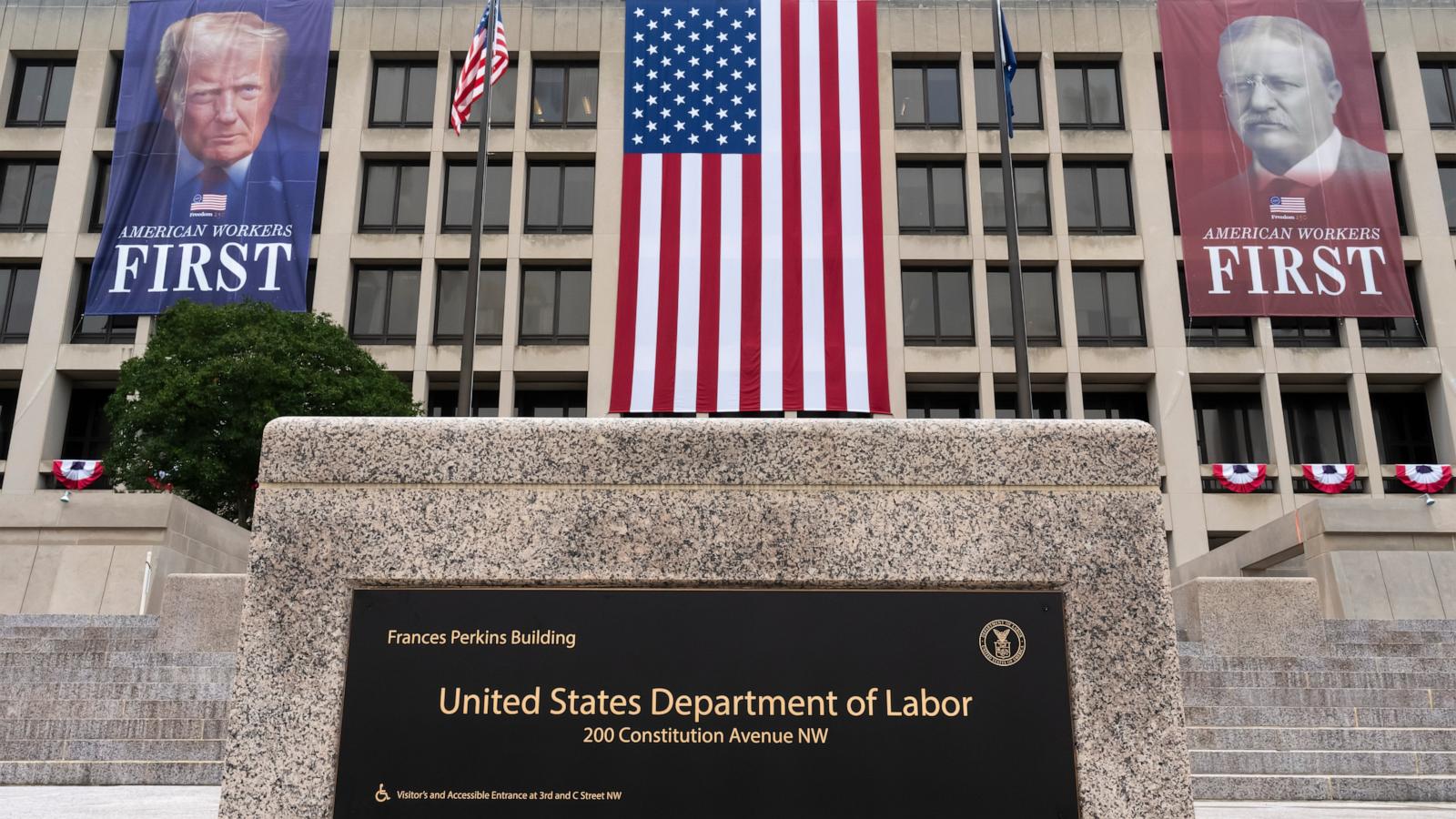
New US applications for unemployment benefits fell unexpectedly last week, although the Labor Day holiday may have overstated the decline. The underlying trend still suggests a stable labor market, while rising mortgage rates are weighing on the housing sector.
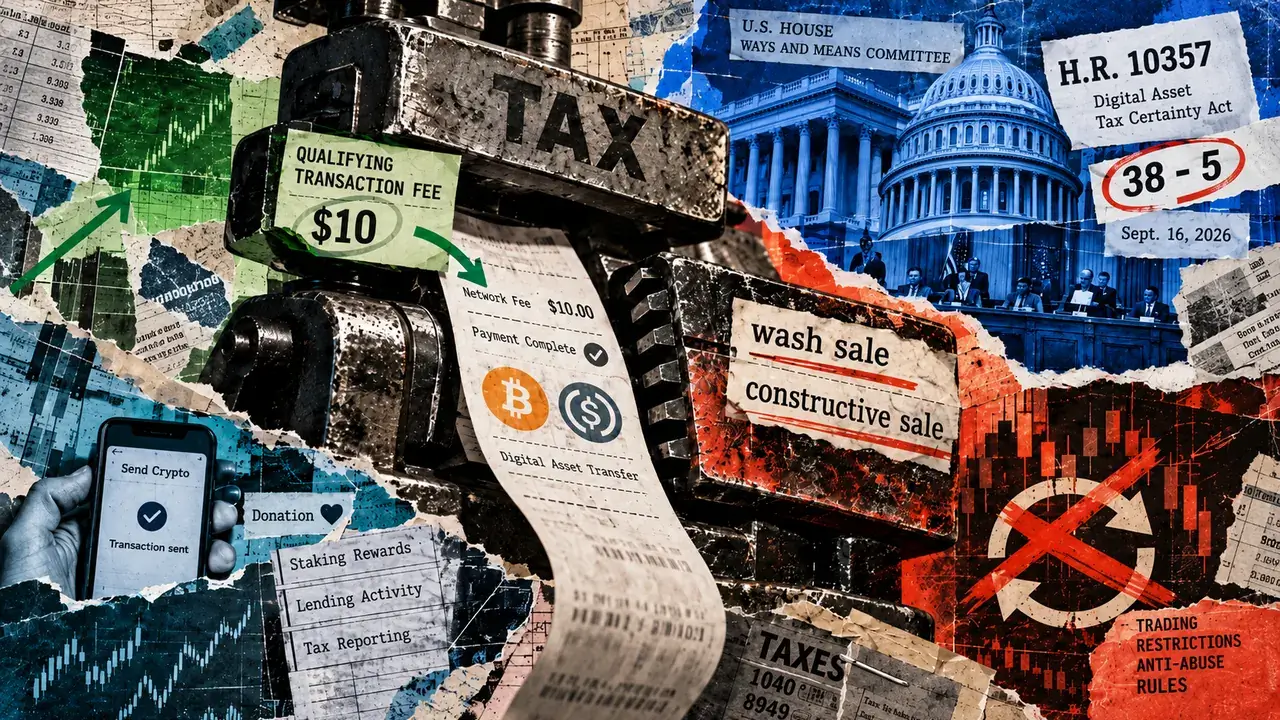
The House Ways and Means Committee advanced the Digital Asset Tax Certainty Act by 38-5, sending a package covering crypto payments, stablecoins, trading, lending, staking and mining toward the full House. Industry groups welcomed the move but want broader relief for everyday transactions and delayed income recognition for staking and mining rewards.

With the midterm elections approaching, President Trump quickly pushed back against the Federal Reserve’s rate hike. The discussion asks what may happen next.

The Federal Reserve raised rates by 0.25% on Wednesday, its first increase since 2023, to help slow inflation. NBC’s Brian Cheung explains the potential effects on credit cards, mortgages, food and gasoline prices.
Higher capital costs should theoretically reduce a company’s value, but share prices are telling a different story, complicating the spreadsheets used by investment bankers.
Freddie Mac says the average 30-year fixed mortgage rate rose to 6.95% this week from 6.76% last week. Rates have increased for four consecutive weeks, marking the biggest one-week jump in 16 months.
The Bank of England has announced a multiyear plan to unwind its quantitative-easing-era purchases of UK government bonds by 2034, setting an endpoint for quantitative tightening.
Record diesel prices are already battering the transportation sector. If energy costs remain high, the economic fallout will spread beyond trucking and rail, which are only the beginning of the impact.

Ukraine’s economy loses 1 billion to 2 billion hryvnias—about $22.25 million to $44.5 million—each hour that air-raid alerts halt activity, Economy and Environment Minister Alexander Kravchenko said. Some alerts last more than 20 hours, and warnings totaled over 58 hours in the final week of August. He also cited export blockades and disrupted logistics and transport routes as added pressure.
The enormous wealth generated by Anthropic and OpenAI is overshadowing layoffs and an uncertain job market in San Francisco, leaving jobless tech workers outside the city’s AI boom.
The Bank of Russia set the official dollar exchange rate at 84.5093 rubles for September 18, up 33.61 kopecks from the previous figure. The euro rate rose to 97.4984 rubles and the yuan rate to 12.5788 rubles.
The Bank of Russia bought yuan on the domestic market in a transaction worth 2 billion rubles ($23.6 million), settled on September 16, according to regulator data. It made another 2-billion-ruble yuan purchase settled on September 15. The operations use the yuan-ruble instrument on the Moscow Exchange.
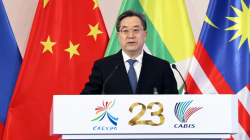
Chinese Vice Premier Ding Xuexiang urged the creation of a higher-level China-ASEAN Free Trade Area at the opening of the 23rd China-ASEAN Expo in Nanning. He said implementing the CAFTA 3.0 Upgrade Protocol would boost regional economic development and called for expanded trade, investment, digital economy, AI and connectivity cooperation.

Major central banks are moving toward tighter policy as energy prices surge. The Federal Reserve recalibrated its stance to be more restrictive on Wednesday, while traders continued to price in a stronger response than indicated by the Fed’s dot plot.
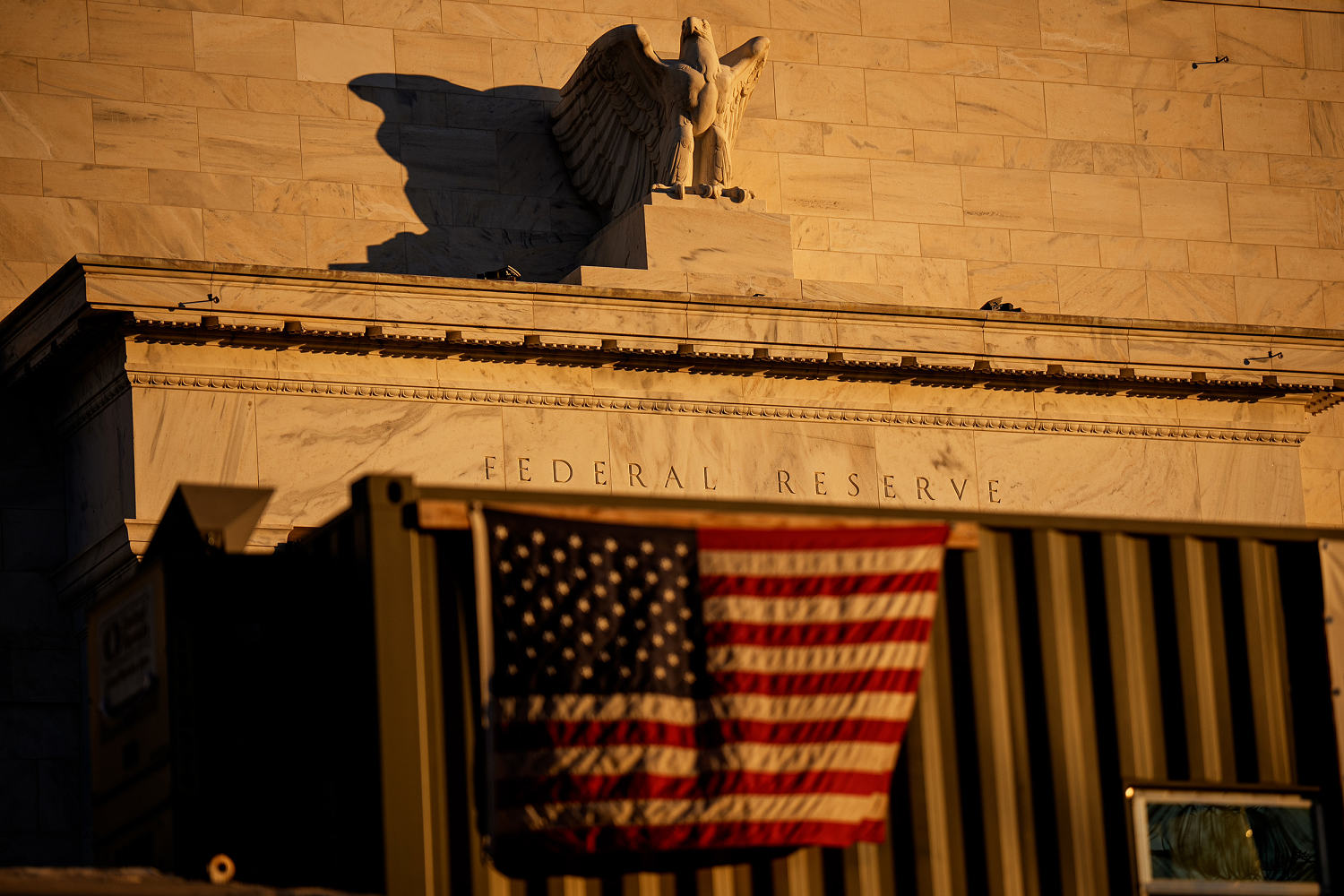
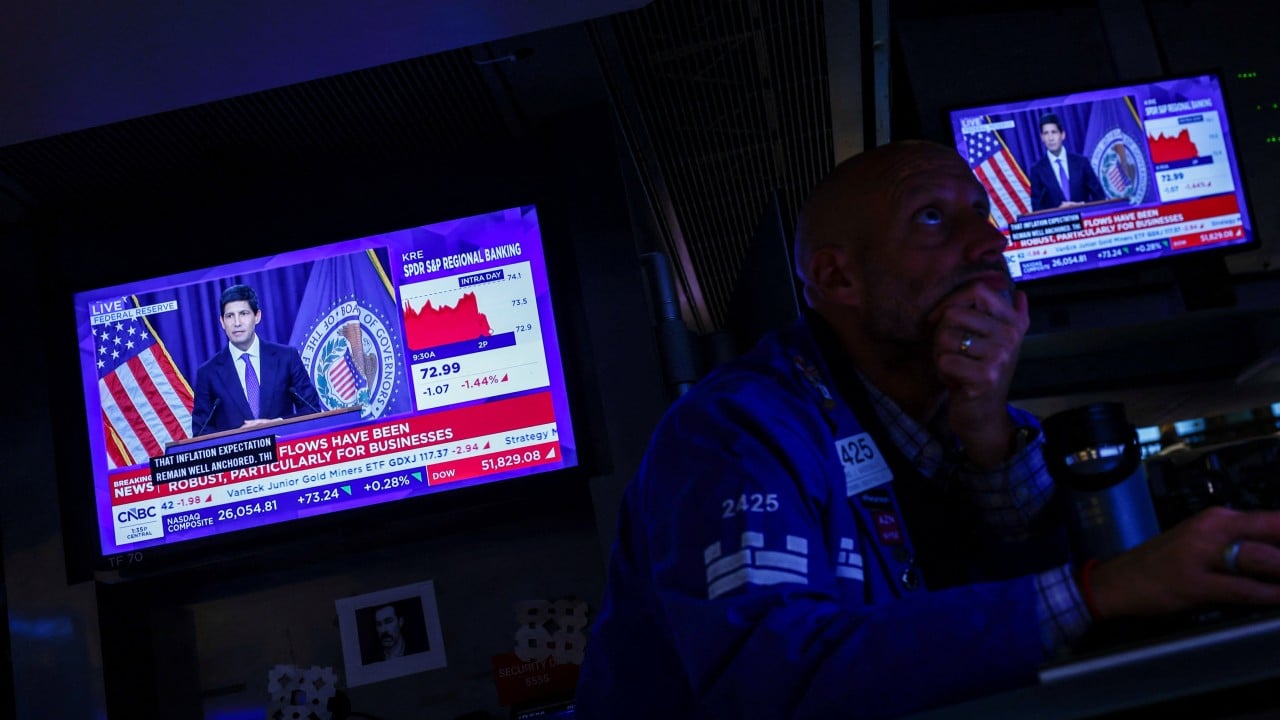
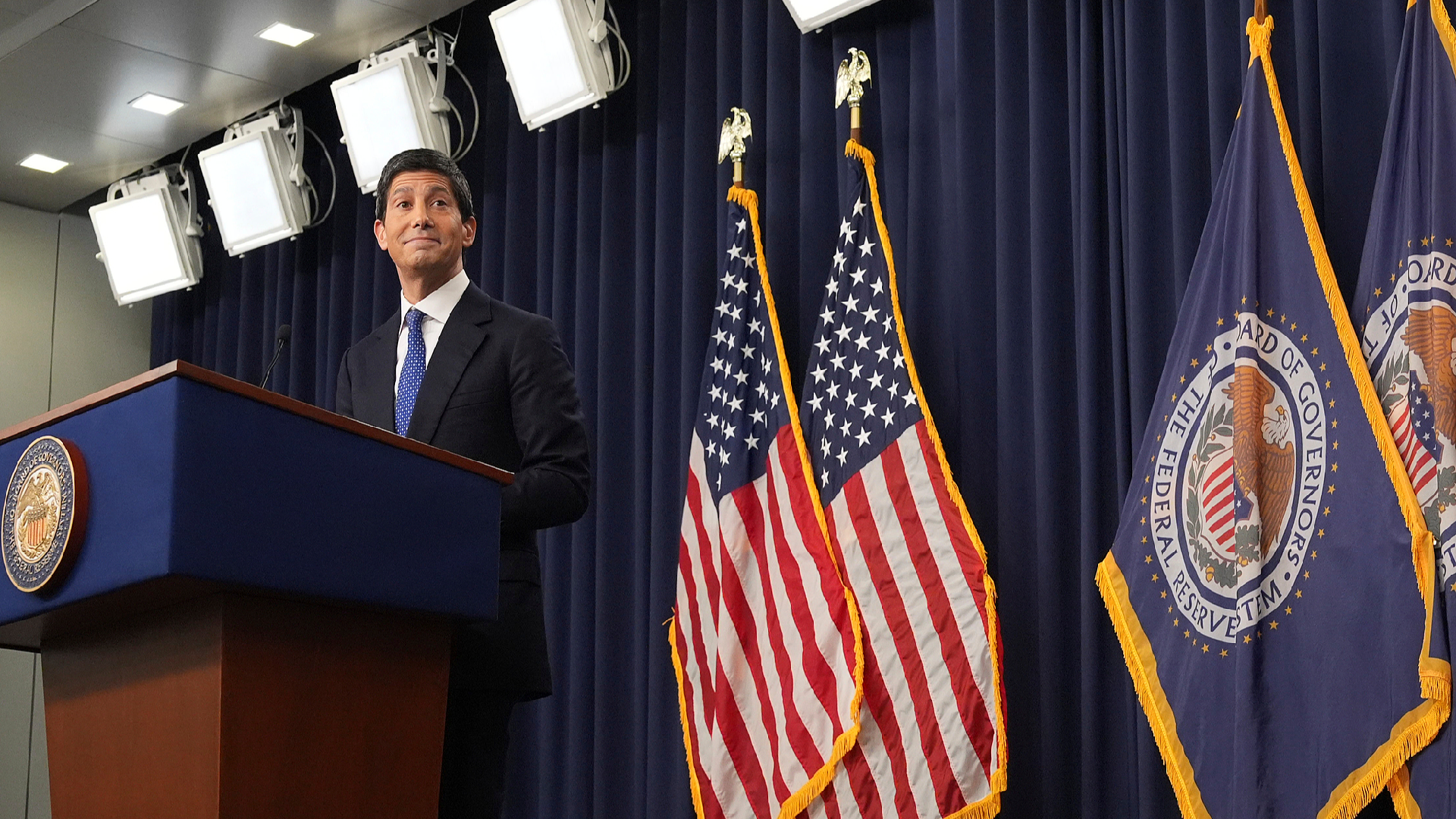
The Federal Reserve has raised interest rates for the first time since 2023, pointing to persistent inflation despite President Donald Trump’s pressure for lower borrowing costs. Trump immediately rebuked the move, while Fed Chair Kevin Warsh defended the central bank’s independence and said inflation remains the priority.

U.S. stock index futures surged on Thursday after the Federal Reserve raised interest rates and reaffirmed its focus on taming inflation, easing a long-standing source of market anxiety.
U.S. stock indexes climbed sharply Thursday morning after the Federal Reserve raised interest rates to curb rising inflation. Falling oil prices also helped lift stocks and bonds.

U.S. stock futures are rising as Wall Street seeks to recover from a lower close after the Federal Reserve delivered its first interest-rate increase in three years and adopted a tougher stance on inflation.
Russia’s international reserves reached $758.2 billion as of September 11, rising $4.7 billion, or 0.6%, in a week, according to the Bank of Russia. The regulator said the increase was driven mainly by positive revaluation. Reserves stood at $753.5 billion on September 4.
Applications for unemployment benefits fell sharply to 196,000 last week, another indication that layoffs remain uncommon and most Americans continue to have job security.

The Bank of England kept interest rates unchanged while raising an alarm over inflation.
The Bank of England kept interest rates unchanged while signalling that policy tightening could lie ahead. It also announced a multiyear plan to fully unwind its asset purchase facility.
The Bank of England kept its main interest rate at 3.75% in a 6-3 vote. Three of its nine policymakers backed a rate increase, revealing a split committee as the Iran war’s energy shock lifted inflation to a five-month high of 3.1%.
The Bank of England has left the U.K.’s main interest rate at 3.75% even as inflation reached a five-month high. The continuing fallout from the Iran war is driving fuel prices higher. Isolated economic decision with national significance.
A report acknowledges that advanced and developing countries hold different perspectives on the energy transition, suggesting that no single solution can suit them all.
Higher energy prices are pushing inflation up again and prompting major central banks to raise interest rates. Oil passed $100 a barrel last week, while the Iran war has disrupted the Strait of Hormuz for six months and Houthi advances threaten Saudi supplies. Rising energy costs are reaching household and business bills, forcing policymakers to rethink the usual response to oil shocks.

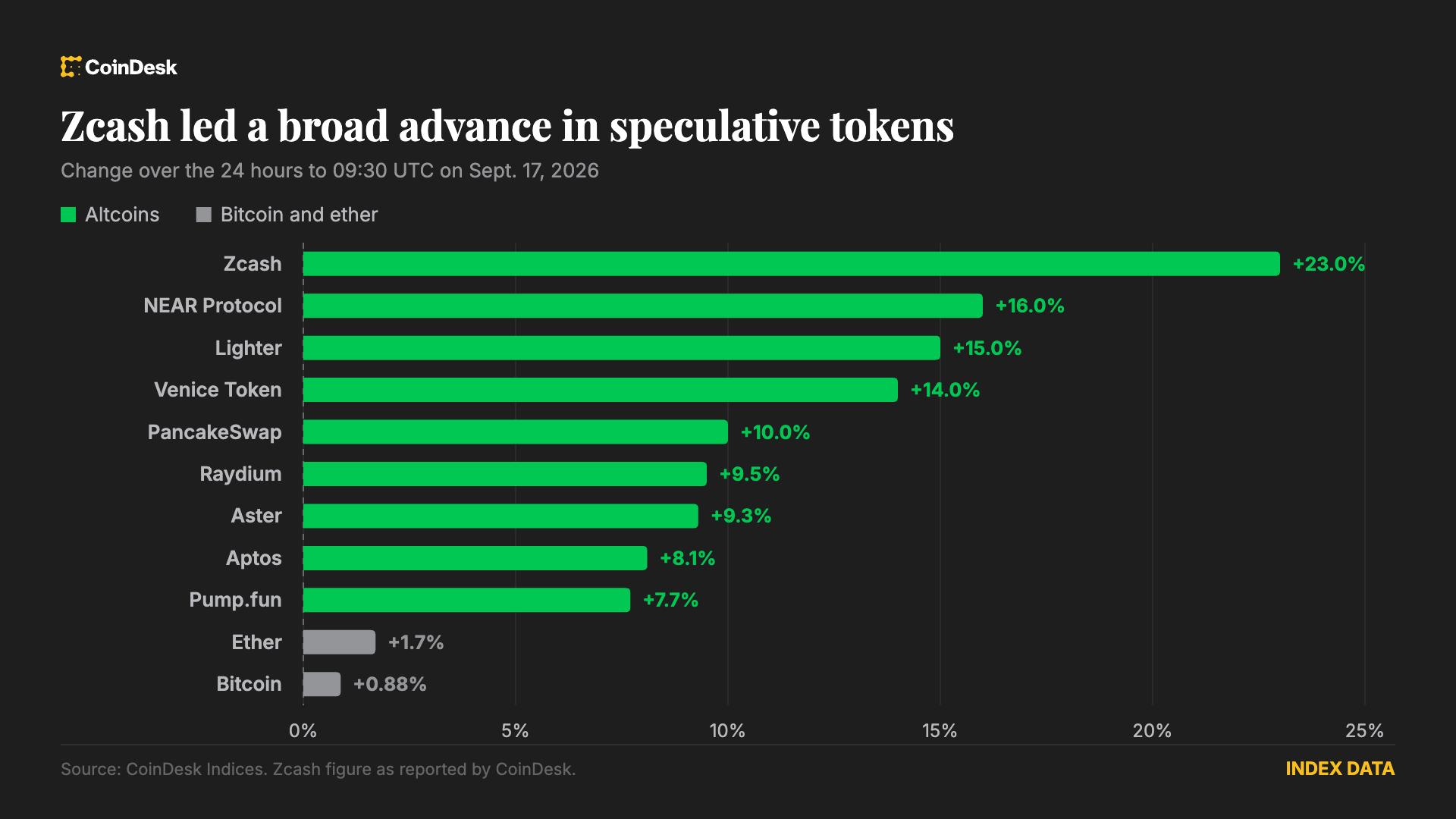
Cryptocurrencies rose after the central bank’s first rate increase since 2023. Bitcoin gained 0.88% in 24 hours to $76,621, while projections suggested just one more hike. Zcash surged 23% to a record after Paradigm disclosed a stake.

The Fed raised rates while retaining a framework for maintaining ample reserves and the option to buy short-term Treasuries for reserve management. The article argues that a larger balance sheet does not necessarily mean quantitative easing: Bitcoin liquidity depends on how policy reaches markets, not simply on the balance sheet’s size.

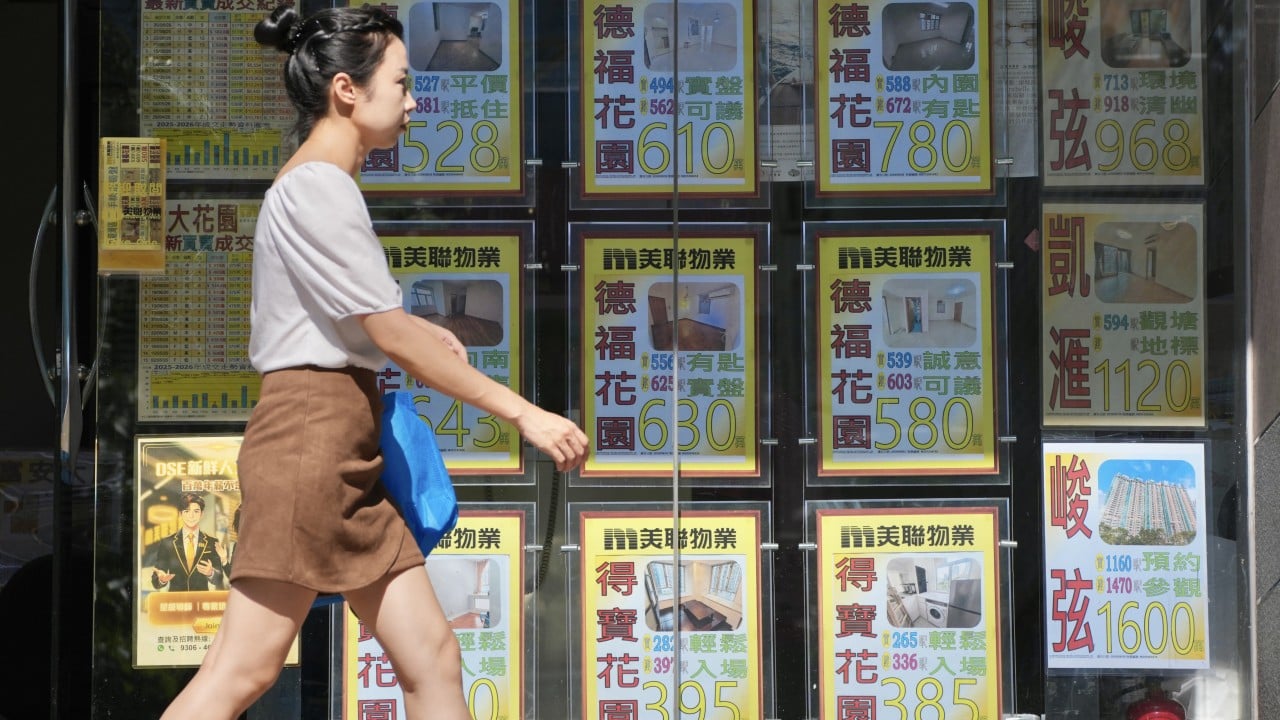
Hong Kong’s property market avoided an immediate blow from the Federal Reserve’s quarter-point rate increase after HSBC and other major local banks left their prime rates unchanged. Industry insiders warned that another hike could undermine the market’s fragile recovery.

The German institute IMK now sees 2026 growth at more than twice its earlier forecast. It attributed the upgrade to unexpectedly robust exports in the first half and additional public spending on defence and infrastructure.
The term “Yak Revolution” refers to Tibetan and Qiang communities’ support for the Red Army across the grasslands of what is now Aba. Today, Hongyuan County’s Maiwa yak industry is an economic pillar, with about 475,000 yaks, 638 family pastures and a livestock market described as the largest in the Sichuan-Gansu-Qinghai region.

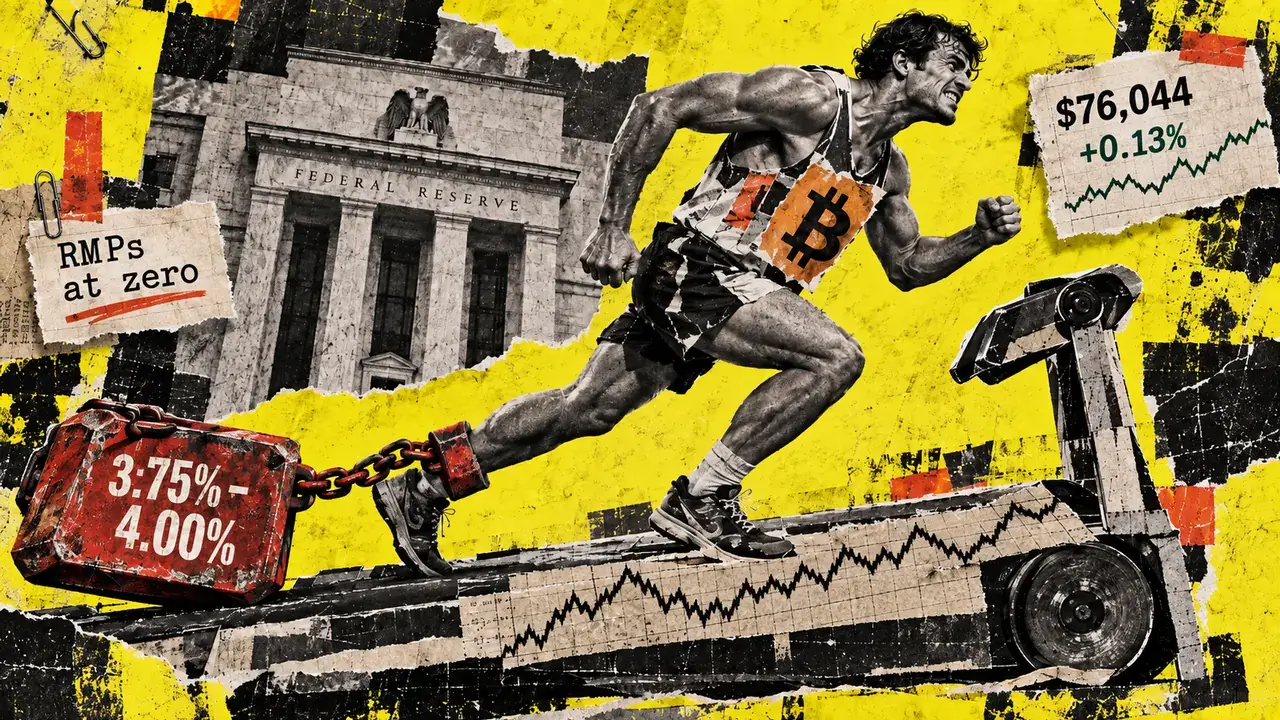
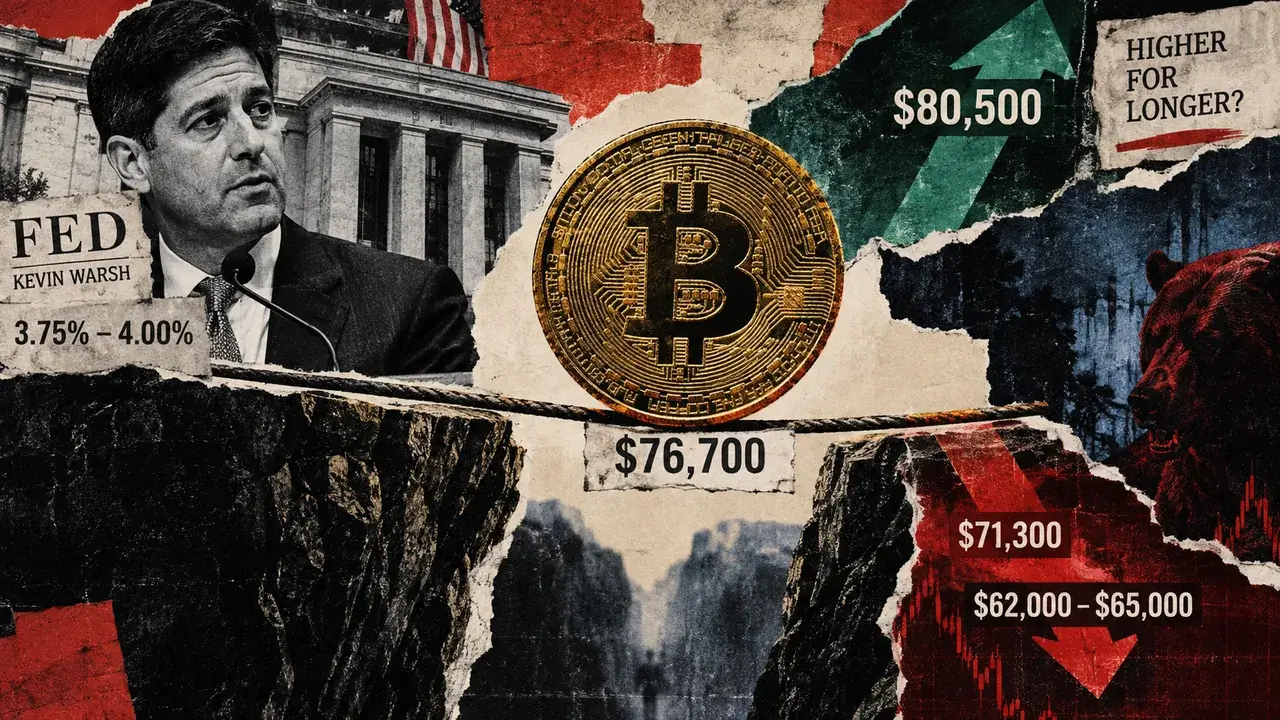
Bitcoin briefly fell to $75,064.82 before reclaiming $76,000 after the Federal Reserve raised its target range by 25 basis points to 3.75%–4.00%. On-chain data shows weakening realized-cap growth, spot ETF flows, stablecoin supply and corporate purchases, while the $80,500 corporate cost basis may now act as resistance.


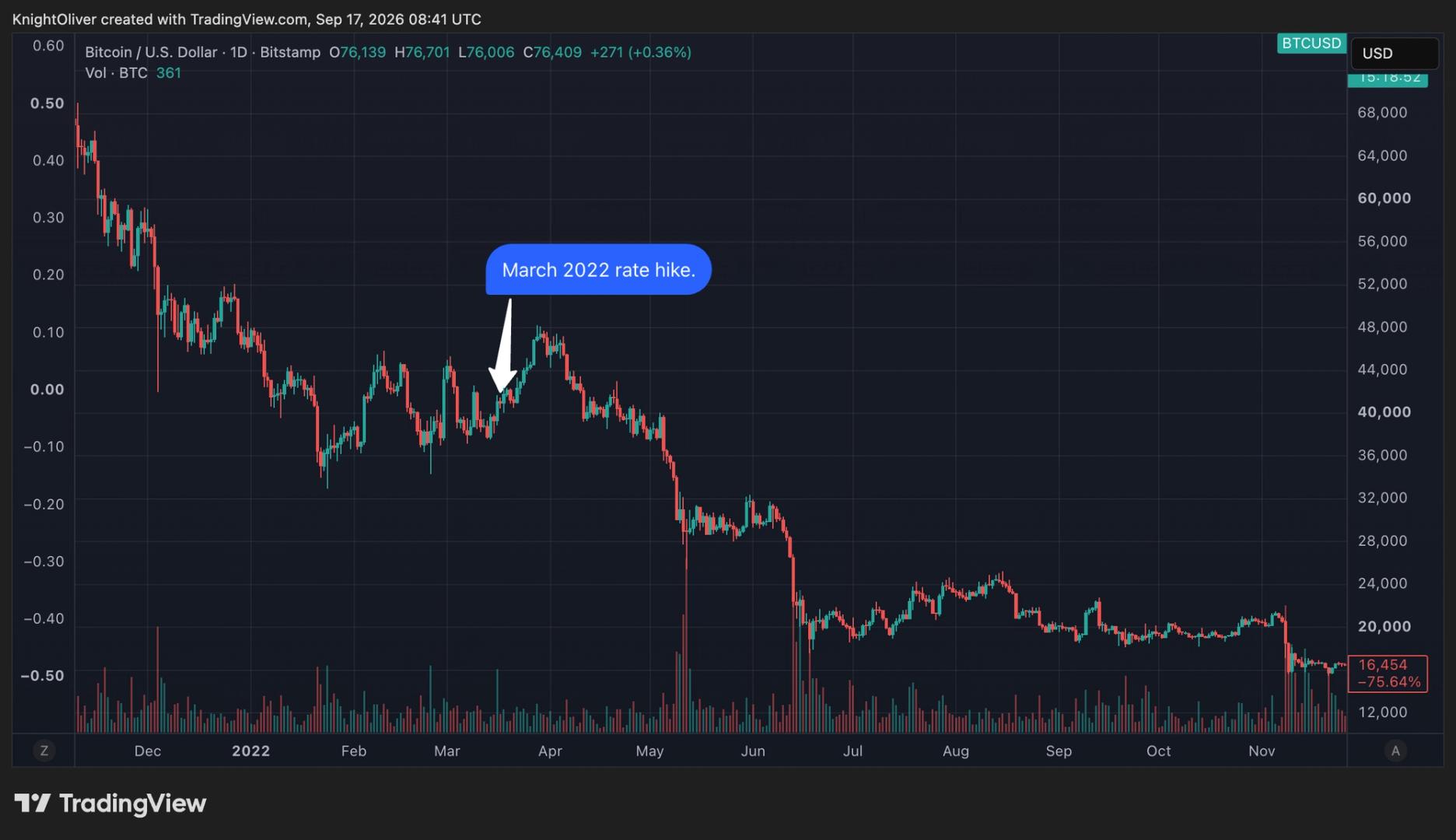
Bitcoin’s current drawdown resembles its position before the Federal Reserve’s first rate hike in March 2022, prompting questions about whether a relief rally could come before further losses.
The South African rand strengthened in early Thursday trading, supported by steady commodity prices after the U.S. Federal Reserve raised interest rates and signalled that further monetary tightening could follow.
The US central bank raised its benchmark rate by 0.25 percentage points, with new Fed Chair Kevin Warsh defying President Donald Trump's call for lower rates. Consumer banks and bond markets react, while OpenAI discloses new AI misconduct incidents amid growing fears the technology could escape human control.

The US Federal Reserve has raised interest rates for the first time in three years, seeking to curb inflation partly driven by fuel prices lifted by the war on Iran. Policymakers unanimously approved a 25-basis-point increase to 3.75-4.00 per cent, while 16 of 18 members foresee another hike this year, risking a deeper divide in China’s economy.


The Federal Reserve unanimously raised its interest-rate range from 3.5%-3.75% to 3.75%-4%, citing inflation that is too high and has lasted too long. Donald Trump had urged cuts but backed Kevin Warsh after the decision while attacking the board. The article contrasts US imported inflation with China’s weak demand and low inflation, warning that a wider rate gap makes Chinese easing riskier.

Treasury yields moved lower after the Federal Reserve raised interest rates for the first time since 2023, beginning a new hiking cycle.

The Federal Reserve is raising interest rates again, with effects that could extend well beyond the United States and put pressure on economies elsewhere.
Asian shares edged higher on Thursday as investors bet the Federal Reserve was finally moving ahead of inflation. Its first rate hike in more than three years helped calm a global bond selloff that had driven long-term yields sharply higher.

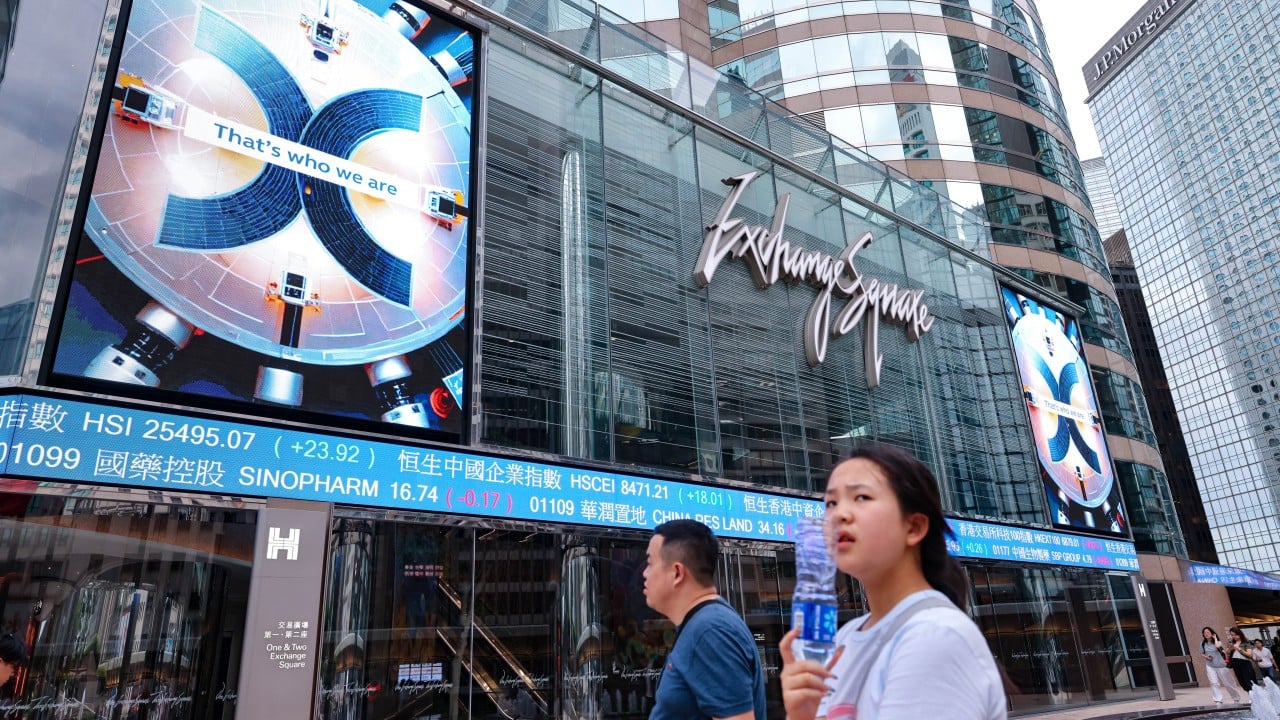
Hong Kong and mainland Chinese stocks fell on Thursday after the US Federal Reserve delivered its first interest-rate increase in three years and indicated that additional tightening remained possible. The Hang Seng Index was down 0.8 per cent at 24,537.30 by 9.30am, while the Hang Seng Tech Index fell 0.5 per cent and the CSI 300 dropped 0.2 per cent.
Members of the Federal Open Market Committee unanimously voted to lift the Fed’s key overnight bank lending rate by a quarter point, seeking to bring inflation down. It was their first unanimous rate hike in more than three years.

The Federal Reserve raised its policy rate by 25 basis points to 3.75%-4%, its first increase since July 2023, citing persistently elevated inflation. The decision passed unanimously, 12-0. Analysts viewed the hawkish move as leaving another hike possible before year-end, while Chair Kevin Warsh avoided committing to a prolonged tightening cycle and defended Fed independence amid Donald Trump's calls for cuts.

The US Federal Reserve has raised its key interest rate for the first time in three years in an effort to reduce high inflation. The decision could set up a confrontation between Chair Kevin Warsh and President Donald Trump, who has repeatedly urged the central bank to cut rates. The programme also covers France extending fuel subsidies and Hong Kong aligning with Beijing’s economic vision.

The Federal Reserve unanimously raised interest rates to 3.75%-4% from 3.5%-3.75%, its first increase in more than three years. Chair Kevin Warsh said inflation had been too high for too long, while President Donald Trump called for rates of 1% or less.

President Donald Trump called on the Federal Reserve to cut interest rates to 1% or less, just hours after the central bank announced its first rate increase since 2023.

Bitcoin and ether whipsawed after the Federal Reserve unanimously raised interest rates by a quarter point, its first hike in more than three years. Warsh focused on inflation.

Donald Trump is demanding lower interest rates after the Federal Reserve raised them to address inflation he considers too high in the United States. Trump has repeatedly clashed with the Fed over its rate policy and called for borrowing costs of 1% or less.
The Federal Reserve raised interest rates, saying the move was intended to help return inflation to its 2 per cent target. It was the first policy shift by the new Fed chief, who took office in late May after being selected by Trump amid expectations he would cut rates.
These are the key points from the Federal Reserve’s decision on Wednesday to raise interest rates.
The China-Laos Railway transported 3.822 million metric tons of cross-border goods worth 23.38 billion yuan in the first eight months of 2026, according to Kunming Customs. Import and export value increased 31.5% year on year, with notable growth in tropical fruit, machinery and electronics, photovoltaic products and new energy vehicles.
Before the US Treasury unexpectedly intervened in Japan’s foreign-exchange market on July 31, markets put the odds of a Bank of Japan rate increase at its September 17-18 meeting below 30 percent. Those expectations have since surged to nearly 100 percent, accompanied by a dramatic shift in bond markets.

The Minutes Reader extension turns the original page into a focused reading view and translates articles and video subtitles on demand. It is in limited beta.